Build a Quiet Foundation for the Layers
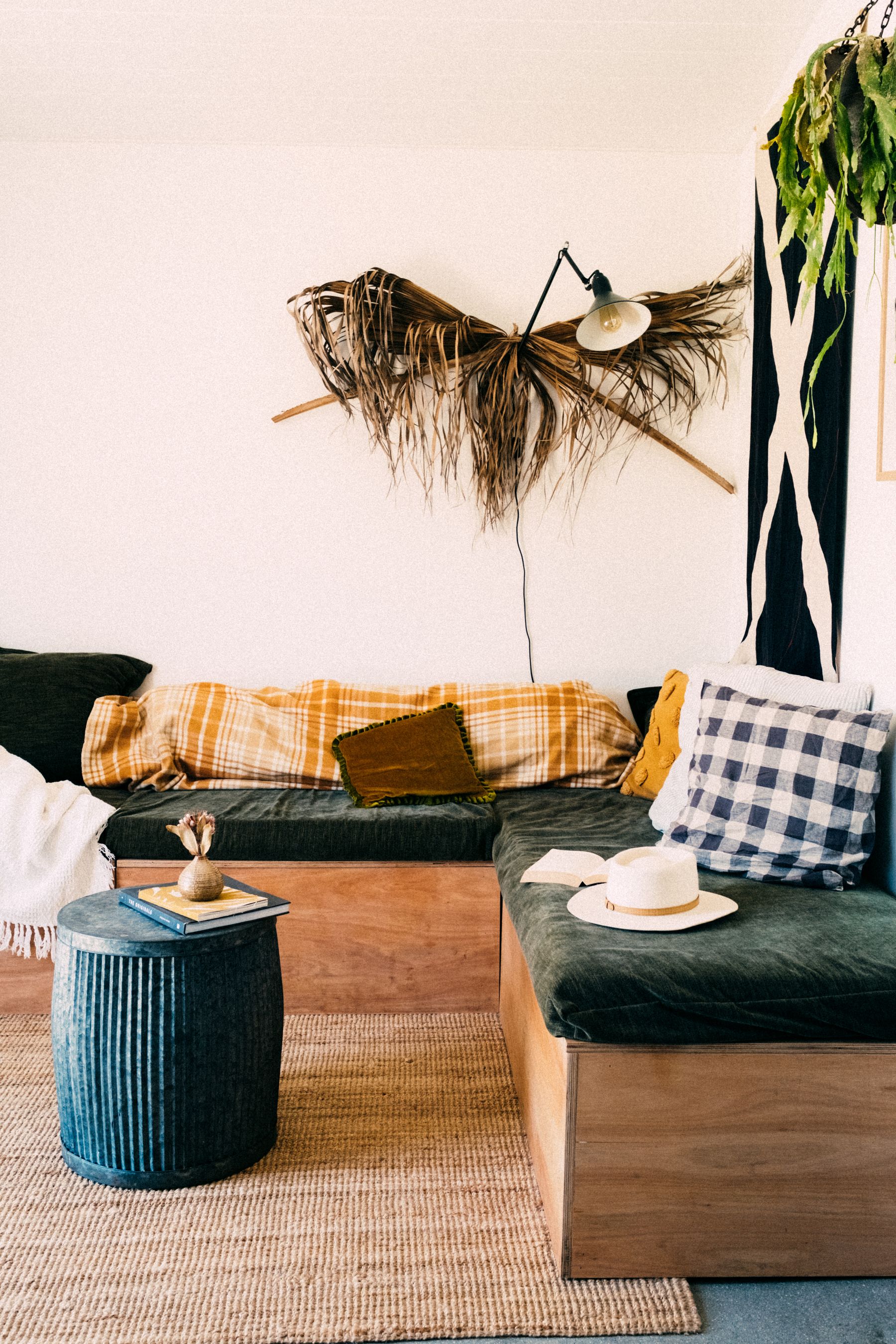
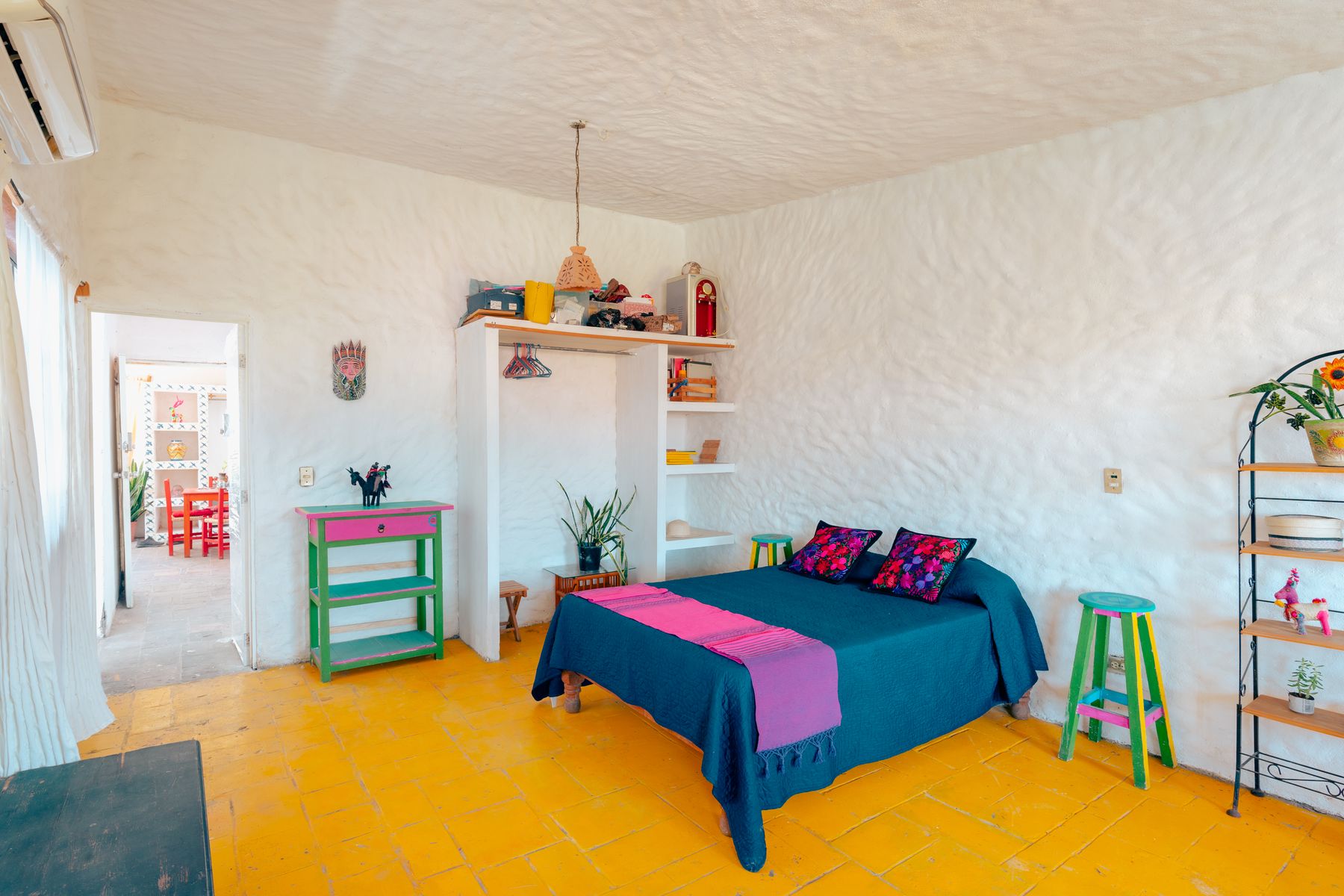
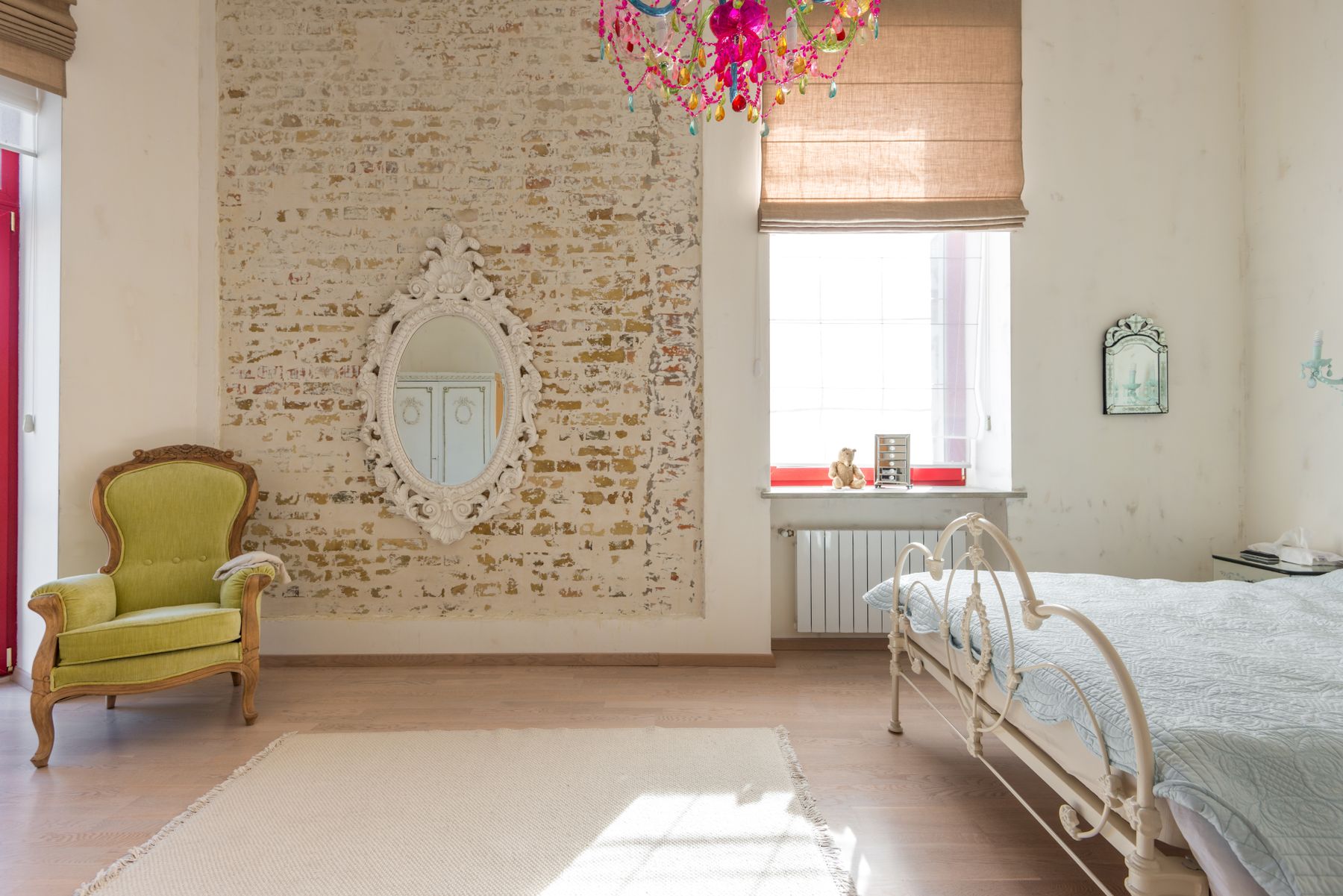
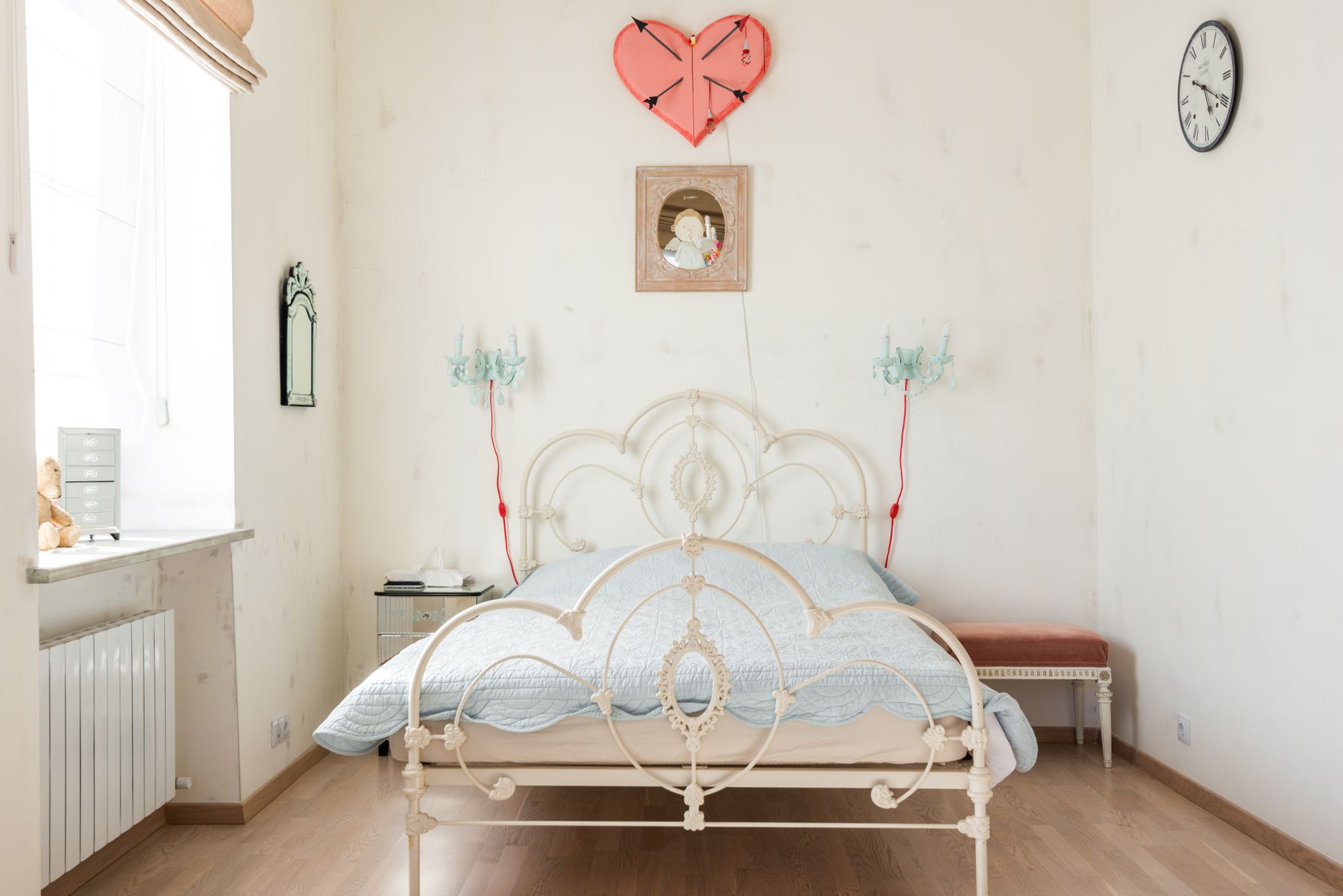
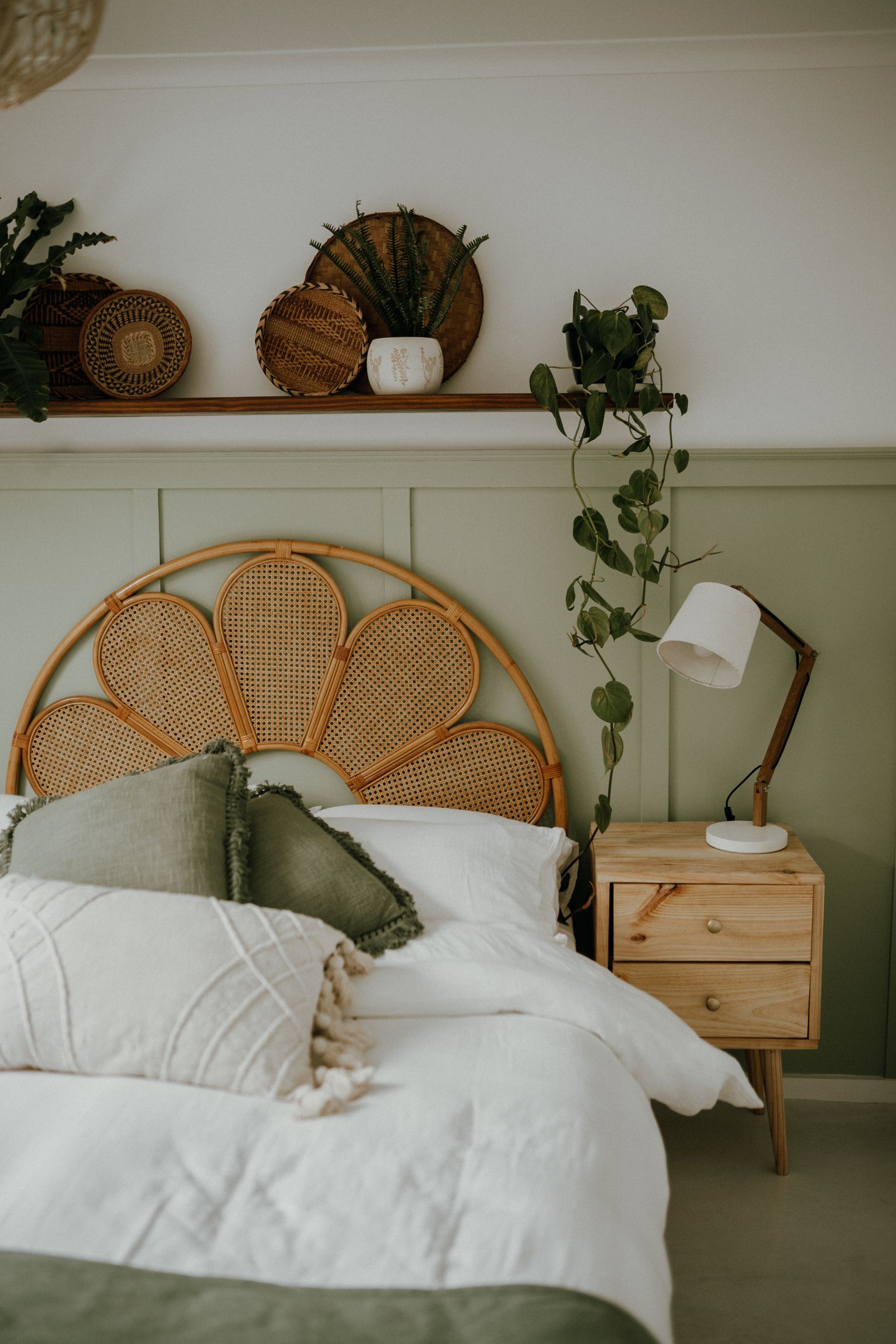
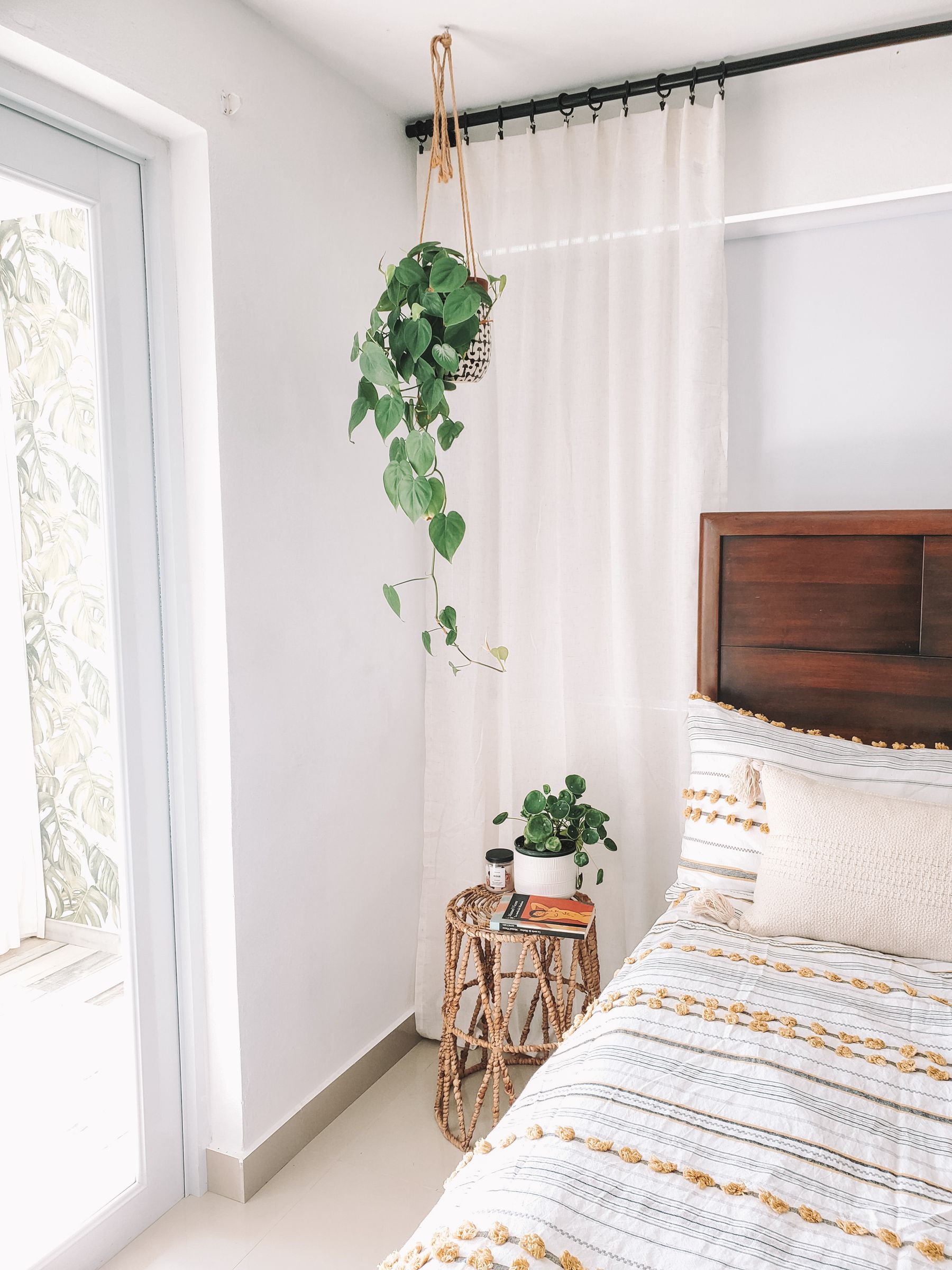
Begin with the decisions that must remain calm: wall field, main floor, bed position and the largest storage piece. Warm white, sand, clay or a softened color can support many layers without dictating them. A quiet foundation does not mean an all-beige room; it means that the expressive elements have clear boundaries. Complete the fixed surfaces before buying baskets, art or cushions, then photograph the room in daylight and lamplight to see where it genuinely needs more energy.
Choose a Color Thread, Not a Theme
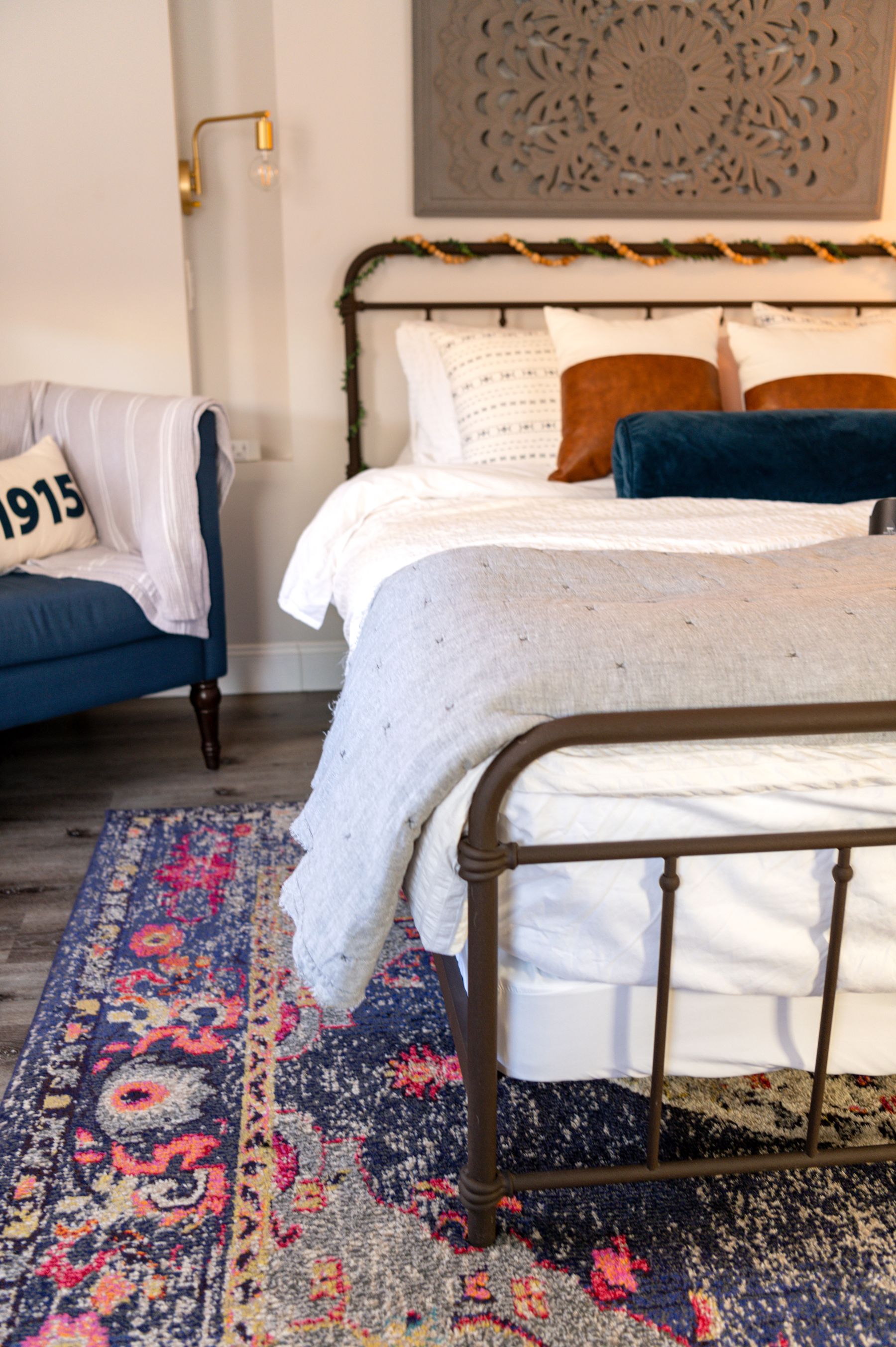
Pick one anchor family—terracotta and rust, indigo and tobacco, olive and ochre, or berry and clay—then repeat it at different scales. The bedding may carry the strongest version while a rug, book spine or lamp provides smaller echoes. Leave some materials in their natural color so the room can breathe. This method allows vintage finds to join the scheme without exact matching and makes future edits easier than a rigid motif built around one fashionable print.
The Bed Commands the Floor Plan
Before styling, confirm that the mattress size, door swing, wardrobe opening and routes around the bed work together. The most decorative arrangement still fails if one sleeper must climb over the other or a basket blocks a drawer. Mark the proposed furniture with tape and walk the nighttime route in low light. An off-center bed can be right in a small room, but the asymmetry should solve access or storage rather than merely look casual.
Bedding Layers by Climate and Use
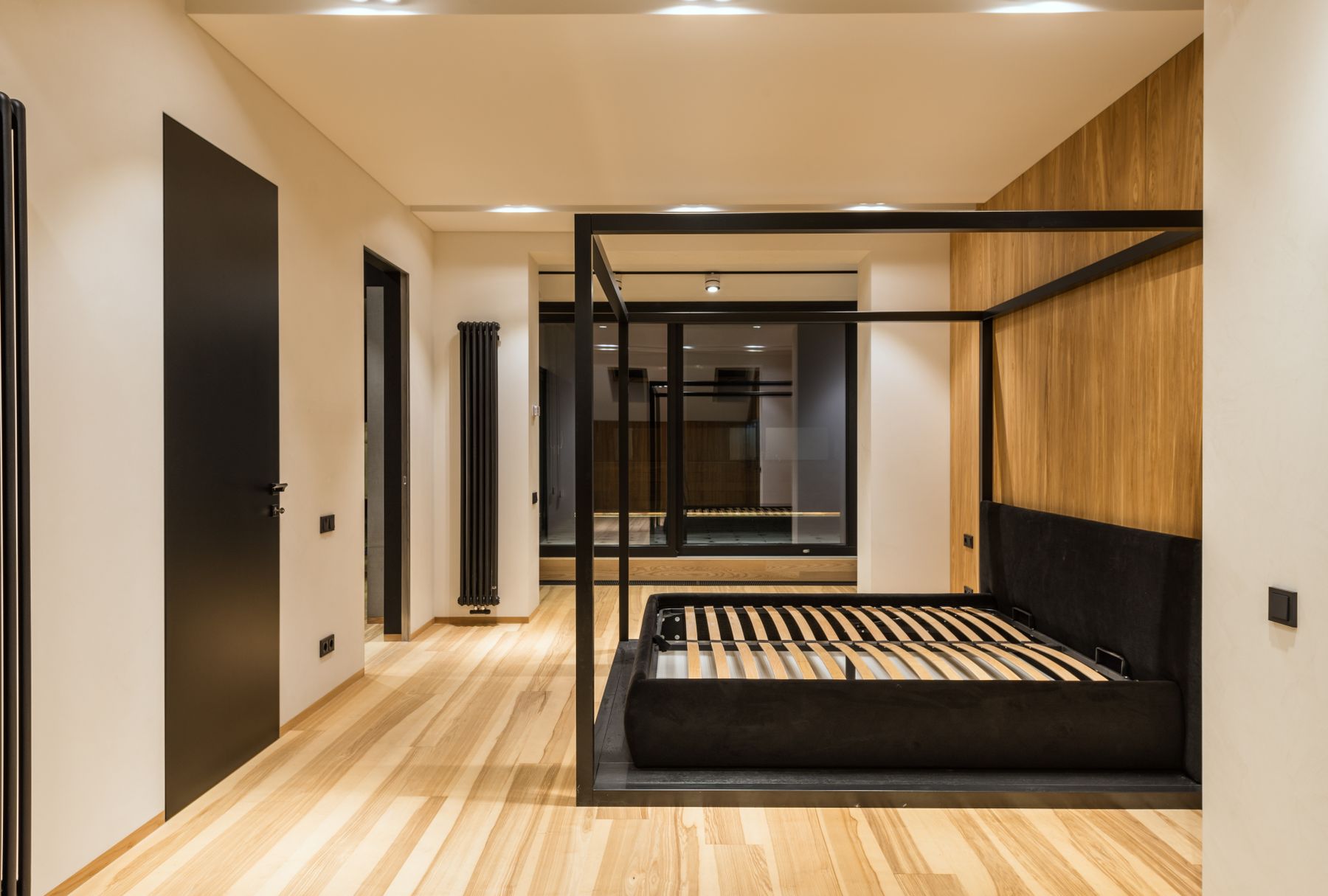
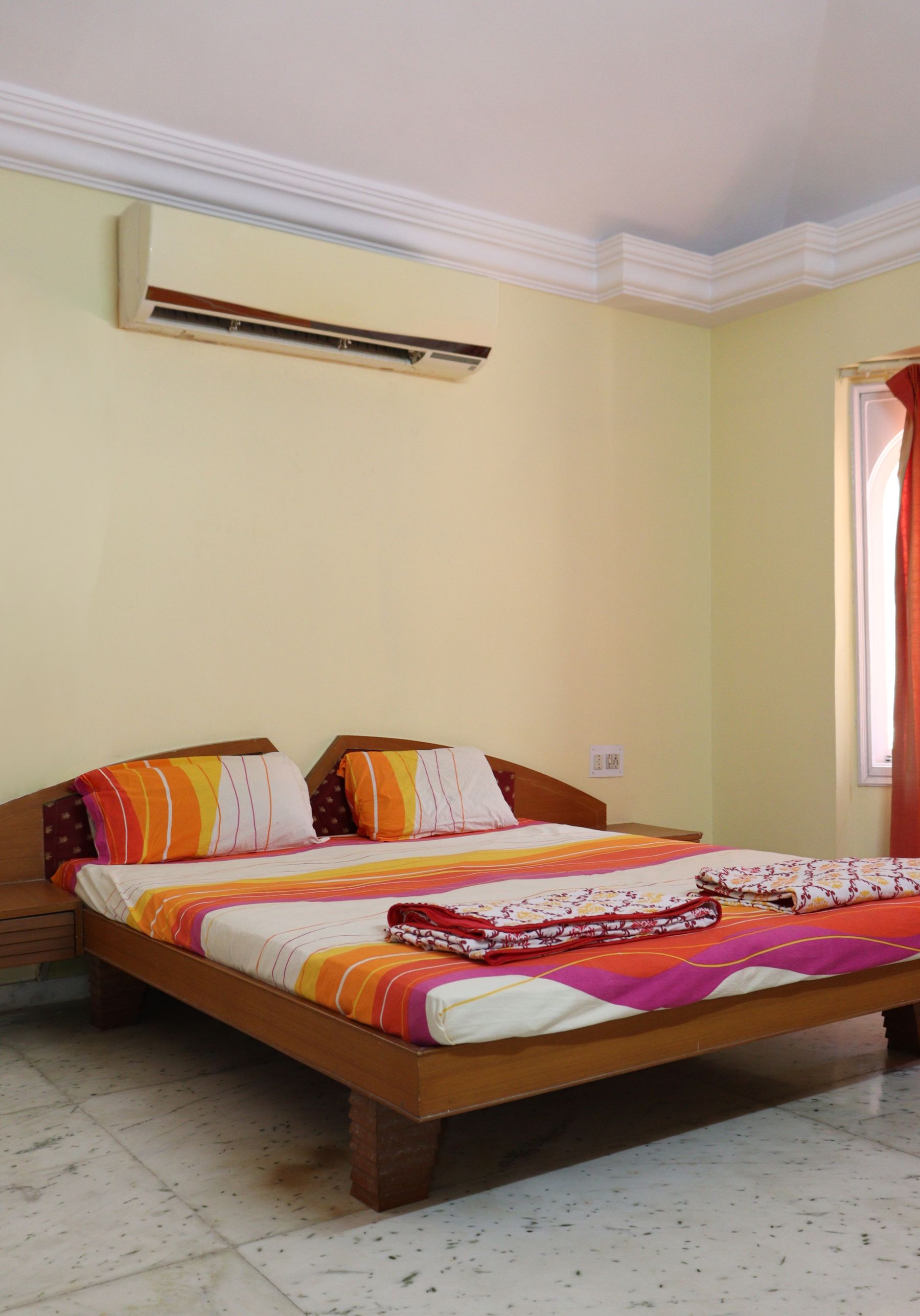
Use the fitted layer, duvet or blanket, pillows and one finishing textile to control temperature rather than chase a staged cushion count. Cotton, linen and wool bring useful texture, but fiber, fill and weight should suit allergies, laundering and local climate. Mix a stripe, small motif and solid only when they share color temperature. Store off-season layers in a breathable place instead of piling them permanently at the foot of the bed.
Mix Pattern Through Scale
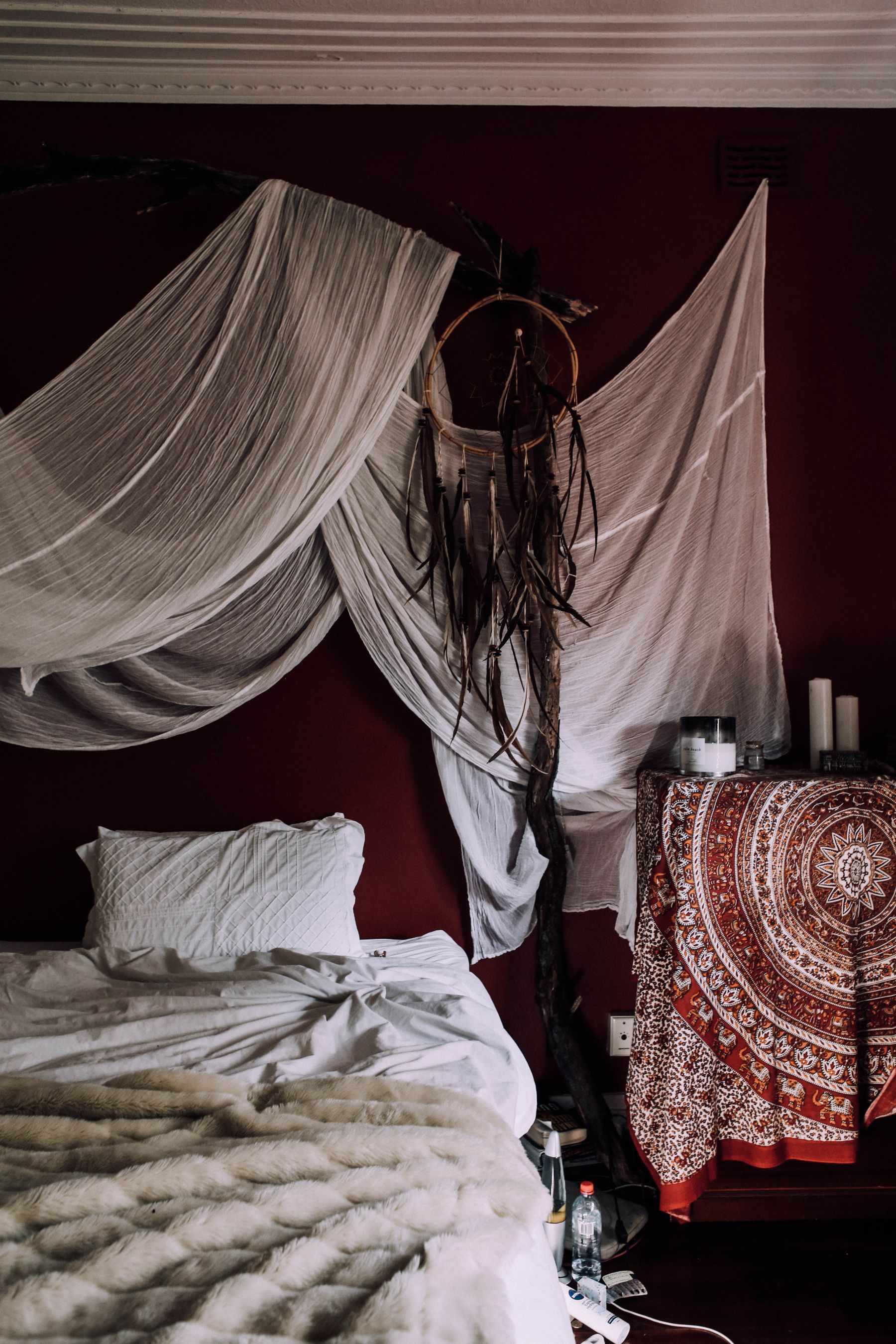
Pair one dominant pattern with a quieter geometric, stripe or texture rather than giving every surface equal movement. View the composition from the doorway because close inspection hides how quickly small motifs merge into visual noise. Pattern can live on bedding, a rug or curtain, but it rarely needs full strength on all three. If a vintage textile is fragile or difficult to wash, display it away from skin and direct sun rather than using it as daily bedding.
Use One Handcrafted Wall Moment
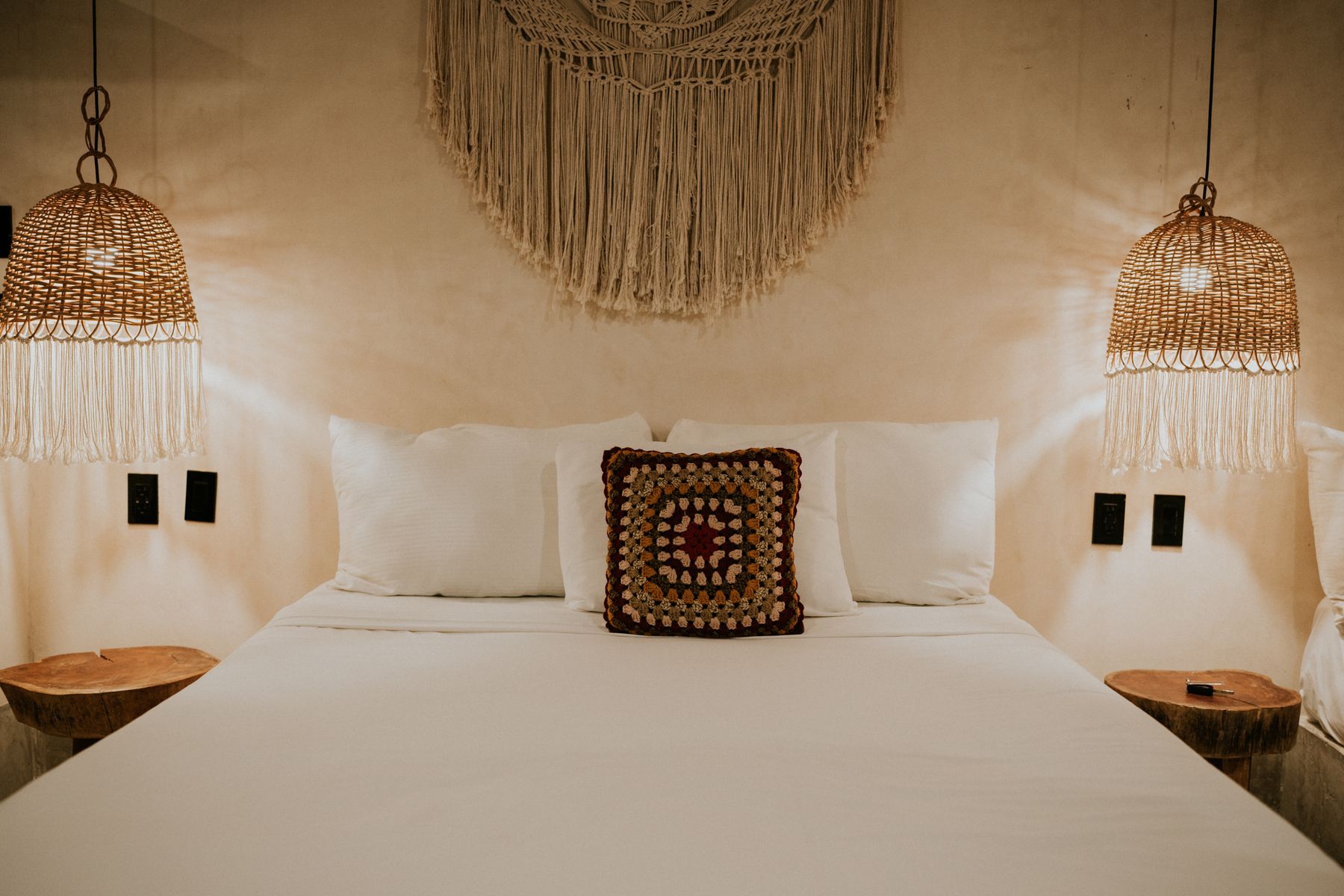
A textile, carved panel, basket composition or handmade artwork can establish the room's craft language above a dresser or beside the bed. Over the headboard, keep weight, fixings and local seismic or building conditions in mind; soft art is not automatically safe if its rail is unstable. Avoid culturally specific ceremonial objects used without understanding. One meaningful large piece generally has more presence and less dust than a grid of small generic decorations.
Vintage Furniture Supplies the History
Choose one or two older pieces for function: a dresser, wood chair, trunk or bedside cabinet with sound structure and usable proportions. Inspect drawers, odors, pests, finish transfer and repairs before bringing the object into a sleep space. Mixed woods are welcome when their undertones relate or a textile bridges them. The [vintage bedroom guide](/bedroom/vintage-bedroom-ideas/) covers deeper sourcing and conservation questions; here the goal is history without turning the room into a period set.
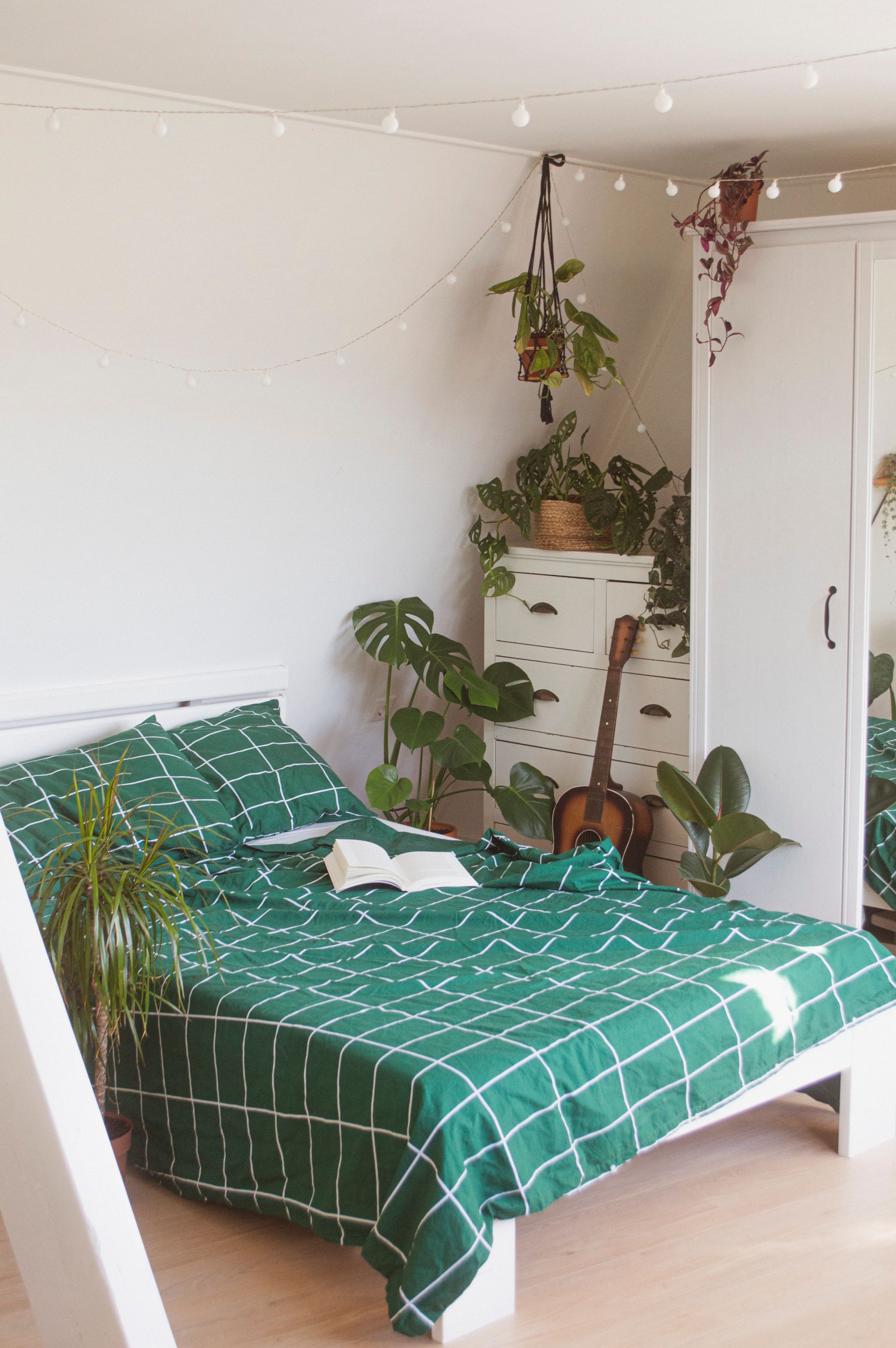
Group Plants Where They Can Thrive
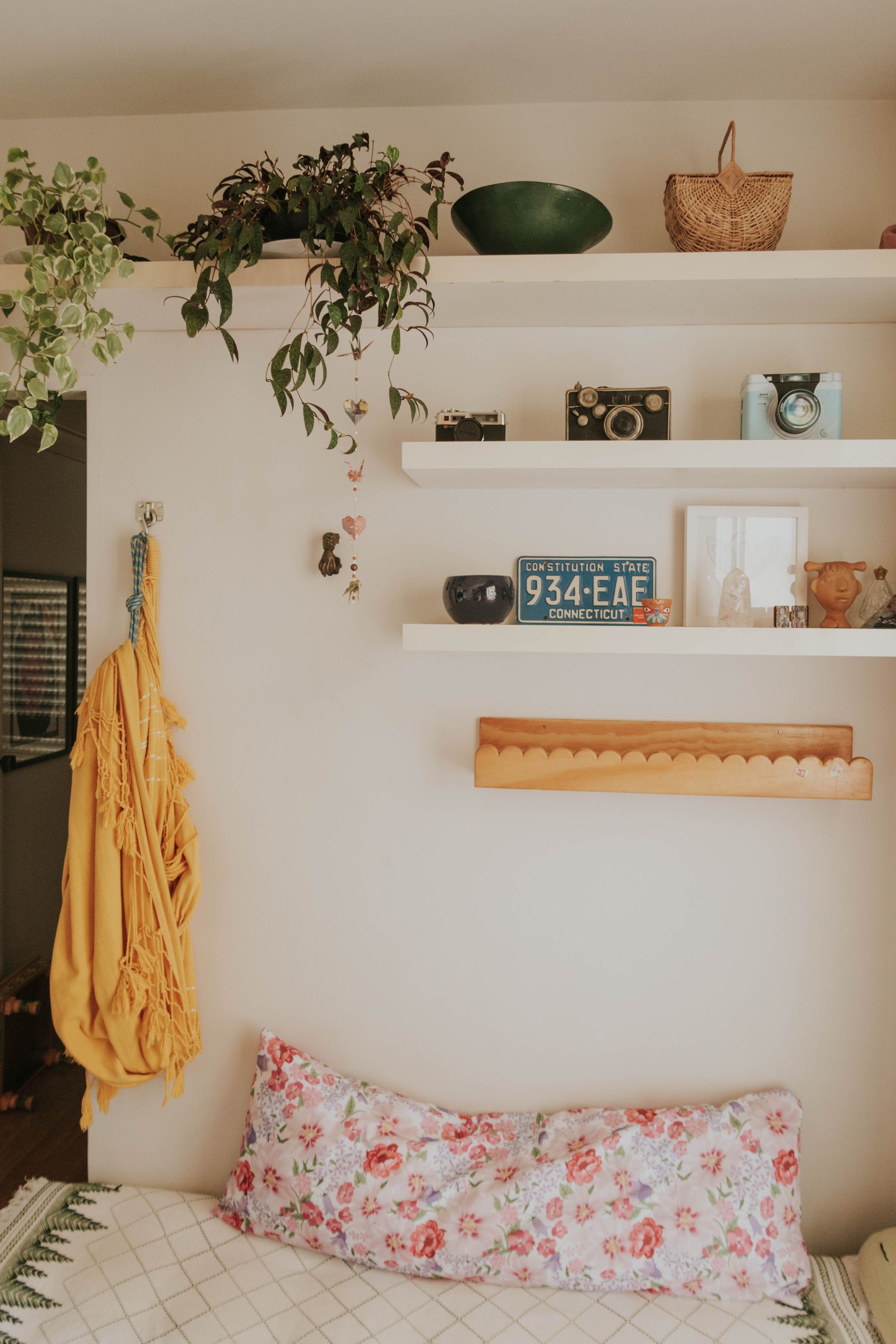
Place plants according to window exposure, temperature and the time available for care, not as filler for every empty corner. A grouped composition near useful daylight is easier to water, inspect and clean than scattered pots above the pillow and wardrobe. Protect floors and furniture from drainage, keep leaves out of walking routes, and check pet or child toxicity. If the room is too dark, botanical color and cut foliage are more honest than struggling permanent plants.
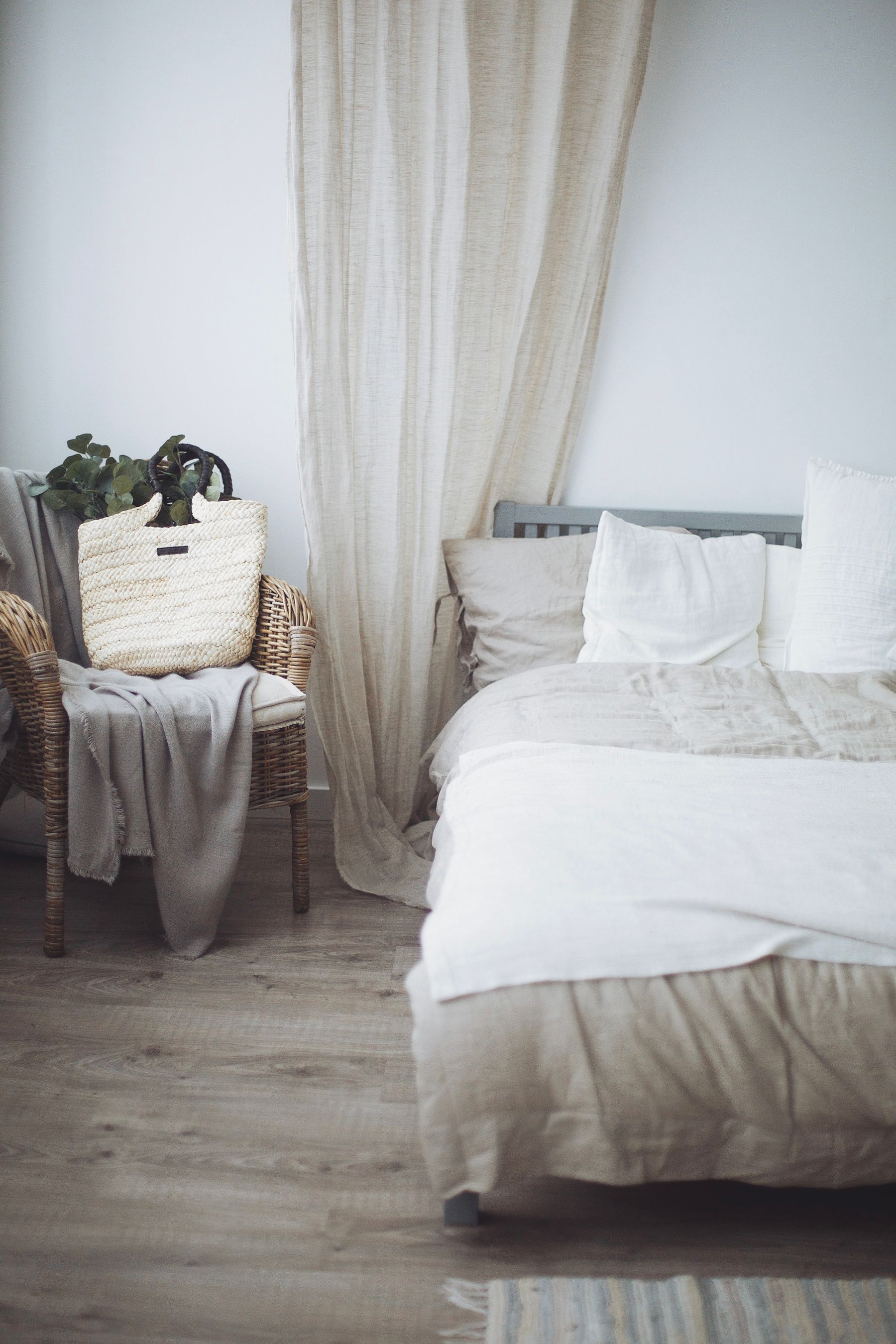
Woven Furniture for Structure, Not Costume
Rattan, cane and wicker add shadow, curve and visible handwork, but repeated across the headboard, chair, lamp and storage can feel formulaic. Choose the piece that solves a real need and inspect joints, wrapping and sharp broken fibers. Keep delicate natural material away from damp walls and strong heat. A woven chair or bench can provide enough of the material; the rest of the room may use solid timber, upholstery and metal for contrast.
A Useful Bedside Layer
Select the bedside surface by mattress height, reach and the objects actually used at night. A hanging or wall-mounted lamp can free space, but cable routing, switch access and secure installation matter more than its sculptural effect. Provide a stable place for water, glasses and a phone without balancing them on books or woven trays. Mismatched tables can strengthen the collected look when both sleepers still receive equivalent function, including a drawer or shelf where visual clutter can disappear.
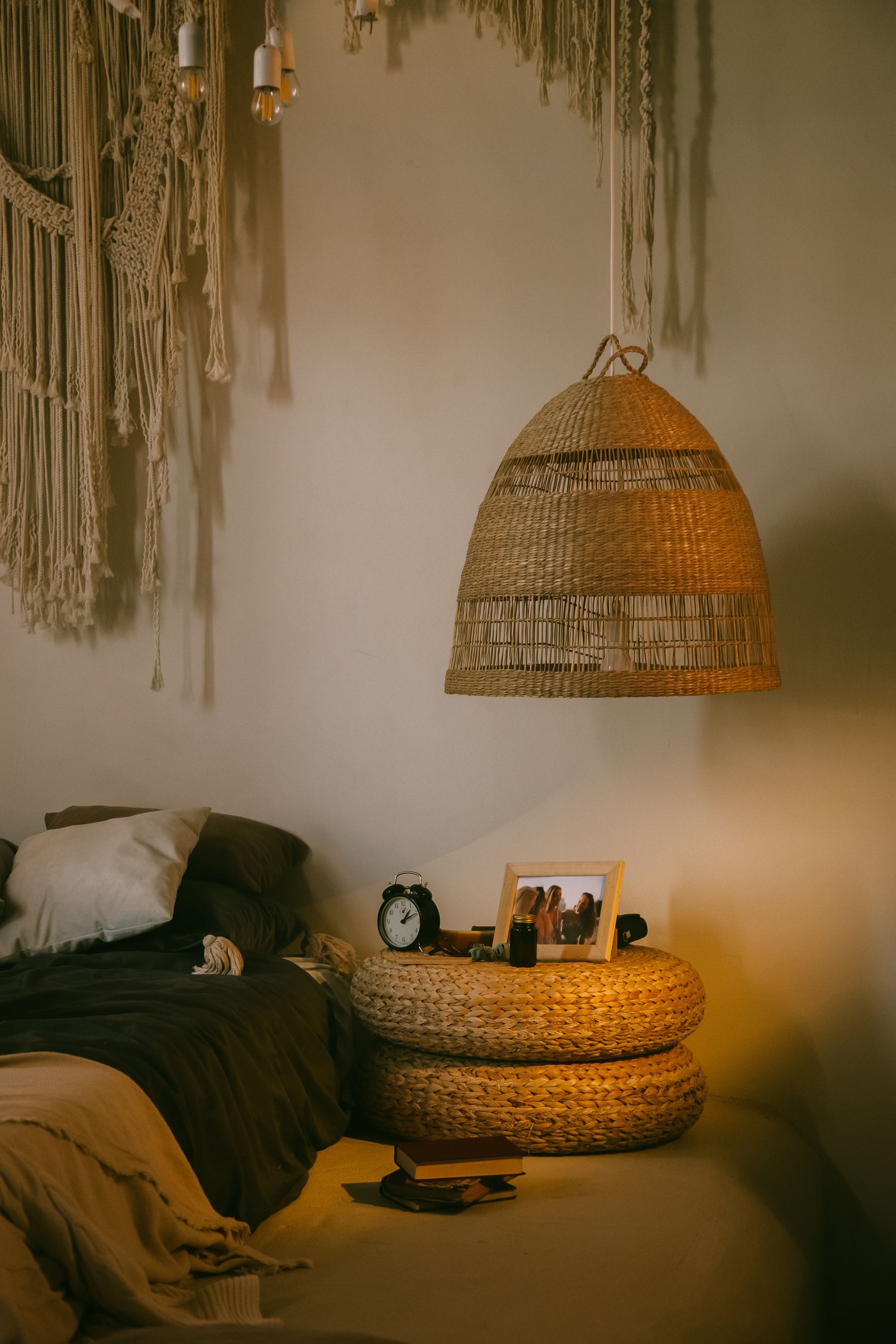
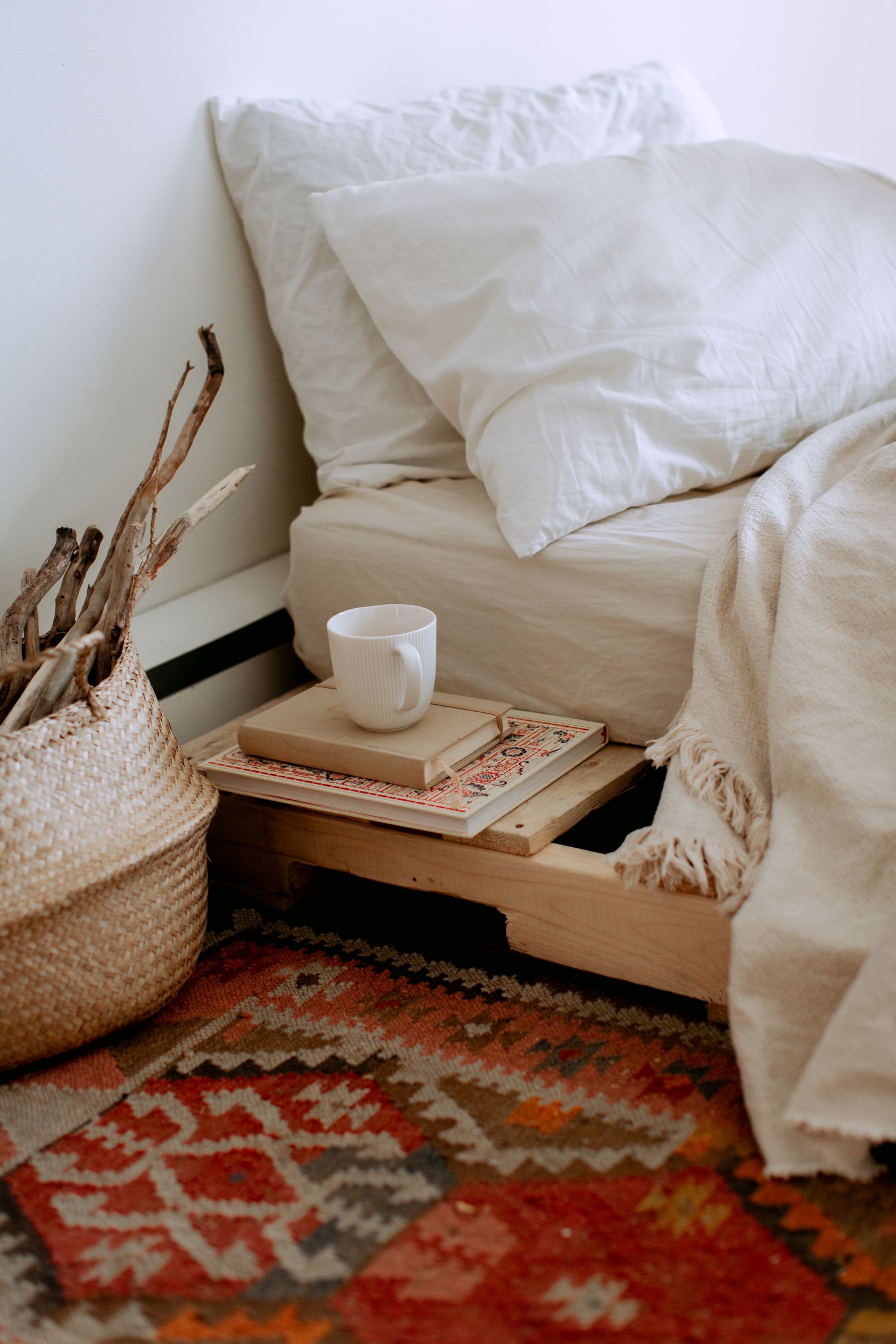
Ground the Room With One Capable Rug
Choose rug size around the experience of stepping from bed, not the dimensions of a product photo. A single broad rug usually creates a calmer field than several small overlapping pieces and is easier to vacuum. If layering rugs, secure the edges and confirm the pile transition does not create a trip point. Fiber should suit pets, allergies, underfloor heating and cleaning. The [living-room rug guide](/living-room/living-room-rug-ideas/) explains scale and anchoring principles that also apply here.
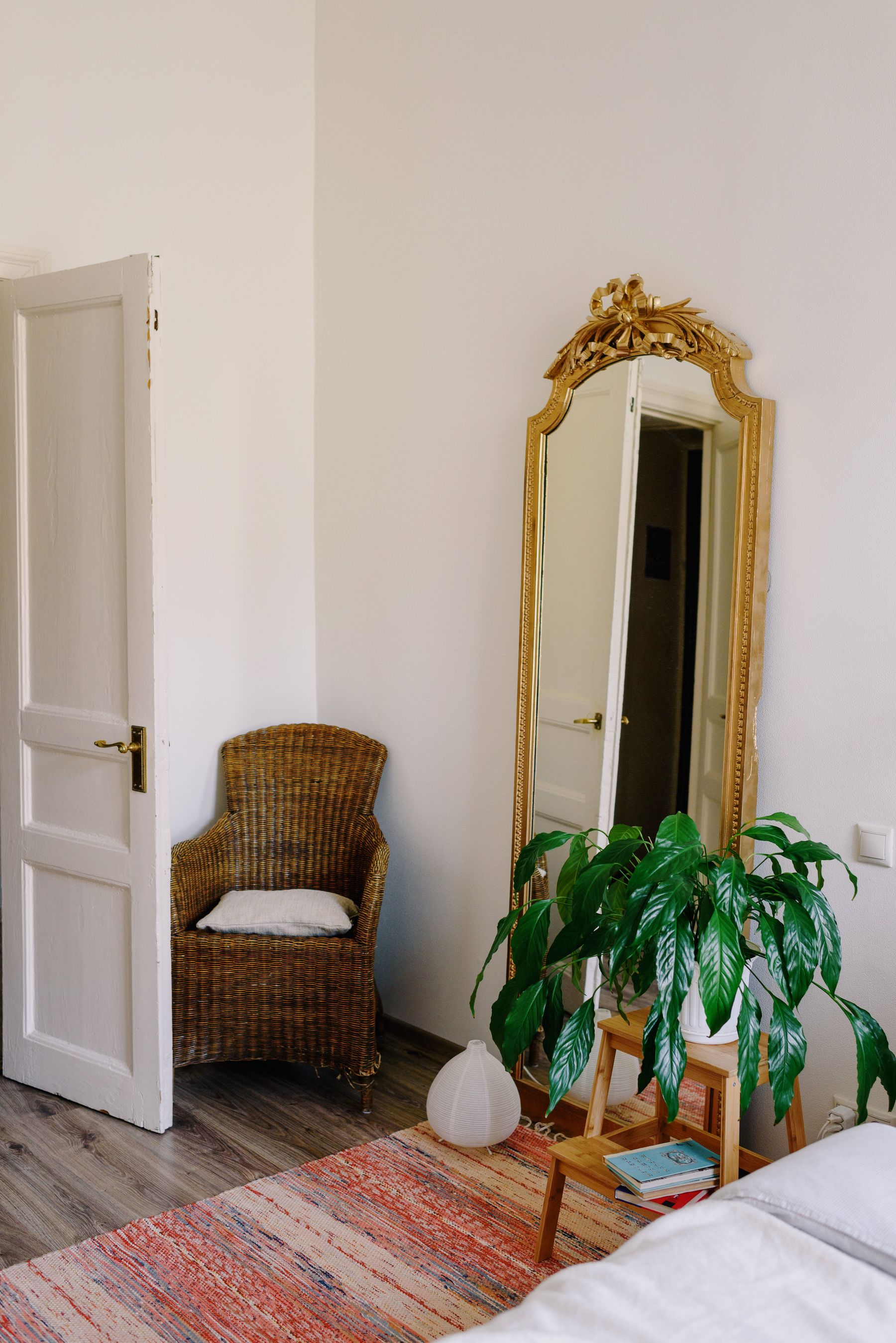
A Reading Corner Only if It Will Be Used
A rattan chair, upholstered armchair or floor cushion can form a reading place when the seat is comfortable, supported and paired with useful light. Preserve the wardrobe and bed routes and provide a small surface if tea or books are part of the routine. In a tight room, a stable stool or bench may work harder. Trial the idea with an existing chair for a week; if it becomes a laundry pile, the room needs clothes storage instead.
Display Personal Objects in Edited Groups
Books, photographs, travel finds and inherited objects make boho style personal, but not every possession needs simultaneous display. Group by a real relationship—material, memory or color—and leave open surface around the arrangement. Rotate fragile or seasonal items and keep heavy objects away from the bed edge. Avoid using sacred, ceremonial or culturally specific pieces as anonymous decoration; document provenance and meaning when they belong to your own history and give valuable items suitable protection from sunlight.
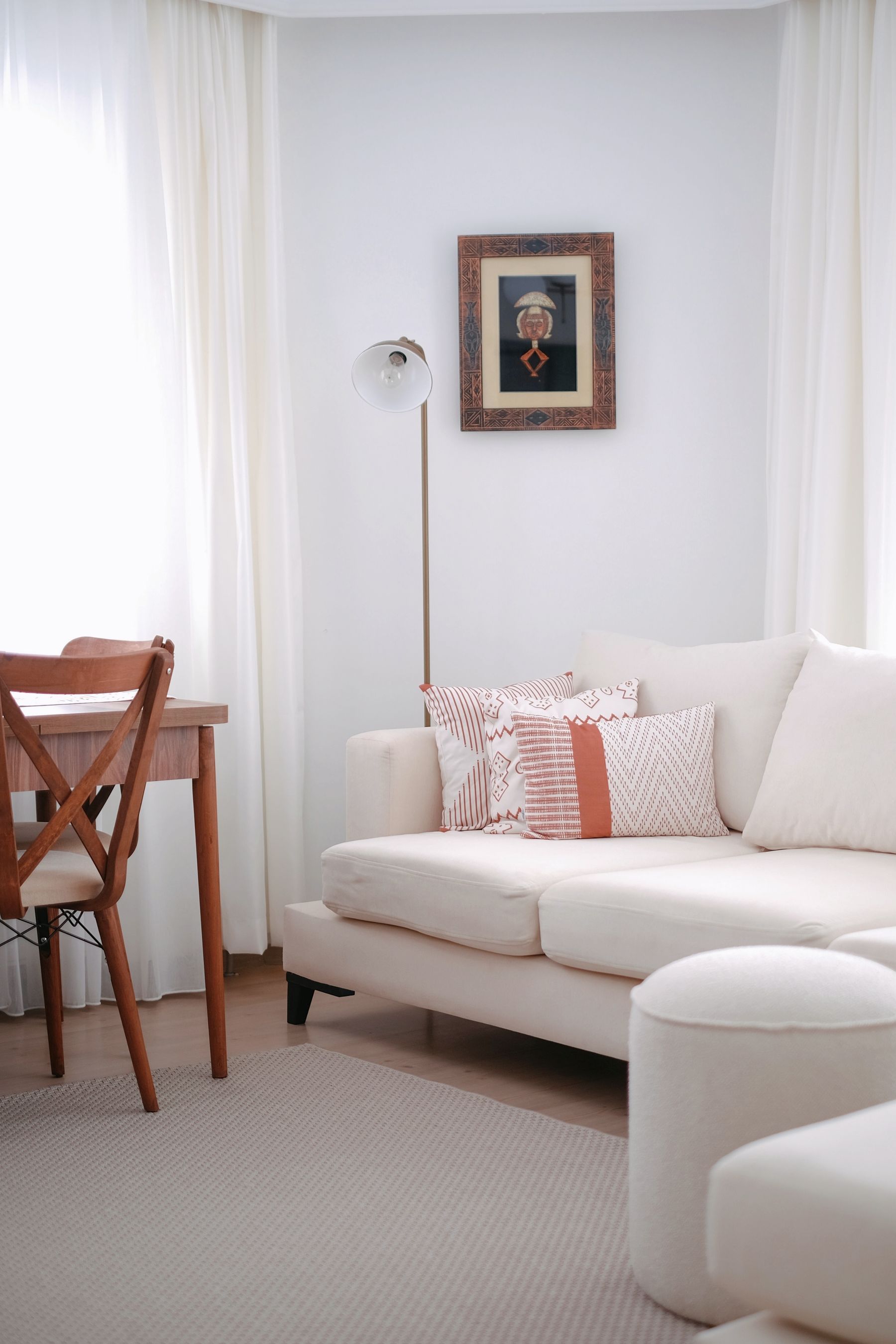
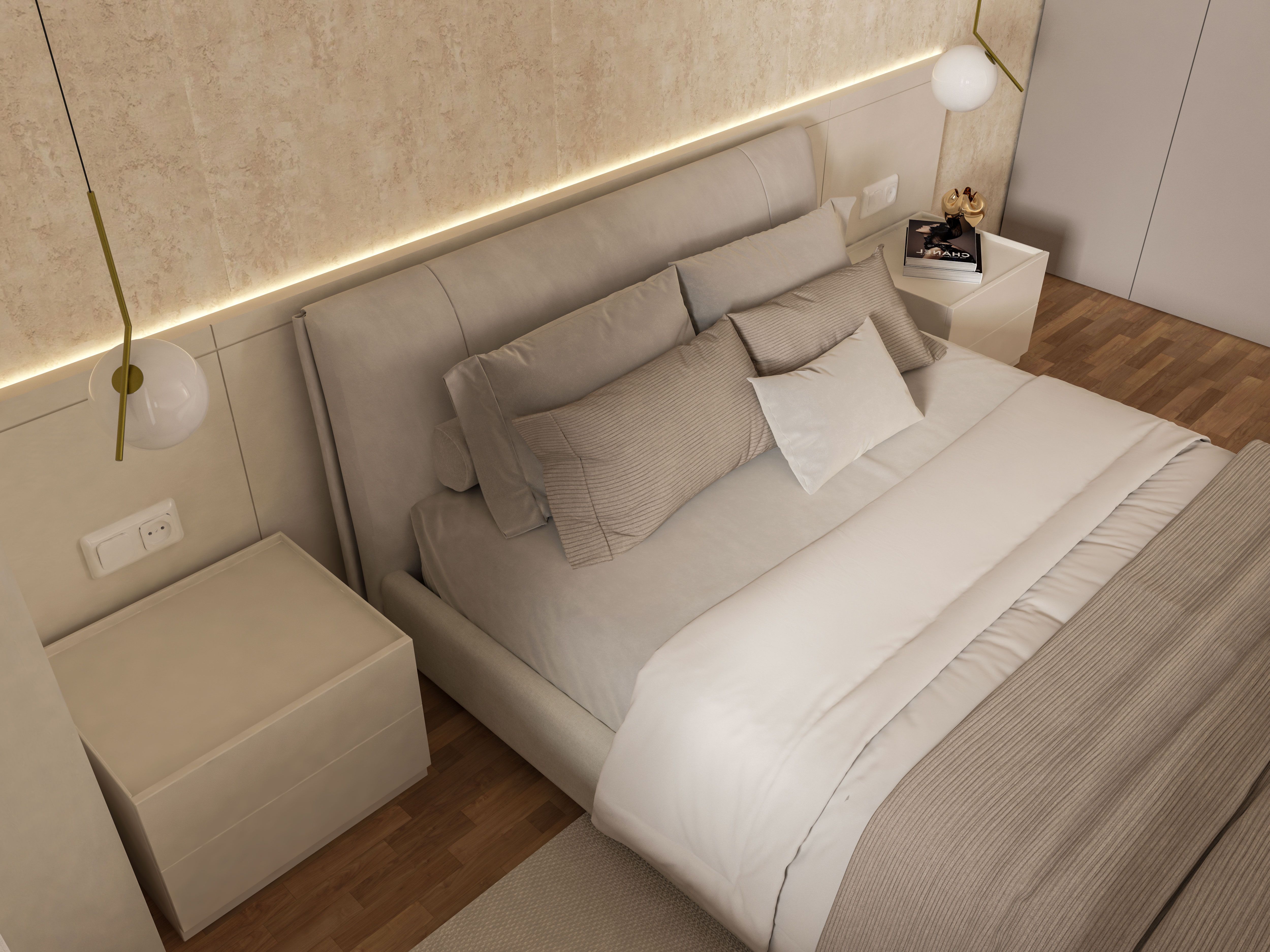
Light Layers Without Improvised Wiring
Combine ambient light, independent reading light and a low nighttime path rather than relying on string lights or one decorative pendant. Warm color temperature flatters clay, wood and woven fiber, but rendering and brightness still need to support dressing and cleaning. Keep cables clear of bedding and walking routes, do not overload adapters, and use qualified installation for hardwired work. The room should move from practical to restful without forcing every task into dim amber light.
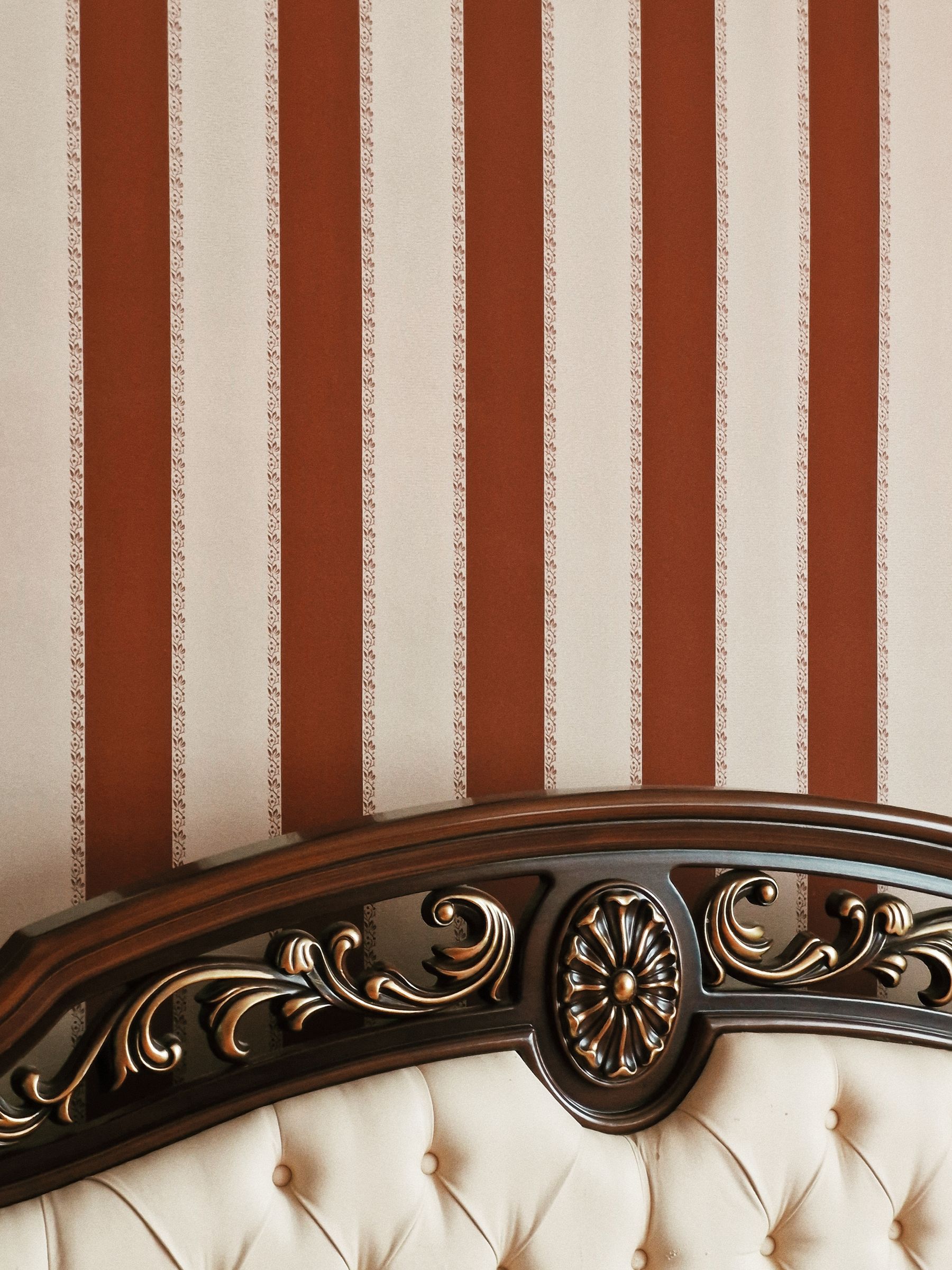
Balance Sheer Texture With Real Blackout
Light linen curtains suit the relaxed language, but bedrooms often need a separate blackout lining, shade or shutter. Plan the layers so handles remain reachable, fabric clears heaters and the stack does not cover valuable daylight. Test nighttime privacy from outside where possible. Natural cloth can fade and collect dust, so choose washable construction or a realistic cleaning route. The decorative softness should support sleep rather than replace the functional window treatment.
Hide Routine Clutter Behind Calm Storage
Boho is layered, not permission for every possession to remain visible. Give clothes, chargers, spare bedding and care supplies closed homes, then reserve open shelves for a limited rotation. Baskets should contain a real category and remain easy to lift and clean. Measure the wardrobe contents before adding decorative storage that consumes space without capacity. A calm reset at night allows expressive textiles and objects to read as choices rather than unresolved clutter.
Scale Boho for a Small Bedroom
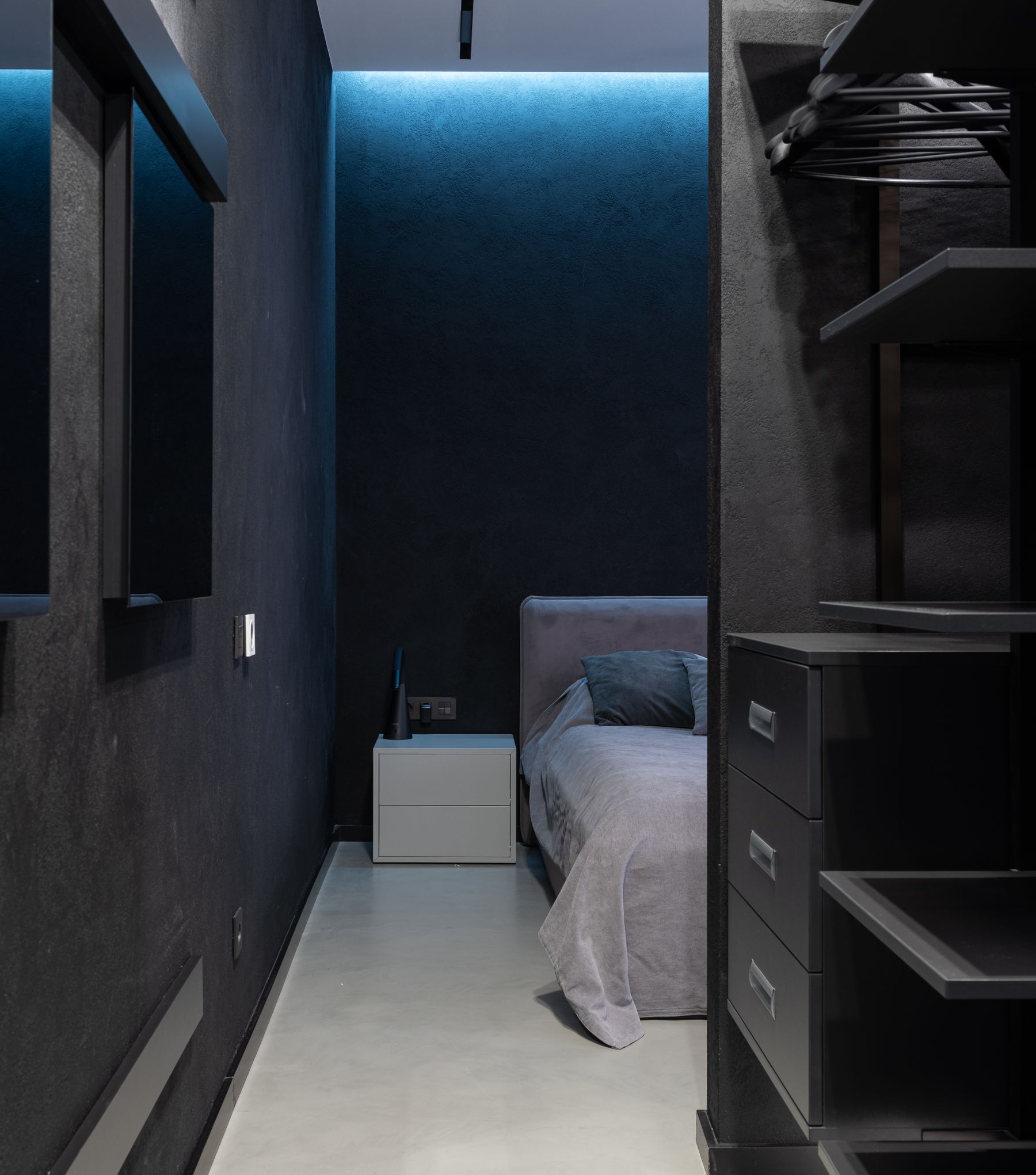
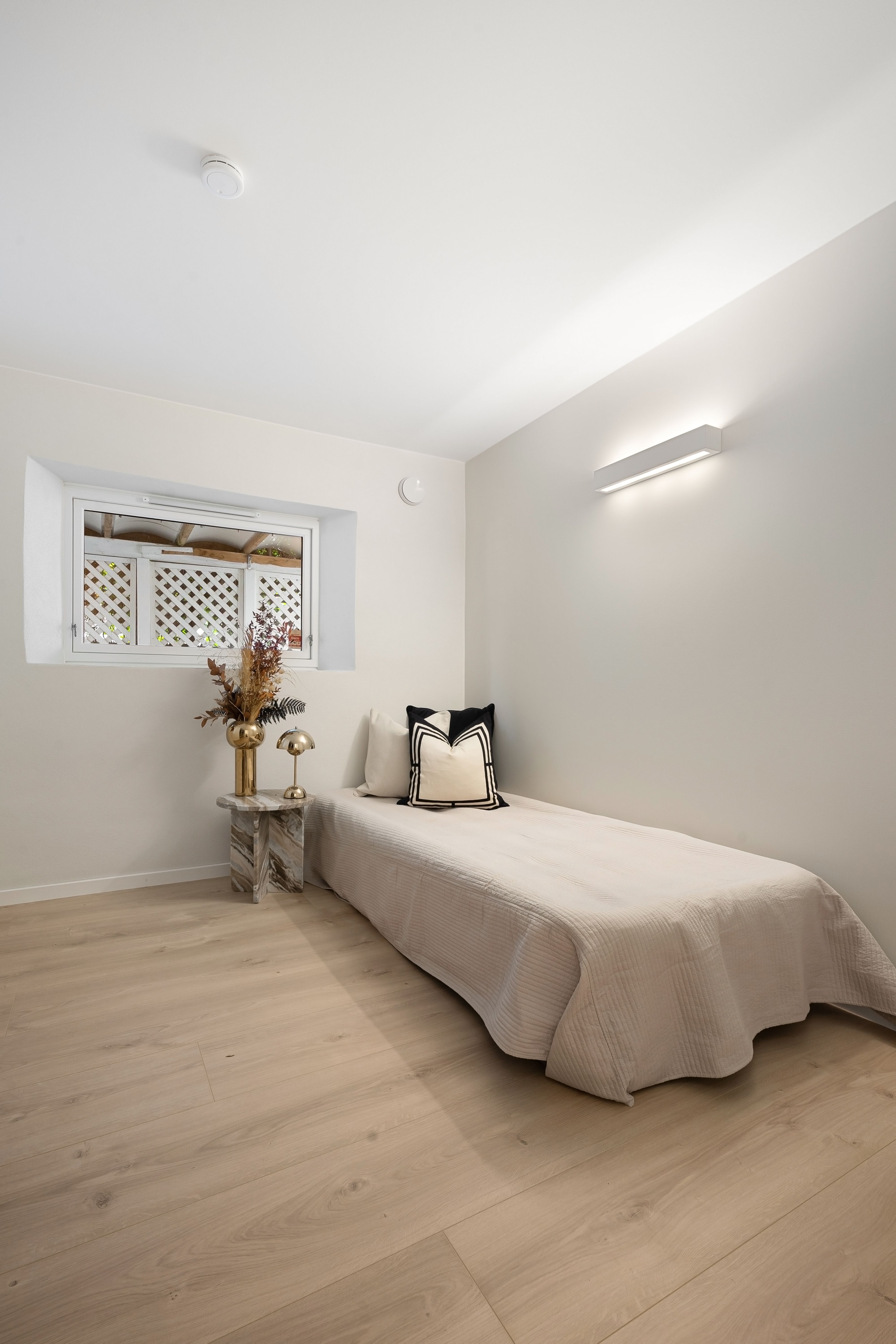
Choose one expressive textile, one natural material and one personal display rather than shrinking every boho cue into the room. Use wall-mounted reading light, a bed with controlled outside dimensions and storage that takes advantage of height. Keep the floor route and door swing visible, and avoid deep baskets where shallow drawers would hold more. The circulation and multifunction tests in [small apartment ideas](/apartment/small-apartment-ideas/) help when the bedroom also contains work or dressing zones.
Reversible Boho for a Rental
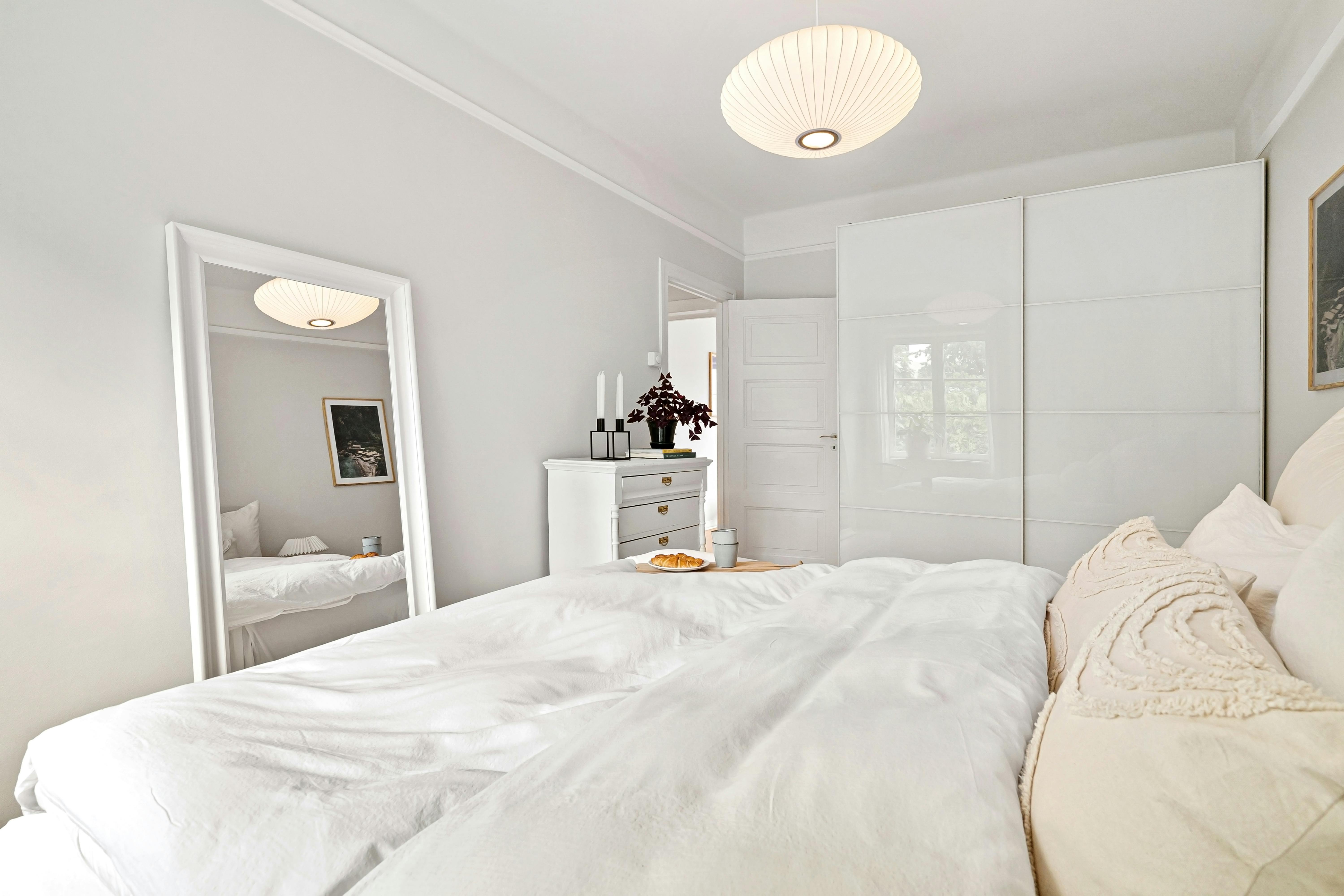
Build the scheme with bedding, a broad rug, curtains, a useful vintage table, plants and plug-in lighting before considering adhesive products. Confirm the lease, substrate and removal method for hooks, films or wallpaper, and document the original condition. A freestanding screen can add texture while preserving walls, provided it is stable and does not block ventilation or escape. Reversible design should still solve storage and sleep, not become a collection of temporary decorative fixes.
Fit a Workspace Without Losing the Bedroom
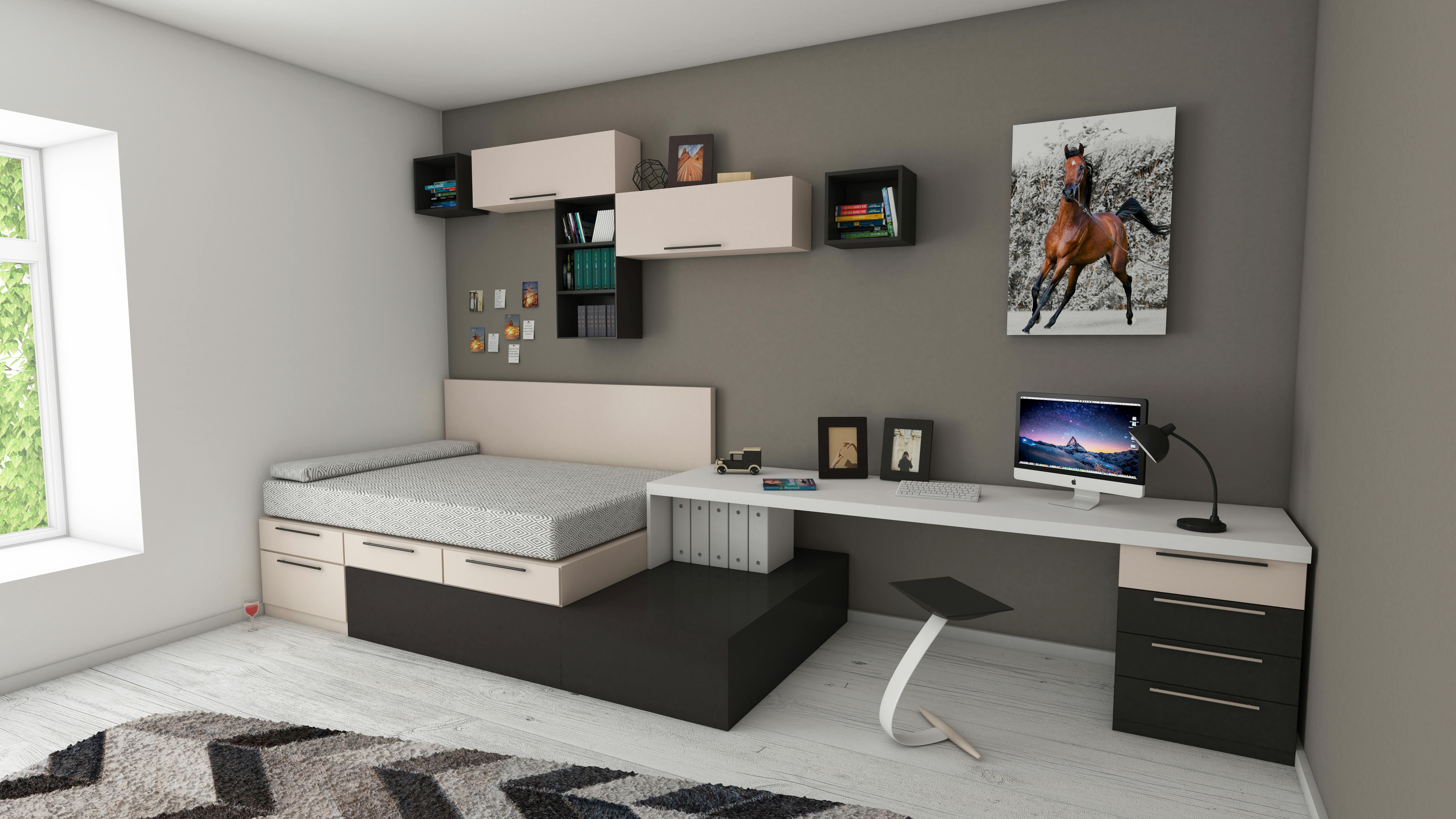
If work must share the room, give it a desk at the correct height, supportive chair, task light and cable route rather than using the bed. A woven screen or curtain can soften the view, but it must not trap heat around equipment or obstruct circulation. Store work materials closed at the end of the day and keep screens outside the direct pillow view. One purposeful craft object is enough to connect the work zone to the boho scheme.
Modern Boho Through Restraint
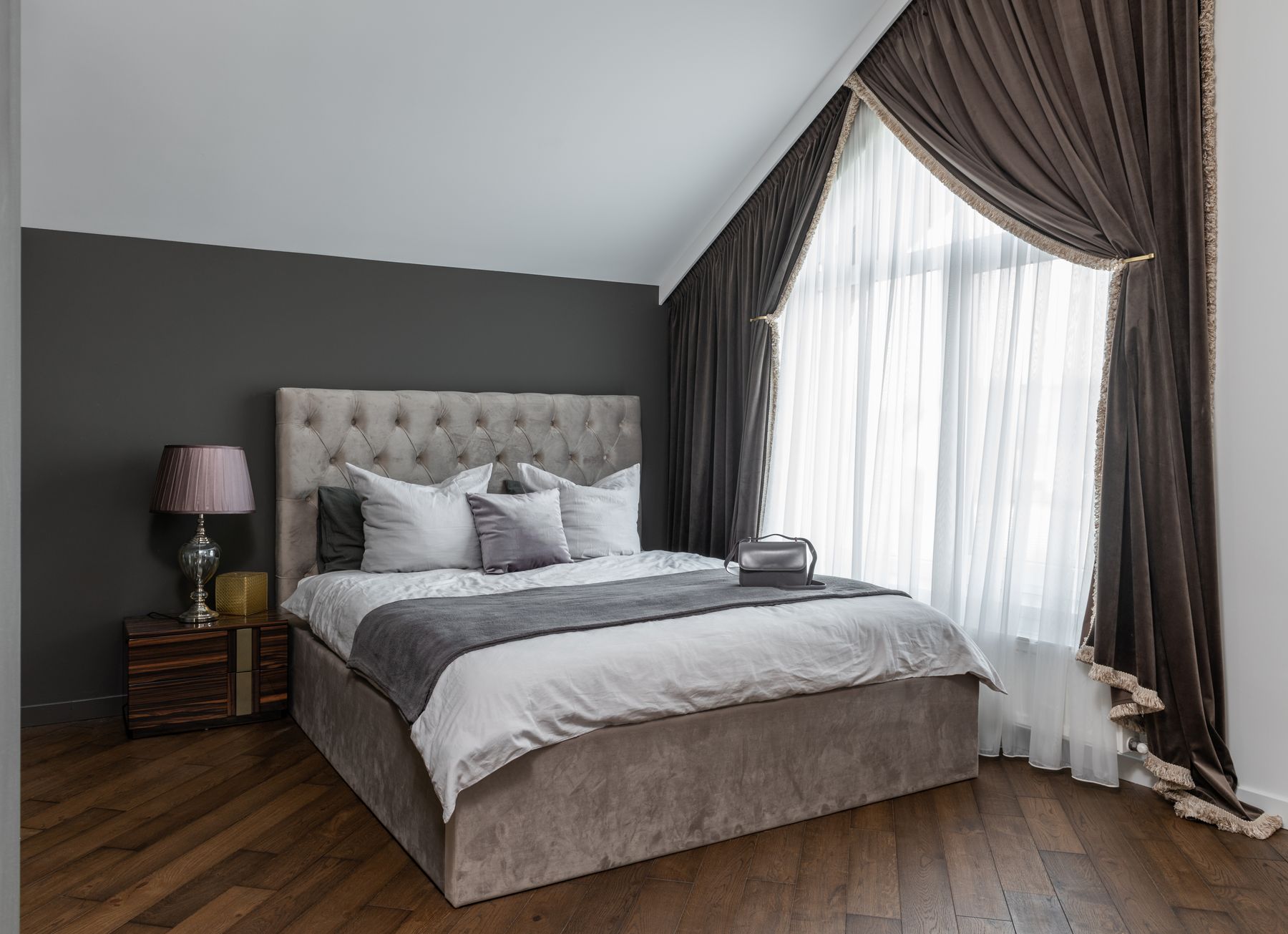
Modern boho keeps the clean circulation, integrated storage and simpler furniture of a contemporary room, then introduces craft, irregular texture and collected pieces selectively. It should not mean a generic beige bedroom with one rattan lamp. Use asymmetry, one textile with real pattern and an object with visible handwork to break uniformity. Readers wanting the broader architectural framework can continue to [modern bedroom ideas](/bedroom/modern-bedroom-ideas/) before adding the freer layers and more personal color.
Boho Remains Distinct From Eclectic Chaos
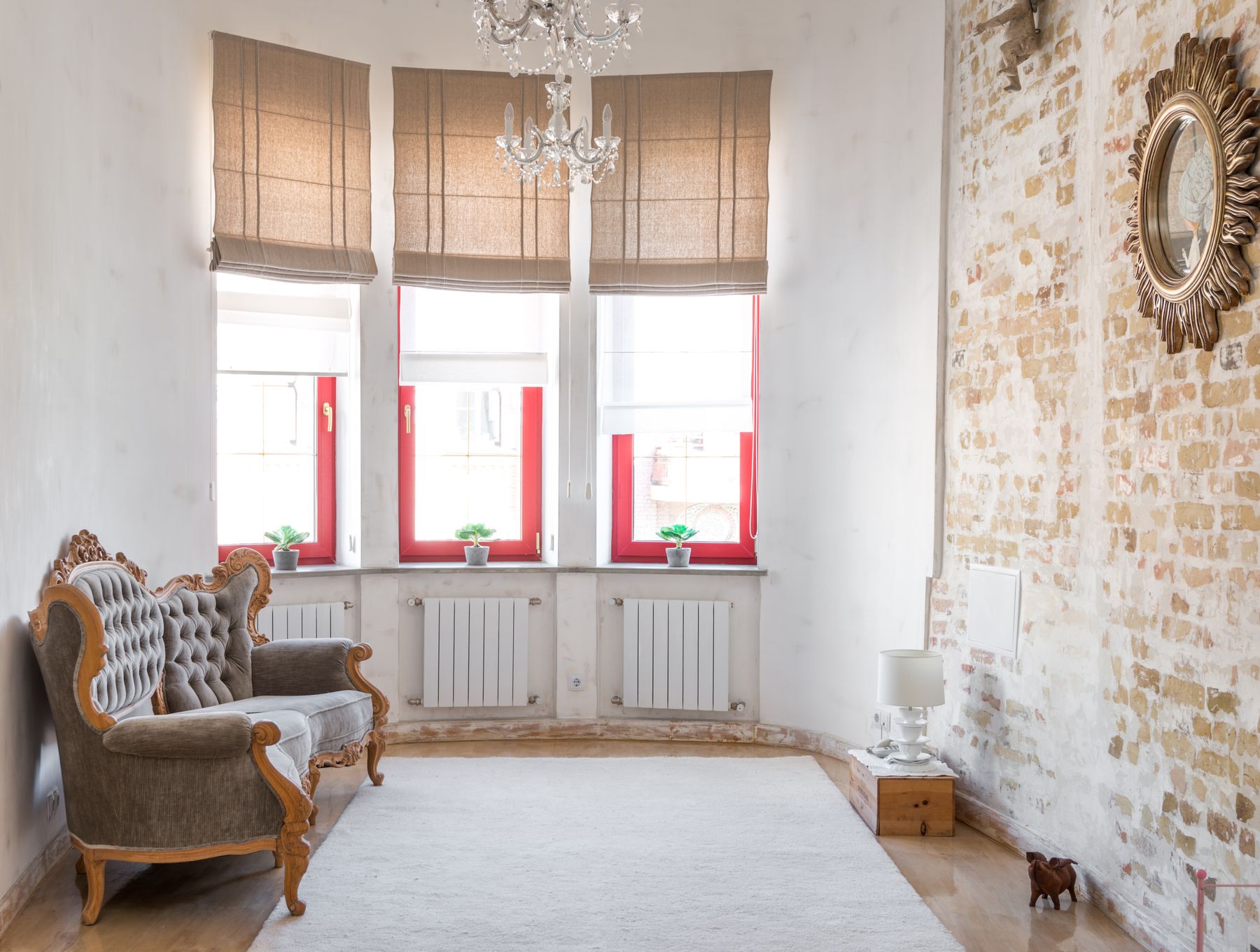
Boho often overlaps with eclectic design, but its center of gravity is tactile, relaxed and craft-led. Eclectic rooms may combine sharper contrasts, more formal pieces and a wider range of eras without the same natural-material emphasis. In this bedroom, let fiber, wood, clay and handwork provide continuity while individual furniture can vary. If every item tries to represent a different style, edit back to the pieces that improve comfort, storage or a personal narrative.
Protect Sleep From Decorative Excess
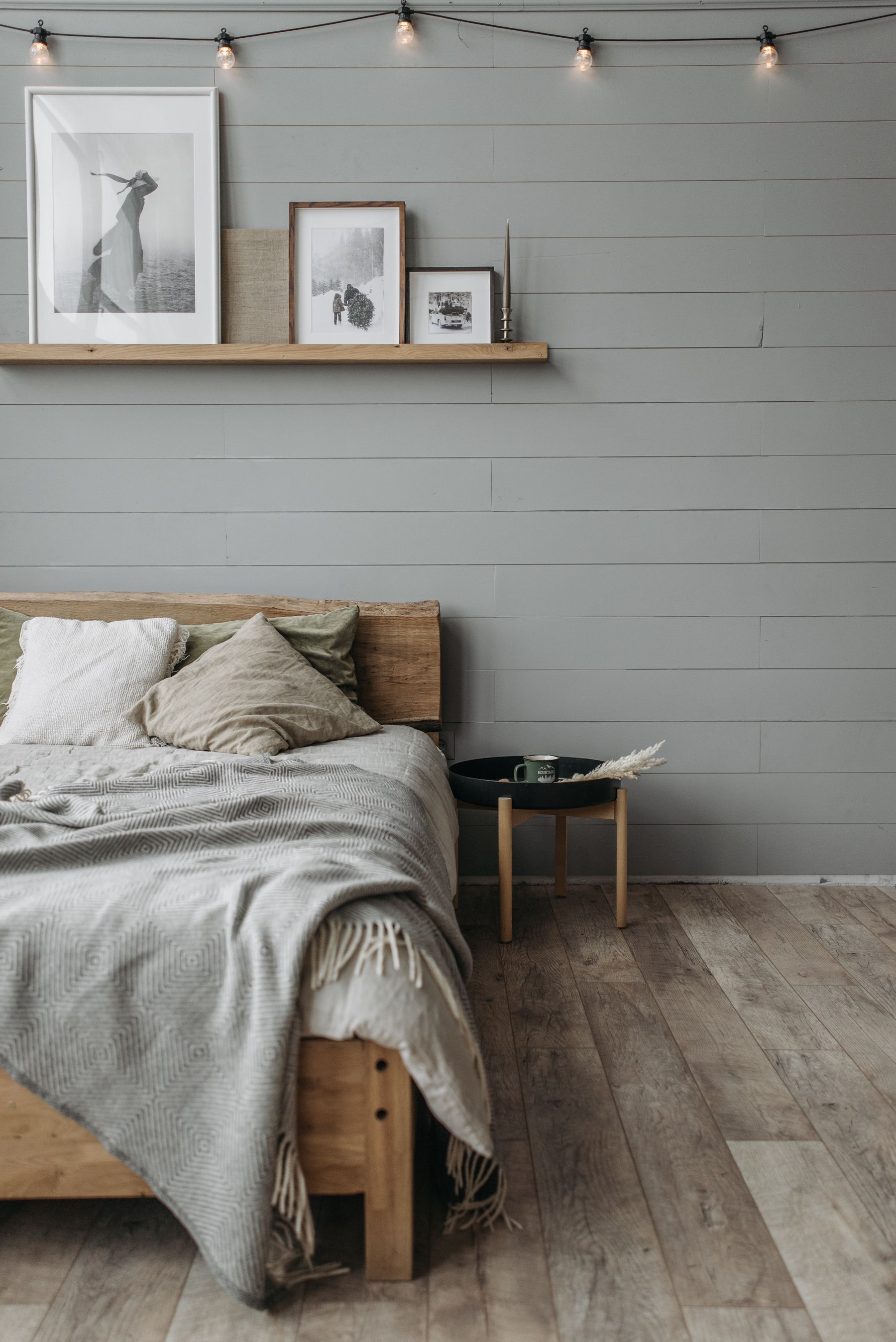
Review the room from the pillow rather than only from the doorway. Flashing chargers, unstable shelves, crowded art, reflective mirrors and excessive pillows can make the sleep zone feel active. Keep the immediate bed wall composed and move the densest display toward a dressing or reading area. Use breathable bedding, comfortable temperature control and genuine blackout where required. Style is successful only when the room resets easily and supports the people sleeping in it.
Decorative Lights Within Safe Limits
String lights and small decorative lamps can add glow, but only listed products in good condition should be used according to instructions. Keep transformers ventilated, cords away from pinch points and hot bulbs clear of curtains, dried plants and macrame. Do not drape electrical cable across a headboard or repair damaged insulation decoratively. Timers and separate controls are useful, yet decorative lighting never replaces safe reading and general illumination or professional assessment of questionable fixed wiring.
Equal Agency in a Shared Boho Bedroom
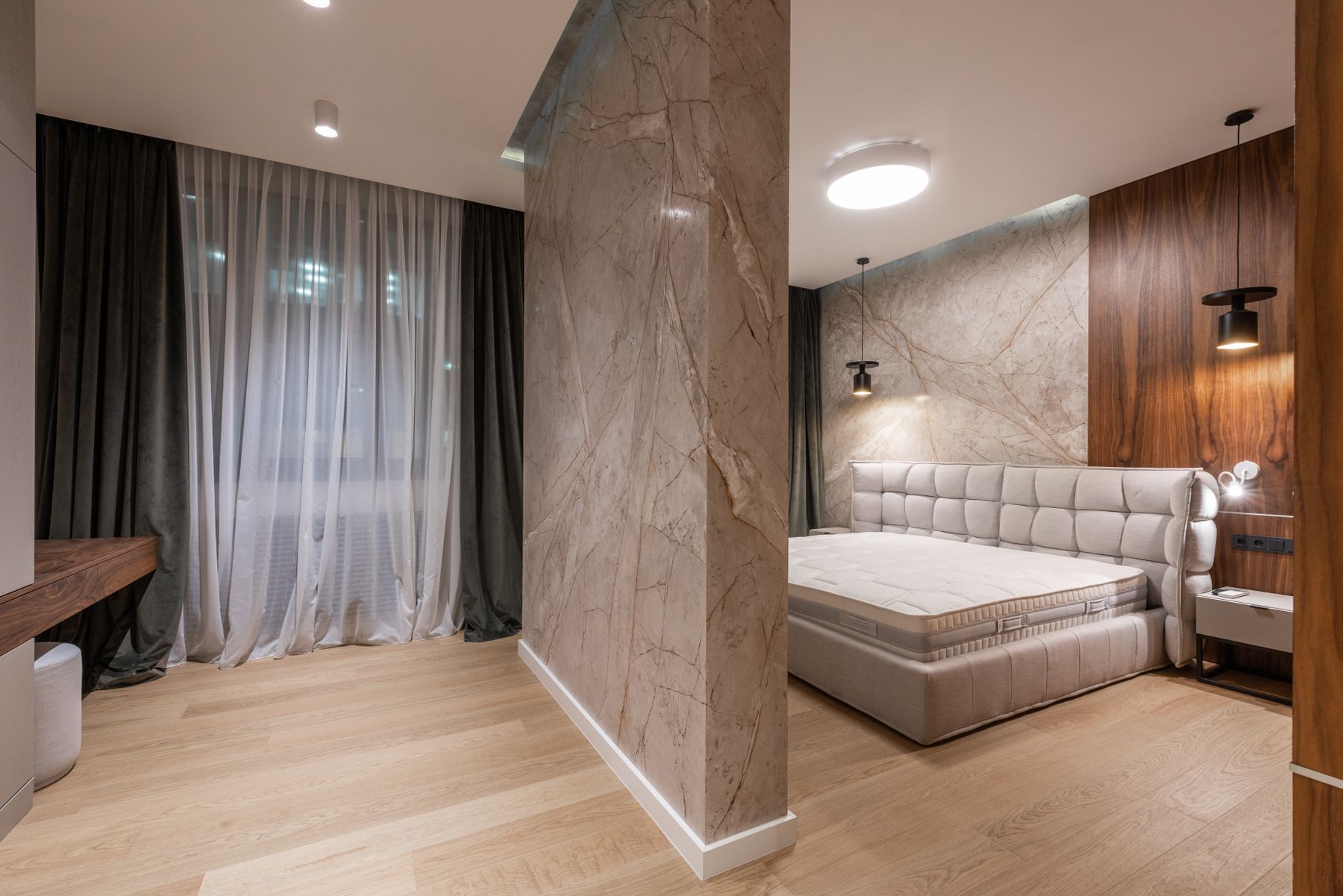
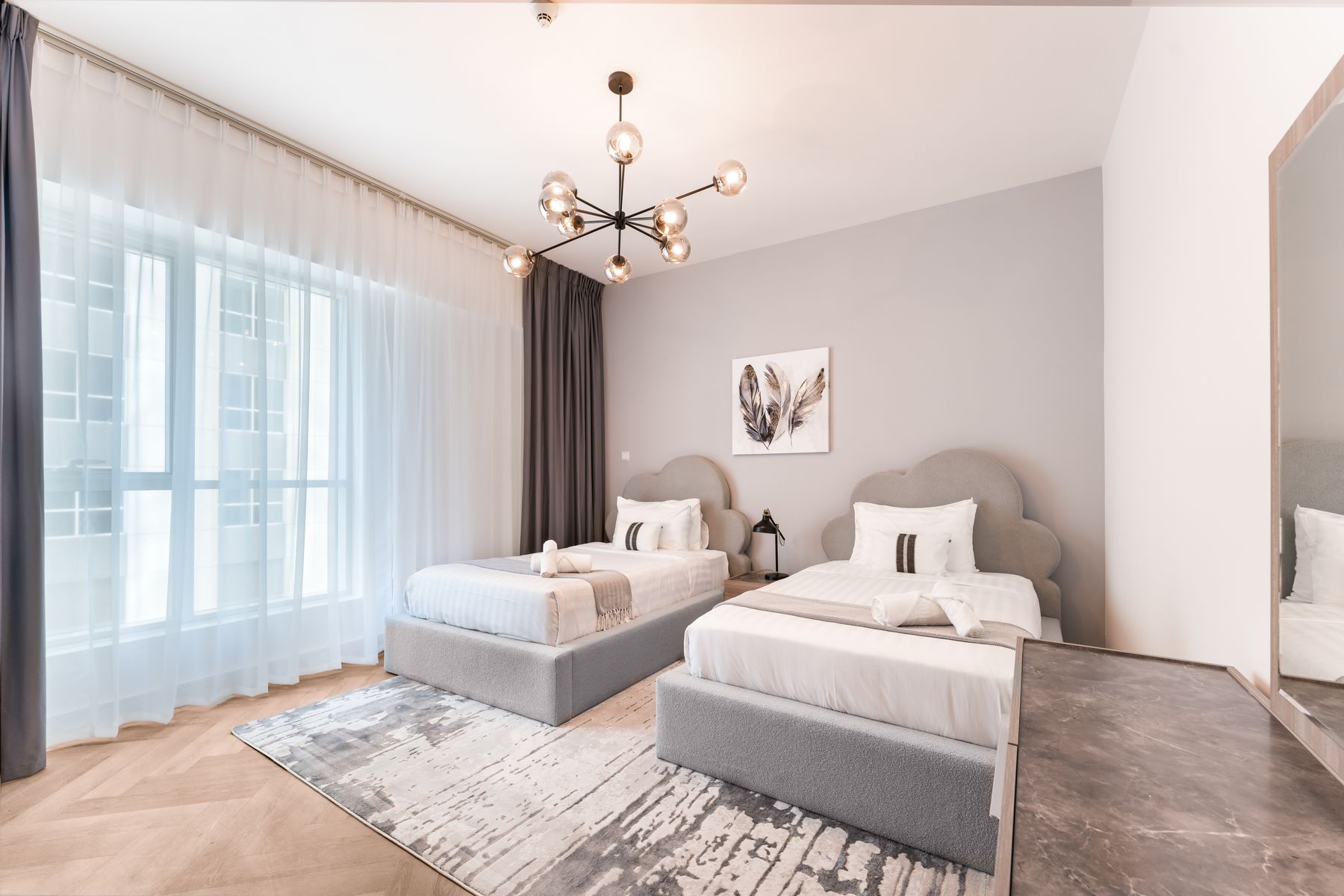
In a couple's or shared bedroom, boho should not become one person's collection spreading across both zones. Give each sleeper reachable light, charging, storage and a voice in color or display. Use a common rug or wall field to connect mismatched bedside pieces, and keep the central route clear. Personal objects can live in defined groups rather than compete across every surface. Agreement about cleaning and plant care is part of the design brief.
A Welcoming Guest Room Without Overfilling
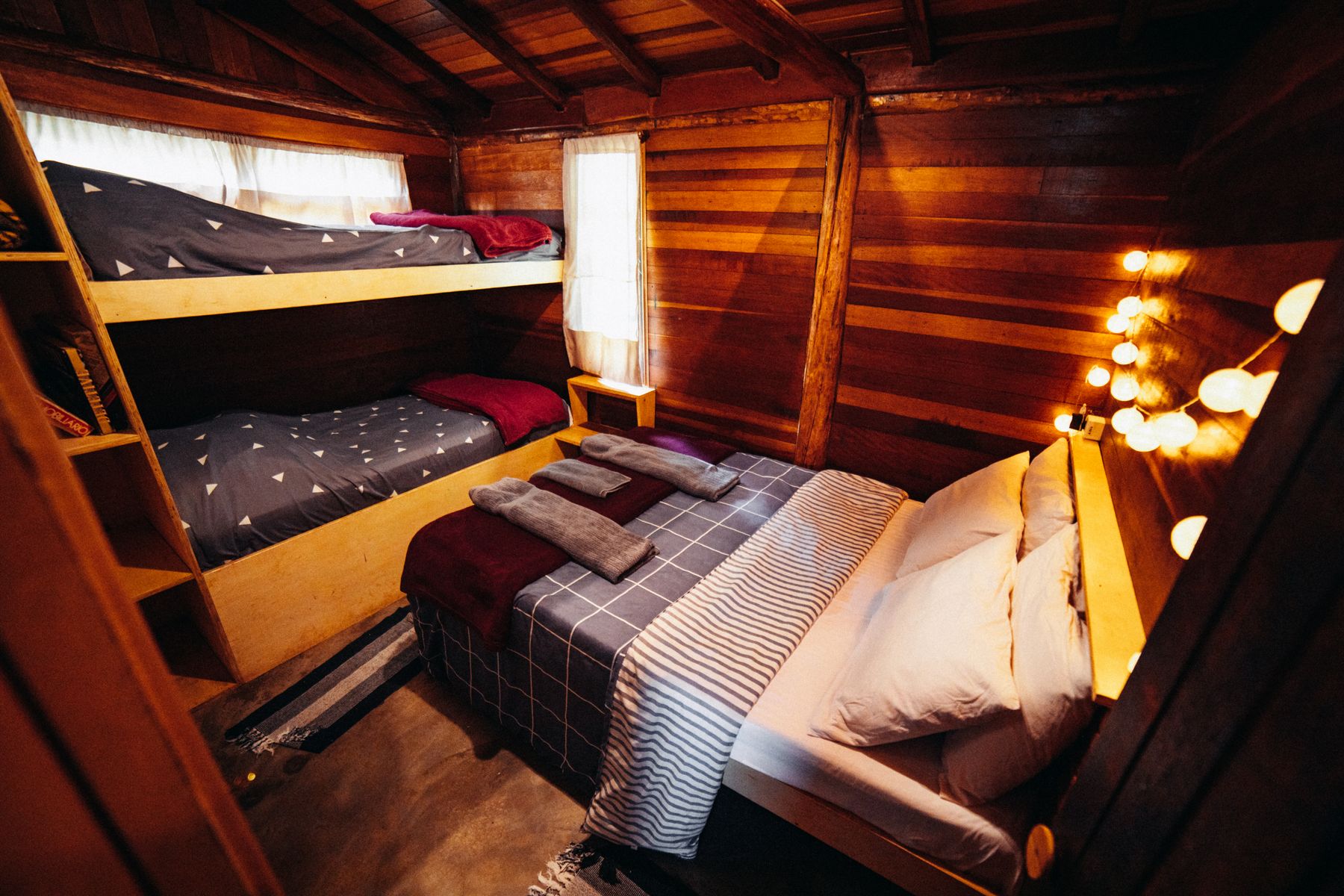
A guest bedroom needs empty hangers, a luggage surface, accessible outlets, reading light and uncluttered bedside space more than a dense collection. Use one characterful textile and a few durable natural pieces, then leave drawers or hooks available. Avoid strongly scented products, fragile objects and plants that rely on guests for care. Washable layers and clear nighttime routes make hospitality tangible; decorative abundance that leaves nowhere for a bag does the opposite.
Adapt the Look for Accessible Use
Deep rugs, low floor beds, hanging chairs and crowded routes may conflict with transfer, balance or mobility needs. Set mattress height and clearances for the actual user, provide stable dressing seating and choose hardware that is easy to grasp. Contrast at floor edges, switches and furniture helps orientation. Textiles, clay color and crafted wood can carry the boho language without introducing trip hazards or hard-to-clean fringe. Test the room in daytime and low nighttime light.
Edit Until Every Layer Has a Reason
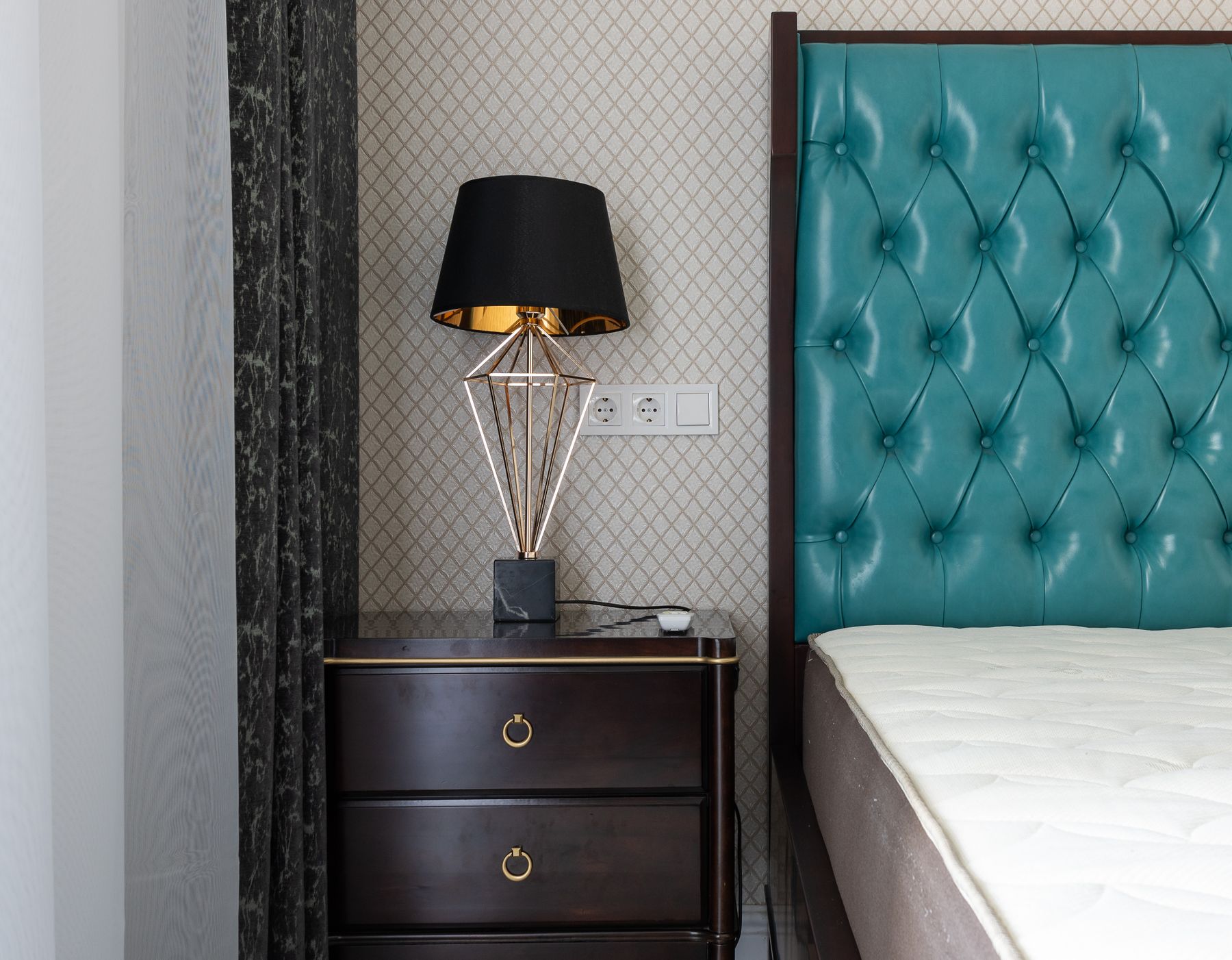
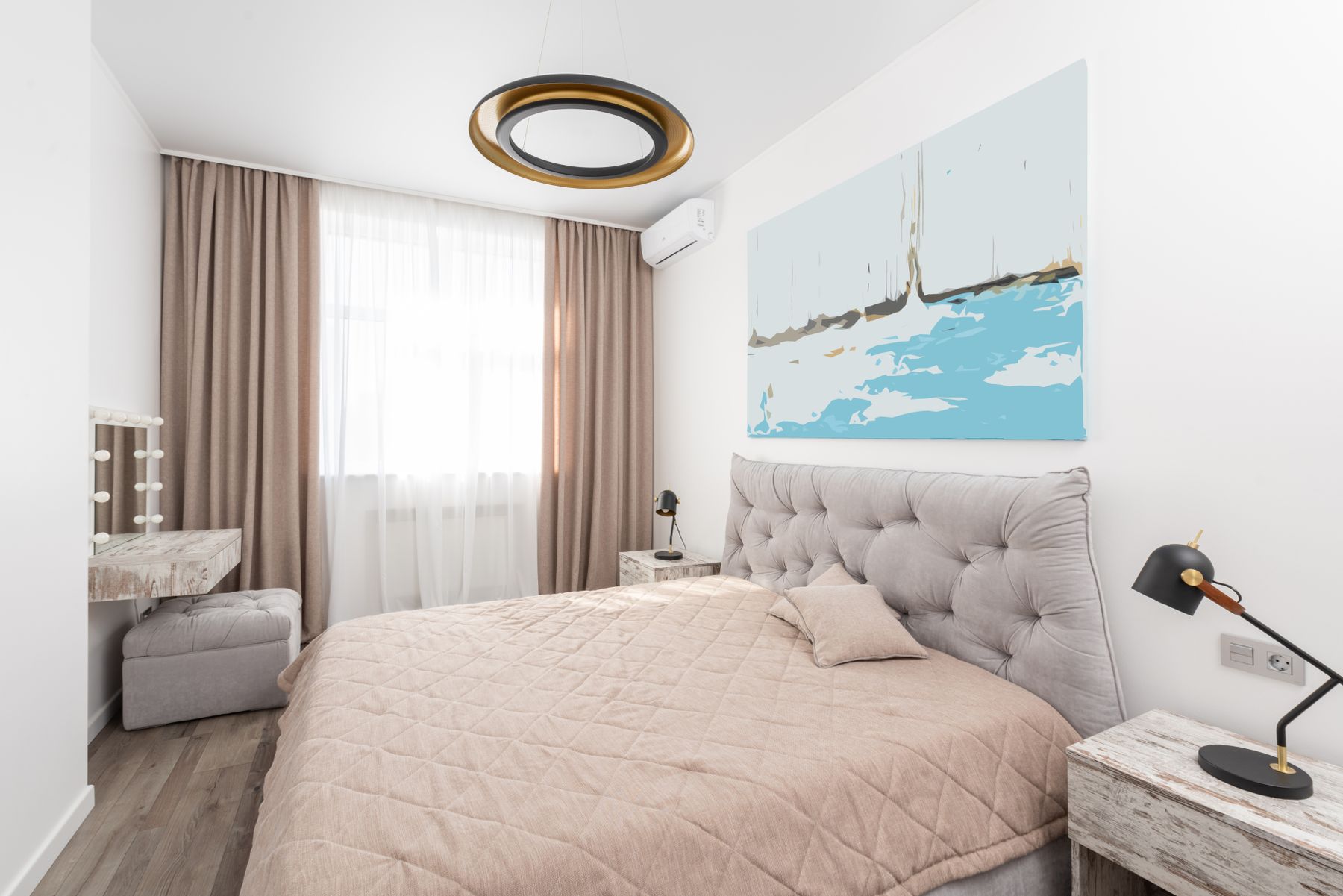
Finish by removing repetitions: the fourth basket, unused floor cushion, duplicate plant pot, extra tassel and art that fills a gap without meaning. Review the doorway, bed and nighttime views, then contain cables and clothing. Cleanability is a useful final test because woven material, plants and layered textiles all collect dust differently. A boho bedroom should feel generous and personal, not finished only when every surface is occupied. Stop when the remaining additions would weaken rest or obscure better pieces.