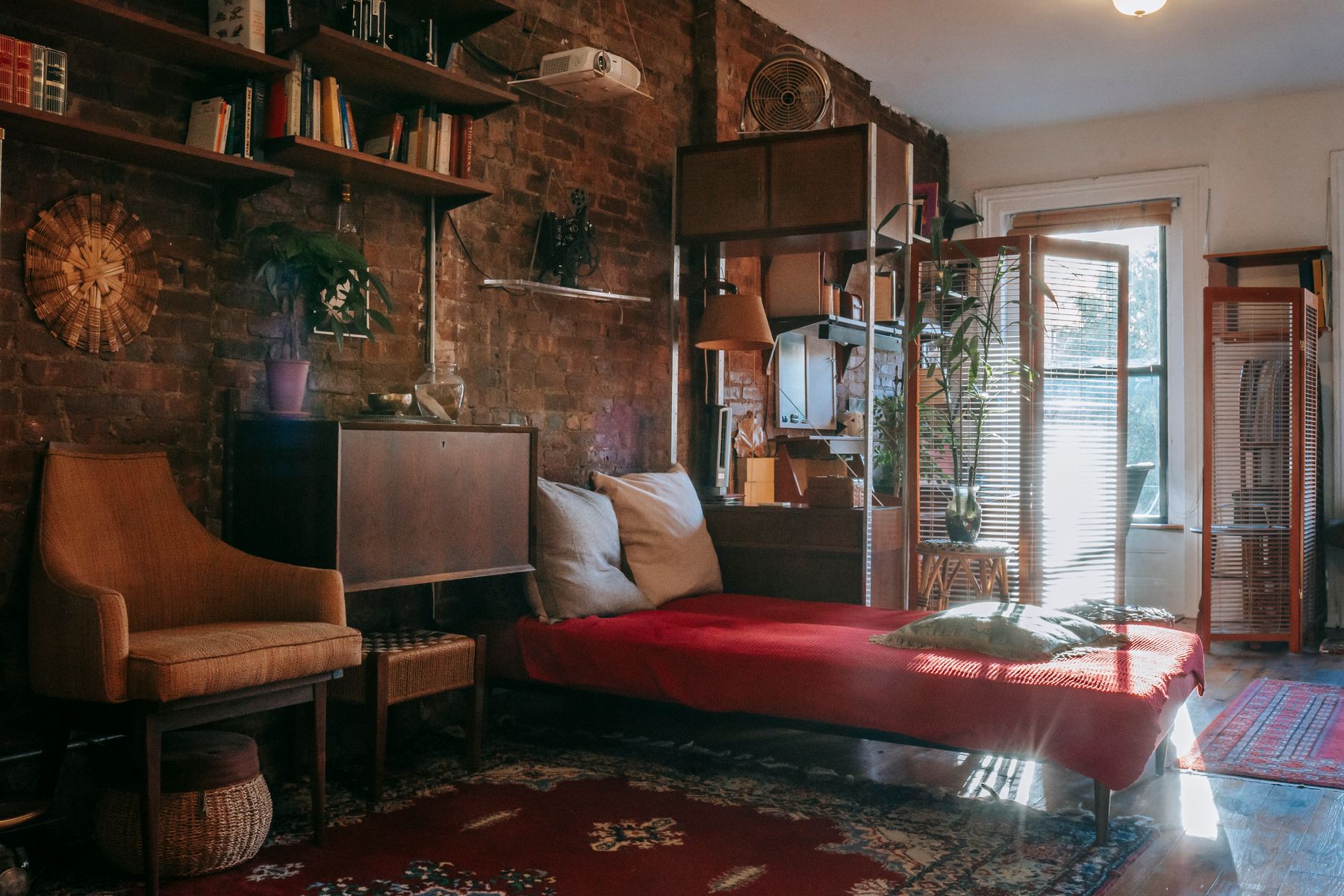
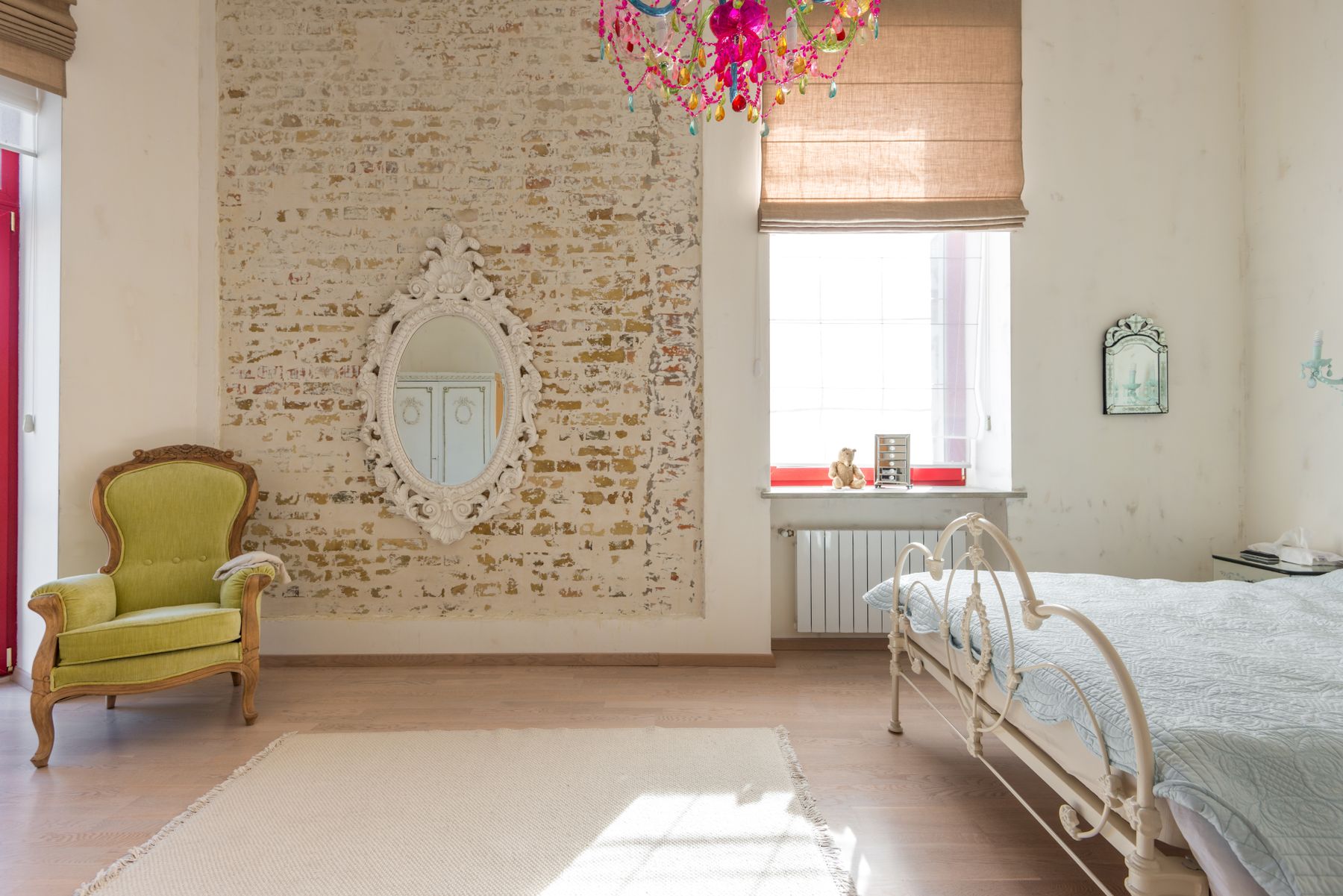
Define Dark Academia Beyond a Dark Room
A dark bedroom is color-led; Gothic emphasizes romance, shadow and more dramatic historic form; Vintage centers authentic older pieces. Dark Academia overlaps with all three but is organized around learning, literature and a believable study culture. The distinction prevents this guide from duplicating future Dark or Gothic Bedroom pages. Start with the routines the room must support—sleeping, reading, writing, dressing—then select materials and objects that reinforce them. If the books never move and the desk cannot be used, the theme has overtaken the life of the room.
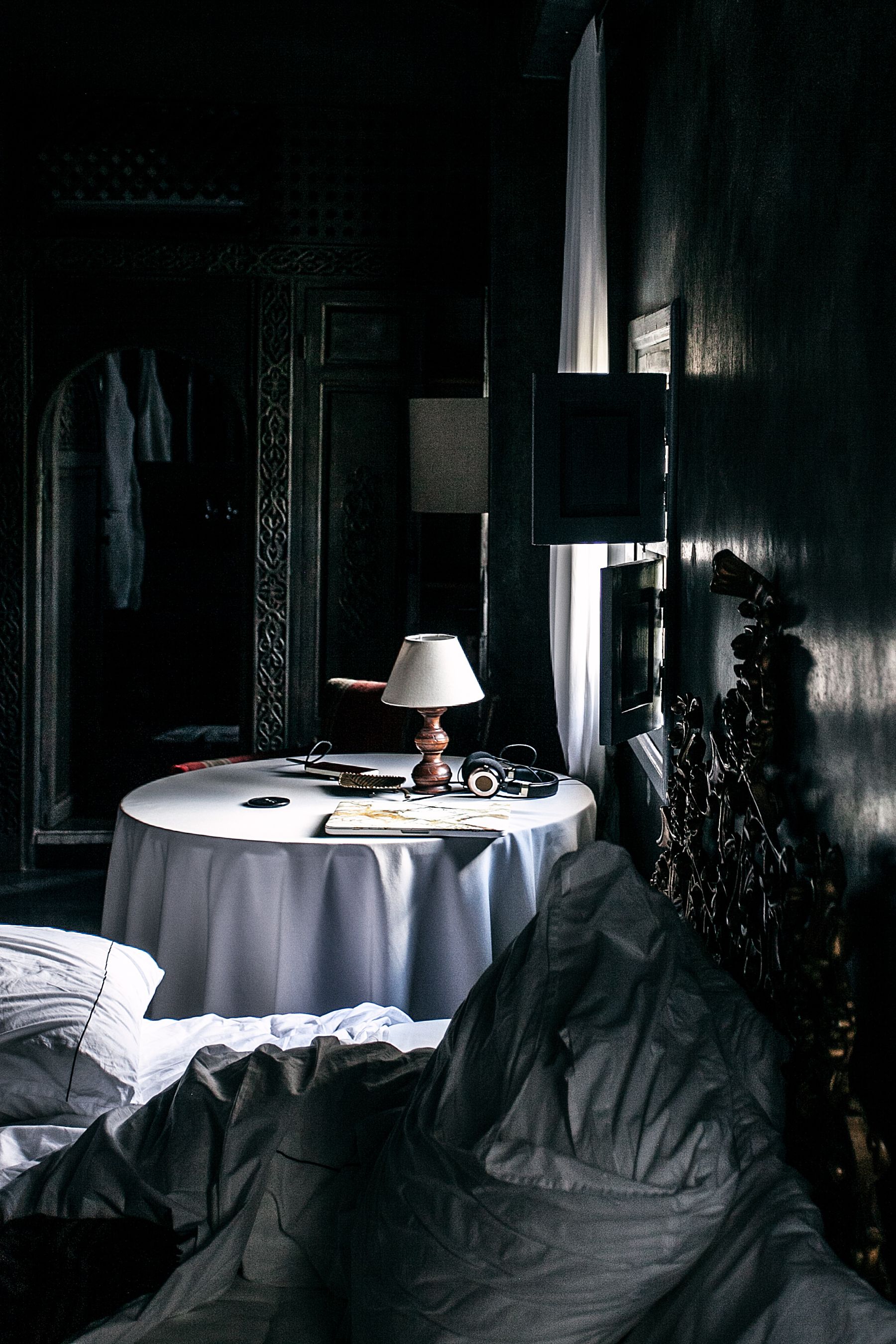
A Palette of Brown, Green and Oxblood
Use tobacco brown, forest green, burgundy, navy, charcoal and parchment rather than defaulting to pure black. Choose one dominant field, one supporting dark and one pale relief, then test them against timber and skin in morning and evening light. A north-facing room may need redder brown and warmer white, while strong sun can carry denser green or blue. Keep bedding near the face more reflective than the deepest wall so the bed remains inviting rather than visually disappearing.
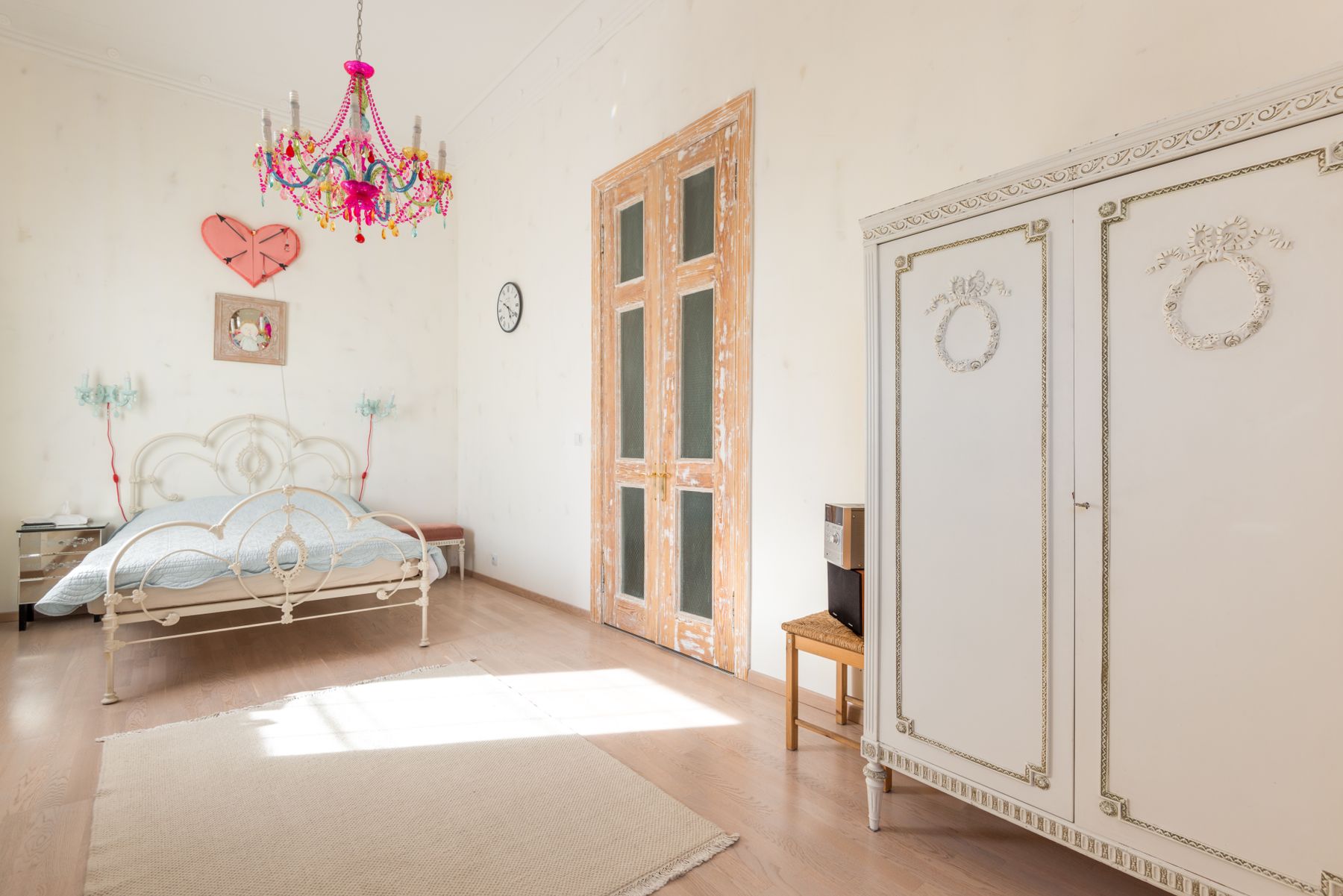
The Bed Must Stay Restful, Not Theatrical
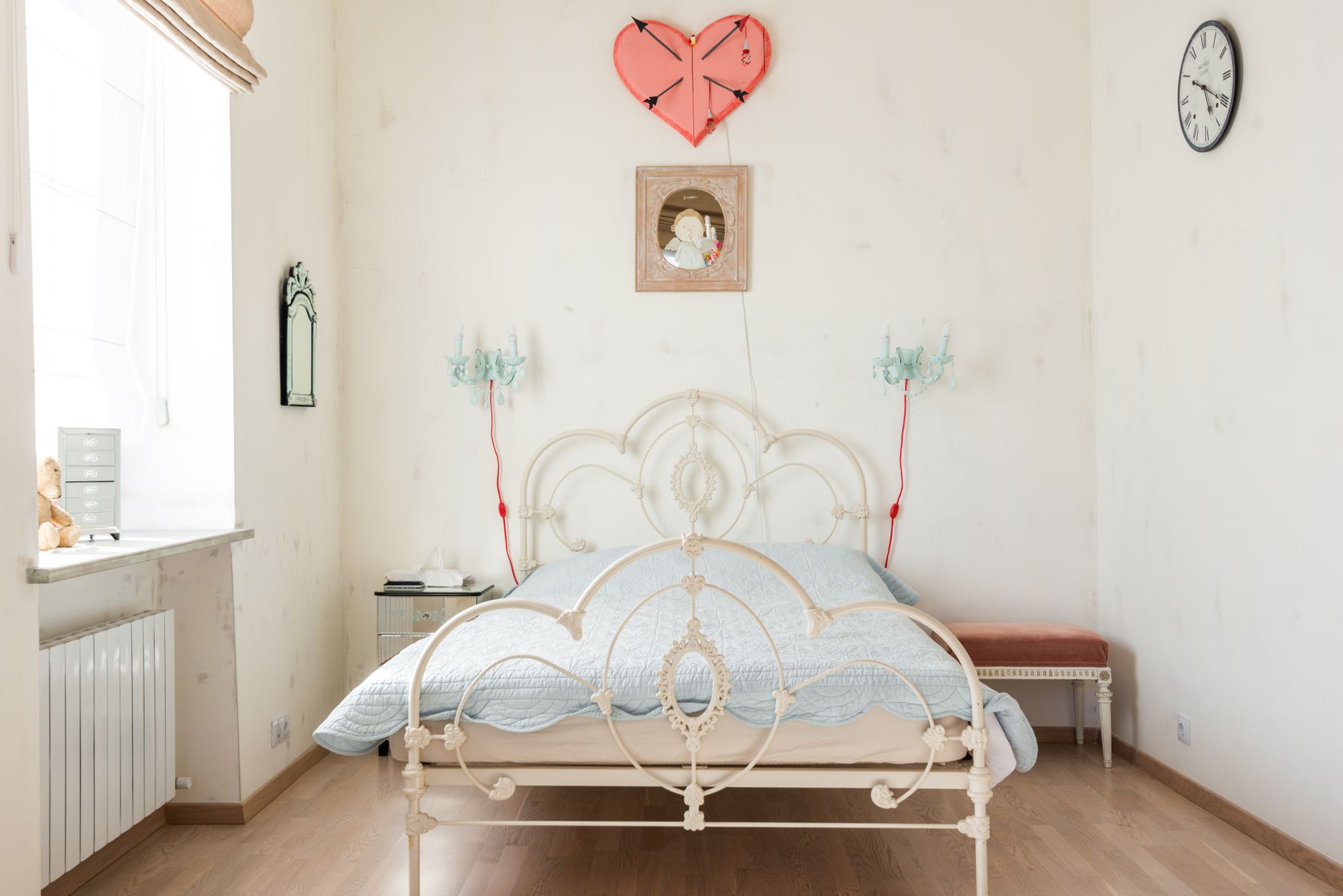
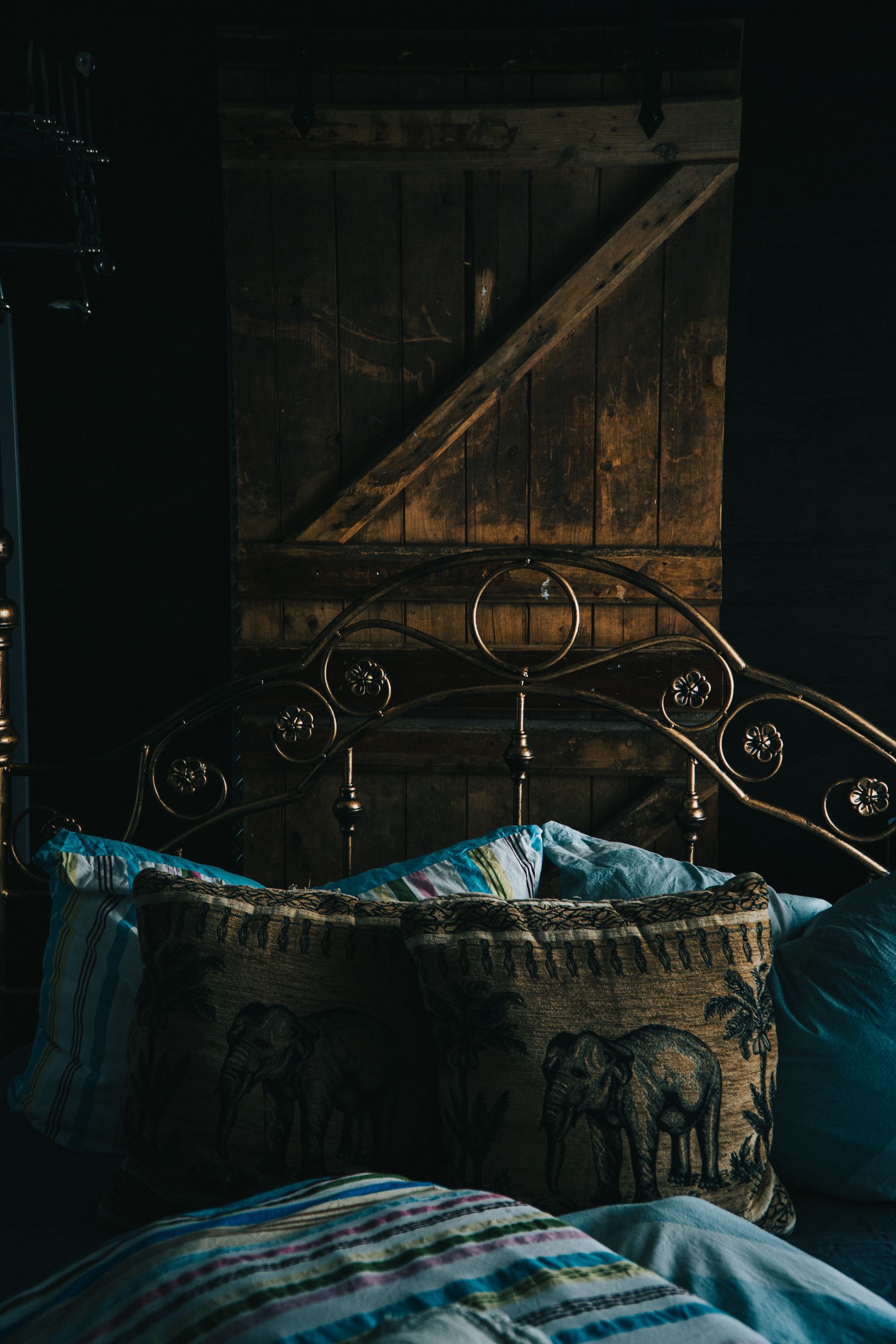
A carved wood, iron or upholstered bed can establish the scholarly mood, but mattress support, height and access come first. Check joints, slats, center rails and non-standard antique dimensions before purchase. Use plain linen, wool and one restrained patterned layer rather than piling books, cushions and costume-like fabric where the body needs to rest. If the headboard is highly detailed, let bedside furniture and art recede. Dark Academia should deepen the retreat, not turn making the bed into daily set dressing.
Dark Timber Judged by Grain and Condition
Walnut, mahogany-toned finishes, oak and stained pine can all work when the grain is visible and the undertones relate. Do not force every piece into the same near-black finish; a collected room benefits from controlled variation. Inspect veneer lifting, woodworm evidence, drawer movement, odors and finish transfer. Repair a sound piece before disguising it with heavy paint. When new furniture is necessary, prioritize stable joinery, replaceable hardware and a finish that will wear gracefully rather than printed imitation distressing.
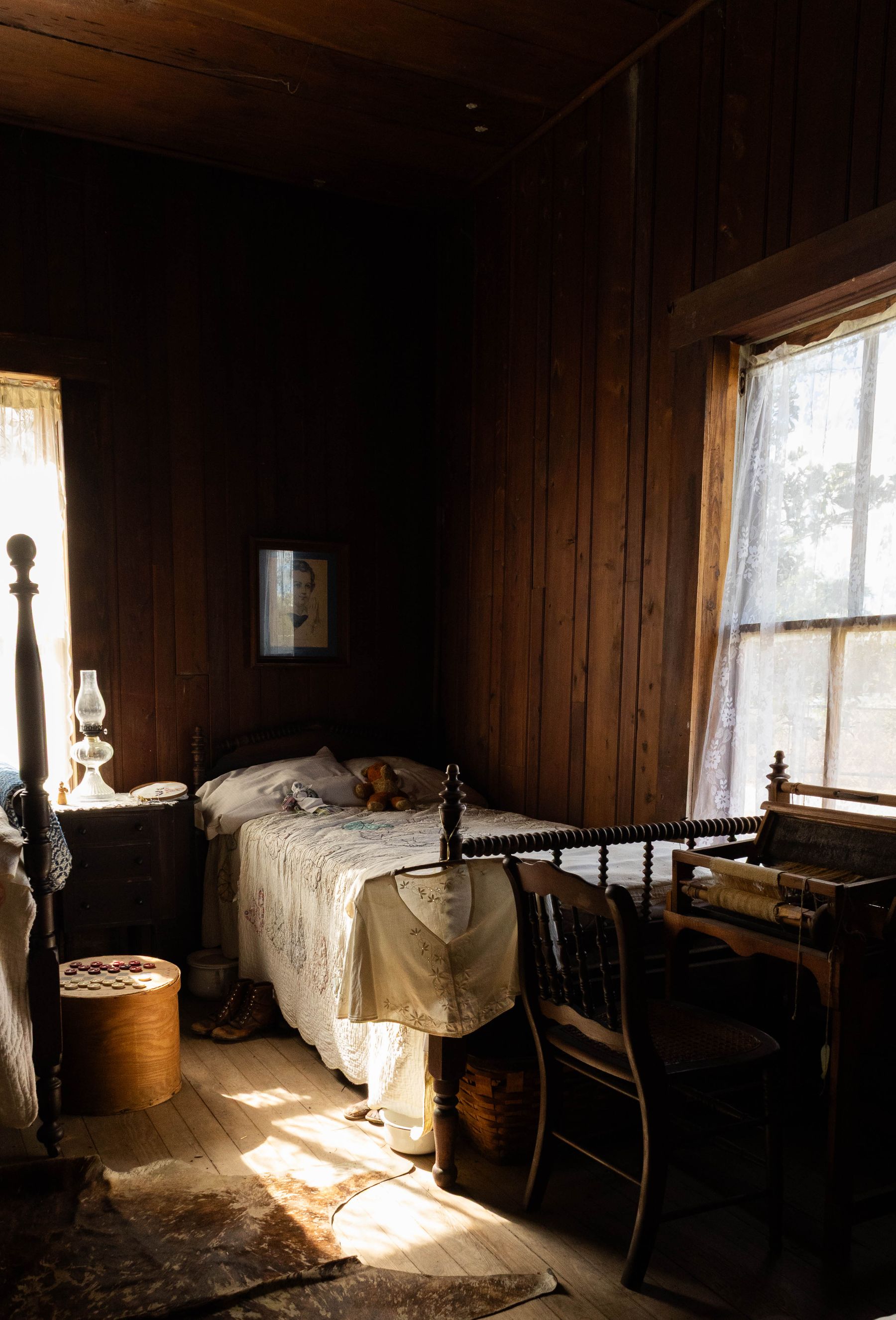

Treat Books as a Working Collection
Shelve books you read or intend to read, grouped in a way you can retrieve—by subject, author, language or current project. Leave room for growth and place heavy volumes on lower shelves. Books packed only by spine color become surface decoration and make the room less useful. Mix upright runs with a few horizontal supports where needed, but avoid unstable towers on the floor or bed. A modest, active collection is more convincing than a wall of damaged volumes bought only to simulate age.
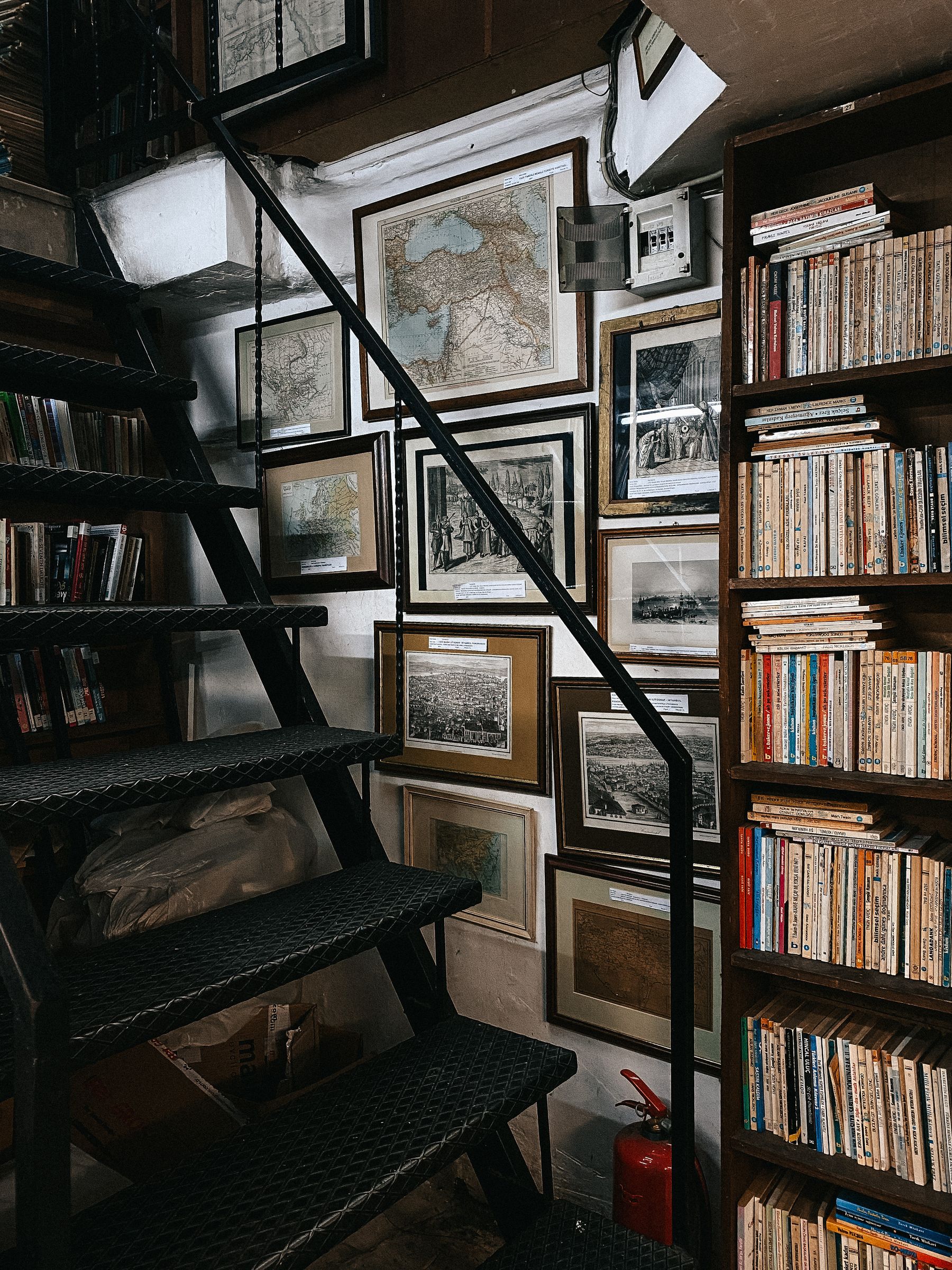
Anchor Bookcases and Respect Their Load
Books are unusually heavy, so tall cases require appropriate wall anchoring, level floors and shelves designed for the span. Keep ladders and improvised steps out of tight bedroom routes, and never position unstable storage where it can fall onto the bed. Closed lower cabinets can hold awkward objects while open shelves keep books visible. Allow airflow behind furniture on cold exterior walls, check skirting gaps and route cables before loading. If the wall construction is uncertain, use a qualified installer and the correct fixings.
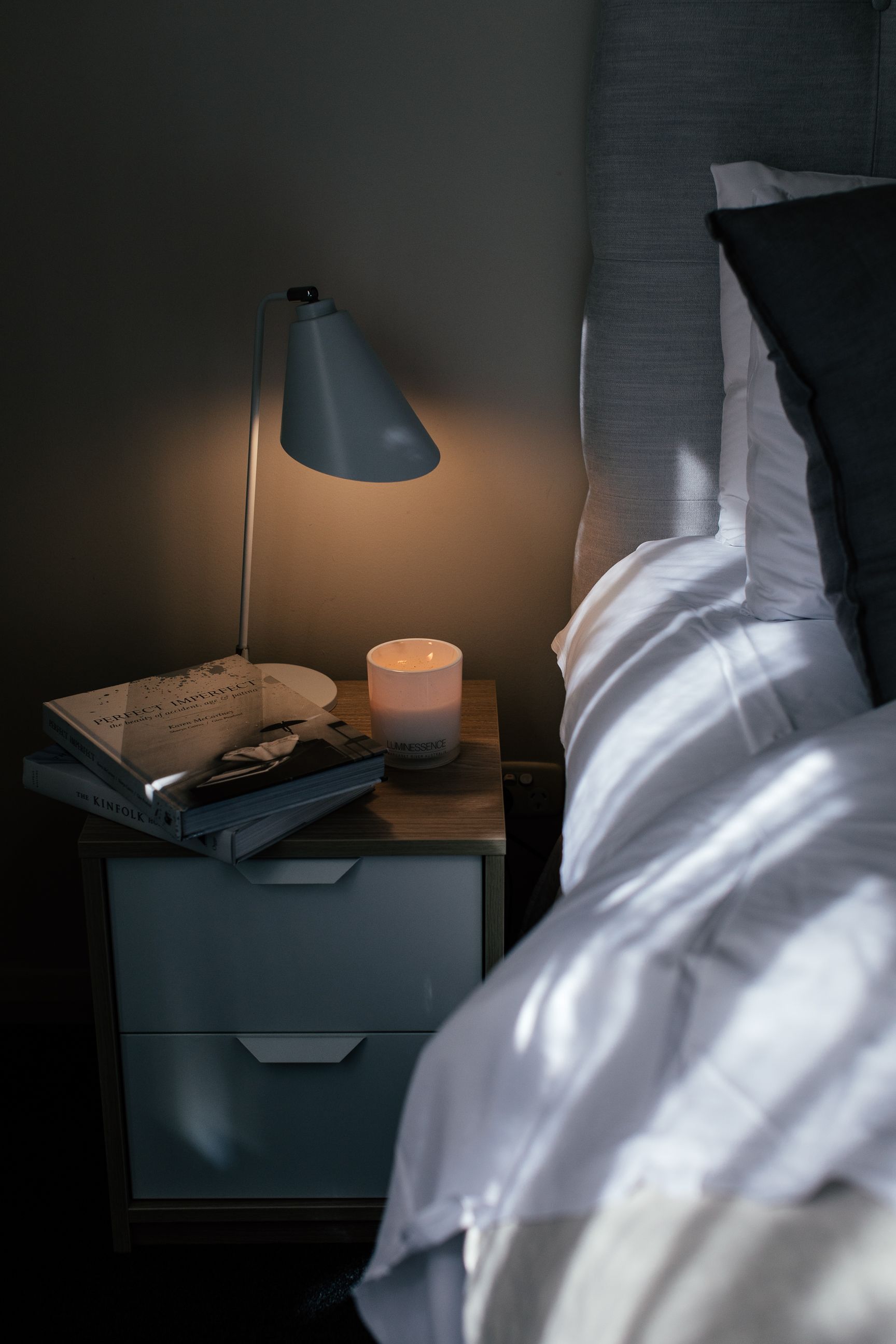
Make Bedside Reading Actually Comfortable
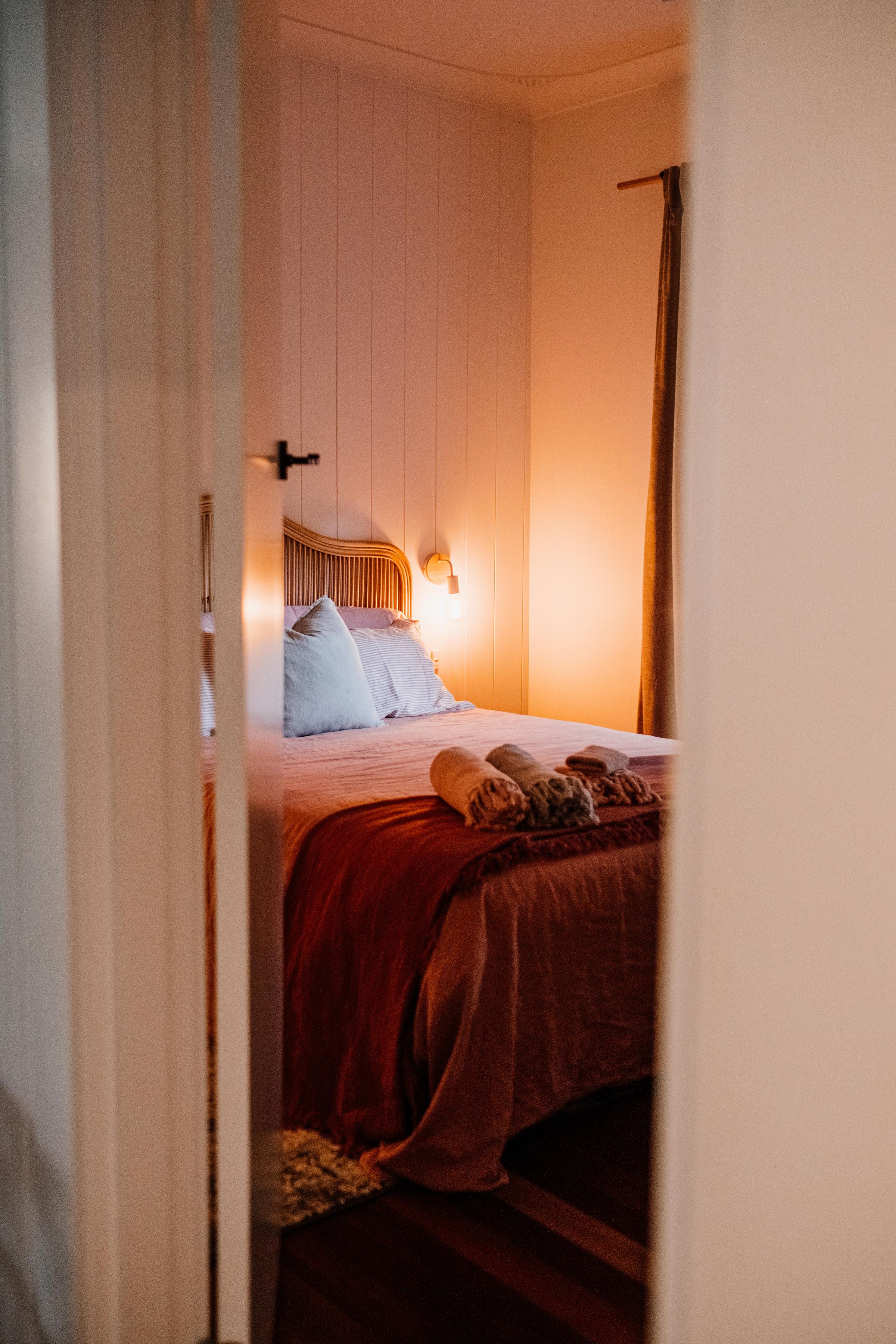
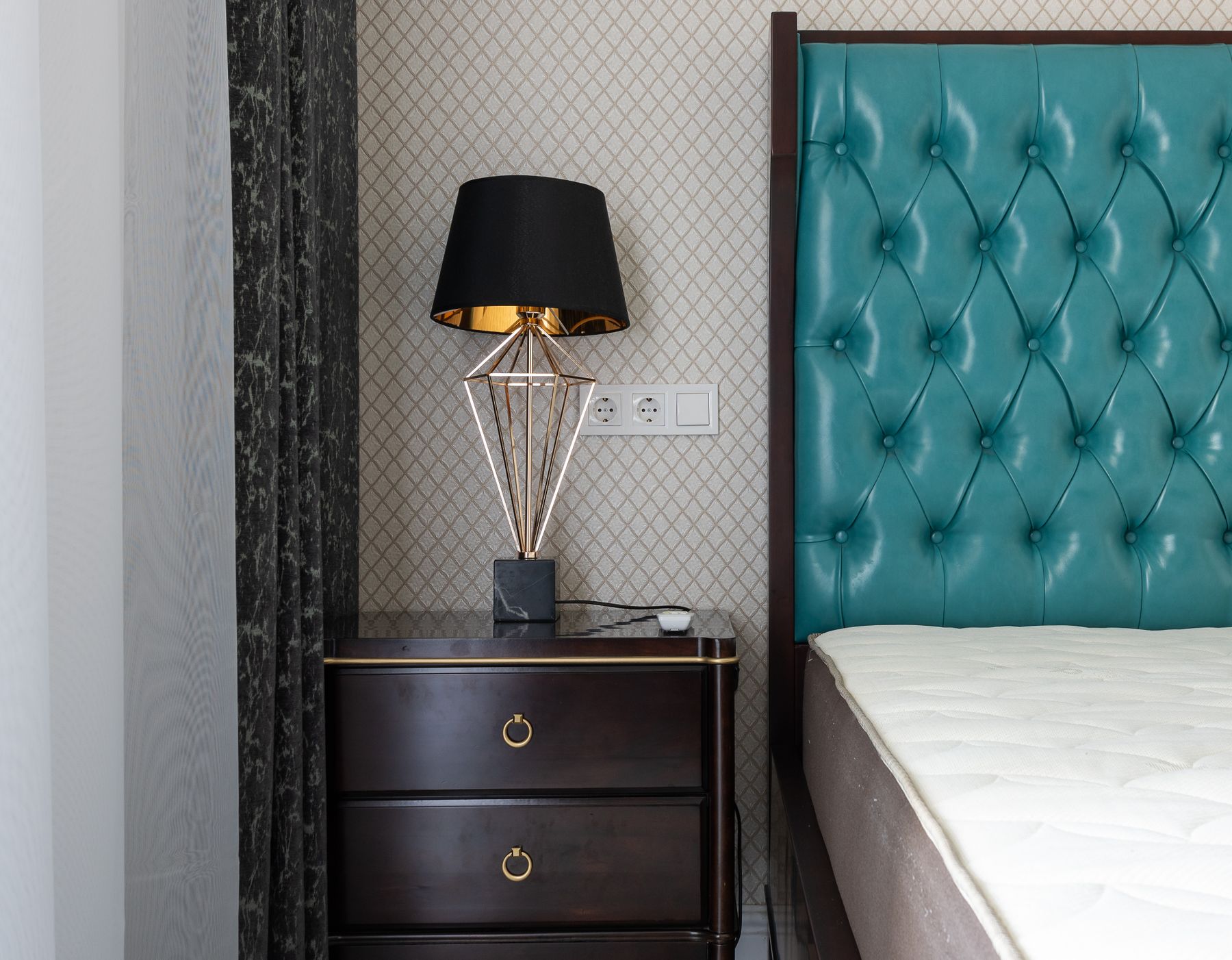
Place the shade or adjustable beam high enough to reach the page without shining into the other sleeper's eyes. The switch, glasses, water and current book should be reachable without twisting. A small table needs a stable top and no precarious tower of unread volumes. Warm light supports atmosphere, but the page still needs adequate brightness and good color rendering. If two people read at different times, give each independent control rather than relying on one central decorative fixture.
Warm Light Without Losing Clarity
Combine a dimmable ambient source, focused reading lights, a desk task lamp and a low nighttime guide rather than trying to make one chandelier do everything. Aim warm light carefully; amber atmosphere is not useful if text becomes muddy or shadows fall across the page. Keep bulbs clear of fabric and old paper, use safe modern wiring in vintage fittings and provide accessible controls. The darkest corners do not all need illumination, but routes, shelf labels, steps and furniture edges must remain legible.
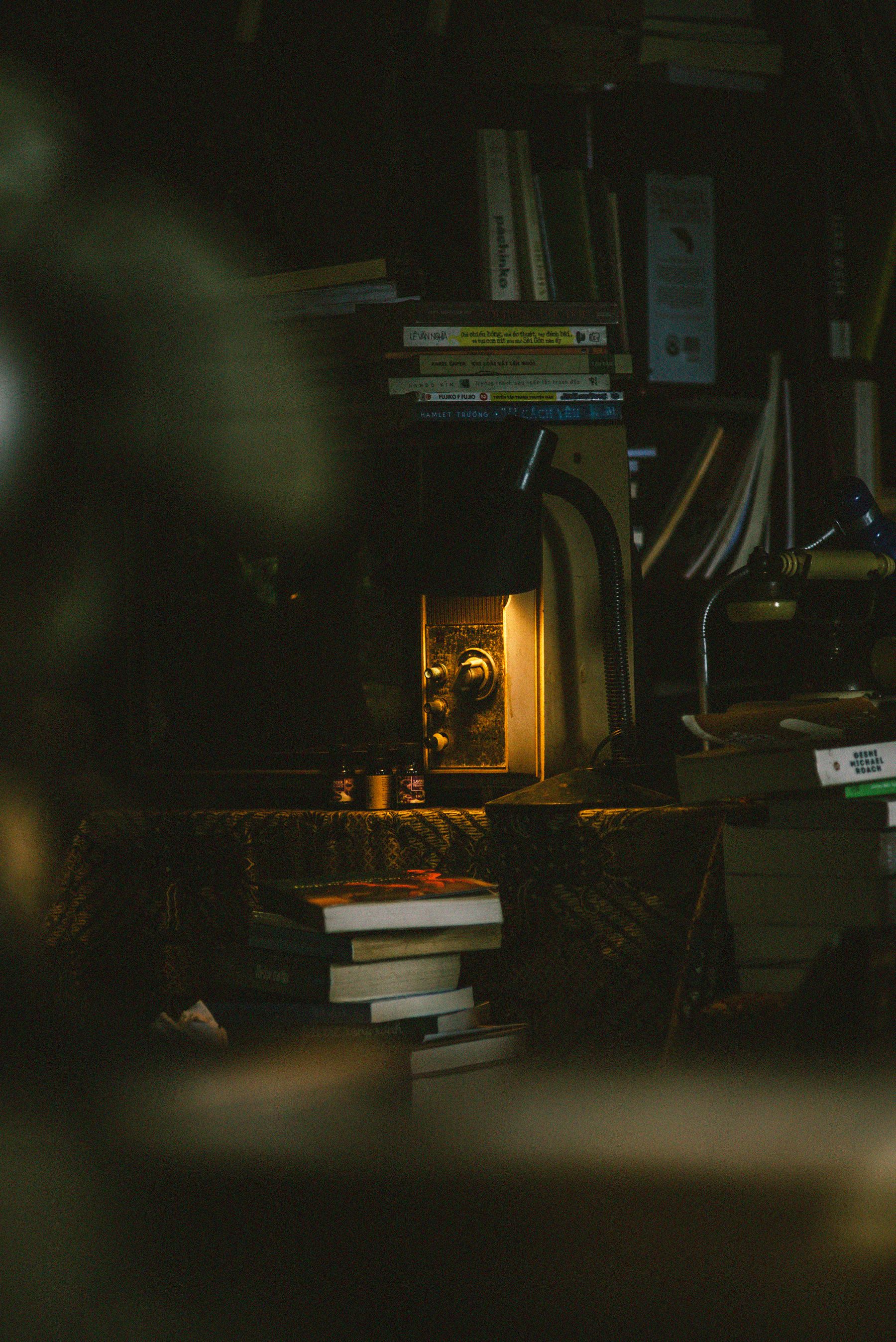
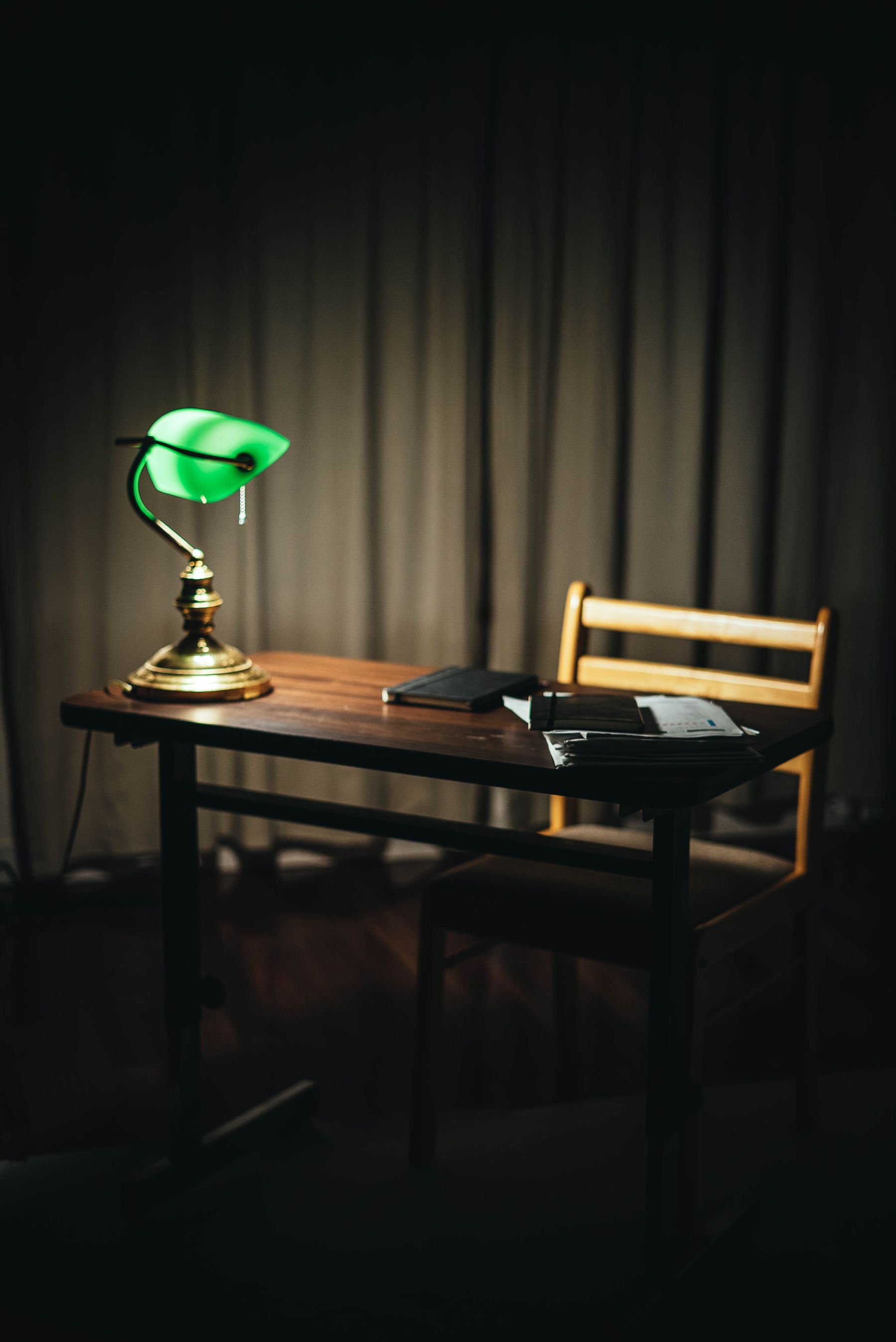
Create a Desk That Can Shut Down
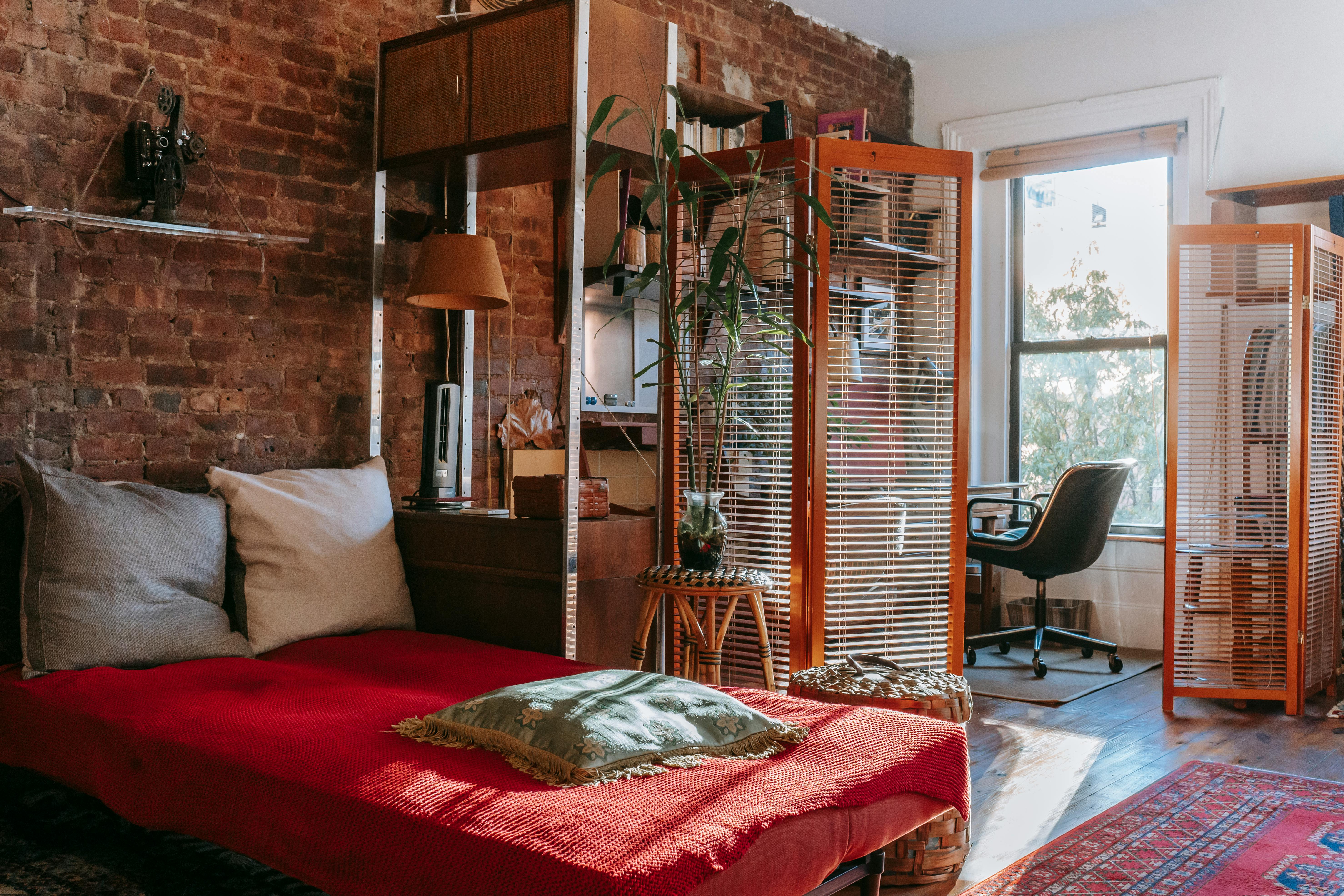
If the bedroom must host work or study, use a desk deep enough for the real task, a supportive chair and controlled glare. Face the desk away from the pillow view when possible, or use a lidded bureau, curtain or closed storage to hide unfinished work at night. Keep chargers and papers off the bed. A dark wood desk may fit the style, but ergonomics determine height and reach. End the day by clearing the working surface and changing from task light to the lower sleep layer.
Separate Reading Pleasure From Screen Work
Dark Academia often romanticizes study, but an all-purpose desk can keep the brain in work mode long after concentration ends. Give recreational reading a chair or bedside position distinct from the screen, and keep the laptop outside the bed whenever possible. If space is limited, change the light and physically close the device before reading. A bureau, vanity or console can perform more than one task as long as its storage supports a clean transition instead of accumulating chargers, cosmetics and papers together.
Wall Color or Paneling as the Slow Layer
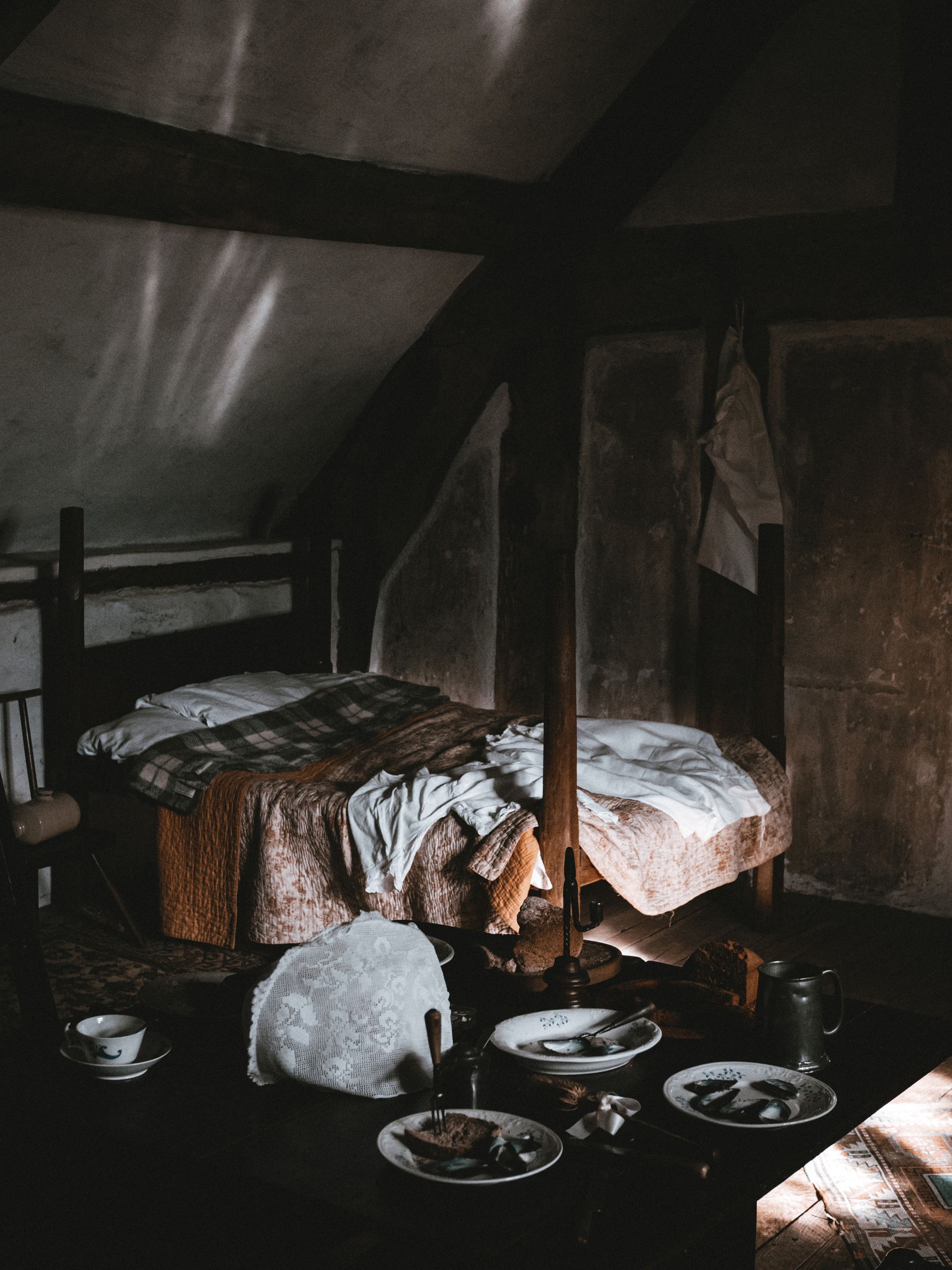
Deep paint is the simplest architectural move; timber paneling, picture rails and wallpaper require more commitment. Choose one wall treatment that supports the room's proportions rather than combining faux stone, imitation paneling and busy paper. In low light, matte dark walls absorb more illumination and may reveal scuffs, while high sheen exaggerates surface defects. Sample at wall scale behind the planned bed and desk. If joinery is new, keep profiles credible and construction repairable instead of simulating an imaginary institution.
Wool, Velvet and Plaid in Selective Layers
Wool throws, velvet cushions, checked cloth and heavier curtains add warmth and absorb sound, yet too many dense layers trap dust and overwhelm a small room. Choose one tactile lead fabric, one pattern and calmer bedding. Check cleaning instructions, allergy needs and seasonal storage before buying. A canopy or wall textile should stay clear of bulbs, heaters and vents and use secure fixings. The scholarly effect comes from material depth, not from covering every surface with fringe and tartan.
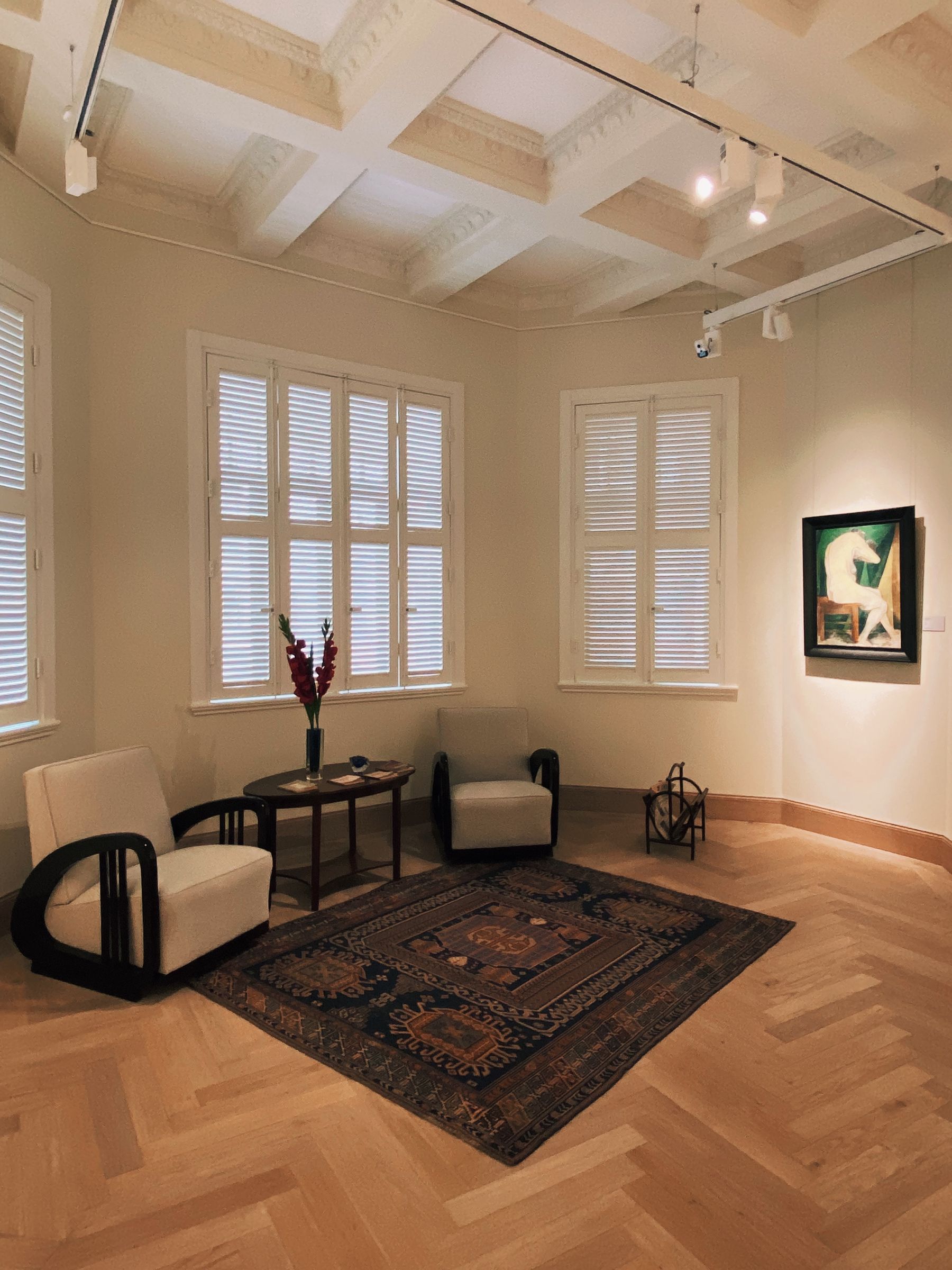
Size the Rug for Bed and Chair Movement
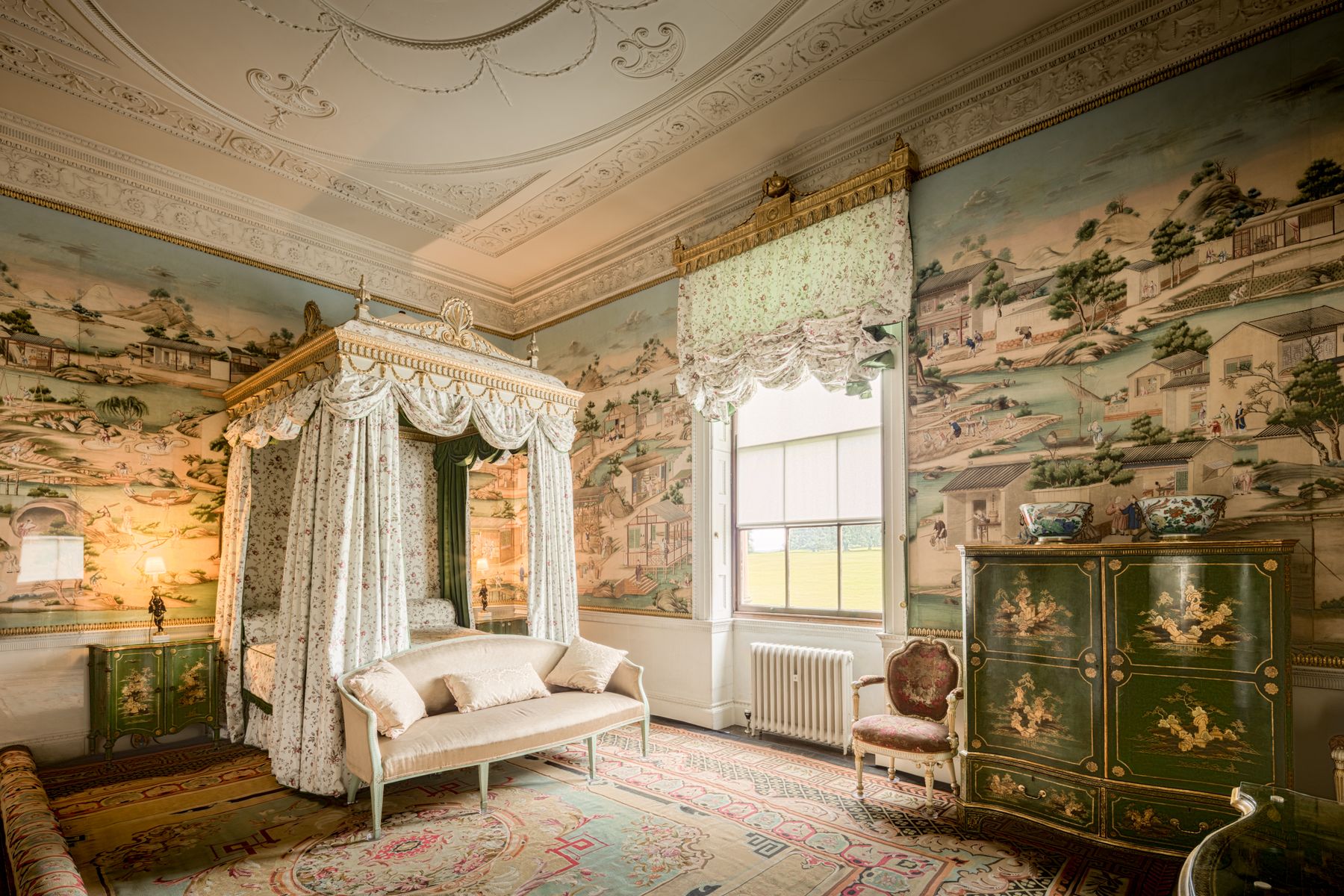
A faded Persian-style or geometric rug can connect dark furniture and absorb sound, but its placement should support the body. Extend enough material beside the bed for bare feet, keep chair casters or legs stable and avoid a loose corner in the nighttime route. Verify fiber, backing and cleaning method; very thick pile traps debris and may obstruct doors. If an authentic old rug is damaged, repair or display it in a lower-traffic position rather than allowing the bedroom to finish the deterioration.
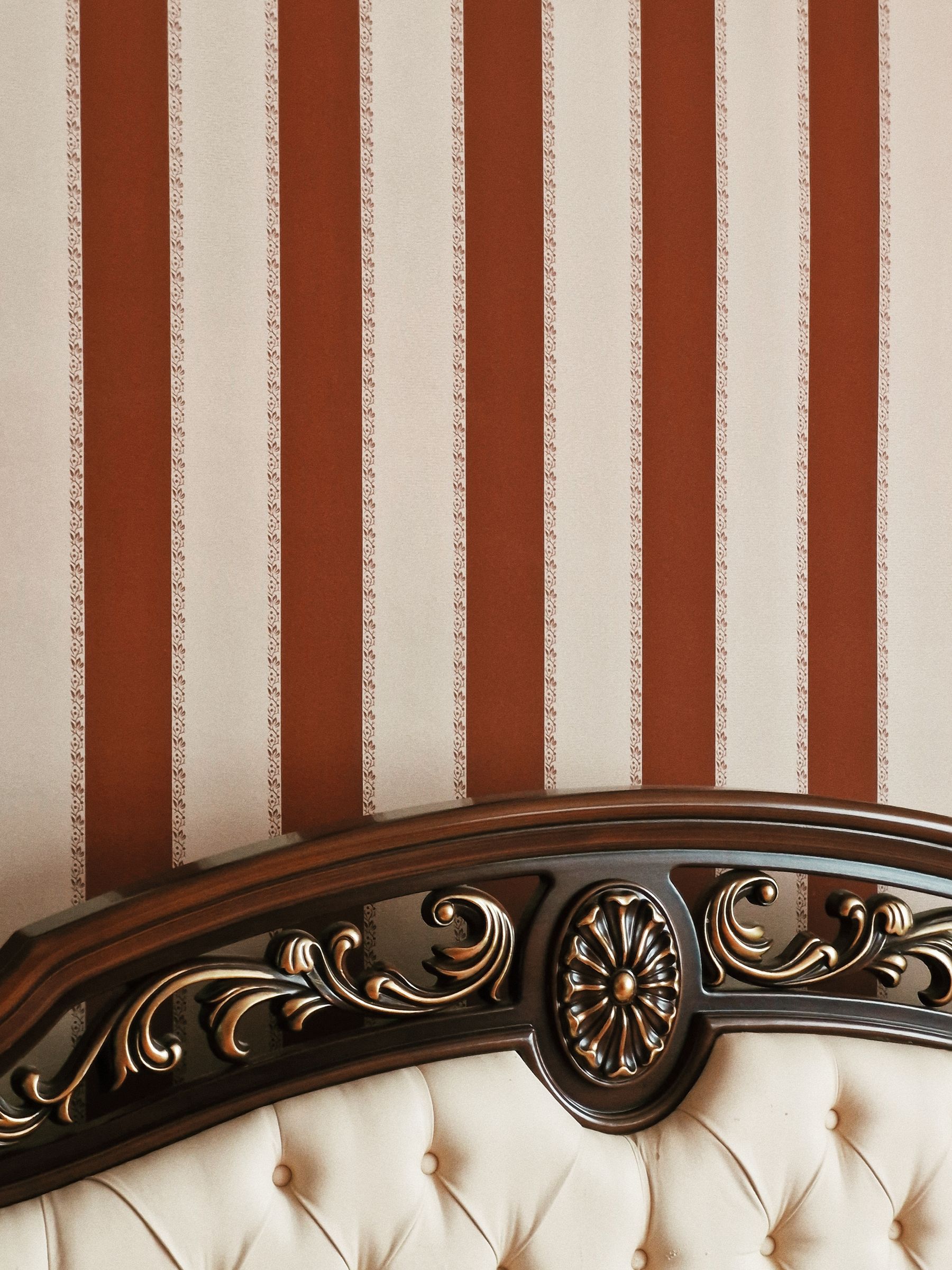
Control Daylight With Two Curtain Layers
Dark Academia photography often celebrates dimness, but a bedroom still needs daylight, ventilation and a reliable sleep setting. Pair a privacy layer with lined curtains or a blind so the window can work differently by day and night. Mount the treatment to protect the glass area when open and confirm that fabric does not block radiators or vents. Deep curtains can improve acoustics, yet they also collect dust; specify a practical heading, washable lining where possible and enough clearance for regular cleaning.
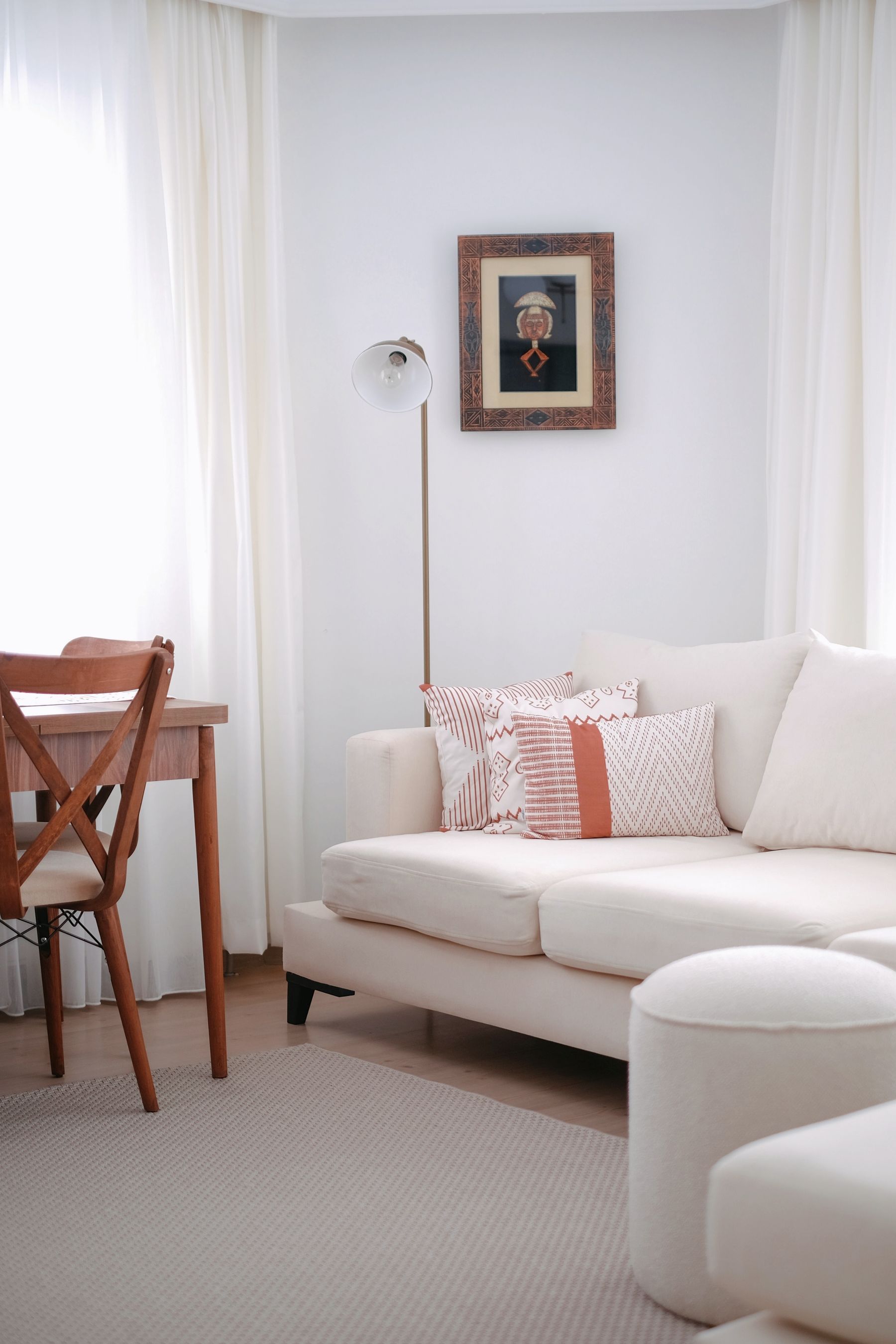
Art Chosen for Meaning, Scale and Rights
Maps, botanical studies, architectural drawings and portraits can support the style when they connect to genuine interests. Use original work, licensed reproductions or clearly public-domain images rather than copying protected art from mood boards. One large frame may suit the bed wall better than a grid of small pieces that is difficult to dust and level. Avoid heavy glass frames directly above pillows unless the fixing and wall construction are appropriate. Record provenance for valuable work and use UV-conscious placement for vulnerable paper.
Patinated Metal as a Small Highlight
Aged brass, bronze and blackened steel work best on useful hardware, lamps and frames. Repeat the metal two or three times at different scales, then stop. Artificially distressed finishes can chip or transfer, while genuine old electrical fittings require inspection and rewiring before use. Do not burn candles beside books, curtains or bedding merely to reproduce an image; LED sources and safe shaded lamps create the glow without an open flame. Metal should sharpen the composition, not become a collection of ornamental gadgets.
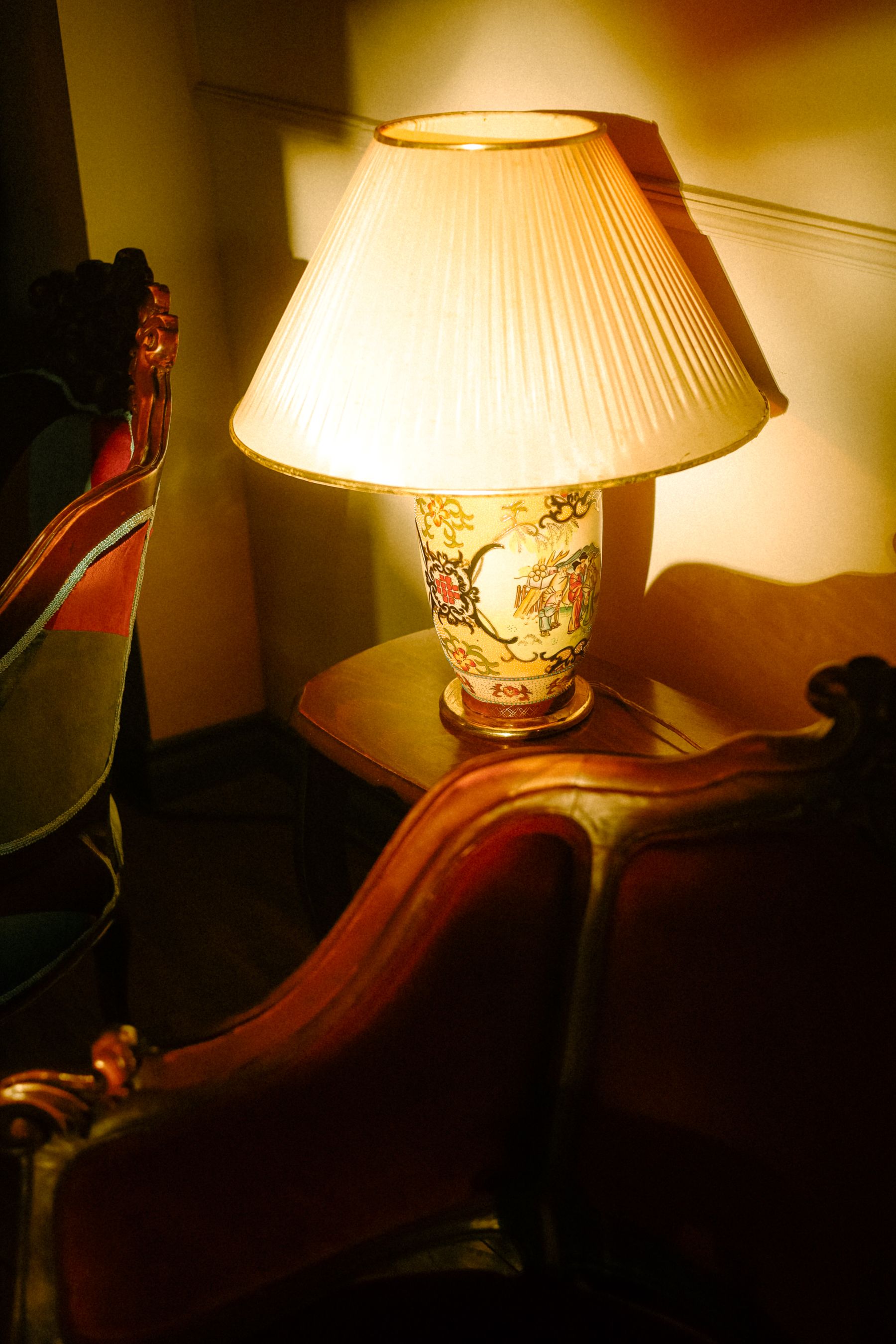
A Reading Chair That Fits the Body
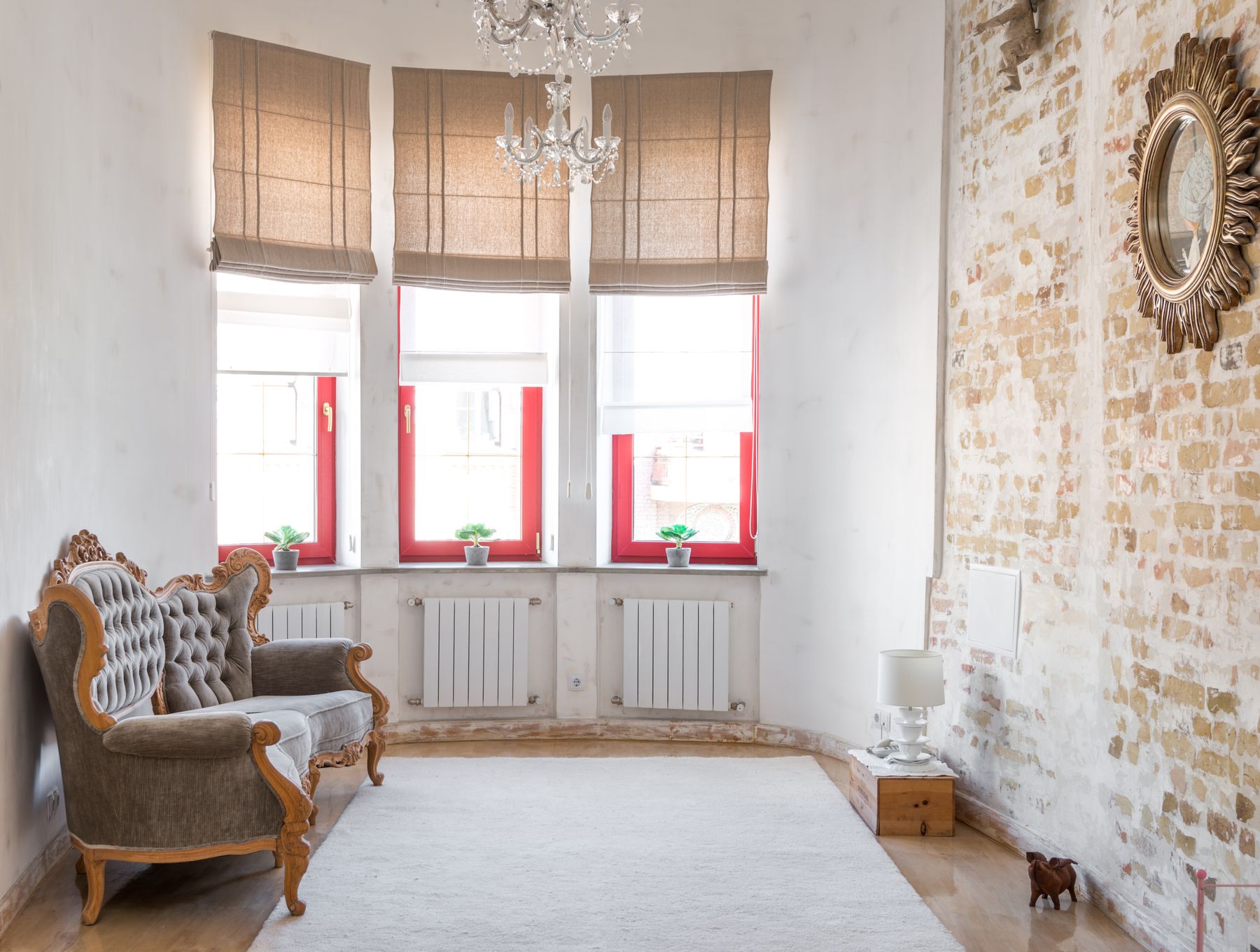
Choose a chair by seat depth, back support and the reader's posture, then add a reachable table and directed lamp. Leather, wool or velvet may fit the palette, but inspect used upholstery for odor, pests, damaged webbing and impractical cleaning. Keep the chair out of the route to the window and wardrobe. In a compact room, an upright dining-style chair with a cushion may be better than an oversized club chair that looks atmospheric but prevents bed access.
Found-Object Bedside Furniture Must Be Safe
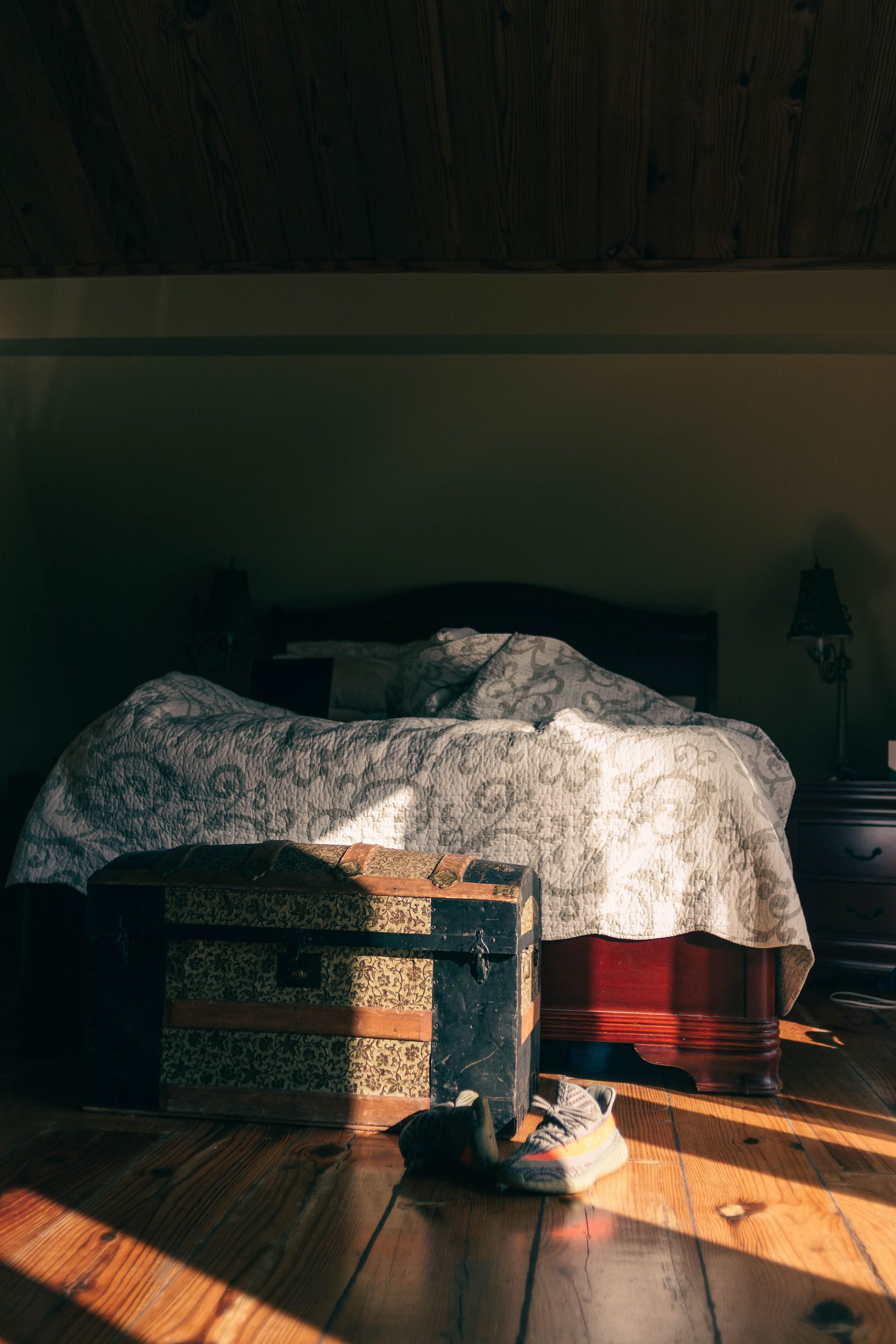
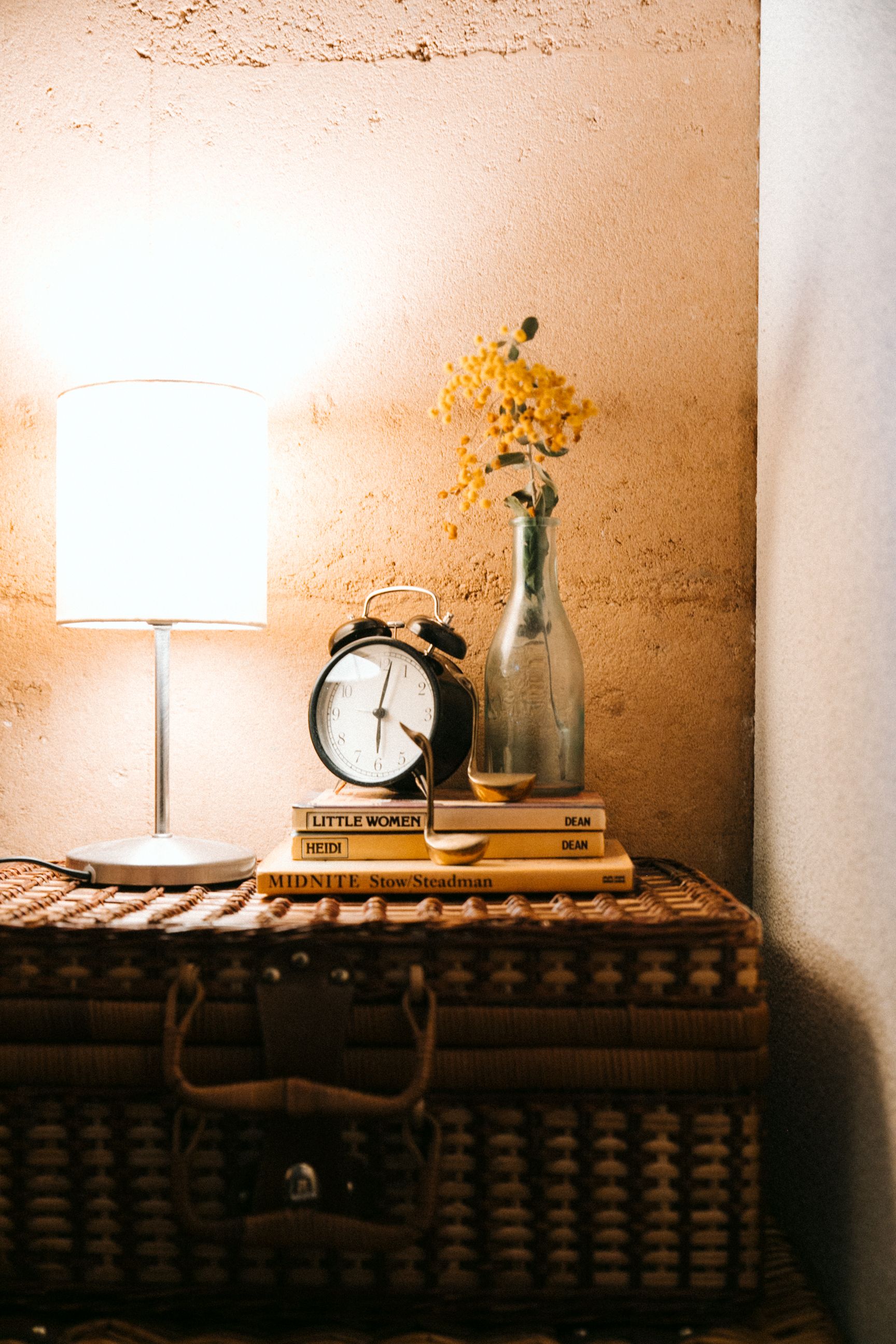
Suitcases, trunks and small cabinets can add history, but a bedside surface must remain level, stable and easy to clean. Confirm the lamp cannot tip, the lid will not open unexpectedly and the object does not harbor odor or pests. Set the top near mattress height and keep books from blocking the switch. If access inside requires moving everything nightly, use the piece for occasional storage and add a simpler table for daily needs. Story should never replace safe, frictionless use.
Protect the Transition From Reading to Sleep
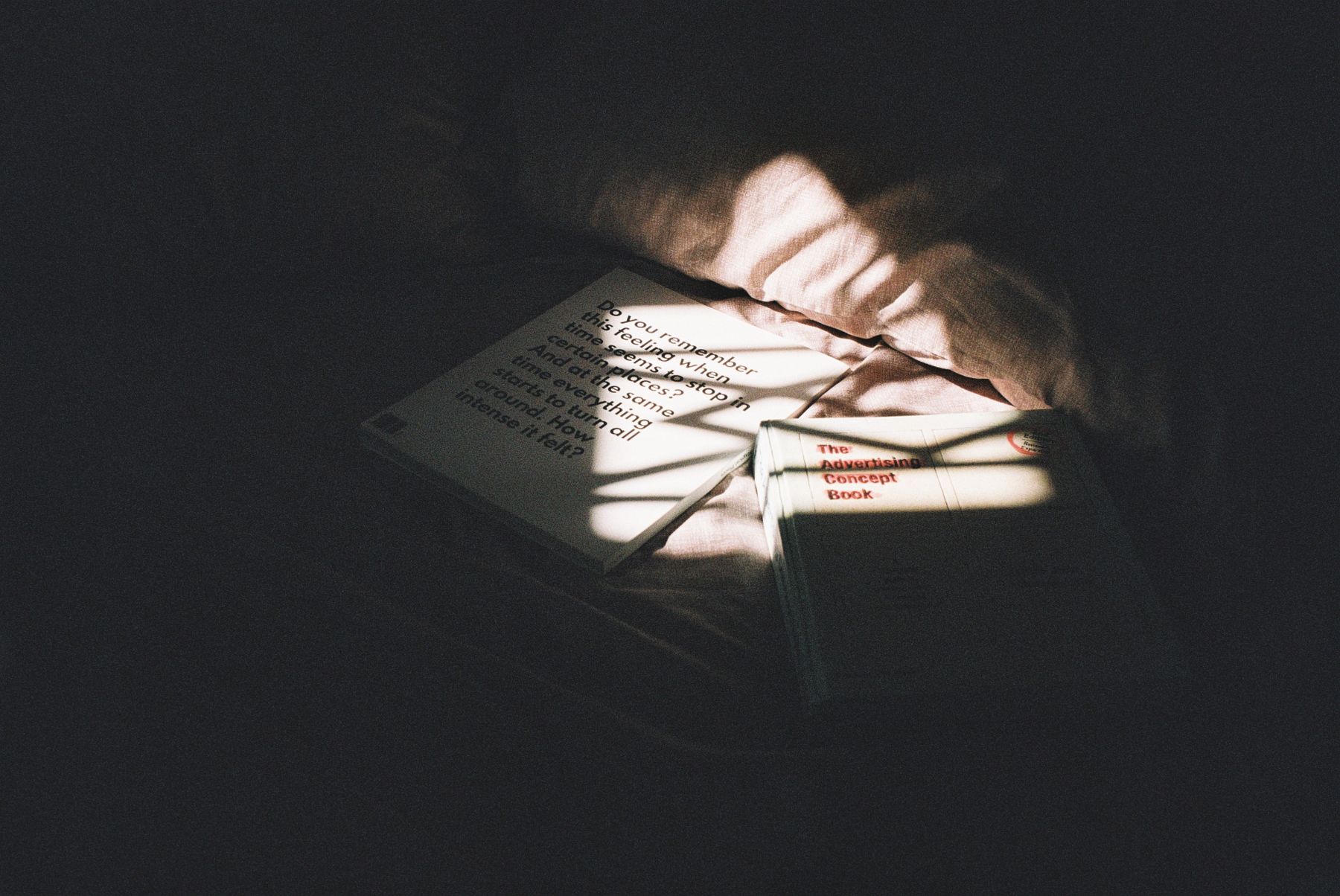
Reading in bed can support a calm routine, but hardback piles, laptops and notebooks should leave the sleep surface before lights out. Provide one shelf, basket or table within reach for the current book and glasses. Dim the room in stages rather than switching from bright study light to darkness. If exciting coursework keeps the mind active, move formal study to the desk and reserve the bed for lighter reading. The aesthetic works best when its central ritual also protects sleep.
Scale the Idea for a Small Bedroom
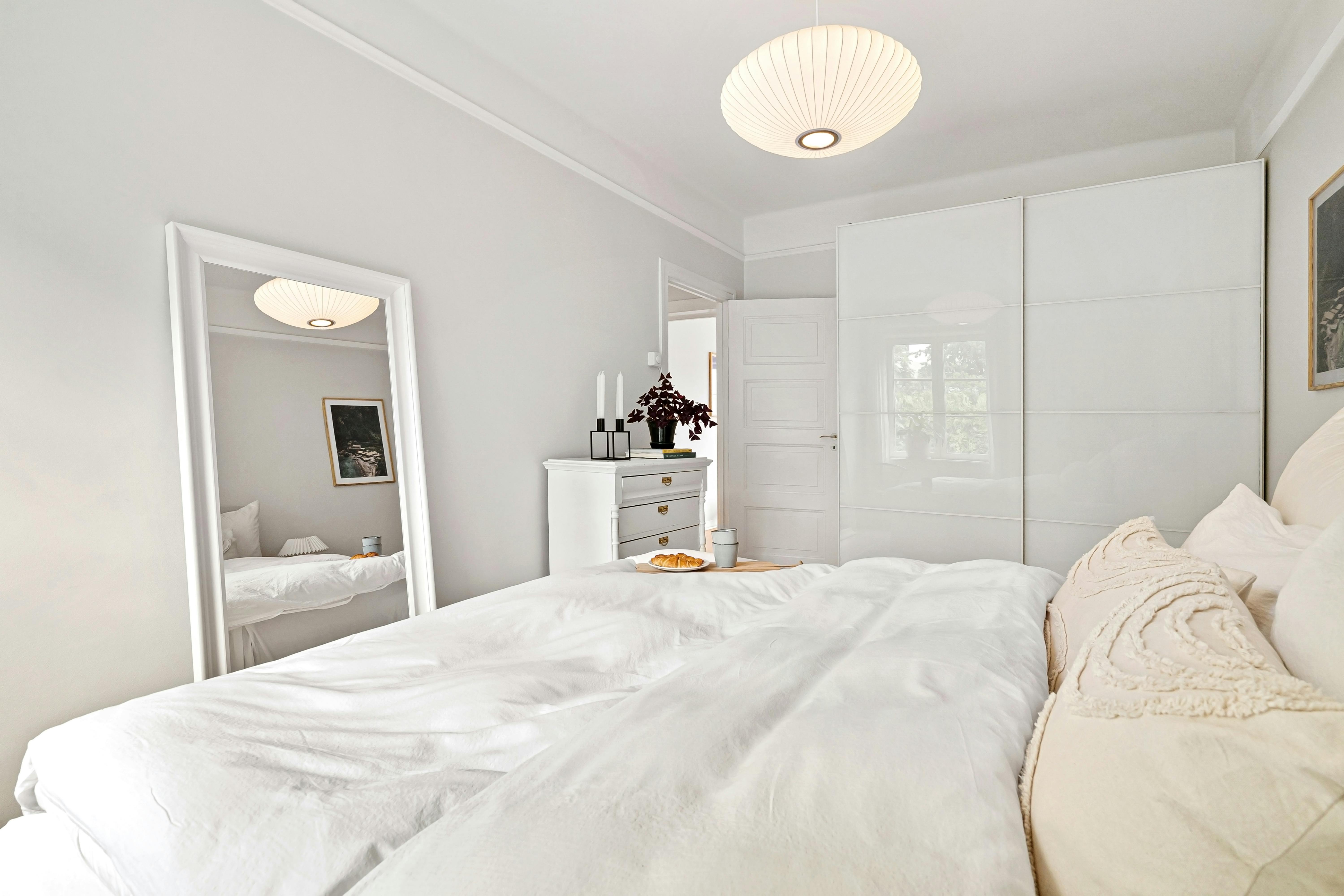
In a small bedroom, choose one dark wall or compact bookcase, one good lamp and a bed with useful clearance. Shallow shelves above a desk can work when securely fixed and kept away from pillows, but deep furniture quickly narrows the route. Use vertical storage for light objects and closed space under the bed for less attractive necessities. Preserve some pale bedding and visible floor so the room has contrast. Concentration creates stronger identity than distributing tiny props over every ledge.
A Rental-Friendly Dark Academia Version
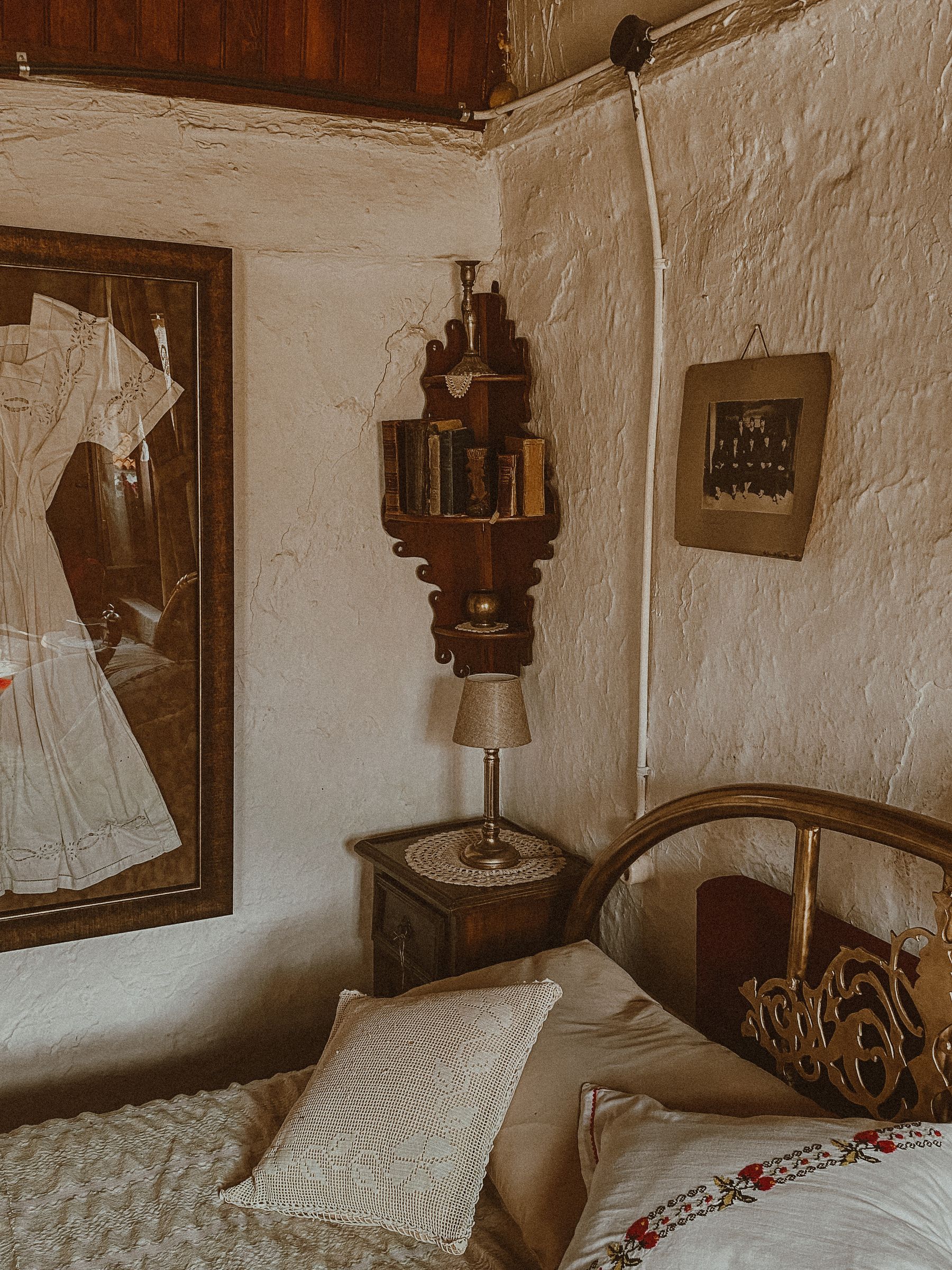
Use freestanding shelves, a large rug, lined curtains where permitted, deep bedding and portable task lights. A painted board behind the bed can create a reversible color field if it is safely secured; removable products still require testing because adhesives can lift paint. Confirm lease rules before drilling, changing fittings or loading walls. Spend on pieces that move well and fit ordinary doorways. The style should survive relocation rather than depend on questionable faux paneling attached to someone else's wall.
Source Slowly and Budget for Repair
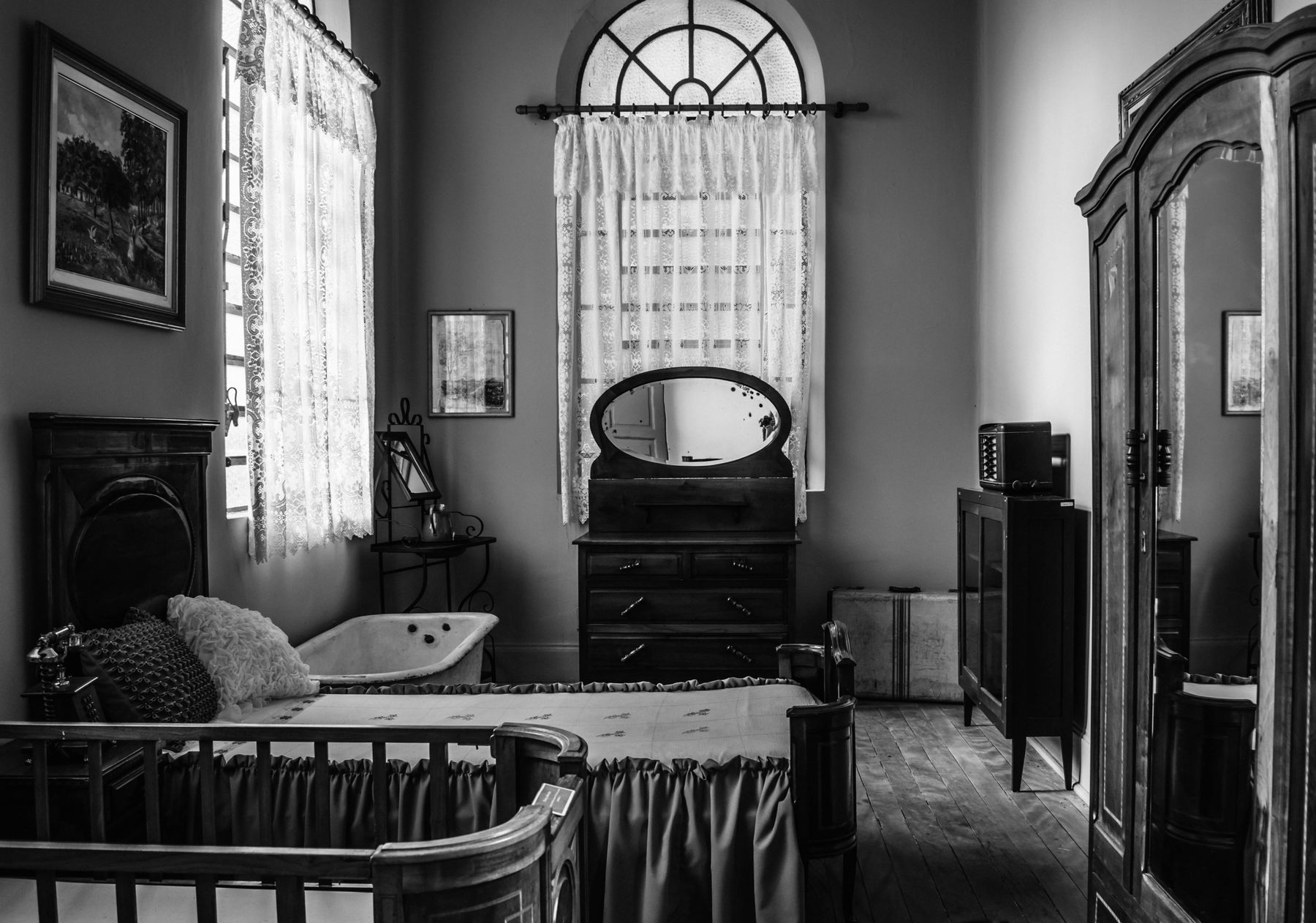
Prioritize the bed, task light, stable storage and window control before decorative collecting. Estate sales, reuse centers and ordinary secondhand listings may offer better furniture than trend-branded reproductions, but transport, cleaning and repair belong in the price. Inspect in daylight and reject active pests, severe mold odor, unstable joints or unsafe wiring. Buy fewer pieces with useful capacity and compatible scale. A room assembled gradually from real needs will look more credible than an instant themed haul.
Manage Dust, Humidity and Book Condition
Paper, fabric and carved furniture create many dust-catching edges. Leave cleaning access, use a brush attachment carefully and avoid packing shelves against damp exterior walls. Books prefer a stable, moderate indoor environment; repeated high humidity encourages mold and swelling, while direct sun fades spines. Investigate musty odor rather than masking it with fragrance. Keep plants and drinks away from valuable volumes, and isolate any suspect secondhand book before it joins the collection. The room should smell like clean paper and wood, not trapped moisture.
Ventilate Without Sacrificing Atmosphere
Heavy curtains, full shelves and upholstered furniture can make a bedroom feel cocooning while reducing air movement. Keep vents and radiators clear, open the window according to climate and monitor persistent condensation. Do not press bookcases tightly against a cold wall without assessing moisture risk. If the room overheats under dark finishes and dense fabric, reduce textile weight before adding mechanical equipment. Quiet ventilation and comfortable temperature are part of the scholarly retreat because stale, damp air undermines both sleep and the collection.

Conceal Technology Without Making It Fragile
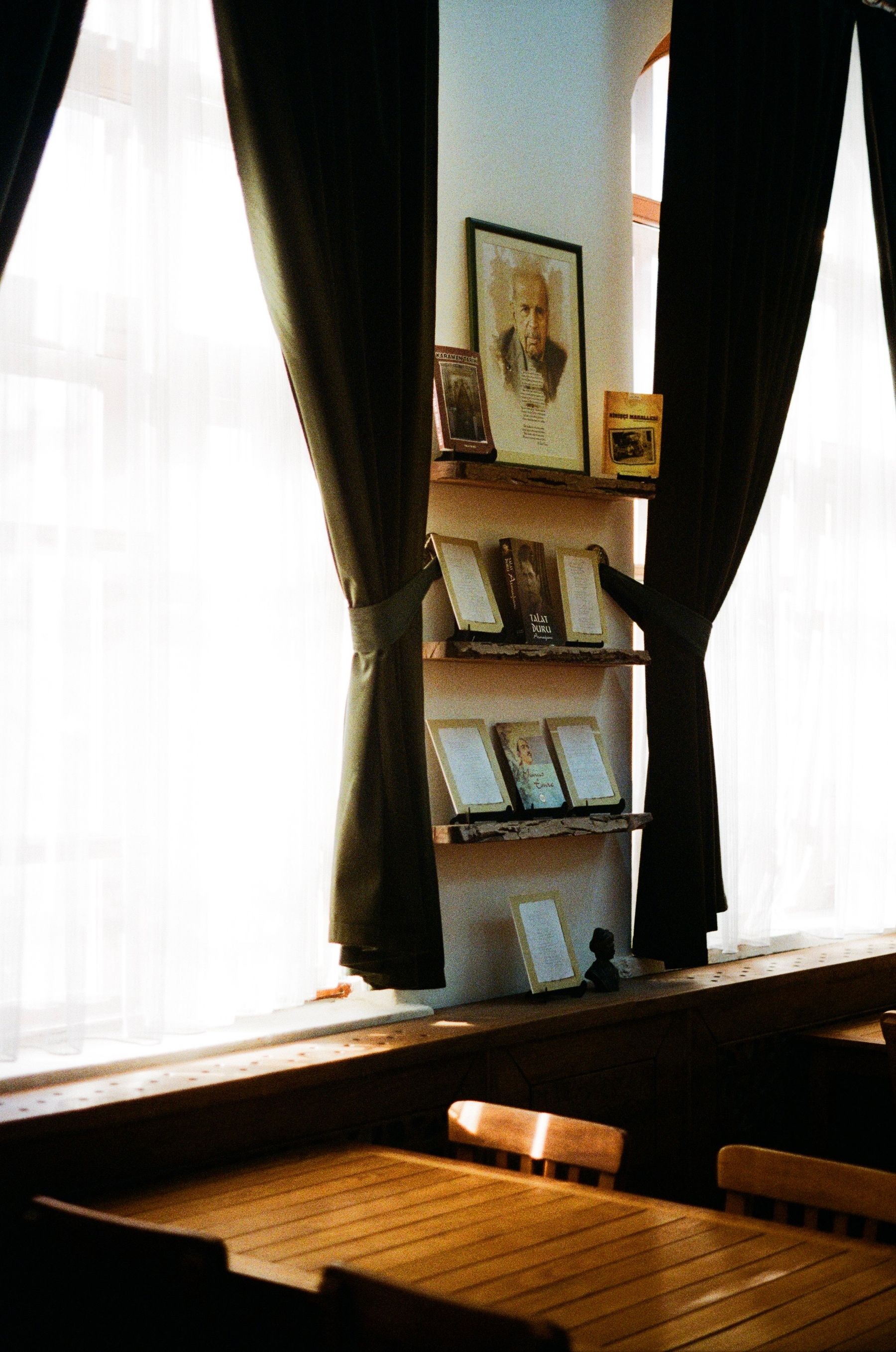
Use cable routes, a ventilated drawer or a closed box with safe power access to reduce visual noise. Keep devices away from fabric and do not hide power supplies where heat accumulates. A current alarm, speaker or reading device does not invalidate the style; the goal is calm integration rather than historical reenactment. Provide manual control for smart lighting and leave enough slack and access for replacement. If technology repeatedly returns to the bed, improve charging storage rather than adding another decorative screen.
Shared Use With Independent Control
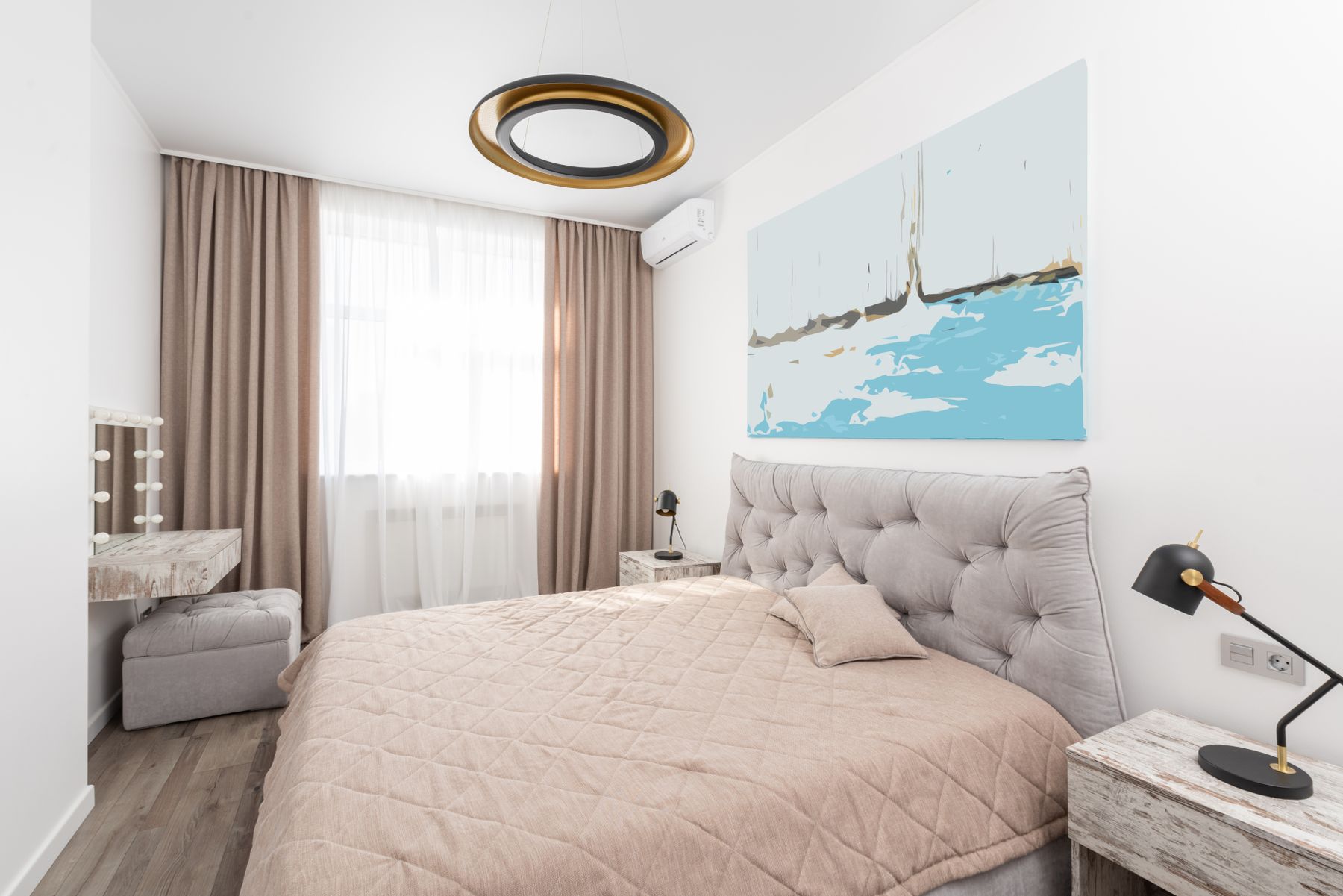
A couple does not need identical reading habits or tolerance for darkness. Give each side reachable light, storage and charging, then use a shared rug, headboard or wall color to unify the room. Keep one person's book collection from occupying the other's bedside surface or route. Agree on the desk shutdown time and curtain settings. Symmetry is optional; equal function is not. A literary identity should welcome both users rather than making one live inside the other's personal study.
Preserve Low-Light Safety and Accessibility
Dark tonal schemes can hide floor edges, chair arms and low tables. Maintain contrast at the bed, route, switches and thresholds, and add a low glare-free guide light. Choose a mattress height that works for the user, stable seating with supportive arms where needed and graspable hardware on drawers. Avoid loose rug corners, narrow passages and book stacks on the floor. Accessibility does not require a pale generic room; it requires deliberate visibility, reach and stability within the chosen palette.
Edit the Room Before It Becomes a Costume
Review every globe, bust, candleholder, map, typewriter and stack of books. Keep the objects that are useful, meaningful or genuinely beautiful and remove those purchased only to satisfy an aesthetic checklist. Check the doorway, pillow and desk views separately; each needs a focal point and visual rest. Reset cables, clear the bed and leave room for future books. The room is complete when reading, working, dressing and sleeping feel natural and the historical references support those actions without demanding attention.