Define Industrial as Material Logic, Not a Theme
Industrial bedroom design grows from converted-workspace architecture: visible structure, honest materials and objects whose form follows a job. It is not a collection of gear clocks, warning signs and decorative pipes. Compared with [industrial apartment ideas](/apartment/industrial-apartment-ideas/), this room-specific guide puts sleep darkness, soft contact surfaces and acoustic calm first. Compared with [modern bedroom ideas](/bedroom/modern-bedroom-ideas/), its identity depends more on material contrast and structural detail. Choose two authentic signals—perhaps masonry and a fine metal frame—then let comfort lead the rest.
Plan the Bed Around Routes, Structure and Services
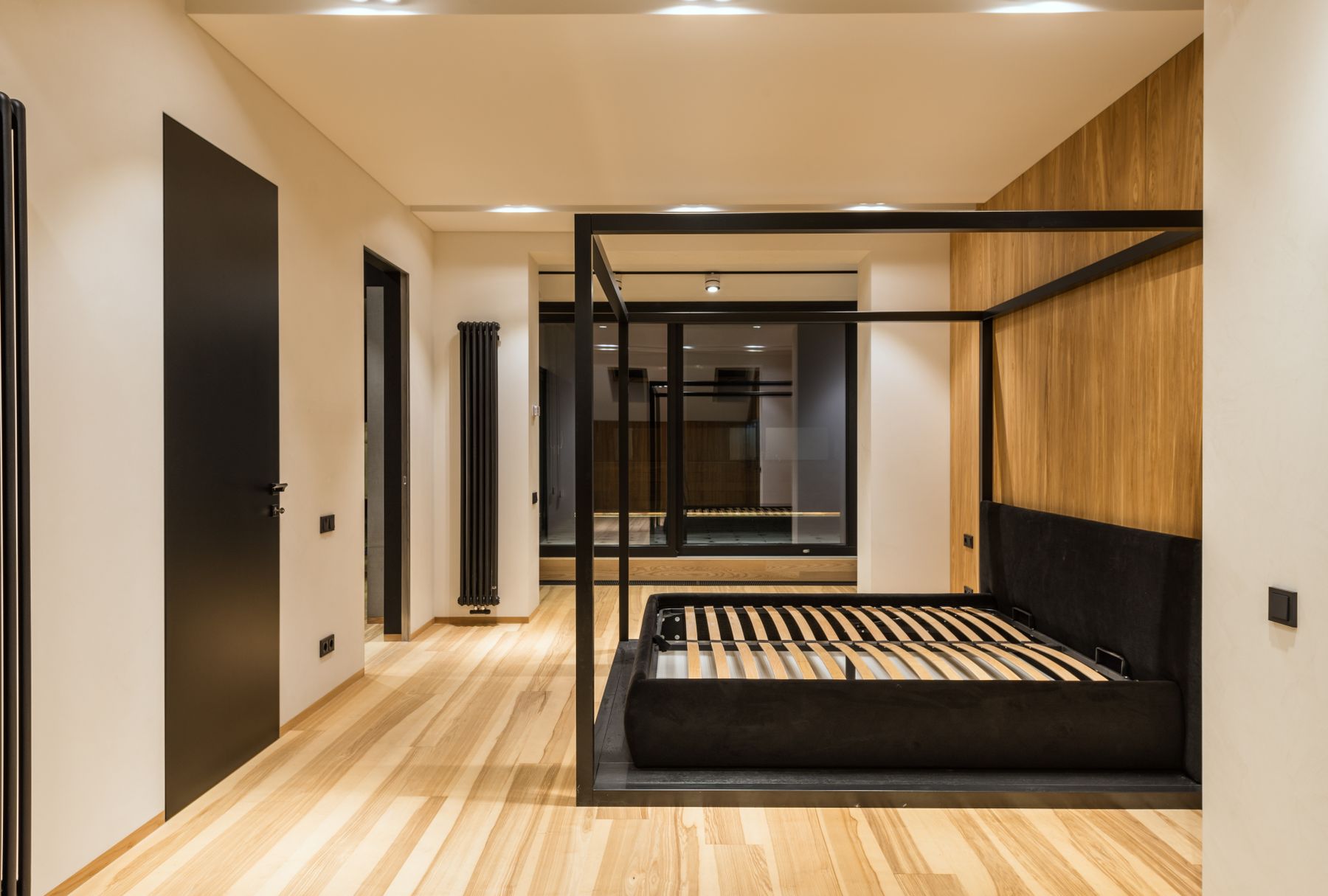
Measure the full frame, doors, drawers, radiators, columns, low beams and usable outlets before locating the bed. In a loft, the most dramatic brick wall may also be cold, damp or crossed by services; do not assume it is the safest headboard position. Preserve an uncomplicated route from the door to both sides of the mattress and the bathroom. Tape the frame and open-door arcs at full size, then walk them in low light. Industrial scale never compensates for a pinched or hazardous plan.

One Brick Plane Carries the Texture
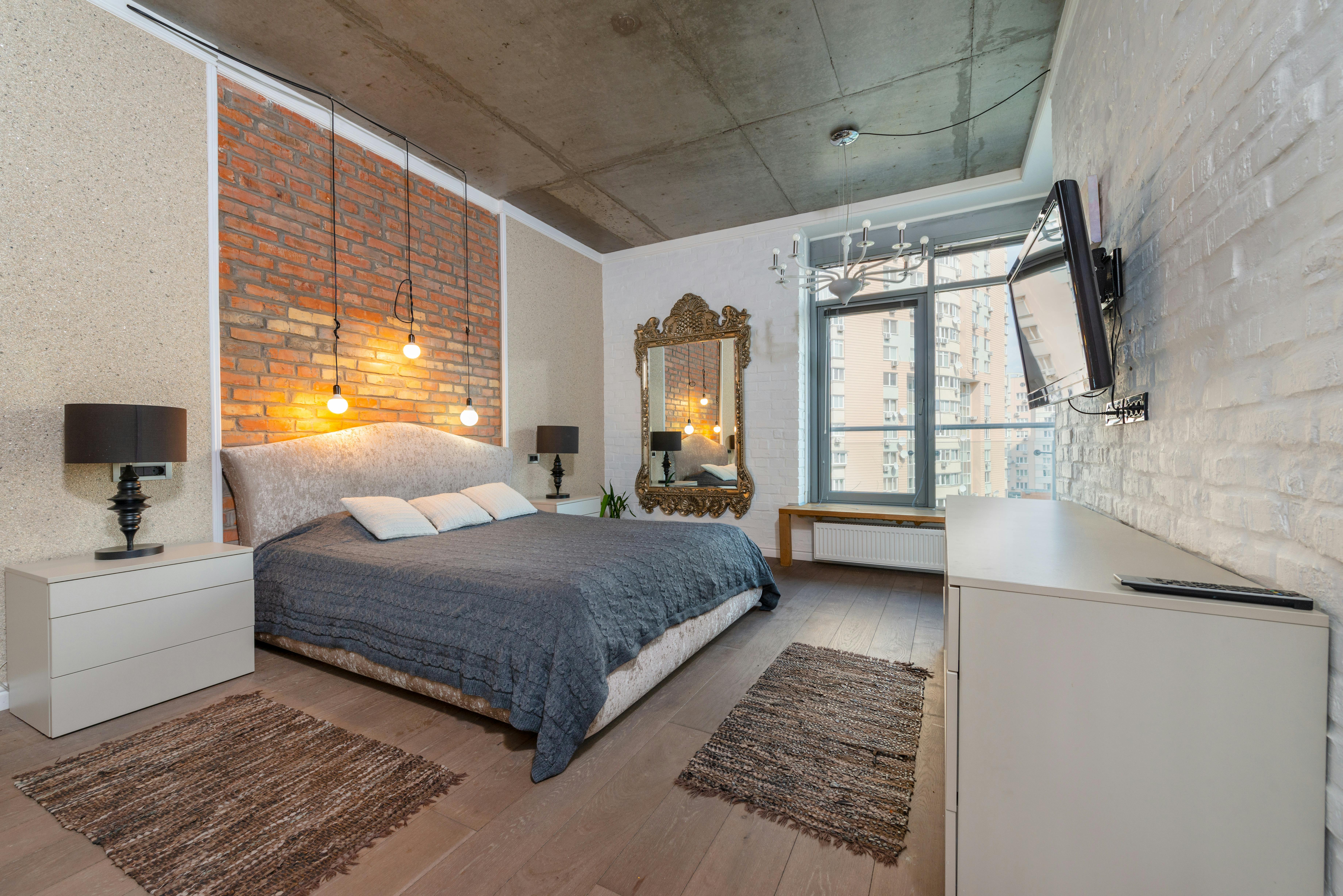
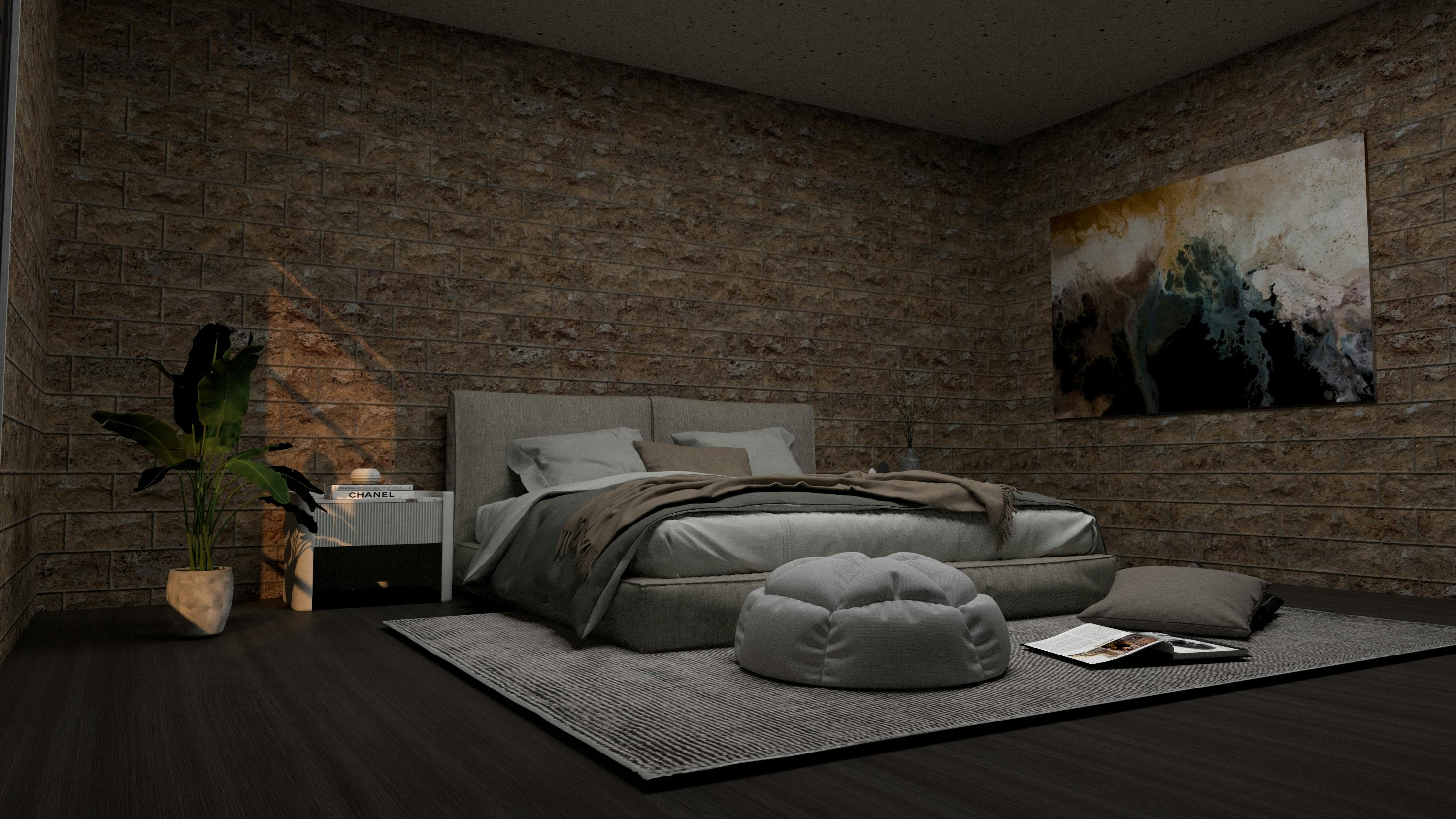
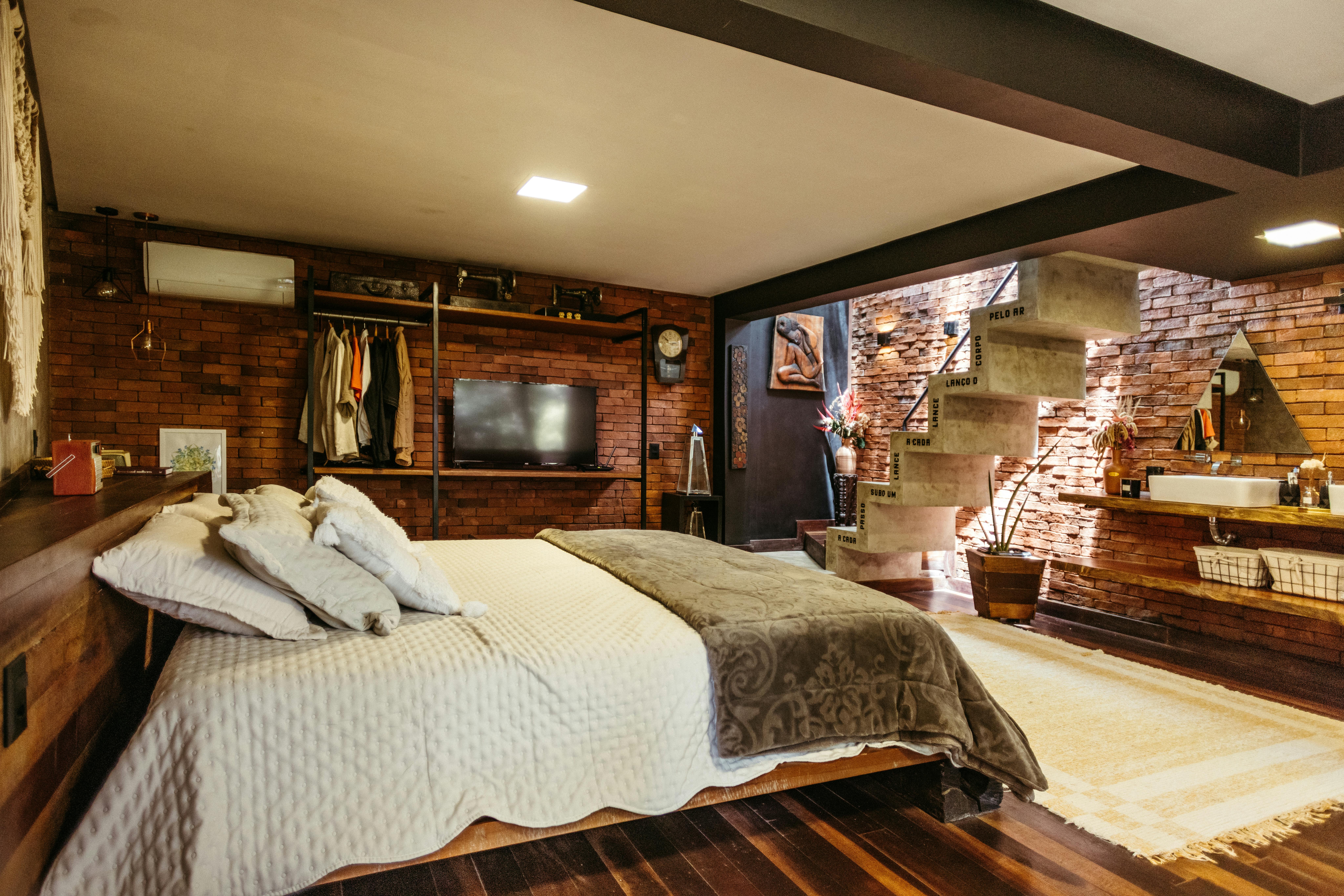
Original brick can be the room's main visual event. Check for moisture, loose mortar, dust and previous coatings before cleaning or sealing it, and use an appropriate specialist where the building is historic. Keep adjacent planes calmer so the masonry reads as architecture rather than wallpaper. If the room has no real brick, a mineral plaster, brick tile used in one credible location or simply a textured painted wall can work better than thin faux panels wrapped around every corner.
Brick Detail Without Overpowering the Pillow
Rough masonry immediately behind the pillow can shed dust, snag fabric or feel visually restless. A substantial headboard, shallow ledge or carefully detailed gap can mediate between wall and bed without hiding the material. Keep the top edge easy to clean and do not trap moisture against an external wall. This is a useful test of industrial restraint: the brick should enrich the composition, while the surfaces touched by skin and bedding should remain smooth, washable and comfortable.


Concrete as a Quiet Background
Concrete or a credible lime- or cement-based finish can provide calm visual mass behind the bed. Real concrete may be porous, dusty, cracked or thermally cold, so identify the assembly before coating it and avoid decorative fixes that conceal moisture. A matte mineral surface needs fewer competing industrial accents than a flat gray paint pretending to be concrete. Pair it with pale bedding, timber and warm light, then assess the room at dawn and at night; the same gray can shift from serene to oppressive.

A Metal Bed Chosen for Proportion and Quiet
A metal bed can express the style with less bulk than a deep upholstered frame, which helps in an ordinary-size bedroom. Check welds, center support, slat compatibility and whether connections remain quiet under movement; a squeaking frame is a poor sleep tool regardless of appearance. Thin black rails look graphic against a light wall, while heavier steel suits a genuinely large room. Avoid a dense cage effect around the pillow and confirm that the finish is smooth, durable and free from sharp edges.
Balance Steel With Warm Wood
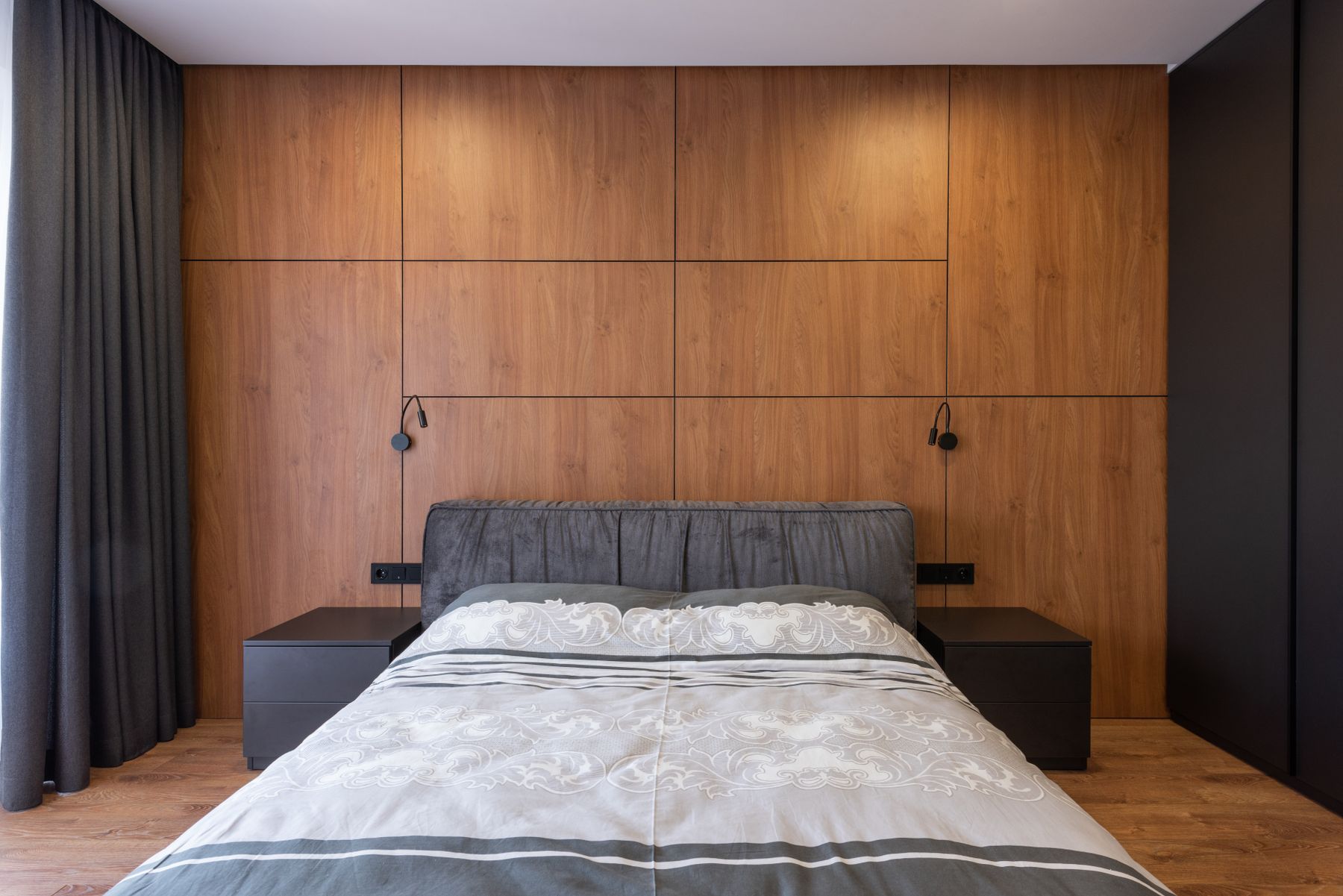
Timber prevents black metal and gray surfaces from becoming visually cold. Use it where touch and wear matter—bed frame, bedside surface, floor or wardrobe front—rather than scattering distressed crates as decoration. Match undertone, not exact species: honey oak, walnut and reclaimed boards each change the mood. Reclaimed material should be clean, stable and suitable for interiors, with old finishes assessed before sanding. The goal is credible warmth and serviceability, not a performance of workshop age.
A Restful Palette Beyond Black and Gray
Charcoal and black are useful outlines, not a complete bedroom palette. Brick red, tobacco, olive, inky blue, ochre, clay and warm white can soften the scheme while remaining grounded. Give one color a substantial role in bedding, curtains or a rug, then repeat it sparingly. In a north-facing or shaded room, large black planes may consume the limited light; use charcoal selectively and let a warmer neutral occupy more area. Test every paint beside the actual masonry, flooring and evening lamp.


Bedding as the Softest Material Story
Industrial architecture needs no help feeling hard. Use breathable sheets, a seasonally appropriate duvet or blanket and one or two tactile layers to create contrast at the body. Washed linen, cotton, wool and a restrained quilt work better than many decorative cushions that must be moved nightly. Repeat a wall or rug color in one textile rather than buying a matching set. Laundering, allergies and off-season storage are part of the design; softness should be practical enough to maintain.

A Generous Rug Controls the Hardness
Timber, concrete and masonry create reflection as well as visual texture. A rug large enough to reach beyond the used sides and foot of the bed makes the first step softer and can reduce some everyday reverberation. Use a compatible pad, keep edges away from door swings and check that the pile can be vacuumed beneath the frame. For fiber, durability and sizing principles, [living room rug ideas](/living-room/living-room-rug-ideas/) provides a useful decision framework.

Loft Windows Without Sacrificing Sleep
Large factory-style windows are valuable for daylight, yet they can introduce glare, heat gain, winter downdraughts and privacy problems. Map direct sun and neighboring views from pillow height. Keep the bed clear of operable sections and use solar control, shading or glazing upgrades appropriate to the building rather than relying on furniture placement alone. A tall window may become the focal point; the room does not also need every wall treated as a feature. Preserve ventilation access and safe egress.
Layer Sheers, Blackout and Acoustic Fabric
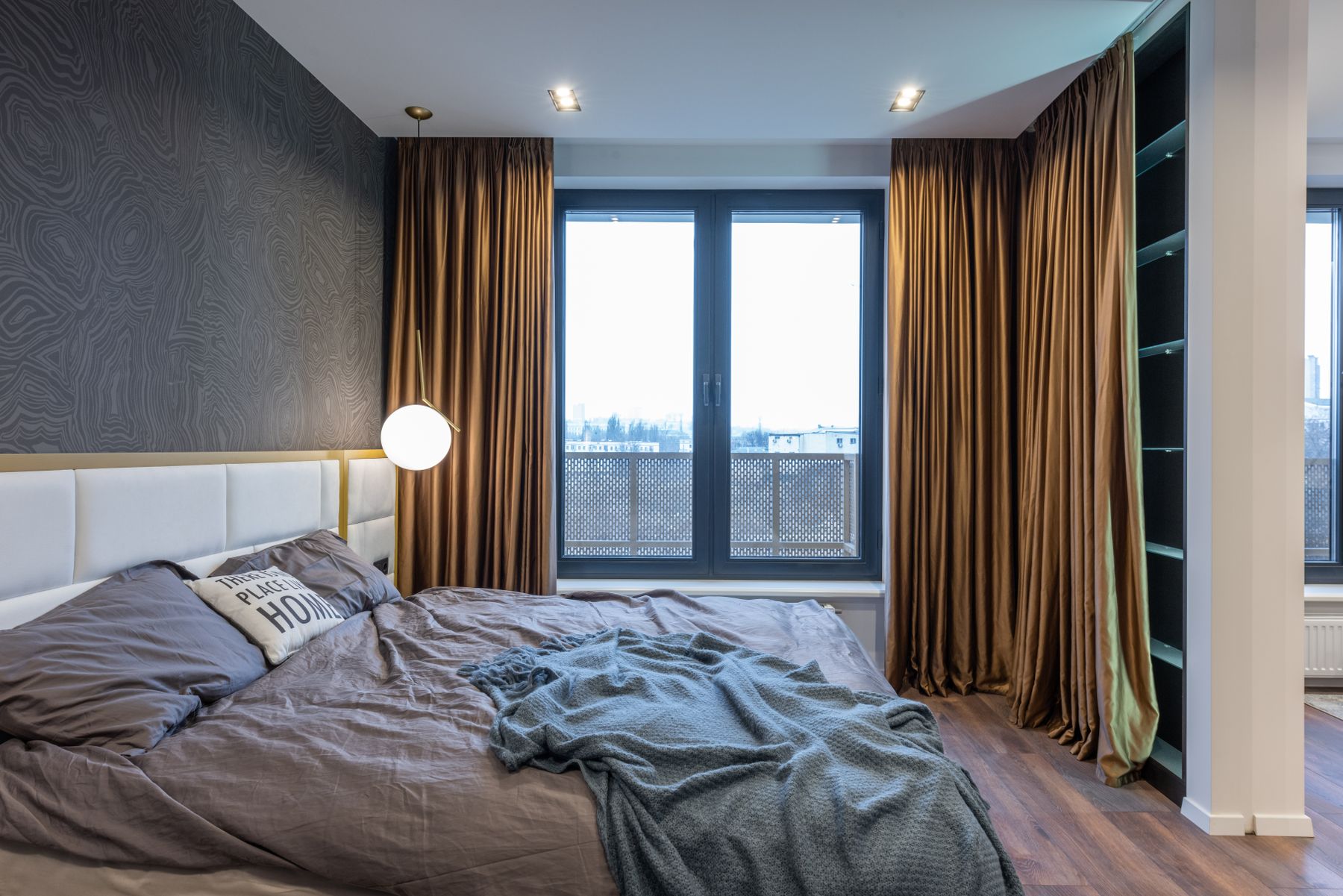
Use a sheer or privacy layer for daytime and a lined blind or curtain for darkness, checking light leakage at the top and sides from the pillow. Full-height fabric also softens brick and concrete visually and can reduce high-frequency flutter, but it is not a substitute for treating serious noise transmission. Keep textiles clear of heaters, damp walls and vents. In very tall lofts, divide the practical blackout solution from any decorative drop so components remain operable, cleanable and safe.
Lighting Layers Instead of Bare Bulbs
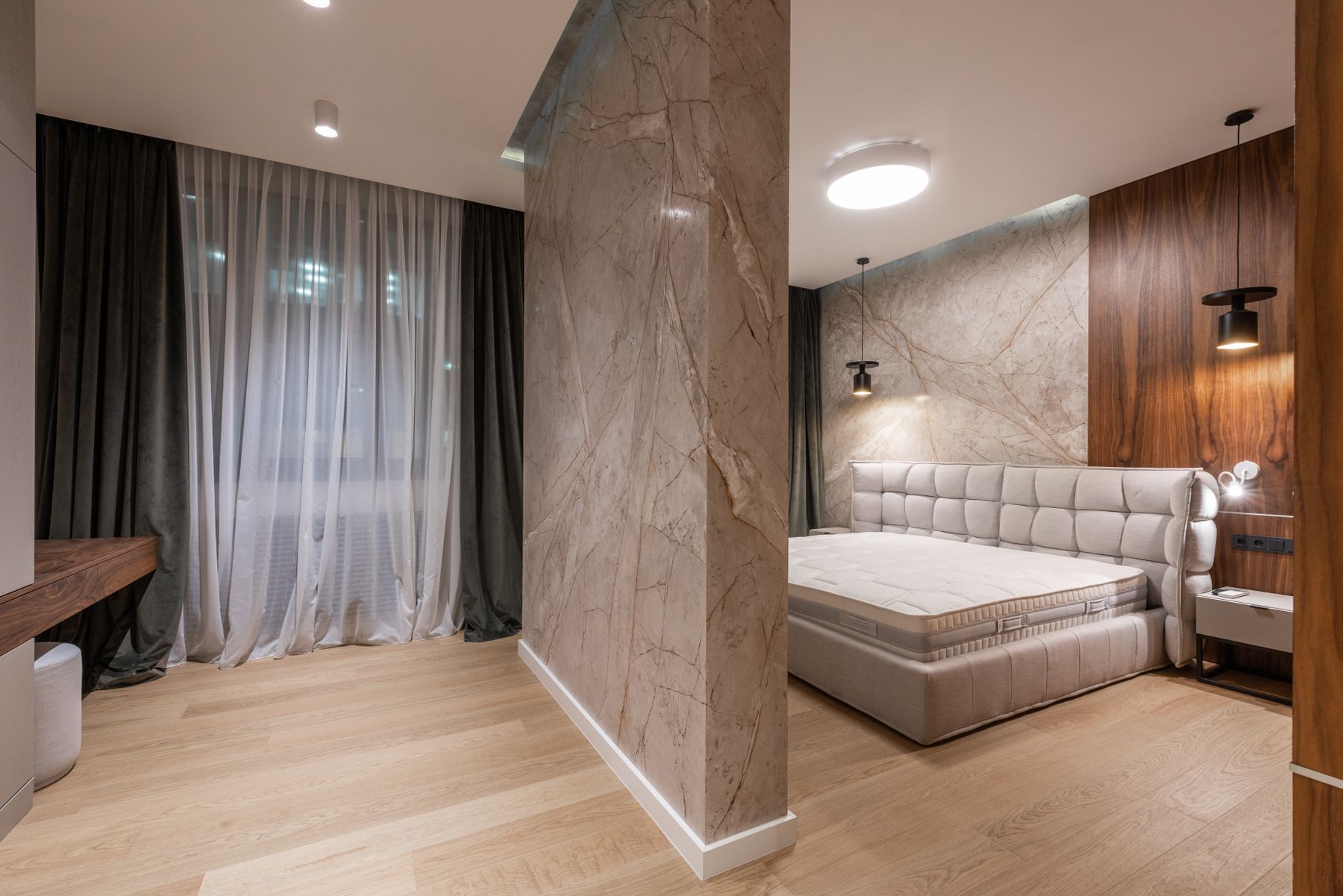
An exposed filament lamp is a visual reference, not a complete lighting plan. Combine shielded ambient light, focused reading sources and a low orientation light for nighttime movement, with separate controls. Aim beams across textured surfaces to reveal depth without placing glare in the sleeper's view. Warm evening light can soften brick and metal, but accurate color rendering still matters at wardrobes. [Living room lighting ideas](/living-room/living-room-lighting-ideas/) explains beam control, layering and dimming compatibility in more detail.
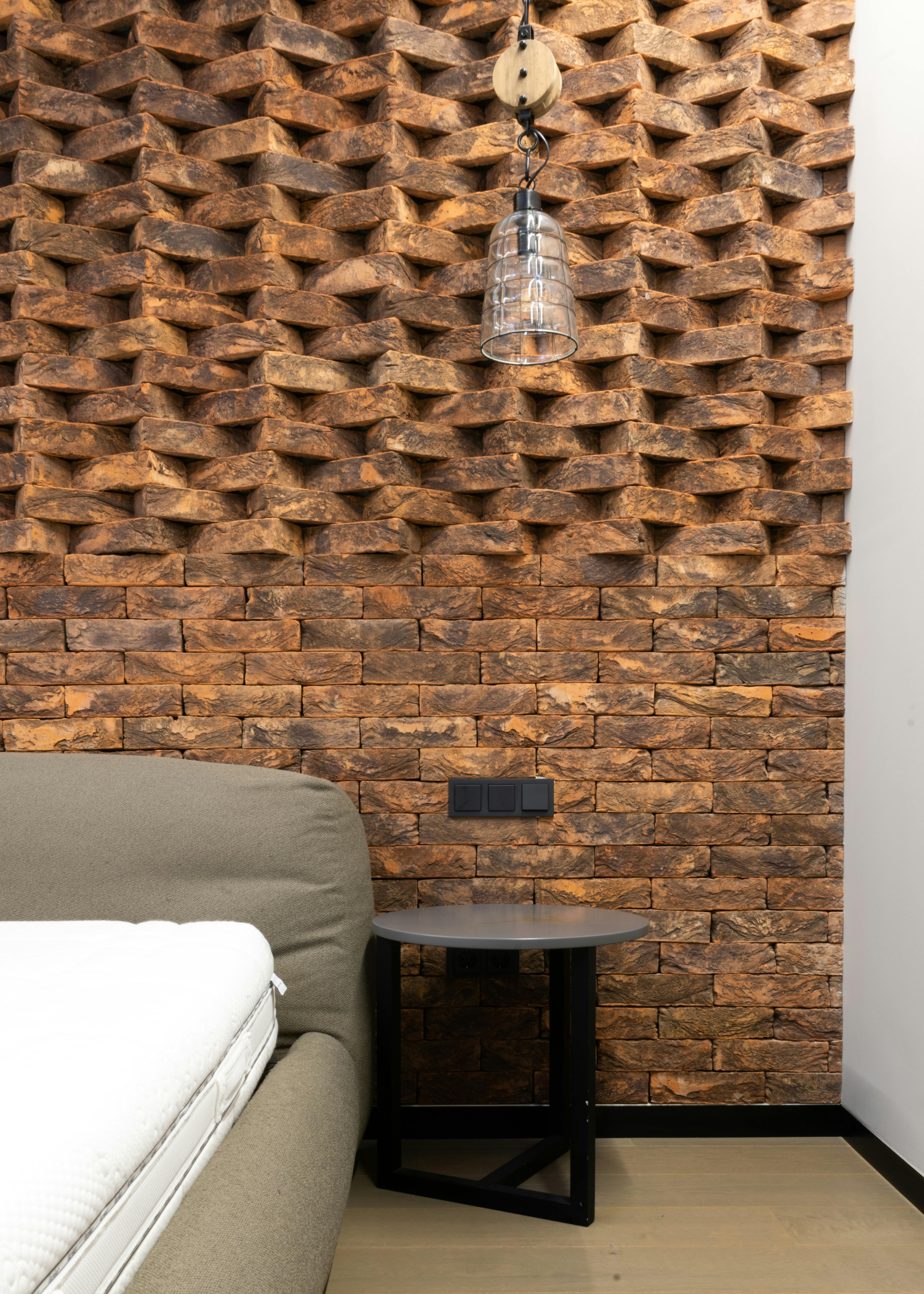
When Bedside Pendants Earn Their Position
A pendant can free a small table and draw attention to masonry, but it must illuminate a book without hanging in the path of a head or shoulder. Coordinate the drop with mattress height, pillow position and future bed changes; locate switching within natural reach. Clear glass often exposes glare, while an opaque or directional shade may be more restful. Fixed wiring should be installed appropriately, and decorative surface conduit should never disguise improvised or inaccessible electrical work.
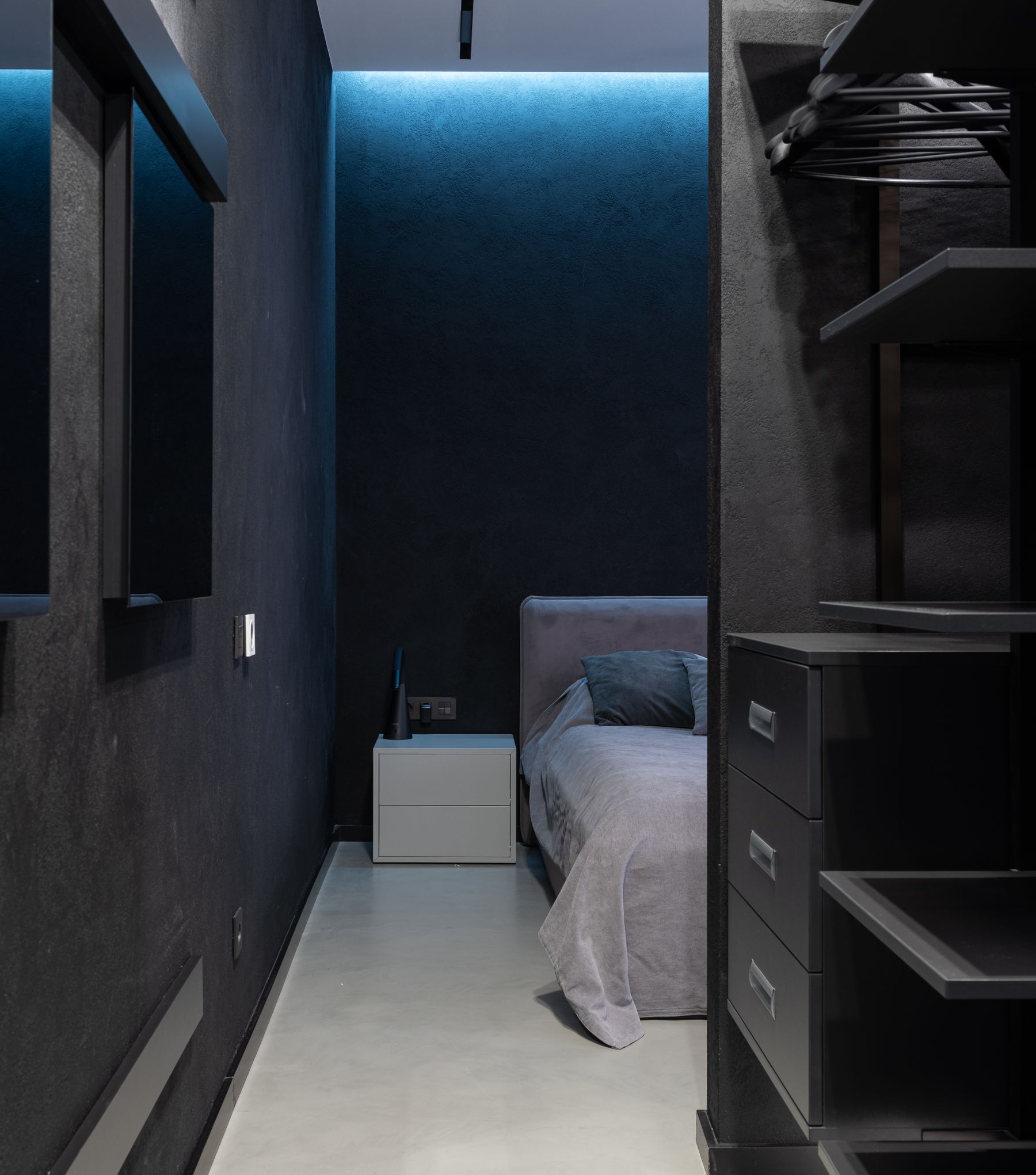
Open Storage Only for an Edited Wardrobe
Steel rails and open shelving look structurally honest, but they expose dust and turn every garment into part of the composition. Reserve them for frequently worn pieces or a disciplined capsule wardrobe, with closed storage for luggage, laundry and seasonal overflow. Keep the rail clear of damp external walls and allow enough depth for hangers without narrowing circulation. If daily maintenance feels unrealistic, full-height doors in a muted finish will produce a calmer bedroom than an overfilled factory-style rack.
Closed Storage in a Quieter Finish
Closed wardrobes need not imitate lockers. Flat timber, charcoal, warm gray or off-white fronts can recede while metal handles or a fine frame repeat the room's language. Plan the interior from real hanging lengths, folded items, shoes and cases, then protect access to outlets and building services. A bedroom already carrying brick, metal and visible structure benefits from one large quiet plane. This is also a useful rental strategy: practical freestanding storage can support the style without permanent themed construction.

Glass Partitions Only for a Real Boundary
Black-framed glass can separate a dressing area, bathroom or sleeping zone while borrowing daylight, but clear glazing does little for acoustic privacy. Decide whether the boundary must control view, sound, odor or temperature before choosing it. Fluted glass or a curtain may improve privacy; compliant safety glazing and accurate installation are essential. Do not add a decorative grid to an ordinary wall simply for an industrial cue. [Industrial living room ideas](/living-room/industrial-living-room-ideas/) shows the same principle at a larger shared-room scale.

The Workspace Outside the Sleep Sightline
A wood top and metal frame suit the style, but the desk should not turn the bedroom into a permanent workshop. Use side daylight without screen glare, provide a focused lamp and contain cables rather than displaying them as industrial decoration. Place paperwork and equipment in closed storage or out of the direct pillow view. In a studio, a curtain, shelf or change in lighting can mark the end of work. Keep chair pullback outside the main nighttime route.

Mix Vintage Pieces Without Building a Set
Industrial rooms can absorb an old cabinet, workshop stool or vintage lamp because patina contrasts naturally with simple new forms. Choose pieces for proportion and function, not merely age, and inspect old paint, wiring, stability and odors before bringing them beside the bed. One or two genuine items carry more authority than a coordinated range of factory-effect furniture. For a broader approach to mixing eras, [vintage bedroom ideas](/bedroom/vintage-bedroom-ideas/) explains how to preserve character without compromising sleep routines.
Plan Thermal Comfort and Quiet Before Styling
High ceilings, large glazing and hard envelopes can produce winter downdraughts, overheating and long reverberation. Observe the room across weather conditions before fixing the bed location. Service heating and ventilation, seal only appropriate air leaks and obtain specialist advice for insulation or persistent moisture. Rugs, curtains and upholstery improve the experience but cannot correct a failing envelope or serious neighbor noise. Keep vents clear and choose bedding for the actual nighttime temperature rather than the visual weight of the scheme.
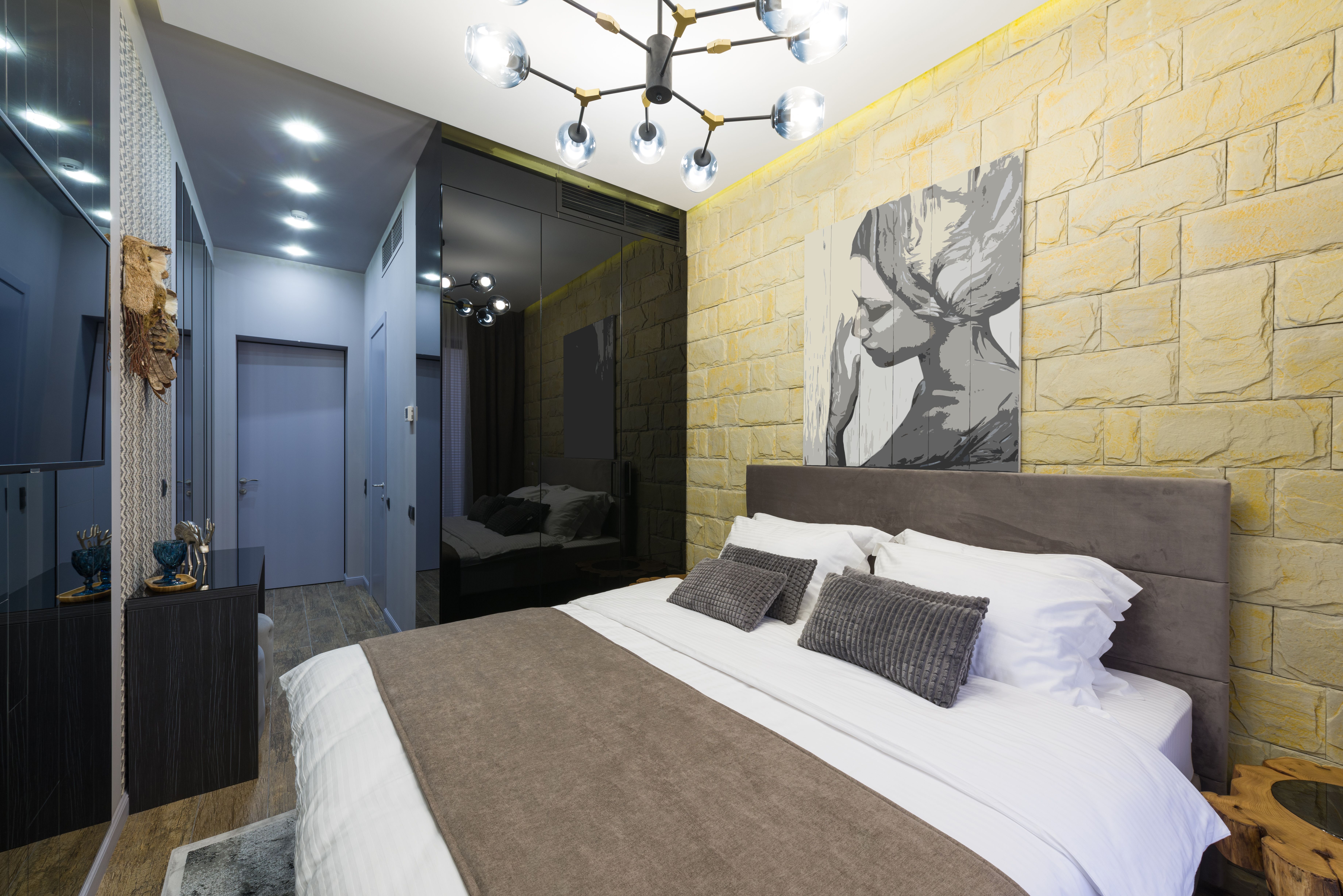
Scale the Look for a Small Room or Rental
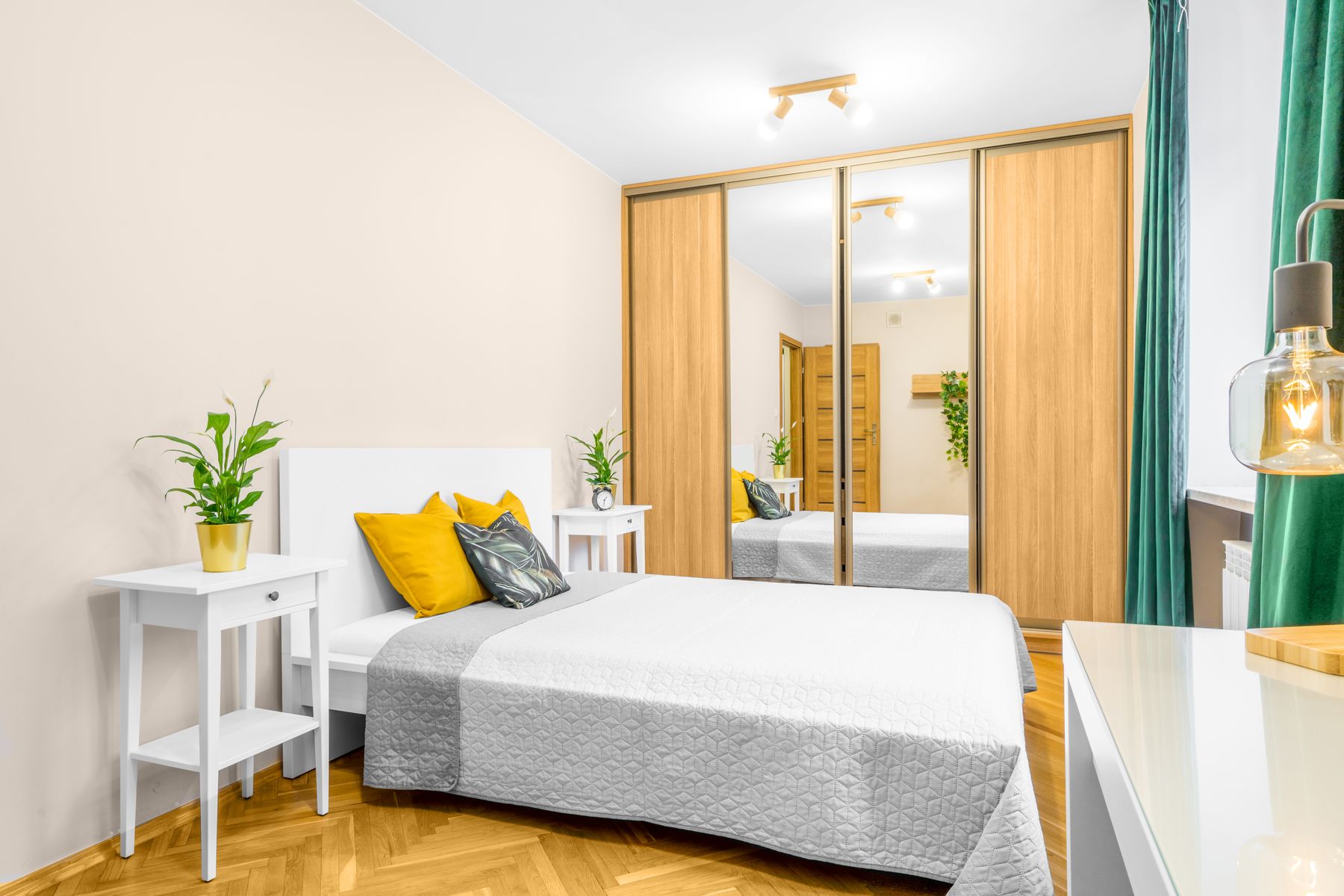
In a small bedroom, use one textured plane, slim metal, visible floor and storage that reaches upward without crowding the bed. A lamp, metal table, timber headboard, rug and restrained dark palette can establish the style without fake brick sheets. Renters should prioritize movable pieces and obtain permission before drilling, painting or altering services. The circulation and storage principles in [small apartment ideas](/apartment/small-apartment-ideas/) are more valuable here than trying to reproduce warehouse scale.

Inspect Raw Finishes and Exposed Services Safely
Do not sand unknown old paint, open electrical enclosures or expose pipework simply to create the look. Pre-existing finishes may require testing, and building services should remain accessible, compliant and protected from accidental contact. Check reclaimed furniture for sharp edges, unstable joints, pests and unsuitable coatings. Anchor tall storage appropriately and route cords away from the bed and floor. Authenticity never means preserving a hazard; safe repair and a simpler visible result are more convincing than improvised exposure.

Edit Out the Factory Cliches
Remove imitation gears, random numbers, decorative valves, cages and distressed objects that do not light, store, support or define anything. Review the room from the doorway and from the pillow: if every edge is black and every surface claims attention, reduce both. Keep the strongest architectural texture, the most useful metal element and the textiles that improve comfort. A resolved industrial bedroom should feel personal and quiet enough for sleep, not like a cafe concept reproduced beside a mattress.