
Begin With Postwar Logic, Not a Theme
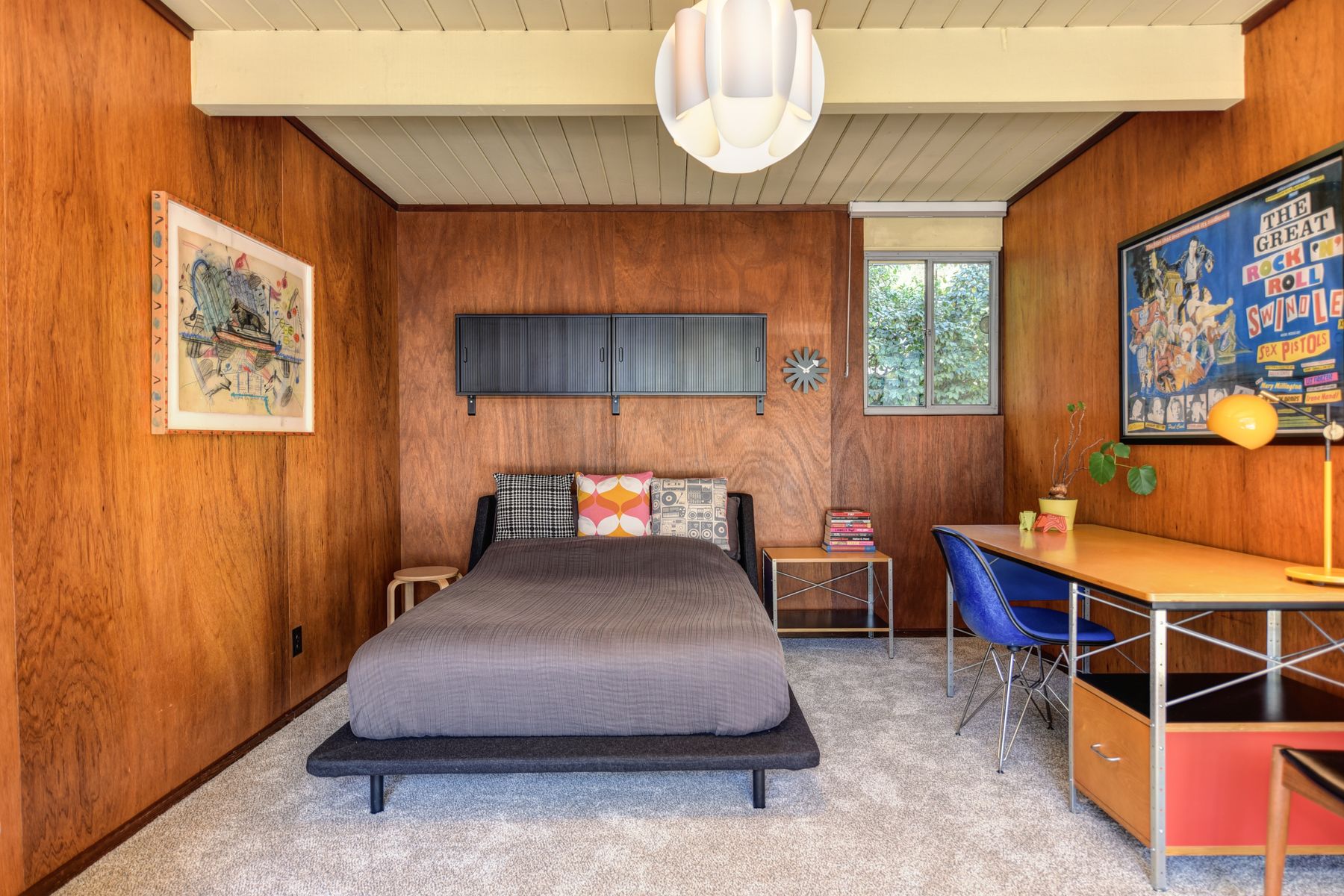
Mid-century modern grew from a belief that good design should serve ordinary life through clear structure, efficient production and human comfort. In a bedroom, that means legible circulation, furniture with a job and materials allowed to look like themselves. It is more historically specific than [modern bedroom ideas](/bedroom/modern-bedroom-ideas/) and less mixed-era than [vintage bedroom ideas](/bedroom/vintage-bedroom-ideas/). Ask whether each decision improves proportion, function or material coherence; a starburst motif without that foundation is only costume.
Read the Architecture Before Buying Furniture
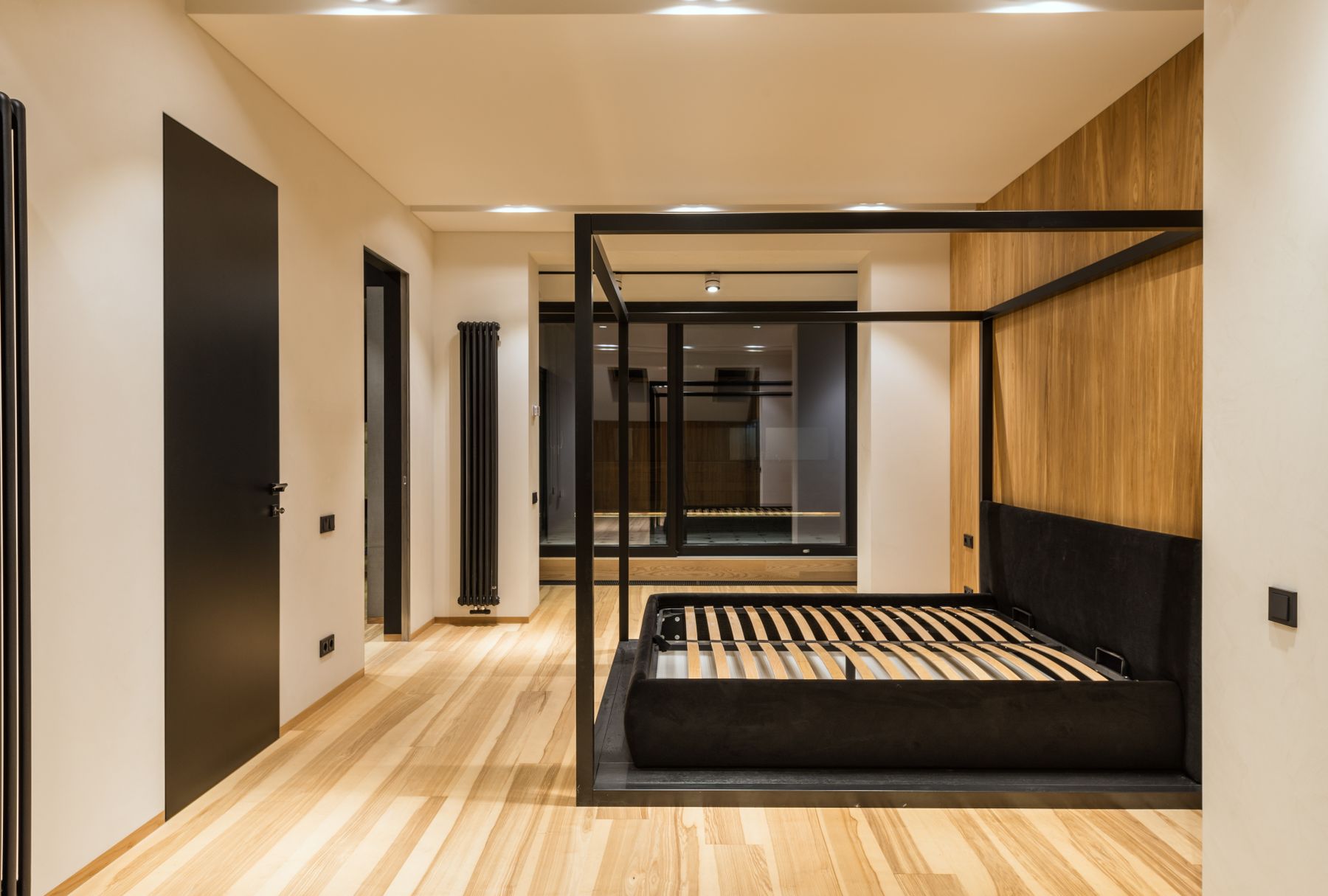
Map doors, windows, wardrobes, radiators, outlets and the routes used for sleeping, dressing and cleaning. Mid-century rooms often feel spacious because furniture is scaled to the architecture and floor remains visible beneath raised pieces. Do not force a symmetrical showroom plan onto an off-center window or narrow wall. Tape bed, dresser and chair footprints, open every drawer and rehearse the morning route before purchasing. A strong plan can carry the style even in a building from another era.
Set a Low Bed at a Usable Height
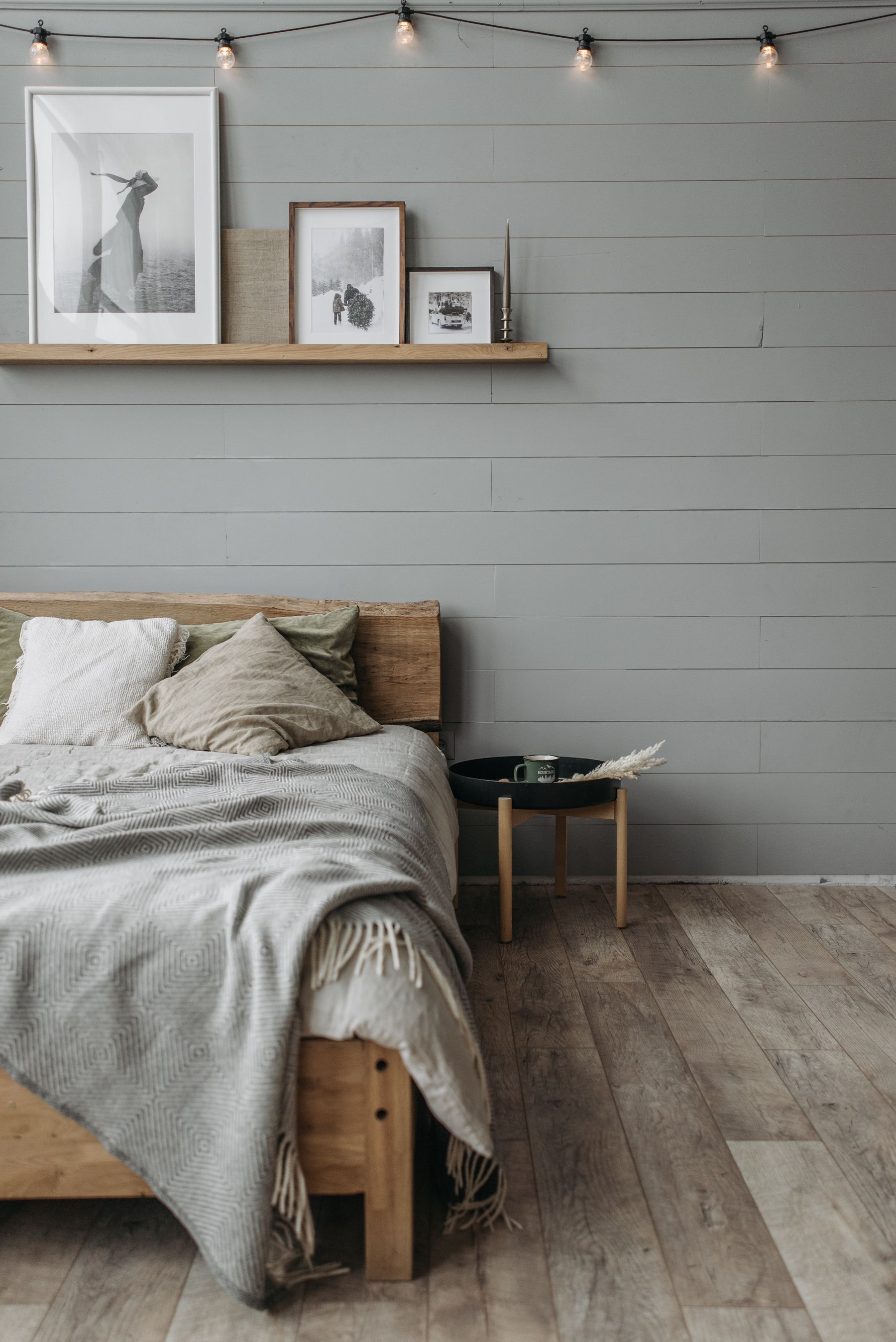
A low-profile platform or slim timber headboard is one of the clearest period signals, but the final mattress height must suit the sleeper. Compare the top of the mattress with the back of the knee, test standing without momentum and allow space to make the bed. A frame can look visually low while keeping a supportive base and comfortable transfer height. Avoid deep rails that bruise shins or a recessed mattress that is difficult to dress.
Let the Headboard Show Construction
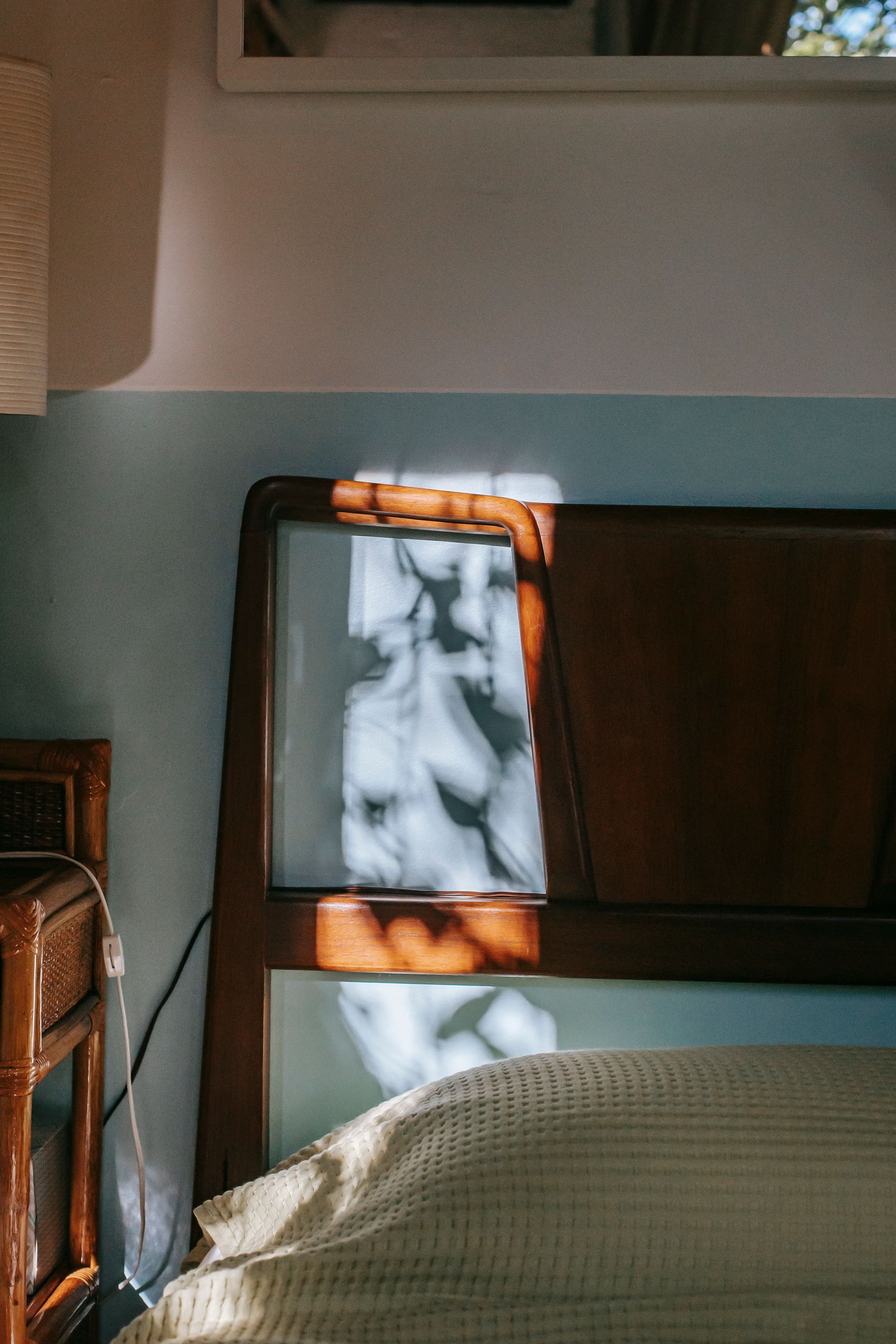
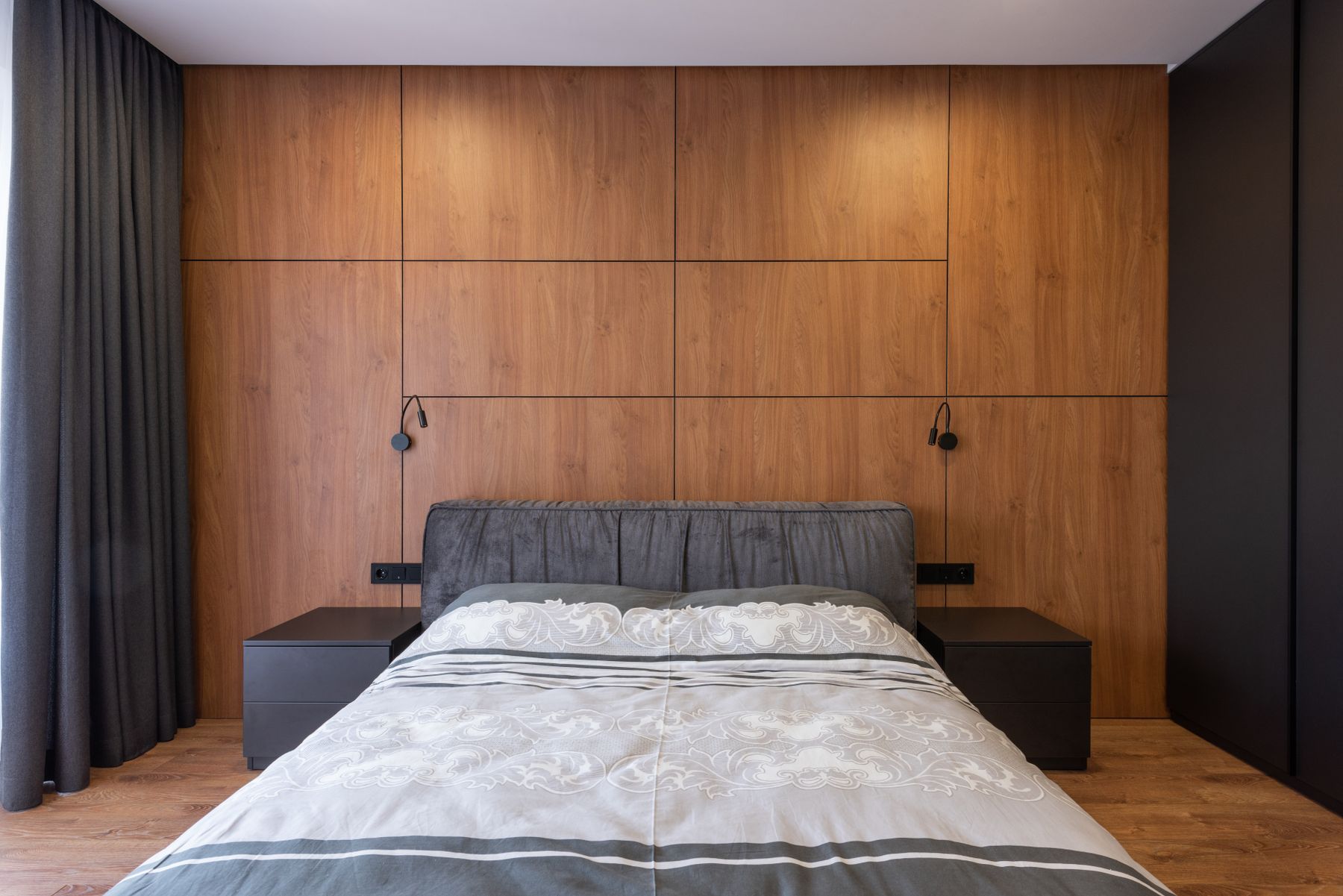
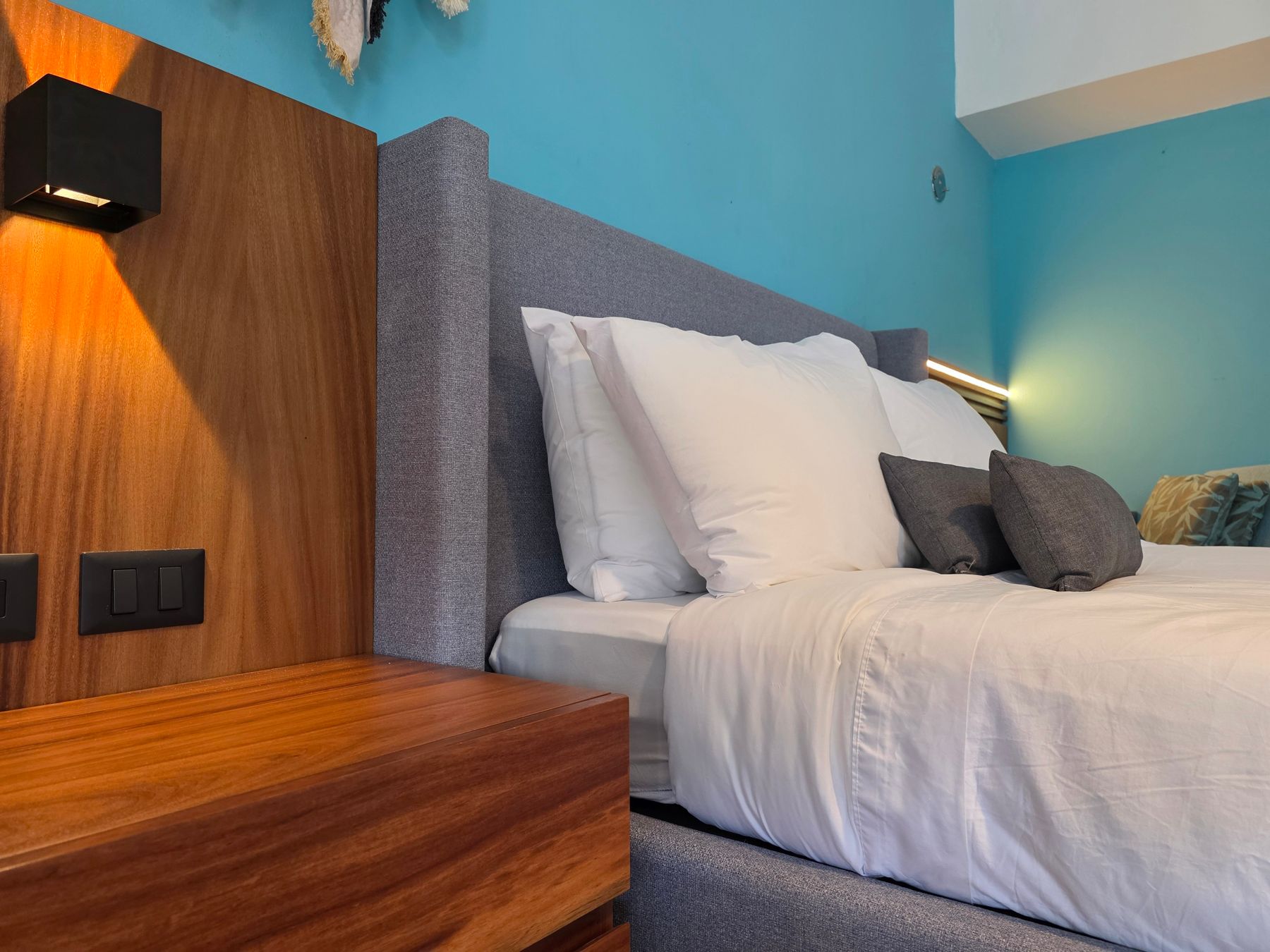
Slatted timber, a shallow upholstered panel or a simple rail can express the period through proportion and joinery. Broad wall systems with integrated shelves are compelling when wiring, reach and cleaning are resolved, but a freestanding bed is easier to move and repair. Keep the profile calm enough to support reading pillows and protect the wall. If the headboard is vintage, check every joint and confirm that any finish is stable before regular contact.
Walnut, Teak or Oak? Follow the Undertone
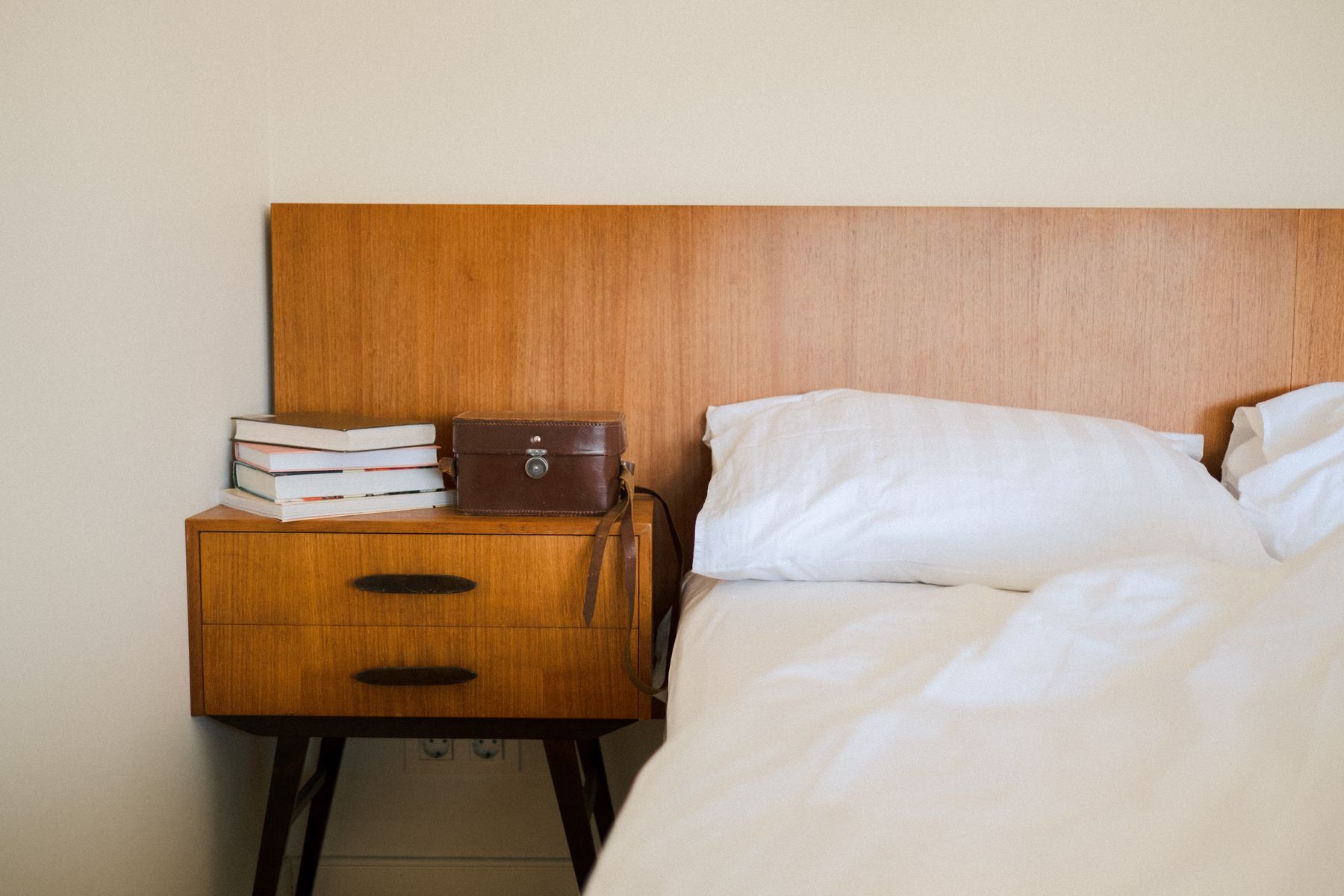
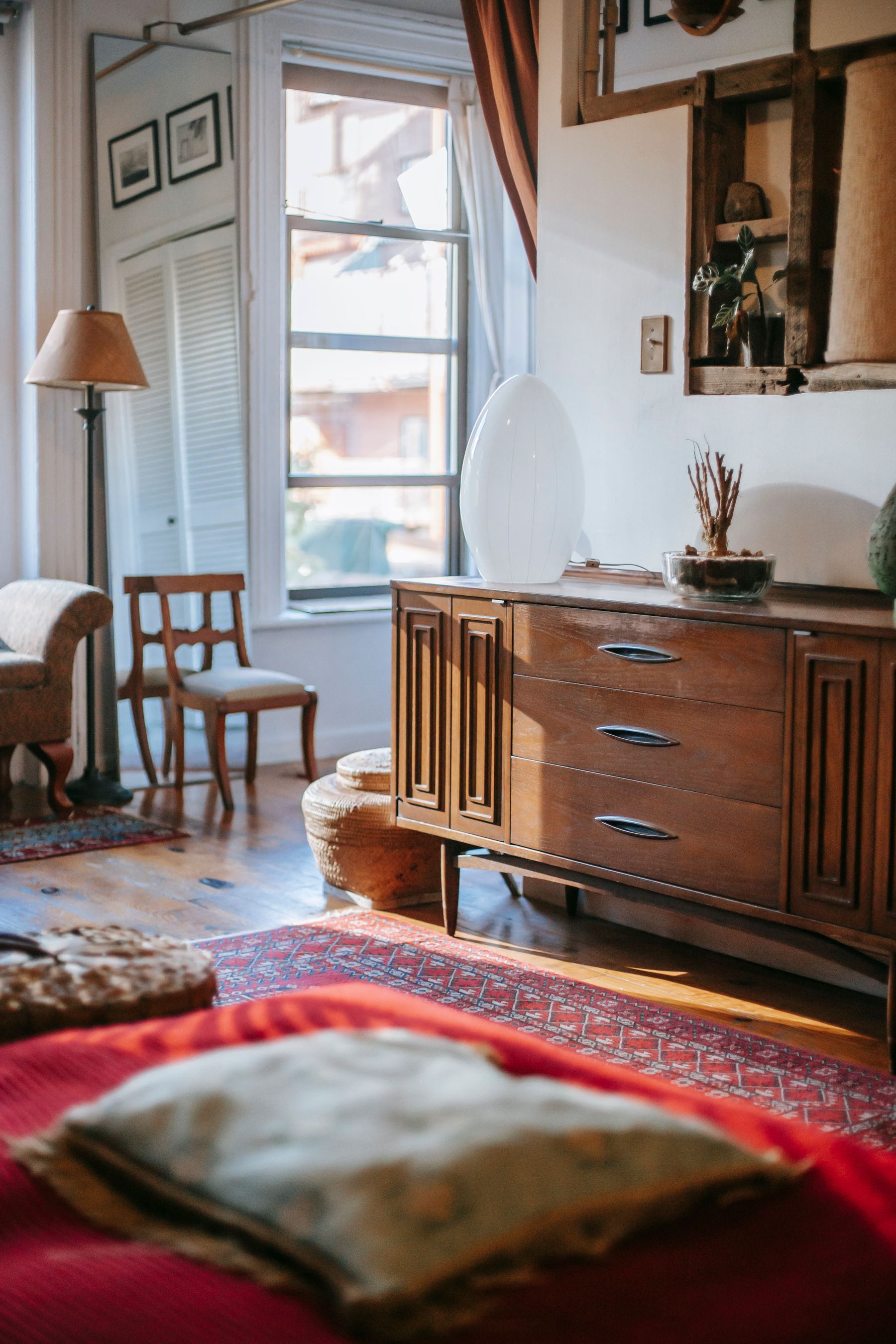
Walnut brings chocolate and amber depth, teak often reads golden or reddish, and oak can make the language lighter. Species labels are less useful than comparing undertone, grain, finish and condition beside the fixed floor. Many excellent period pieces combine solid edges with veneer panels; veneer is not a defect, but it must be inspected for lifting, water marks and careless sanding. Repeat the dominant wood two or three times, then allow painted or upholstered pieces to prevent a suite effect.
Use Tapered Legs to Reveal the Floor
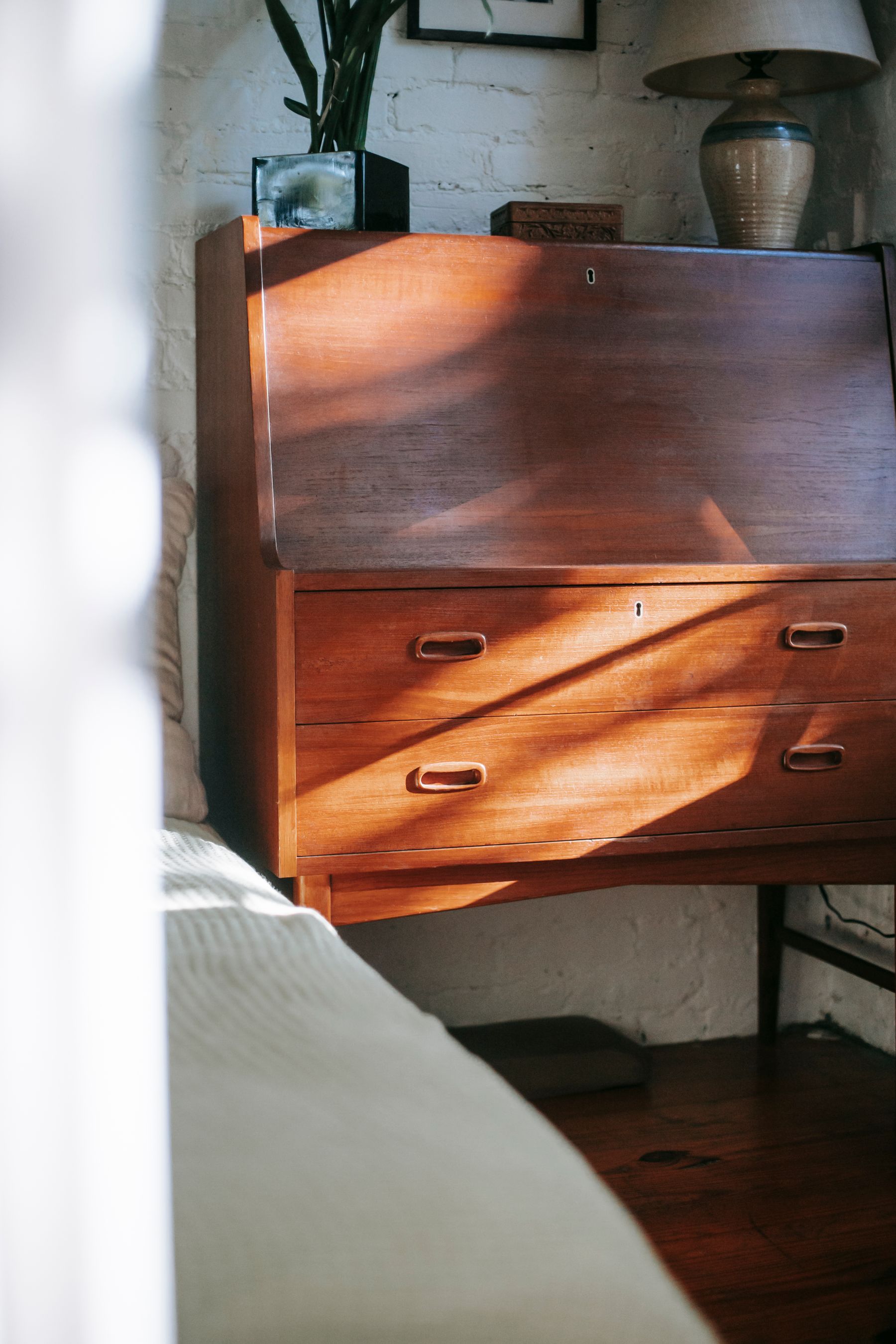
Tapered, splayed and shaped legs make storage feel lighter and help a compact room breathe. They also expose dust and require sound joinery. Check that legs are original or correctly replaced, all feet meet the floor and the case does not rack under gentle pressure. Use felt or appropriate glides on timber floors and anchor tall furniture when needed. One strong leg language is enough; repeating splayed legs on every object quickly becomes a parody.
Mixed Pieces Beat the Matching Set
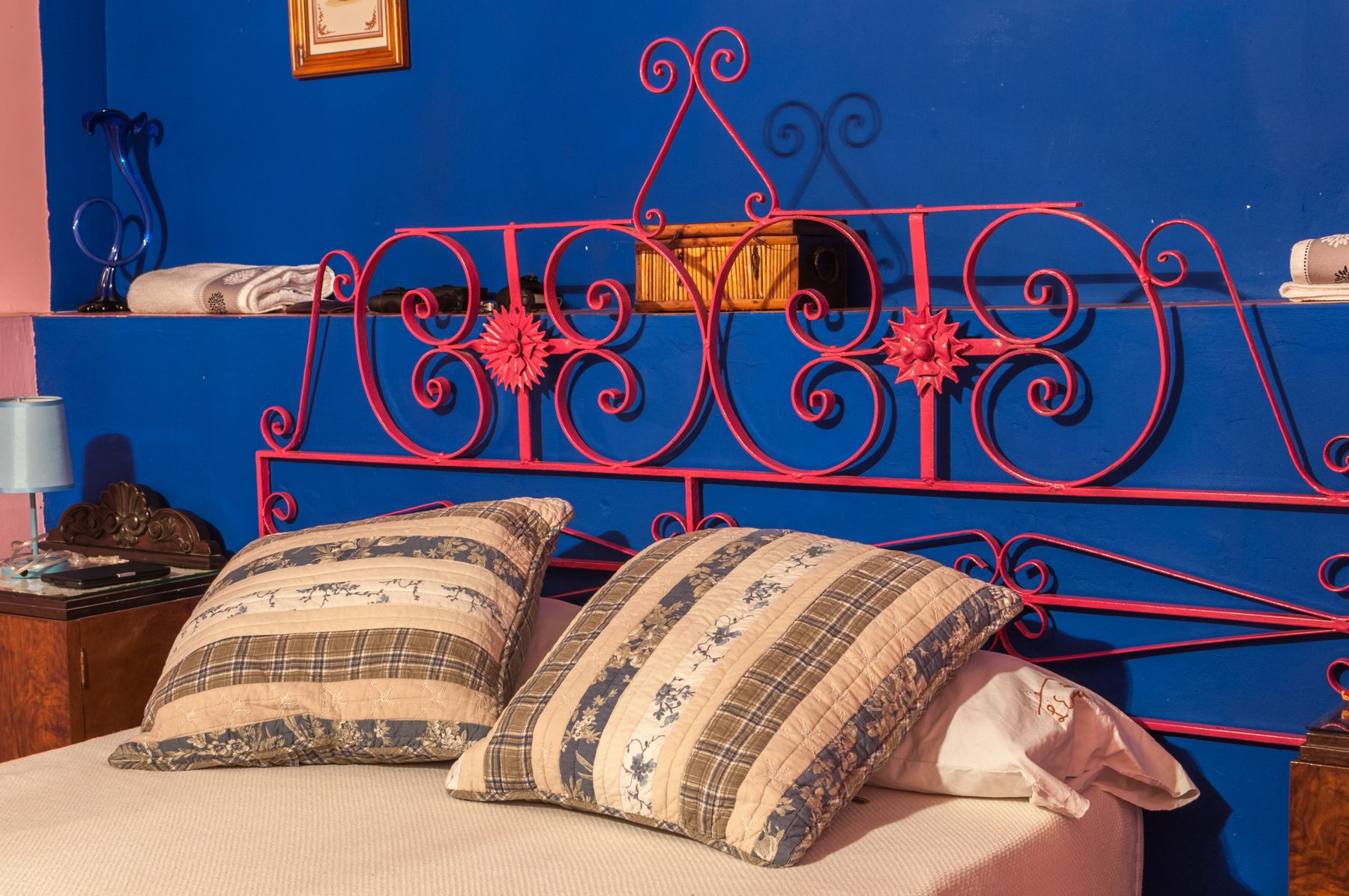
Pair a restrained contemporary bed with a vintage dresser, or use period nightstands beside an upholstered frame. Cohesion comes from compatible height, wood undertone, hardware and line—not identical fronts. Mixing also lets each user have the bedside storage they need. When two nightstands differ, repeat the lamp shape or material and keep their top heights close to the mattress. [Vintage bedroom ideas](/bedroom/vintage-bedroom-ideas/) goes deeper into mixed-era collecting; this room keeps the selection within a tighter modernist vocabulary.
Plan Storage Like Furniture, Not a Wall of Boxes
Long dressers, compact chests and sliding-door wardrobes suit the horizontal character when their capacity matches real clothes. Measure folded stacks, hanging lengths, laundry and seasonal bedding before choosing a case. Drawers need full opening clearance; sliding doors save swing space but require clean tracks. A built-in can use awkward walls efficiently, while one freestanding vintage piece gives the room more period character. Anchor tall or top-heavy storage with wall-appropriate fixings.
A Warm Neutral Base
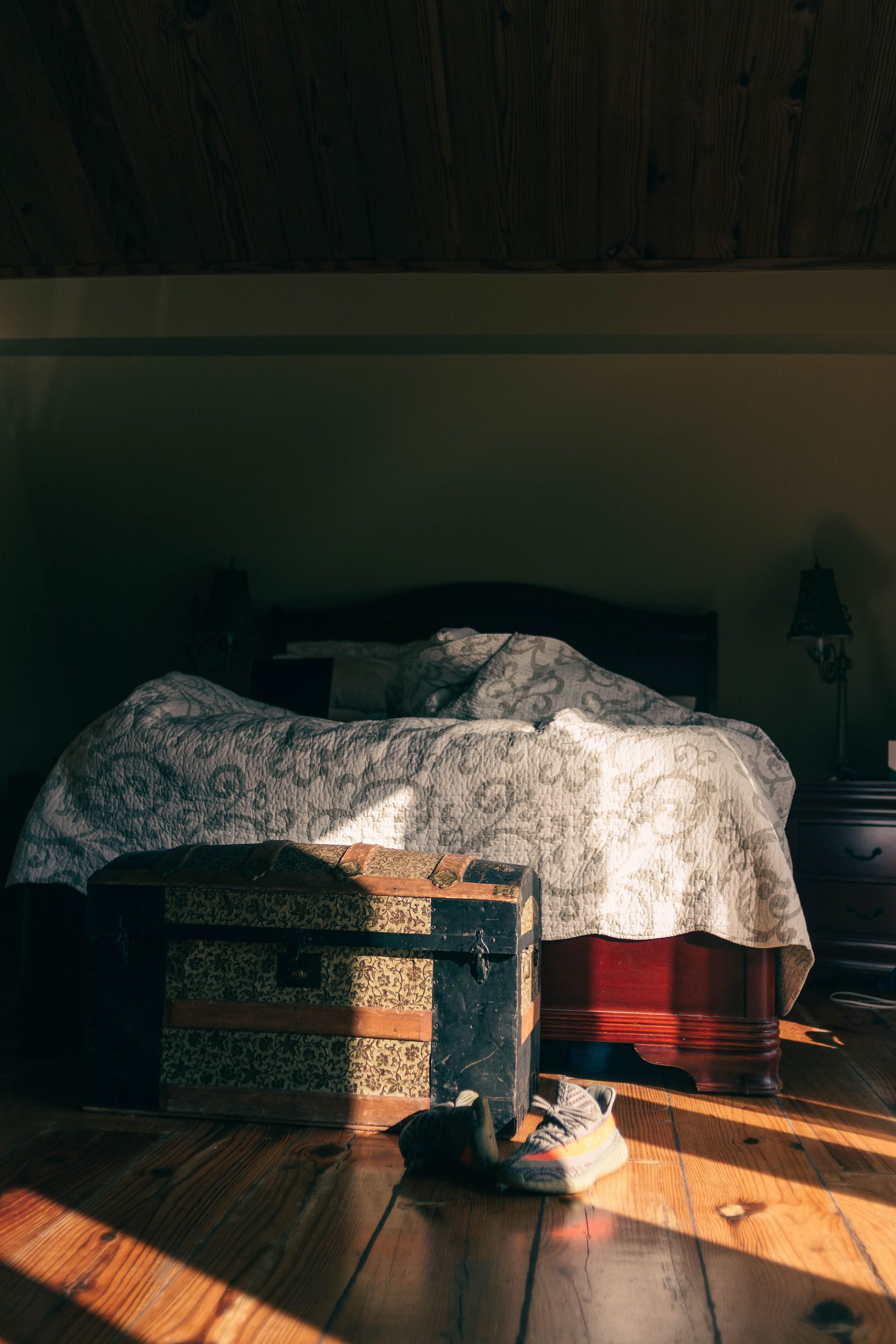
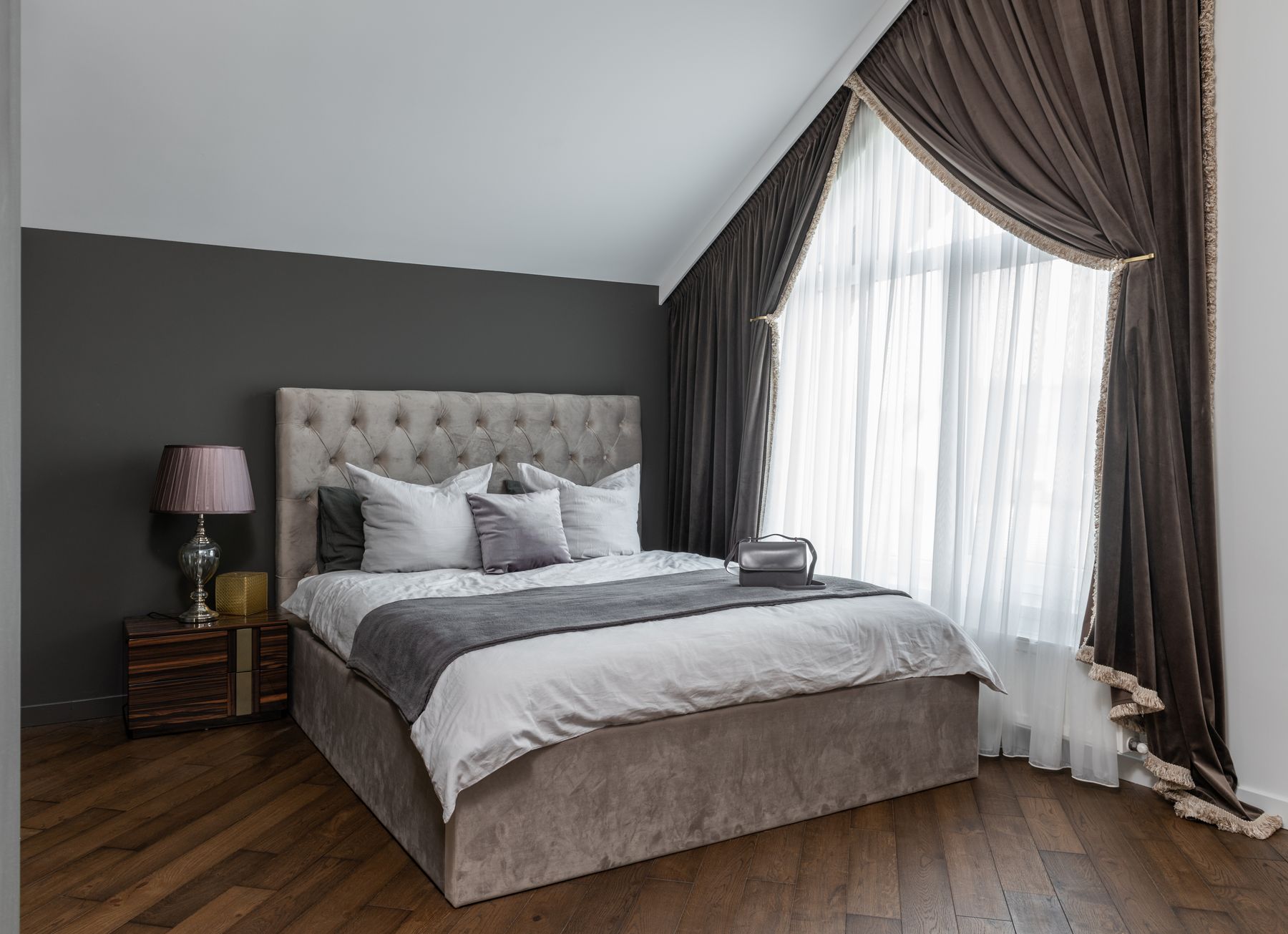
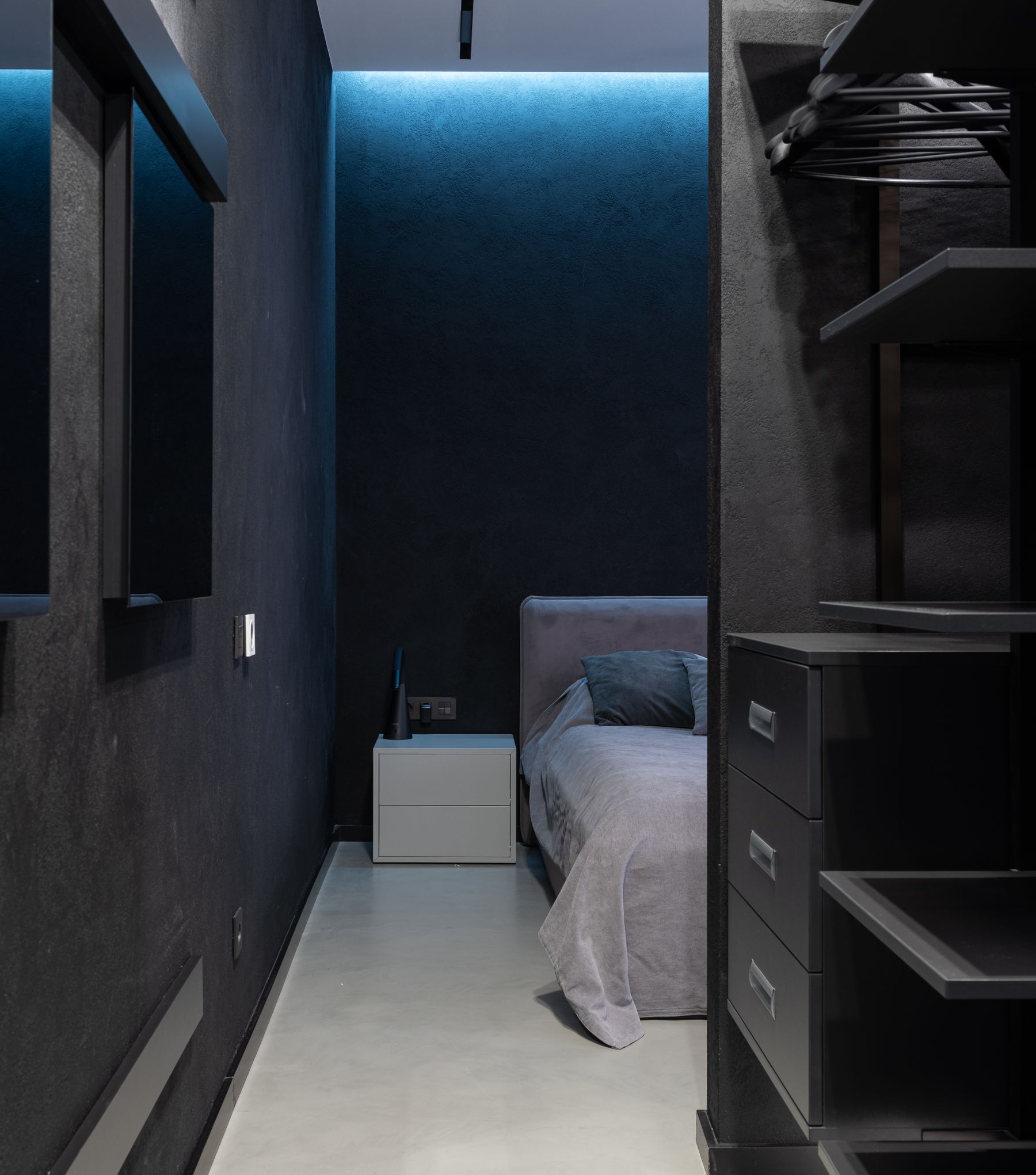
Cream, mushroom, sand, putty and softened gray give walnut and teak room to register without recreating a showroom. Compare paint beside wood, rug and bedding through the full day; a cool gray can flatten amber timber while a yellow cream may exaggerate it. Use changes in weave and sheen to make a restrained palette dimensional. Darker walls can work, but protect task light and contrast at steps, switches and storage interiors.
Add One Period Color With Authority
Mustard, olive, rust, muted teal, brick and oxblood can reference the period without making the bedroom loud. Give one hue a meaningful area—a headboard, curtain, wall or coverlet—then repeat it once in a smaller object. The value should support rest and complement the wood undertone. This restraint distinguishes mid-century modern from the more exuberant, mixed-decade color and pattern planned for Retro Bedroom.
Control Geometry Instead of Collecting Motifs
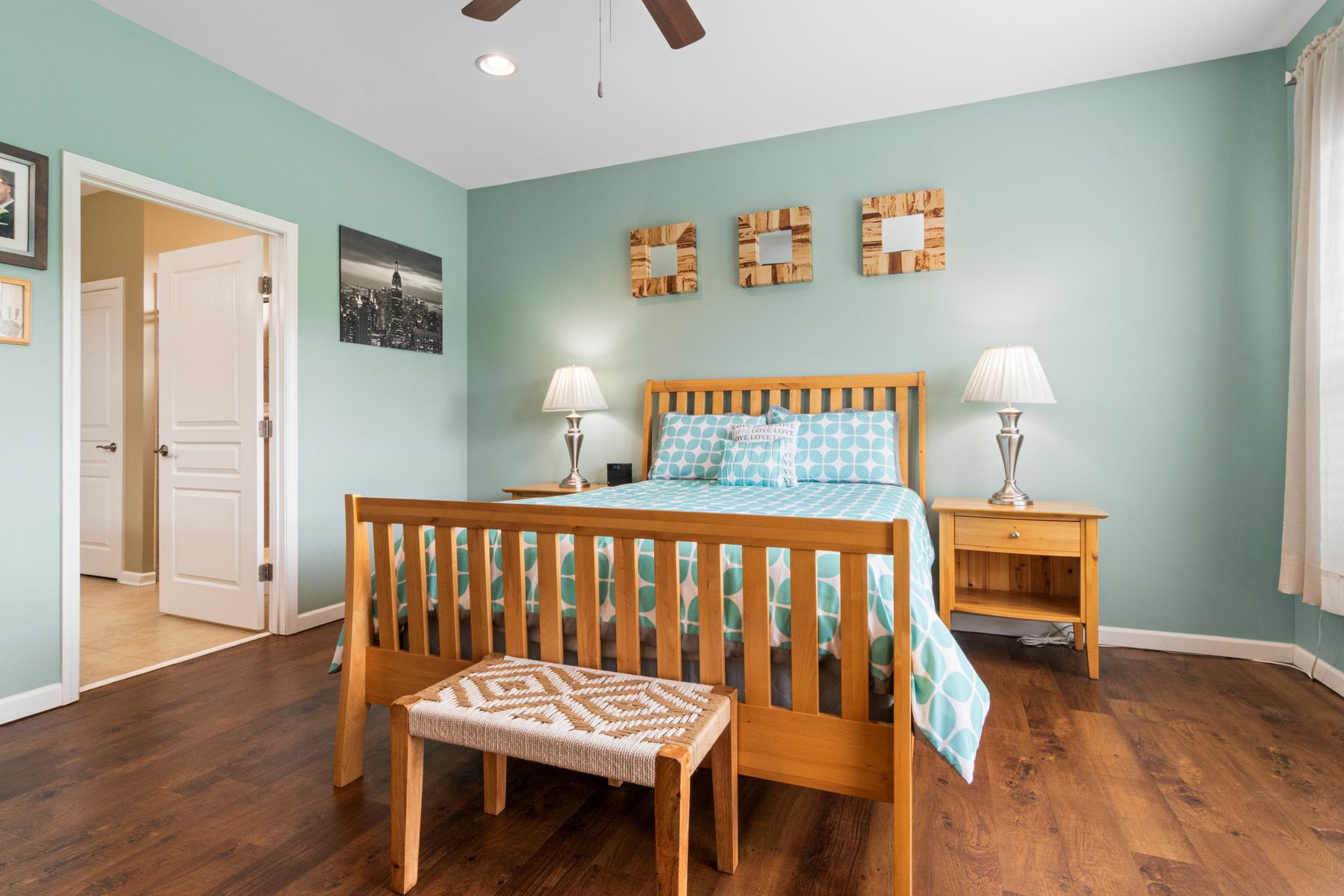
Use one geometric repeat in a rug, curtain, textile or original artwork, then let furniture lines answer it. Arcs can soften a rectilinear dresser; a repeated diagonal can connect tapered legs and a lamp arm. Avoid using unlicensed reproductions of protected artwork as generic decor, and do not let several unrelated patterns compete near the pillow. Shape is most convincing when it organizes the room rather than announces a theme.
Bedding Must Support Current Sleep
Use the mattress, sheets and insulation that support the sleeper, regardless of period appearance. Crisp cotton, linen, wool and a textured coverlet sit naturally with warm wood, but fiber should be chosen for climate, allergies and laundering. One patterned cushion or blanket can carry color; a stack of decorative pillows usually weakens the functional clarity. Check that a low frame still allows ventilation and that the mattress meets its manufacturer's support requirements.
Size the Rug for Landing and Balance
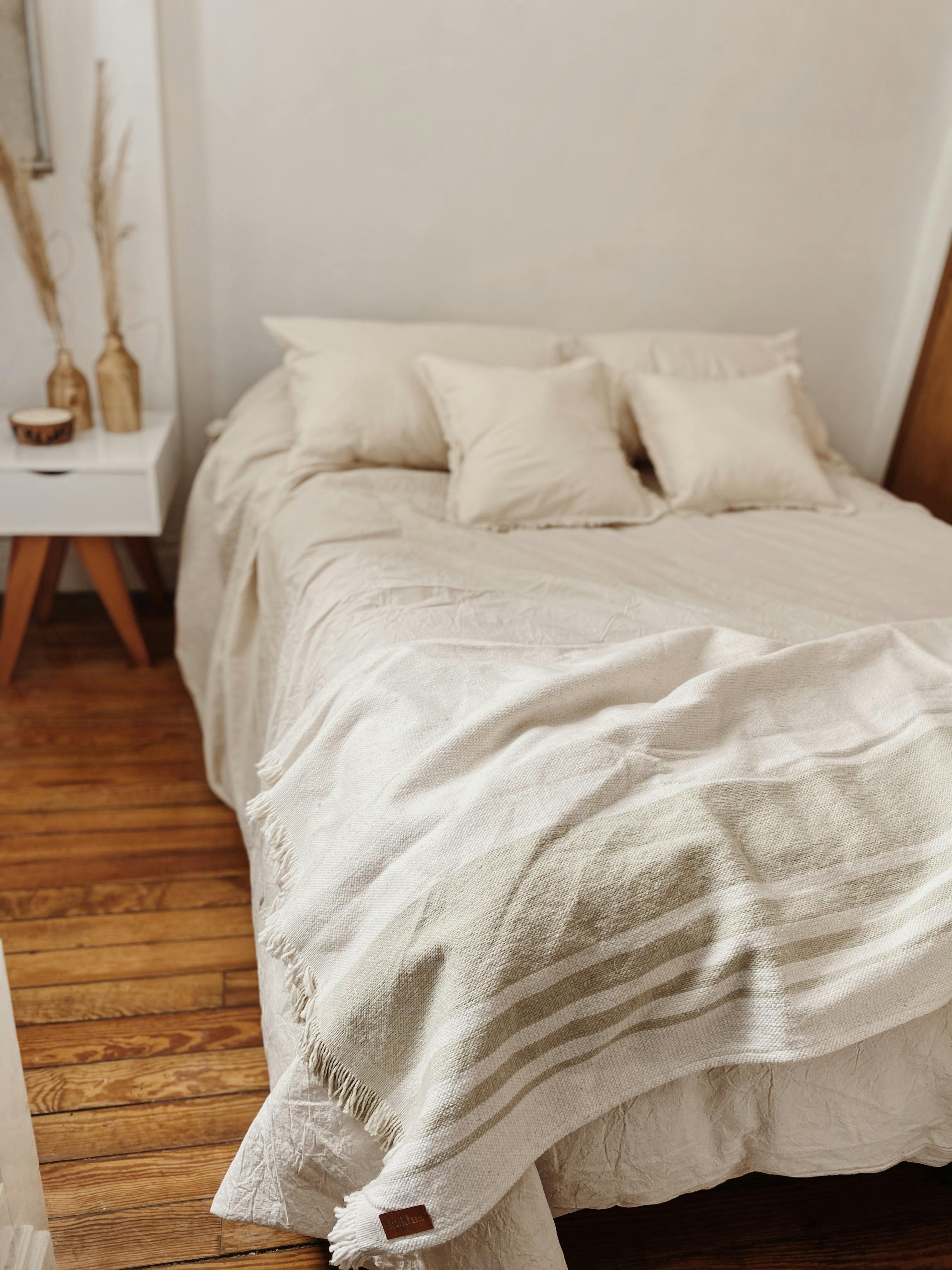
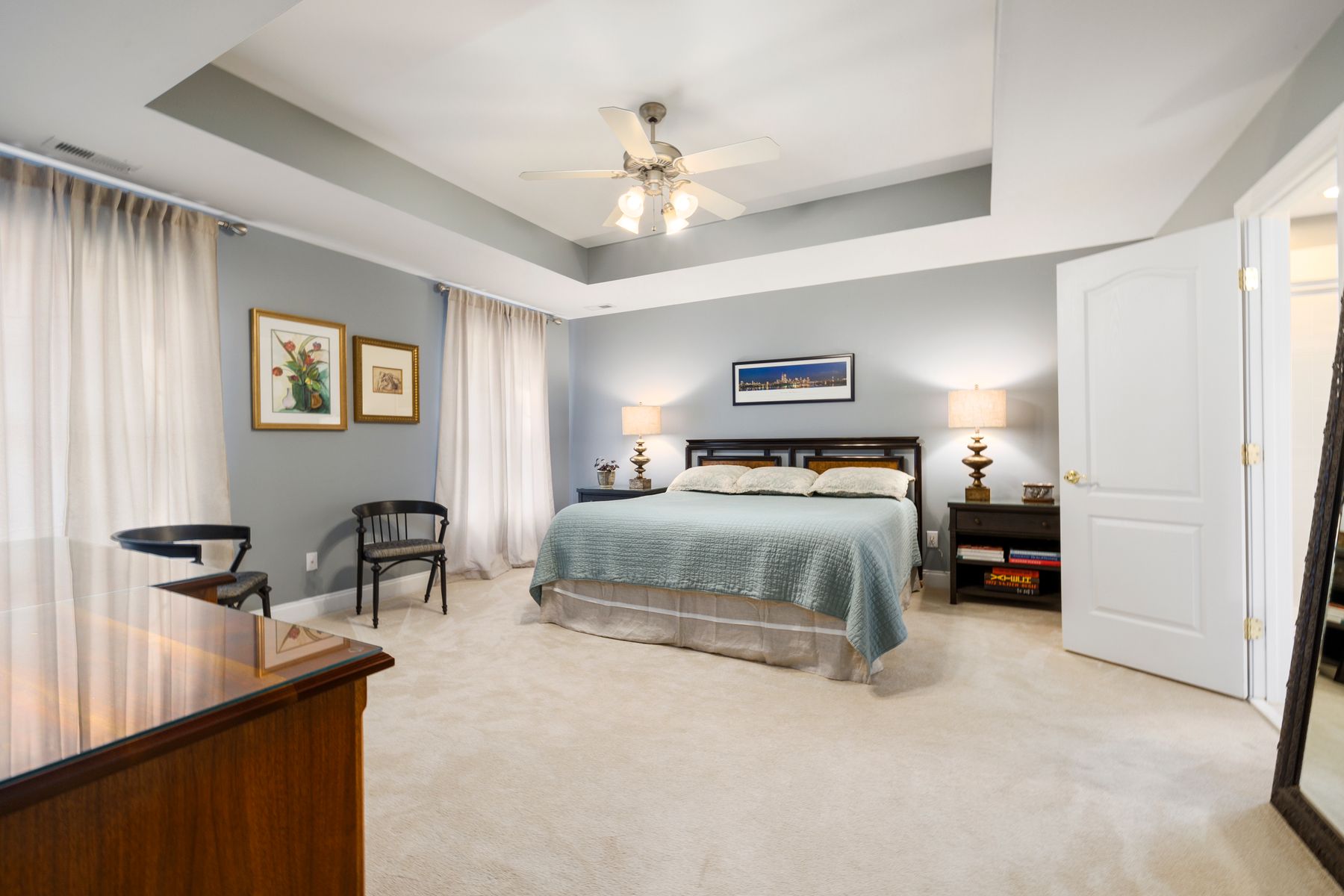
A generous low-pile or flatweave rug can warm the first step, reduce echo and bridge different wood tones. Avoid a small rectangle stranded at the foot of the bed. Tape the outline, confirm that doors clear it and use an underlay suited to the floor. A restrained geometric or abstract rug can provide the room's only pattern. The scale and care framework in [living room rug ideas](/living-room/living-room-rug-ideas/) transfers directly to the bedroom.
The Indoor-Outdoor Relationship Needs Protection
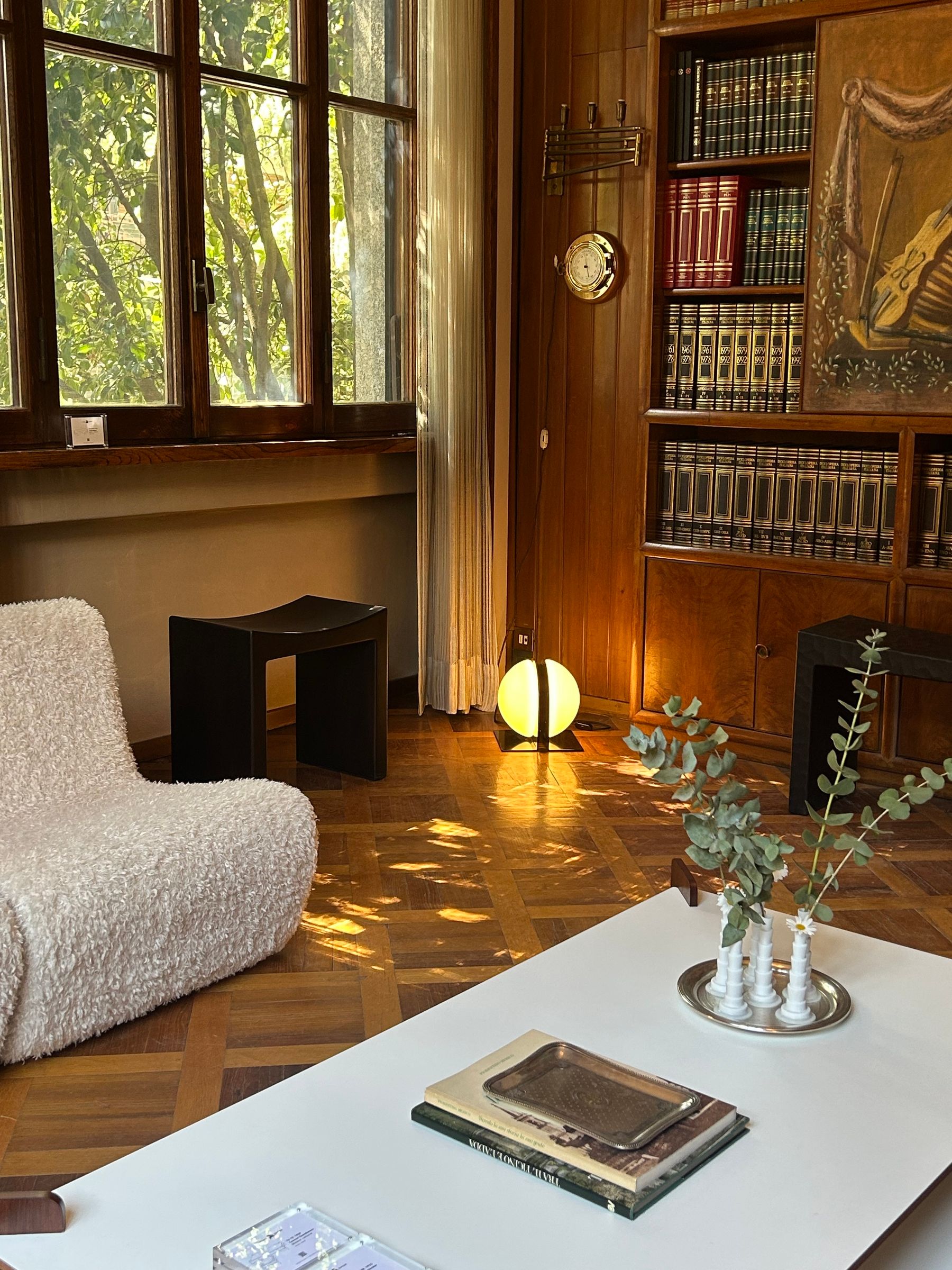
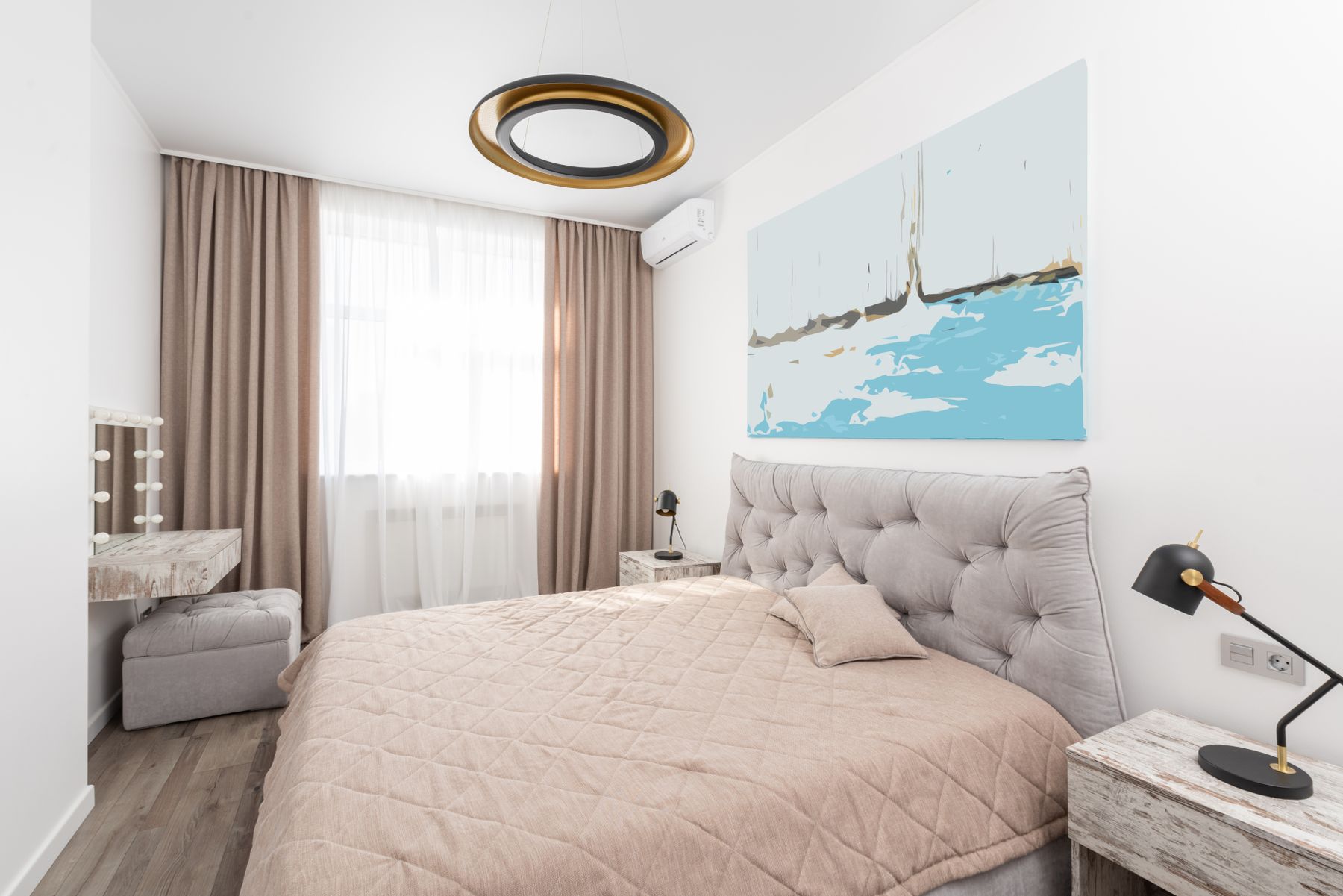
Large windows, garden views and honest natural material are central to many canonical mid-century homes, but the principle adapts to an apartment. Keep tall furniture away from the best light where possible, frame a tree or sky view and use low pieces near glazing. Manage glare, privacy and heat rather than leaving glass untreated for appearance. A plant can reinforce the connection if the light and care routine suit it; a room does not need a greenhouse of neglected foliage.
Sheers, Blackout and Thermal Control as Separate Jobs
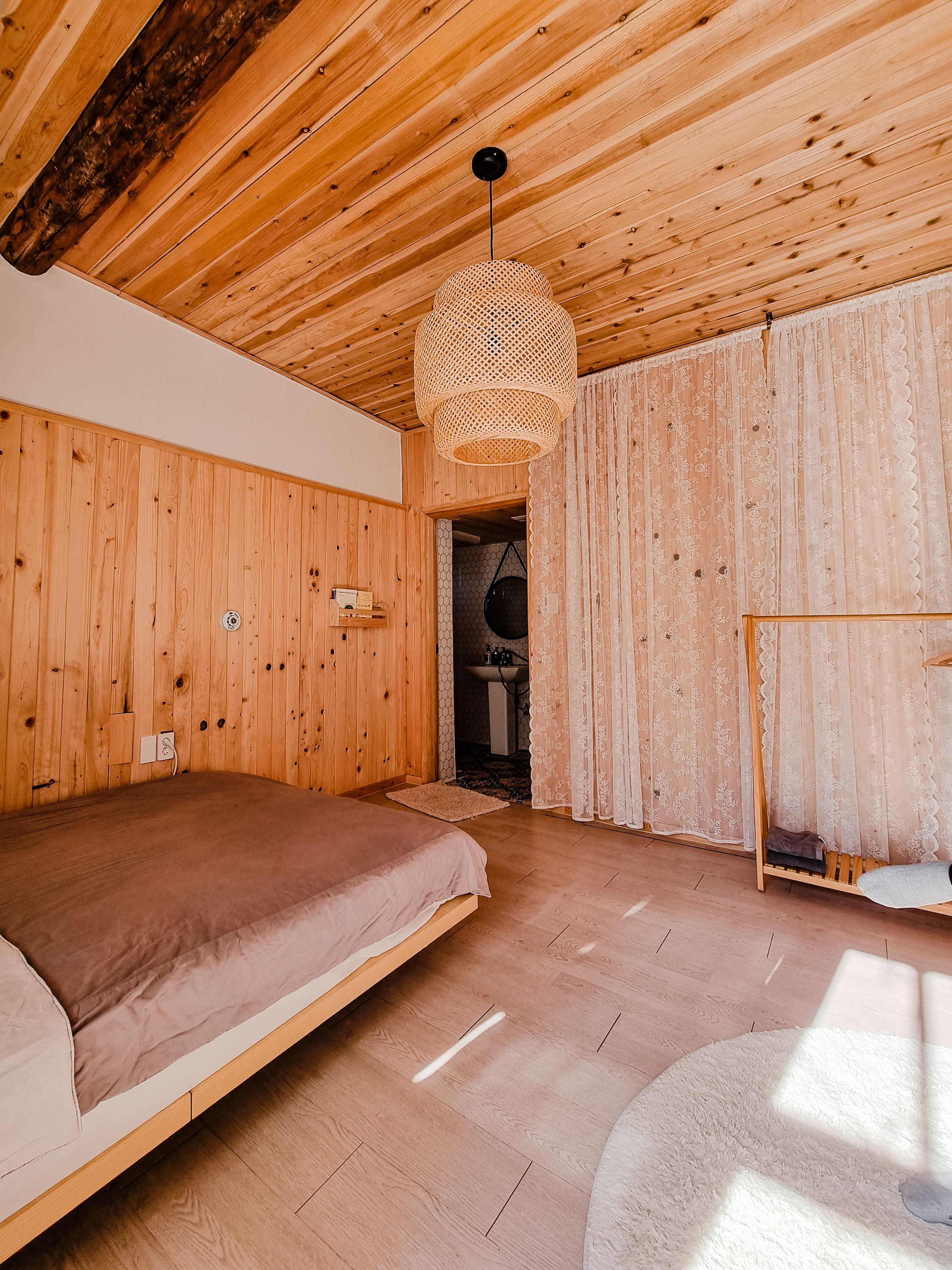
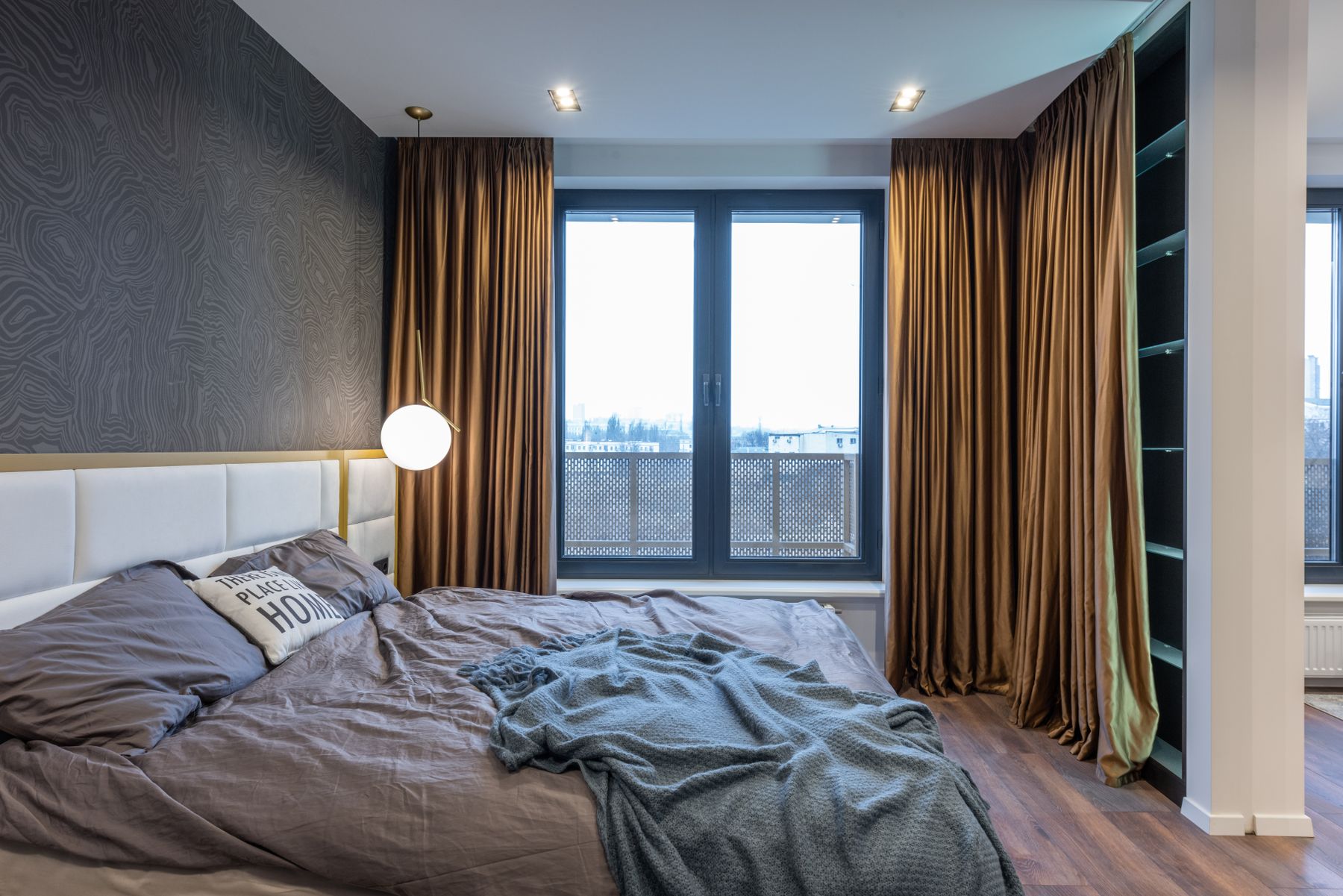
Combine a daylight privacy layer with lined curtains or a blind where sleep darkness is required. Full-height fabric strengthens the room's long planes and can supply the main color, but it must clear heaters, vents and damp walls. Test side and top leakage from the pillow. In a hot climate, exterior shading or solar control may matter more than heavy drapery; in cold rooms, address drafts and insulation before adding decorative weight.
Sculptural Light With a Real Task
Globe shades, cones, articulated arms and warm metals can carry period character, but glare and reach decide whether the lamp belongs. Combine soft ambient light, independent reading sources and low orientation light for night movement. Shade the bulb from the pillow and keep controls reachable. Unknown vintage wiring requires qualified inspection of cord, plug, lampholder, switch, strain relief, earthing where relevant and bulb clearance. [Living room lighting ideas](/living-room/living-room-lighting-ideas/) provides a deeper beam and color-quality framework.
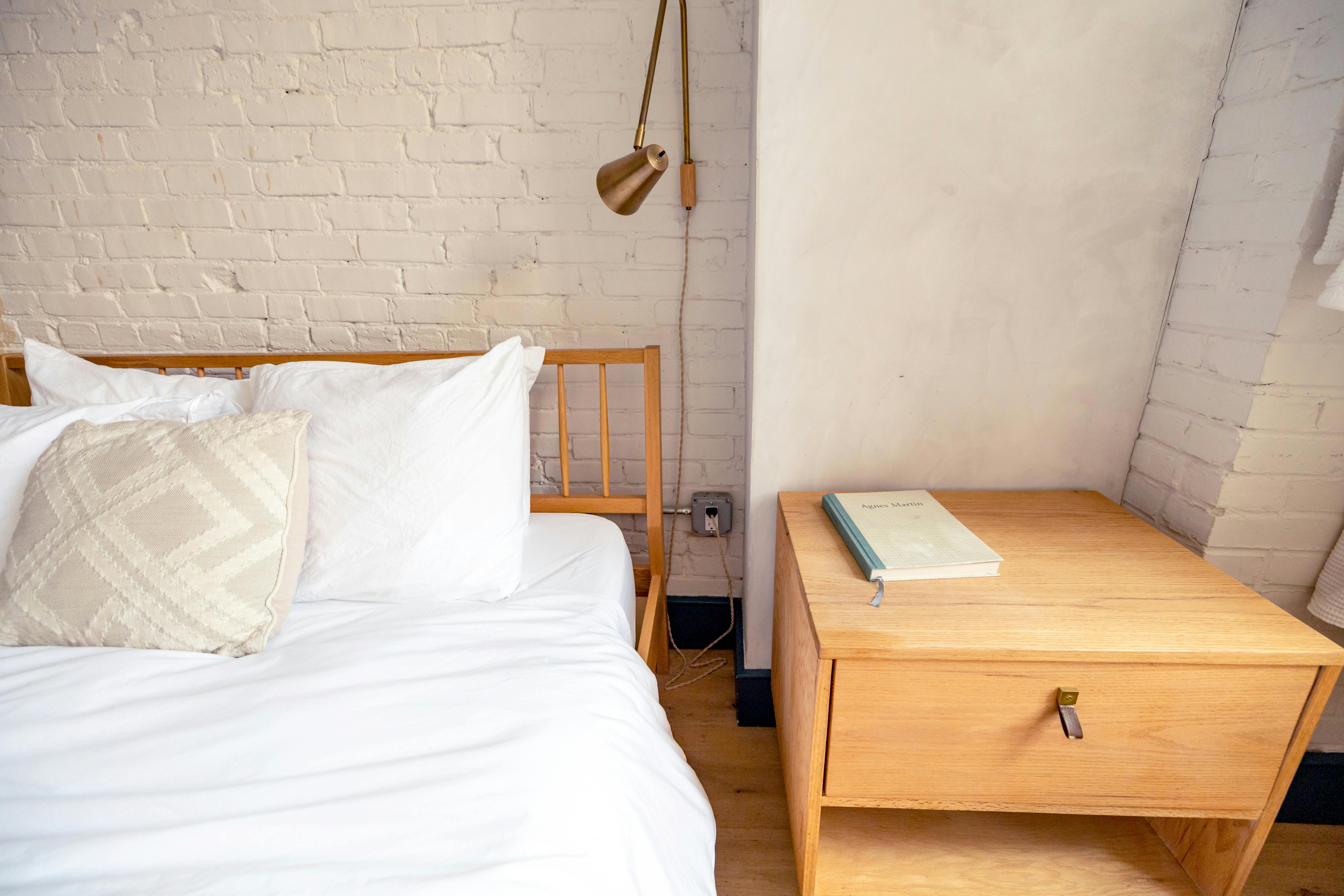
Design the Bedside Around Reach
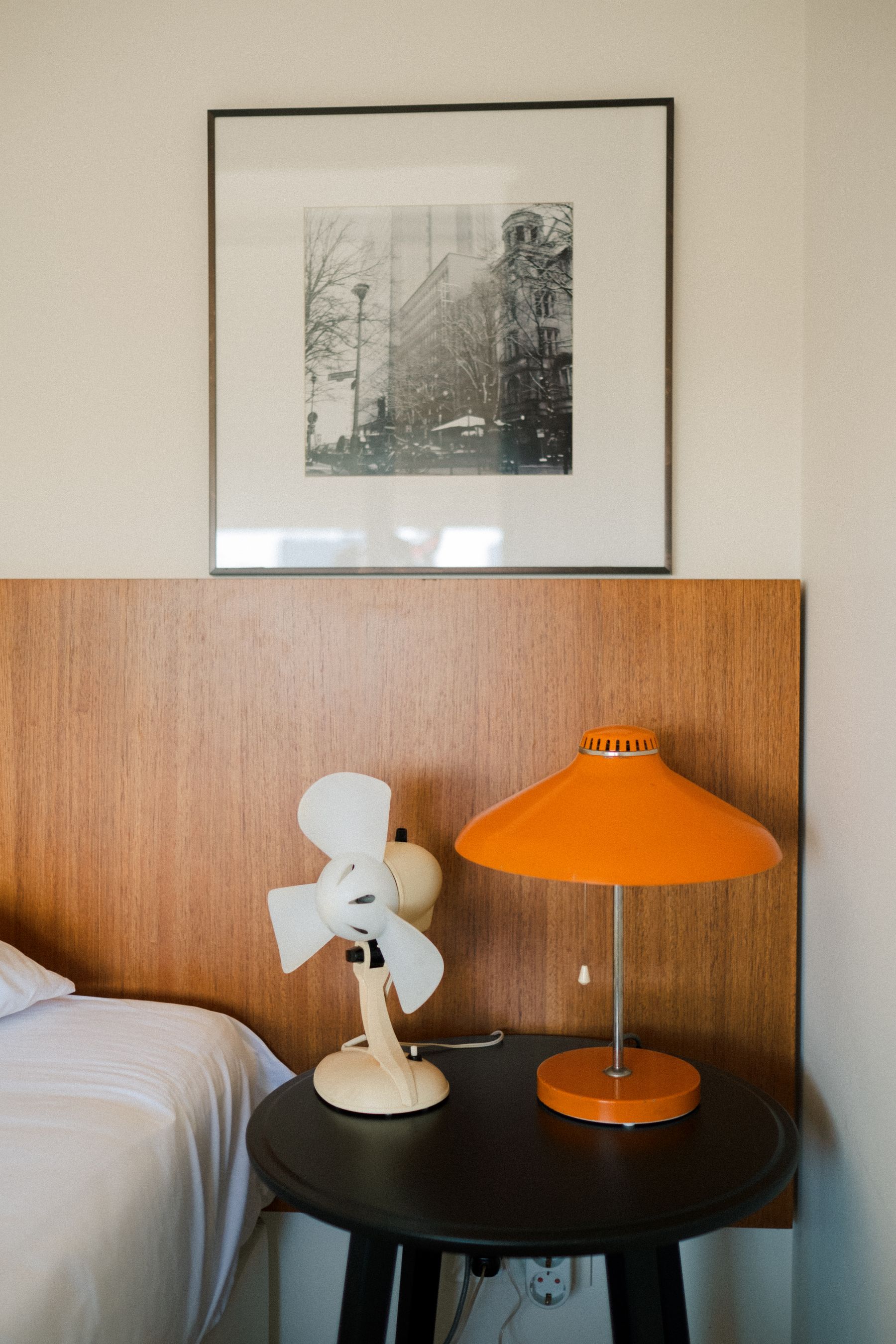
Align the top roughly with the mattress and provide enough surface for light, water and the items actually used. A floating shelf can preserve floor, while a drawer hides medication, cables or glasses. Rounded corners help in a narrow route. If two sleepers have different needs, use related rather than identical tables. Route cords safely and avoid a collection of vintage electronics that introduces heat, noise or unreliable wiring into the sleep zone.
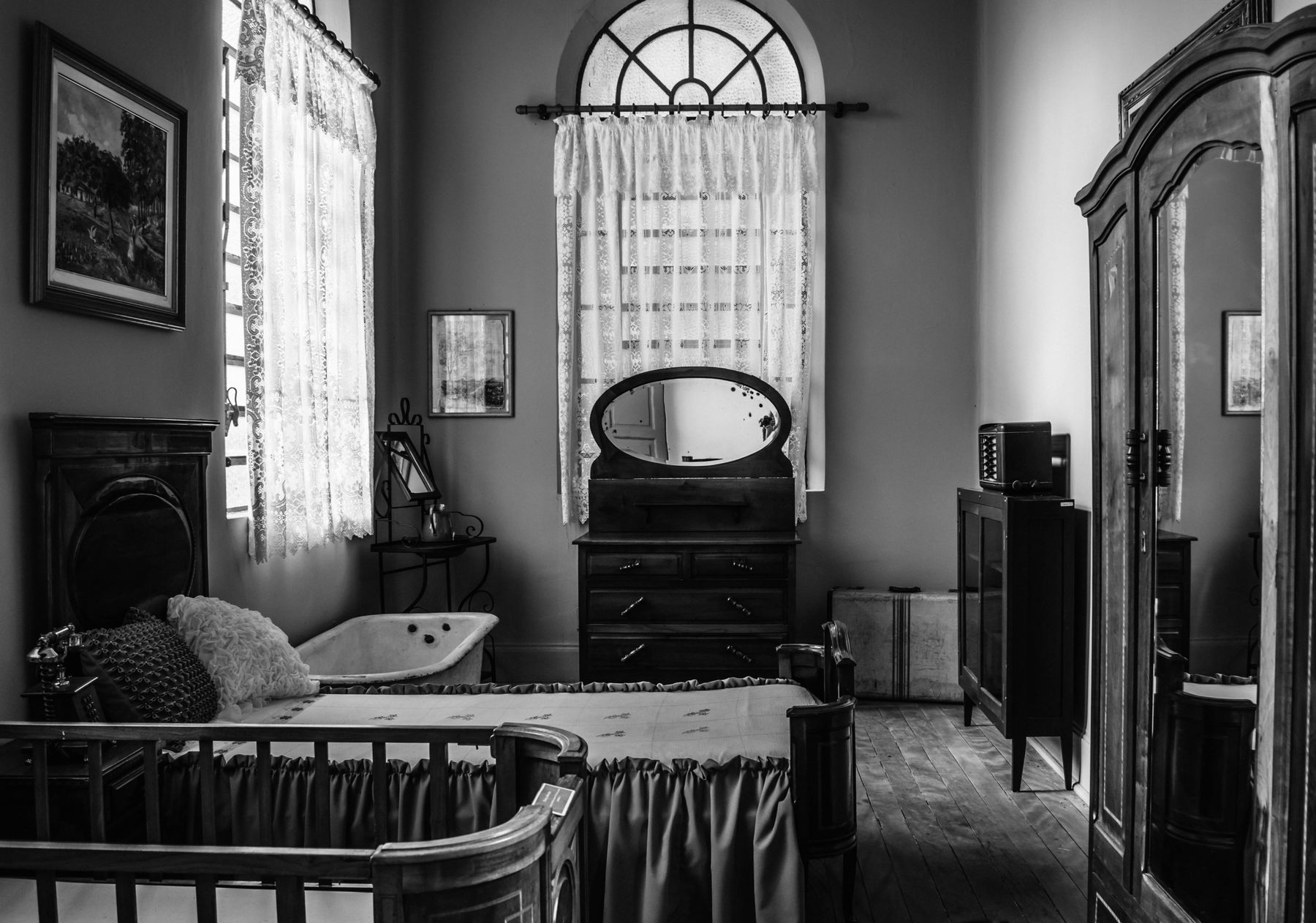
Source Vintage Furniture With Evidence
Request images of backs, undersides, labels, joints, drawer interiors and repairs. A maker's mark can help research, but construction, dimensions and condition decide usefulness. Price transport, stairs, cleaning, pest treatment, missing hardware and restoration before comparing with a reproduction. Walk away from active pests, persistent damp odor, structural movement or a seller who blocks reasonable inspection. Not every tapered-leg dresser is period, and uncertain attribution should not inflate value.
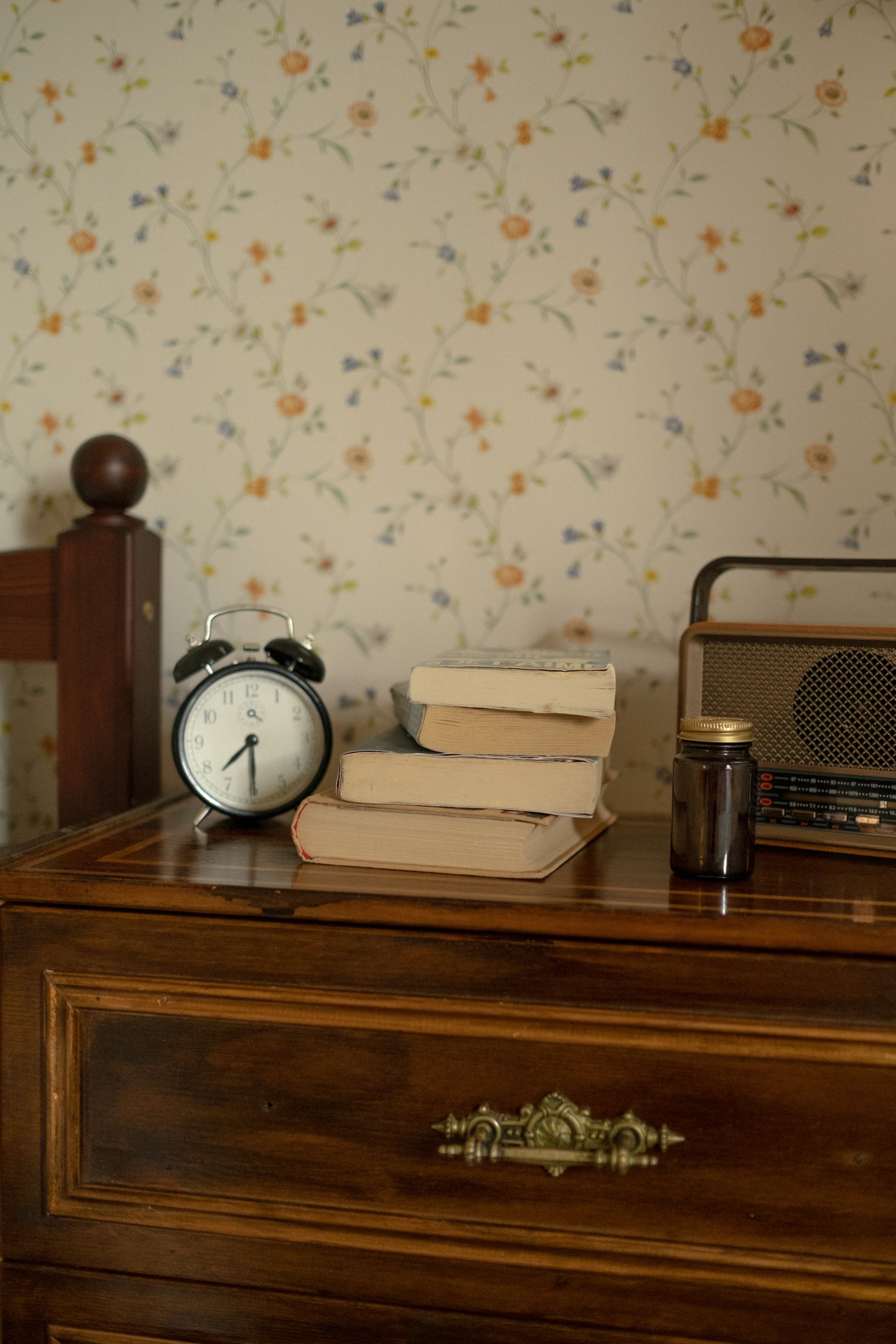
Preserve Veneer and Original Finish
Clean with the least aggressive method suited to the known finish and test out of sight. Thin veneer can be sanded through quickly; oil, silicone polish and harsh solvent can complicate future conservation. Stabilize loose edges, water damage and failing joints before cosmetic work, and consult a furniture conservator for valuable pieces. Sound patina can remain. Unknown old coatings or paint may contain hazards, so do not dry-sand or heat them until the risk is understood.
Combine Authentic Pieces and Reproductions Honestly
Original furniture is not required for a convincing room. Use vintage where craftsmanship, scale and condition justify it, and choose current pieces for mattress support, electrical safety or difficult storage. Judge reproductions on proportion, joinery, repairability and material rather than a style label. Do not fake provenance or distress new furniture to simulate age. An honest mix usually feels more livable and less theatrical than a complete imitation suite.
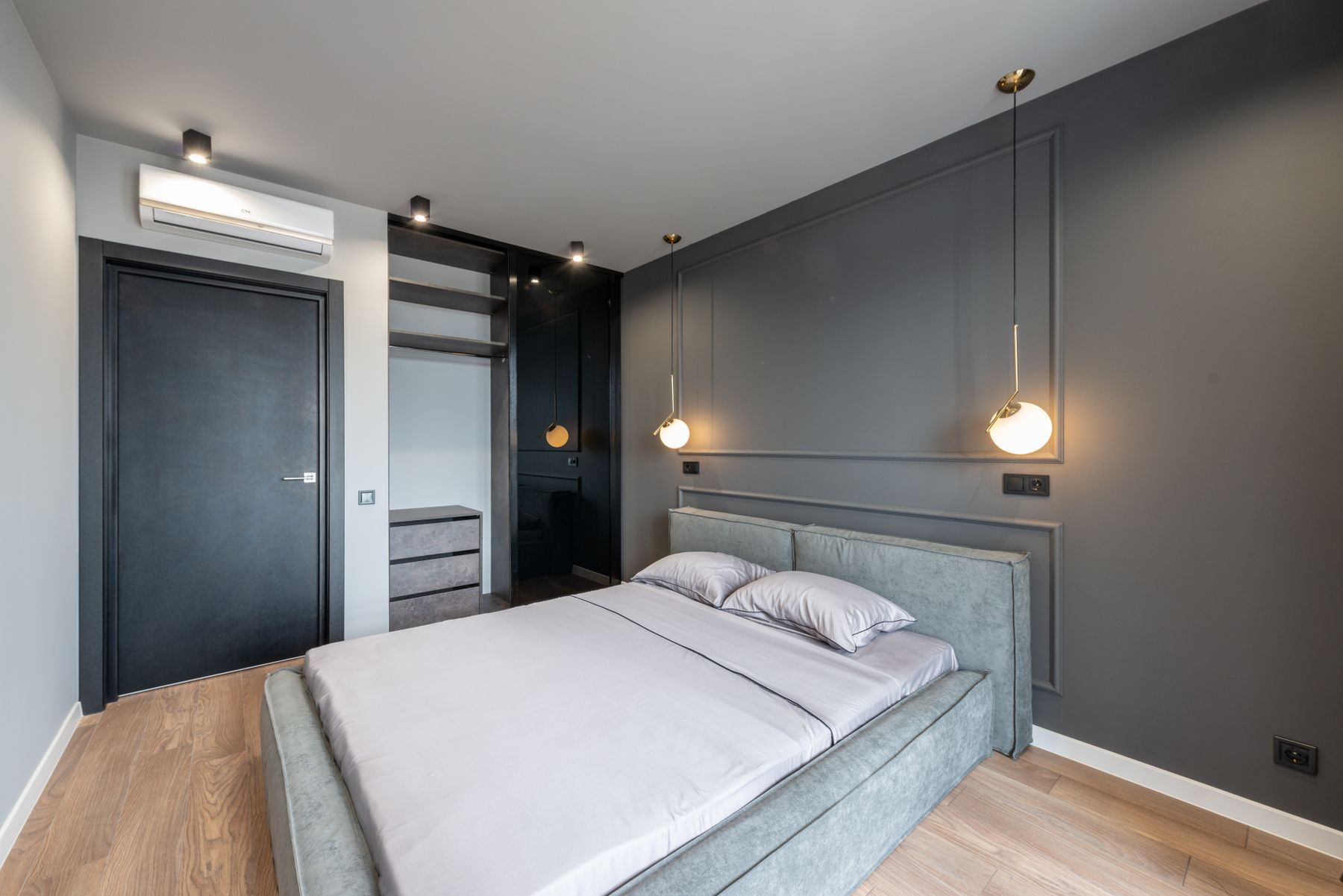
Scale the Style for a Small Bedroom
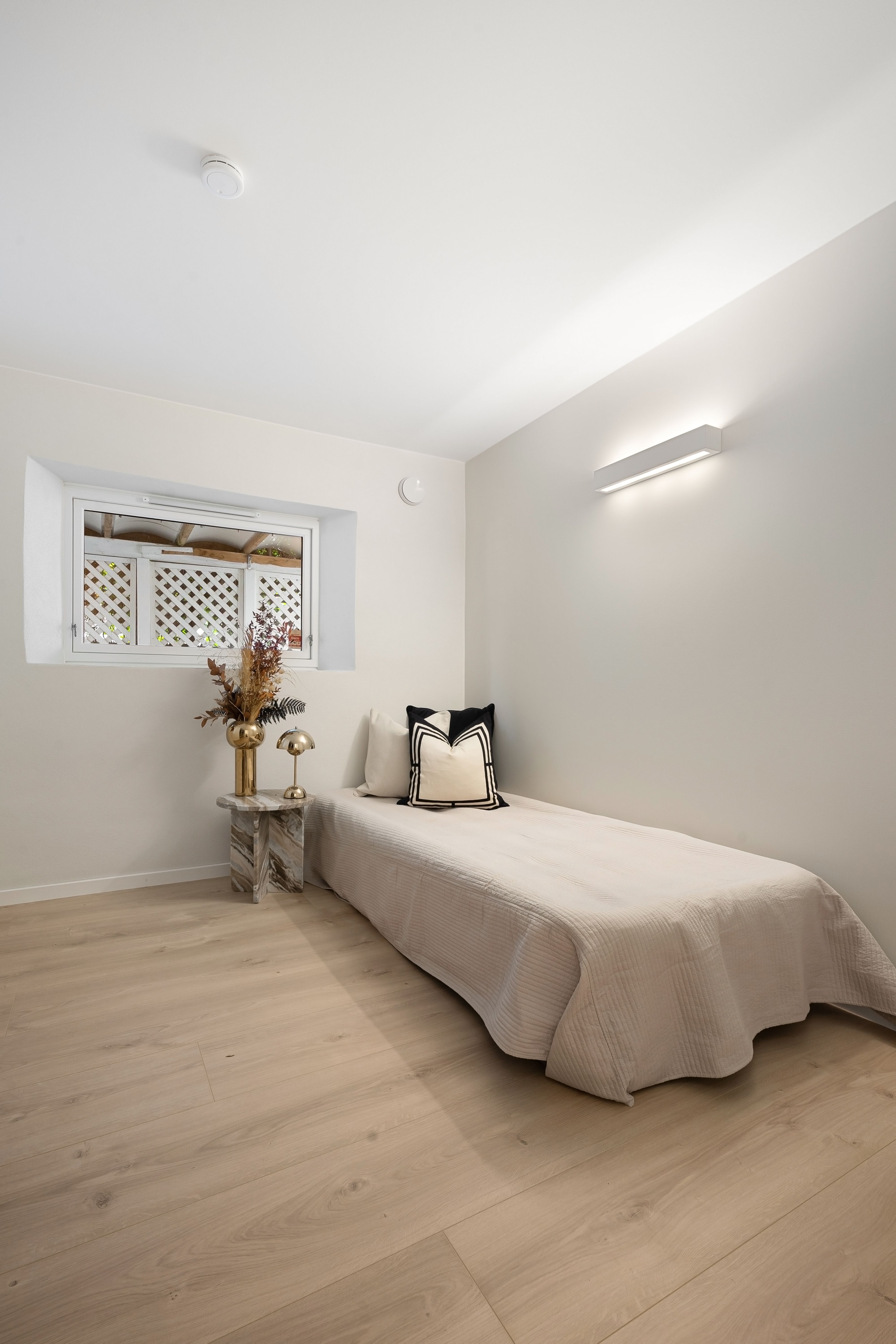
Choose a bed with a modest outside width, a narrow dresser on legs and wall-mounted light where it improves reach. One long low unit can replace several small cabinets, but only if drawers open fully and circulation remains clear. Keep pattern to one plane and use the vertical wall for closed storage without building over the pillow. The measuring and multifunction tests in [small apartment ideas](/apartment/small-apartment-ideas/) help when the bedroom also has to contain a desk.
A Reversible Mid-Century Rental
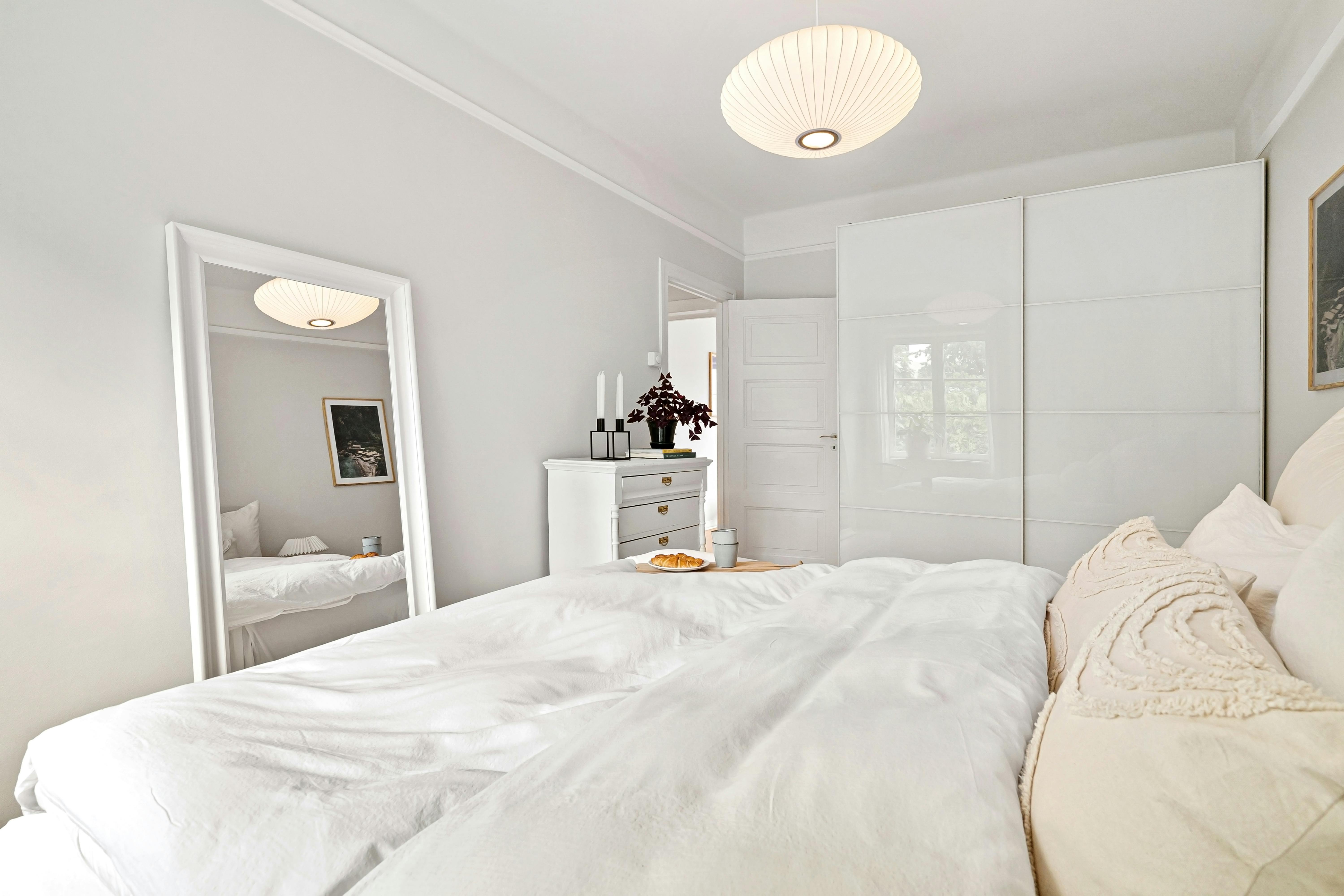
Lead with a low bed, one streamlined dresser, a large textile and a sculptural plug-in lamp. Use removable interventions only where the lease, wall condition and manufacturer allow them; many adhesive products damage paint or veneer. Keep original hardware labeled and stored. A broad rug can unify an unchangeable floor, while curtains may soften generic blinds if the existing track safely supports them. Reversibility is part of good design, not a compromise.
Adapt Proportions for Shared and Accessible Use
A very low bed and delicate handles may look authentic but fail someone with limited strength, balance or vision. Set transfer height for the person, preserve a clear approach, provide stable seating and use hardware that is easy to grasp. In a shared room, give each sleeper reachable light and storage. Contrast at floor edges and switches can be quiet but legible. The most faithful application of mid-century design is human-centered usefulness, not rigid period accuracy.
Hide Technology Without Blocking It
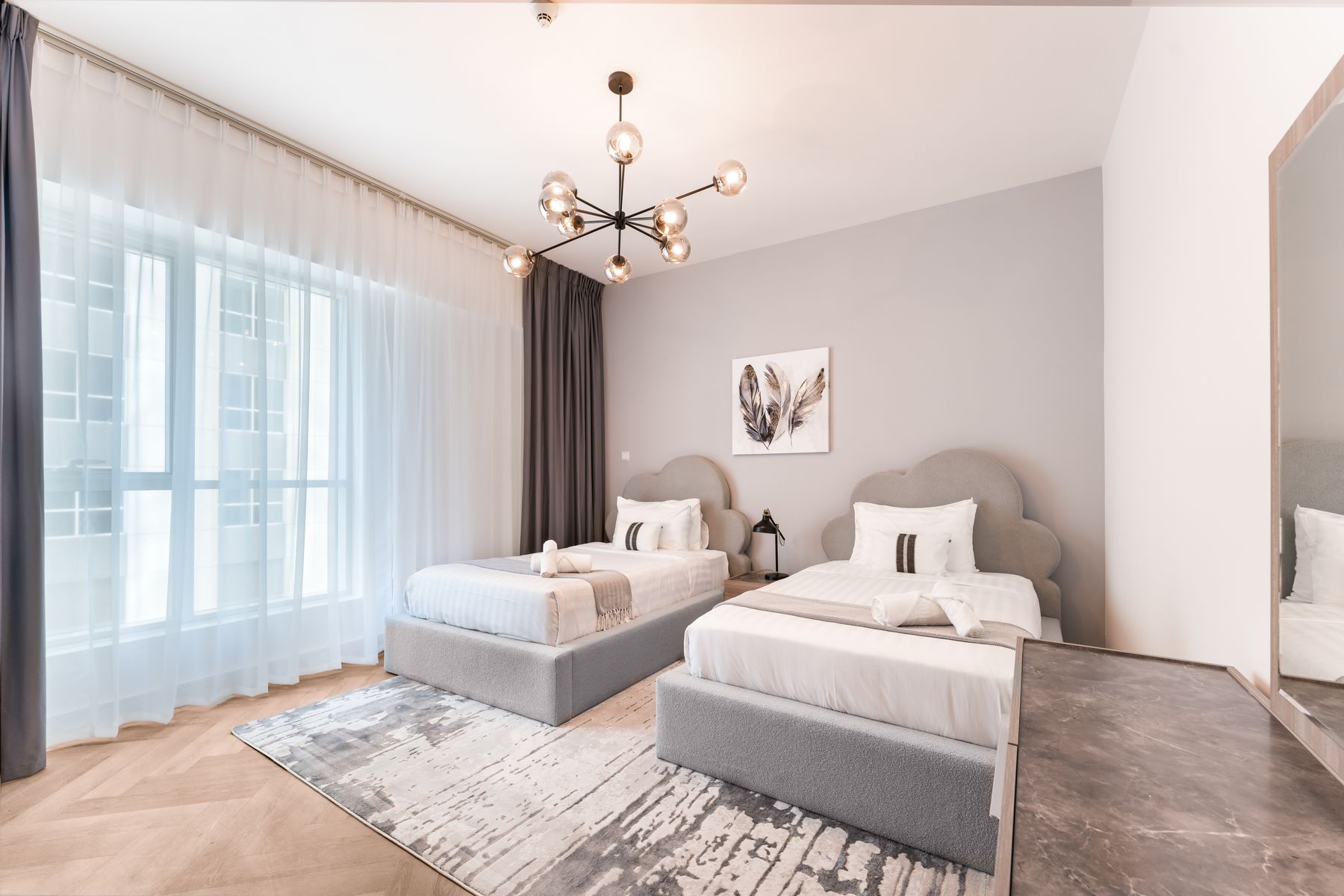
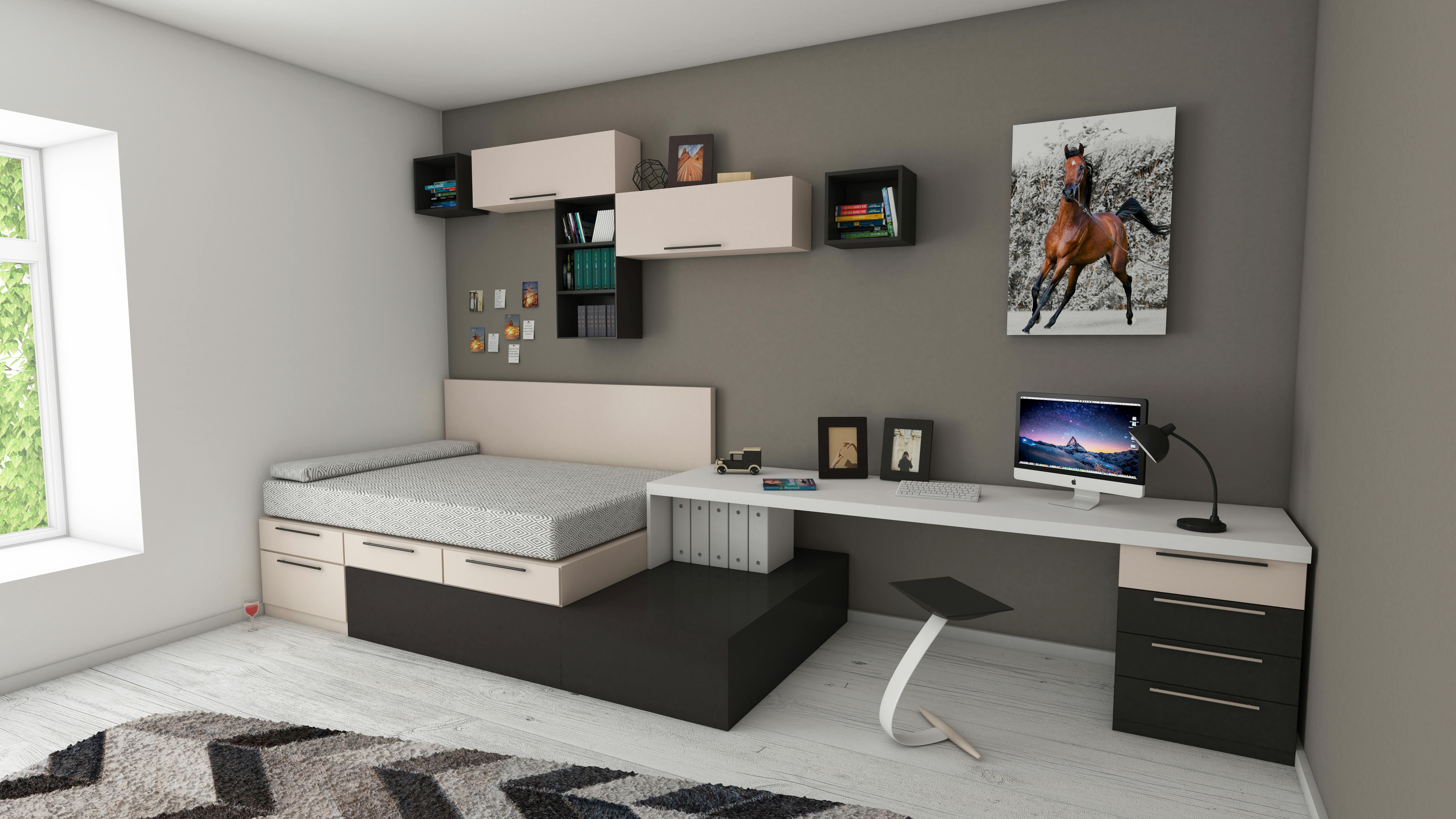
Route charging through accessible cable channels, provide ventilation around devices and keep power strips off textiles. A compact desk can echo the furniture's wood and leg profile, but work should have a defined boundary and a light that does not disturb the bed. Conceal a television only if access, heat and viewing height remain safe. Do not cut valuable vintage cases for cables when a reversible rear panel or contemporary companion piece can solve the problem.
Edit the Room Until the Silhouettes Read
Finish by removing objects that repeat the same signal: extra starbursts, novelty clocks, multiple small lamps and wood accessories without a job. Check the doorway view, the pillow view and the nighttime route. Repair what remains, contain cables and leave usable surface. A mid-century bedroom feels complete when proportion, material and function are evident without explanation. If an addition does not improve sleep, storage, light or genuine personal meaning, it is probably weaker than the room already is.