Start With the Design Movement, Not the Costume
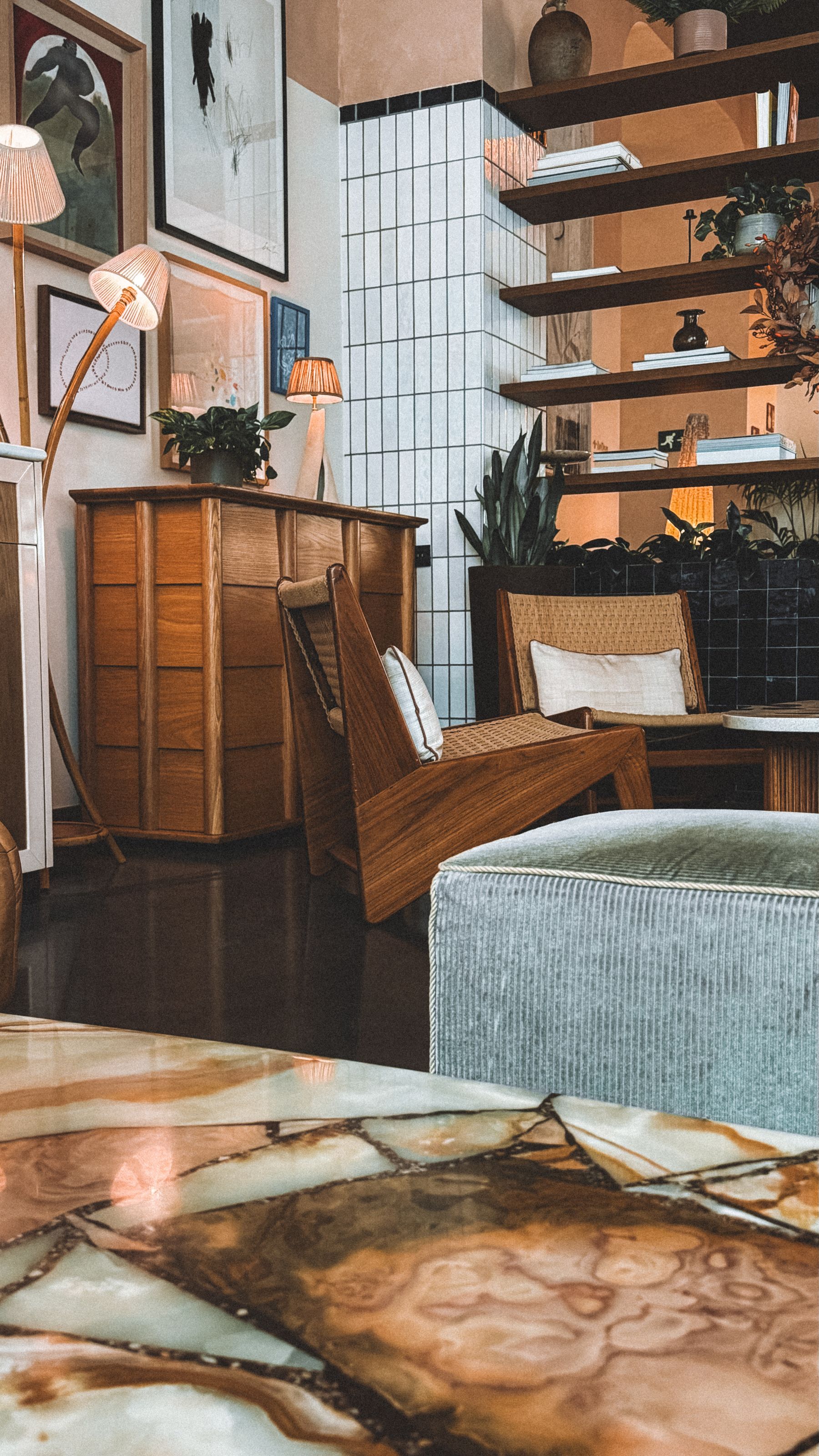
Mid-century modern describes a broad design movement, roughly from the postwar decades through the 1960s, built around useful form, new production methods, honest material and a closer relationship between home and landscape. That makes it more historically specific than [modern living room ideas](/living-room/modern-living-room-ideas/); [Retro Living Room Ideas](/living-room/retro-living-room-ideas/) is the broader destination when a 1960s–1990s revival, playful pattern and nostalgic technology lead. Begin with proportion, structure and use rather than starburst clocks or novelty objects. A convincing room can contain contemporary upholstery, inherited furniture and one period case piece when their scale and construction share the same functional clarity.
Read the Architecture Before Buying Furniture
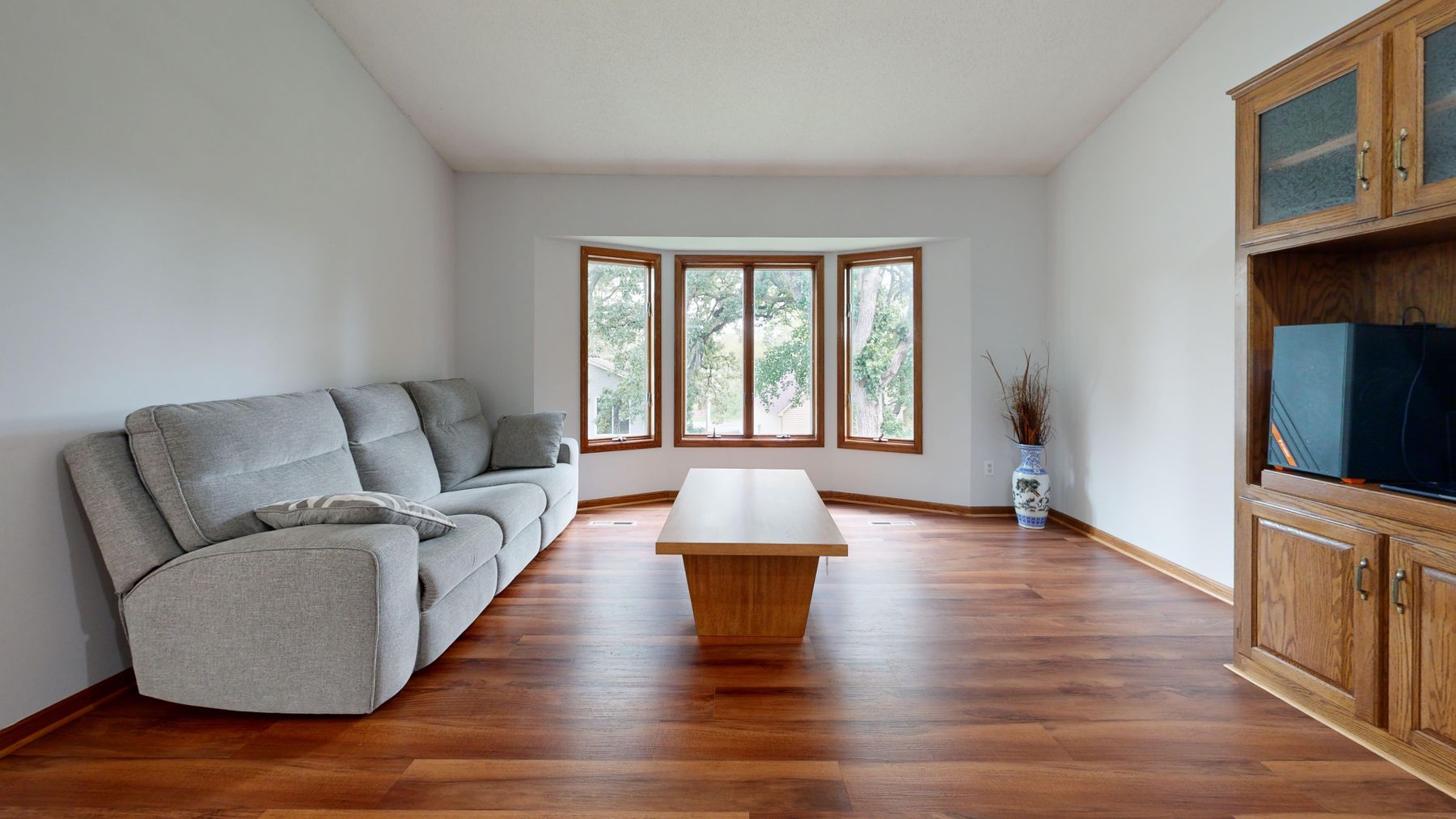
Original mid-century rooms often used low roofs, exposed beams, long glazing and open connections to terraces, but the style can work in an ordinary apartment when furniture responds to the actual shell. Mark doors, radiators, outlets, window operation and the route to adjoining rooms before placing the sofa. Keep tall storage away from the most valuable glazing and allow one long horizontal line to relate to the wall. The measured approach in [living room layout ideas](/living-room/living-room-layout-ideas/) prevents a collection of attractive pieces from becoming an obstacle course.
Build a Sociable Conversation Group
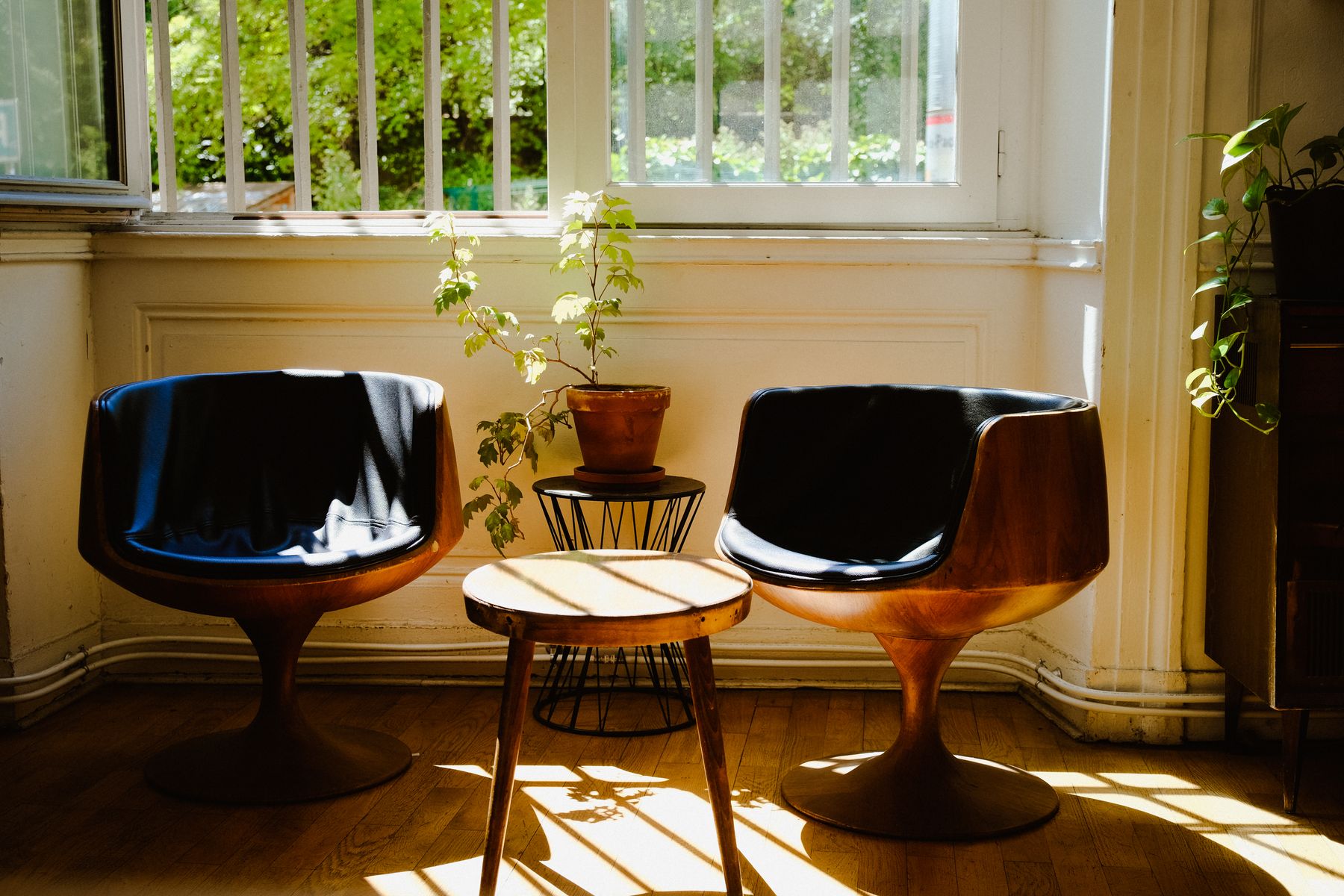
Mid-century furniture is especially effective when the seating plan feels open and conversational. Turn chairs toward the sofa rather than lining every piece against a wall, keep eye contact comfortable and place a reachable surface beside each regular seat. Mixed silhouettes can work better than a matched suite: a compact sofa, two open-arm chairs and a movable stool produce flexibility without visual bulk. Test the group with people present and maintain a route around, not through, the conversation center. The objective is hospitality and movement, not a furniture showroom.
Choose a Sofa With a Long, Legible Profile
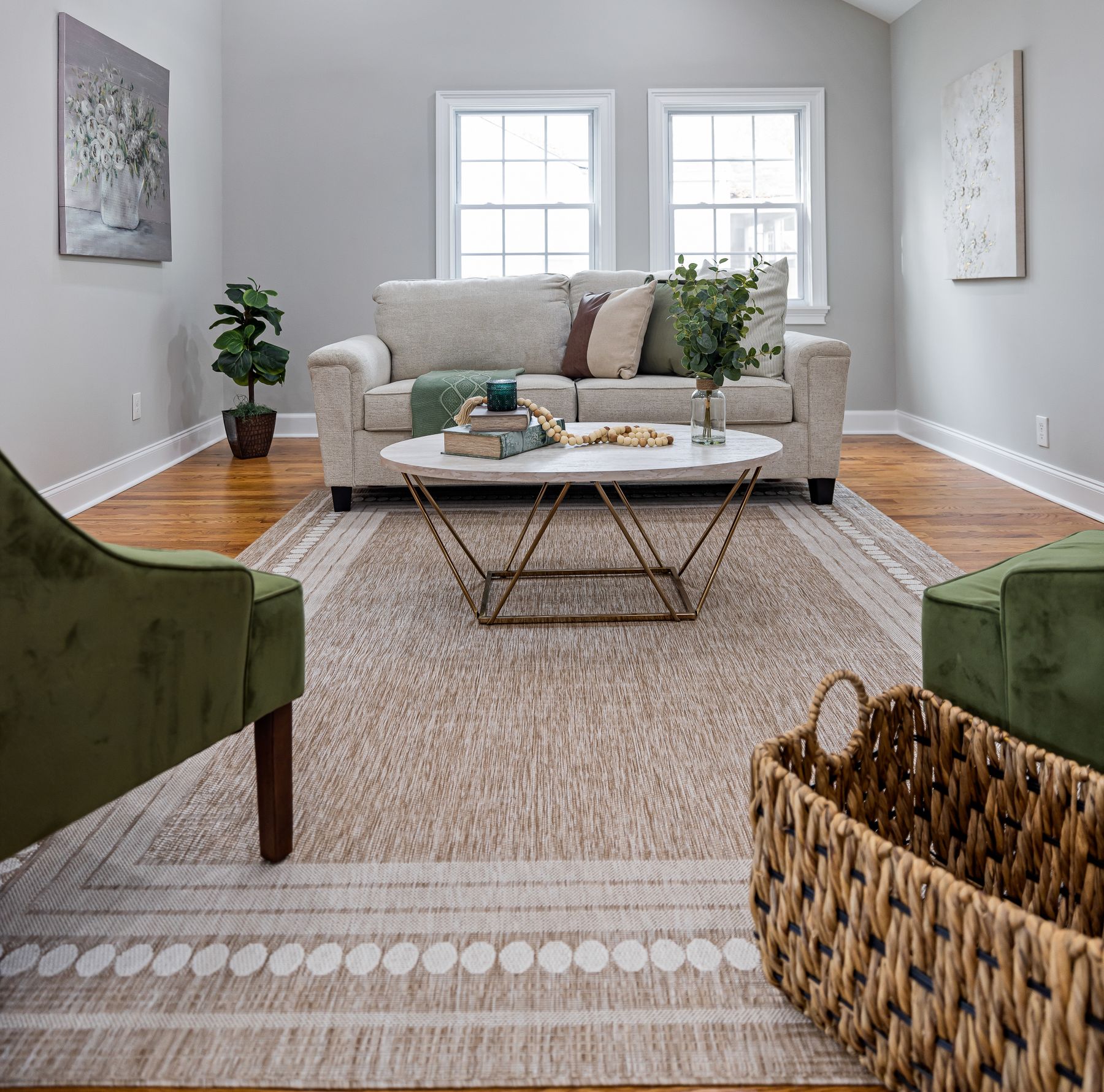
Look for a sofa with a readable base, controlled arms and cushions that do not overwhelm the frame. Raised legs can expose more floor and lighten the composition, but a low plinth also works in a larger room. Compare outside dimensions with usable seat width, test back angle and verify that covers or inserts can be replaced. Tan leather, olive wool, rust velvet and textured neutral fabric all suit the period language; durability and comfort should decide among them. Avoid buying an uncomfortable replica simply because its outline is recognizable.
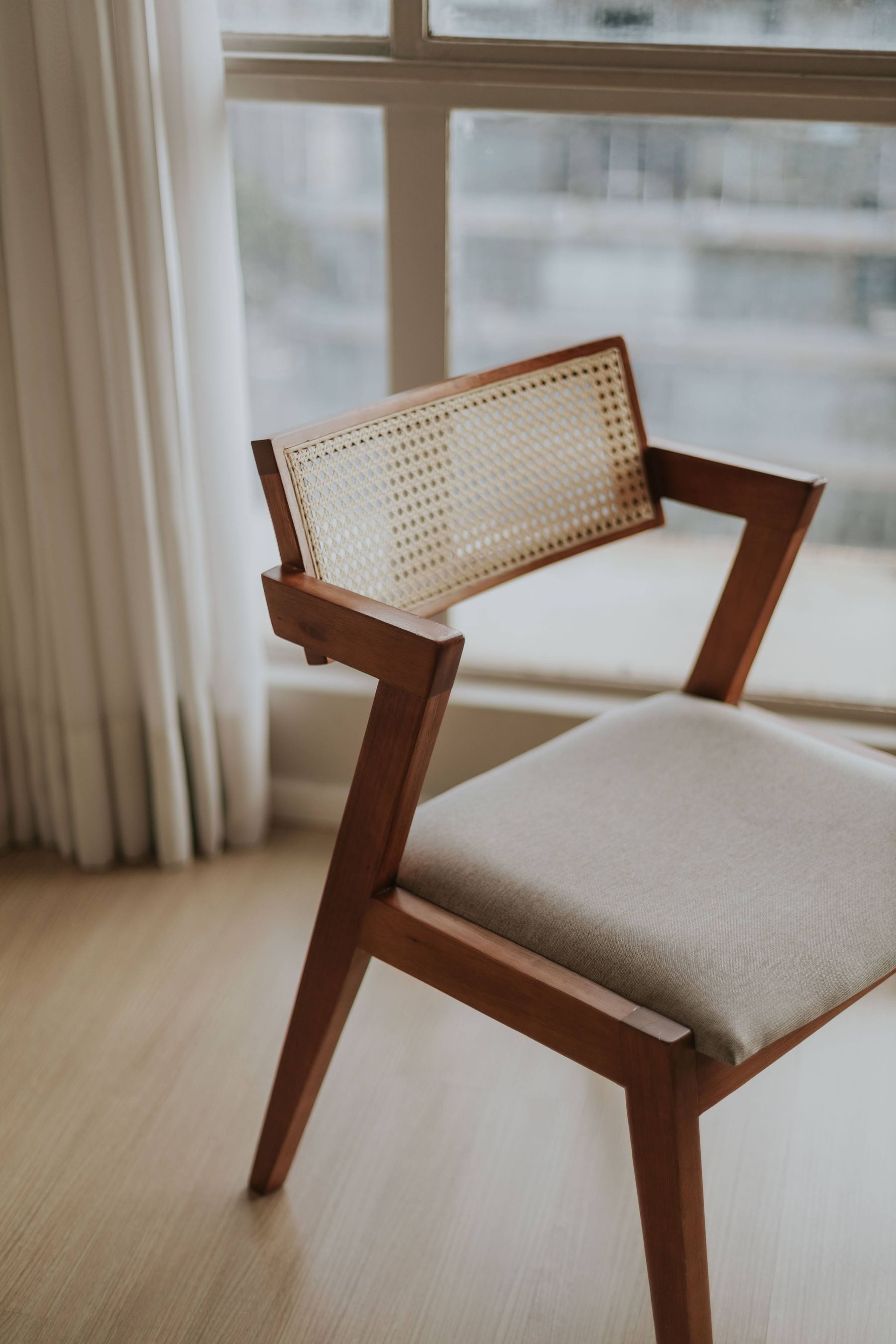
Let One Lounge Chair Carry the Craft
An open timber armchair can introduce sculpted arms, tapered legs and visible construction while keeping sightlines clear. Choose it for body support as carefully as for shape: seat height, pitch, arm position and upholstery firmness determine whether it becomes the favorite chair or unused sculpture. Vintage examples need stable joints and serviceable upholstery; new pieces should offer traceable materials and repair paths. The furniture checks in [mid-century bedroom ideas](/bedroom/mid-century-bedroom-ideas/) apply equally well here. Give the chair enough surrounding space for its profile to register.
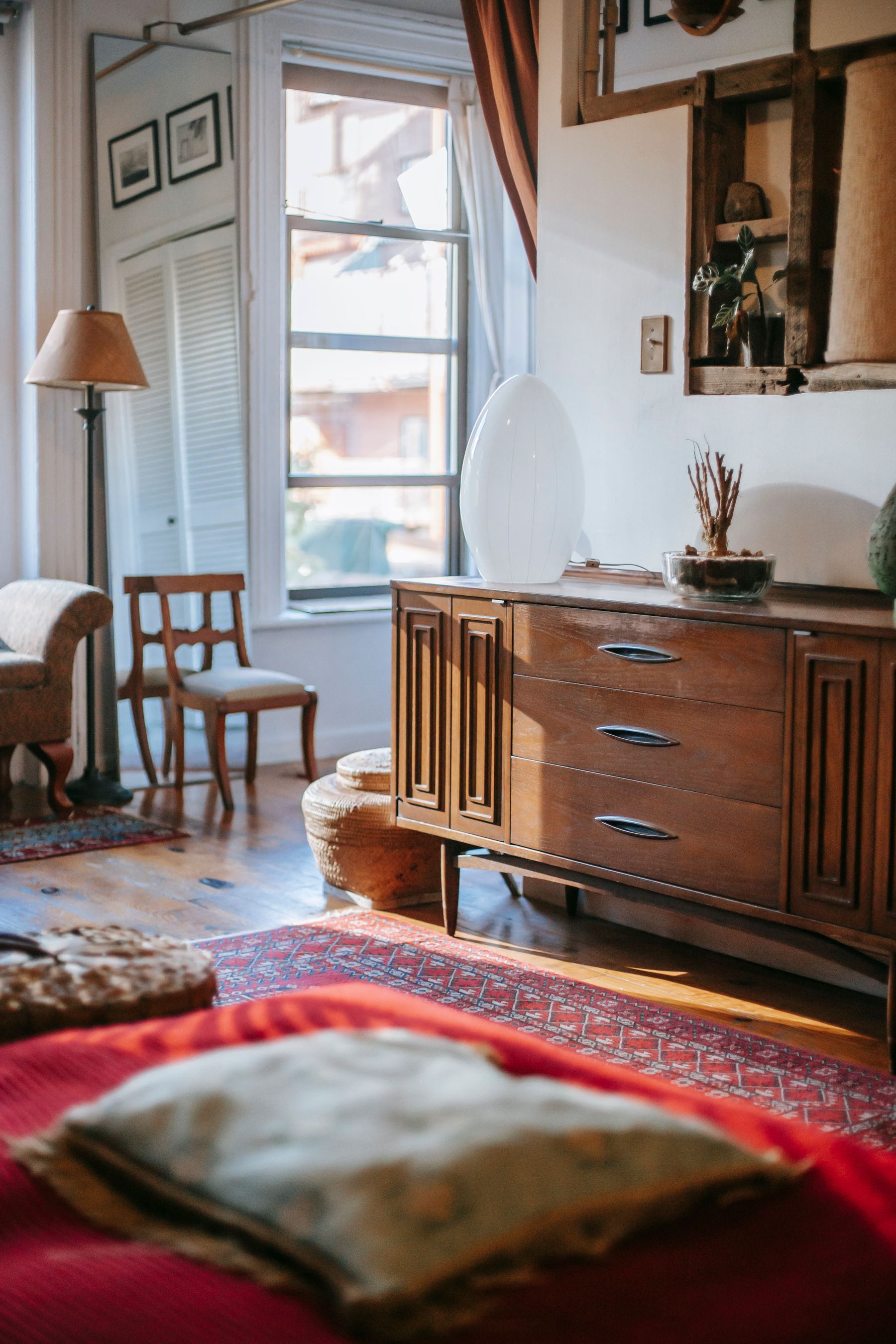
Use Walnut, Teak and Oak as a Hierarchy
Warm woods are central to the style, but an all-walnut catalogue room can feel artificial. Choose one dominant undertone—golden, reddish or chocolate—then let the floor, sideboard and chair frames relate without matching exactly. Veneer is historically appropriate and often resource-efficient when edges and substrate are sound; solid wood is not automatically superior. Compare samples in daylight and lamplight, and use black metal, glass or upholstery to interrupt an excessive field of brown. [Wooden bedroom ideas](/bedroom/wooden-bedroom-ideas/) offers deeper guidance on grain, veneer and moisture movement.
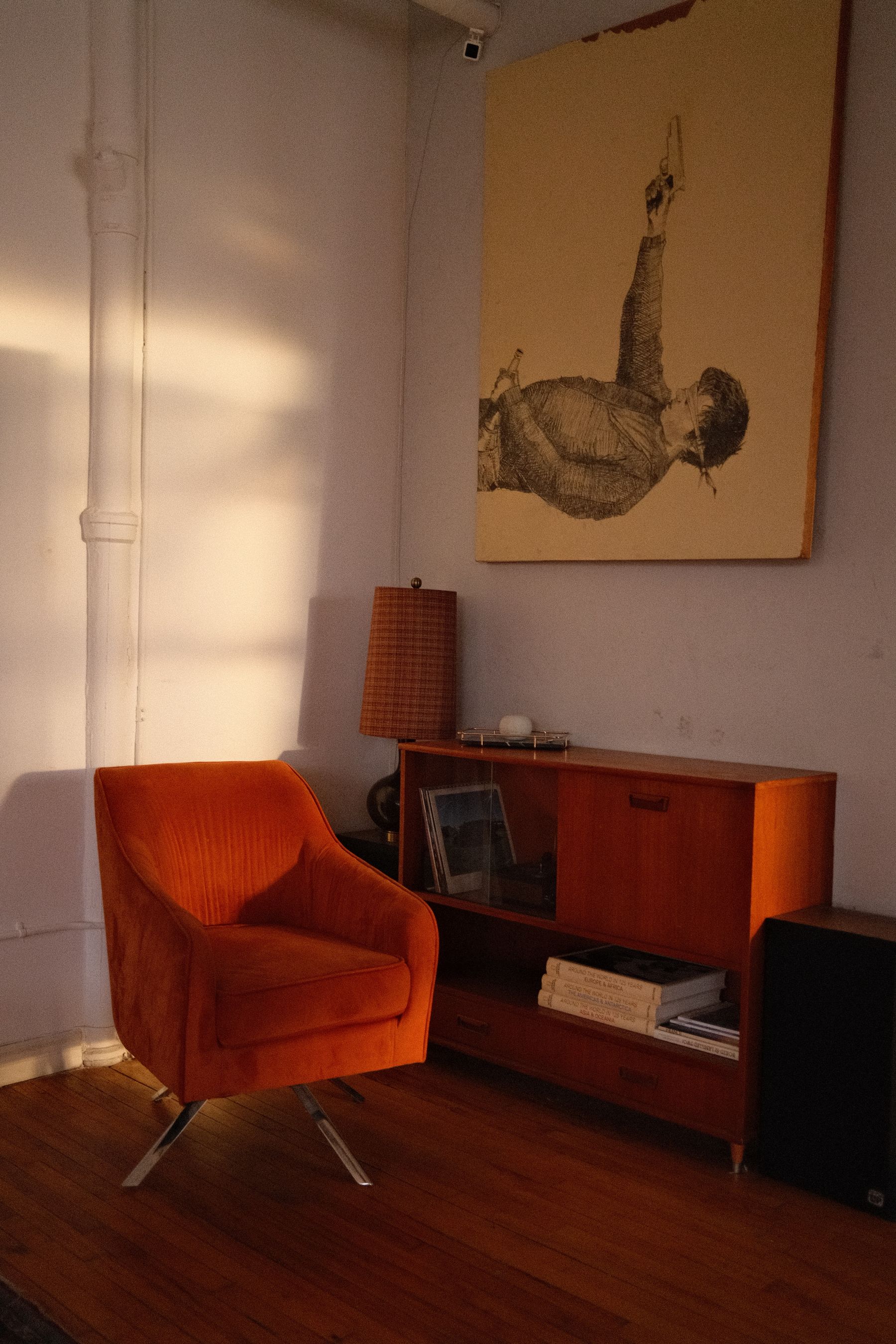
Make the Sideboard Work for Modern Storage
The credenza is useful because its long, low volume can store electronics, games, paperwork and tableware without filling the wall with cabinets. Measure the largest equipment, cable bends and ventilation needs before buying; many vintage pieces are too shallow or enclosed for current devices. Drawers should run smoothly, doors should align and legs must carry the loaded weight. One sideboard can anchor art or a lamp, but keep enough top surface clear for daily use. For broader category planning, see [living room storage ideas](/living-room/living-room-storage-ideas/).
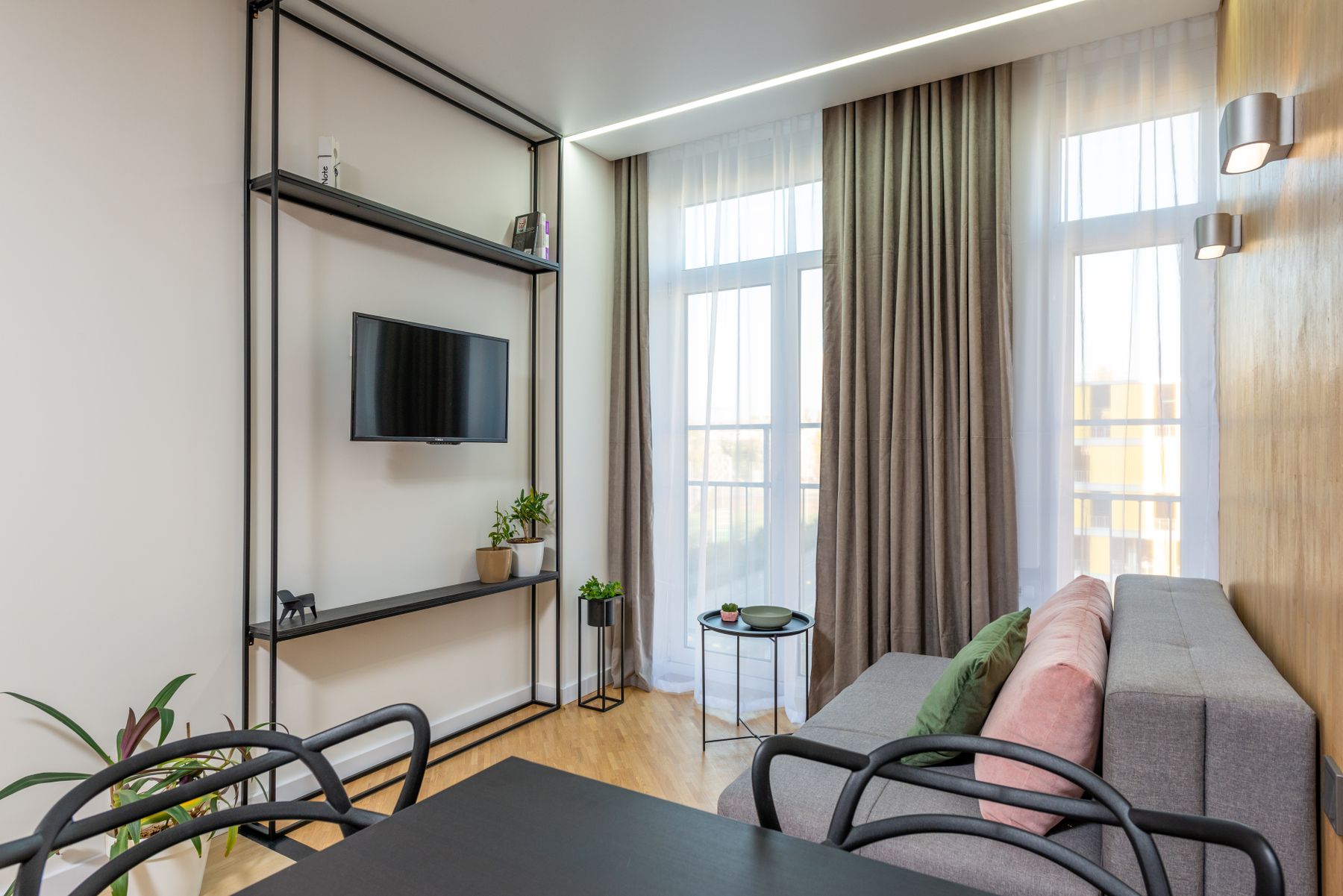
Pair the Coffee Table With the Whole Seating Footprint
Kidney, oval, round and softly rectangular tables express the period's organic geometry, but the best shape follows the route and reach. Leave adequate knee and walking clearance, check that drinks are stable and avoid a fragile glass edge in an active household. Nesting tables or a movable side table may serve a small room better than one large centerpiece. Timber, stone, laminate and glass all appeared in period design; use the material that suits maintenance and visual weight. Keep styling limited enough that the surface can host real activity.
Build an Earthy Base With Graphic Contrast
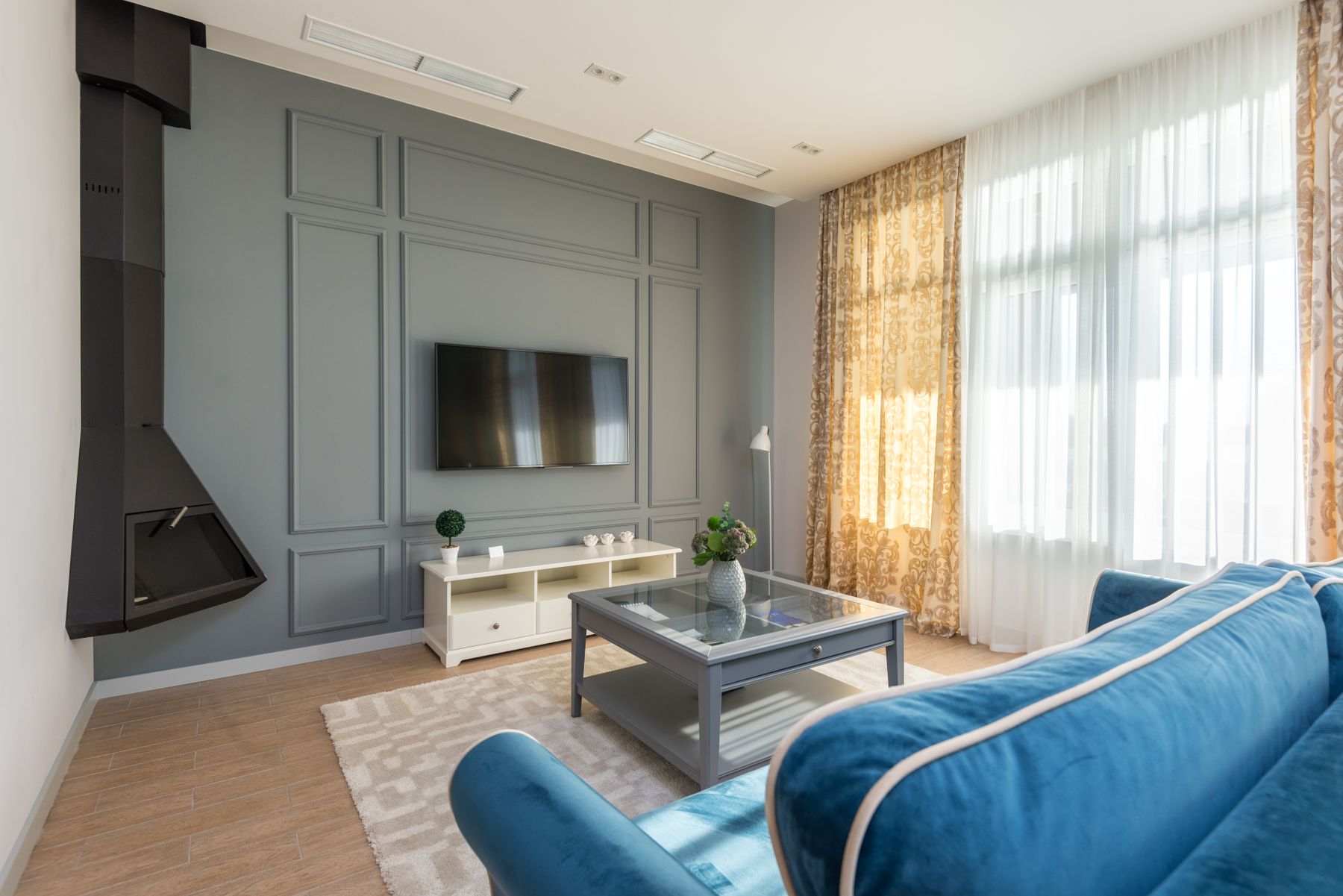
Start with warm white, tobacco, olive, rust, ochre, cream or charcoal, then decide where contrast belongs. A strong sofa, curtain or rug can lead; smaller objects should not repeat the same accent mechanically. Black and white can provide the graphic edge found in period interiors, while wood prevents the scheme from feeling flat. Test every color beside the actual timber and at night, because warm bulbs can turn mustard muddy or make orange upholstery dominate. The palette should feel designed, not sepia-filtered.
Use Accent Color as Architecture
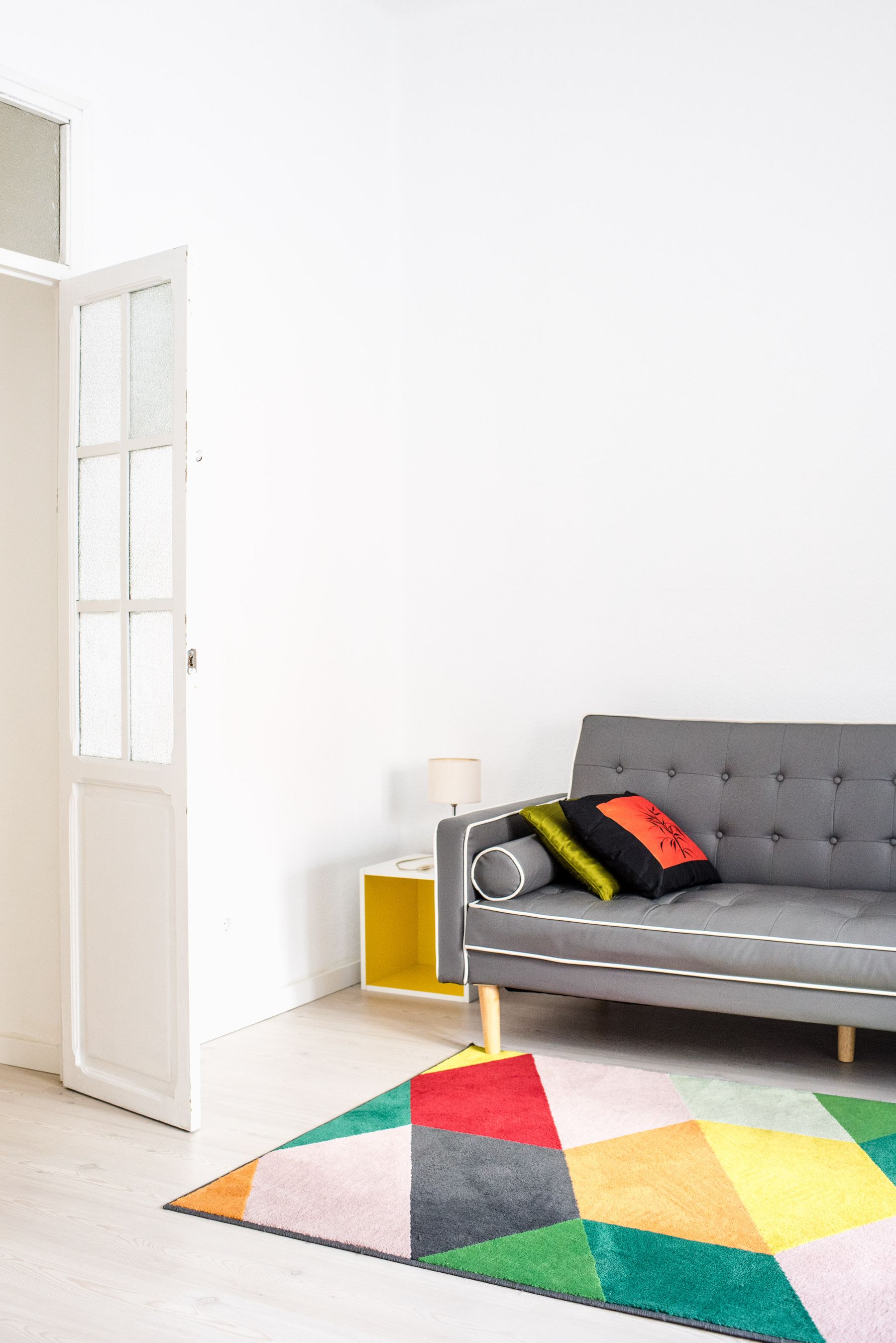
Mid-century interiors embraced stronger color than many current neutral reinterpretations. Use avocado, cobalt, tomato, mustard or turquoise on a wall plane, rug, curtain or substantial upholstered piece where it can organize the room. Avoid distributing five small accents simply to signal the era. If architecture already provides brick, stone or paneling, let that material become the main color field and use textiles as a counterpoint. [Green apartment ideas](/apartment/green-apartment-ideas/) and [blue apartment ideas](/apartment/blue-apartment-ideas/) show how to control stronger hues across connected spaces.
Mix Upholstery for Comfort, Not a Theme
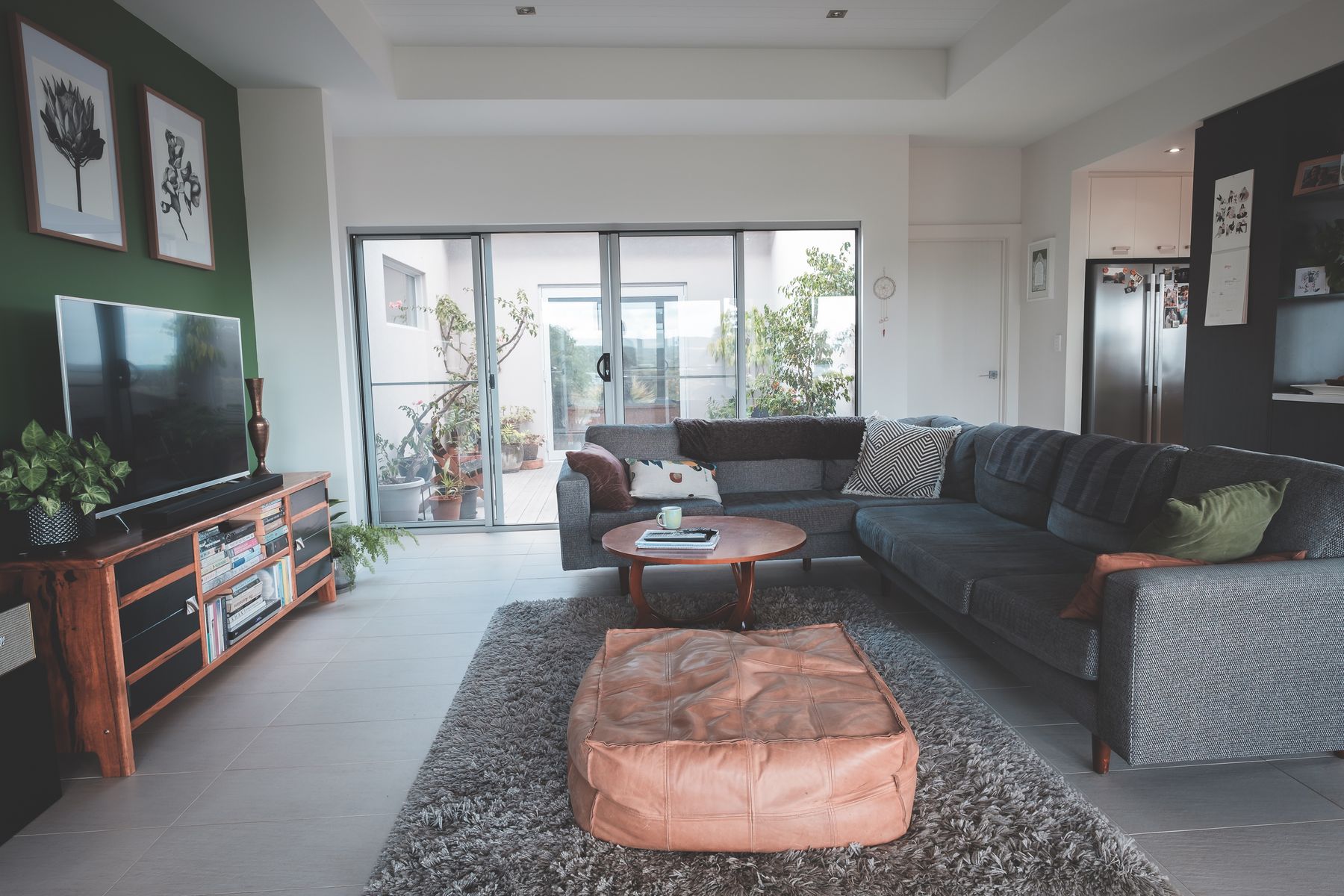
A leather chair beside a wool sofa can feel more authentic than a matched set because each material responds differently to use and light. Check abrasion, fading, temperature against skin and cleaning before choosing. Velvet or boucle can introduce period texture, but performance fabric may be better for children or pets. Use piping, buttoning or channel details selectively; when every surface carries a period treatment, the room becomes costume. One solid upholstery, one subtle weave and a restrained cushion pattern usually provide enough variation.
Let the Rug Introduce Geometry
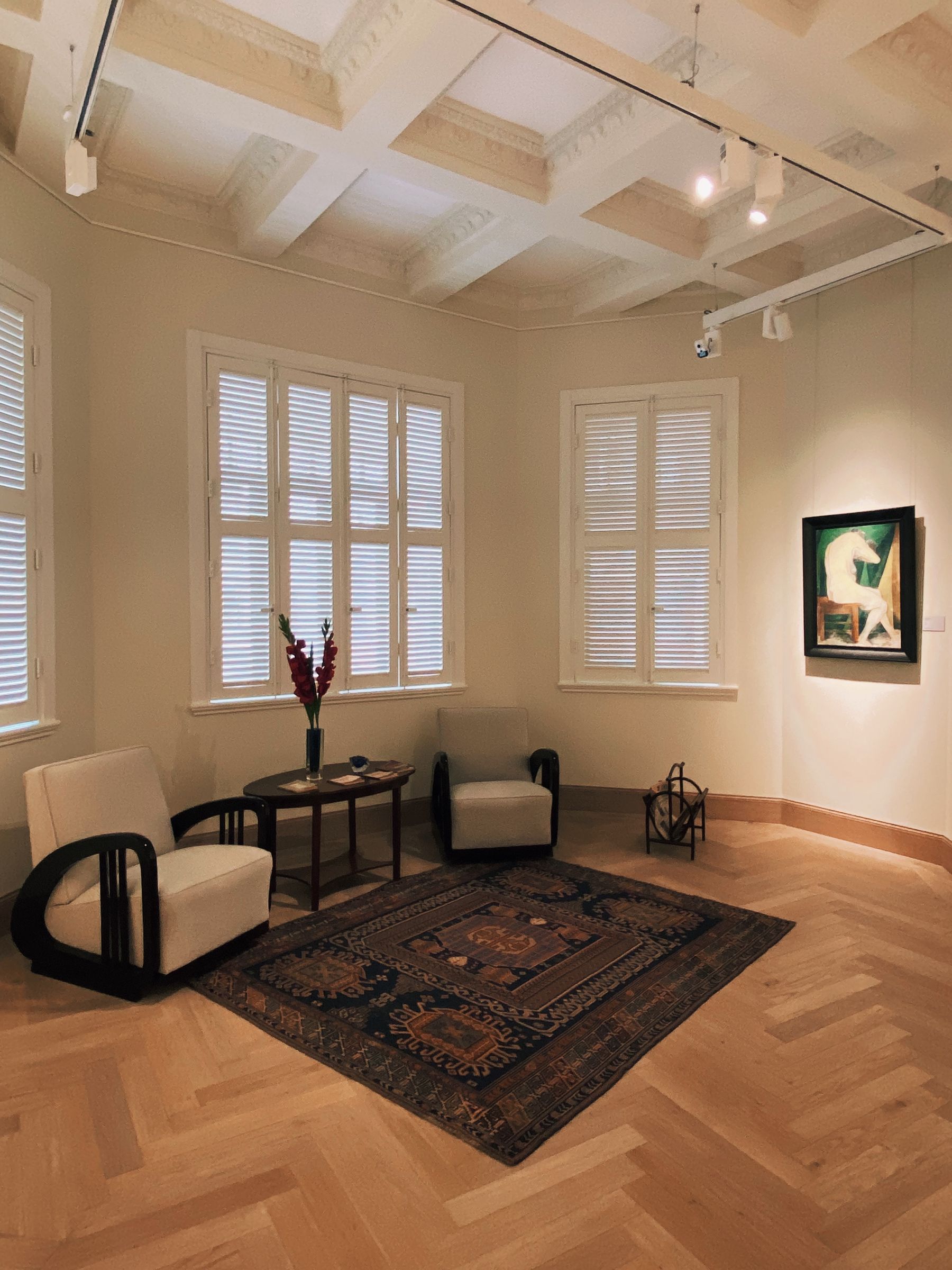
Choose rug size from the complete seating group so at least the front legs establish a clear relationship with it. Abstract blocks, stripes and softened geometrics can bring period character without reproducing a cliché atomic print. A vintage rug may add history, while a low-pile wool or durable flatweave can be easier under tapered legs and rolling furniture. Check trip edges, door clearance and vacuum access. [Living room rug ideas](/living-room/living-room-rug-ideas/) explains placement and material tradeoffs in more depth.
Protect the Indoor–Outdoor Relationship
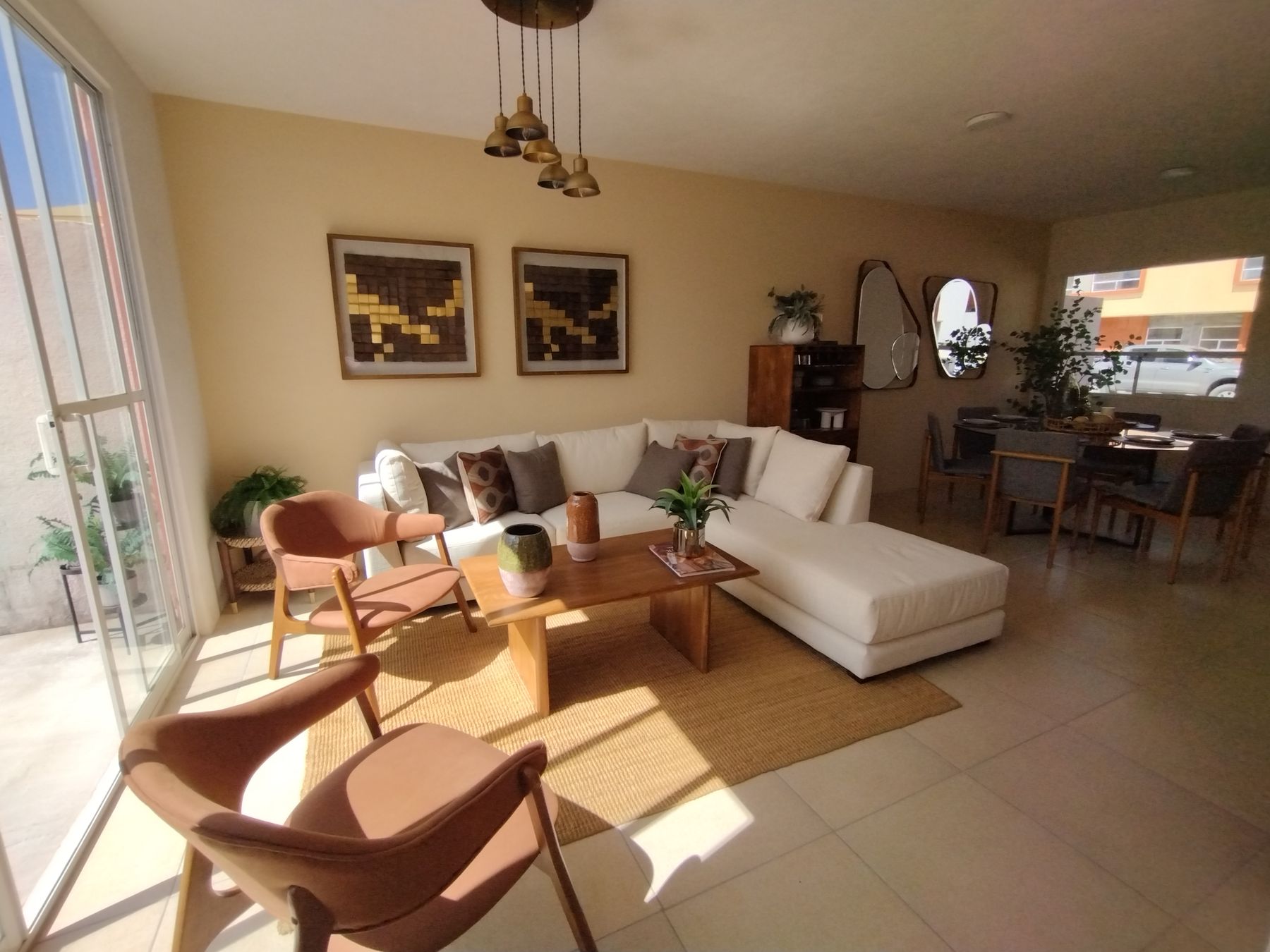
Mid-century architecture often dissolved the edge between inside and garden through broad glazing, terraces and repeated materials. In a typical home, preserve that principle by keeping tall furniture away from the best window, aligning a chair with a useful view and selecting curtains that stack clear. Control heat, glare and privacy with layered blinds or curtains rather than abandoning the glass. Plants can echo the landscape, but they should suit actual light. The approach is about visual continuity and comfort, not exposing the room all day.
Use Sculptural Lighting at Human Height
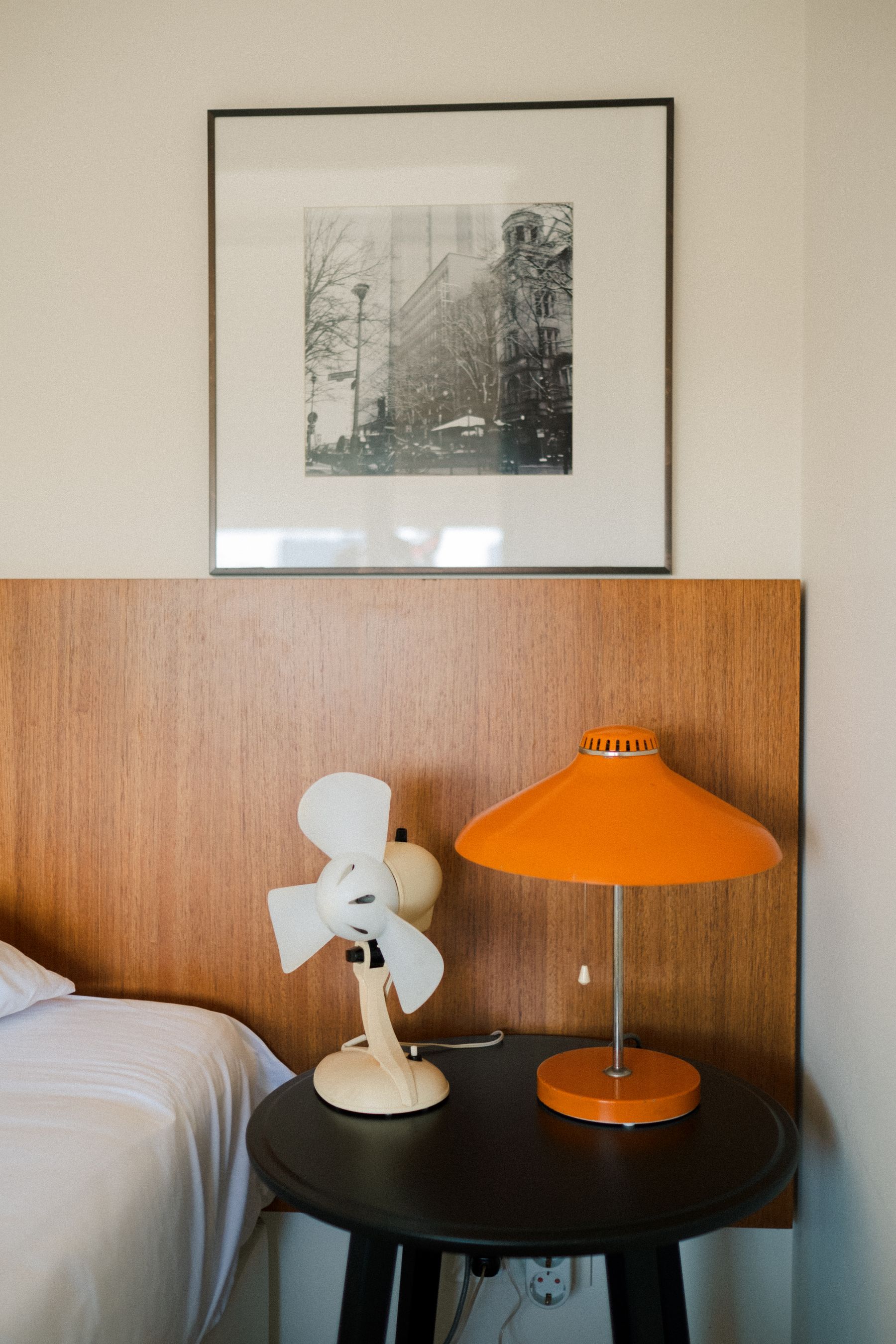
Arched floor lamps, mushroom shades, globes and articulated task lights can carry period character with little floor area. Begin with evening activities: reading needs directed light, conversation benefits from a soft local pool and art may need controlled accent light. Inspect vintage wiring, lampholders and plug condition before use, and keep hot bulbs clear of paper or fabric shades. A dramatic pendant can work when ceiling height and sightlines permit, but it should not replace useful lamps. See [living room lighting ideas](/living-room/living-room-lighting-ideas/) for a complete layer plan.
Choose Art for Graphic Rhythm and Real Rights
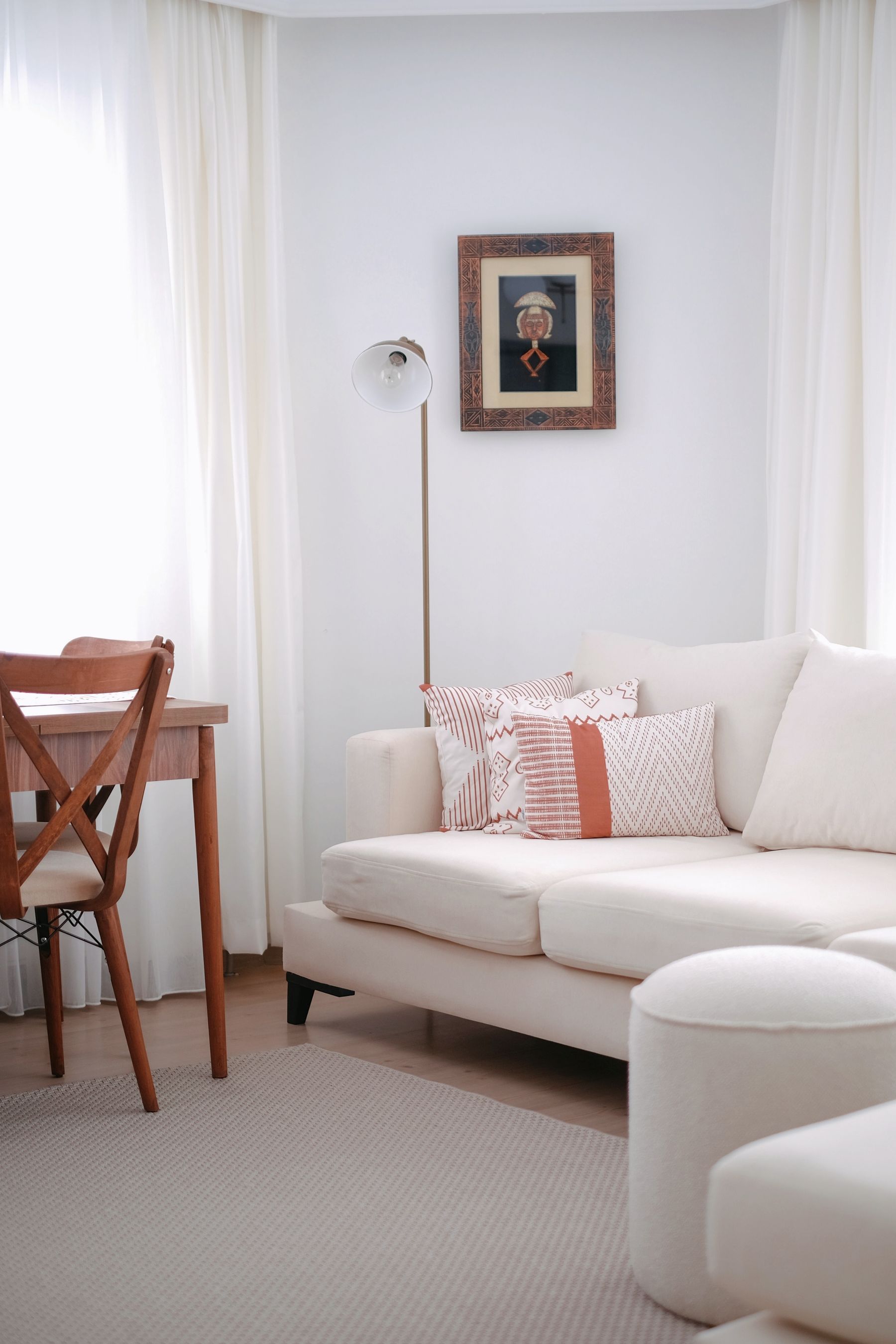
Abstract geometry, printmaking and bold photography can connect naturally to mid-century furniture, but the art should be selected as art rather than as a color-matching prop. Buy or reproduce only with clear rights, protect valuable work from direct sun and use secure fixings. One large piece can balance a long sideboard; a real collection may justify a gallery if the outer boundary remains controlled. Avoid downloading famous period graphics or placing dominant protected artwork into site imagery without permission.
Display Ceramics, Glass and Metal in Small Doses
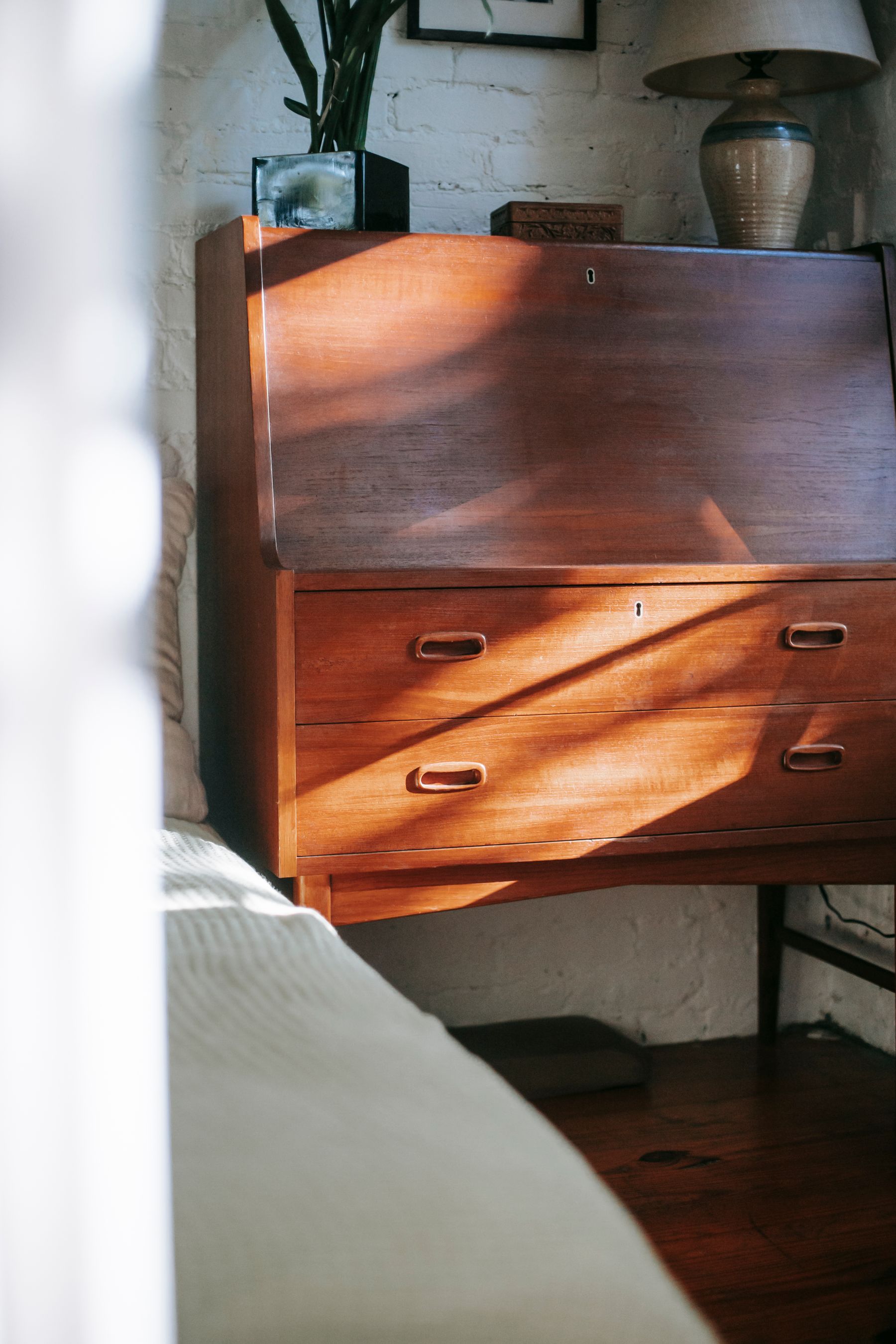
The period embraced both craft and industrial production, so a hand-thrown bowl can sit comfortably beside pressed glass or a machined metal lamp. Choose a few objects whose scale, color and material contrast with the wood rather than filling every shelf with rounded vases. Brass, chrome and blackened steel can coexist when one metal leads and the others appear as functional hardware. Keep food-contact safety, stability and cleaning in mind. Patina may be valuable; corrosion or a loose electrical fitting is not character.
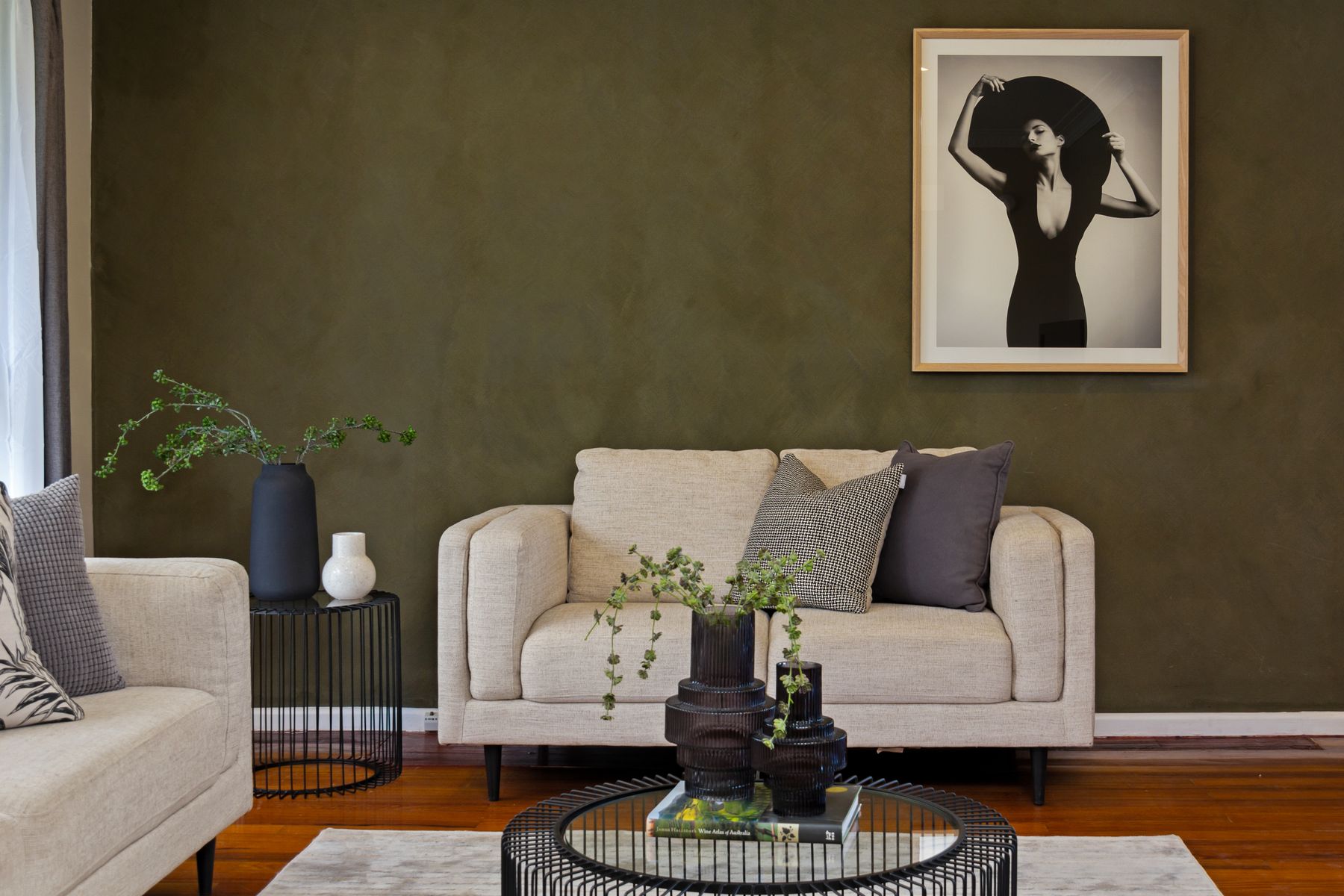
Use Plants to Reinforce Organic Form
Select plants from measured light, temperature and care capacity rather than the photograph you want to copy. A single floor plant near glazing or a branching specimen beside a sideboard often contributes more than many small pots. Protect veneer and timber with stable saucers, avoid toxic species around pets or children and leave enough air around leaves. In a dim room, a cut branch or no plant is more responsible than a struggling collection. The living element should reinforce, not manufacture, the indoor–outdoor connection.
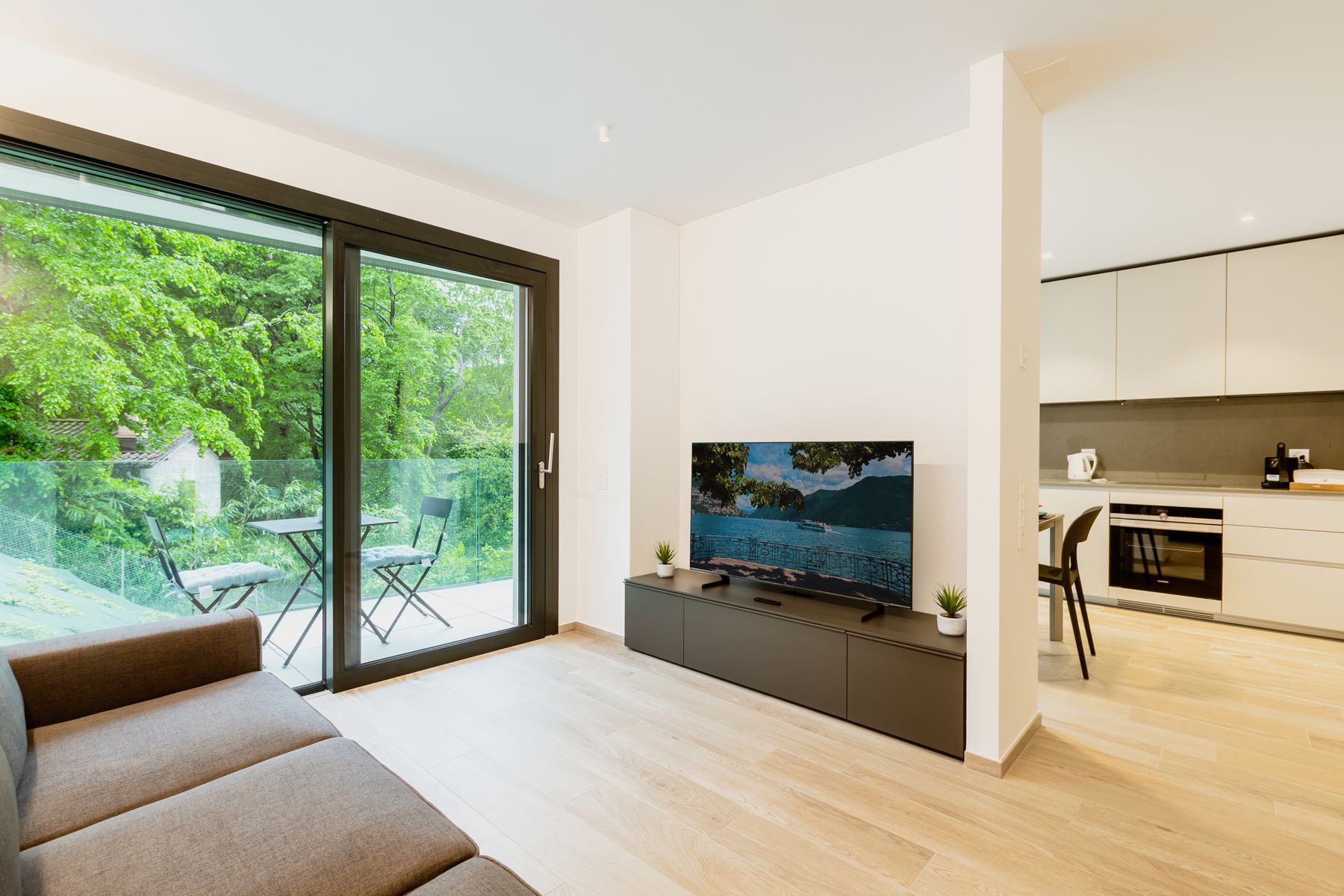
Integrate Television and Audio Without Disguise
Place the screen at a comfortable seated height and test reflections before fixing it. A long sideboard can organize the media wall, but ventilation, cable bends, speakers and access must be planned. Do not hide a television behind valuable art or compromise sound to maintain a photograph. Record players and speakers need stable surfaces, dust control and storage close to the listening position; novelty radios need not multiply across the room. Let current equipment be current while furniture provides the historical line.
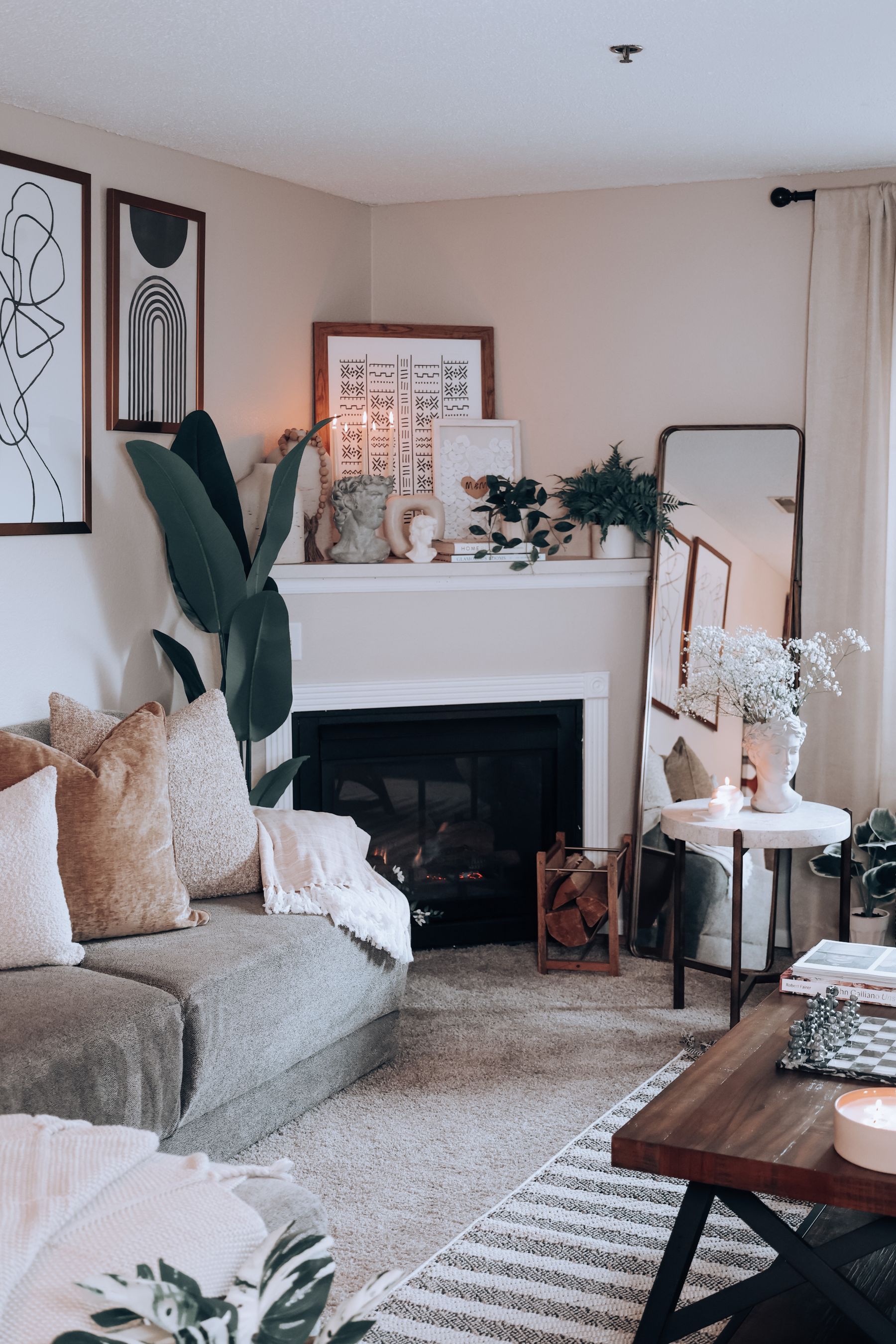
Balance Brick, Stone and Timber at the Hearth
Brick and stone often appear in mid-century architecture as weighty counterparts to glass and timber. Preserve a sound original surface when possible, but inspect the appliance, flue and clearances professionally before arranging furniture. If adding a surround, select a material whose joint scale and edge detail suit the architecture instead of applying thin decorative cladding. [Industrial living room ideas](/living-room/industrial-living-room-ideas/) offers a useful comparison for handling masonry without confusing the two styles. Keep the seating conversational rather than forcing every chair toward the fire.
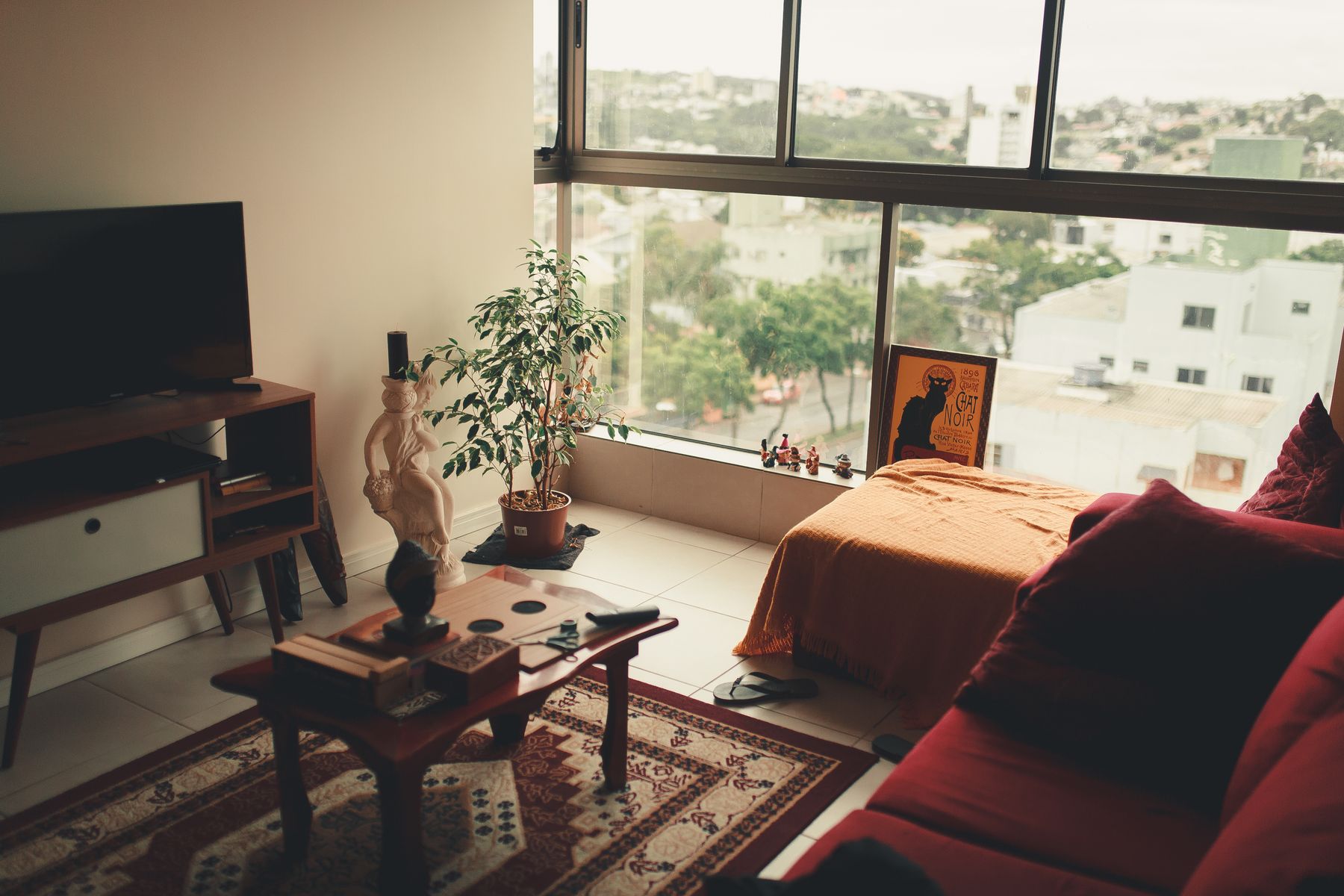
Make the Style Work in a Small Room
Choose the sofa first, protect the main route and decide whether a central coffee table is necessary. Open-arm chairs, wall lights, nesting tables and a shallow sideboard can provide the period language while keeping floor area usable. Do not buy miniature versions of every iconic form; one substantial chair or cabinet is enough. Use one broad rug to unite the group and concentrate storage on a single wall. Combine these principles with [small living room ideas](/living-room/small-living-room-ideas/) for exact compact-space tests.
Zone an Open Plan With Furniture, Not Props
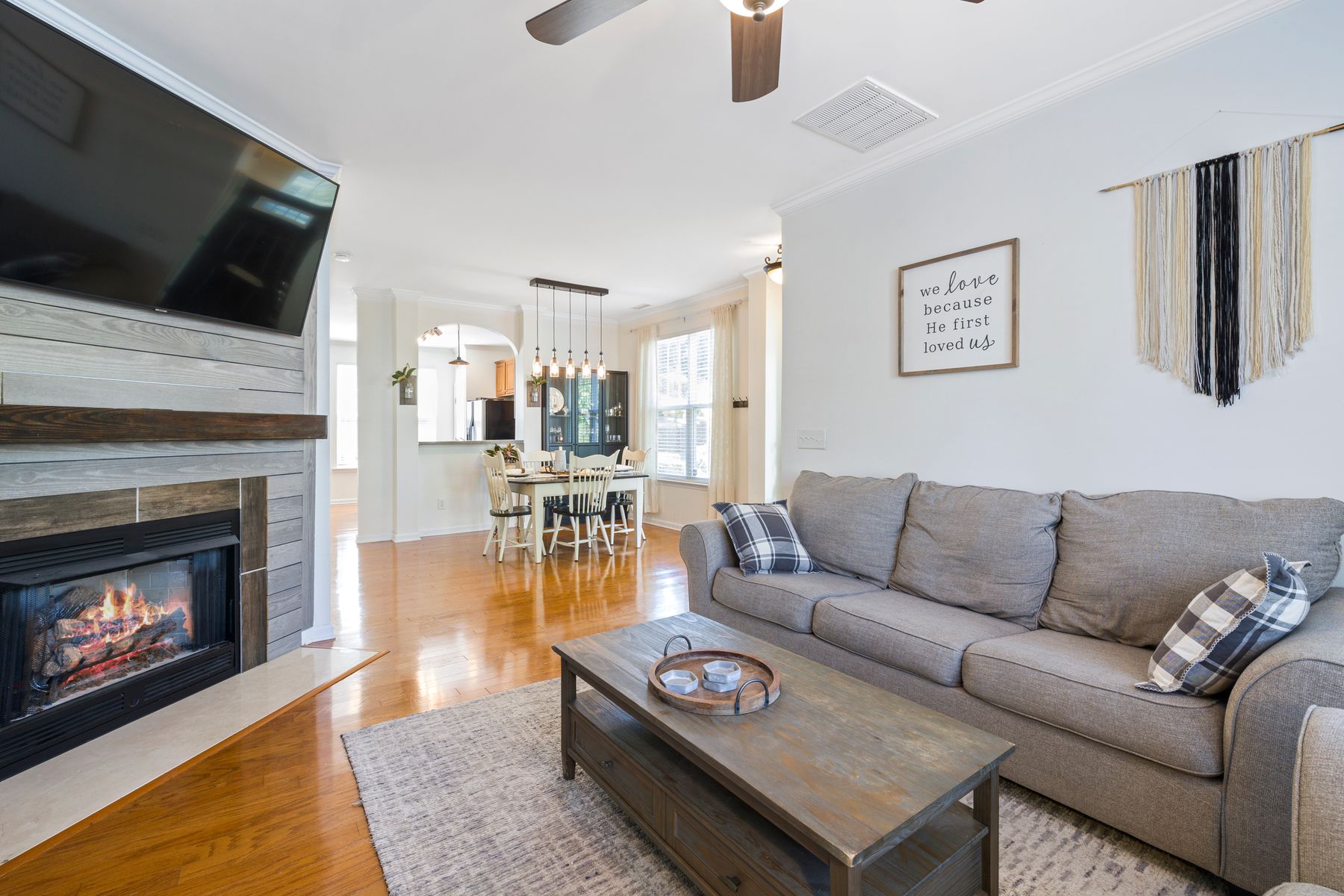
Use the back of a sofa, the edge of a rug and a low console to mark the living zone without blocking daylight or movement. Repeat one wood or accent color in dining, but vary the object type so the plan feels connected rather than matched. Keep the busiest storage and kitchen views from competing directly with the primary seat. Mid-century furniture suits open plans because raised bases and low profiles preserve sightlines; that advantage disappears if too many tall display units are added.
Adapt Mid-Century Character for a Rental
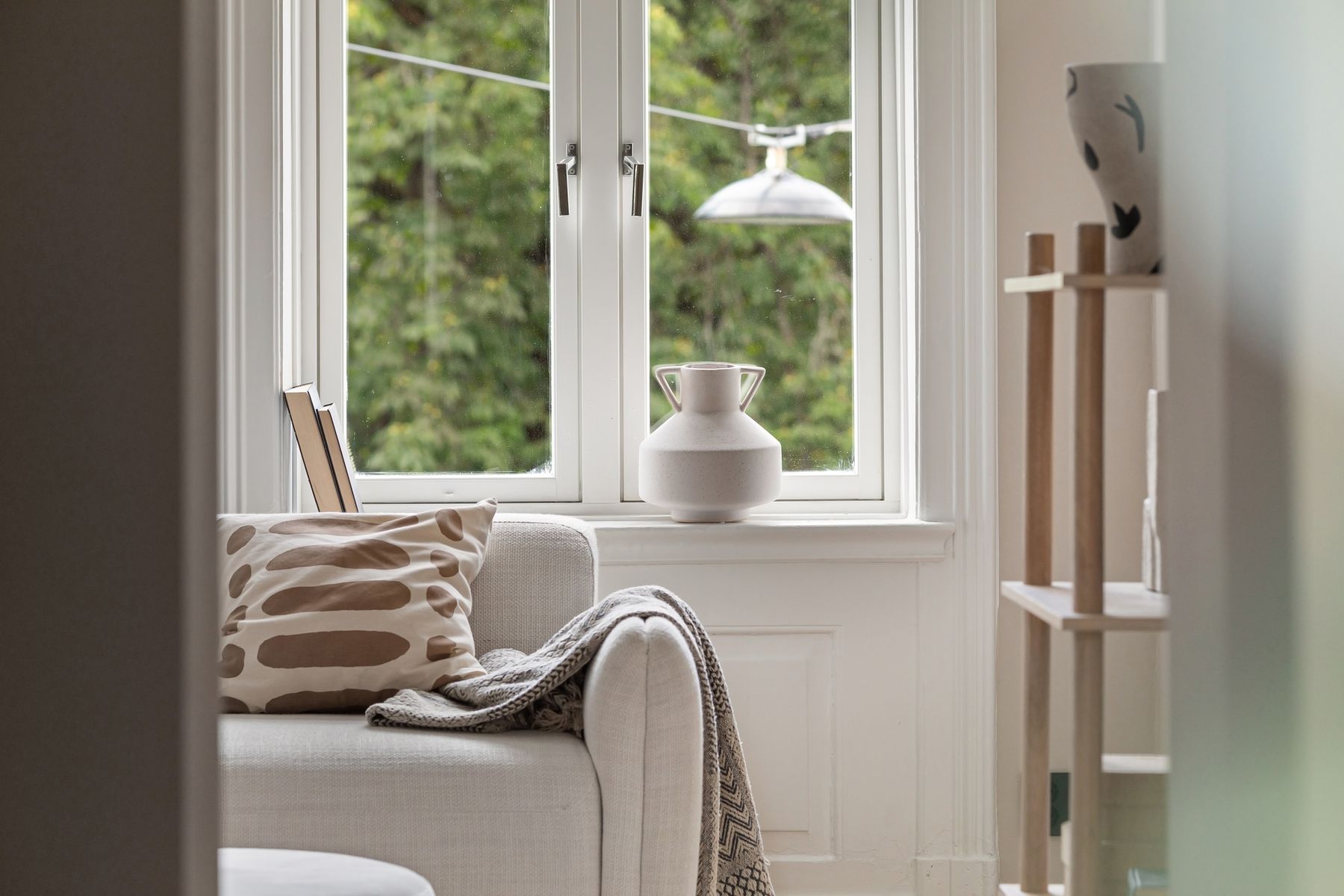
Invest in movable elements that fit common room dimensions: one good chair, a practical sofa, a low cabinet, a rug and two useful lights. Use existing curtain tracks where possible, obtain permission before drilling and keep original fittings labeled for reinstatement. Avoid peel-and-stick wood effects or slat panels that imitate architecture poorly and create disposal at move-out. A rental can express mid-century function through clear planning and honest furniture without pretending the building was constructed in 1958.
Source Vintage Pieces Without Chasing Labels
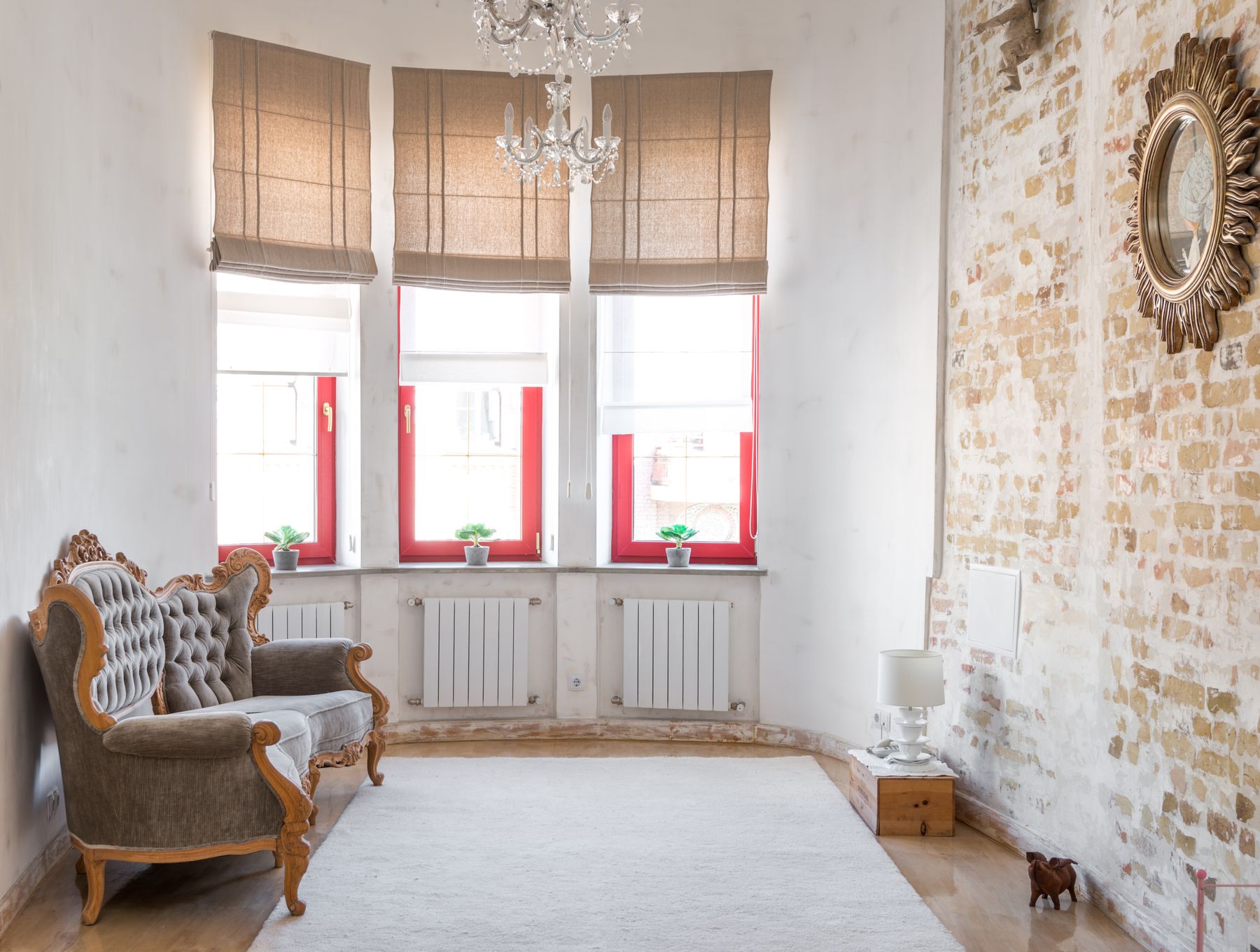
Measure the room and doorway before visiting dealers or marketplaces. Inspect joints, veneer, odors, woodworm evidence, upholstery foundation and previous repairs; ask for provenance when a maker or designer name affects price. A well-built anonymous chair may serve better than an expensive damaged icon. New licensed reissues, contemporary pieces and vintage furniture can mix when scale and material align. [Vintage living room ideas](/living-room/vintage-living-room-ideas/) covers broader era mixing, while this page keeps the modernist framework tighter.
Restore Finishes Without Erasing Evidence
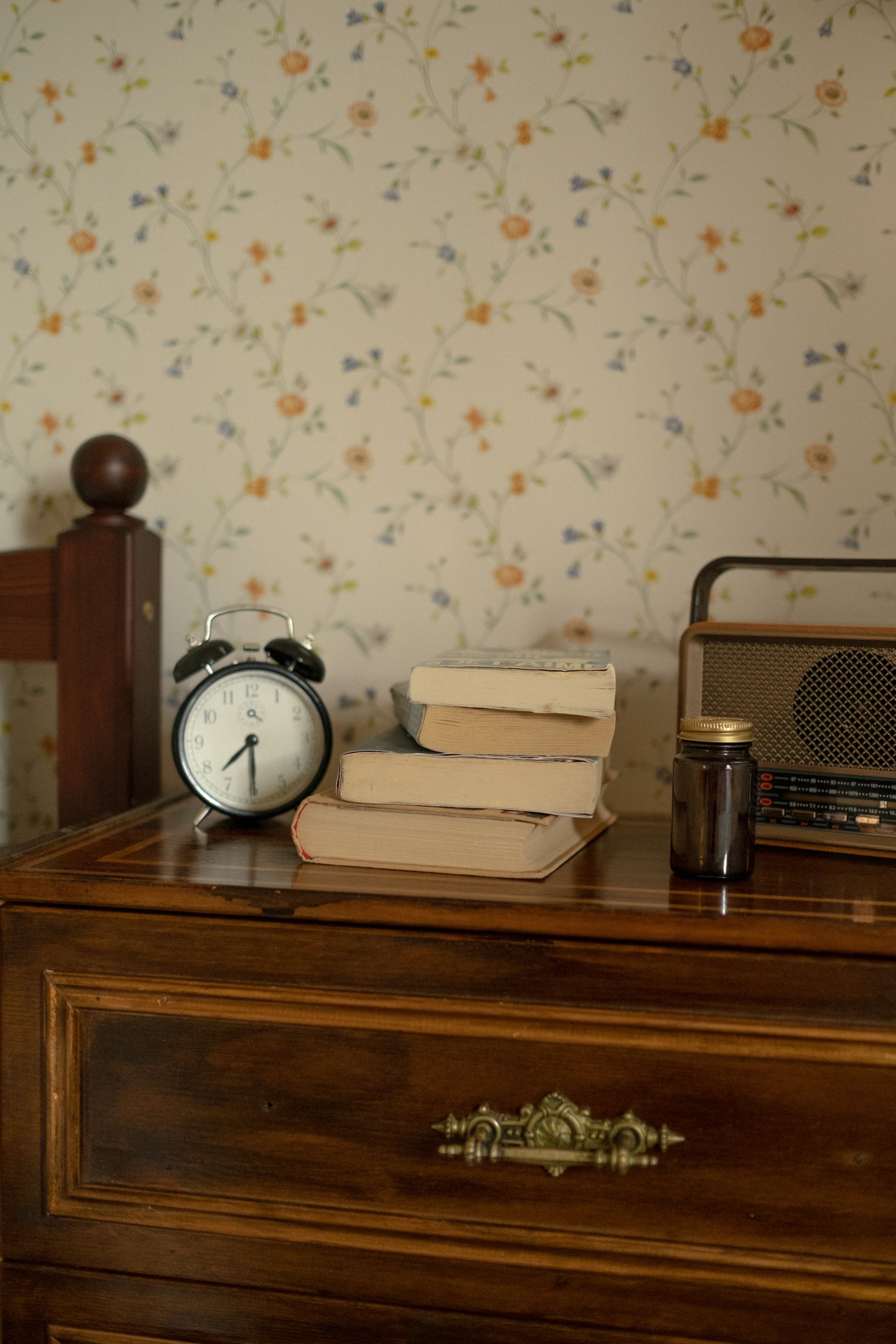
Begin with the least aggressive method and identify veneer thickness, coating and hardware before sanding or stripping. Water rings, faded finish and loose joints need different treatments, and valuable pieces may justify a conservator. Older paint, foam, wiring and adhesives can contain hazards, so do not scrape, reupholster or rewire blindly. Replace unsafe components while documenting what changed. Wabi-sabi is not the governing concept here; the goal is to preserve designed form, material and useful life without inventing false perfection.
Design for Children, Pets and Accessibility
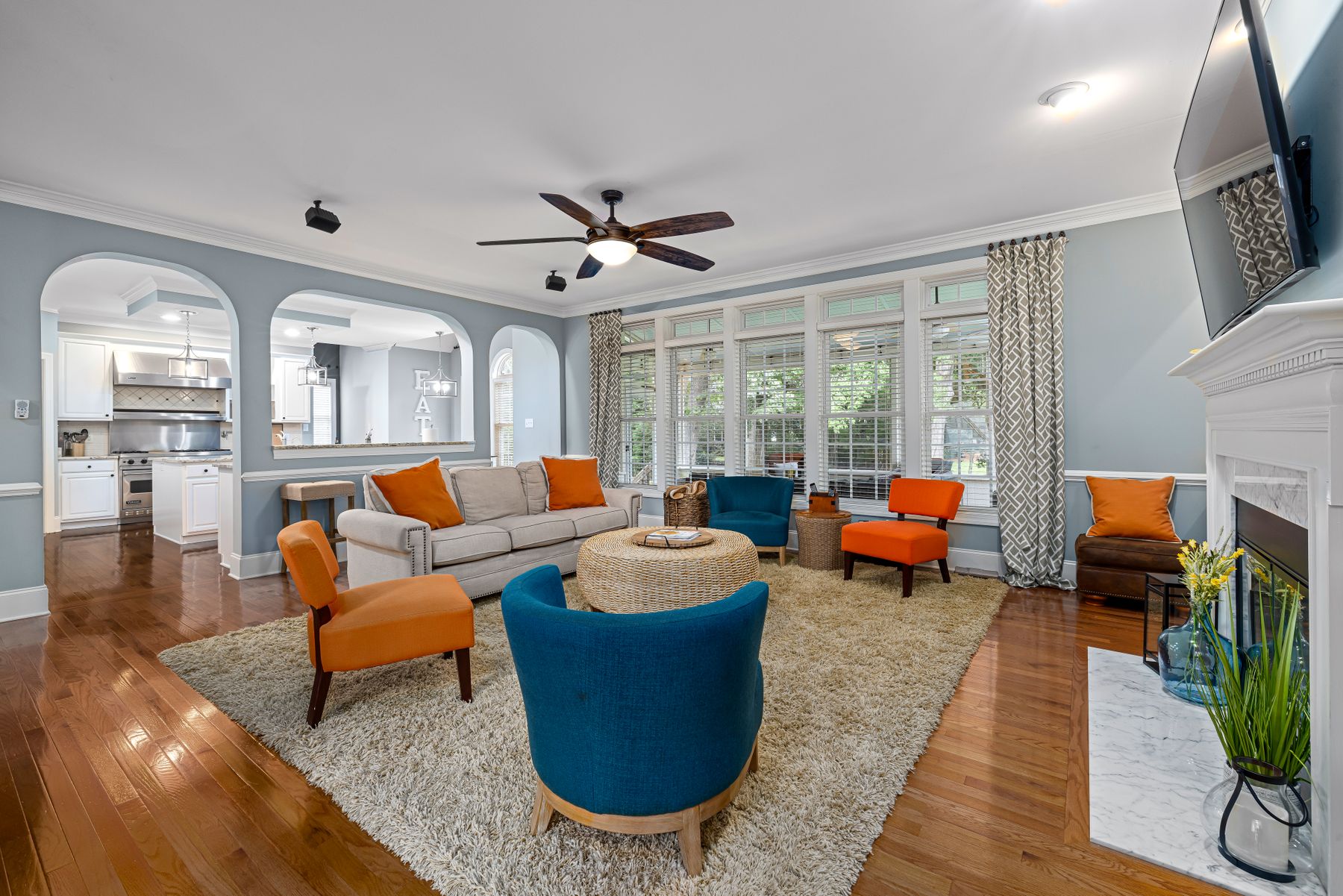
Secure tall shelving and televisions, manage lamp cords, use stable tables and keep fragile glass away from active routes. Choose at least one chair with arms and a practical seat height, maintain turning space and use tonal contrast to make edges legible. Washable upholstery and a forgiving patterned rug can handle family use without abandoning the period palette. The clear-route discipline in [minimalist living room ideas](/living-room/minimalist-living-room-ideas/) is useful here without requiring a minimalist aesthetic. Tapered legs must remain structurally sound and easy to clean around.
Control Echo and Thermal Comfort
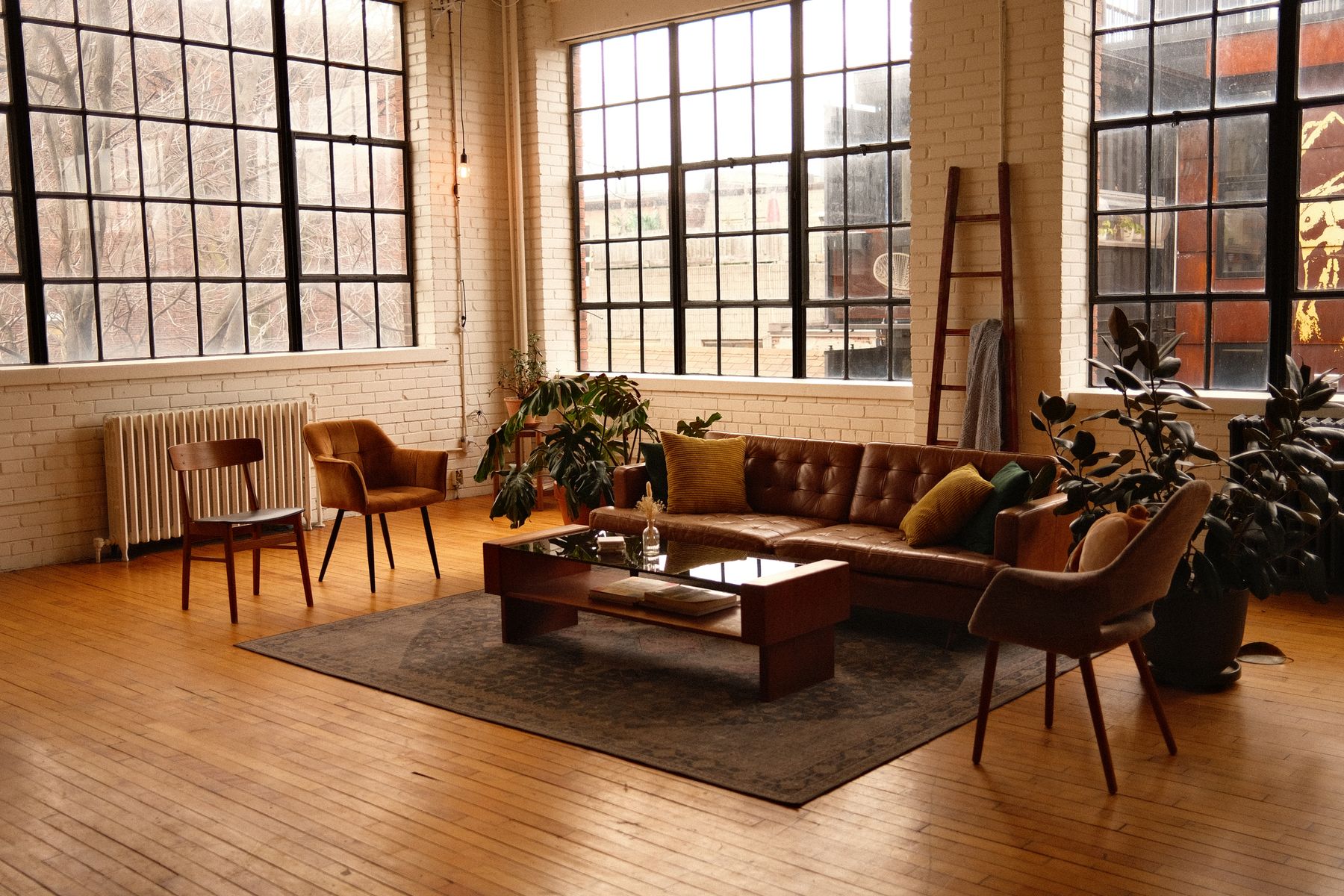
Large windows and hard surfaces can produce glare, temperature swings and tiring reverberation. Use lined curtains, a correctly sized rug, upholstered seating and filled storage near the conversation zone. The tactile strategies in [cozy living room ideas](/living-room/cozy-living-room-ideas/) help without turning the room into decorative excess. In hot climates, exterior shading and airflow may matter more than heavy textiles; in cold rooms, localized lamps and wool add comfort. Test performance at morning, evening and during conversation, not from a still image.
Finish With a Historical and Practical Edit
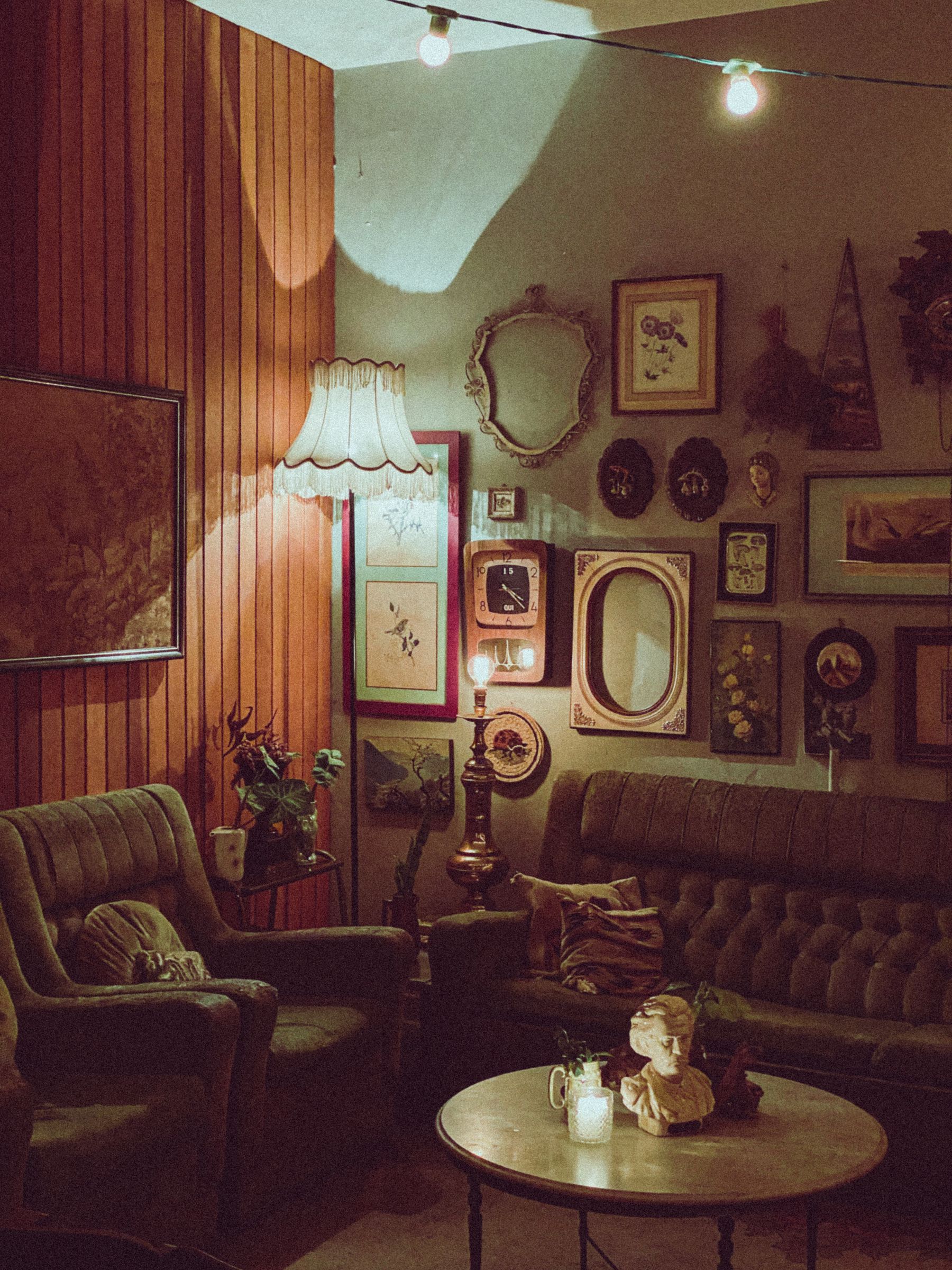
Review the room from the entrance, every regular seat and the route to the adjoining space. Remove duplicate novelty objects, matching accessories and any furniture that blocks movement or exists only to prove the style. Keep contemporary technology, personal art and useful storage honest. One excellent vintage piece can lead while newer furniture supports it. Current mid-century design works best when warmer, more organic and collected rather than staged as a complete decade set. Stop editing before individuality disappears; the room should explain its residents as clearly as its references.