Define Contemporary as Current, Not Chronology
Contemporary design describes the present rather than one fixed period. It can include a mid-century chair, a new curved sofa, textured plaster and precision lighting when their proportions and materials form one clear composition. [Modern living room ideas](/living-room/modern-living-room-ideas/) is the better destination for the established language of twentieth-century modernism; contemporary should remain more responsive, mixed and willing to change. Begin with how the room needs to work now, then choose only current ideas that improve that use.
Plan a Flexible Conversation Group
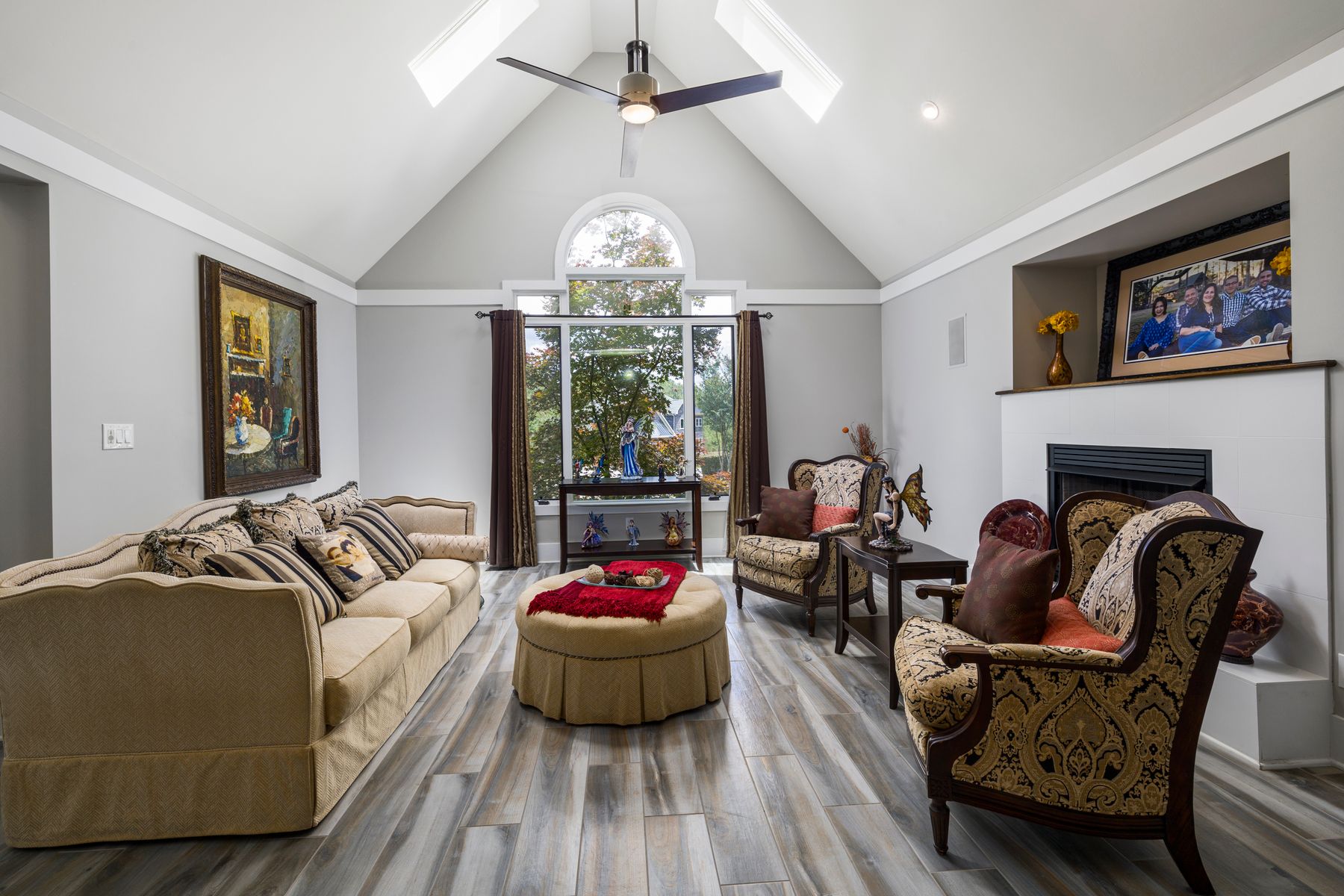
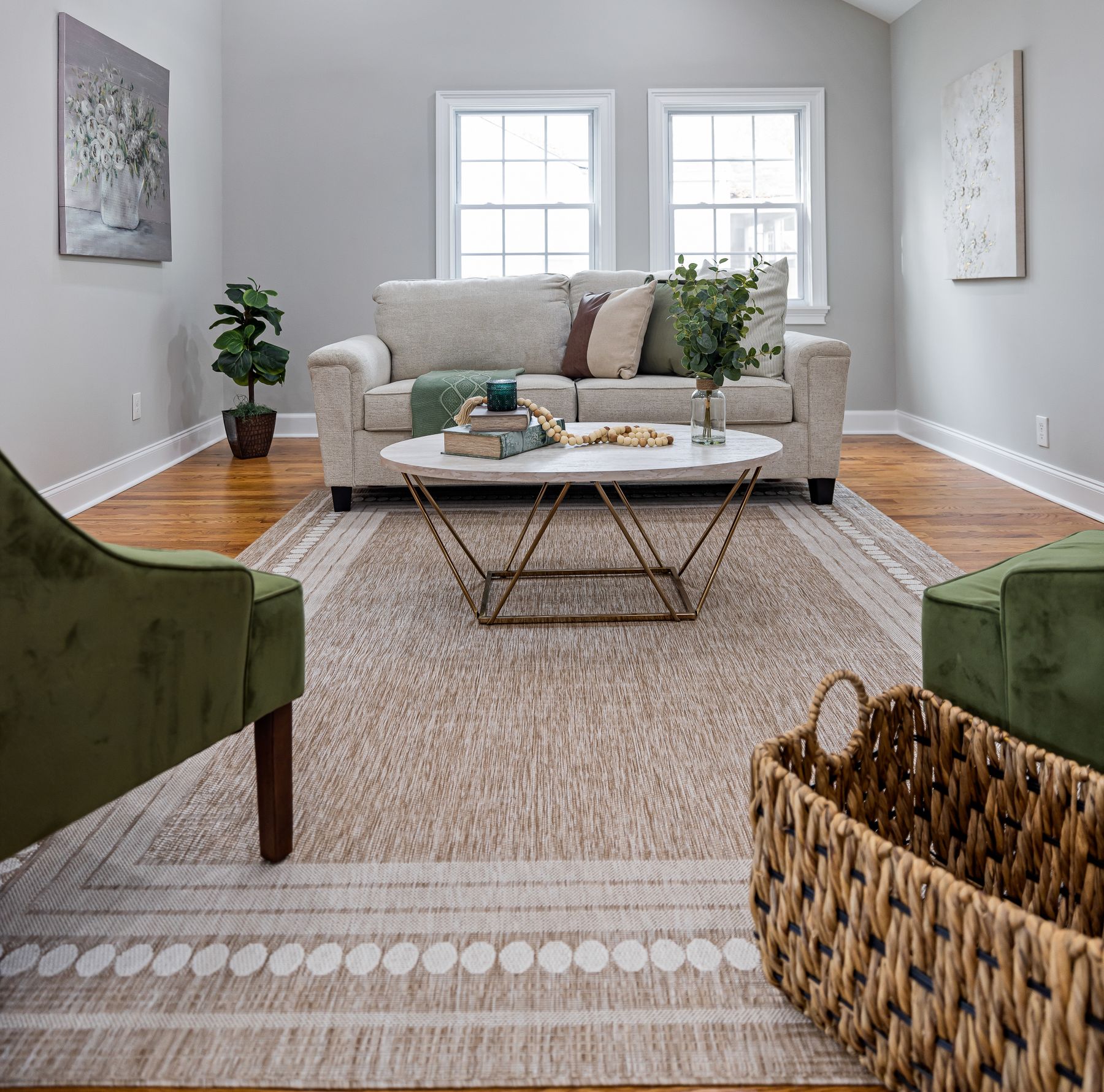
Arrange the principal sofa and chairs close enough for easy conversation, but avoid locking every piece into a formal mirrored set. One movable chair, ottoman or lightweight table lets the room adapt for guests, reading, play or media. Map door swings, drawers, footrests and the continuous route before choosing furniture. [Living room layout ideas](/living-room/living-room-layout-ideas/) expands the process for rooms with several entrances, fireplaces or open-plan edges.
Choose One Sculptural Anchor
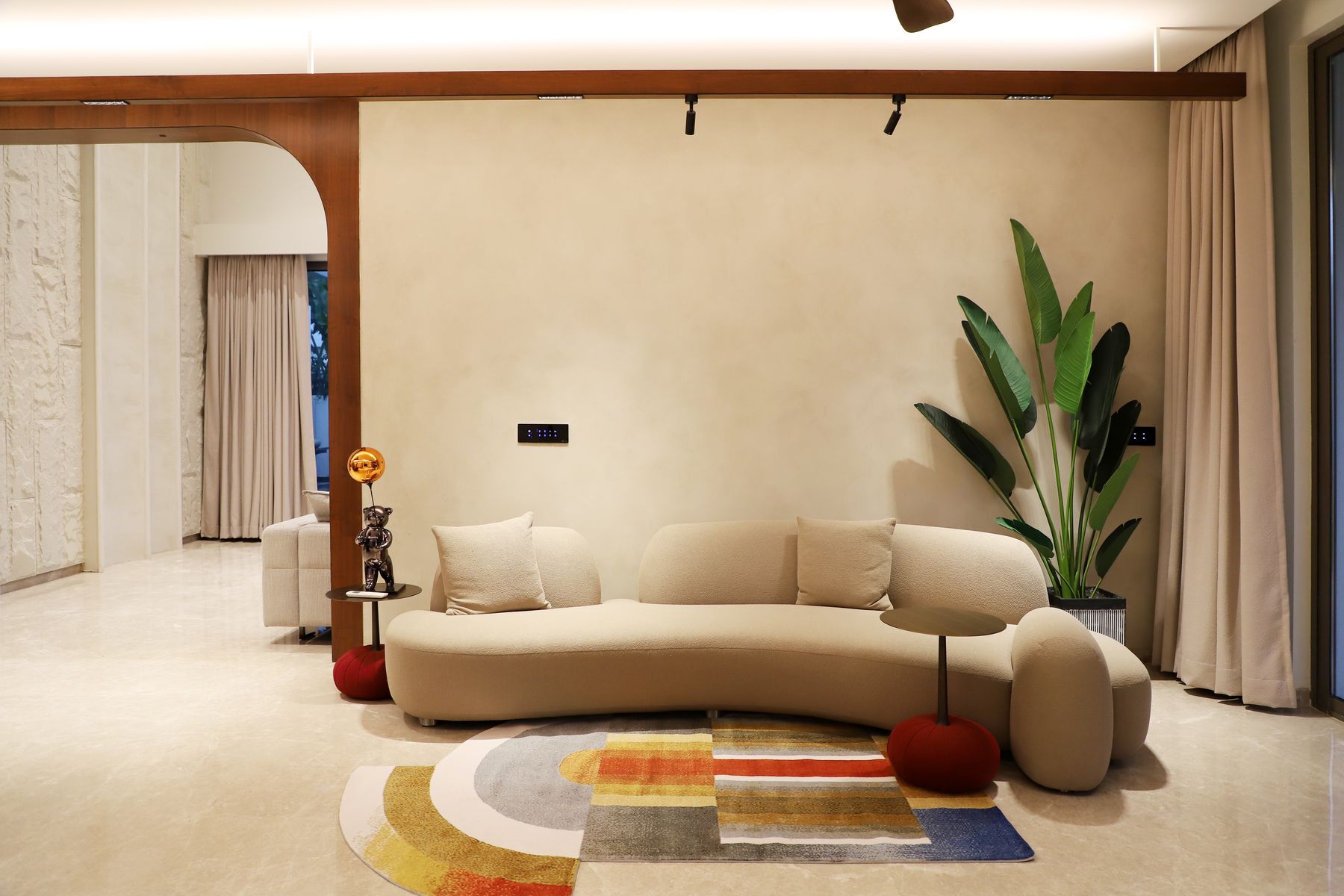
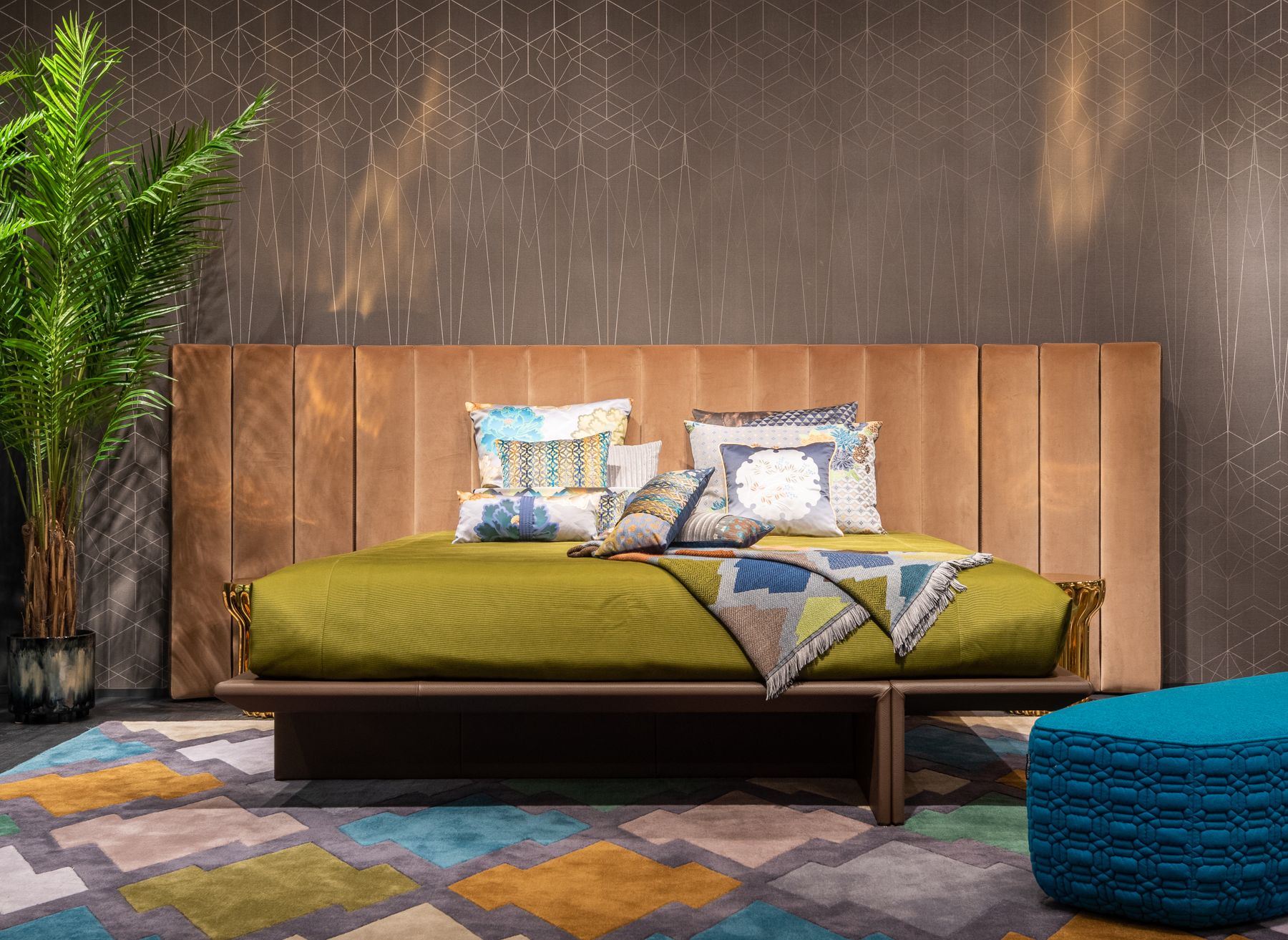
A curved sofa, monolithic table, expressive pendant or large artwork can establish the room's current identity. Give that element sufficient space and keep other large forms quieter; several competing gestures quickly turn a living room into a showroom. Check that the anchor remains comfortable, stable, cleanable and correctly scaled from every entrance. Sculptural does not mean impractical, and the strongest choice is the one that still performs its ordinary job well.
Balance Curves With Straight Lines
Rounded sofas, barrel chairs and organic tables can soften a rectangular shell, but a room made entirely of arcs loses contrast and wastes corners. Pair one or two curved forms with linear shelving, a straight sofa back or a rectangular rug edge. Maintain generous paths around bulging profiles and test the real footprint rather than measuring only the widest point. Repetition should be subtle: a round lamp and table can echo the sofa without every accessory becoming circular.
Select a Sofa for Posture and Proportion
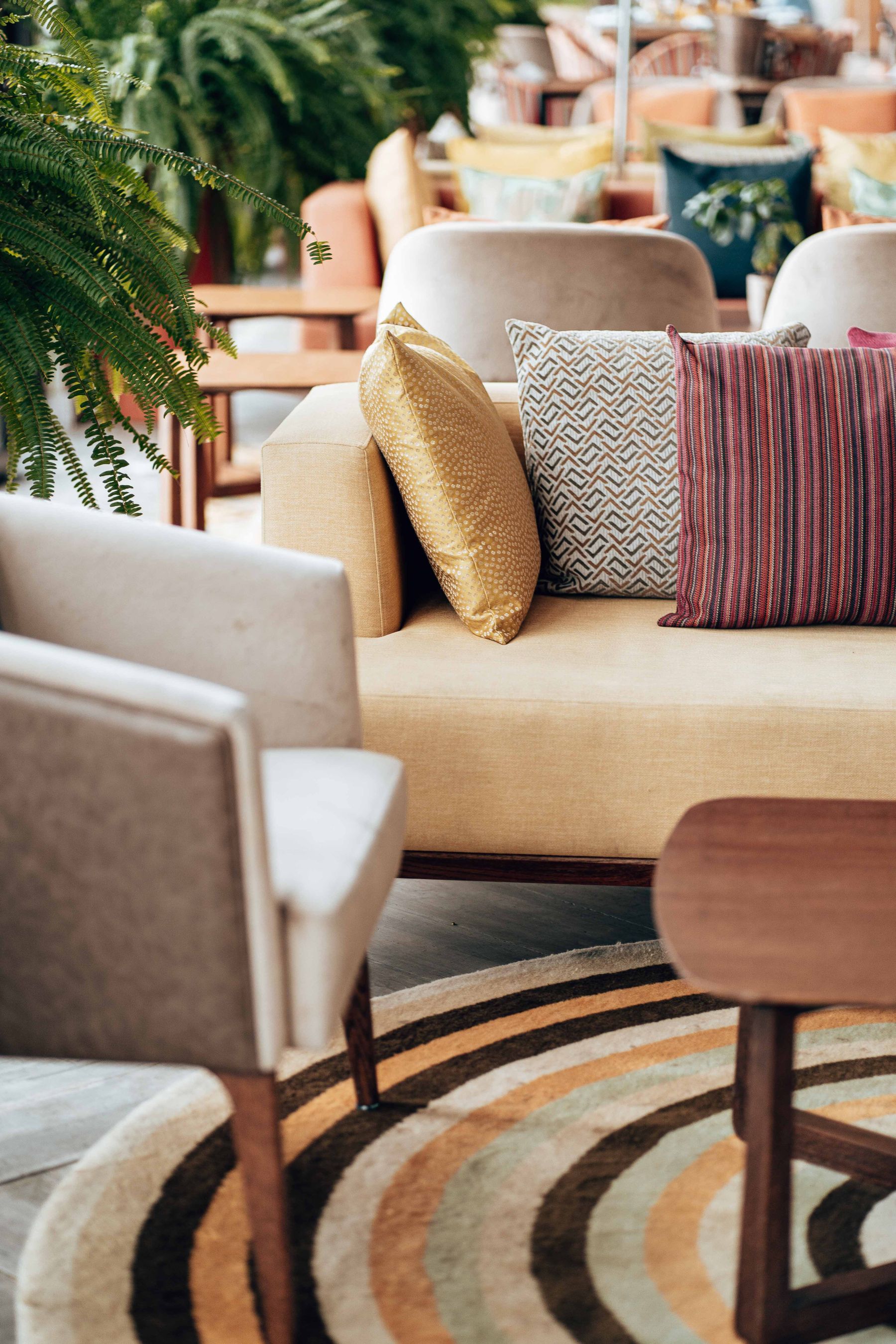
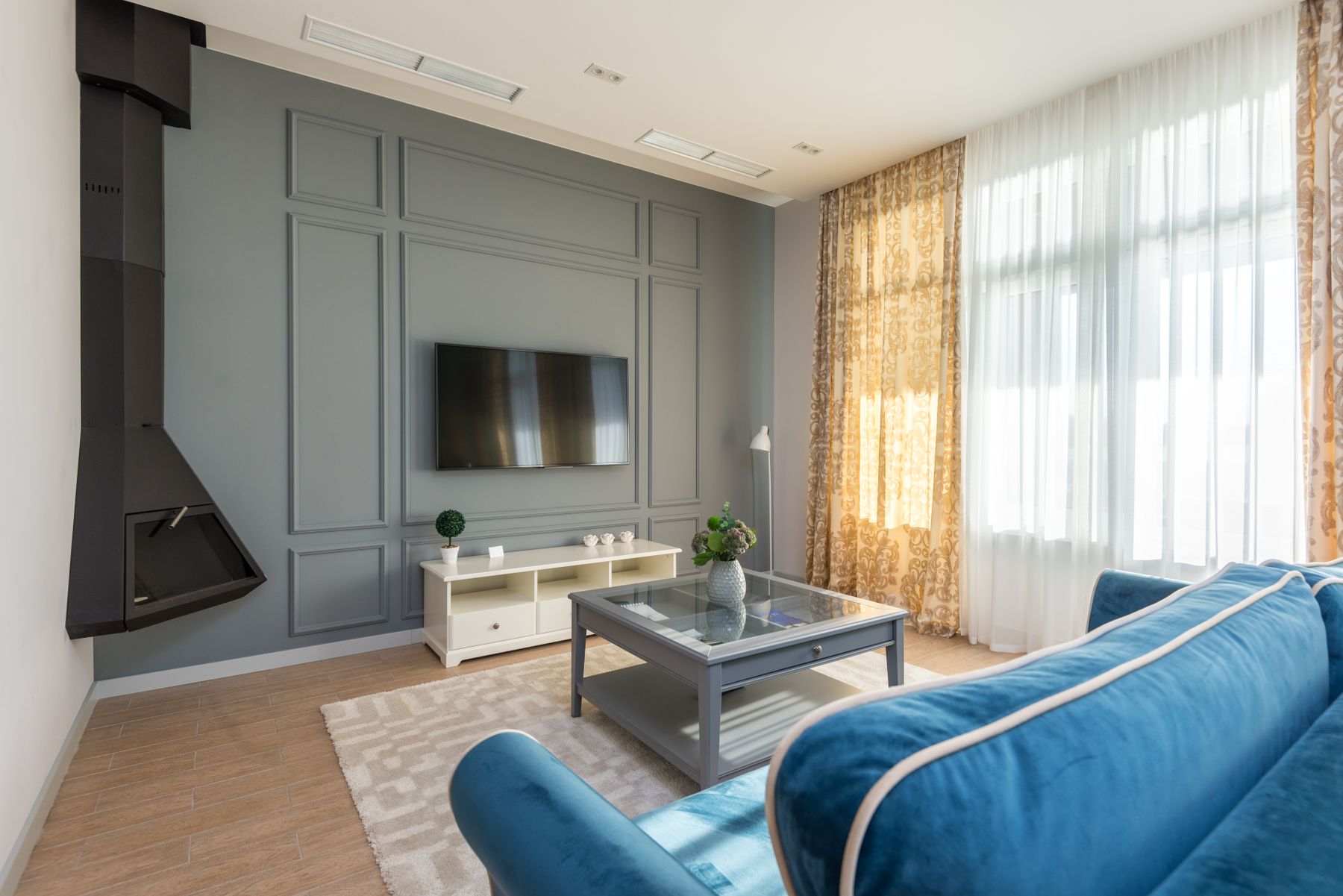
Contemporary sofas range from low modular platforms to tailored upright frames, so style labels reveal little about comfort. Compare seat depth, back angle, arm width, cushion recovery, cleaning codes and the delivery route. A very low seat may look elegant but be difficult for some bodies, while deep cloud forms consume substantial floor area. Order the largest possible upholstery sample and test color, pilling, stains and pet hair in the actual light before committing.
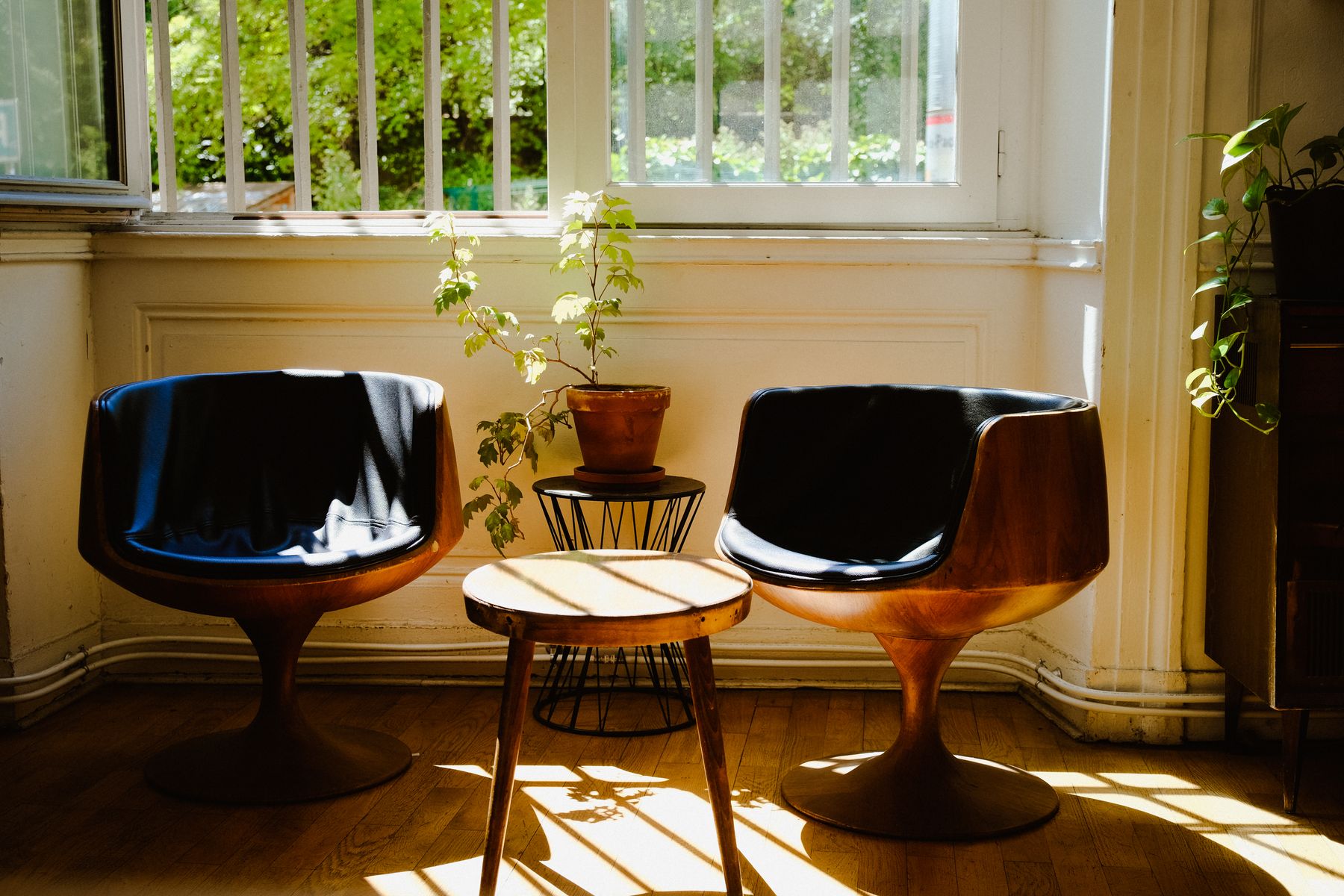
Mix Chairs Instead of Buying a Suite
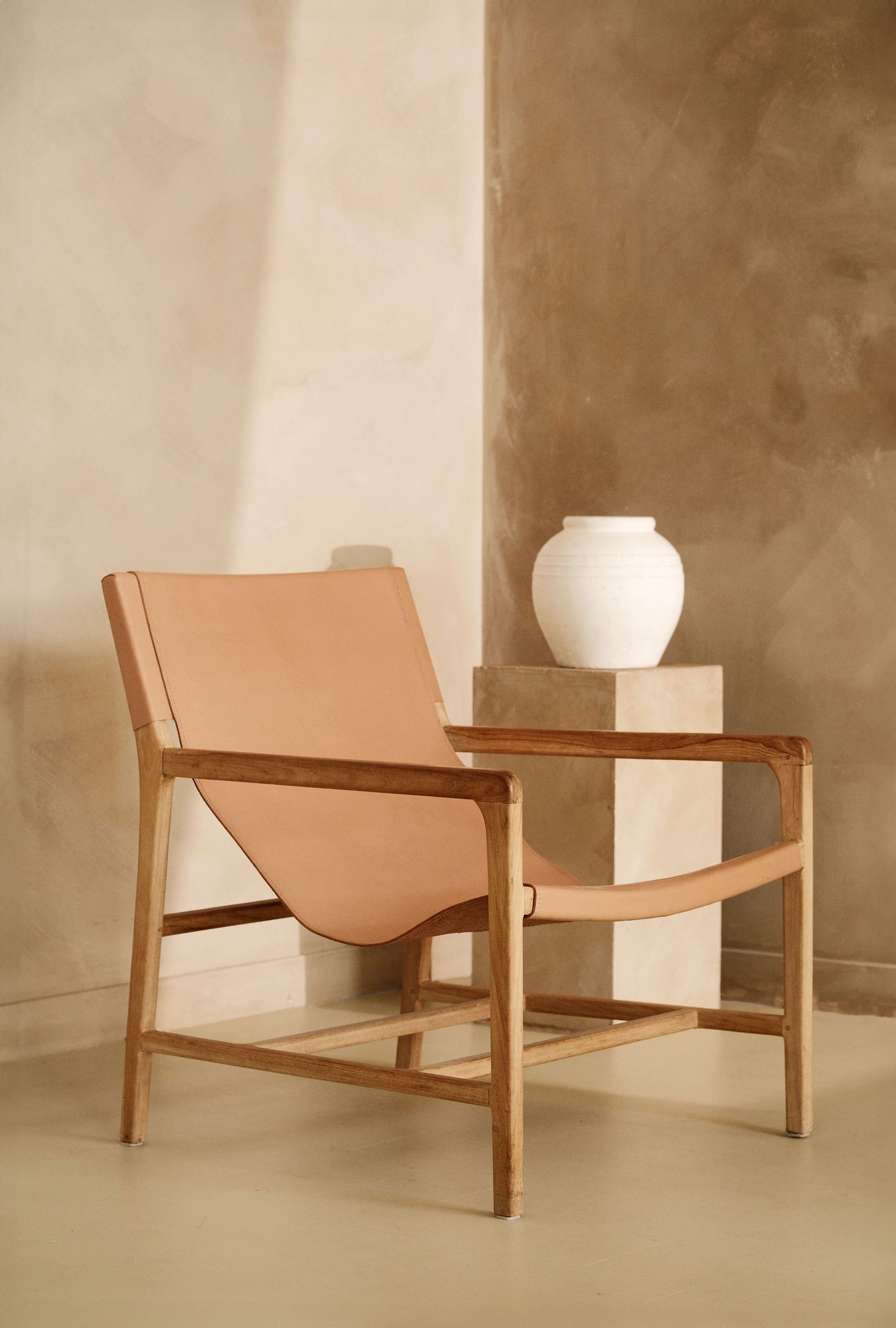
A contemporary room often feels collected because chairs are related without being identical. Combine one supportive upright chair with a lower lounge seat, then repeat a wood tone, metal finish or upholstery color. Avoid random contrast: seat heights should still work around the same tables and visual weight should remain balanced. [Mid-century living room ideas](/living-room/mid-century-living-room-ideas/) can help when a period chair is the anchor, but inspect joints, foam, upholstery and previous repairs before treating age as proof of quality.
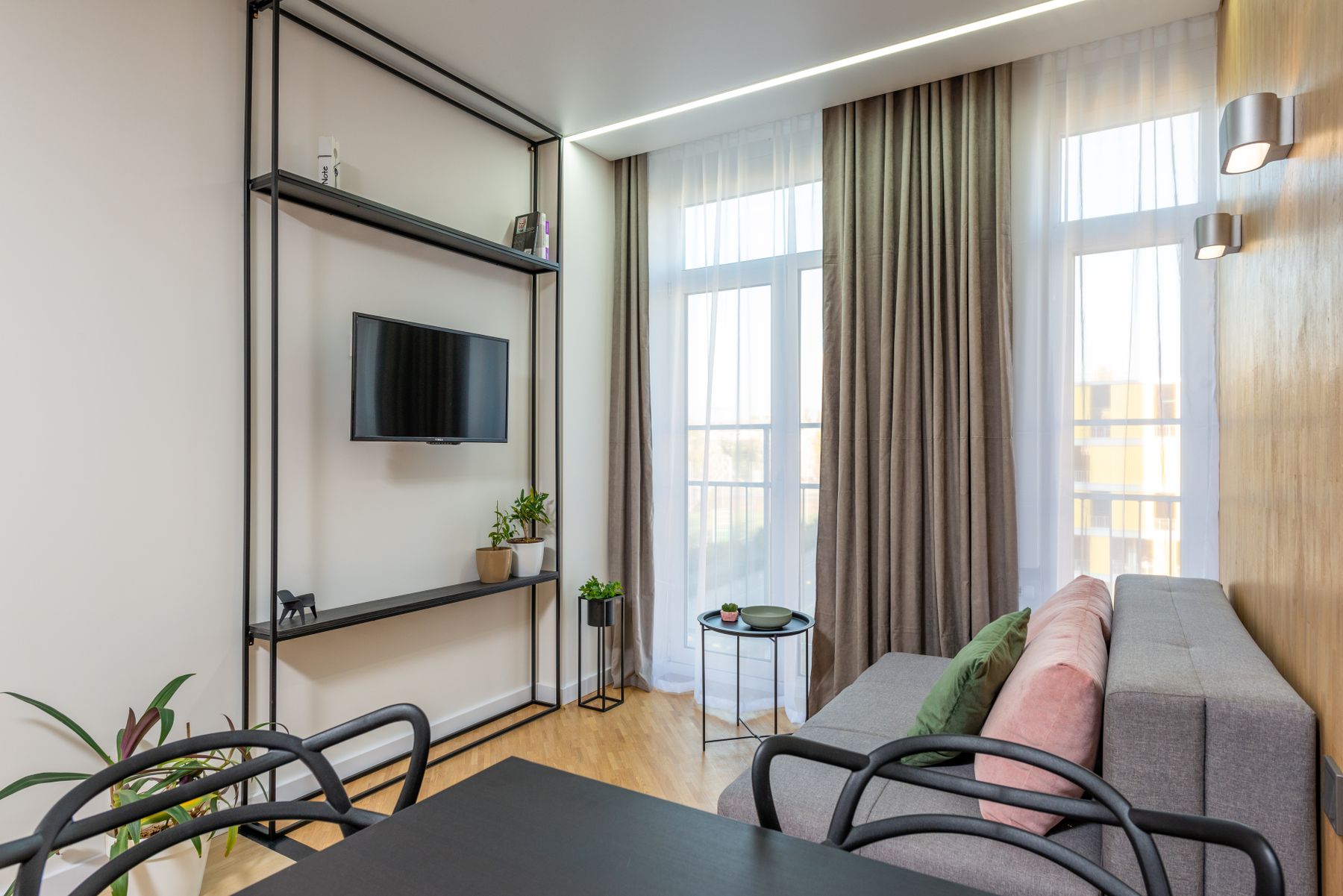
Use Modular Furniture Only When It Really Changes
A modular sofa is valuable when the room genuinely changes for guests, work, play or seasonal orientation. Confirm connector strength, individual module stability, seam comfort and whether every proposed arrangement still leaves a usable route. Large armless blocks can drift or expose unfinished sides when separated. Store the alternative plan with dimensions so flexibility is practical rather than theoretical, and avoid buying extra modules that remain permanently parked against a wall.
Mix Stone, Wood, Metal and Glass Deliberately
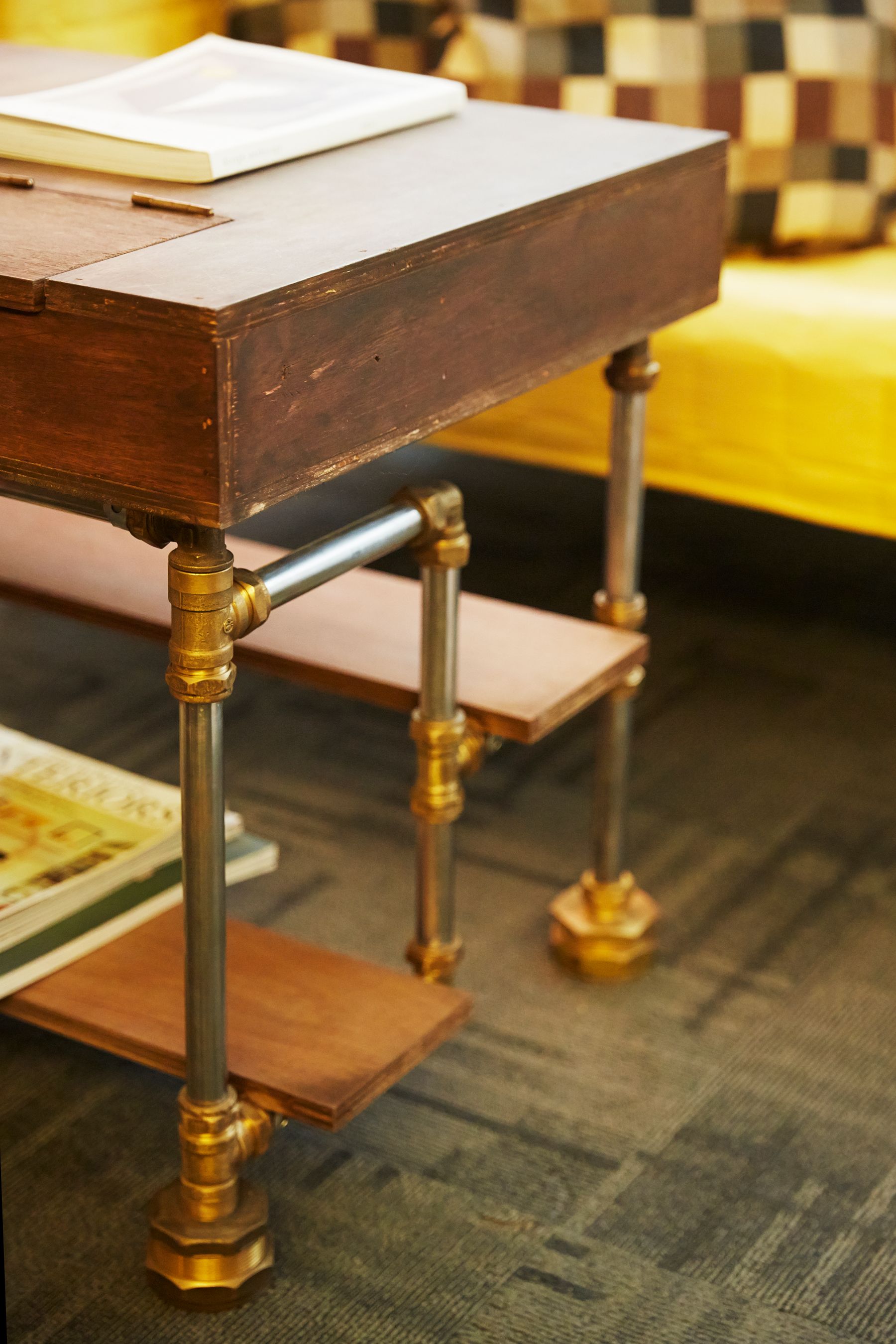
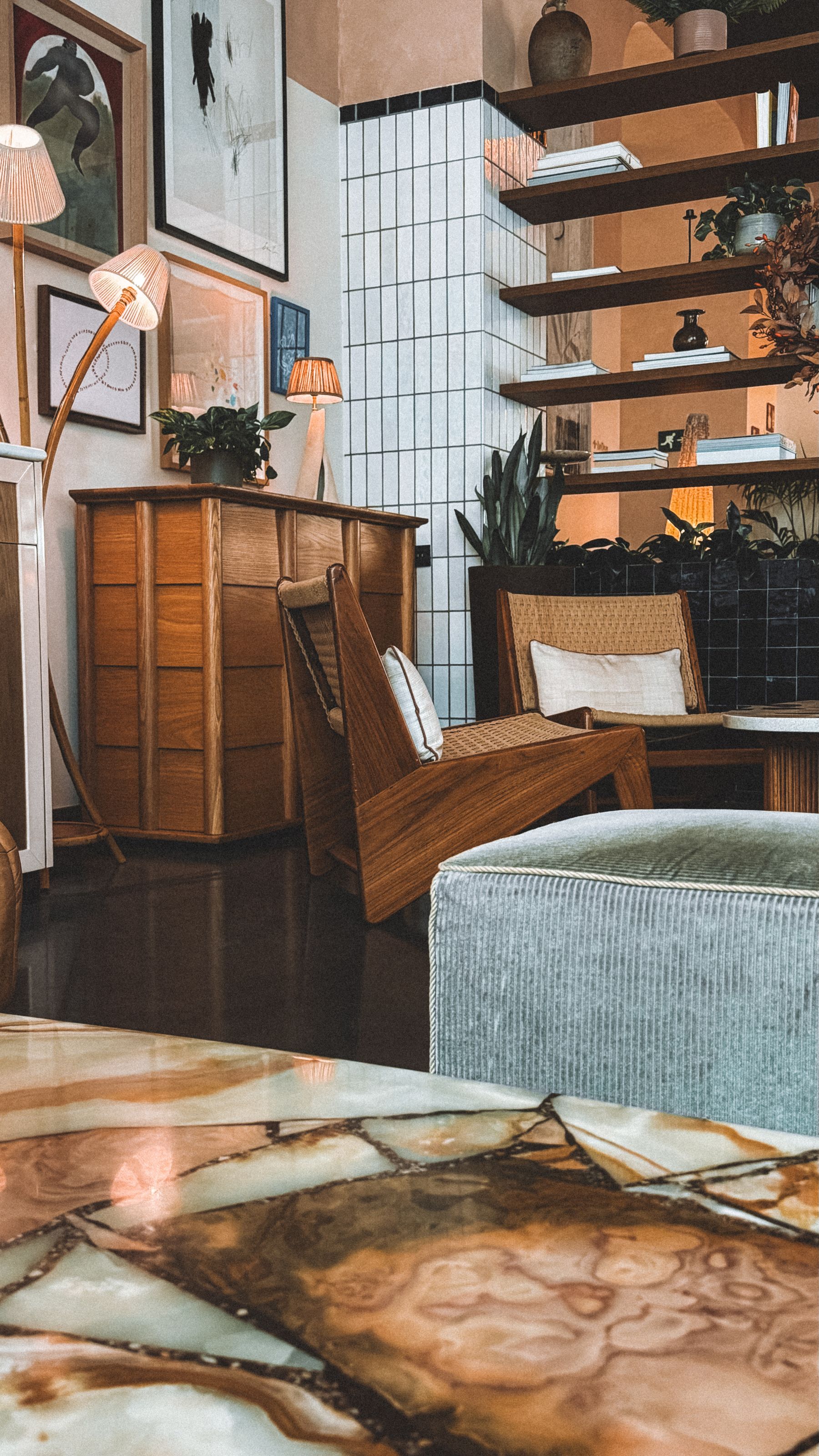
Contemporary rooms often combine warm timber, expressive stone, matte metal, clear or smoked glass and tactile fabric. Assign each material a role instead of spreading every finish across every object: wood can provide warmth, stone mass, metal precision and glass visual lightness. Repeat one finish twice, not everywhere, and compare samples under both daylight and evening lamps. [Industrial living room ideas](/living-room/industrial-living-room-ideas/) is more appropriate when metal and exposed construction become the dominant language.
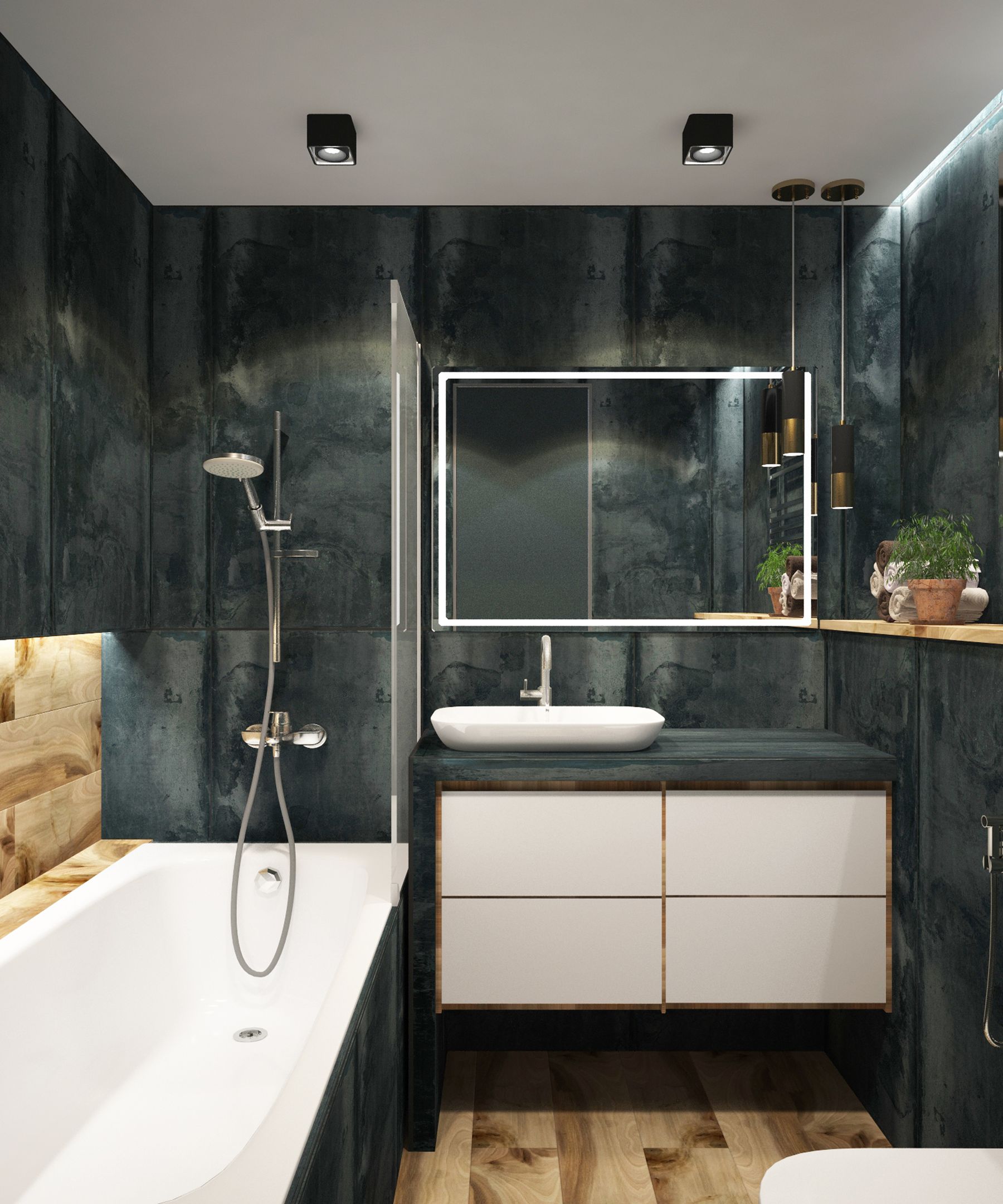
Treat Statement Stone as a Long-Term Surface
Travertine, marble, quartzite and convincing composite stone can give a table or fireplace real presence, but sample variation, porosity and edge treatment matter. View the exact slab or a representative full-size image, decide whether movement will be centered or allowed to run, and confirm sealing and cleaning requirements. Book-matched drama can date quickly when repeated across several surfaces. One well-proportioned stone element usually has more authority than multiple small faux-marble accessories.
Use Wood to Warm Precision
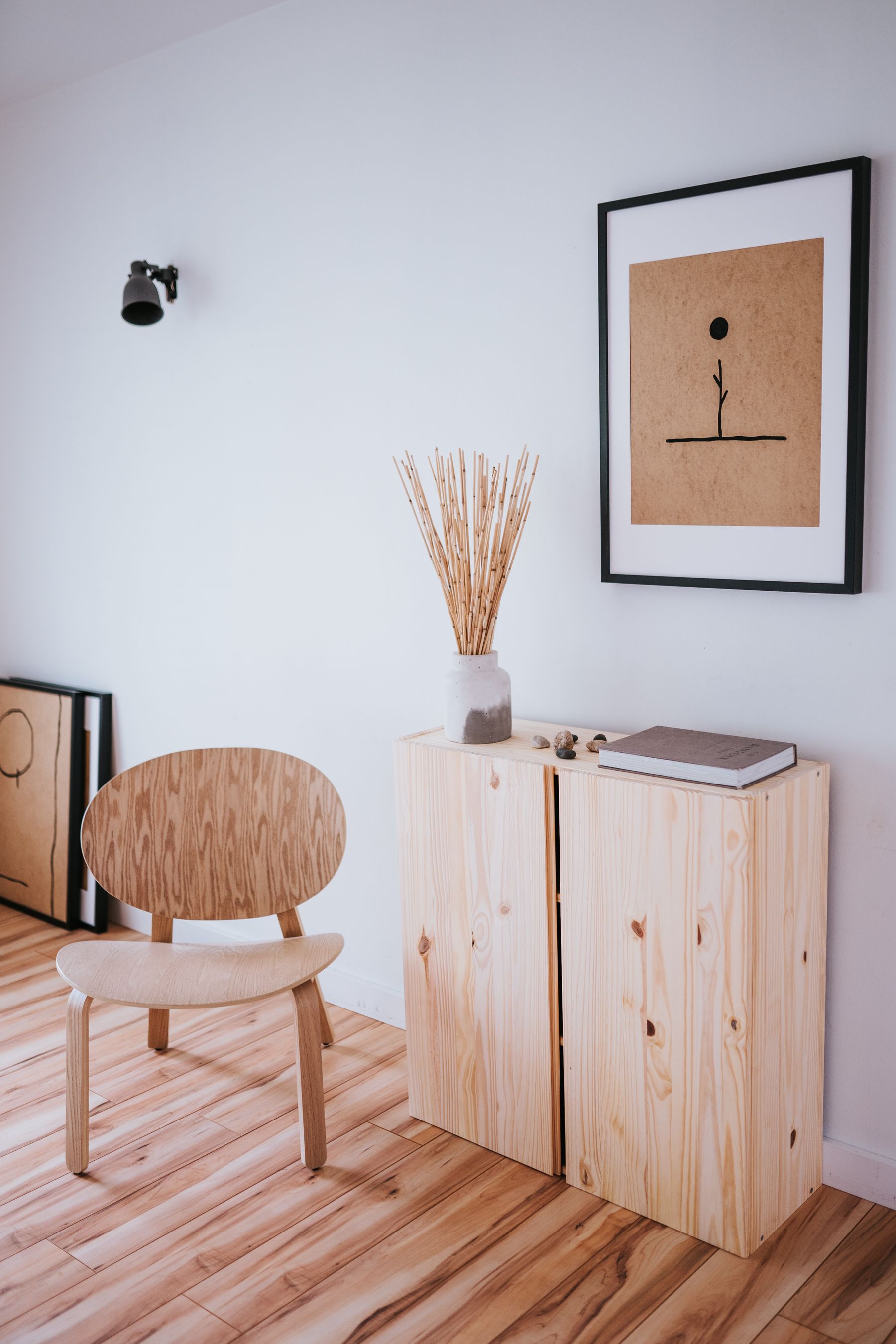
A wood floor, cabinet, table or chair frame can keep smooth plaster, metal and glass from feeling clinical. Choose one dominant undertone and allow controlled variation rather than forcing every species to match. Veneer can be resource-efficient and dimensionally stable when edges and substrate are well made; solid wood is not automatically superior. For a calmer craft-led balance, [Japandi living room ideas](/living-room/japandi-living-room-ideas/) develops the wood, restraint and negative-space relationship further.

Build a Warm Neutral Base Without Beige Monotony
Warm white, oatmeal, mushroom, taupe and clay can support contemporary form, but the room needs value contrast and material difference. Put the palest tone on the largest plane, reserve a deeper value for grounding and use texture where colors are close. Compare every sample with fixed flooring and daylight because warm neutrals can turn pink, green or gray. [Minimalist living room ideas](/living-room/minimalist-living-room-ideas/) goes further into reduction; contemporary can carry more art, color and object variety.
Add One Saturated Color With a Repeat
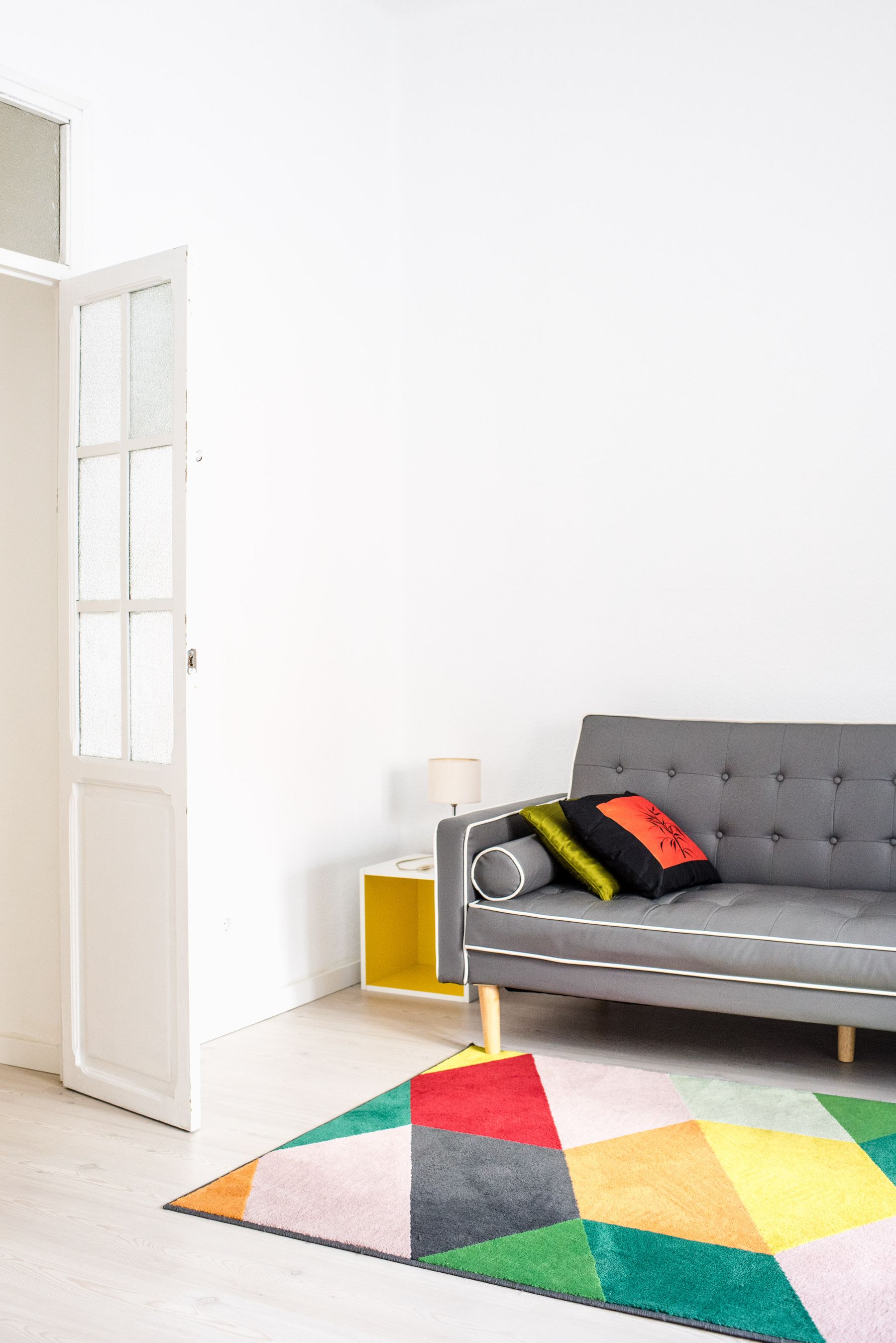
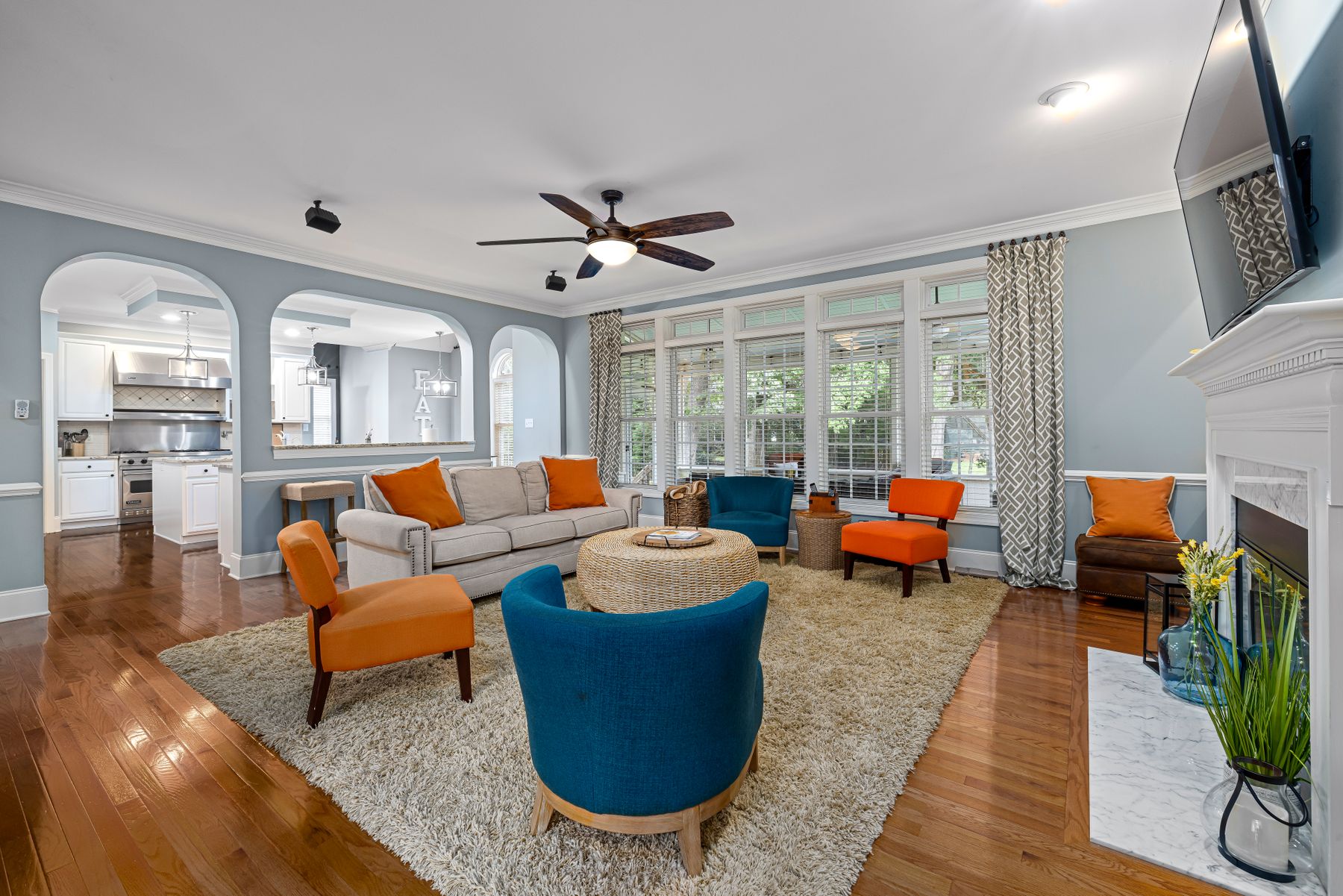
Teal, oxblood, cobalt, olive or burnt orange can prevent a contemporary neutral room from feeling anonymous. Use the color on one substantial element—chair, rug, artwork or sofa—then repeat a quieter version once or twice. Avoid scattering many small matching accessories, which makes the scheme look merchandised. Test the color beside wood, stone and evening light, and choose a placement that can be changed without rebuilding the entire room if taste evolves.
Use Texture Instead of Decorative Clutter
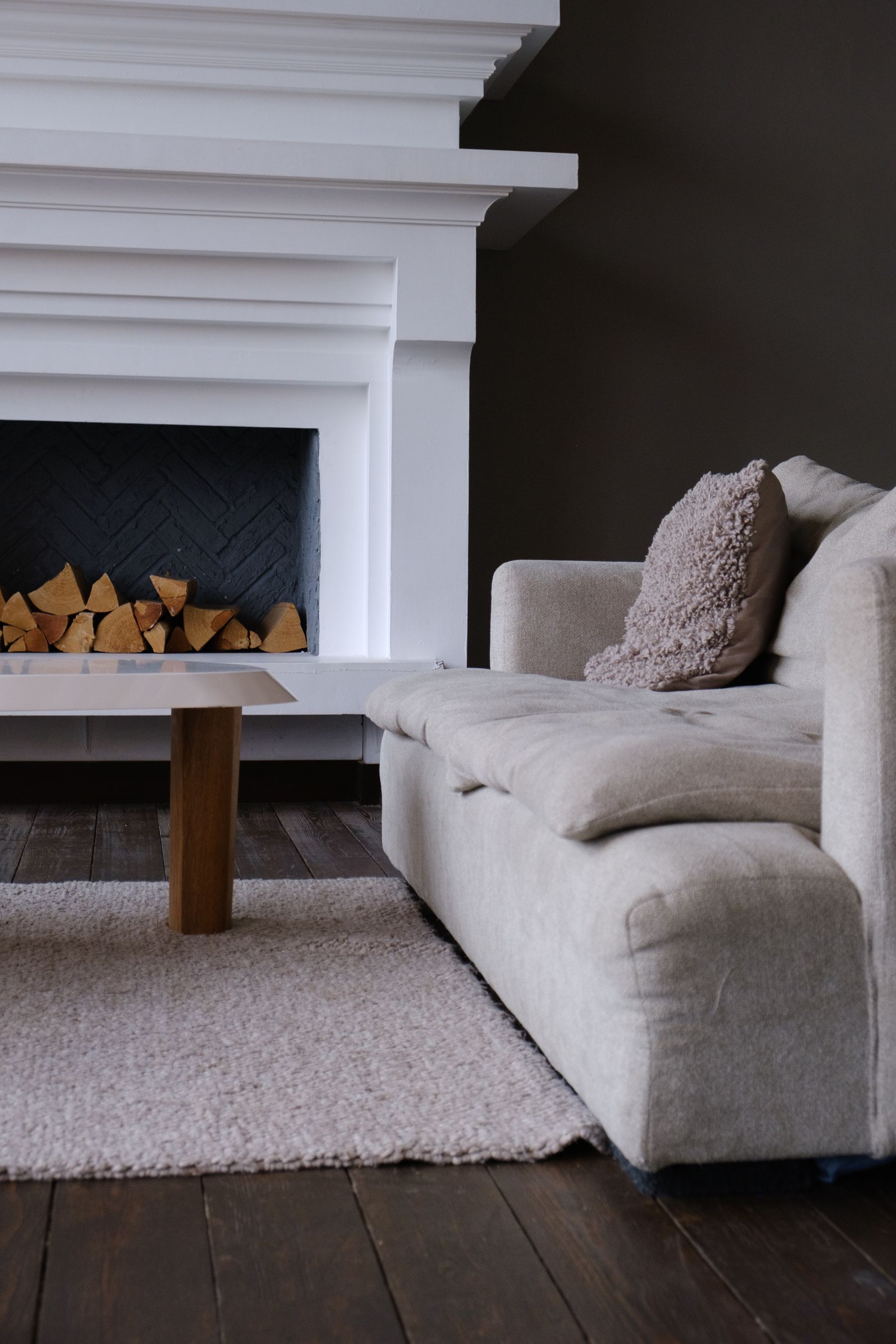
Textured plaster, bouclé, linen, wool, ribbed glass and visible timber grain can create richness without filling every table. Give each texture enough area to register and avoid combining several high-relief surfaces where dust or abrasion will be difficult to manage. Large samples reveal shadows and sheen better than small swatches. When sensory comfort becomes the main goal, [cozy living room ideas](/living-room/cozy-living-room-ideas/) offers a broader framework for touch, sound and evening atmosphere.
Choose a Rug That Grounds Curved Furniture
Curved sofas and angled chairs need a rug large enough to connect their irregular footprints. A rectangular rug often provides useful counter-geometry; an organic or round rug should be chosen only when circulation and furniture placement support it. Tape the complete edge, move chairs and check doors before buying. Fiber, underlay, wheel resistance, shedding and approved cleaning matter as much as shape. [Living room rug ideas](/living-room/living-room-rug-ideas/) expands those decisions.
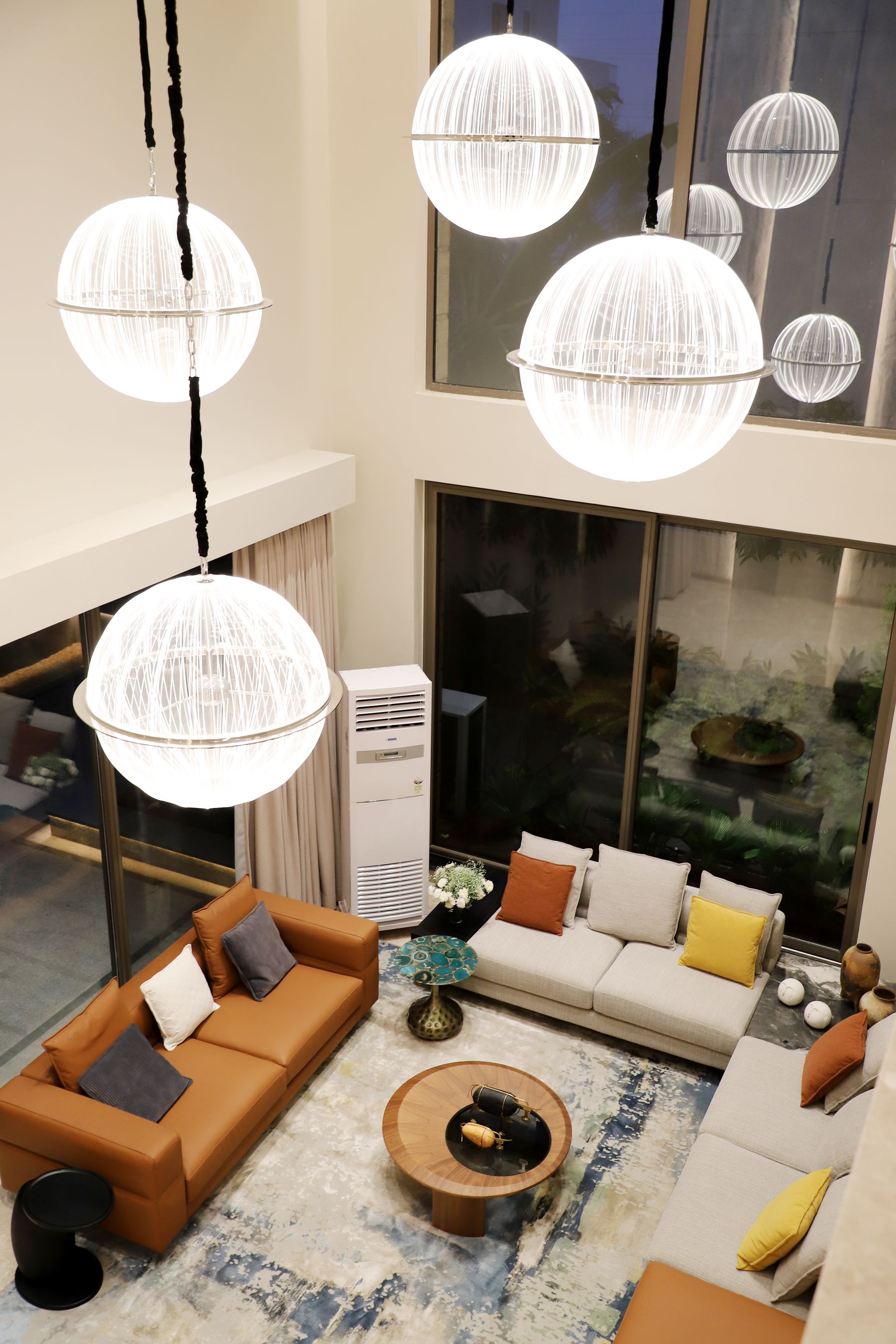
Make Lighting Sculptural and Useful
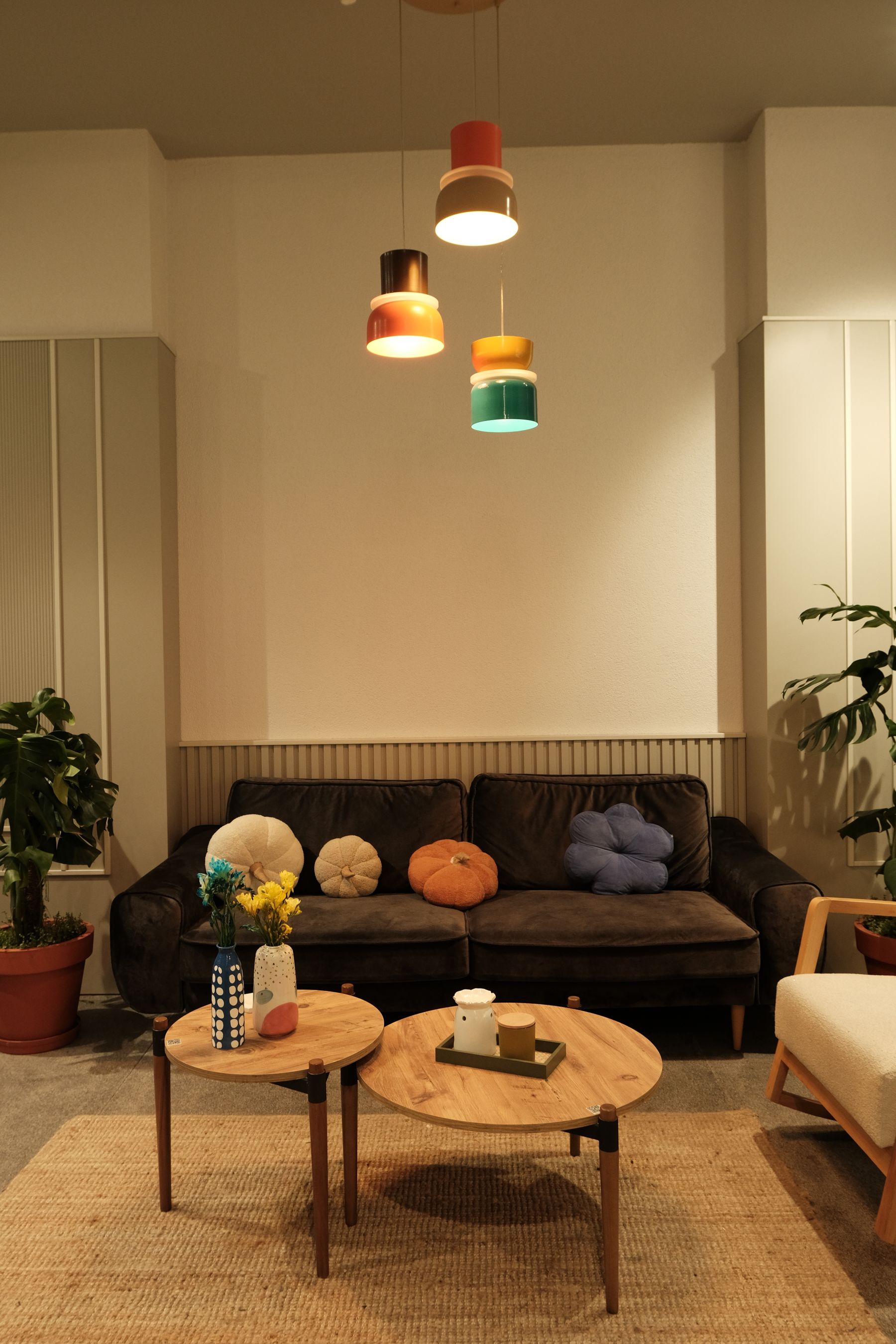
A chandelier, pendant or oversized floor lamp can carry contemporary identity, but visual impact does not replace task light. Combine a dimmable ambient source with shaded reading light, low evening light and selective wall washing. Check sightlines, glare, ceiling support, bulb access and cleaning before choosing a complicated fixture. [Living room lighting ideas](/living-room/living-room-lighting-ideas/) provides a full framework for beam, controls and color quality.
Use Windows as Architecture, Not Empty Space
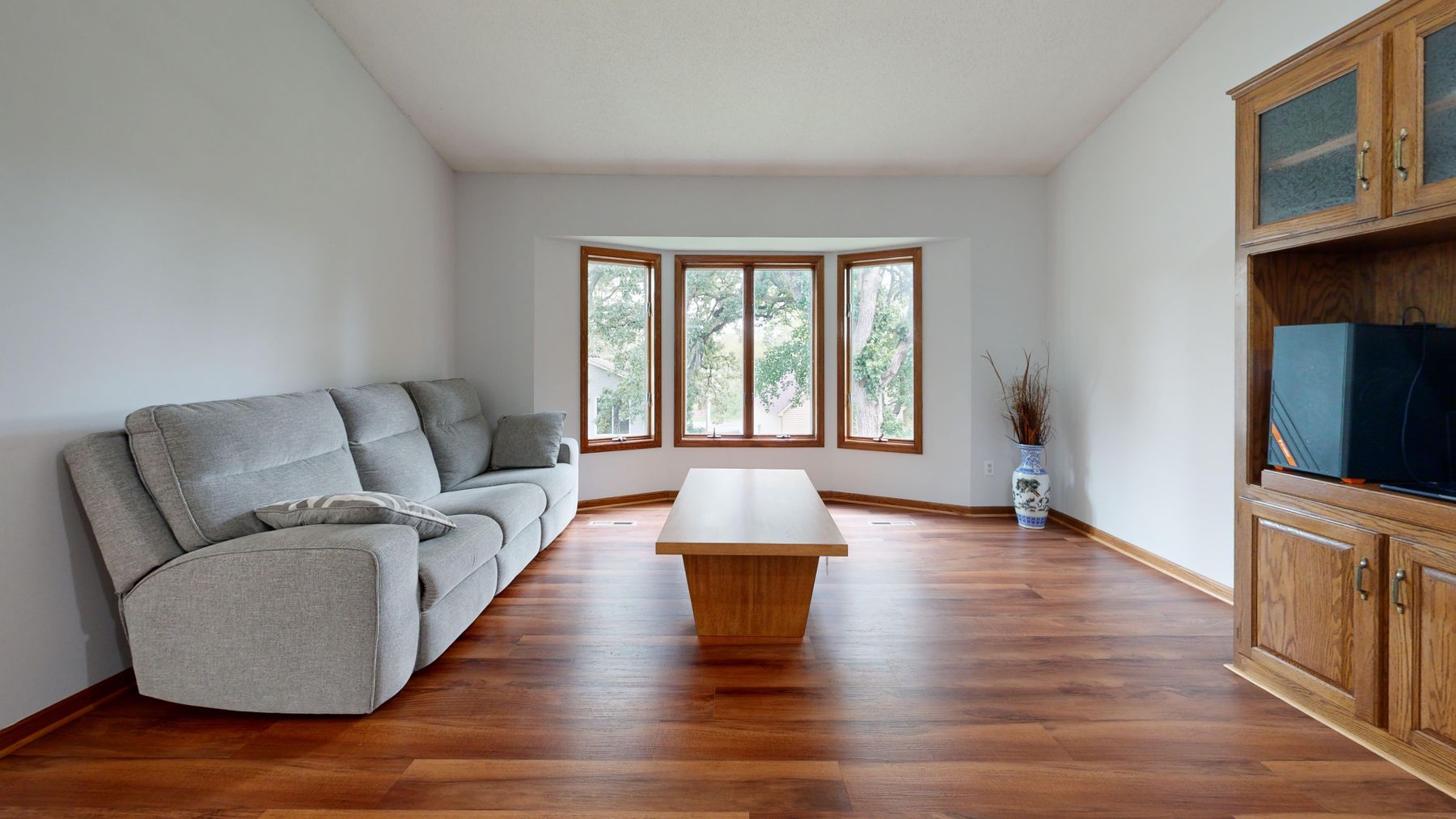
Large glass areas can make a contemporary room feel expansive, but they also create glare, fading, heat gain and nighttime exposure. Layer solar control, privacy and softness according to orientation rather than leaving windows bare for photographs. Keep curtain stacks clear of heaters and allow access to handles and vents. [Scandinavian living room ideas](/living-room/scandinavian-living-room-ideas/) goes deeper into daylight across seasons; here the treatment should support the room's current architecture and material mix.
Give Art Real Scale and Breathing Room
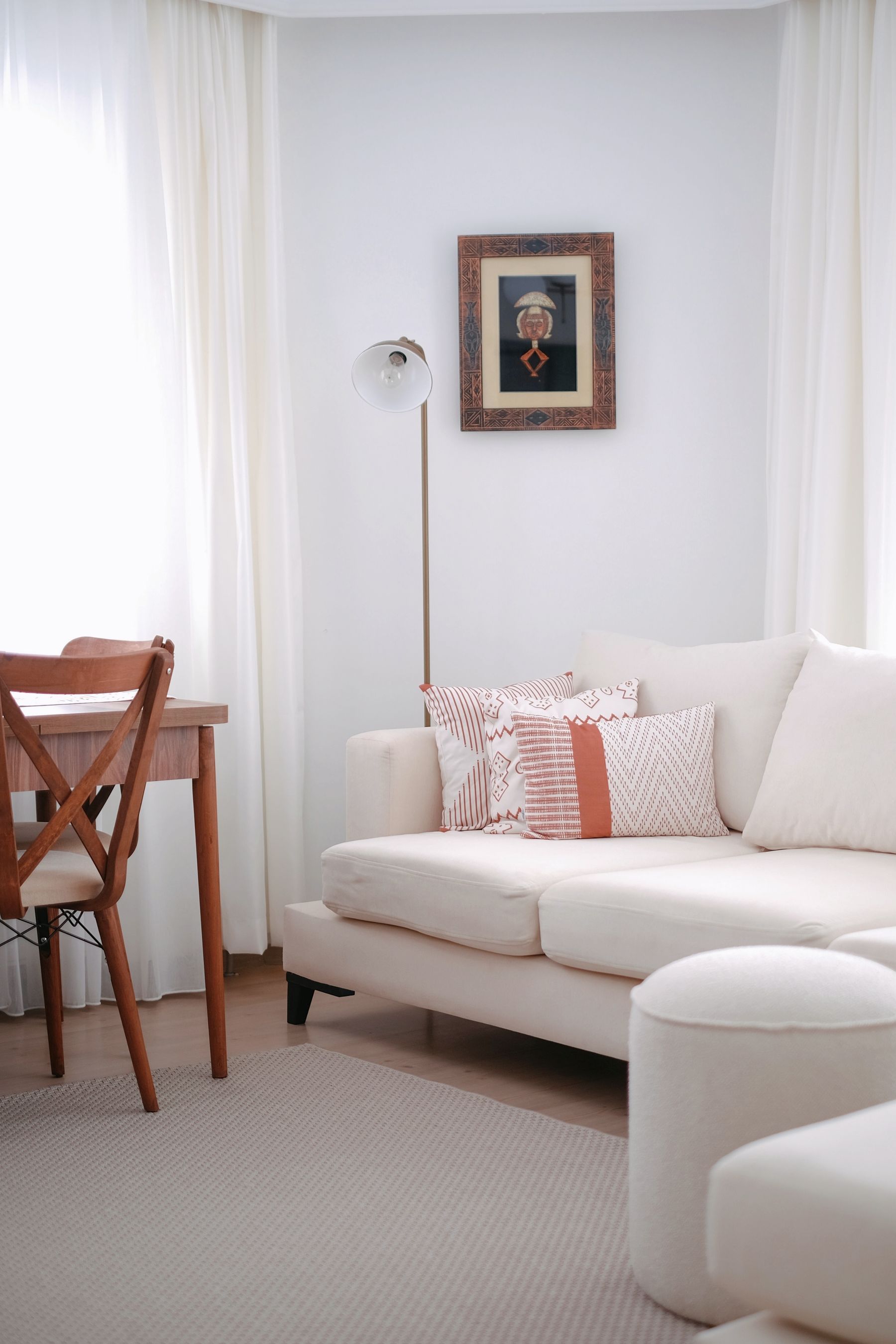
Contemporary rooms often rely on one large artwork or a deliberate gallery to introduce color and personality. Size the composition to the furniture or wall rather than hanging an isolated small frame in empty space. Protect valuable work from direct sun, heat and damp, use appropriate fixings and avoid placing art where a television or door repeatedly interrupts it. Empty wall around a piece is useful when it strengthens focus, not when it reveals undersizing.
Style Objects as Relationships, Not Sets
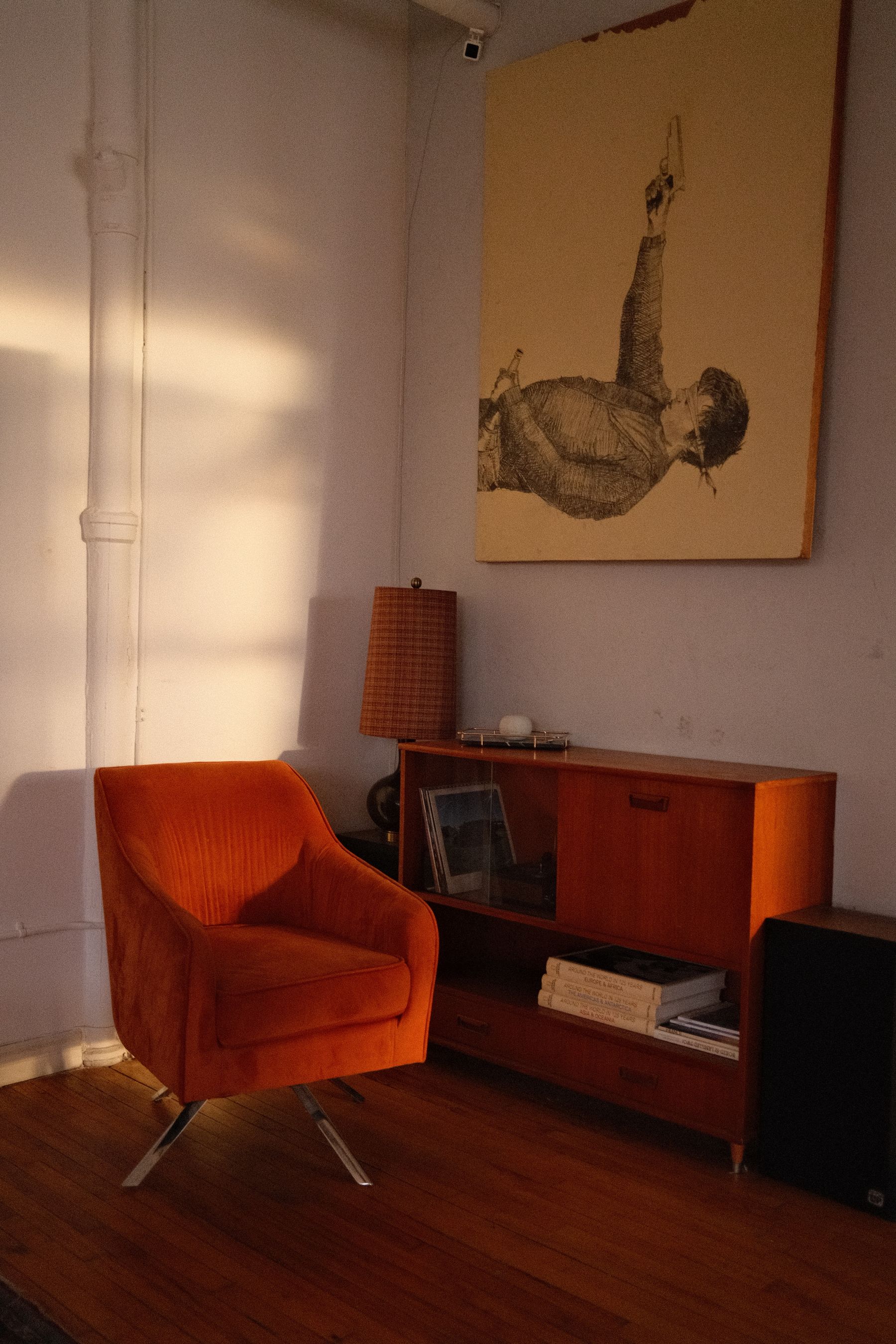
Group books, ceramics, photographs and found objects through a shared material, subject or memory rather than buying coordinated accessory sets. Vary height and mass, leave negative space and protect delicate pieces from unstable shelves or active routes. A contemporary room needs evidence of the people who use it; otherwise current furniture can look like a staging package. Edit only after daily storage has a home so styling does not mask clutter.

Integrate Storage Into the Composition
List books, games, controls, chargers, blankets, children's items and equipment before drawing cabinetry. Use closed storage for visual noise, open shelves for durable displays and ventilated sections for electronics. Align large storage with existing architecture instead of adding several unrelated units. [Living room storage ideas](/living-room/living-room-storage-ideas/) helps translate inventory into shelf depth, cabinet height and access. Leave service routes and future replacement space inside every polished built-in.
Handle the Television as Equipment
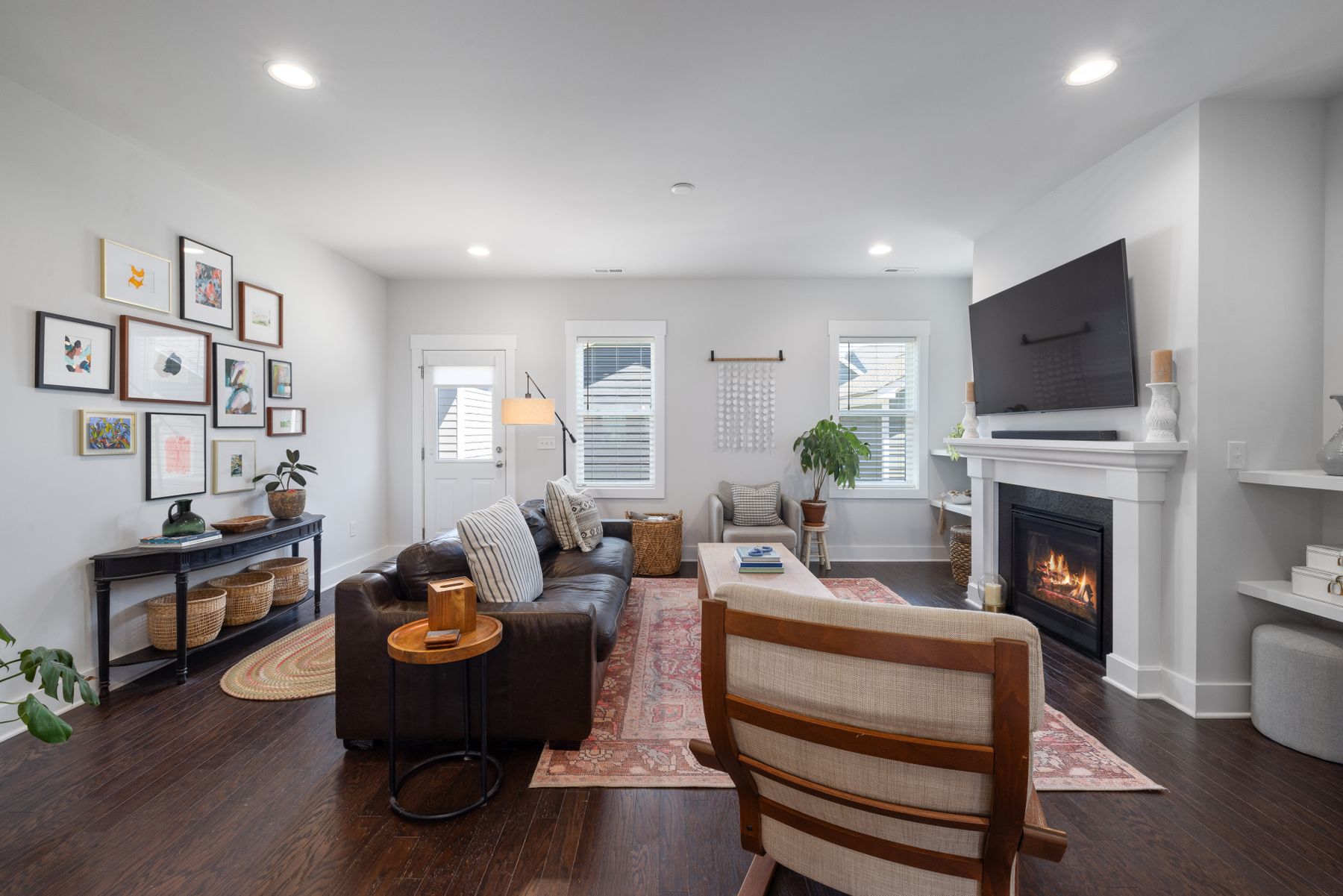
Mount the screen near comfortable seated eye level and test glare from windows and lamps. A dark panel, low cabinet or sliding screen can reduce its visual dominance, but elaborate concealment should not block ventilation or make replacement difficult. Plan power, data, speakers, cable radius and access before finishing the wall. Avoid forcing the television above a fireplace simply to combine focal points; heat, height and competing attention may make another wall more practical.
Zone an Open Plan Without Matching Everything
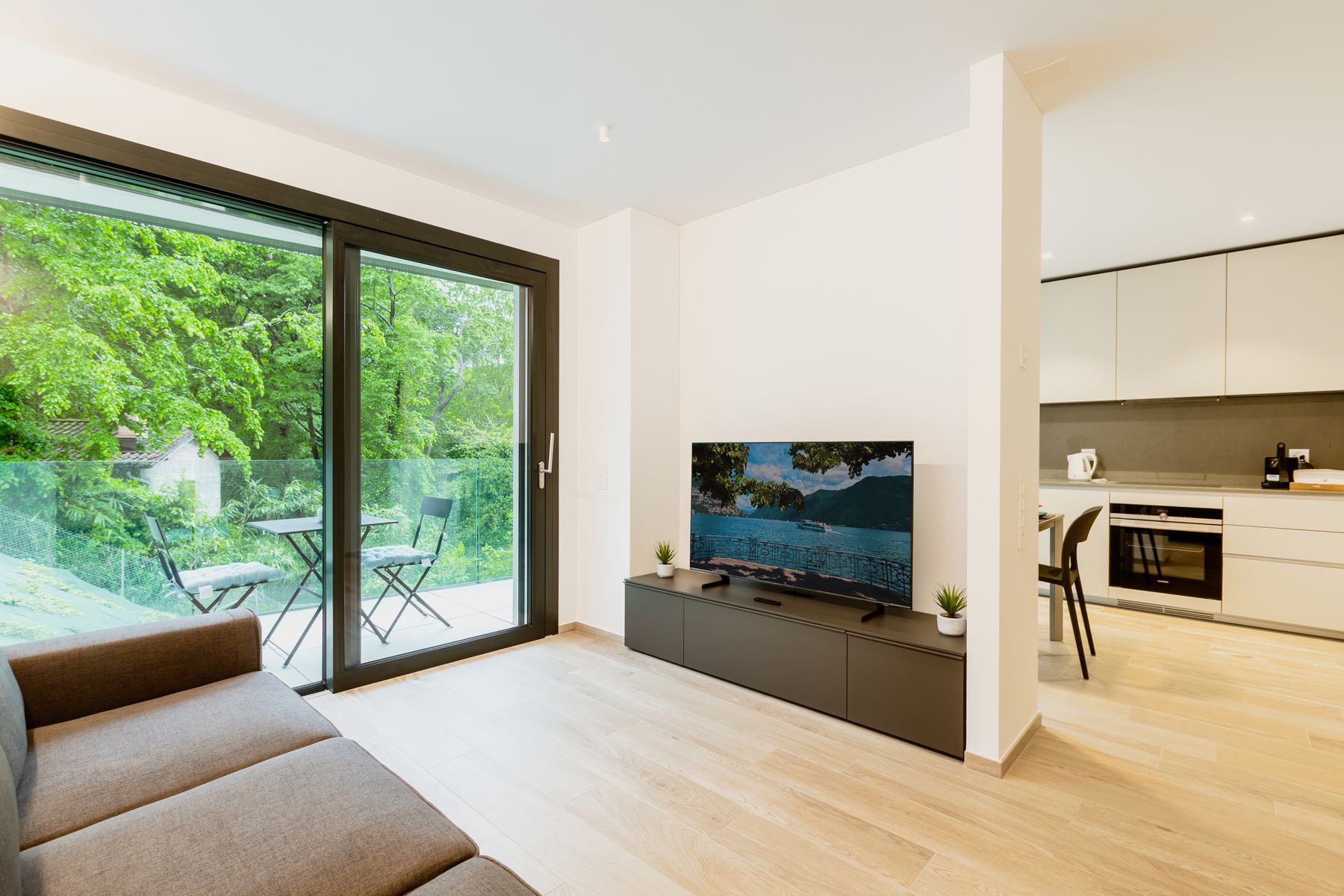
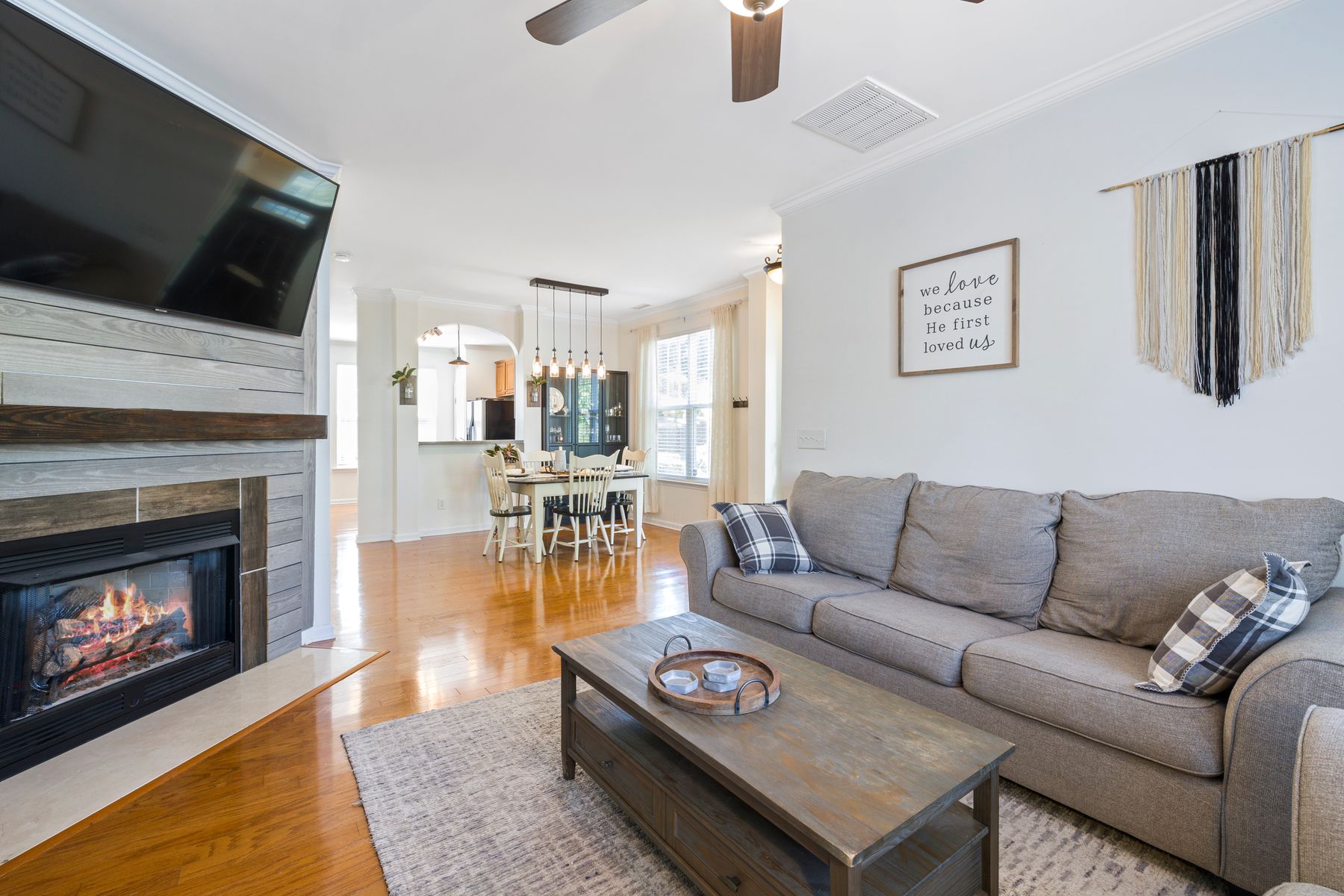
Use rugs, lighting and furniture orientation to give living, dining and kitchen areas distinct centers. Repeat one wood tone, metal finish or accent color across zones, but let each function choose its own furniture. Preserve the main connecting route and test dining chairs, extensions and kitchen doors fully open. The same cross-room logic appears in [contemporary bedroom ideas](/bedroom/contemporary-bedroom-ideas/), where repetition should create continuity without a matching suite.
Make a Small Contemporary Room Feel Intentional
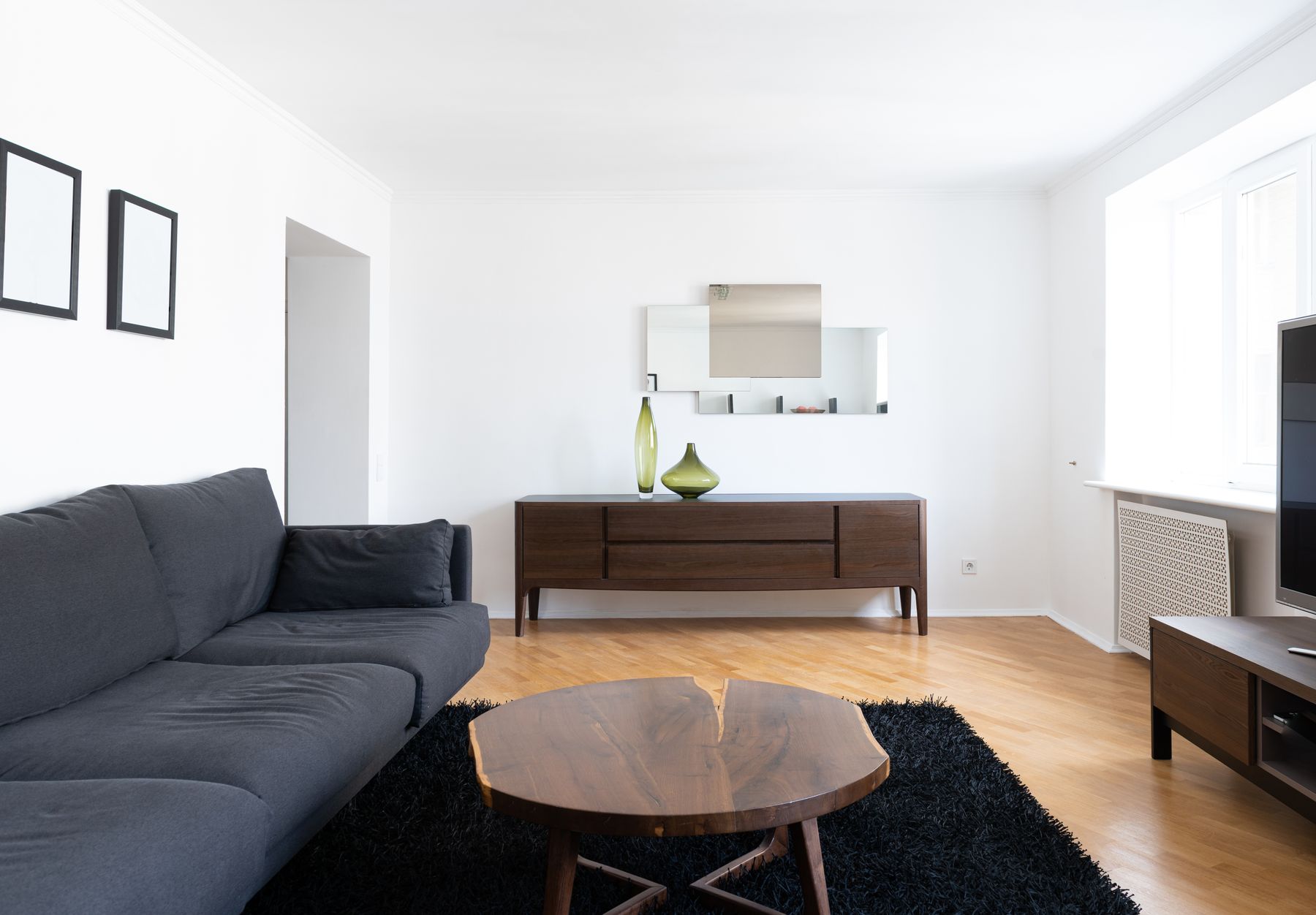
Choose one sculptural gesture and keep the largest upholstery compact in depth, arm width and visual mass. Rounded tables can improve circulation, but oversized curved sofas often waste corners in tight plans. Concentrate storage on one wall and preserve a continuous route. [Small living room ideas](/living-room/small-living-room-ideas/) covers multifunction, guests and work in more depth; this page keeps the focus on creating a current visual identity without crowding.
Design Rental Changes to Be Reversible
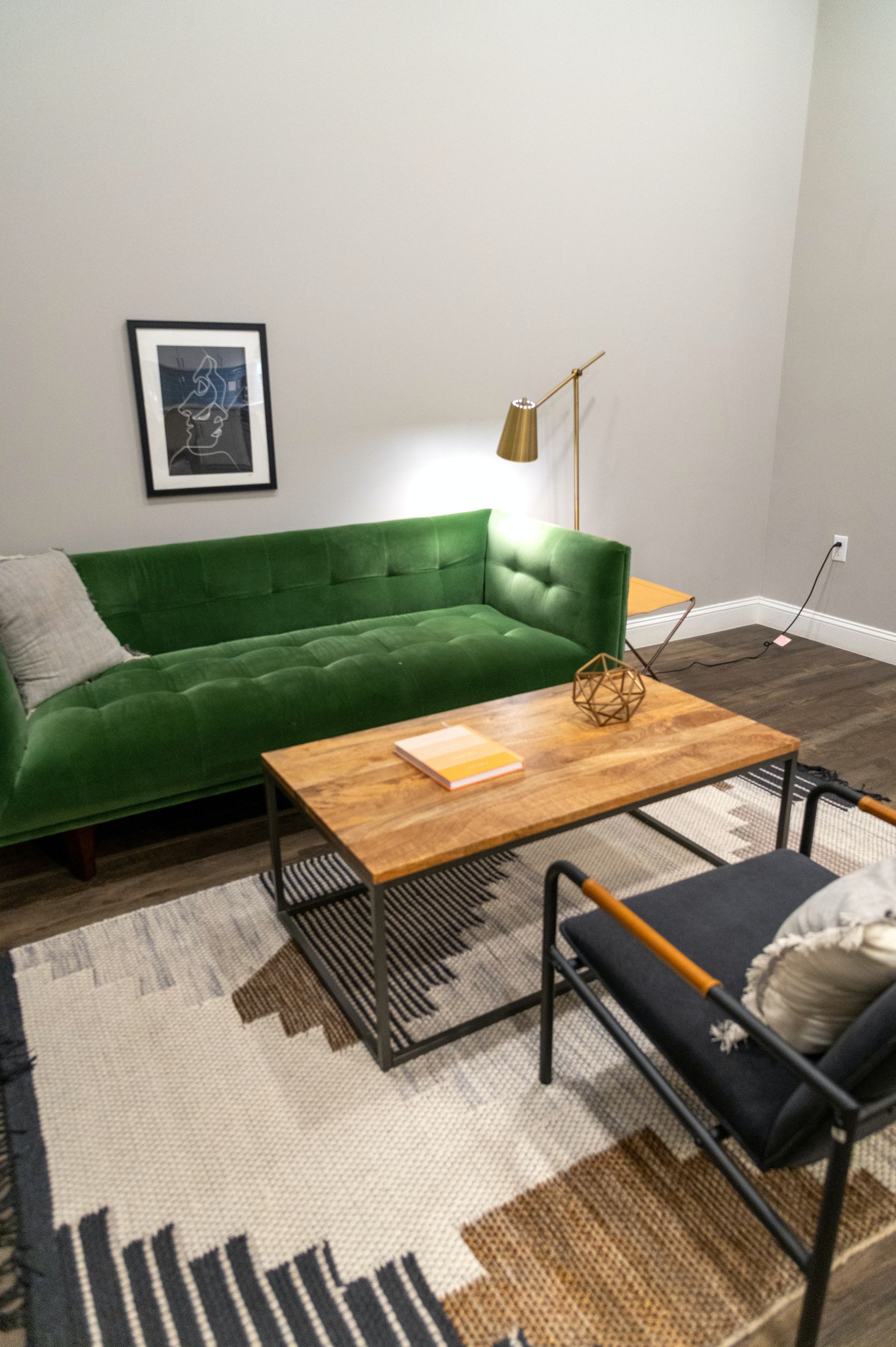
Renters can update a room through furniture orientation, a correctly sized rug, full-height curtains, plug-in lamps, a strong chair and edited art before using adhesive finishes. Confirm permission for fixings, document wall condition and test removable products because paint and plaster vary. Freestanding storage still needs safe anchoring where appropriate. Keep original hardware labeled and choose investment pieces that can move to another architecture rather than fitting one temporary wall.
Plan for Children, Pets and Accessibility
Anchor tall furniture, secure the television, manage cords and avoid unstable sculptural tables in active routes. Include at least one supportive chair with arms and a practical seat height, preserve the widest continuous path and secure rug edges. Choose upholstery by cleaning method, snag risk and hair contrast rather than pale appearance alone. A contemporary room should respond to current household needs; excluding a regular user for visual purity contradicts that purpose.
Budget for the Pieces That Control the Room
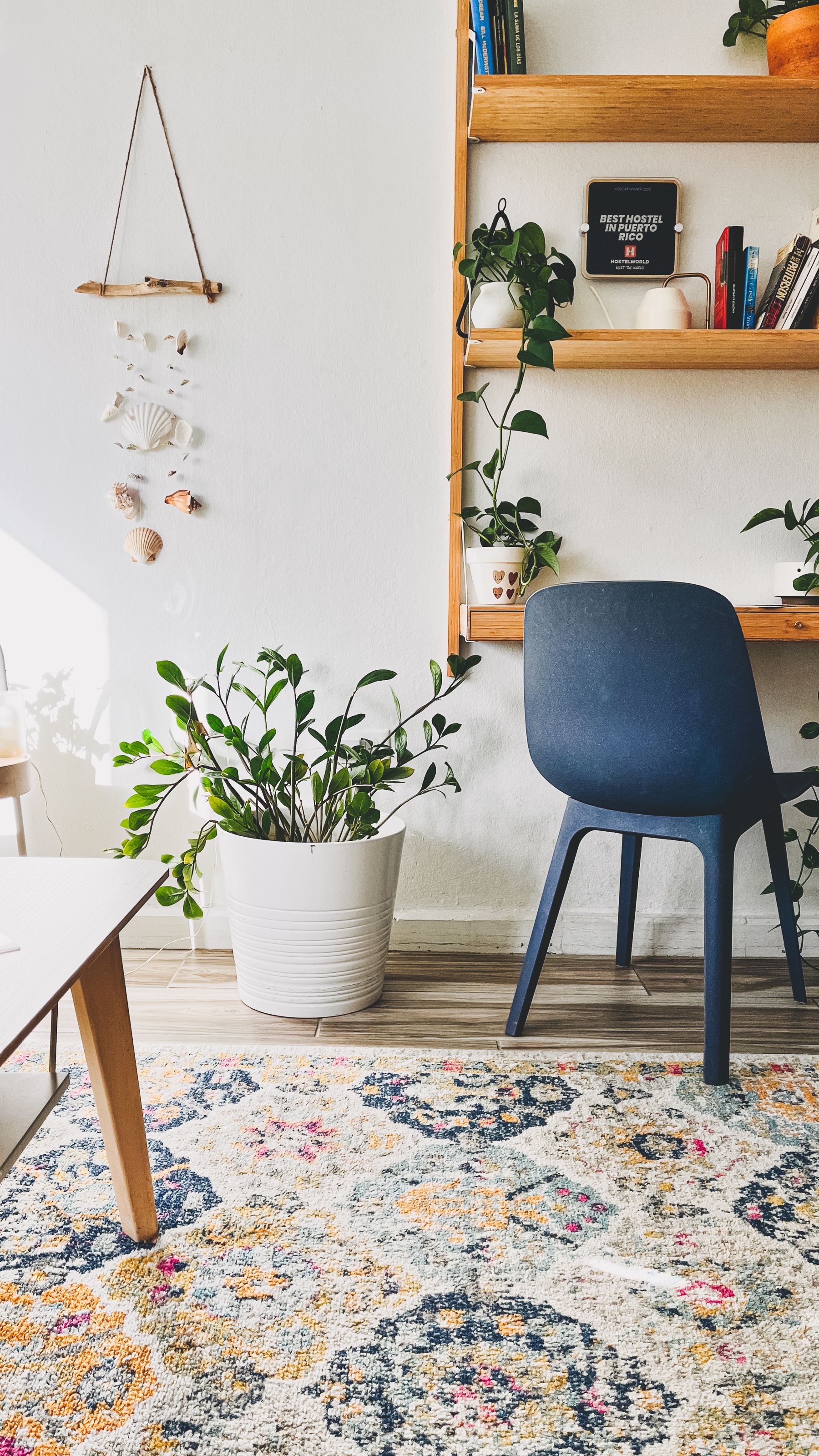
Spend first on the sofa's comfort and dimensions, adequate rug size, effective lighting, window control and any storage or electrical work that removes daily friction. Save through vintage side tables, repaired chairs, local art and slower layering. Keep a reserve for delivery constraints, upholstery, fixings, cable work and professional installation. Avoid buying several temporary trend pieces while waiting for the right anchor; they usually cost more and weaken the composition.
Maintain Mixed Finishes by Material
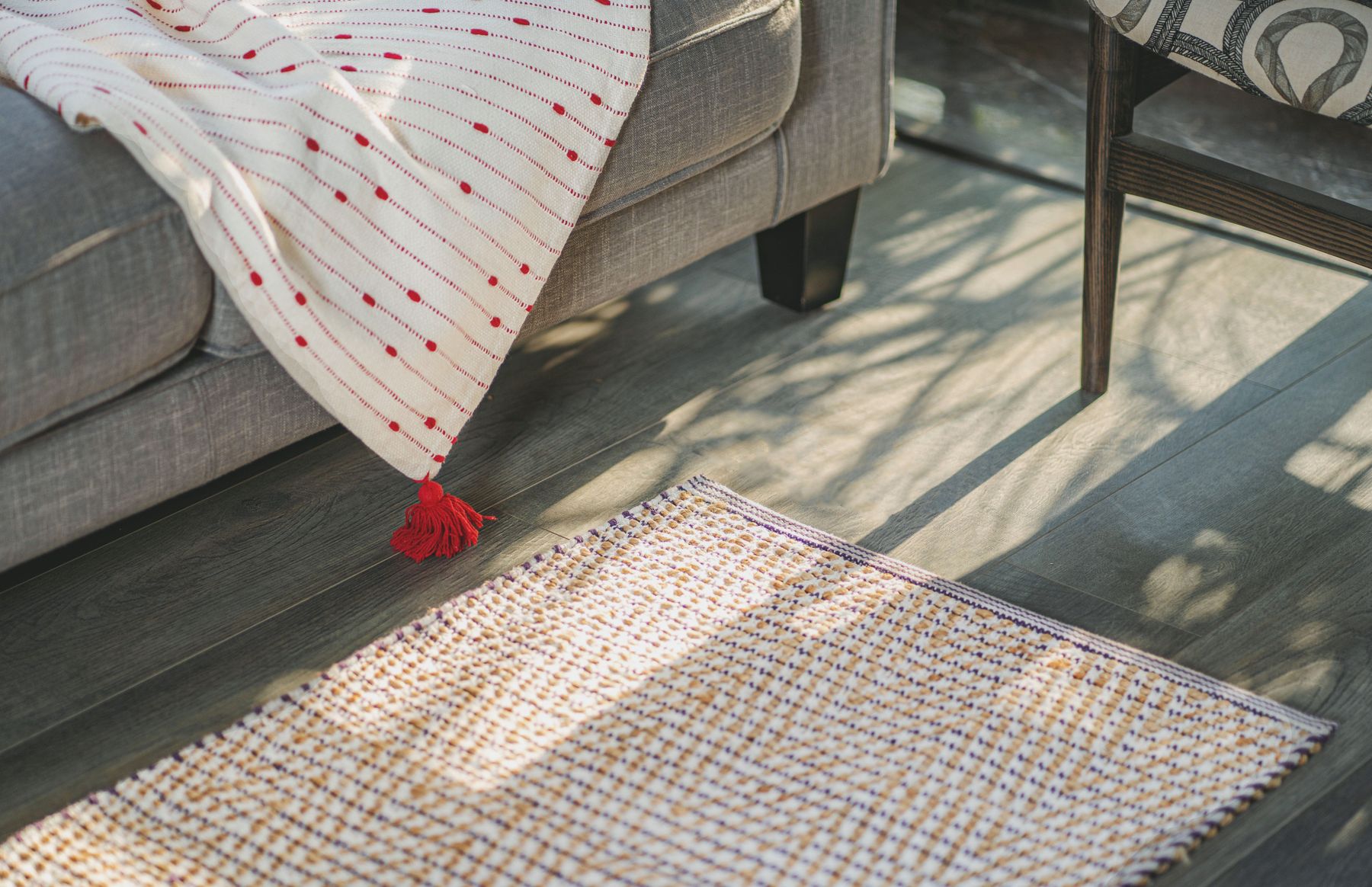
Stone, timber, metal, glass, bouclé and leather each need specific cleaning and repair methods. Record product names, finish codes, spare parts and approved cleaners while the information is available. Leave access beneath furniture and behind built-ins, protect porous tables before spills and address loose rug edges promptly. A room built from several fashionable finishes ages well only when each surface can be maintained without damaging its neighbor.
Edit Trends Through a Replacement Test
Before adding a fashionable curve, finish or color, ask what happens when it is removed. Fixed architecture and expensive upholstery should carry durable proportions; trend-sensitive expression can live in art, lamps, side chairs and smaller textiles. Review the room after several weeks of use for conversation, glare, storage, cleaning and comfort, then remove anything that repeats a gesture without improving function. [Contemporary bathroom ideas](/bathroom/contemporary-bathroom-ideas/) follows the same principle with more permanent wet-room materials.