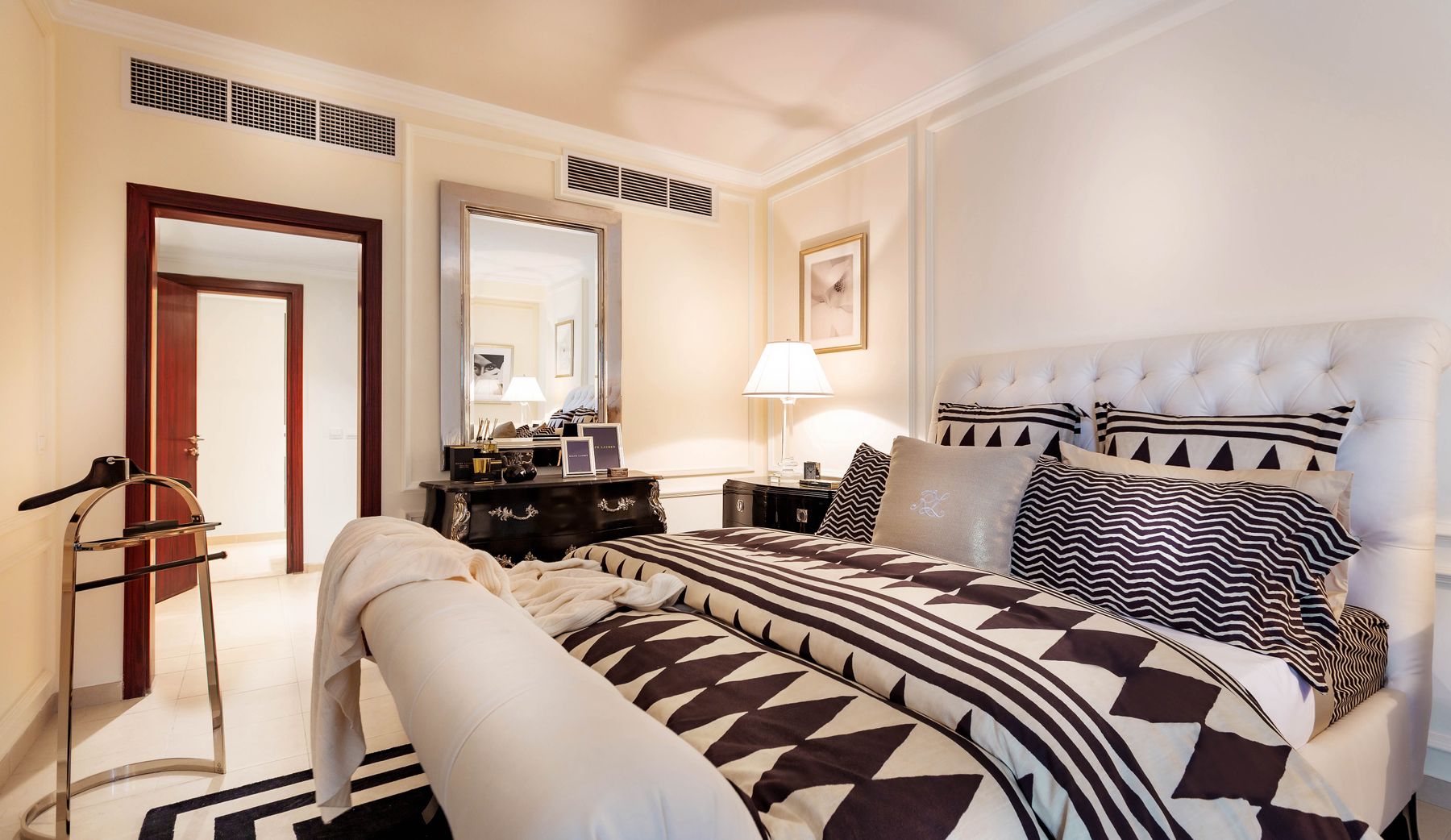
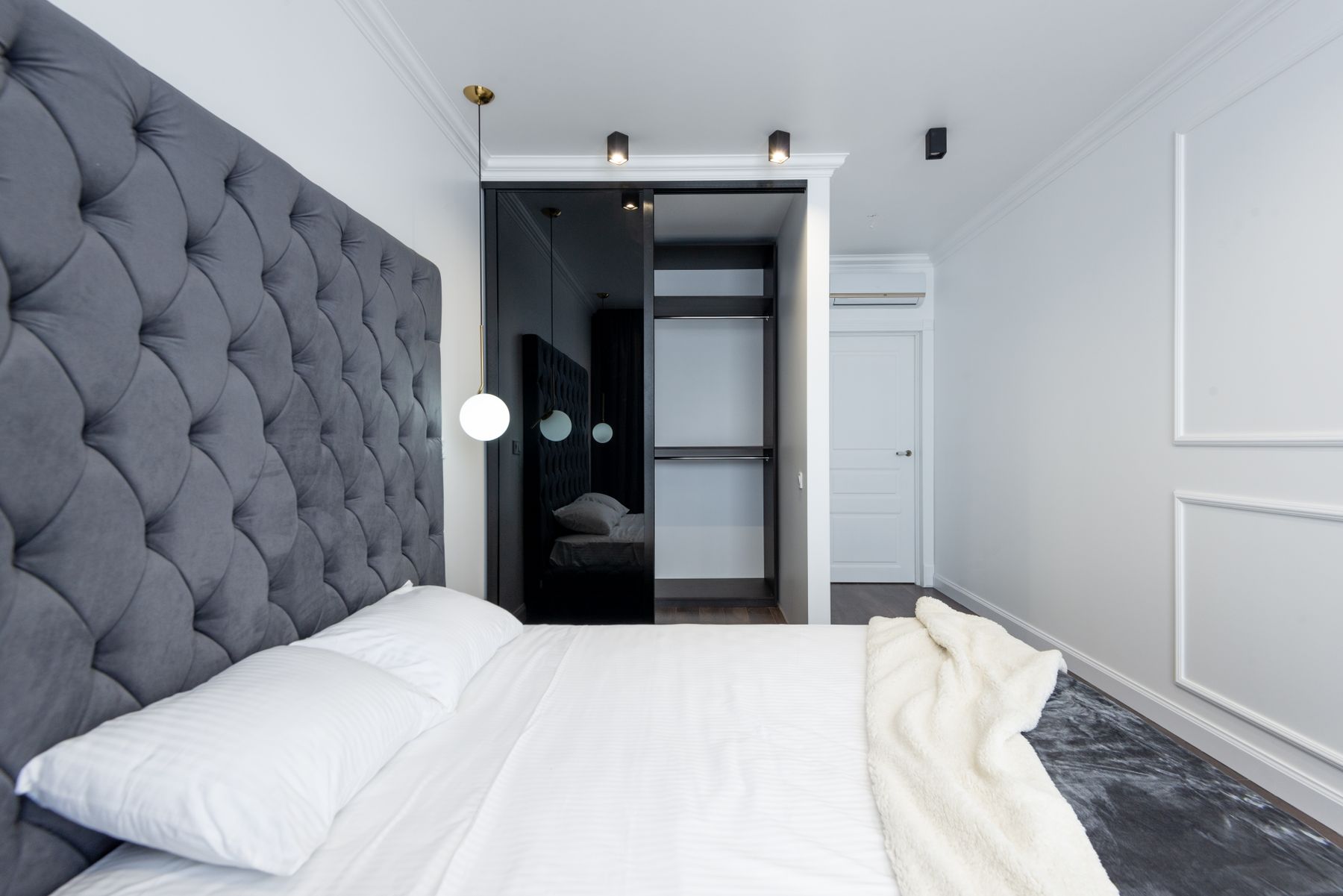
Define Art Deco Around the Bed, Not the Glamour
Art Deco developed through the interwar period as a modern language of symmetry, streamlined form, geometric ornament and luxurious-looking material. [Retro Bedroom Ideas](/bedroom/retro-bedroom-ideas/) covers later decades; [Victorian Bedroom Ideas](/bedroom/victorian-bedroom-ideas/) relies on nineteenth-century forms; Traditional is broader and less machine-age. A bedroom becomes recognizably Deco through proportion and repetition, not merely through gold accessories. Define one geometry, one material contrast and one focal elevation before shopping, then test whether every later choice supports that sentence.
Sleep and Circulation Before Symmetry
Map the mattress, door swing, wardrobe, drawers, window, heating, sockets and route to the bathroom before centering the bed or drawing panels. Art Deco symmetry is persuasive only when both sides remain reachable and storage opens fully. Near-symmetry may be better where architecture is irregular. Preserve a stable low-light route and avoid projecting tables, sharp metal corners or a bench that narrows the foot of the bed. The plan should work with bedding loose and drawers open, not only in a styled photograph.
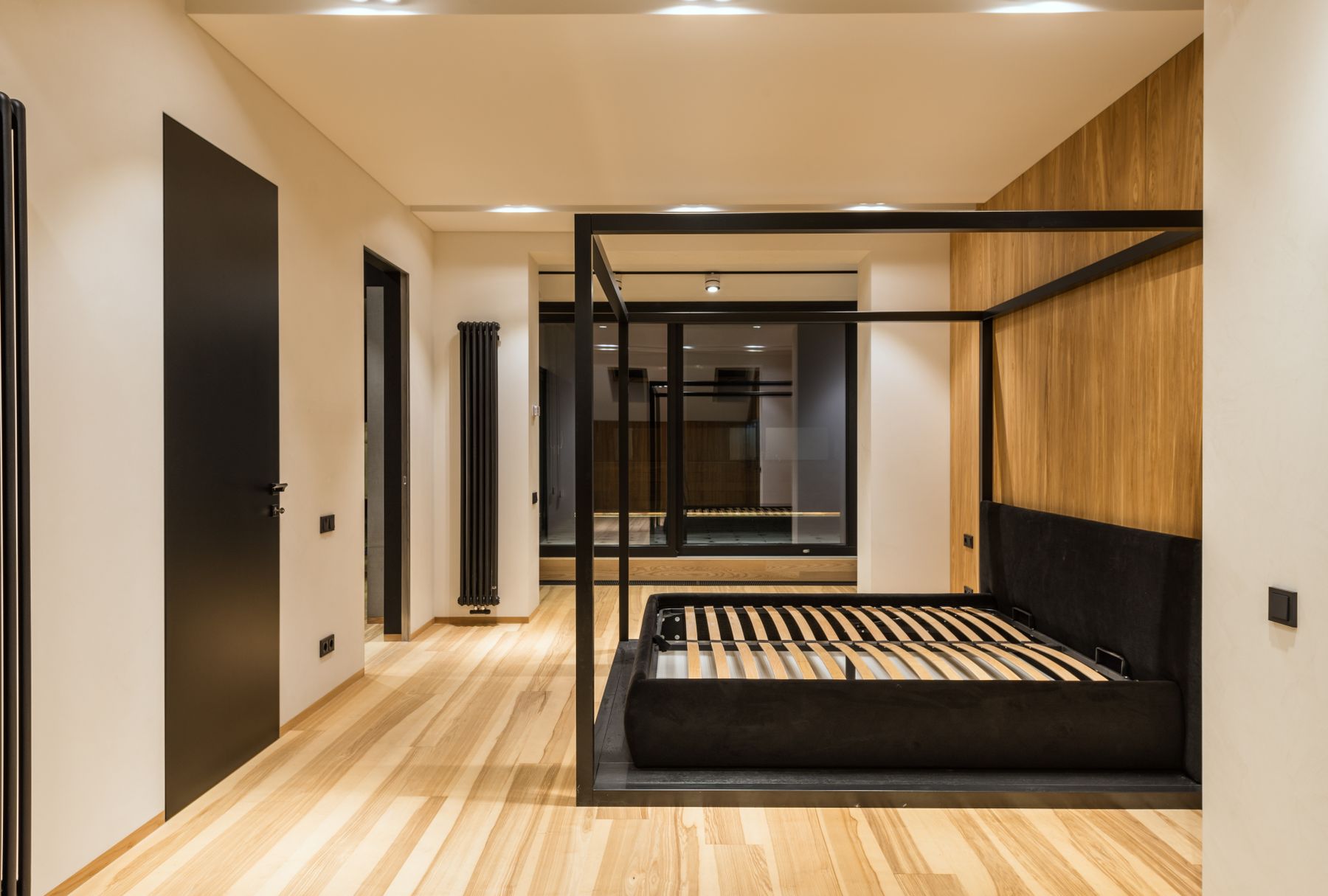
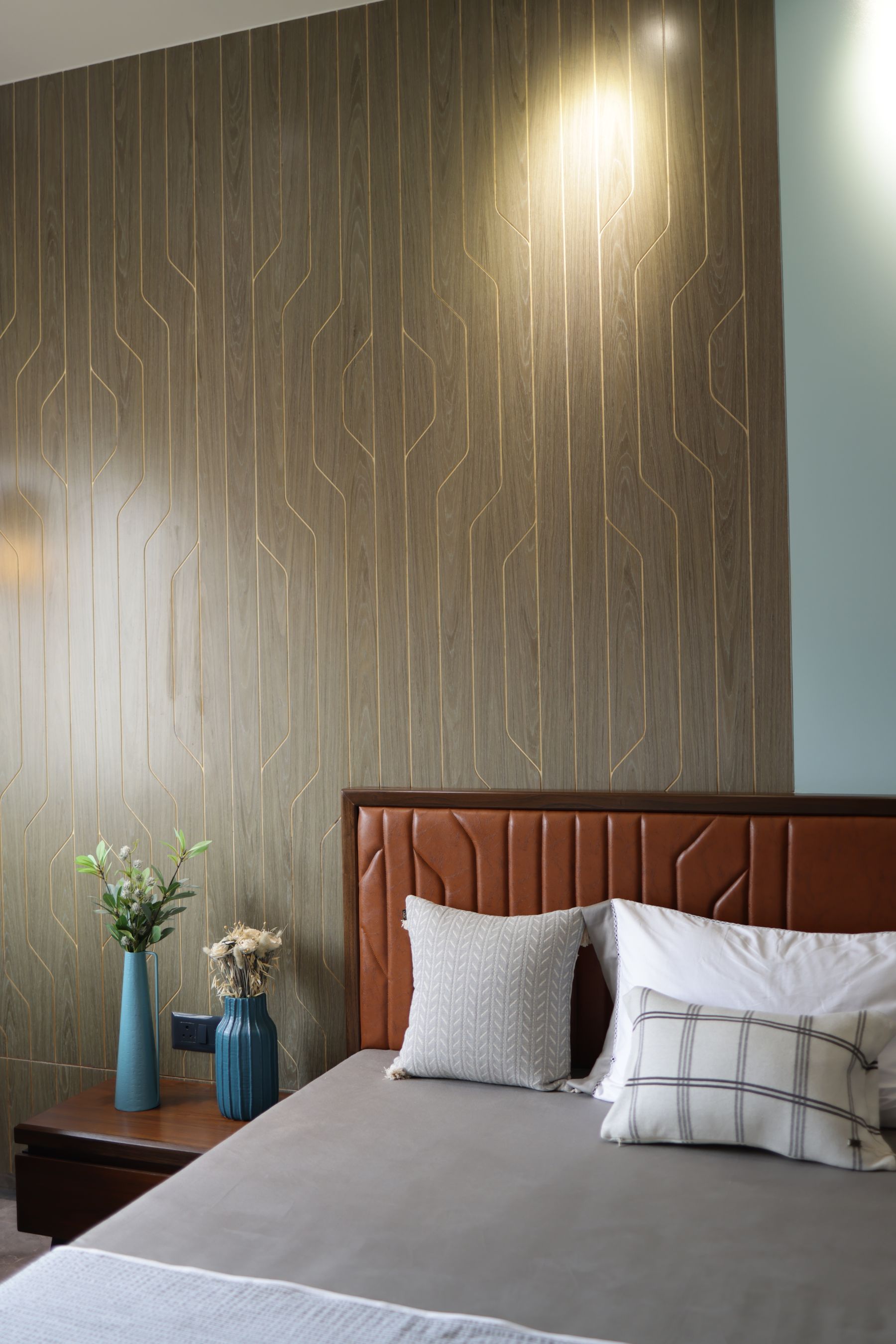
Let the Bed Wall Carry the Primary Geometry
Choose the headboard wall, floor, rug or wardrobe as the primary patterned plane. A repeated fan, stepped line or chevron needs enough uninterrupted area to read and clean termination at corners, switches and joinery. Adjacent surfaces should be simpler and usually smaller in scale. When wallpaper, rug, cushions and cabinet fronts all use competing geometry, the room loses the structural clarity that distinguishes Deco from generic pattern mixing. Draw the complete elevation before approving repeats or panel seams.
A Jewel Palette With a Pale Counterpoint
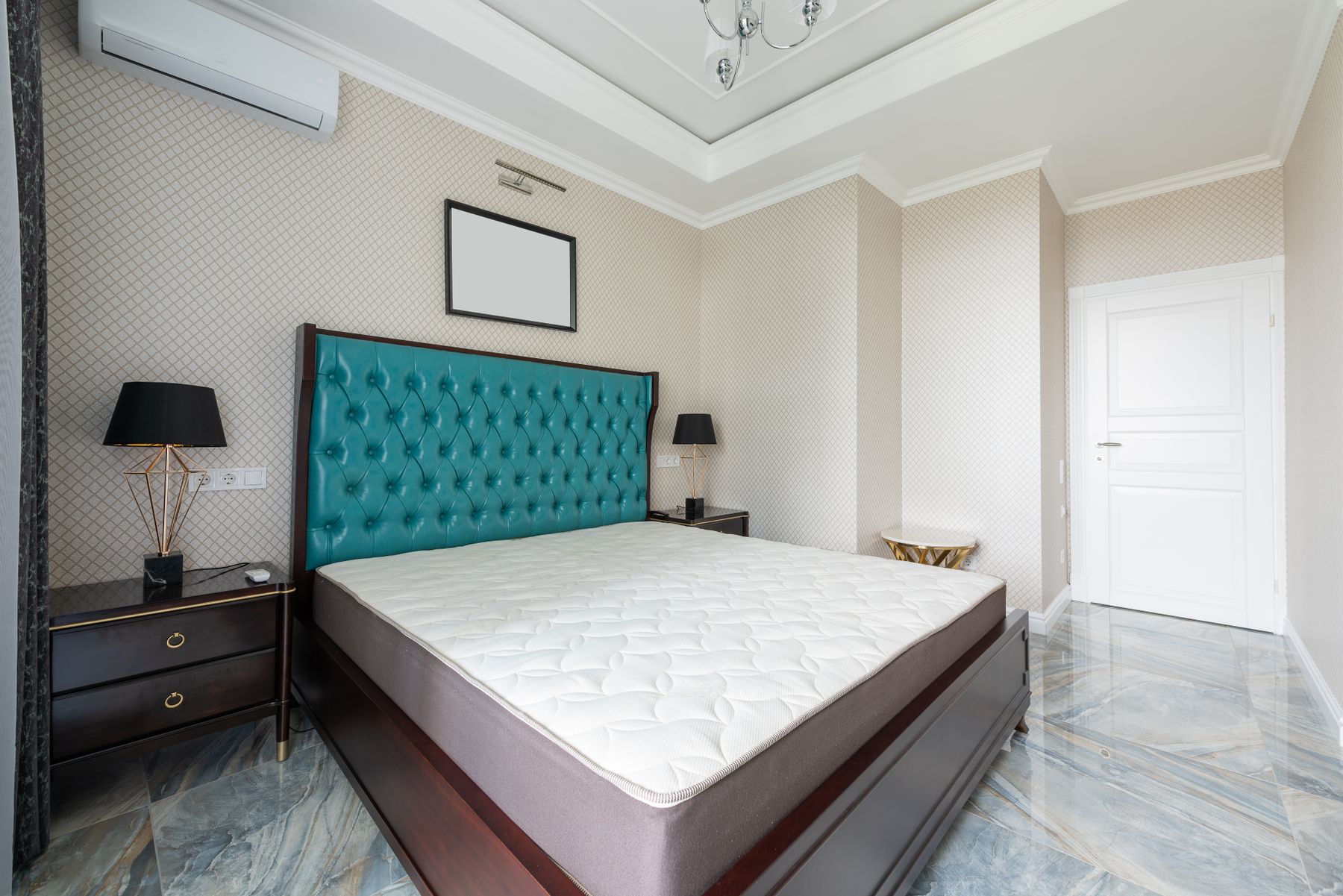
Emerald, teal, sapphire, plum, oxblood and ochre can create the period's depth, but one large field is usually more effective than many colored accessories. Pair the dominant jewel tone with cream, parchment, warm white or pale stone, then use black or deep wood for structure. Test undertones in daylight and evening light; blue-green can become cold under high-color-temperature lamps. [Gothic Bedroom Ideas](/bedroom/gothic-bedroom-ideas/) is the better route when dramatic shadow and historic carved form matter more than polished geometry.
Sapphire or Navy for Quiet Drama
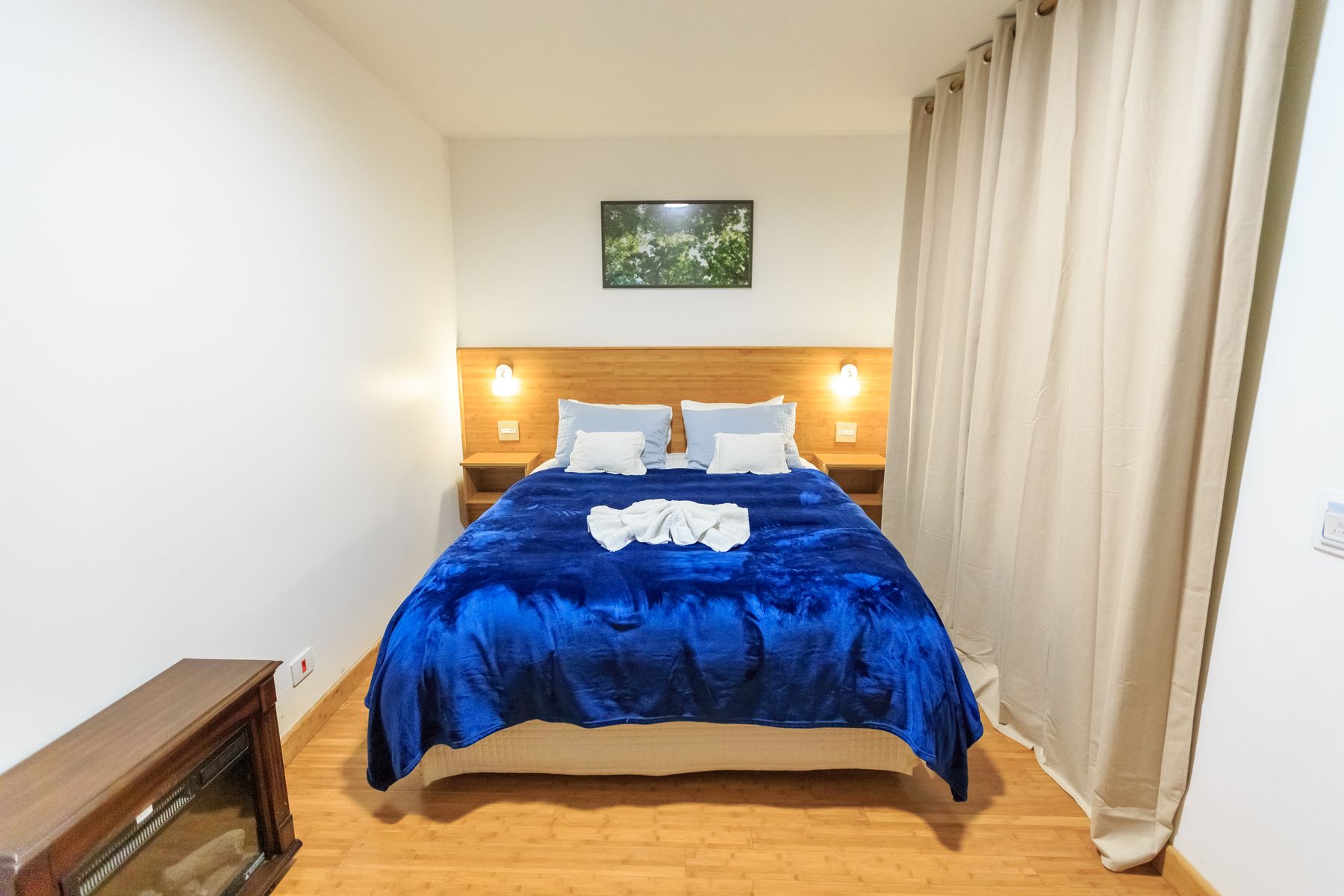
Blue offers a strong Art Deco route that can feel calmer than default black and gold. Apply navy or sapphire to velvet, wall paint or curtains, then bring back pale bedding and warm wood or metal. In a compact room, repeat the blue at two scales rather than surrounding every plane. Confirm blackout, because rich curtains may still leak light, and inspect velvet pile direction before upholstery is cut. The result should read as an enveloping sleep space rather than a themed hotel set.
Color-Drench With Value Contrast
A room wrapped in deep green, blue, burgundy or brown can make shaped furniture and metal outlines feel coherent. Continue the color across trim only after checking doors, handles, switches and the mattress edge in low light. Vary sheen rather than adding another hue: matte wall, eggshell trim and low-sheen upholstery can reveal layers. Deep paint must not conceal damp, and dark grooved panels increase dusting. Use brighter bedding or a pale ceiling when orientation begins to collapse.
Make the Headboard the Architectural Focal Point
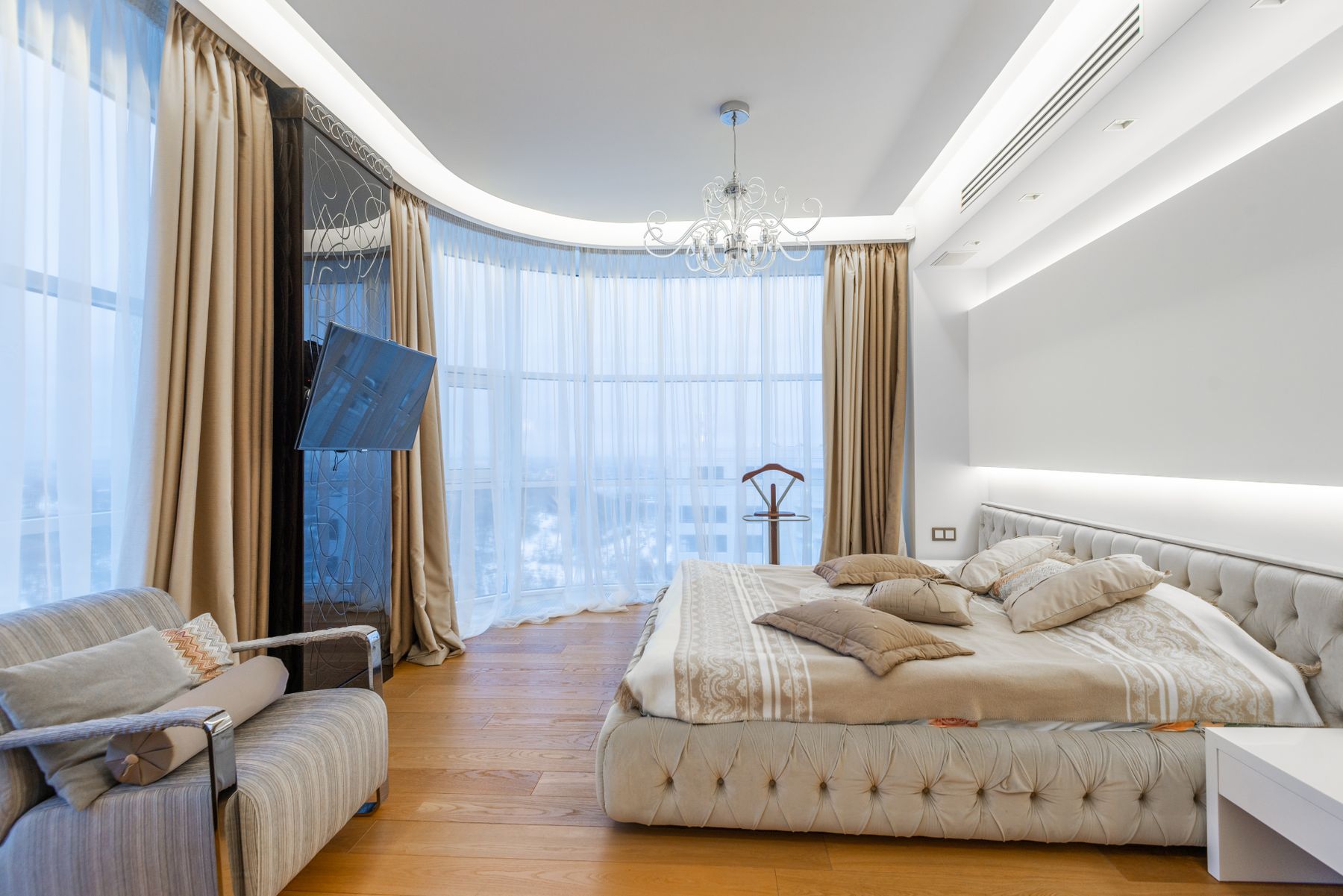
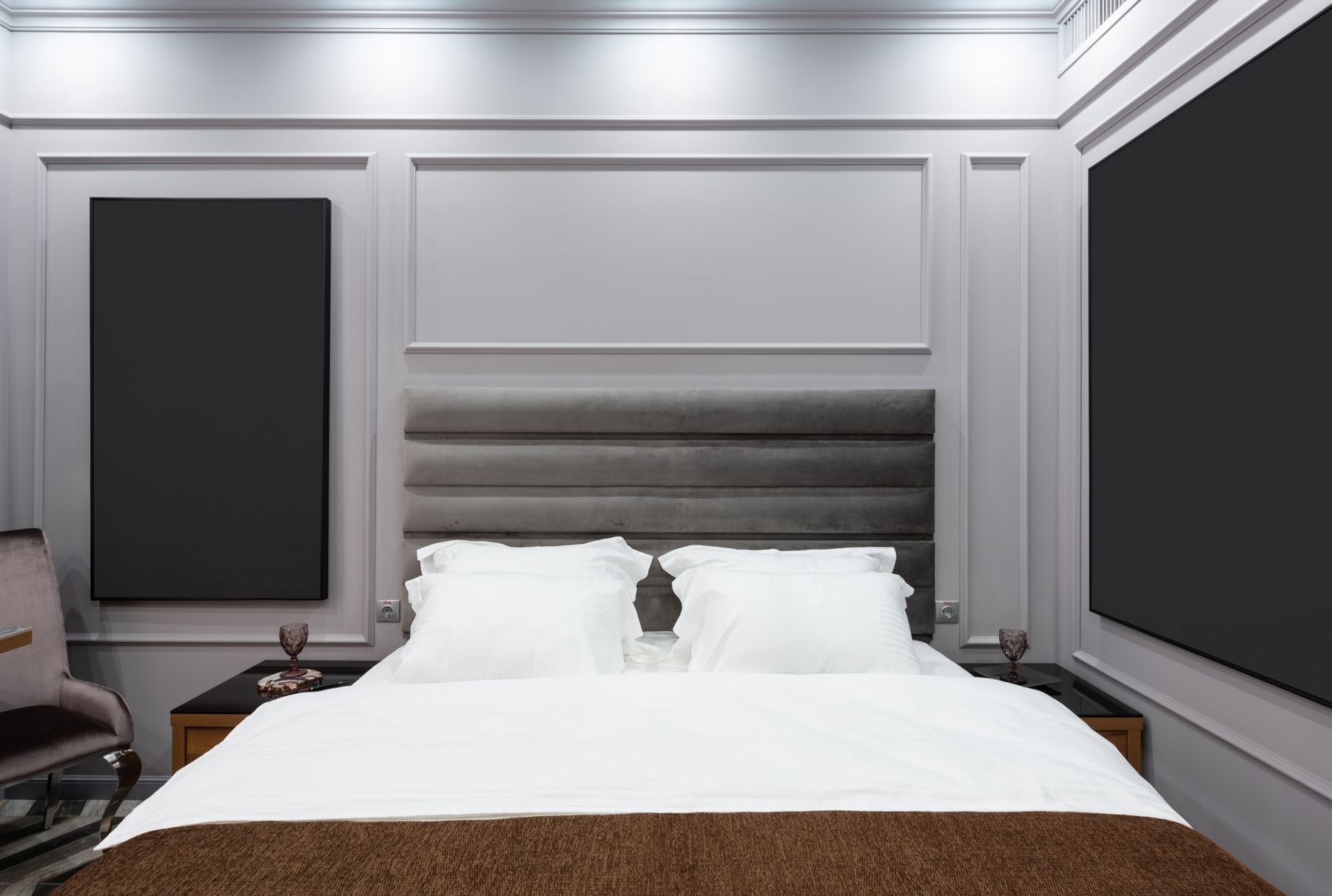
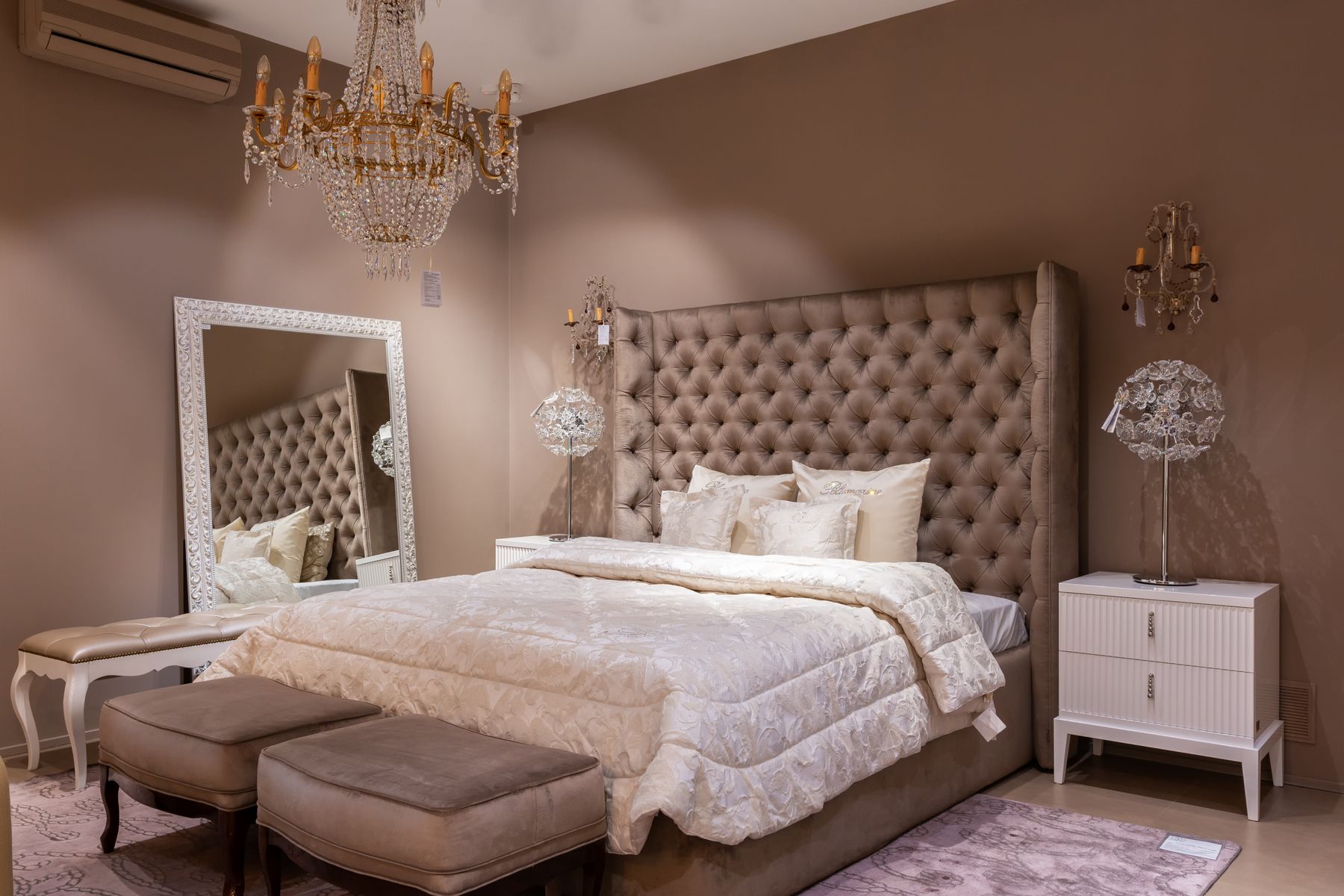
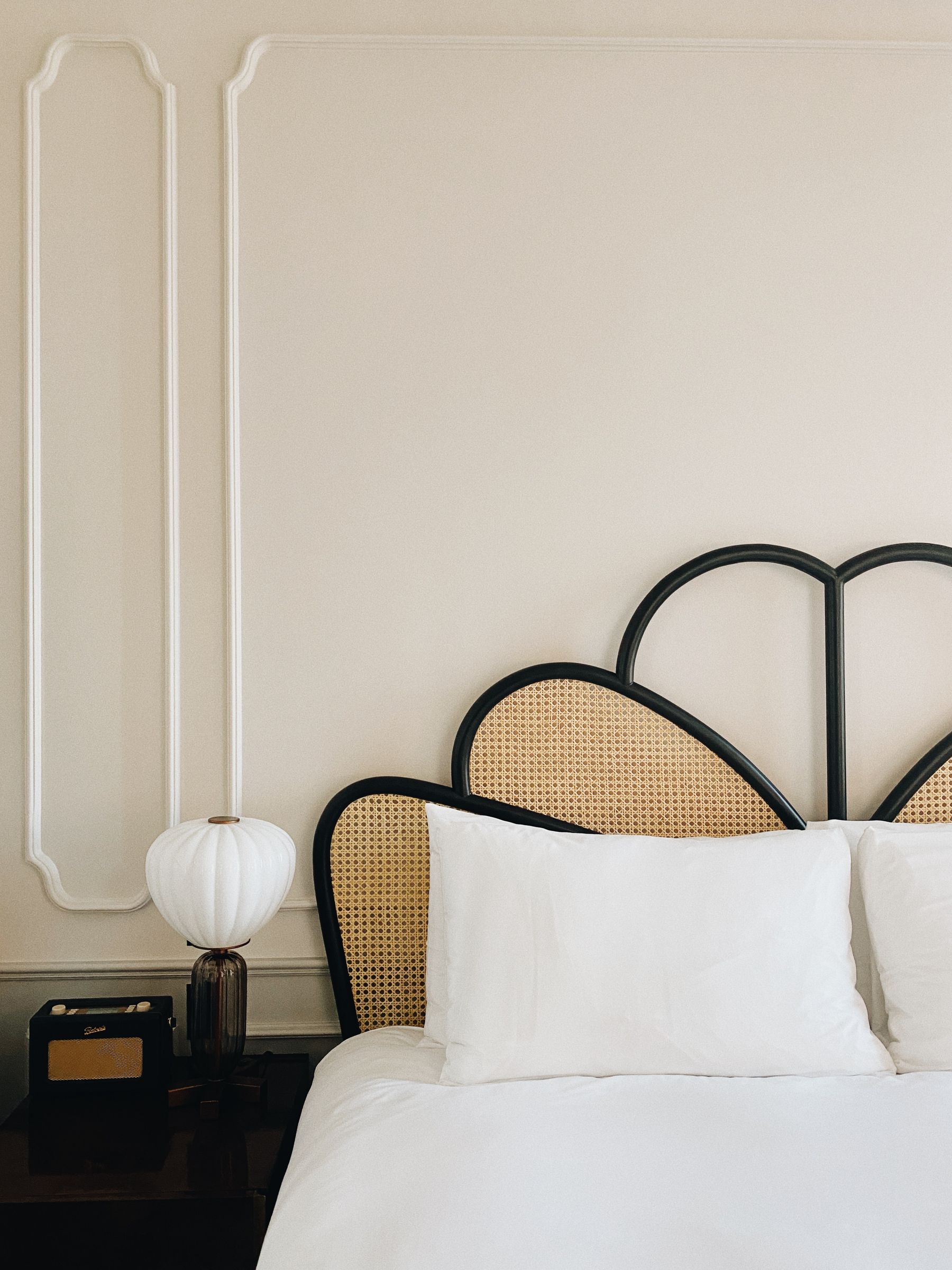
A stepped, fluted, scalloped or fan-shaped headboard can carry most of the Art Deco identity. Size it around the mattress, bedside reach, windows and switches, then check sitting comfort and cleaning access. Wall-to-wall upholstery can improve acoustic softness but must meet appropriate material and fire requirements and remain removable for repair. If the headboard is highly shaped, simplify art and bedside furniture. A broad rectangle with channel stitching often ages better than a literal motif cut into every panel.
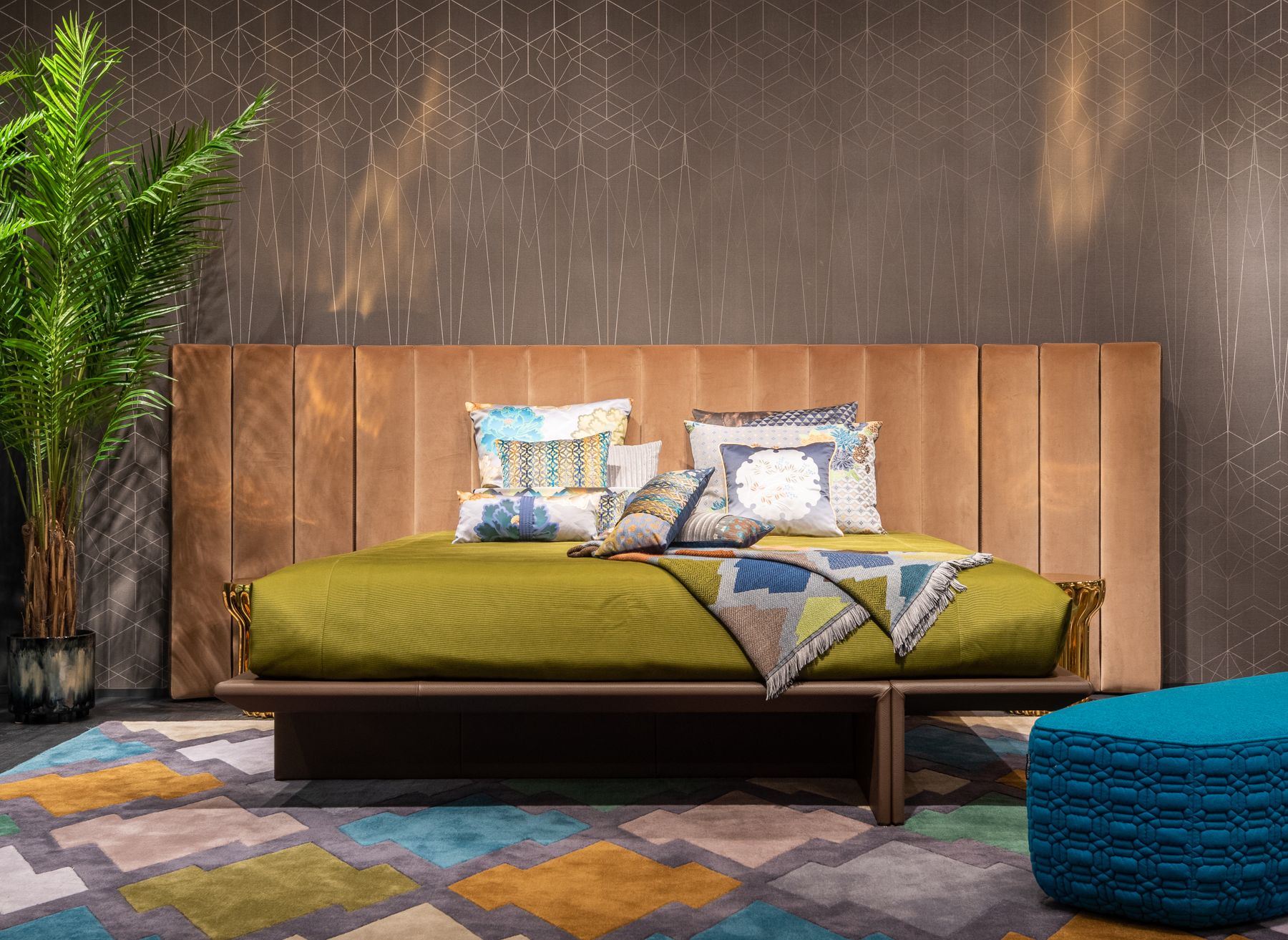
Repeat Curves Without Making Everything Round
Curved headboards, waterfall furniture, oval mirrors and globe lights belong naturally to Deco, but a room needs straight lines to reveal them. Choose one dominant radius and repeat it once at a smaller scale, perhaps in a lamp or handle. Bulbous tables require more floor than their top suggests, so measure the true footprint. Avoid forcing arches, circles, scallops and waves into the same sightline. The objective is controlled contrast between streamlined curve and disciplined geometry.
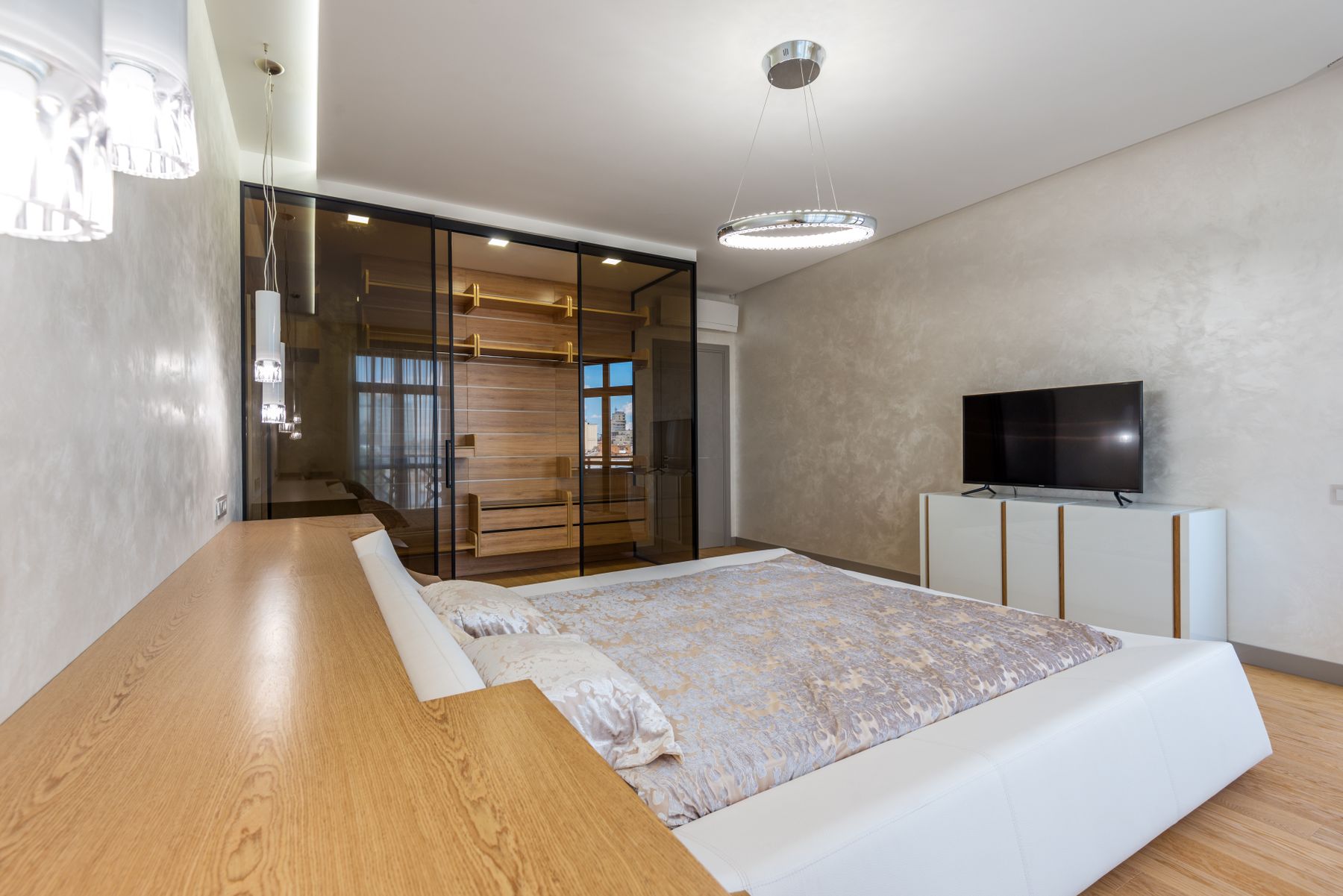
Figured Wood With One Reflective Finish
Walnut, maple, ash, dark-stained timber and burl-like veneers can reference Deco furniture more convincingly than gold paint. Let wood provide the large warm field, then choose one sharper finish—mirror, chrome, lacquer or restrained brass—to reflect light. Align veneer direction and panel seams with the bed composition and room axes. [Mid-Century Bedroom Ideas](/bedroom/mid-century-bedroom-ideas/) offers a later, more function-led wood language; Deco permits greater polish. Vintage pieces still require condition checks before daily use.
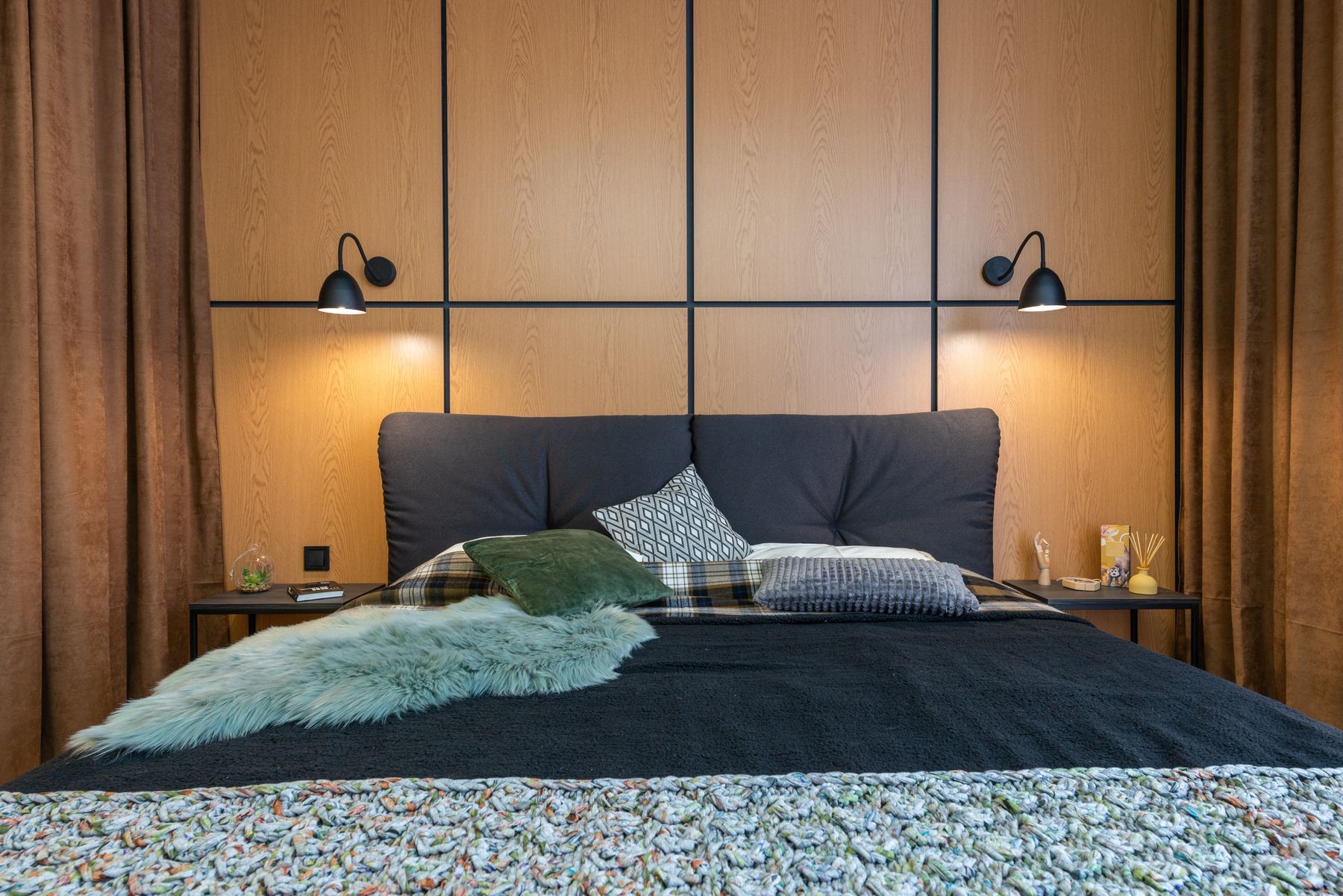
Lighting Layers for Glamour and Sleep
Combine ambient ceiling light, independent reading light and a low route light. Globe, stepped, ribbed-glass or opal fittings can express the style, but glare, switching and color rendering determine comfort. Keep bright downlights away from the pillow and reflective mirrors, place each bedside control within reach and use dimming where compatible. Antique fixtures need qualified inspection and safe rewiring; integrated LEDs need a replacement plan. [Living Room Lighting Ideas](/living-room/living-room-lighting-ideas/) provides a broader circuit framework.
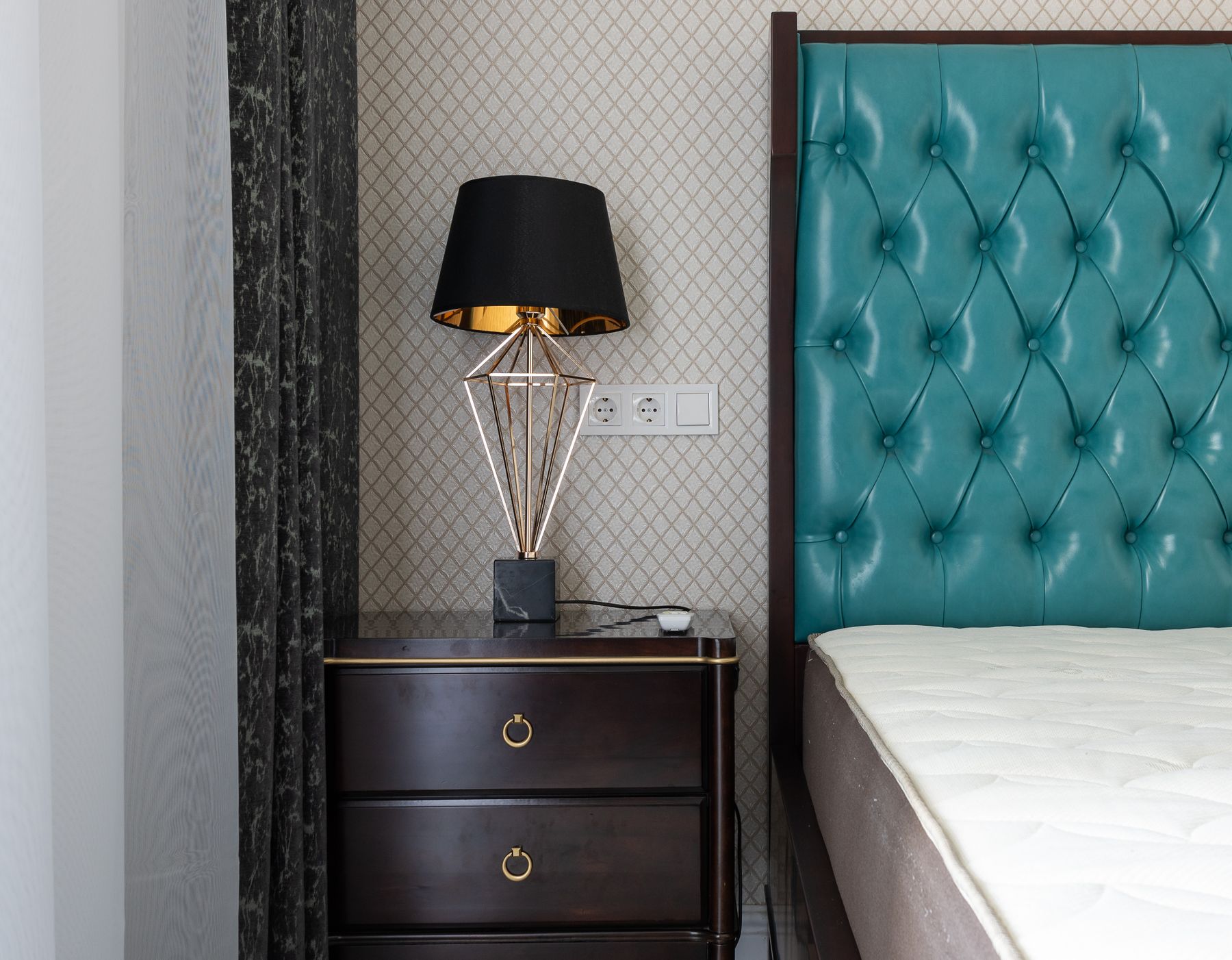
Use Bedside Symmetry to Equalize Function
Matched tables and lamps create the formal rhythm associated with Art Deco, but equivalent function matters more than identical objects. Each sleeper needs reachable light, charging, water, glasses and storage at a suitable height. If one side meets a wall or door, use near-symmetry through shared lamp shape or finish while adapting the table depth. Conceal cables without trapping power supplies against bedding. A balanced elevation should improve the routine, not turn one bedside into a decorative dummy.
Velvet, Linen and Smooth Weave in Layers
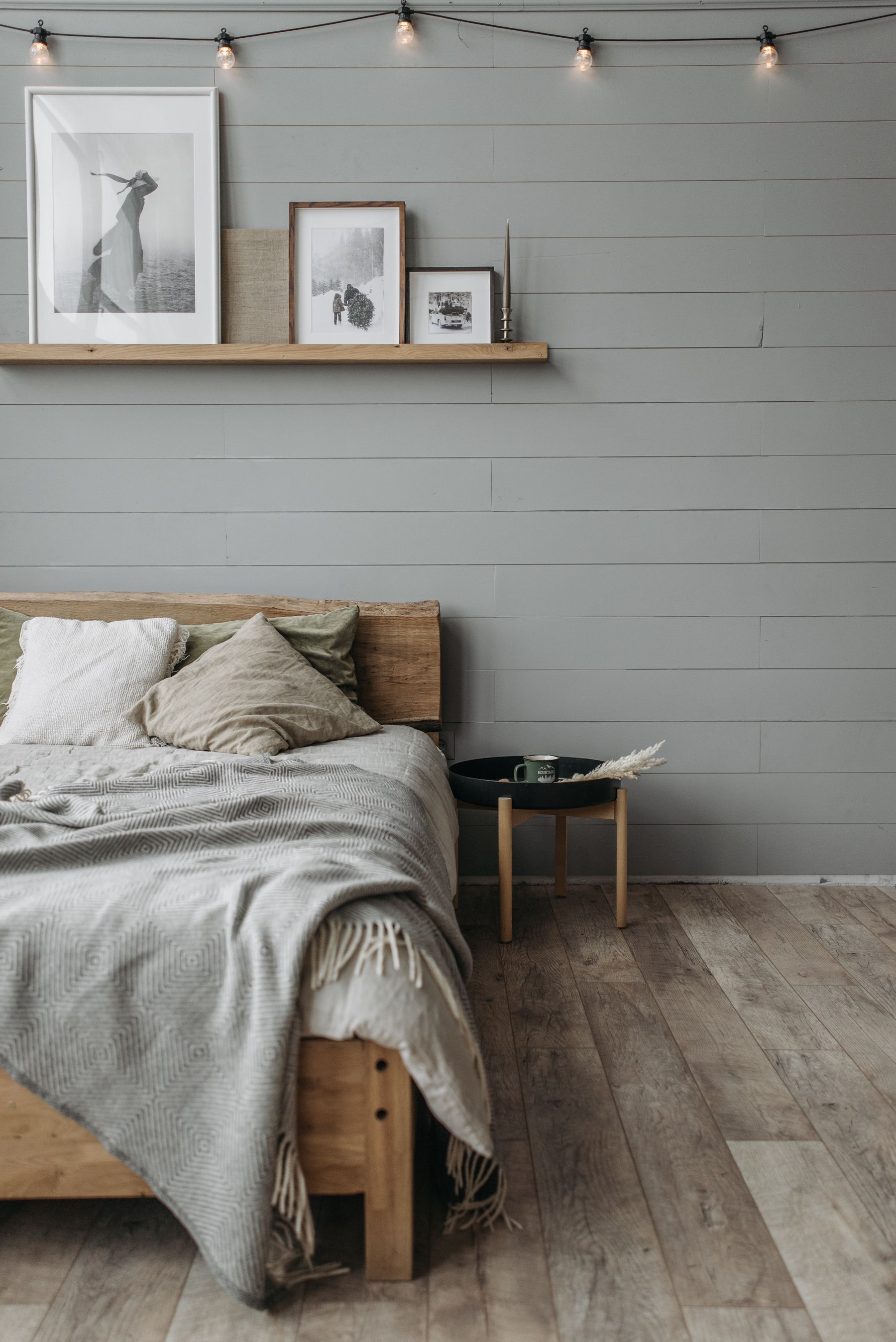
Use velvet where pile and color matter—headboard, one cushion or bench—then balance it with breathable sheets, matte linen or cotton and a smoother coverlet. Upholstery and curtains need realistic cleaning methods, especially in dusty rooms or homes with pets. Metallic thread and fringe can become scratchy or difficult to launder, so keep tactile glamour away from the face. Bedding should remain easy to remove and store; daily labor is not a sign of luxury.
One Graphic Role for the Rug
A stepped border, fan repeat, grid or abstract geometry can place Deco at floor level when the headboard wall is quiet. Size the rug to serve the occupied sides of the bed, stabilize it with suitable underlay and keep raised edges out of the nighttime route. High contrast should not disguise changes in level. If the wall already carries strong pattern, choose a tonal rug with texture instead. [Living Room Rug Ideas](/living-room/living-room-rug-ideas/) provides deeper guidance on scale, fiber and underlay.
Treat Windows as Sleep Equipment
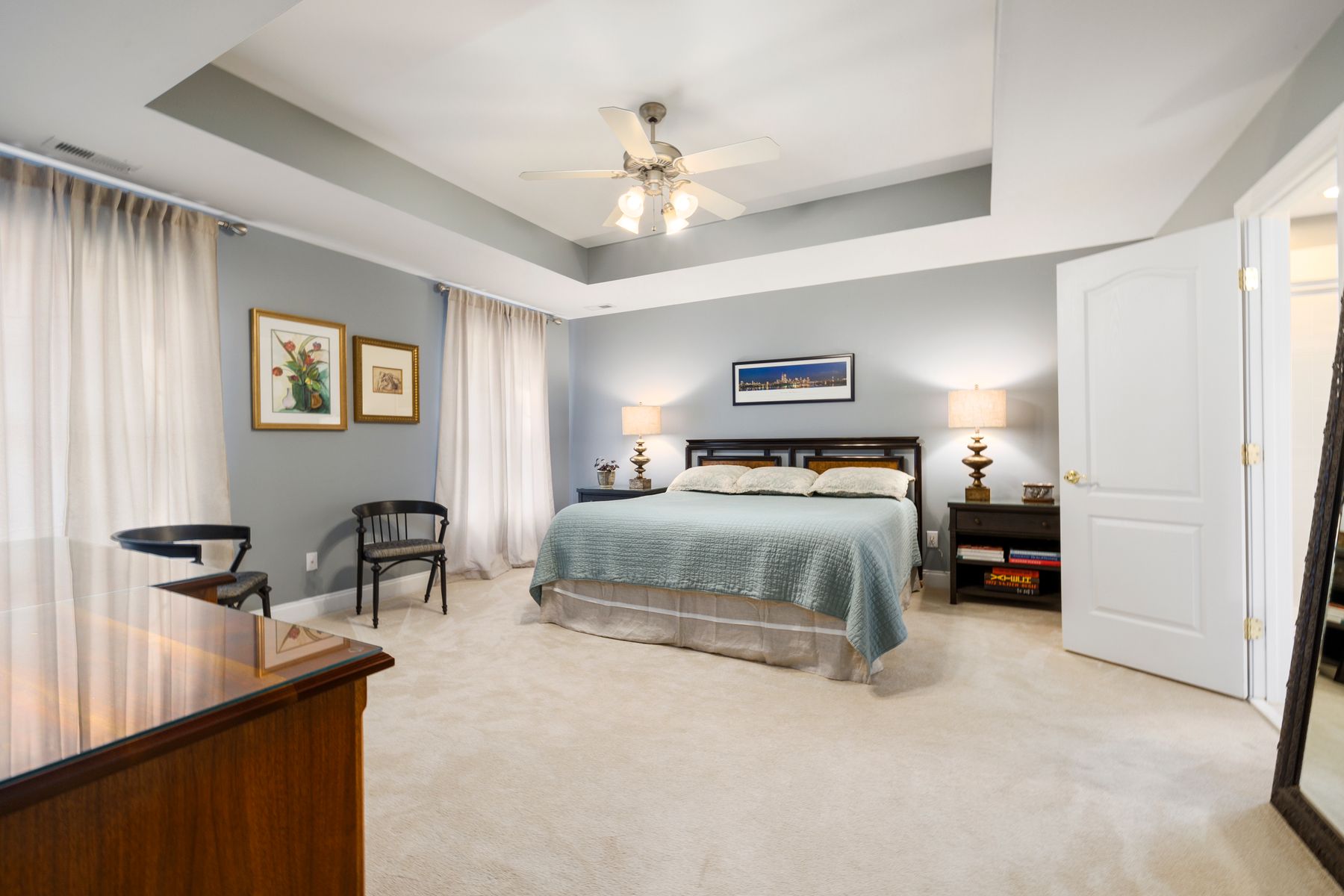
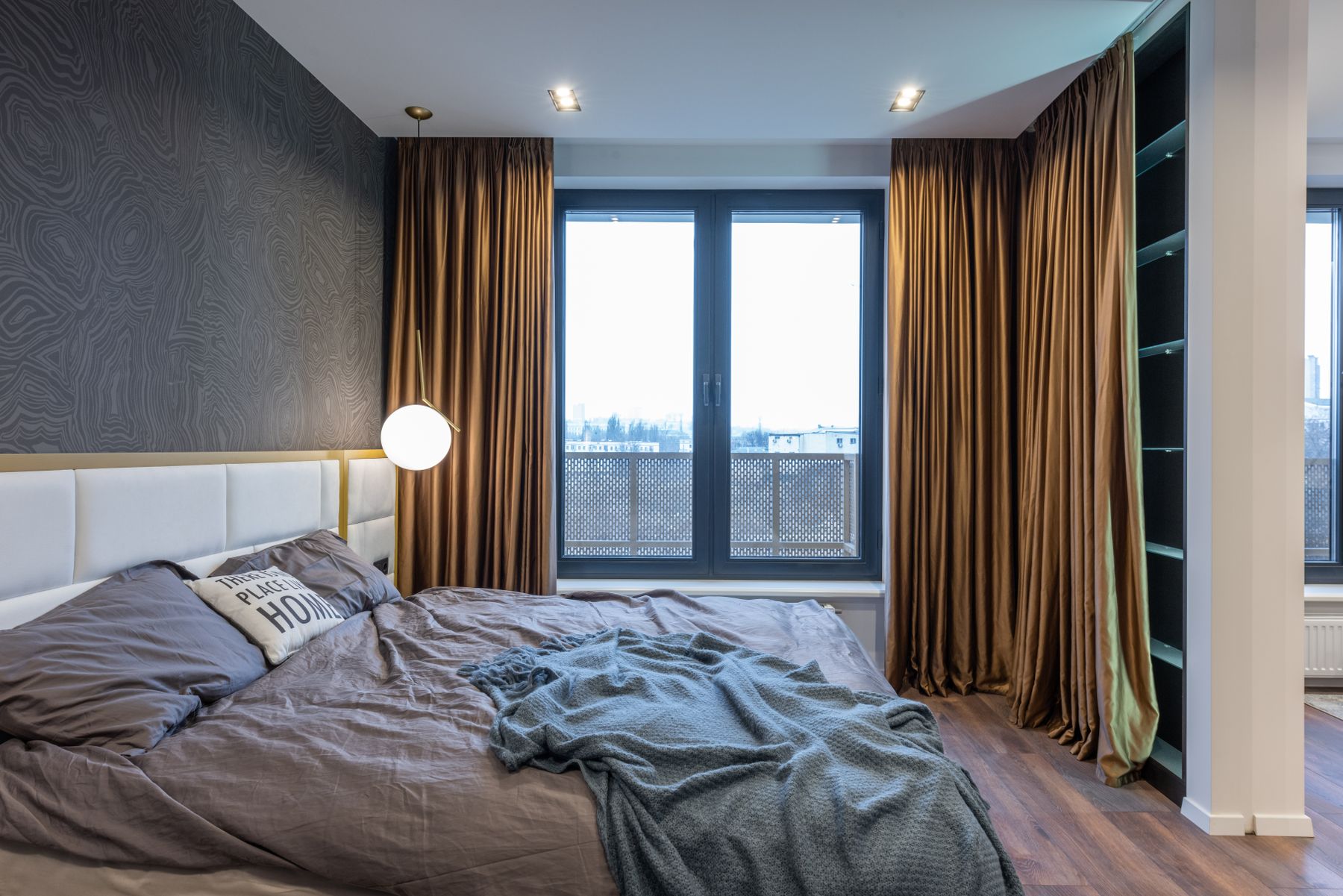
Floor-length velvet or a geometric curtain can provide vertical drama, but true blackout, privacy, stack-back and ventilation come first. Pair decorative fabric with a lined curtain, blind or shutter where darkness is essential. Keep cloth clear of heaters, inspect cord safety and allow access to handles. A pelmet or stepped cornice can conceal the track and reinforce the architecture without adding pattern. Compare the quieter performance-led strategy in [Modern Bedroom Ideas](/bedroom/modern-bedroom-ideas/) before specifying decorative fullness.
Bedroom Art That Reinforces the Deco Lines
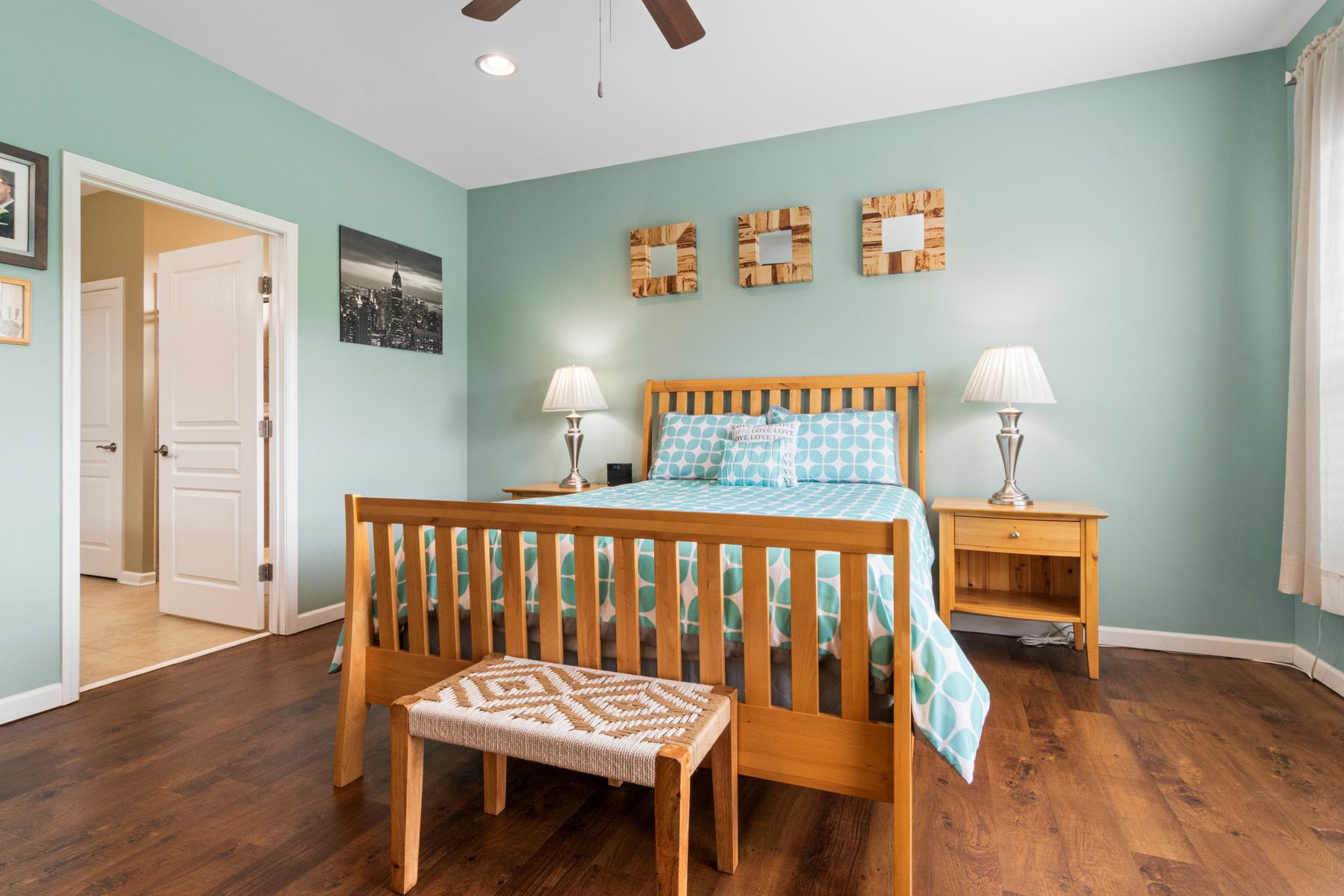
Select licensed prints, personal work or public-domain material with known provenance, then relate scale to the bed rather than filling a gap with generic glamour. Geometric abstraction, period travel design or a quieter figurative piece can work when color and frame support the room. Avoid heavy glazing directly above sleepers unless professionally specified and fixed. [Maximalist Bedroom Ideas](/bedroom/maximalist-bedroom-ideas/) is the better path when a dense salon wall is the primary experience.
The Ceiling Fixture as a Silhouette
A tiered pendant, opal globe cluster or streamlined chandelier can punctuate the ceiling, but scale must respect bed position and standing height. Avoid exposed glare above the pillow and coordinate the fitting with detectors, sprinklers, fans and ventilation. Vintage glass can be heavy or fragile; confirm structure and electrical condition. A dramatic silhouette should not be the only usable light, and replacement lamps or components must remain accessible without dismantling the bed composition.
Wardrobes as Calm Architecture
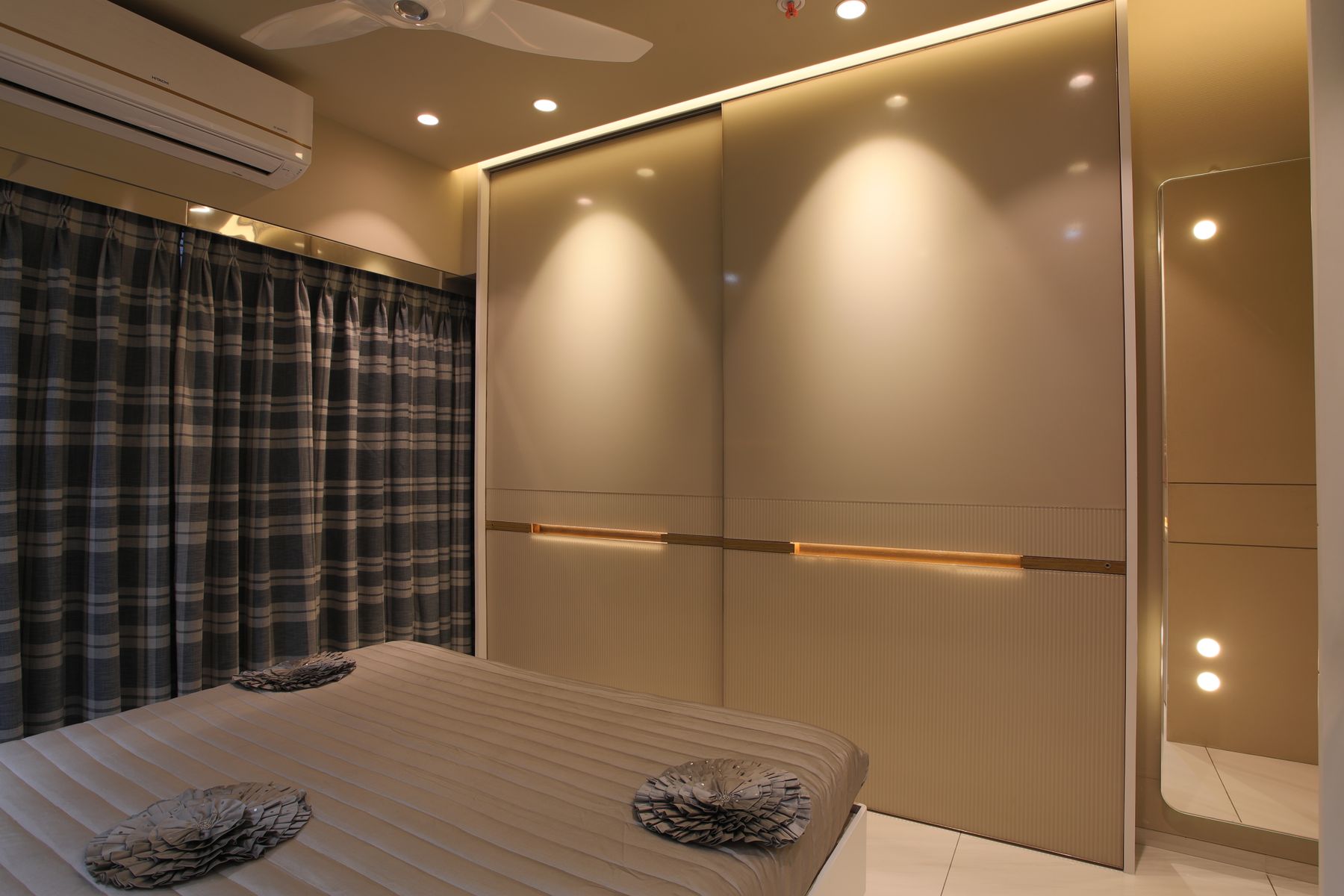
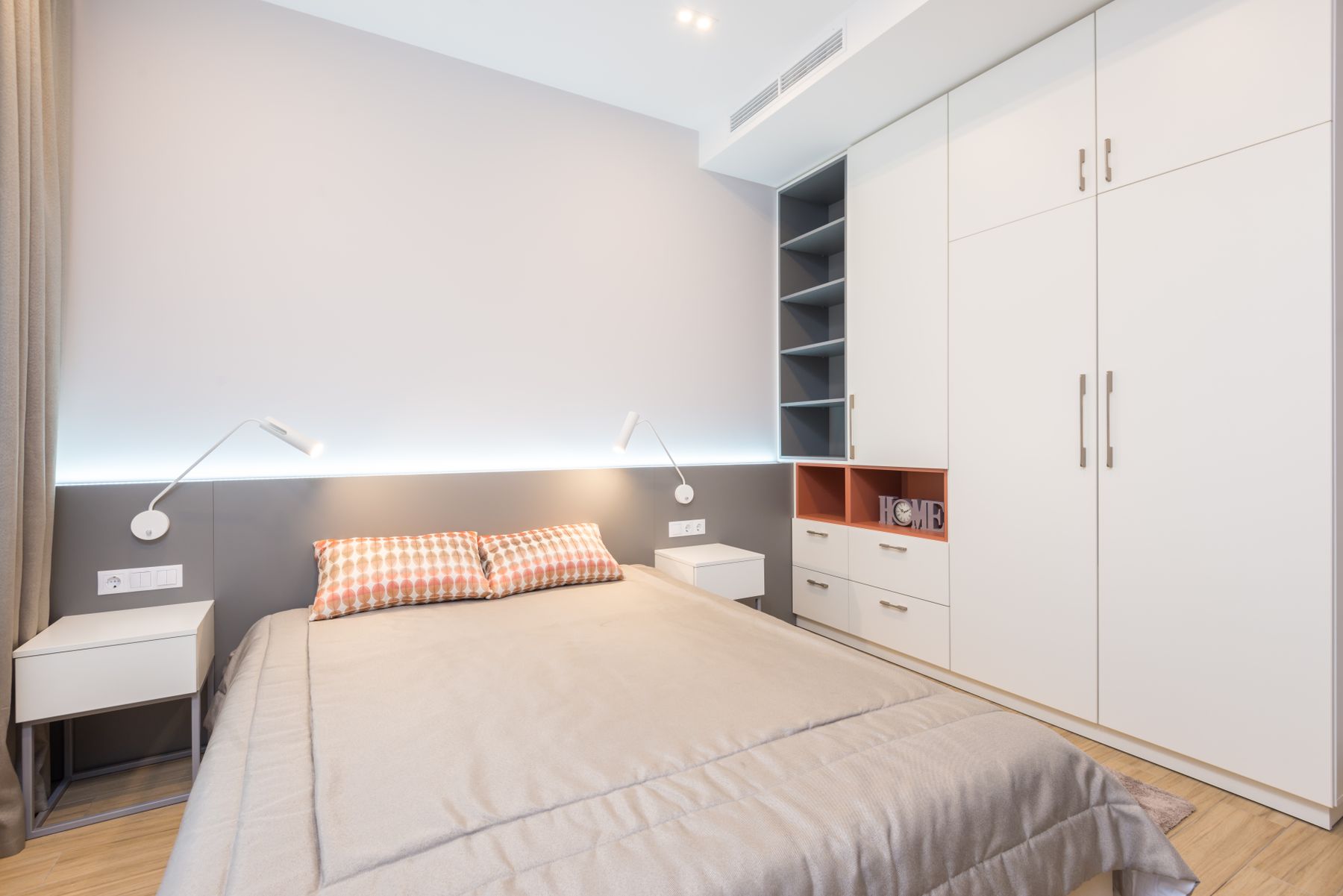
Inventory hanging, folded clothing, luggage, laundry and accessories before drawing a fluted, mirrored or high-gloss facade. The exterior may repeat the headboard's vertical rhythm, but handles need grip, doors need clearance and mirrors should not create confusing reflections from the pillow. Full-height storage reduces dust ledges and supports a tailored result. Use the capacity-first method in [Minimalist Bedroom Ideas](/bedroom/minimalist-bedroom-ideas/), then add one Deco line or finish to the calm facade.
Scale Deco for a Small Bedroom
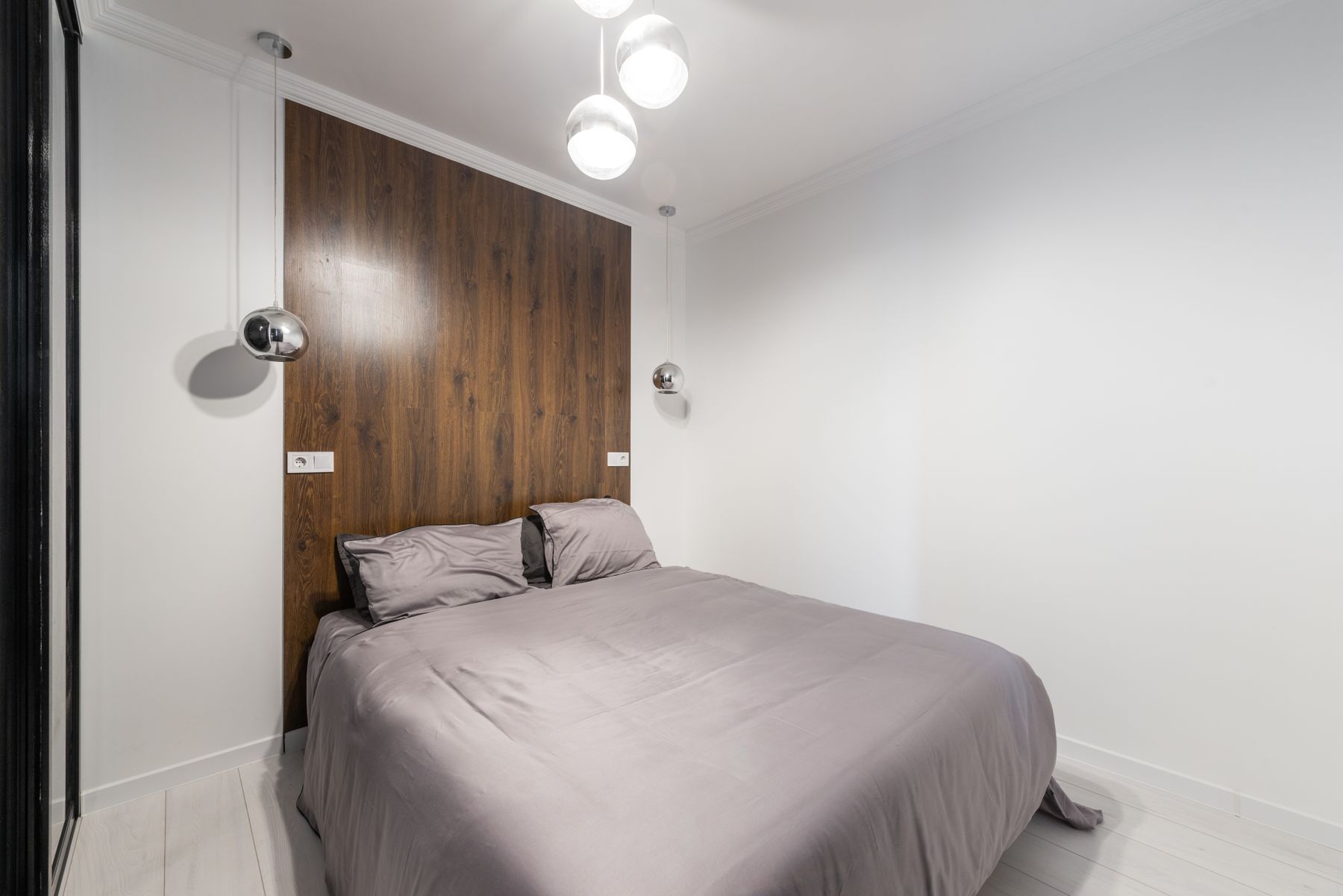
Choose one broad gesture: a shaped headboard, jewel wall, graphic rug or pair of globe lights. Use wall-mounted light and shallow storage to protect the floor, and keep mirrored surfaces where they reflect daylight rather than the sleeper. Many small gold objects make a compact room feel scattered. Borrow circulation tests from [Small Apartment Ideas](/apartment/small-apartment-ideas/) and let one motif appear at two scales instead of miniaturizing every element of the style.
Portable Layers for a Rental Deco Bedroom
Use a shaped freestanding headboard, broad rug, jewel bedding, plug-in globe lamps, framed work and one polished table before applying adhesive architecture. Verify the lease and substrate before paint, wallpaper, trim or mirror tile; removable does not guarantee damage-free removal. Document the starting condition and avoid covering damp or unsafe outlets. Portable layers can follow a new room, while disposable faux panels often create waste and difficult edges without improving proportion.
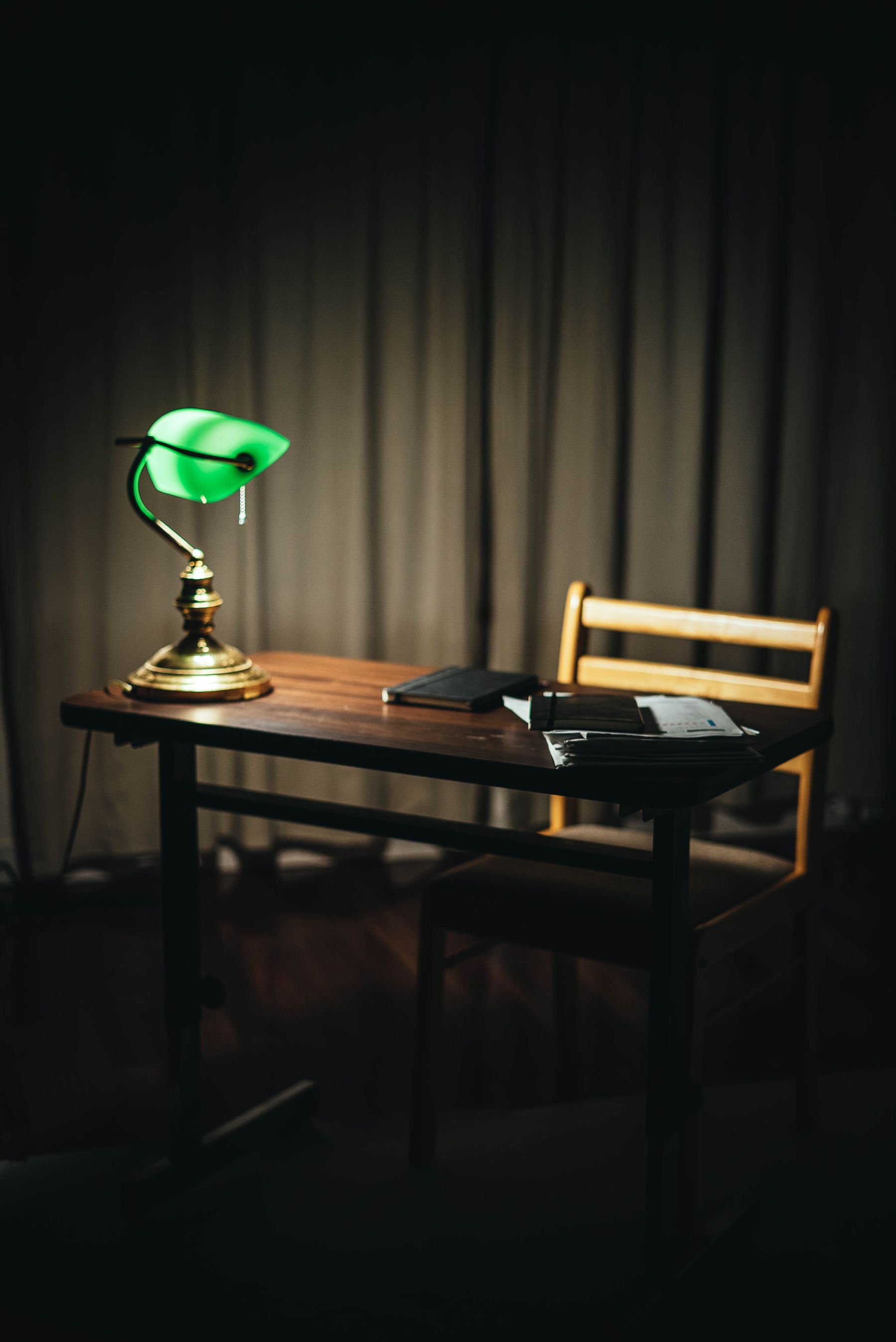
A Streamlined Bedroom Desk That Can Close
A compact writing desk or dressing table can use rounded corners, dark wood or a polished handle, but ergonomics and cable routes remain current. Provide enough depth, knee room, supportive seating and a focused lamp. Use drawers or a closing panel to remove papers and devices from the nighttime view. If the desk is used for long sessions, a suitable chair matters more than a period silhouette. [Dark Academia Bedroom Ideas](/bedroom/dark-academia-bedroom-ideas/) offers a more book-led study atmosphere.
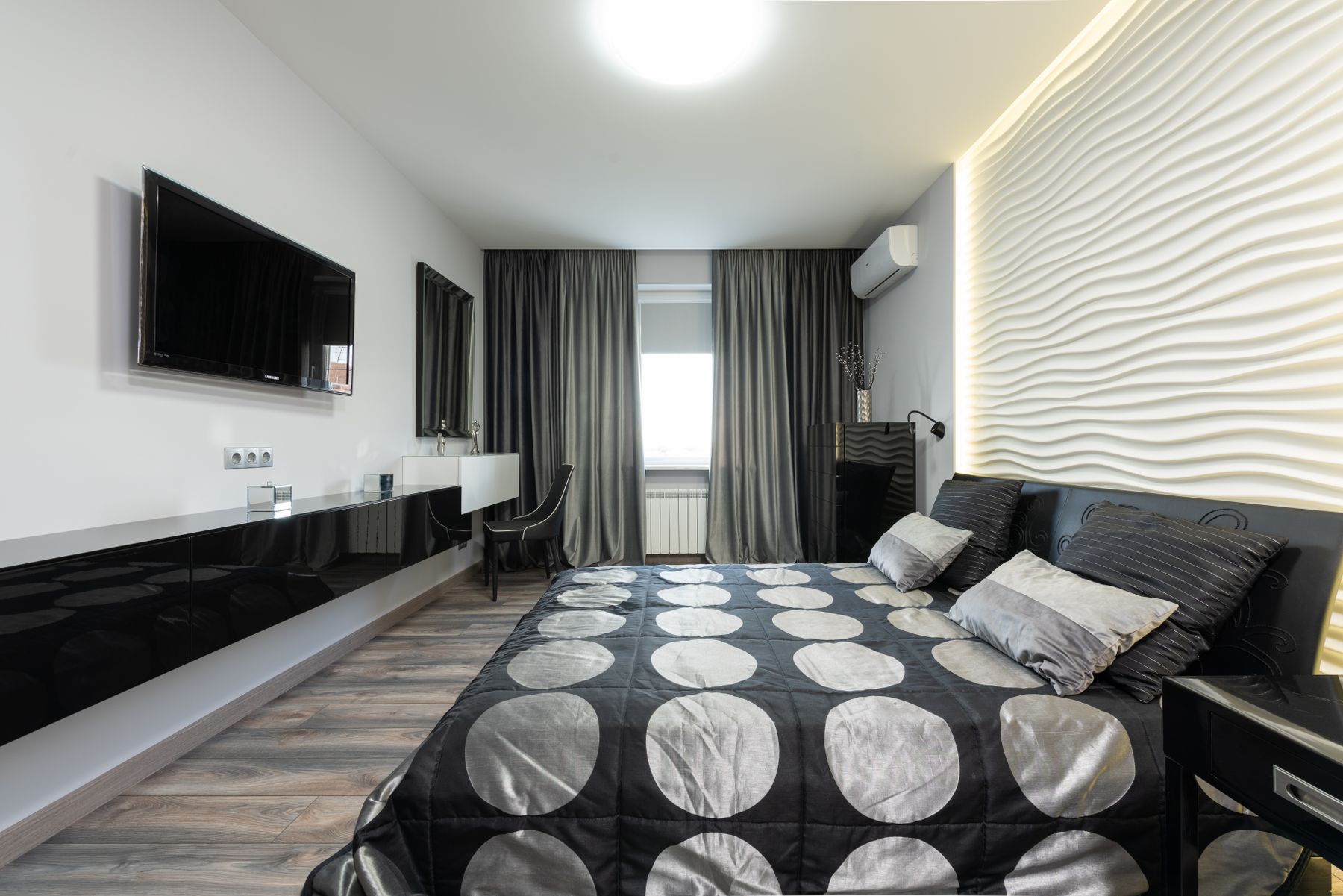
Integrate Technology Without Fake Vintage Casings
Use current charging, shades, speakers and screens honestly, then reduce their visual dominance through cable routes, dark recesses or doors. Do not hide powered equipment in an unventilated antique cabinet or depend on one app for basic light and shade control. Provide manual overrides and replacement access. Bright status lights should remain outside the direct pillow view. Art Deco character comes from proportion, material and geometry, not a new device disguised as a 1930s radio.
Balance Shared Bedrooms With Equal Control
A common headboard line, rug border or metal finish can connect two sleepers without requiring identical furniture. Give each person equivalent bedside reach, reading light, charging and storage, and discuss blackout, temperature and mirror placement. Symmetry should not place a switch beyond reach or reduce one wardrobe. In twin rooms, repeat proportions rather than collecting novelty motifs. The shared composition is successful when both users control comfort independently and neither person's possessions are treated as visual noise.
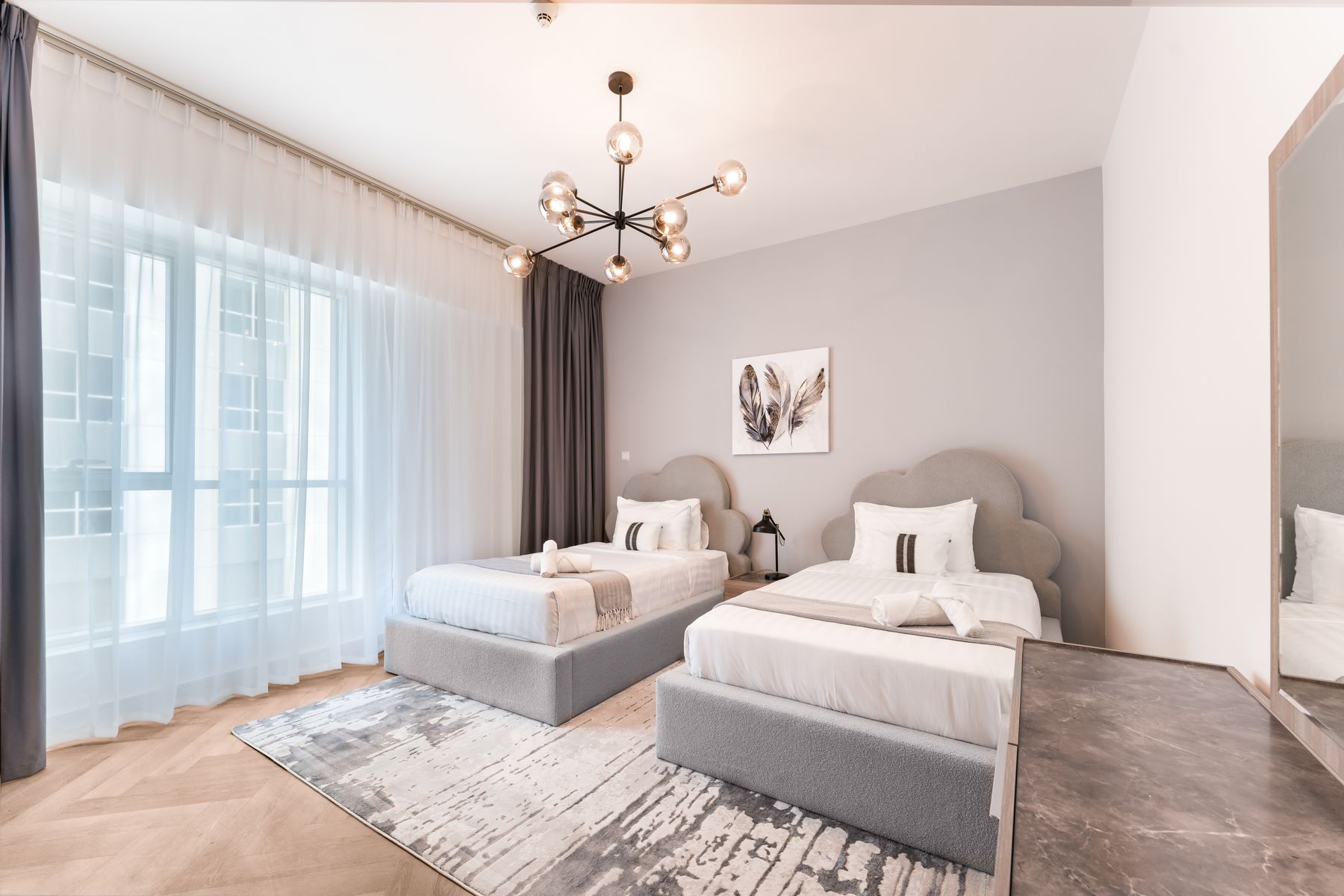
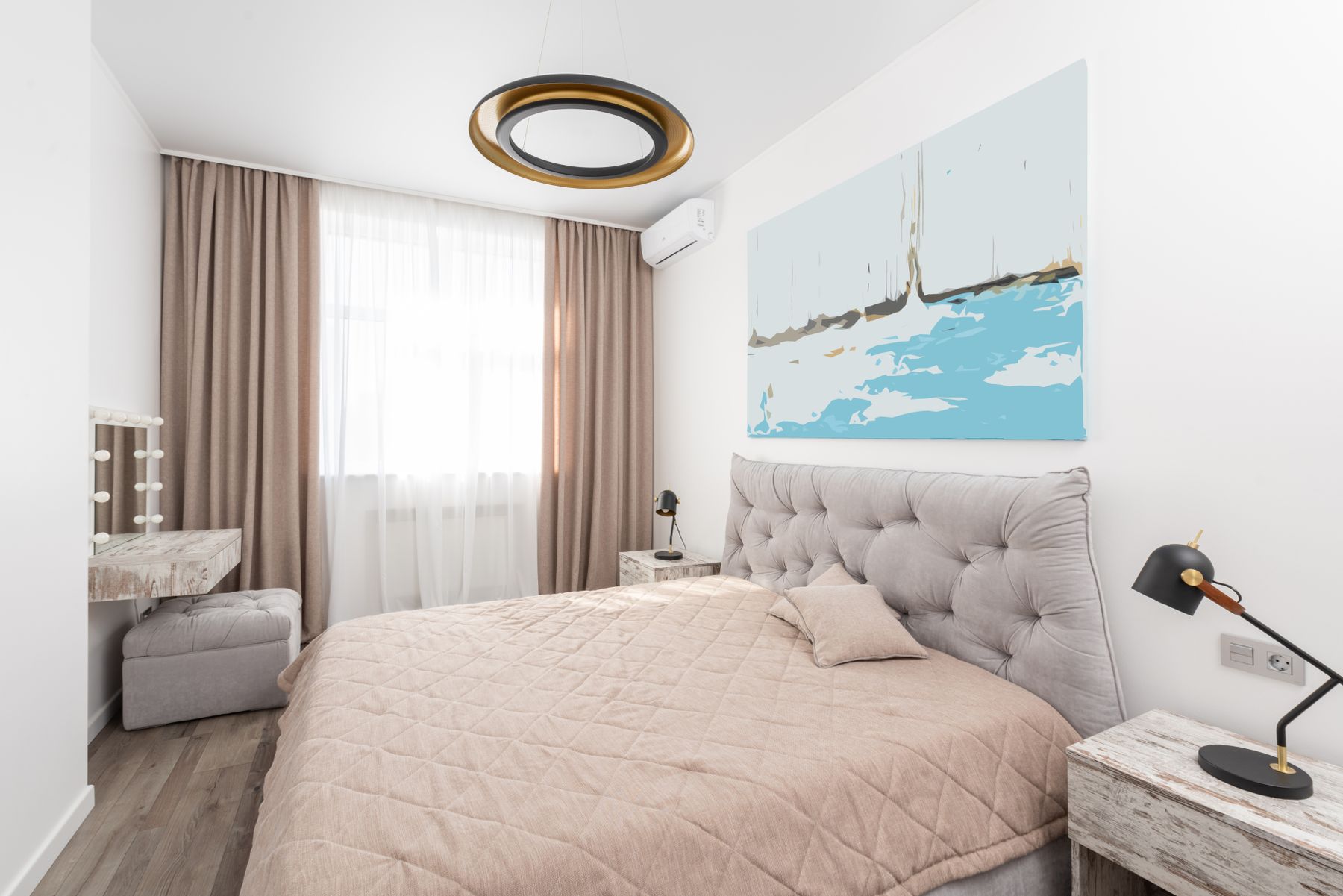
Contrast and Reach in Accessible Deco
Set mattress height, transfer space and controls for the actual user, then use Deco contrast to clarify handles, switches, storage interiors and the bed edge. Avoid sharp projecting tables, unstable mirrored furniture and busy floor patterns that disguise steps or rug edges. Choose graspable hardware and secure rugs. Pattern can move to walls or upholstery while contact points remain stable. A strong style becomes more convincing, not less, when movement and low-vision needs are resolved deliberately.
Inspect Vintage Deco Furniture Before Use
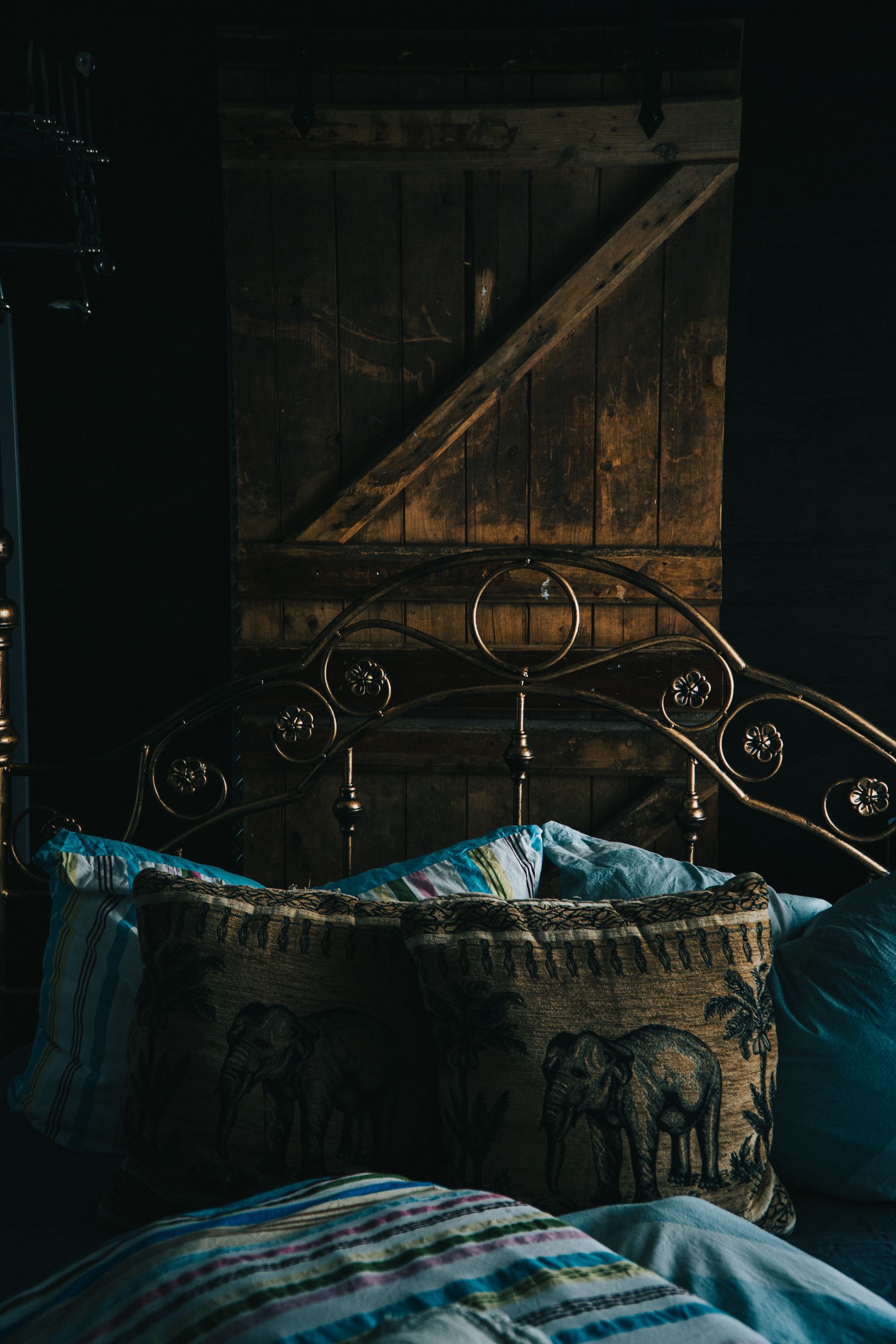
Check veneer, joints, mirror backing, drawer stops, glass, odors, pests and finish before placing a period vanity or table beside the bed. Old lamps and powered furniture require qualified electrical assessment. Avoid aggressive sanding of unknown coatings and document labels or maker marks before repair. Figured veneer may need a specialist rather than filler and paint. [Vintage Bedroom Ideas](/bedroom/vintage-bedroom-ideas/) provides a fuller condition-led framework; authentic age is valuable only when the object remains stable and usable.

A Purposeful Sculptural Reading Corner
A rounded chair, small pedestal table and sculptural lamp can create a secondary Deco moment away from the bed. Confirm seat height, back support, book or drink surface and an independent switch before styling. Keep fringe and hot bulbs separated, route cables away from feet and use focused light that does not disturb a sleeping partner. [Contemporary Bedroom Ideas](/bedroom/contemporary-bedroom-ideas/) provides a broader current framework for sculptural forms without the historical reference.
Edit the Bedroom Toward Neo Deco, Not a Period Set
Finish by naming every period signal: shaped headboard, geometry, jewel color, mirror, metal, velvet, figured wood and sculptural light. If more than three compete in one sightline, remove the weakest or move it to a replaceable layer. Contemporary Neo Deco often succeeds through softer color and fewer ornamental details while preserving strong proportion, as the wider [Contemporary Bedroom Ideas](/bedroom/contemporary-bedroom-ideas/) guide demonstrates. Stop adding when the bed, route, storage and atmosphere are already complete.