Treat Mediterranean as a Climate Family, Not One Look
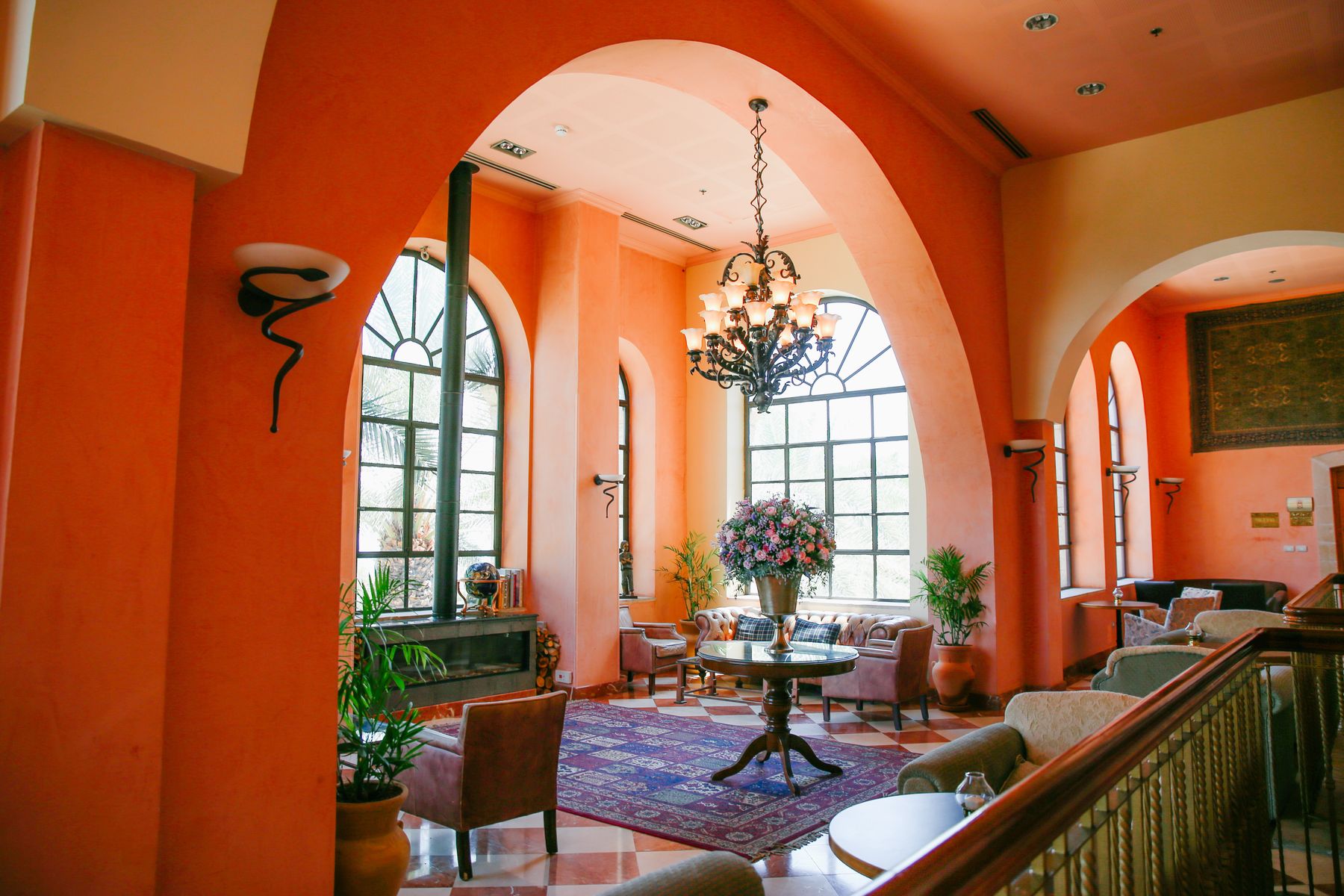
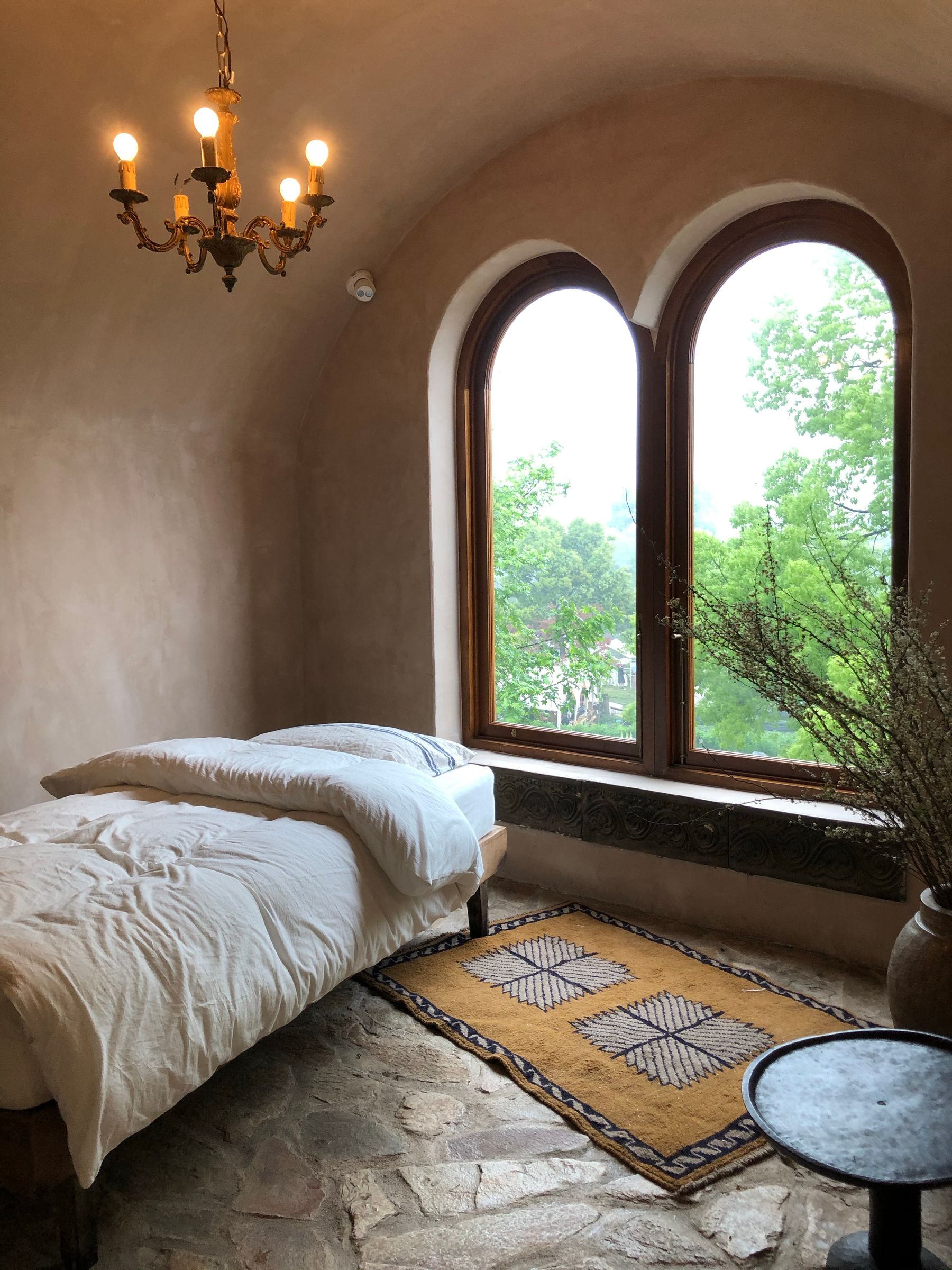
Mediterranean design draws from countries and communities across Southern Europe, North Africa and Western Asia; it is not a single historical style or a license to mix every regional motif. A Greek island room, an Andalusian house, an Italian rural interior and a Moroccan salon can share responses to strong light and social life while differing greatly in color, furniture, pattern and craft. [Coastal Living Room Ideas](/living-room/coastal-living-room-ideas/) begins with exposure, horizon and weather at the shore. Mediterranean begins with the choreography of sun and shade, thermal mass, thresholds and gathering. Keep those shared environmental ideas, then choose a specific regional lane rather than creating an anonymous vacation set.
Choose a Regional Lane Before Mixing Craft Languages
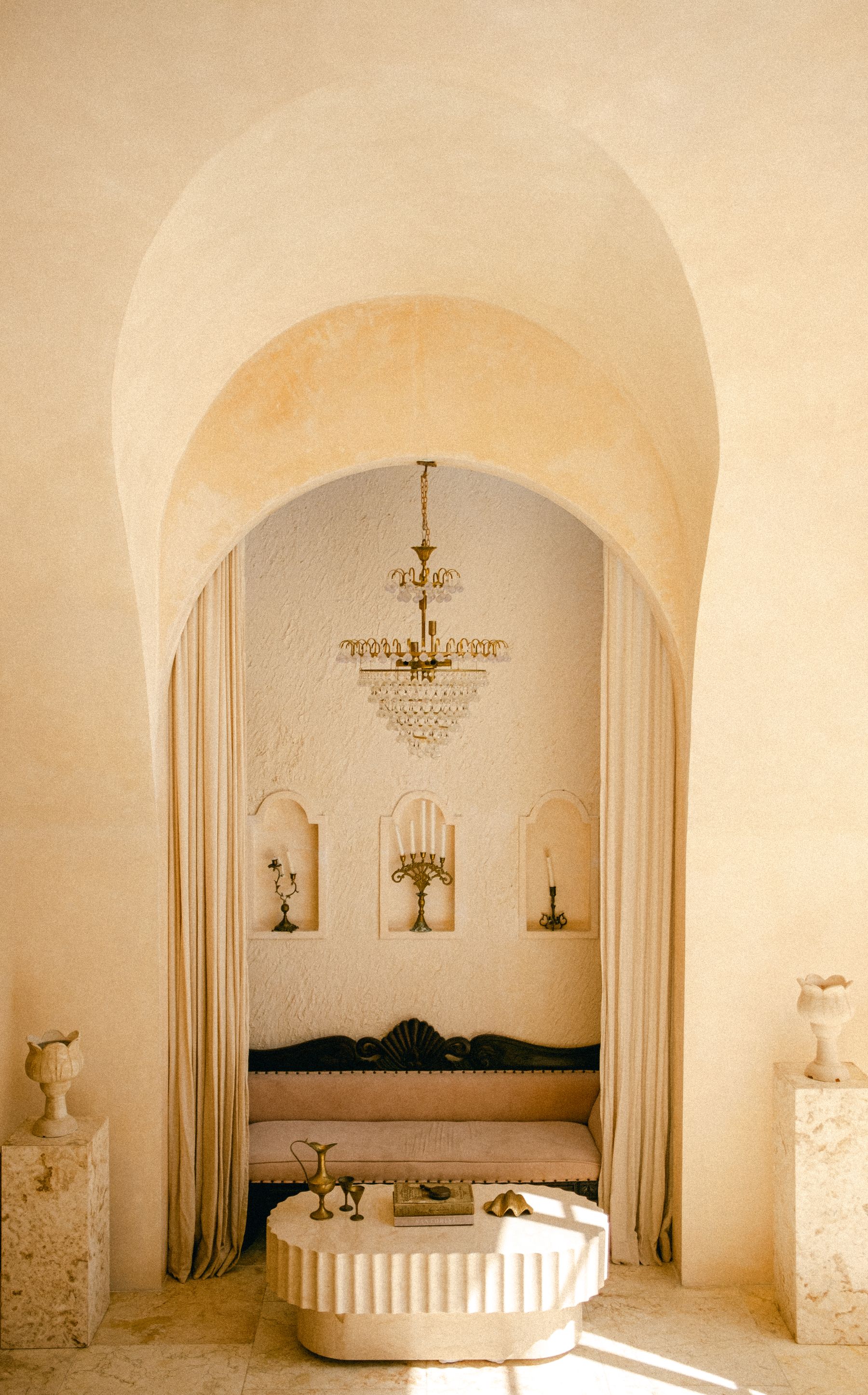
A restrained Greek-island direction may use mineral white, stone, woven seating and bounded blue; an Italian lane may lean into ochre, terracotta, dark timber and garden green; Spanish or Andalusian references can support plaster, iron, tile and deeper red-brown tones; North African traditions may introduce more concentrated geometric craft, carved timber, low social seating and richer color. These are broad starting points, not substitutes for research into a particular place. Select one lead language and at most one secondary influence. If a tile, lantern, chair and textile each require a different country to explain them, the room has become a travel catalogue.
Begin With Solar Contrast, Not Sea Blue
Observe where direct light enters, where reflected light softens it and where people naturally retreat at the hottest hour. A compelling room may contain a bright plaster wall, a shaded seating recess, dark shutters and a view of foliage without using blue at all. This contrast gives pale surfaces depth and keeps strong sunlight from flattening every material. In a room with modest daylight, imitate the value relationship rather than the climate: a warm pale field, one deeper sheltered zone and low evening light can suggest sun-warmed architecture without pretending the window faces the Mediterranean.
Prepare for the Long Visit
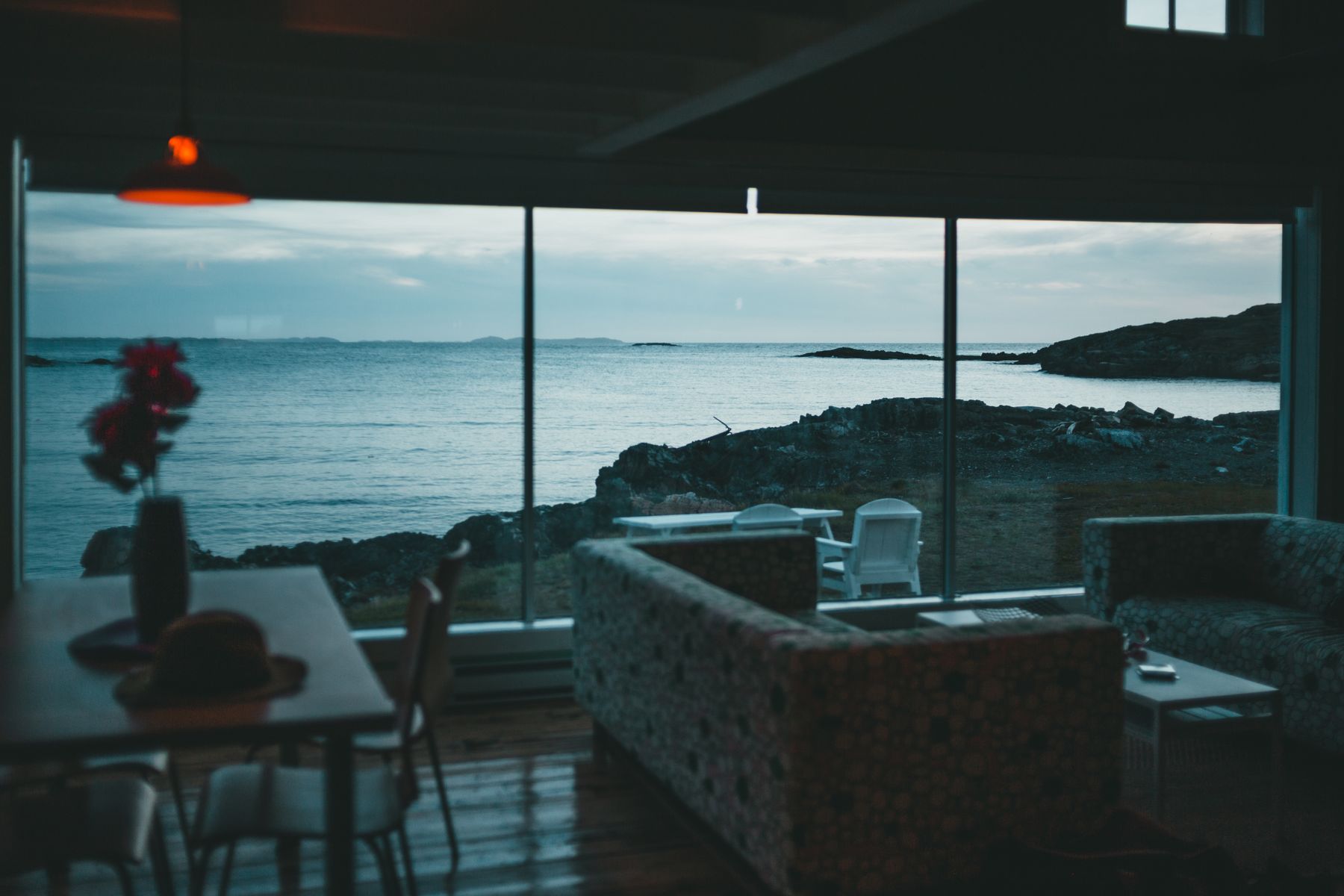
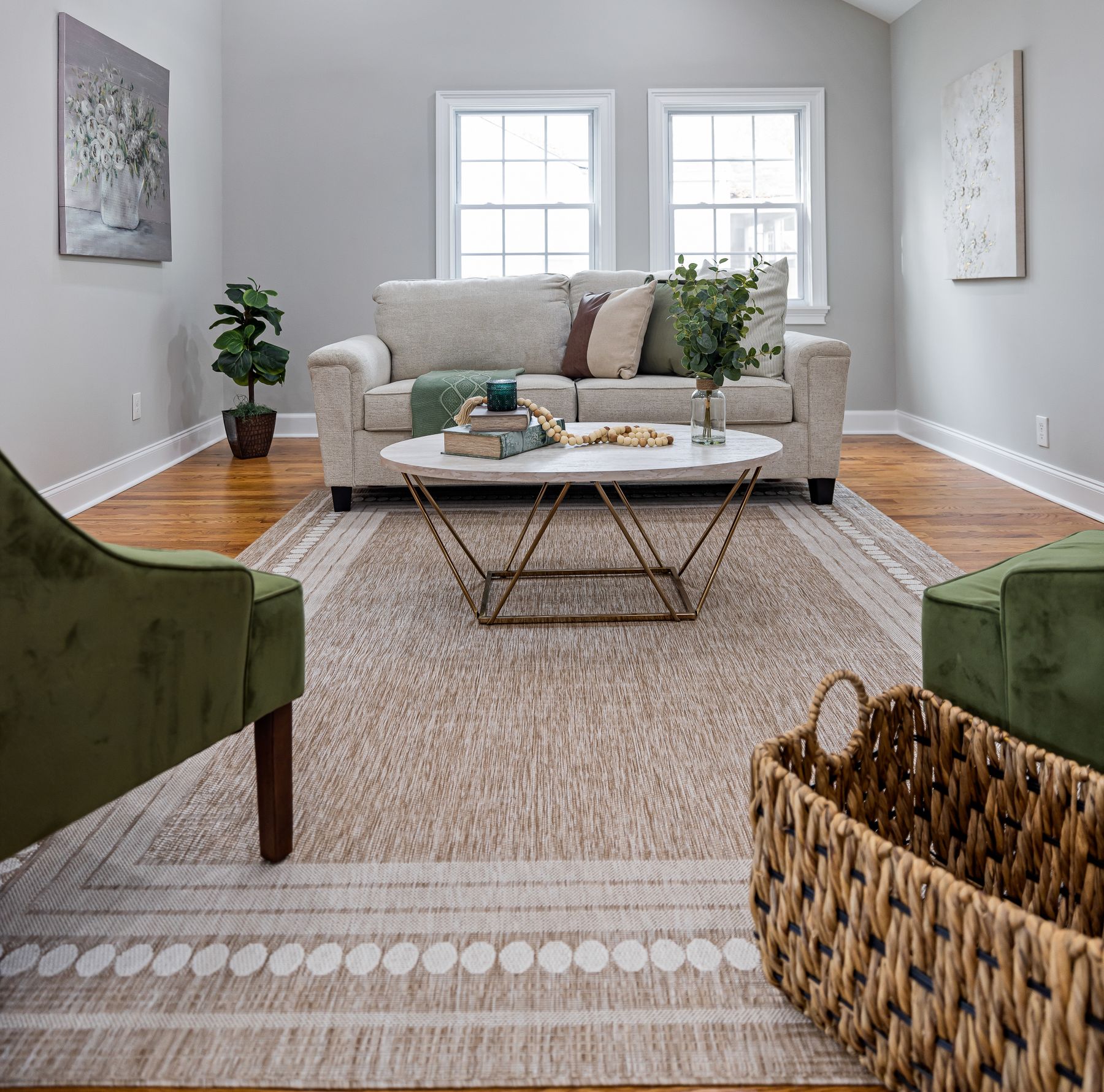
Mediterranean ease is social before it is decorative. Bring sofa and chairs close enough for ordinary conversation, give each seat access to a drink or plate and keep the route to terrace or kitchen beside—not through—the group. A broad built-in bench can work where the architecture genuinely supports it, but a freestanding sofa and mixed chairs are more adaptable in ordinary rooms. Do not push every piece to the perimeter to display a tiled floor, and do not make the television the only shared axis. The plan should support an unhurried visit even after the styled ceramics are removed.
Use Arches to Create Sequence, Not Instant Authenticity
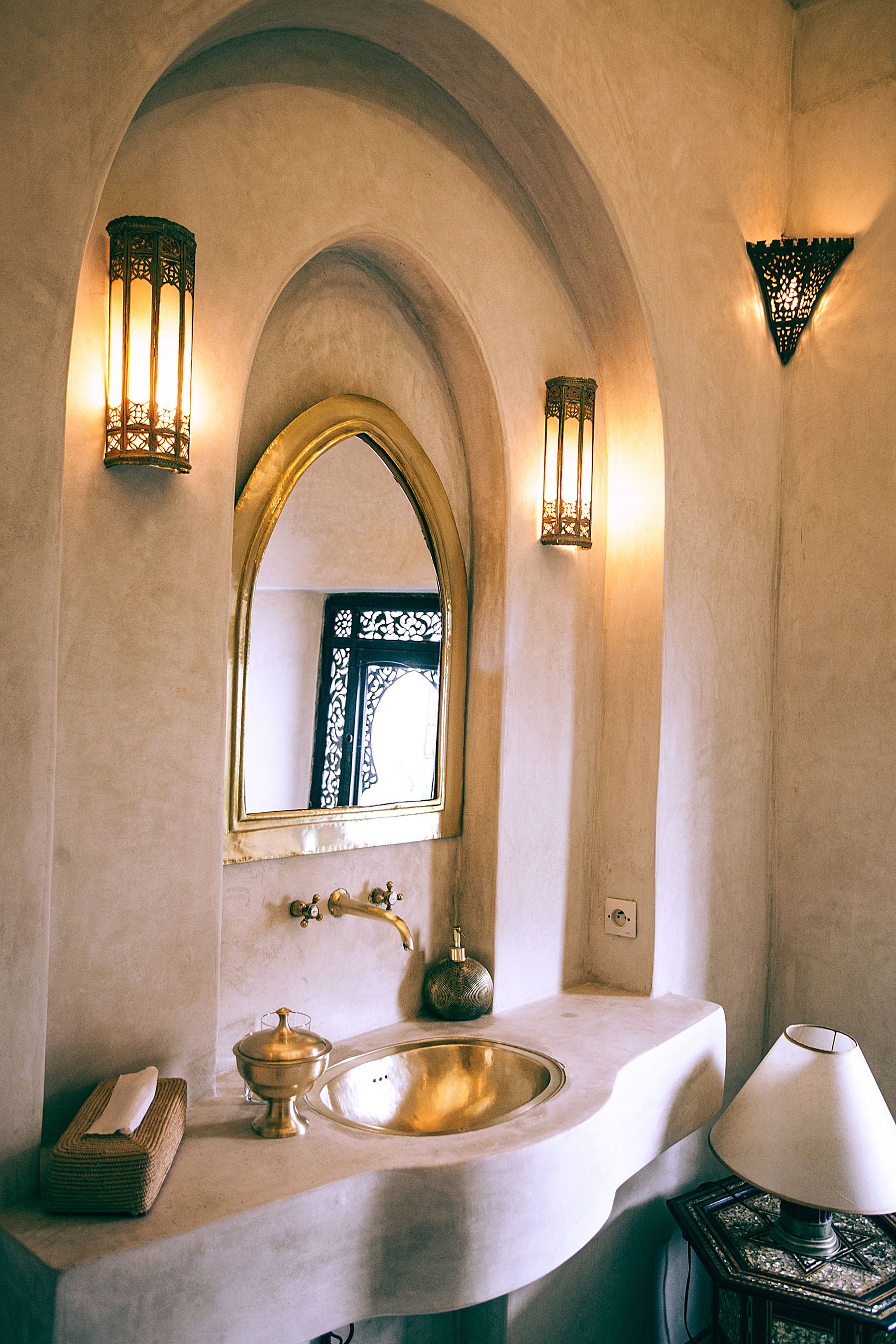
Existing arches can slow the transition between rooms, frame a view or turn a niche into a sheltered place. Preserve that spatial job. Adding a new arch is defensible when it improves an opening, disguises necessary structure with accurate detailing or creates a built-in recess of useful depth. A thin applied curve around a standard doorway, repeated on every shelf and mirror, quickly becomes a motif rather than architecture. In a plain contemporary shell, one curved sofa, rounded table or softly plastered corner can provide the same visual release without claiming a history the building does not have.
Let Plaster Hold Brightness Gently
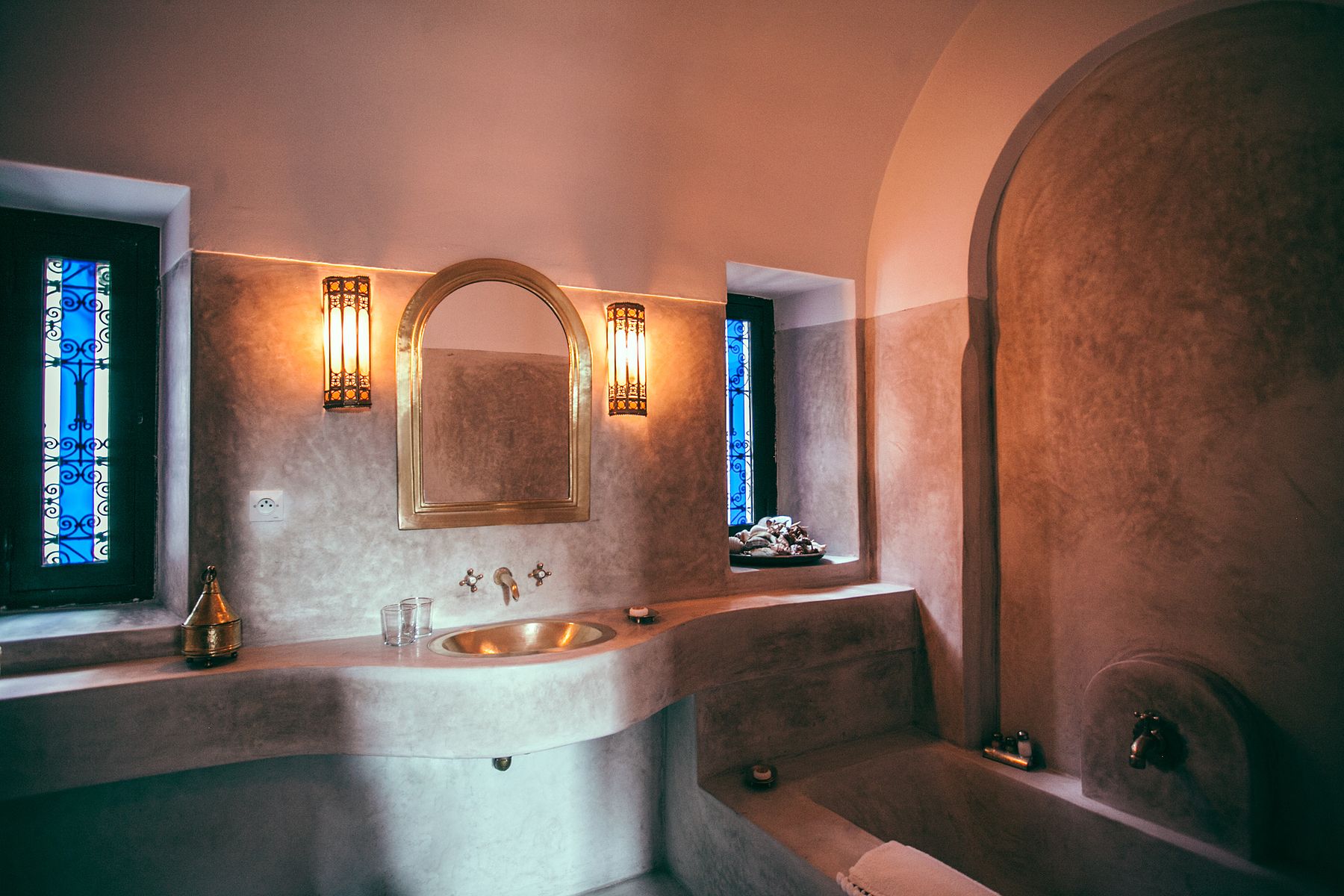
Limewash, mineral paint and appropriate plaster systems can make a wall feel luminous because slight variation catches and releases light across the day. Select a system compatible with the existing substrate, moisture behavior and maintenance expectations rather than buying a finish for its photograph. Heavy artificial trowel marks on drywall often read as scenic effect; a quieter variation is usually stronger. Sample a full corner because the relationship between direct light, reflected light and shadow reveals more than a flat board. If the building needs breathable repair, obtain appropriate technical advice instead of sealing uncertainty beneath a fashionable finish.
Decide Whether Stone Is Shell, Ground or Accent
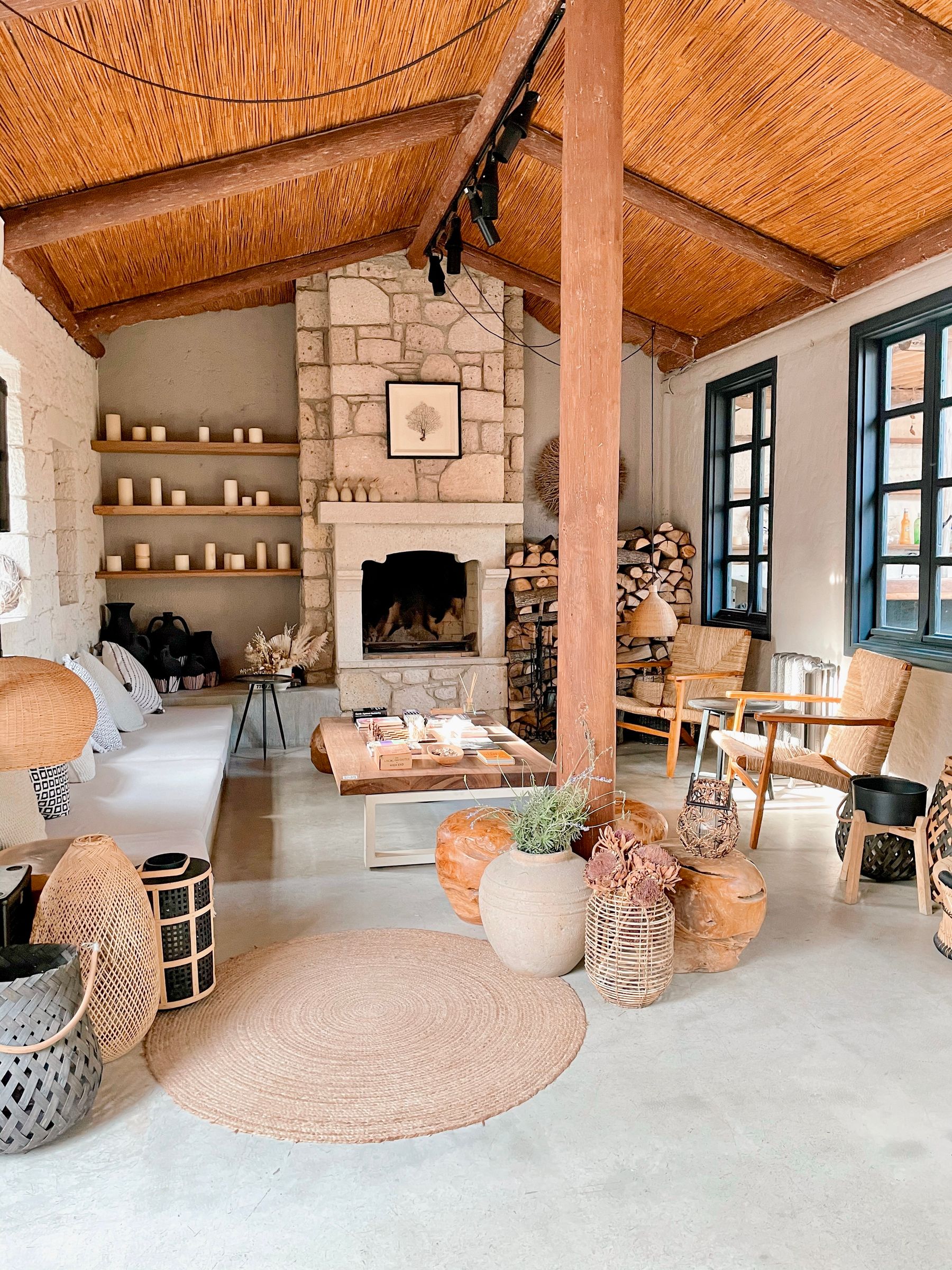
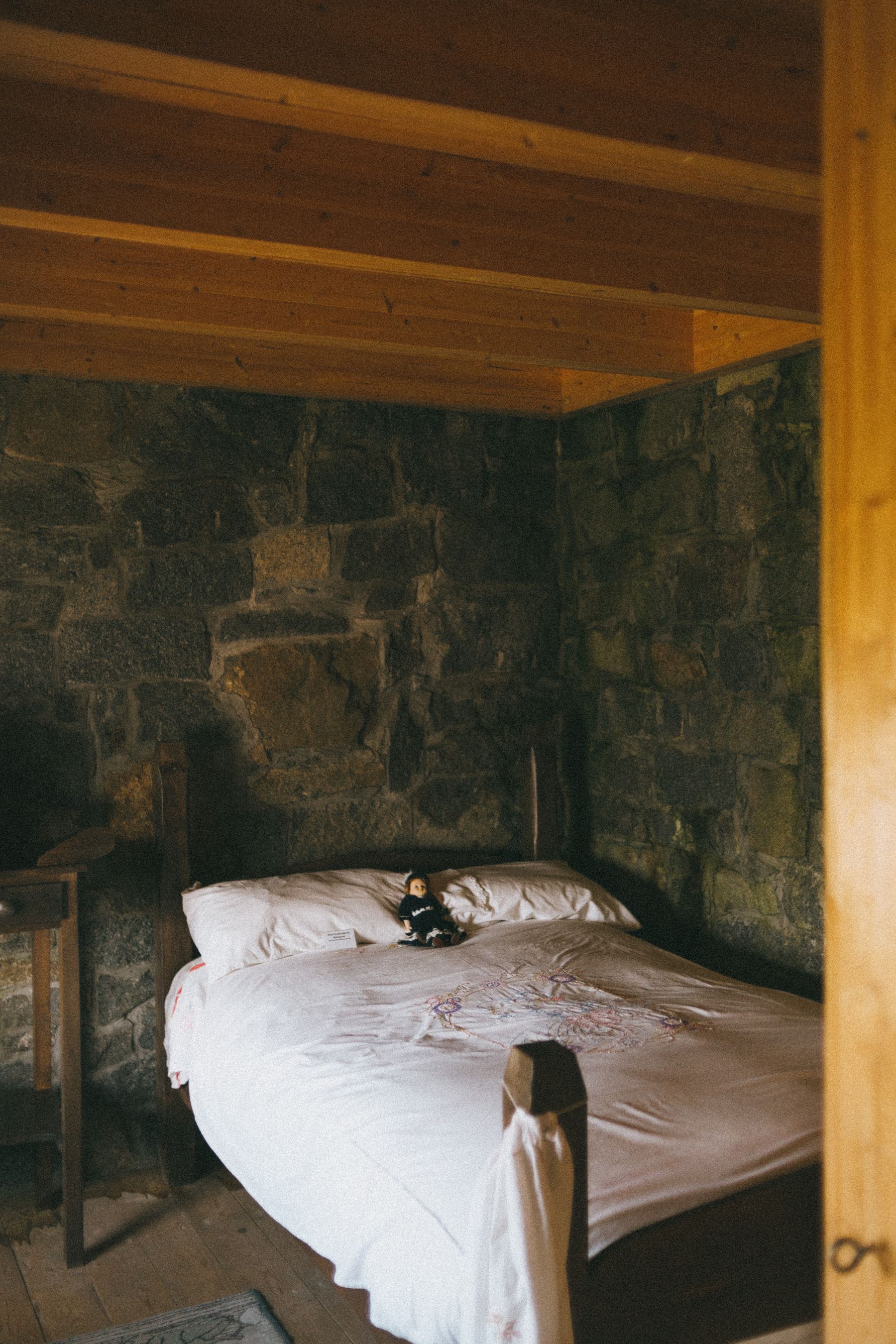
Stone can provide thermal and visual weight, but using it on every wall, floor and table can make a living room hard, echoing and impersonal. If authentic masonry already exists, let it be the dominant mineral surface and balance it with upholstery, curtains and a substantial rug. If adding stone, choose one role: a hearth, a floor field, a deep sill or a single table. Thin cladding should resolve corners and openings honestly; exposed edges that reveal it as wallpaper weaken the effect. [Rustic Living Room Ideas](/living-room/rustic-living-room-ideas/) gives raw material weight the leading role, while Mediterranean asks how stone participates in shade, cooling and outdoor continuity.
Use Terracotta With Its Porosity in Mind
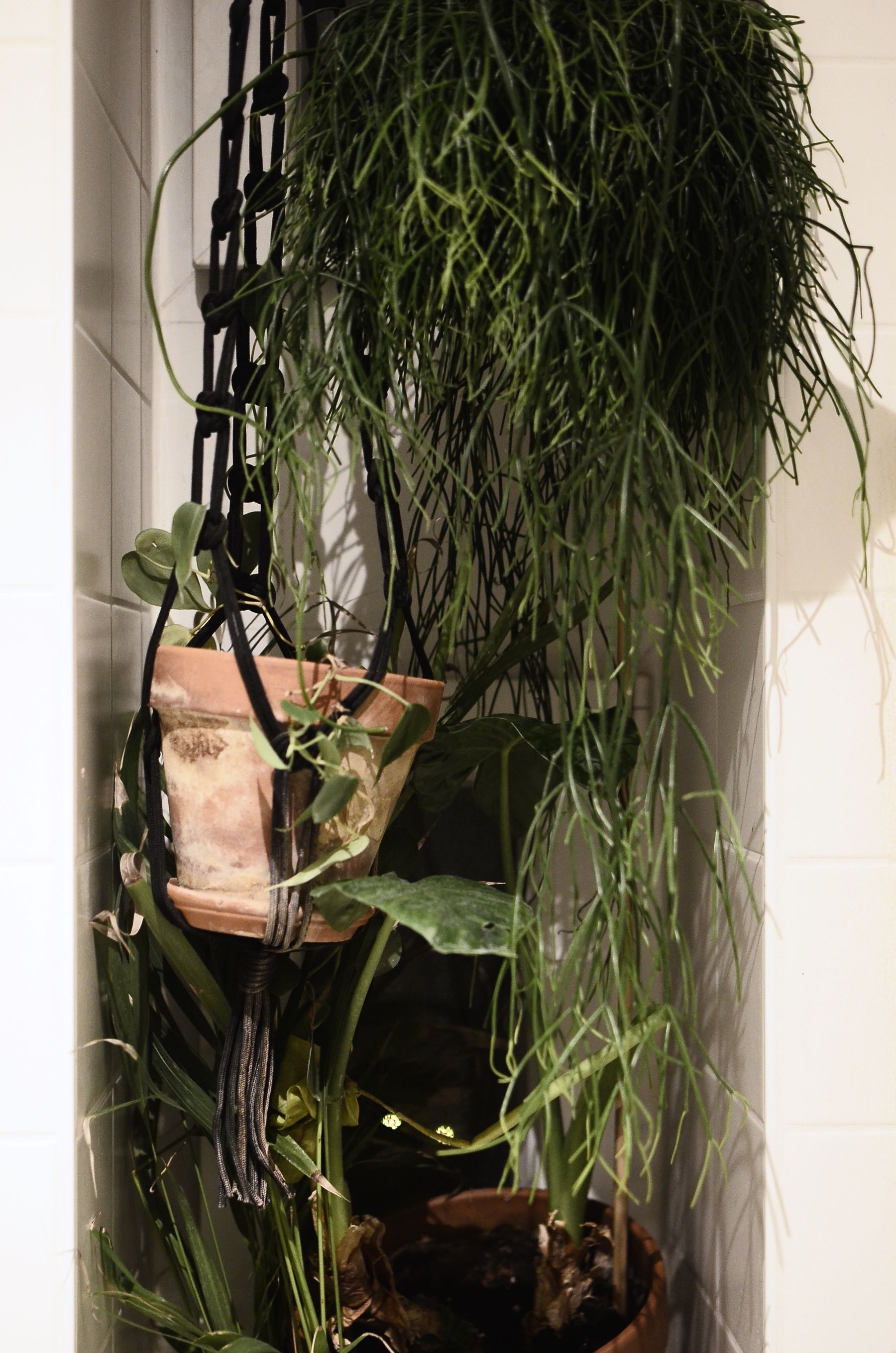
Terracotta may appear as flooring, a hearth tile, a side table or pottery; each use asks a different question about sealing, staining, abrasion and cleaning. Variation in fired color can be an asset when the installation is deliberately blended, but a glossy imitation printed with identical marks loses the sense of clay. On floors, assess the specific product, installation and maintenance system rather than assuming all terracotta behaves alike. In rentals or low-maintenance households, unglazed pots and a single clay-toned textile can provide warmth without committing the room to a demanding floor.
Let Joinery Supply Darkness and Depth
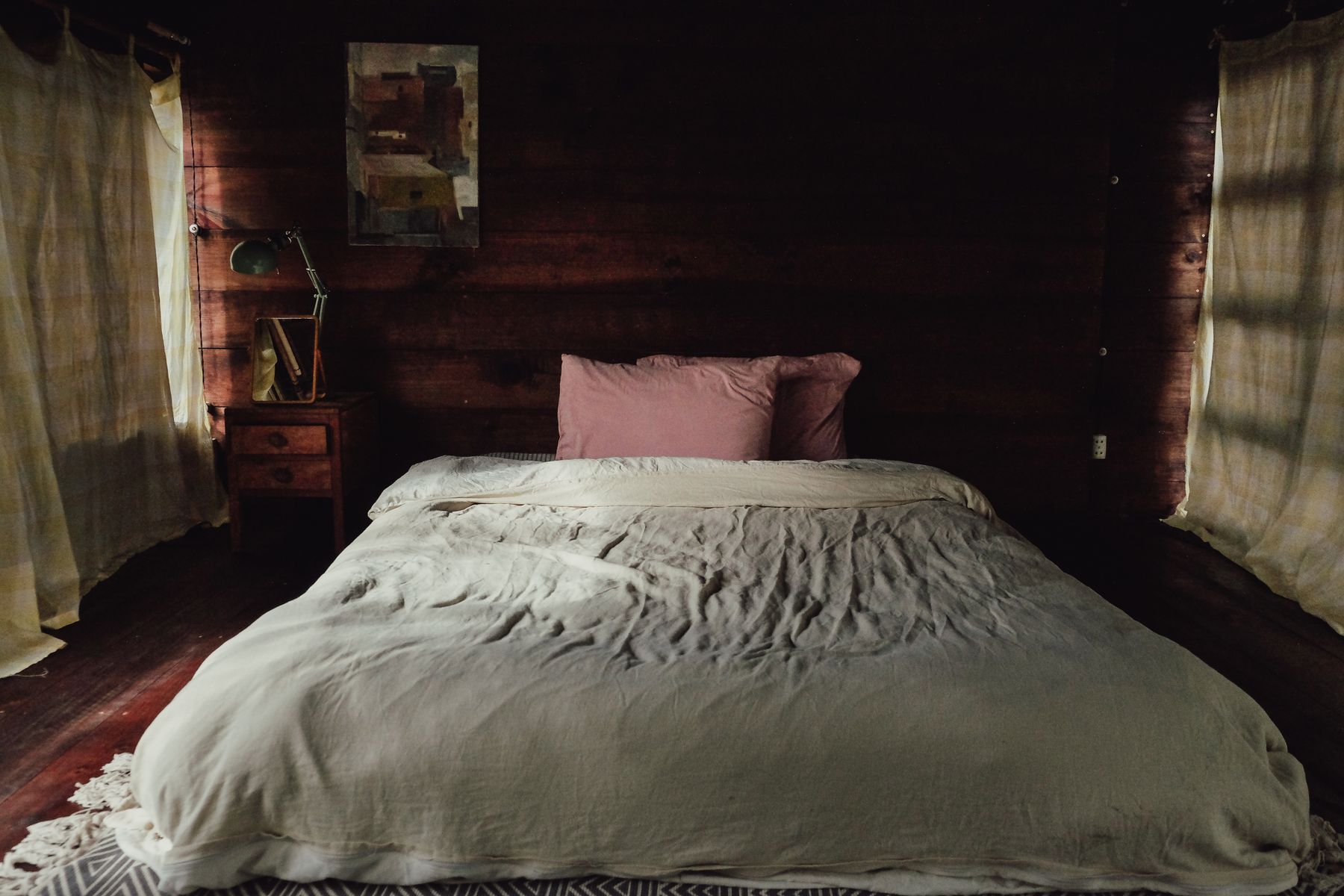
Timber shutters, ceiling members, doors and a substantial table can give chalky walls a dark rhythm. Use real structural or functional elements as the hierarchy; avoid adding distressed beams and multiple faux-wood finishes to manufacture age. In a modern room, a single walnut, oak or chestnut-toned case piece may create sufficient depth. Match timber by undertone and visual weight rather than forcing identical stain across old and new. Where intense sun reaches the room, understand that finish and textile color may change over time; movable objects can be rotated, while architectural timber should be specified and maintained for its actual exposure.
Compose Clay, Olive and Mineral White
Start with three values: a light mineral field, an earthy middle tone and one shaded anchor. Chalk, warm sand, putty, clay, olive, ochre, tobacco and dark timber can form the structure; a smaller red, blue or saffron note can sharpen it. Match the palette to the selected regional lane and actual daylight. A brilliant white used throughout a north-facing room may turn cold, while too many tan surfaces can collapse into generic beige. Current interest in clay, olive and dusty blue is useful only when those colors explain the room's light and materials rather than advertise a season.
Use Blue as Geography, Not a Requirement
Blue may refer to painted shutters, glazed tile, sea and sky, but it is not the universal Mediterranean answer. Greek-island cobalt, muted Adriatic blue, turquoise glaze and deep teal create different relationships with plaster, clay and timber. Choose one blue family and contain it in a field with a clear job: a shutter color, one chair, a tiled niche or a textile repeat. Blue scattered through cushions, vases, art and trim often turns the room into a seaside theme. An olive-and-ochre room can be equally Mediterranean when its material and threshold logic are strong.
Contain Ochre and Terracotta Within Architecture
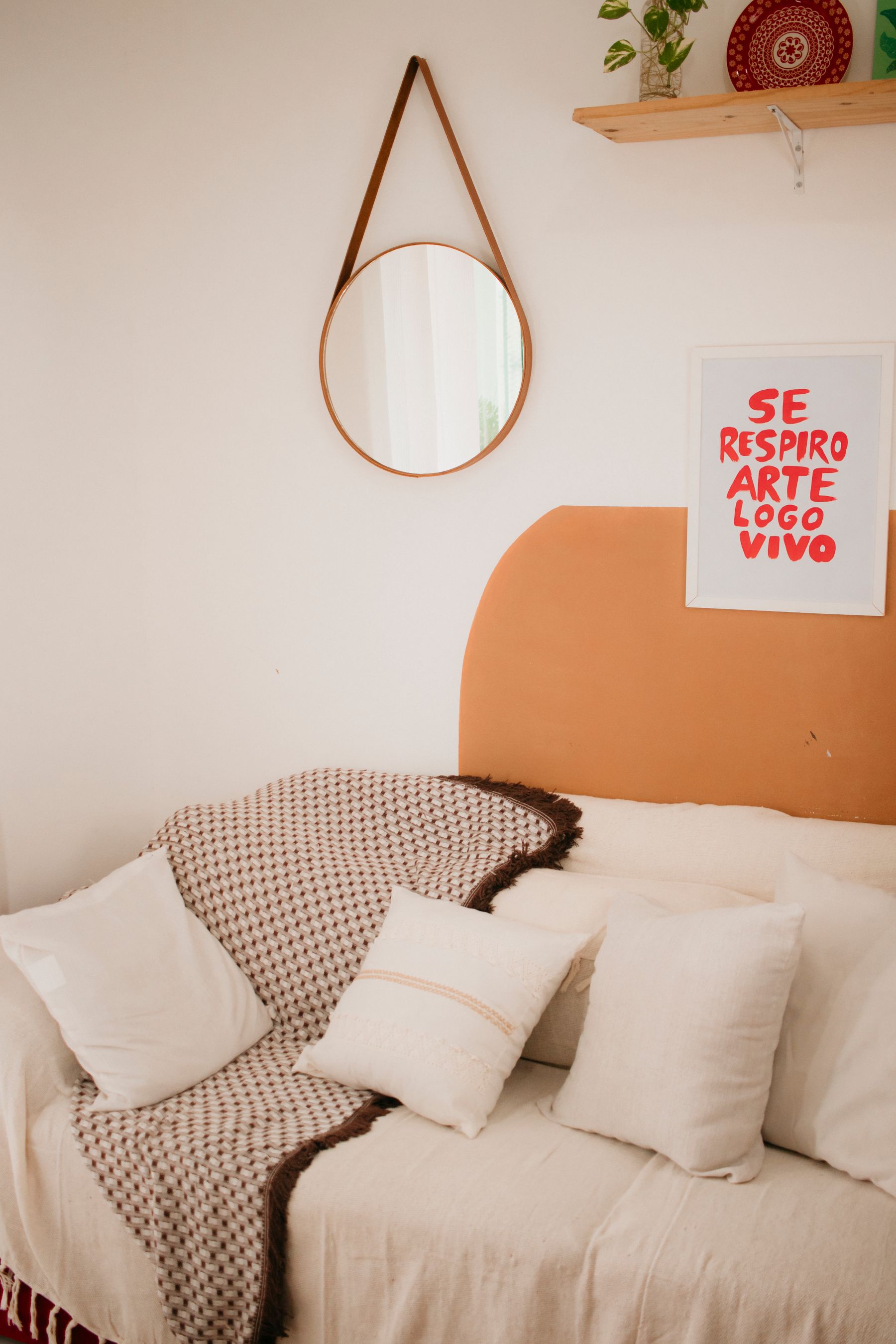
Terracotta red, saffron, ochre and saturated green can be convincing in Mediterranean rooms, but random accent placement makes them feel decorative. Use an arch, chimney breast, alcove, ceiling plane or complete wall return as the boundary. The adjacent mineral field should be quiet enough to let the color breathe. In a small room, color-drenching can work when the ceiling and trim relationship is deliberate, yet it may erase the sun-and-shade contrast that gives this style depth. Test how the color changes at noon and under warm evening lamps before extending it.
Prefer Surfaces That Improve With Relaxed Use
Washed linen, cotton, wool blends and textured performance fabrics can all support a Mediterranean room; fiber name alone does not guarantee comfort or durability. Choose a sofa whose structure and cushion fill serve daily sitting, then select upholstery that tolerates the desired degree of crease and patina. Loose covers earn their informality only when they fit well and can be cleaned as promised. Avoid an entirely pale fabric scheme beside a busy garden threshold unless the household accepts the maintenance. One clay, olive or striped chair may provide more life than many interchangeable neutral cushions.
Balance a Low Horizon With Easy Rising
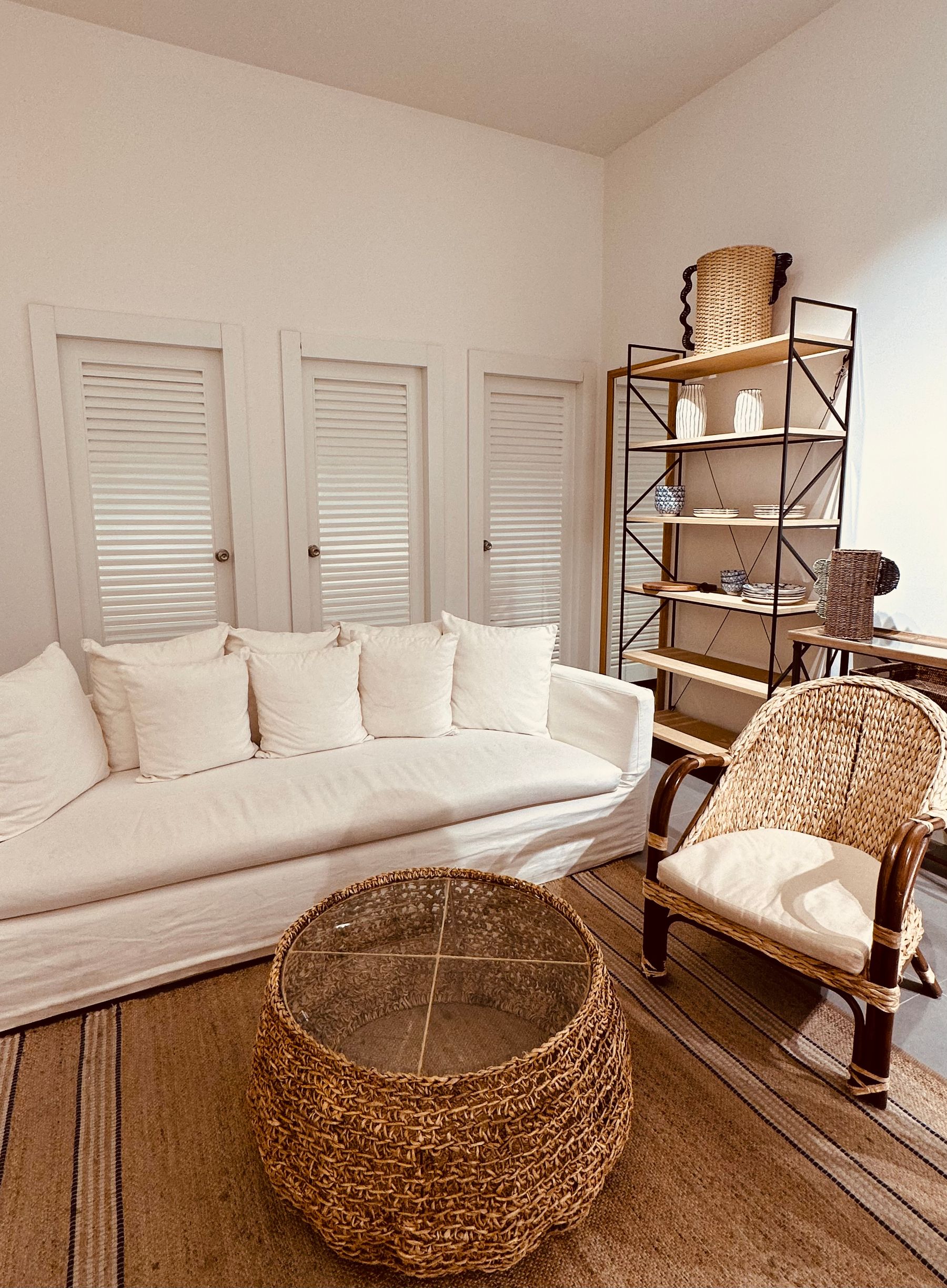
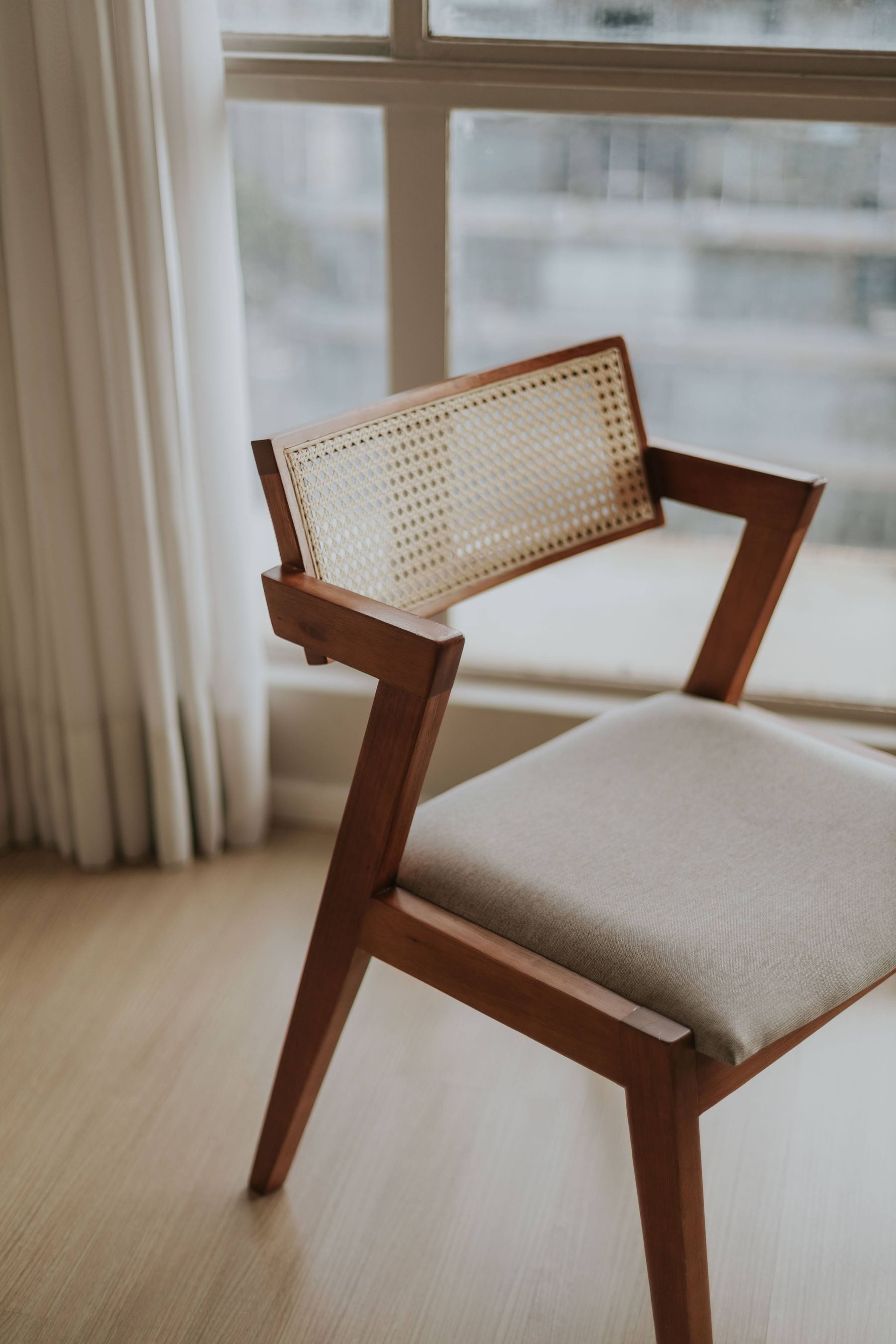
Low benches, floor cushions and deep sofas may suit certain regional or contemporary interpretations, but they do not serve every body or every household. Establish a visually low horizon with tables, window lines and one lounge seat, then include at least one firmer chair with arms and an easier seat height. This mix keeps the composition relaxed without making hospitality selective. Built-in perimeter seating needs adequate depth, back support and a table relationship; a picturesque masonry bench that nobody chooses is wasted architecture.
Soften the Mineral Ground Without Hiding It
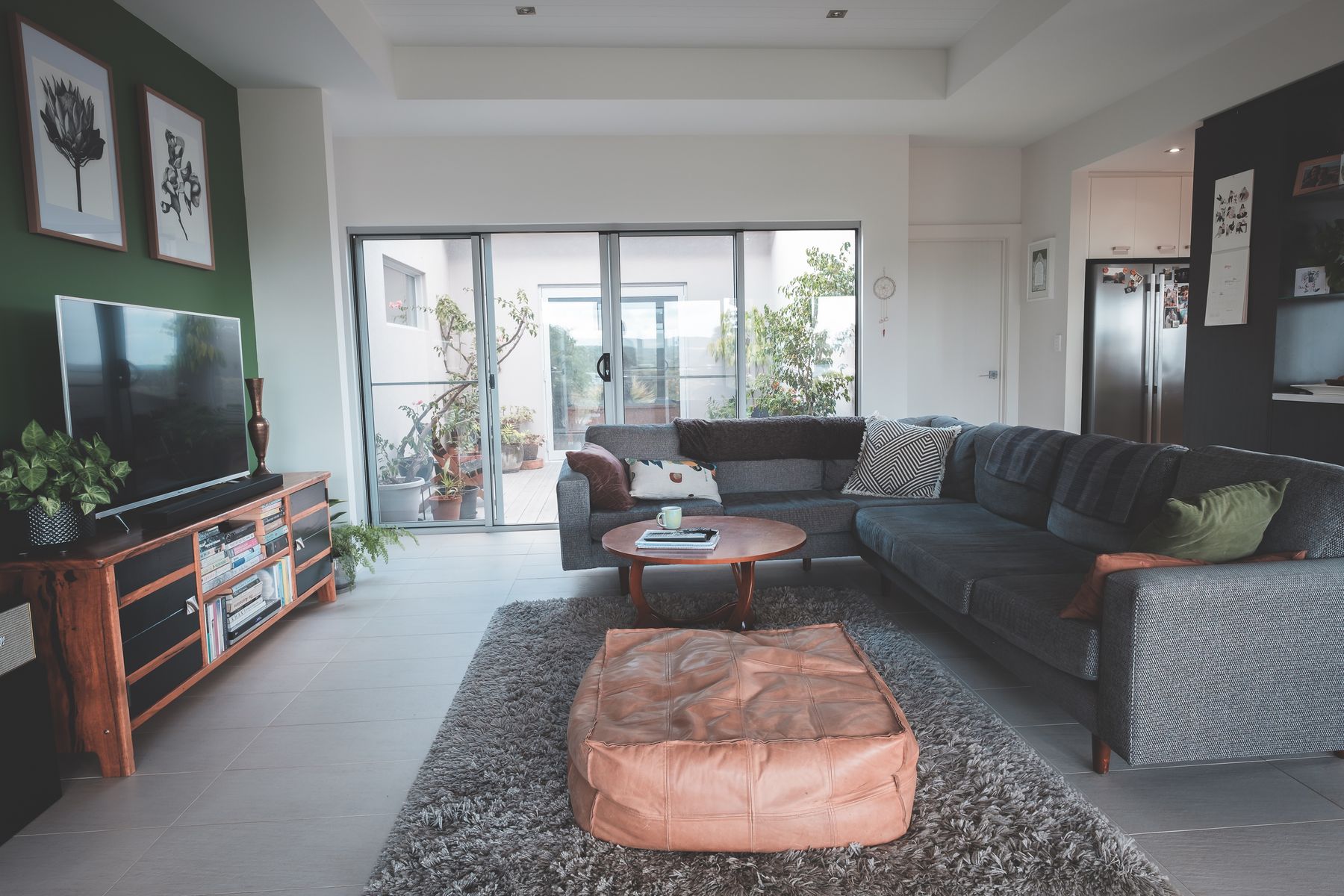
Stone and clay floors give a Mediterranean room continuity and material clarity, but seating areas need acoustic and tactile relief. Use one substantial rug to hold the conversation group, leaving a meaningful border of floor visible. A flat weave may suit doors and summer use; a denser wool surface may be more comfortable in a cool climate. Check stability, cleaning and the effect of strong sun on the chosen fiber and color. Several small patterned rugs can fragment an already active tile floor, so layer only when each edge has a clear functional reason.
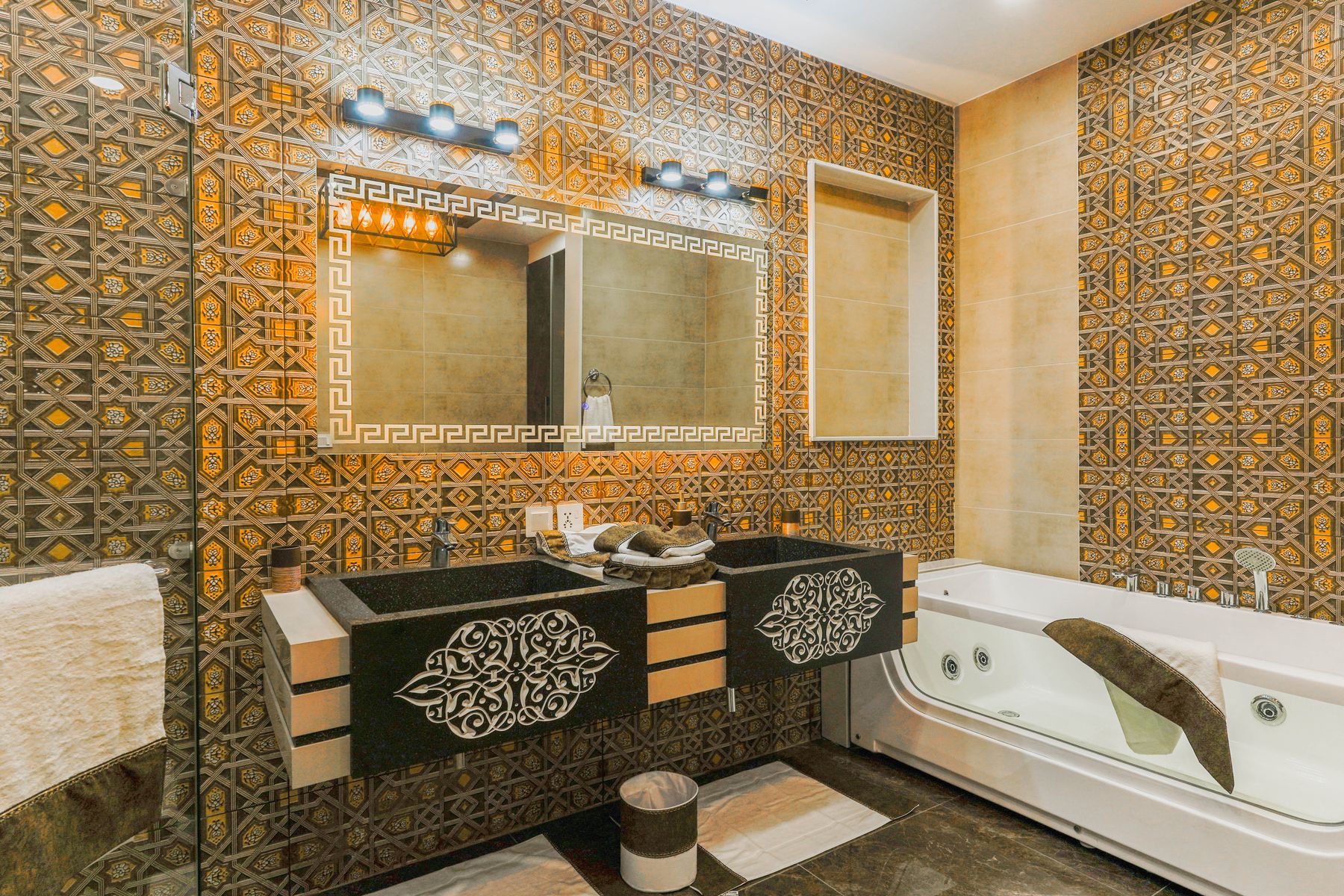
Concentrate Handmade Tile in One Readable Field
Glazed, encaustic-look or hand-finished tile can introduce regional craft and light variation, but repeating it on hearth, floor, tables, niches and door surrounds turns specificity into visual noise. Select the field that matters most: a hearth apron, threshold, stair riser, table top or framed wall panel. Understand the particular tile's installation, edge treatment and care before treating variation as a universal virtue. Pattern should relate to the chosen lane; a generic mixed-motif sheet selected only because it looks exotic weakens the editorial logic.
Protect Woven Work From Harsh Exposure
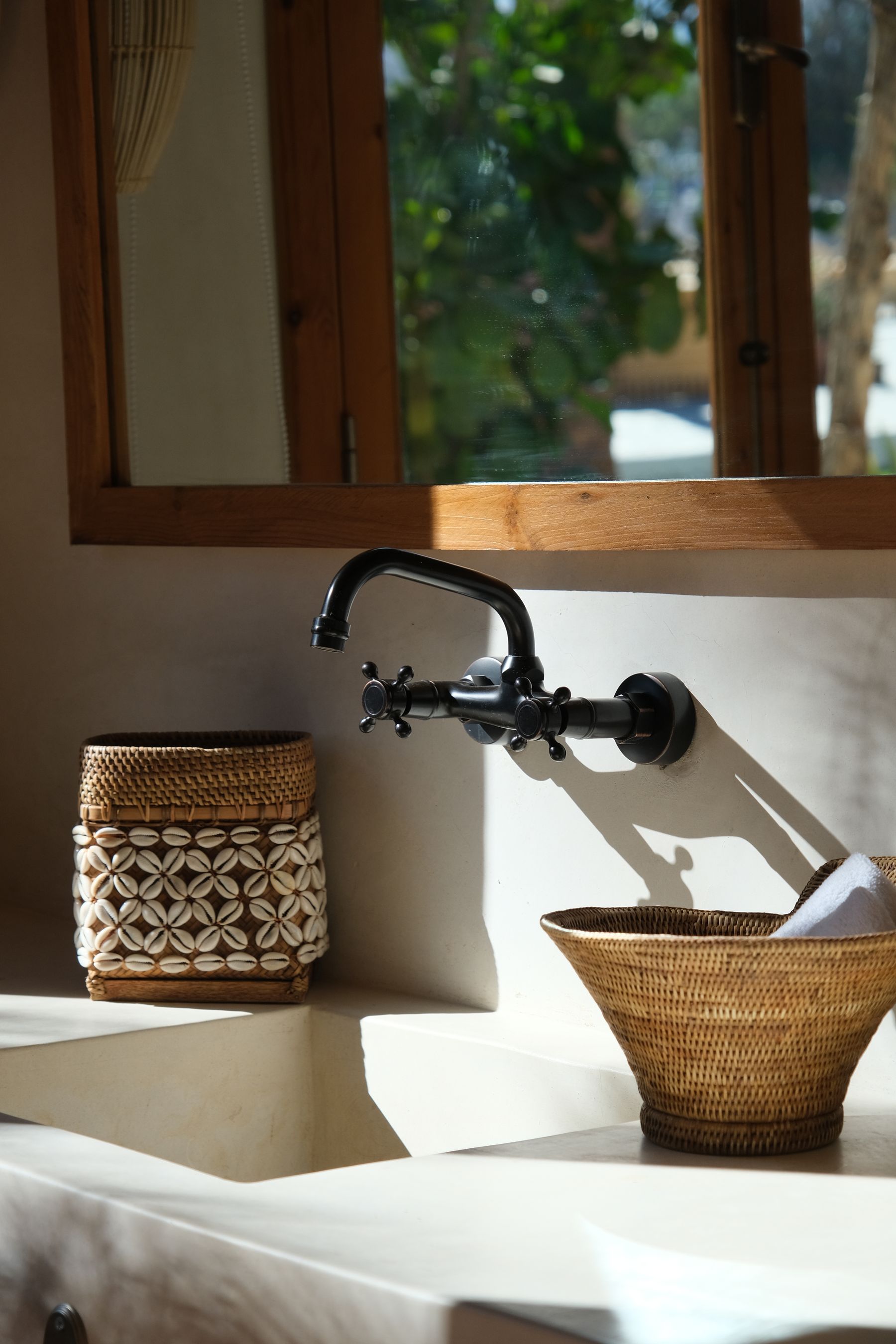
Cane, rattan, rush, wicker and palm-fiber pieces can lighten stone and timber, yet these materials differ in construction and response to exposure. Use a woven chair, screen, pendant or basket where it has a real job and remains serviceable. Strong direct sun, damp thresholds and overloaded baskets may shorten the useful life of unsuitable pieces, so follow the maker's guidance. One structural woven chair is more persuasive than many small baskets used as Mediterranean shorthand. In a colder interior, the open texture can prevent heavy mineral materials feeling visually sealed.
Give Every Opening Layer One Job
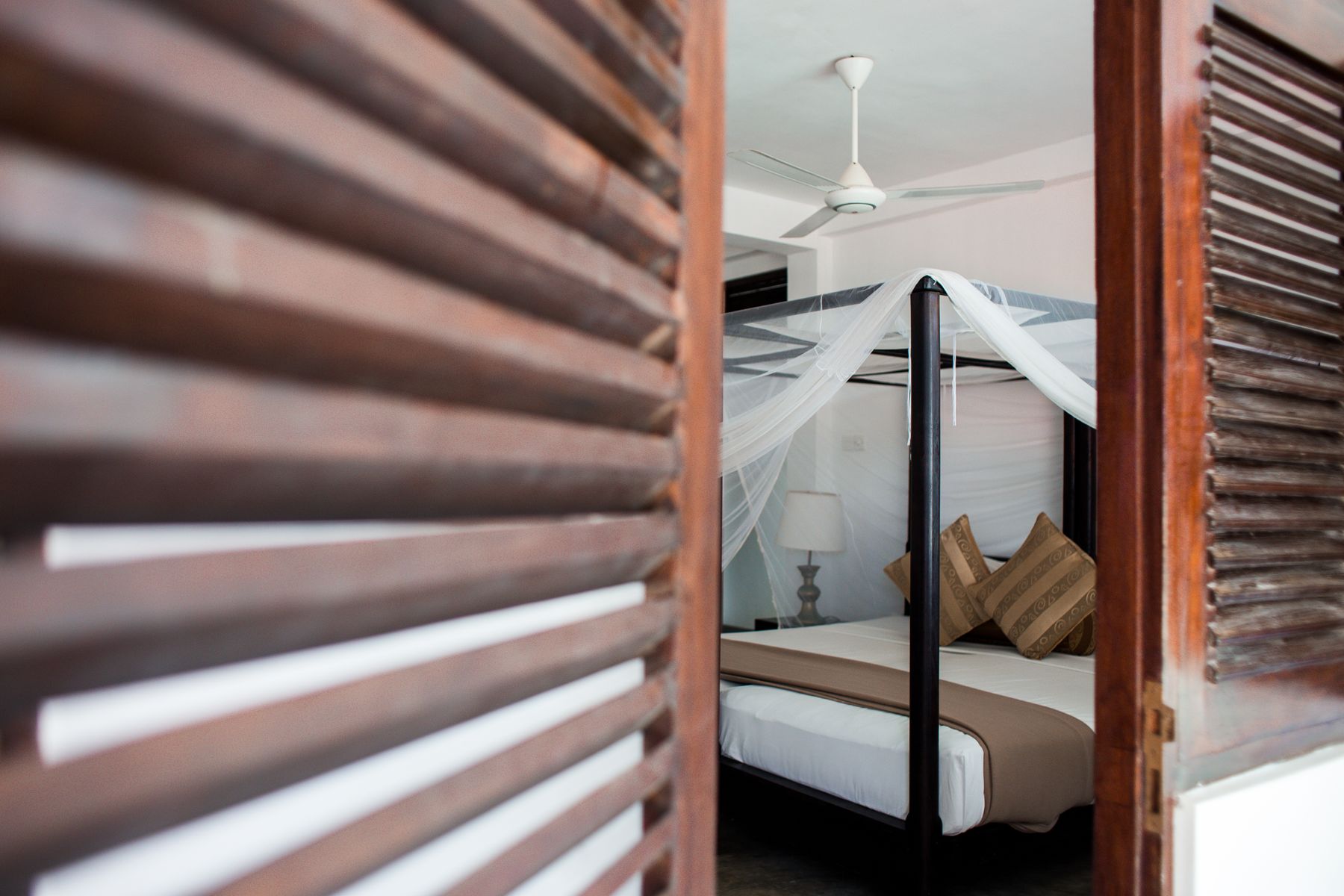
A Mediterranean window often needs several states: open view, softened glare, privacy, heat control and evening enclosure. Shutters or blinds can modulate direct sun; sheers can soften brightness; lined curtains may help privacy and seasonal comfort. Do not ask one decorative fabric to perform every role. Preserve air movement and opening hardware, keep radiators and damp-prone reveals clear, and avoid closing away the outdoor connection all day. In a room without intense sun, use the same layered logic lightly rather than installing theatrical shutters that never serve a purpose.
Frame Air and Greenery as Part of the Interior
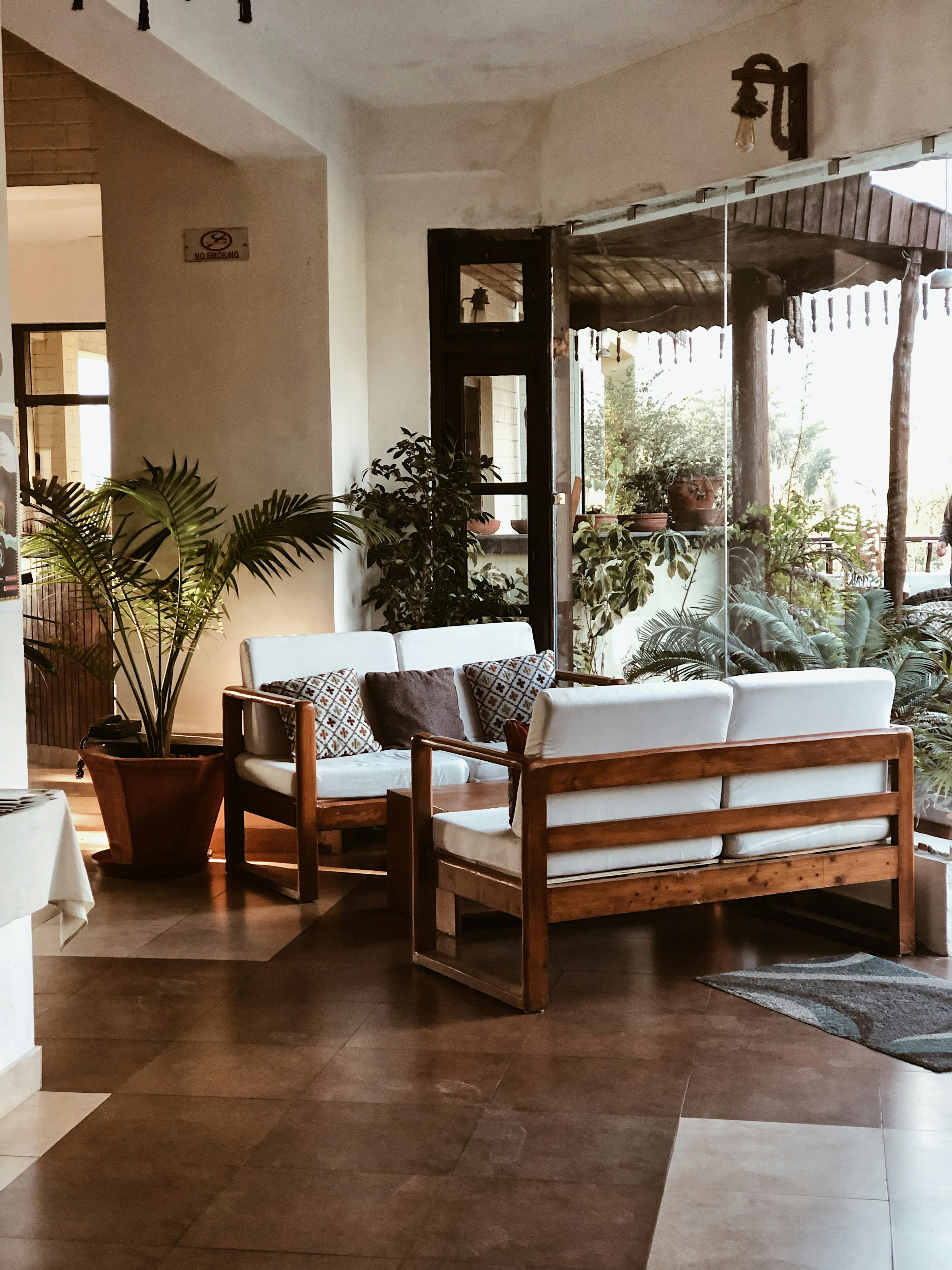
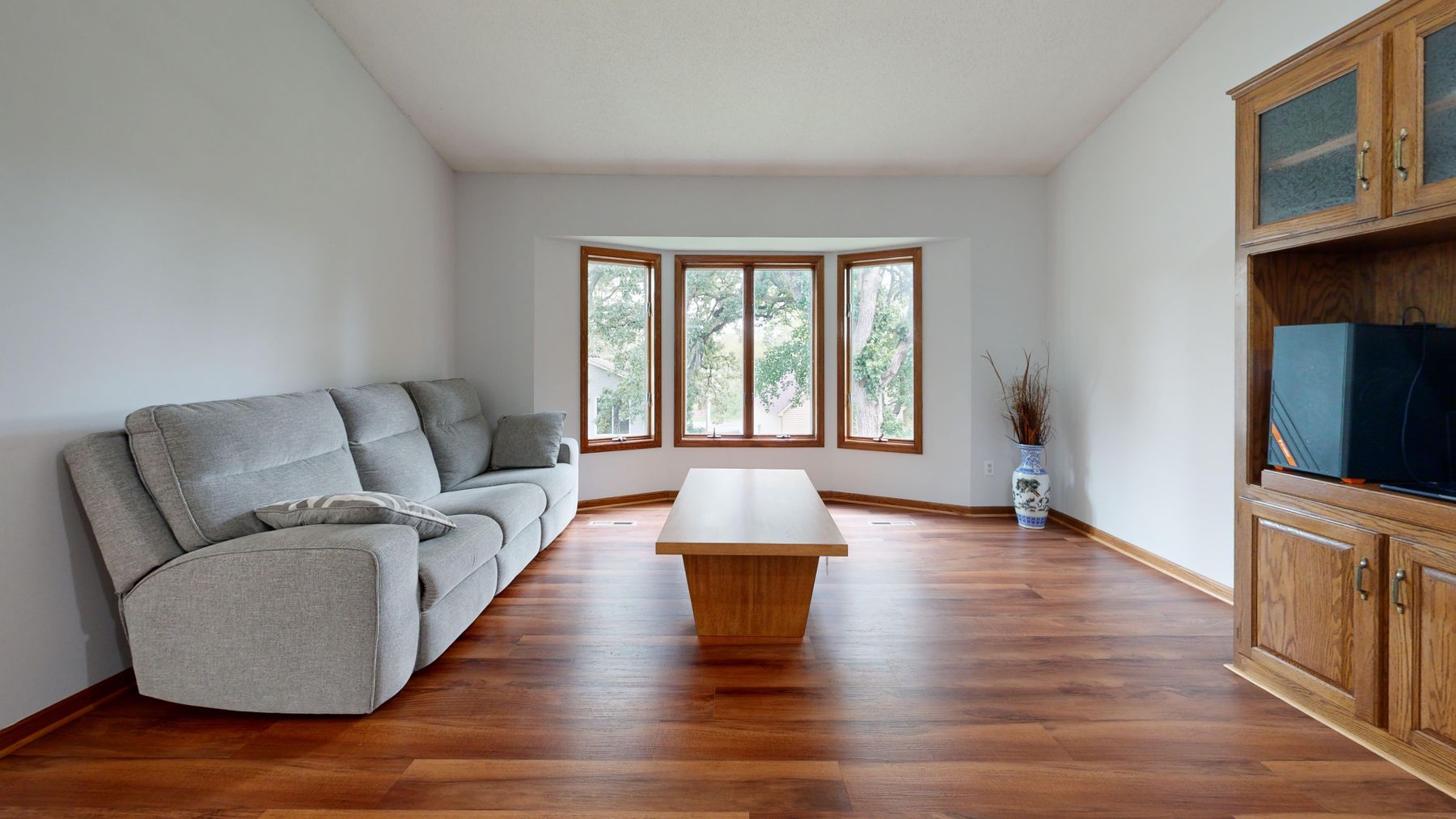
A balcony door, courtyard opening or garden window should influence the furniture plan rather than remain scenery behind a sofa. Preserve the operating route, give at least one seat a diagonal view and keep tall storage away from the strongest cross-room sightline. Plants can extend the threshold where light and care genuinely suit them; do not use stressed olive trees as props in dark corners. If the view is urban, compose sky, tree canopy or a planted sill rather than pretending the room opens to a villa.
Carry the Day Into Evening
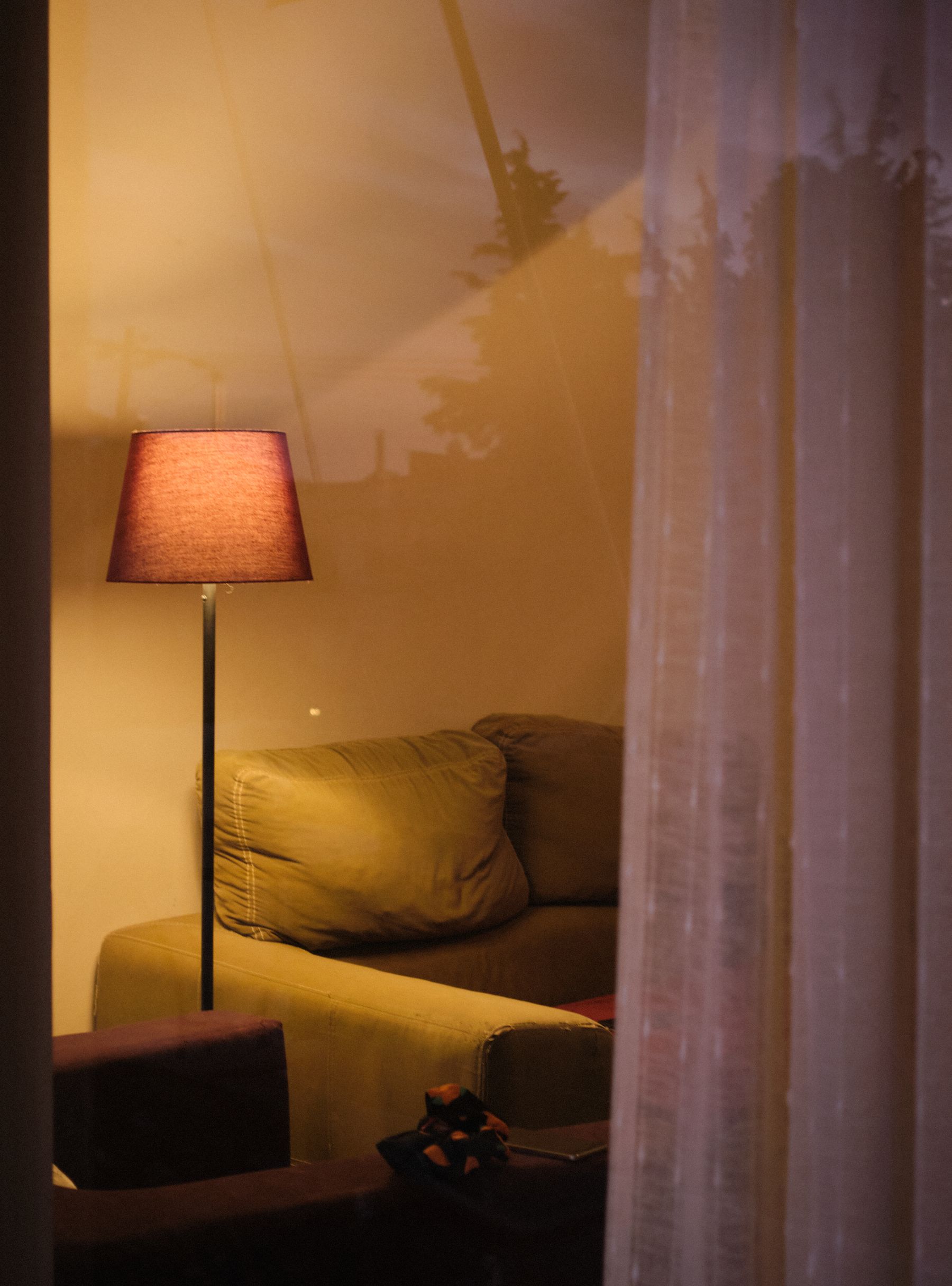
After sunset, the room should not become a flat field of bright downlights. Use shaded table or floor lamps near faces and reading positions, restrained ambient light on plaster or arches and clear route lighting toward doors. Wall lights can reveal mineral texture, but repeating ornate lanterns everywhere turns lighting into a theme. Choose one decorative metal or glass expression and let quieter lamps perform the remaining work. [Living Room Lighting Ideas](/living-room/living-room-lighting-ideas/) covers the larger system; here the goal is to preserve warm shadow without compromising useful visibility.
Make the Terrace Threshold Earn Its Importance
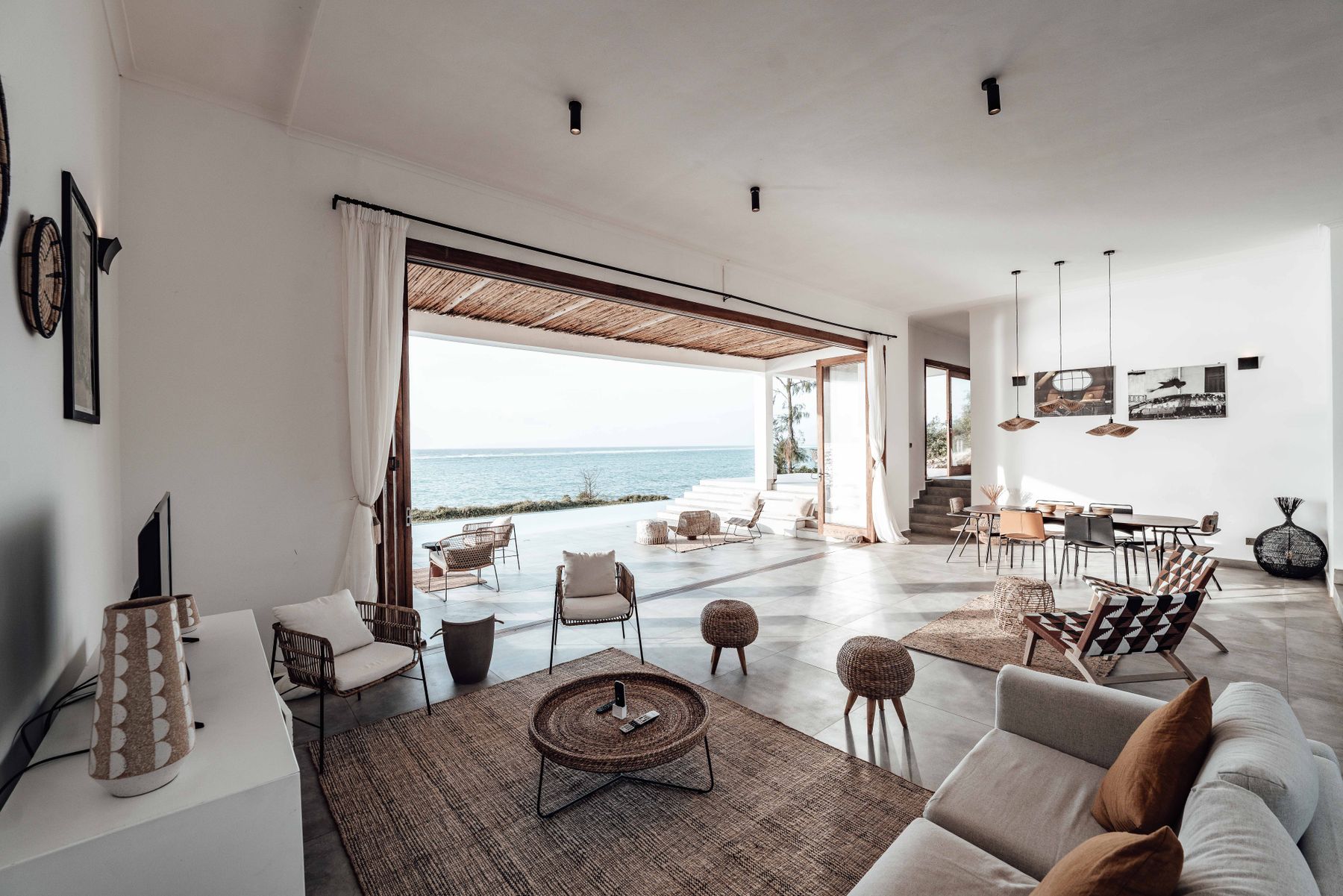
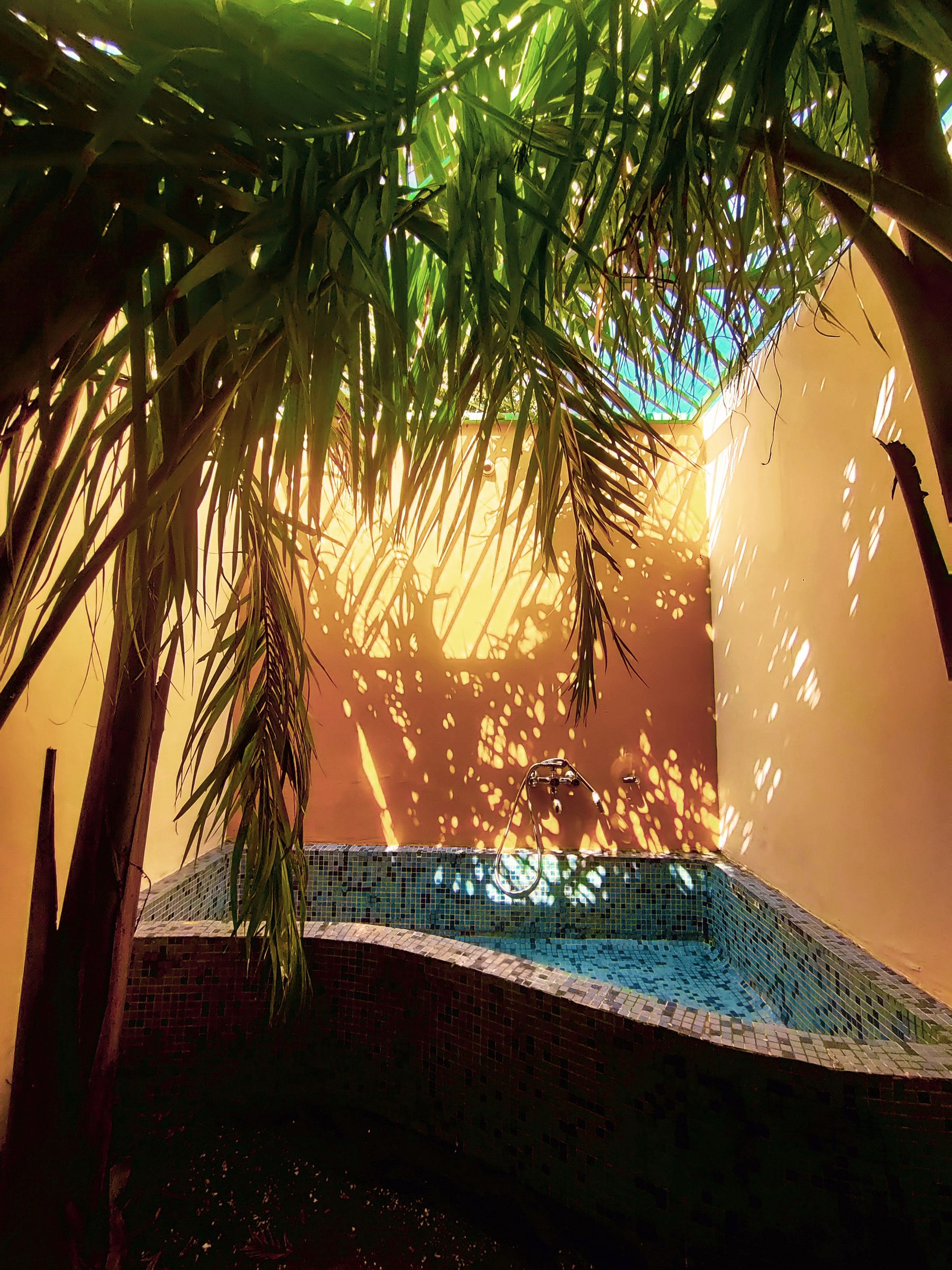
Where the living room opens to a terrace, courtyard or balcony, coordinate floor level, door swing, drainage, shade, seating route and the transition between indoor and outdoor materials. The two areas need not match exactly; repeating one clay tone, dark metal line or woven texture is often enough. Keep wet or gritty traffic away from delicate upholstery and provide a practical place for cushions or throws that move outside. Where there is no external space, a deep sill, planted window and café-sized internal edge can create a credible threshold without a false view.
Translate Mediterranean Ease to Grey Winters
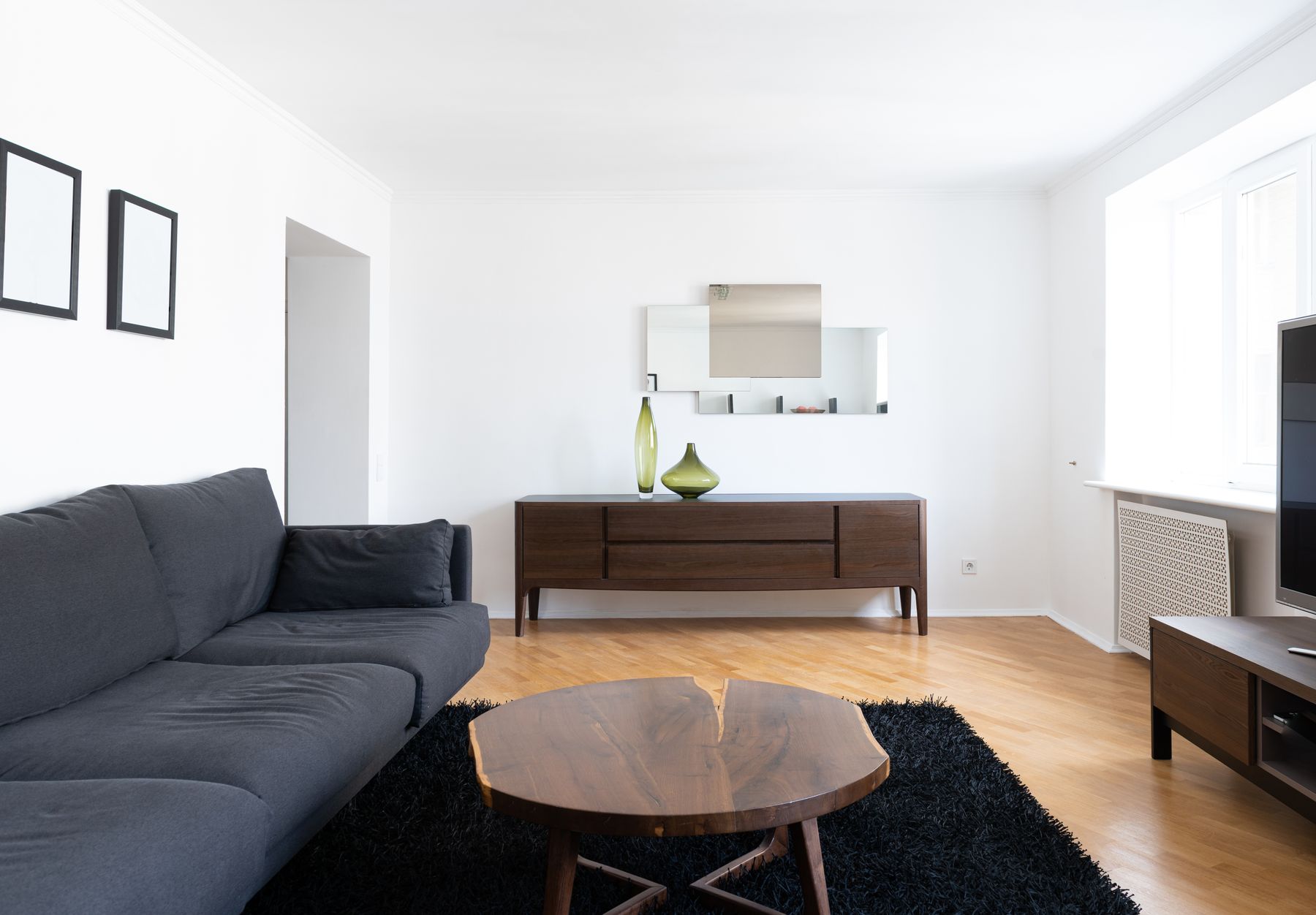
In a cool or wet region, Mediterranean character should not mean cold tile, unlined windows and pale rooms designed for a sun that rarely arrives. Keep the palette and mineral texture, but add a larger wool rug, supportive upholstery, lined window layers and low evening light. Use clay as color or pottery when unheated terracotta flooring would be uncomfortable. Maintain ventilation and investigate damp rather than sealing old walls for a visual effect. The result can feel sun-warmed through value, texture and social arrangement while remaining truthful about the actual climate.
Use Restraint Where Every Detail Is Close
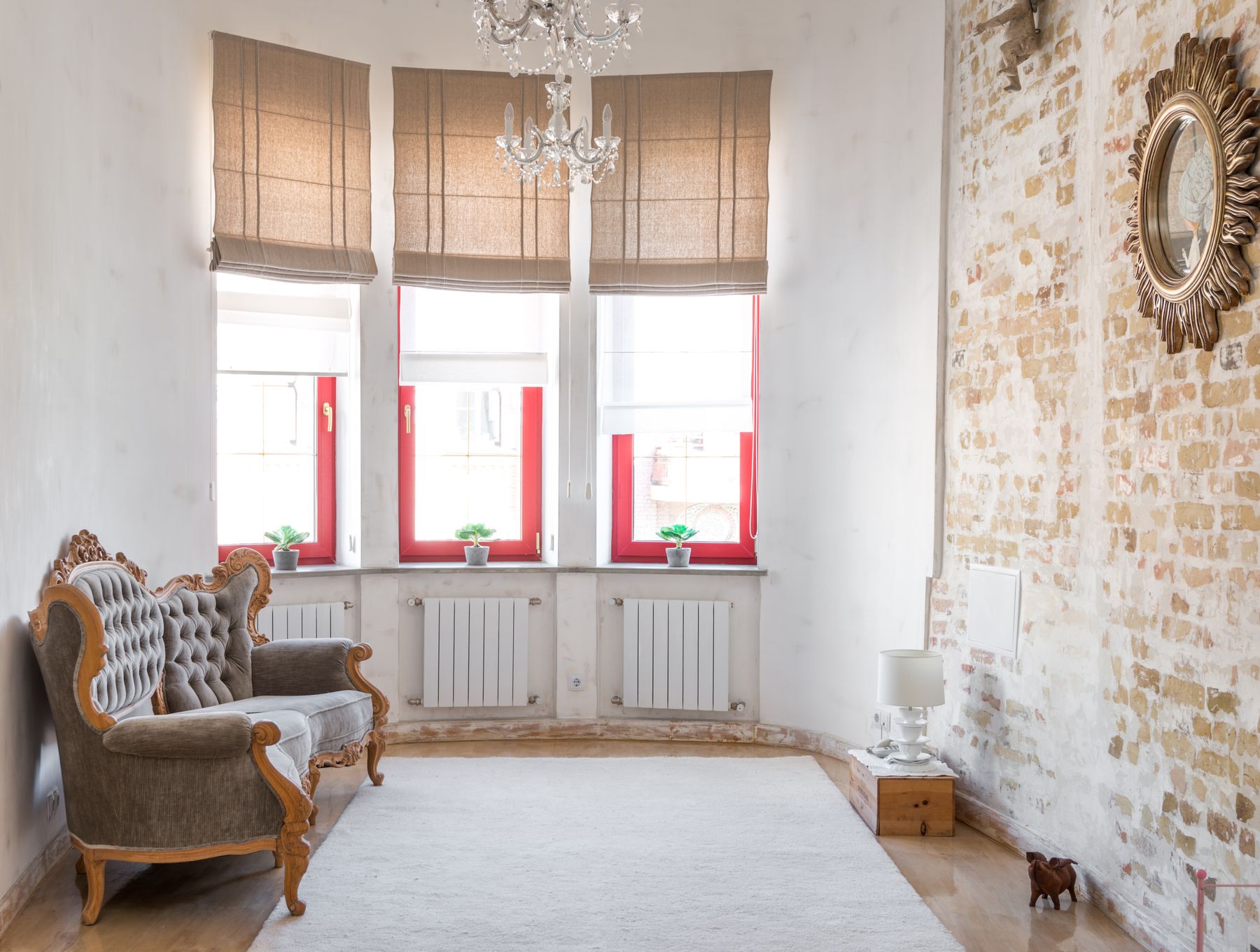
A small room benefits from a warm pale field, one earthy anchor, furniture with visible floor beneath it and a clear path toward the brightest opening. Airy does not mean empty: one patterned textile, a useful timber table, a ceramic lamp and a woven or wood-framed chair can provide sufficient character. Avoid miniature arches, many small pots and several unrelated tile samples. Keep the strongest craft at hand and eye level, where it can be appreciated closely, and let the remaining surfaces provide pause.
Make a Grand Volume Feel Like Several Shaded Rooms
Large Mediterranean rooms can become echoing display spaces if every seat is arranged around the perimeter. Create a principal conversation island, a window or terrace edge and a quieter reading or music zone. Repeat one timber tone, clay note or lamp family so the zones relate; change rug texture or light level to distinguish them. Preserve a generous route between openings, but do not let circulation produce a decorative void. A tall plant, screen or console may define an edge when it has appropriate light and a practical role.
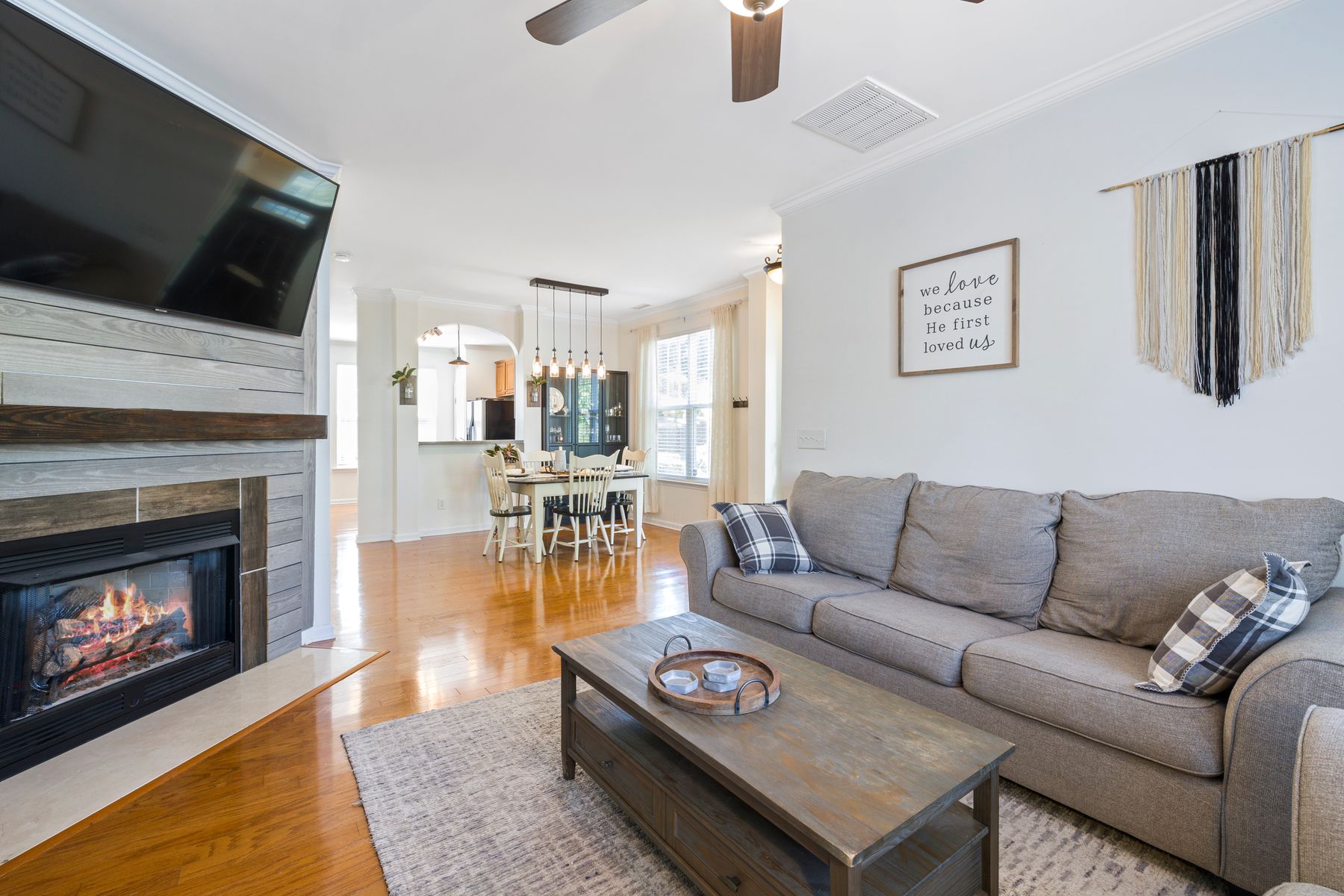

Keep the New Shell Honest
A contemporary room can be Mediterranean through warm plaster color, one curved form, a low social layout, honest timber and a strong relationship to daylight. It does not need faux crumbling walls, distressed beams or imported-looking ornament. Keep contemporary glazing, clean joinery and modern equipment visible when they are part of the building. Add handwork in one or two precise places—a ceramic lamp, woven chair or tiled table—so variation reads as human rather than artificially aged. [Modern Living Room Ideas](/living-room/modern-living-room-ideas/) can carry the cleaner formal language while this guide supplies climate and threshold logic.
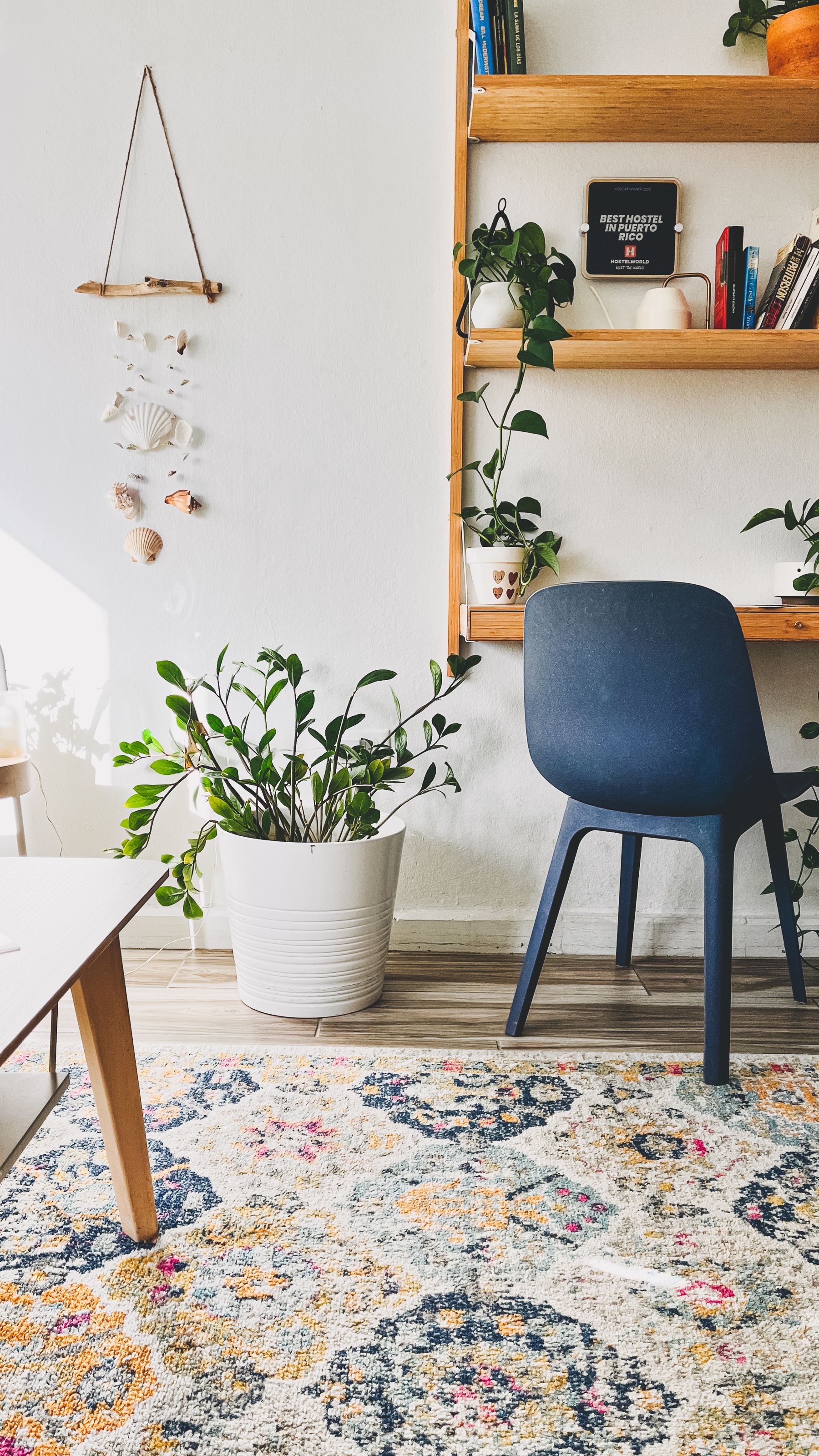
Take the Regional Story With You
In a rental, use a mineral-toned wall where permitted, a clay-and-olive rug, relaxed curtains, a dark timber or metal table and one regionally coherent ceramic or textile group. Portable lamps can create the shaded evening layer; a folding screen may filter light or define the terrace route. Avoid stick-on arches, imitation stone sheets and a collection of generic travel souvenirs. The shell can remain modern and honest while the relationships between light, color, texture and gathering establish the style.
Resolve Television Glare Before Styling the Wall
Bright windows, pale plaster and terrace doors can produce strong reflections. Test the screen at the real viewing hour before fixing furniture, choose an appropriate size and height, and preserve ventilation and cable access. A dark screen can sit on a simple timber or plaster-toned cabinet; it need not be hidden behind carved doors or set into a faux arch. If the only workable wall faces the window, use adjustable light control rather than closing the room permanently. Technology handled plainly allows the handcrafted surfaces to remain convincing.
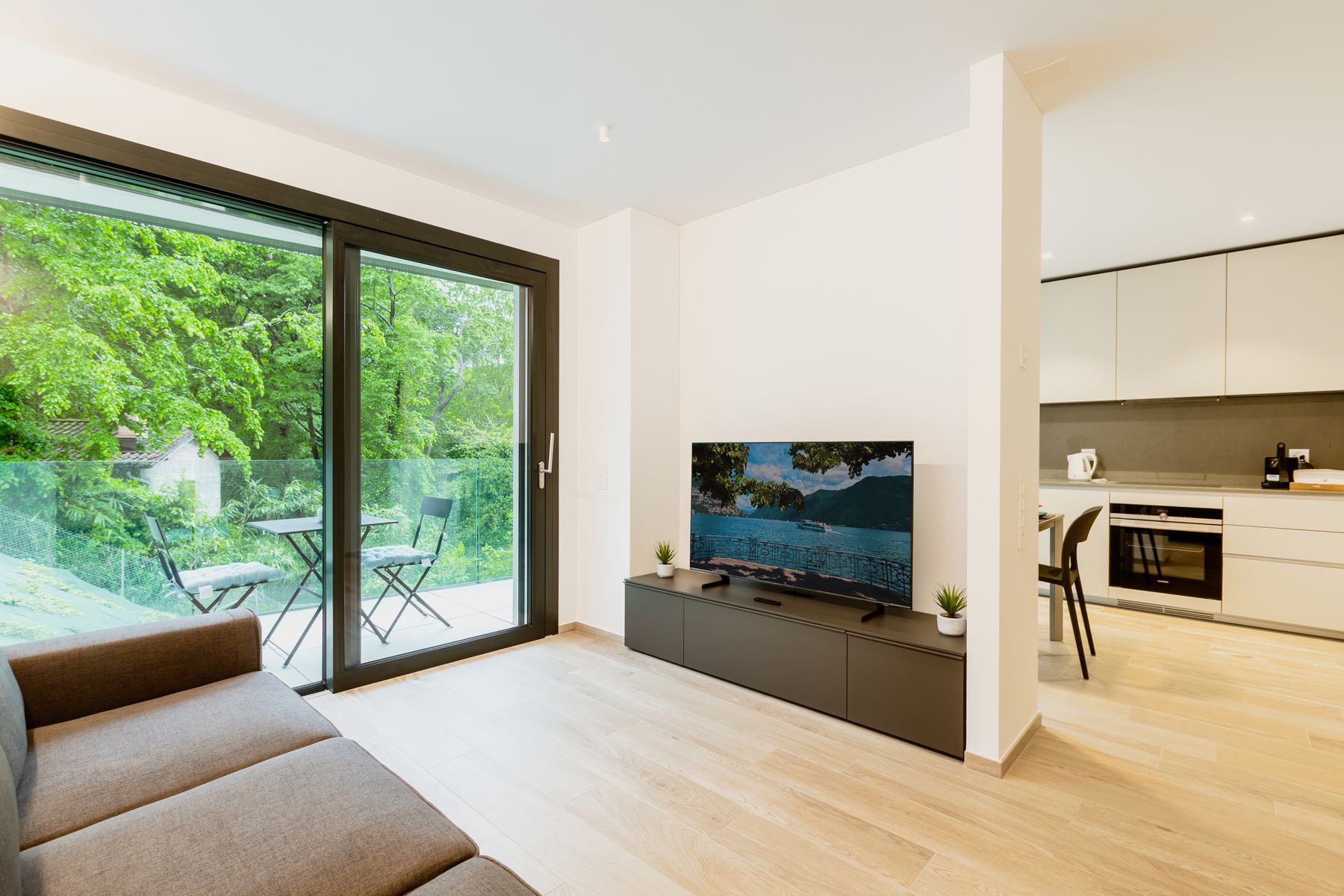
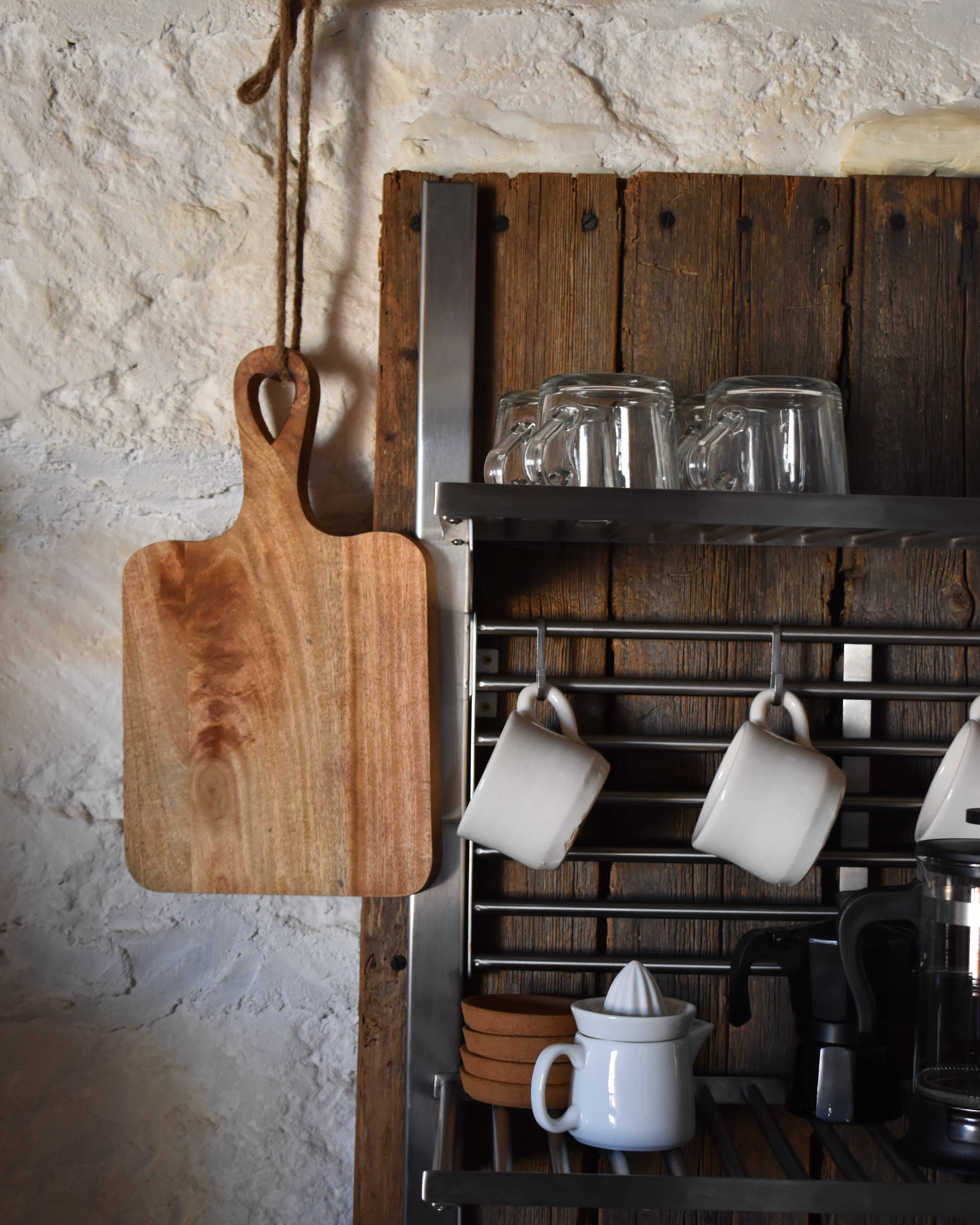
Let Everyday Ceramics Keep Their Jobs
Bowls, pitchers, lamps and planters can bring handwork into the living room when their form, provenance and use are understood. Group a few objects where they serve drinks, hold flowers, light a seat or support a plant. Do not fill high shelves with empty vessels selected only for silhouette, and do not present craft from different regions as interchangeable ethnic texture. A useful contemporary pot by a known maker can be more credible than an artificially weathered replica. Leave space around each group so variation in glaze and form can be seen.
Distinguish Handmade Variation From Failure
Mineral walls, clay, timber, woven fibers and handmade tile age differently. Accept color variation, repaired edges and stable wear where they do not compromise performance; investigate fresh cracks, persistent staining, mold, loose joints and failing finishes. Use the specified cleaner and maintenance method for each surface rather than one harsh universal product. Keep access behind furniture on vulnerable external walls and record the products used for future repair. Mediterranean character depends on materials that can age honestly, not on neglect made picturesque.
Run the Sun-Warmed, Not Themed Test
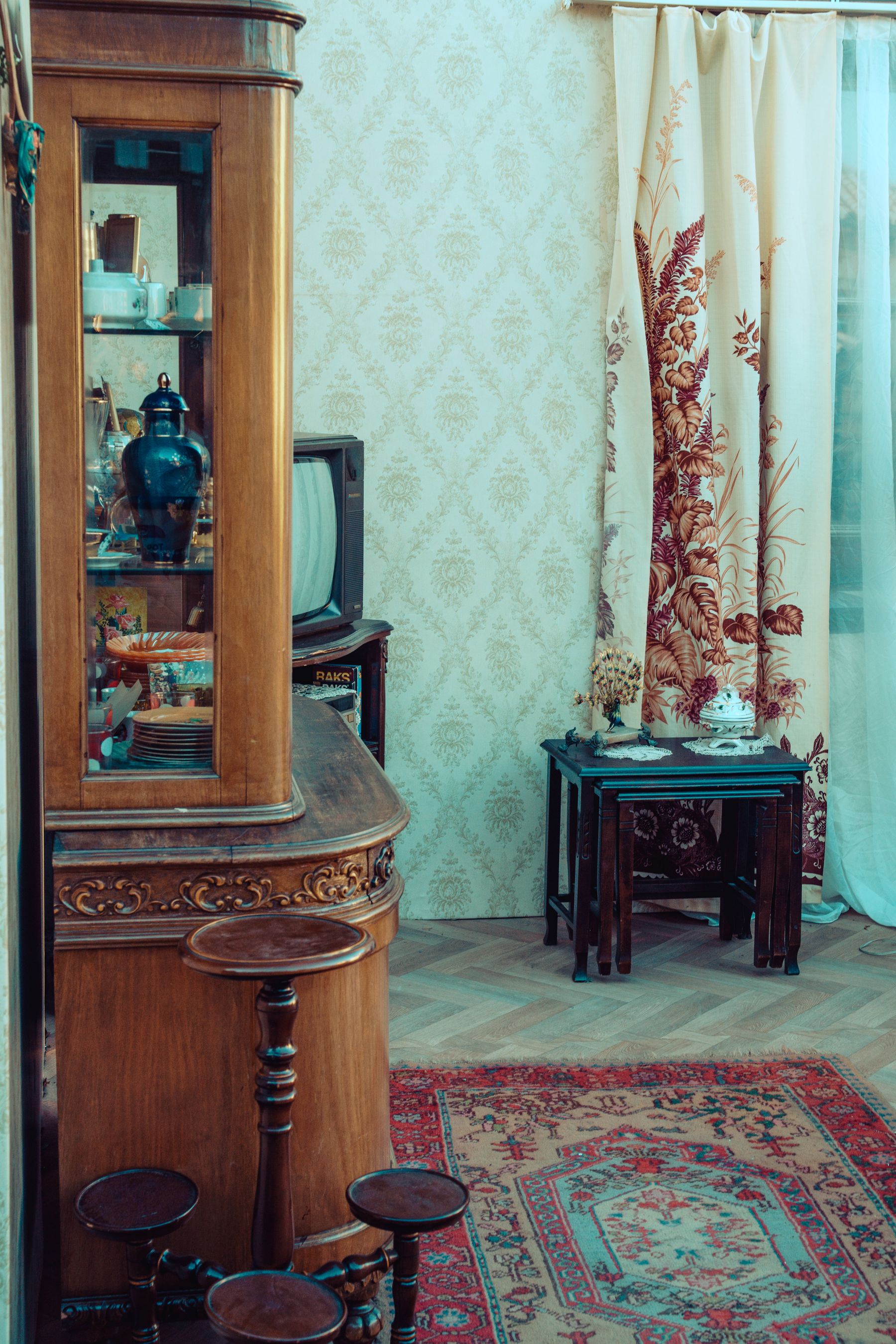
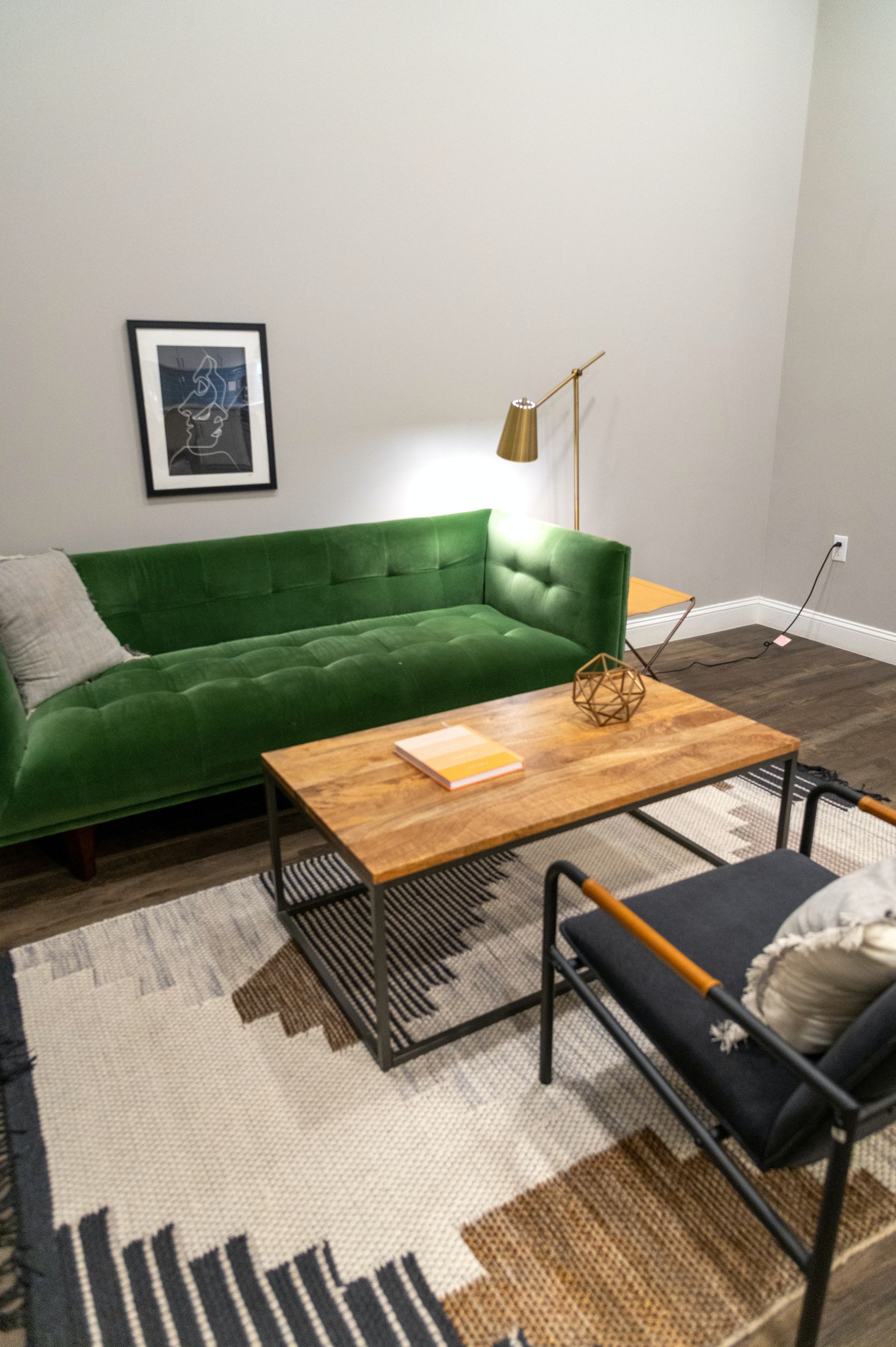
Finish by removing blue-and-white filler, miniature amphorae, faux-aged signs, generic lanterns and any object purchased only because it suggested a holiday. Review the chosen regional lane, light-and-shade composition, social seating, mineral field, concentrated craft, window control, terrace route, evening atmosphere and material care. If the room loses its identity, strengthen one real relationship—perhaps the shaded seating zone, the clay-and-olive value structure or the outdoor threshold—instead of returning every motif. If it remains warm, social and materially coherent, the design is Mediterranean rather than themed.