Material and Climate Before Mediterranean Motif
Mediterranean style begins with the conditions shared by many homes around the basin: strong sun, thick or shaded openings, mineral construction, local timber, hard floors and a need to temper heat. That does not make the region culturally uniform. Decide whether the room is led by whitewashed island simplicity, Iberian warmth, Italian clay, North African craft or another researched reference, then keep the material vocabulary coherent. [Rustic Bedroom Ideas](/bedroom/rustic-bedroom-ideas/) is broader and rougher; Mediterranean design needs a clearer relationship to sun, shade and regional craft.
Mediterranean, Coastal, French Country or Tropical?
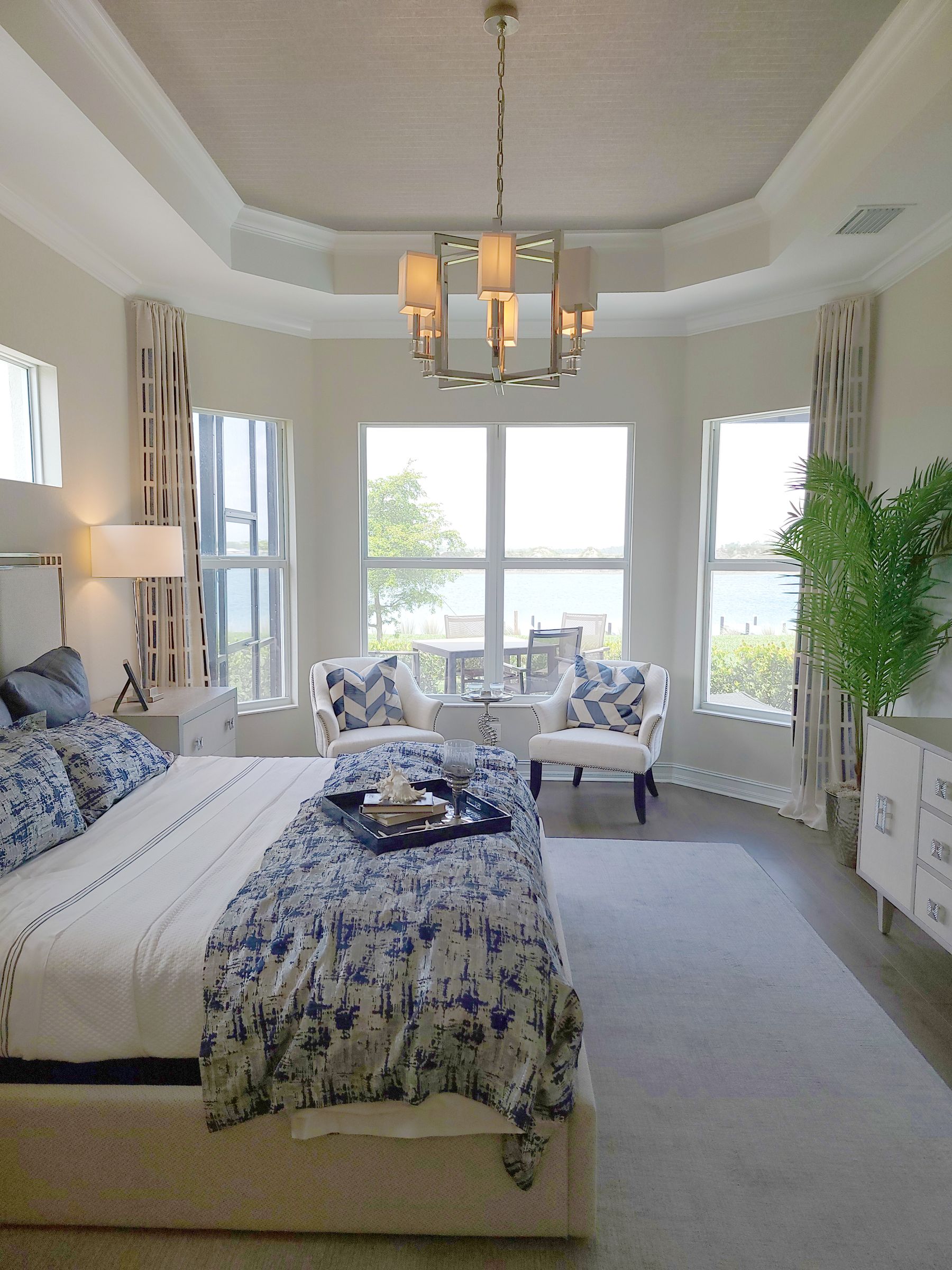
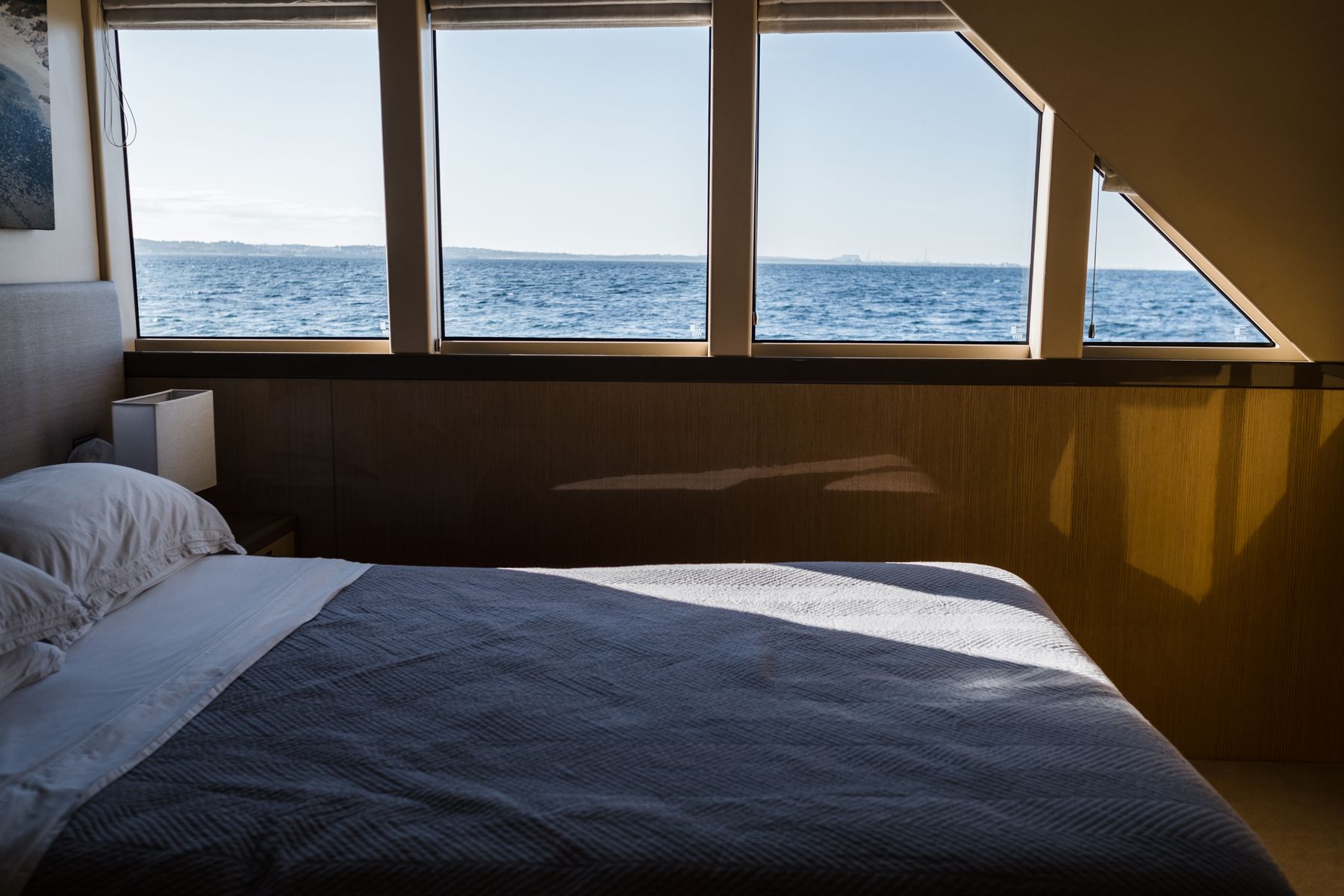
Coastal Bedroom is the broad destination for shoreline light, washed color and easy natural texture. Mediterranean adds regional architecture, clay, stone, plaster and deliberate sun control. French Country Bedroom should center one rural French furniture and textile tradition, while [Tropical Bedroom Ideas](/bedroom/tropical-bedroom-ideas/) addresses humidity, lush planting, deep shade and materials suited to a wetter climate. These pages may share linen, shutters or woven detail, but they should not share the same promise. [Coastal Bedroom Ideas](/bedroom/coastal-bedroom-ideas/) is the correct continuation when coast matters more than regional construction.
Choose a Regional Direction Without Flattening It
A Greek-island direction may be white, spare and shadow-led; an Italian direction may emphasize terracotta, olive-toned timber and softly worn plaster; an Iberian room can support darker iron, carved wood and warmer contrast. North African and Eastern Mediterranean references deserve their own specificity rather than being treated as interchangeable ornament. Research one place, house type or craft tradition and translate only the principles appropriate to the home. Avoid labeling a random mixture of blue, mosaic and arches as authentically Mediterranean.
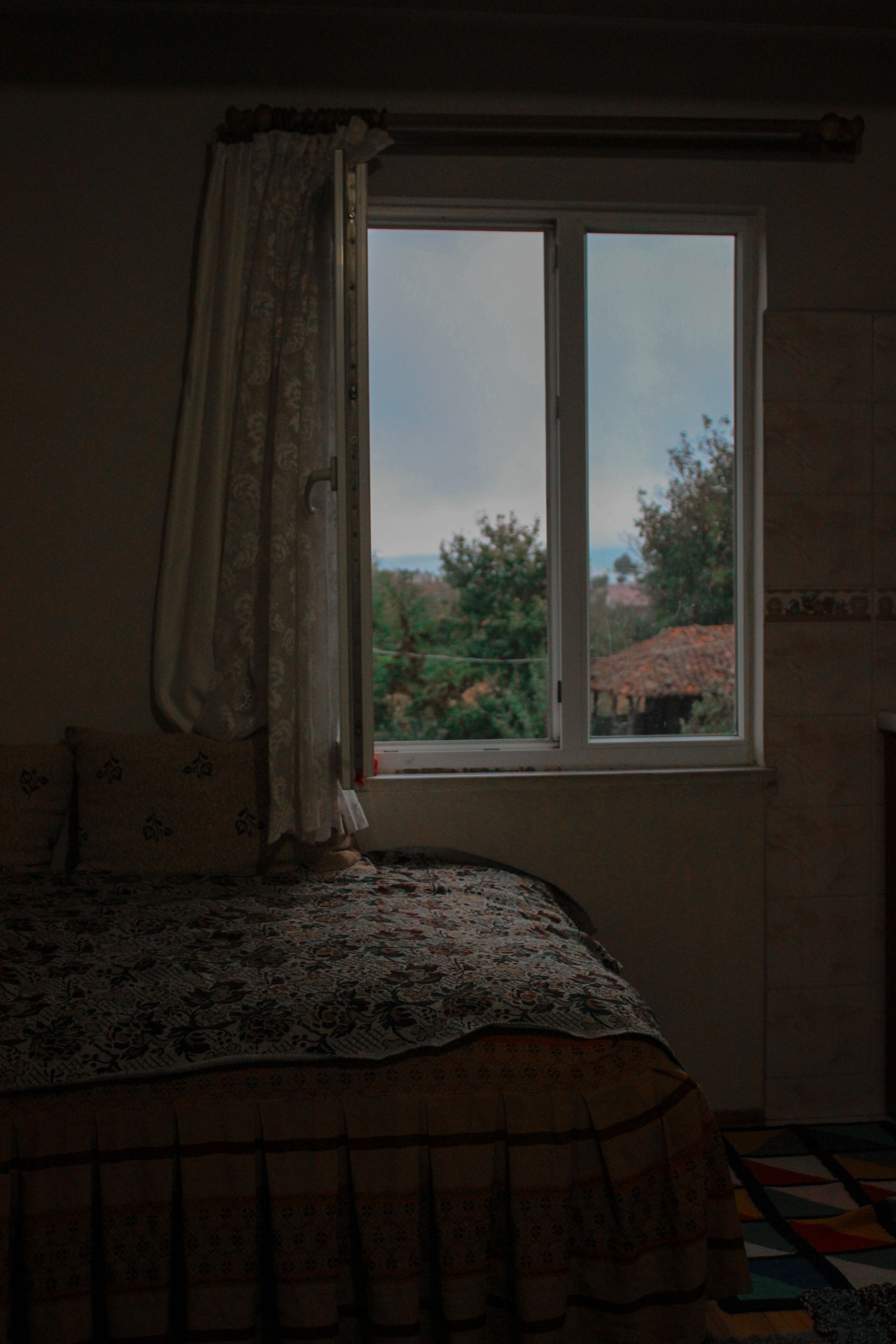
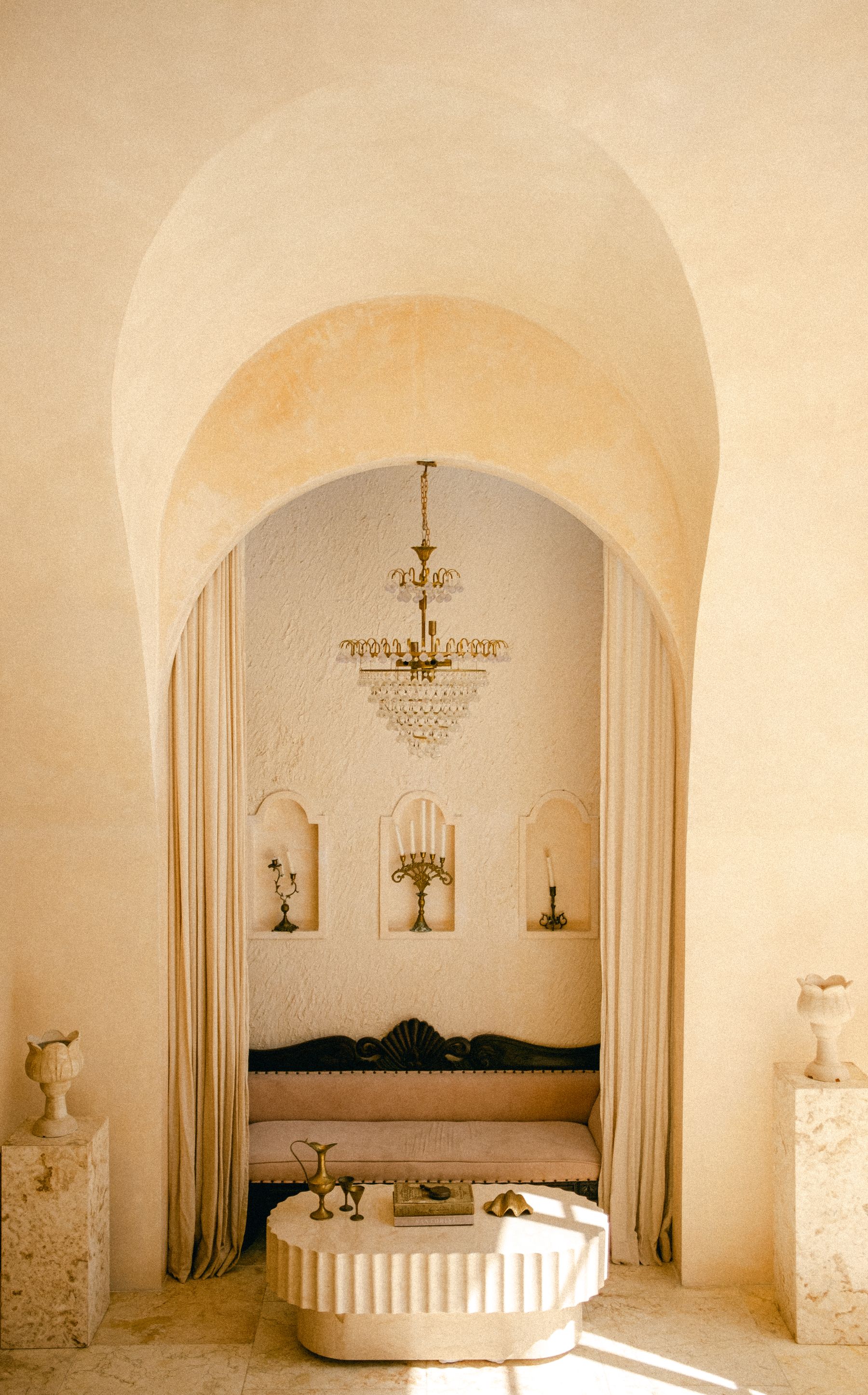
Let Arches and Niches Be Real Architecture
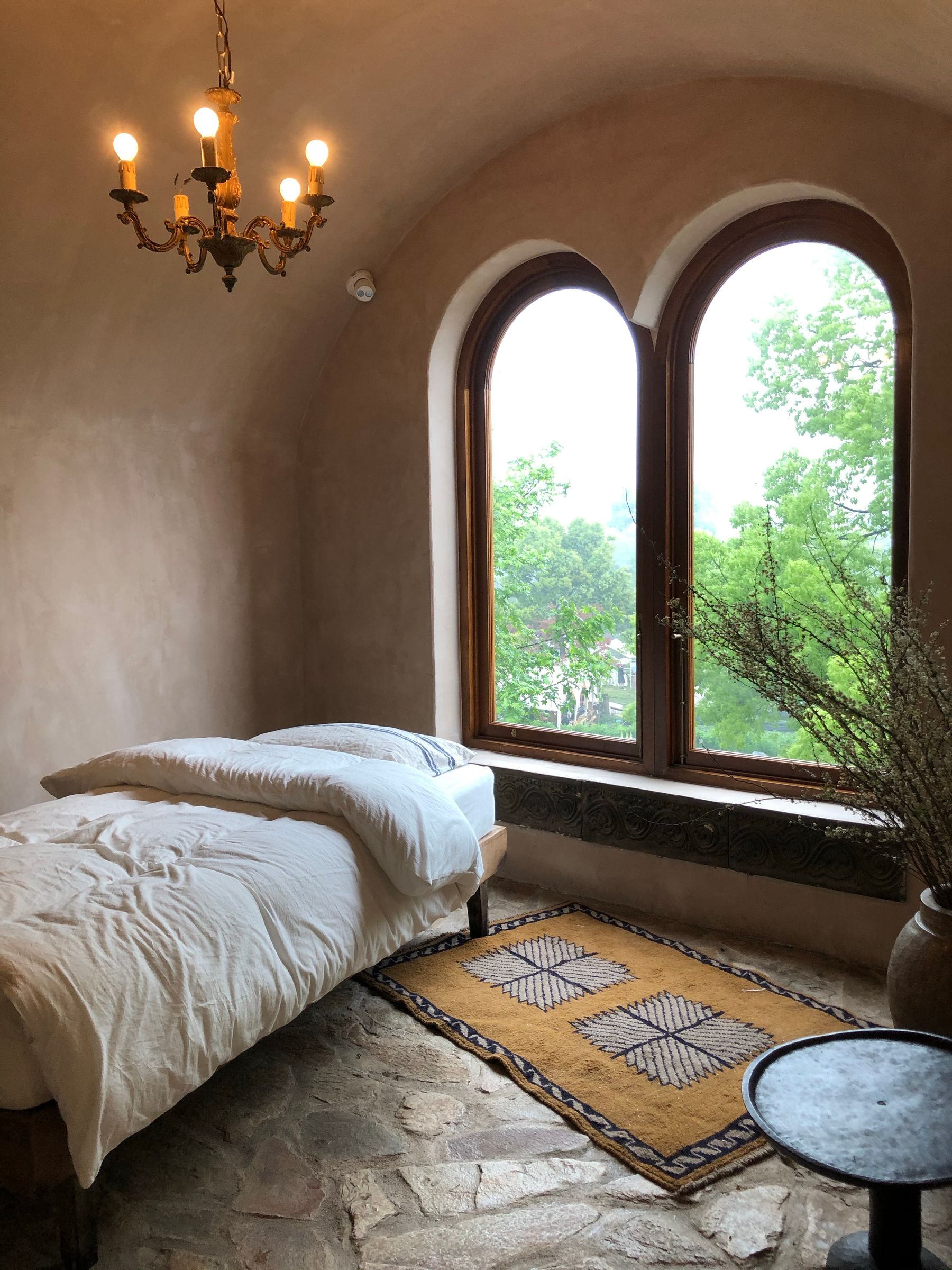
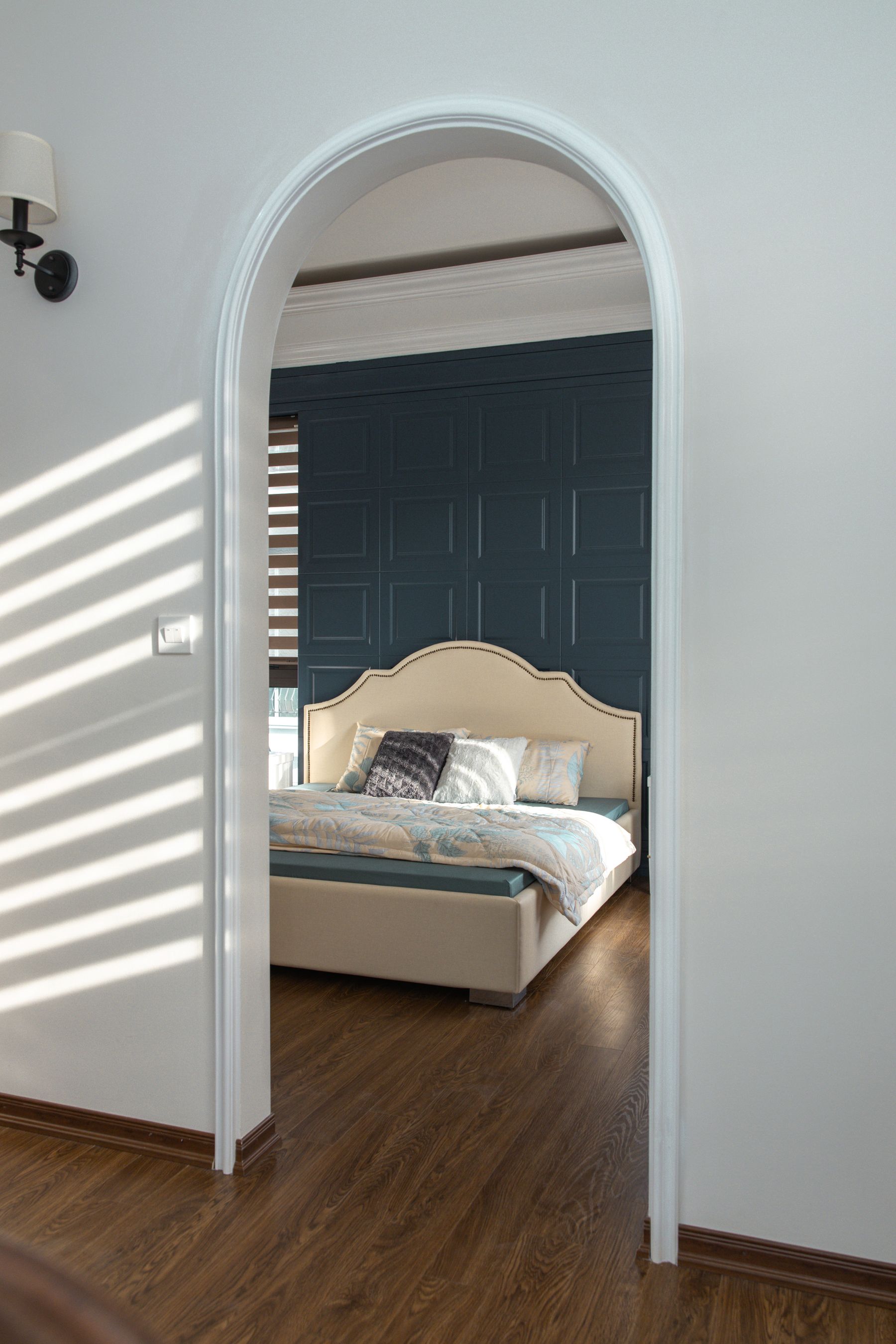
Arches work when they resolve an opening, frame a bed alcove or soften a genuine transition. A painted half-circle or foam molding can become scenery if it has no spatial job. In renovation, confirm structure, services and fire requirements before altering an opening. In a simpler update, round one built-in corner, use a deep rectangular reveal or choose a softly curved headboard instead. One convincing curve is usually stronger than multiple decorative arches. [Modern Bedroom Ideas](/bedroom/modern-bedroom-ideas/) offers a cleaner framework when the curve is the only historic reference.
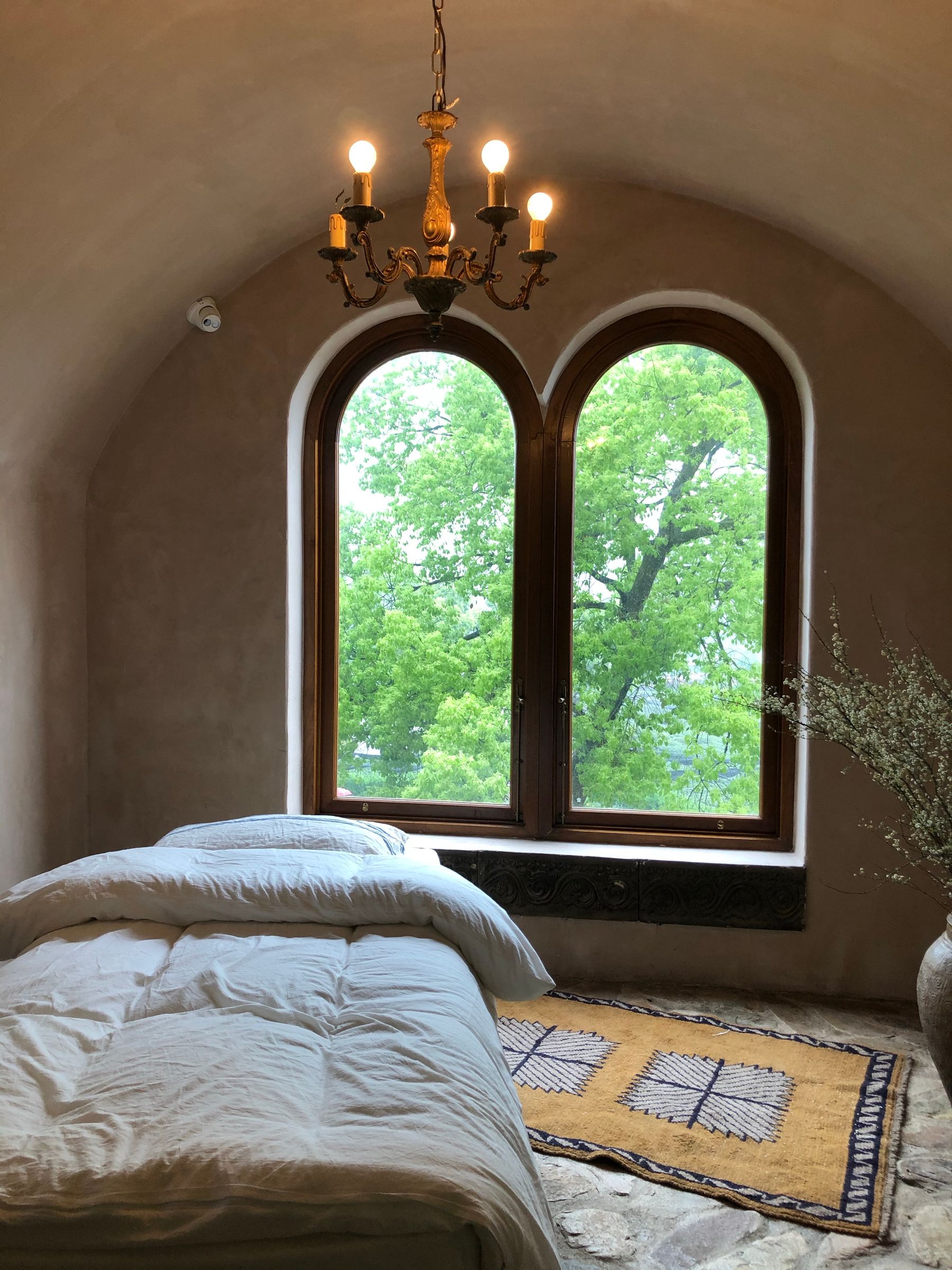
Plaster and Lime as Light-Shaping Surfaces
Limewash and mineral plaster can create soft tonal movement and, in suitable wall assemblies, vapor permeability. They are not universal coatings: substrate, primer, moisture source, installer skill and maintenance expectations matter. Sample a large area because small cards cannot show mottling or trowel movement. In rentals or modern drywall rooms, a matte mineral-look paint may be the safer reversible interpretation. Never use decorative texture to conceal active damp, salts or cracking; diagnose the building first and specify the finish for the actual construction.
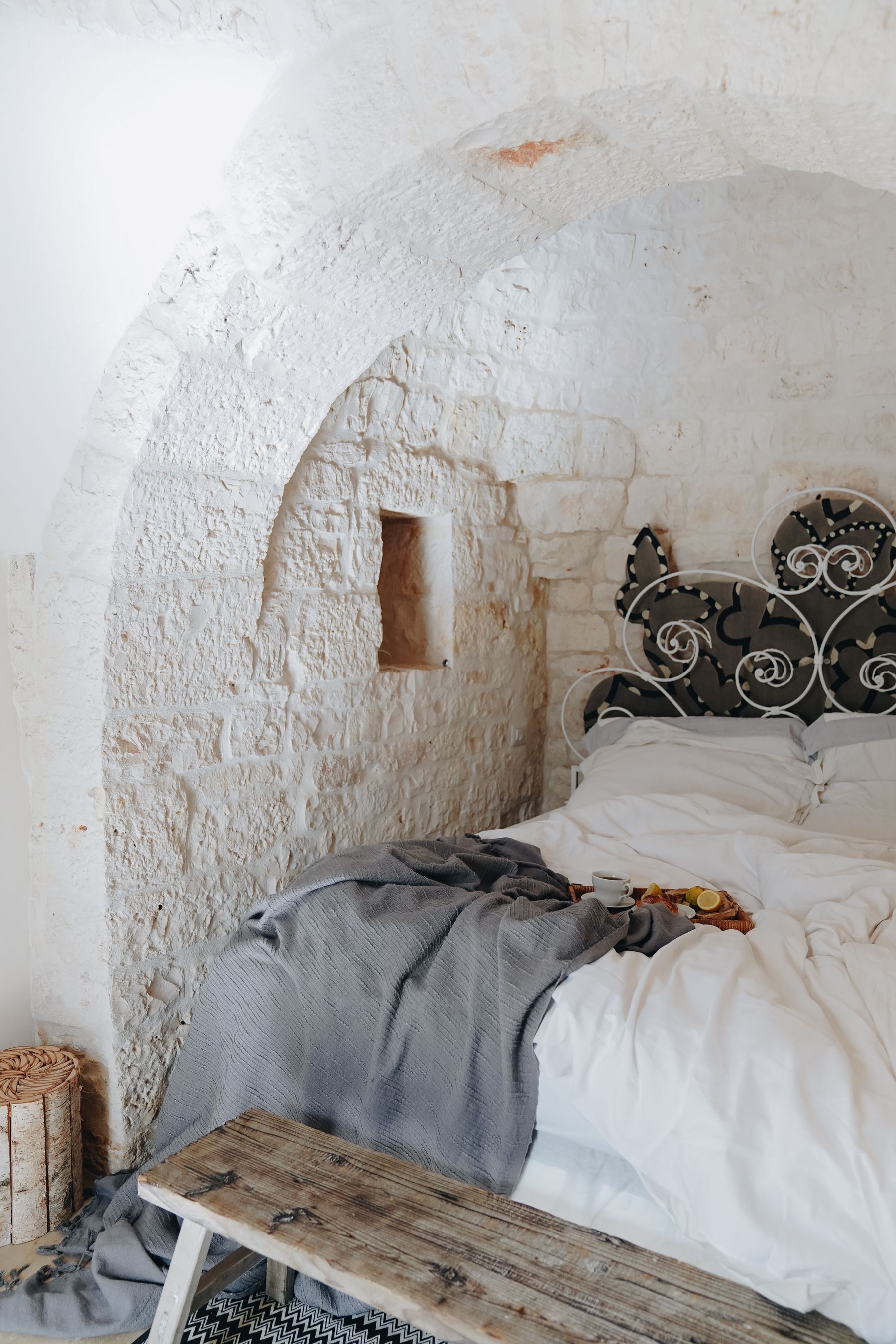
Balance Stone Walls With Sleep Comfort
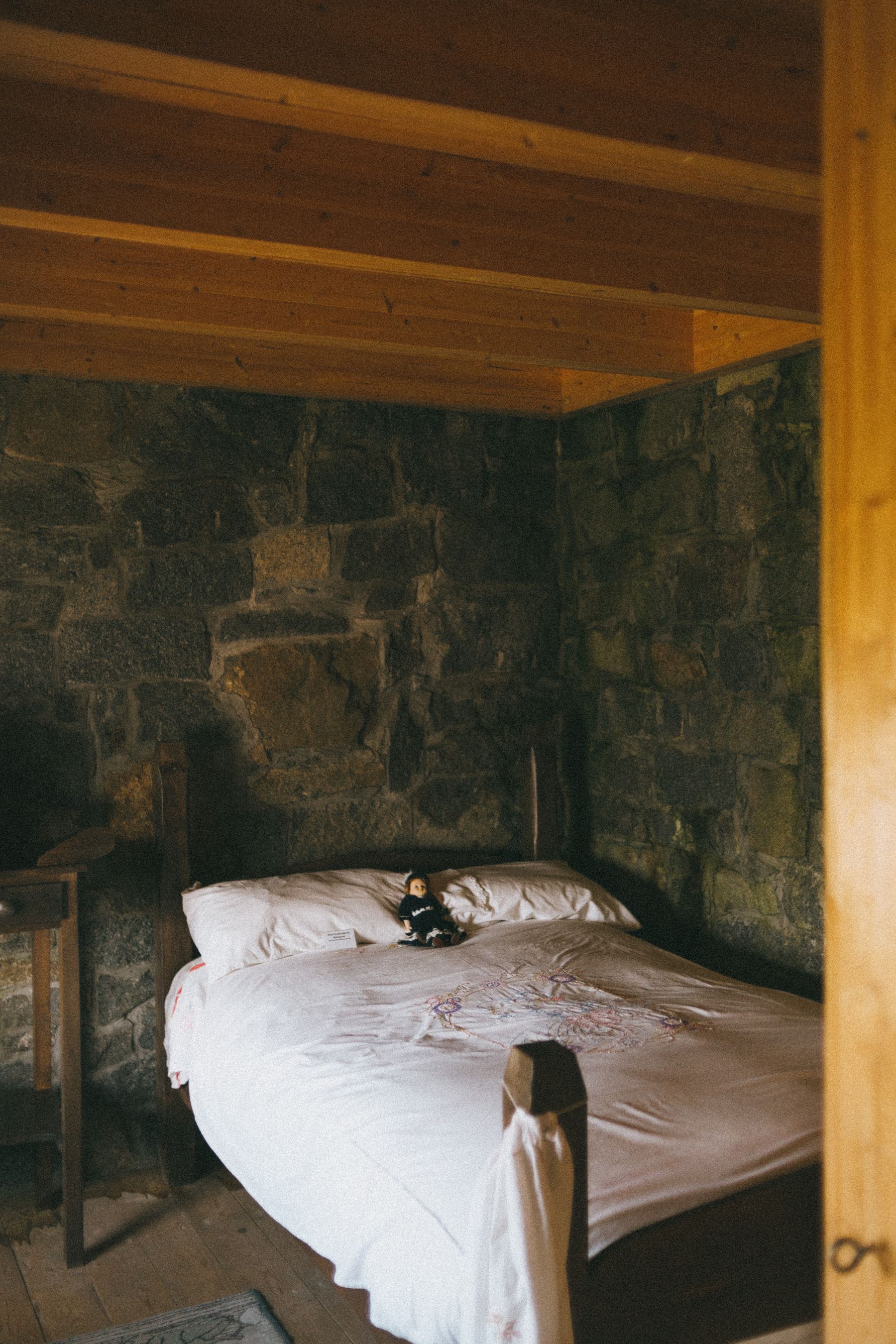
Original stone can anchor the room, but it may also be dusty, cold, uneven or moisture-prone. Check pointing, salts, airflow and thermal behavior before exposing more. Keep the bed slightly clear of a cold external wall and use a stable headboard or washable textile layer to protect sleepers from abrasive surfaces. One stone plane is often enough; repeating stone veneer around every opening can make the bedroom feel like a set. Soft bedding, timber and a rug should restore acoustic and tactile comfort.
Terracotta Where Warmth Can Be Felt
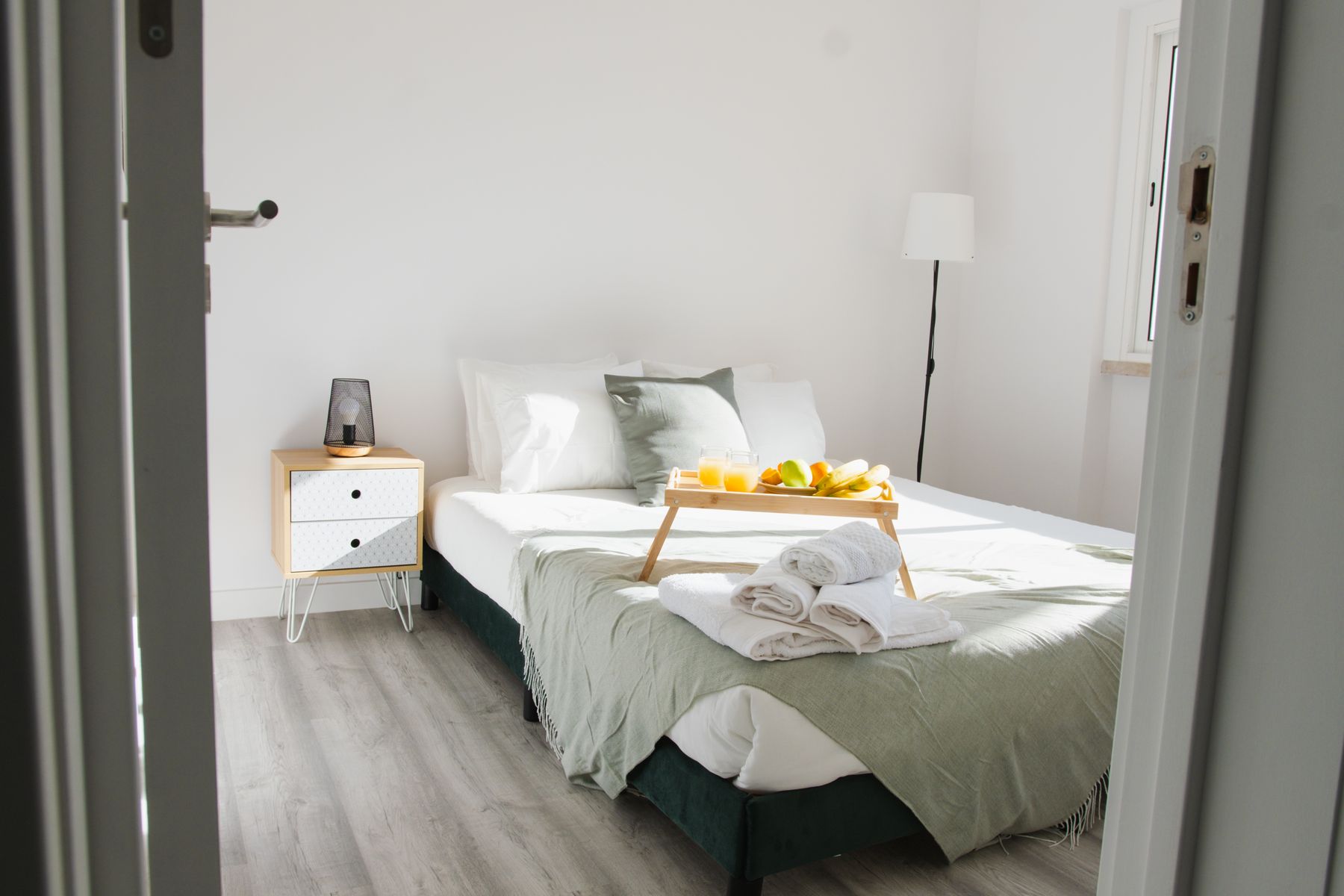
Terracotta flooring brings color variation, thermal mass and a tactile link to clay, but it needs appropriate sealing, cleaning and underfoot planning. In a cold climate, evaluate insulation and heating before romanticizing hard tile. A large bedside rug, warm slippers and a stable transition edge can improve comfort. If replacing the floor is impossible, use clay-toned paint, a throw or one ceramic lamp rather than a printed imitation surface. [Yellow Bedroom Ideas](/bedroom/yellow-bedroom-ideas/) helps when ochre and sun-baked color are the main design problem.
Timber as Structure, Not Artificial Age
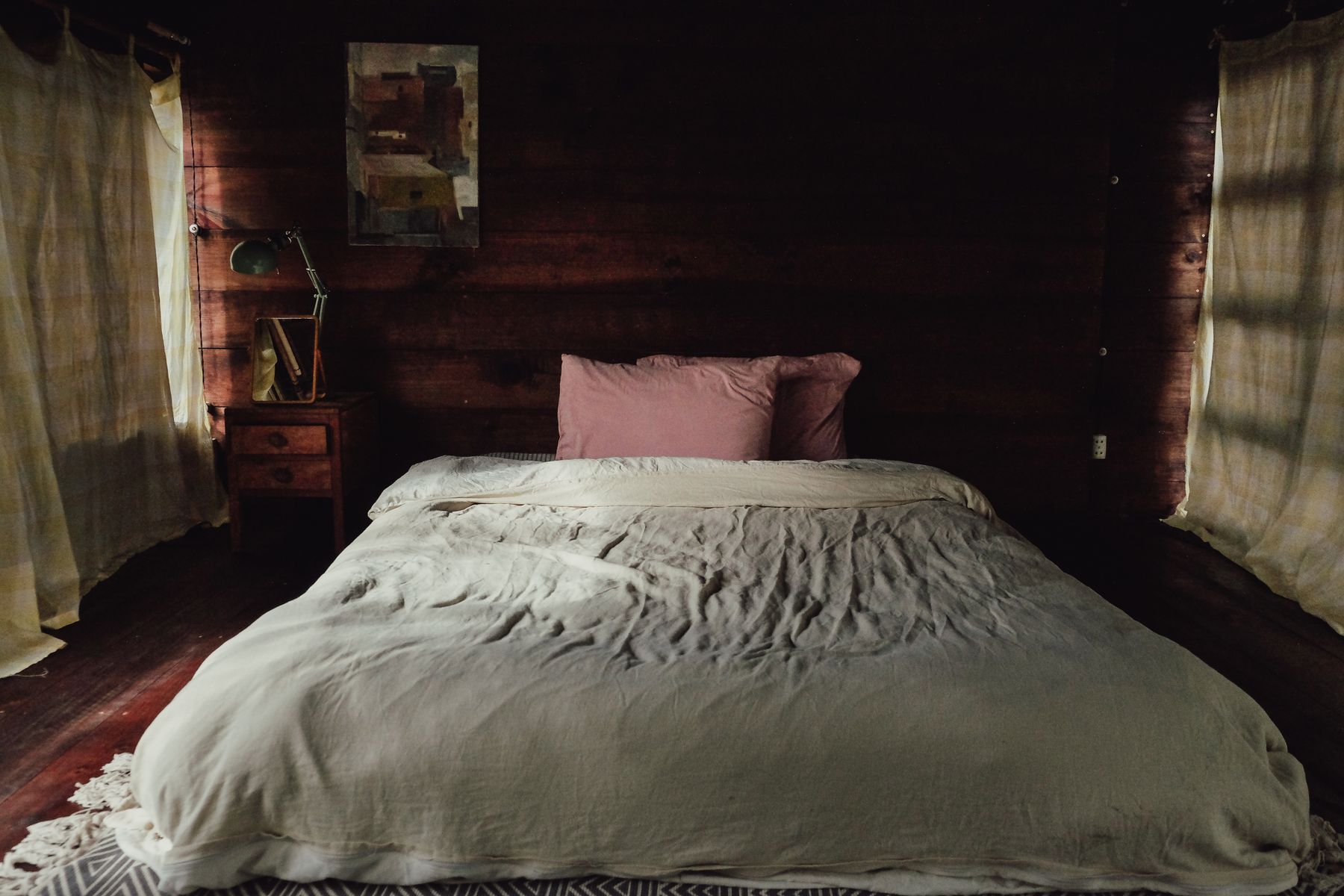
Exposed beams, shutters, doors and simple furniture can ground mineral surfaces. Preserve sound original timber, but do not add hollow faux beams where they distort ceiling height or block light. New wood should be chosen for proportion, species and finish rather than aggressively distressed to simulate age. Check old timbers for pests, movement and previous coatings before sanding or sealing. A medium or dark timber note can keep white plaster from feeling resort-generic, while too many unrelated stains make the room visually restless.
Iron as a Fine Dark Line
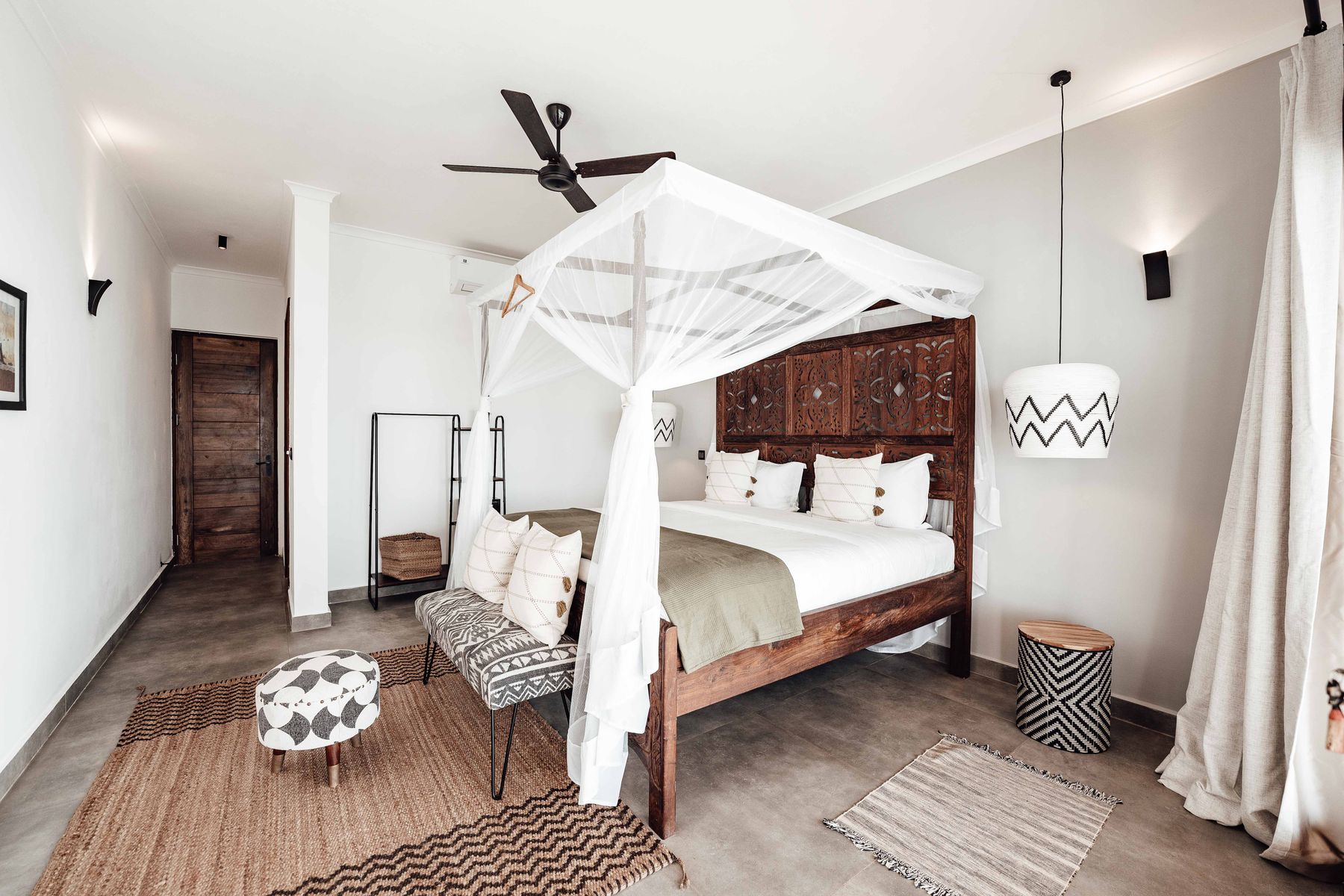
Iron is effective in a bed frame, sconce arm, curtain rod or small table because it draws a precise line against pale plaster. Thick scrollwork on every item turns a material accent into theme. Inspect antique frames for stability, sharp edges and compatibility with current mattress sizes. In humid or coastal locations, specify finishes and fixings that resist corrosion. Keep the darkest metal repeated two or three times at most so it supports the architecture rather than fragmenting the room into black punctuation.
A Mineral White, Clay and Olive Palette
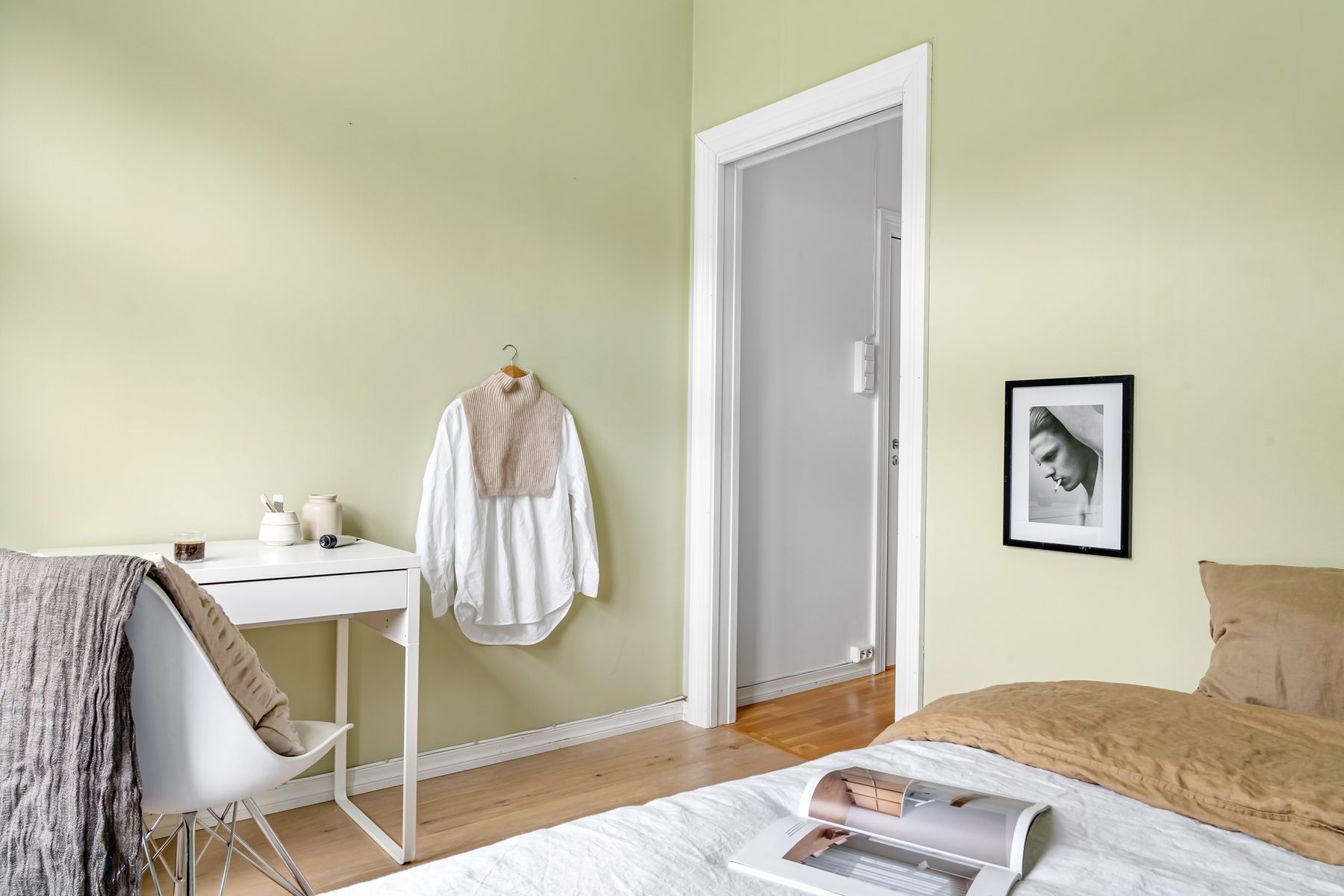
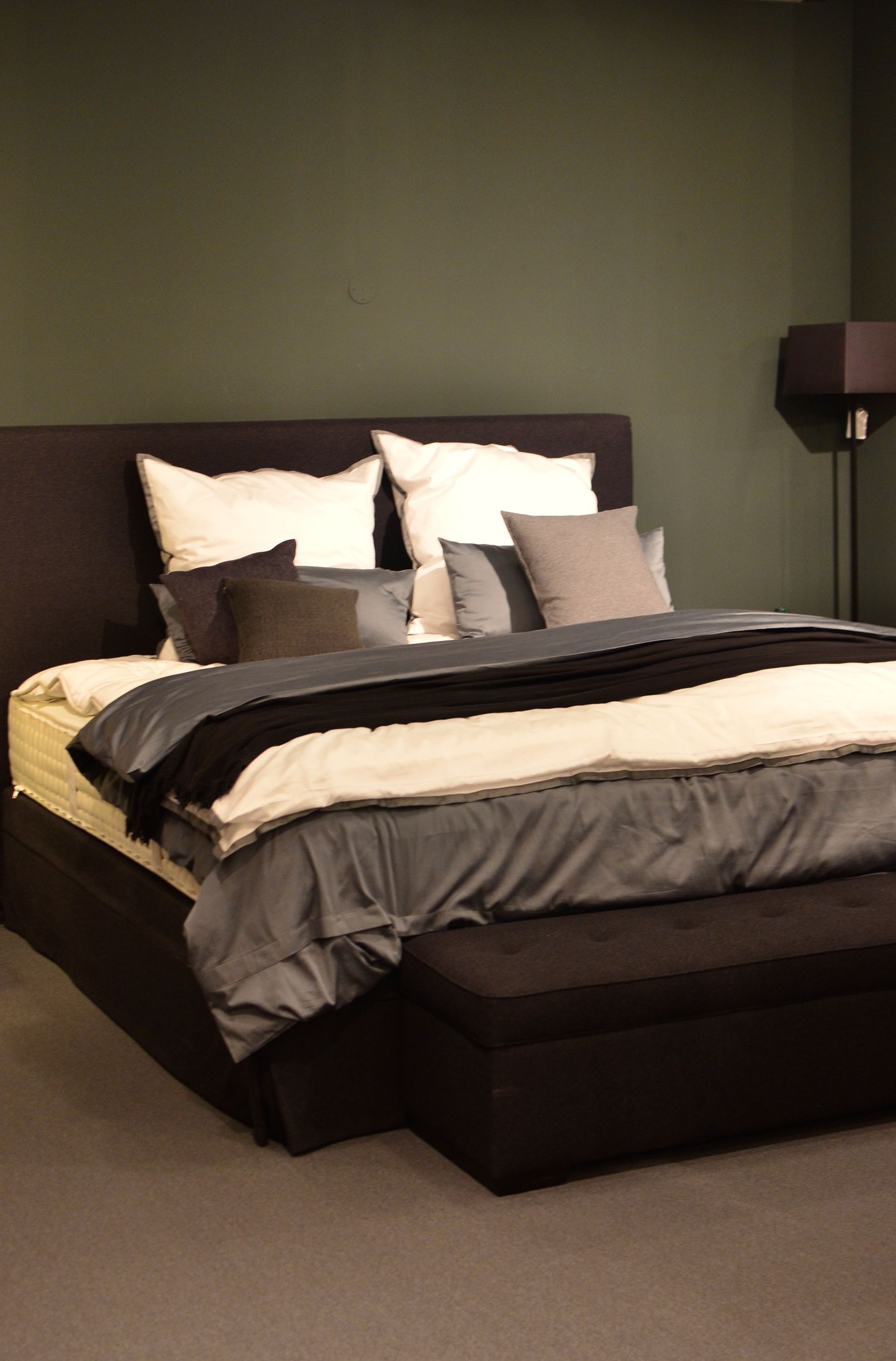
Start with the fixed material colors: stone, timber, floor and daylight. Add mineral white, sand or chalk as the broad field, then choose clay, olive, saffron or sea blue as one controlled family. Mediterranean does not mean using all four. Warm rooms often need quieter accents than inspiration images suggest, while cool northern light may need creamier plaster and richer textile color. [Green Bedroom Ideas](/bedroom/green-bedroom-ideas/) provides a fuller route when botanical or olive color is the central decision.
When Blue Belongs to the Chosen Regional Direction
Blue can reference shutters, glazed ceramics or sea light, but it is not mandatory. Choose chalky Aegean blue, deep Iberian indigo or green-blue according to the regional story and actual daylight. Repeat it in only a few useful places, such as a shutter, coverlet edge or lamp, instead of filling the room with coordinated accessories. [Blue Bedroom Ideas](/bedroom/blue-bedroom-ideas/) is the stronger destination when hue selection, saturation and color balance matter more than plaster, clay or climate.
Loose Bedding With a Washable Sleep Logic
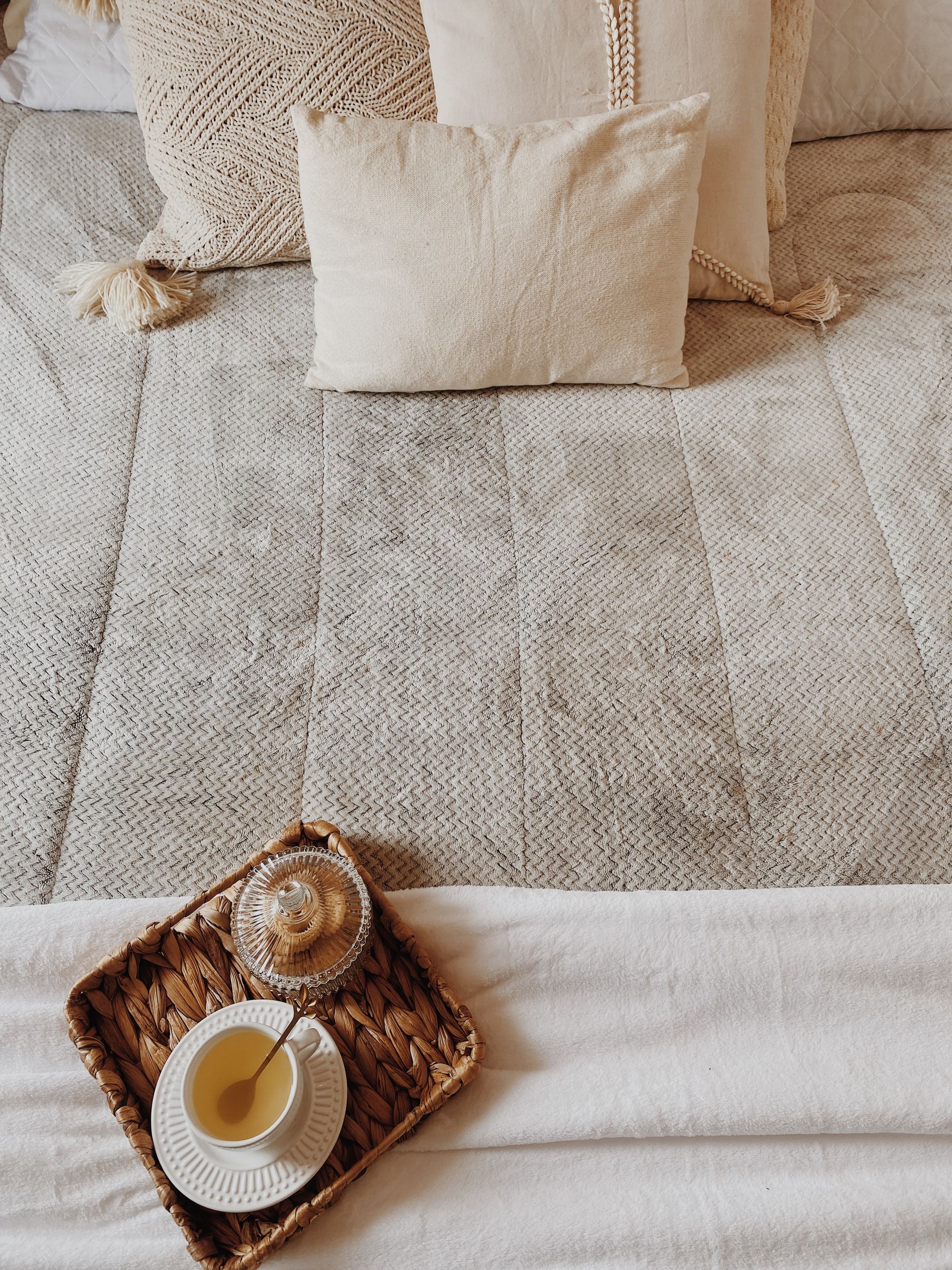
Washed linen, cotton percale, a light quilt and one textured throw suit the relaxed visual language and allow flexible thermal control. Choose fabric by feel, care, durability and climate rather than treating linen as a style requirement. Keep pillow quantities realistic so the room has somewhere to put them at night. Clay, olive or blue can appear as a narrow layer against cream or sand. [Neutral Bedroom Ideas](/bedroom/neutral-bedroom-ideas/) goes deeper when subtle value and texture must carry the entire scheme.
Rugs Over Hard Floors: Warmth Without Instability
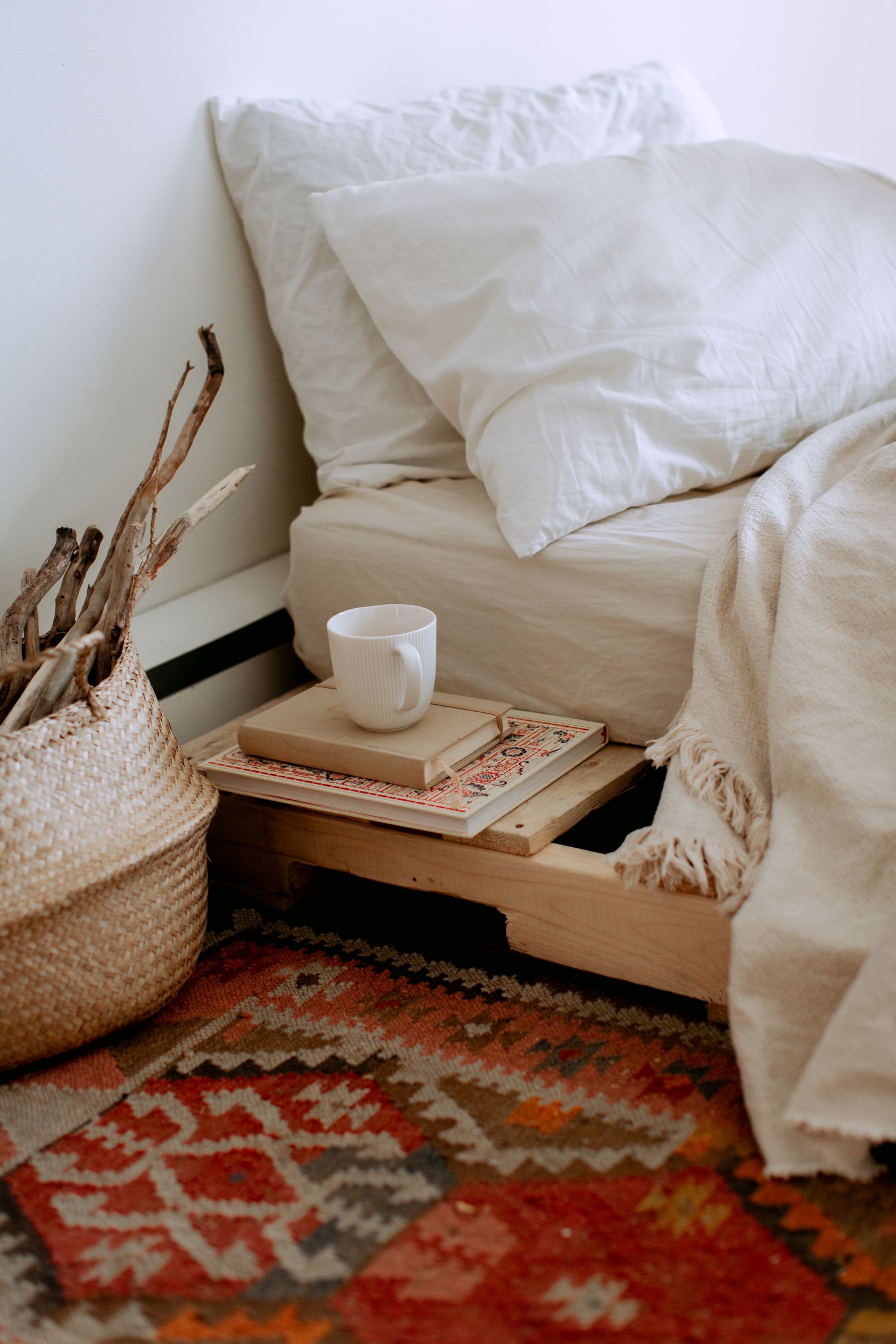
A wool flatweave, low-pile rug or washable runner can soften stone and terracotta without hiding them. Size it so the first step from bed lands on textile, then secure every edge with a suitable underlay. Avoid small floating rugs in nighttime routes, especially for children, older adults or anyone with limited balance. Pattern should relate to the chosen regional direction and be credited honestly, not presented as generically Mediterranean. [Boho Bedroom Ideas](/bedroom/boho-bedroom-ideas/) is more appropriate when layered global textiles lead the room.
Shutters, Sheers and Blackout Have Separate Jobs
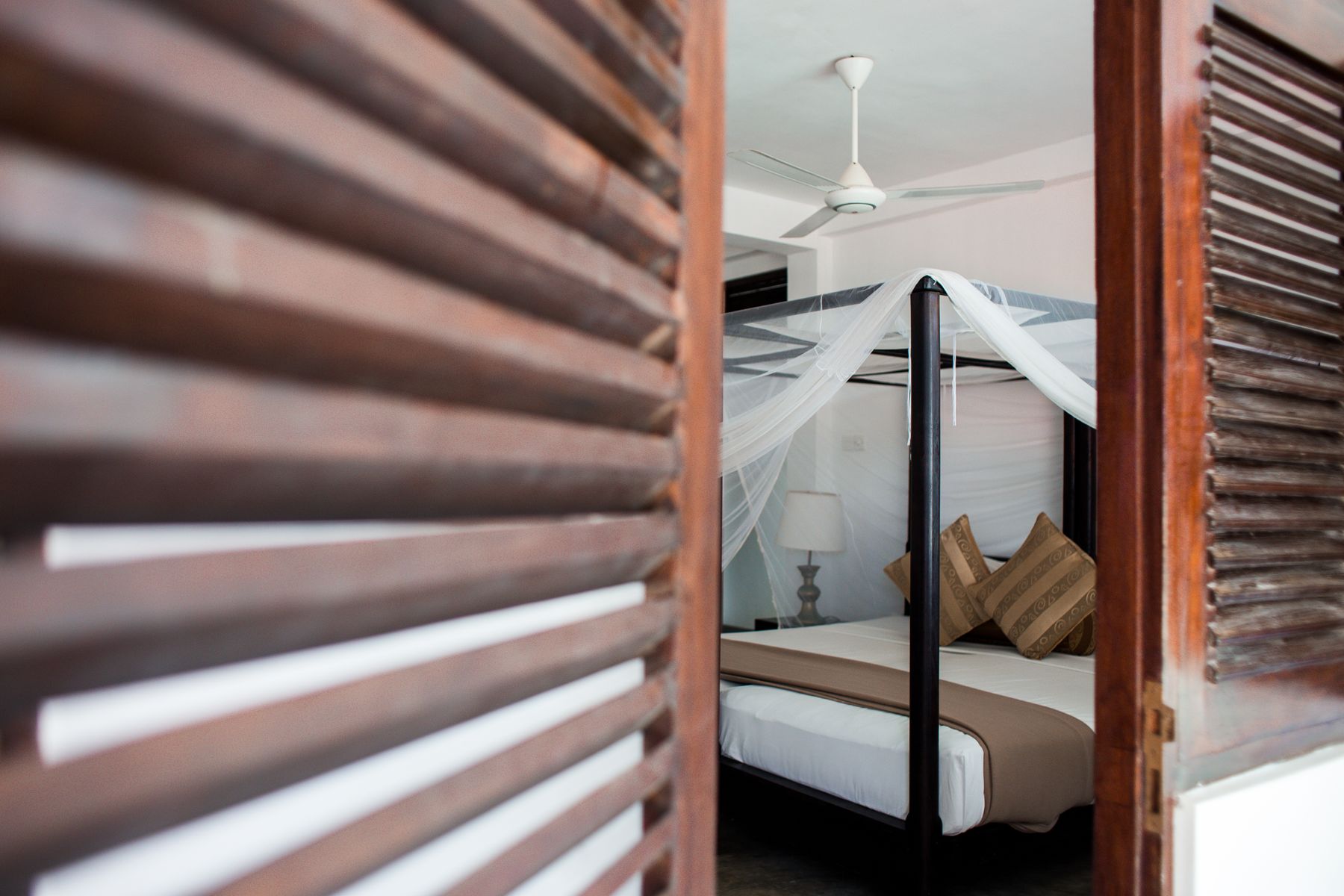
Shutters can filter strong sun, support privacy and create moving shadow, but they do not always provide full blackout or insulation. Add a sheer for daytime softness and a lined curtain or blind when sleep darkness requires it. Preserve handle, insect-screen and cleaning access, and keep fabric clear of heat sources. In a modern room, external shading may outperform decorative interior shutters. The goal is control across morning, afternoon and night, not simply a photogenic half-open window.
Plan Cross-Ventilation Without Sacrificing Sleep
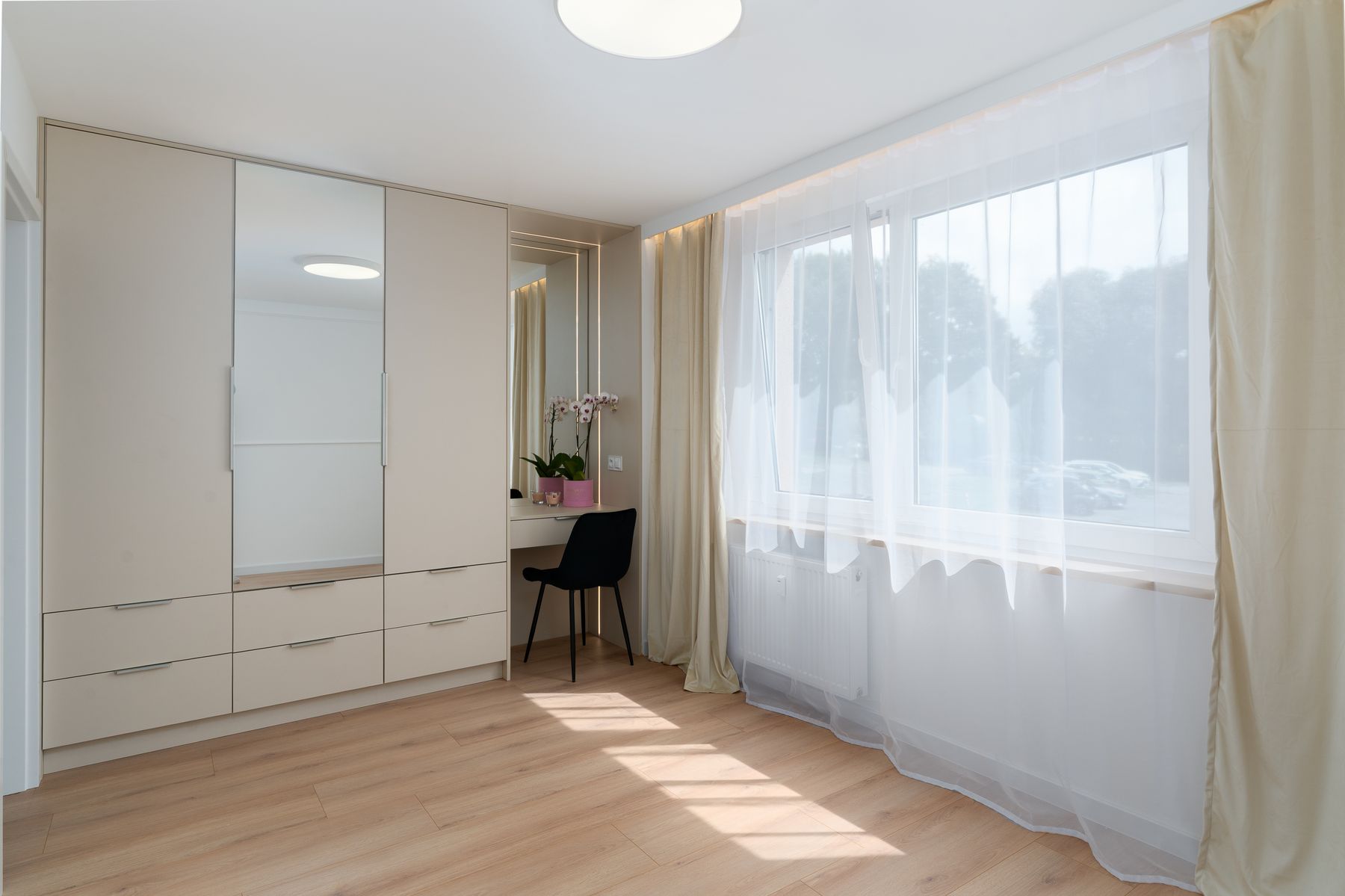
Where climate and security permit, align operable windows or a window and door so air can move across the sleeping zone. Keep tall wardrobes from blocking the path and use secure night-vent positions, screens or quiet mechanical support where needed. Outdoor noise, smoke, pollen and humidity can make open-window cooling inappropriate, so do not romanticize ventilation as the only answer. [Bright Bedroom Ideas](/bedroom/bright-bedroom-ideas/) helps coordinate large openings with glare and visual openness.
Control Heat Before Adding More Cooling Equipment
External shade, shutters, insulated roof and wall assemblies, controlled glazing and nighttime ventilation can reduce heat gain before fans or air-conditioning address the remainder. Keep equipment serviceable and visually quiet rather than hiding vents behind fabric or furniture. Ceiling fans require safe height and clearance; portable units need drainage and secure window interfaces. A Mediterranean look should not excuse an overheated room. Comfort, sleep quality and local energy conditions must lead the specification, especially in converted attics and west-facing bedrooms.

Low Warm Light Without Lost Task Clarity
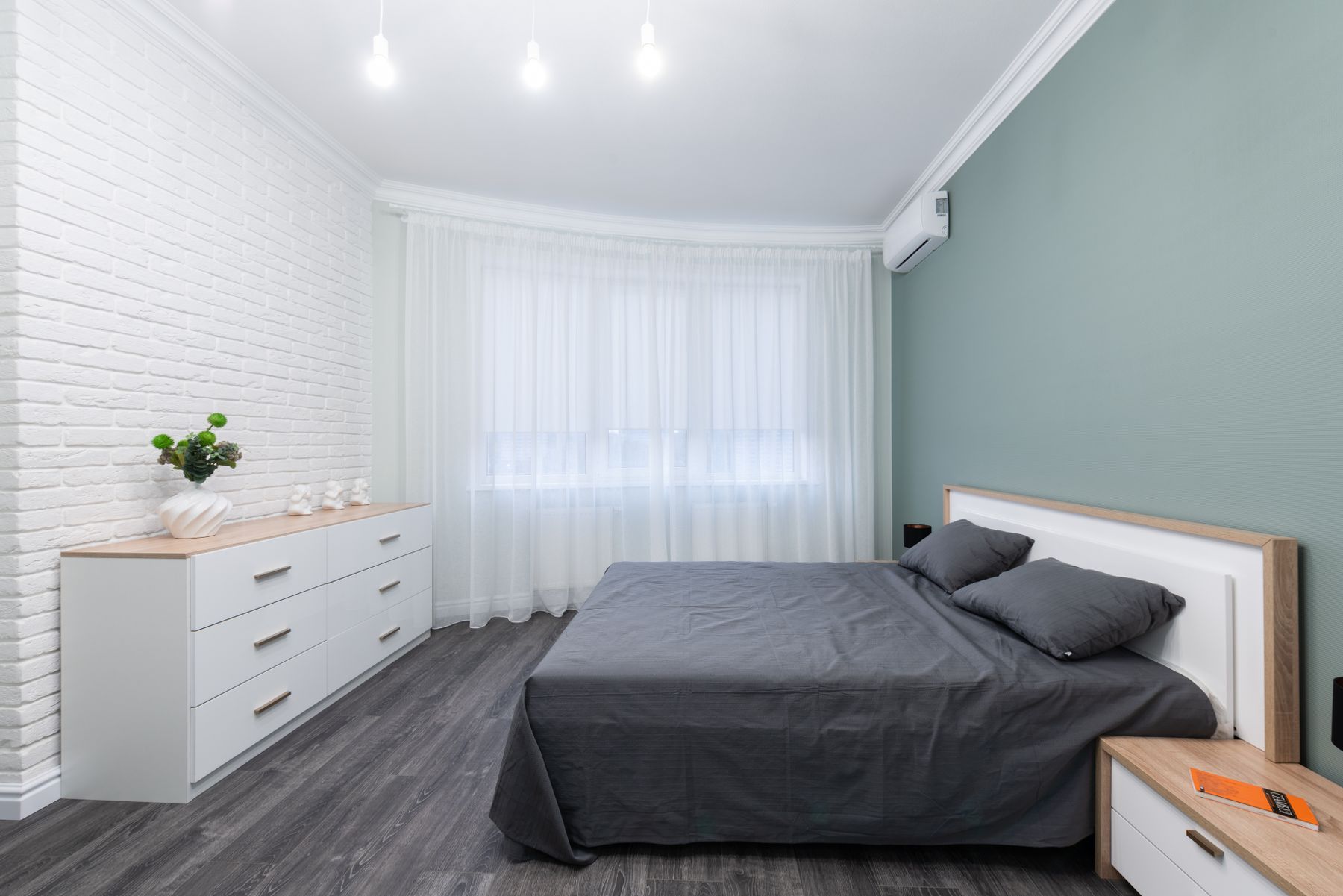
Use a soft ambient source, shielded bedside light and accurate dressing or wardrobe light. Woven pendants can cast beautiful texture but may also create glare or distracting shadow; inspect them from the pillow. Slim iron sconces or clay lamps can support the material story when their switches are reachable. Avoid making the room uniformly dim in the name of atmosphere. Cleaning, reading and dressing need useful illumination, while warmer low-level light can handle winding down. Keep electrical work compliant and cords clear of routes.
Furniture Weight Needs Breathing Room
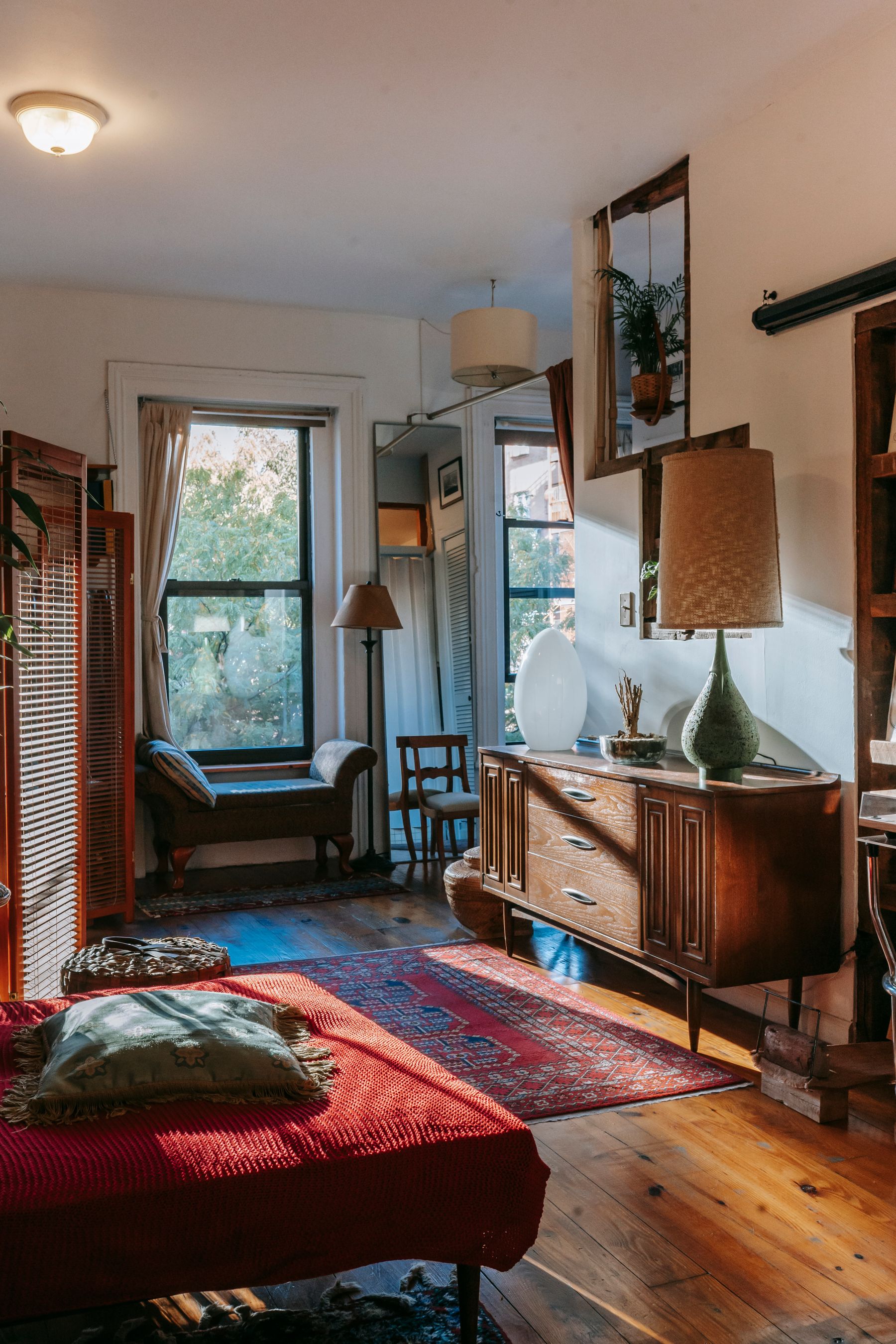
A timber chest, simple stool, cane chair or plaster bedside ledge can give the room substance, but Mediterranean is not a license for oversized dark furniture. Match the bed and storage to the room's actual clearances, then leave mineral wall and floor visible. Mix old and new by function: a sound contemporary bed may sit with an inspected vintage chest. [Country Bedroom Ideas](/bedroom/country-bedroom-ideas/) is the better route when regional furniture and accumulated domestic history outweigh sun-shaped architecture.
Storage Inside Thick-Looking Planes
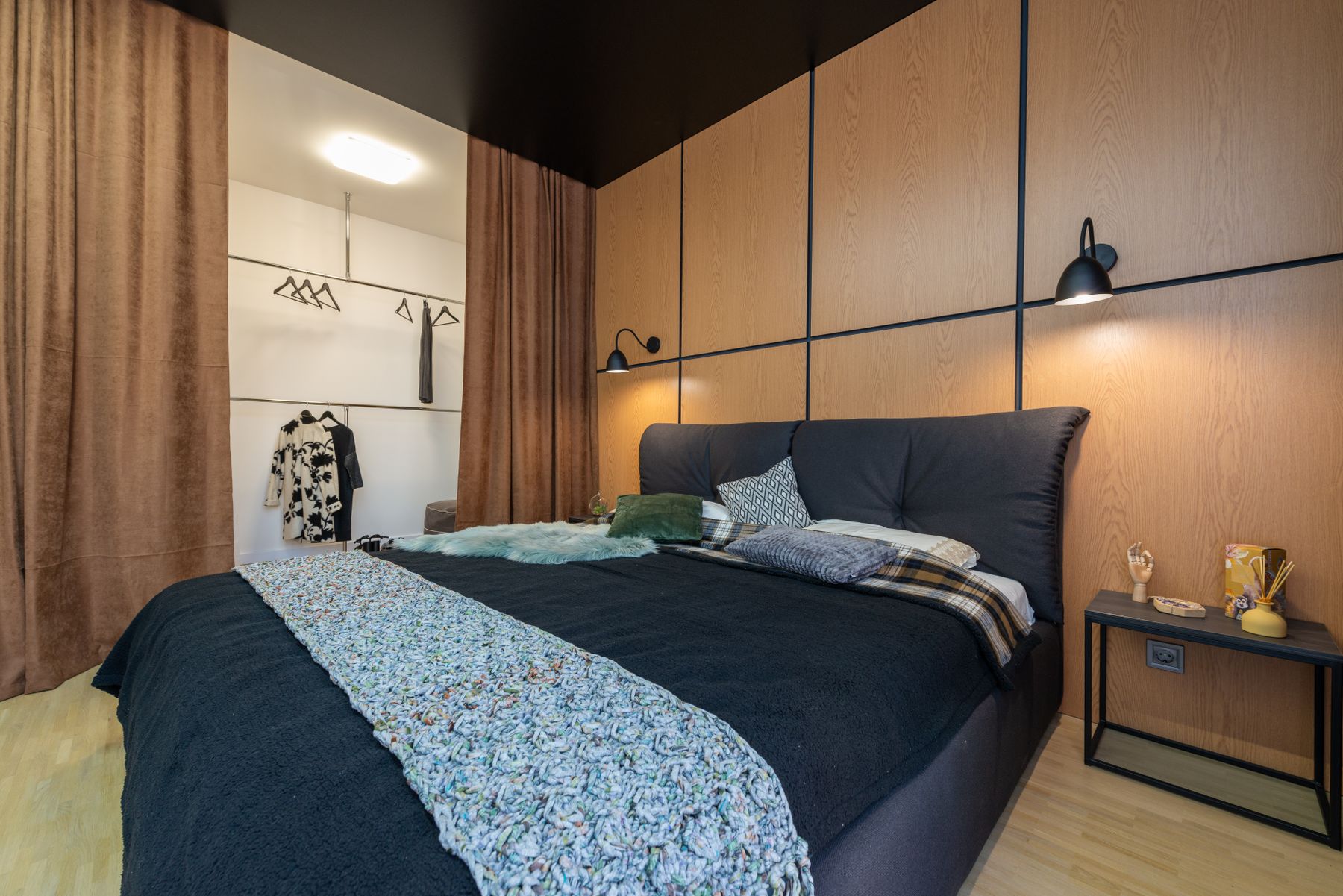
Recessed wardrobes, full-height plaster-colored doors and bedside niches can keep the room visually calm. They must still provide hinge clearance, internal light, ventilation and accessible handles. Do not thicken every wall with false architecture or create sealed cupboards against damp masonry. Freestanding timber storage may be safer in an old building because air and inspection remain possible. In a small room, prioritize daily clothing and move seasonal items elsewhere instead of forcing a decorative built-in into every recess.
Handmade Tile as a Precise Accent
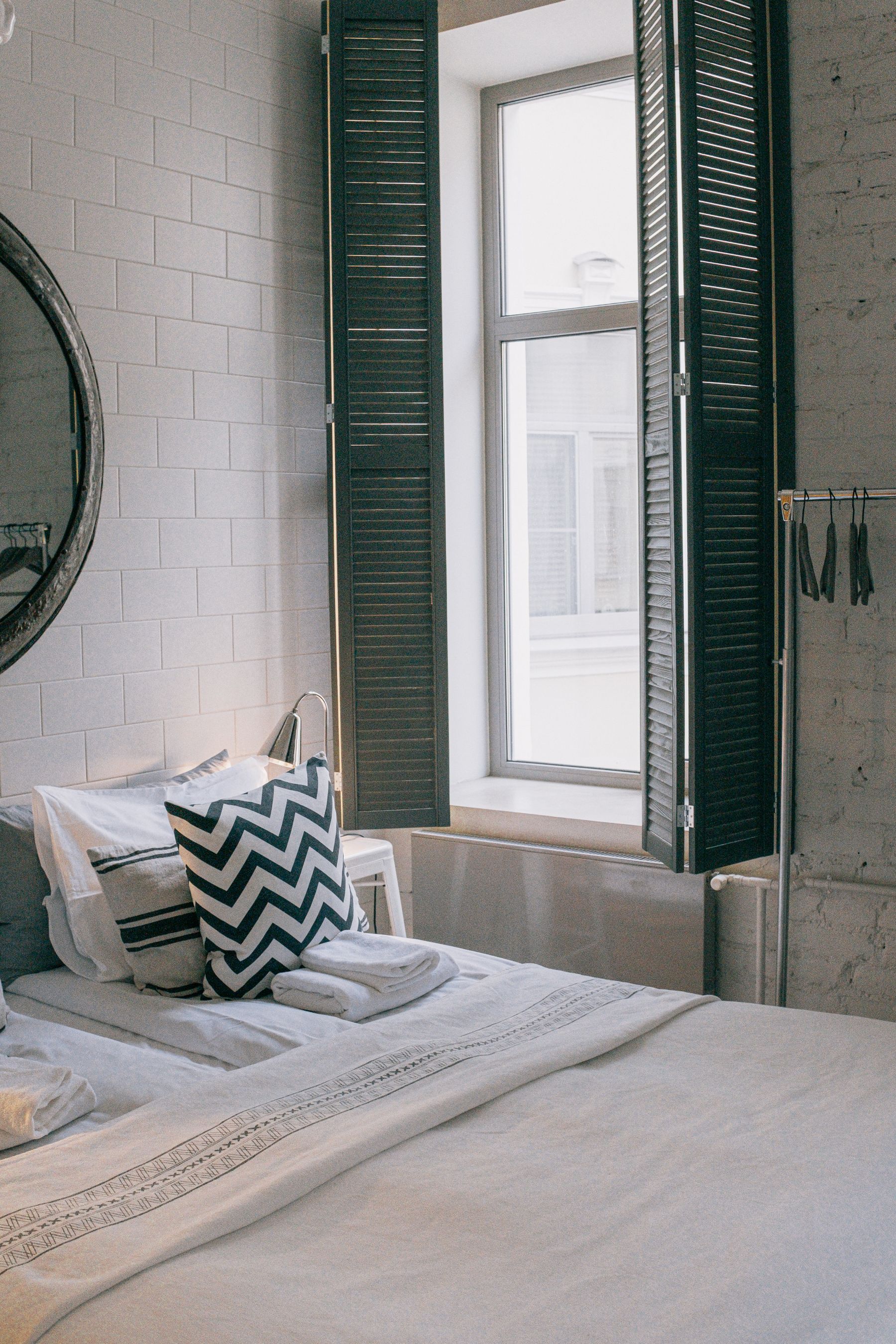
Glazed or patterned tile can line a bedside niche, threshold or small hearth zone, but a bedroom rarely needs the wet-room quantity seen in bathrooms. Choose a craft and pattern that fits the regional direction, verify slip and edge conditions where it meets the floor, and order enough for natural variation. Avoid calling unrelated geometric prints Moroccan, Spanish or Mediterranean without provenance. One precise tiled moment can connect color, reflection and handwork while leaving plaster and bedding quiet.
Modernize With One Curve and Honest Finishes
A modern Mediterranean bedroom can use a single arched opening, a softly rounded headboard, matte plaster-like wall, timber bed and linen layers. Keep profiles crisp and let material variation provide warmth. There is no need to add fake cracks, distressed paint or ornamental columns to prove the style. Contemporary lighting, efficient storage and high-performance windows can coexist with regional principles when their visual weight is controlled. [Contemporary Bedroom Ideas](/bedroom/contemporary-bedroom-ideas/) is the stronger destination when current form and finish lead more than place.
A Small Mediterranean Bedroom: Airy, Not Bare
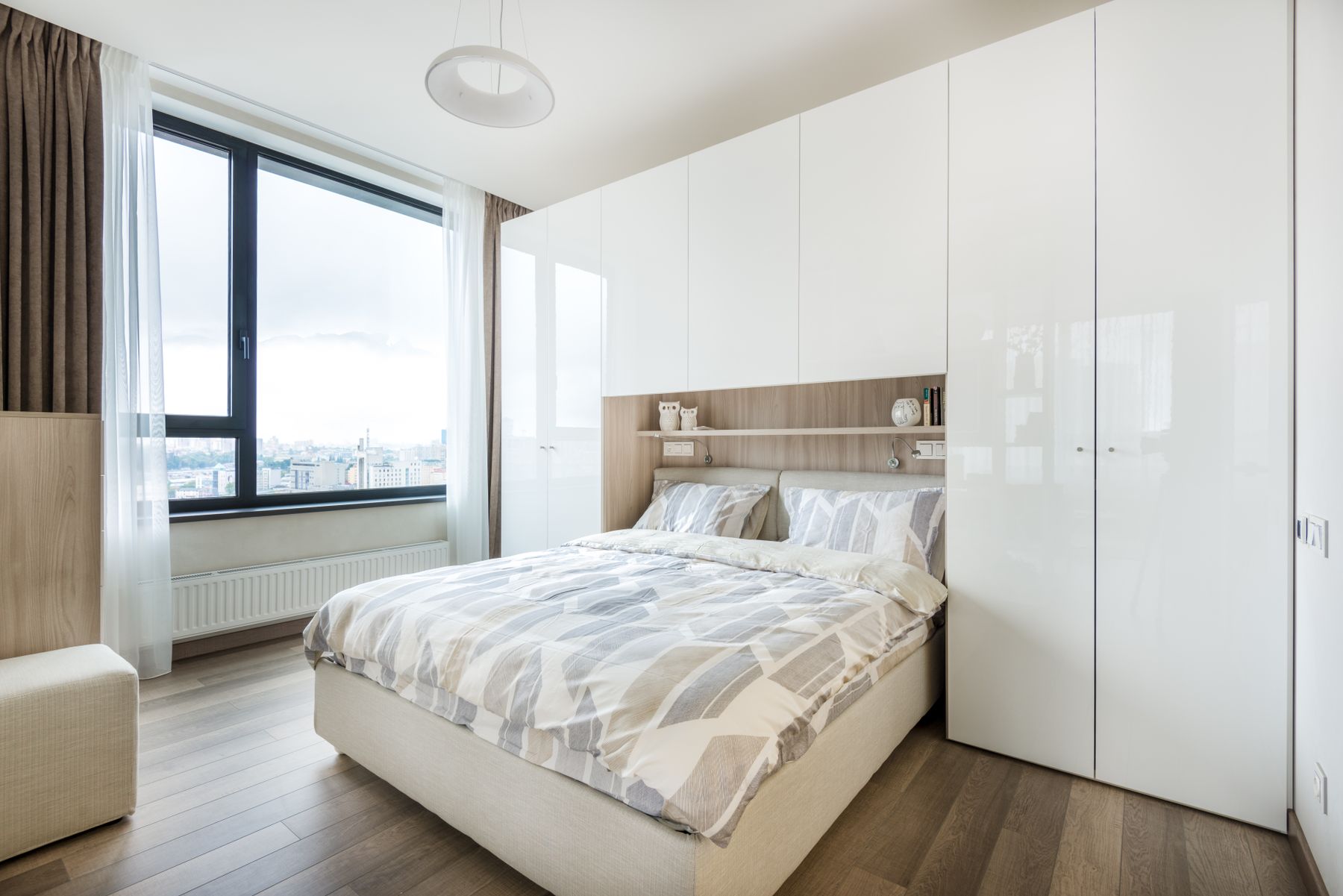
Use one mineral wall treatment, a bed with visible floor beneath it, wall-mounted lighting and storage that fits the full room profile. Preserve a clear route from door to bed and window; Mediterranean warmth should not become an excuse for baskets and stools in every gap. A pale broad field can support one clay or olive note without shrinking the room. [Small Bedroom Ideas](/bedroom/small-bedroom-ideas/) provides the deeper clearance, storage and proportion framework when footprint is the first constraint.
Shaded Zones in a Large Room, Not More Furniture
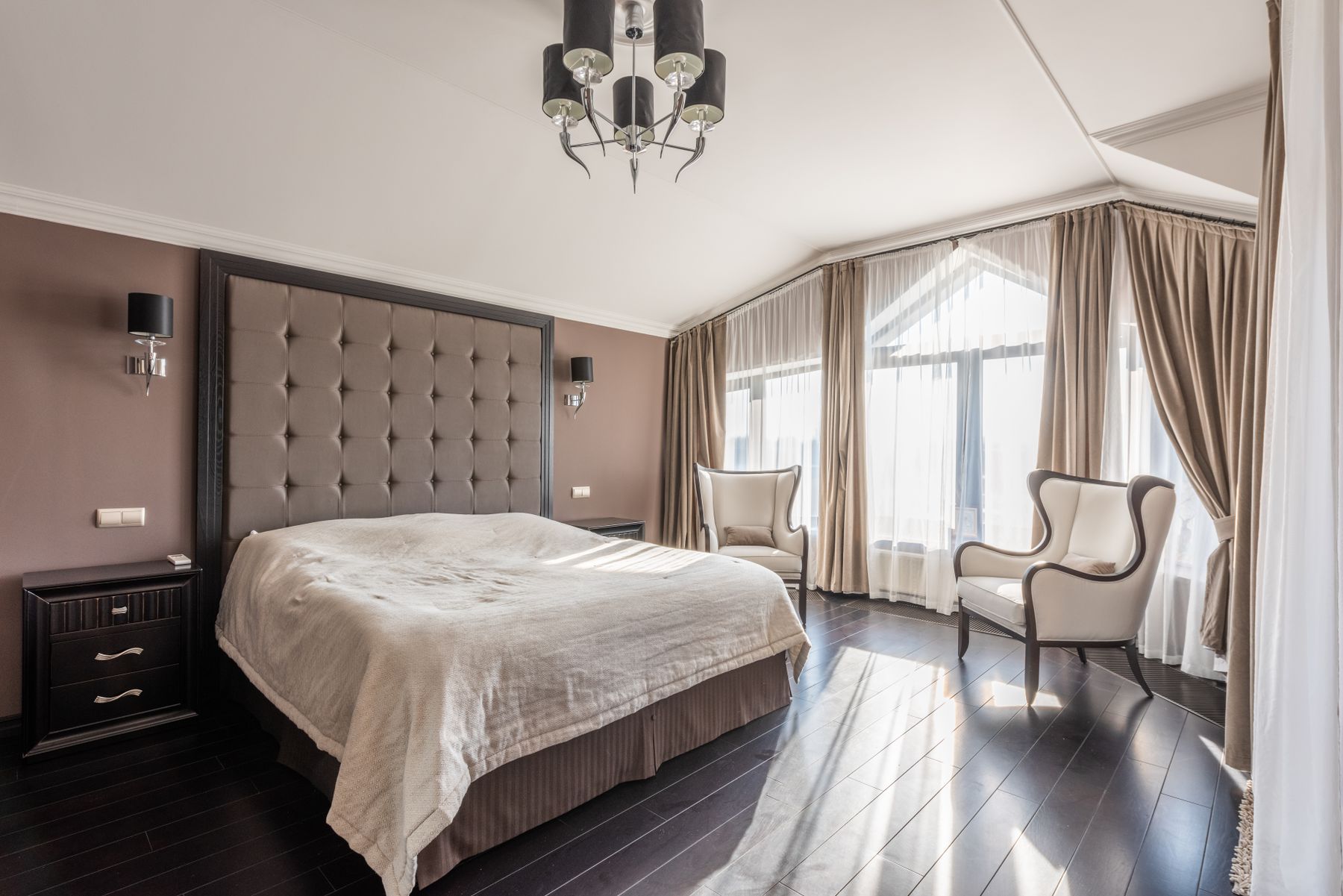
Anchor the bed, create one shaded reading or dressing zone and leave a meaningful area of open floor. Rugs, a low bench, ceiling change or lighting can define zones without building unnecessary partitions. Keep distant bedside controls convenient and ensure the route to the bathroom or door is direct at night. [Large Bedroom Ideas](/bedroom/large-bedroom-ideas/) goes deeper into scale and zoning; Mediterranean character should come from surface, shade and proportion rather than filling volume with heavy furniture.
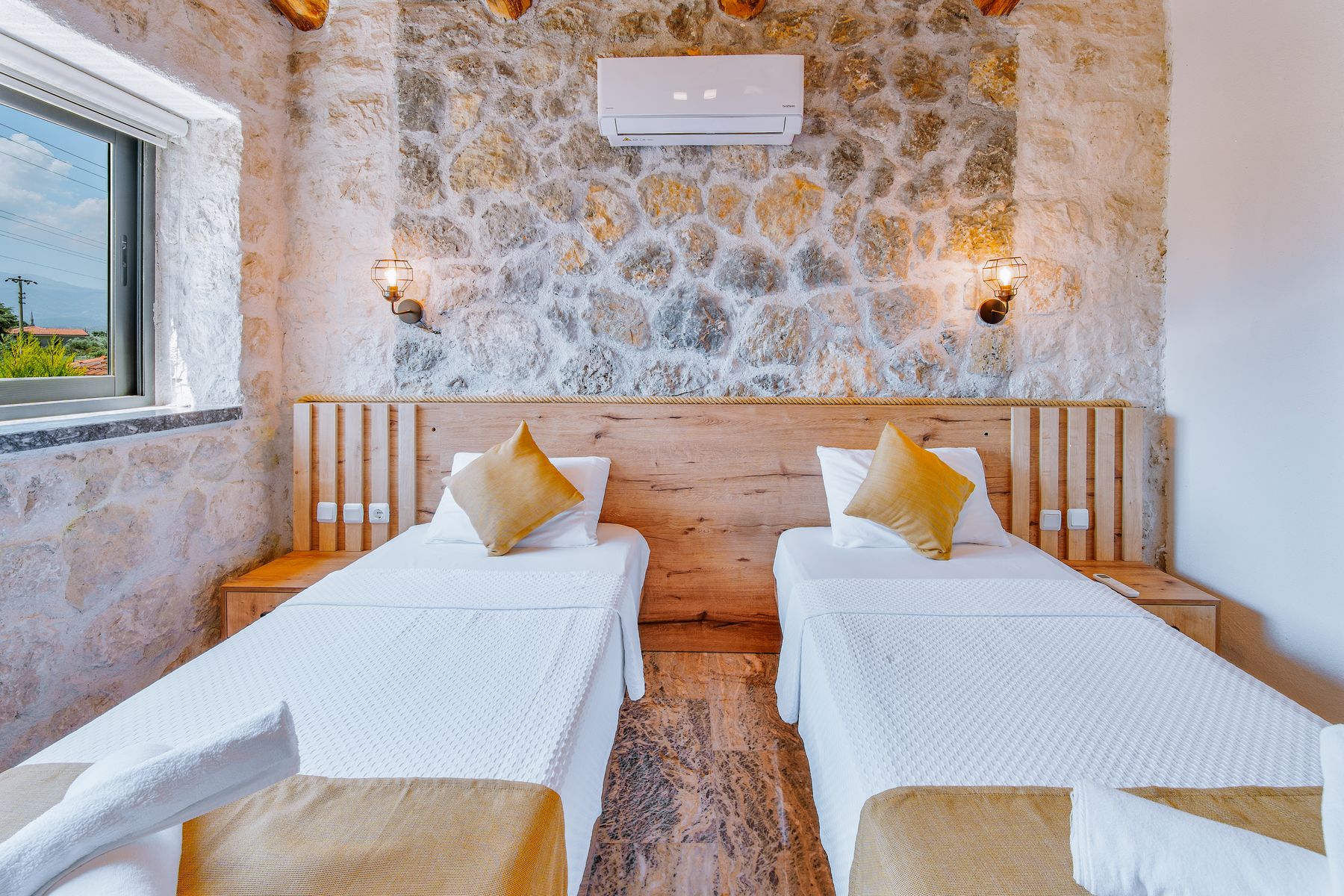
A Guest or Twin Room With Space for Real Luggage
Twin beds need separate reading light, reachable power, a surface for each guest and enough space to open luggage without blocking the door. Keep bedding simple so turnover is manageable, and use the stone, timber or plaster envelope as the memorable element. If the room uses air-conditioning, keep the discharge away from sleepers and preserve service access. A luggage bench or wall hooks may be more useful than decorative chairs. Guest comfort is measured by independent function, not by how closely the room resembles a boutique hotel.
Portable Mediterranean Character for Rentals
Renters can use a clay coverlet, warm white bedding, timber bedside piece, woven shade and removable art based on one researched regional direction. Avoid peel-and-stick arches, faux-stone panels and heavy tile decals that may damage paint or look theatrical. Plug-in lamps need secured cords and landlord-compliant fixing. A large rug can soften an unsuitable floor, but it must be stable. Preserve original features and document condition before installation. Reversibility should improve the room, not create disposable imitation architecture.
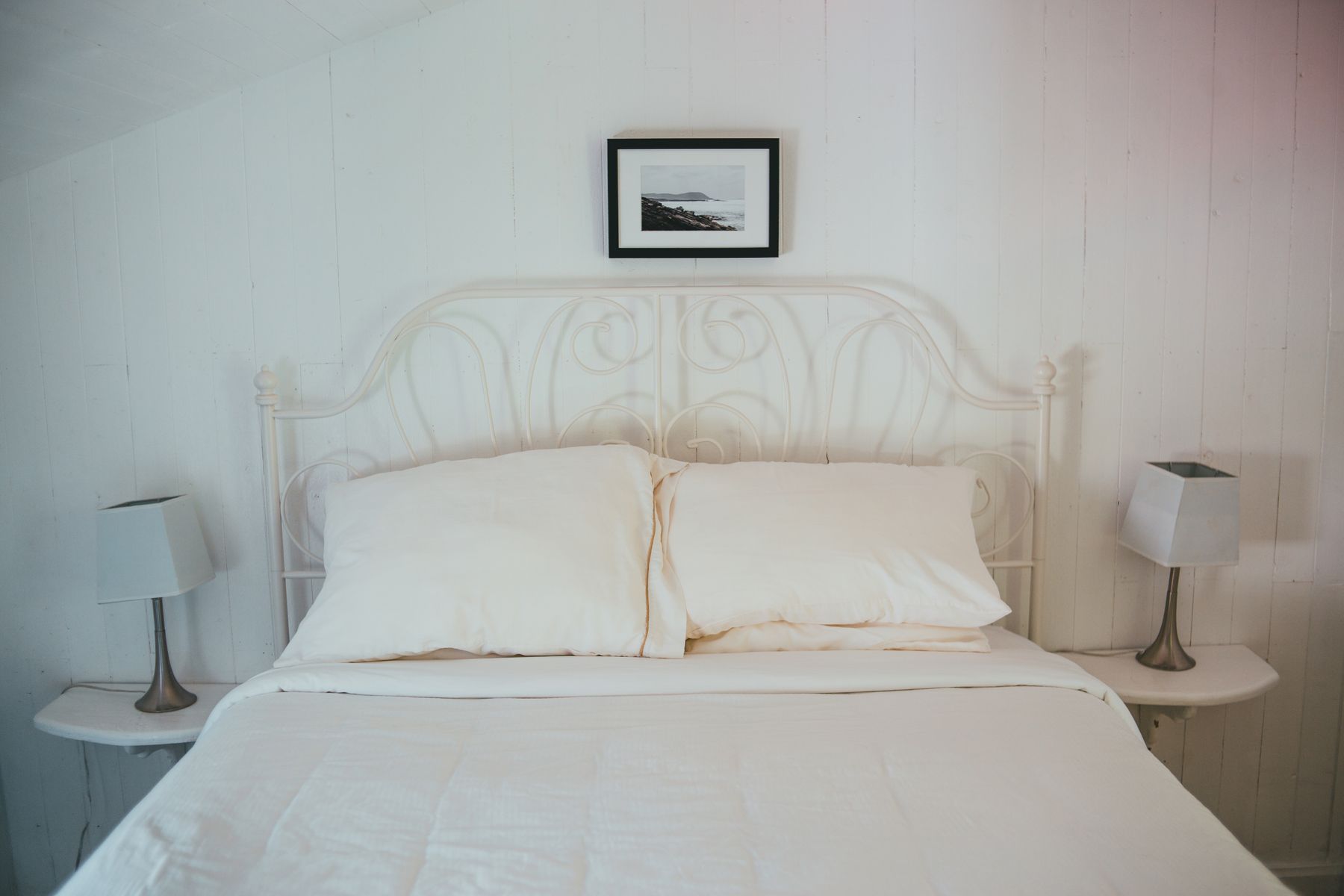
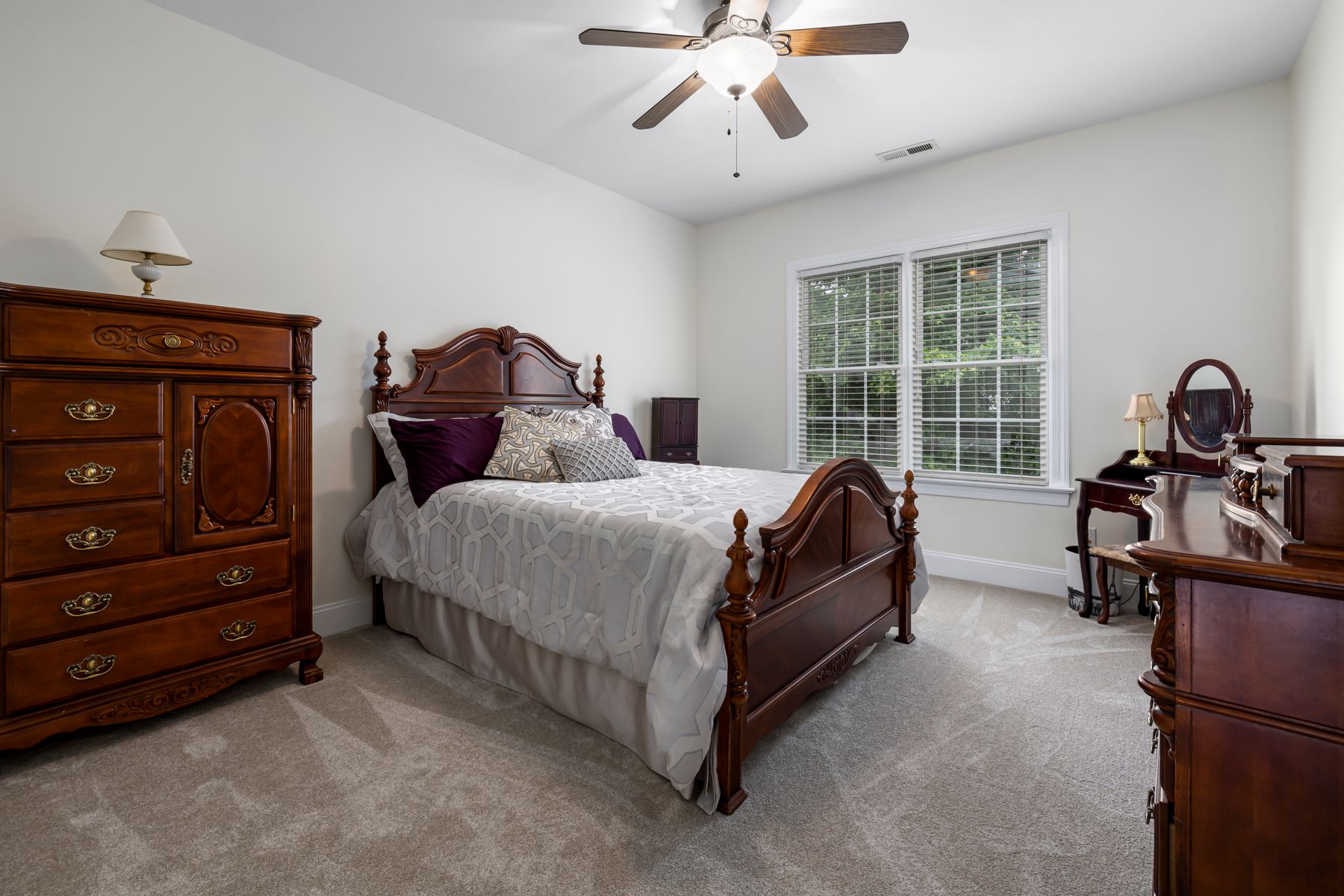
Reachable Comfort Within the Style
Keep the route to bed, storage and bathroom wide enough for the user, provide a stable transfer surface and place switches, charging and water within reach. Secure rugs or omit them, soften sharp masonry corners and choose handles that can be grasped easily. A lower platform bed may look regionally relaxed but can be difficult to transfer from; set height by the person, not the mood board. Contrast between floor, furniture and wall can improve navigation without disrupting a warm mineral palette.
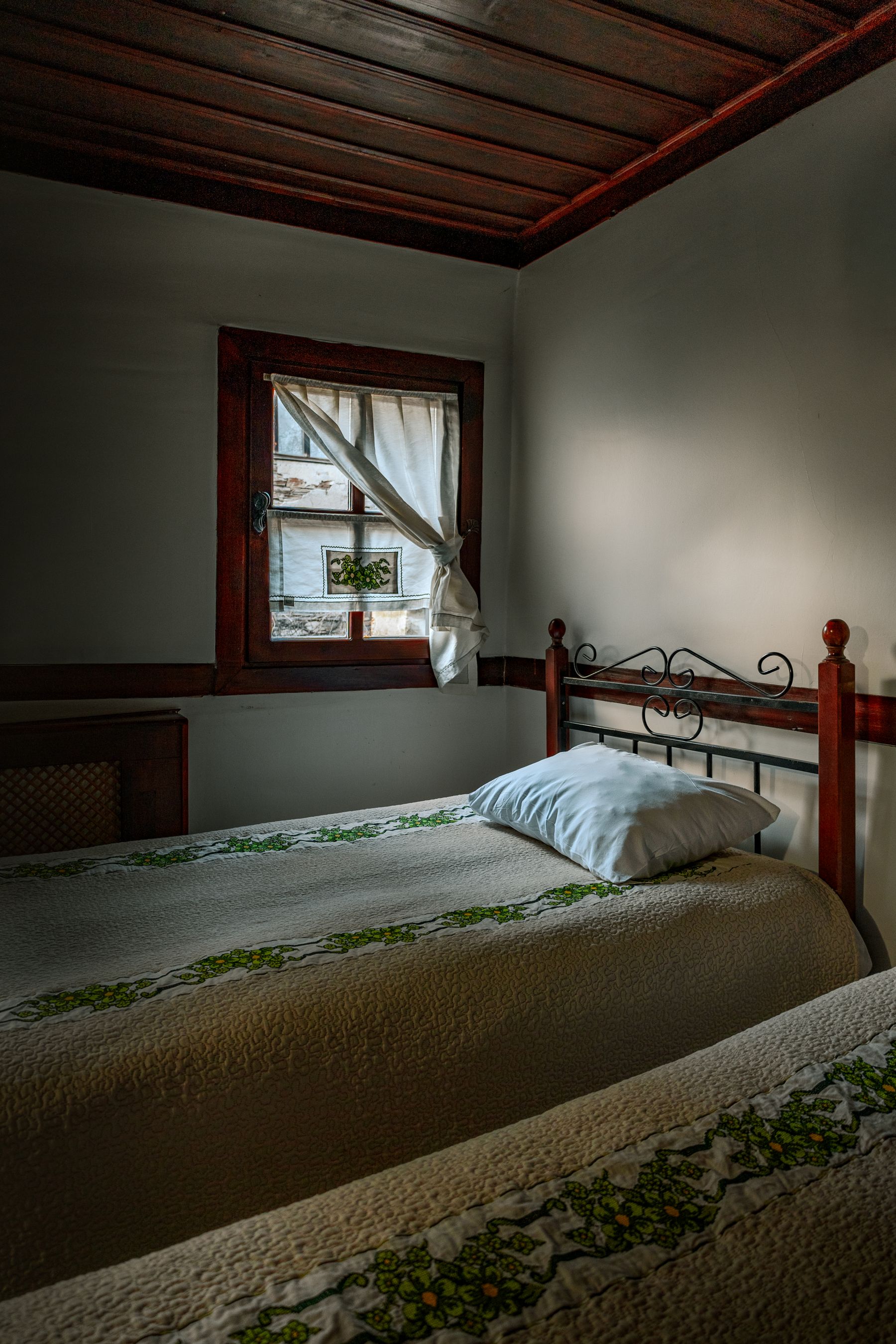
Mediterranean Character in Cool or Wet Climates
In cool or damp regions, use Mediterranean color and material without copying assemblies designed for dry heat. Insulation, vapor control, glazing, heating and ventilation must follow local construction practice. A lime finish may be appropriate on some masonry walls but not as a cure-all; seek building-specific advice. Add a wool rug, lined curtain, quilt and warmer timber so stone or clay does not dominate thermal sensation. The room should feel sun-shaped while remaining dry, warm and maintainable through its actual winter.
Maintain Mineral Surfaces, Clay and Natural Fiber
Dust textured walls with a soft method recommended for the finish, clean terracotta with compatible products and reseal only when the material system requires it. Keep rugs, linen and woven shades on realistic cleaning schedules. Inspect cold corners, window reveals and the backs of furniture for condensation or mold, especially after changing ventilation or heating. Repair small plaster and grout failures early rather than covering them. Record products and finish recipes so future maintenance does not introduce incompatible sealers, coatings or cleaning chemicals.