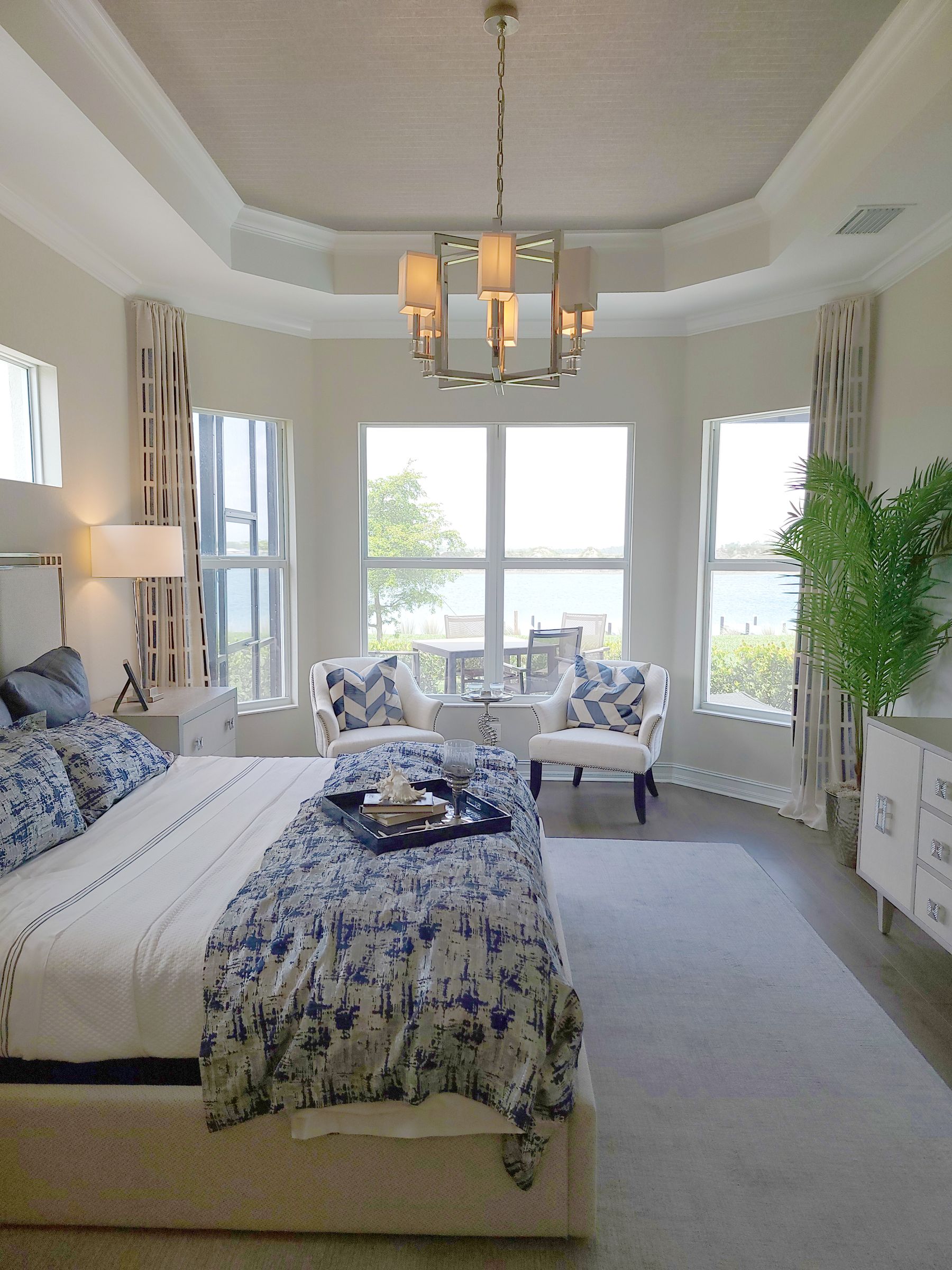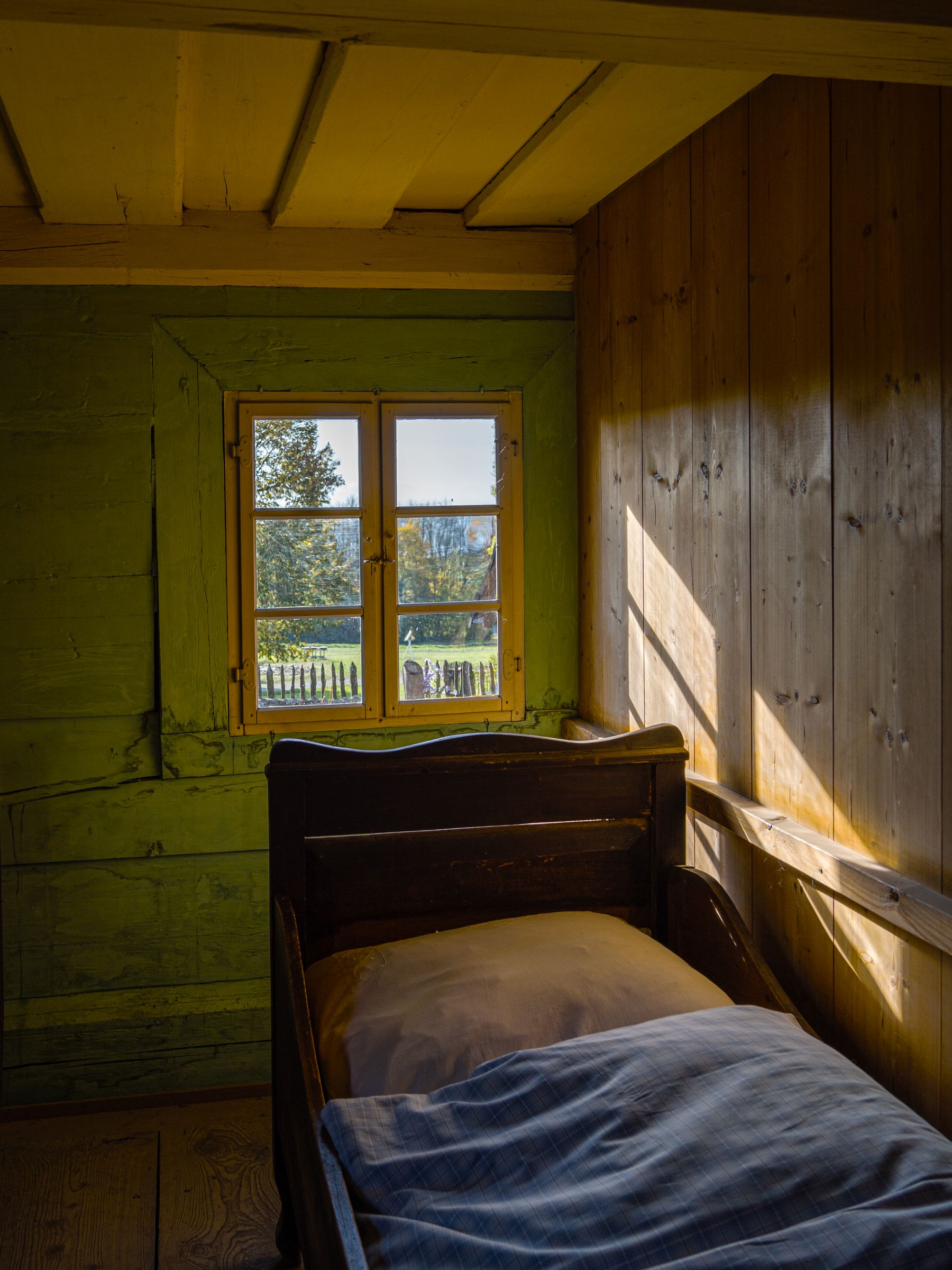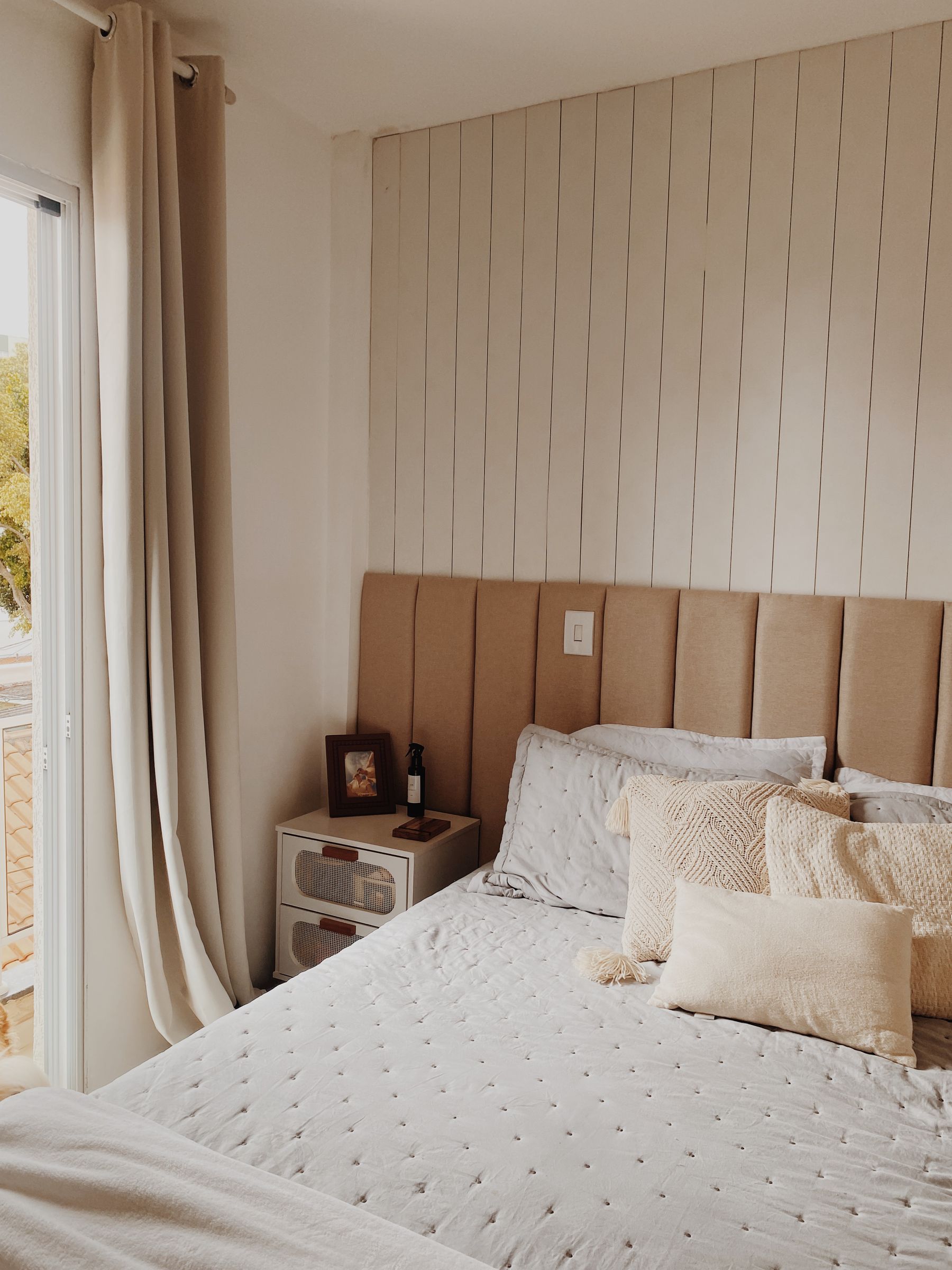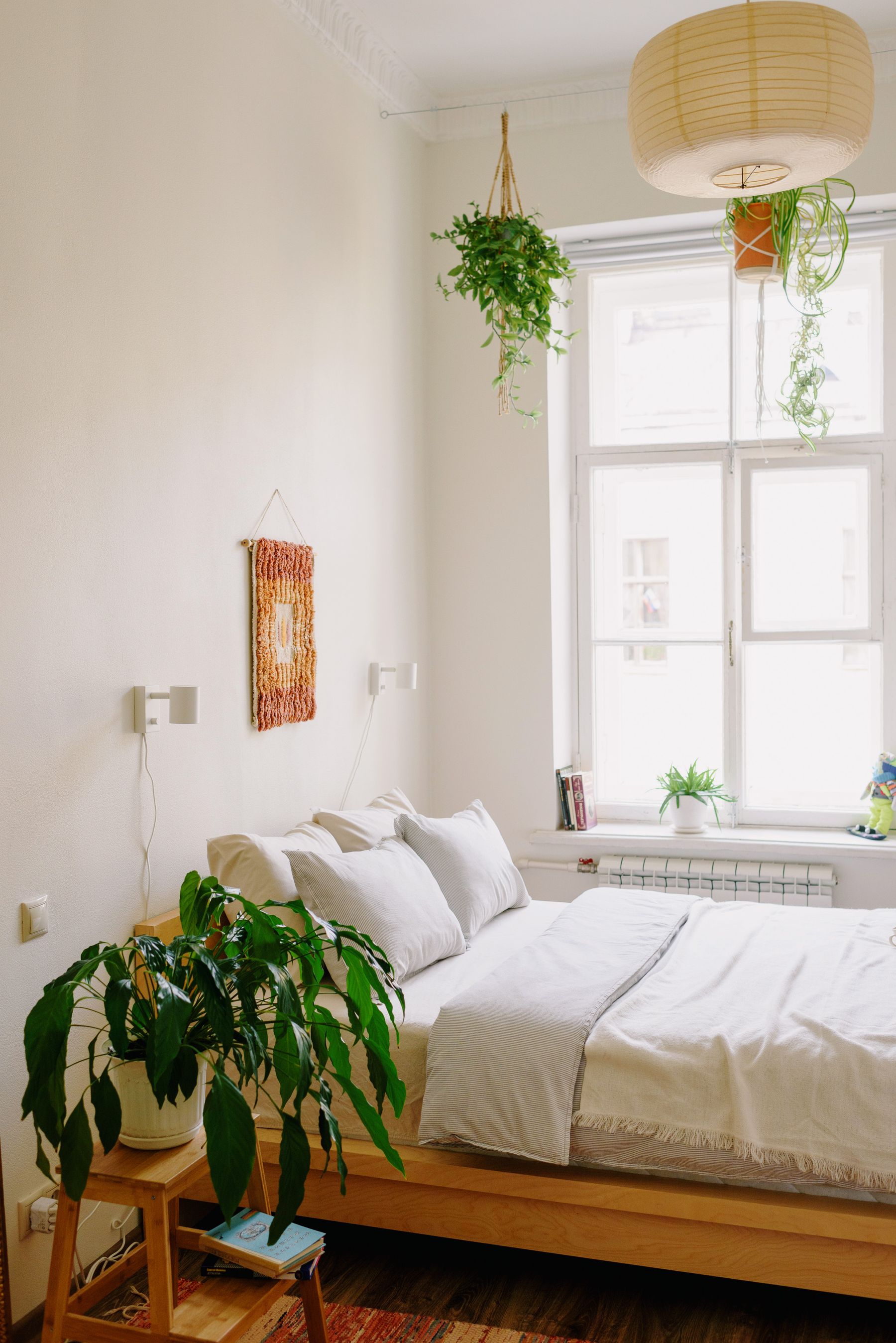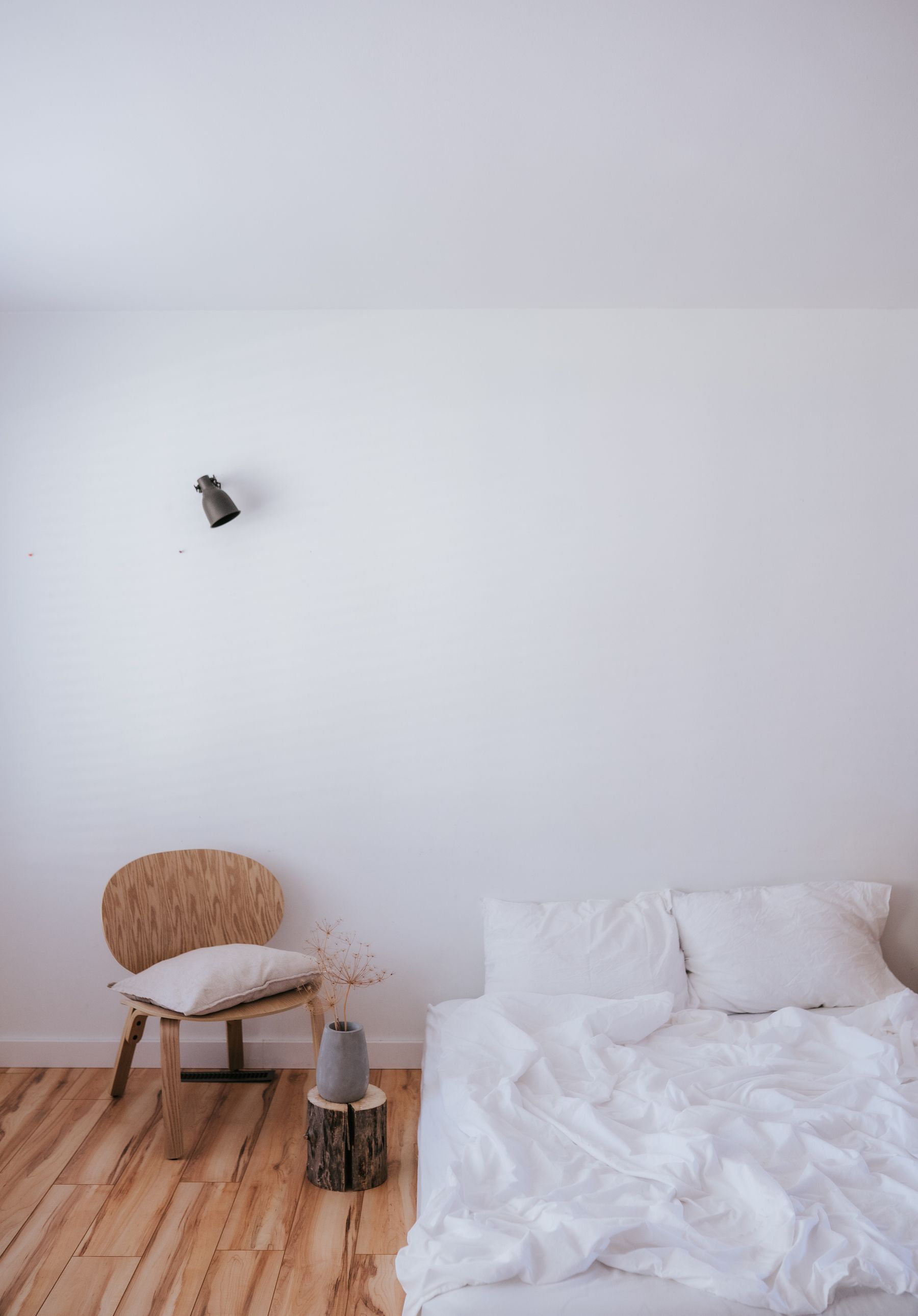
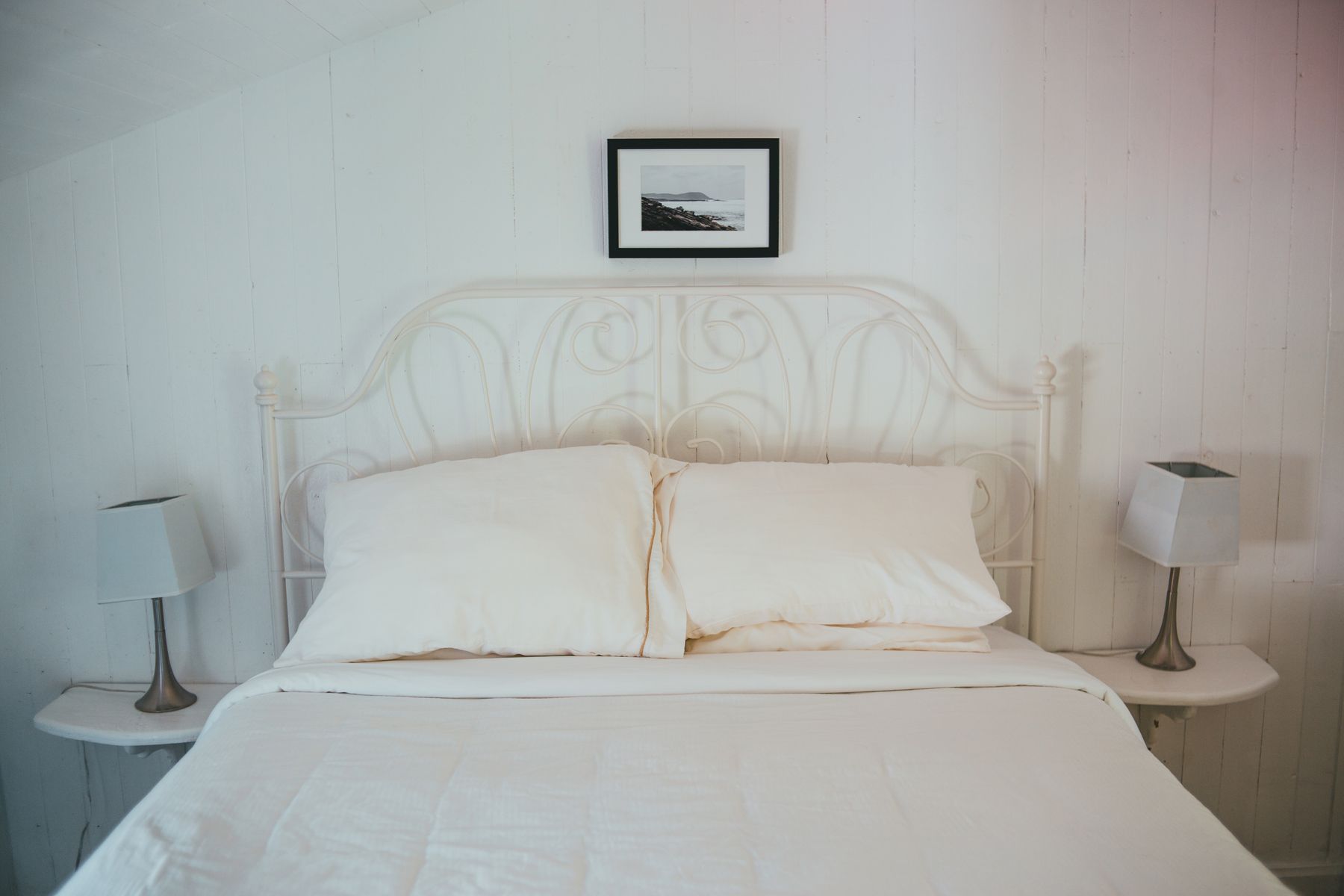
Define a White-Led Bedroom
A White Bedroom uses white or off-white as the dominant wall, bedding, storage or architectural field. That is different from a merely bright room, which may feel luminous through windows, reflective surfaces and layout while using blue, yellow or timber. It is also different from a balanced [Black and White Bedroom](/bedroom/black-and-white-bedroom-ideas/), where dark and light carry comparable visual weight. Name the main white surface, the supporting pale value and the material that provides warmth or edge definition before buying accessories.
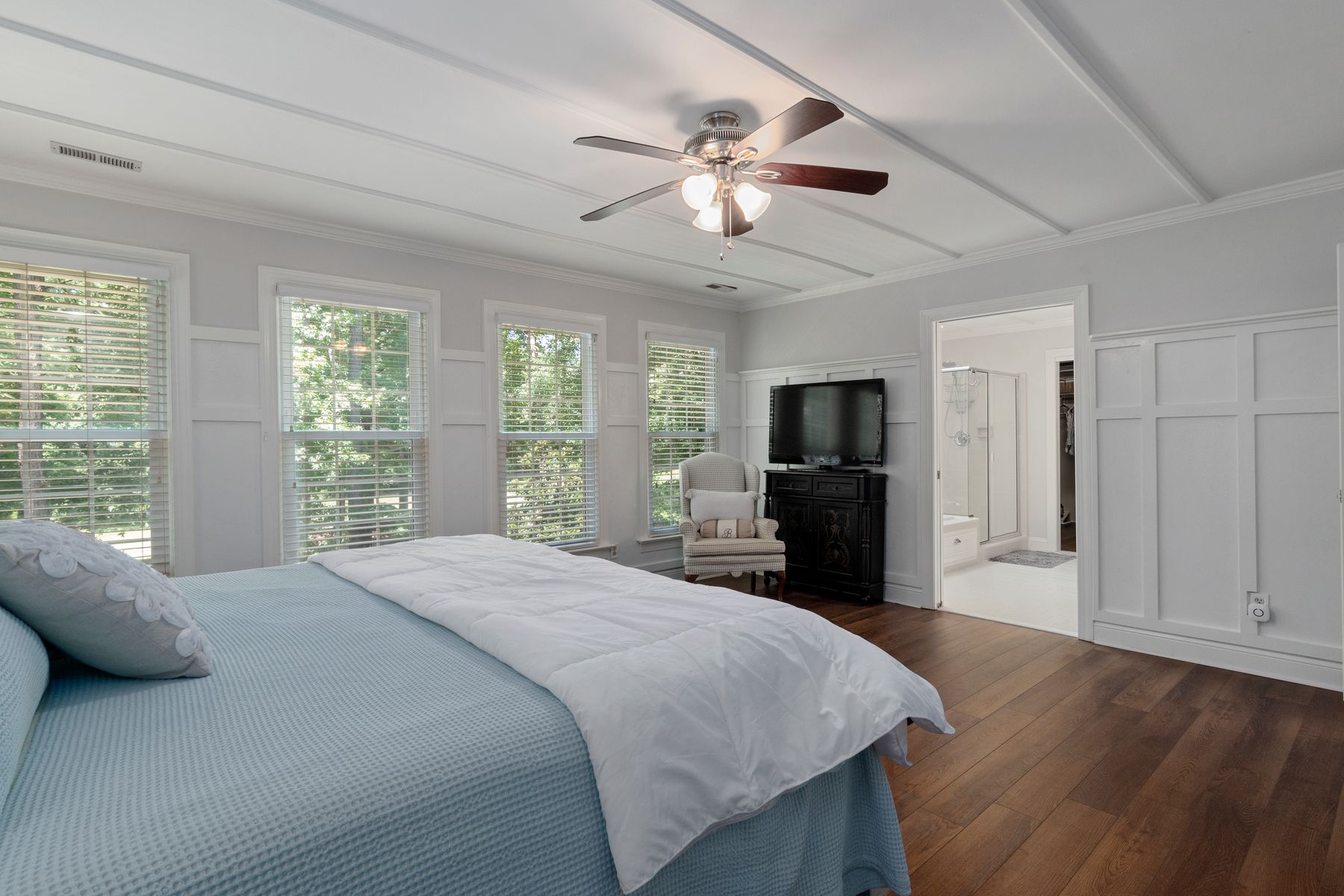
Read White as a Color With Undertones
Most whites carry blue, grey, green, yellow, pink or brown tendencies that become obvious beside fixed carpet, timber and stone. A paint labeled pure or clean may still look cold when the window returns blue sky light. A cream may become yellow under warm lamps. Collect the undertones already present, then compare several large samples vertically on different walls. Do not select from a small card or a phone image; automatic exposure and white balance can hide exactly the shift that matters.
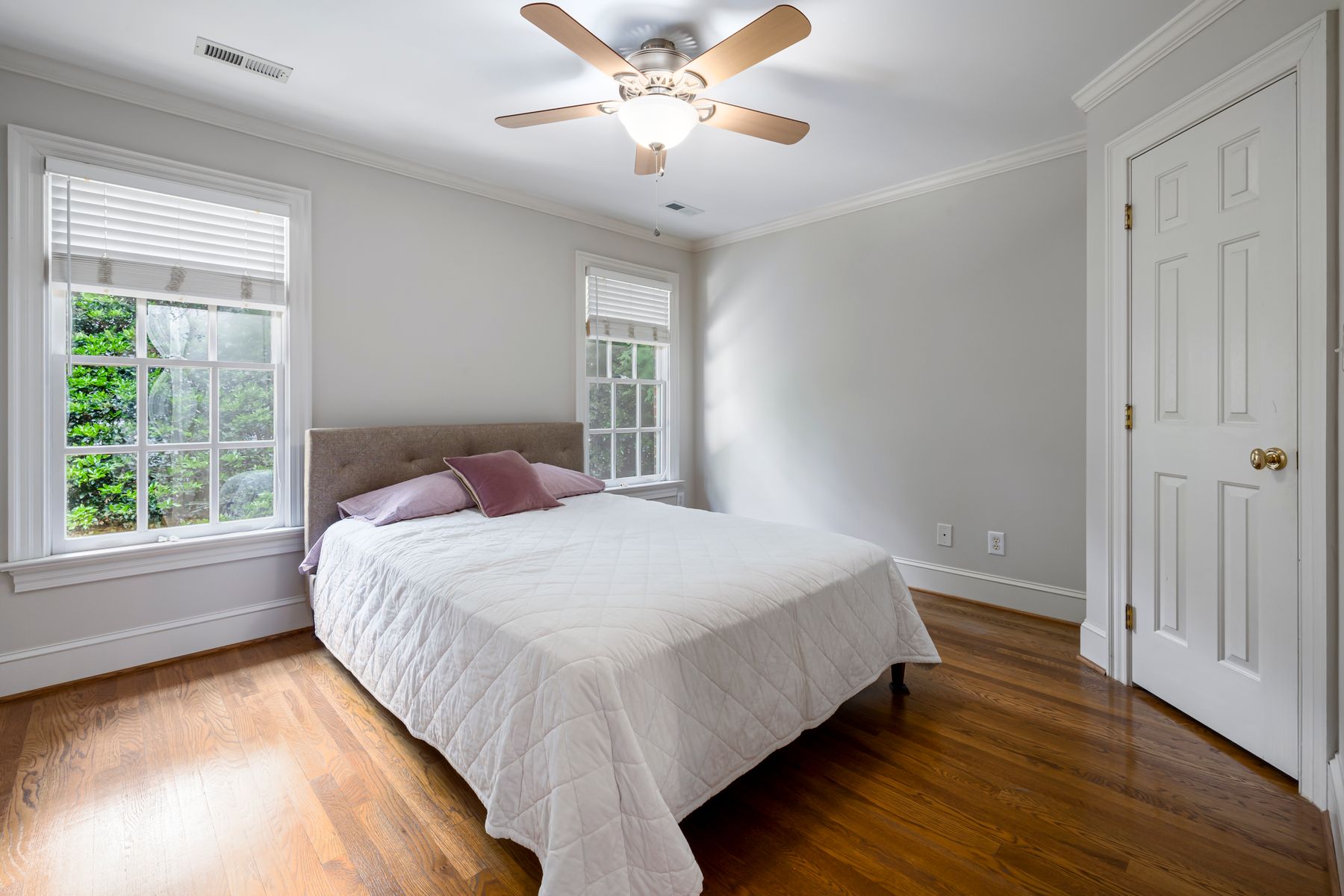
White by Window Direction
North-facing or heavily shaded rooms often expose blue and grey in white, while strong south-facing light can amplify cream and yellow. East and west rooms change more dramatically across the day. Use warm or neutral whites where cool ambient light needs balancing, but test rather than applying a universal rule: trees, neighboring brick and reflected sky can shift the room. Review the sample at waking time, midday, dusk and after curtains close, because a bedroom is experienced in every one of those states.
Choose Clean White, Soft White or Ivory
Clean white suits controlled daylight, crisp metal and cooler stone; soft white works across mixed natural materials; ivory or cream brings a clearer yellow or beige warmth. Choose the family before comparing product names. Brilliant trim beside a warm wall can look like an accidental mismatch, while one soft white used across walls and trim can feel calmer. If the floor is grey, inspect pure white carefully: a strong cool contrast may make both surfaces harsher than they appeared separately.
Layer Several Whites Instead of Matching One
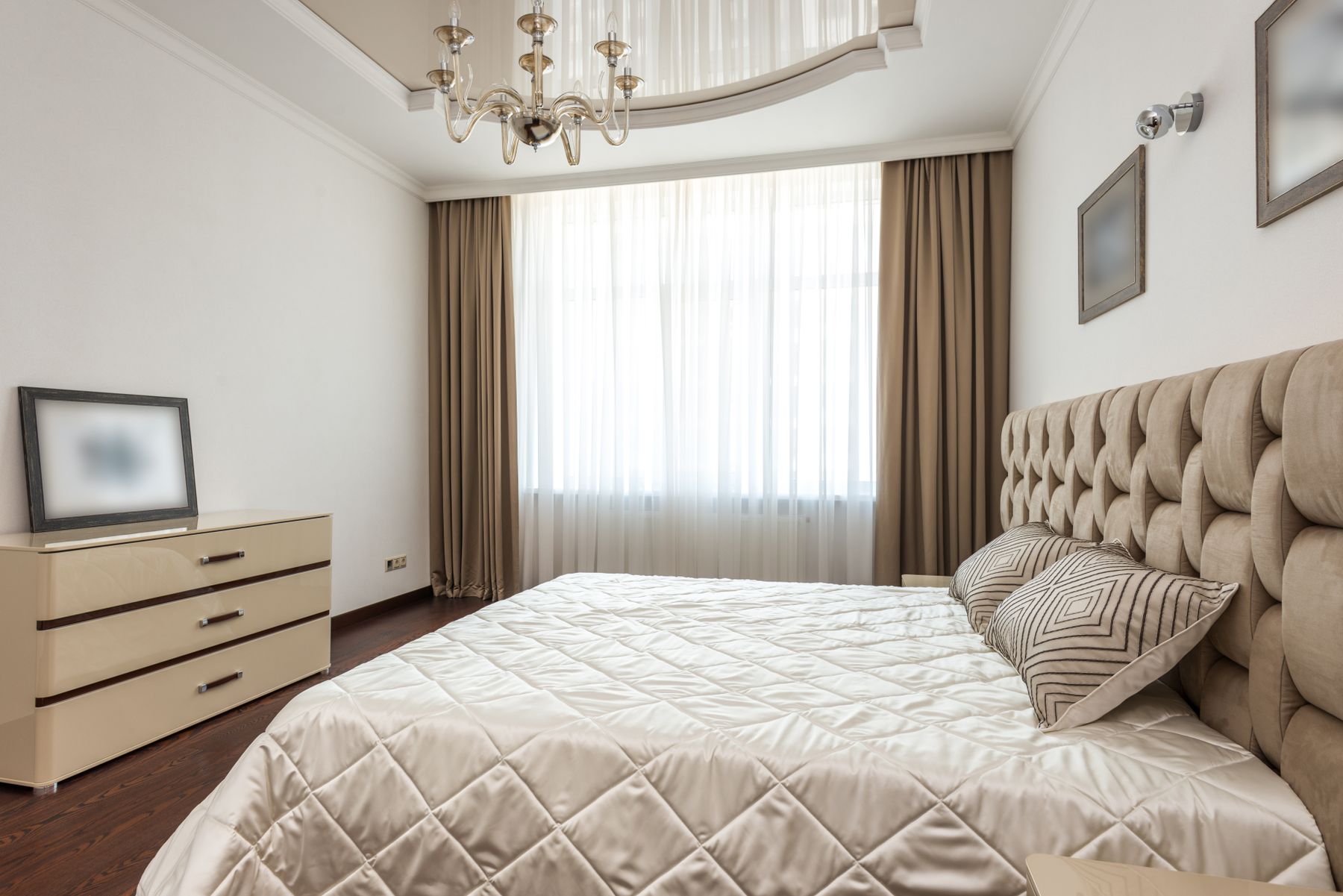
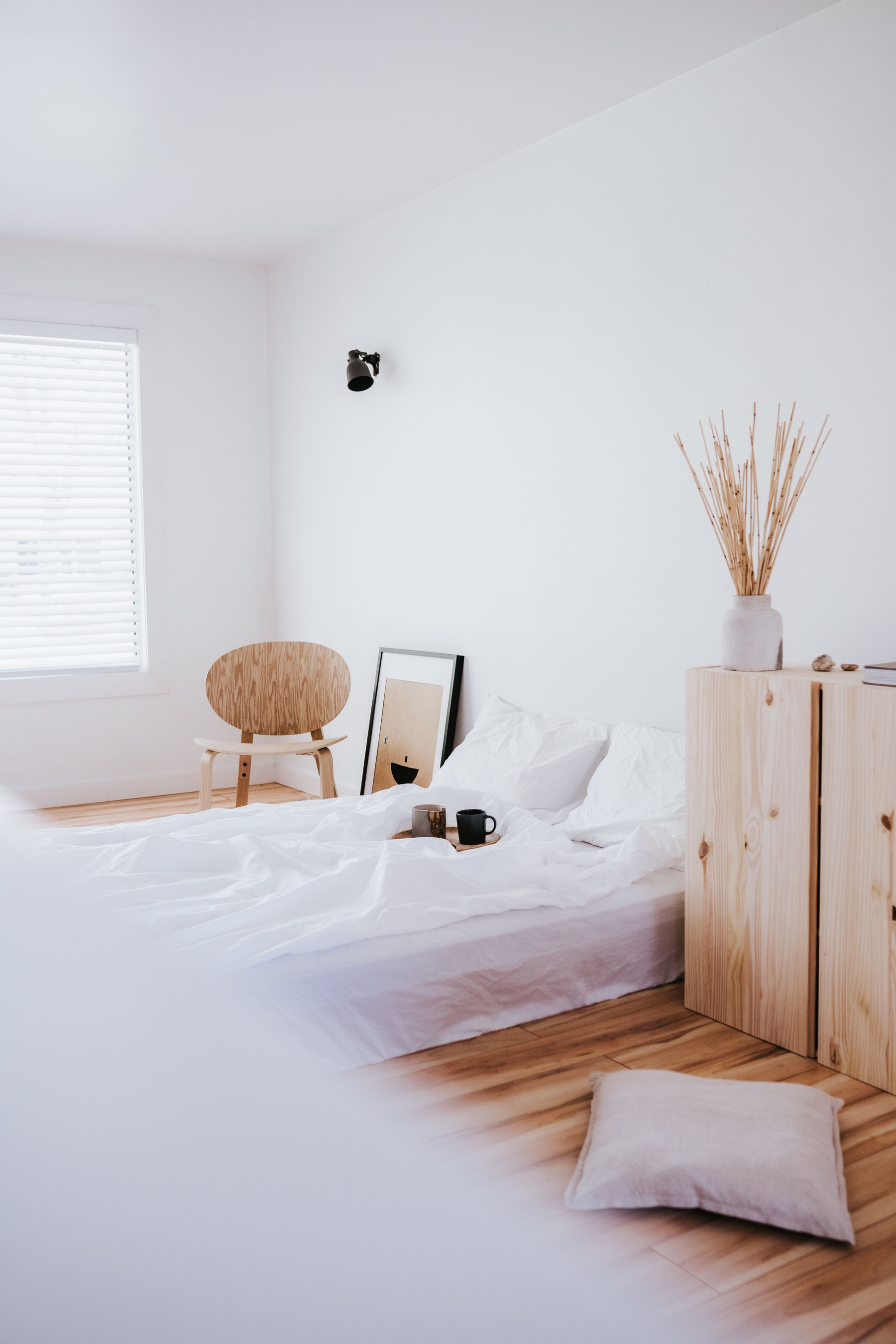
A convincing white room may include chalk walls, ivory linen, cream wool, pale timber and a slightly greyed rug. The differences should look deliberate rather than like failed matching. Repeat each white at a meaningful scale, keep undertones compatible and vary weave or sheen where values sit close together. Exact repetition across paint, laminate, plastic and fabric is rarely possible because each surface reflects light differently. Build a family of pale materials, not a catalogue set labeled white.
Color-Drench White With Practical Sheen Changes
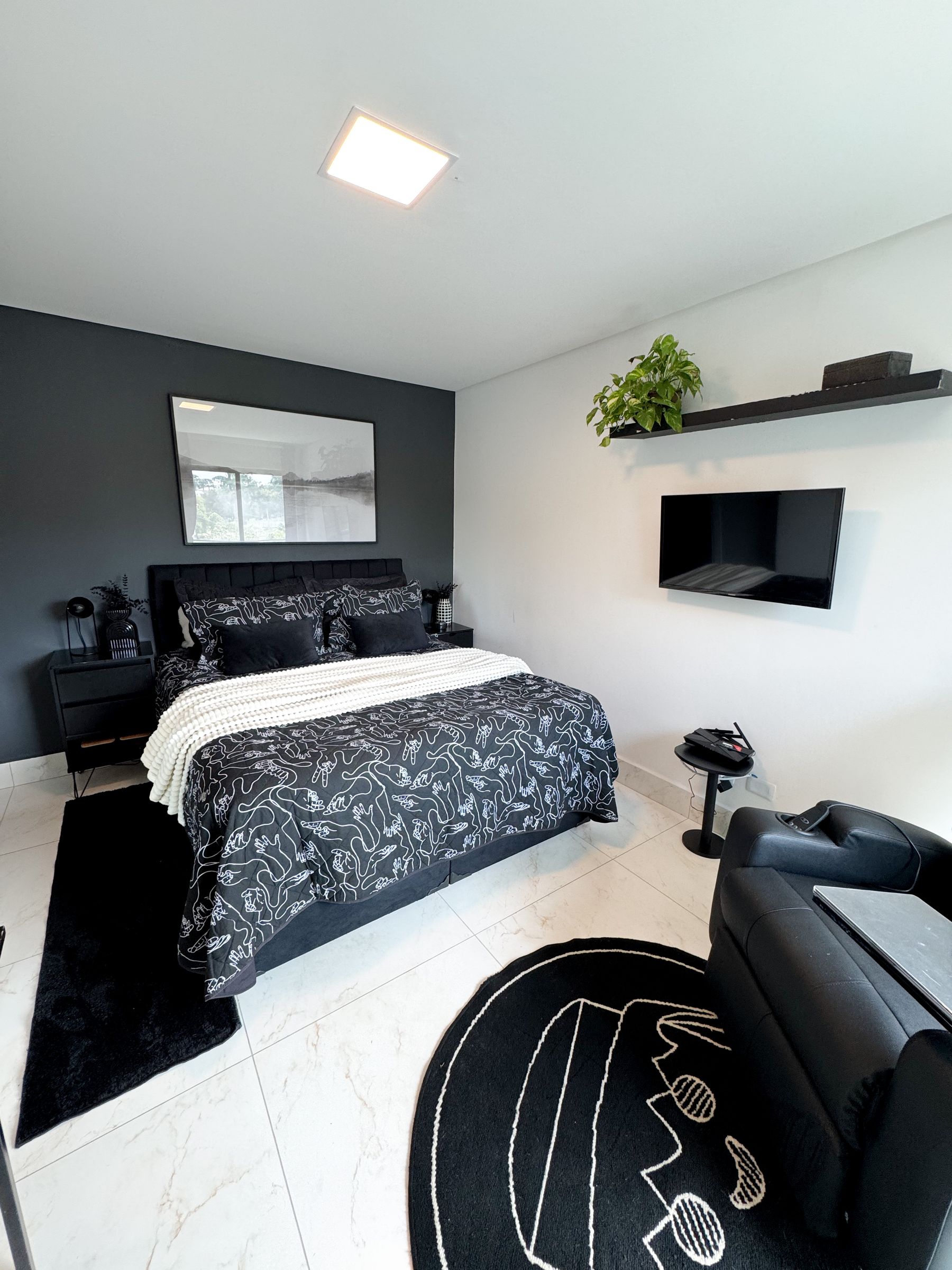
Using one white family across walls, ceiling, trim and doors can reduce visual fragmentation, especially in a small or architecturally busy room. Change sheen where cleaning and wear require it: a durable finish on doors and trim, flatter paint on broad walls and an appropriate ceiling product. Same-color does not have to mean same formula. Preserve enough contrast at handles, switches, steps and the bed edge. If every boundary disappears at night, continuity has compromised function rather than improved calm.
Material Surface on White Walls
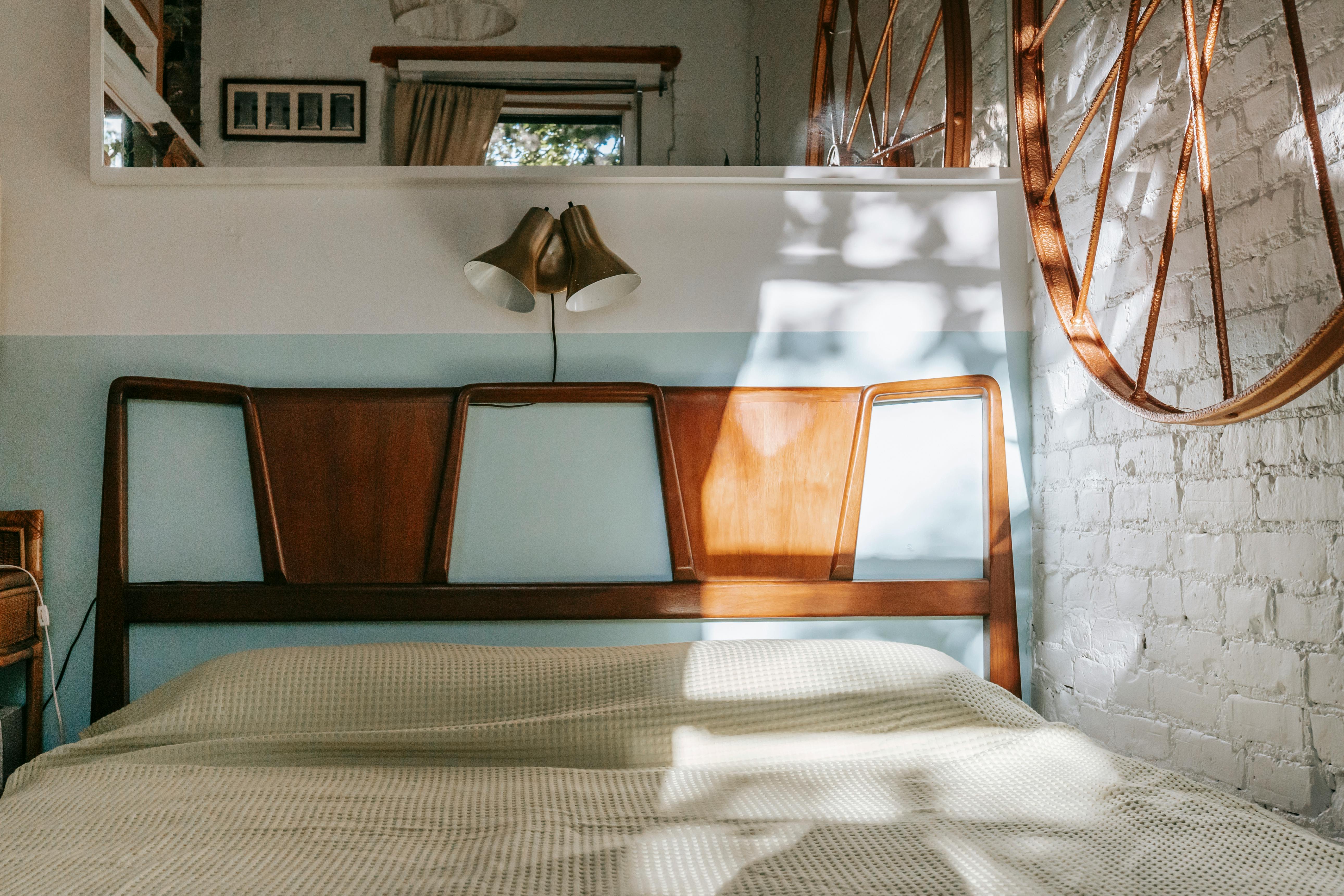
Plaster, limewash, mineral paint, panel molding and painted brick create shadow within a white field. Select texture for the substrate, dust, repairability and moisture conditions—not only for photographs. Rough brick and deep grooves need more cleaning; upholstered panels require safe construction; decorative cladding should never conceal damp. One continuous textured plane is stronger than several unrelated feature finishes. Aim daylight or a controlled lamp across it so the material can do the visual work.
The Bed Establishes the White Field
A white upholstered bed, painted frame or broad pale headboard can establish the room without coating every wall. Choose its height and width around mattress access, reading posture, bedside reach and room scale. Pale upholstery exposes hair, makeup and contact marks, so review cleaning codes, removable covers and replacement fabric. Avoid a heavy visual panel directly above the sleeper merely to extend the color. The bed must remain comfortable and maintainable before it becomes the room's principal white shape.

White Bedding Through Weave and Loft
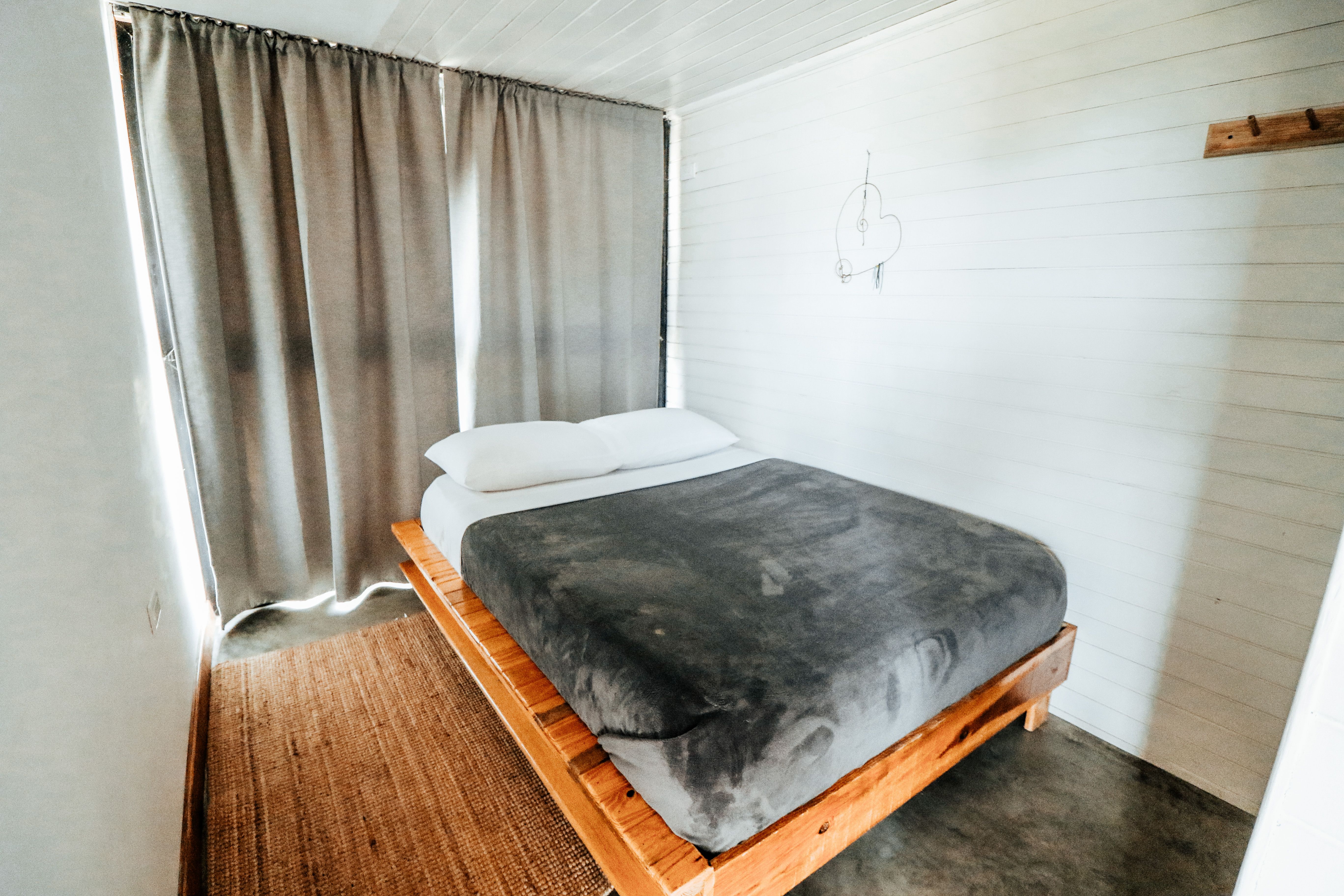
Build white bedding for temperature, skin comfort and laundering first. Breathable sheets, an appropriate duvet and one useful blanket can create enough relief when their weaves differ. Percale looks crisp, washed linen diffuses highlights, sateen reflects them and wool holds a softer shadow. White is not maintenance-free: body oils, cosmetic transfer, yellowing and detergent residue need realistic wash guidance. Avoid piling on cushions that must be moved every night simply to manufacture texture.

Warm White With One Timber Family
Oak, ash, walnut or cork can ground white through grain and touch. Begin with the floor or largest existing timber, then repeat its temperature selectively at the bed, table or bench. Pale oak keeps contrast low; walnut makes a stronger frame; orange stain can exaggerate blue in a cool white. [Scandinavian Bedroom Ideas](/bedroom/scandinavian-bedroom-ideas/) develops pale timber as part of a broader regional material language. A White Bedroom needs only enough wood to bring warmth and structure without turning beige or rustic by default.
Use Grey, Beige and Stone as Midtones
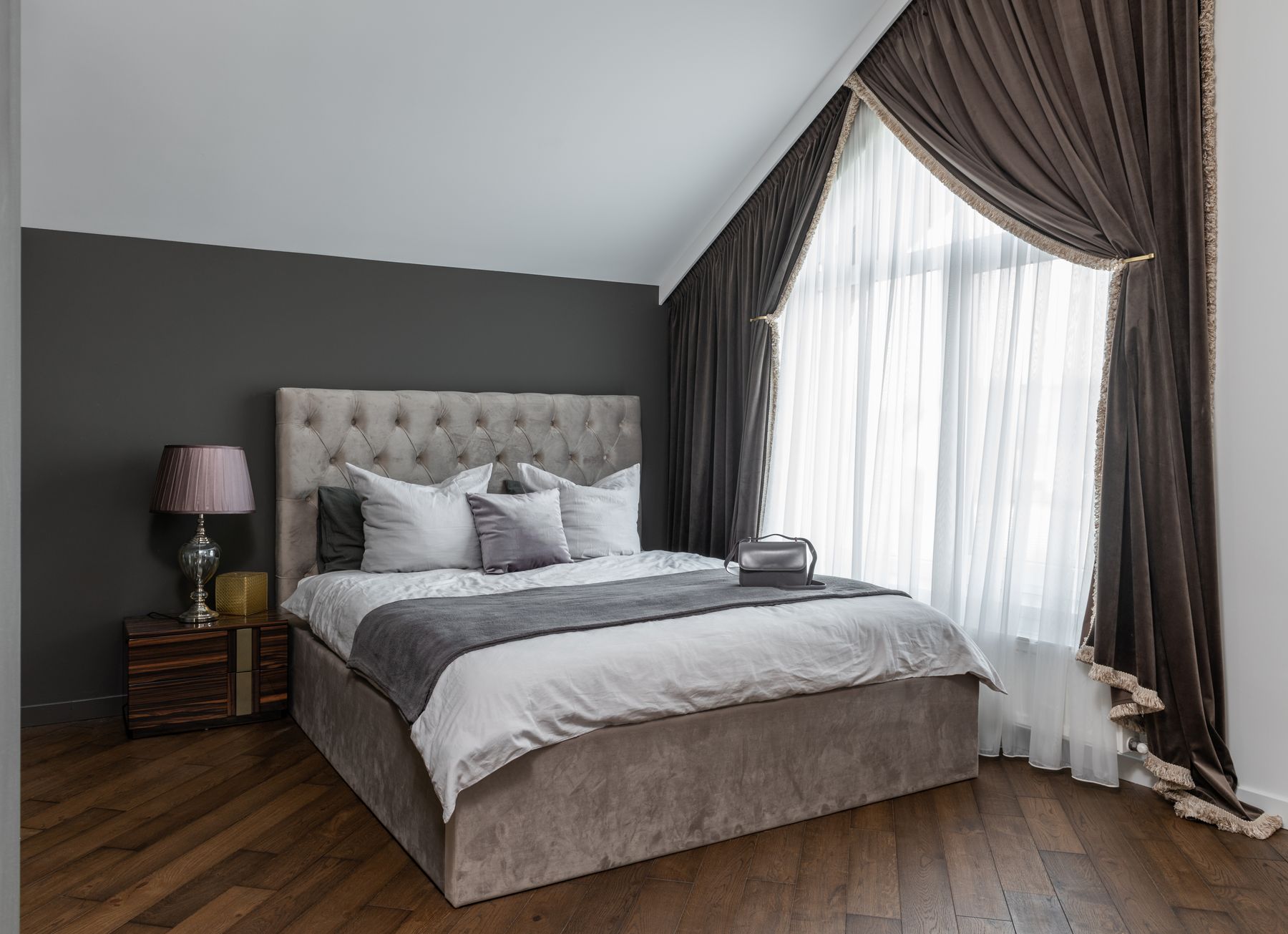
Pale grey sharpens cooler white; oatmeal and beige warm cream; natural stone adds irregular mineral variation. Choose one midtone family and use it at a useful scale such as a rug, headboard or curtain. Too many near-neutrals can become a muddy gradient. [Grey Bedroom Ideas](/bedroom/grey-bedroom-ideas/) is the better destination when grey leads the walls, bed or cabinetry. In a white room, the midtone supports edge definition and comfort while the largest field remains visibly white.
Black Without Turning the Room Two-Color
Black can make white easier to read at a lamp arm, frame, handle or bed base. Limit it to functional edges or one silhouette if the room should remain white-led. Repeating black in every accessory creates a balanced monochrome scheme and shifts the intent toward [Black and White Bedroom Ideas](/bedroom/black-and-white-bedroom-ideas/). Matte black may disappear in low light, while glossy black can produce glare. Choose profile and tactile contrast around the hand, not merely a matching finish across a shopping list.
Introduce Muted Color at One Meaningful Scale
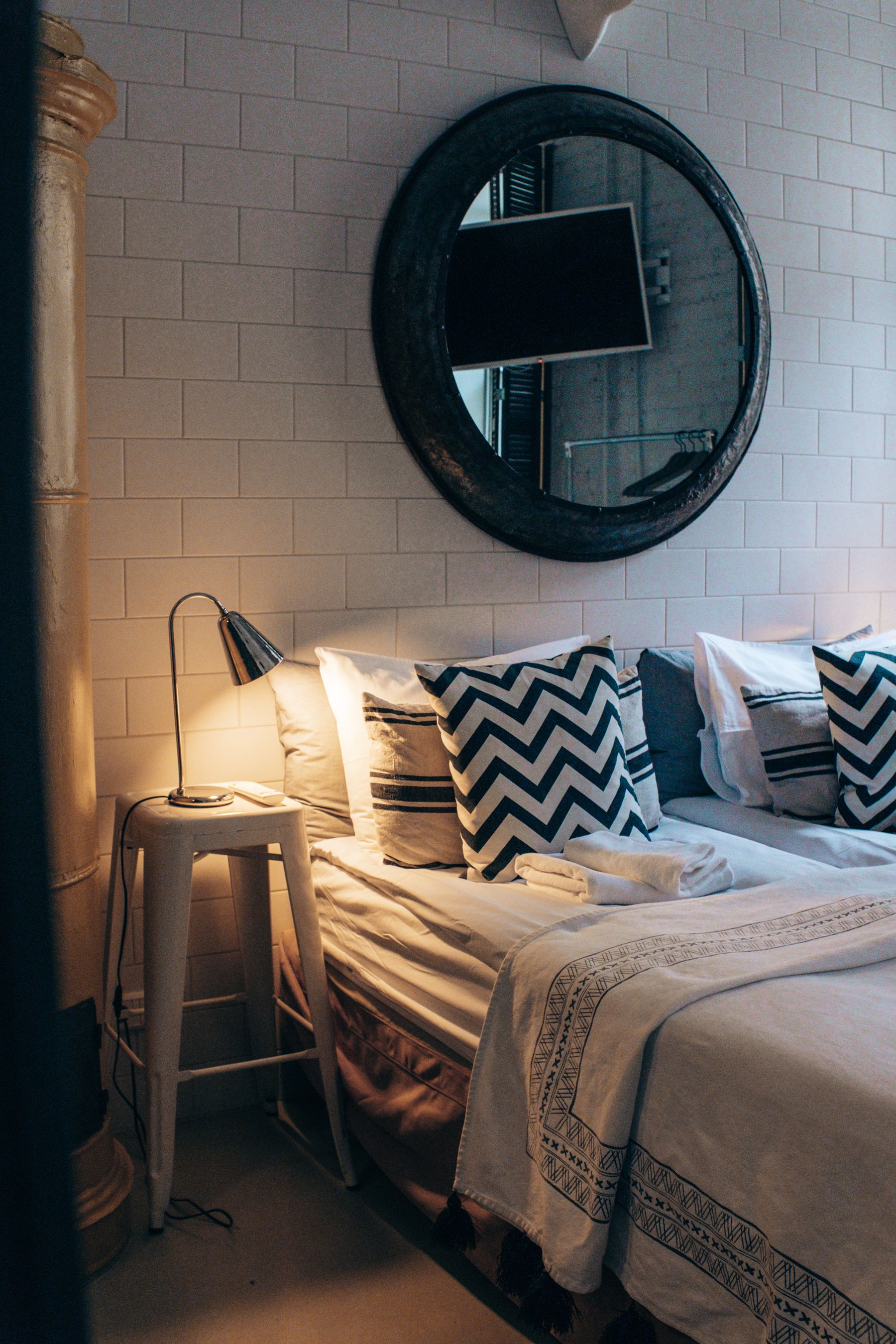
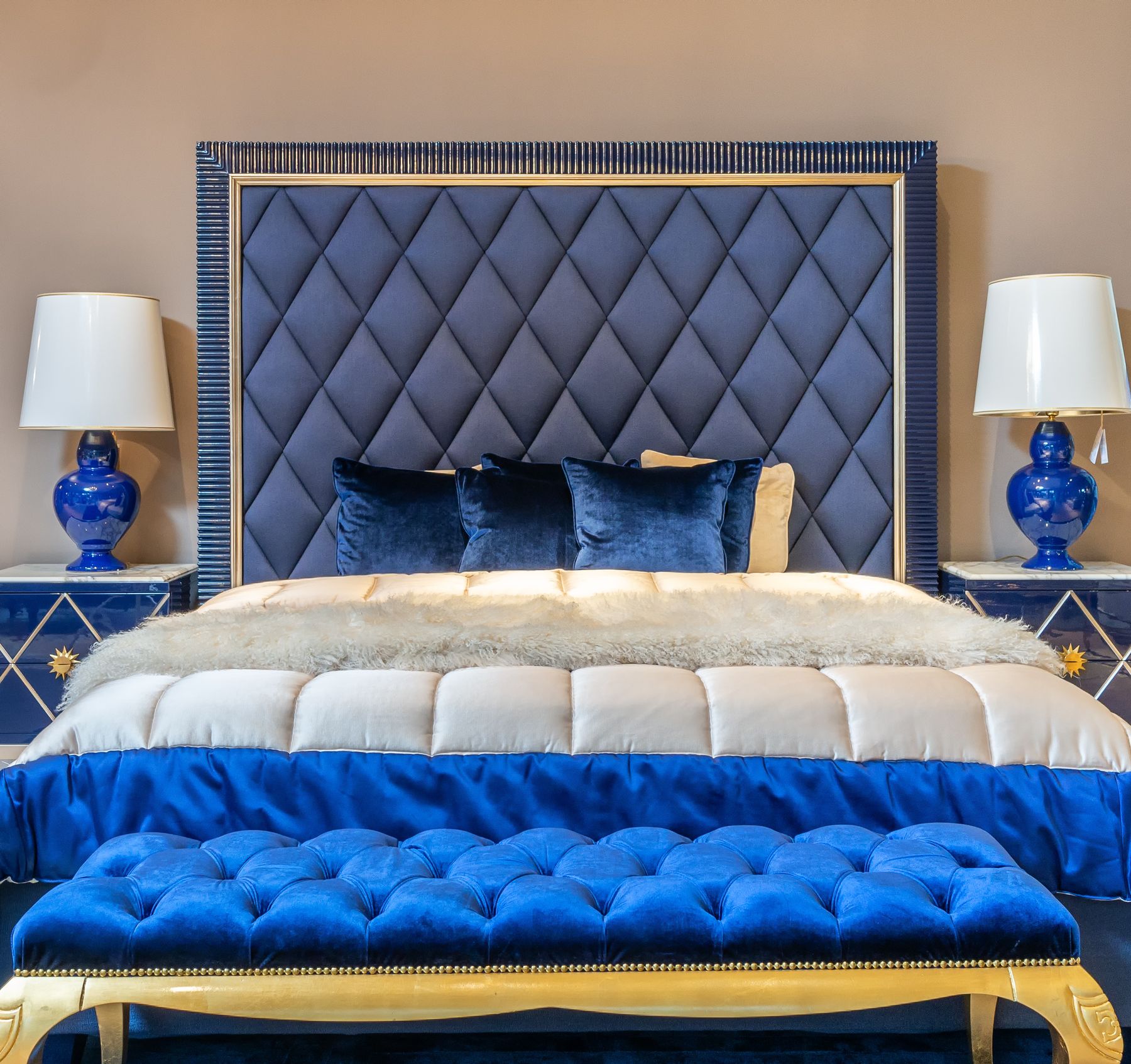
Dusty blue, sage, blush, ochre or clay can interrupt white without taking over. Choose the accent from a view, artwork, textile or existing object, then place it once at medium scale before repeating it. A colored headboard or chair usually feels more purposeful than a trail of matching cushions. Review the color under bedside light, where blue may recede and blush may become orange. White should remain the connective field rather than a blank backdrop for unrelated accent purchases.
Metal Temperature and Reflection
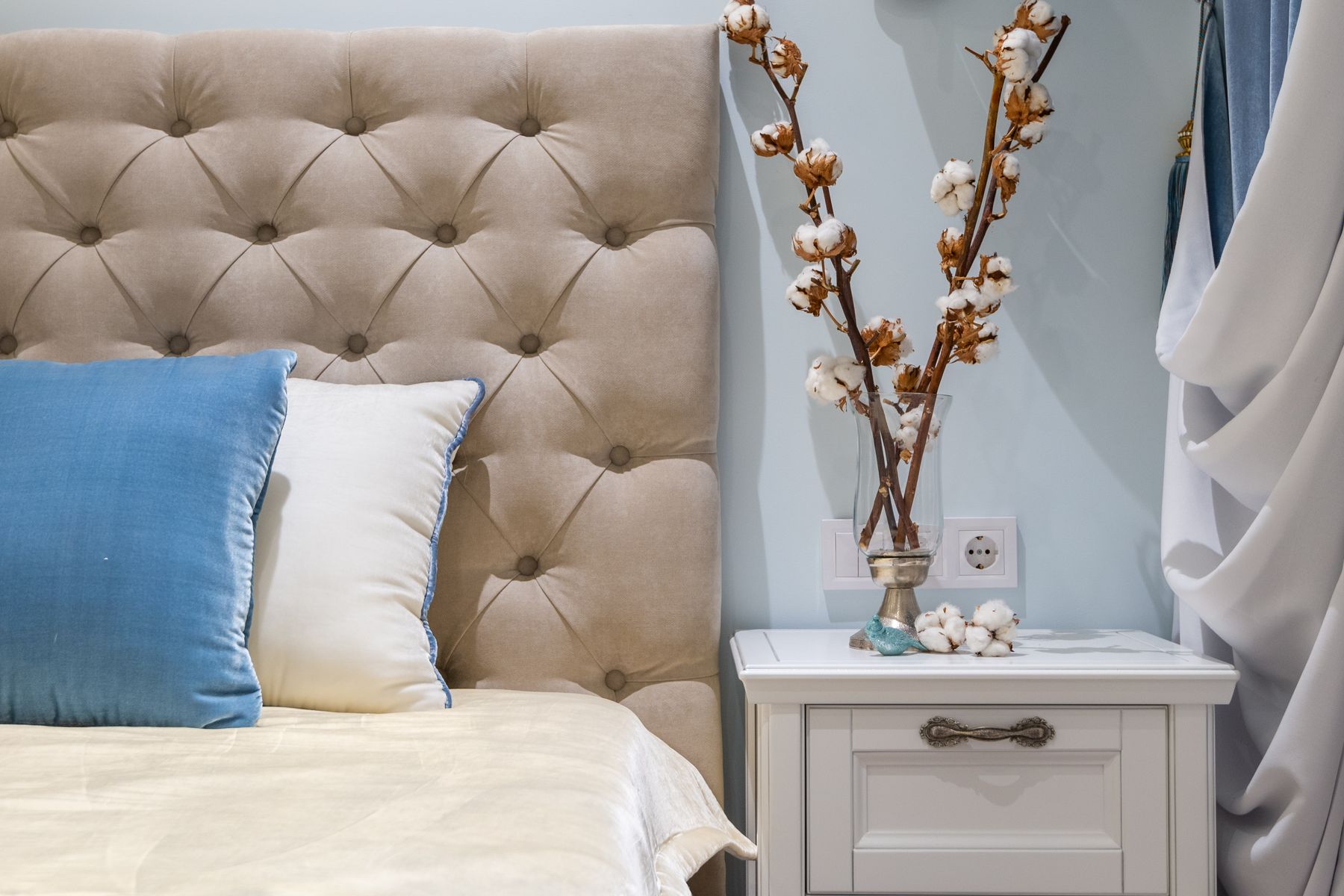
Brass and bronze warm ivory and cream; nickel and chrome sharpen cooler white; blackened steel creates a stronger graphic edge. Begin with fixed door, window and wardrobe hardware, then select one dominant temperature. Highly polished metal can double window or lamp glare in a reflective white room. White-painted handles may disappear against storage, so tactile shape matters. Use metal at lamps, controls and furniture joints instead of outlining every object for decoration.
Lighting Layers Without Glare
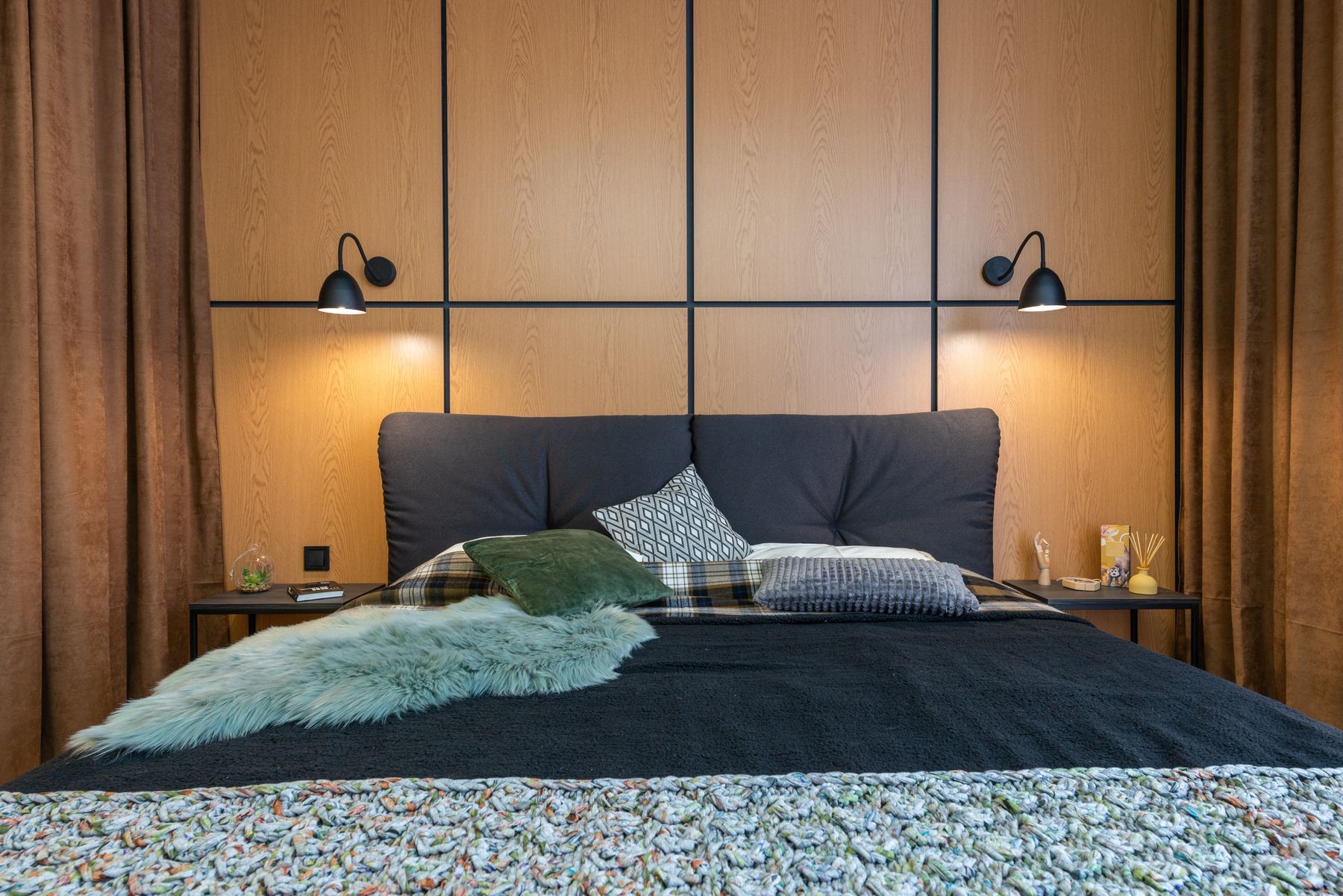
White reflects available light but does not eliminate the need for good distribution. One bright ceiling source can create flat exposure, visible glare and hard shadow around the bed. Combine dimmable ambient light, independent reading light, wardrobe light and a low route. Aim selected beams across texture and keep sources outside the pillow view. [Living Room Lighting Ideas](/living-room/living-room-lighting-ideas/) expands beam and control principles; a bedroom also needs true darkness, simple bedside control and no unnecessary indicator glow.
Separate Sheer, Privacy and Blackout Layers
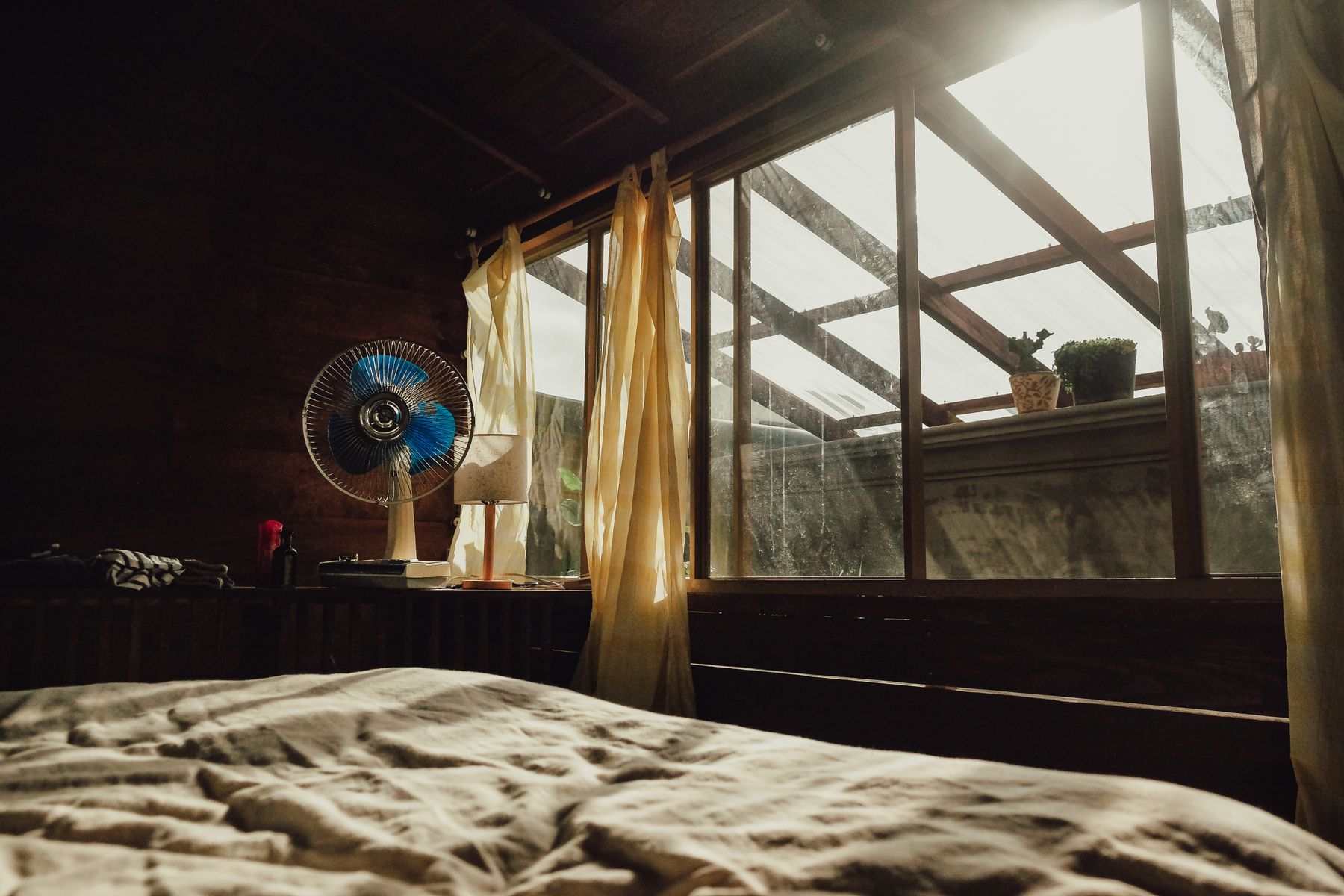
Treat glare, daytime privacy, thermal control and sleep blackout as separate window jobs. A sheer can diffuse strong daylight; a lined curtain or blind closes at night; neither automatically solves overheating or condensation. Measure stack-back so fabric does not cover glass when open. White curtains may look yellow, grey or blue against white walls, so choose a related value rather than assuming a perfect match. Inspect the wall behind heavy fabric because pale surfaces can still conceal early moisture marks in shadow.
Ground White With the Right Floor and Rug
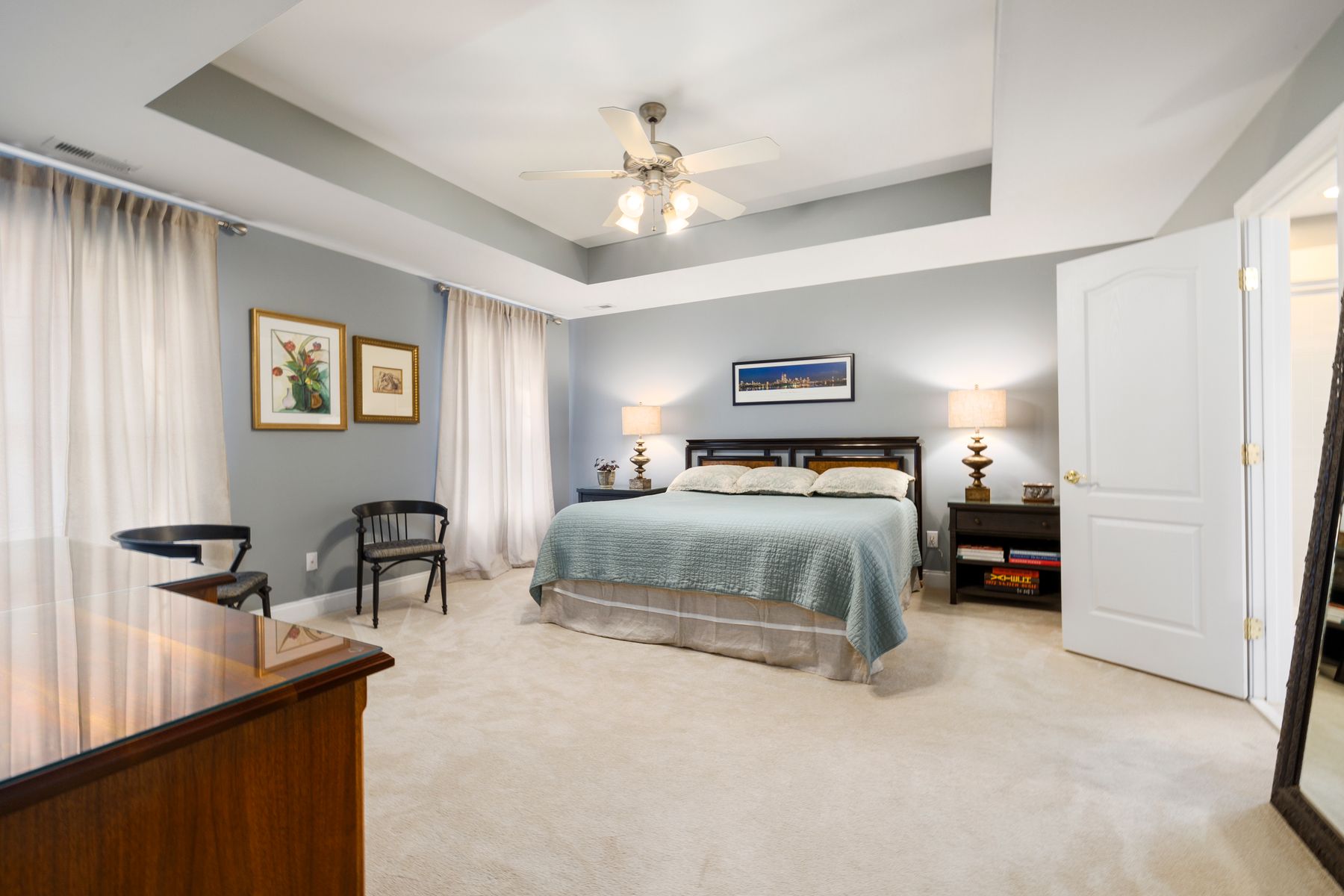
Timber, cork, pale carpet or a broad rug can provide warmth, acoustic softness and a readable bed edge. Brilliant white flooring shows hair and scuffs, can create glare and may make pale furniture boundaries harder to judge. Choose rug size, fiber, pile and underlay for bare feet, doors, allergies and vacuuming before color. The scale and care tests in [Living Room Rug Ideas](/living-room/living-room-rug-ideas/) still apply, with extra attention to nighttime contrast around a pale bed.
Integrate White Storage Without Losing Handles
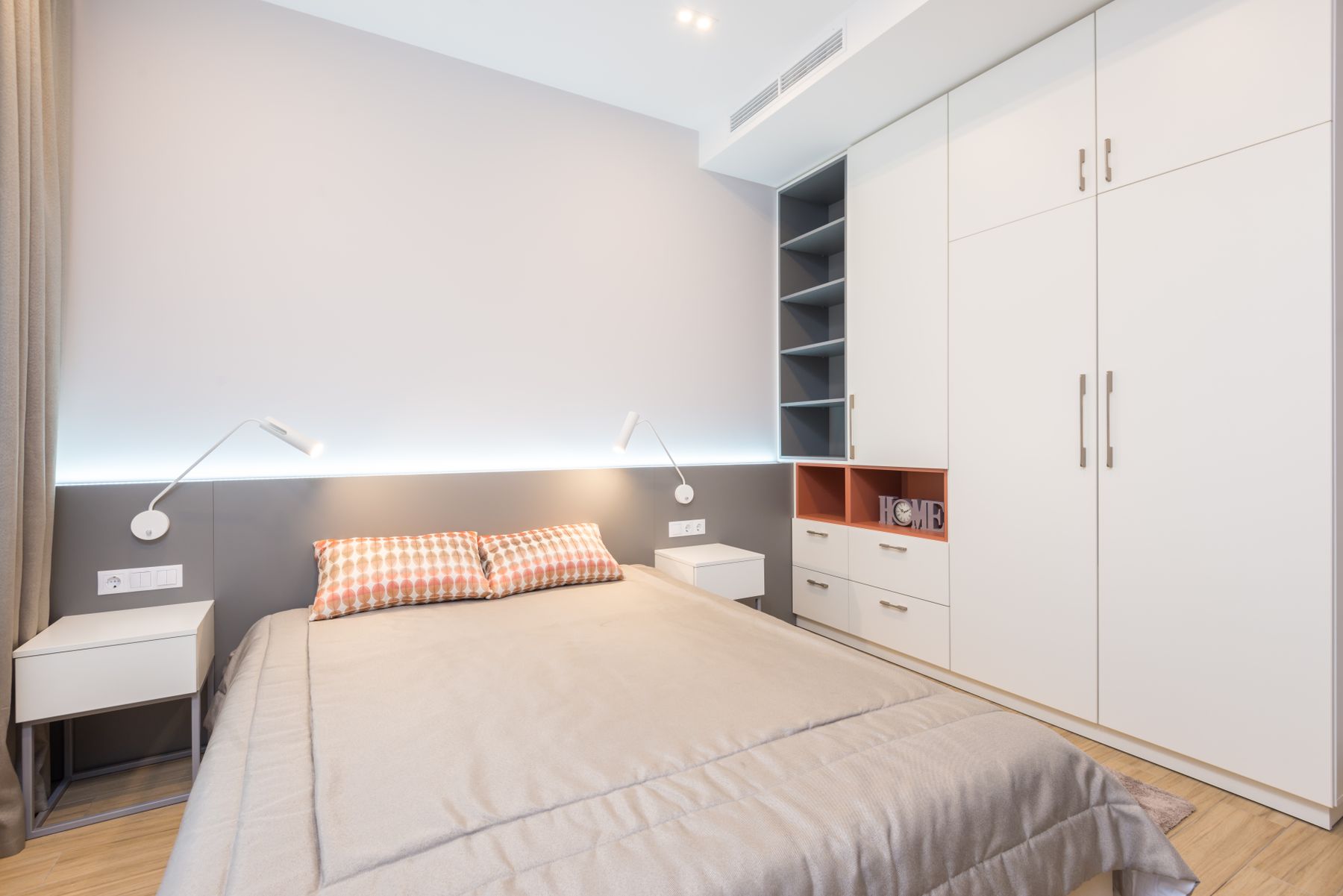
White wardrobe fronts can make a long run quieter, but they still need joint rhythm, visible or tactile hardware, ventilation and interior light. Inventory clothing first, then set hanging depth, shelf spacing and drawer extension. A slightly darker interior or contrasting rail makes pale garments easier to find. Matte fronts diffuse glare but collect rubbing; gloss reflects windows and fingerprints. Confirm door sweep and the route around the bed before choosing a seamless elevation that may be difficult to operate.
Mirrors for Function, Not Automatic Brightness
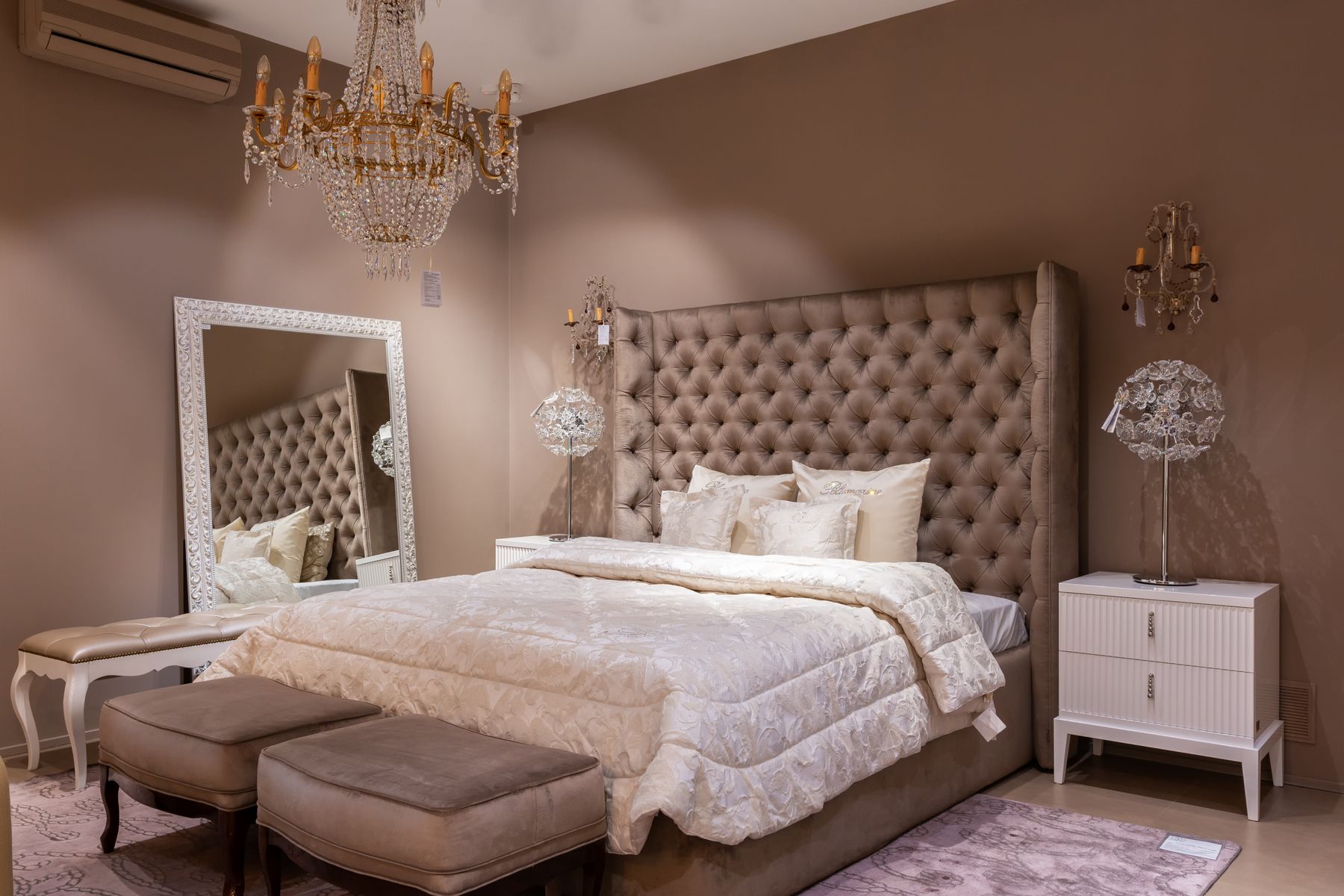
A mirror redirects a view and existing light; it does not create daylight. Position it for dressing, to return a calm window scene or to clarify a narrow route, then check it from the doorway and pillow. A white room already reflects broadly, so extra glass may increase glare rather than comfort. Full-height panels require safe fixing, clear approach space and protected edges. One purposeful mirror is stronger than many small reflective accessories scattered across a quiet room.
Edit Art and Personal Objects More Strictly
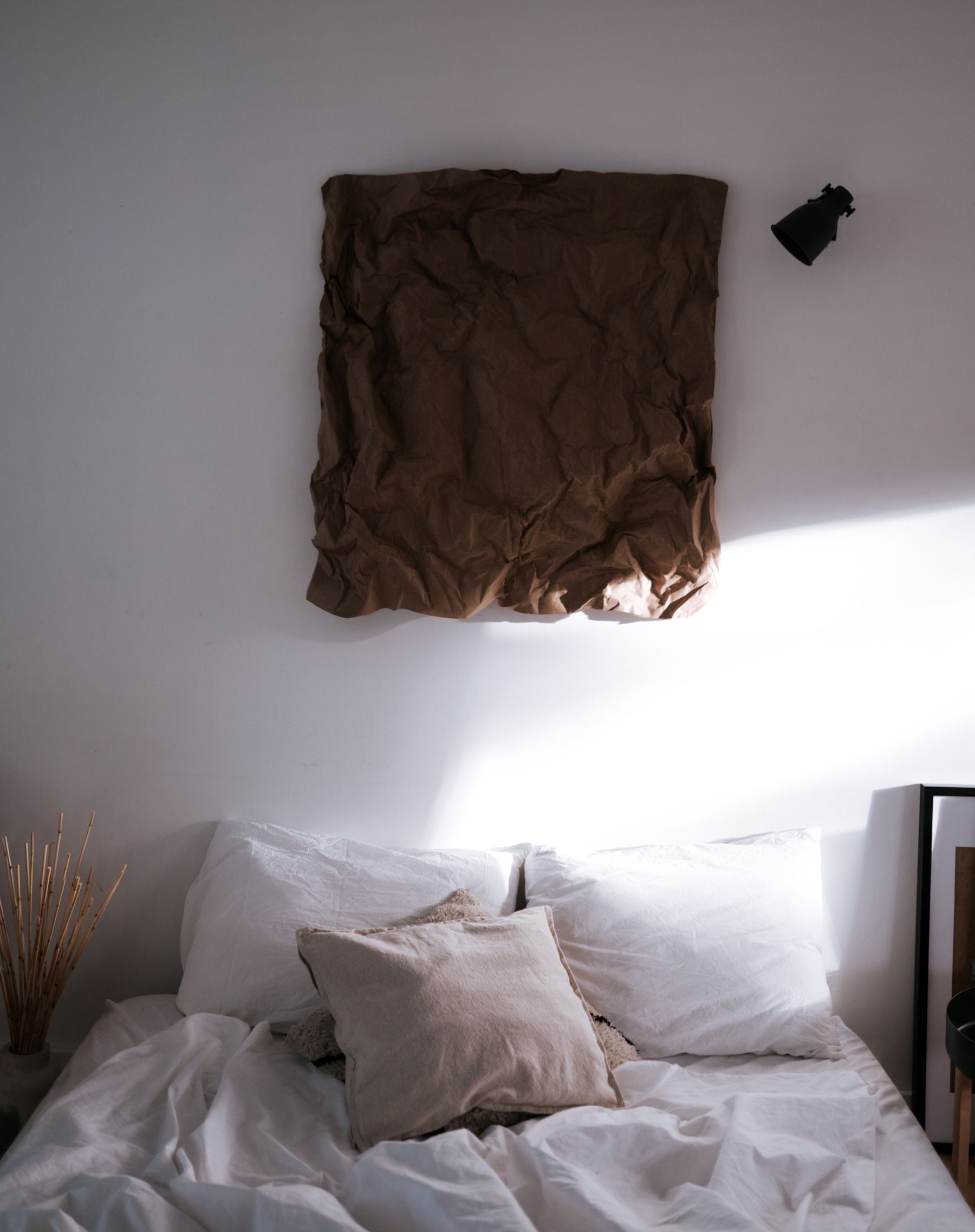
White gives every dark frame, paper edge and colorful object more visual weight. Choose art for meaning and scale, then test its complete outer dimensions before hanging. One broad textile, photograph or painting may rest more calmly than a grid of small bright rectangles. Avoid heavy glass directly above the sleeper and control reflected lamp glare. Personal character should come from selected objects, not from filling every white surface because the room initially feels unfinished.
Plants Only Where Conditions Work
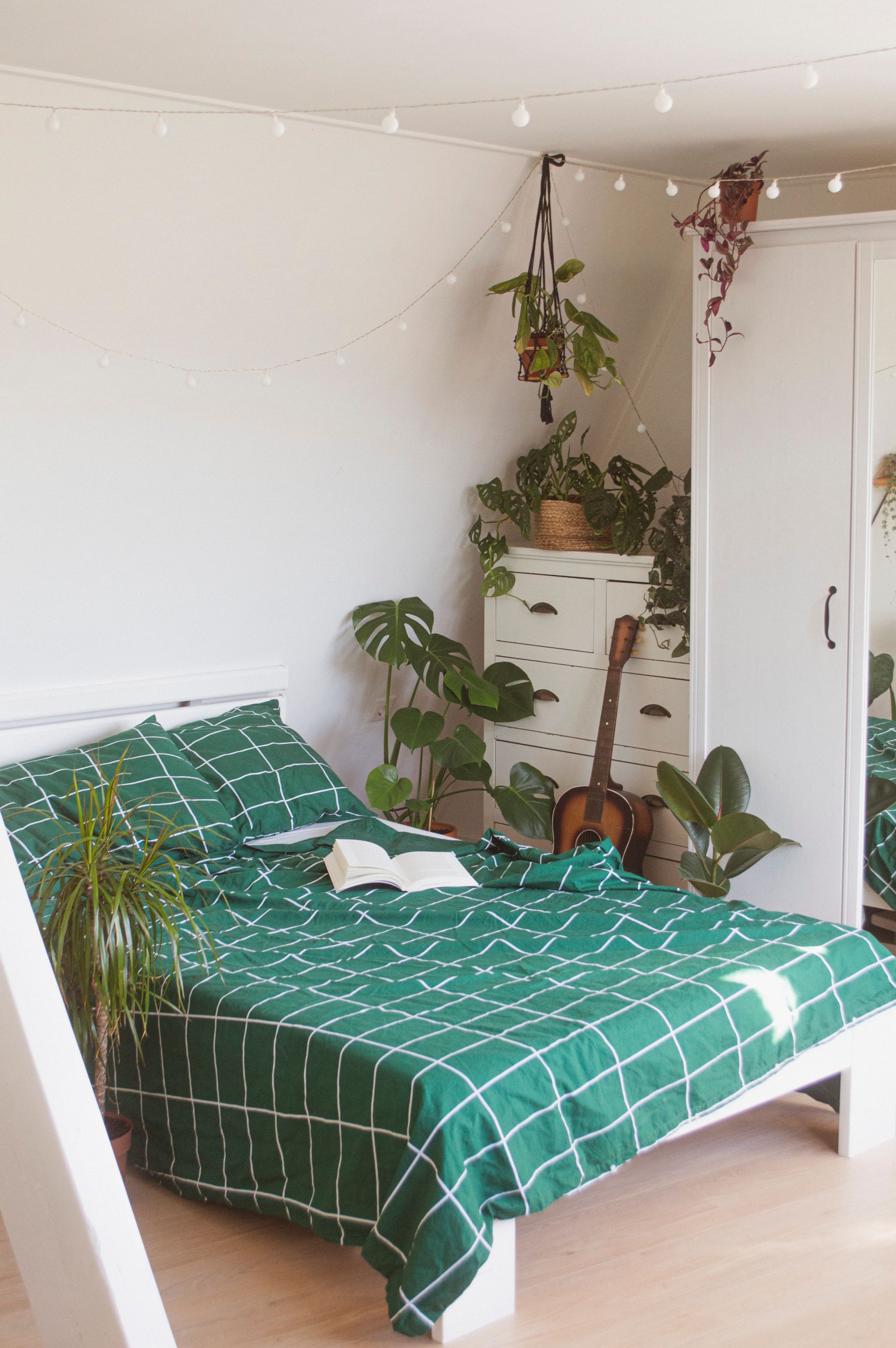
Green leaves read vividly against white, but contrast does not compensate for poor growing conditions. Match the species to window direction, distance, humidity and the household's care routine. Use saucers and washable surfaces to prevent water rings on pale furniture and walls, and inspect soil and corners for pests or damp. One healthy plant with a clear form is more convincing than many struggling pots. If daylight is insufficient, choose botanical art or no greenery rather than disposable decor.
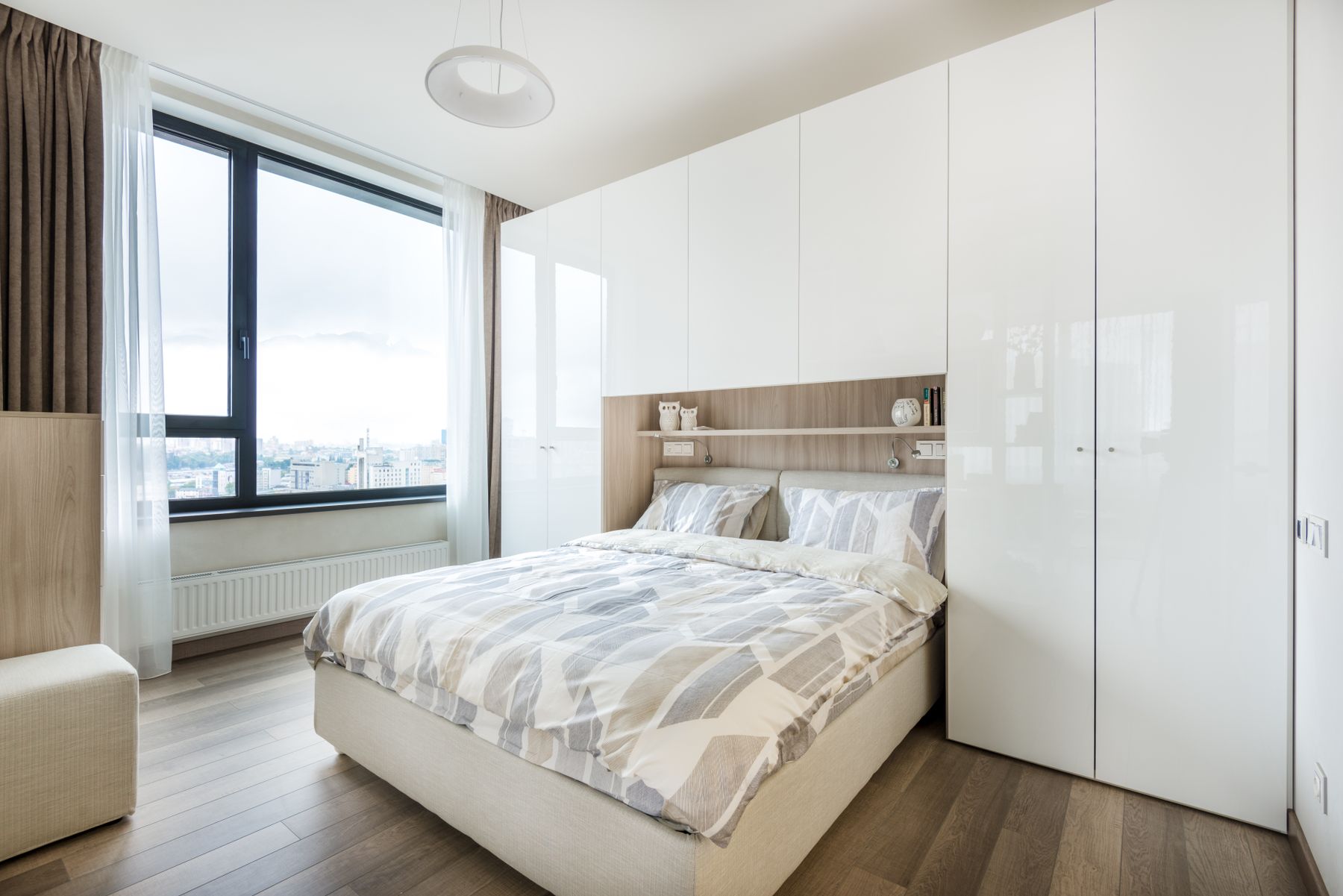
In a Small White Bedroom
White can make boundaries quieter, but it cannot compensate for blocked daylight, excess furniture depth or unusable drawers. Preserve window operation, bedside reach and the active footprint of every door before selecting finishes. A continuous white wardrobe may recede; a slightly darker bed edge or rug improves orientation. [Small Bedroom Ideas](/bedroom/small-bedroom-ideas/) develops clearances and storage in detail. Apply those tests first, then use white to support the plan rather than to disguise crowding.
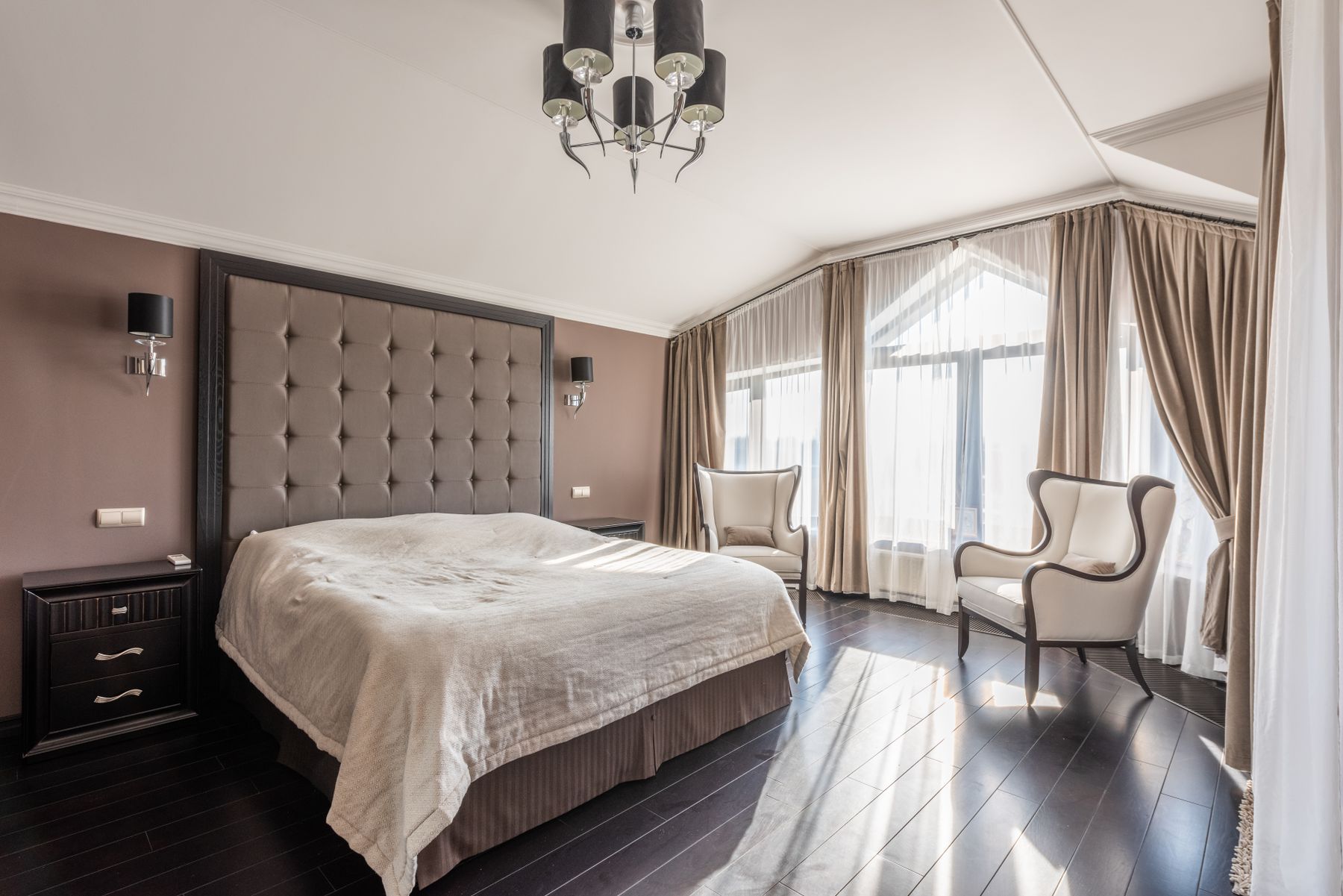
A Large White Bedroom Needs Visual Weight
In a large room, small white furniture around the perimeter can dissolve into the envelope and leave the center empty. Anchor the bed with a broad headboard, rug or textured wall, then give seating, dressing or work a separate purpose and light scene. Related pale values connect the zones without requiring a matching suite. [Large Bedroom Ideas](/bedroom/large-bedroom-ideas/) develops scale and circulation; the white palette should reinforce those functional centers rather than flatten them.
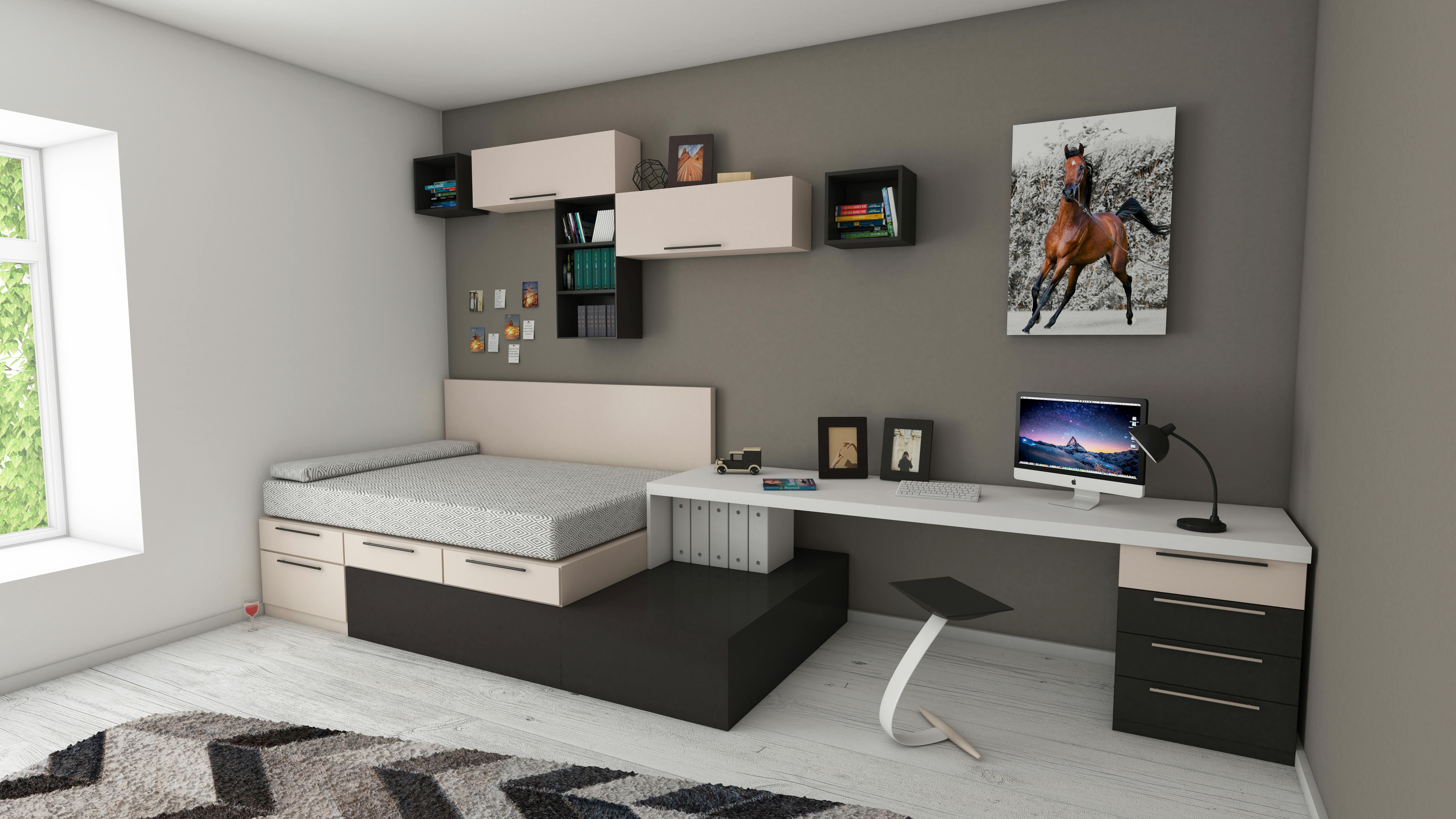
The Closable White Bedroom Workspace
A white desk may visually recede, but the work surface still needs usable depth, screen-glare control, power and a chair route that does not block the bed. Use a separately controlled task light and store papers and devices behind a door or in one closed container. [Minimalist Bedroom Ideas](/bedroom/minimalist-bedroom-ideas/) offers a reduction framework; in a white room, minimal should mean fewer unresolved functions, not a spotless surface that cannot support real work.
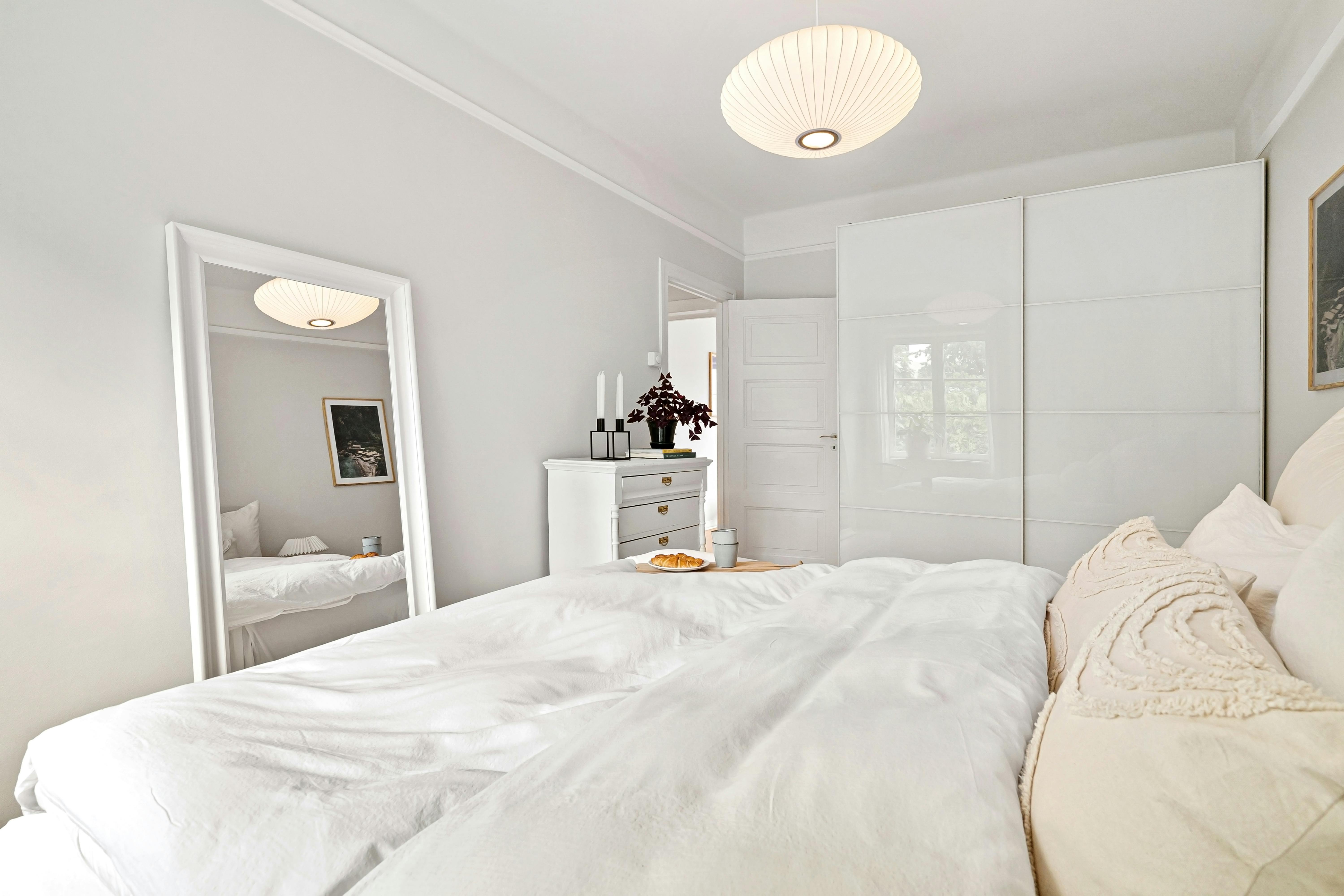
Adapt a White Palette for a Rental
In a rental, build the palette through washable bedding, curtains, a rug, a freestanding headboard and removable shades where permitted. Obtain written approval before painting, drilling or changing fixtures, and store original hardware. Do not cover damp, staining or unsafe wiring with decorative panels. If existing white walls are patchy, a large textile field may create a cleaner visual center without trying to match old paint. Prioritize reversible elements with the greatest area and everyday usefulness.
Protect Legibility in a Low-Contrast Room
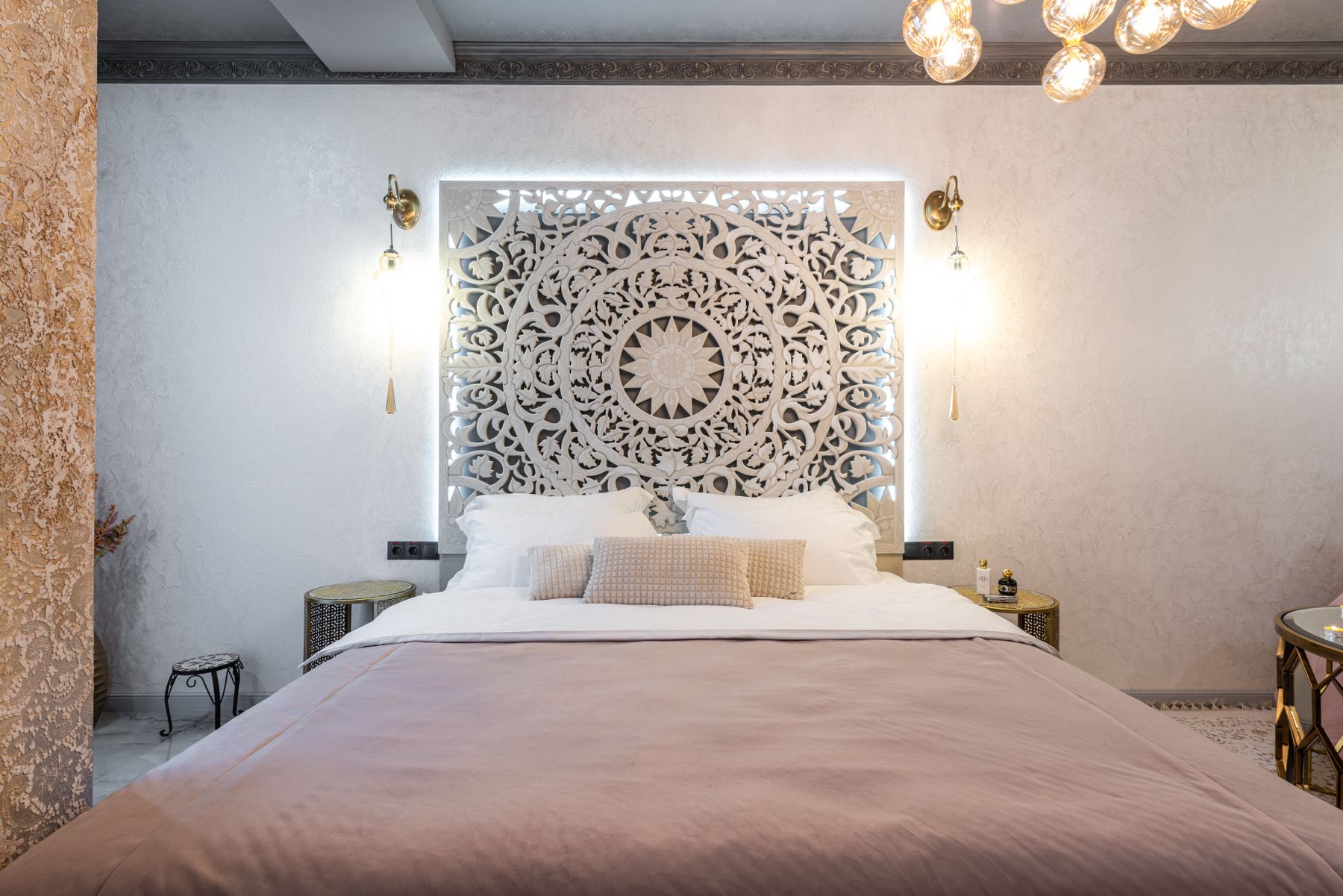
A white-on-white room needs enough value and tactile contrast at bed edges, handles, switches, steps and bathroom routes. Keep pathways clear, controls reachable from the bed and lighting simple to operate. Avoid a low white bench disappearing against pale carpet, and distinguish doors from walls where orientation depends on them. Accessibility does not require abandoning white; it requires placing contrast where information and safety matter. Test the room at minimum light and with reduced visual acuity.
Control Glare, Heat and Sleep Darkness
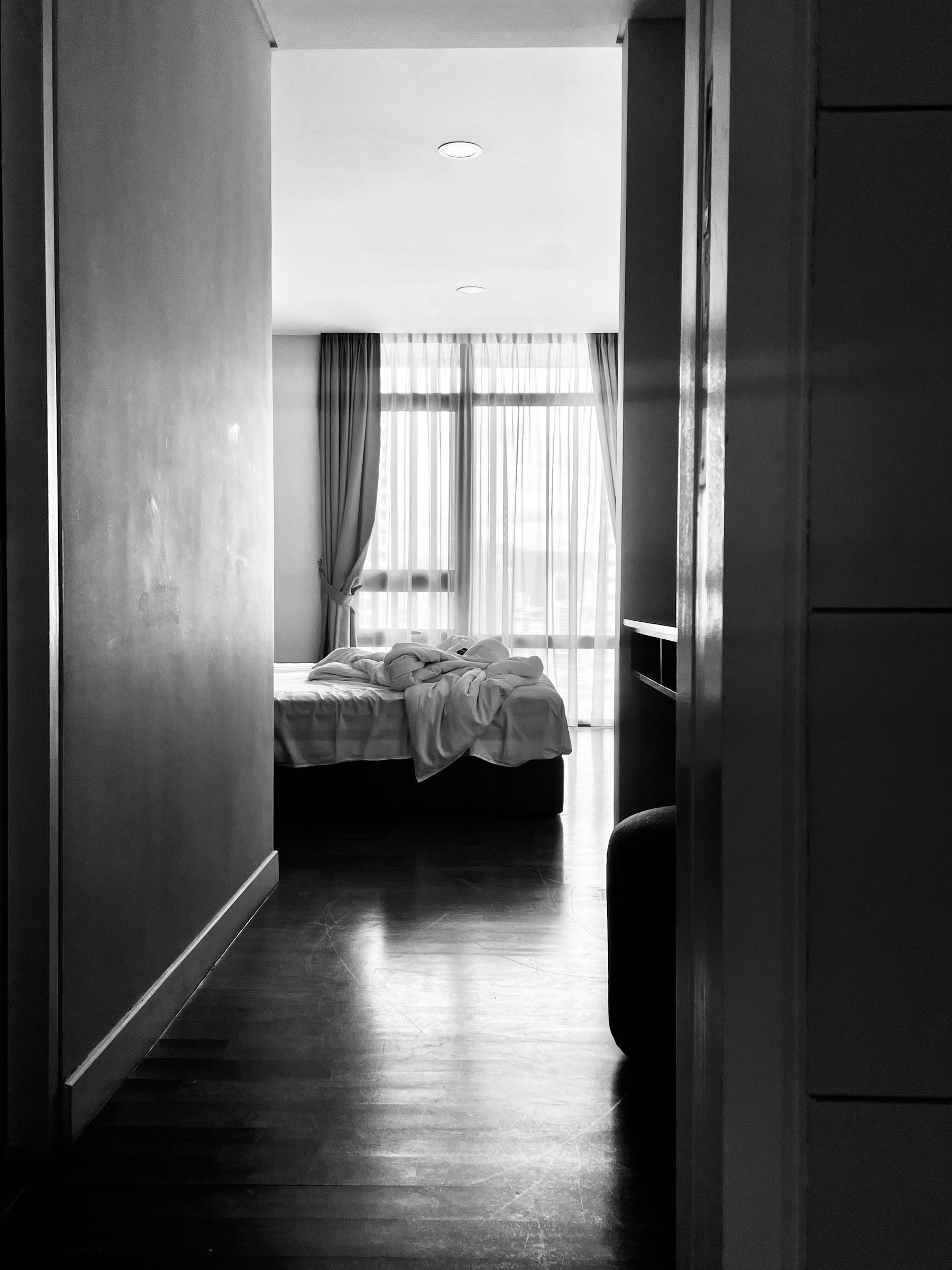
White surfaces can increase perceived brightness but do not solve overheating, direct glare or sleep disruption. Use adjustable shading, appropriate glazing strategies and breathable window layers rather than depending on color. Check reflective bedside surfaces from the pillow and protect screens or mirrors from direct sun. At night, confirm blackout performance around edges and eliminate indicator light where possible. Bright daytime appearance and dark sleep conditions are compatible only when each is designed as a separate scene.
Maintain White Without Making It Precious
White reveals dust shadows, hair, scuffs, makeup transfer, yellowing and mismatched touch-ups differently across paint and textiles. Record paint brand, color, base, finish and batch; keep a labeled repair amount; follow fabric wash temperatures and optical-brightener guidance. Use washable wall finishes where contact is likely and removable covers where upholstery receives daily wear. A white room should look acceptable between normal cleaning cycles. Reject any material that needs constant correction to preserve the basic idea.
Finish With a Real Morning and Night Test
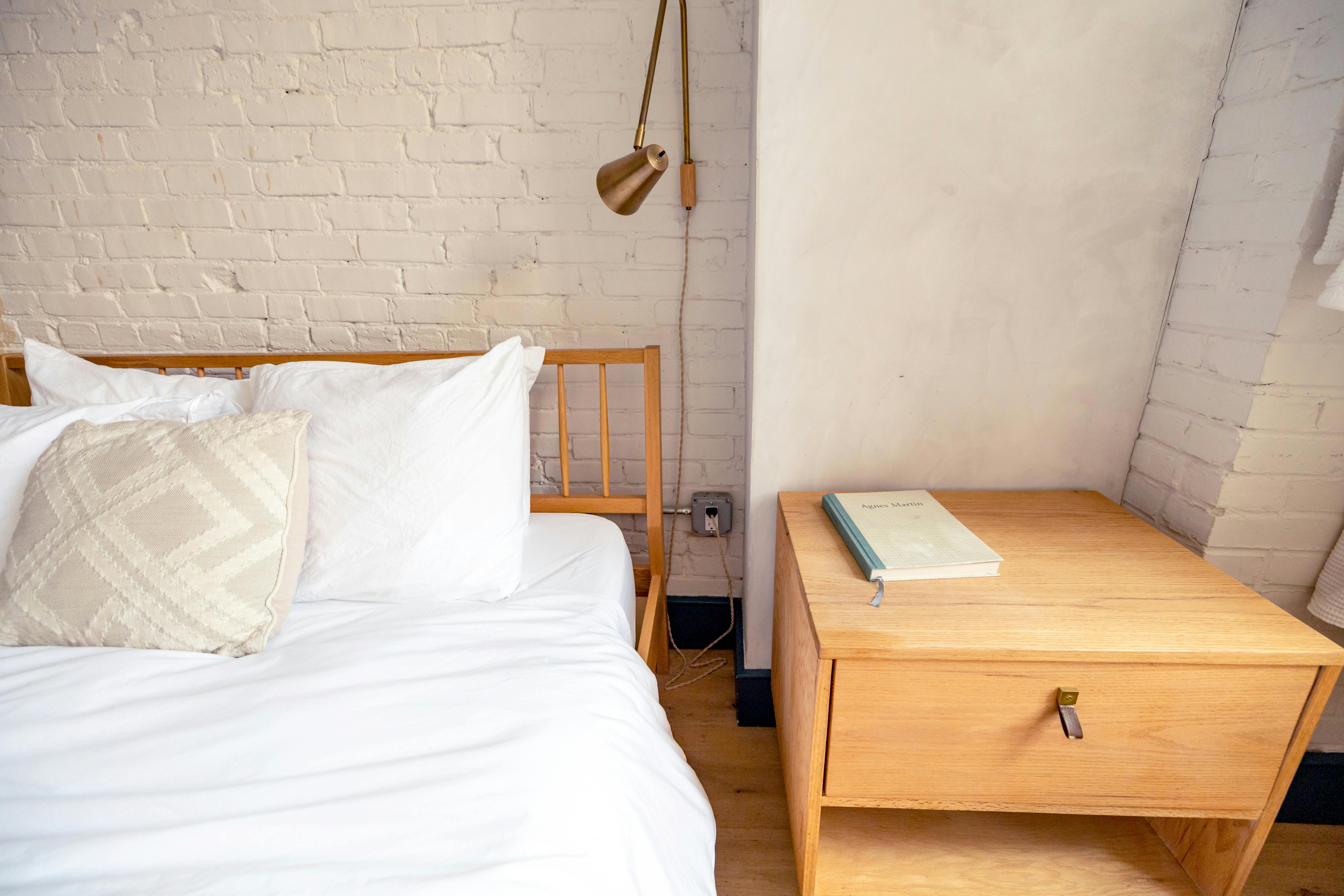
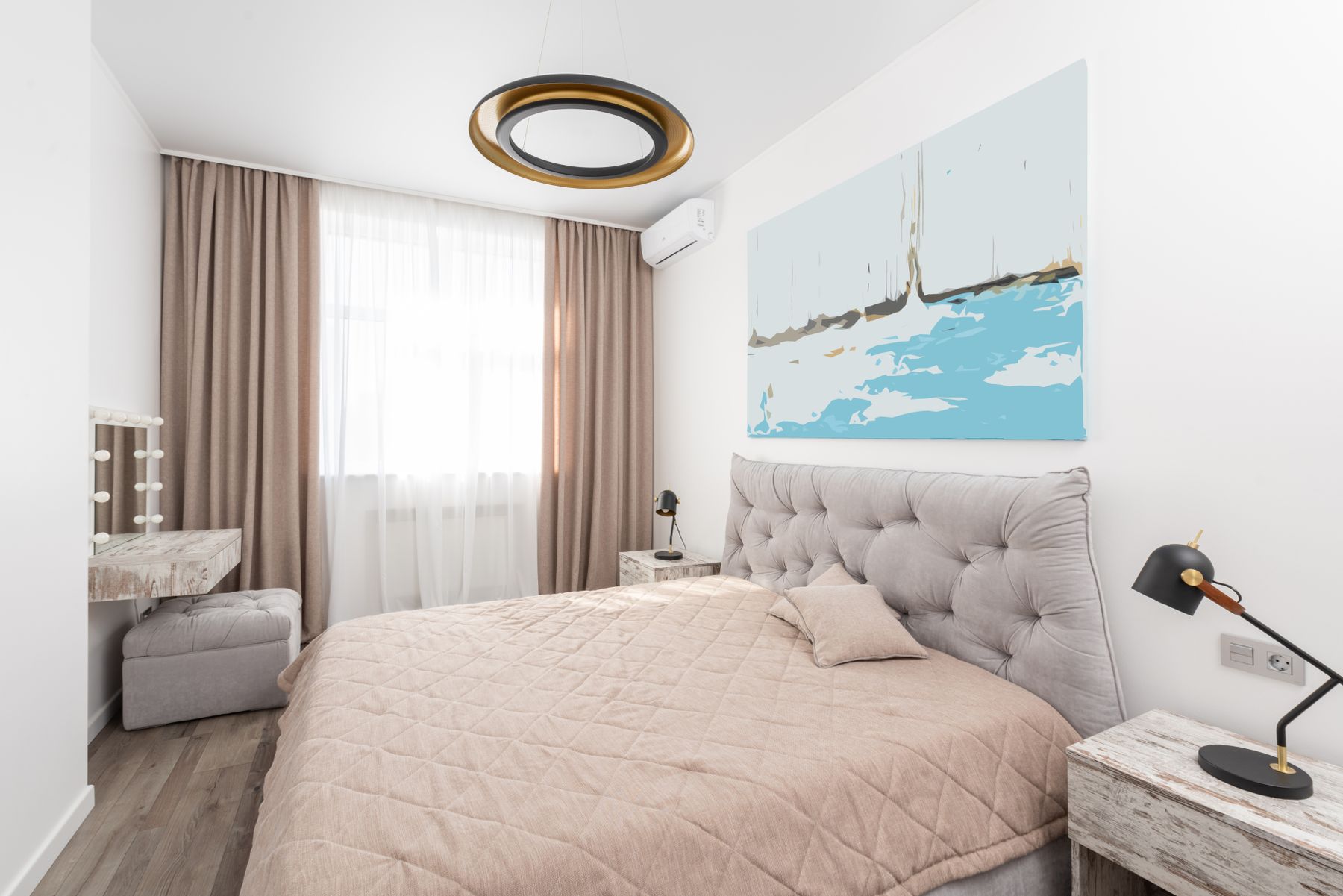
Before committing, photograph and use the room at waking time, midday, dusk, reading and full blackout. Check whether whites separate, whether timber or color remains supportive, whether glare appears and whether routes and controls remain legible. Remove the decorative item doing the least work and retest. A successful white bedroom should not depend on one bright exposure or a freshly styled bed. It should remain calm, comfortable and understandable through ordinary use, changing seasons and realistic maintenance.