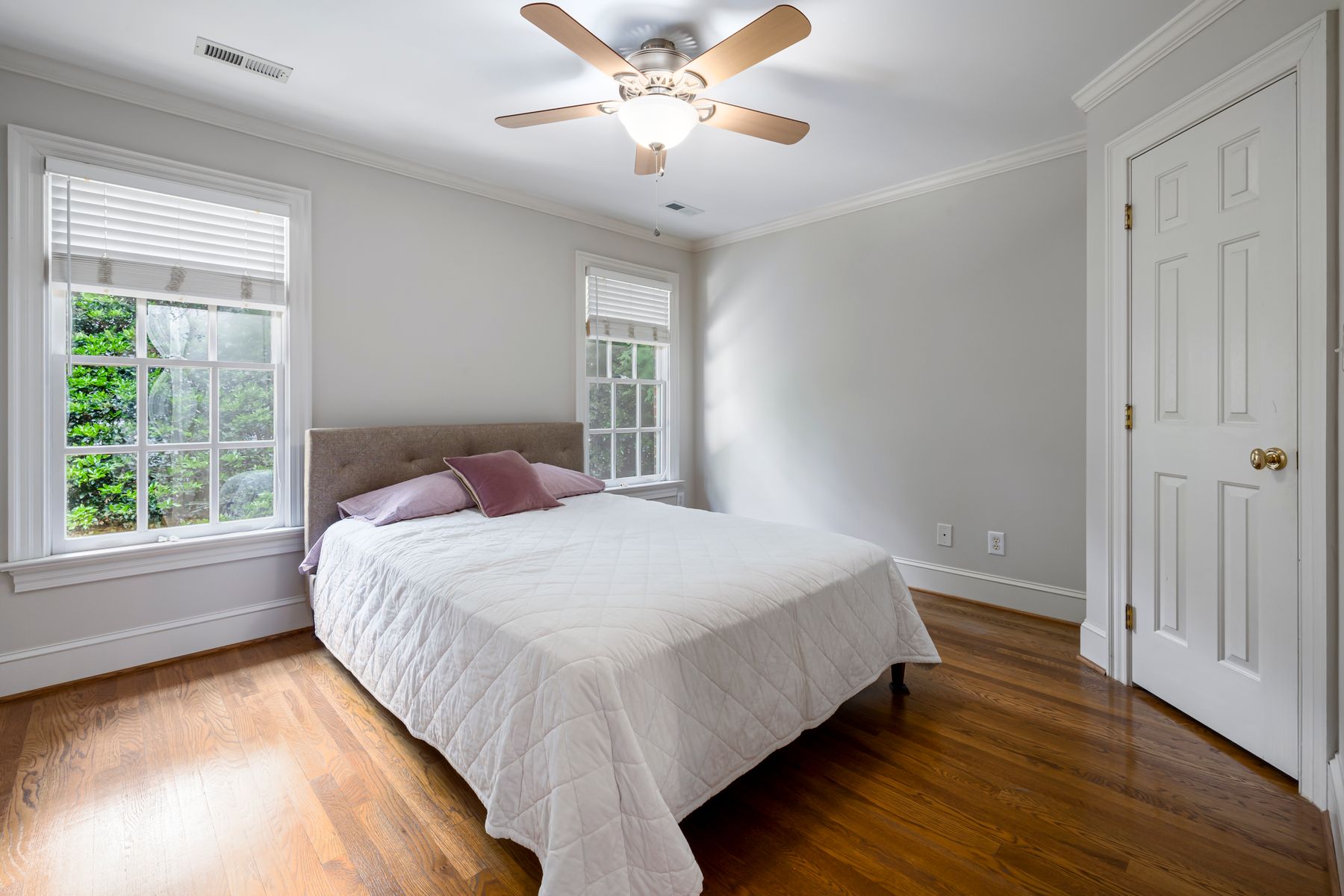
Define Bright Without Defaulting to White
A bright bedroom is one where daylight travels, important edges remain visible and large surfaces return enough light to make the room comfortable. It may be white, but it may also be pale blue, mint, warm beige or a clear midtone balanced by lighter planes. Start by separating performance from palette. [White Bedroom Ideas](/bedroom/white-bedroom-ideas/) is the stronger destination when white itself is the design subject; here the objective is visual lift across any coherent color scheme.
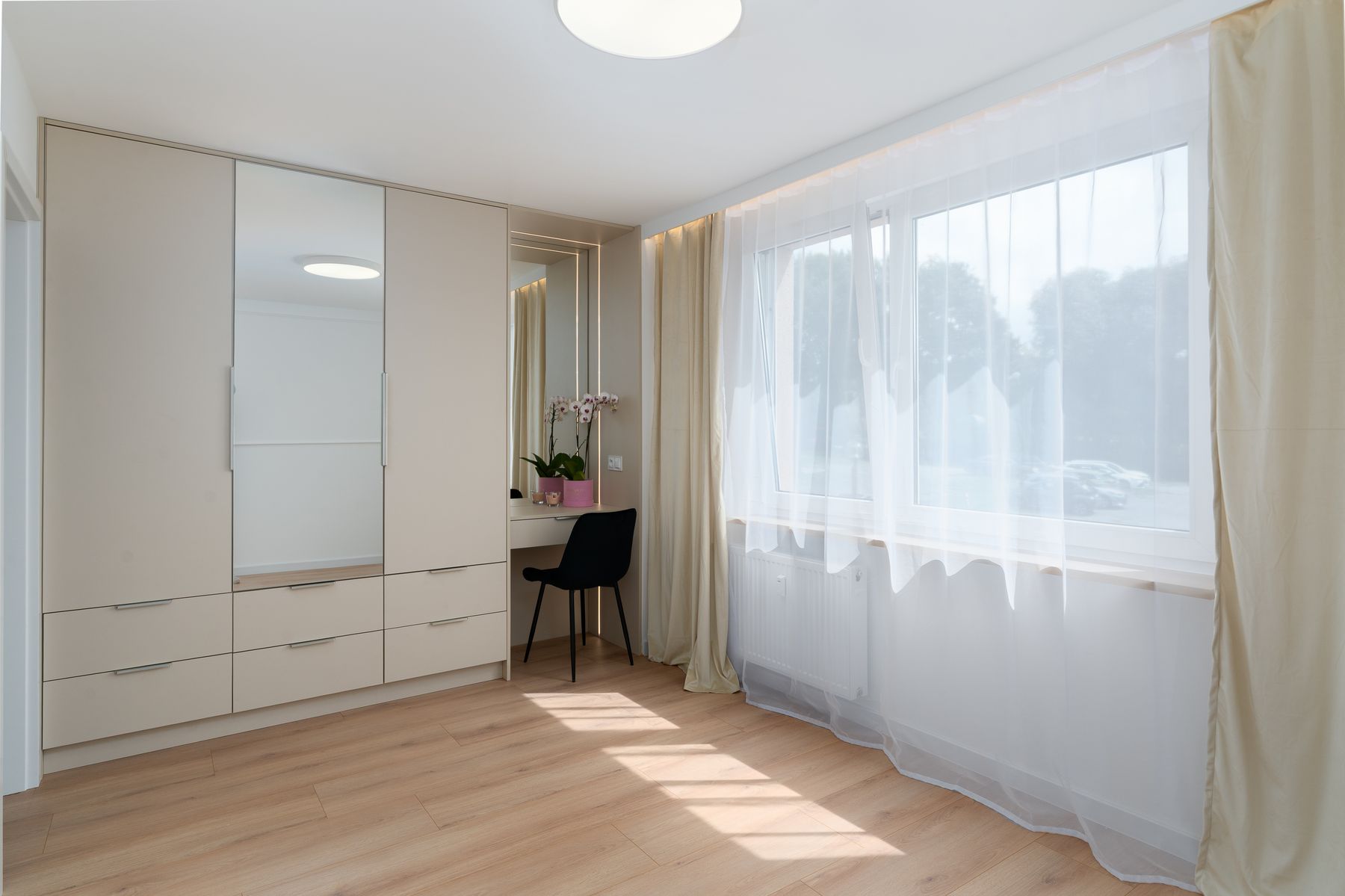
Audit Orientation, Obstructions and Seasonal Light
Before changing finishes, record the window direction, nearby buildings, trees, deep reveals and balconies that block the sky. North-facing rooms tend to receive cooler, steadier light; east and west rooms change sharply; south-facing rooms may need more heat and glare control. Repeat the check in another season if possible because leaf cover and sun angle alter performance. This audit prevents a paint purchase from being asked to solve an architectural problem.
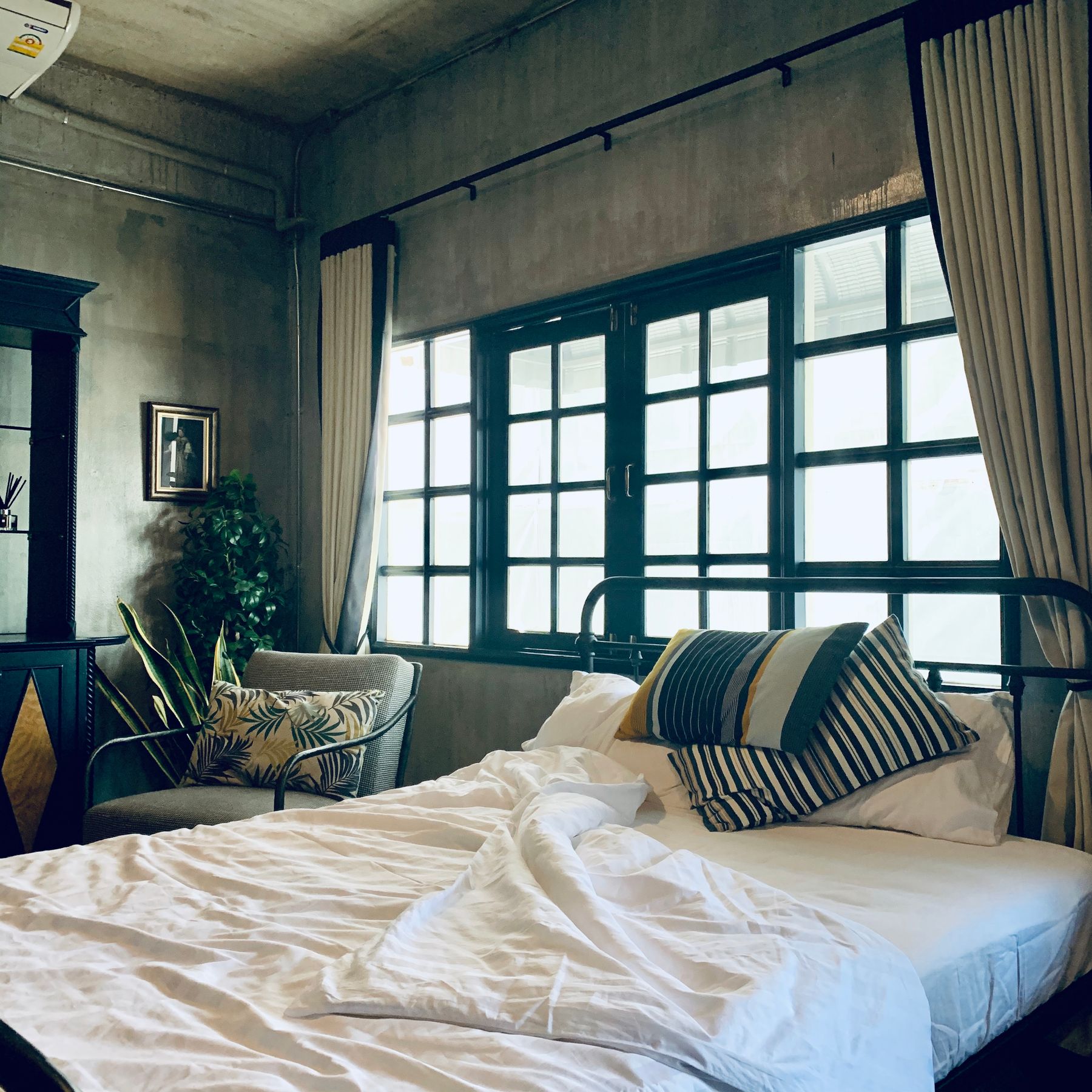
Protect the Window's Clear Light Area
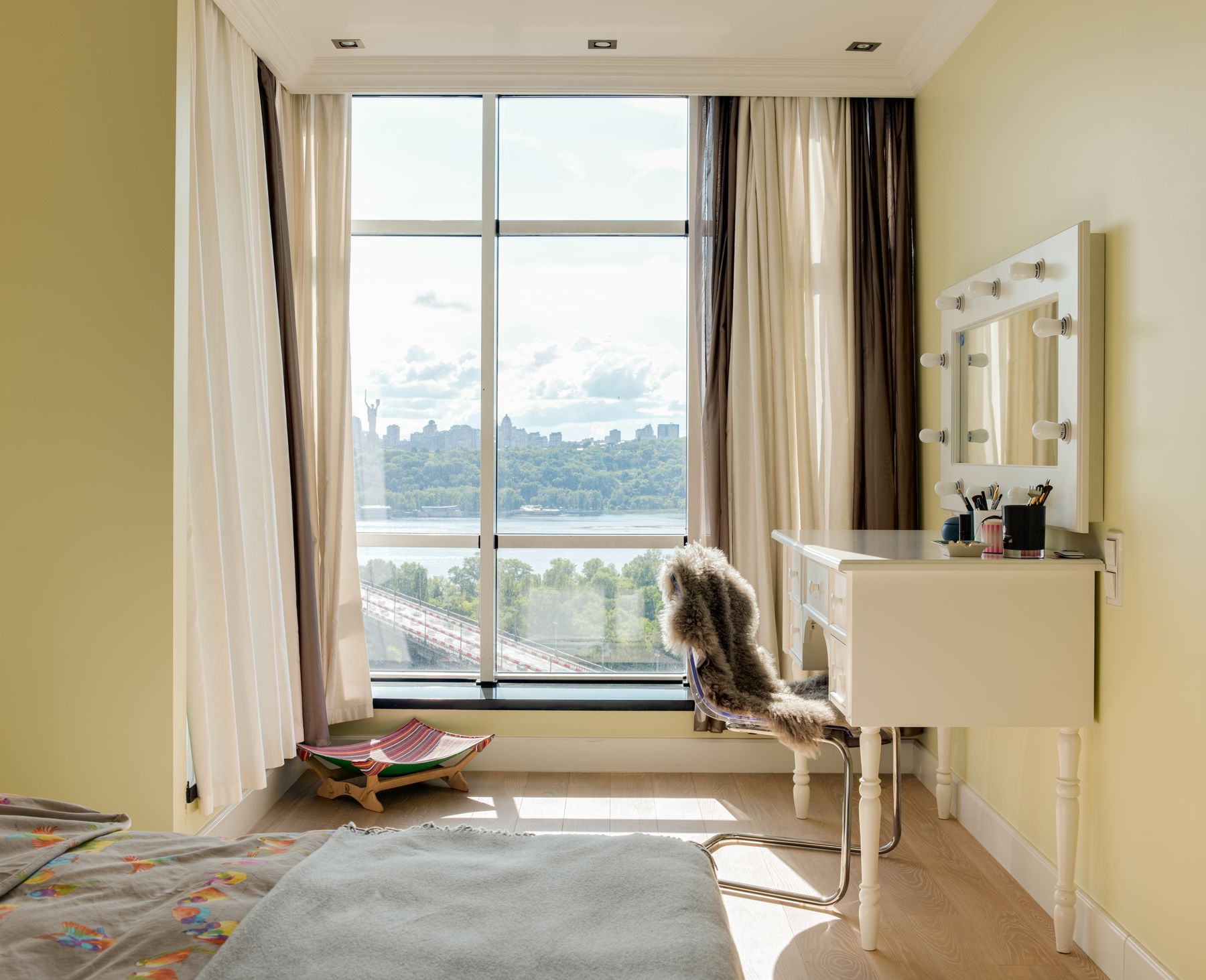
Tall headboards, wardrobes, plants and stacked storage can intercept daylight at its source. Keep the central glass and the immediate floor area as open as privacy and function allow, then place taller pieces on walls that do not cut across the incoming light. Measure curtain stack-back as part of the clear area. Moving one bulky item can improve brightness more than adding several reflective accessories because it restores the original light path.
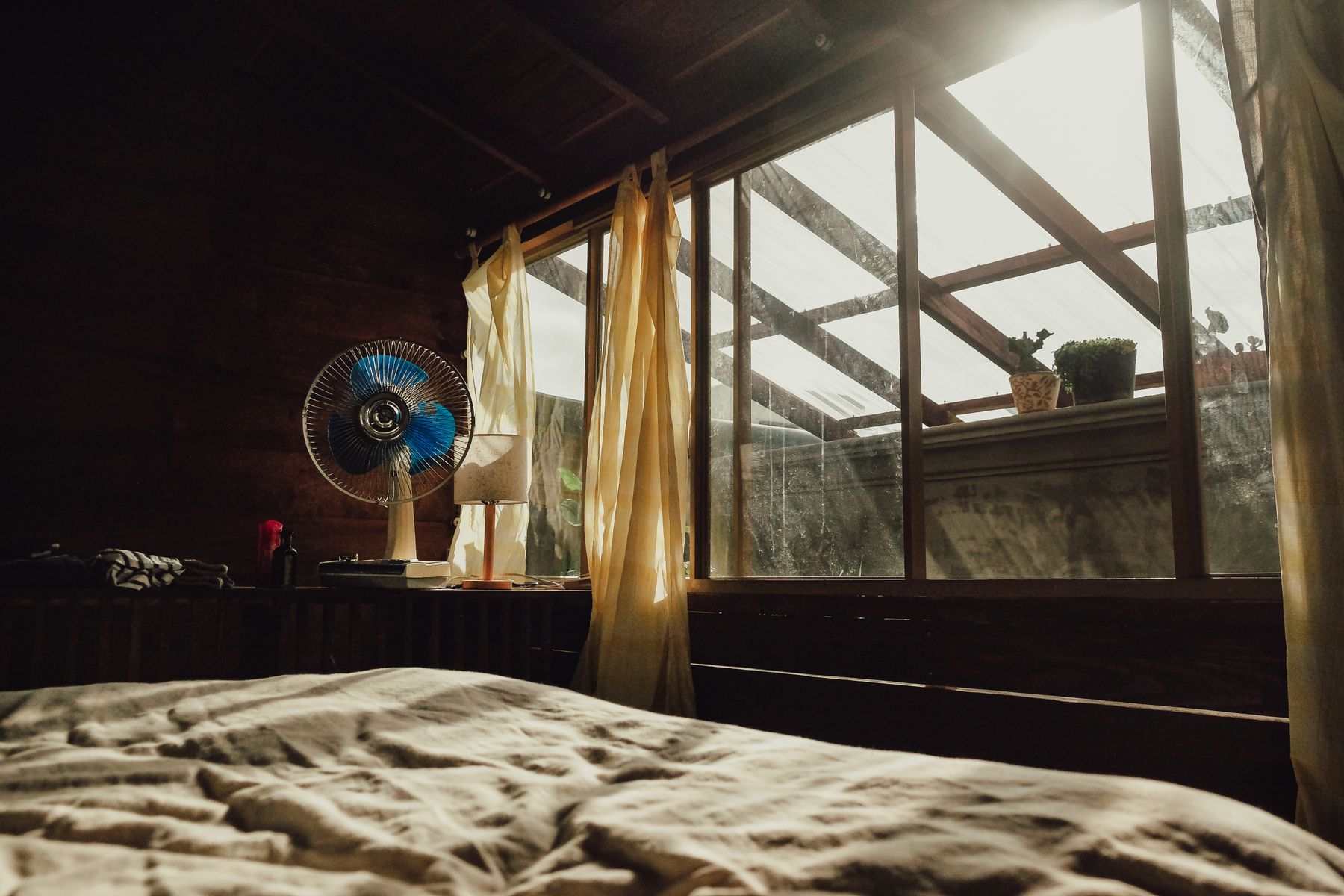
Layer Privacy, Filtering and Blackout
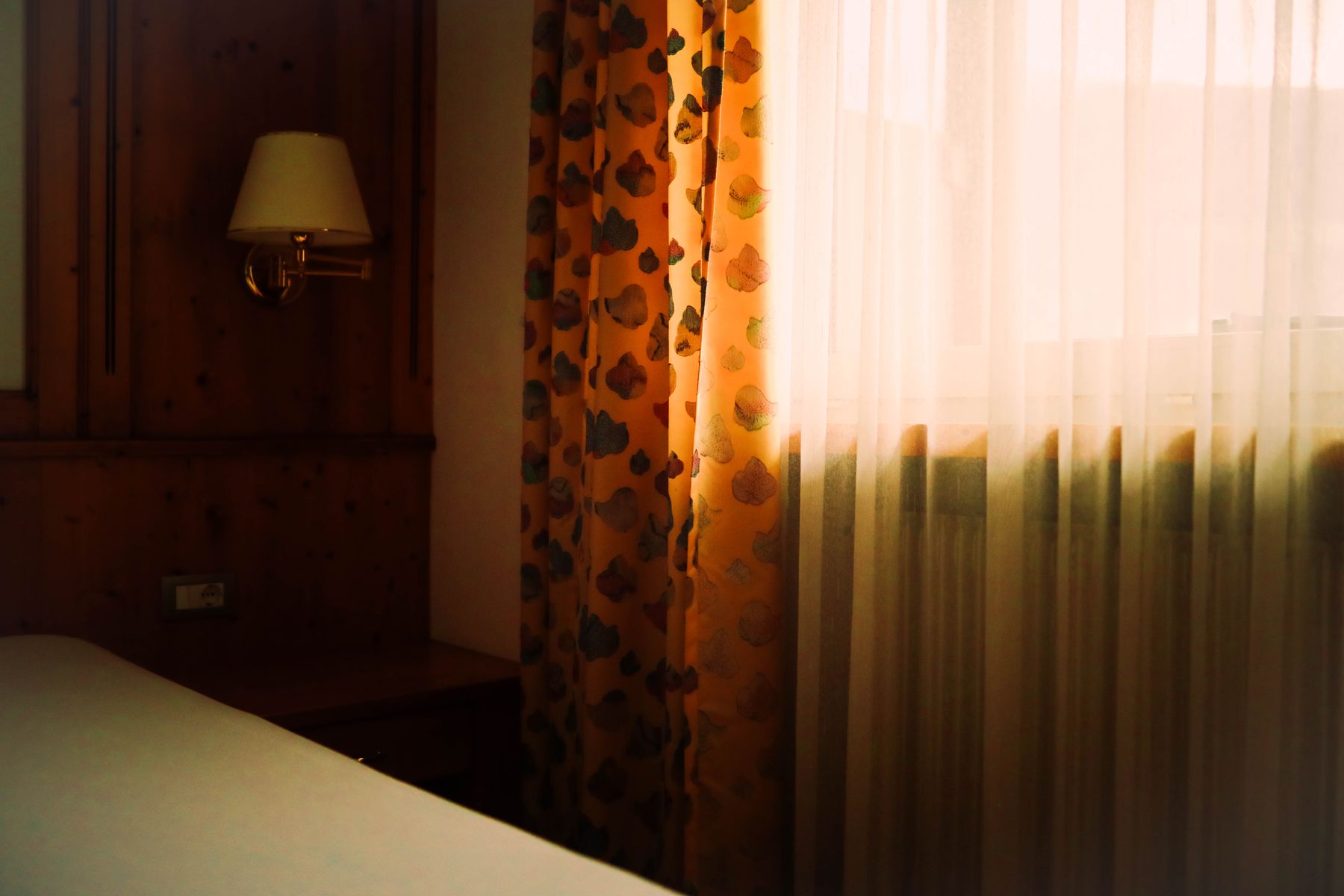
A single curtain rarely handles privacy, glare, heat and sleep darkness equally well. Use a translucent layer for daytime screening, an operable shade or lined curtain for blackout and exterior or solar control where overheating is serious. Mount tracks so fabric clears the glass when open, and size side returns to limit leaks. In a bedroom, the final test includes privacy, fabric fullness, light leakage and reachable operation from the pillow.
Wall Color Judged by Reflectance and Undertone
Light reflectance value is useful, but it does not predict comfort or undertone. A high-reflectance blue-white can feel grey in cool light, while a warm cream may look clearer beside honey timber. Test large boards vertically on more than one wall and view them beside the floor, bed and curtains. Choose the lightest color that still has enough body to hold the room together rather than chasing maximum whiteness without context.

Use the Ceiling as a Light-Returning Plane
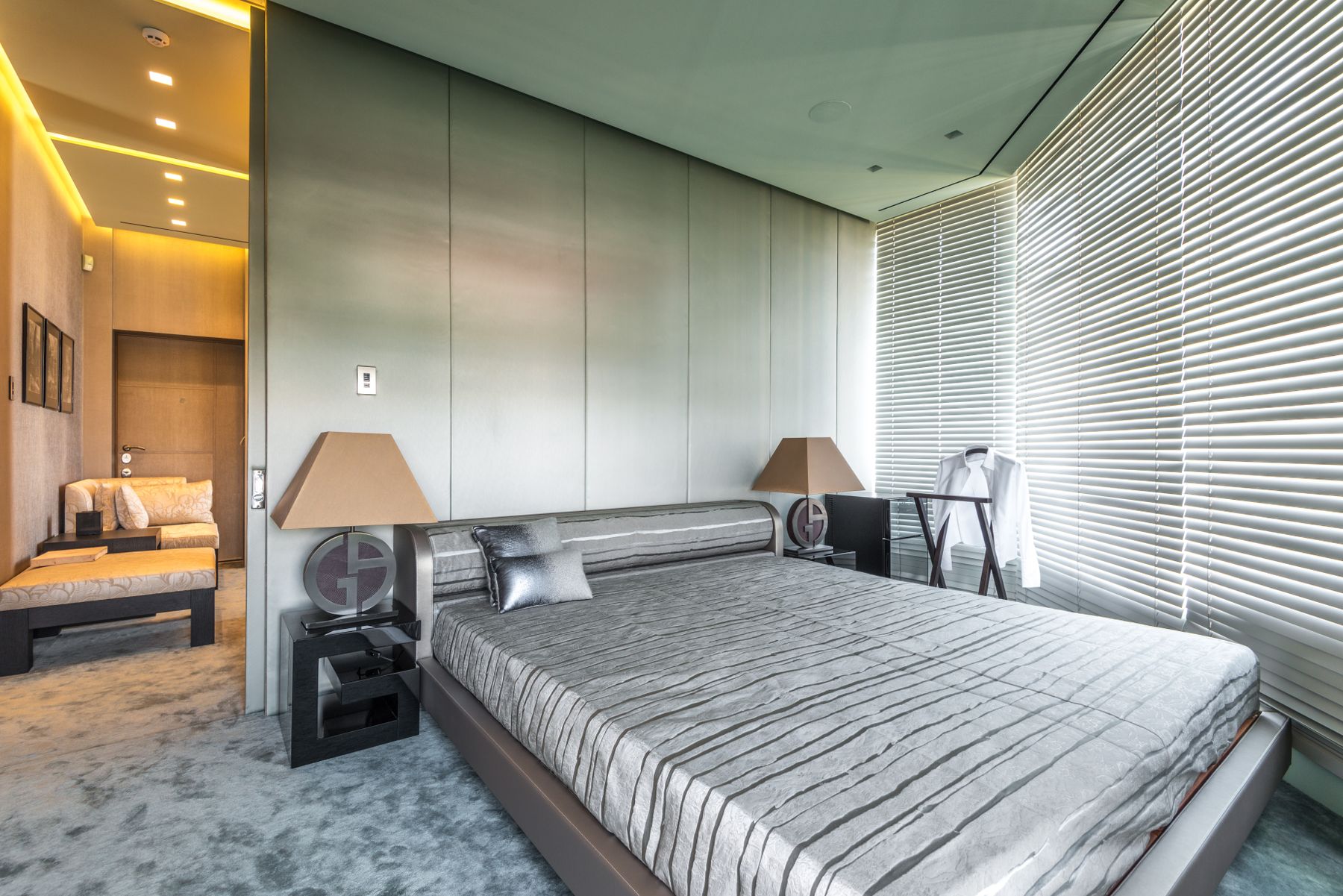
The ceiling is a large reflector and often receives light that never reaches the floor. A pale matte finish usually spreads that light without sharp glare, while a slightly warm tone can prevent a cool room from feeling washed out. Inspect cornices, patching and pendant shadows before increasing sheen. Carrying wall color overhead can still work in a bright room, but only when the windows and layered lighting support the resulting lower contrast.
Lighten the Floor Without Ignoring Wear
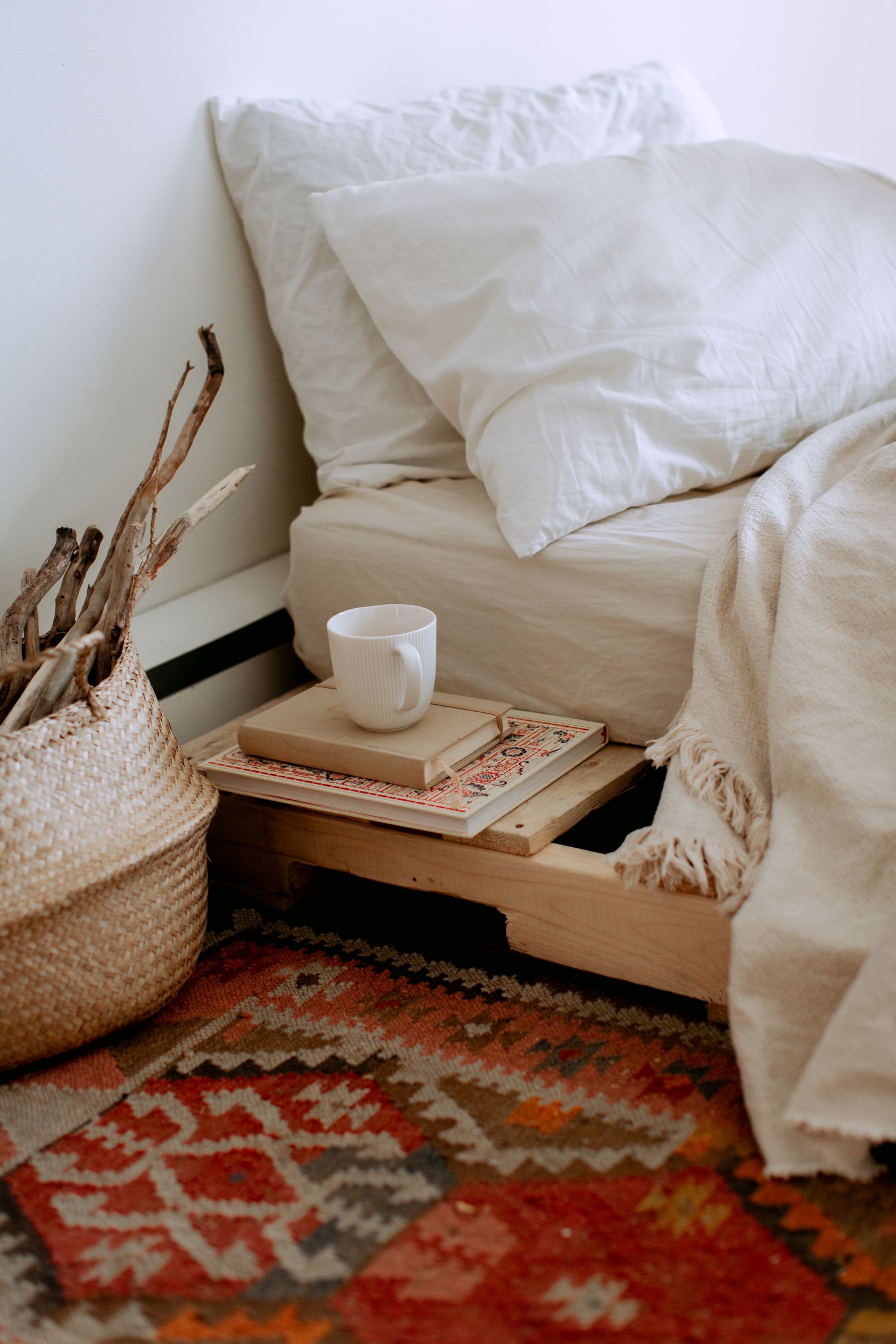
Floors receive and redistribute window light, but the palest option is not always the most practical. Consider tracked dirt, chair movement, pet hair, cleaning methods and the contrast needed to see the bed edge. A washable pale rug, exposed light timber or softly mottled carpet may provide more useful lift than a fragile uniform white surface. Size rugs for stable bed landings and door clearance rather than selecting color in isolation.
Place Mirrors for a Useful Reflection
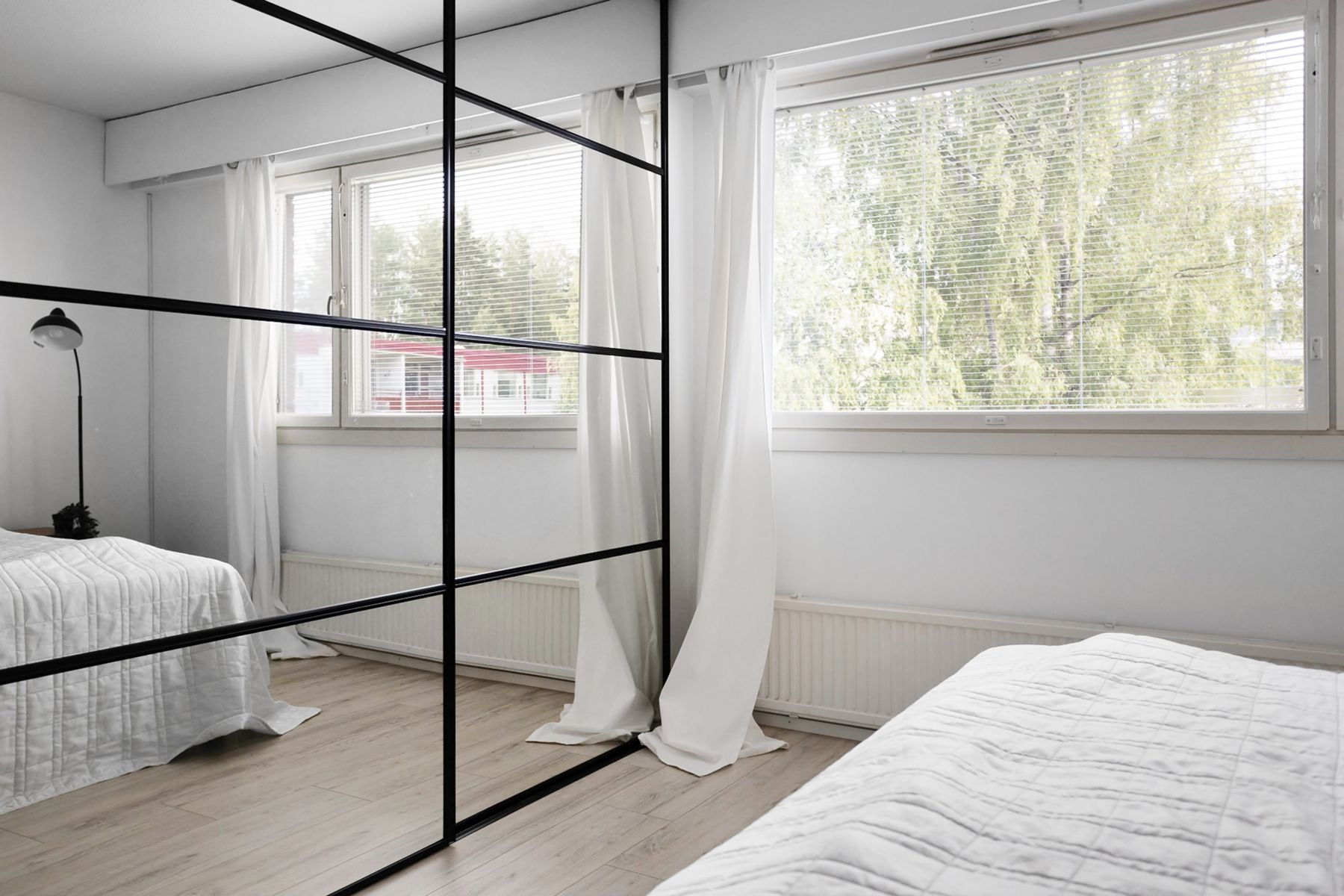
A mirror brightens by redirecting light and expanding a view, not by generating illumination. Position it where it catches the window, a pale wall or an open sightline, then check the reflection from bed and doorway. Avoid multiplying direct sun, a screen, clutter or an uncomfortable nighttime view. Mirrored wardrobes can be effective in compact rooms, but fingerprints, edge safety and door alignment become part of the design decision.
Small Material Choices That Return Light
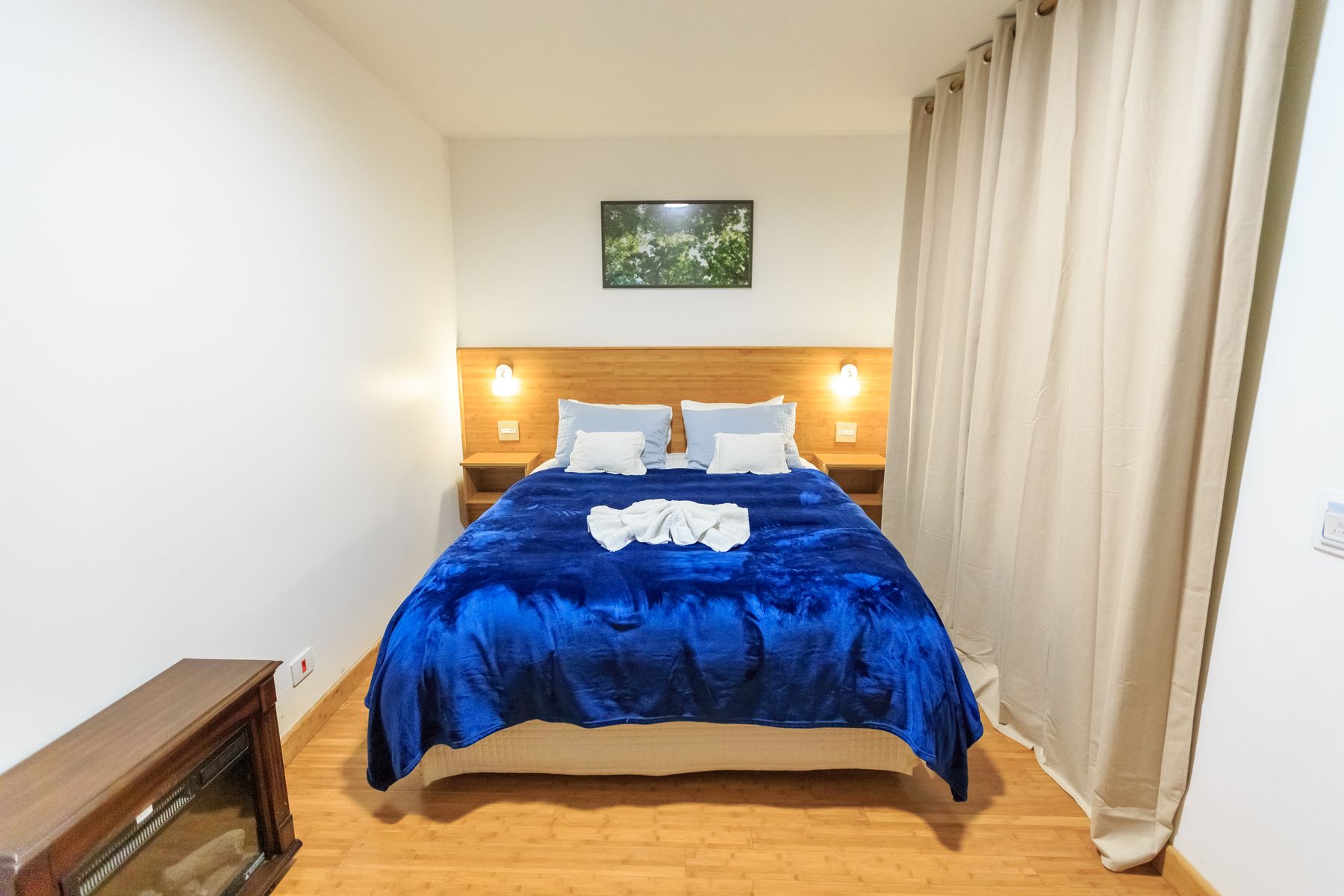
Satin metal, clear glass, glazed ceramic and a restrained polished edge can distribute highlights around the room. Use them at lamps, handles and small furniture where reflection supports function. Large glossy surfaces expose fingerprints and can produce hard glare from windows or bulbs, so mix them with matte walls and textured textiles. The goal is a sequence of modest light returns, not a showroom of competing reflections.
Furniture That Lets Light Travel
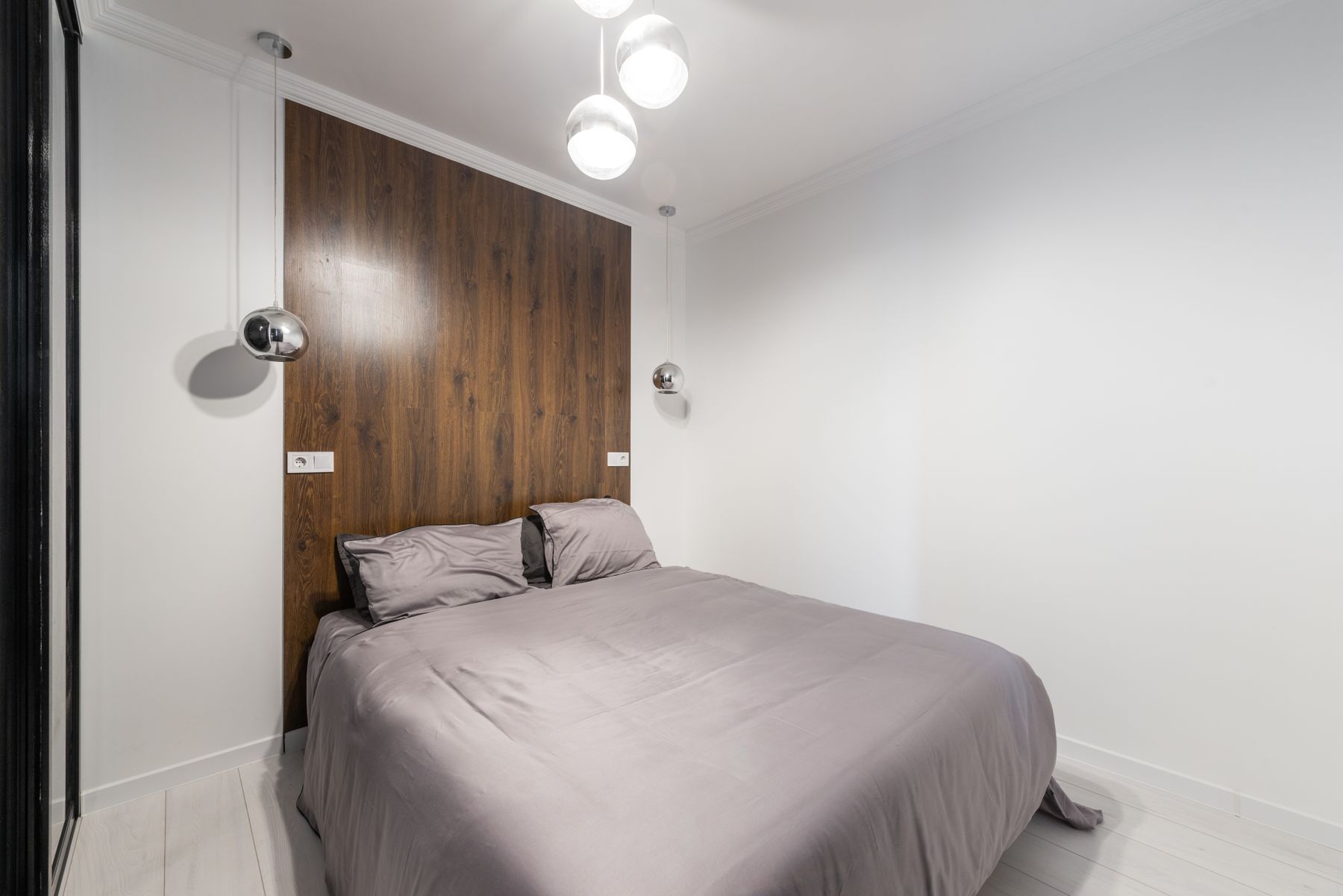
Leggy tables, raised storage and furniture no deeper than its job requires expose more floor and wall to daylight. This does not mean every piece must be delicate: one grounded bed can coexist with visually lighter bedside and storage pieces. Match scale to circulation and load, then check whether the furniture blocks a bright wall from the doorway. Open bases also increase cleaning access, which matters when dust would dull the lightest surfaces.
The Bed Must Stay Visually Buoyant
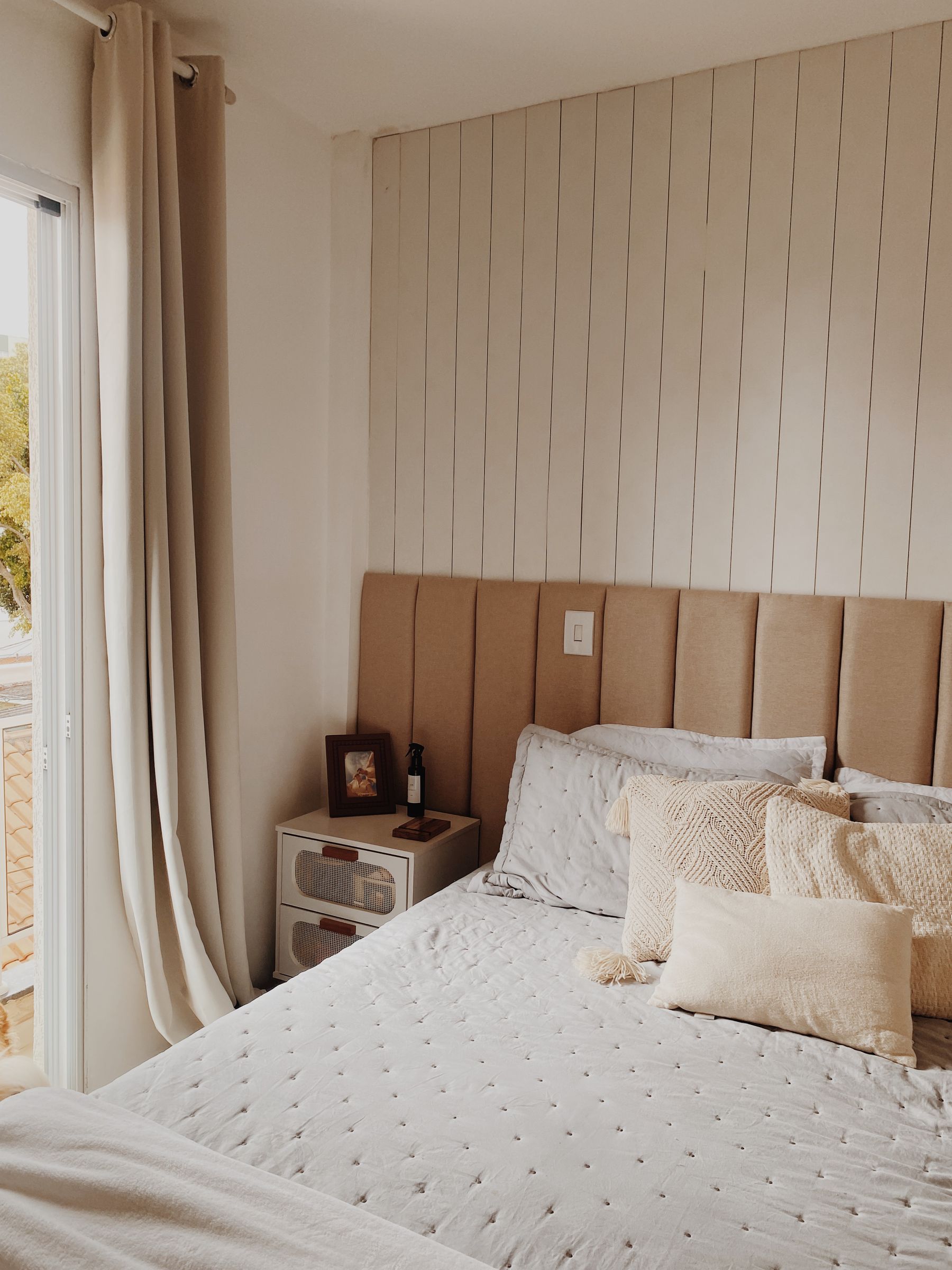
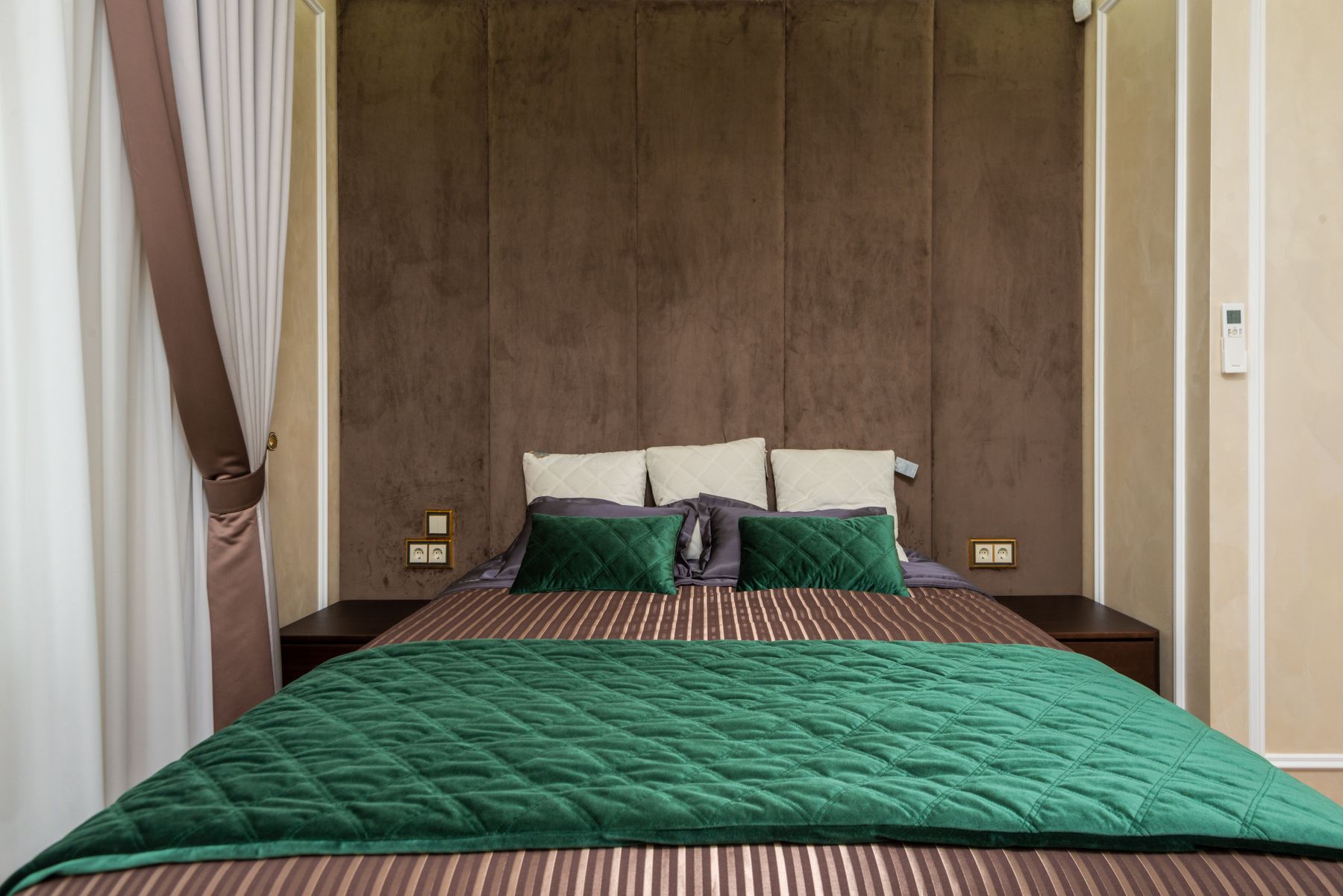
The bed is usually the largest mass, so its headboard height, upholstery value and under-bed shadow strongly affect brightness. A pale or mid-value headboard can return light, while a raised frame exposes floor and reduces visual weight. Deep color is still possible when bedding or the wall provides a lighter boundary. Choose comfort, support and cleanability first, then use proportion and contrast to stop the bed from swallowing the room.

Bedding as a Large Reversible Reflector
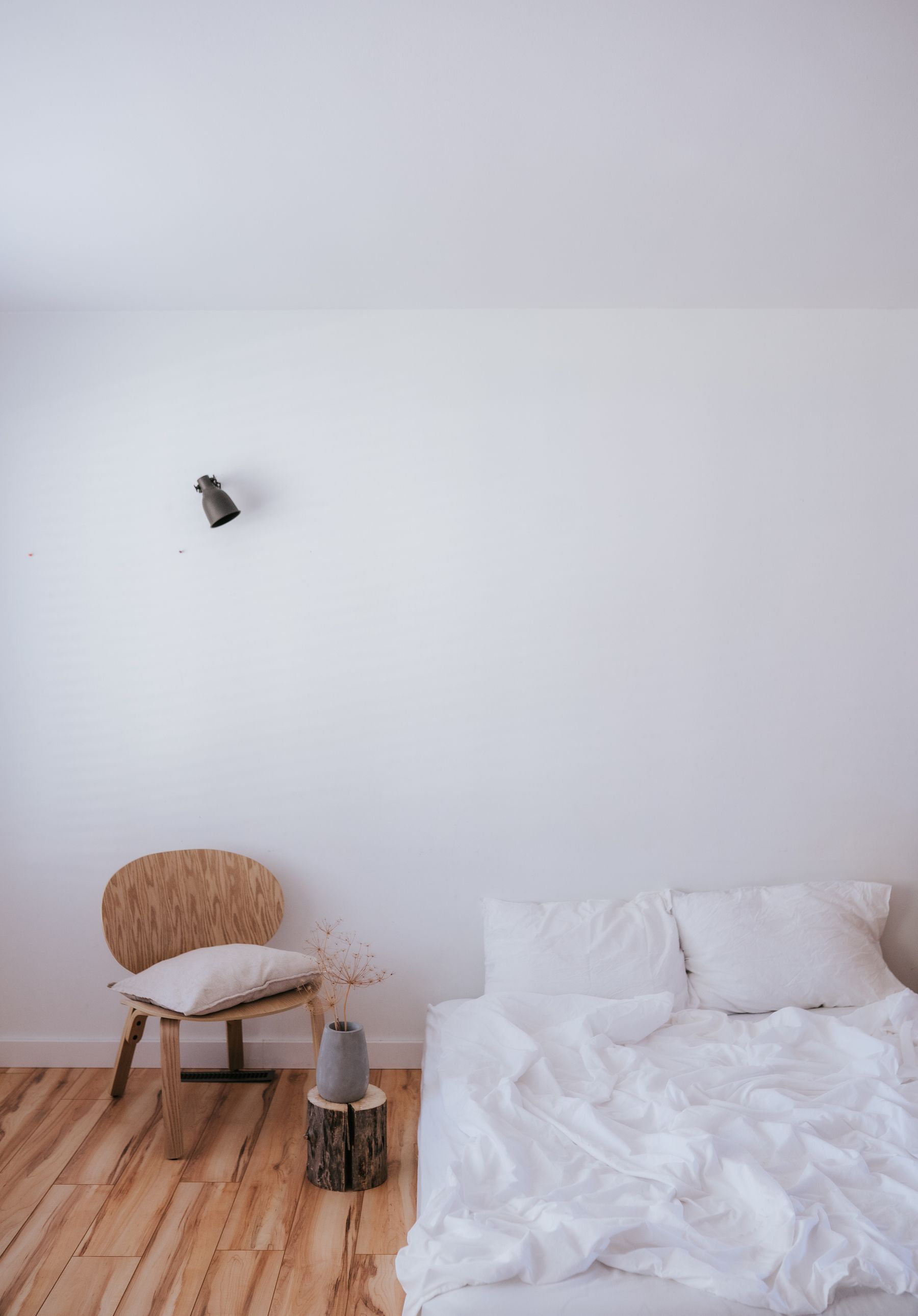
Duvets, quilts and sheets occupy a broad horizontal plane, making bedding the easiest reversible way to change how light reads. Pale neutral bedding maximizes return, while yellow, sky blue or fresh green can remain bright when the fabric is clear rather than muddy. [Yellow Bedroom Ideas](/bedroom/yellow-bedroom-ideas/) treats yellow as the palette leader; here colored bedding is one adjustable light surface chosen for comfort, laundering and seasonal temperature.
Clear Color Without Visual Weight
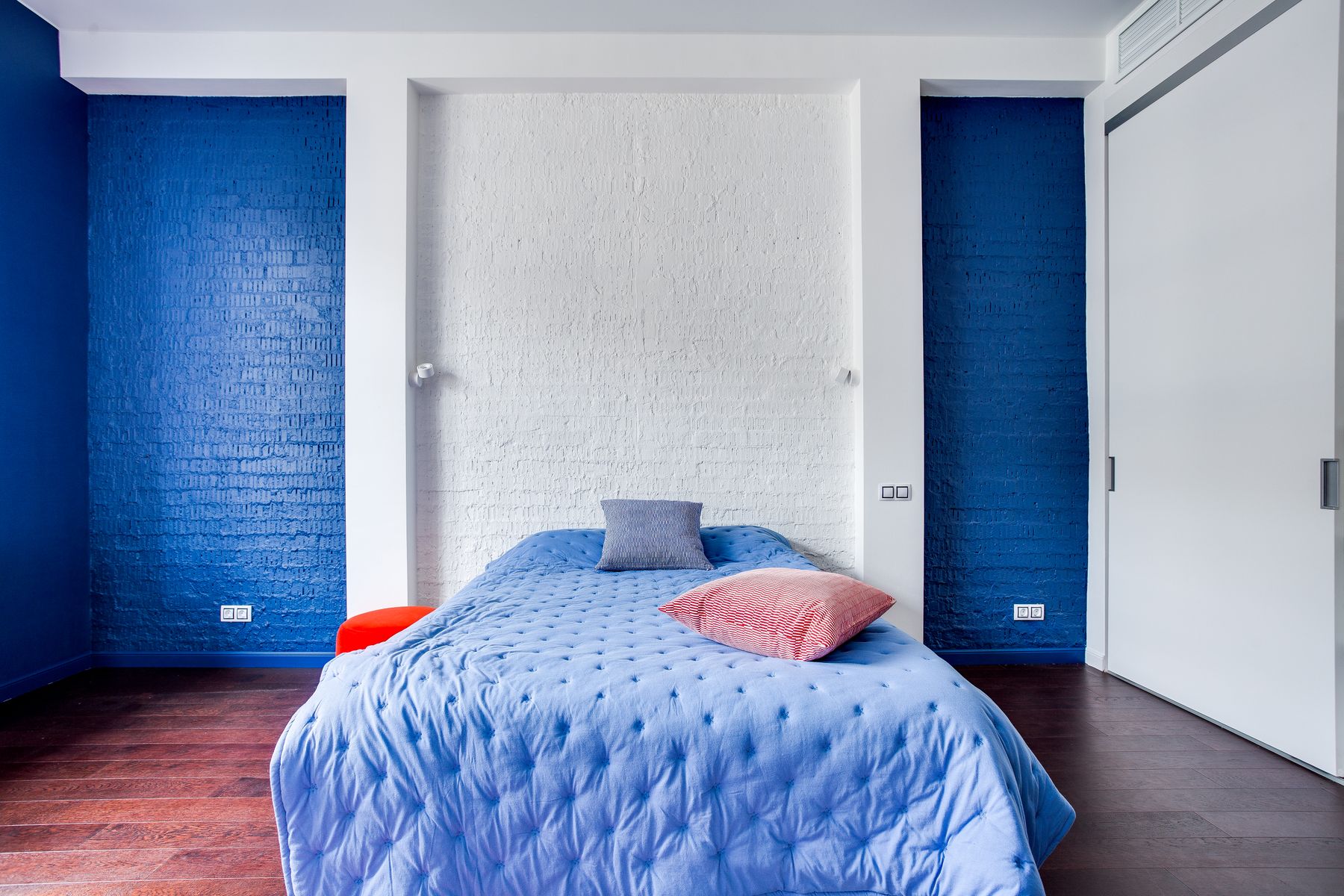
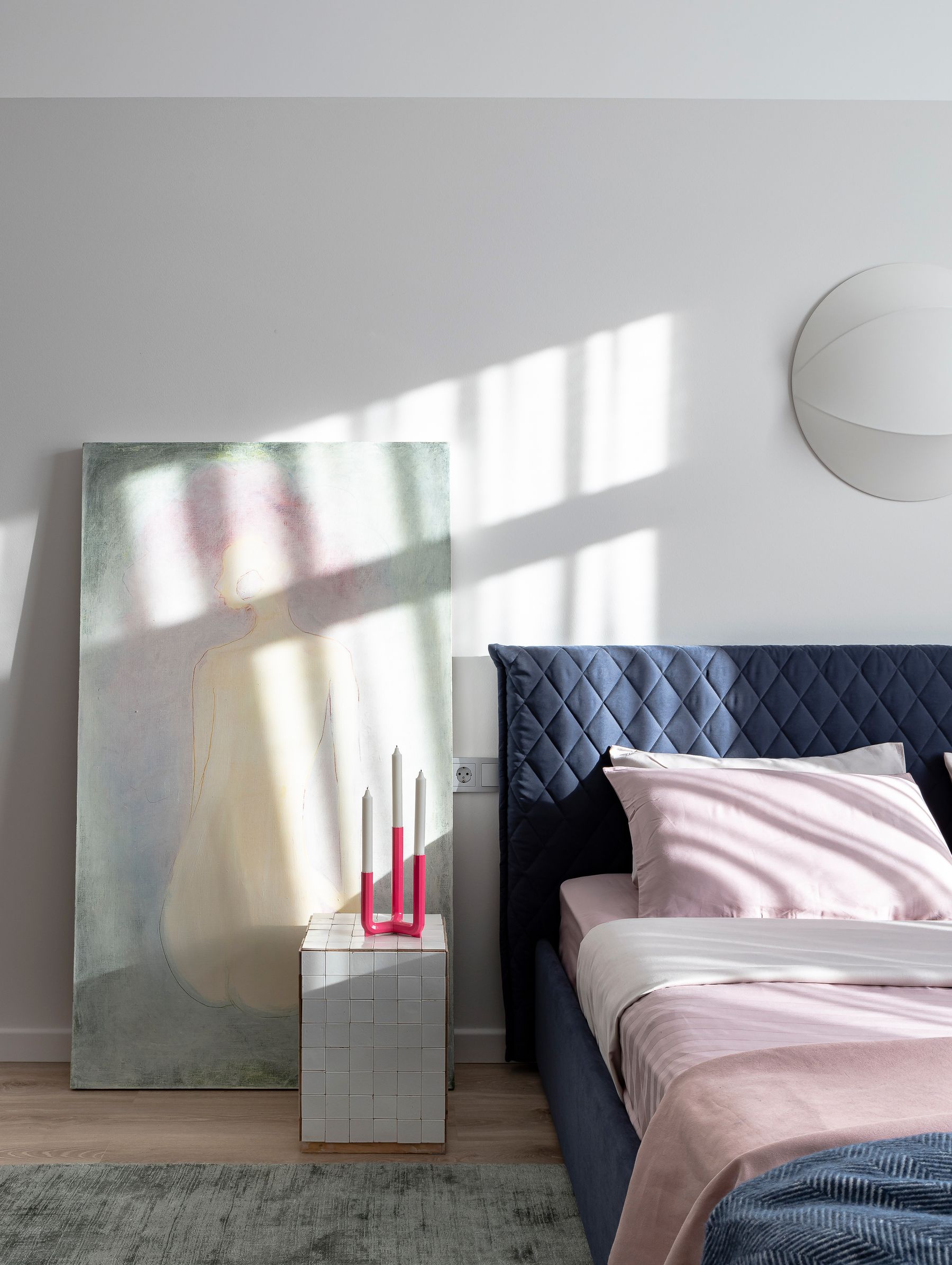
Brightness depends on value, saturation, area and light—not on the absence of color. Clear blue, coral, mint and ochre can energize a room when one field leads and surrounding surfaces provide breathing space. Muddy mixtures across many large surfaces absorb visual clarity. [Blue Bedroom Ideas](/bedroom/blue-bedroom-ideas/) develops undertone and value in depth; for a bright bedroom, choose color by how well it stays legible across daylight and lamplight.
Balance Yellow and Green With Restful Contrast
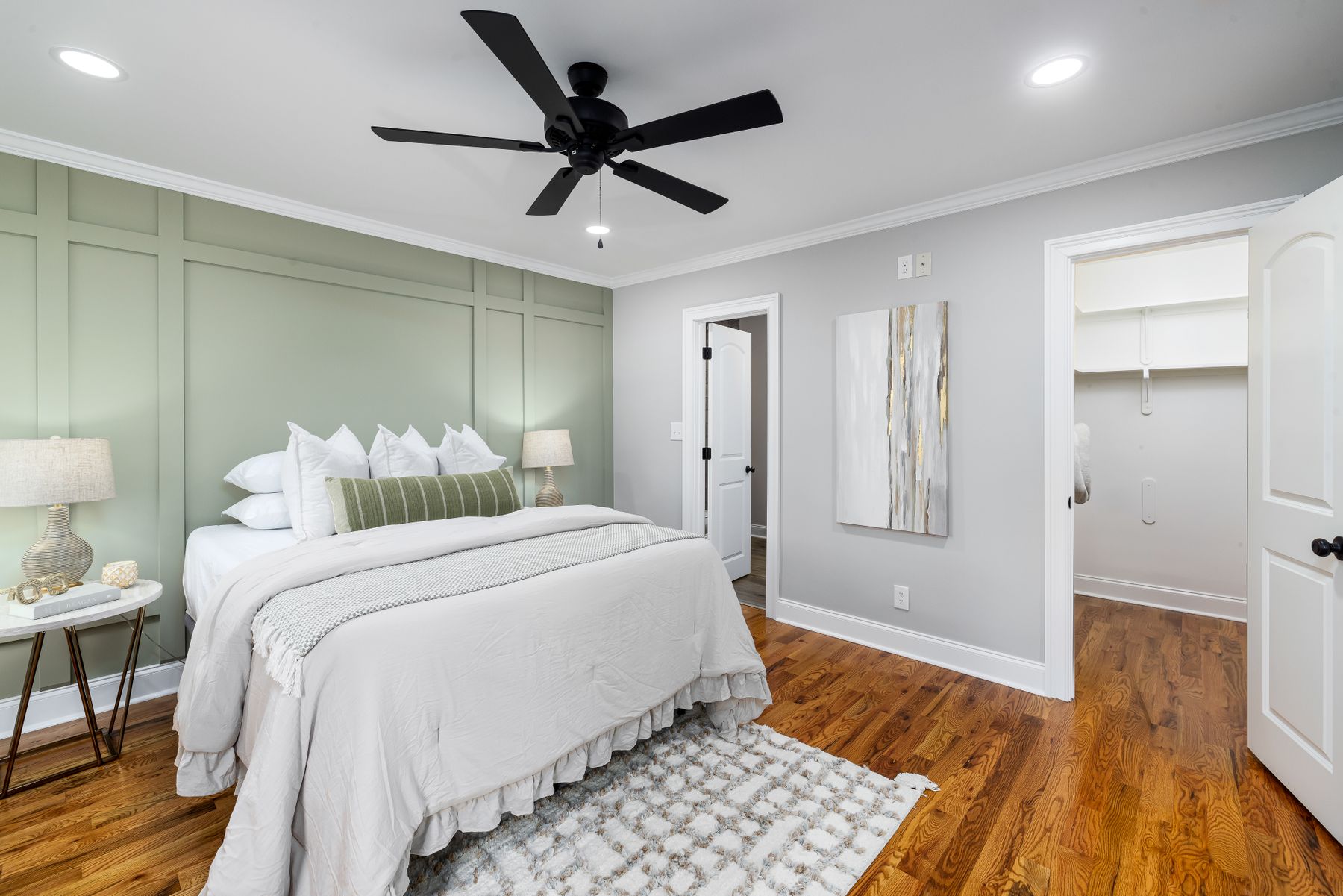
Yellow and green can support a fresh daytime atmosphere, but high saturation on every surface may feel alert when the body needs to wind down. Put the stronger hue on one reversible or bounded field, then use pale bedding, timber and a quieter wall to provide rest. [Green Bedroom Ideas](/bedroom/green-bedroom-ideas/) develops green-led palettes. In this guide, color earns its place by improving clarity without replacing the daylight strategy.
Control Direct Sun, Glare and Heat
More sunlight is not always better. Low sun can strike the pillow or screen, overheat the room and fade fabrics, while harsh midday light can erase detail on glossy surfaces. Use adjustable filtering, exterior shade where feasible, ventilation and surface finishes that scatter rather than flash. Keep a bright daytime scene and a comfortable thermal environment as separate success measures; the room fails if visual lift makes it difficult to sleep.
Warm a Cool North-Facing Bedroom
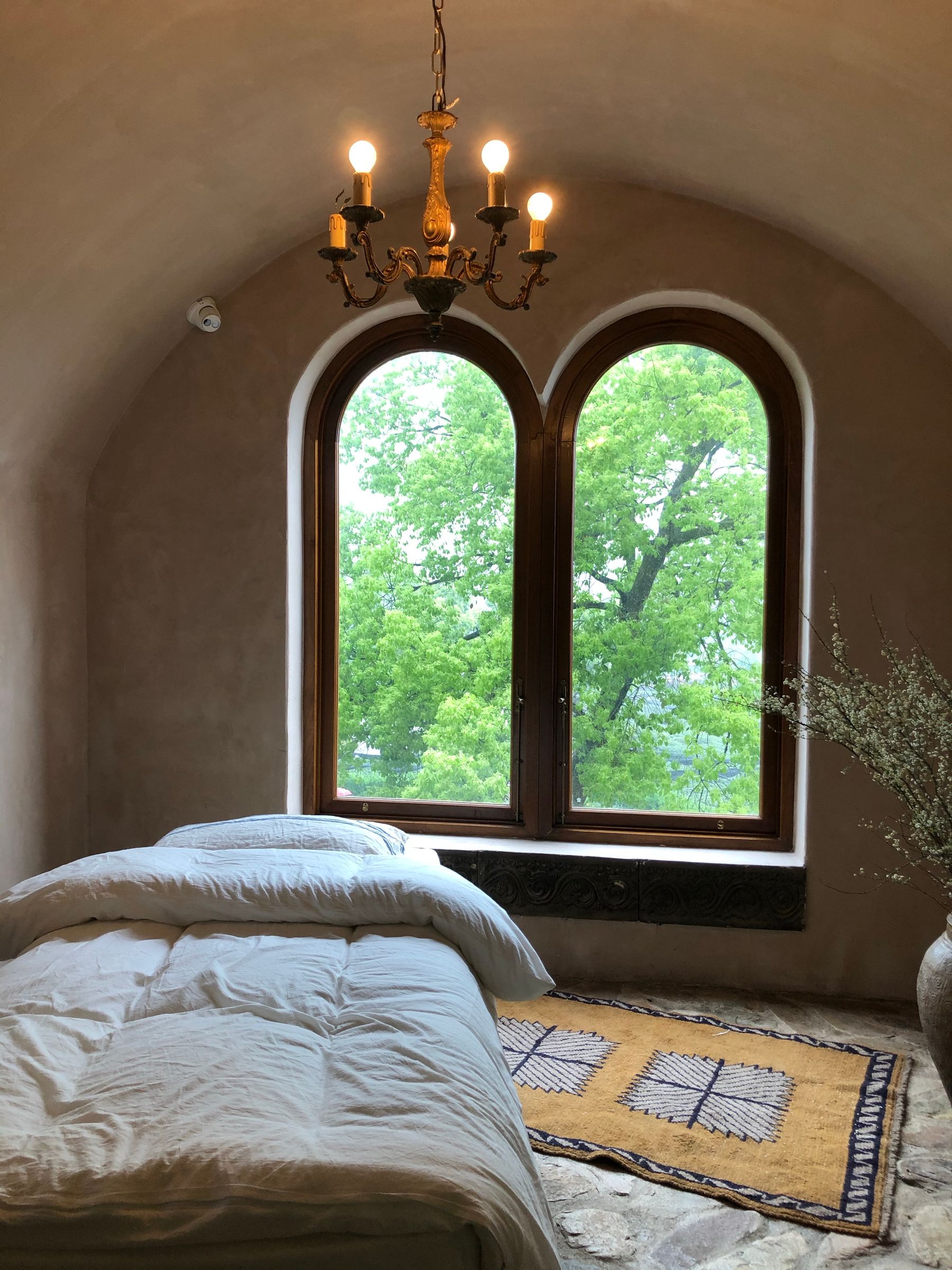
A north-facing room often receives steady but cool light, so brilliant white may read grey or blue. Test warm off-white, pale sand, muted peach or a soft green with enough reflectance to stay clear. Natural timber and warm woven texture add temperature without requiring orange lamps all day. Avoid compensating with many yellow bulbs; layered light should still render skin, clothing and paint accurately.
A Small Bedroom That Feels Light, Not Empty
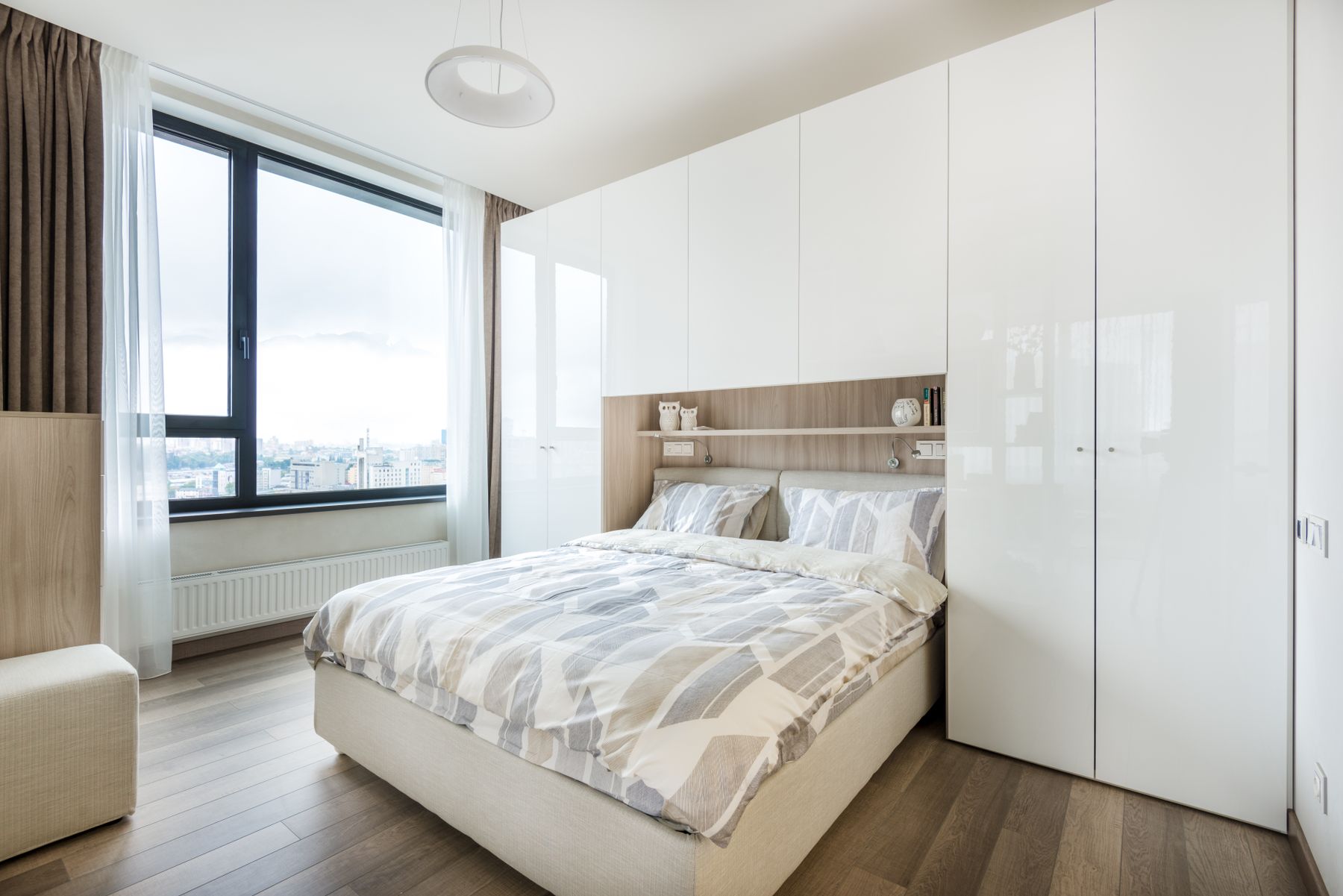
In a small bedroom, one uninterrupted sightline and a clear route often create more visual lift than removing every object. Keep the window operable, choose storage depth carefully and use wall-mounted or narrow bedside pieces where they protect circulation. [Small Bedroom Ideas](/bedroom/small-bedroom-ideas/) develops clearances and multifunctional storage. Apply those tests first, then use pale planes and controlled reflection to strengthen the resulting openness.
Zone a Large Bright Bedroom Without Blocking Light
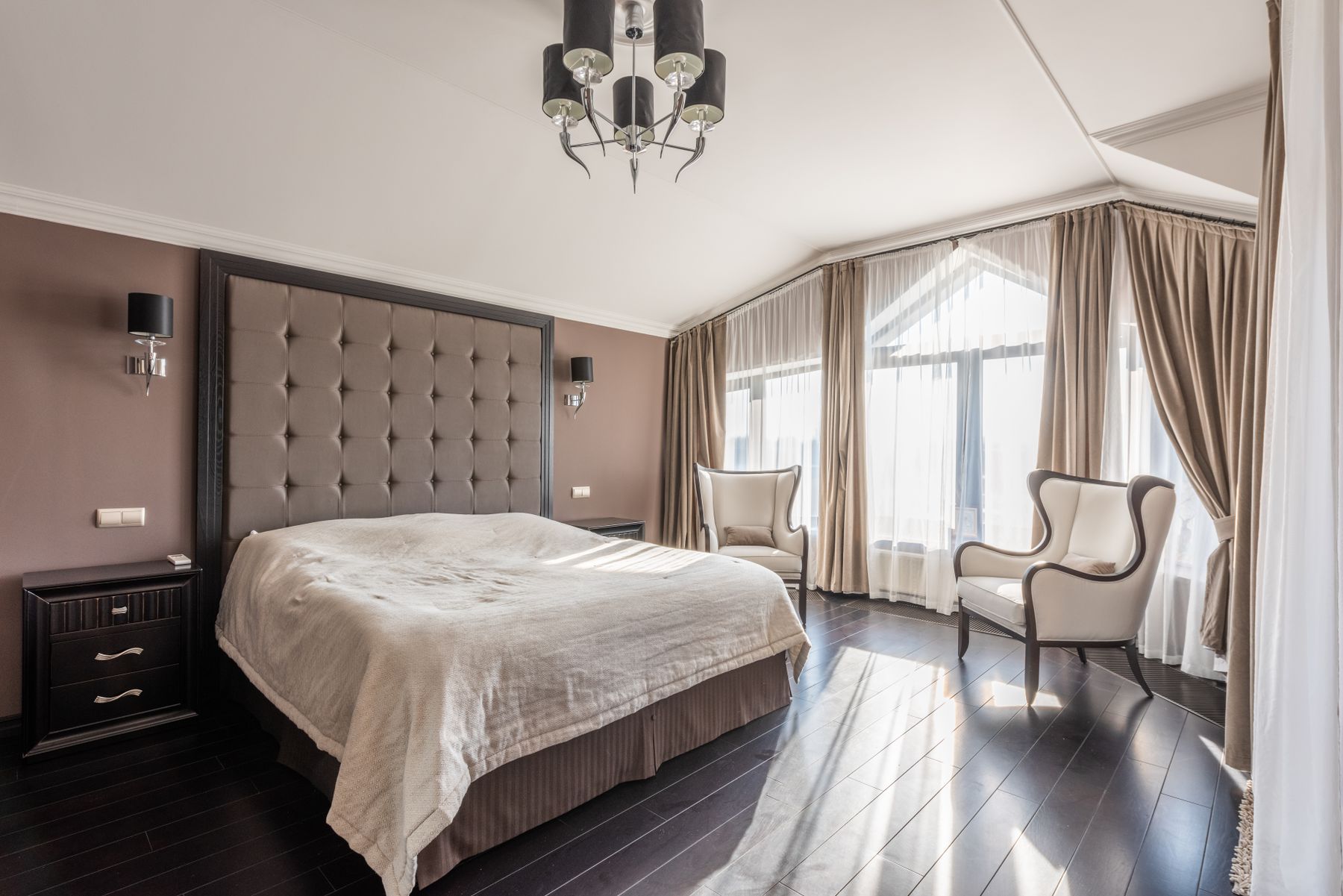
Large bedrooms can feel washed out or under-furnished even with abundant windows. Define bed, dressing, seating and work zones with rugs, lighting and furniture groups that remain below the main sightlines. Do not solve emptiness with a tall divider that interrupts daylight. [Large Bedroom Ideas](/bedroom/large-bedroom-ideas/) covers scale and zoning in depth; brightness should help connect the zones while each retains a clear activity and light source.
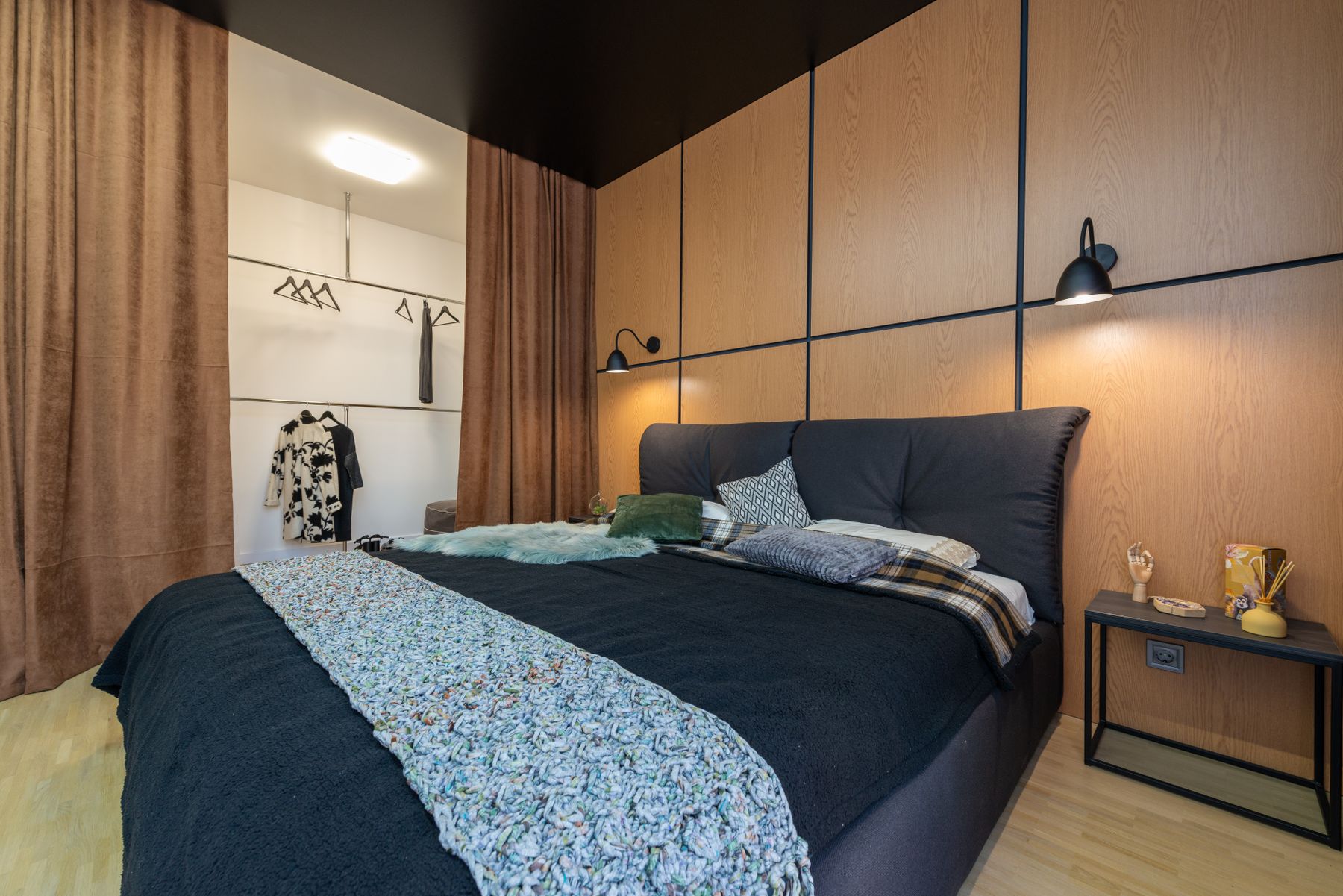
Storage Must Not Become a Light Barrier
Wardrobes should sit where their height supports the room rather than forming a dark dam beside the window. Match fronts to the wall for continuity or use a lighter value with visible handles and edges. Internal lighting can reduce the need for a bright ceiling fixture when dressing, while closed storage removes visual noise. Confirm door swings, ventilation and cleaning access before treating a mirrored or pale front as a daylight solution.
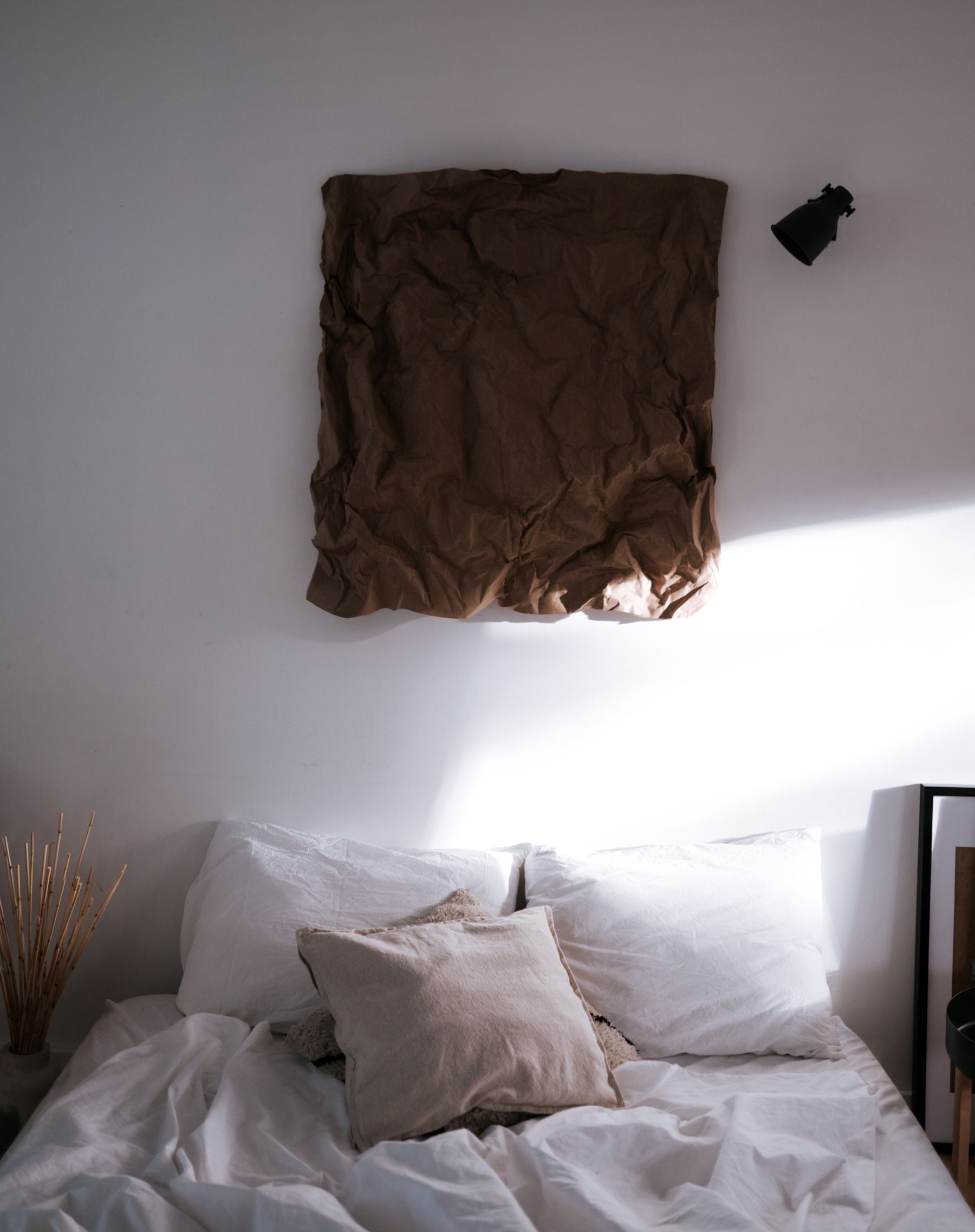
Edit Visual Clutter Before Adding Reflectors
Brightness is partly perceptual: many small objects, cords and contrasting packages break a surface into fragments even when the room has enough light. Give daily items a reachable home, group a few useful objects and leave some wall and tabletop area visibly clear. This is not a demand for strict minimalism. It is an editing test in which every displayed item must improve function, memory or composition more than it interrupts the light field.
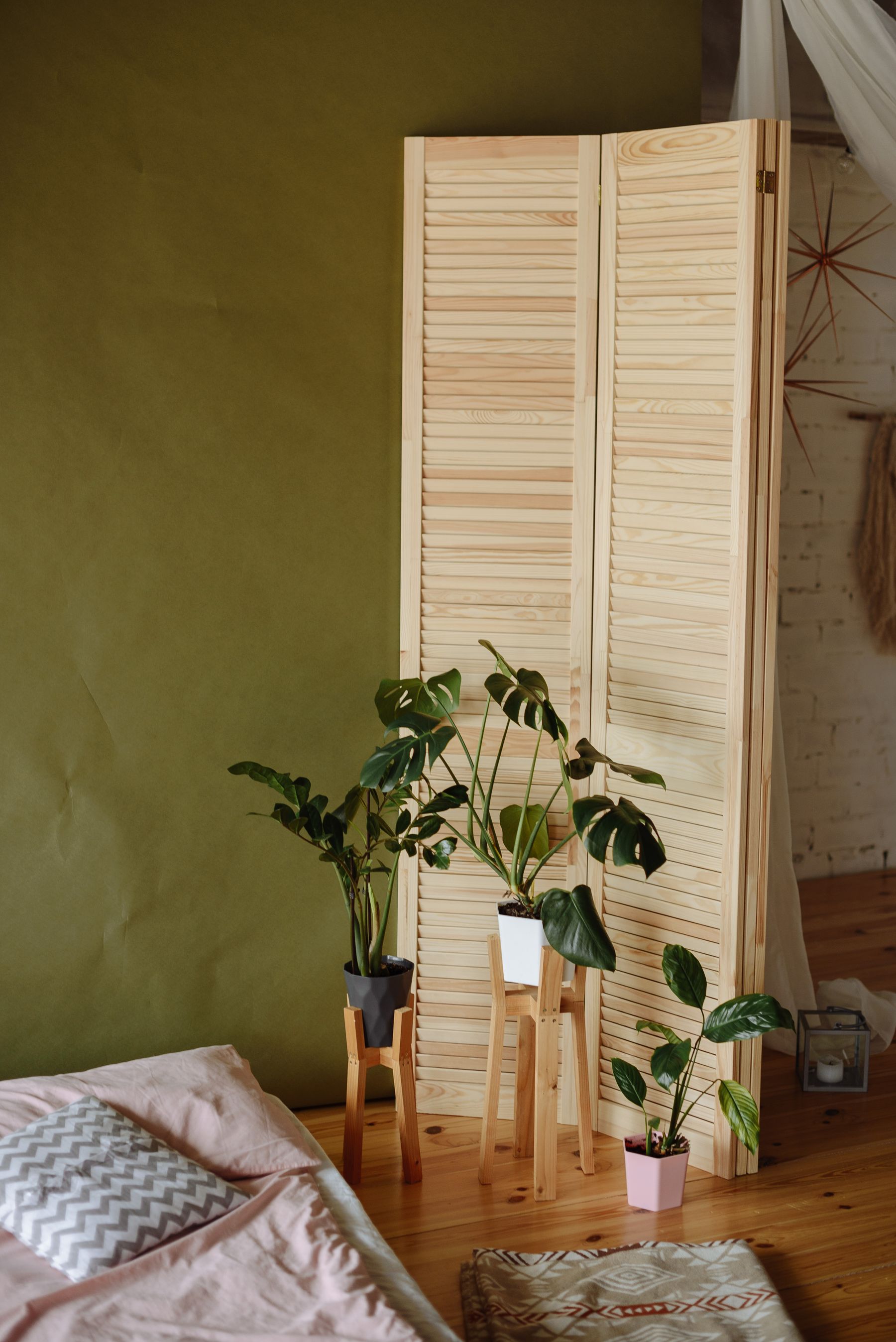
Plants Where the Light Actually Supports Them
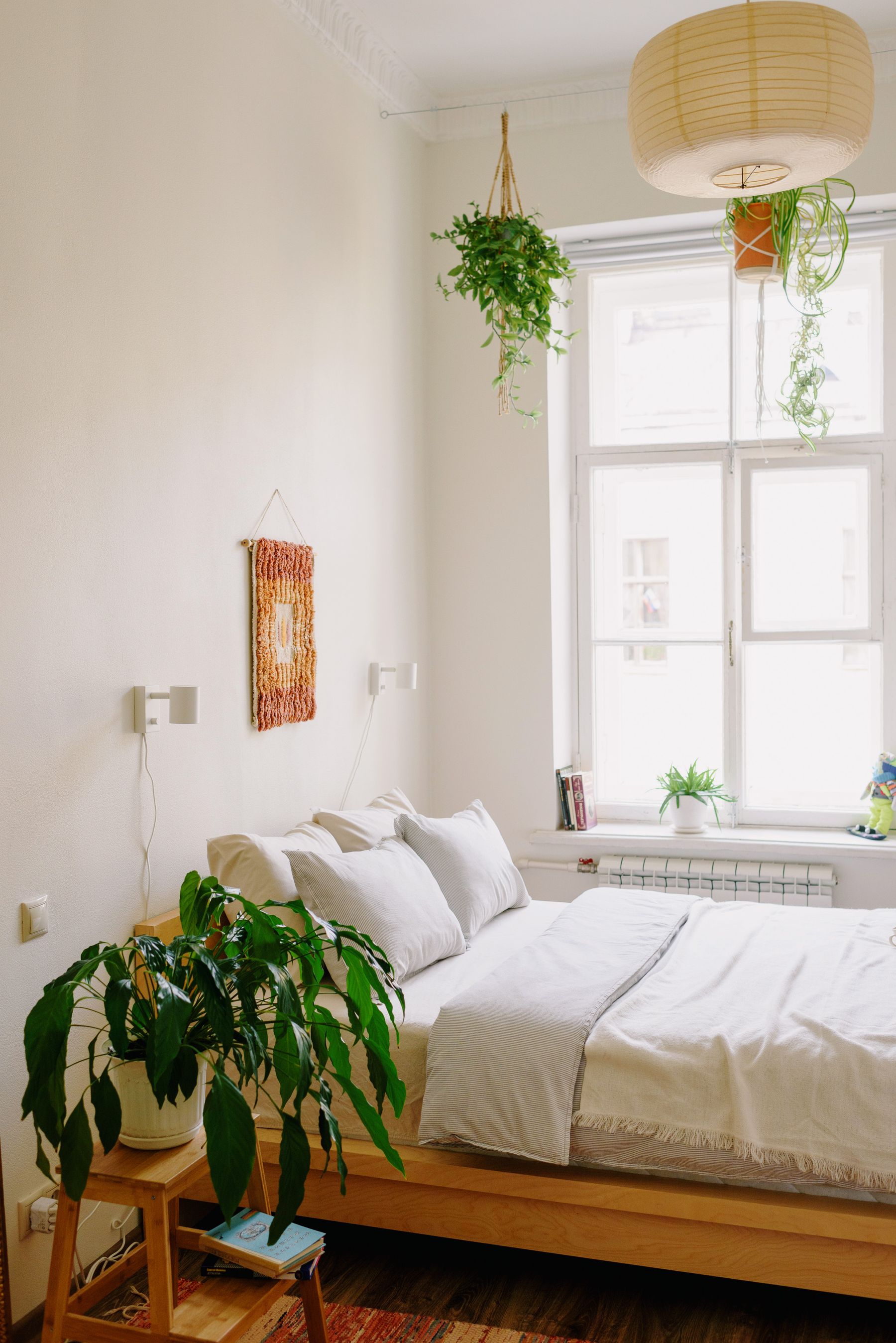
Plants can make a bright bedroom feel alive, but a large specimen can also block glass and a struggling plant makes the room look neglected. Choose species for the measured window exposure, keep leaves clear of curtains and vents, and provide waterproof protection. Use smaller plants on the window-adjacent side and move taller ones away from the core light path. Their green should be a living accent, not a substitute for solving layout.
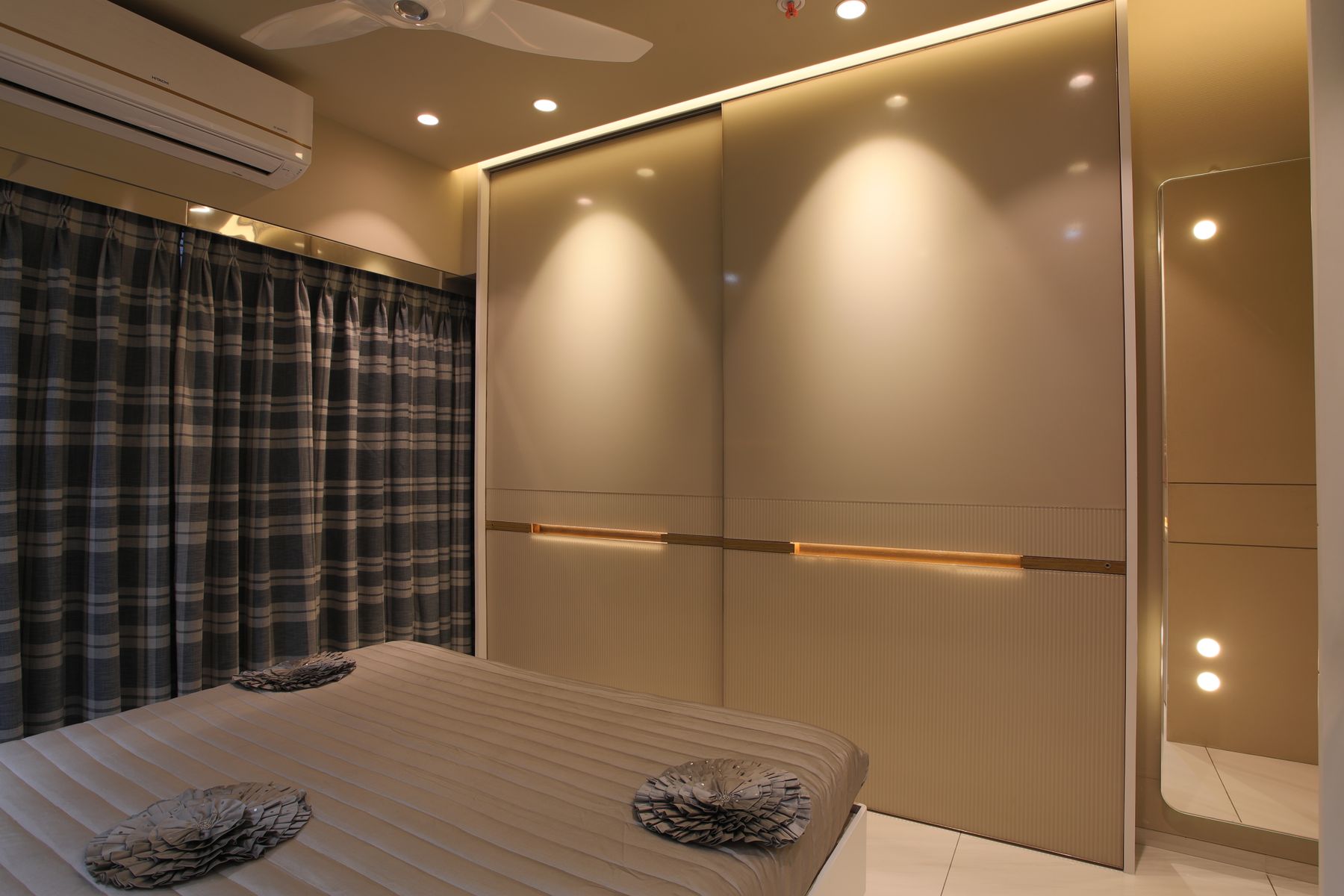
Artificial Light for Cloudy Days and Evenings
A bedroom should feel bright on an overcast day without becoming overlit at night. Combine dimmable ambient light, independent reading lights, wardrobe illumination and a low-level route, with controls available at the entrance and bed. Wall washing can lift a dark corner more effectively than a brighter central bulb. [Living Room Lighting Ideas](/living-room/living-room-lighting-ideas/) expands beam and control principles; the bedroom adds stricter glare, darkness and switching requirements.
Separate Daytime Brightness From Sleep Darkness
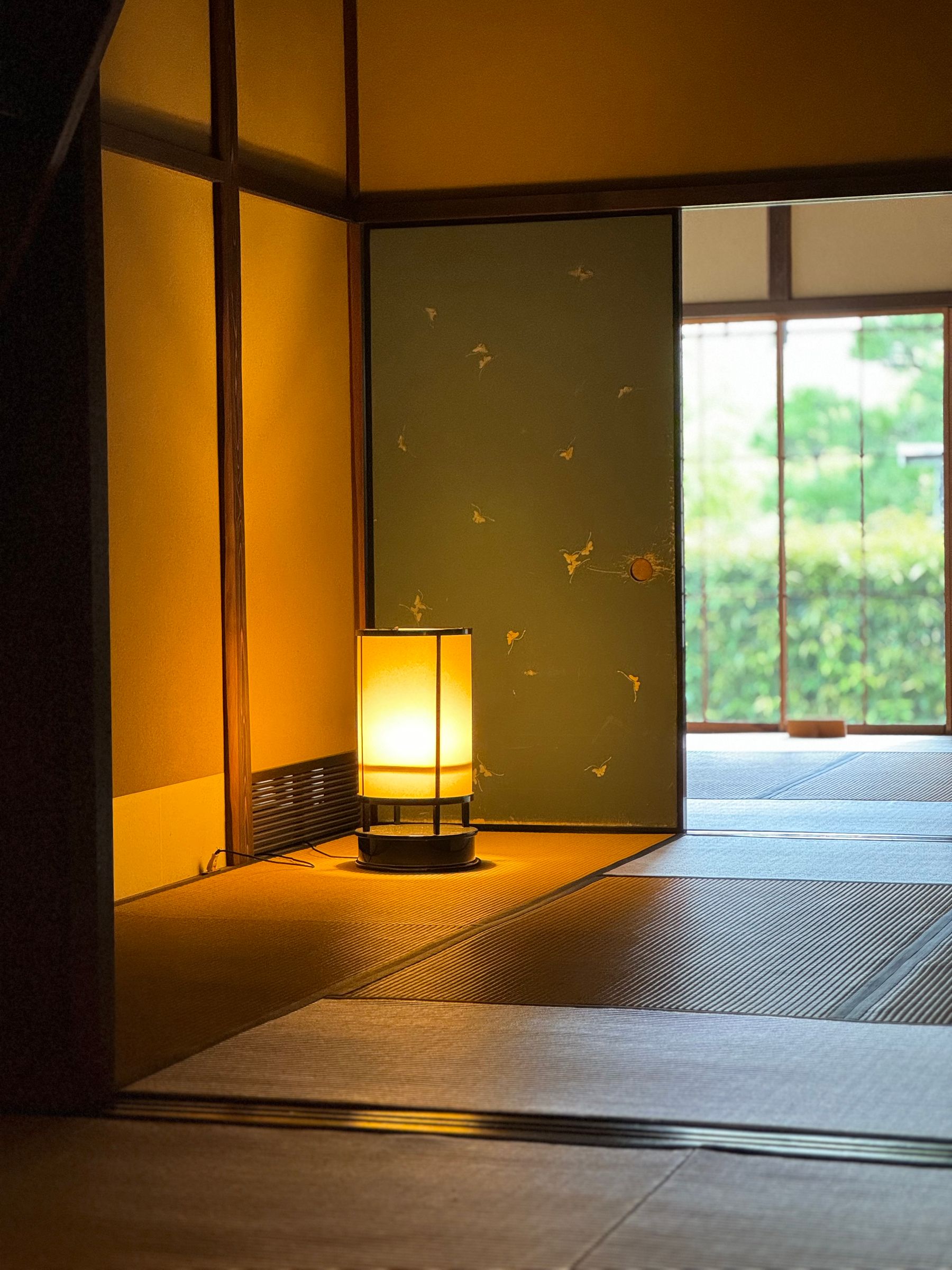
Daylight and darkness are not competing goals when they are planned as separate modes. Use true blackout where needed, cover indicator lights, prevent corridor spill and provide a dim route for nighttime movement. Avoid using a bright cool ceiling source as the only evening option. The room should transition from alert daylight to calm low light without rearranging furniture or accepting unsafe navigation. Test the closed-window scene after your eyes have adapted for several minutes.
A Workspace at the Right Angle to Daylight
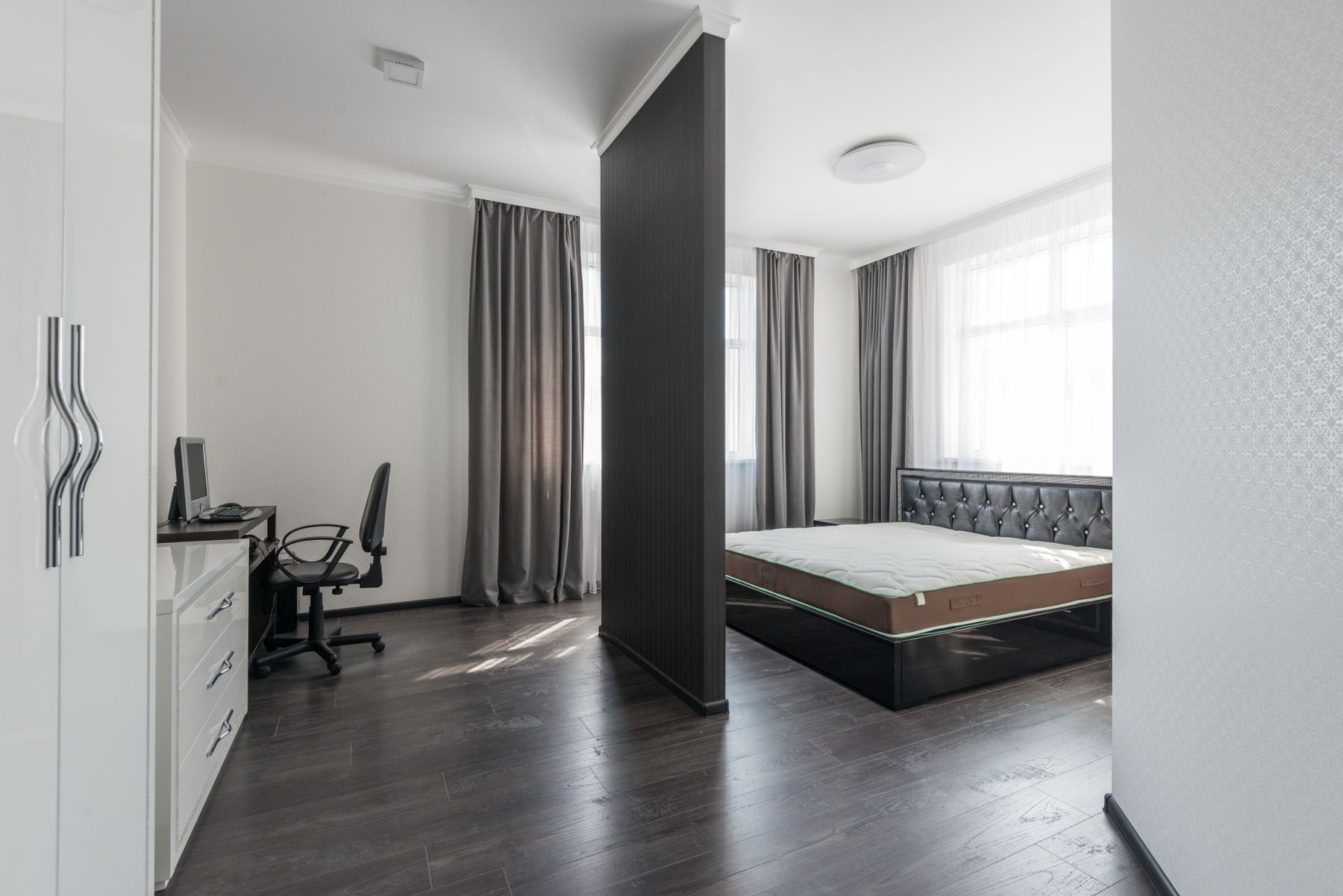
A desk benefits from daylight arriving from the side rather than directly behind the screen or into the user's eyes. Preserve the window operation, provide adjustable task light and contain cables and work materials in closed storage. The brightest corner is not automatically the best if it creates afternoon heat or glare. Give the workspace a shutdown routine so daytime productivity does not keep the whole bright room psychologically active at bedtime.
Rental-Friendly Brightness From Portable Changes
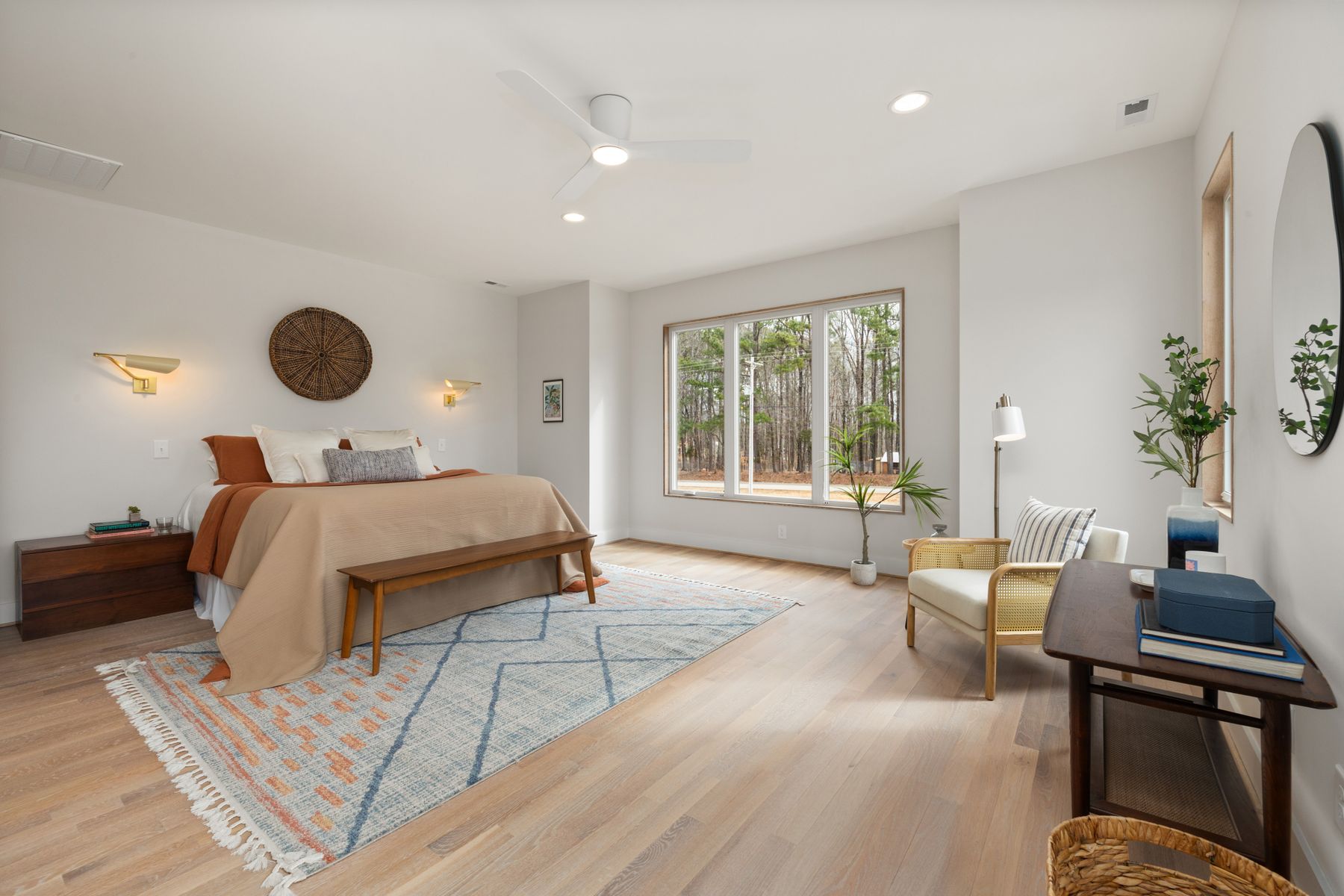
In a rental, begin with reversible changes: clean the glass, move tall furniture, use full-length window layers, add a freestanding mirror and choose broad light bedding or a washable rug. Plug-in lamps and removable shades can improve control without rewiring. Seek permission before film, paint or fixed tracks, and retain documentation for reinstatement. Prioritize the intervention that restores the largest light path instead of collecting many small pale accessories.
Manage Heat, Ventilation and Fading
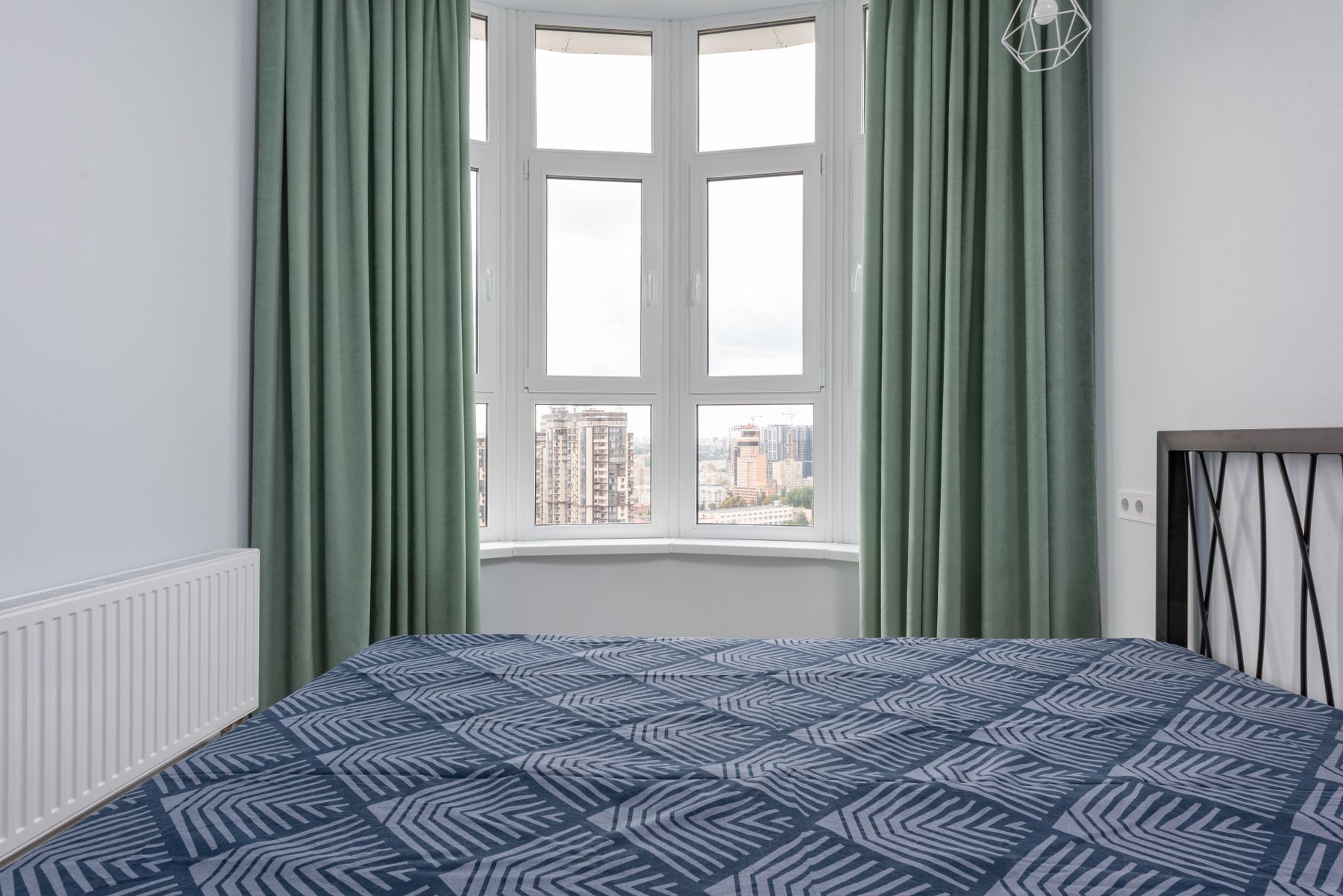
Strong daylight can raise indoor temperature, bleach timber and fade textiles long before the room looks uncomfortable in a photograph. Use operable shade, cross-ventilation where safe, suitable glazing strategies and fabrics rated for the exposure. Keep vents and radiators clear of curtains and furniture. Rotate or protect vulnerable objects rather than accepting uneven aging. A bright bedroom should perform across summer heat and winter glare, not only on a mild styling day.

Accessibility and Visual Comfort in High-Reflectance Rooms
A pale bright palette can erase useful boundaries just as easily as a dark room can. Preserve contrast at the bed edge, handles, switches, steps and bathroom route; reduce glossy glare and keep controls reachable. Adjustable filtering helps people who are sensitive to strong light, while tactile differences support low-vision navigation. Brightness is successful only when the room remains legible, calm and safe at both peak daylight and minimum nighttime illumination.

Maintain Glass, Pale Surfaces and Textiles
Dust on glass, grey marks on pale paint and body oils on light upholstery reduce brightness quickly. Specify washable finishes at touch points, removable covers where possible and window access that makes cleaning safe. Record paint details for repairs and follow textile care and lightfastness guidance. Texture and slight tonal variation hide ordinary wear better than a fragile uniform white. The maintenance plan should fit a short routine rather than depend on constant correction.
Finish With Morning, Overcast and Night Tests
Use the finished room at waking time, on an overcast afternoon, in direct sun, at dusk and in full blackout. Check whether color remains clear, mirrors reflect useful views, work and reading avoid glare, and routes retain contrast. Remove the object doing the least work and retest. The design is complete when it no longer depends on one camera exposure, perfect weather or a freshly styled bed to feel bright and comfortable.