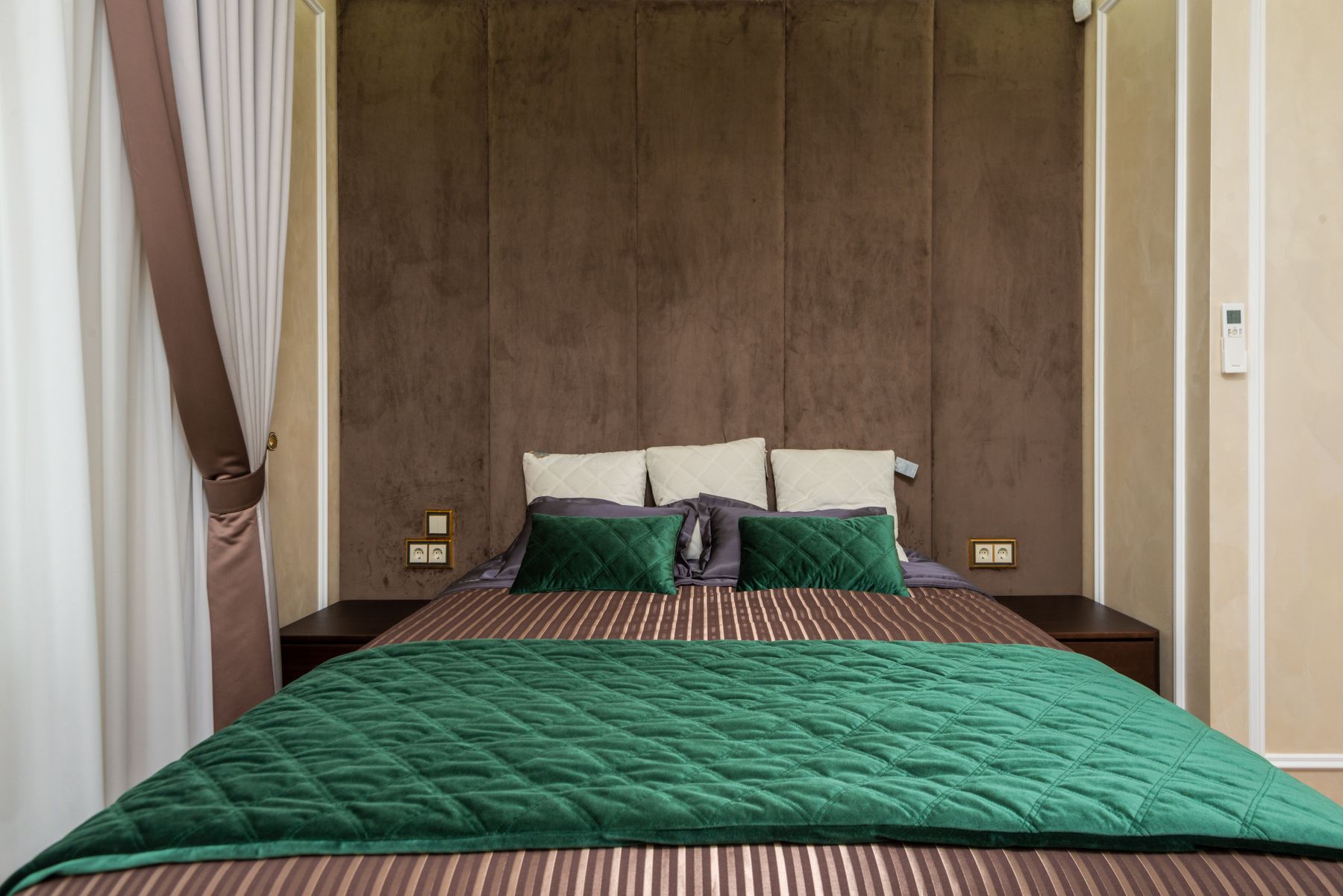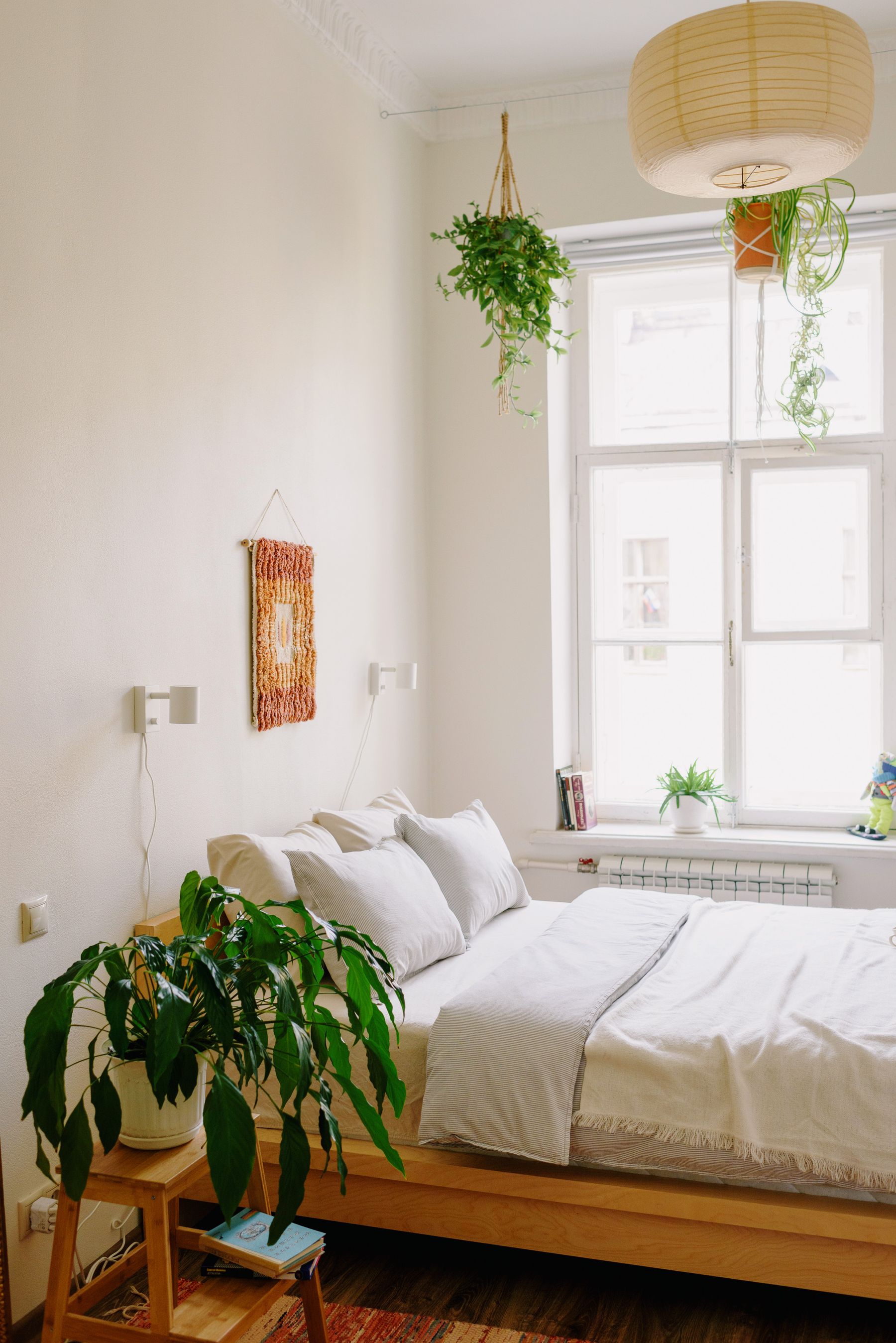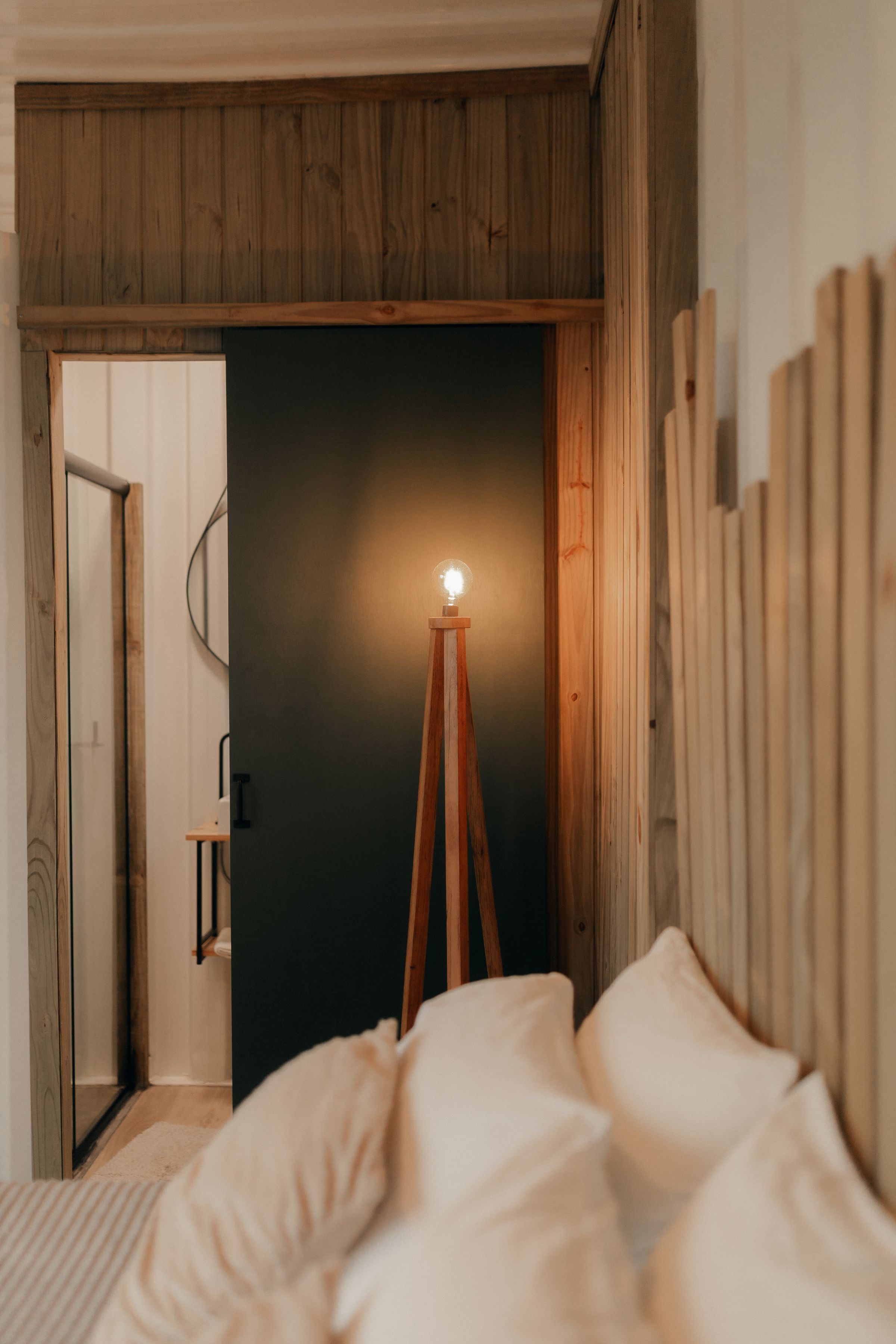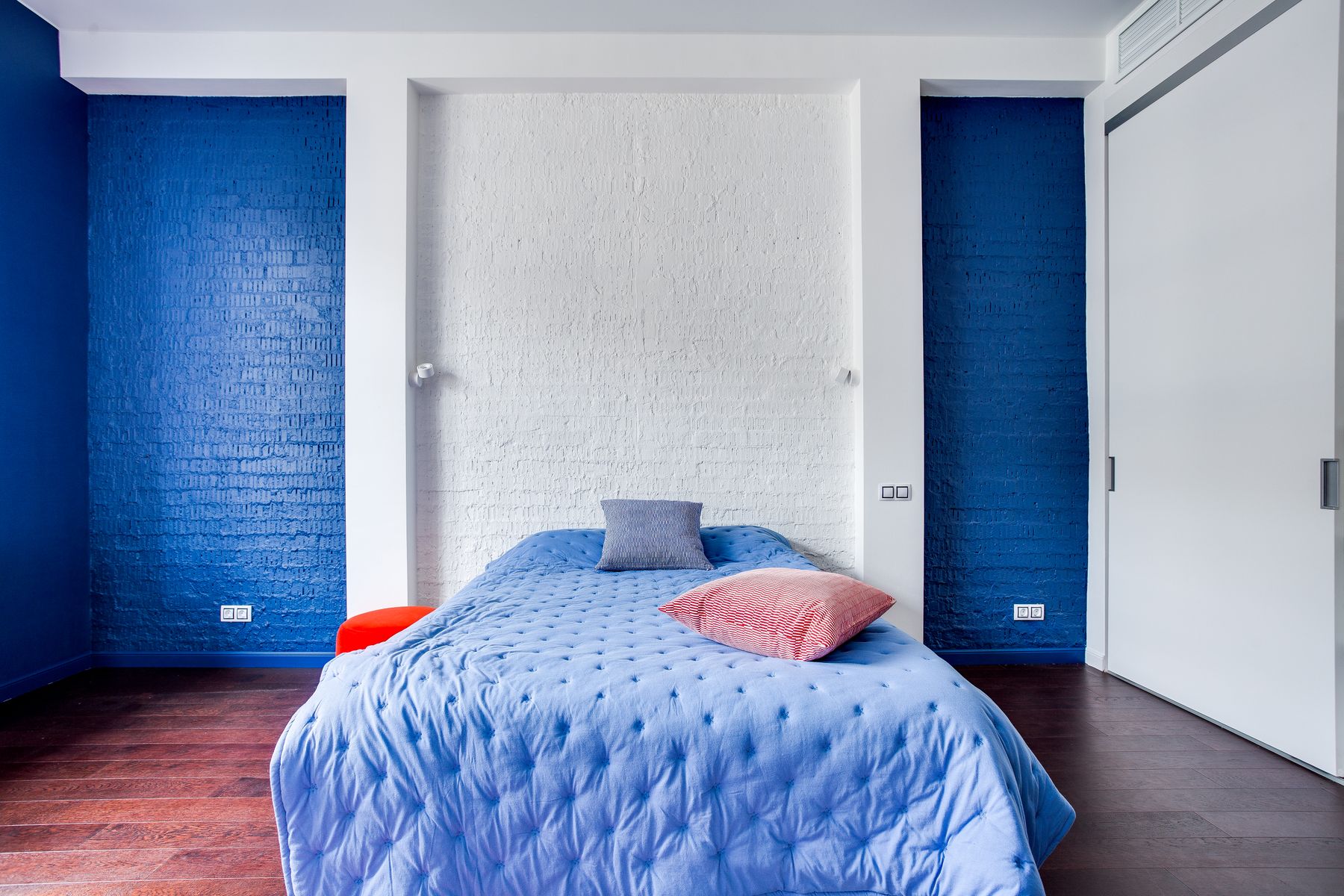
Measure Yellow by Dose, Not Accessory Count
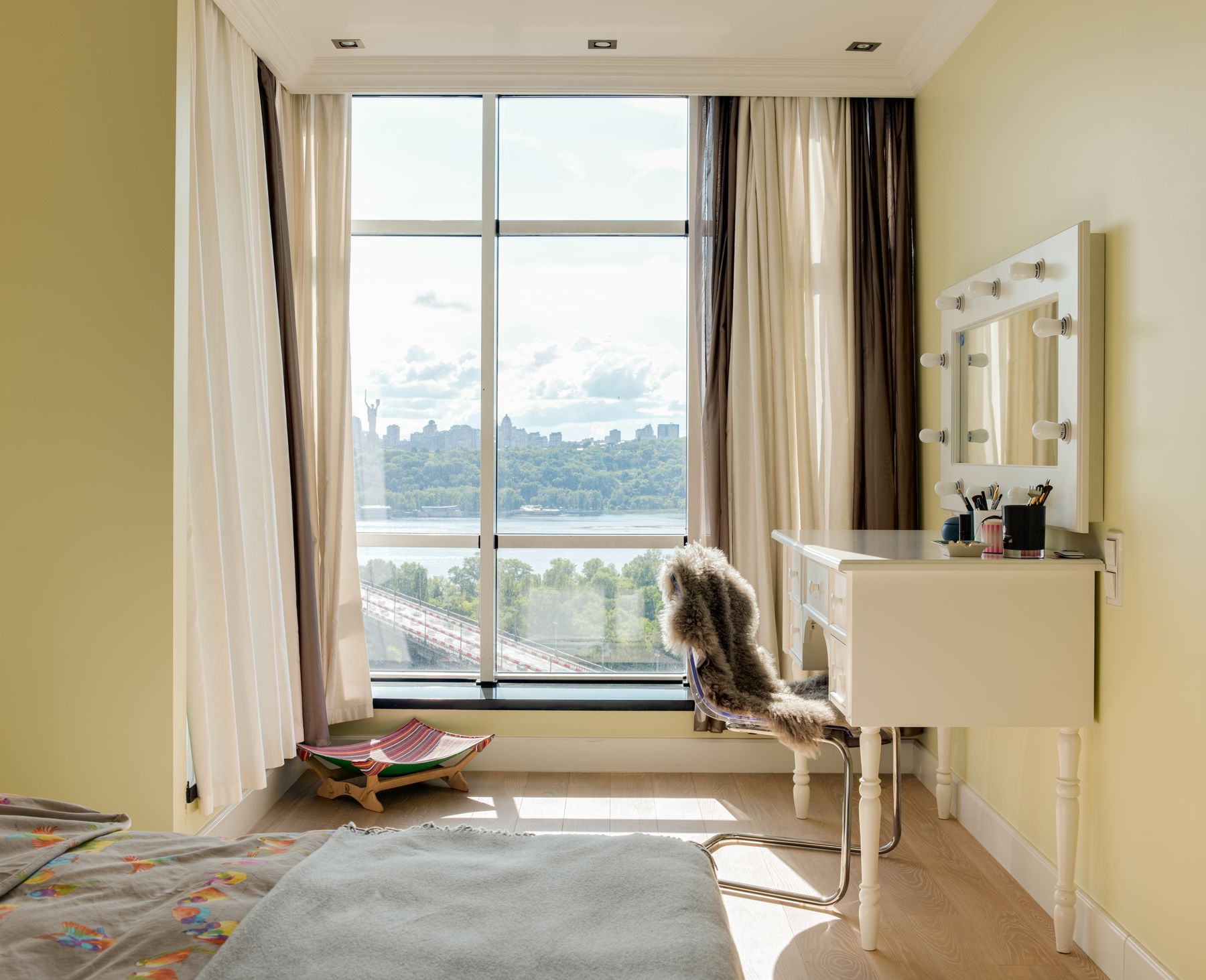
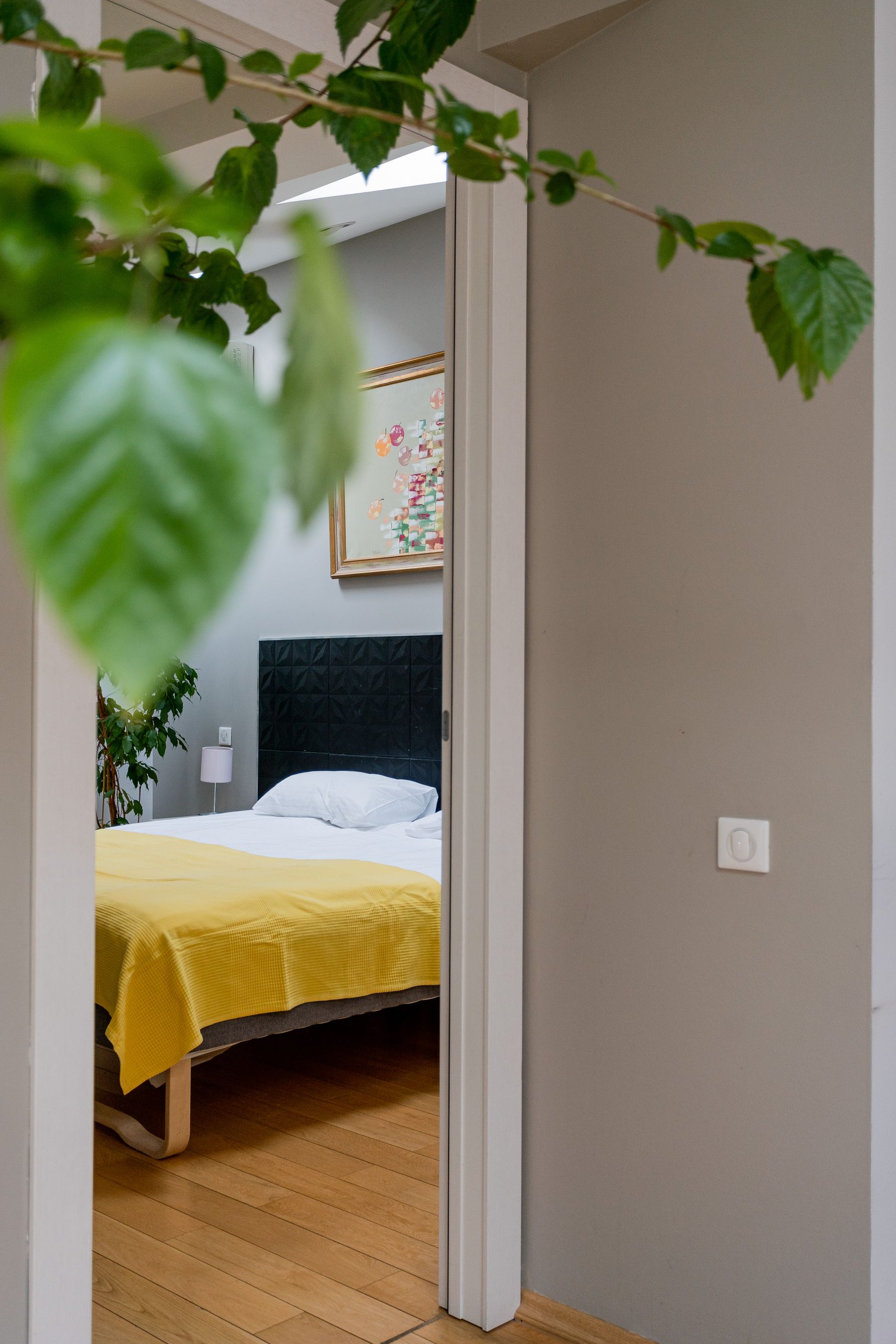
Yellow has enough visual energy that one large surface can lead the room. Decide what percentage of the main view from bed should be yellow and whether that dose belongs on walls, bedding, curtains or furniture.
Yellow as Neutral, Earth Tone or High-Energy Color?
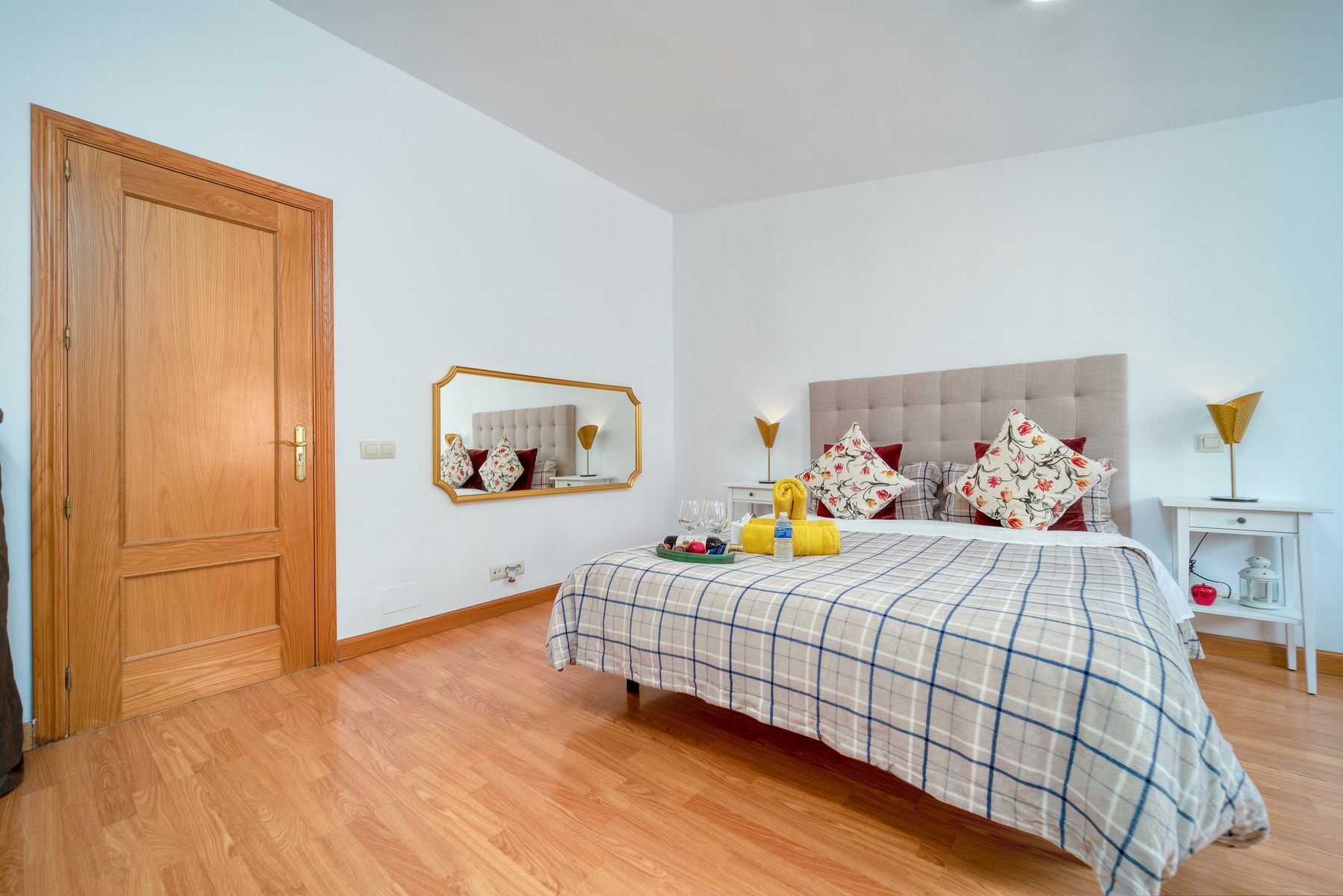
Butter and straw can behave almost like warm neutrals, ochre and mustard carry mineral depth, and canary or sunflower acts as a much higher-energy color. These are different jobs, not simply lighter and darker shades.
Butter Yellow as Gentle Background Warmth
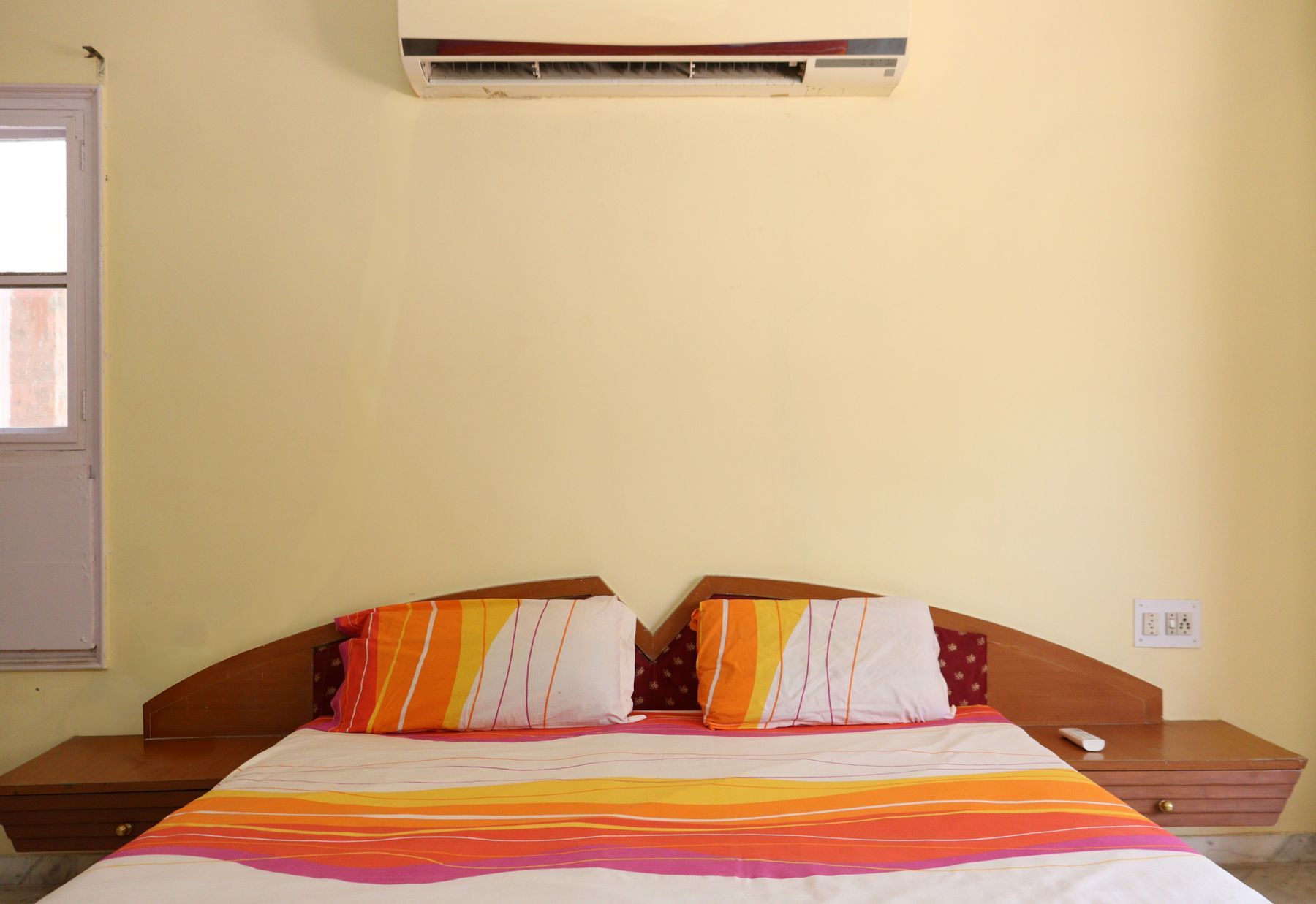
Butter yellow can cover a broad field when it stays close enough to cream to support sleep but remains visibly colored. Its main risk is light shift, so pair it with one stable neutral and grounded material.
Ochre and Mustard Behave Like Mineral Colors
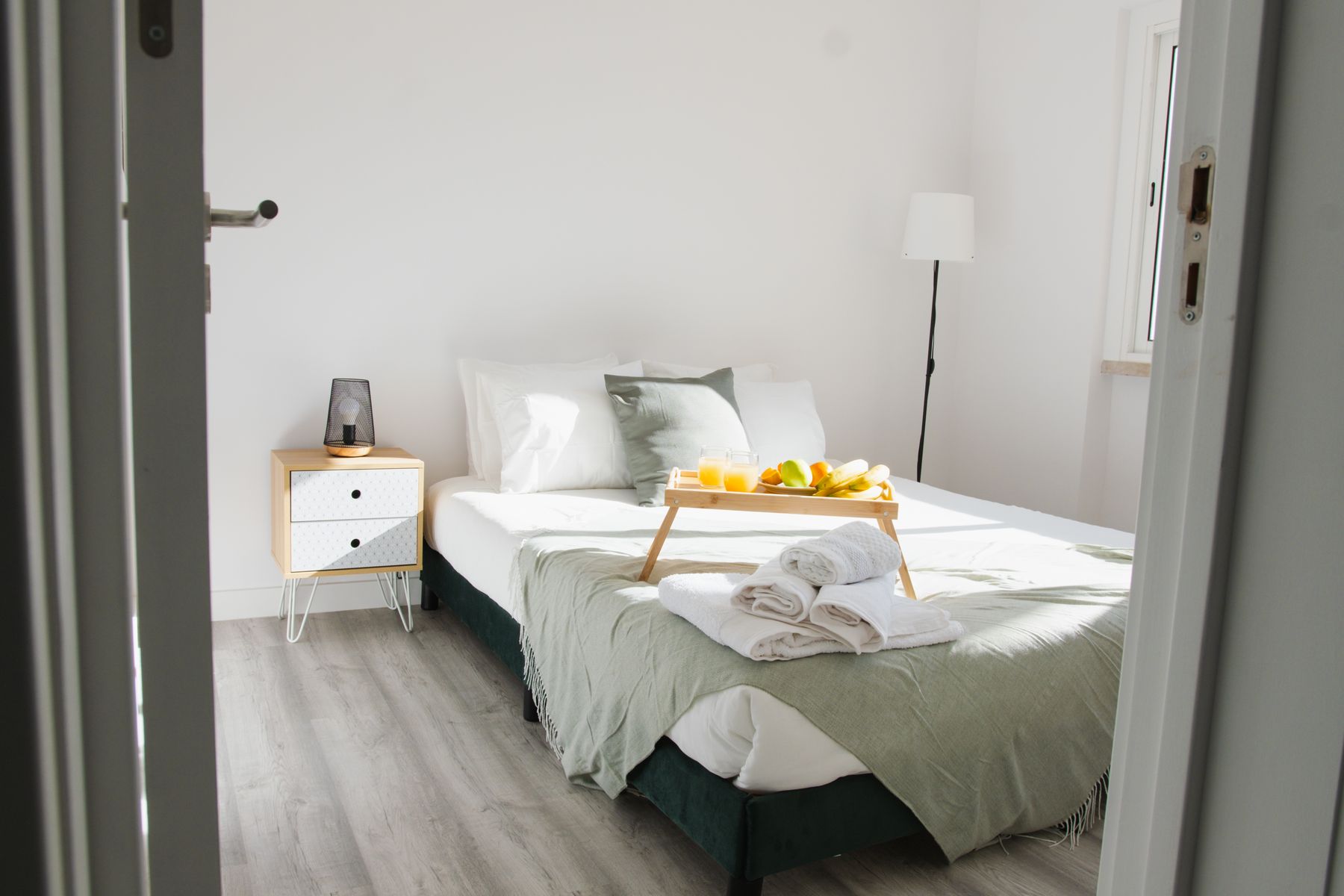
Ochre and mustard work best when related to clay, timber, leather or stone rather than to a cheerful-color theme. Give the earthy yellow one clear field and separate it from other warm mid-values with a pale or dark boundary.
High-Chroma Yellow Outside the Peripheral Field
Clear canary and sunflower are visually alerting, so use them where the eye lands once and can move away: headboard, chair, artwork, narrow panel or one textile field. Avoid distributing equally bright yellow around the direct view from the pillow.
The Boundary Depends on Sleep Exposure
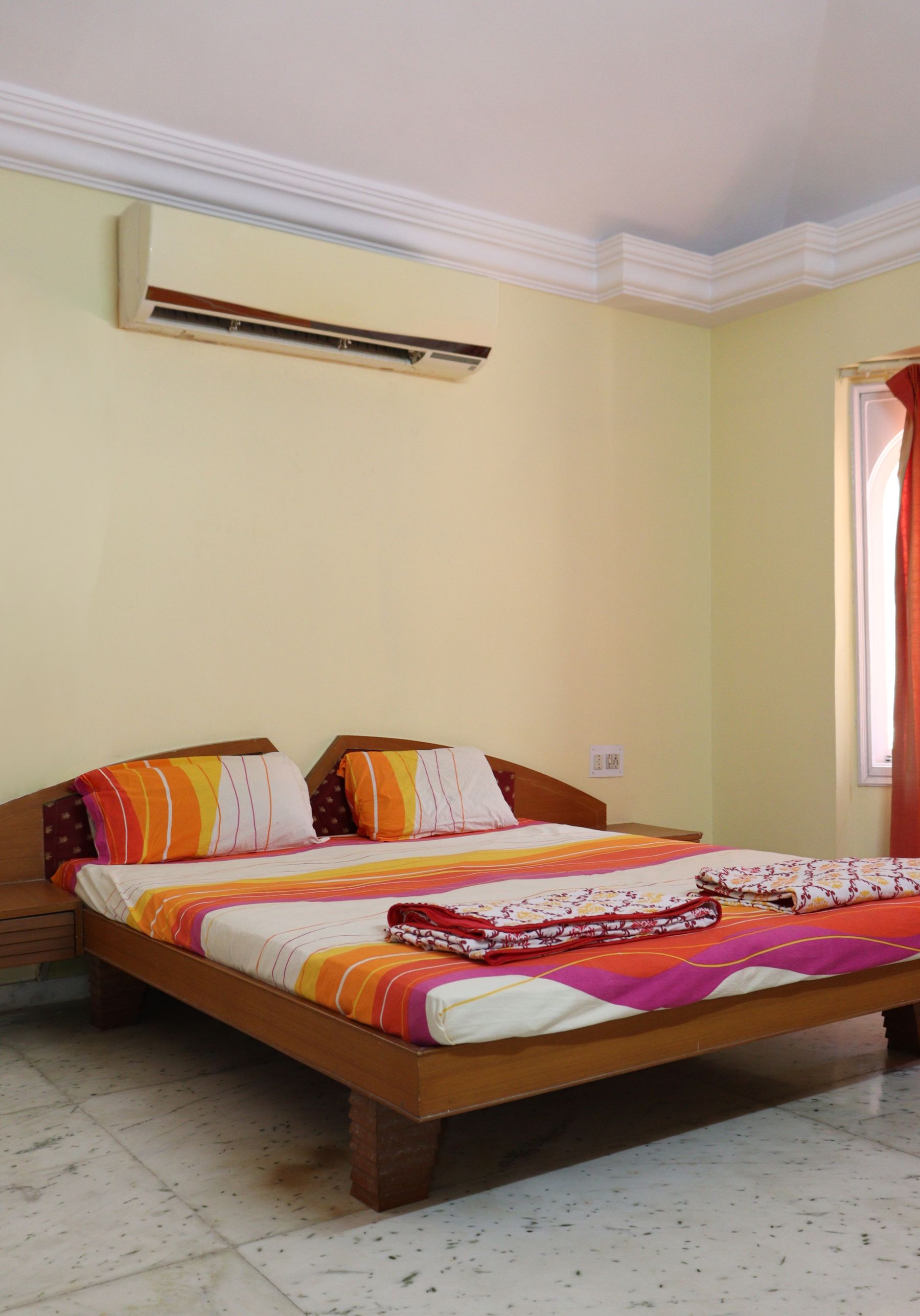
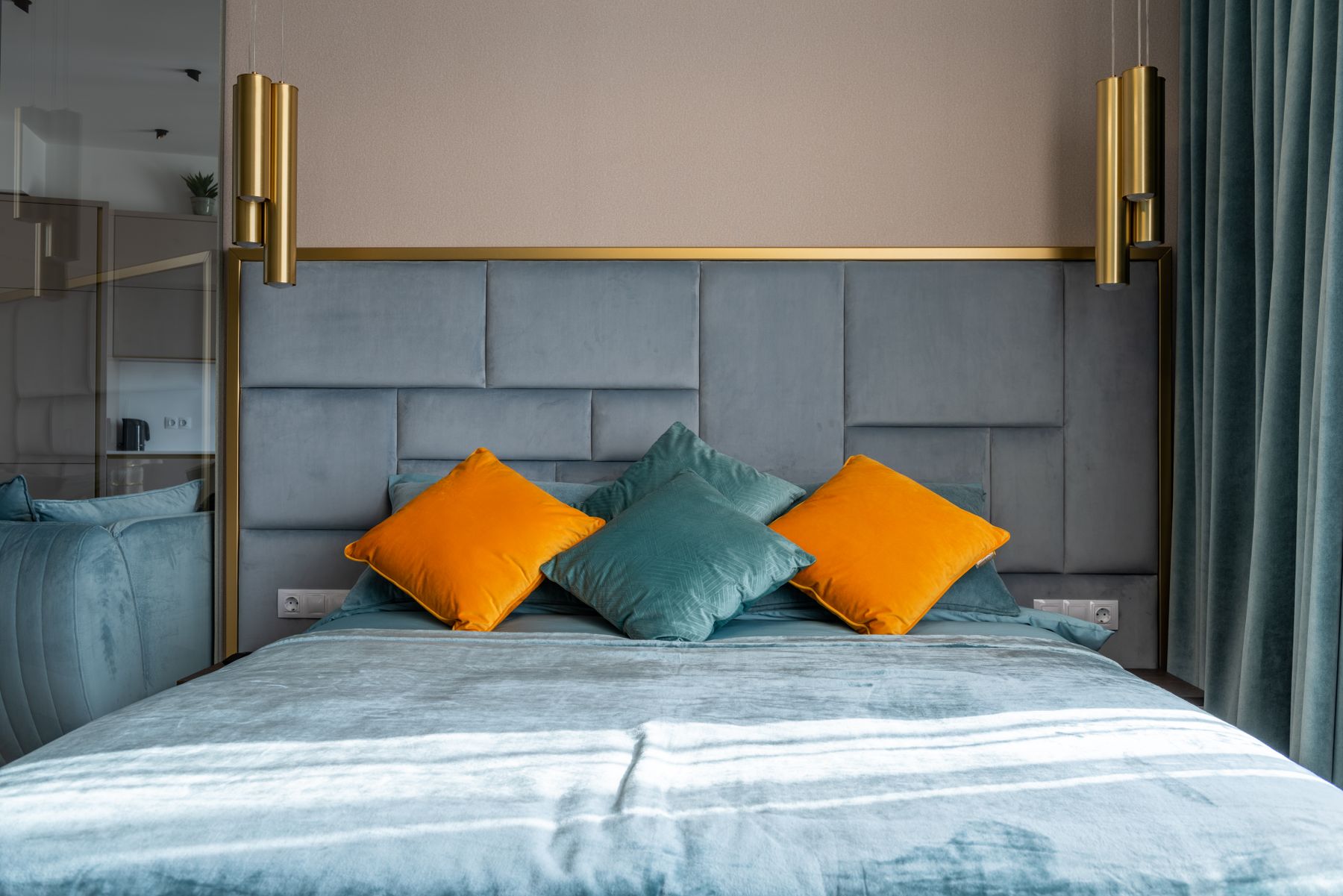
A full butter or muted ochre envelope may feel calmer than one bright feature wall because contrast is lower, while saturated yellow benefits from a tighter boundary. Decide how much color remains visible from bed when the room is dim.
Use Bedding as a Full-Scale Yellow Trial
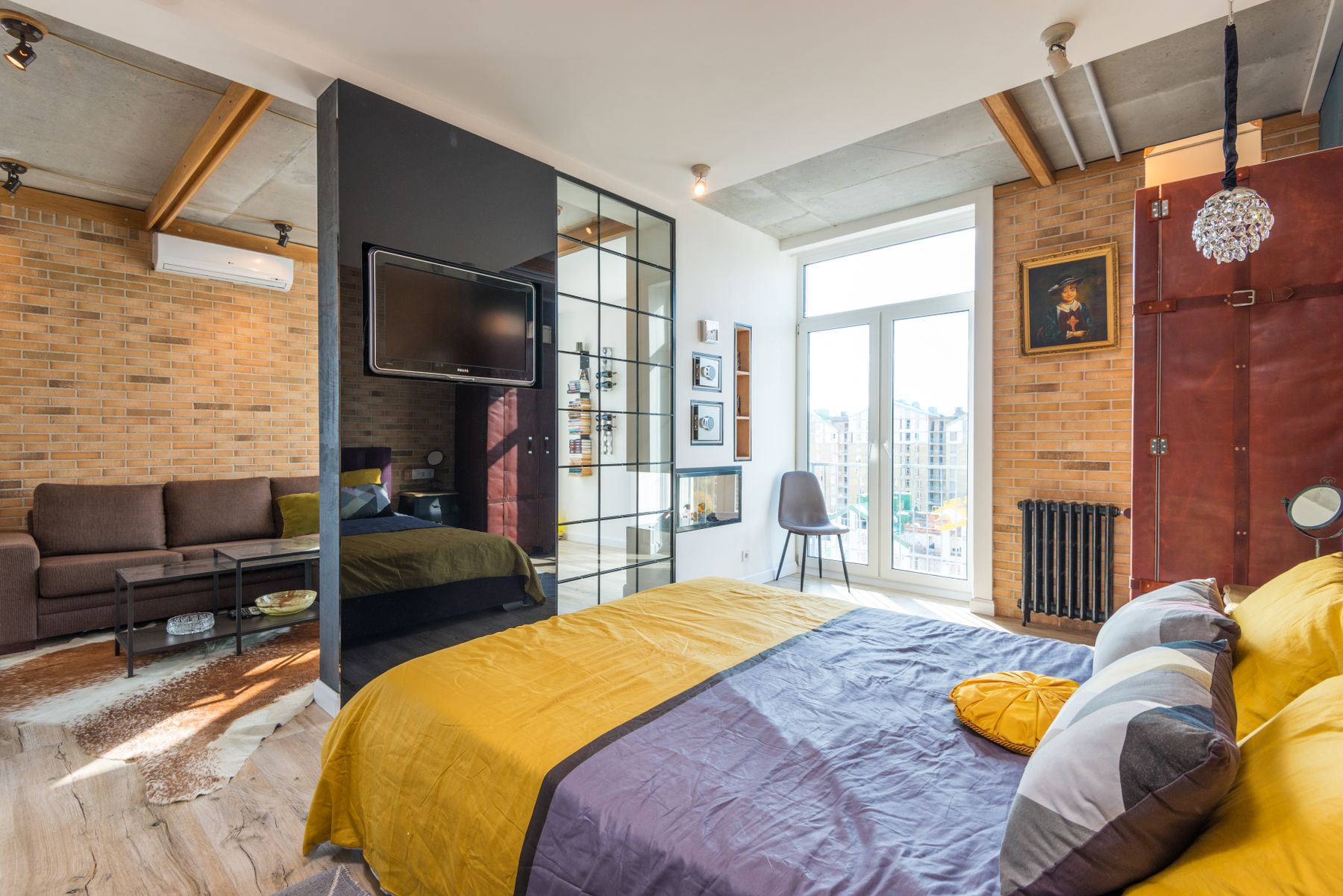
Bedding is large enough to test the actual visual dose of yellow while remaining reversible. A mustard duvet or ochre quilt can reveal whether the room needs more color before paint or fitted storage changes.
Make the Bed or Headboard the Anchor
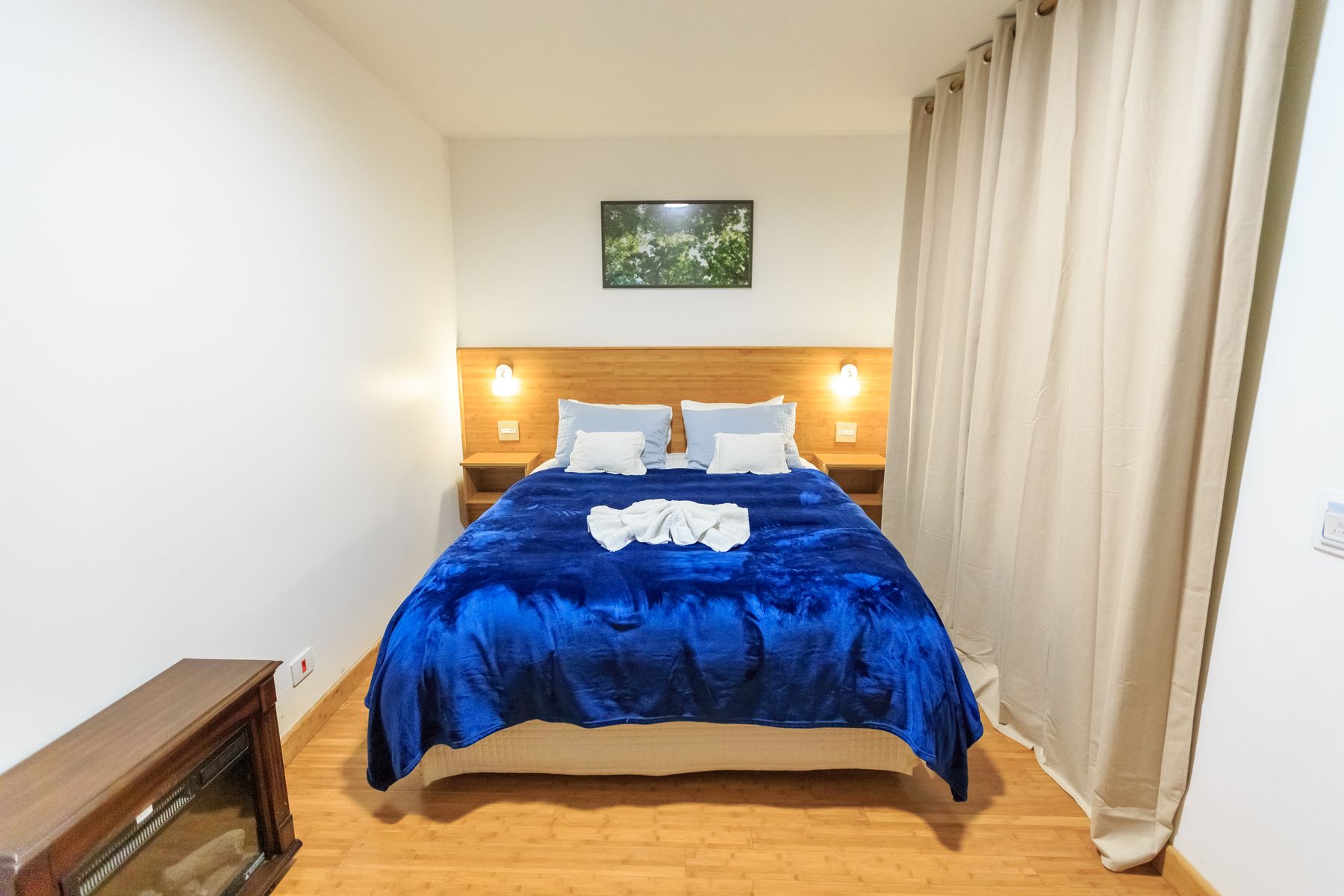
A yellow upholstered bed or headboard gives the hue enough scale to lead without repainting the shell. Test the fabric vertically at bed height because velvet nap, woven texture and directional light alter color. Confirm cleanability, abrasion, head support, outlet access and clearance around side tables before committing. [Art Deco Bedroom Ideas](/bedroom/art-deco-bedroom-ideas/) demonstrates how saturated upholstery and symmetry can create focus; yellow can borrow that discipline without adopting the whole period style.
Control Yellow Wallpaper by Pattern Scale
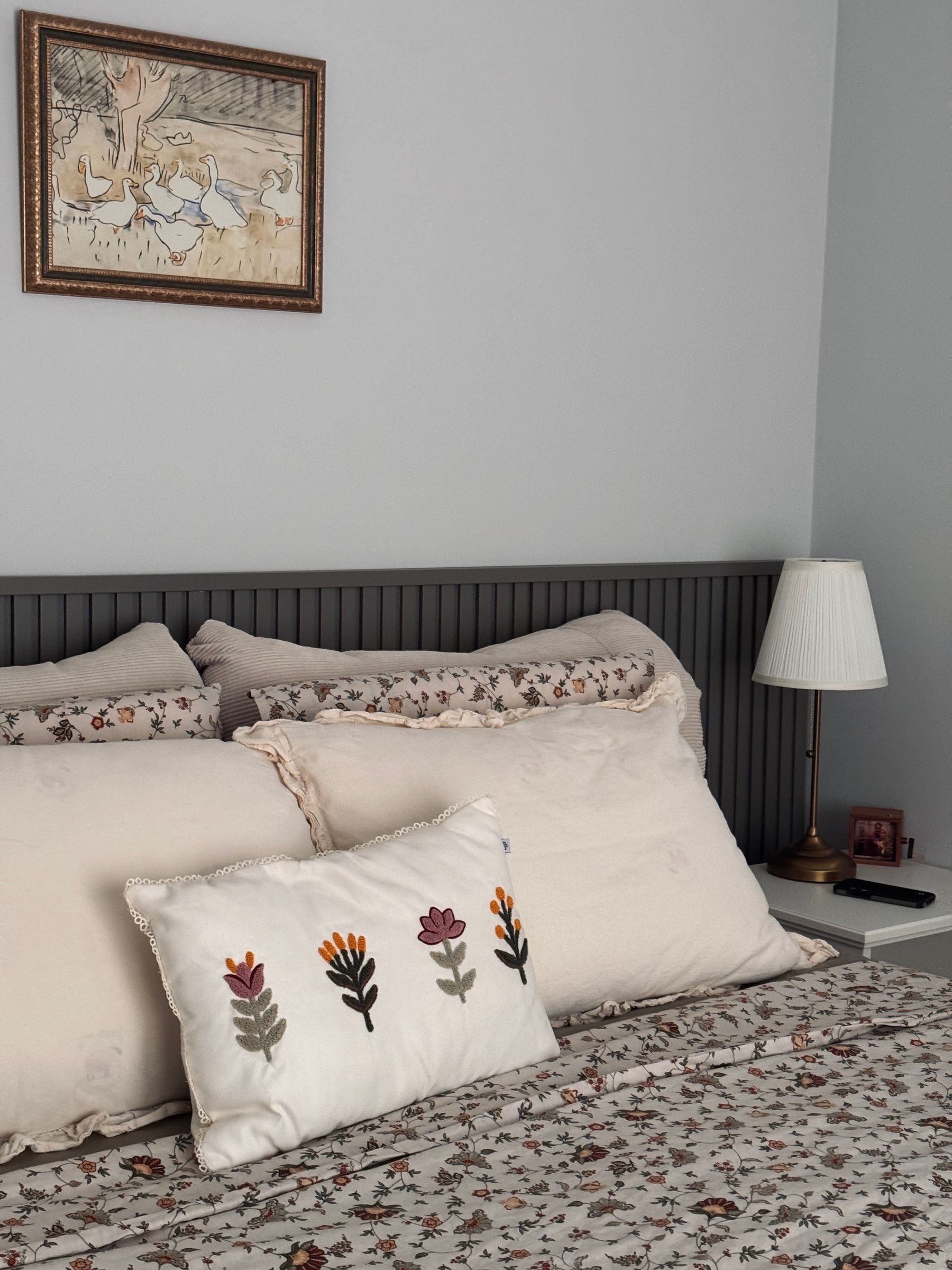
Wallpaper can introduce yellow with a second color and built-in rhythm, but a tiny repeat may shimmer from bed while an oversized motif can lose meaning behind furniture. Order a full-width sample, place it across an inside corner and view it from the pillow and doorway. Match by the background undertone, not one isolated flower or stripe. In a busy print, keep bedding quieter; in a sparse print, a related yellow textile can connect the wall to the bed.
White, Cream and Stone as Breathing Space
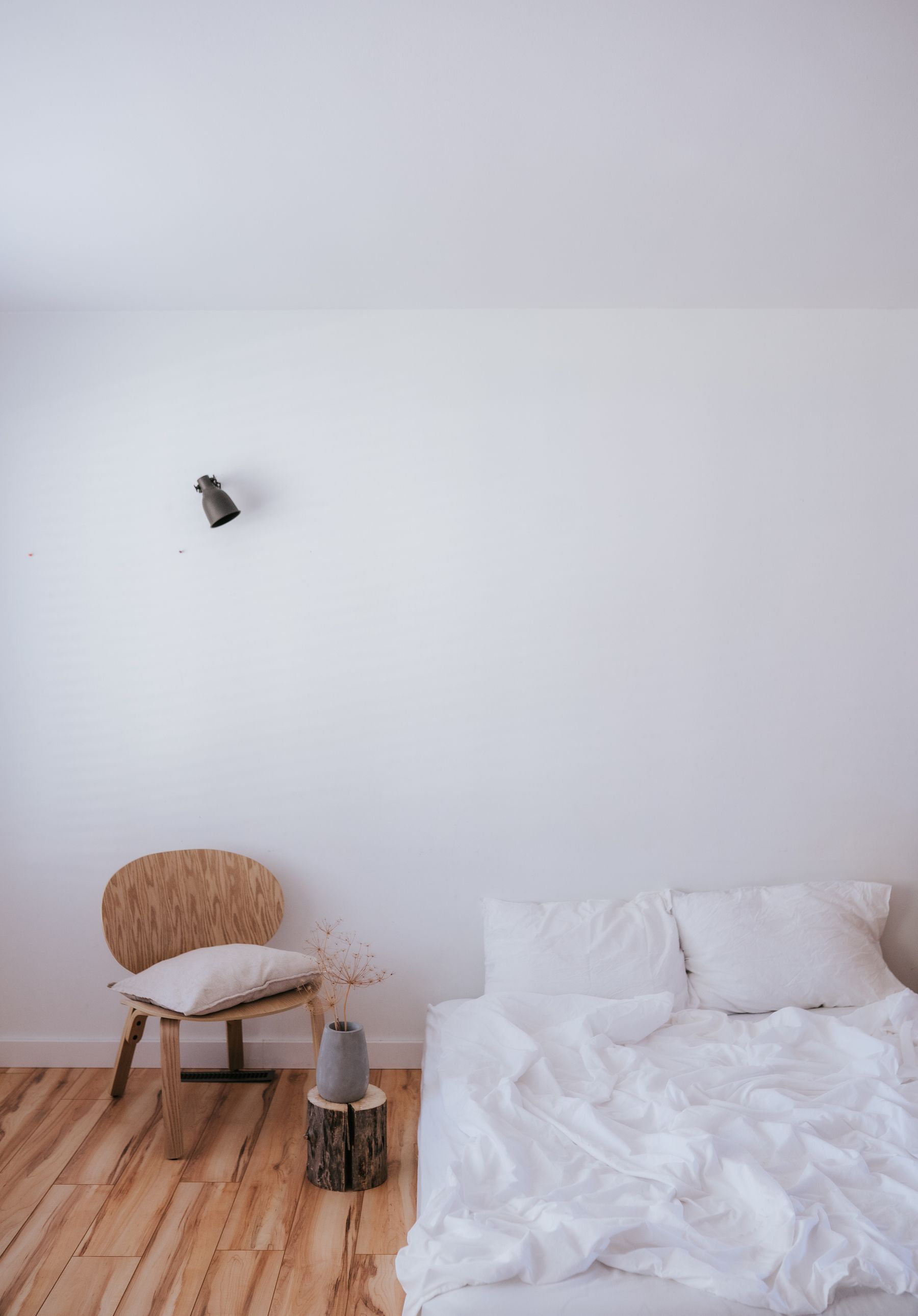
Clean white sharpens lemon and sunflower; cream softens butter and ochre; pale stone connects muted yellow to greyed floors. Select the pale support from the yellow's undertone rather than defaulting to brilliant white. A green-yellow may look acidic beside blue-white, while mustard can feel richer next to chalk or oatmeal. Give the neutral a meaningful field such as bedding, ceiling or curtains. Tiny cream accessories cannot correct large architectural colors that already clash.
Balance Yellow With One Timber Family
Oak supports butter and straw, walnut deepens ochre, and blackened timber gives clear yellow a graphic edge. Begin with the floor or largest fixed wood and repeat its temperature selectively at the bed or storage. Orange timber can make golden yellow feel very warm; grey-washed wood may expose green undertones. [Rustic Bedroom Ideas](/bedroom/rustic-bedroom-ideas/) develops timber texture more broadly, while a Yellow Bedroom can use wood as structure without becoming rustic.
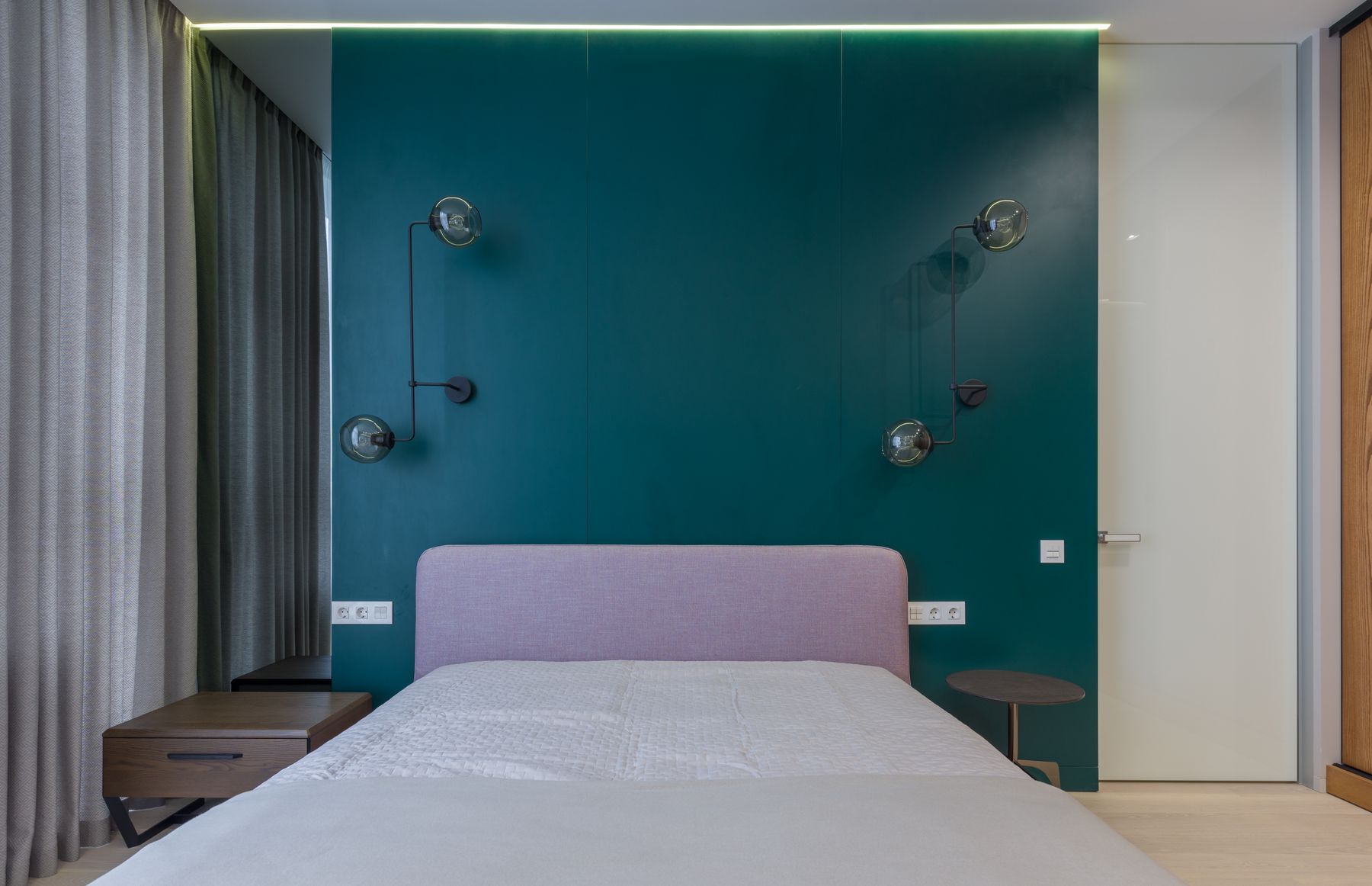
Blue as a Cooling Counterweight, Not a Second Theme
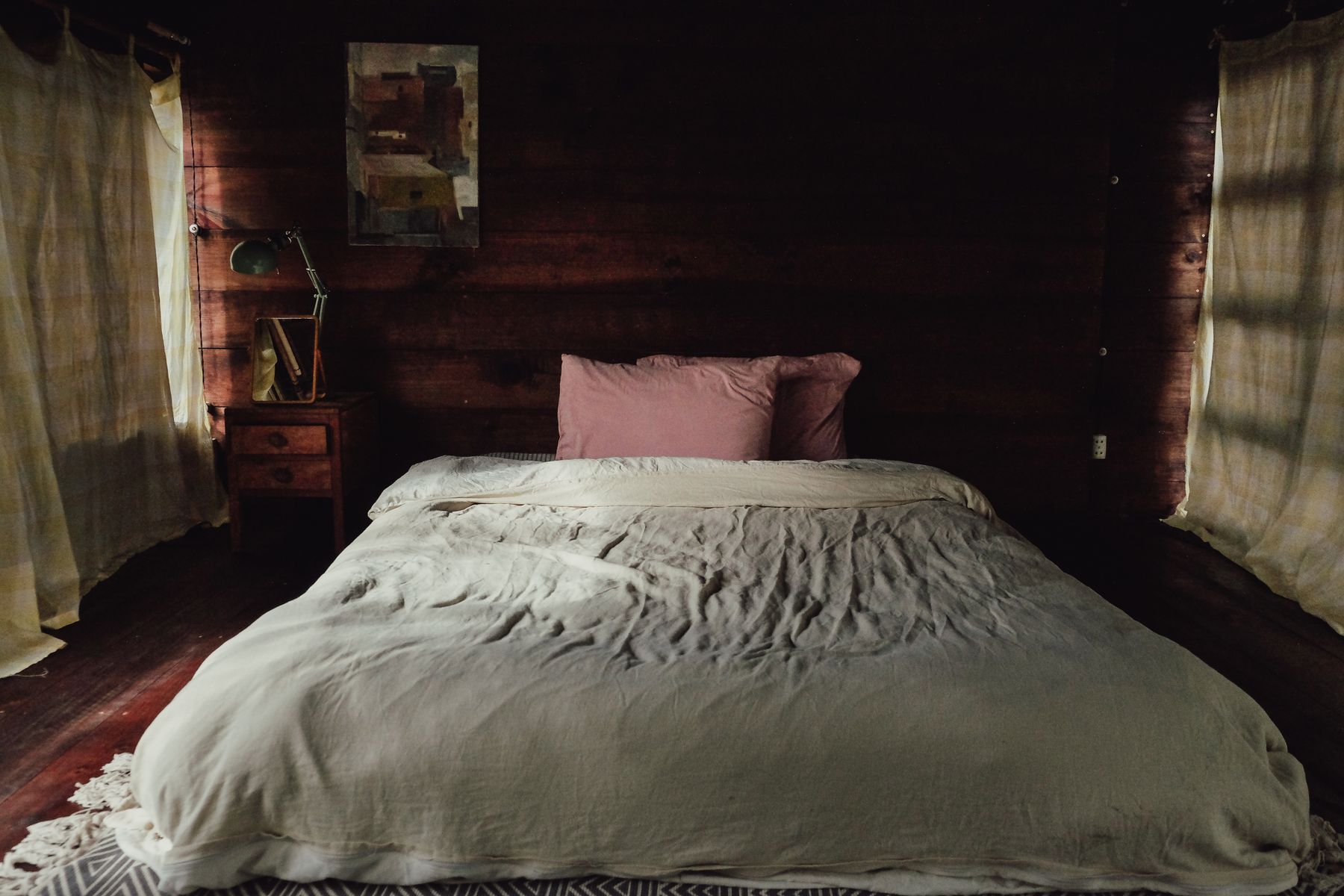
Blue can cool yellow through temperature contrast, but equal amounts create a much stronger two-color scheme. Choose one hue to lead and use the other at smaller scale: powder blue can cool butter, while navy can anchor ochre.
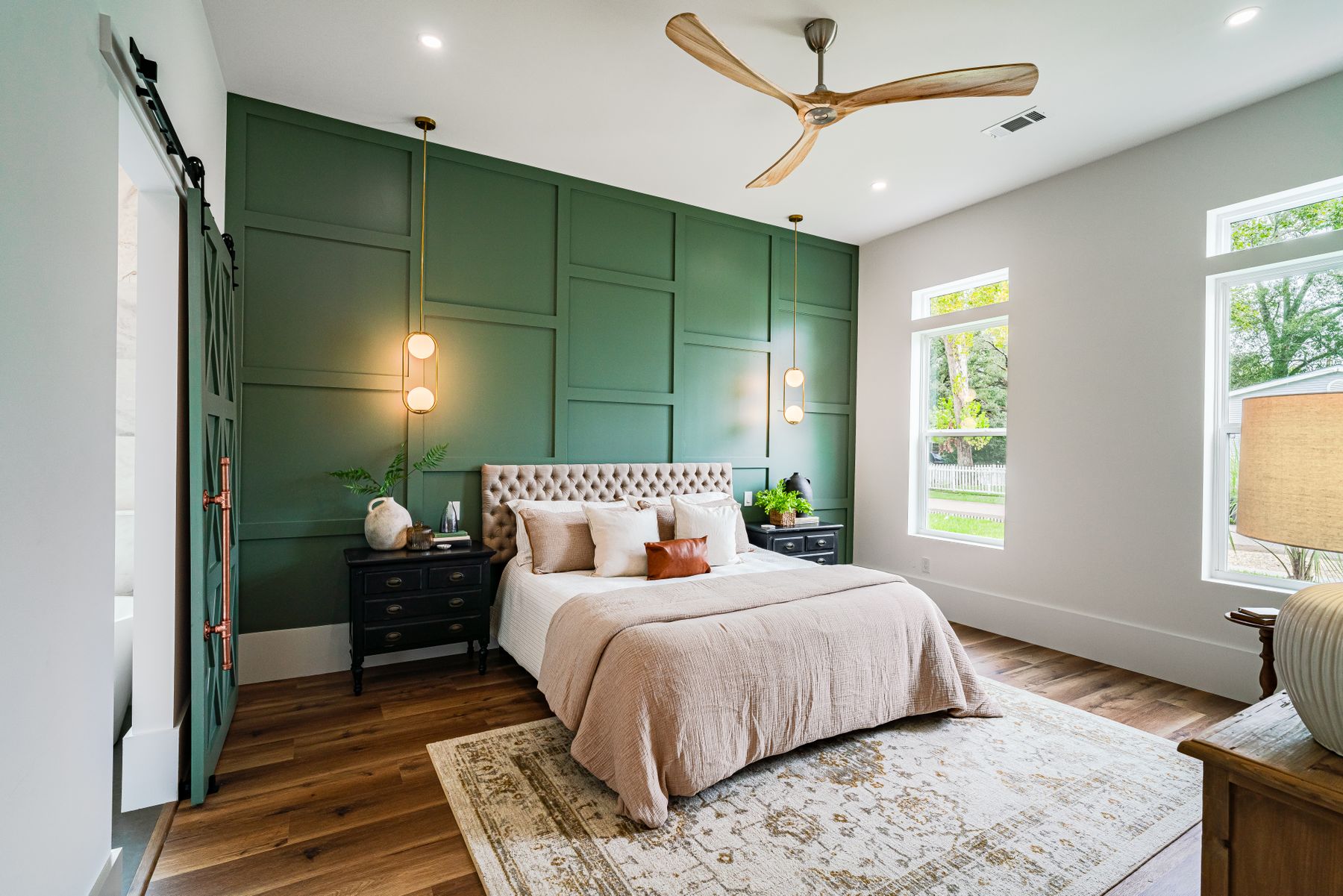
When Green Makes Yellow Botanical or Earthy
Sage can quiet butter, olive extends ochre's earthiness, and forest green gives golden yellow depth. Because green already contains yellow, undertones must be deliberate: acidic yellow beside blue-sage may look disconnected, while mustard and khaki can merge. Keep one hue dominant and use the other at a different value. [Green Bedroom Ideas](/bedroom/green-bedroom-ideas/) develops sage through emerald; use that destination when green remains the room's principal identity. Natural timber or stone can mediate the pair when direct adjacency feels too sharp.
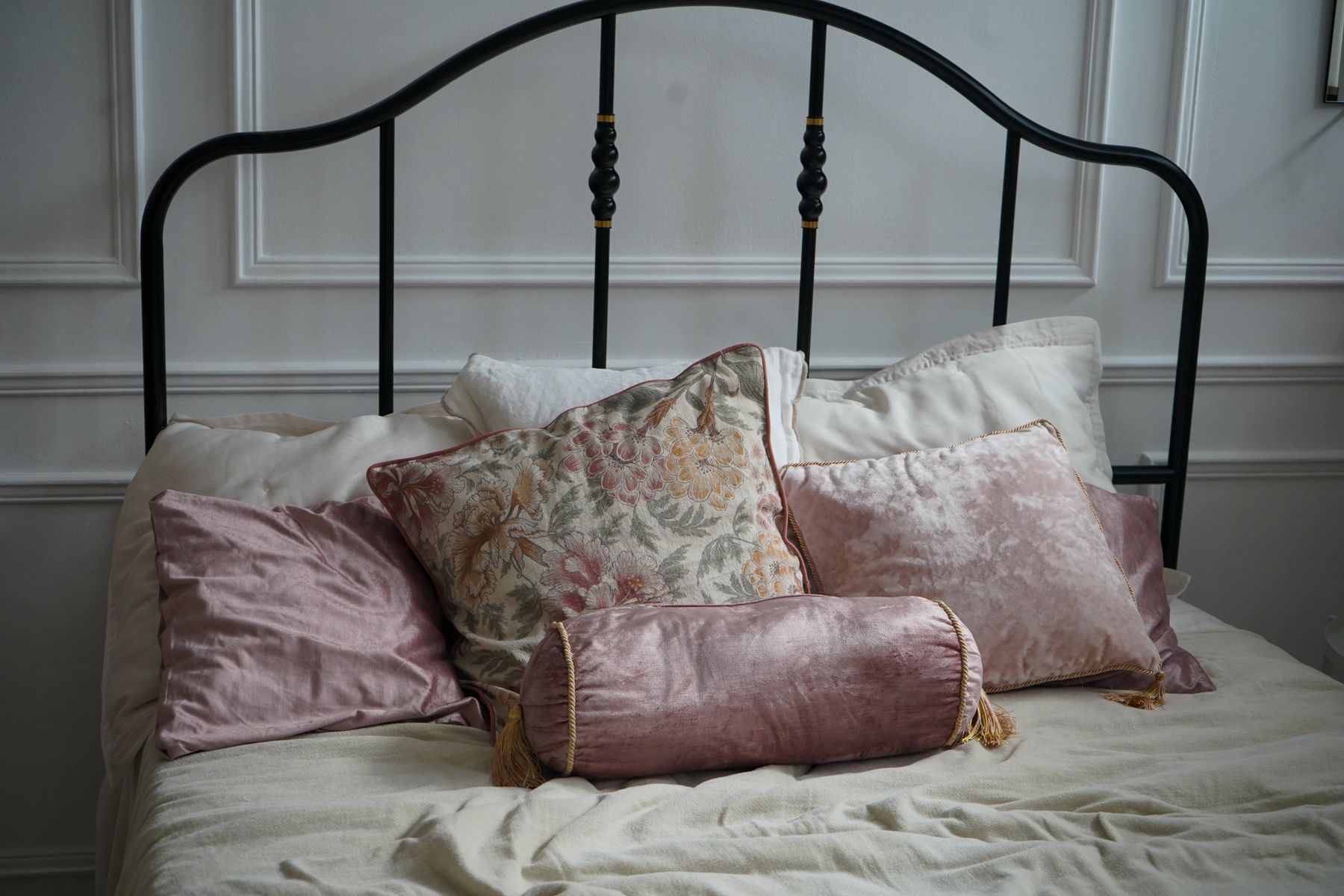
Clay, Pink or Red Without a Juvenile Turn
Clay, terracotta, dusty pink and oxblood can make yellow richer by extending its warm side. Choose one family and introduce it at a meaningful scale such as a throw, chair or artwork. Equal amounts of clear red and bright yellow can read as a primary-color scheme or a children's room even when that was not intended. Muted values and natural material keep the combination adult, while enough pale space prevents the warm colors from becoming visually airless.
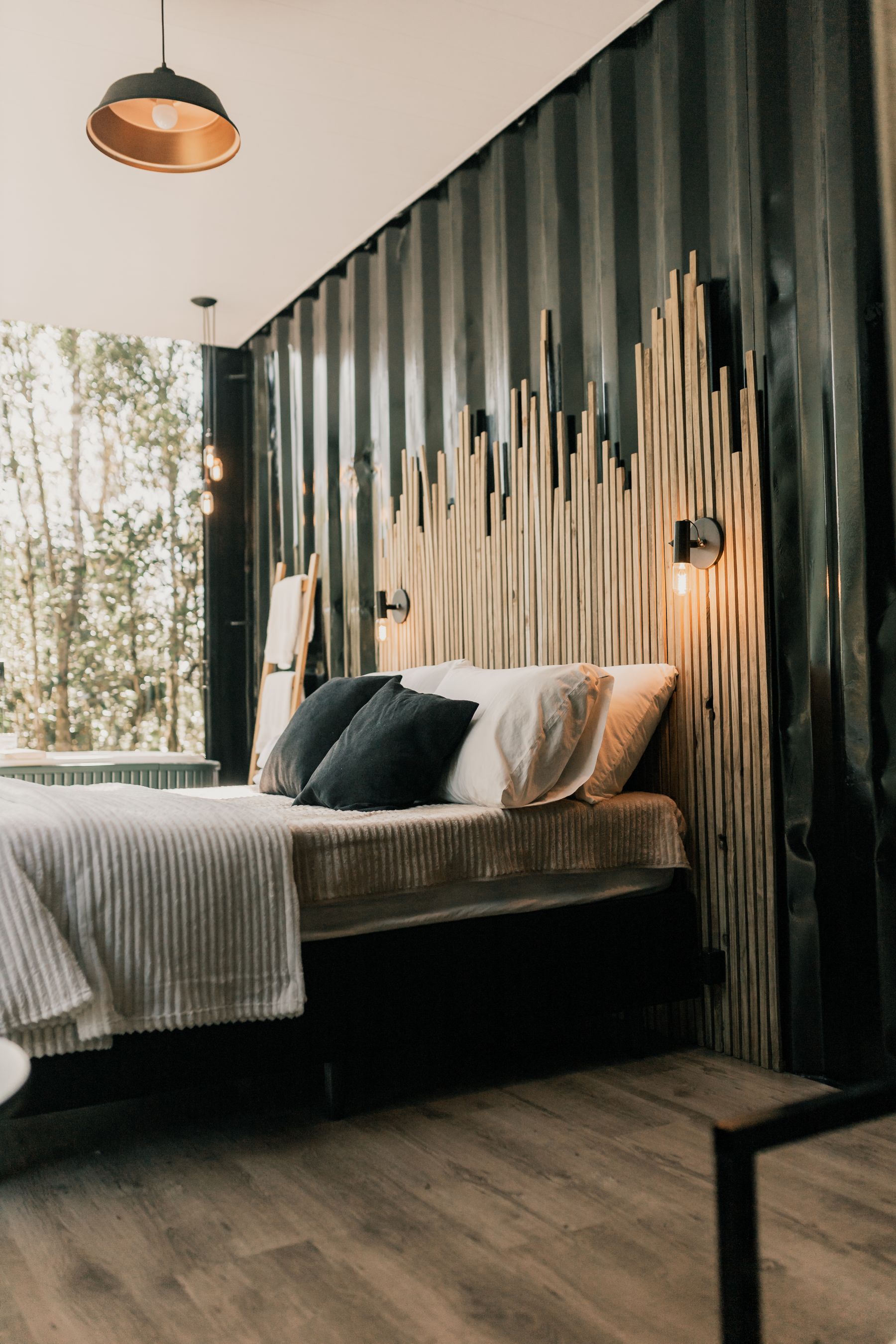
Use Dark Contrast as a Rest Point
Charcoal, black or a defined grey can give the eye a visual rest inside a warm yellow room by clarifying frames, furniture or one architectural line. Use dark value where it improves hierarchy, not as a repeated outline around every object.
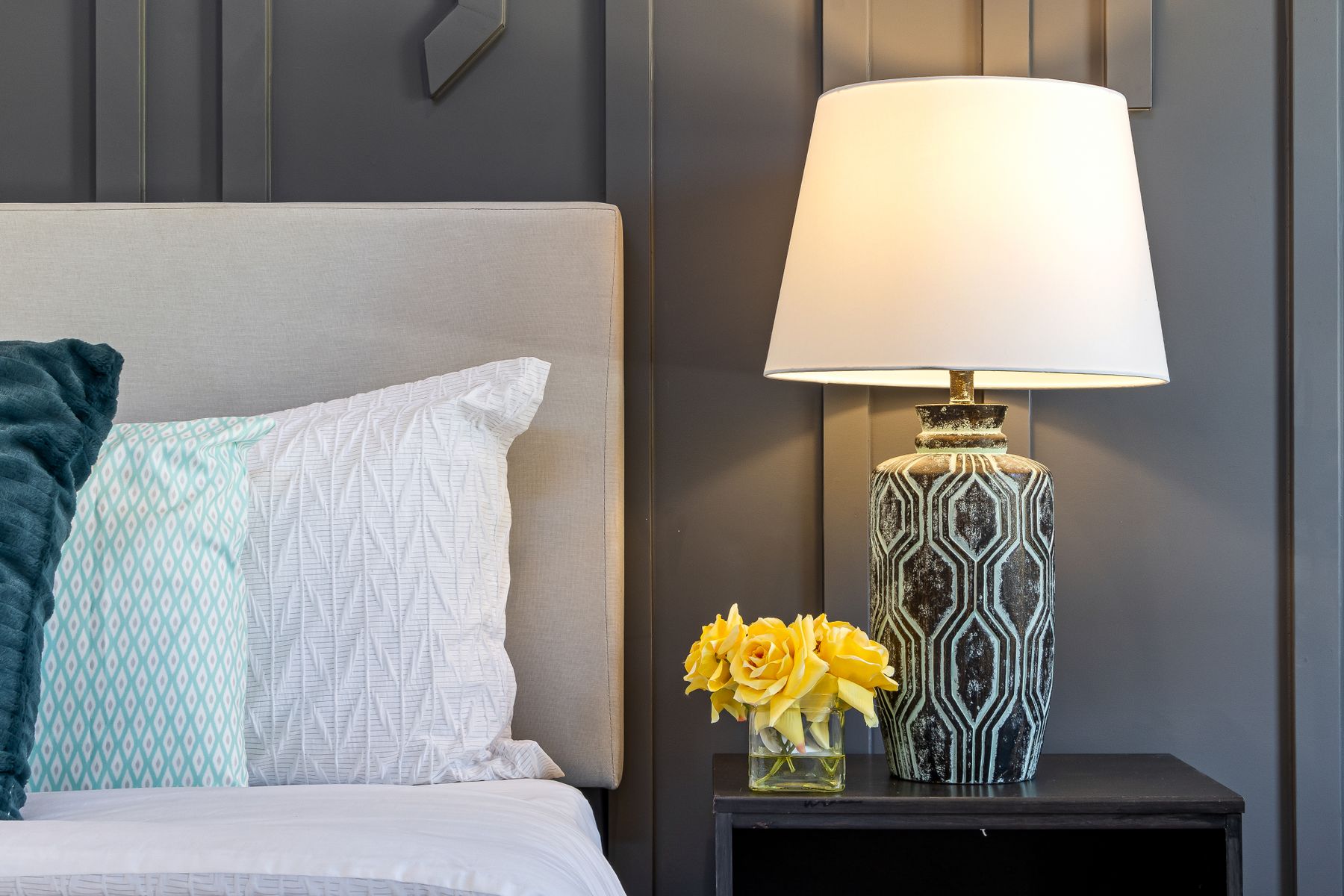
Protect Yellow From Orange Evening Light
Very warm lamps can push butter, ochre and mustard toward the same orange family. Separate accurate reading and wardrobe light from softer ambient light so the room can feel warm without losing color distinction.
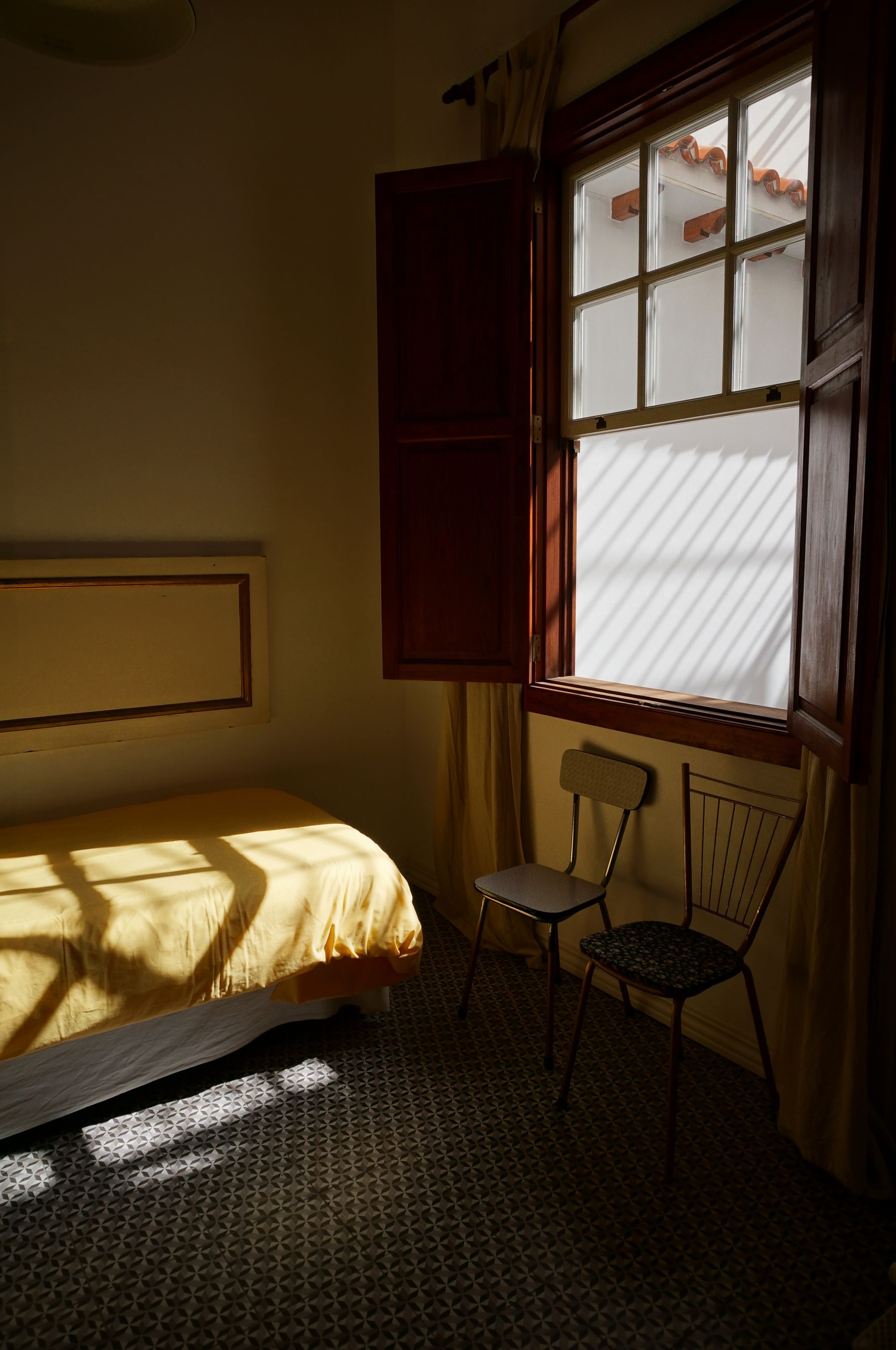
Manage Daylight, Yellow Curtains and Blackout Separately
Direct sun, privacy, glare, heat and blackout are different window jobs. A yellow sheer or curtain casts colored light onto walls and bedding; that can feel luminous at breakfast and overpowering in a west-facing evening room. Pair a decorative layer with suitable blackout and thermal control rather than expecting one fabric to do everything. Measure stack-back so treatments do not cover useful glass when open, and check fading risk on saturated textiles across changing seasons.
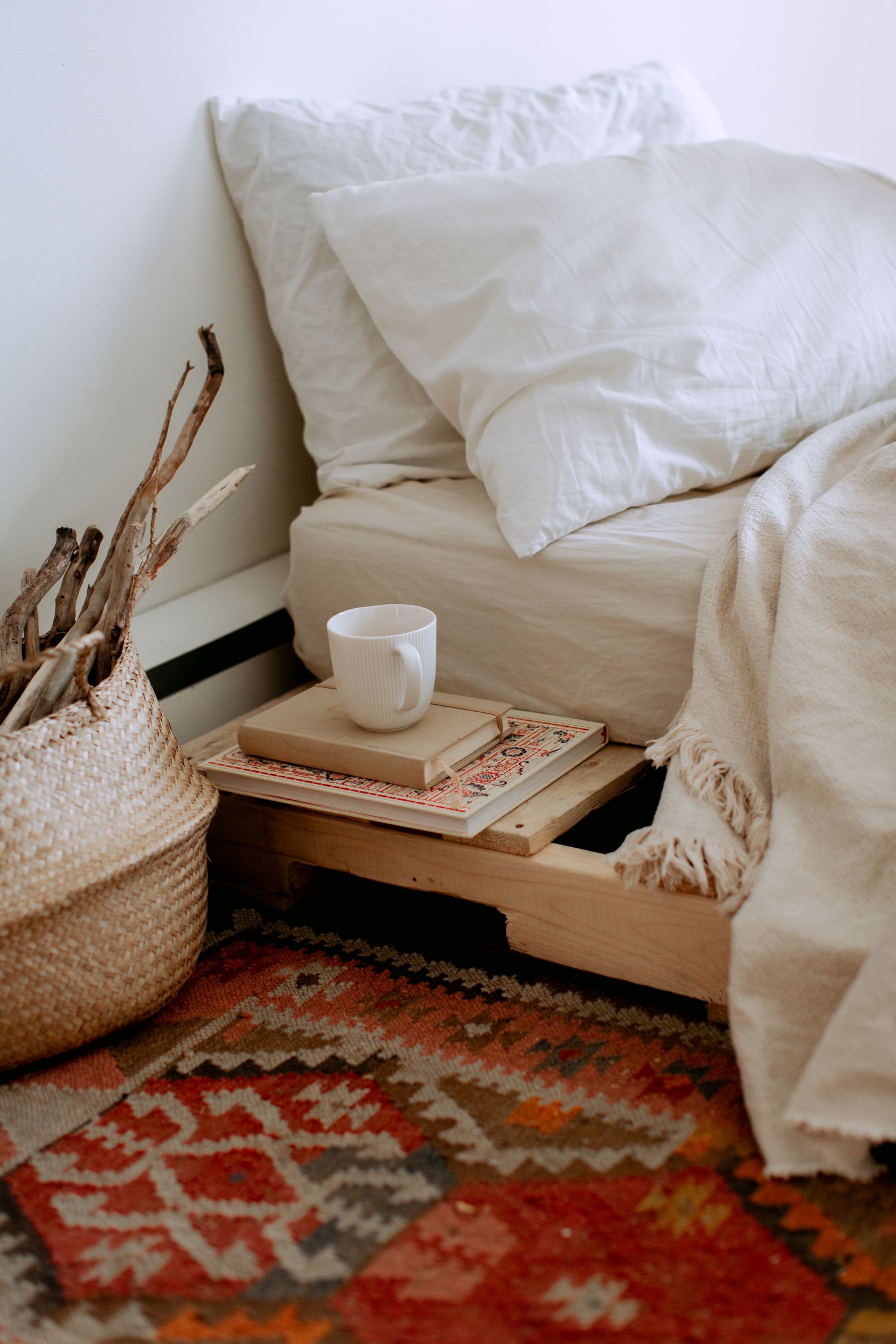
Ground Yellow With Floor and Rug
The floor is a major color field even when called neutral. Honey timber intensifies ochre, grey carpet cools butter, and a patterned rug can connect yellow to blue, clay or cream. Choose rug size around bed landings, door movement, trip risk and cleaning before choosing pattern. [Living Room Rug Ideas](/living-room/living-room-rug-ideas/) explains proportion and fiber tradeoffs that transfer well to bedrooms. Bring paint and textile samples to floor level because reflected color shifts with angle.
Integrate Yellow Storage Without Creating a Block
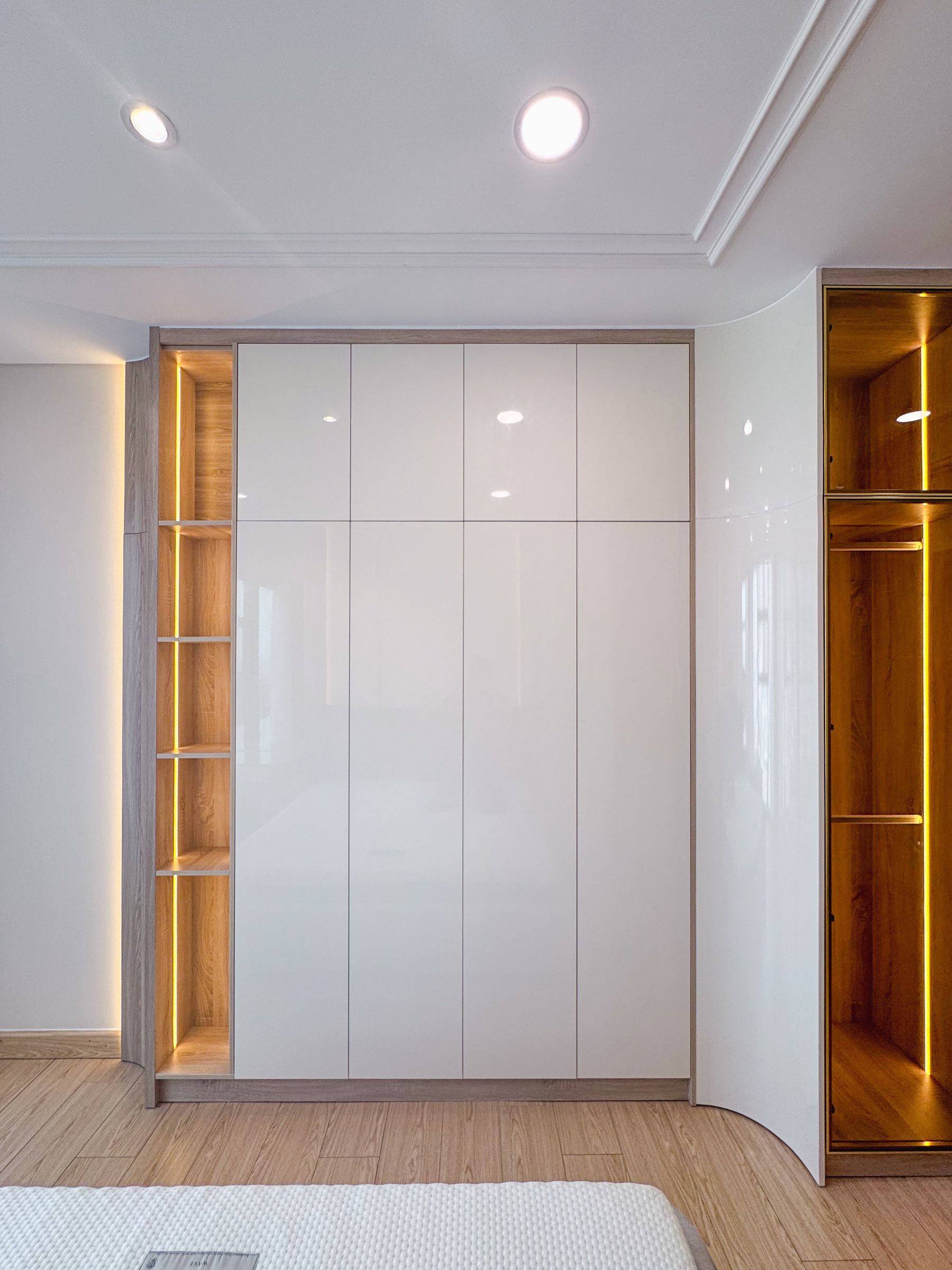
Yellow wardrobes can read as fitted architecture or as one oversized object. Confirm door swings, internal lighting, handle contrast and ceiling junctions before selecting the finish. Pale matte yellow can soften a broad run; gloss exposes reflections and fingerprints; mustard makes the volume more visually solid. If fronts closely match the wall, keep handles and edges visible. [Modular Bedroom Ideas](/bedroom/modular-bedroom-ideas/) develops adaptable storage logic that color should support rather than conceal.
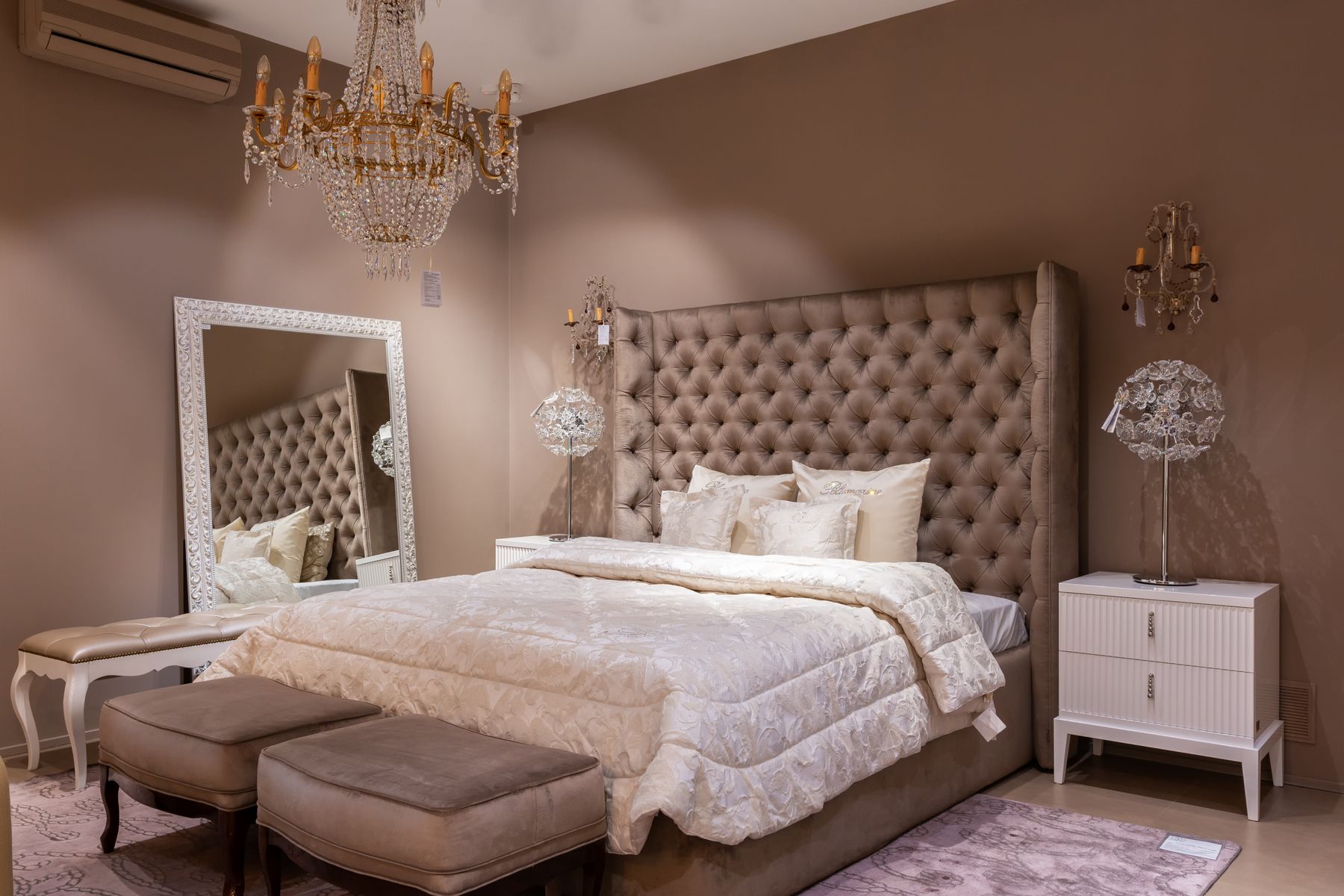
Mirrors and Warm Metal Need Discipline
Brass, bronze and gold repeat yellow's warmth, but too many metallic objects can make the palette decorative and flat. Use metal where hardware, lighting or a frame needs durability and reflection, then vary value so it remains visible against the wall. Check mirror views from bed and doorway: a yellow wall may double in the reflection, and a window may introduce glare or privacy concerns. Secure heavy mirrors appropriately and keep circulation clear.
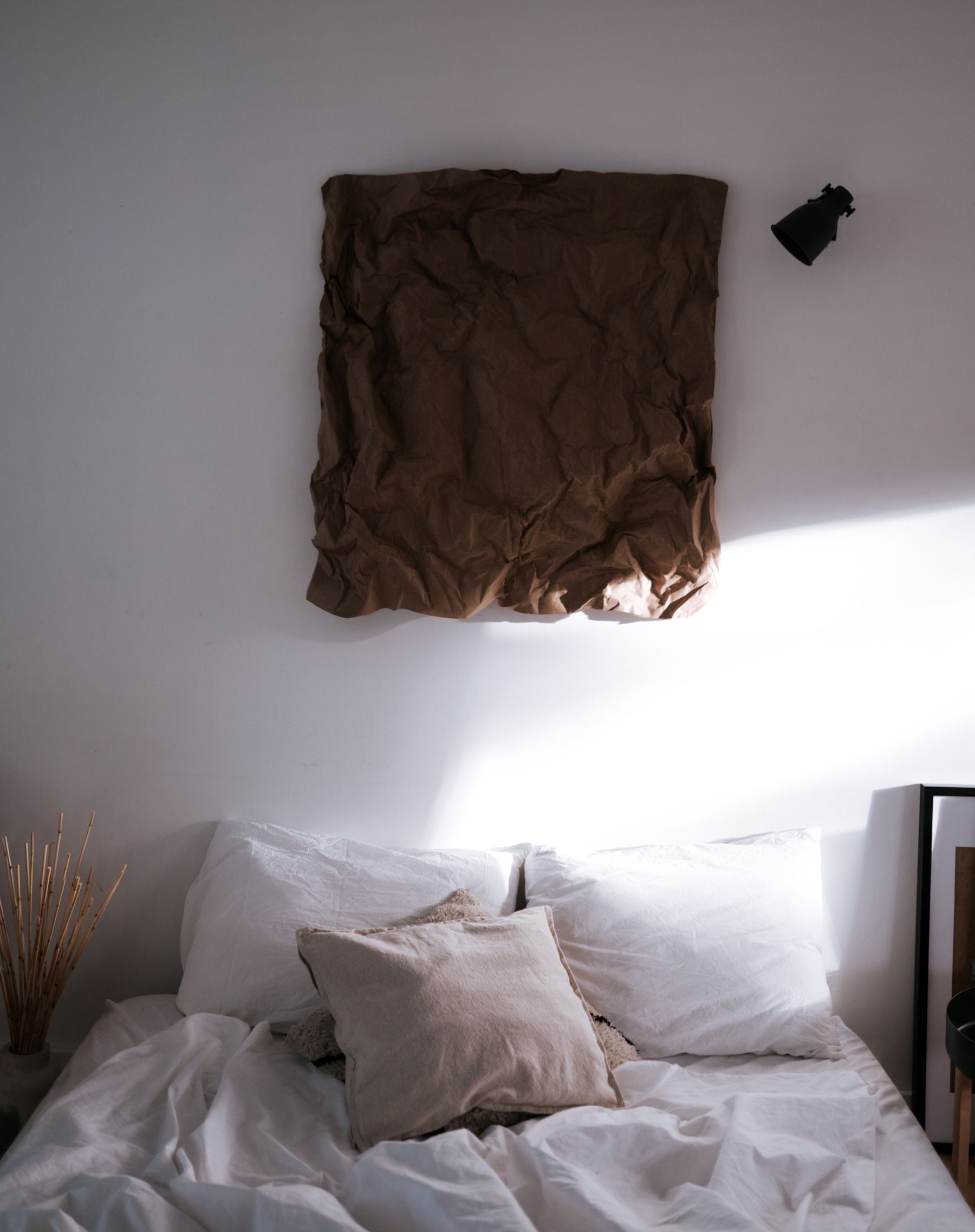
Art Beyond Repeated Yellow
A Yellow Bedroom does not need sunflower prints, lemon motifs or a gallery assembled only by color search. Choose art for scale, meaning and relationship first. Blue landscape, black-and-white photography, warm figurative work or an abstract with one yellow note can all create useful interruption. Avoid insecure heavy pieces above the bed and reject editorial media dominated by protected artwork. Let the room's main yellow field establish identity while art remains personal rather than thematic.
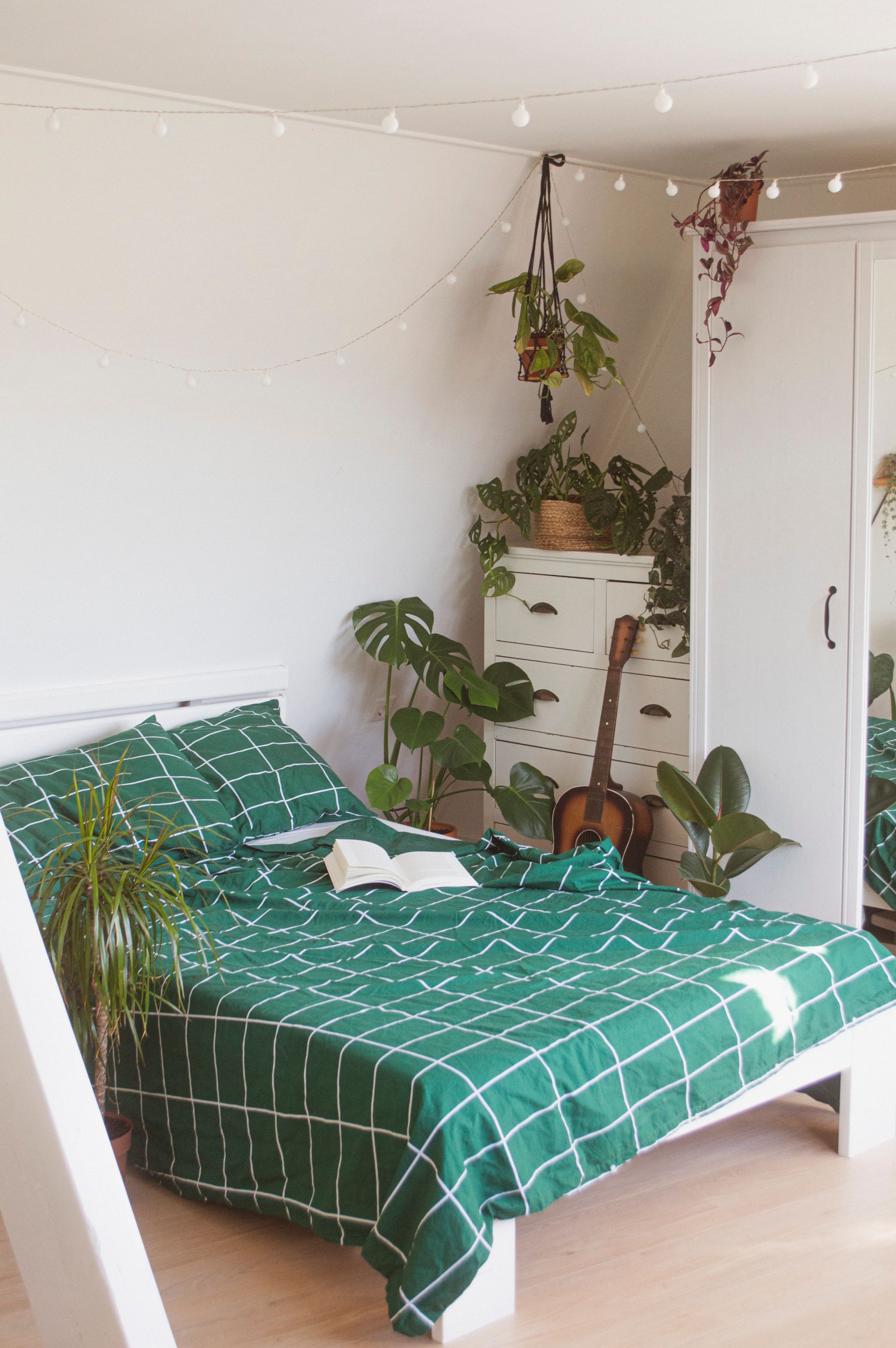
Plants as Contrast, Not Proof of Nature
Plants can make butter or ochre feel botanical, but the species still needs suitable window direction, humidity, pet safety and a realistic care routine. Use saucers and washable surfaces to protect furniture and paint; keep leaves away from damp corners and heaters. [Boho Bedroom Ideas](/bedroom/boho-bedroom-ideas/) develops layered greenery as a wider style. A Yellow Bedroom may need only one healthy plant with a clear silhouette rather than a decorative collection.
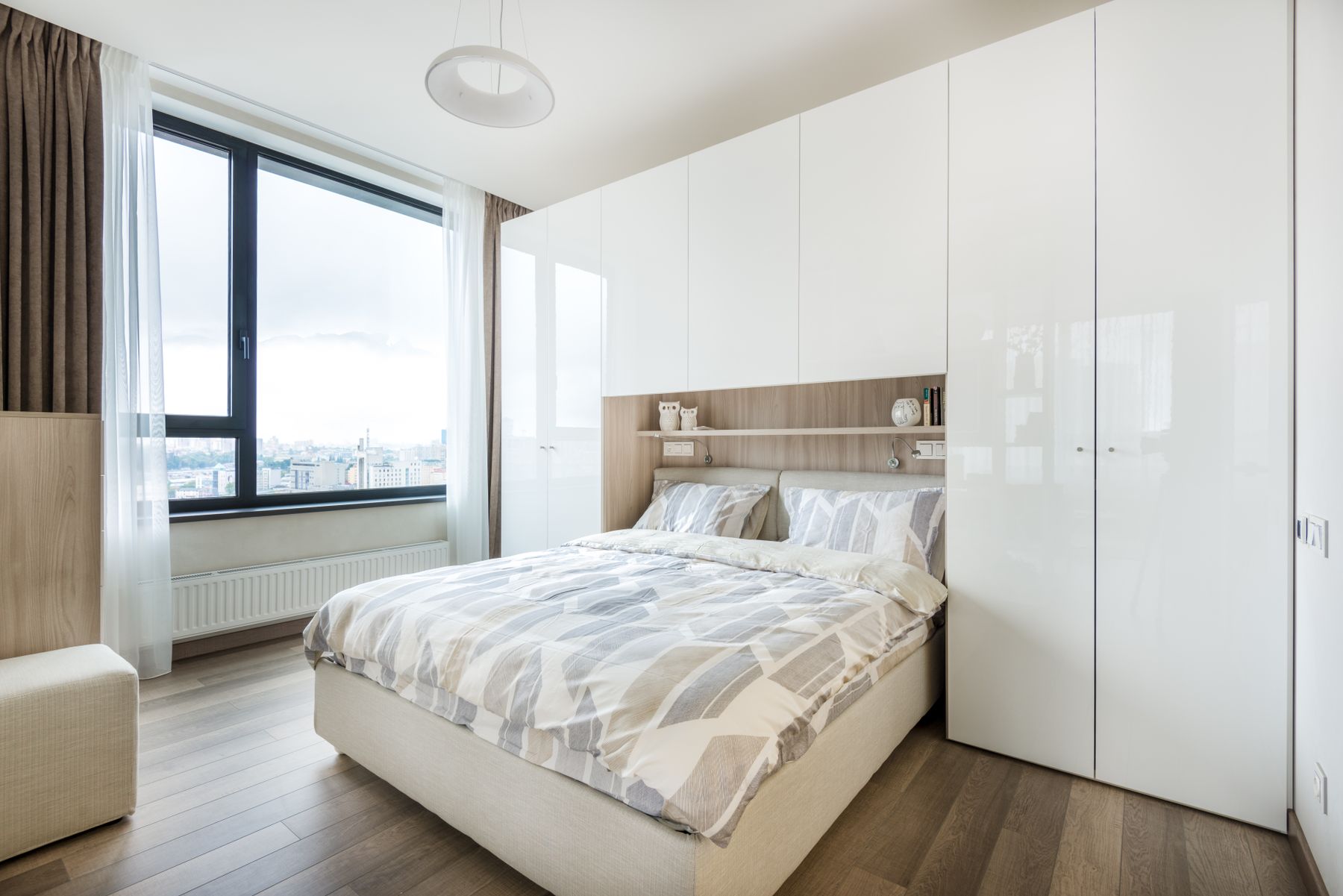
Plan a Small Yellow Bedroom by Clearance
Pale yellow can reflect light but cannot fix a blocked door, unreachable drawer or undersized landing. Preserve window operation, bedside reach and every active door footprint before assigning color. One continuous butter wall or fitted run may reduce fragmentation; an ochre bed wall can create depth if its edges remain legible. [Small Bedroom Ideas](/bedroom/small-bedroom-ideas/) develops clearances and storage in depth. Apply those tests first, then let yellow support the plan.
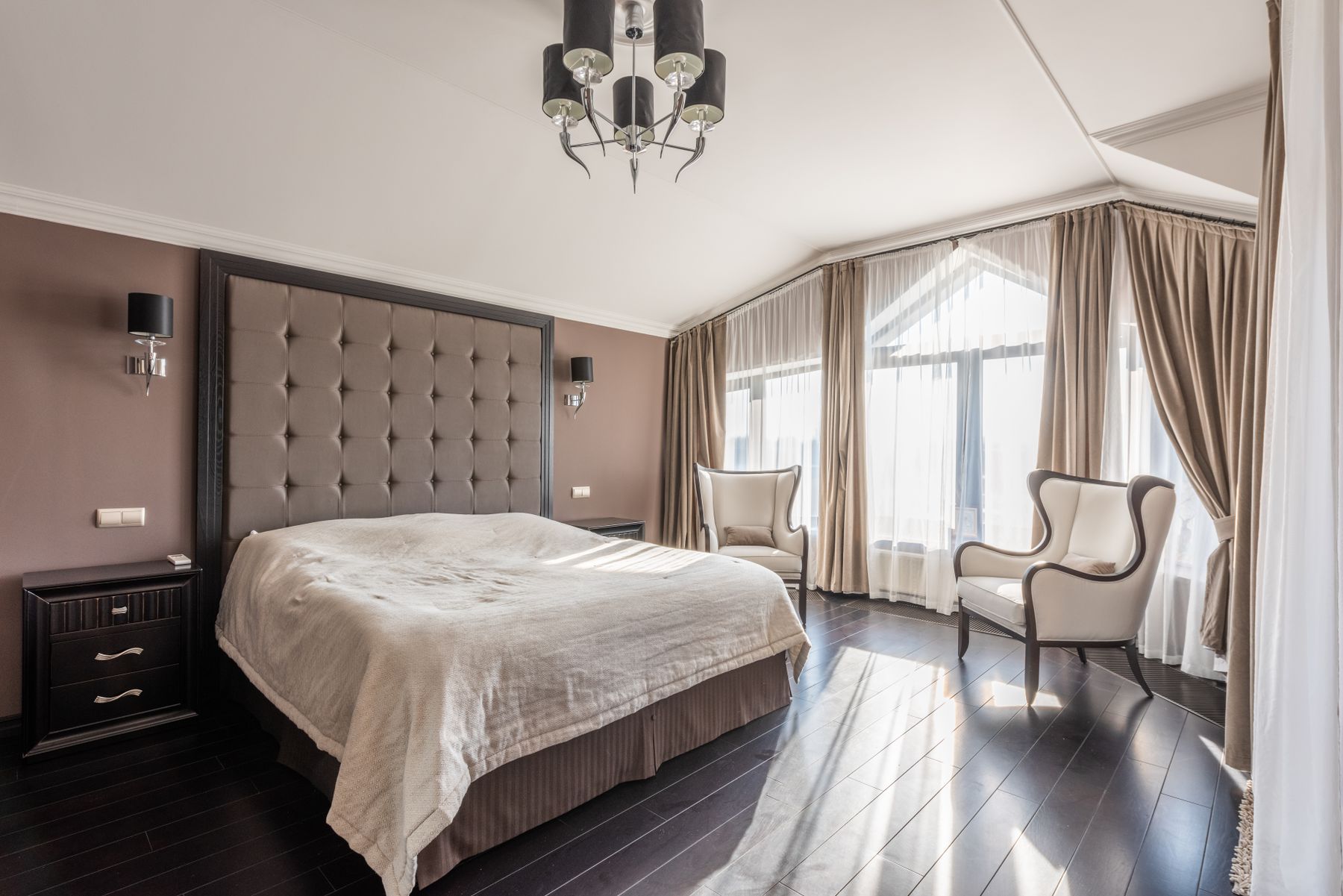
Distinct Centers in a Large Yellow Bedroom
In a large bedroom, repeating one yellow at equal strength everywhere flattens scale. Anchor the bed with the deepest or most saturated version, then let seating, dressing or work use quieter related values and separate light scenes. A broad rug or headboard can connect zones without a matching suite. [Large Bedroom Ideas](/bedroom/large-bedroom-ideas/) develops circulation and proportion; yellow should clarify those centers rather than merely fill empty wall area. Leave some surfaces genuinely quiet so distance and hierarchy remain readable.
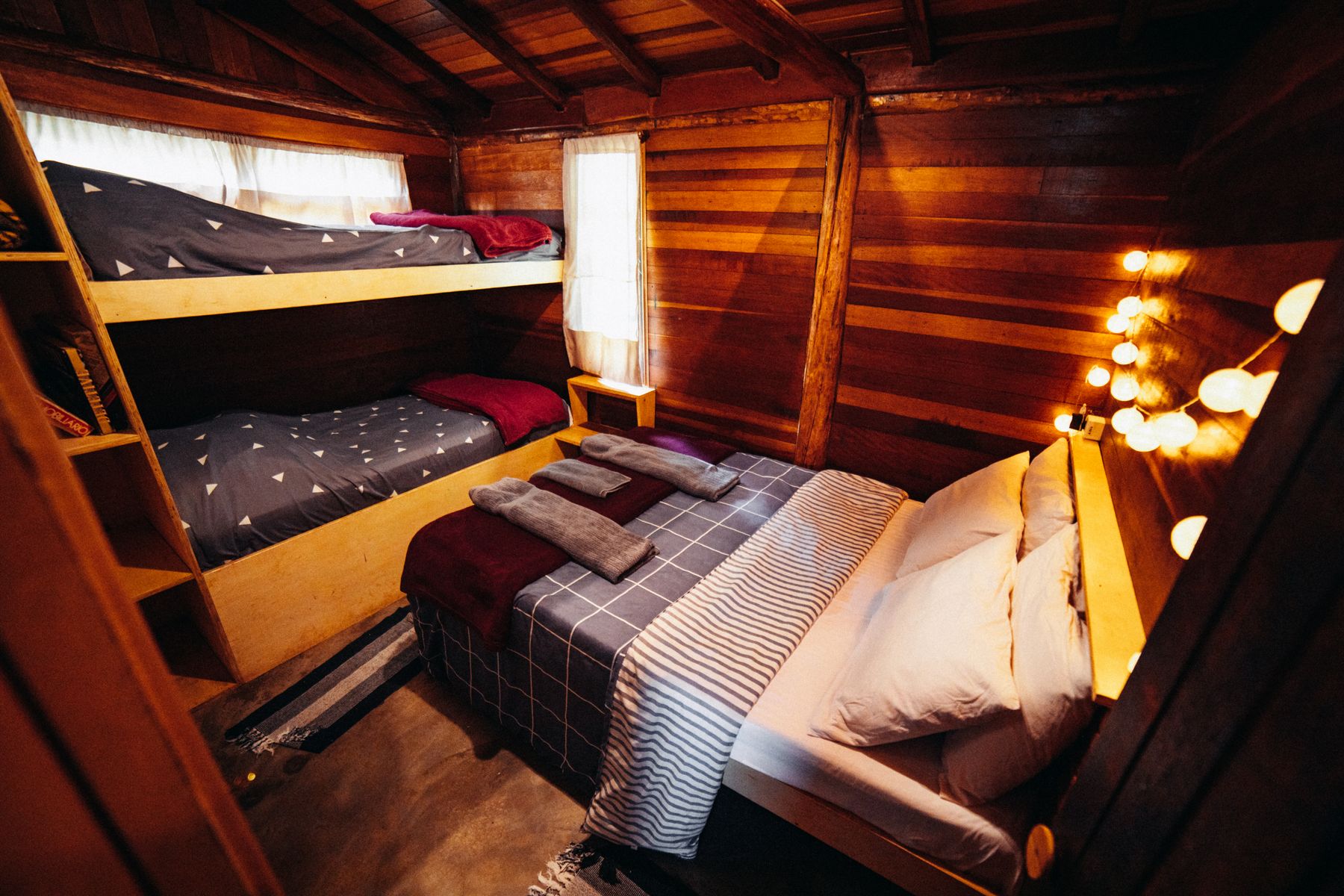
Adapt Yellow for a Shared or Guest Bedroom
A guest or shared bedroom benefits from yellow when it improves welcome without assuming every sleeper enjoys strong color. Keep the broad yellow muted, provide independent reading lights and surfaces, and preserve equal access around beds where possible. Resolve air-conditioning flow, blackout, luggage and charging rather than styling only the arrival view. Repeated bed forms can hold different but related textiles, avoiding a rigid matching set while keeping the room coherent.
A Yellow Bedroom Workspace That Can Close
Yellow can support alertness at a desk, but that same energy should not spread as clutter around the bed. Give the work zone usable depth, screen-glare control, separately switched task light and closed storage for papers and devices. A narrow yellow panel or chair can locate work without making the sleep field brighter. End the day with a physical shutdown routine; paint cannot substitute for putting equipment, cables and unfinished tasks out of sight.
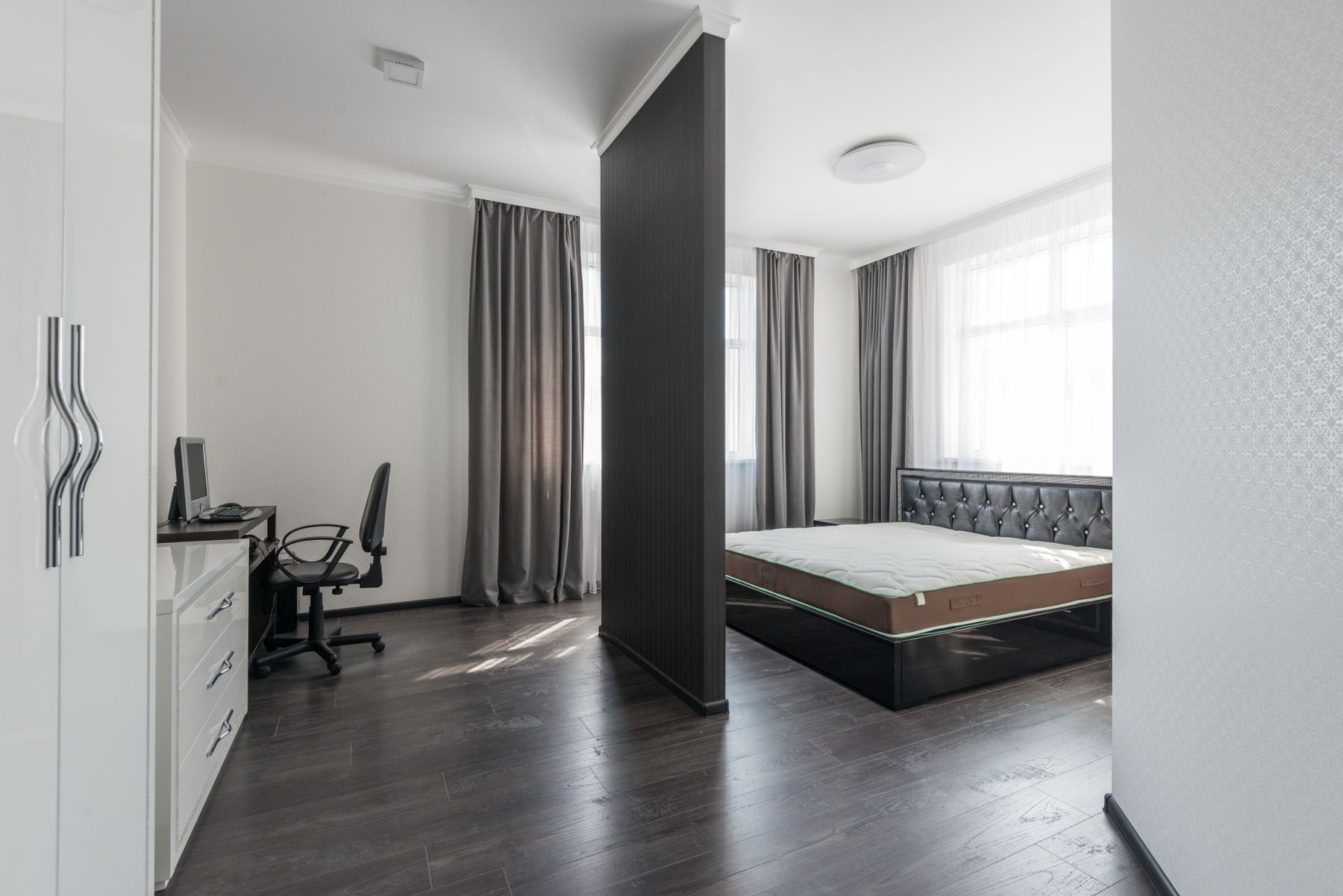

Reversible Yellow Layers for a Rental
In a rental, begin with the largest reversible field: duvet, curtains, rug, freestanding headboard or removable shade. Obtain written permission before painting, drilling or changing fixtures, and store original hardware. Do not cover damp or damaged walls with panels or peel-and-stick material. A limited group of washable yellow textiles is easier to move and maintain than many small themed objects. [Minimalist Bedroom Ideas](/bedroom/minimalist-bedroom-ideas/) offers a useful test: every temporary layer should earn its storage and visual weight.
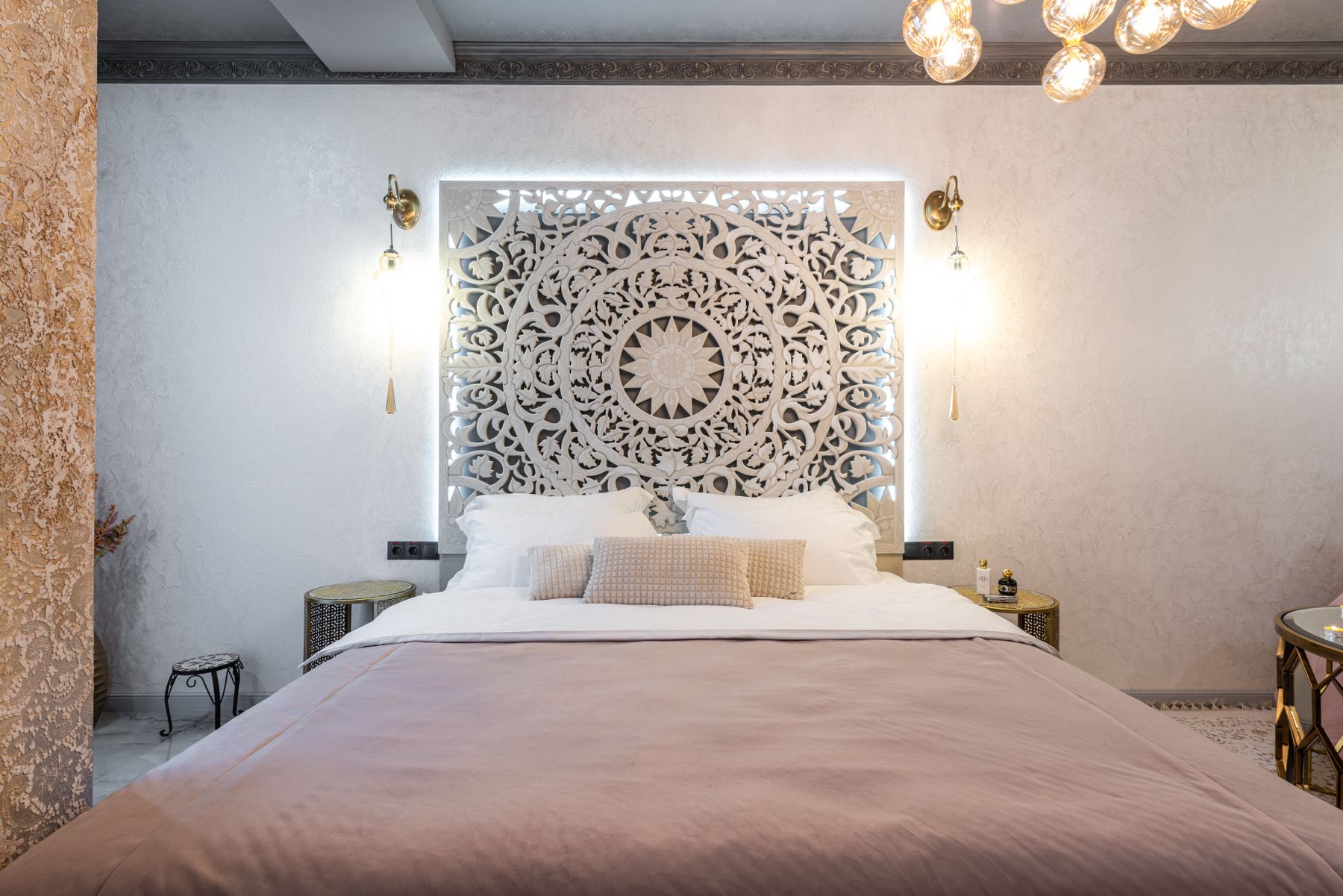
Legibility and Sensory Comfort
Butter yellow against cream can produce weak edge contrast, while glossy saturated yellow may create glare. Keep bed edges, handles, switches, steps and bathroom routes distinct, and make controls reachable from bed. Matte finishes can reduce reflection; tactile differences help when values are close. Accessibility does not require abandoning yellow—it requires placing contrast where information and safety matter. Test minimum light and a blurred room photograph to reveal useful boundaries that disappear.

Maintain Yellow Without Chasing Perfection
Pale yellow paint reveals hand oils, filler differences and uneven touch-ups; deeper mustard shows pale dust and sun fade. Record paint brand, color, base, finish and batch, and keep a labeled repair amount. Follow textile washing guidance, especially for saturated duvet covers and curtains exposed to direct sun. Use washable finishes at touch points and removable covers on daily upholstery. The room should remain convincing between ordinary cleaning cycles rather than requiring constant restyling.
Finish With Morning, Dusk and Night Tests
Before committing, use and photograph the room at waking time, midday, dusk, reading and full blackout. Check whether yellow shifts green or orange, whether timber still supports it, whether transmitted curtain color appears and whether routes remain legible. Remove the decorative item doing the least work and test again. The room should not depend on one camera exposure, perfect sunshine or freshly styled bedding; it must remain comfortable and understandable through changing seasons.