September Is Not November: Decorate Autumn in Three Passes
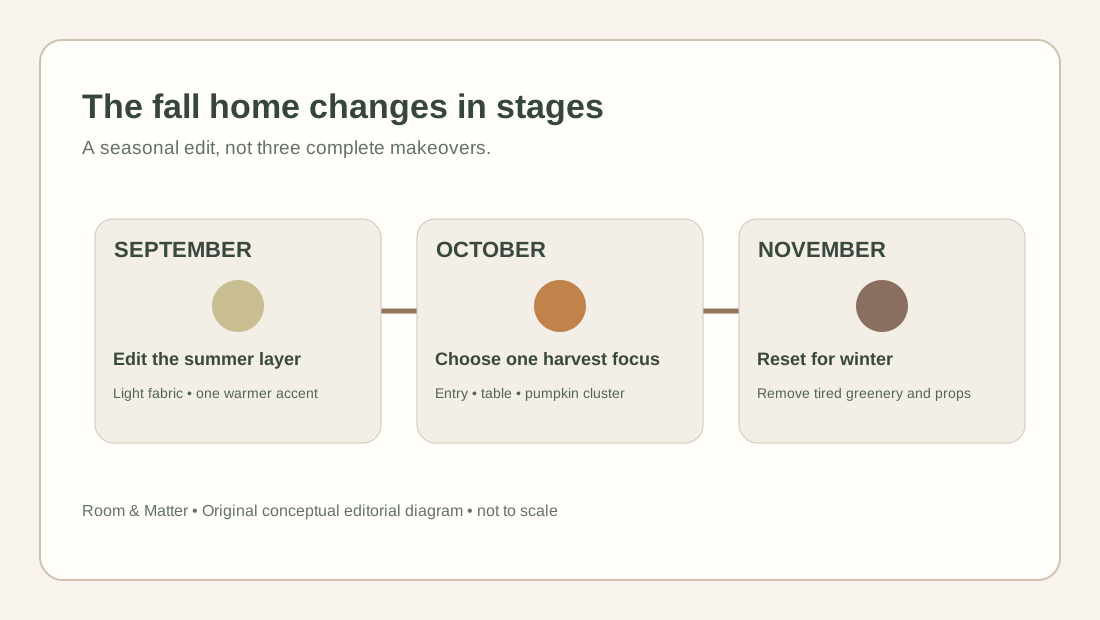
Autumn is a long season with several distinct moods, which is why a single shopping-list makeover can feel too heavy in early September and tired by November. The first stage is a quiet handover from summer: edit the brightest seasonal objects and add one tactile textile or a warmer vessel. The middle stage can support more visible harvest references, especially at the doorway and dining table, once outdoor leaves and cooler evenings reinforce them. Late fall is a moment to remove damaged produce, clean up dried arrangements and keep the textiles and lamps that will still make sense in winter. Think in substitutions rather than additions. A fading branch can be refreshed, Halloween shapes can come out of an existing autumn grouping, and the same linen can remain after the pumpkins disappear. Because the entry and living room experience weather differently, they may move through this sequence at different speeds. Making the calendar flexible means responding to the view, local climate and household life, not treating the arrival of September 1 as a compulsory decorating deadline. This three-part rhythm is what connects a whole-home fall scheme.
Let Permanent Finishes Decide the Fall Palette
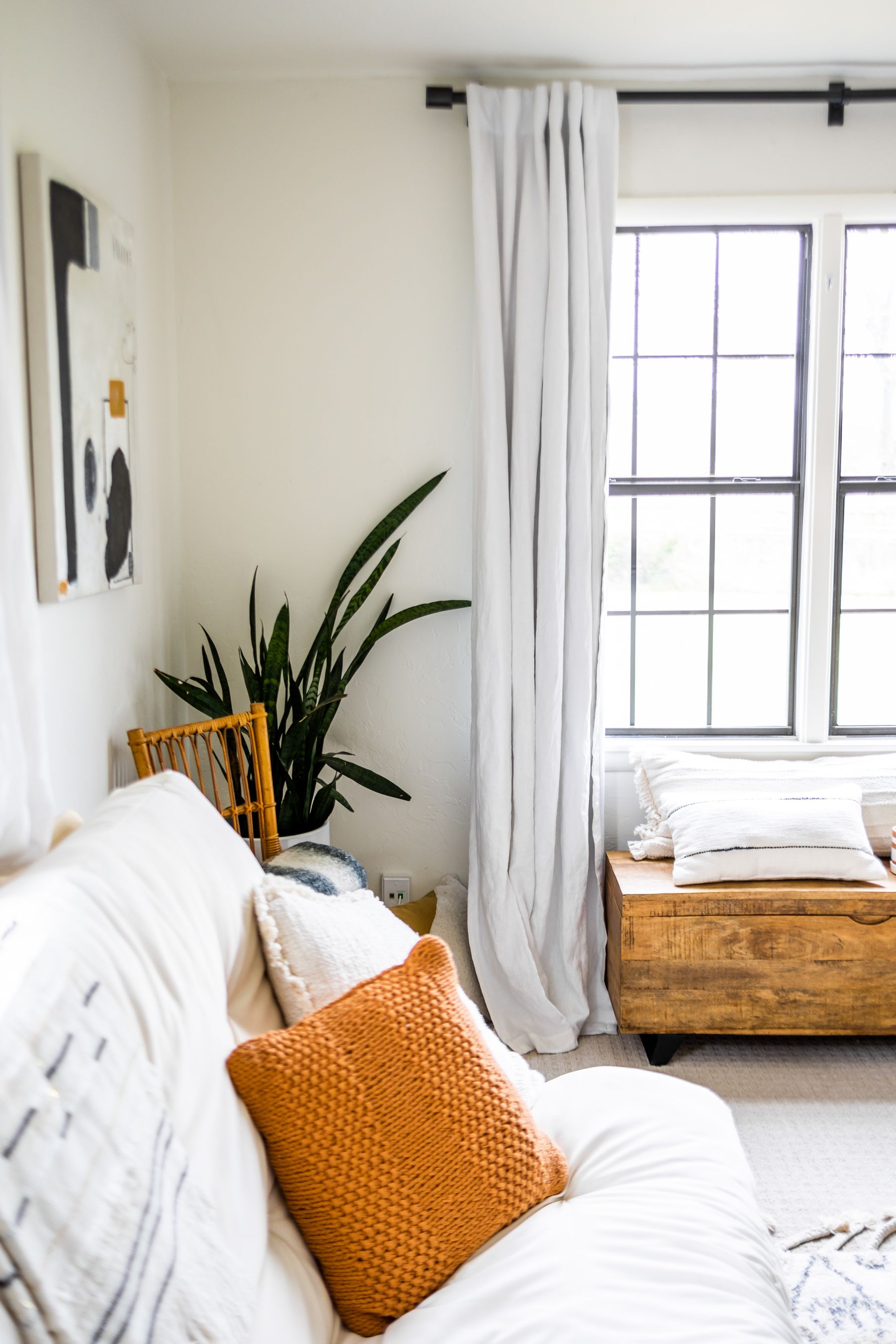
Pumpkin orange may be familiar, but not every room benefits from a large quantity of it. Lay potential accent colors against the fixed floor, walls, furniture and cabinetry before choosing a seasonal palette. Terracotta beside honey oak behaves differently from terracotta beside cool gray upholstery; an already warm room may benefit from the counterpoint of deep evergreen instead of more amber. Distinguish a color accent from a motif: a rust cushion can work for months, whereas a pumpkin-shaped cushion announces a much narrower moment. The balance also changes across the house. A strong ochre detail might belong in the gathering room, while a muted branch or table runner relates that color to the kitchen or entry. Keep an eye on the amount of color visible from one doorway, not simply how well it matches in a product photo. Autumn decoration is more convincing when existing materials appear intentionally chosen rather than temporarily concealed by layers of new fabric. One substantial accent usually creates a more legible rhythm than many tiny objects scattered from room to room.

The Porch Is an Arrival Route First
The entrance should feel seasonal to someone arriving with wet shoes, shopping bags or a delivery, not just to a camera standing across the street. Begin with the door's full opening arc, the handrail, the step widths and the place where people pause to unlock the house. Then select one visual group large enough to read at a distance. Pumpkins and chrysanthemums make an effective harvest combination but need stable ground and enough separation from the walking route. The pictured New England porch illustrates the mood, not a clearance standard or a guarantee that every arrangement is suitable for a different property. Weather changes the display: pumpkins soften, containers can tip in wind and wet foliage becomes slippery underfoot. Check for deterioration and move objects before they interfere with access. If the entrance has little floor space, a securely hung wreath can do the entire job. A household with an exposed doorway might choose more durable materials than a sheltered entry. A welcoming fall threshold is successful when it remains a comfortable entrance throughout the season.

One Wreath Can Replace a Porch Full of Objects
A wreath is unusually efficient at the threshold because it puts color and seasonal form near eye level instead of taking over usable steps. Choose the scale in relation to the door panel and adjoining glazing, then decide which part of its design should echo indoors. A twig structure might relate to a small branch arrangement at the table; warm leaves may connect to a rust-colored living-room cushion. The connection can be subtle. Avoid ordering a complete matching set of garlands and ornaments just because the wreath established a color. The hanging method matters as much as the palette. Check door material and hardware, swing, locking mechanisms, glazing, exposure to wind and any building or rental restrictions. A decorative ribbon alone may not be a suitable support. If moisture will reach the arrangement, confirm that its materials will tolerate the conditions or make the wreath easy to remove and dry. The goal is a clear first seasonal impression, not an installation that interferes with the front door's basic job.

Give the Harvest Table Space for Actual Hospitality
The fall table is often the best place to bring together color, food and seasonal materials, but it should function during a normal week as well as for a harvest gathering. Start with the dishes, glasses and serving items that people actually use. A bouquet, shallow bowl of fruit or two small pumpkins can make an ordinary surface feel special; it does not require a high centerpiece that must be dismantled before dinner. Consider what can be moved as one group when the table is needed for a larger meal. This is especially important in small apartments where the same surface may serve work, school and eating. Seasonal linen can tie the table to the house's larger palette more effectively than an array of novelty objects. Real flowers and produce require cleaning and inspection, while candles call for stable attended placement away from foliage and passing sleeves. A table photographed with drinks and pumpkins is a good detail reference, not a proof that the full arrangement would work for a dinner party. Differentiate fall hospitality from a later Thanksgiving feast: one should not require the whole house to look permanently ready for a special event.

The Kitchen Needs One Seasonal Edge, Not a Crowded Counter
Holiday and harvest cooking can make kitchens busier just when styling advice encourages filling their counters. Draw an imaginary line around the active preparation stretch, sink, appliance doors and stove before placing any seasonal arrangement. One modest group near a dining edge or on an appropriate shelf often communicates autumn more effectively than decorating every working surface. If the kitchen is connected to the living room, echo one part of that palette rather than introducing a new orange-and-black scheme. The photographed kitchen has visible pumpkins and a Halloween association, but the general principle is to treat their shape as a short-lived accent and allow other materials to carry the longer autumn season. Keep fabric, decorative lights and dried foliage away from burners, hot appliances and wet electrical areas; preserve food-preparation hygiene. A seasonal bowl of fruit may double as something the household actually eats, which can reduce the need for decorative-only additions. The kitchen should continue to invite cooking rather than become a display that requires clearing away before every task.
Use the Autumn View Before Buying New Window Decor
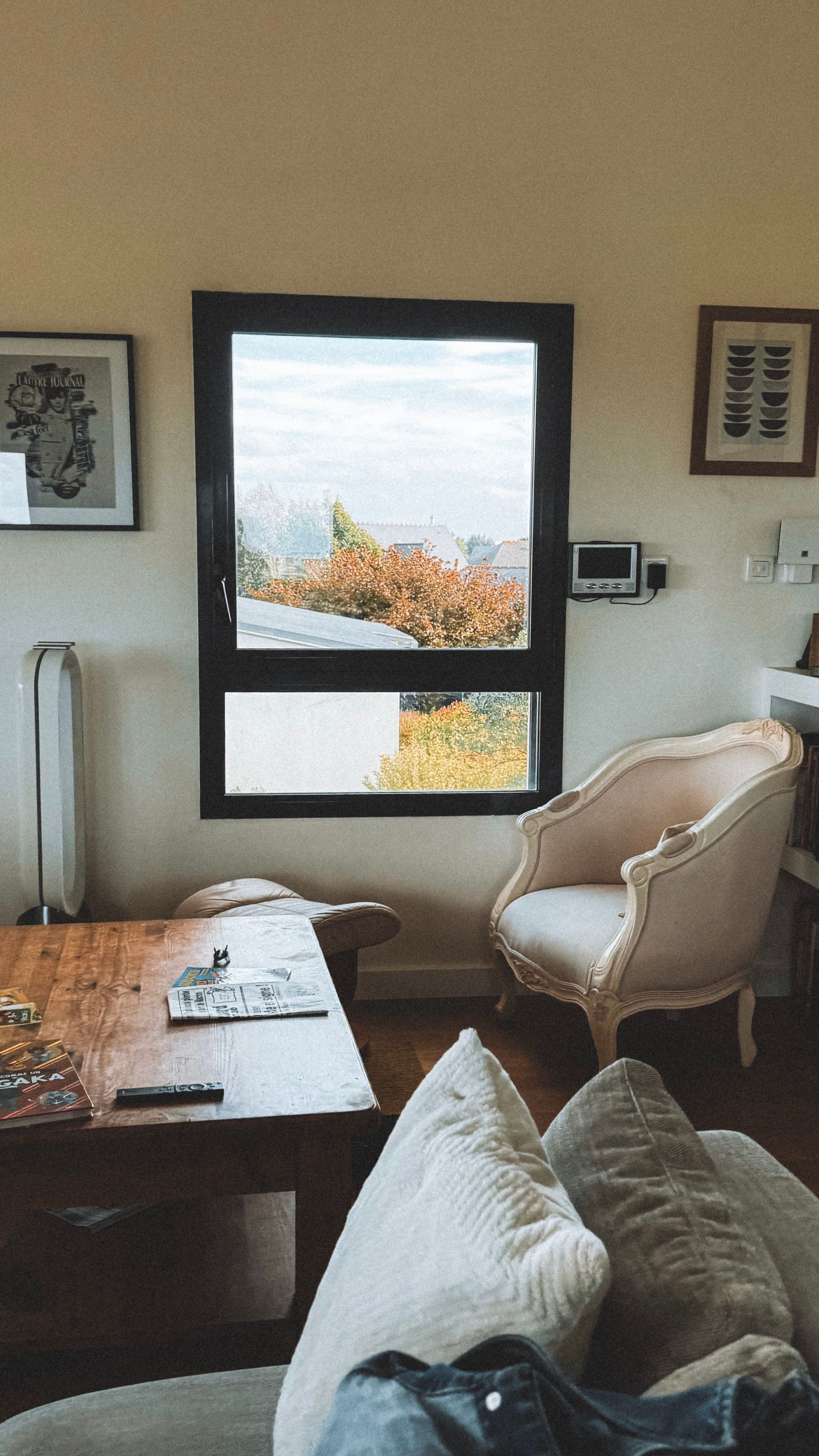
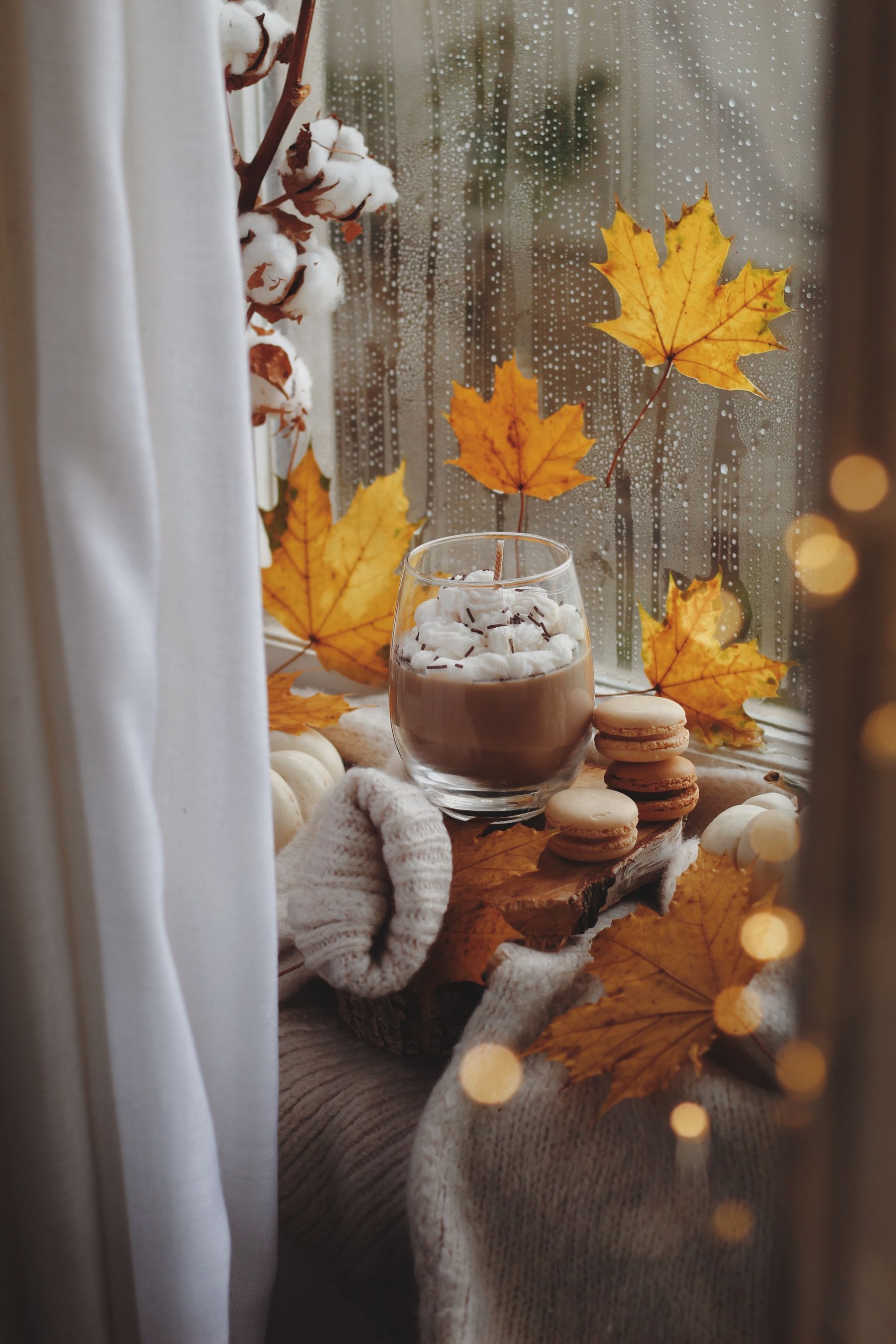
A good autumn view is an active part of the interior. Trees change gradually, evening light lowers and overcast weather shifts the apparent tone of the same cushions and walls. Observe the view from the sofa or bed, not only while standing at the window. If strong foliage is already visible, indoor decoration can remain restrained: a related textile, a quiet vase or no extra object at all. If the window faces a street, consider one seasonal detail at the edge while keeping the sash, handles and curtain movement usable. Do not fill the sill with fragile ornaments that make opening or cleaning difficult, and check for condensation once nights turn cooler. Privacy changes earlier in the evening as lights come on; a picturesque arrangement should not make the room uncomfortable to occupy after dark. This point joins bedroom and living-room concerns without rewriting either specialist guide. Window-led decoration means letting outdoor color set the rhythm while the interior responds in proportion, rather than trying to stage a permanent imitation of falling leaves inside.

Autumn Comfort Should Have Somewhere to Sit
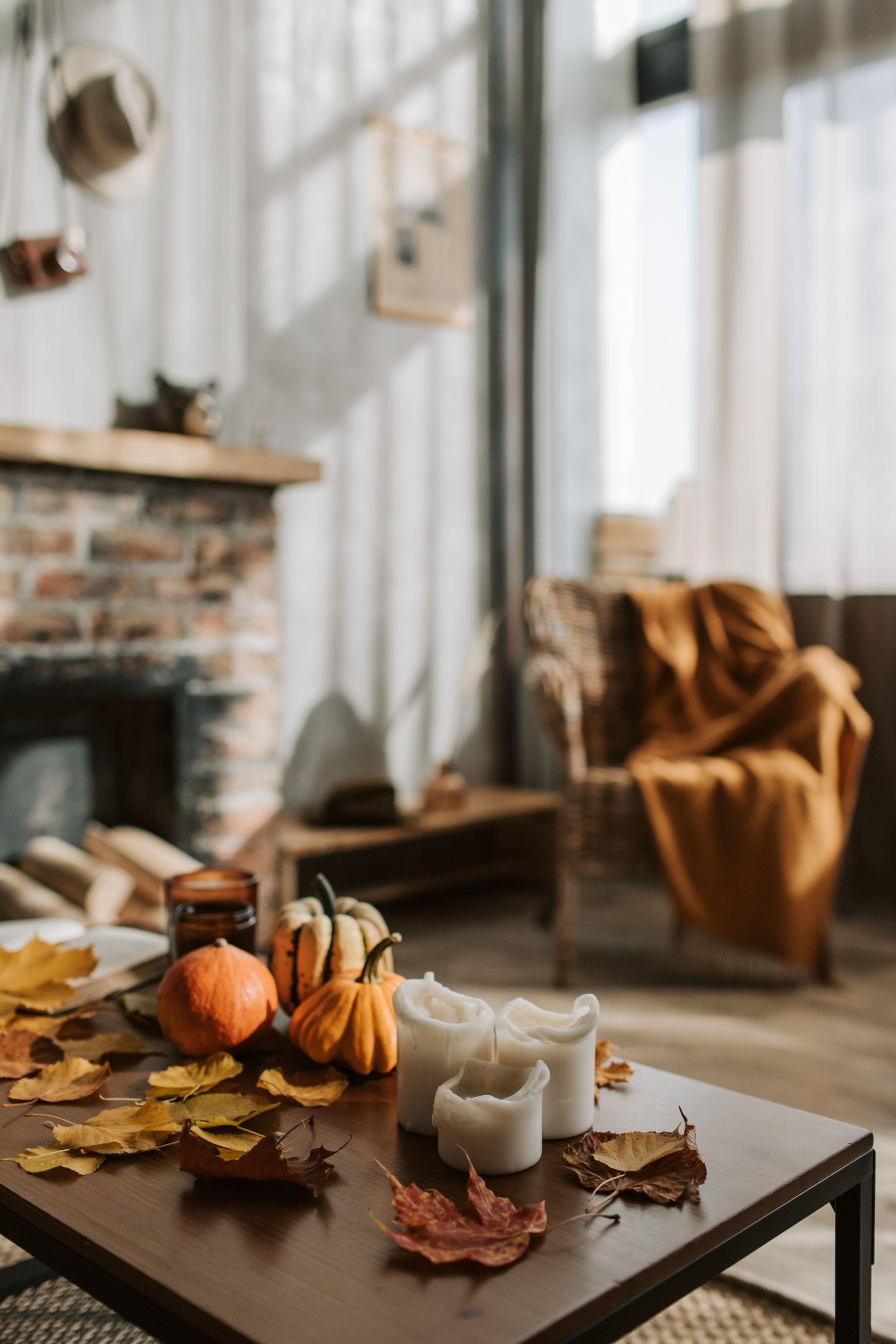
Cooling evenings often change how people use the living room before they change the room's appearance. A chair that sits unused in summer may become the place to read, drink tea or unwind after dark. Design for that real habit first: a comfortable posture, a reachable surface, suitable task light and a throw that can be used without untangling decorative accessories. A pumpkin or an arrangement of dry leaves can then provide a small seasonal note, but it should not consume the space needed for a book or glass. Check electrical cords and any open flame carefully instead of assuming that a warm photograph is a safe layout example. The living room can carry a stronger autumn palette than the bedroom because it hosts gatherings, but it also needs uncluttered daily pathways and manageable cleaning. The dedicated fall living-room guide covers the detail of cushion and mantel styling; the whole-home question is how this inviting seat participates in a rhythm from entry through dining and quiet private rooms.
A Bedroom Should Echo Fall, Not Become a Second Harvest Display
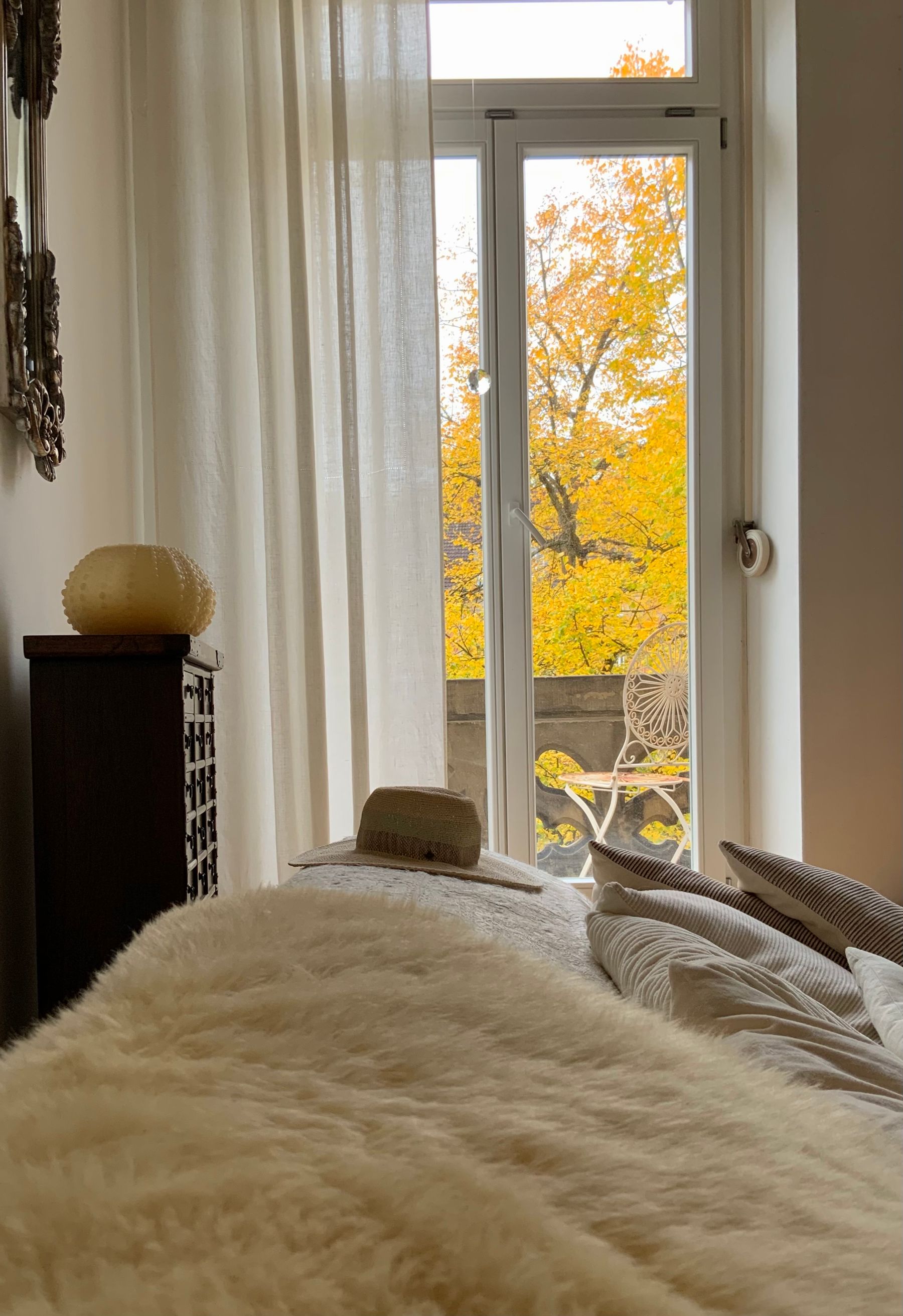
A bedroom needs a calmer autumn expression than the front step or dining table. Temperature, sleep preference and the changing hours of darkness may justify a bedding adjustment, a useful bedside lamp or a more substantial curtain, but none of these choices should be made from appearance alone. Choose the weight and care requirements of bedding for the actual room and sleeper. A few extra cushions may look attractive in a photograph yet become a nightly obstacle. Rather than bringing pumpkins and dried floral displays into every corner, repeat one material or subdued color already present in the home's public areas. A rusty textile beside pale wood can create a recognizable connection while leaving the room restful. Keep the window operable and the bedside surface clear for everyday objects. When Halloween decorations arrive in other rooms, the bedroom does not have to join the event unless its occupants actually want it. Seasonal unity is stronger when each space respects its own job rather than showing off the same props.
Pumpkins Work Best as a Concentrated Motif
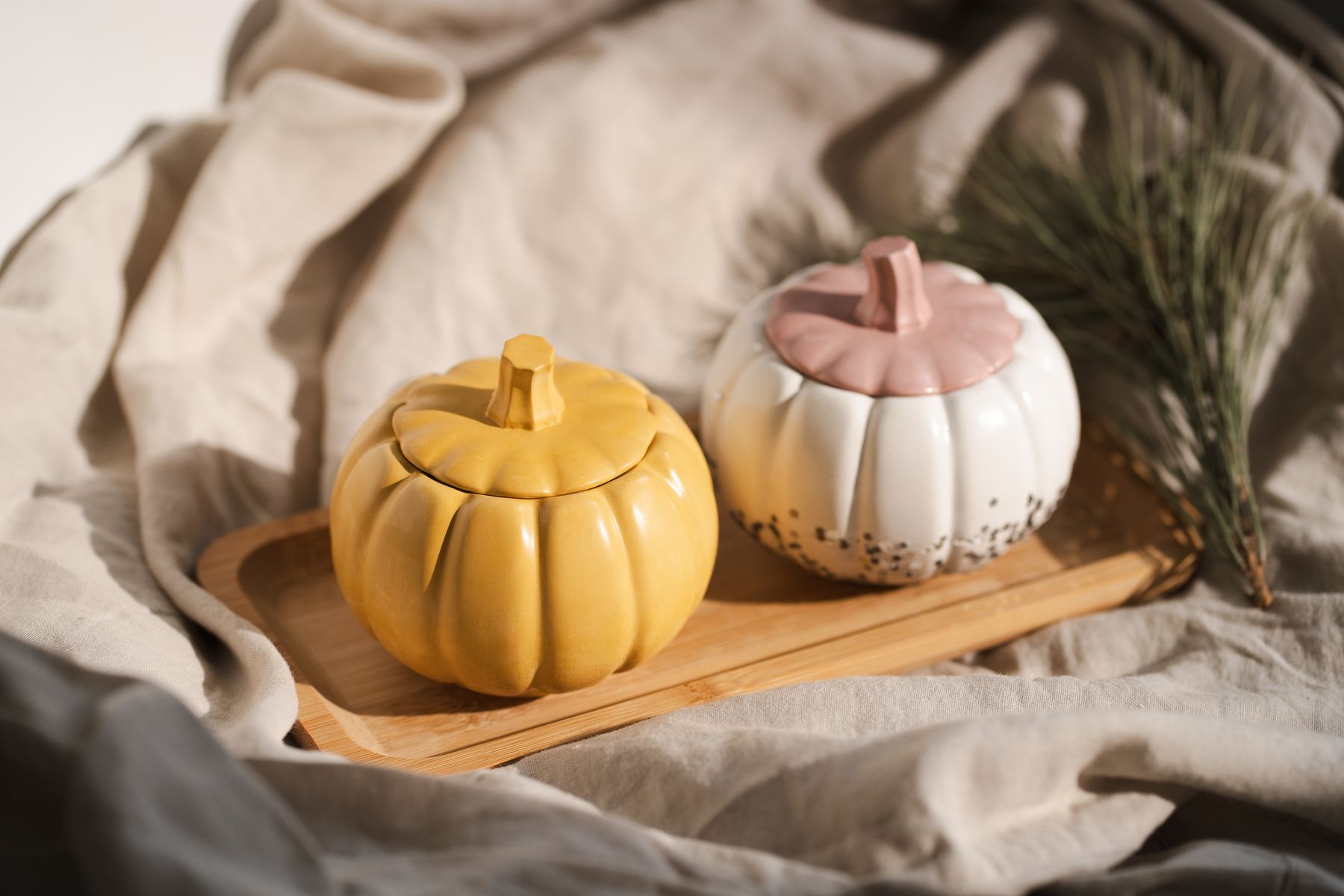
Pumpkins have such a distinctive silhouette that a few can carry an entire autumn composition. Choose which place owns them. A cluster on a porch may be sufficient; in a small apartment, one tray or tabletop group can take its place. Repeating individual pumpkins across shelves, bedroom tables, kitchen counters and coffee tables fragments the design into a series of mini displays. Work with shape and scale instead of buying every available color: a larger base object and a few smaller supporting forms are often easier to read than many equal pieces. If using real produce, check for soft spots or leakage and protect the furniture beneath it; decorative replicas also need cleaning and end-of-season storage. Avoid putting loose heavy items on narrow ledges or where children and pets could knock them down. Once Halloween passes, you can remove a small event-specific overlay and retain some autumn materials without replacing an entire room. Concentration makes the visual effect stronger and the cleanup considerably simpler.

Flowers, Leaves and Fruit Age on Different Timetables
Not every natural fall material behaves the same way once indoors. Fresh flowers need an appropriate vase and water, leaves become dry or brittle, ornamental branches can shed, and produce eventually softens. This matters when a seasonal arrangement lives beside books, electronics, upholstered seating or food. Choose one living or perishable component at a time if the household cannot maintain several. Check for dripping vases and protect delicate surfaces; avoid staging a bowl of fruit in constant sunlight if it will spoil faster than it can be used. A bouquet on a suitable table may have a shorter but more convincing life than a permanent collection of dusty dried stems. When children or pets can reach the display, verify the actual plant species and avoid assuming seasonal foliage is inherently safe. The point of using nature is to reflect a changing season, not to preserve an increasingly tired display until the calendar tells you to replace it. The photographed bouquet is a seasonal detail, not a guarantee of how long any particular flower will last.
Halloween Should Be a Removable Layer, Not a Rebuild
Fall and Halloween overlap in time but do not need to become one design theme. Build the longer season from useful textiles, autumn colors and a small number of natural materials. Add a short-lived Halloween element only where the household wants a sense of theater: a window silhouette, one sculptural dark accent or a temporary cluster near the main gathering place. Keeping that layer separate helps avoid a complete reset at the beginning of November. It also prevents the common problem of every pumpkin becoming a jack-o'-lantern and every neutral surface receiving a ghost motif. A household with small children may want playful decorations while another prefers subtle atmosphere; either approach should be deliberate rather than copied indiscriminately from trend imagery. Check that nothing obstructs normal window operation, airflow, exits or practical lighting. Take the event pieces away promptly after the occasion and look again at the remaining fall scene. If it now feels empty, the longer-season foundation was probably too dependent on holiday props.

November Is the Moment to Edit, Not Add
By November, earlier autumn arrangements may have aged and daylight can be much less forgiving. This is the time to reduce seasonal noise before starting a winter or Christmas scheme. Inspect porch produce, dry foliage and displays exposed to dampness; remove anything decaying or difficult to clean. Keep comfortable textiles and useful evening lighting that still suit the room. A rich plaid or warm blanket may move naturally into winter, whereas a strongly themed pumpkin object probably belongs in storage. Check how the home looks from the doorway after removing Halloween overlays and decide which visual anchor remains. If a dining table hosts Thanksgiving, let its temporary gathering decor belong to that event rather than filling the entire home with matching objects. Resist buying a second full fall collection just because the first one has worn out. The most considered handover often involves taking away materials and allowing the winter palette to emerge from the permanent room, its light and its daily needs.