After the Tree Comes Down, What Should Stay?
A winter home is not a Christmas home without ornaments. The transition should begin by separating two different kinds of decoration: objects that announce a specific celebration and elements that support comfort in a cold, dark season. Pack away stockings, themed baubles, novelty tableware and overt holiday signage. Keep the things that have a reason to remain: useful throws, an appropriate reading lamp, a well-placed rug or one textured cushion. Resist immediately filling the empty space where the tree stood. That newly open patch may restore a route or allow the furniture to work better. Photograph the room after clearing decorations, then identify what actually feels lacking. The answer may be task lighting rather than new purchases, or a warmer textile in the seating zone rather than a new shelf vignette. Winter decorating should have a longer life than a holiday weekend. A few high-utility elements can remain for weeks, making the home feel intentional through ordinary January mornings as well as the occasional gathering.
Let the Low Winter Sun Write Part of the Palette
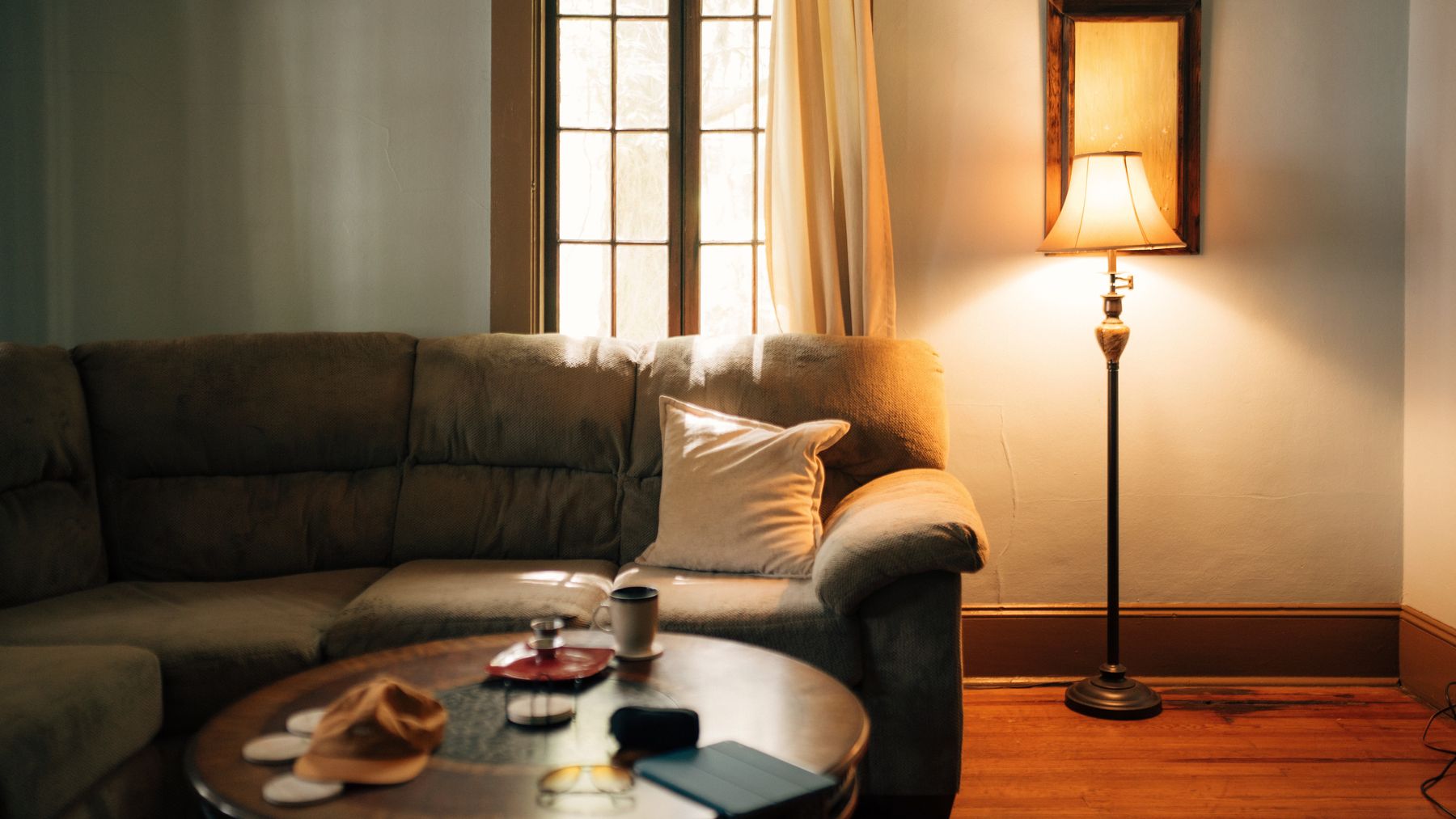
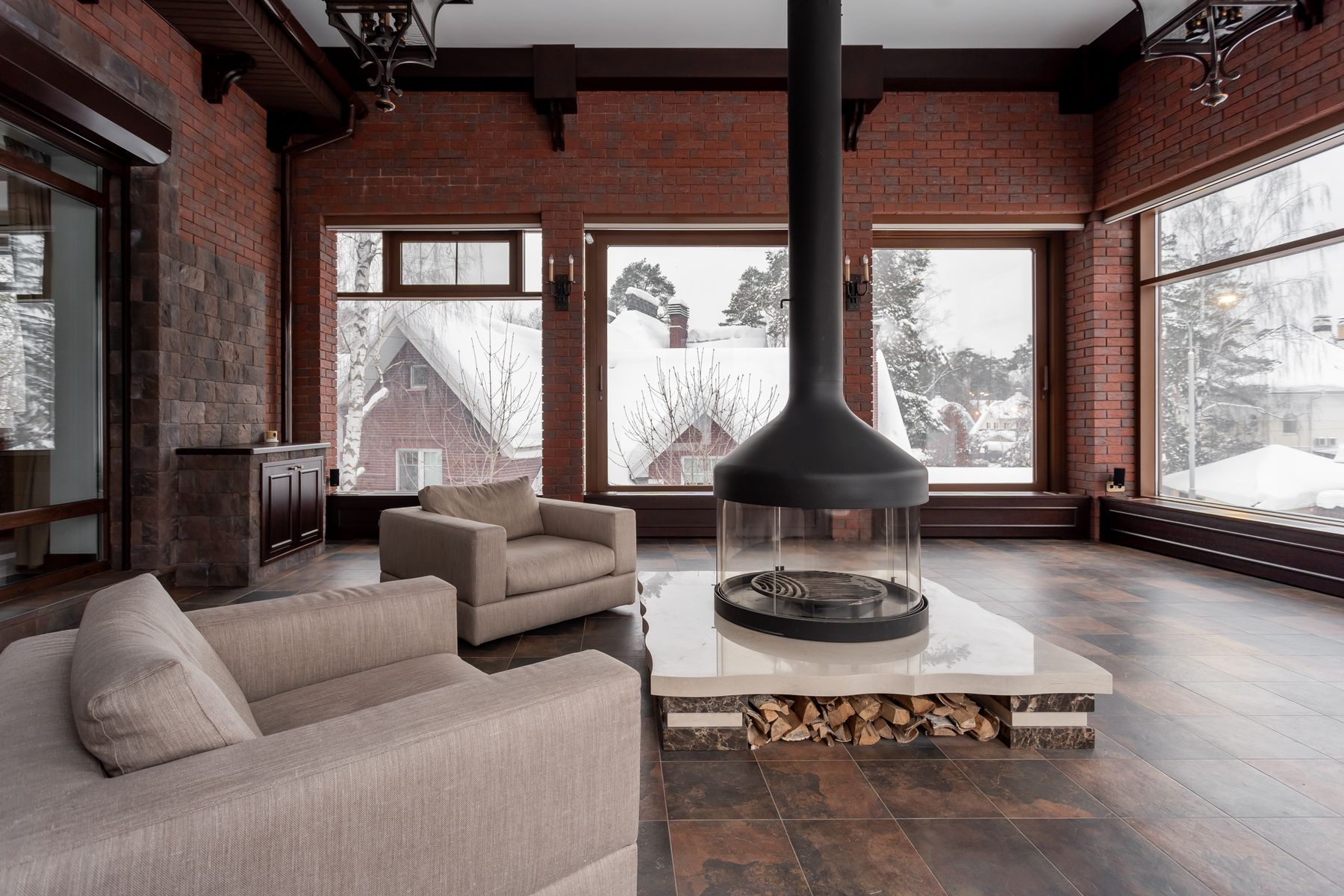
Shorter days alter the same wall colors and furnishings that looked balanced in summer. Visit your main rooms at the times they are actually occupied: before work, midday and late afternoon. Notice the window orientation, length of direct sunlight, reflective floors, shadows and how much of the outside view appears from a seat. Instead of automatically switching every textile to deep brown or charcoal, keep useful pale surfaces where they reflect scarce daylight. A dark focal color can add welcome depth, but a large group of dark objects in a naturally dim space may suppress the limited light further. Winter palettes can be built from warm and cool contrast: muted blue outside a window, honey-colored wood inside, stone, linen and a restrained black or dark green line. Those relationships are more distinctive than attaching snowflake symbols to everyday objects. Judge possible accent colors next to the actual windows, not under shop lighting. A winter arrangement should work on a gray morning as well as during the brief picturesque snowfall.
The Living Room May Need a Different Evening Circuit
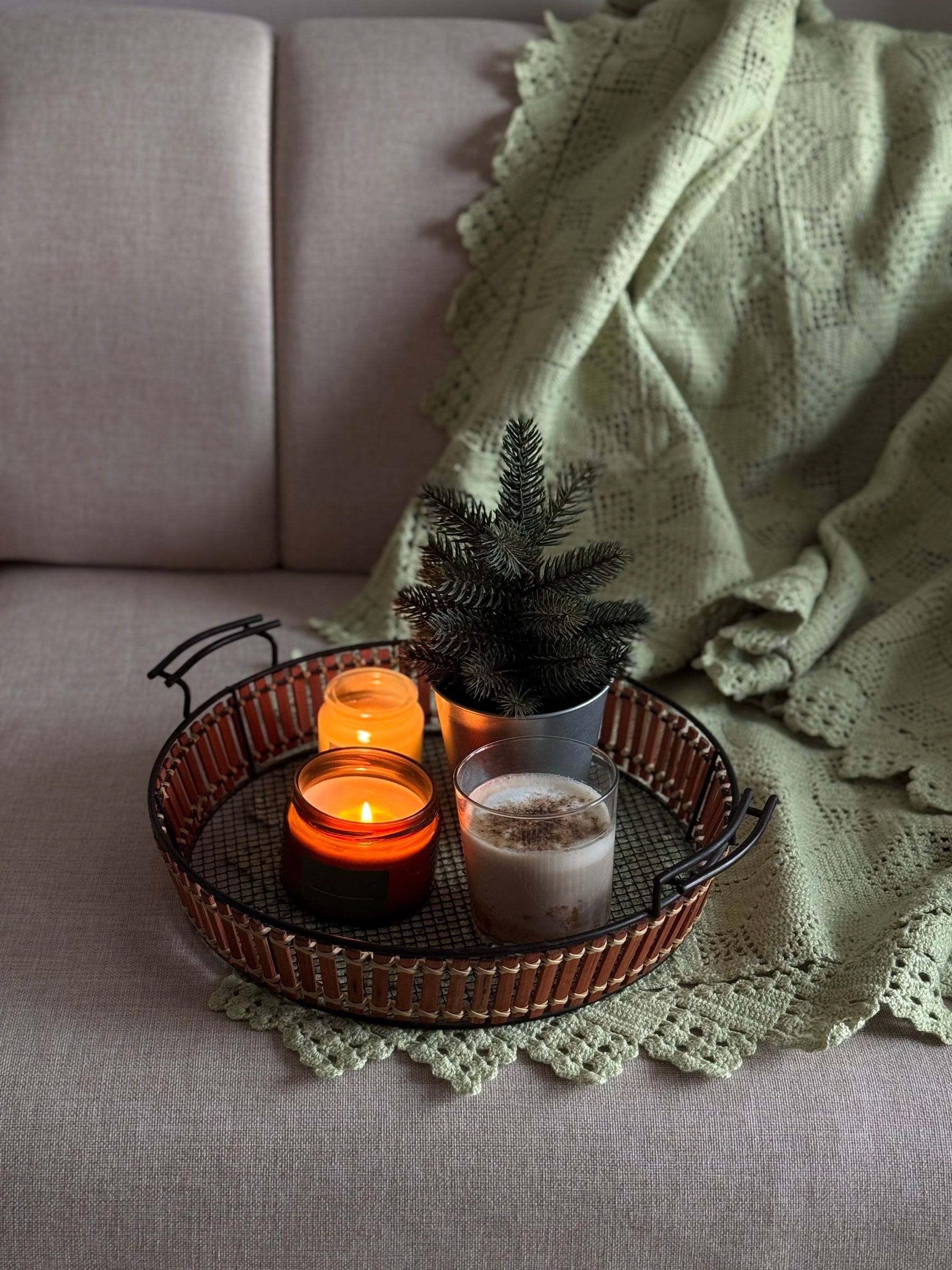
At five in the evening, the house often needs to perform more tasks than it did in summer daylight. Map the places people read, cook, gather, walk and settle before planning decorative glow. A lamp beside the regular chair provides comfort where the body actually sits; a hallway needs clear light even if nobody lingers there. Decorative candles can suggest atmosphere, but an open flame must be stable, attended and kept clear of fabric, books, greenery and children or animals. Do not let an atmospheric photograph persuade you to switch off all useful light. Use several independently controllable sources where possible, including a clear route from the main entrance to the living room. In a small apartment the room may share work, dining and relaxation: a single warm-colored bulb cannot satisfy every function equally. Focus on control, glare and reachable switches rather than prescribing one universal color temperature. Winter decorating succeeds when the ordinary nightly routines feel calmer, not when every room looks permanently dim.
Softness Has to Be Washable, Dryable and Actually Used
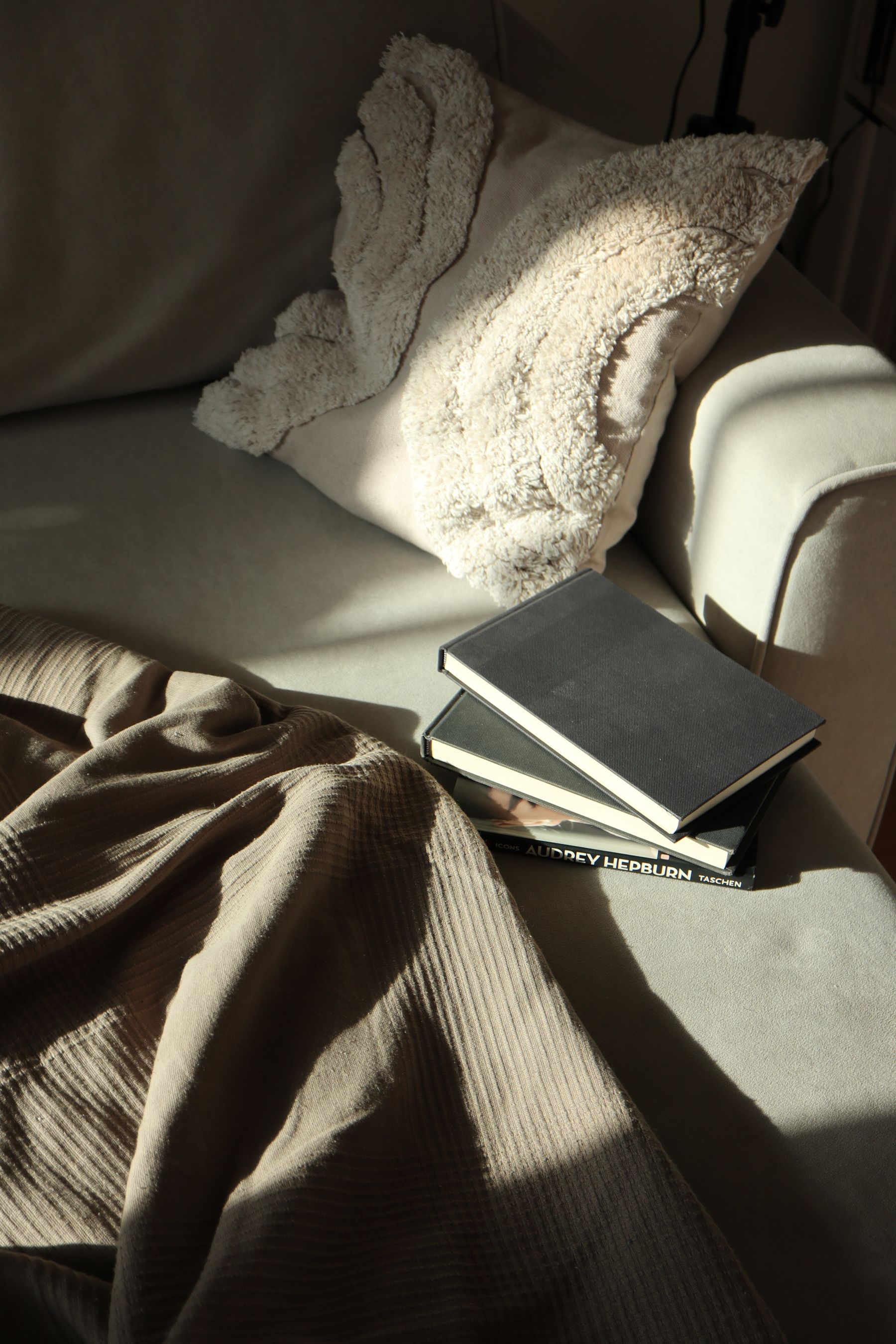
Thick fabric photographs beautifully in winter, but a home cannot become a storage pile of blankets and cushions. Begin where the body touches the room: the sofa seat, the chair back, the floor under bare feet and the bedding. Decide which surface needs actual comfort and add one suitable layer there. Dense woven blankets, removable cushion covers and washable rugs have different cleaning requirements; review real care labels before buying. A floor layer that slips under normal traffic is not a cozy improvement, especially where children or mobility needs matter. Textured upholstery can hold pet hair and crumbs, while heavy throws can be awkward to launder and dry fully. Choose a small number of pieces that return naturally to their places after use. Maintain a coherent mix of textures by varying scale—one substantial knit, a smoother woven cover and the firm character of existing furniture—rather than buying every tactile trend. A winter room should remain comfortable when the styling photograph is forgotten.
Warm Wood and Cool Windows Can Coexist
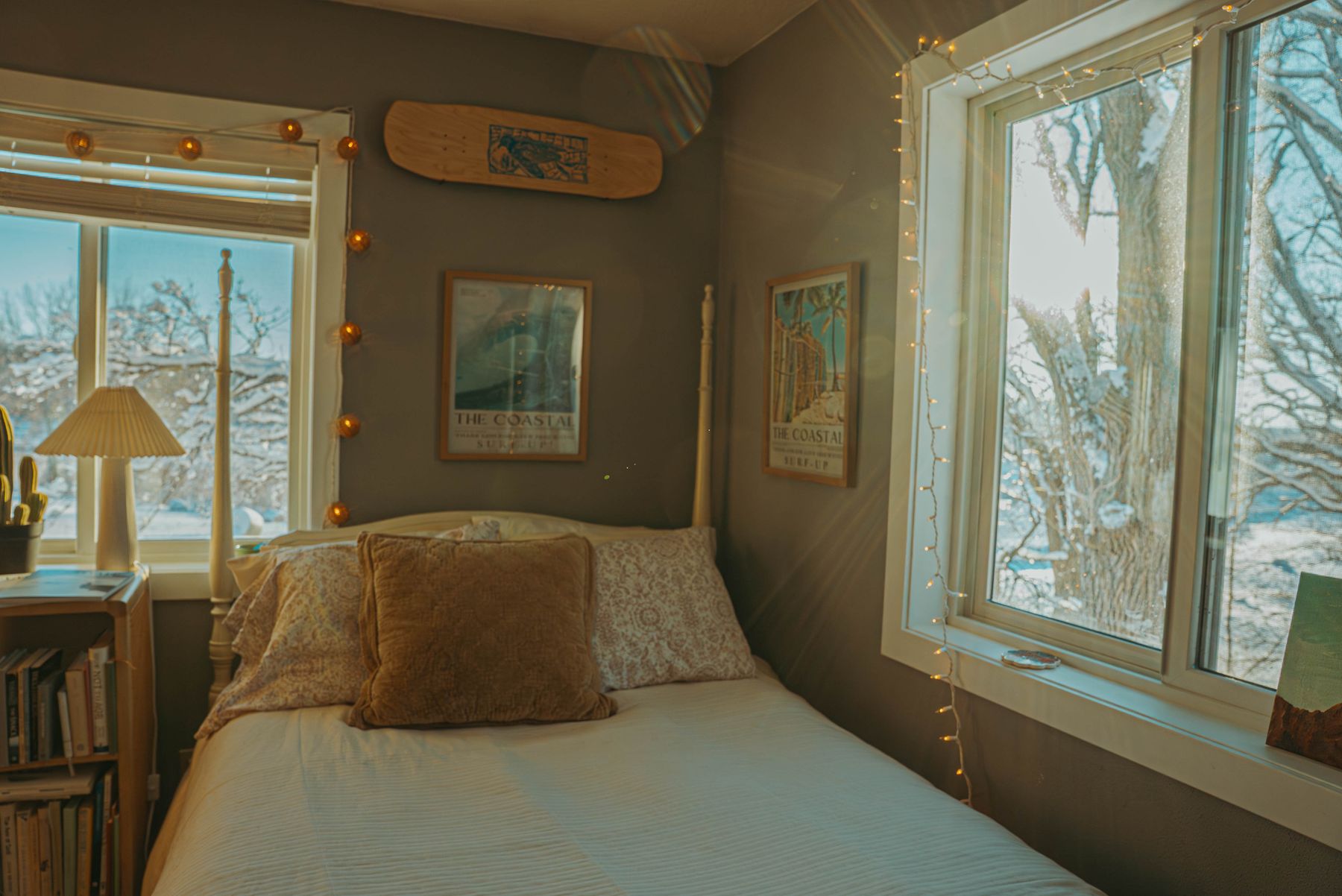
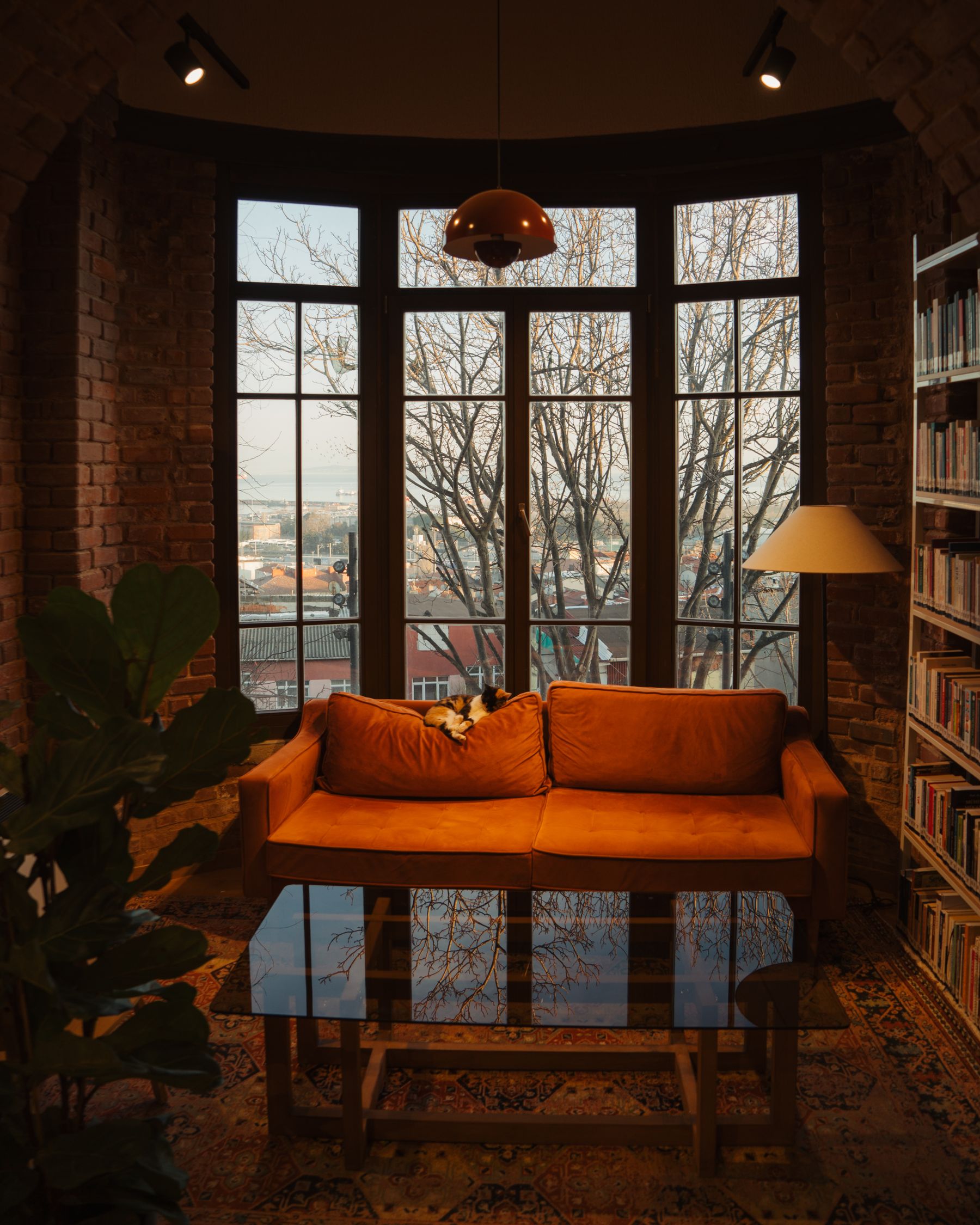
Do not feel compelled to hide an icy or leafless view behind heavy drapery. A winter scene can give a neutral interior a useful cool counterpoint. Warm wood, muted ochre textiles or a honey-toned lamp may make that contrast feel purposeful without repainting the room or surrounding every seat with beige. Let one cool note appear indoors in a way that relates to the view—a faded blue cushion, slate-toned vessel or gray-green branch—but resist creating a literal snow scene with novelty objects. Consider the room's permanent undertones. Orange timber beside cream can already supply enough warmth; a deep reddish throw may tip it toward visual heaviness. In a pale room, one deeper material can make the whole composition feel anchored. The object is to respond to light, view and existing finishes, not to copy a seasonal palette from a photograph. Natural changes outside the glass provide the variation while the room stays relatively stable.
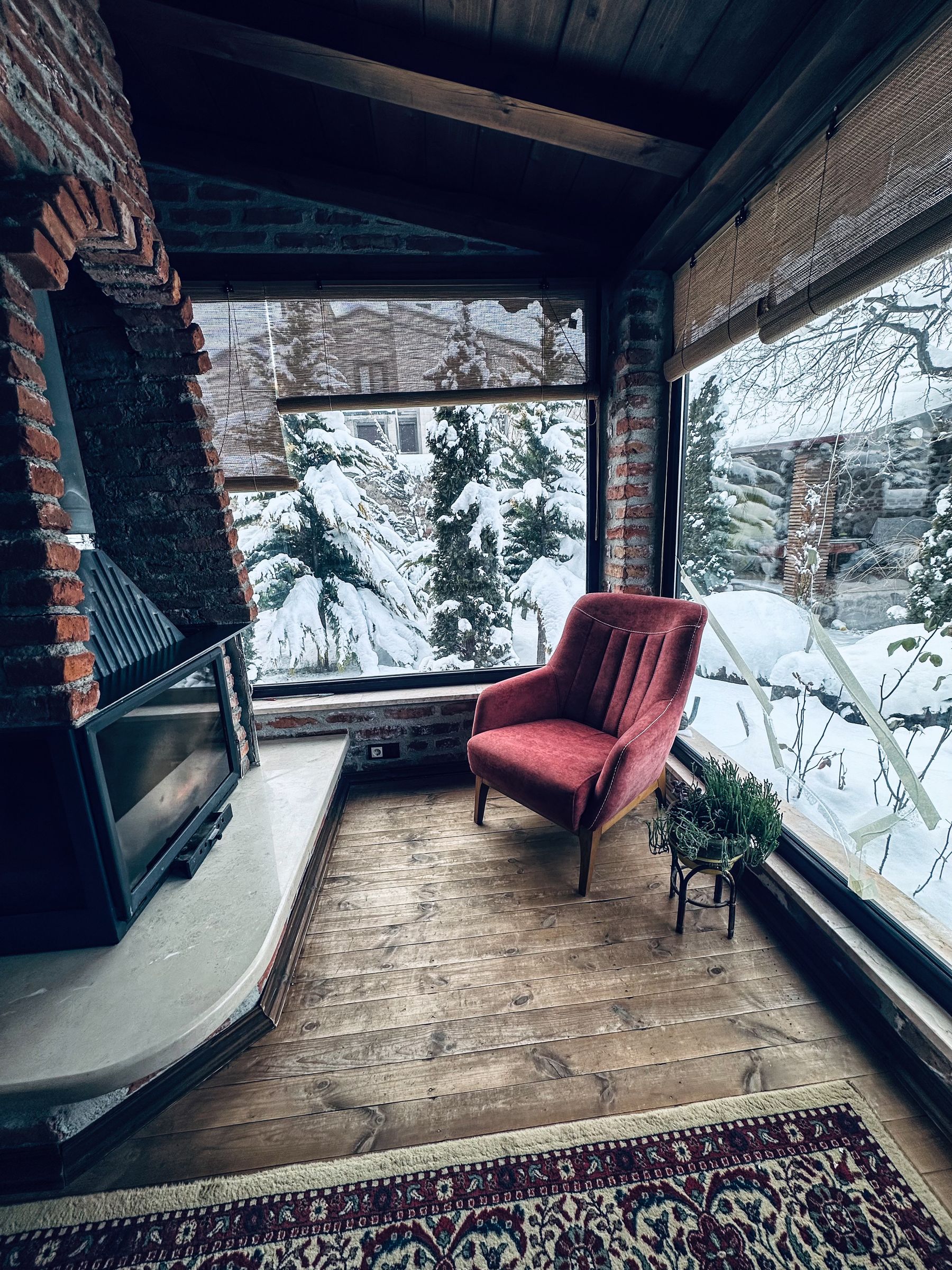
A Fireplace Is a Heat Source Before It Is a Focal Image
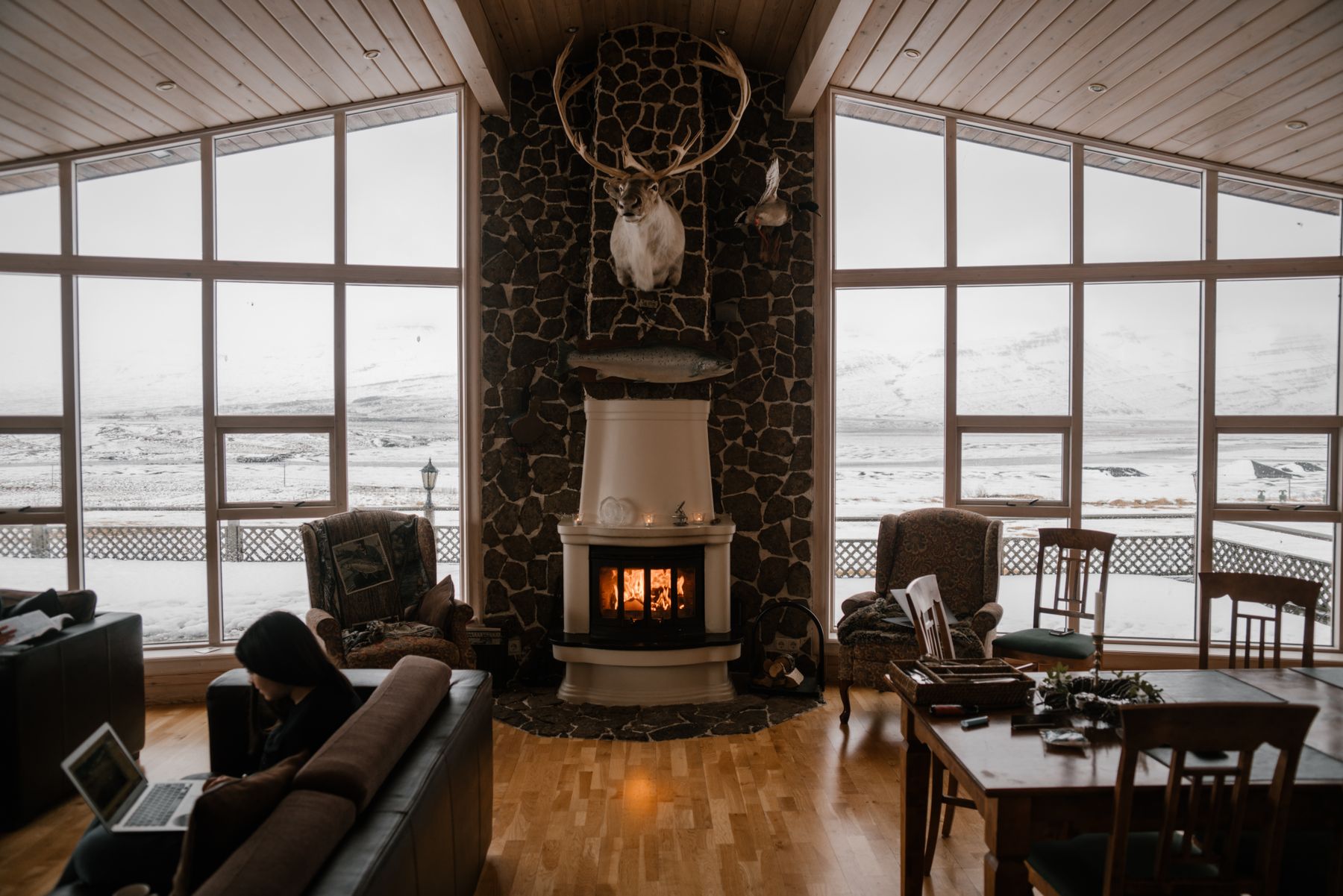
A fireplace has a powerful visual role in winter, yet styling must remain secondary to its safe operation. Follow the installation and manufacturer's rules for clearances, fuel, ventilation, guard and maintenance, and do not borrow distances from a styled magazine photograph. Heavy textiles, hanging greenery, books and unprotected objects should not be arranged where heat or sparks may reach them. If the fireplace is decorative or not used, its role is different: a suitable light source or restrained object may create a center without implying that flames are present. A seating arrangement can acknowledge the fireplace while still allowing conversation and television use; no room needs a rigid semicircle of chairs simply to face the hearth. In homes without a fireplace, a low lamp, a substantial rug and a grouped pair of seats can create an equally convincing winter center. Avoid presenting a flame as the only path to comfort or a faux fire setup as a heating solution. Winter decor should respect what the room actually contains and how it works.
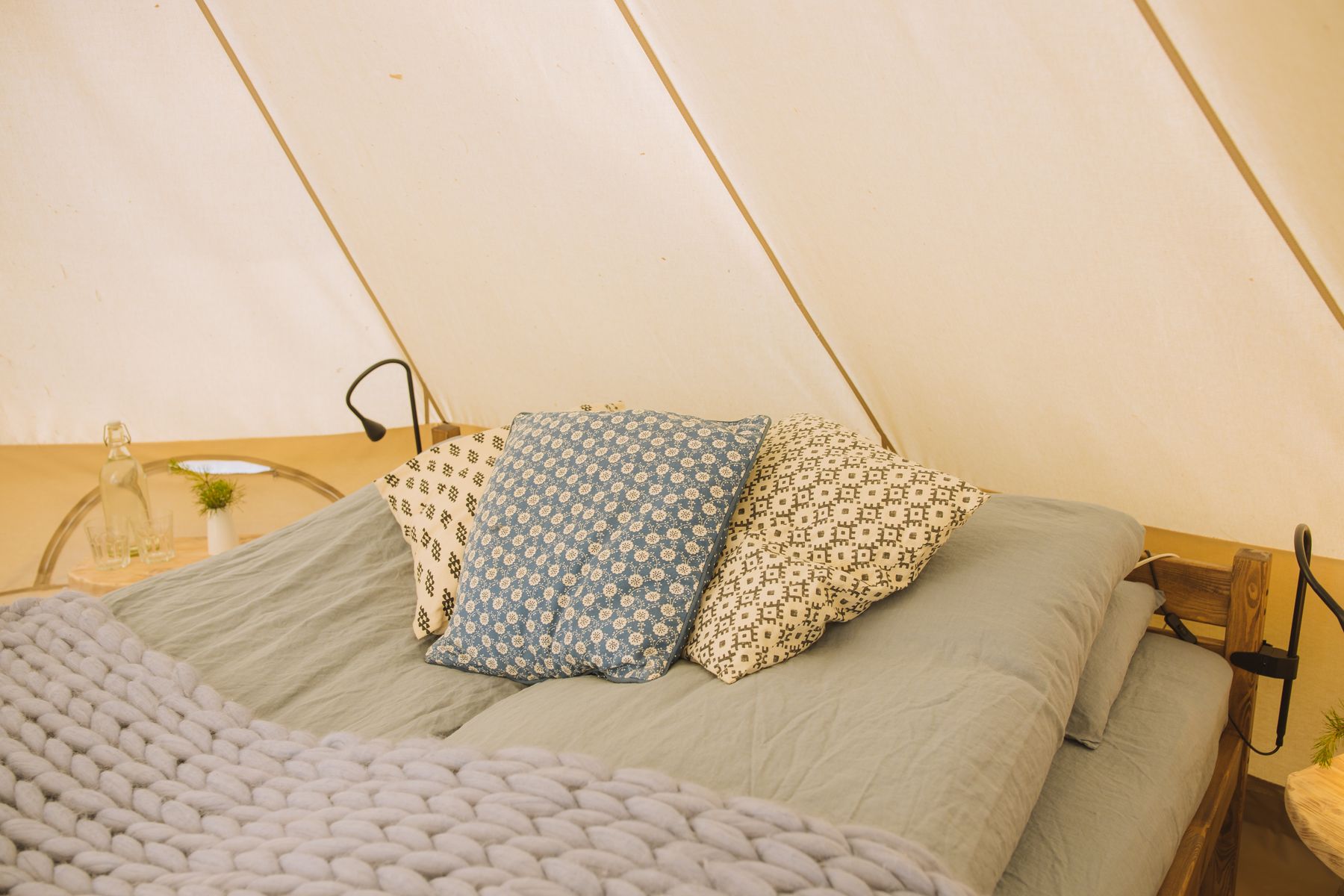
Bedroom Winter Layers Should Support Sleep
Bedrooms have a different winter brief from the public rooms. Visual warmth is welcome, but bedding, temperature, light and movement must remain workable for sleep. Start with the bedding appropriate for the sleeper and the indoor conditions, not the heaviest-looking duvet from an inspirational image. Add a throw only if it serves actual comfort or an occasional resting moment; keep decorative cushions limited so the evening reset does not become a chore. Heavy window dressings may offer privacy and better light control, but do not obstruct needed ventilation, condensation checks or safe window operation. A low lamp beside the bed can support reading without requiring a harsh ceiling light. Layered fabric also needs a cleaning and drying routine, particularly when windows are prone to dampness or the bedroom is not heated evenly. A simple winter bedroom can feel settled through texture, reach and a calm bedside surface rather than symbolic snowflakes and seasonal slogans.
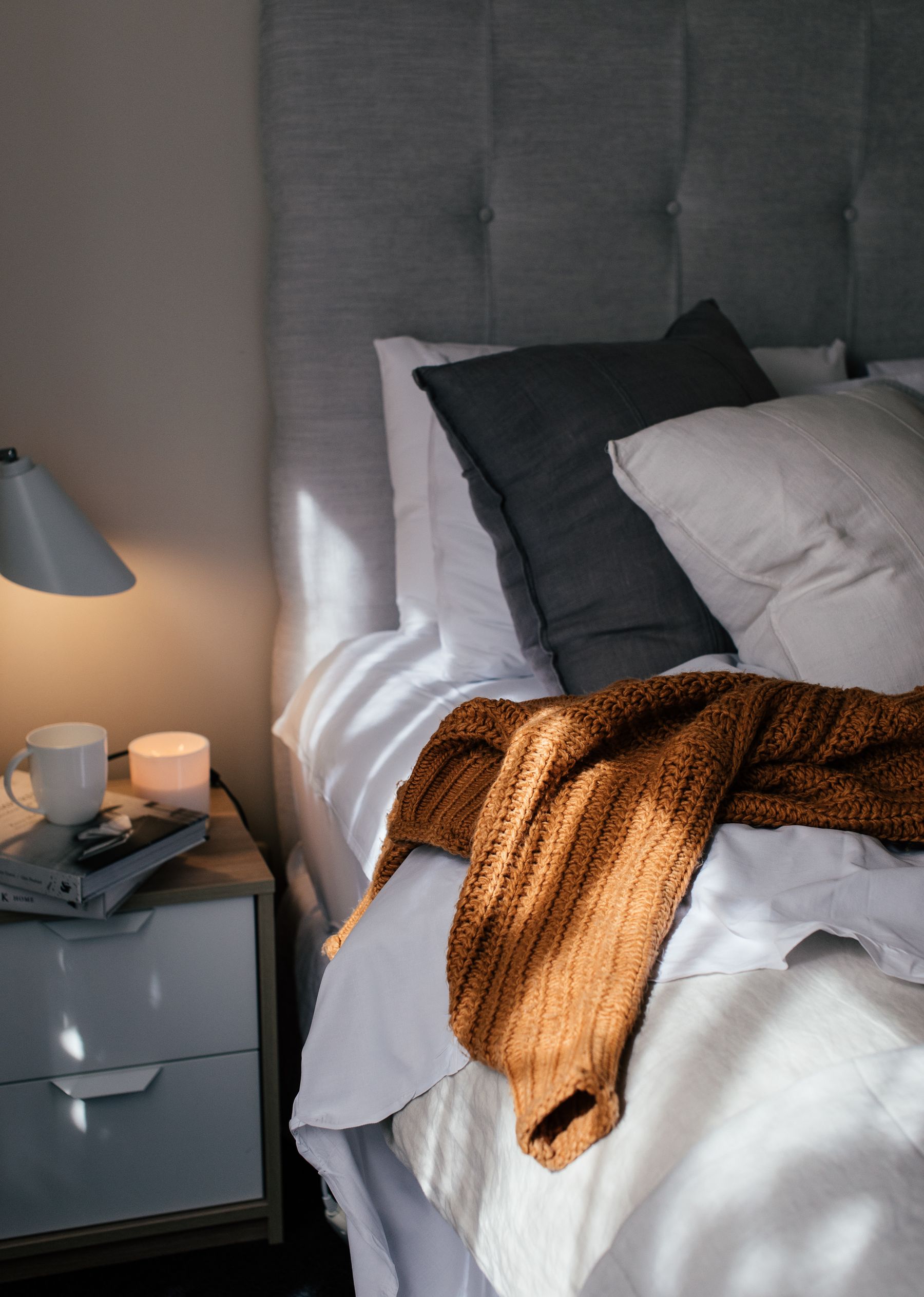
The Bedside Table Can Mark a Real Winter Ritual
Winter decorating often works best when it supports small repeated acts. A book left where it can be reached, a suitable warm lamp, and a clear stable surface for eyeglasses can make an evening bedside far more inviting than several decorative signs. Decide what actually lands there at the end of the day. If the answer includes a phone, medication, book, glass or other personal essentials, keep those items easy to access instead of using all available space for candles or vases. Avoid open flames beside bedding and paper; place lamps and cords according to their instructions. Consider the effect of morning light as well as nighttime use—opaque curtains may be welcome for sleep but can make the first daylight feel abrupt if they cannot be adjusted. The winter bedside is an example of decorative editing through behavior. Use a restrained texture, a consistent finish and one meaningful object; let the daily ritual supply the character. This is not a recipe for buying a 'cozy nightstand kit.'
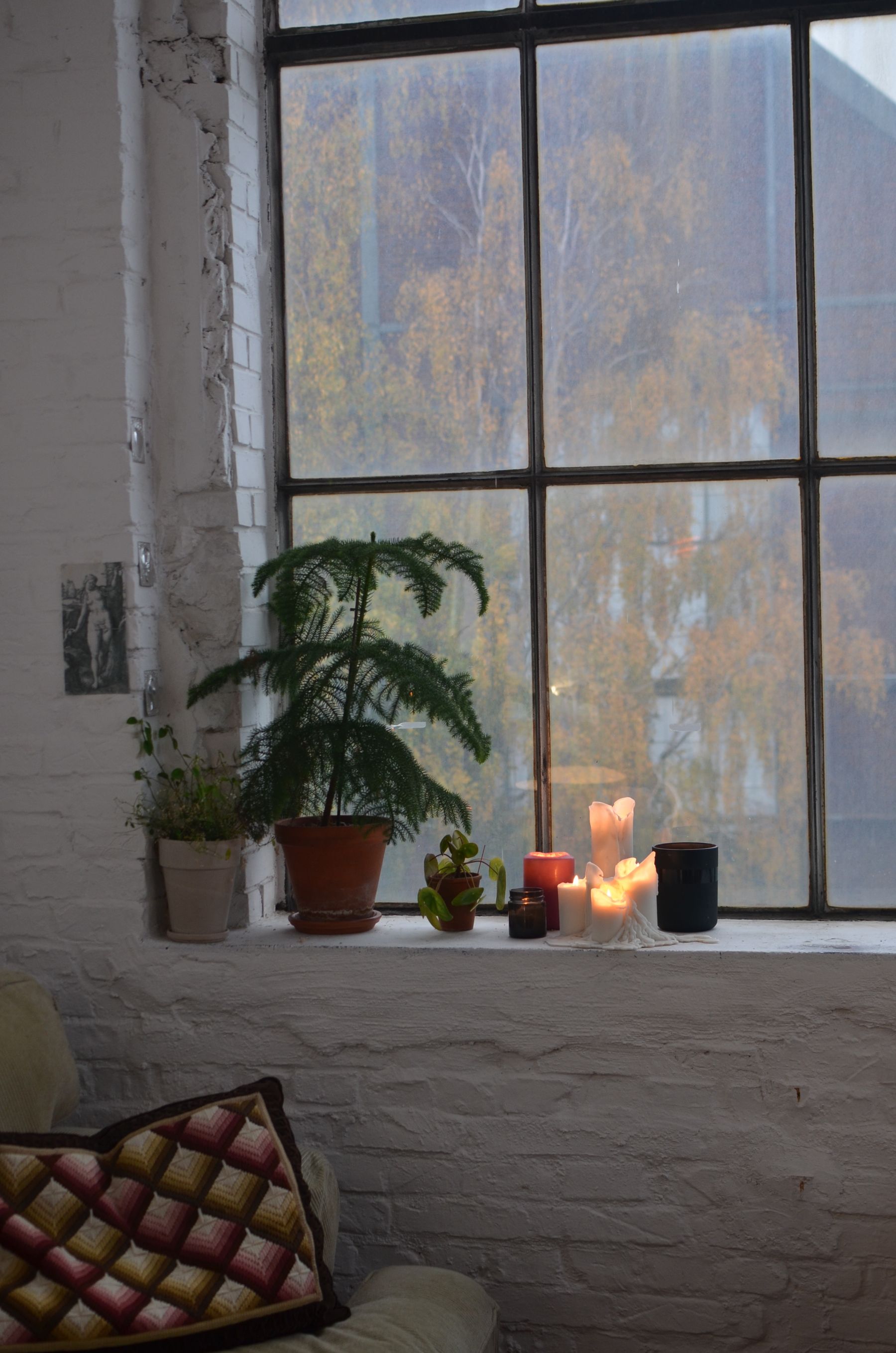
Window Edges Need Access and Condensation Checks
Winter windows change the practical rules of display. Plants and decorative pieces placed against glass can meet condensation, drafts and stronger temperature differences than they do in summer. Do not crowd a sill so completely that you can no longer check seals, operate the window or wipe moisture. A line of pale objects may look good against a gray sky, but fragile ceramics near opening sashes or heavy pots on narrow ledges create avoidable risks. Check what the window actually does: opening direction, sash reach, blind operation and any need for ventilation. If moisture regularly appears, address the cause with appropriate advice rather than disguising it with absorbent textiles. Keep electric lights and cords away from wet zones. Where the view is strong, the best arrangement may be one object set to the side, leaving the scene outside visible. A functional winter window can be beautiful precisely because it is not treated as an unused shelf.
Rugs and Underfoot Comfort Need Real Movement Tests
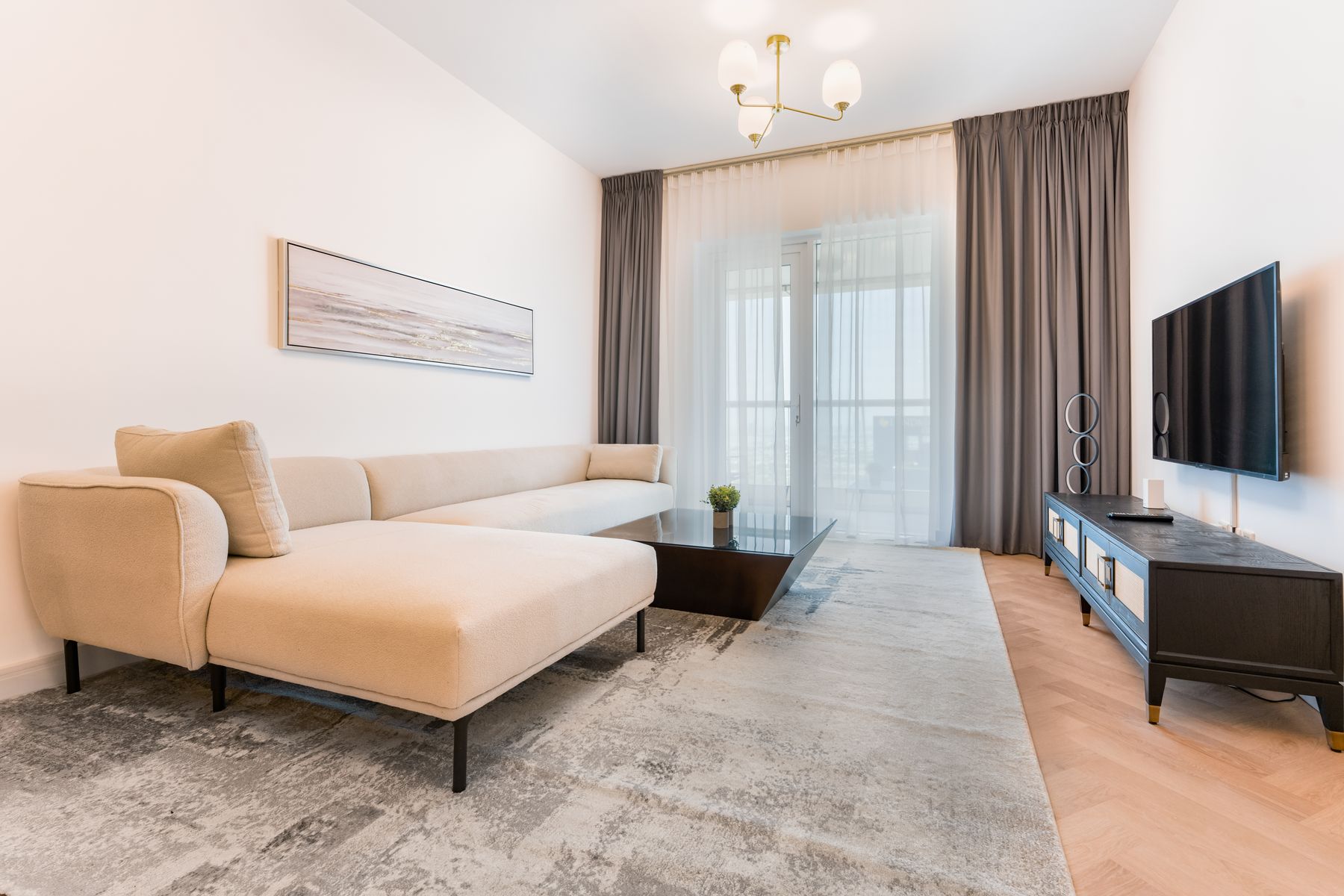
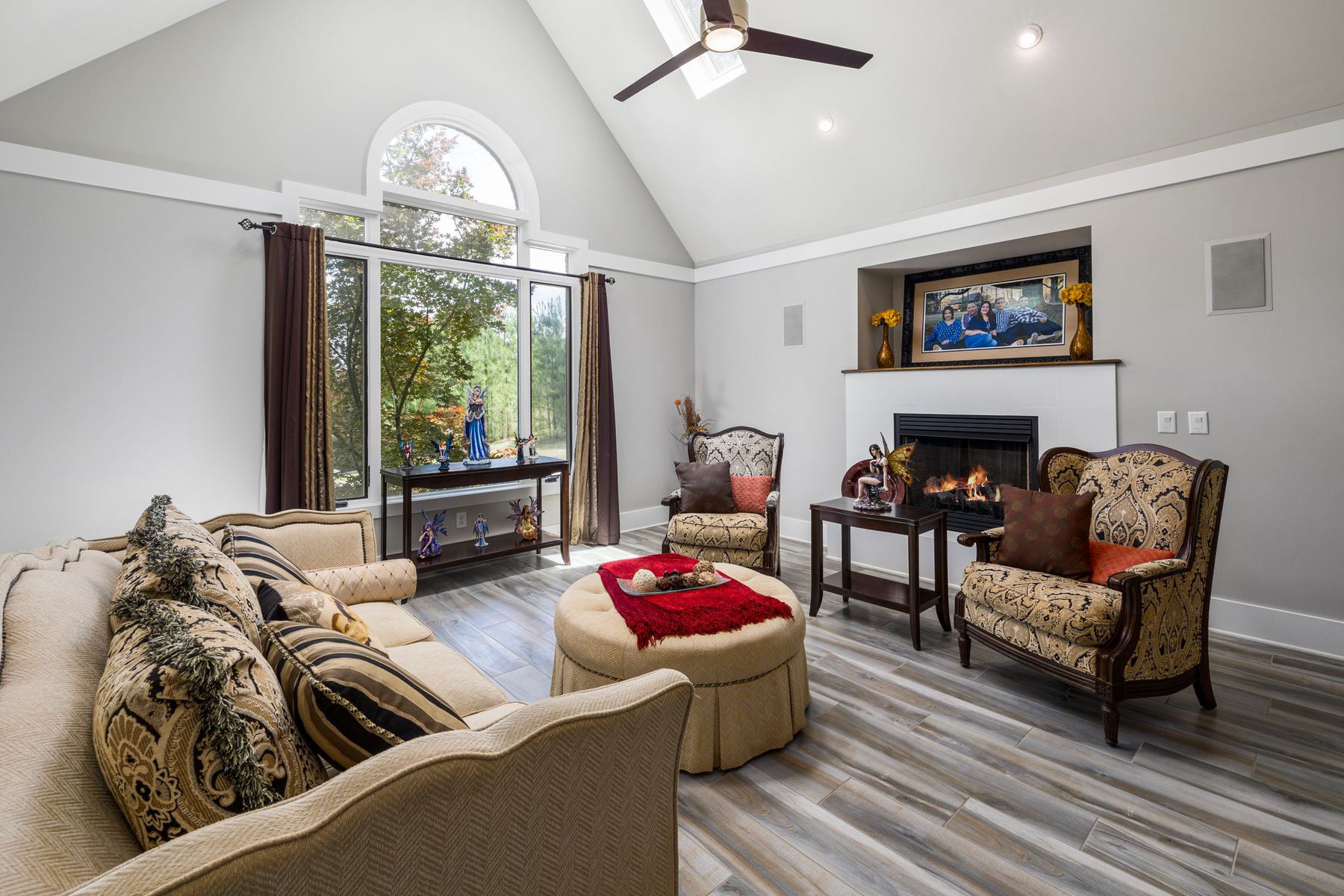
A floor rug can alter the tactile experience of a cold-season room, but it is not a substitute for fixing actual heating or moisture problems. Choose it by the arrangement of chairs and walking routes rather than by a stock-image color alone. Check whether seat legs can sit in a stable relation to the textile and whether people frequently cross its edges. Slipping, curling corners and piled-up layers undermine comfort. Select a backing or rug system appropriate to the flooring and check the manufacturer's advice before introducing additional pads. In a small living room, one well-scaled rug may read more coherently than a collection of small islands. Deep color is not mandatory for winter: a large pale textile can preserve daylight while adding tactile softness. Practical maintenance matters more in wet weather, especially where boots or pets bring debris from outdoors. The rug should feel like part of the room after a month's use, not just part of the seasonal photo.
Make Room for the Winter Return Home
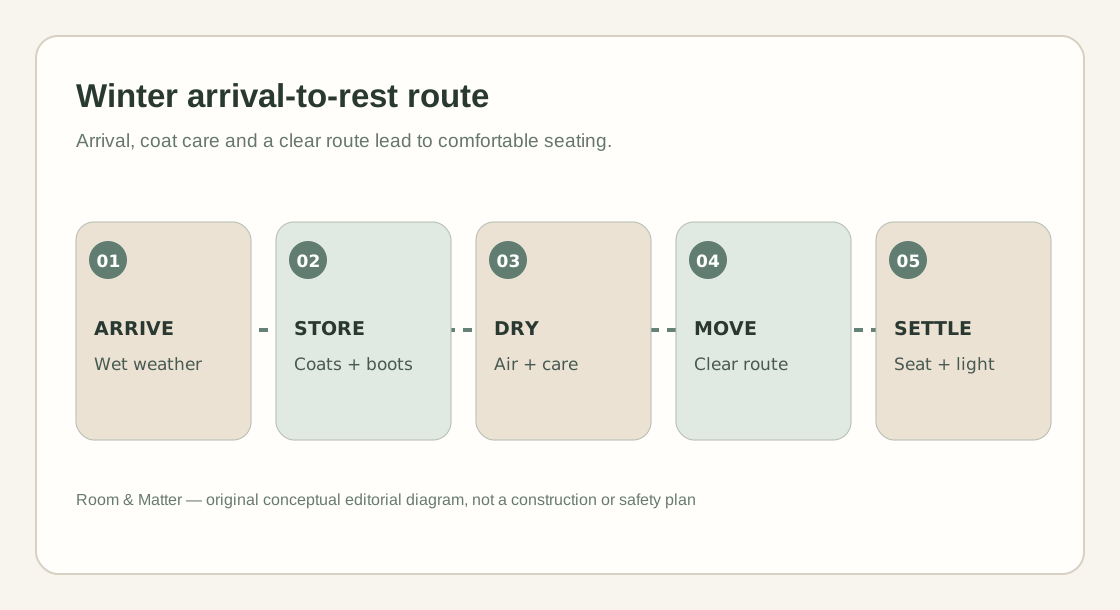
Winter arrives through the entry before it becomes a living-room aesthetic. Coats, wet umbrellas, footwear and bags need places to land without spilling into the main room. Look at the natural path from the door to the place where people warm up and settle. A beautiful living-room throw cannot compensate for an entryway blocked by damp clothing. Establish a practical drying and storage arrangement appropriate to the space's ventilation, finishes and floor materials, then keep decorative touches out of that route. A small seasonal branch or a restrained lamp can signal warmth at the threshold without reducing capacity. In apartments with a shared entrance or tiny hall, prioritize the everyday storage and use the first visible living-room material—wood, rug or upholstered seat—as the emotional transition into warmth. Because this article concerns cross-room experience, an inviting living-room photograph illustrates the destination, not a claim about how the pictured entry is furnished. The key is continuity between arrival, cleanup and rest rather than separate styling projects.
A Late-Winter Edit Should Be Lighter, Not a New Shopping Haul
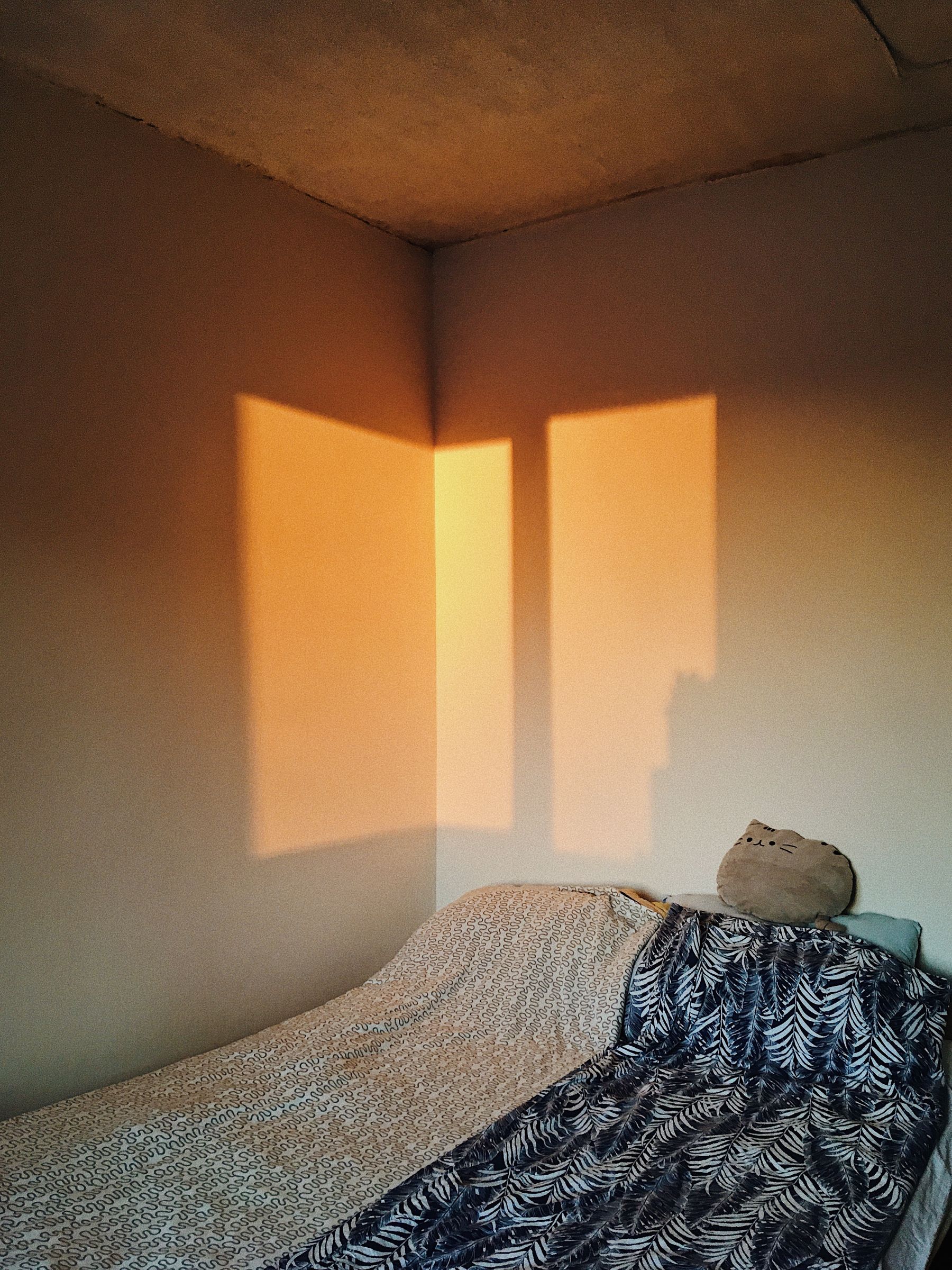
After weeks of heavy layers, the home may need visual breathing space long before spring arrives. That does not require an abrupt color makeover. Remove unused decorative throws, shift one lamp, edit the windowsill and let daylight reach the surfaces that catch it best. Keep the practical winter elements—the warm bedding, sound rugs and useful evening lighting—until weather and use make them unnecessary. February can also overlap with Valentine's celebrations, but a pink centerpiece or temporary floral touch should not force every winter room into a new scheme. Plan those moments as removable layers. A restrained winter palette works particularly well for this transition because it is not pinned to a holiday symbol. The most sustainable seasonal change may be taking away four items rather than acquiring four replacements. Compare a photograph from early January with the same view in late February; visible order, usable floor and a clearer window often matter more than novelty. Design continuity should outlast one calendar moment.