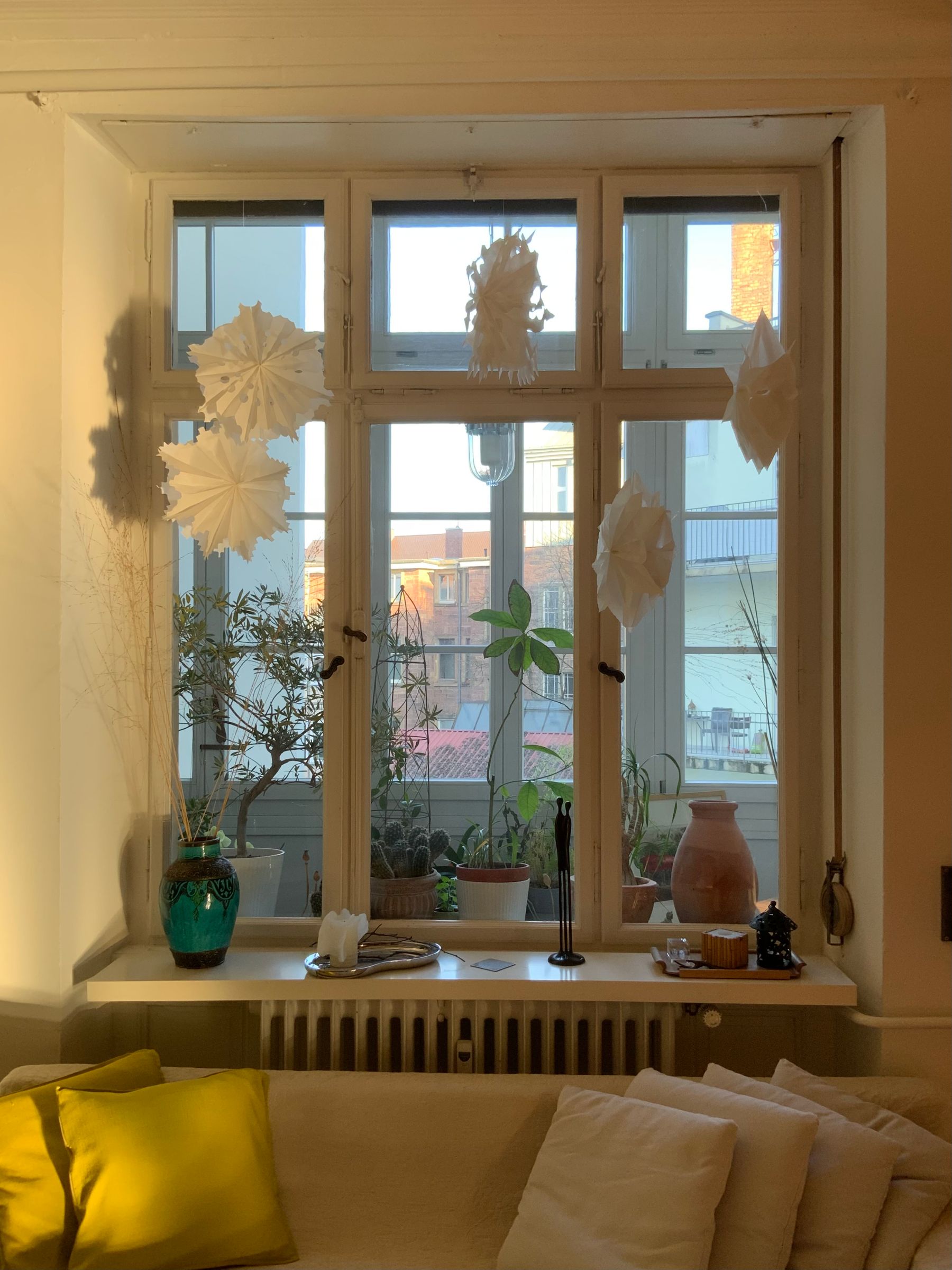
Reset the Room After Christmas Without Stripping Away All Warmth
Take down the explicitly Christmas pieces first—tree, stockings, gift displays, themed ornaments and red-green repetition—before deciding what the living room actually lacks. Keep useful throws, neutral candles, baskets, wood, books and winter branches if they still belong. This two-step edit prevents the common January swing from visual abundance to a room that feels unexpectedly bare. Re-establish the furniture, lamps and everyday objects as the main composition, then add back only the seasonal layers that support comfort. For a year-round baseline, [cozy living room ideas](/living-room/cozy-living-room-ideas/) is a better guide than simply leaving holiday decor in place.
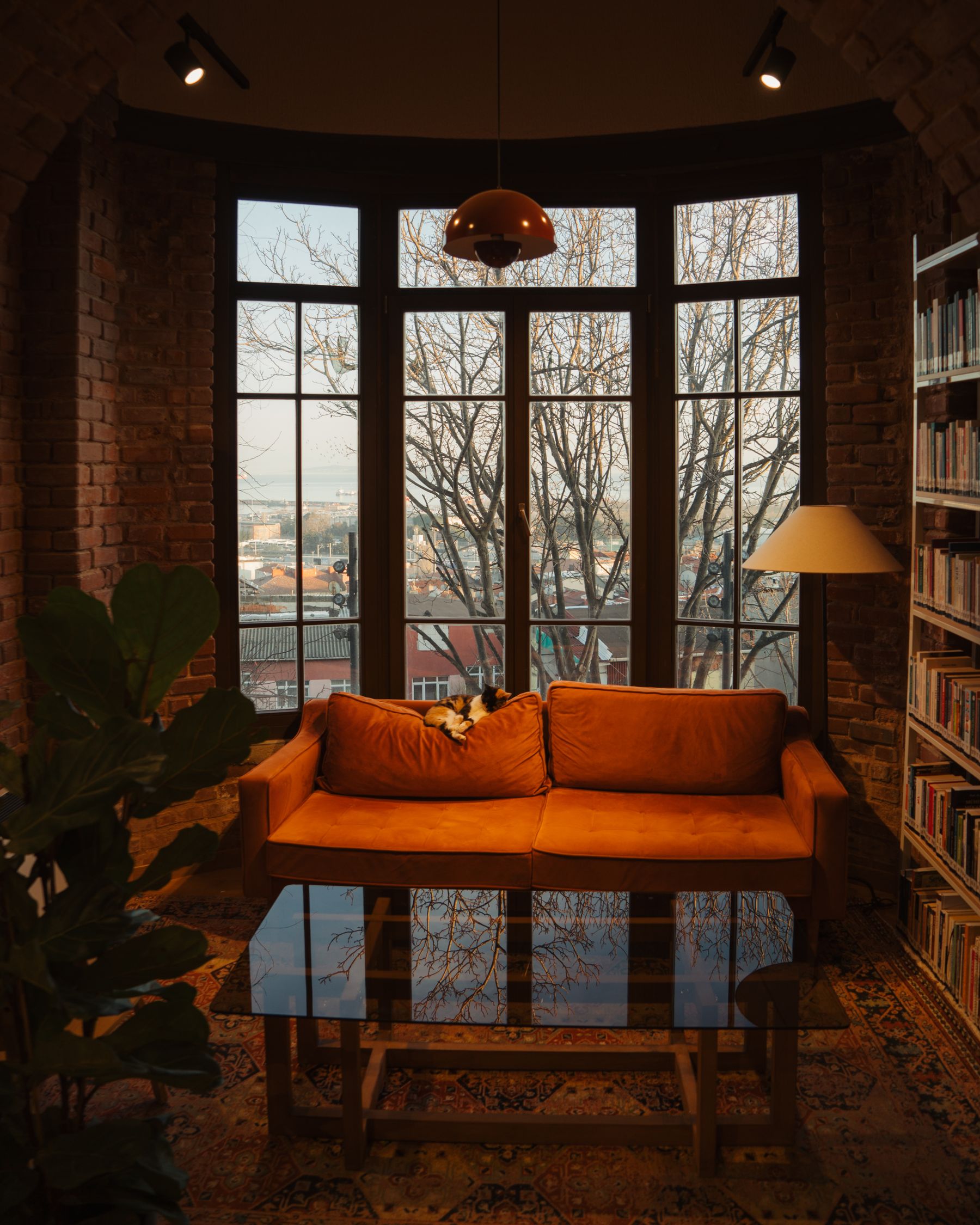
Build a Winter Palette From Warm and Cool Contrast
Winter does not require an all-white room. In fact, the season often looks richer when cool daylight or a grey outdoor view is balanced by timber, camel, rust, brown, cream or muted green indoors. Use the existing upholstery and wood undertones as anchors, then repeat one warmer accent through a throw, cushion or vessel. Pale walls and rugs can preserve brightness while darker small elements add depth. If the living room is already neutral, [neutral living room ideas](/living-room/neutral-living-room-ideas/) can help keep the palette layered rather than flat.
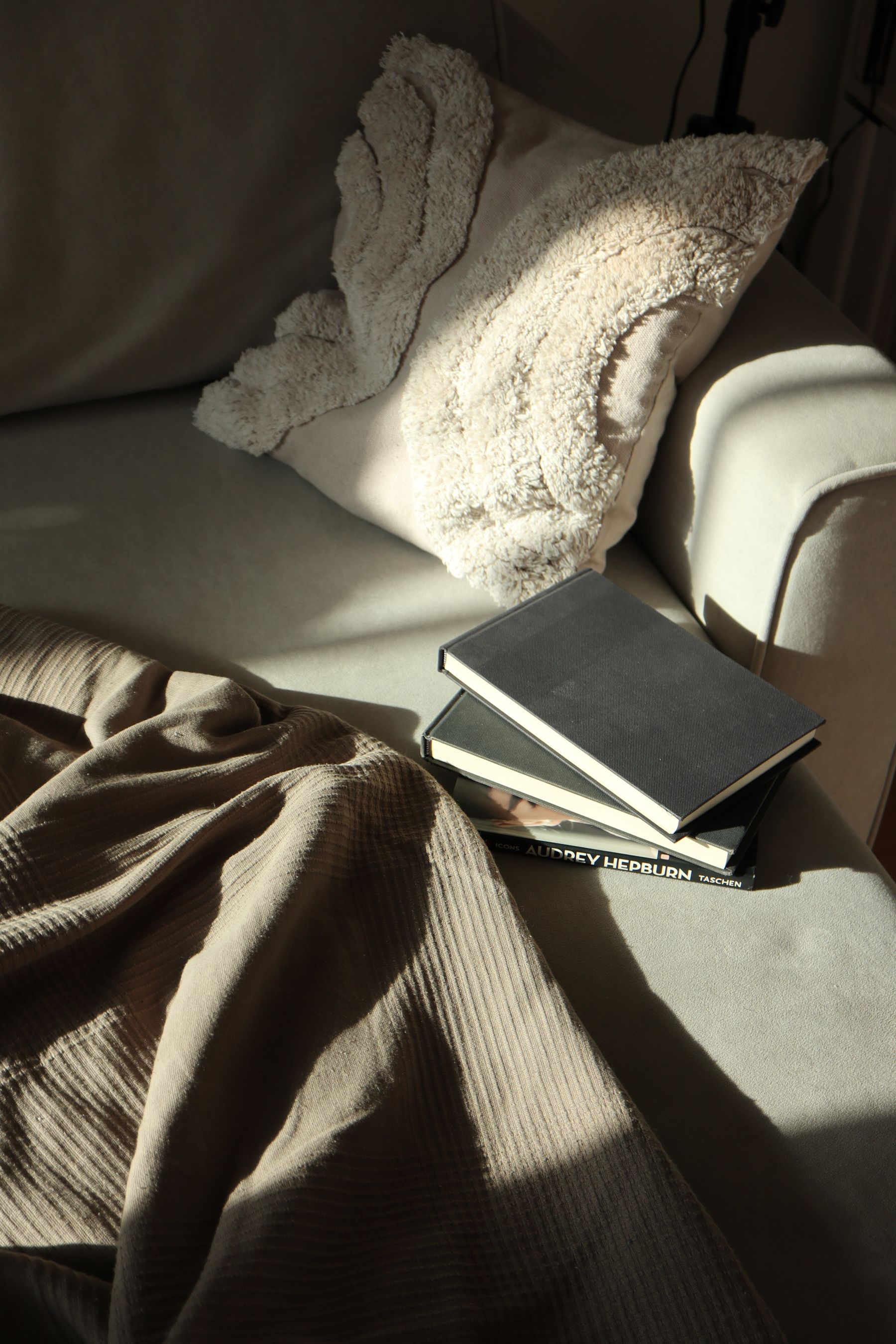
Layer Textiles According to How the Seating Is Actually Used
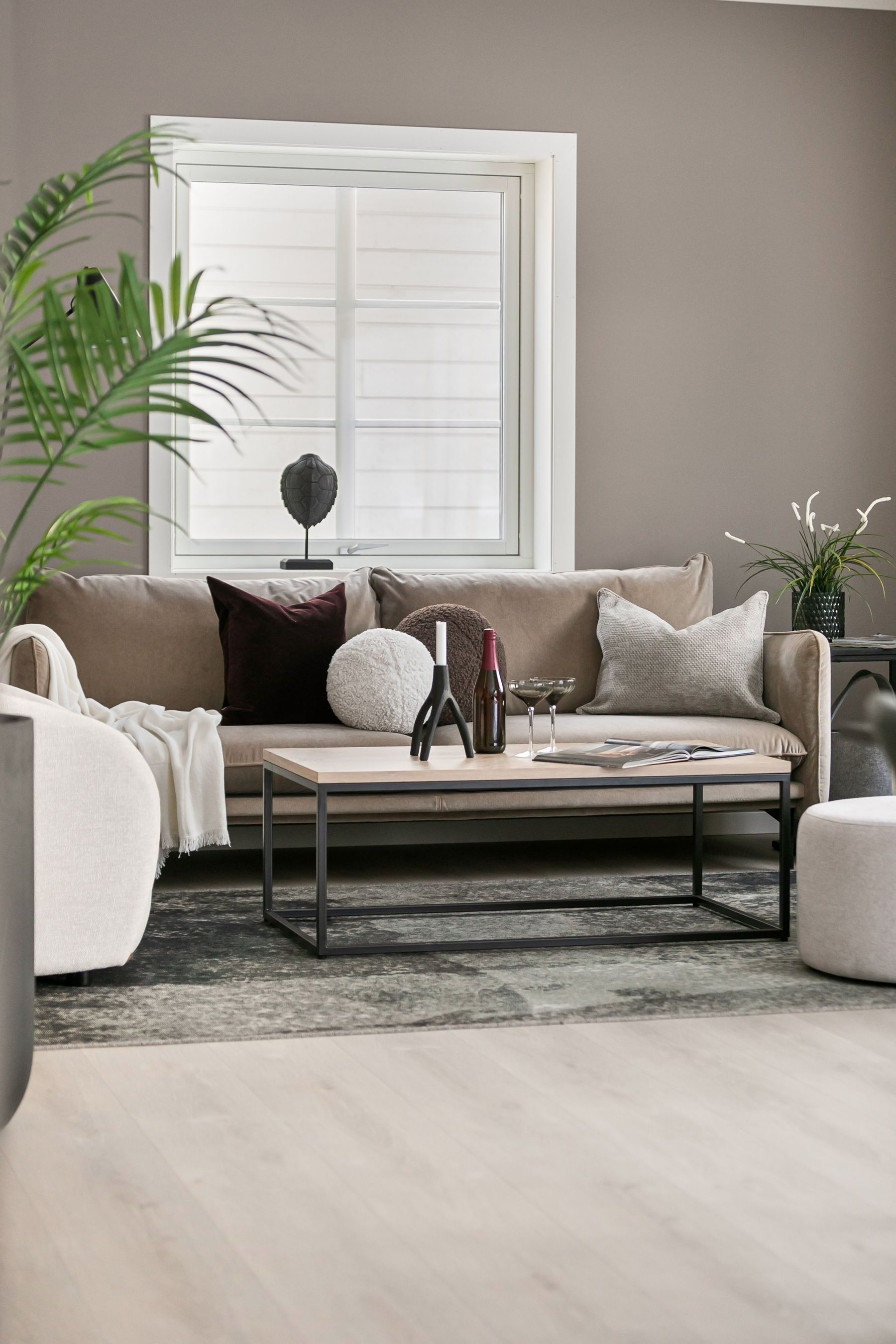
Add textile weight where people sit rather than distributing throws evenly for symmetry. A wool or brushed blanket on the reading chair, a soft layer at the sofa end that is actually used and cushion covers with slightly deeper texture can change the room without creating storage problems. Mix surfaces—smooth upholstery, knit, wool, linen—rather than buying several versions of the same fuzzy material. The room should still be easy to sit in without moving a pile of cushions. Seasonal comfort comes from touch and use, not the quantity of folded textiles visible in the photograph.
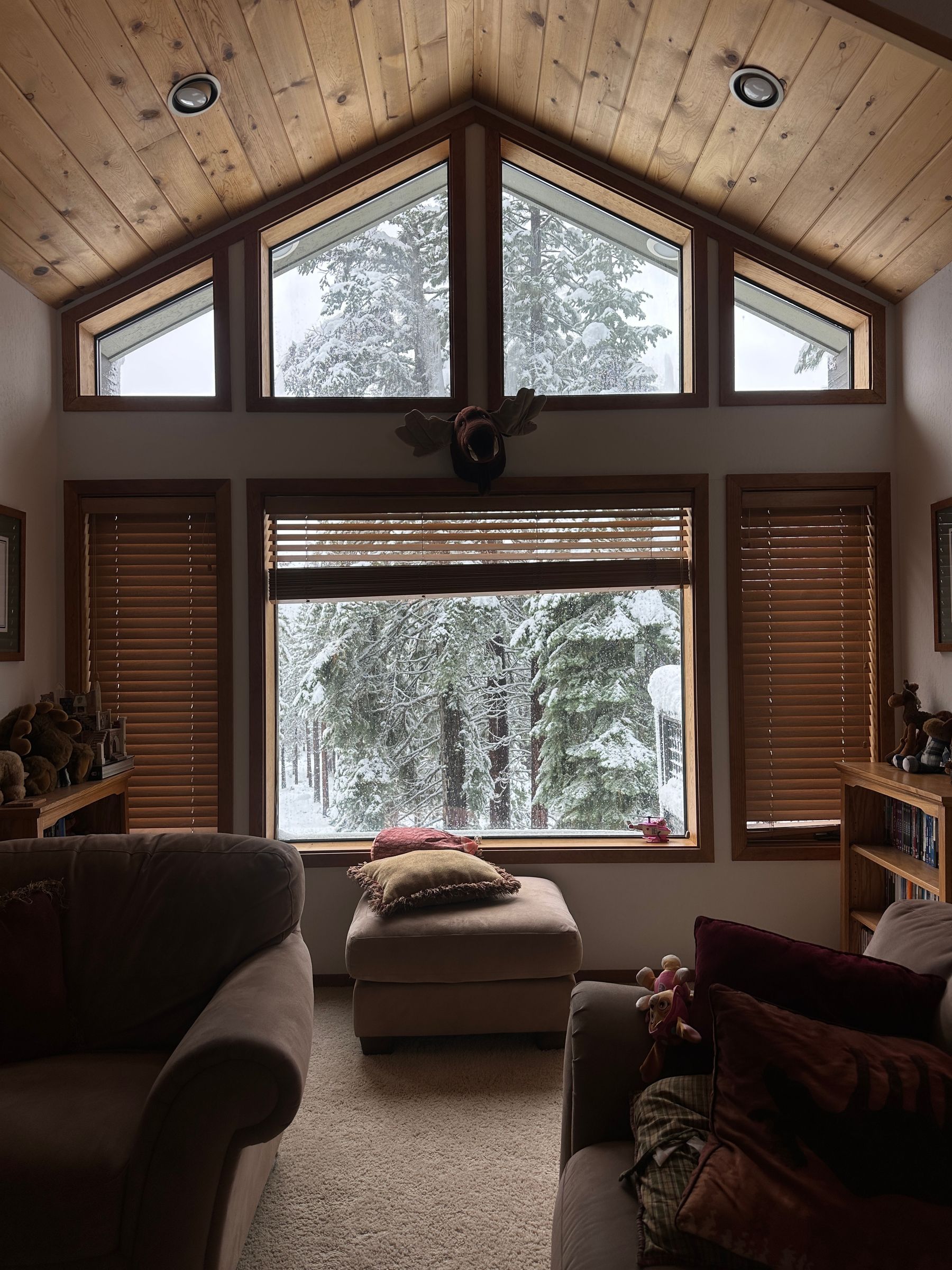
Let the Winter View Become Part of the Composition
If the room overlooks bare trees, snow, rain or a changing winter sky, use that view as one of the seasonal focal points. Keep furniture oriented so the window can be enjoyed from at least one seat and avoid filling the sill or glass edge with enough decor to compete with the landscape. A quiet interior can make an ordinary grey view feel intentional; a warm lamp reflected after dusk creates a different but equally useful layer. In an urban apartment, the same principle applies to rooftops, street lights and winter evening sky.
Protect Daylight Instead of Making Winter Automatically Dark
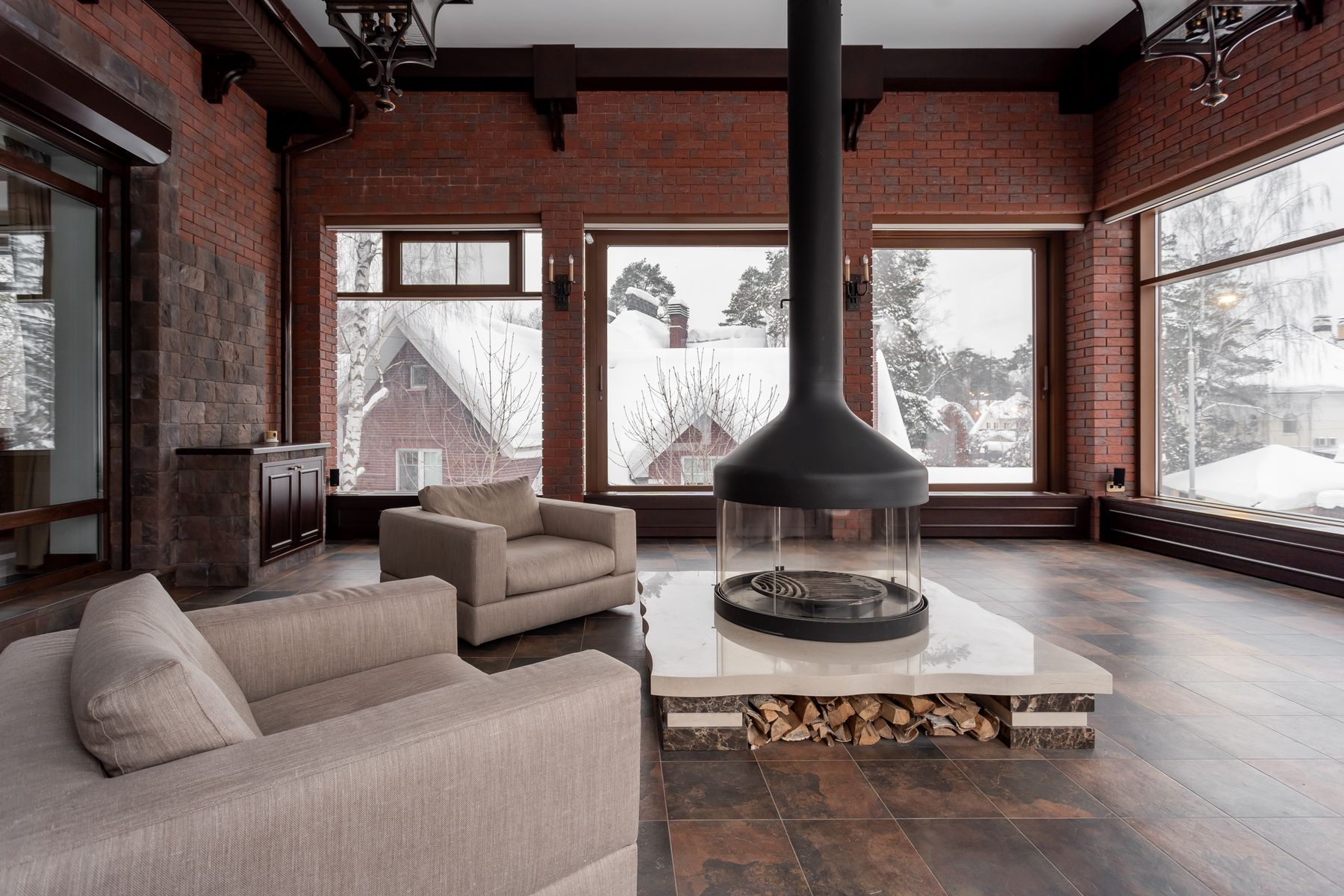
Winter styling often leans heavily into charcoal, deep brown and candlelight, but short days already reduce the amount of natural light available. Keep glazing as open as privacy and comfort allow during the day, avoid placing tall seasonal arrangements in front of the brightest window and use pale or reflective surfaces where the room needs lift. Dark accents can still provide depth, especially at floor or furniture level. The goal is a room that changes character naturally: brighter and clearer by day, warmer and lower-lit in the evening.
Build Evening Atmosphere With Several Small Pools of Light
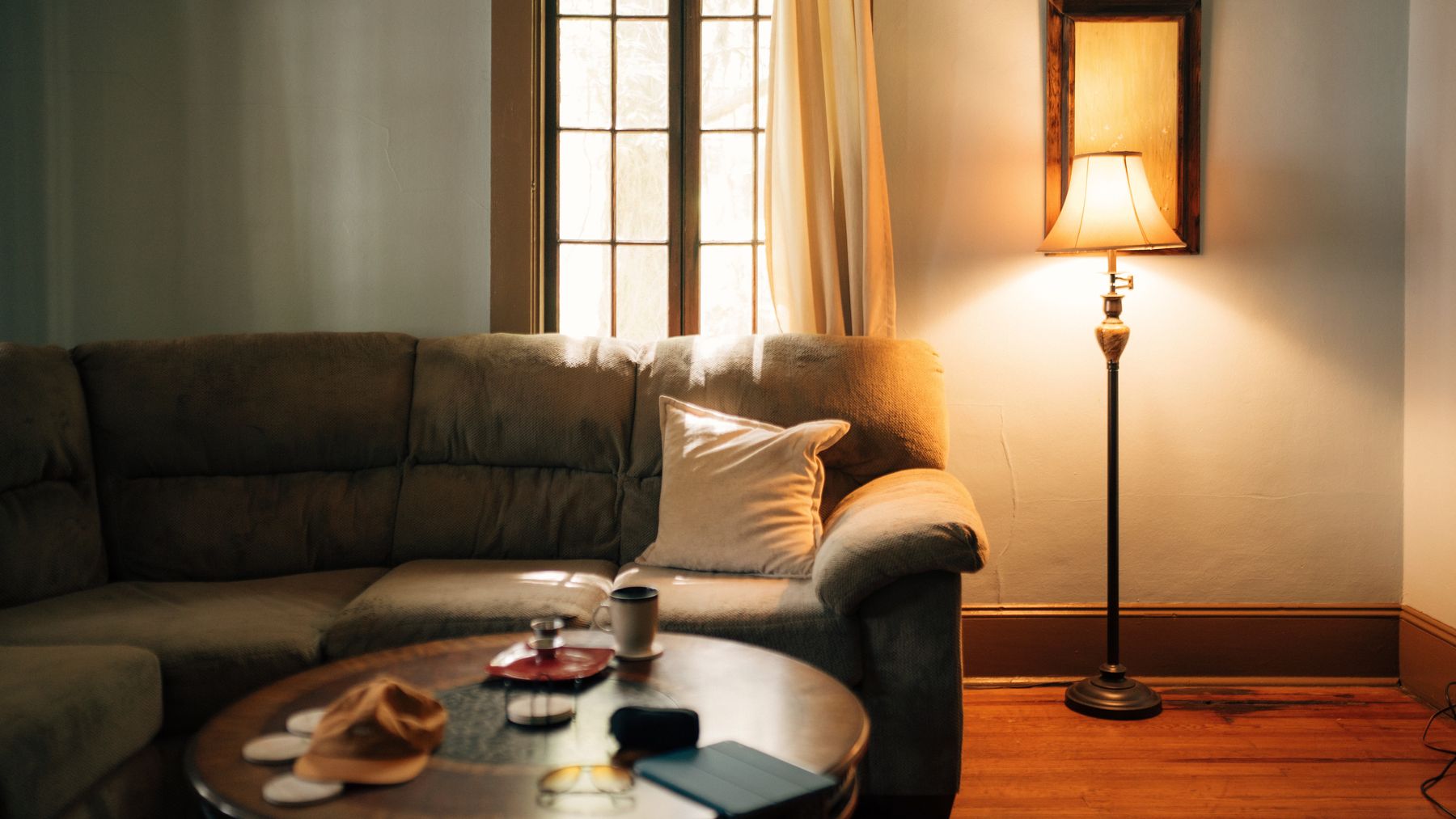
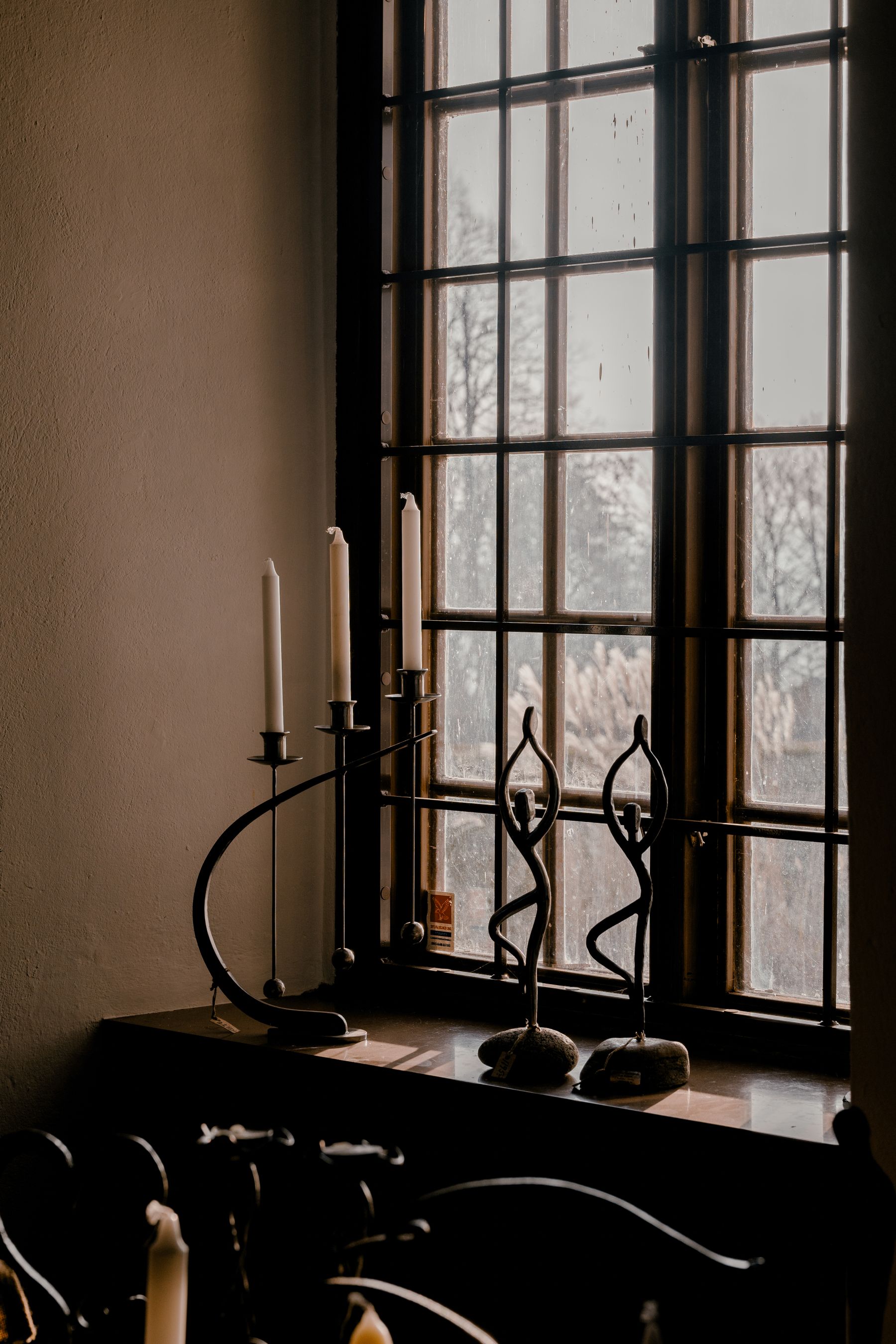
As daylight fades early, use several modest light sources rather than one very bright overhead fixture. A floor lamp beside the sofa, table lamp near books or games and low accent light near a window can make the room feel deeper while preserving useful illumination. Candles can add a small moving highlight where they can be used safely and supervised; suitable flameless alternatives work better in dense displays or busy households. Keep enough functional light for reading and movement. The planning principles in [living room lighting ideas](/living-room/living-room-lighting-ideas/) remain more important than choosing a fashionable winter bulb.
Make the Fireplace Feel Integrated, Not Themed
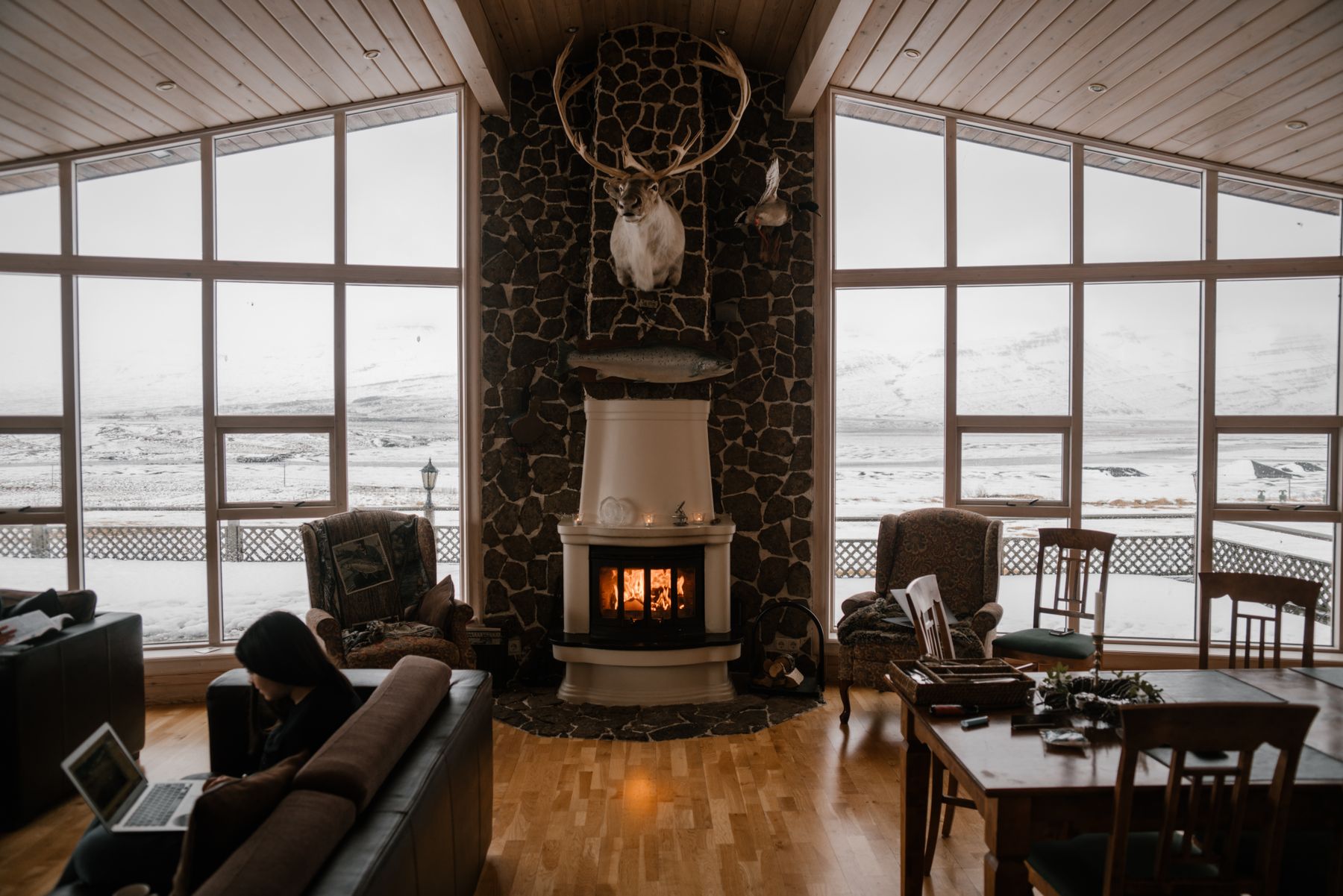
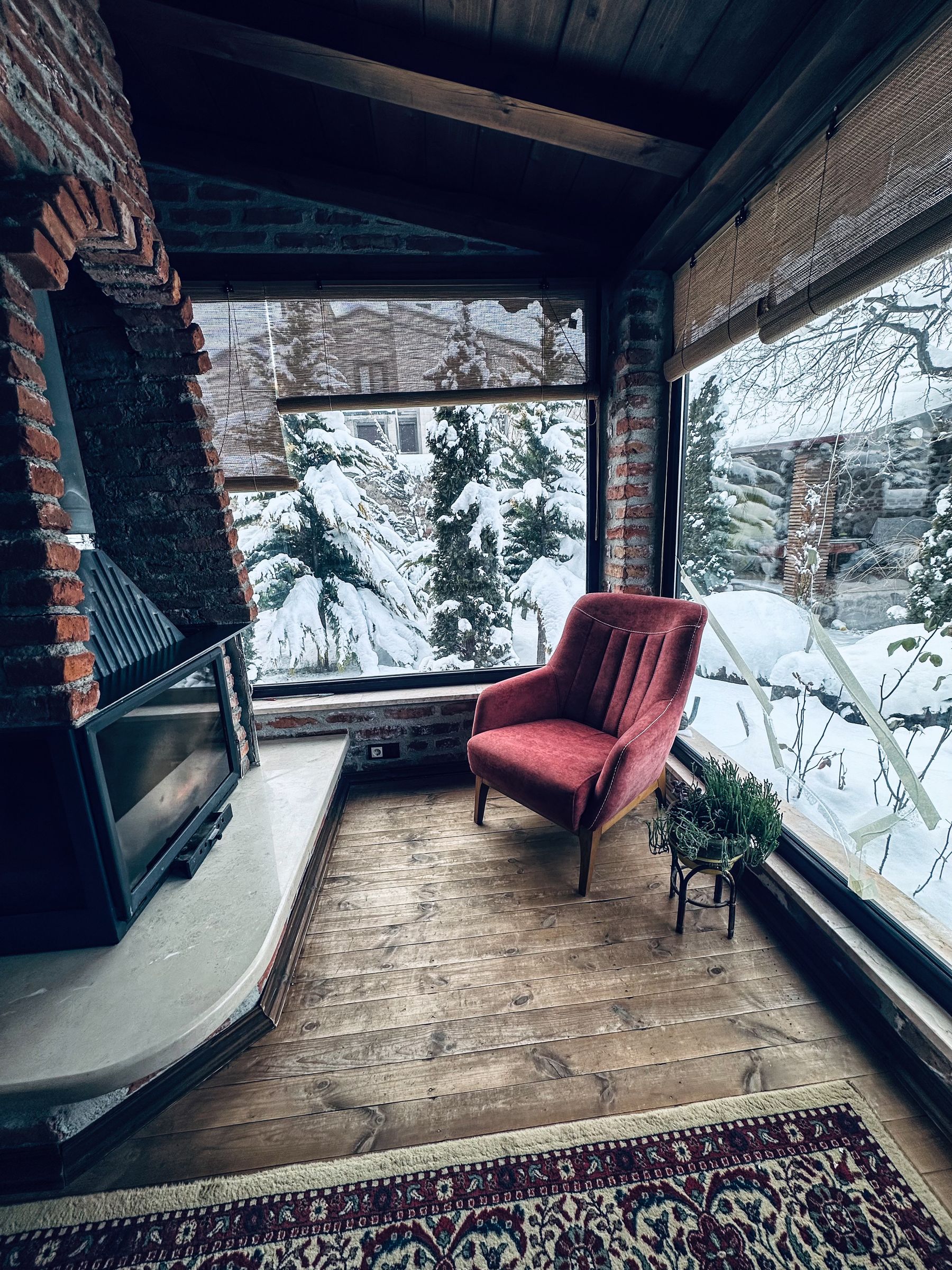
After Christmas, remove stockings, garlands and mantel ornaments that read specifically as holiday decor and let the fireplace architecture take over again. Arrange seating so at least part of the room can enjoy the hearth without turning every chair toward it, and use a basket, log storage or one simple object only where it is practical and safe. Follow the appliance manufacturer's requirements for combustible materials and clearances. If the fireplace is decorative rather than working, treat it as architecture—not an excuse to fill the opening with a permanent pile of candles.
Use the Windowsill as a Small Winter Vignette
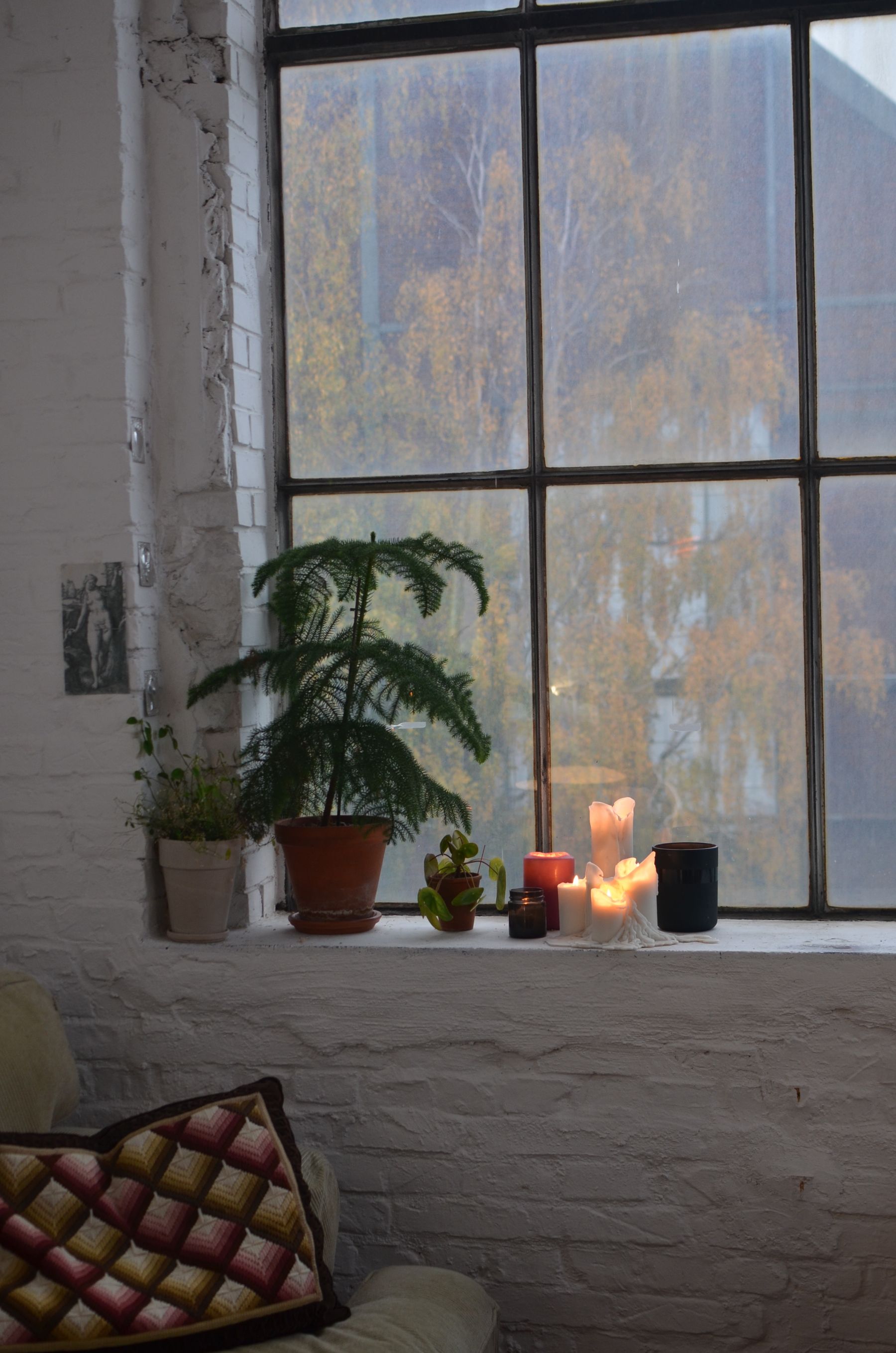
A deep sill can bridge the interior and winter view with very little material. Keep useful plants if they suit the light, add one vessel, book or safe low light source and leave enough open surface for the composition to breathe. Avoid packing the sill with pinecones, lanterns and small winter ornaments simply because the area is available. Check that curtains, blinds and window handles still operate freely. The strongest vignette often comes from a small number of year-round objects viewed against the changing outdoor season.
Warm the Floor With One Substantial Layer
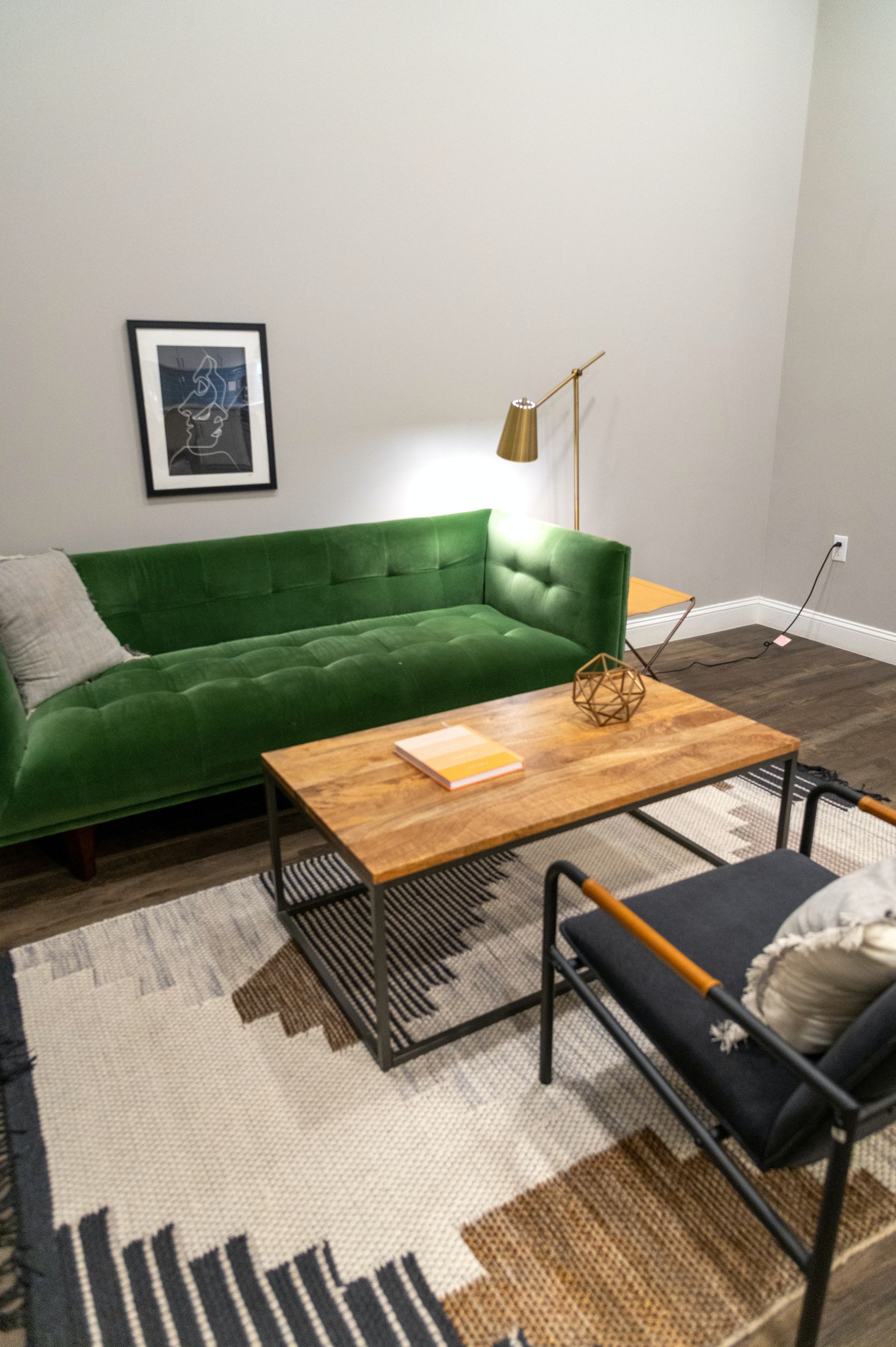
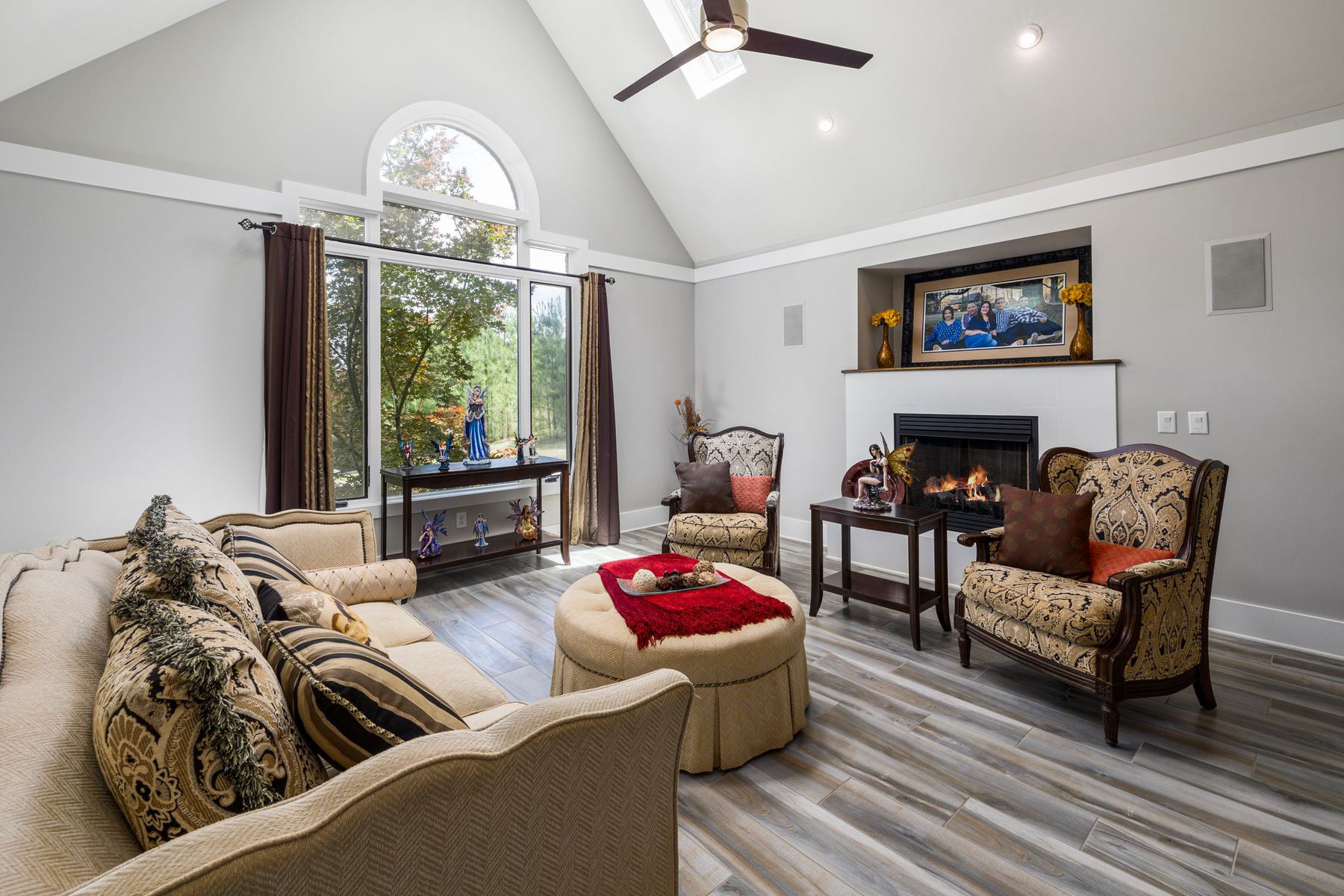
If the living room has a hard floor, a correctly scaled rug can change the winter experience more effectively than several small decorative accessories. Choose enough area to connect the primary seating rather than placing a small rug only beneath the coffee table. Texture matters, but so do cleaning, door clearance and the way chair legs move over the surface. A pale or medium rug can provide softness without absorbing scarce winter light. Use the sizing principles in [living room rug ideas](/living-room/living-room-rug-ideas/) before treating thickness as the main measure of coziness.
Use Natural Materials for Warmth That Lasts Past February
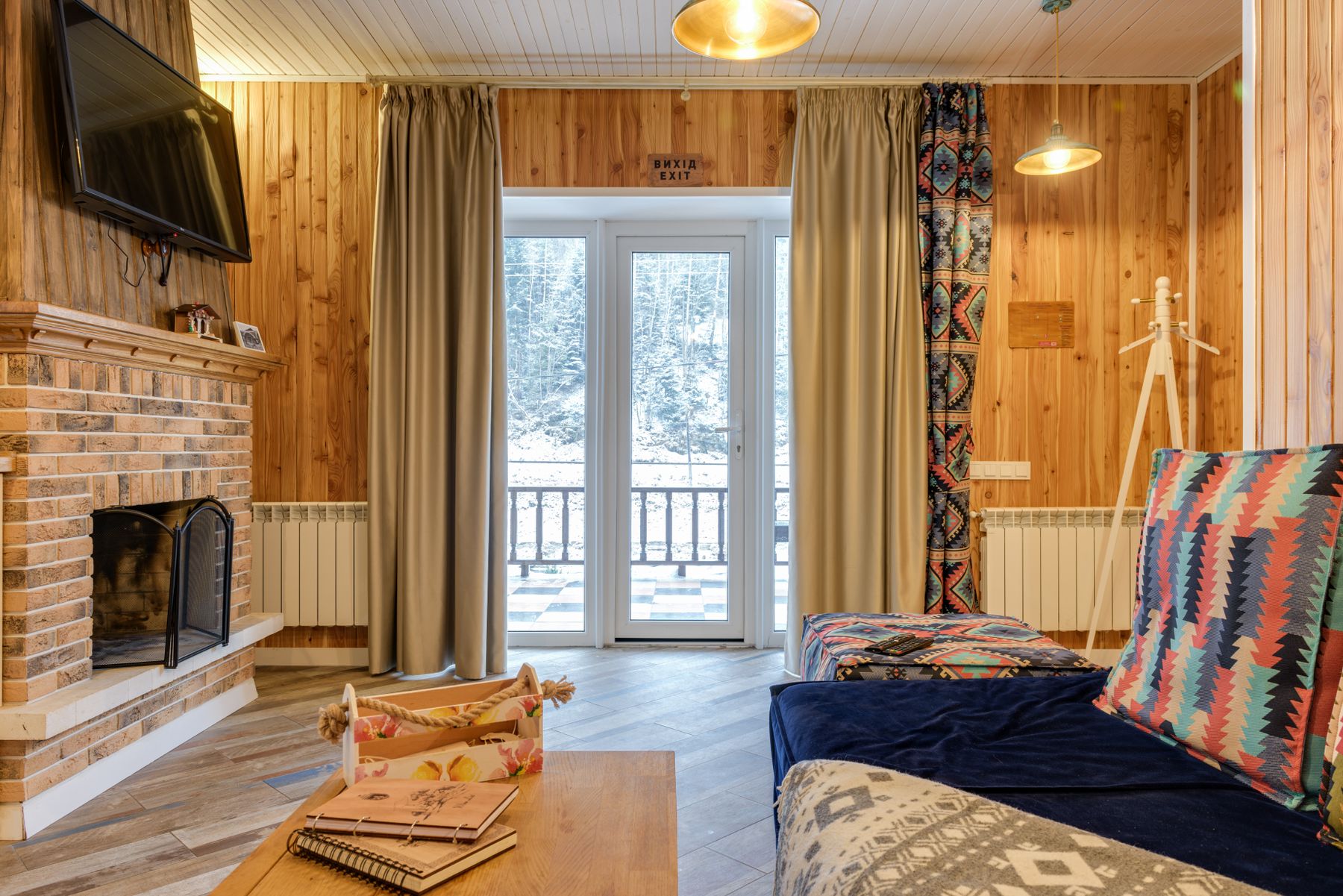
Timber, wool, linen, leather, wicker and matte ceramics hold visual warmth through the whole cold season and continue to make sense in spring. Repeat materials at useful scale—a timber side table, wool rug or woven basket—rather than scattering tiny rustic accents. If the room already contains substantial wood, add lighter textiles for contrast instead of trying to make every object more brown. The earthy approach in [brown living room ideas](/living-room/brown-living-room-ideas/) can help distinguish intentional material depth from a room that simply becomes darker.
Design One Small Comfort Ritual Into the Room
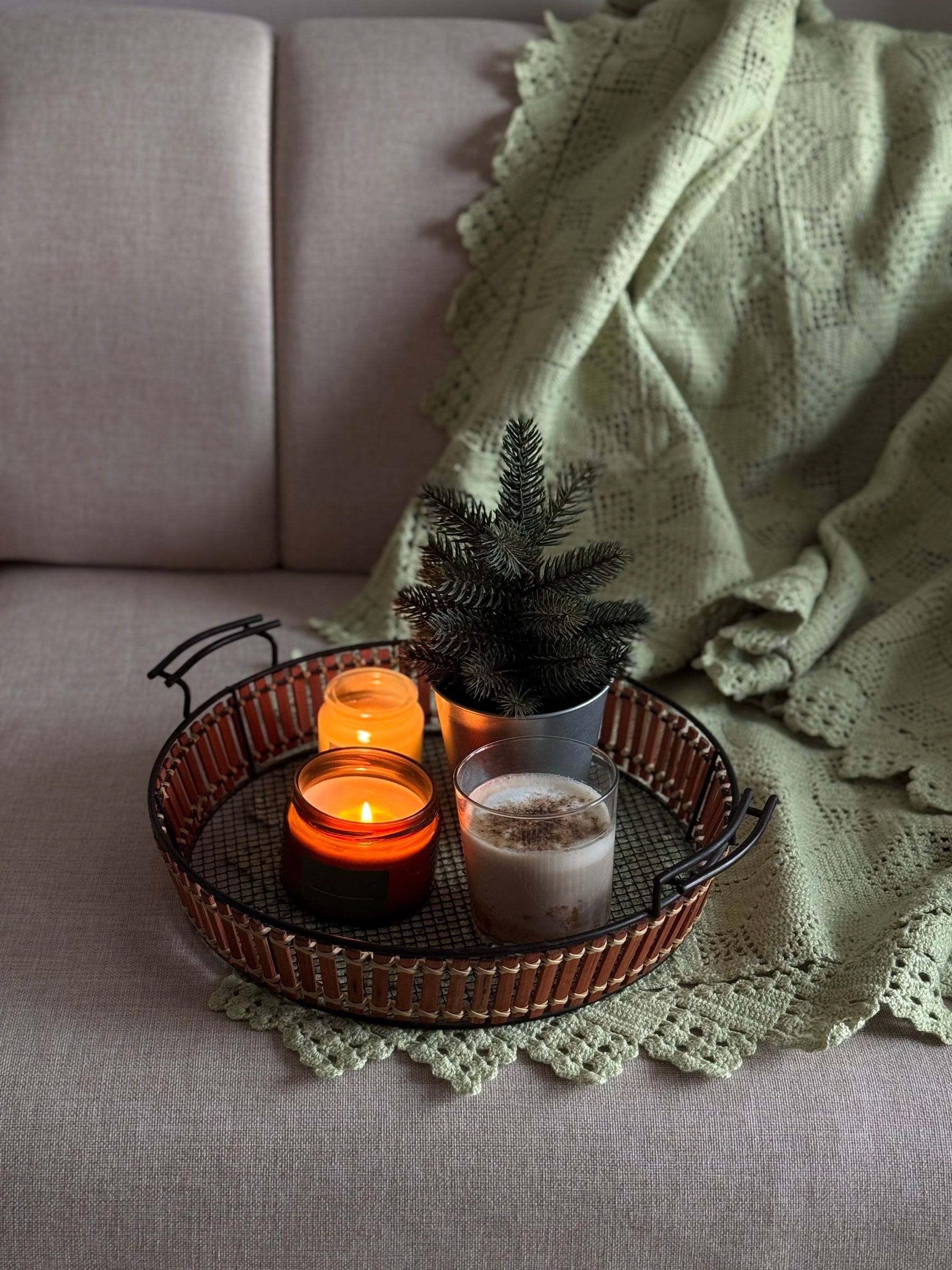
Give the winter styling a purpose: a reading corner with a reachable lamp, a blanket kept where it is used, a side table for tea, a basket for current books or a comfortable seat near the best evening light. This is more durable than building several decorative vignettes that exist only to communicate 'cozy.' Keep the arrangement simple enough to reset easily and do not overload the seat or table with props. Winter comfort is strongest when the room quietly supports a repeated routine.