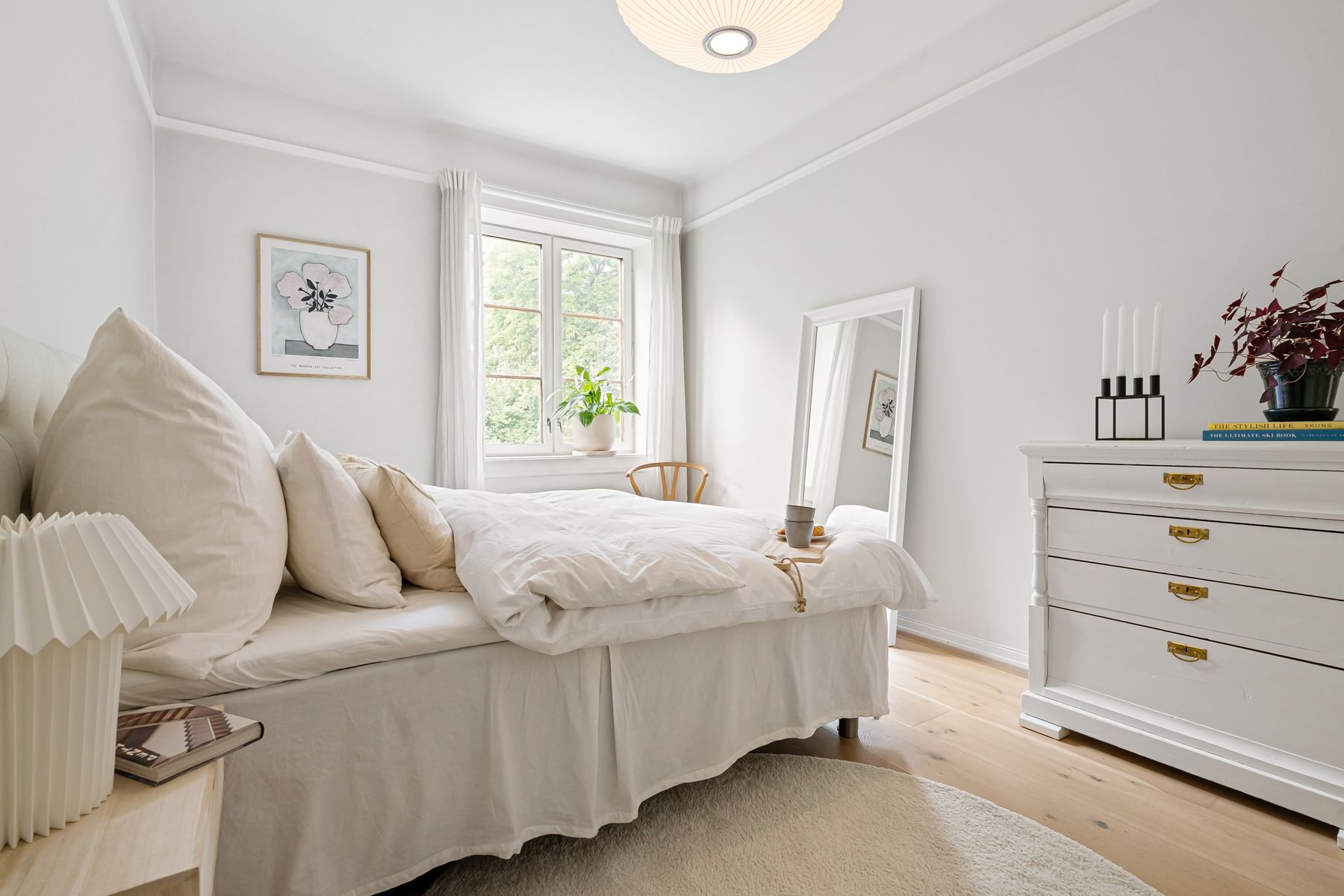
Reset the Bedroom After Christmas Without Losing the Warmth
Remove the tree, garland, festive pillows and overt holiday color first, then look at what the room actually needs for January and February. Keep useful wool, a warm throw, good bedside lamps and any natural materials that still support comfort. The post-holiday bedroom often benefits from less object density and a quieter palette because the bed itself already carries substantial visual weight. Do not replace Christmas decor with a collection of snowflakes, faux fur and winter signs. The evergreen principles in [cozy bedroom ideas](/bedroom/cozy-bedroom-ideas/) are a better foundation for a room that needs to work every night.

Build the Bed for Temperature Before Appearance
Start with the layers that affect sleep: sheets, duvet or blanket weight and any additional throw that is actually used at night. A heavy decorative quilt is not useful if it causes overheating or ends up on the floor every evening. Layering gives more flexibility than one very warm component because sleepers can adjust as temperature changes. If two people prefer different warmth, use separate lightweight layers rather than forcing the entire bed into one thermal setup. [Warm bedroom ideas](/bedroom/warm-bedroom-ideas/) can help distinguish visual warmth from the physical comfort needed for sleep.
Add Texture Where the Body Actually Meets the Room
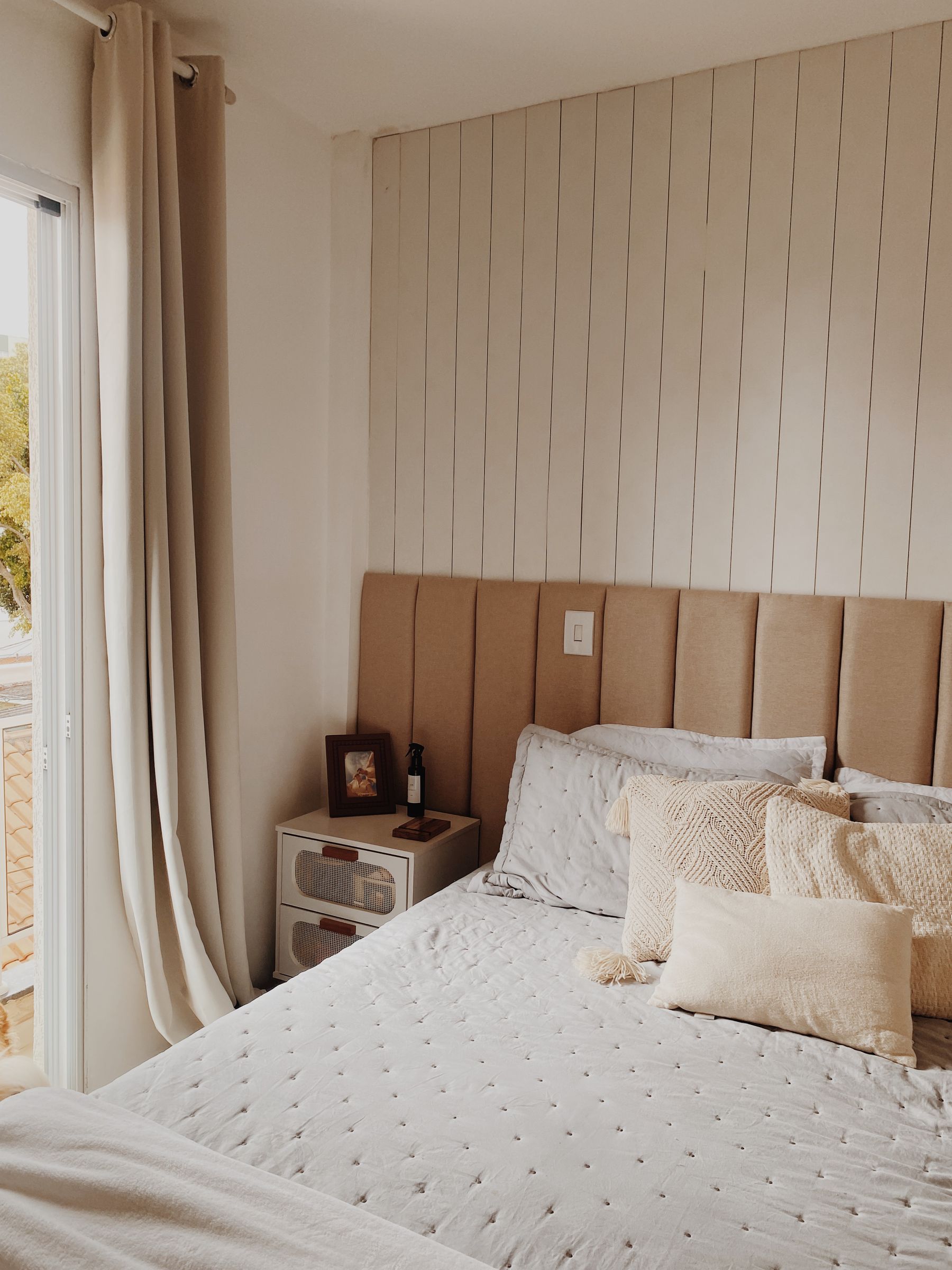
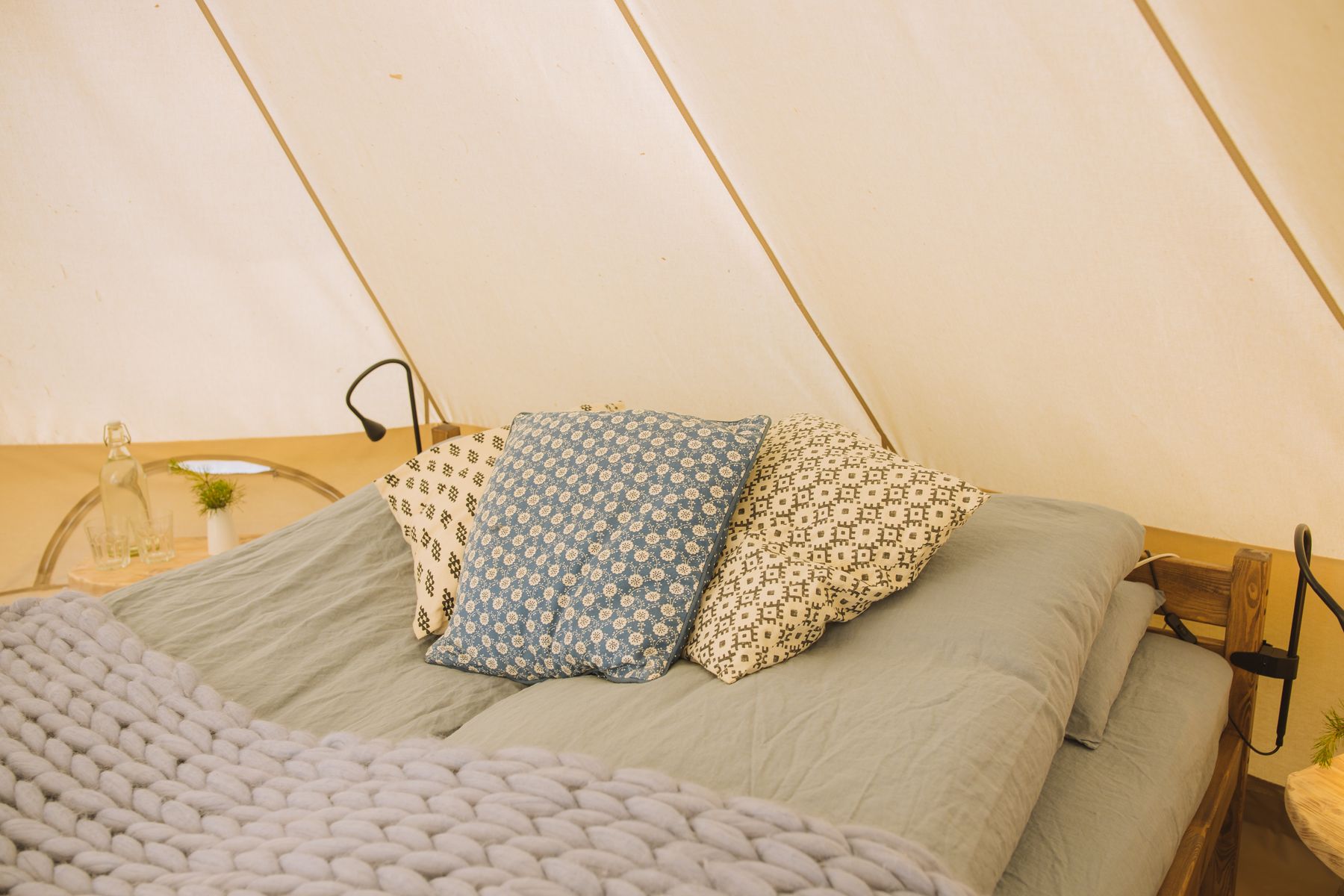
Use brushed cotton, wool blends, knit or soft woven textures where they improve touch: the top of the bed, a reading chair, a bench or the first surface your feet reach in the morning. Mix one or two textures rather than turning every cushion into a different tactile statement. Decorative pillows should still have somewhere to go at night, and bulky throws should be easy to fold or store. The aim is to change the physical temperature and softness of the room, not to create a visual catalogue of winter fabrics.
Use the Snowy View as Seasonal Decor
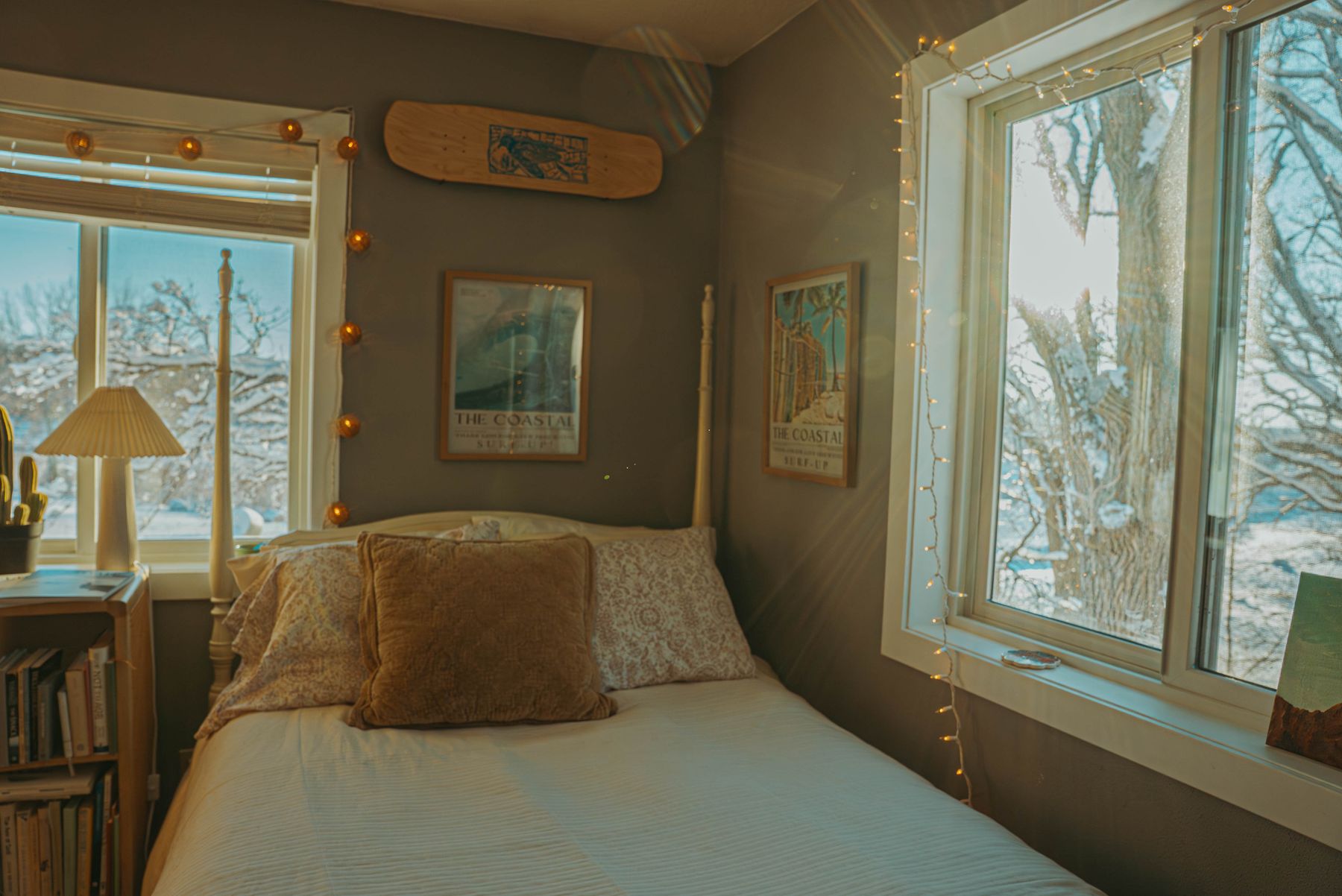
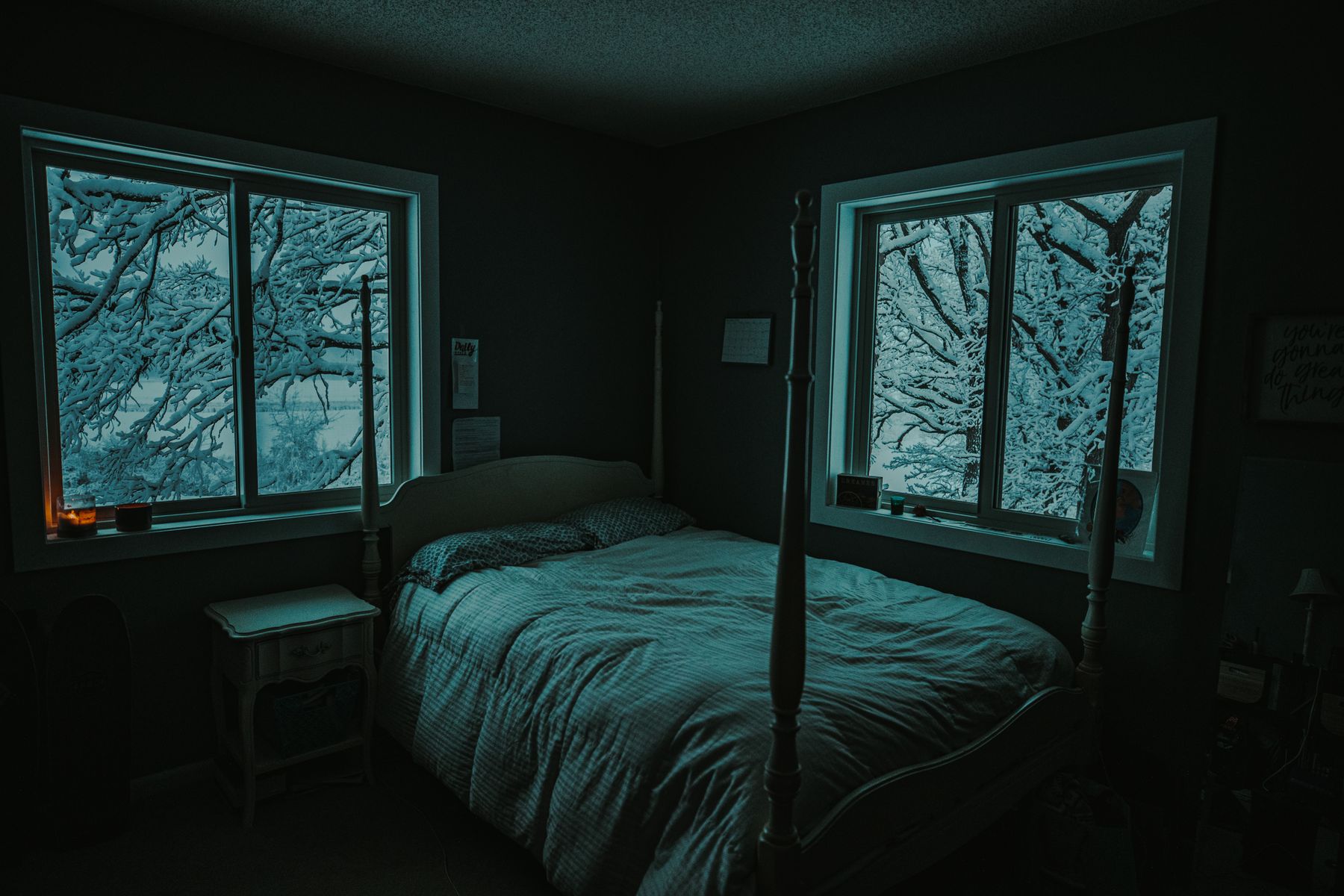
If the bedroom looks toward bare branches, snow, rain or a grey winter sky, keep enough of the window visible for that view to contribute. Do not cover the sill and glass with themed decor after Christmas. Position a chair or the bed so the window can be appreciated without compromising privacy, and use adjustable treatments for early darkness and morning light. Even an urban winter view can add seasonal atmosphere through reflected lights and changing sky. The outside is already doing part of the decorating.
Protect Daylight During Short Winter Days
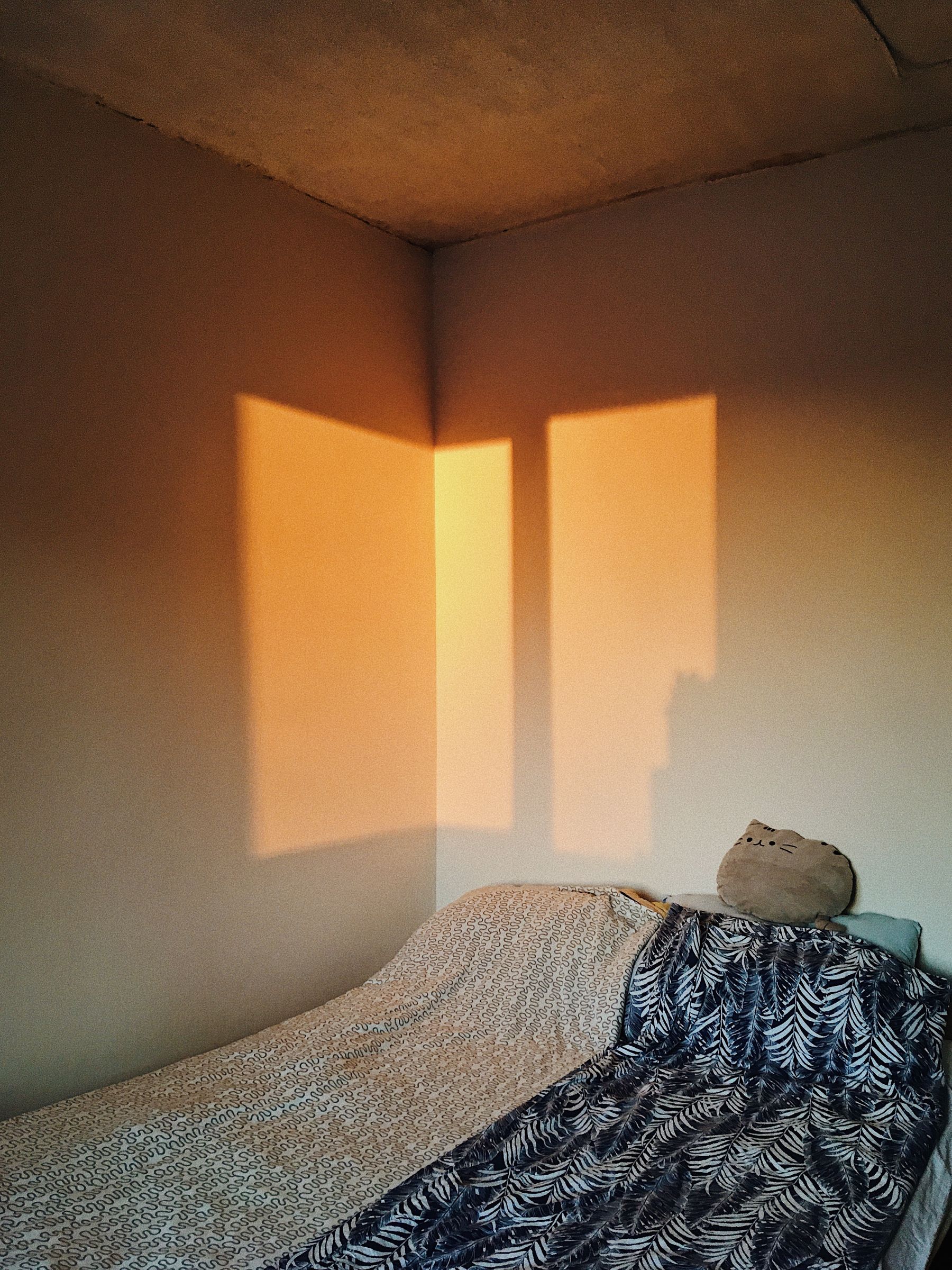
Winter bedrooms need warmth at night but not unnecessary darkness during the day. Open curtains or blinds as much as privacy allows, clean the glass and avoid placing tall objects in front of the brightest part of the window. Low winter sun can reveal wall texture and warm pale colors beautifully, so let the daylight become part of the scheme. If the room faces a street or close neighbor, combine privacy with a sheer or adjustable blind rather than permanently closing a heavy curtain. A bright daytime bedroom usually feels more restful by contrast when the evening lighting becomes softer.
Create a Lower, Warmer Evening Light Layer
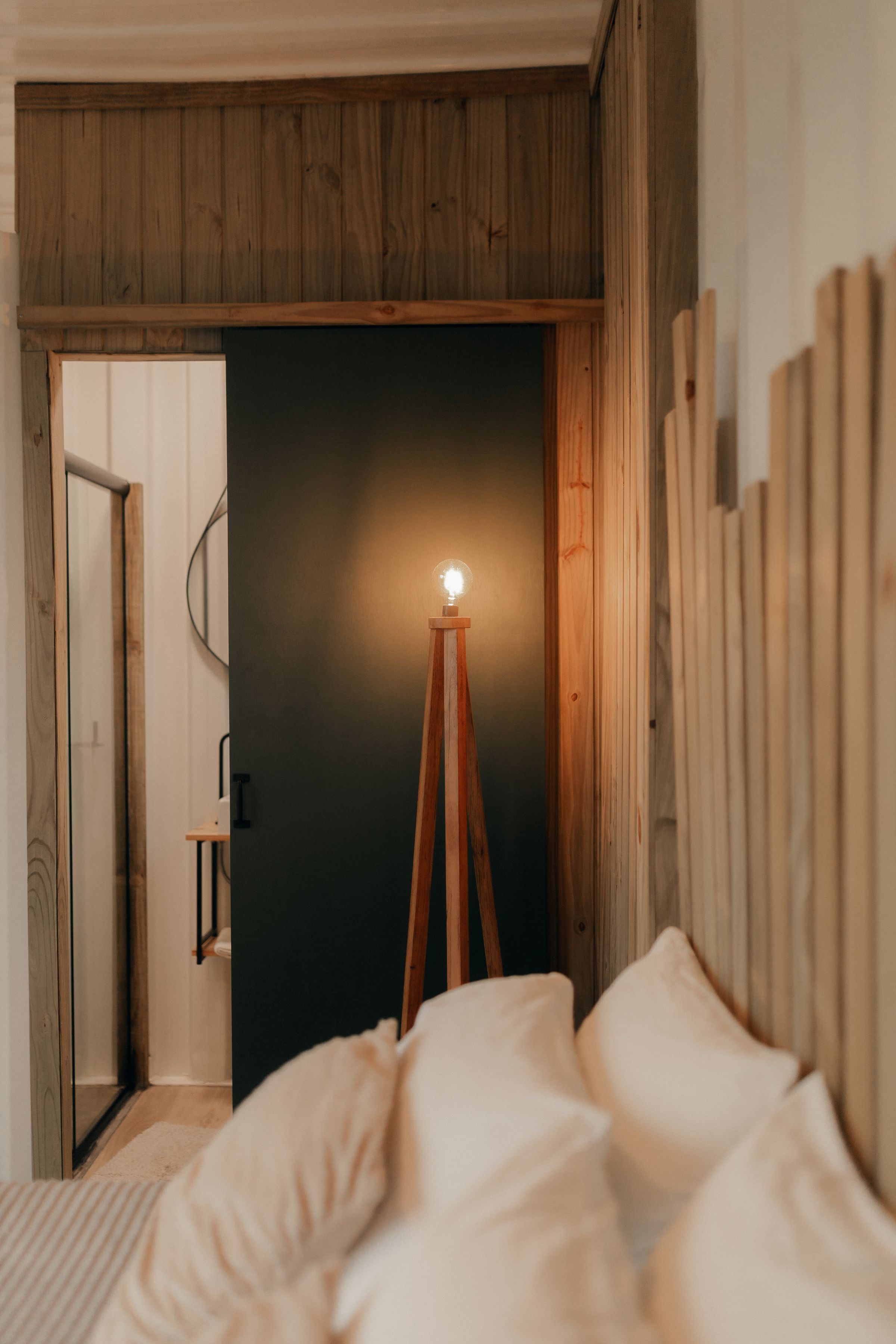
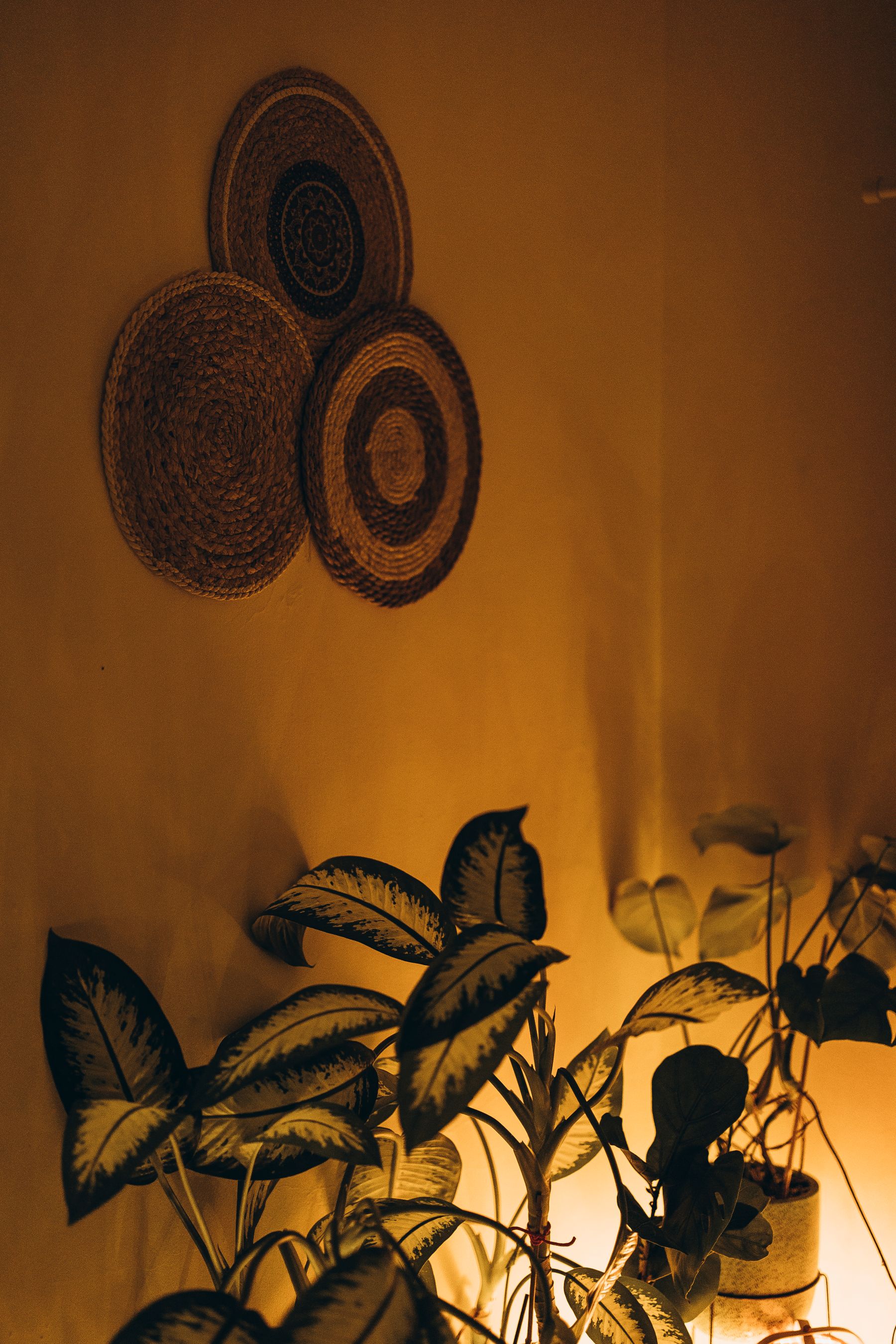
Use bedside lamps, wall lights or another low-level source to create an evening mode that does not depend on a bright ceiling fixture. Warm light can feel calmer, but it still needs to be strong enough for reading, dressing and moving safely. Avoid turning string lights or candles into the only practical illumination. If one person reads while another sleeps, directional bedside light is more useful than making the whole room glow. Keep electrical cords clear of the bed and walking routes and use every light according to its intended indoor application.
Keep the Nightstand Ready for Winter Routines
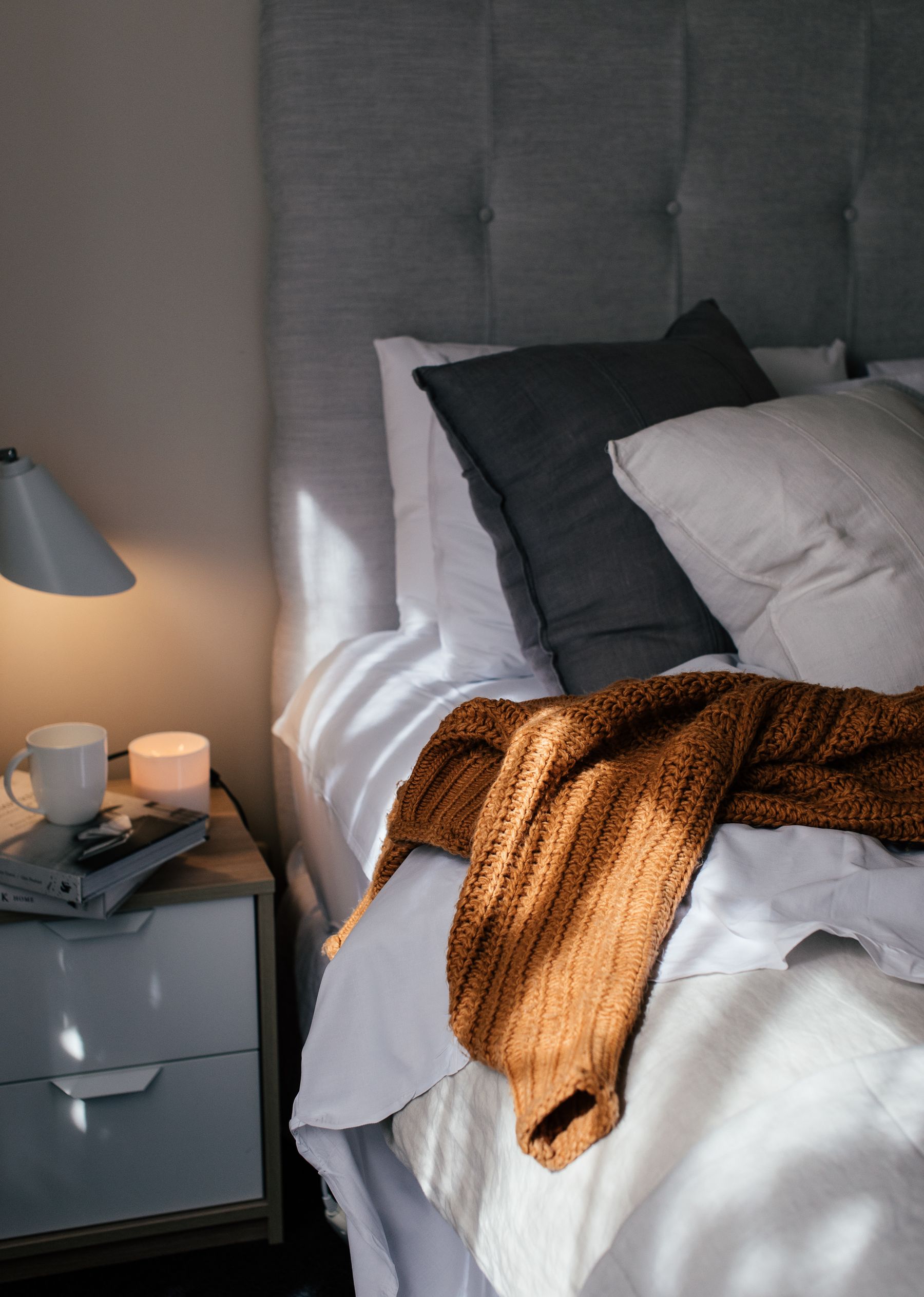
Winter often brings more reading, tea, hand cream, tissues or other small bedside routines, which makes clear nightstand space more valuable. Keep the lamp, water and charging access easy to reach, then allow only one decorative object if there is genuine room. A stack of current books can provide enough visual texture without adding a separate seasonal vignette. Hot drinks need a stable coaster and should not compete with electrical devices or delicate textiles. The bedroom feels calmer when the nightstand is prepared for the evening rather than styled like a shelf.
Use Greenery That Does Not Read as Leftover Christmas
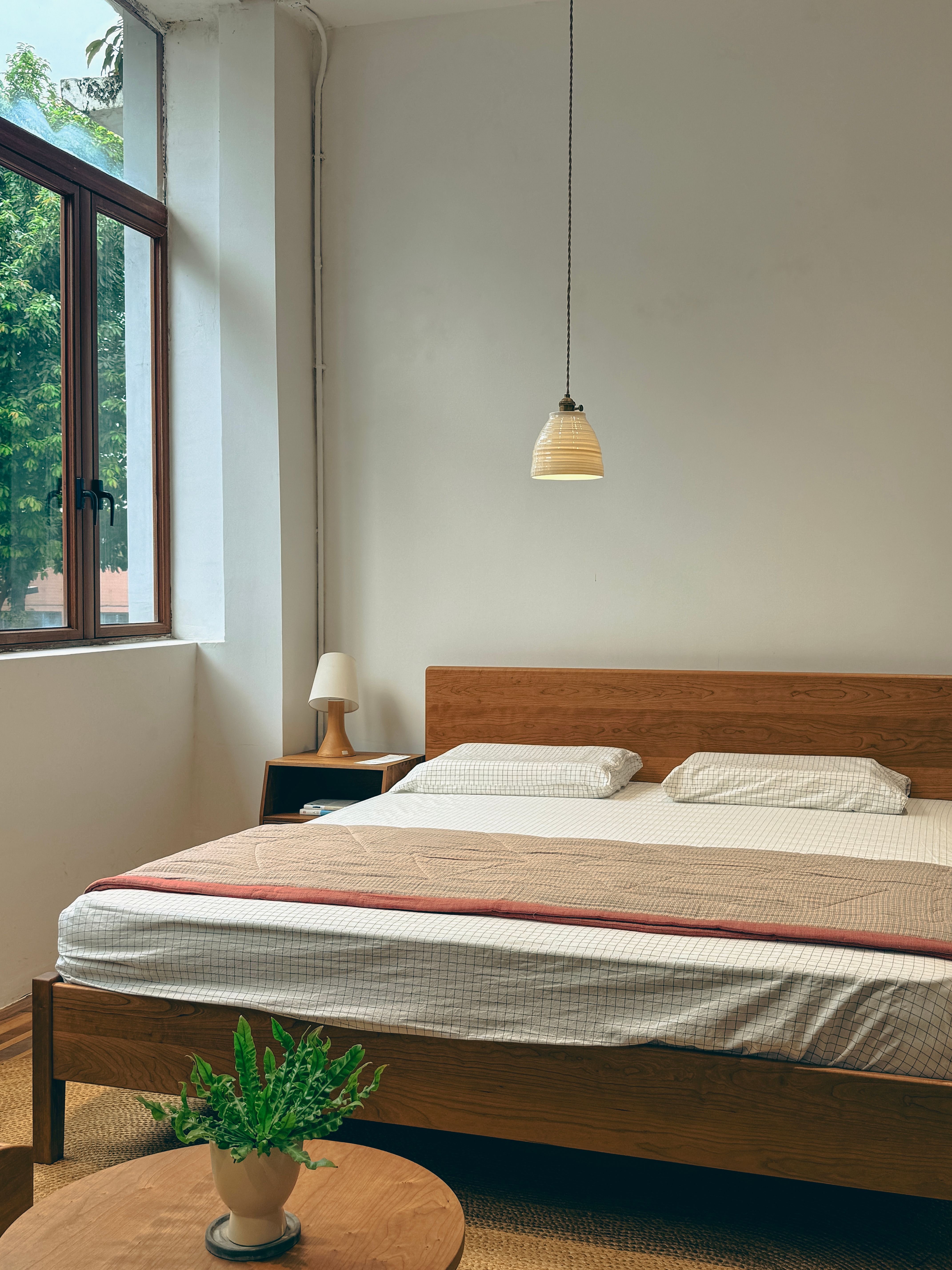
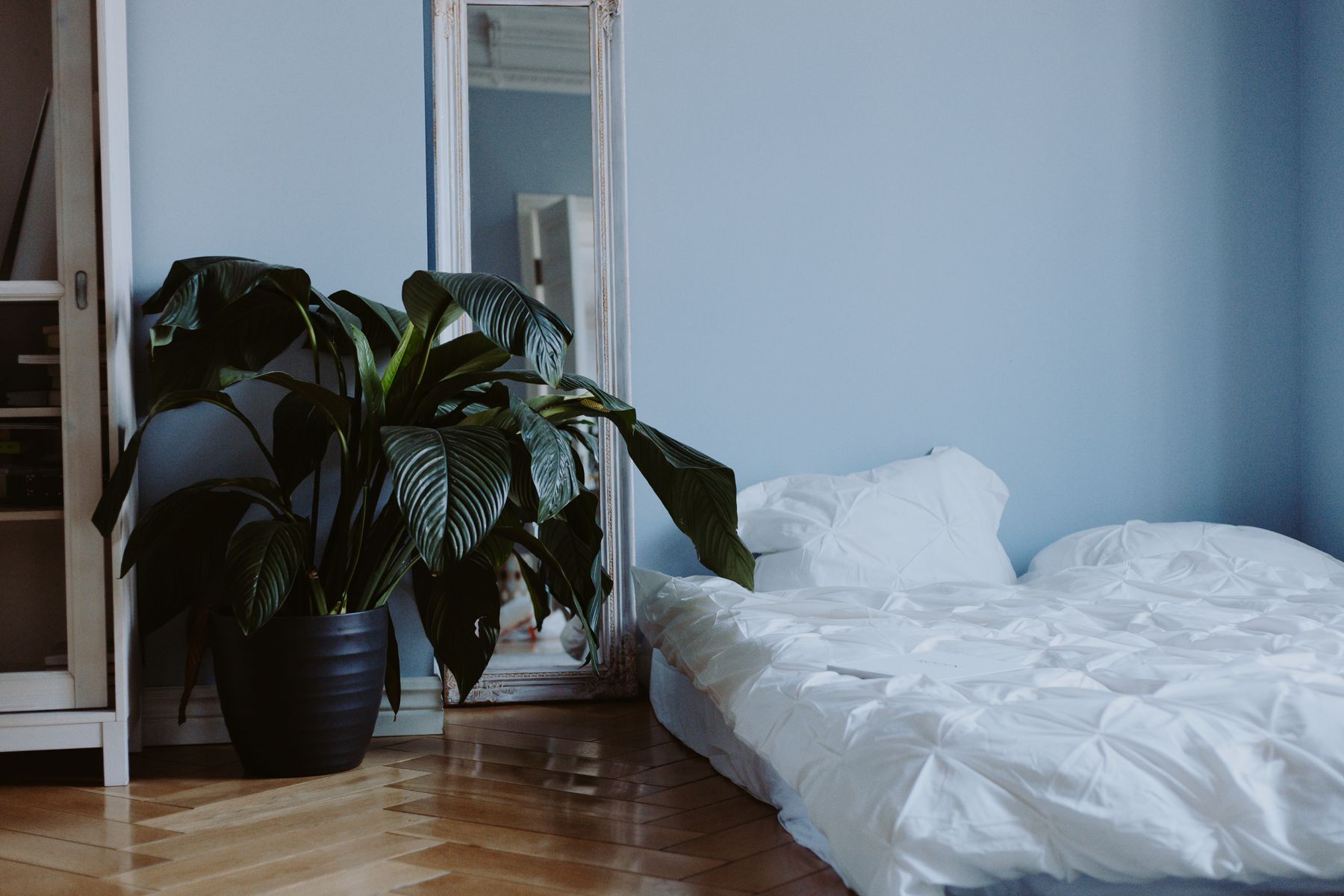
Once garlands and the Christmas tree are gone, a real houseplant can provide enough green to keep the room from feeling visually flat. Choose a plant for the bedroom's actual light, temperature and care conditions, especially if winter heating dries the air or a window becomes cold. One substantial plant often works better than several small pots on the nightstand and dresser. Do not use greenery as a seasonal symbol if the room cannot support it; a branch or botanical artwork may be a more realistic alternative.
Build One Small Comfort Corner
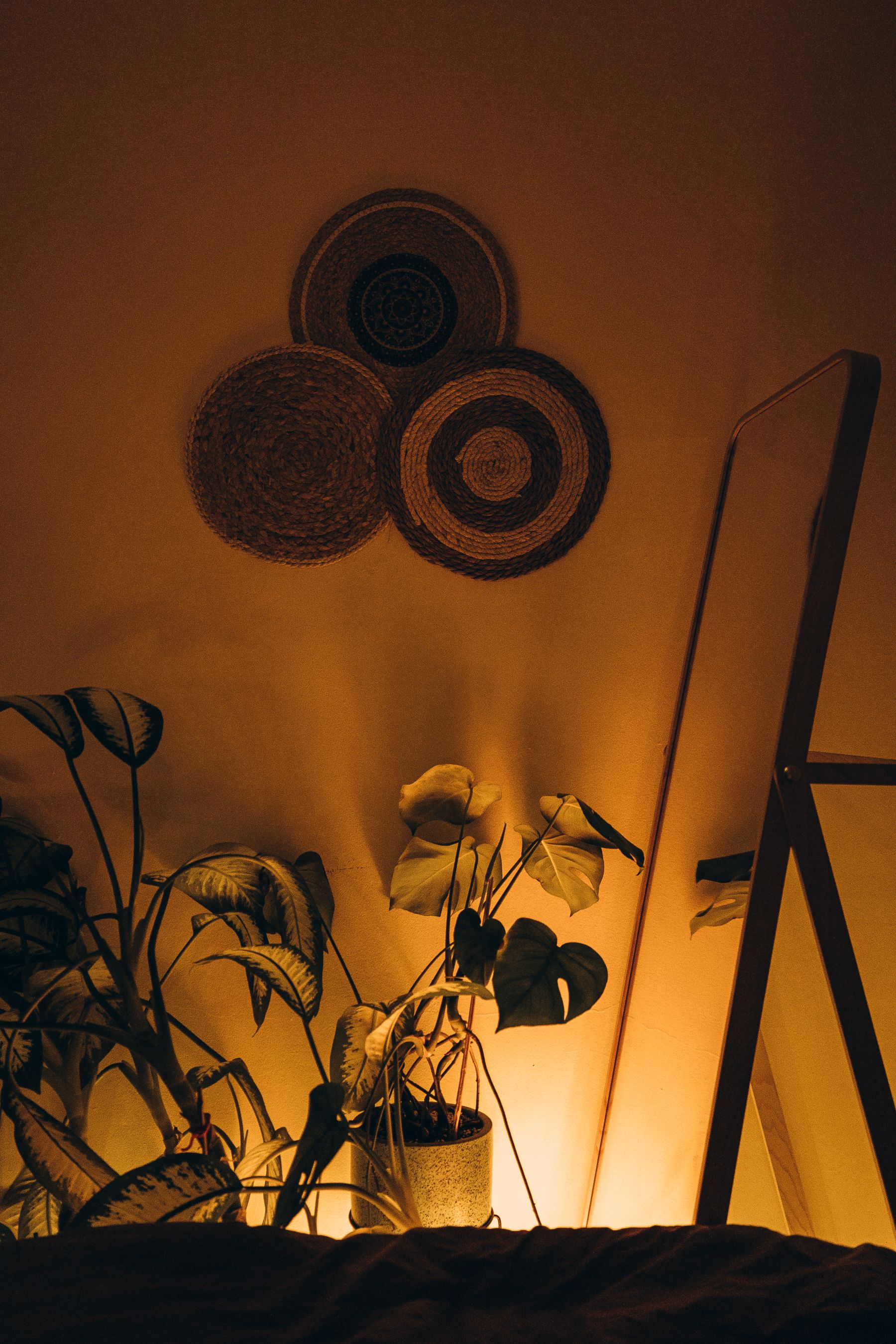
If the bedroom has a chair, bench or unused corner, improve it for a real activity instead of creating another decorative vignette. Add the lamp needed for reading, a reachable surface or a folded blanket, but keep the area easy to move through. In a small bedroom, the comfort corner may simply be the bed edge and nightstand rather than an extra chair. The point is to make one winter ritual easier—reading, dressing, morning coffee—not to fill a corner because it appears empty in a photograph. [Small bedroom ideas](/bedroom/small-bedroom-ideas/) can help determine whether the room has enough space for another function.
Keep the Winter Palette Calm Without Making It Cold
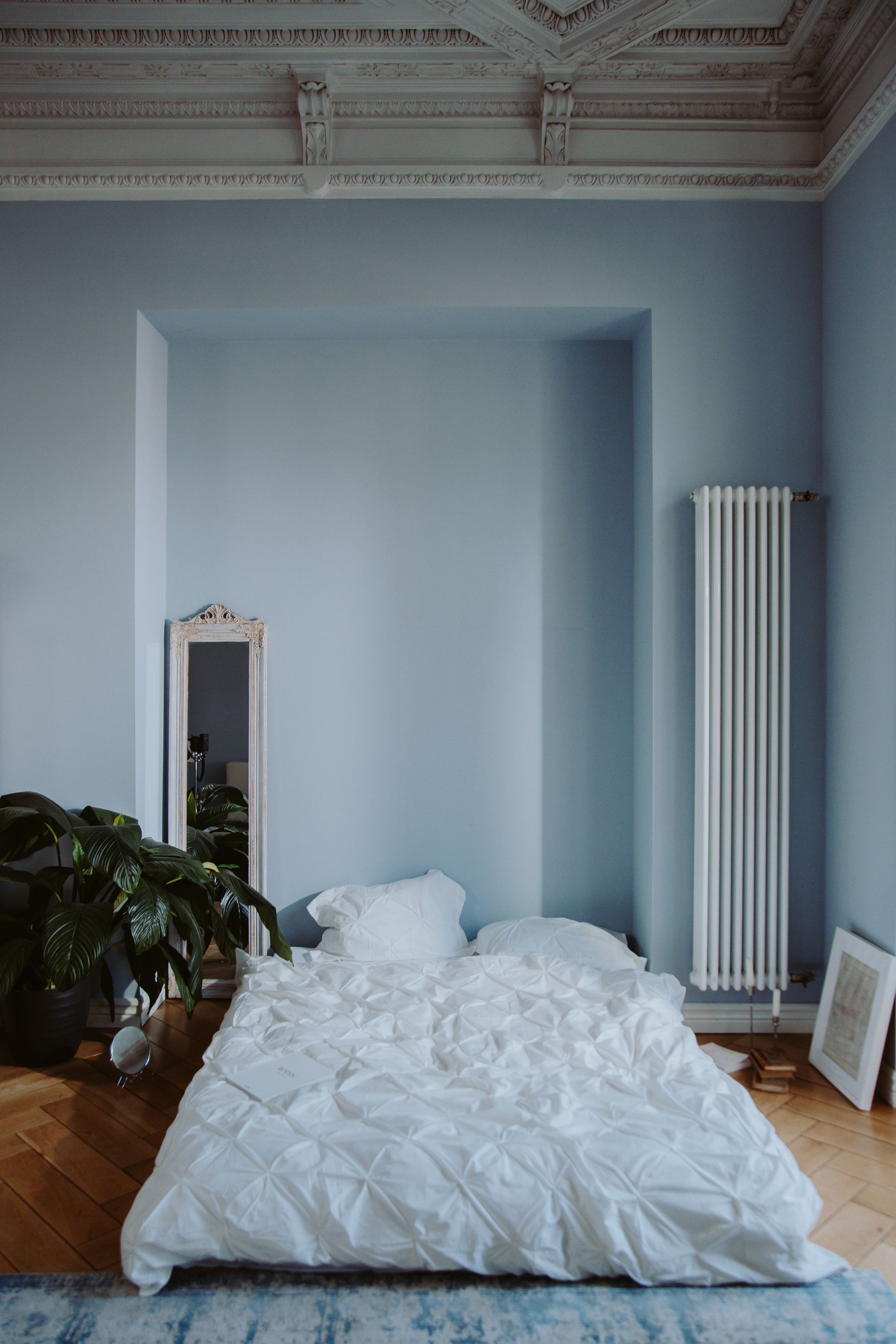
Winter does not require dark walls or grey everything. Warm white, oat, brown, muted blue, olive, camel and natural wood can create a calm room that still feels bright during short days. Use darker colors at smaller scale if they help the room feel grounded. If the bedroom is already neutral, material contrast matters more than adding another beige object: combine smooth cotton, timber, woven fiber and one deeper accent. [Neutral bedroom ideas](/bedroom/neutral-bedroom-ideas/) can help keep quiet color schemes from becoming visually flat.