Does This Window Actually Want a Seat?
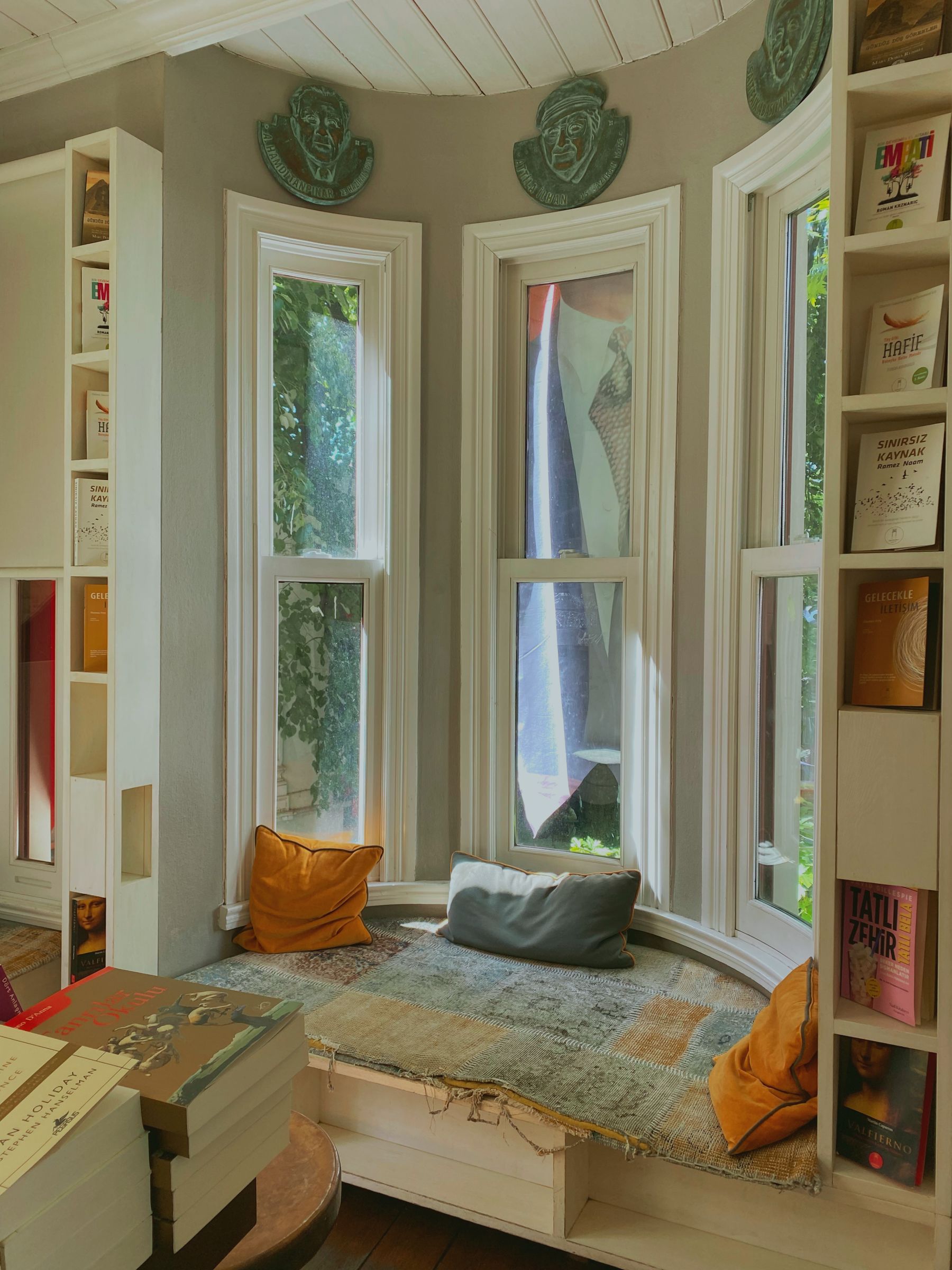
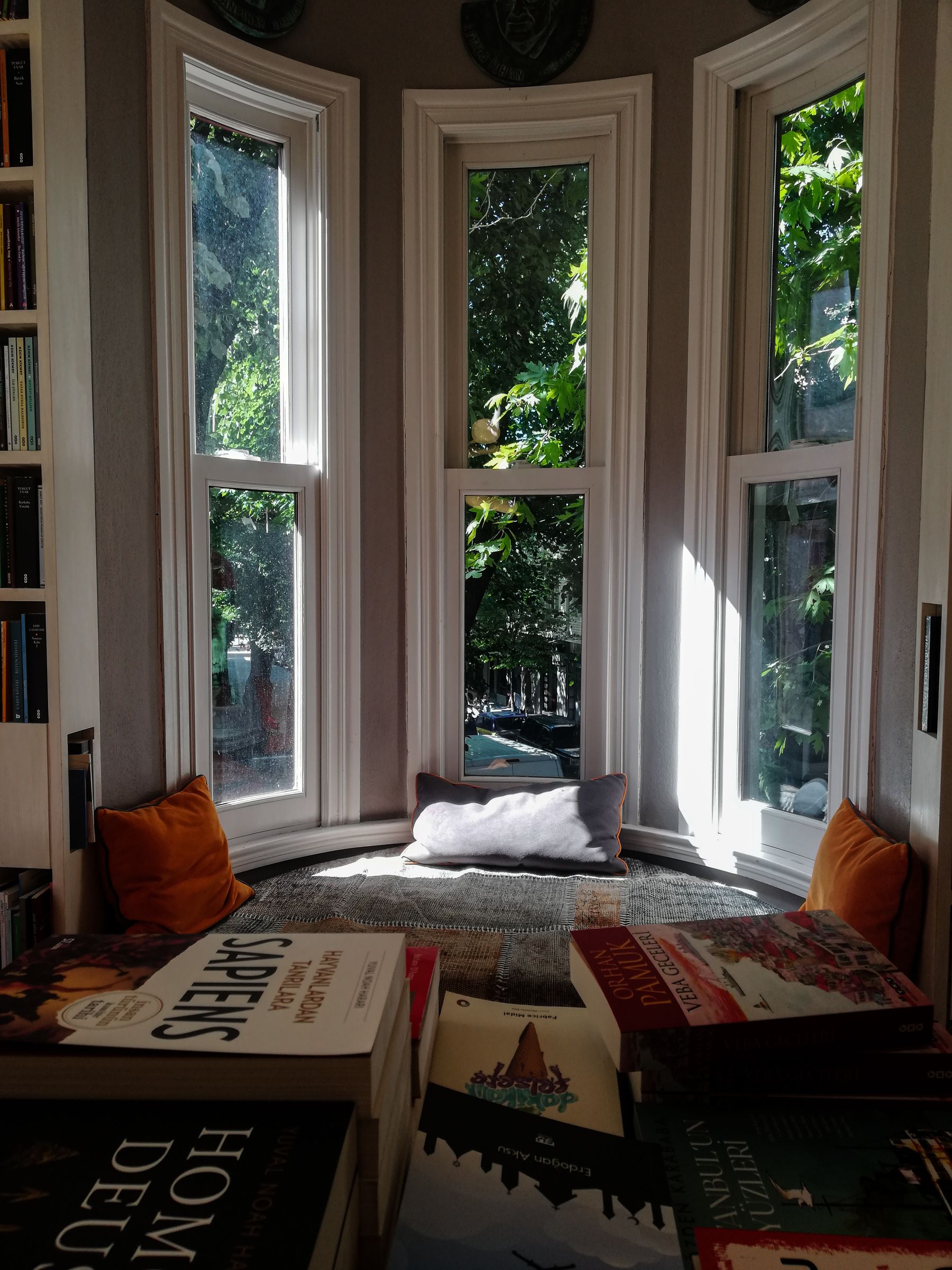
Begin by taking three photographs: from the doorway, from the main sofa and straight toward the window. The opening may be beautiful yet sit across a passage, conceal a radiator or leave no comfortable depth for a person to turn and rise. Identify the exact rectangle a sitter can occupy without blocking a door swing, curtain movement, heating outlet or the route to another piece of furniture. An existing deep bay or recessed sill creates a strong starting point, but a standard shallow windowsill is not automatically safe or substantial enough to sit on. Distinguish a genuinely load-bearing seat from a decorative ledge; structural capacity and fixings need confirmation, not assumptions from its appearance. Notice what the view reveals as well as what it offers: facing a private garden is different from sitting at eye level opposite a neighbor's window. Decide who would use it and for what—reading, conversation, looking out, or a quiet moment—before drawing cabinetry. The [living room layout guide](/living-room/living-room-layout-ideas/) covers overall circulation; the seat here succeeds only when the view, body and architecture meet.
Built-In, Freestanding Bench or Just a Cushion?
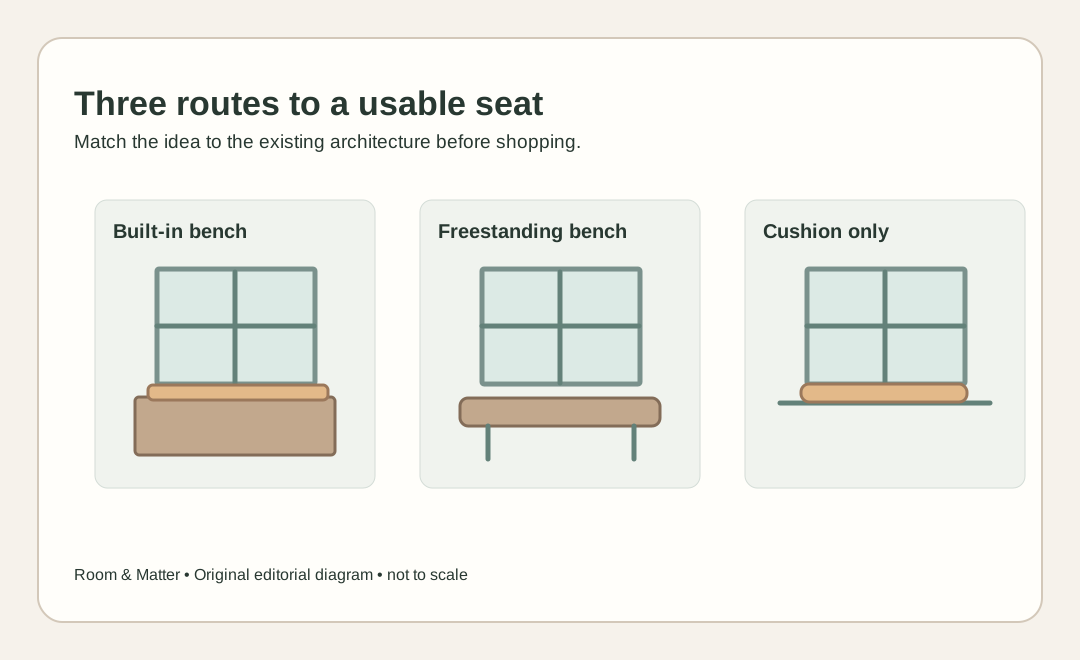
A built-in bench makes sense when the window recess has enough depth, the structure can carry the anticipated load and the room benefits from a permanent edge. It creates a tailored architectural line but also commits you to its height, ventilation arrangements, window access and long-term upkeep. A freestanding bench offers a trial version of the idea: you can test placement without fixing a cabinet under the glazing, move it to clean and take it with you. Its feet and corners must stay out of traffic, and the upholstery should not conceal a blocked vent. A removable cushion is the lightest visual intervention, but only on an existing surface that is independently verified to be suitable for sitting—never on an ornamental sill that merely looks broad in a photograph. In rentals, discuss any permanent work with the property owner and avoid irreversible changes without written consent. The right choice is not the most photogenic one. It is the option that keeps the window operable, the surface safe and the room usable when nobody is sitting there.
The Cushion Must Respect the Actual Sitting Depth
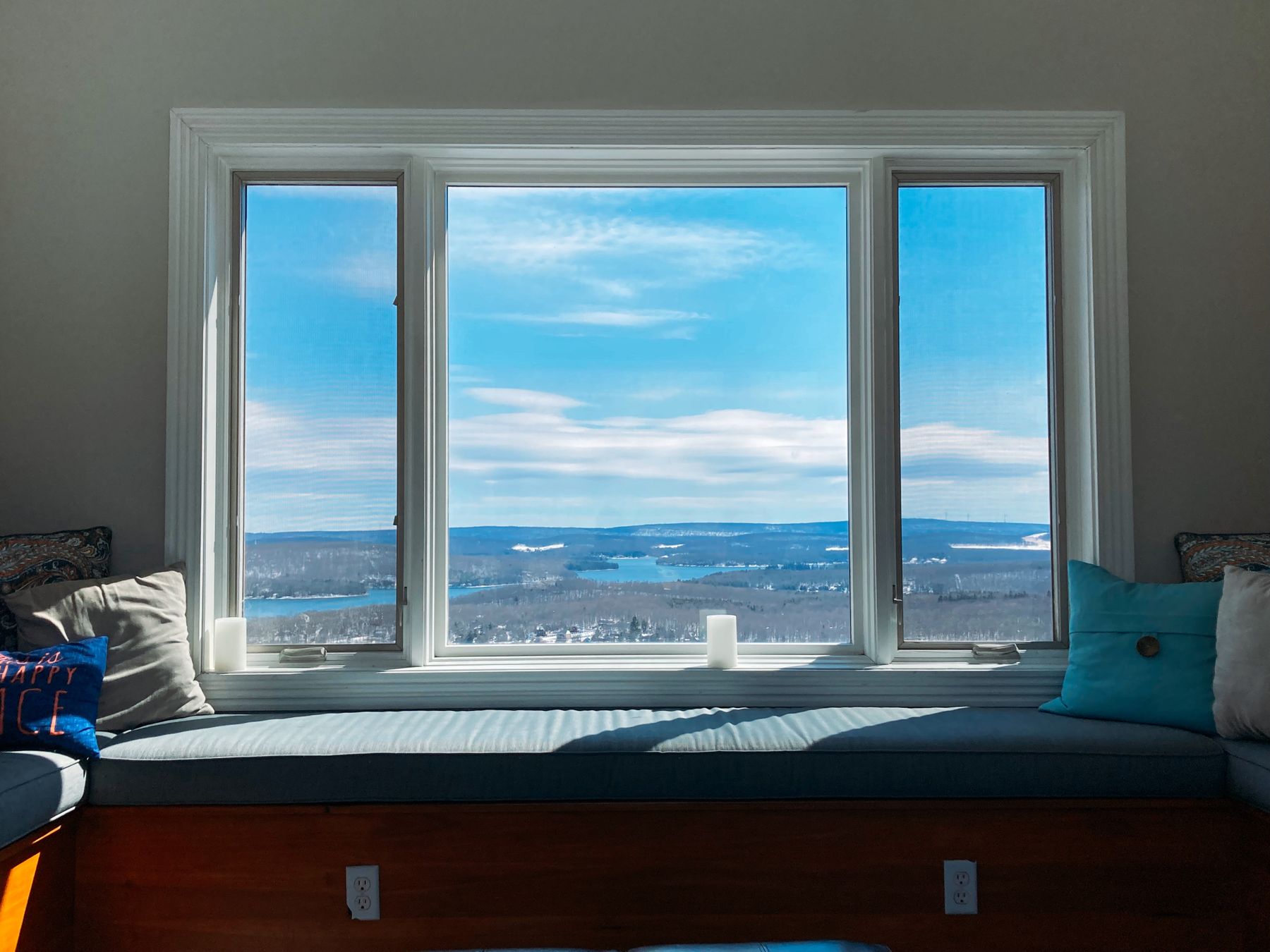
A continuous cushion creates visual calm, but it needs to work for real sitting. Record the available finished seat depth after allowing for back support; a generous unpadded platform may become shallow once thick pillows are piled against the glass. Test the height with the people who will use it: feet that cannot reach support, knees pressed against the edge or a difficult stand-up motion will matter more than matching a reference photograph. Choose an appropriate cushion insert based on actual use, supplier specifications and available measurements rather than a universal thickness claim. A firm supportive base often behaves differently from a soft display pillow; ask for material and care details and test a sample when possible. Where the seat widens into a bay, a made-to-measure cover may reduce bunching, but avoid specifying a complicated one-piece shape before checking how it comes off for laundering. Consider sunlight fading, contact with window condensation and whether the cushion can be lifted quickly for inspection. The best-looking seat is one that still sits well after an ordinary half-hour.

Pillows: Back Support Before Pattern
Photographs often fill a window niche with a mountain of pillows because the image needs texture; a person needs somewhere to sit. Begin with the minimum back support that makes the actual geometry comfortable, then add a single contrasting cushion only if the composition feels unfinished. A wedge or smaller lumbar cushion may support a sloped posture where a thick square pillow pushes the sitter forward. In a narrow niche, keep one end visually open to preserve usable length; in a wide one, concentrate cushions at the place where a person leans rather than distributing them symmetrically like a sofa display. Think about how the fabric behaves against glass: pale loose-weave covers will show transferred dust; delicate trim can catch on handles or blind cords. Repeat a color already present in the living room—a chair, rug or book spine—rather than making the window seat a separate palette. A seat that needs five pillows removed before each use is effectively a decorative shelf.
Privacy Changes at Sitting Height
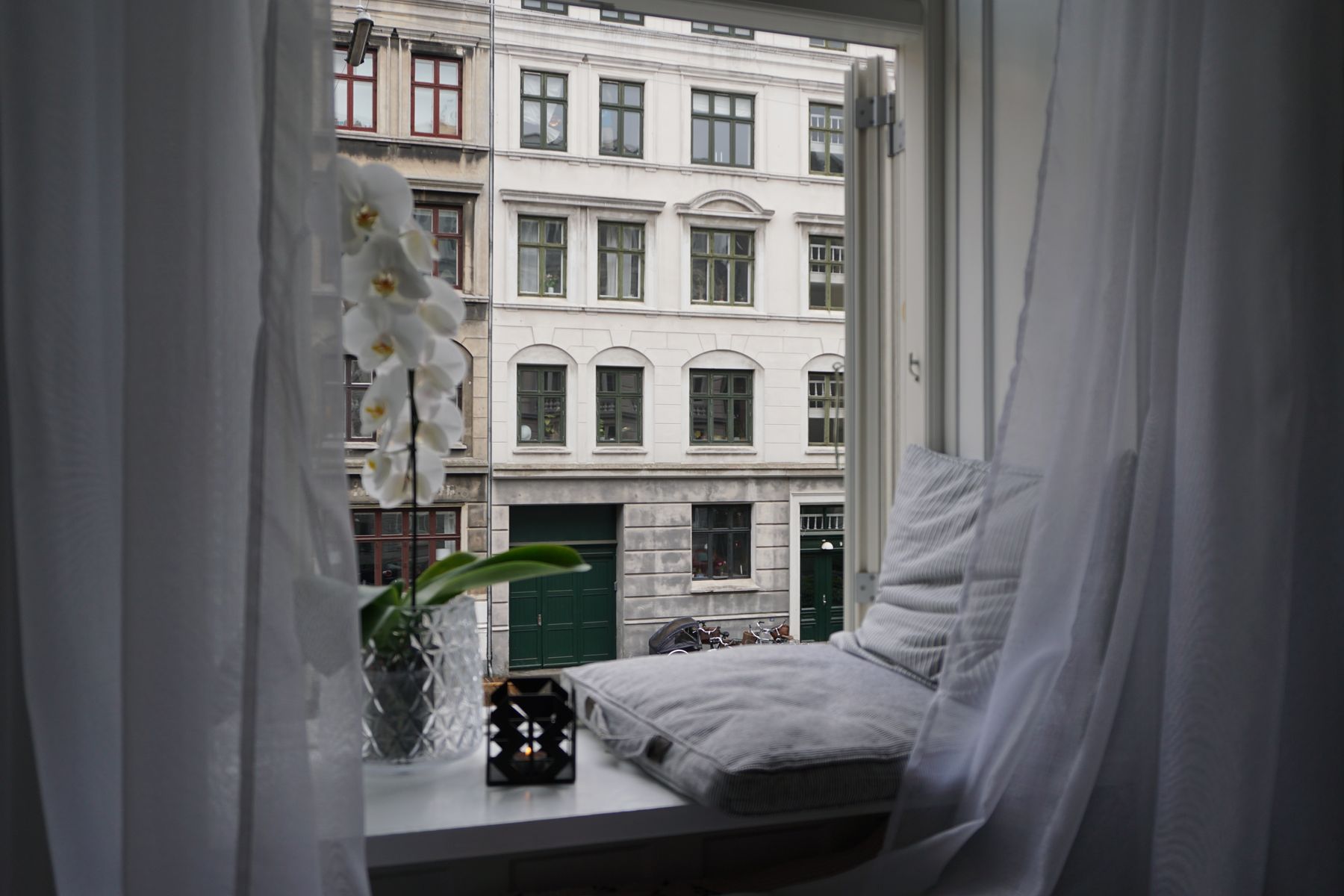
Standing in the room and sitting immediately against the glass offer different sightlines. A window that feels private from the sofa may put your face level with pedestrians, adjacent flats or a shared courtyard once you occupy the seat. Test the view from the actual seat at different times of day and after dusk with interior lights on. Sheers can soften daylight without fully shielding silhouettes; blinds, lined curtains or adjustable screening solve different degrees of visibility. Verify what the treatment achieves in the actual conditions instead of assuming that a sheer white panel always delivers privacy. Plan how fabric opens around the seat: long curtains caught beneath upholstery may be hard to close and clean, while a shade with a reachable operating control may leave the cushion clear. Keep cords and controls safe and accessible, especially around children and pets. A plant or one object at the side can soften the composition without pretending to replace a real privacy treatment. The point is not to cover the lovely view; it is to give the sitter agency over being seen.
Reading Needs an End Point for Every Object
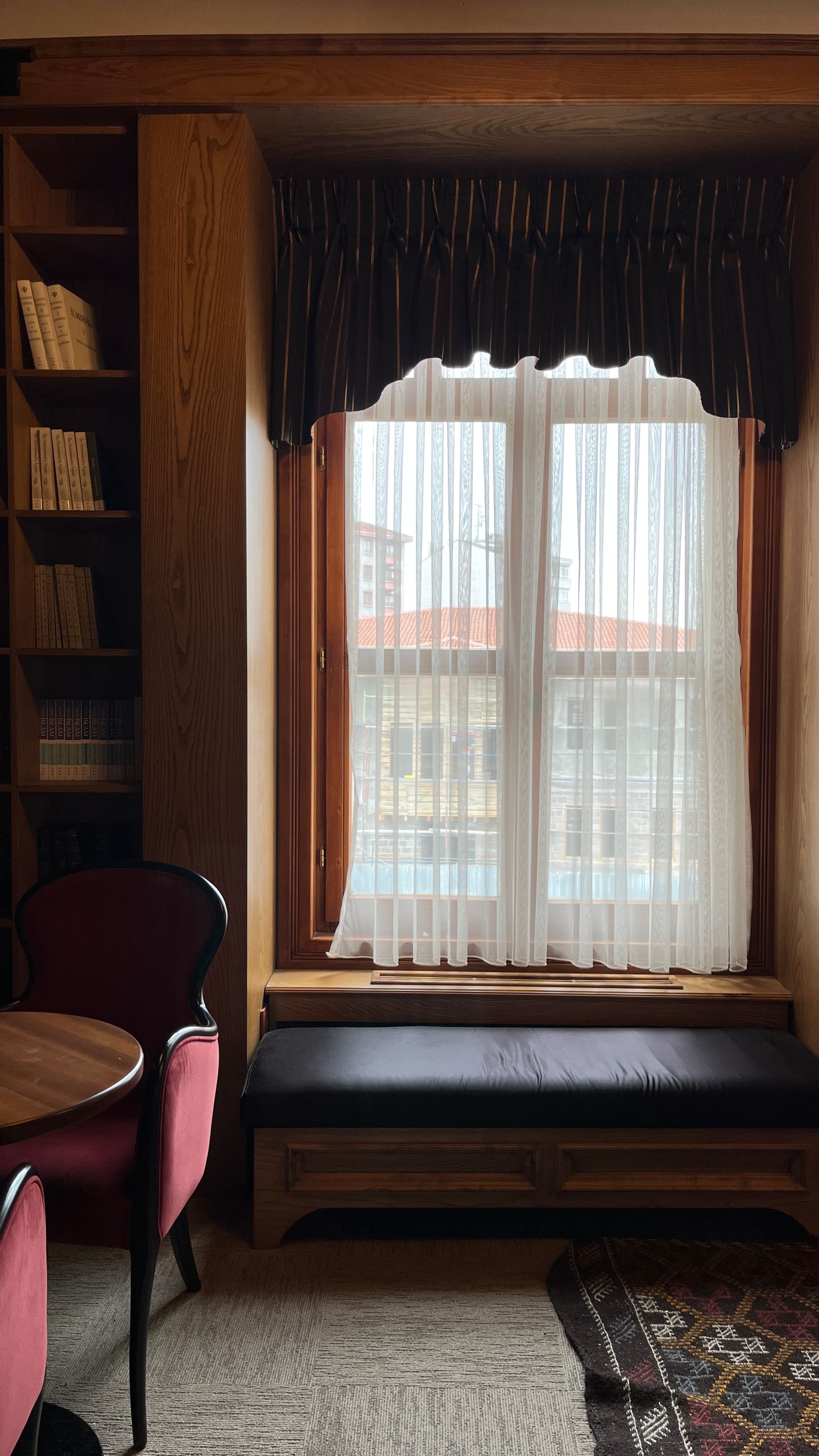
If the seat is intended for reading, walk through the whole sequence rather than stopping at a styled book pile. Where does the current book land when you stand up? Where is a glass placed without risking spills on upholstery or paper? Can you reach a reading lamp after the sun moves, and can you return to the main sofa without stepping over a side table? A shallow shelf or nearby stable small surface may be enough. Do not obstruct an opening sash with a tray of accessories or place a heavy bookcase in a narrow approach just to create an Instagram-ready nook. If the window seat joins an existing library, let a few book colors and timber tones bridge the two instead of stacking volumes along the cushion. For readers who need longer seated sessions, back support and the ability to change posture matter more than a highly staged throw. The [living room lighting guide](/living-room/living-room-lighting-ideas/) helps select the reading beam; this window-seat decision is primarily about reachable surfaces, path and the inevitable halfway-through-a-chapter pause.
Glass, Heat and Cleaning Are Part of the Design
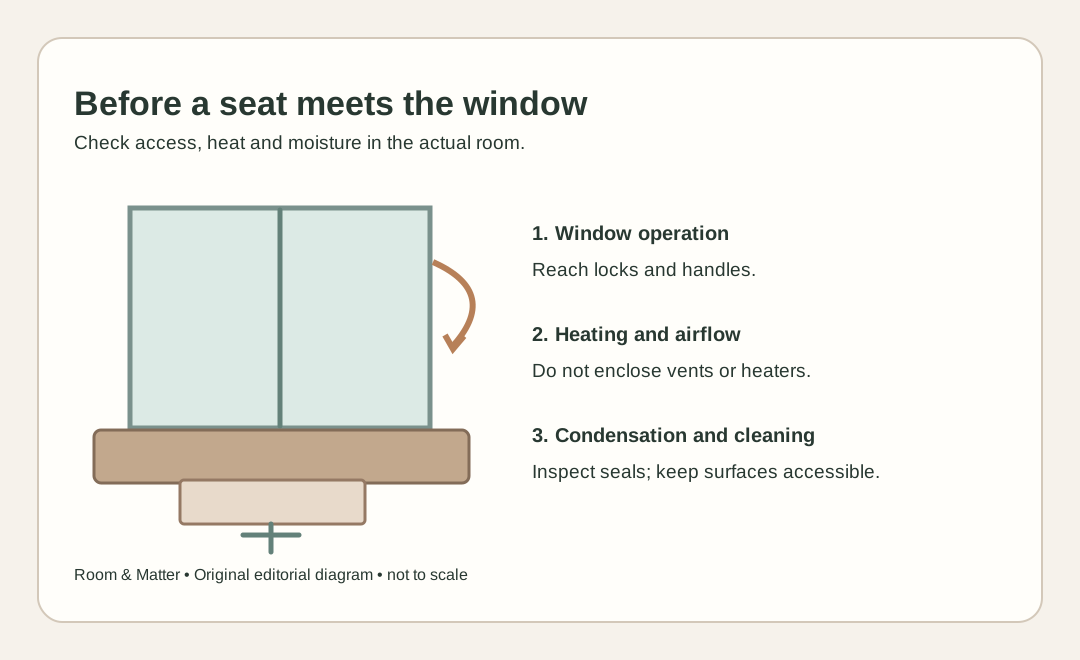
A cushion pressed against a window can conceal exactly the conditions that make this location different from a normal sofa: seasonal condensation, a cold surface, heat from a nearby radiator, a sash that opens inward or a window that must remain accessible for maintenance. Inspect the real construction, especially sill condition, glazing, fixings, seals, window-hardware sweep and all installed heating or ventilation components. Do not block a radiator, floor convector, supply grille or required ventilation route with a bespoke storage box; where dimensions or compliance are uncertain, get the manufacturer guidance and competent professional advice. A vented front is not automatically an adequate solution for every appliance or installation. Choose coverings that lift for cleaning, and check the surface below them after rain, cold nights and routine household humidity. If dampness appears, address its cause rather than adding more waterproof-looking fabric. Valuable textiles and books should not sit against repeated condensation. Resist making a permanent bench until the window has proved dry, operable and easy to service.
When a Movable Bench Is the Better-Looking Answer
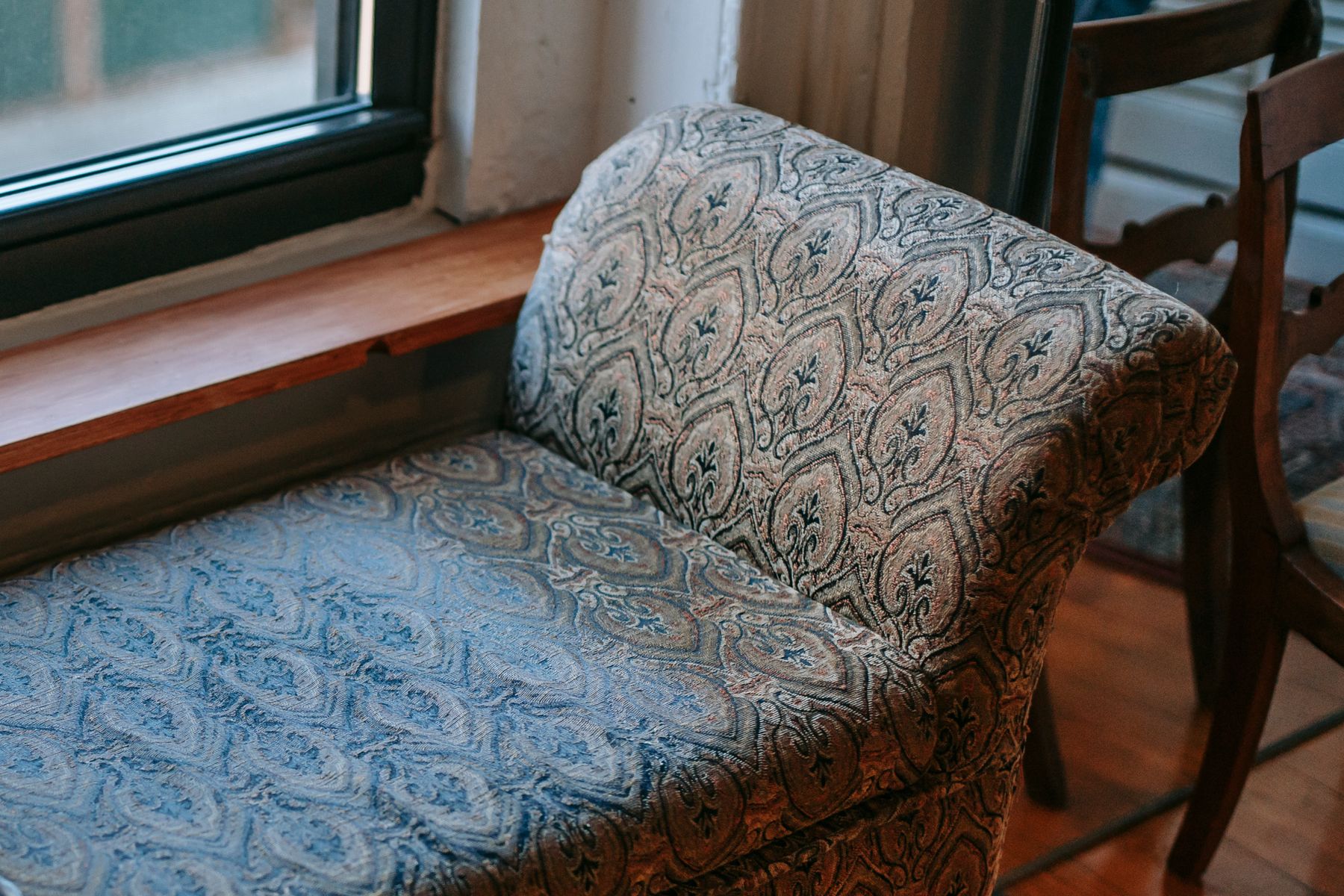
Not every living room needs millwork to make a good window perch. A small upholstered bench can read as deliberate furniture rather than a compromise, especially when the glass wall is flat, the sill is too shallow to support a seat or the room may be rearranged later. Select the bench for the space between its legs and surrounding circulation, not for the picture-perfect match to the window width. Its upholstery and frame must be stable and suitable for the people who will use it; verify manufacturer load guidance where supplied. If it sits under opening windows, test whether a person can still reach the handle and curtains without standing on the bench. In a narrow living room, a movable seat can double as occasional conversation seating when positioned appropriately, but never allow this second use to introduce blocked doors or unstable furniture. Repeating a material already in the room—wood tone, a restrained fabric or one pattern—usually links the bench to the interior more naturally than installing a full matched cabinetry scheme. A movable bench also lets you clean the wall and window without dismantling the arrangement.
What Happens to the Seat After the Sun Moves?
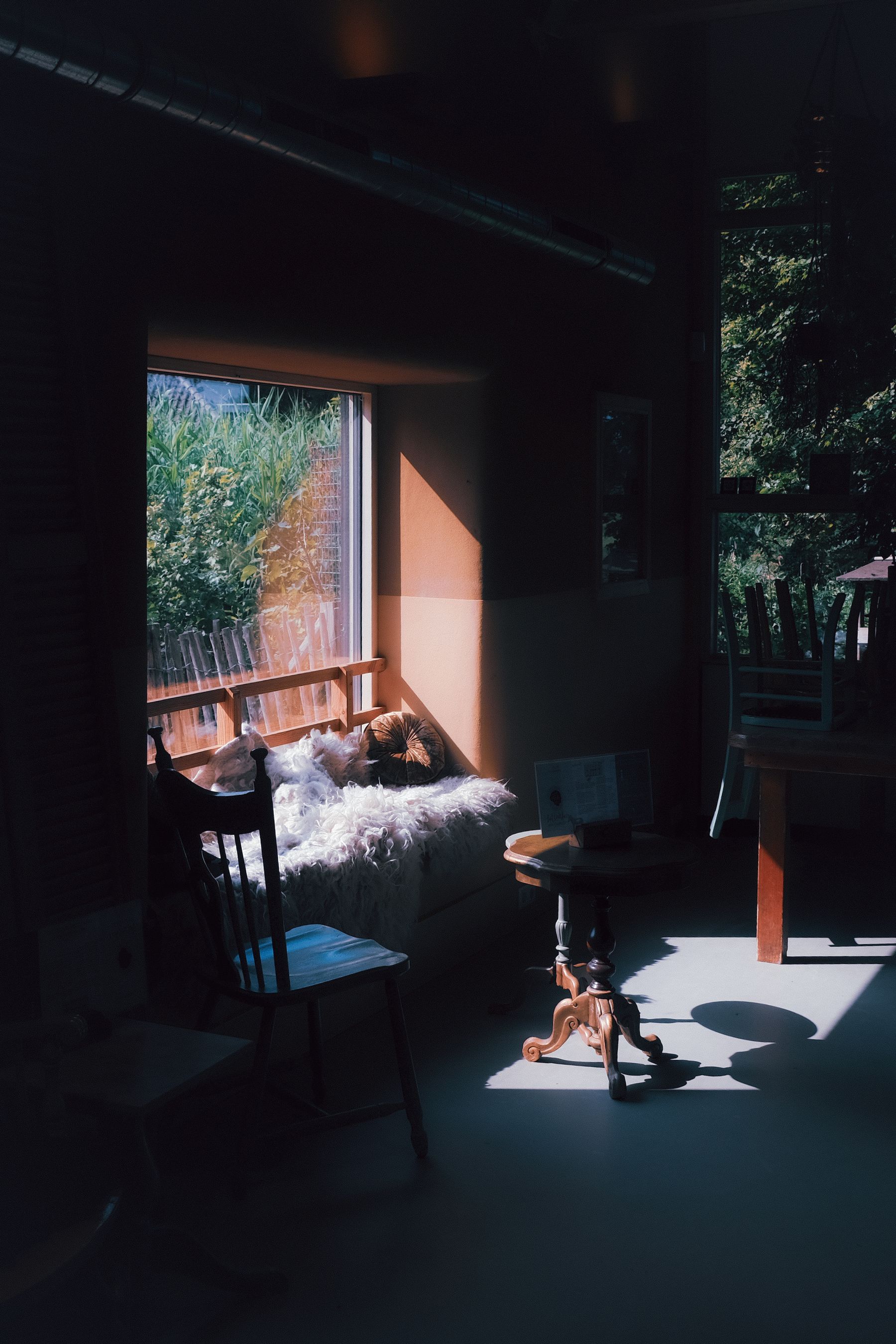
Window seats can be visually magnificent for one bright hour and unused for the rest of the day. Study the light on the cushion in the morning, midafternoon and evening. Does direct sun create glare on a page or screen? Is the fabric uncomfortably warm or exposed to long periods of fading? When the view becomes a dark reflection, does the seat still feel pleasant—or suddenly exposed? Good styling responds with control rather than a permanent pile of throws: a suitable adjustable window covering, a reachable reading lamp with a controlled beam, and a pared-back textile palette can extend use beyond the photograph's favored moment. If the nook remains dark, a nearby warm pool of light may be preferable to a harsh fixture aimed directly at the glass. Coordinate any lamp, cord and switch with existing paths and keep hot fittings away from fabric according to manufacturer requirements. The goal is a place that earns its footprint even when the weather is dull, the curtains close or winter arrives.
A One-Week Sit Test Before You Commit
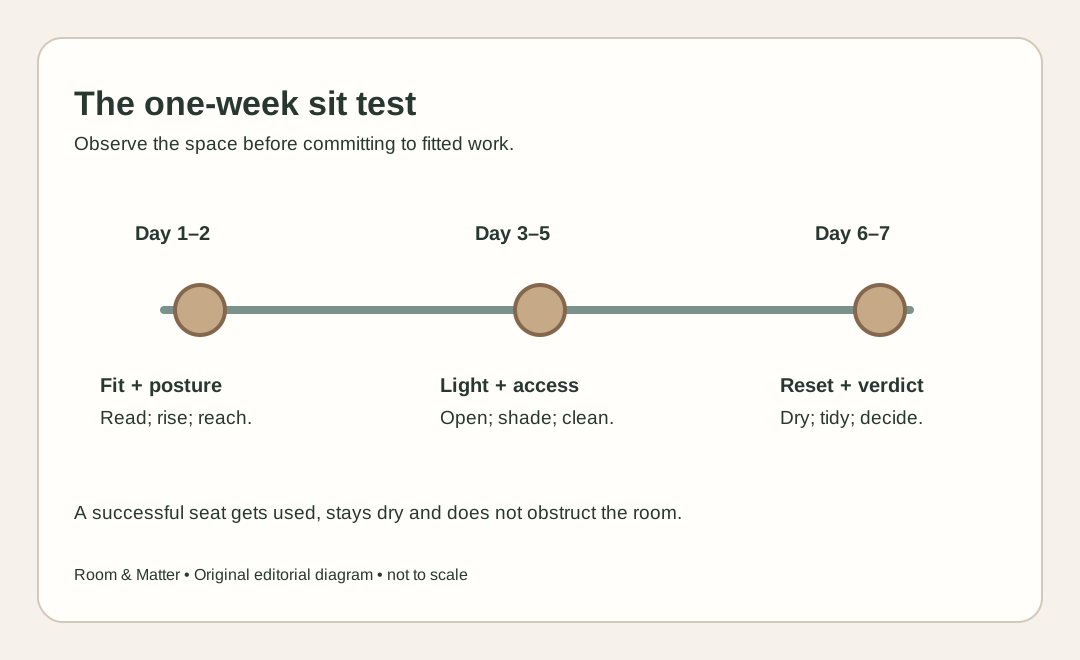
For the first two days, test the intended seat height, approach, posture and back support with a safe temporary arrangement. On days three through five, watch what changes: can the window open, does the radiator or grille still work as designed, where does the light fall and is there any condensation under the cushion? On the final two days, look at the daily reset. Is the seat still somewhere you want to sit, or has it become a place where books, bags and spare pillows accumulate? A movable trial bench is useful precisely because it can reveal an unhelpful position without permanent building work. Note whether another seat in the room now feels too crowded or a route becomes tight when someone is sitting at the window. If the test shows real demand, take measurements and seek the appropriate specialist advice before specifying a built-in. If not, a restrained window treatment or a single chair nearby may give the room a better outcome with less expense. The ideal window seat is not the most elaborate: it is the one that withstands ordinary days.