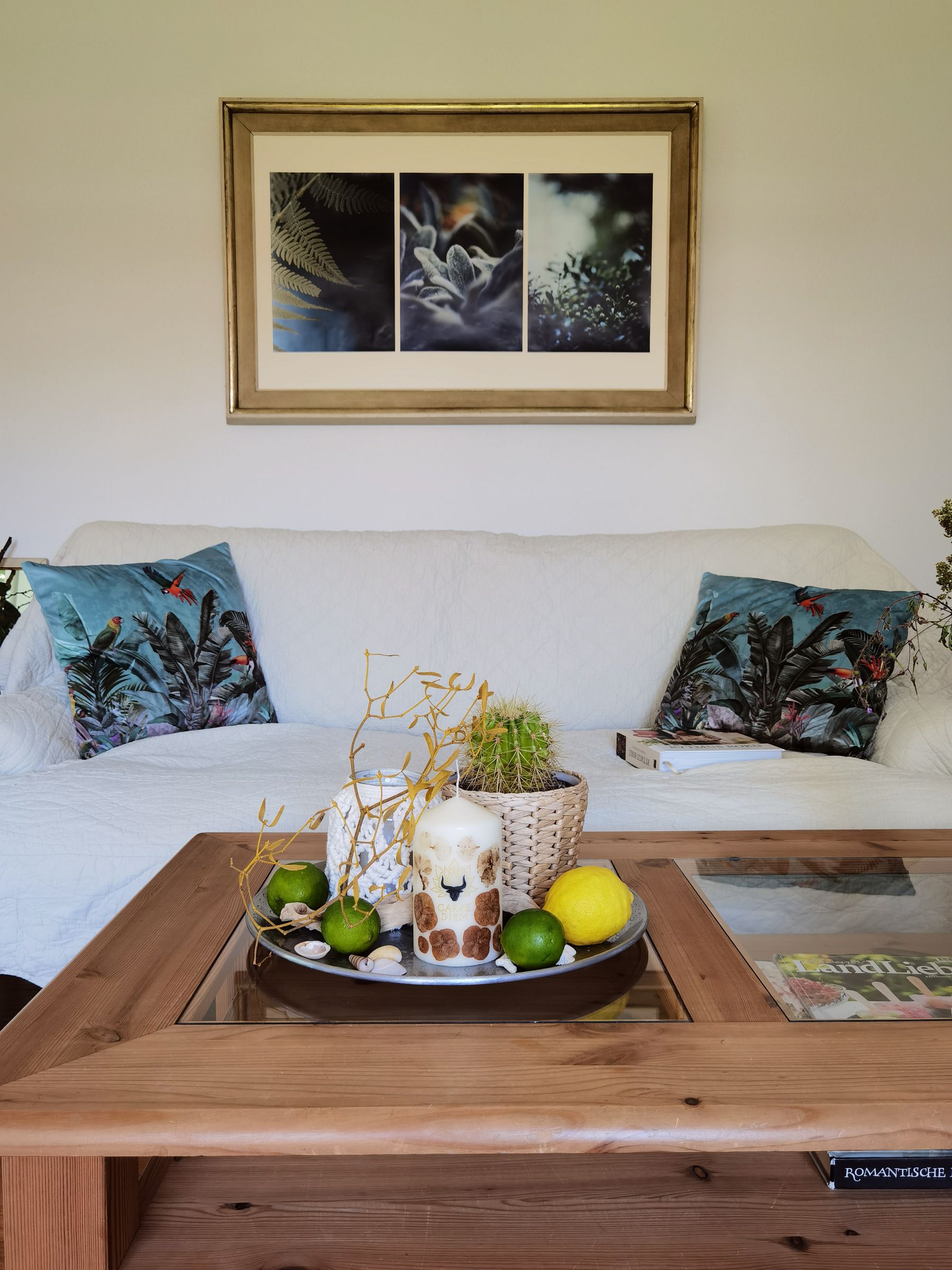
Start With What Autumn Is Already Doing to the Room
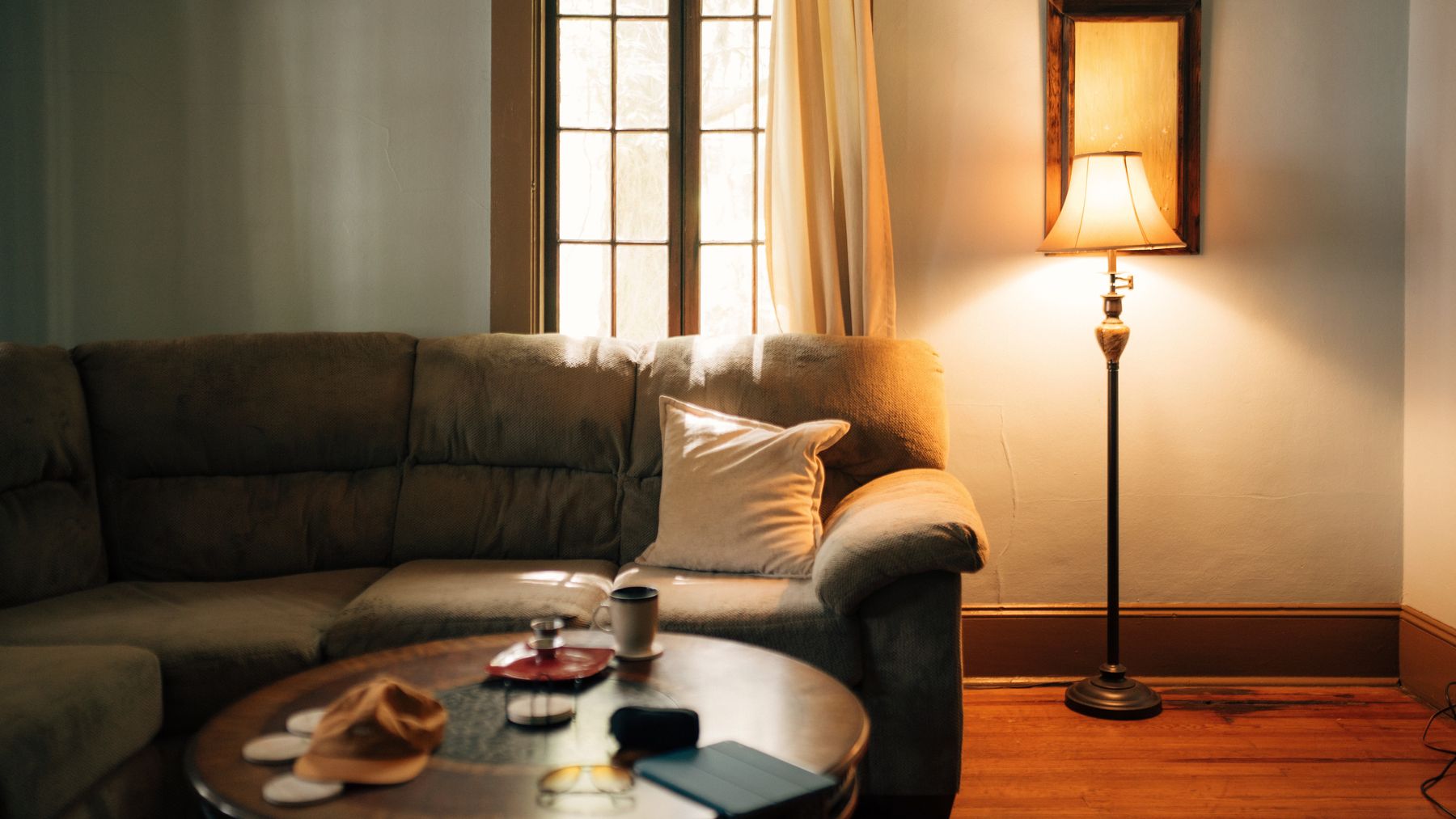
Observe the living room in late-afternoon light before deciding what to add. Wood may appear warmer, a cream sofa may pick up amber tones and a window facing trees may already provide the strongest seasonal color in the room. Use those changes as the starting palette rather than importing a complete orange-and-brown scheme. Remove summer-specific accents only when they feel out of step, then introduce one deeper textile or natural element at a time. The room should still look like itself. [Cozy living room ideas](/living-room/cozy-living-room-ideas/) provides the year-round foundation; fall is a temporary adjustment to that base.
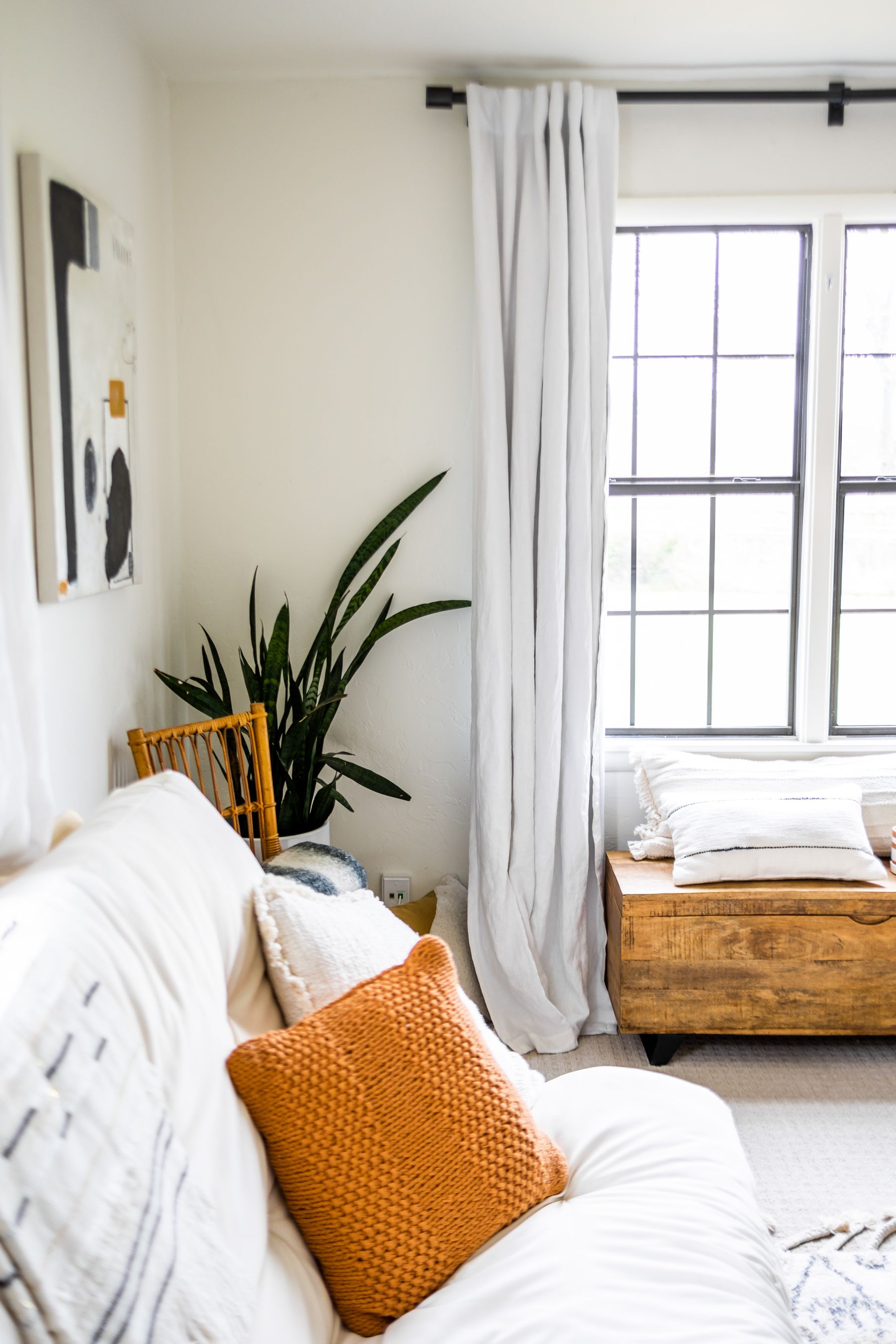
Pull Fall Color From the Existing Palette
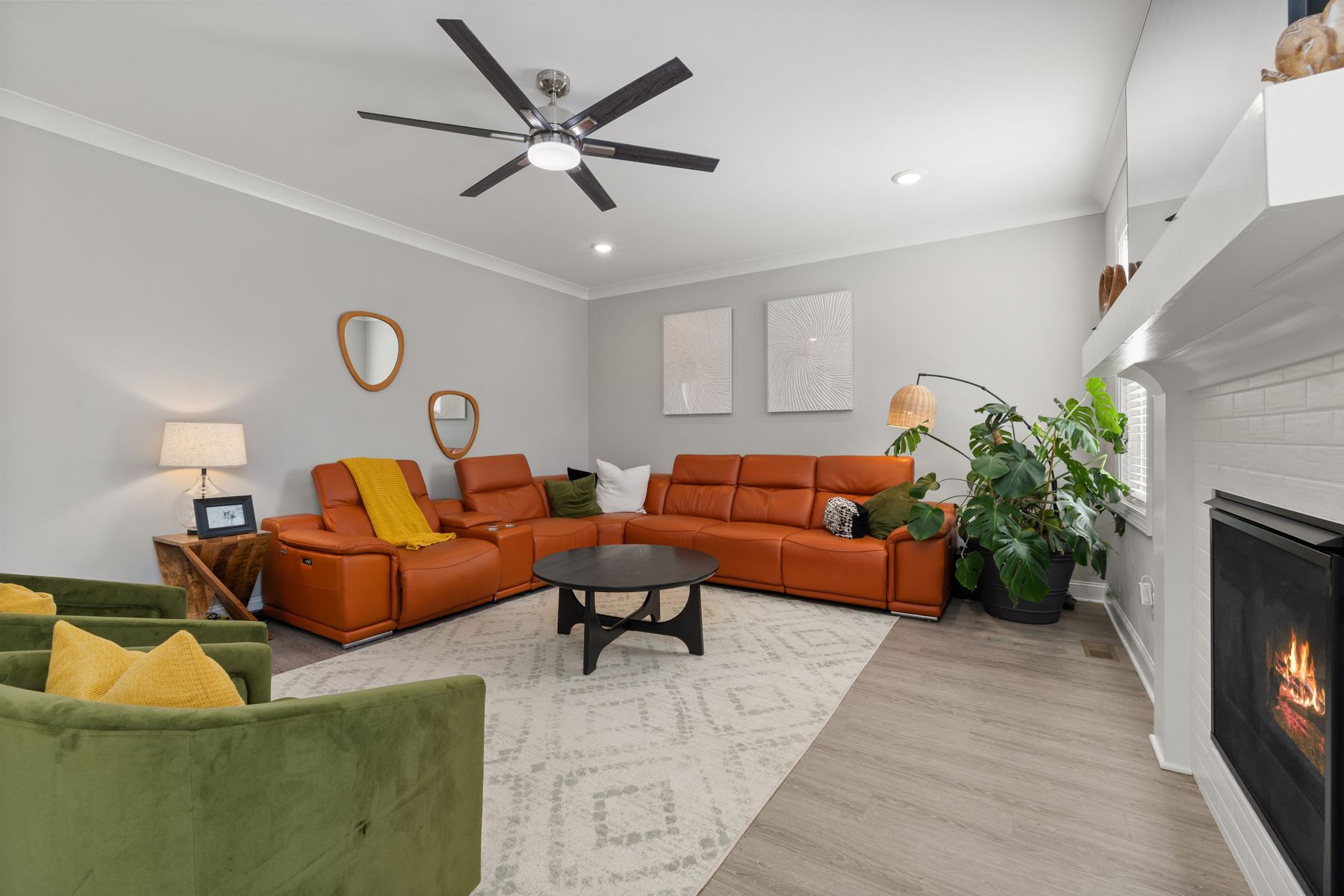
Rust, terracotta, ochre, tobacco brown, burgundy and olive are useful fall colors because they often connect easily to timber, leather, brass and warm neutrals already in a living room. Choose one or two rather than using the entire harvest palette. A blue or green room can move into fall with brown, tan and natural wood instead of orange. If the room already contains orange permanently, [orange living room ideas](/living-room/orange-living-room-ideas/) can help separate architectural color decisions from seasonal accents. Keep enough pale or quiet background that deeper tones have contrast.

Add Textile Weight Where People Actually Sit
Swap one lightweight summer throw for a denser knit, wool blend or brushed textile and consider changing only the cushion covers that are most visible. The point is to alter tactile temperature, not to dress every seat in plaid. Keep fabrics comfortable and washable enough for actual use, especially in a living room shared with children or pets. If the rug already brings substantial pattern and warmth, quieter cushions may be enough. Use seasonal covers rather than storing complete duplicate cushions where storage is limited.
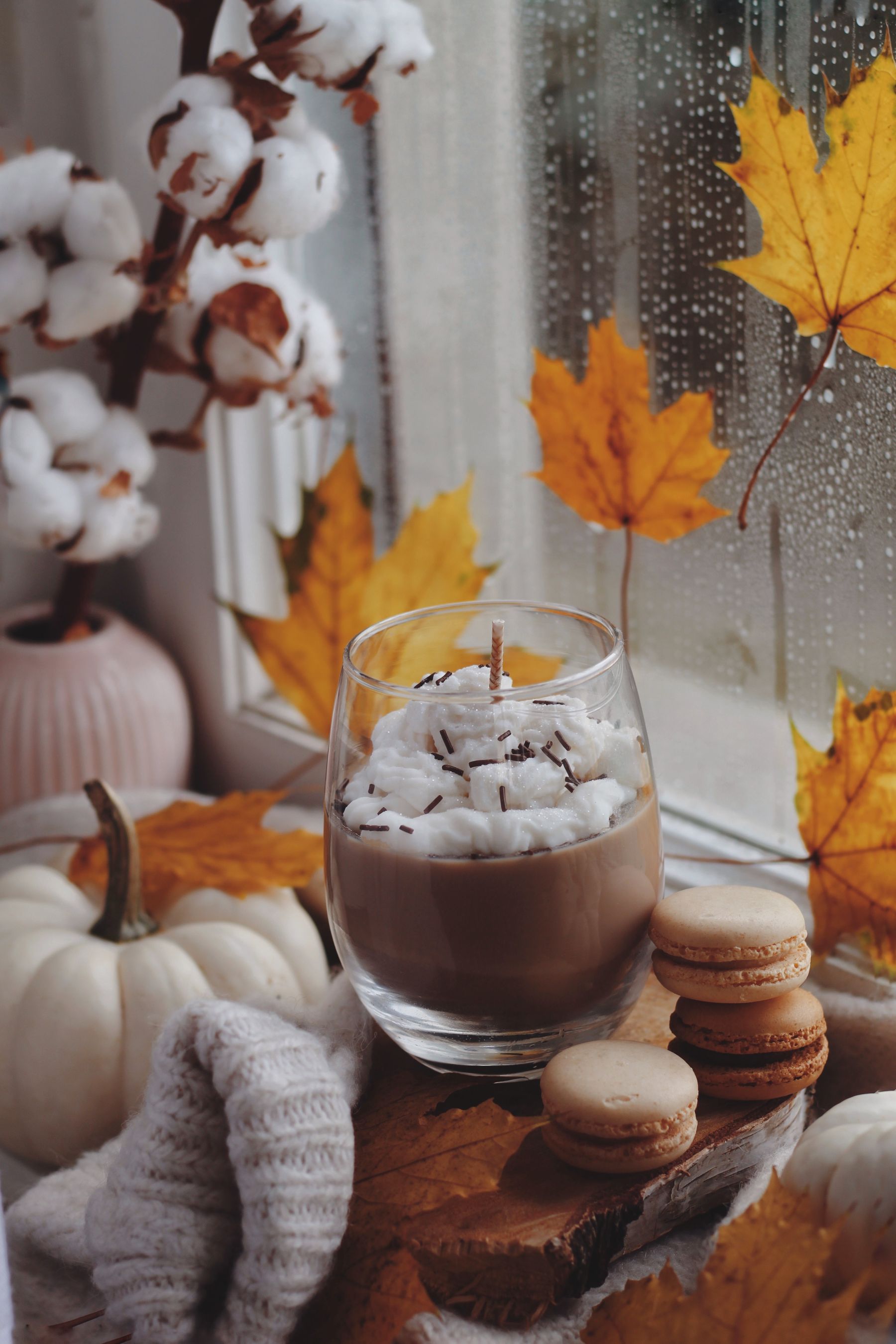
Use the Window to Connect Indoors and Out
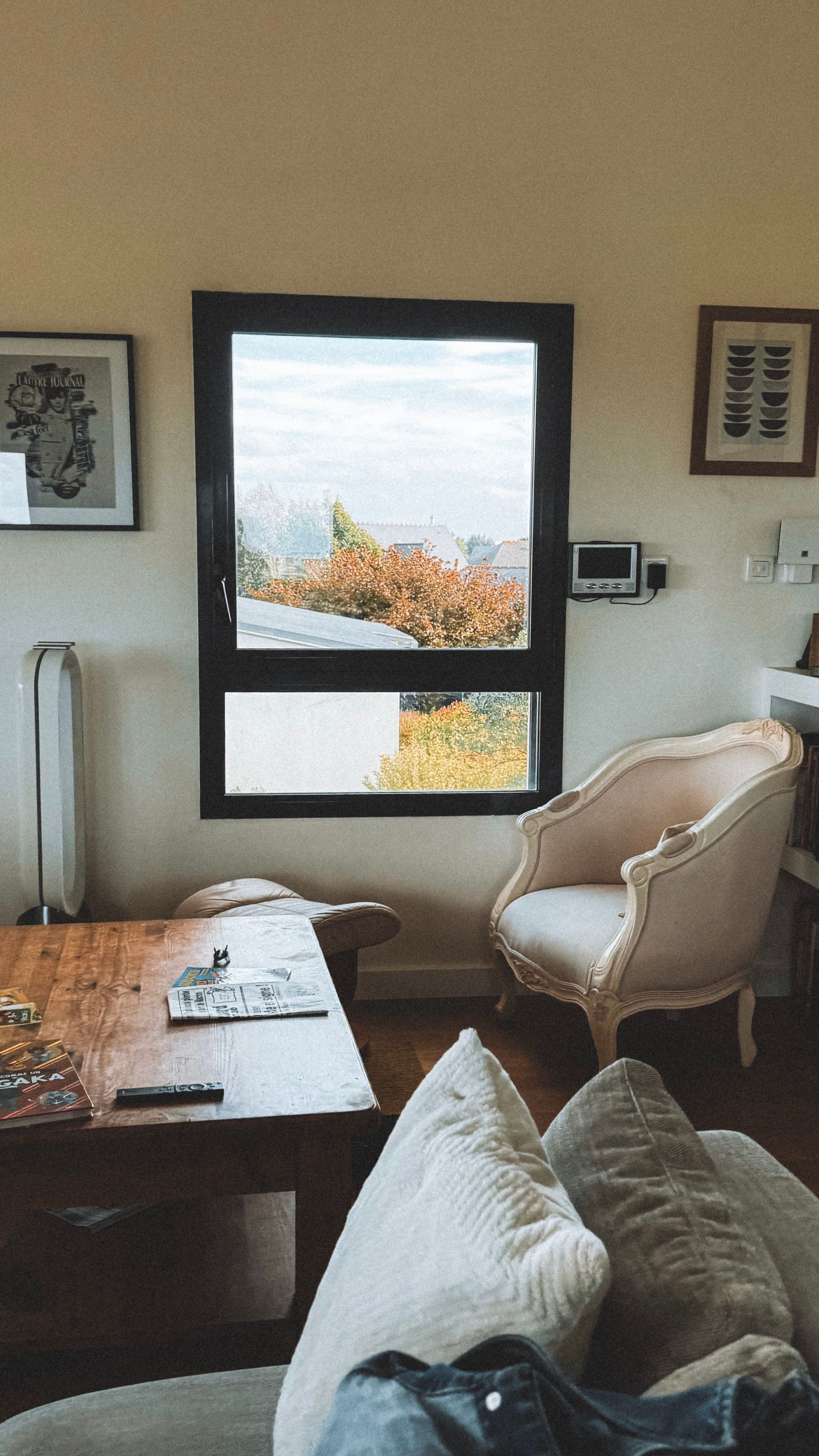
Fall weather changes the window from a source of summer brightness into a frame for rain, foliage and earlier dusk. Keep most of the glass unobstructed and use the sill or a nearby table for one modest arrangement rather than covering the window in garland. A small pumpkin, branch or warm lamp gains significance when it is seen against the outdoor change. Make sure blinds, curtains and opening hardware remain easy to operate. Evening reflections can double small points of warm light, so the window often needs less decoration after dark than it seems to need in daylight.
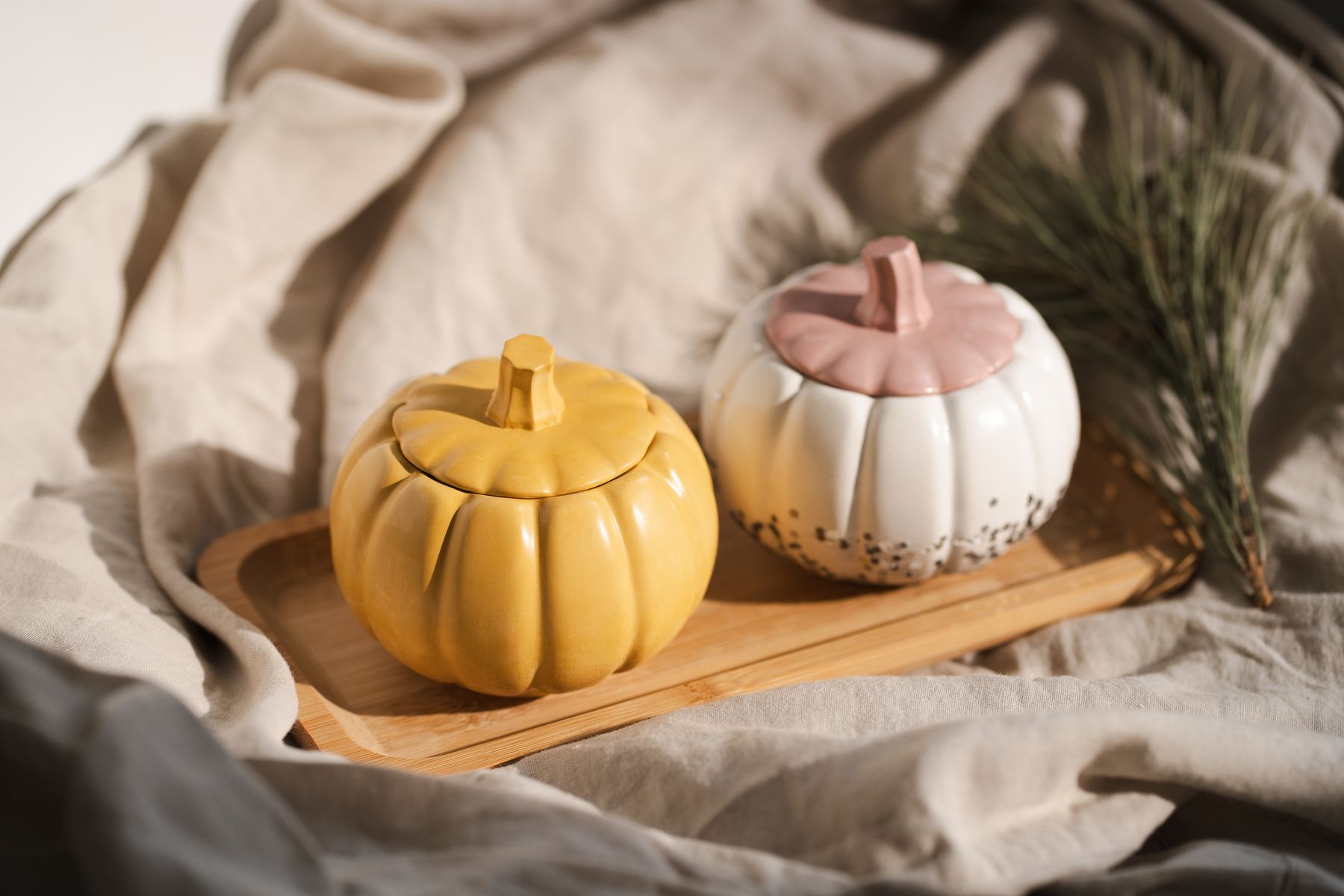
Group Pumpkins as Objects, Not as a Theme Everywhere
Pumpkins are one of fall's clearest visual signals, which is exactly why they need restraint. Use a small group with varied size and related material on a tray, hearth or low table rather than putting a miniature pumpkin on every available surface. Natural orange works well when the room already has warm color; ceramic, white or muted versions may suit a cooler interior. Real pumpkins need stable, dry surfaces and should be checked as they age. After October, uncarved pumpkins can remain part of a broader late-fall scheme while explicitly spooky pieces disappear.

Bring In Leaves, Branches and Harvest Texture Without Making a Centerpiece Store
A few branches, dried grasses, leaves or seed heads can add the irregular shapes that make fall decor feel connected to the season. Use a single substantial vessel instead of several tiny arrangements and keep dried material away from open flame, hot fixtures and busy walkways. Natural pieces may shed, fade or become brittle, so place them where cleaning is straightforward. If you prefer reusable decor, choose materials with believable texture and limit the number of different faux botanicals rather than combining every seasonal stem in one vase.
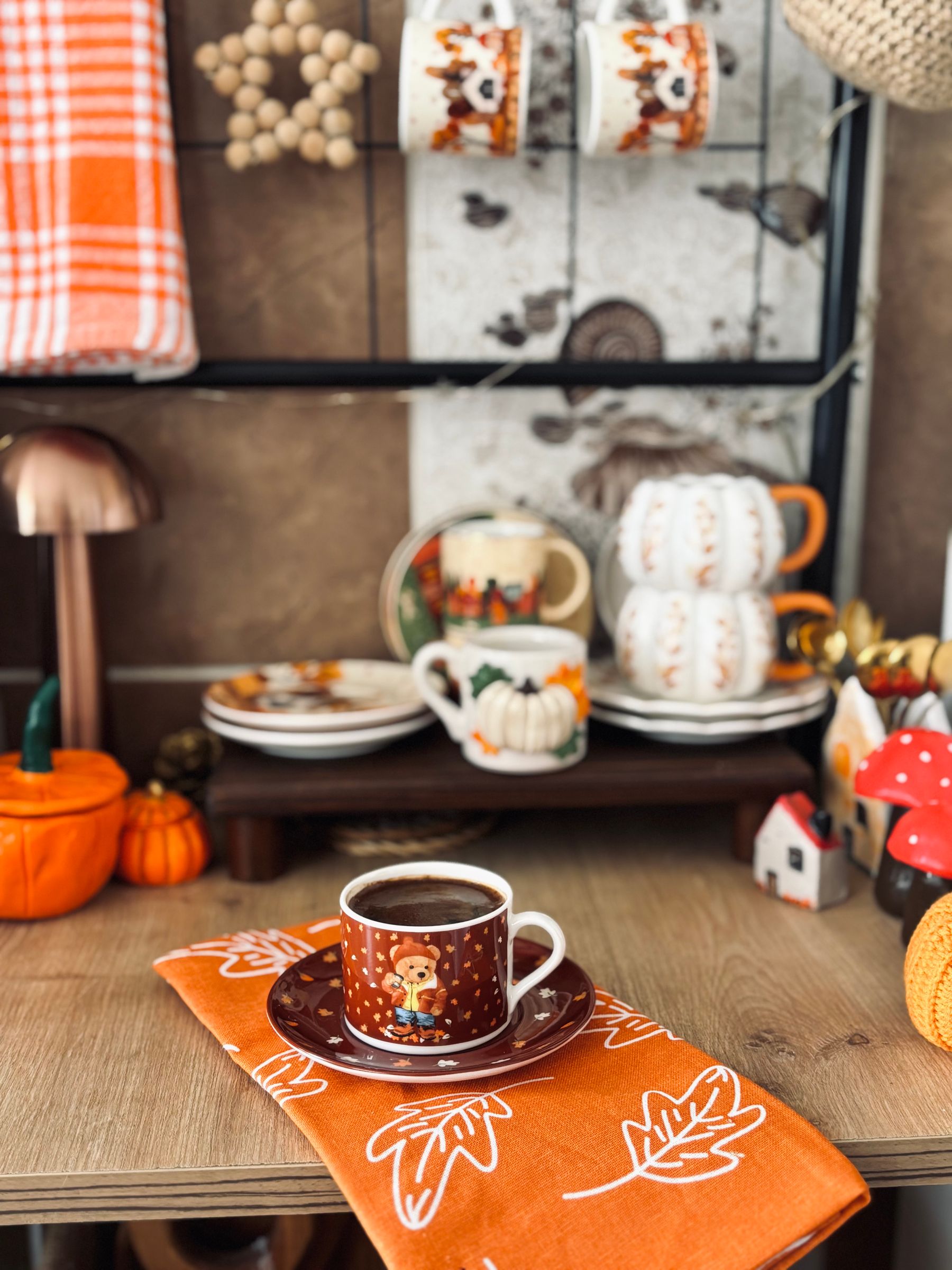
Keep the Coffee Table Ready for Real Evenings
Use a small tray or contained grouping so seasonal objects occupy only part of the coffee table and move easily when the surface is needed. A low pumpkin, candle or branch can establish the season without blocking sightlines. Avoid fragile leaves, loose acorns or scented items where they constantly need to be cleared for drinks. The most convincing fall table looks ready for the activities associated with the room—coffee, reading, conversation—not staged so completely that everyday use becomes an interruption.
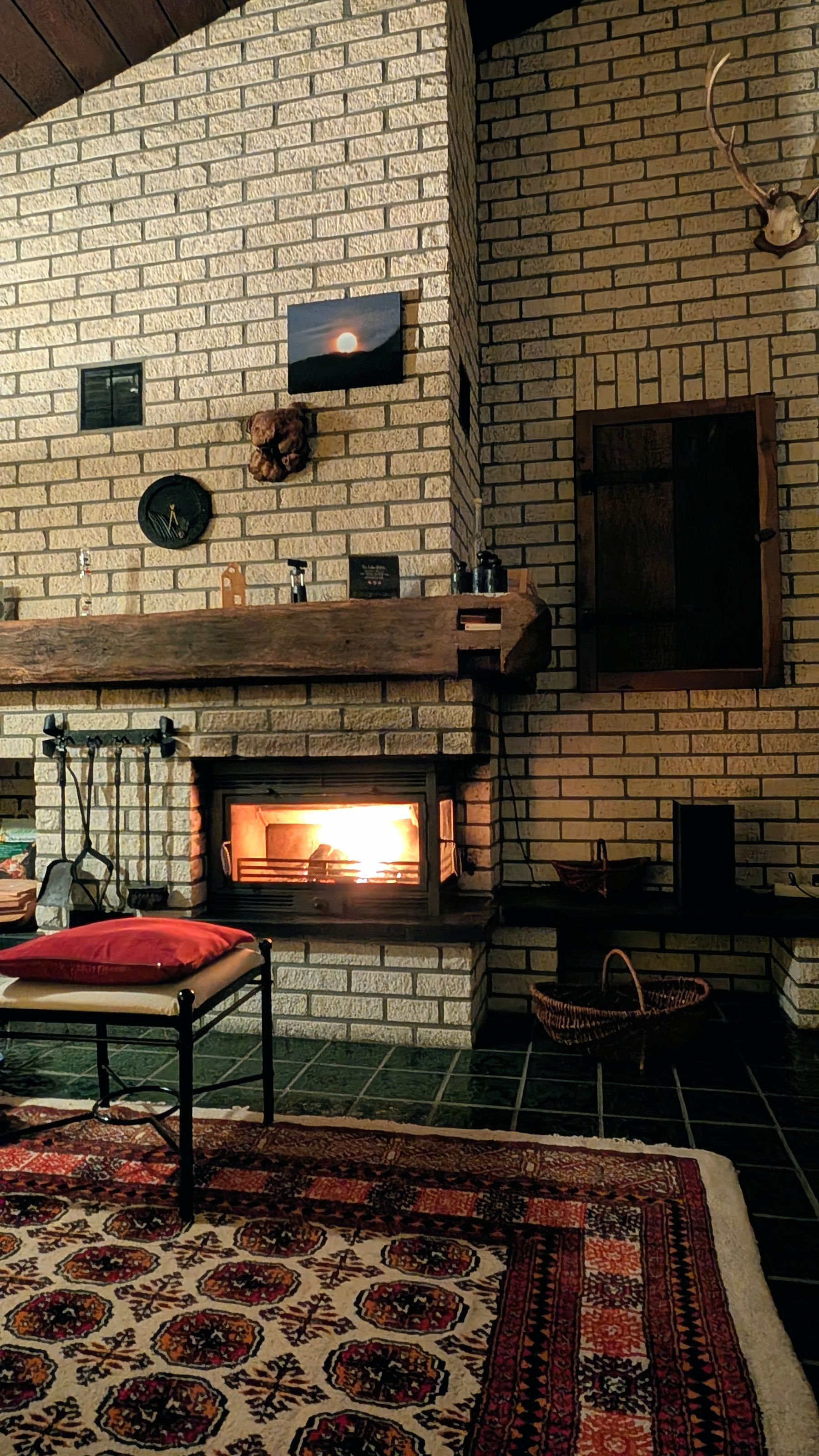
Let the Fireplace Gain Weight as Evenings Cool
A fireplace naturally gains visual relevance as evenings cool, so you may need less mantel decoration than expected. Clear summer clutter, let the surround and firebox become visible and use one branch, vessel or small seasonal group only if the mantel needs a bridge to the rest of the room. On working fireplaces and stoves, follow the appliance manufacturer's clearances and keep combustible textiles, dried foliage and decorations away from heat and flame. Move seating only when circulation and viewing angles still work; a seasonal focal point should not damage the room's everyday layout.

Create a Fall Reading Moment Instead of Another Display
As nights lengthen, improve one seat for reading or quiet time: make sure the lamp reaches the page, keep a blanket nearby and give the chair a stable surface for a drink or book. A small pumpkin or branch can mark the season, but the function should be obvious even after that object is removed. This is a better use of limited space than adding another shelf vignette. Seasonal design becomes memorable when it supports a seasonal routine, not when every corner repeats the same visual cue.

Plan the Transition From October to Late Fall
Build the room so it can evolve rather than restart. In October, a few pieces from [Halloween living room decor ideas](/living-room/halloween-living-room-decor-ideas/) may sit on top of the same fall foundation. After Halloween, remove ghosts, webs, bats and other explicit symbols while keeping uncarved pumpkins, blankets, branches and the warmer palette. As November ends, reduce the orange and harvest cues further and retain only the textiles, natural materials and lighting that can lead into [winter living room decor ideas](/living-room/winter-living-room-decor-ideas/). This makes seasonal decorating easier to store and less visually abrupt.