Define Luxury Through Quality, Not a Look
A luxury living room is not automatically modern, traditional, neutral or large. Its identity comes from considered proportion, material integrity, tailored comfort, resolved details and a plan that supports real life. [Contemporary living room ideas](/living-room/contemporary-living-room-ideas/) leads when current sculptural form is the main intent; [traditional living room ideas](/living-room/traditional-living-room-ideas/) leads when historical vocabulary matters most. Luxury can inhabit either. Begin by defining the room's performance standard rather than assembling visual status symbols.
Let Daily Rituals Write the Brief
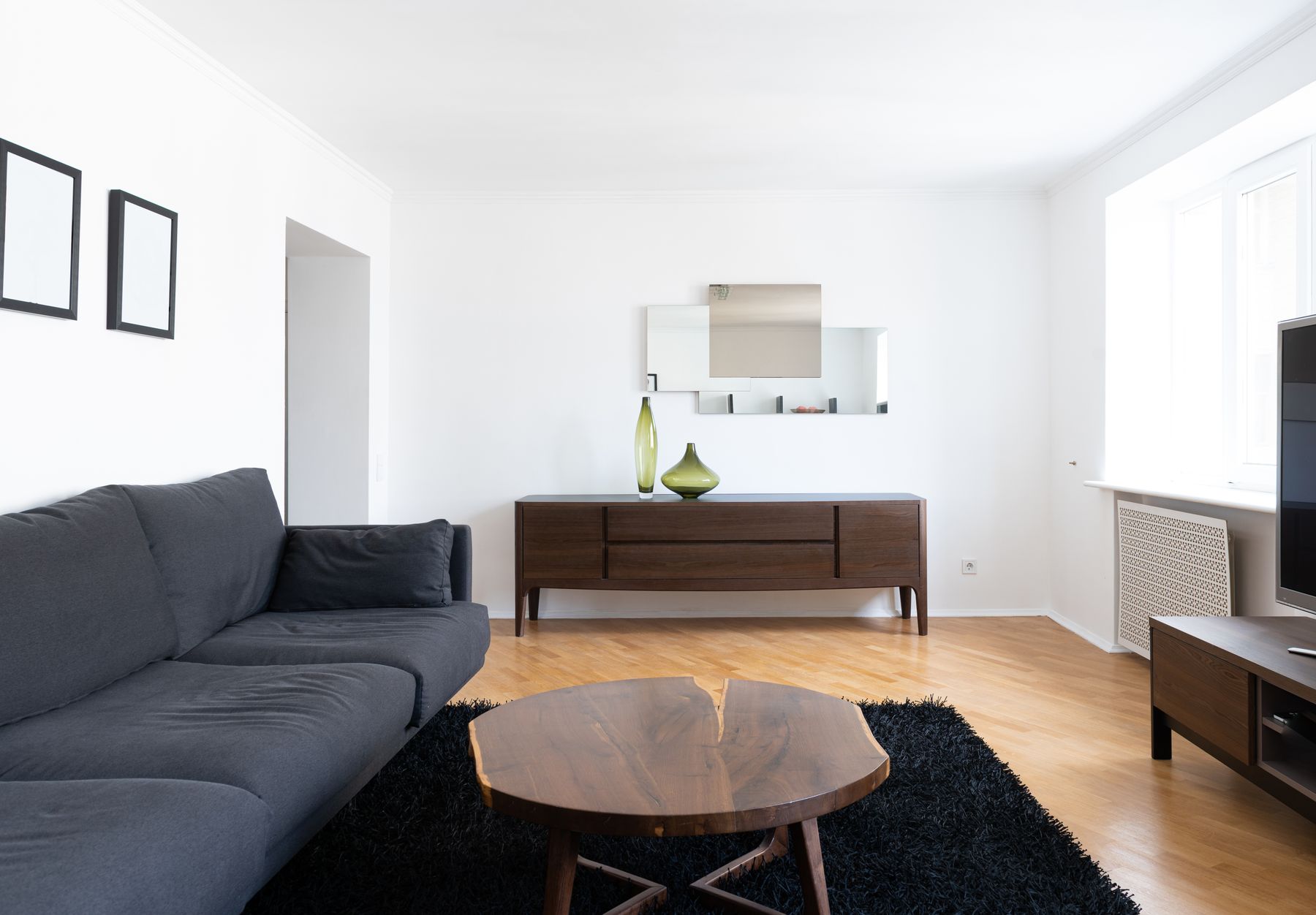
List how the room is actually used: conversation, reading, television, music, games, children, guests or occasional work. Place the principal seats within easy speaking distance, give each a reachable surface and lamp, and protect the continuous route between doors. The geometry in [living room layout ideas](/living-room/living-room-layout-ideas/) should be resolved before finishes or custom furniture are ordered. Bespoke pieces that block movement are simply expensive mistakes.
Get Scale and Proportion Right First
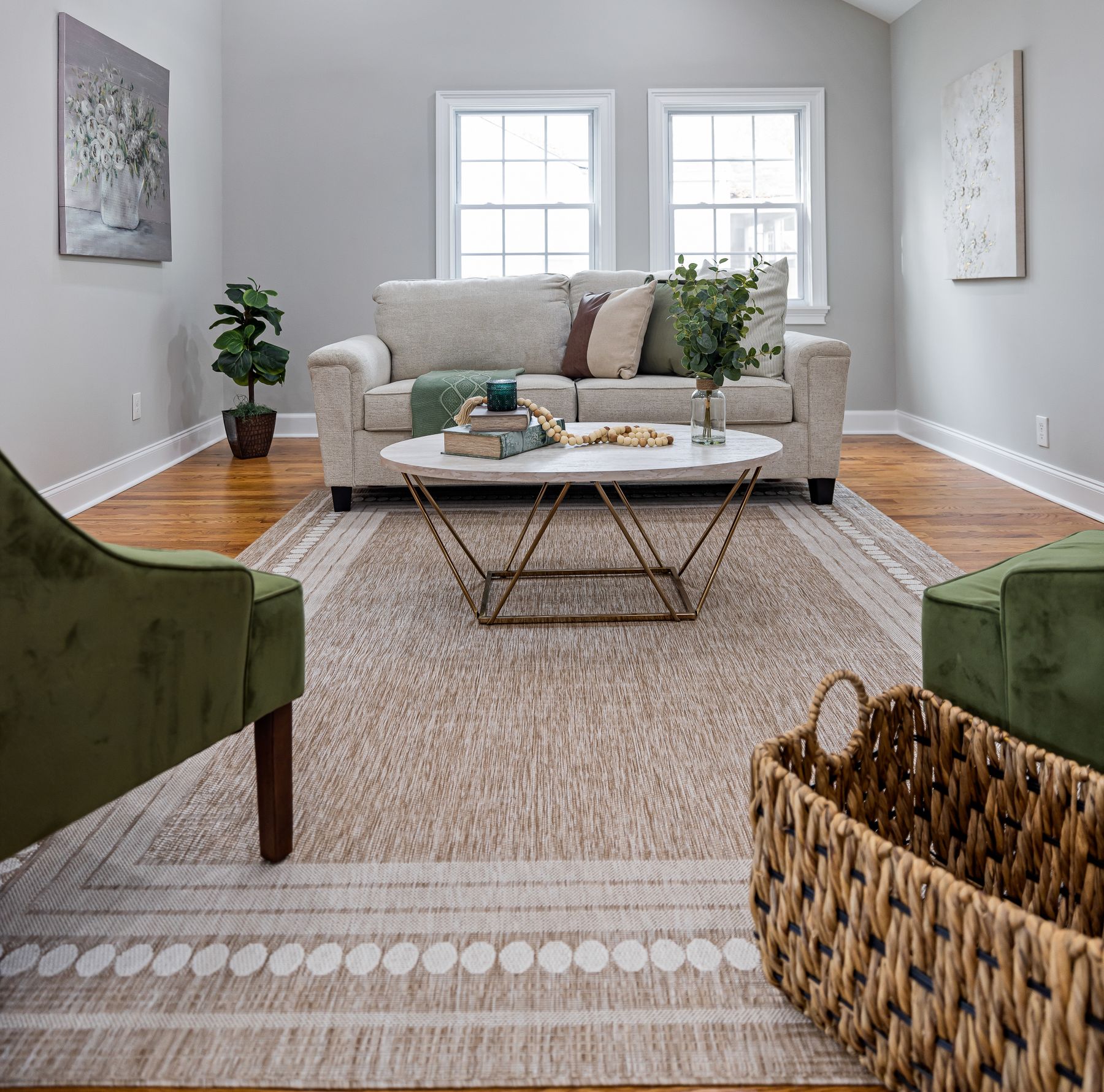
Relate sofa length, chair height, table footprint, rug edge and artwork to the complete room rather than judging each purchase alone. Large rooms need more than oversized furniture; they need useful clusters, varied light heights and clear negative space. Small rooms need fewer pieces with exact depth and reach. Elevation drawings reveal whether curtains, artwork and cabinetry share a convincing datum, while a plan protects circulation and conversation.
Invest in the Sofa as Daily Equipment
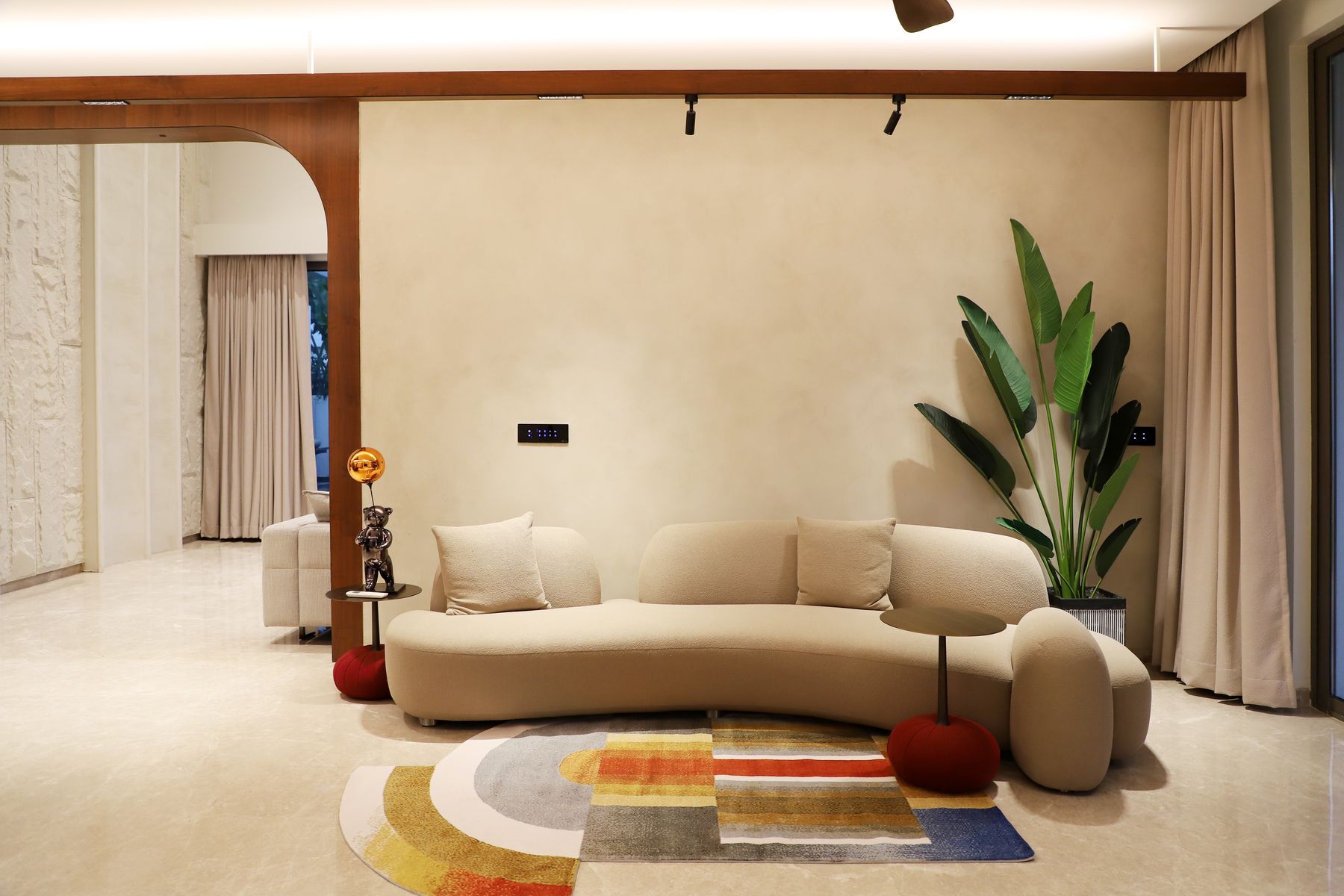
Evaluate frame construction, suspension, cushion fill, seat height, depth, arm shape, seam alignment and upholstery durability—not just silhouette. Sit long enough to test back and leg support, and confirm delivery before ordering a large sectional or curved form. Removable covers, replaceable cushion cores and available yardage extend service life. A sofa that photographs beautifully but cannot support the household's bodies, pets or maintenance routine does not deliver luxury.
Choose Chairs for Different Bodies
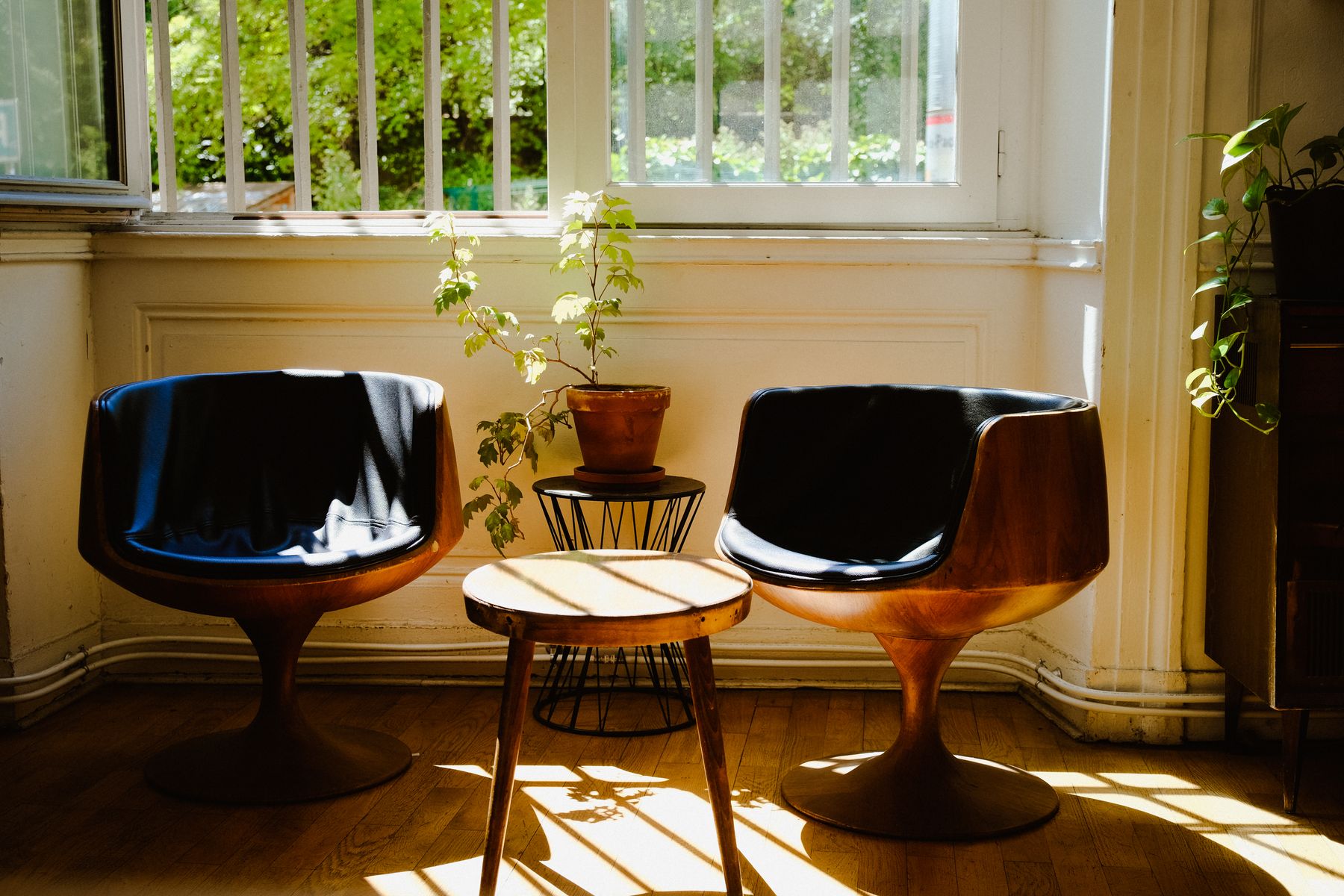
Combine at least one upright supportive chair with deeper lounge seating so guests of different heights and mobility needs have a real choice. Chairs may differ in period or material when seat heights, visual weight and a repeated finish connect them. Inspect joints and older upholstery before treating a vintage name or patina as proof of quality. Position chairs where their arms and backs do not narrow the main route.
Demand Truth at Edges and Joints
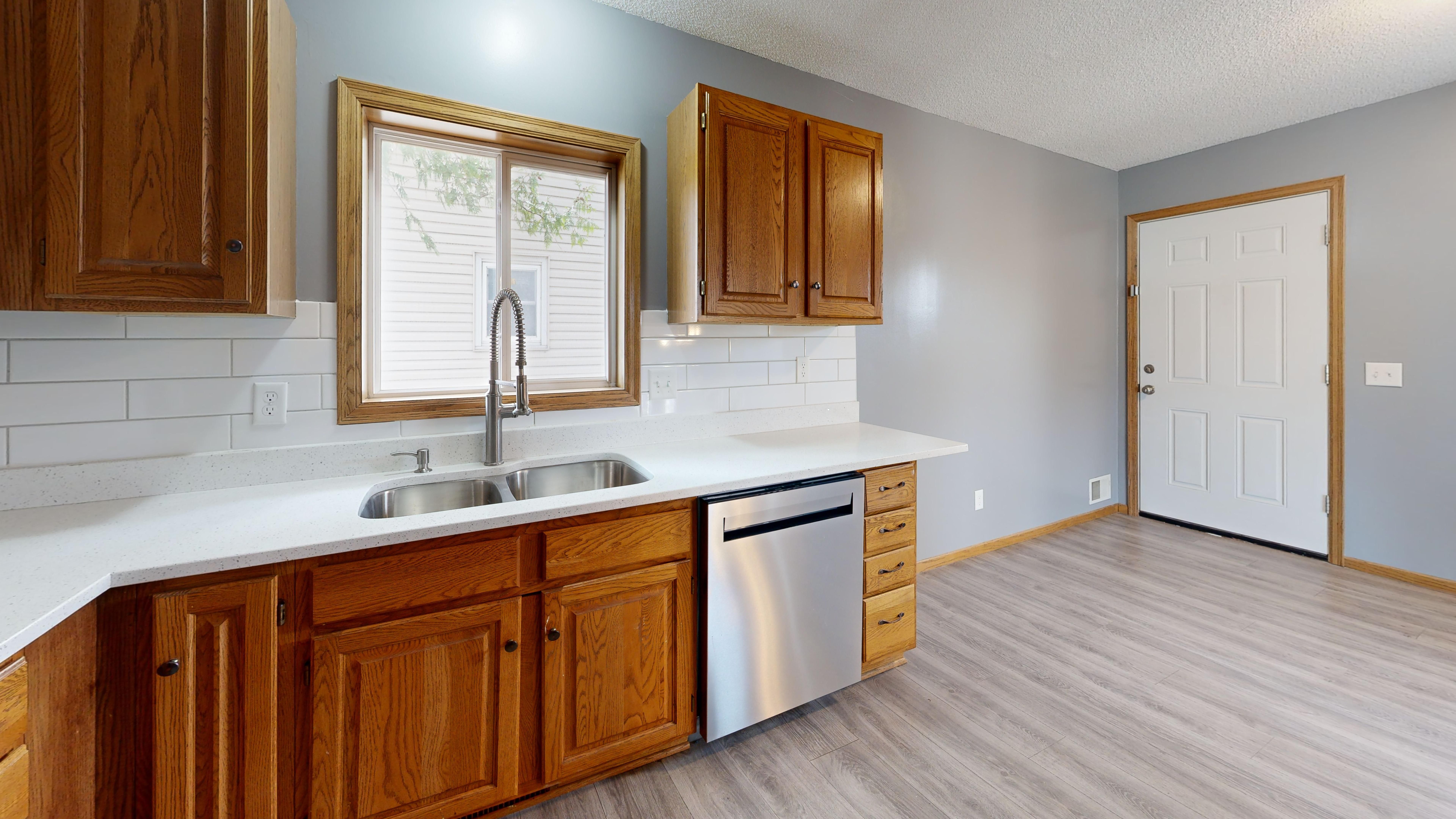
Solid wood is not automatically superior to well-made veneer. Stable substrates and carefully matched veneer can create broad, consistent panels with efficient use of valuable timber, while solid edges and frames handle impact. Ask how surfaces are sealed, how panels meet, whether hardware is replaceable and how a damaged edge would be repaired. Repeat a dominant undertone without forcing every species and finish to match.
Use Stone Where Its Performance Fits
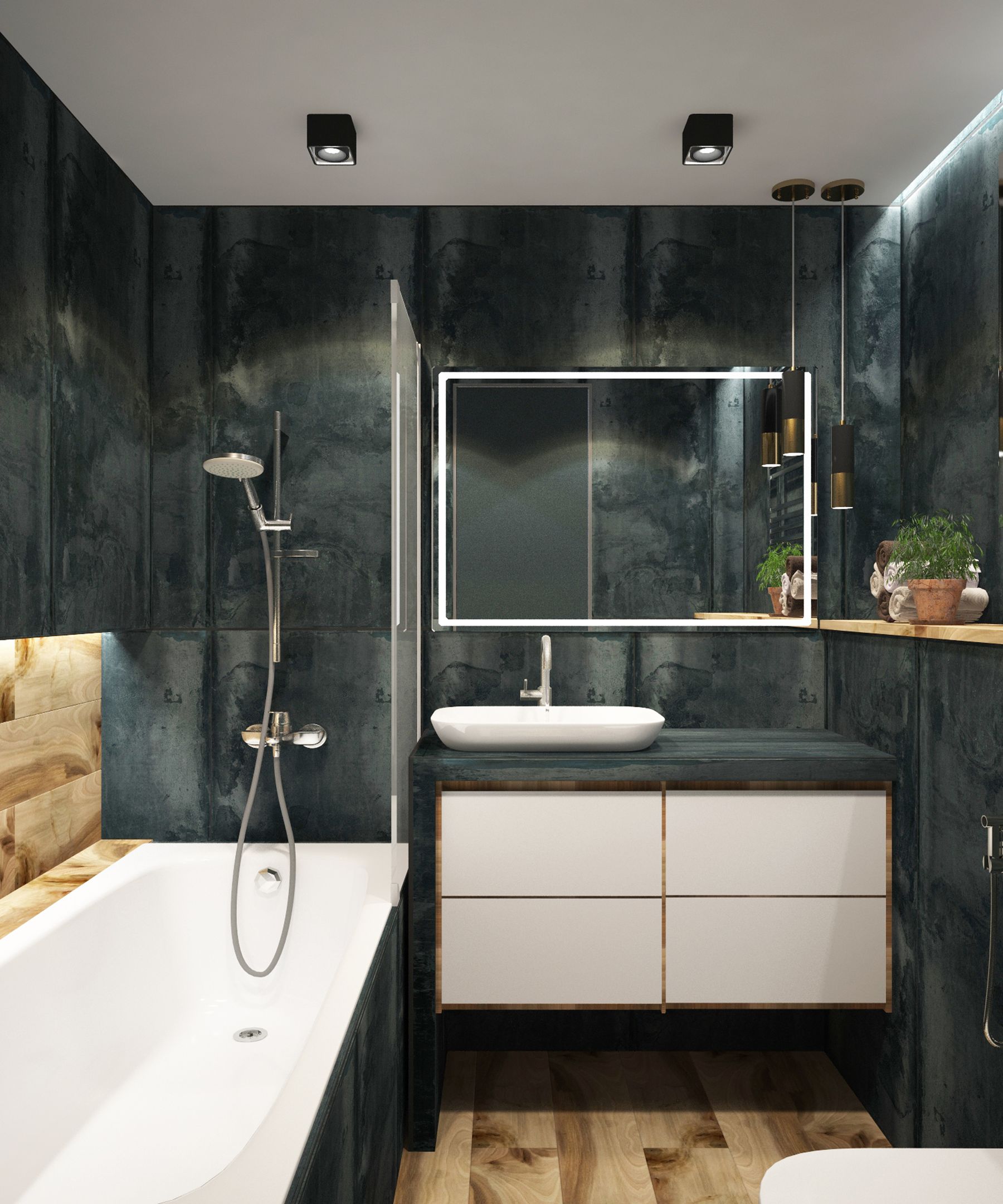
Marble, limestone, travertine and quartzite bring depth and variation, but each behaves differently around drinks, heat, abrasion and sunlight. Verify slab appearance, thickness, support, seam location, edge profile and sealing before fabrication. Use stone where mass and touch matter—a hearth, table or architectural plane—rather than repeating it as a generic luxury badge. Engineered alternatives may be more appropriate when stain resistance or consistency is the priority.
Layer Materials Without Creating a Catalog
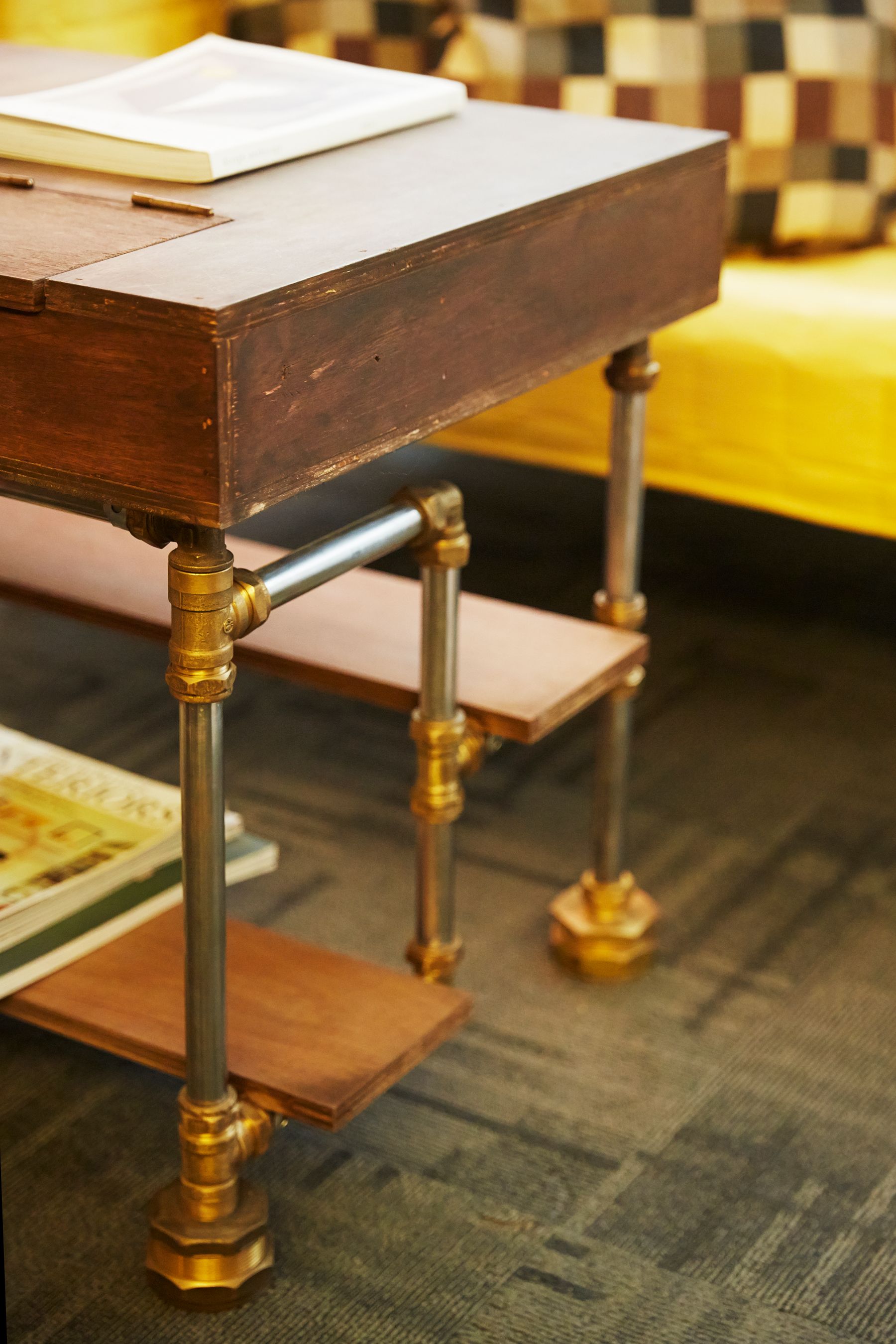
Assign each dominant material a function: timber for warmth, stone for mass, metal for precision, glass for lightness and textile for acoustic softness. Repeat key finishes selectively and avoid placing every luxury cue—fluted wood, veined stone, brass, boucle and smoked glass—on every object. Contrast becomes more convincing when large surfaces remain calm. Compare samples together in the room's daylight and evening light because sheen and undertone change their relationship.
Treat the Walls as Architecture
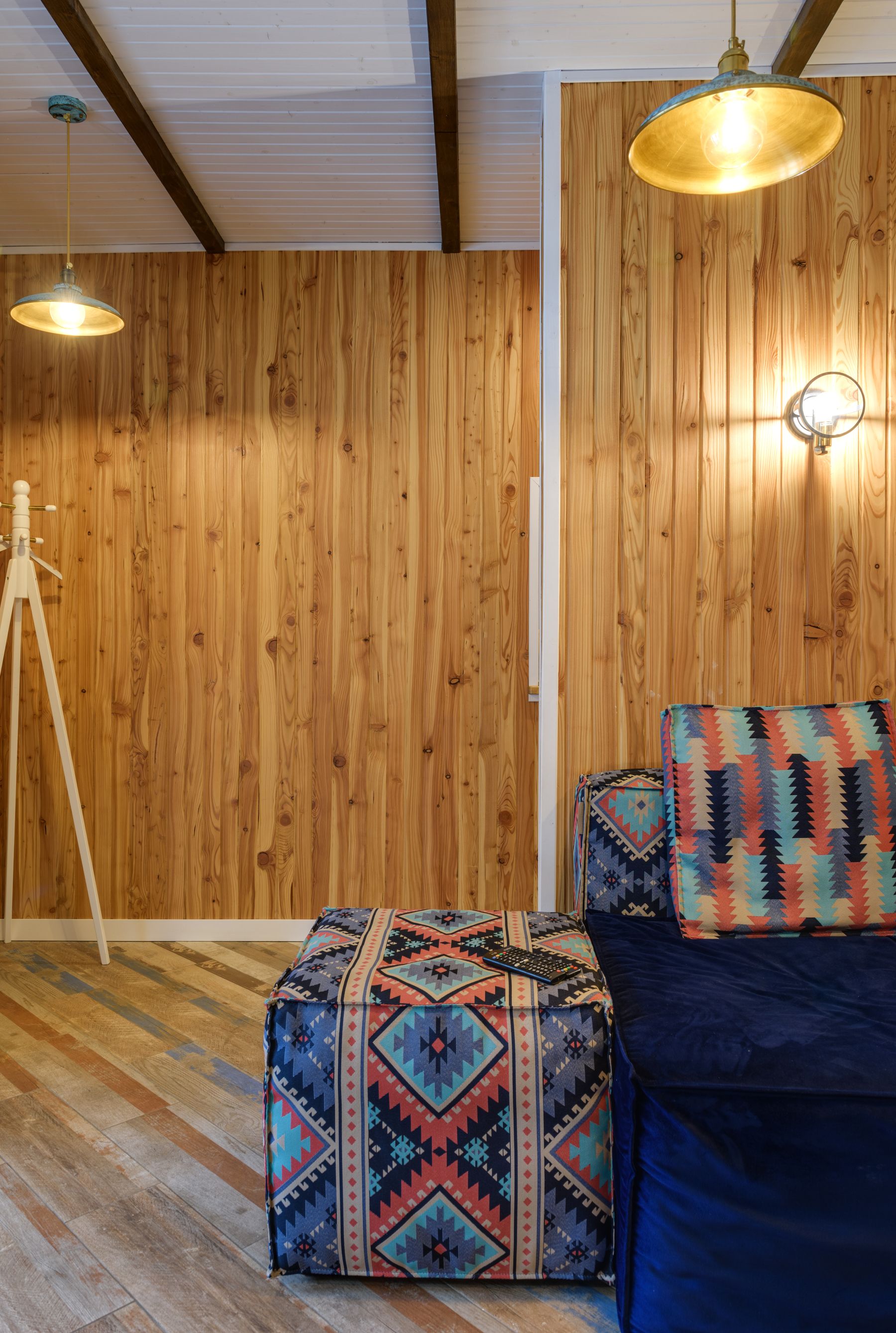
Paneling, limewash, plaster, timber and wallpaper should clarify the room's proportions rather than decorate leftover wall area. Align panel rails with openings and furniture, resolve corners and sockets, and provide movement joints where the material requires them. [Living room wall ideas](/living-room/living-room-wall-ideas/) compares these approaches in detail. False molding applied without regard to scale can make an expensive room feel thinner, not richer.
Design Bespoke Joinery From an Inventory
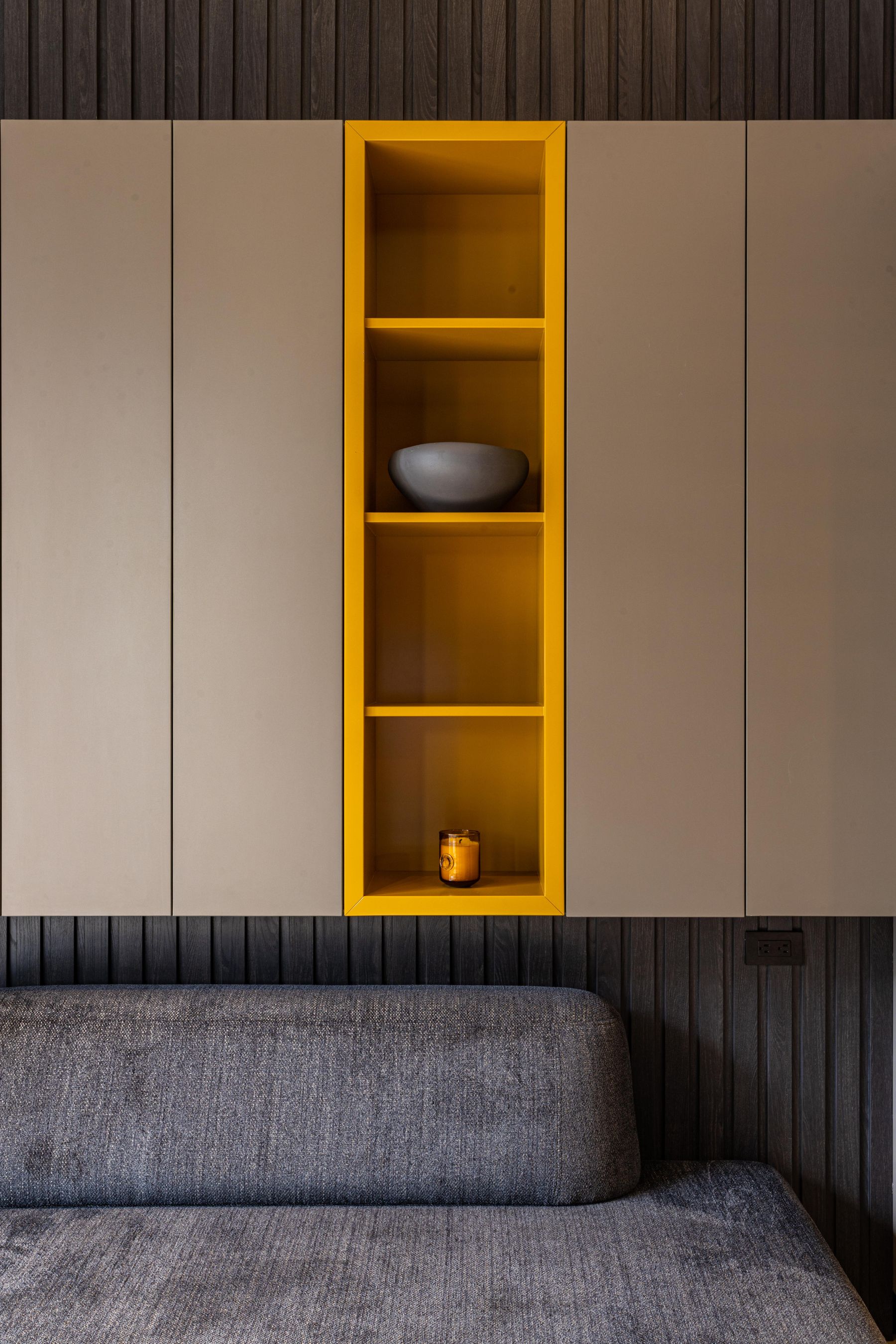
Measure books, equipment, games, controls, speakers, cables, toys and display objects before drawing cabinetry. Use closed storage for visual noise, open shelves for durable objects and ventilated access for electronics. Allow for future replacement sizes, service routes and adjustable shelves. [Living room storage ideas](/living-room/living-room-storage-ideas/) helps translate the inventory into capacity. Bespoke joinery should reduce friction, not merely create symmetrical empty niches.
Dress Windows for Light, Privacy and Heat
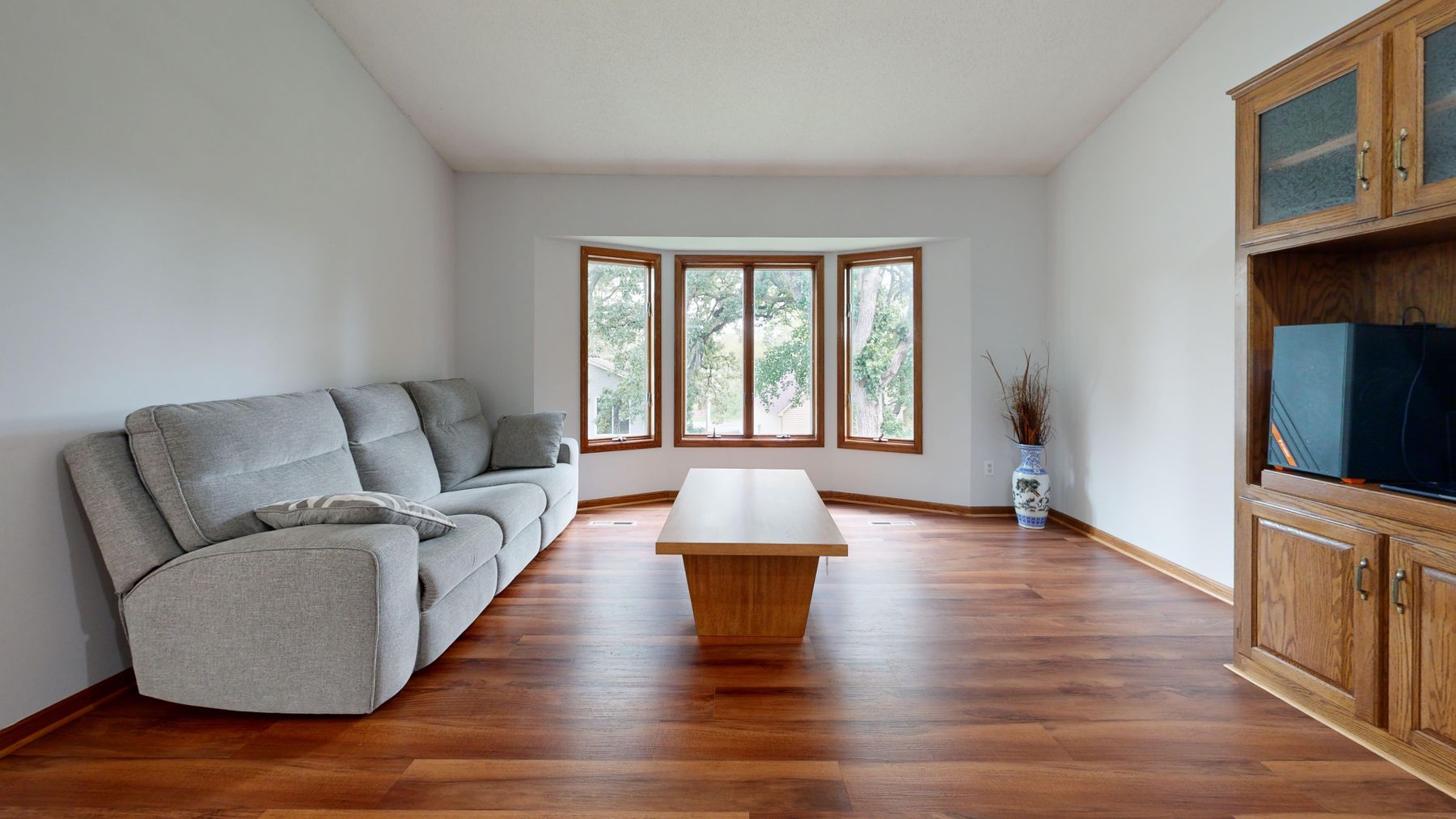
Specify sheers, lined curtains, blinds or solar control according to orientation and exposure rather than styling photographs. Full, correctly mounted curtains can improve proportion and acoustics, but stacks must clear heaters, vents, handles and important views. Check fabric width, repeat, lining, track strength and cleaning before ordering. Motorization may improve access on tall glazing when controls remain intuitive and manual override is available.
Commission the Grounding Textile for Scale and Longevity
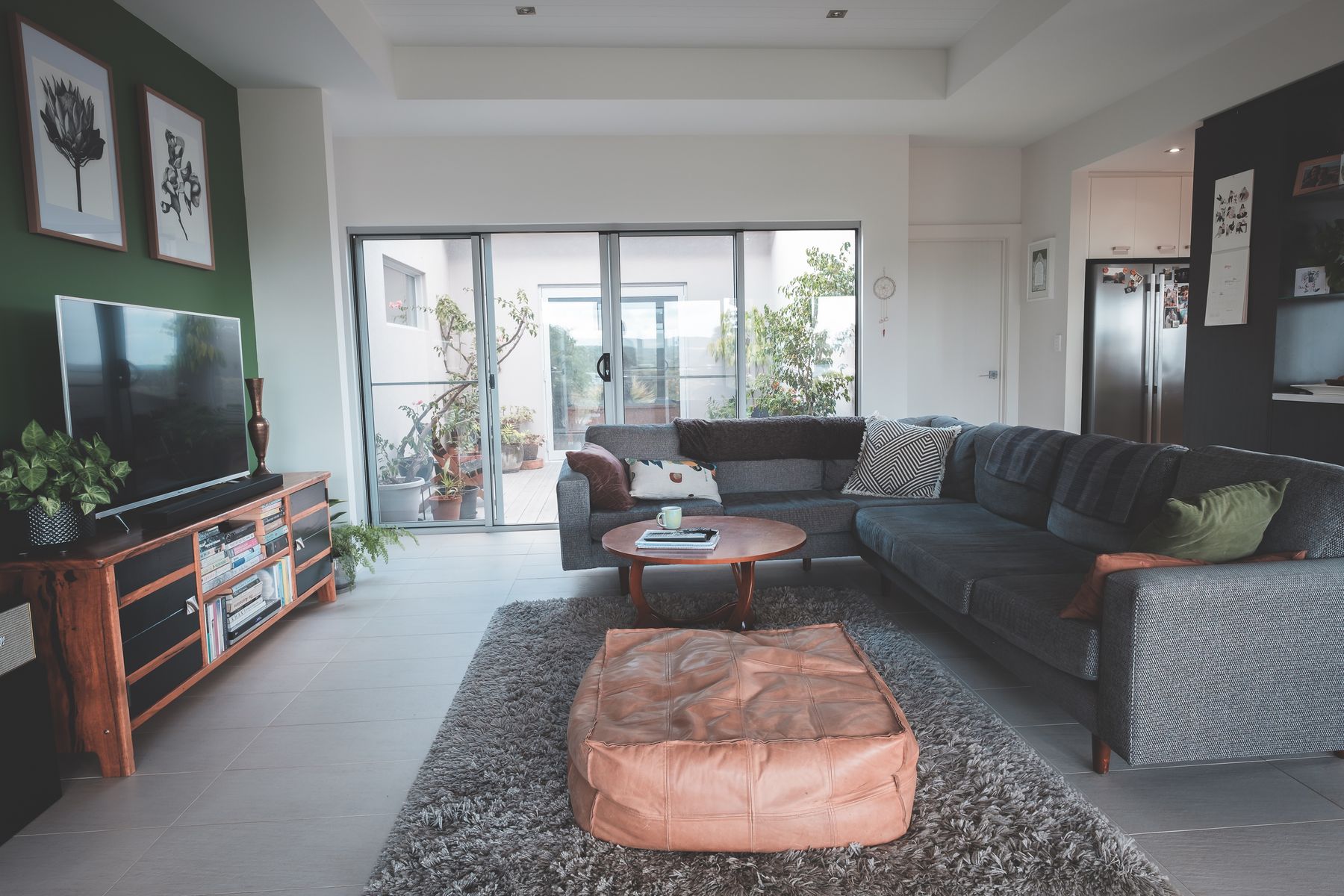
A luxury rug should connect the seating group, feel appropriate underfoot and tolerate the room's traffic. Wool, silk blends, viscose, jute and performance fibers respond differently to spills, sunlight, wheels and cleaning. Size the rug to the furniture footprint rather than the coffee table, and use a compatible pad. [Living room rug ideas](/living-room/living-room-rug-ideas/) covers sizing, layering and safety in greater depth.
Resolve Light Scenes Before the Ceiling Closes
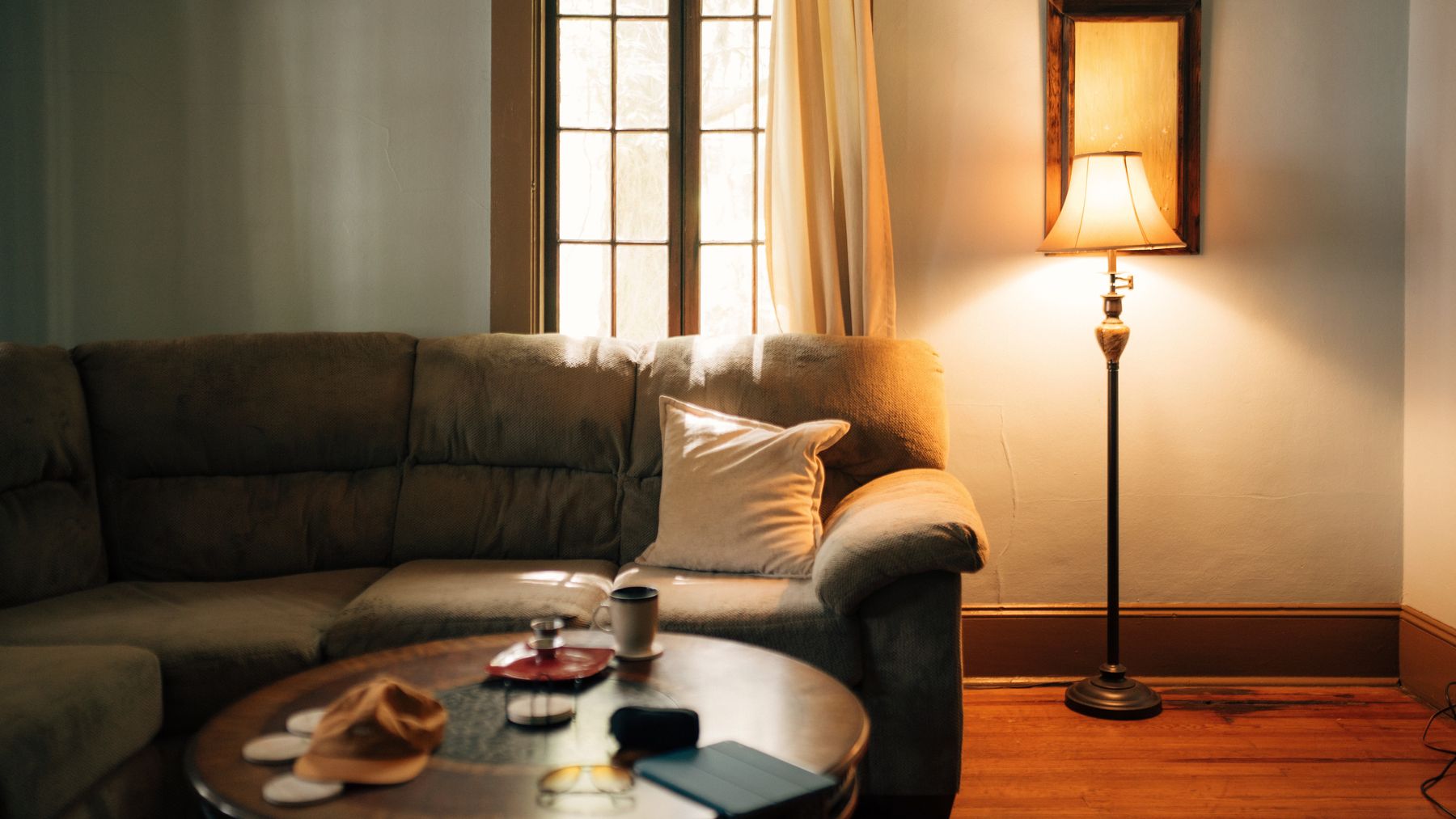
Plan ambient, task, accent and decorative light alongside furniture and electrical work. Map reading positions, art, shelving, circulation and television glare before locating fittings. Use dim-to-warm or compatible dimming where atmosphere matters, confirm color quality and avoid a ceiling grid that flattens every surface equally. [Living room lighting ideas](/living-room/living-room-lighting-ideas/) develops beam, control and color-temperature decisions.
Use a Chandelier as Structure, Not Proof
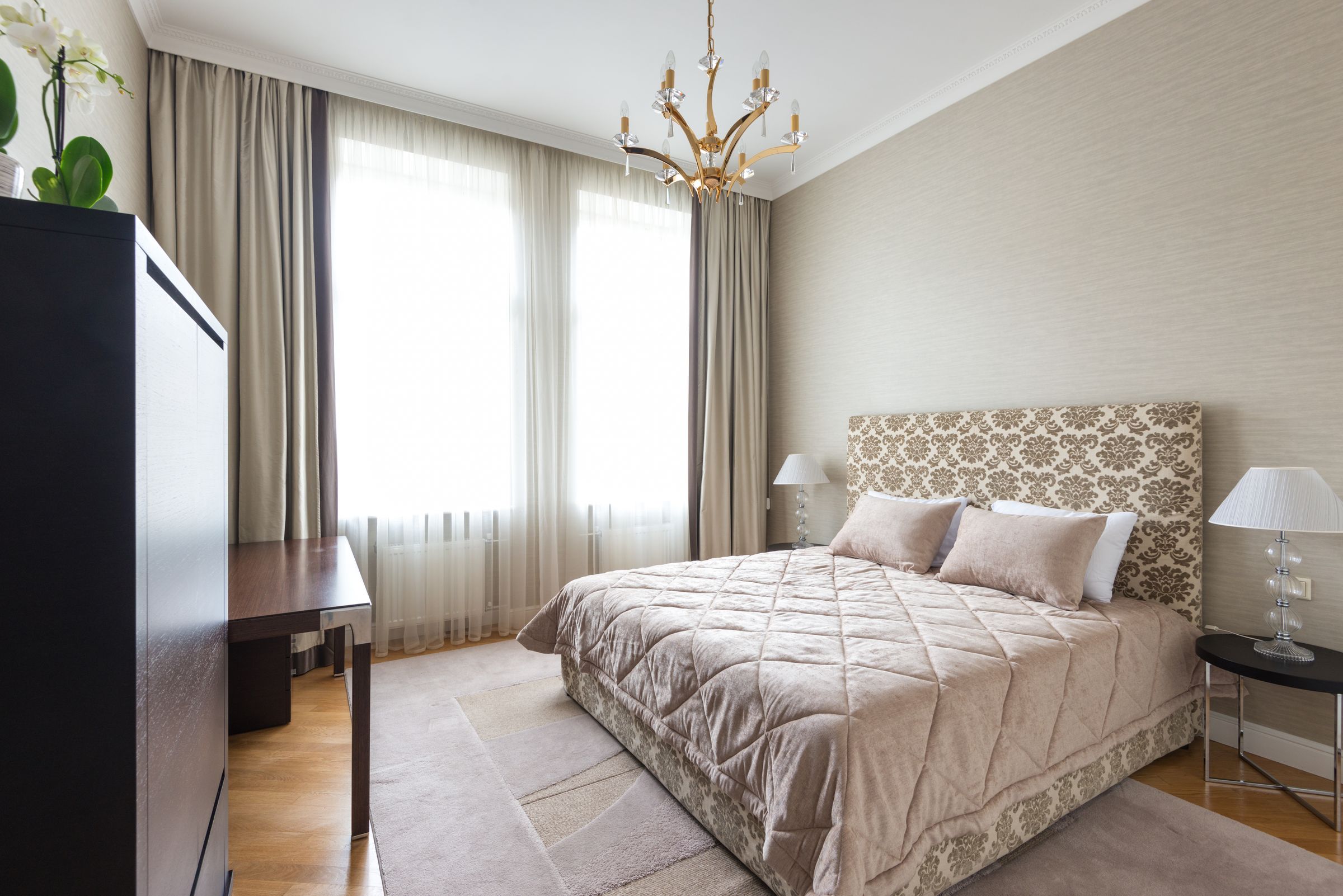
A decorative ceiling fixture can connect a high volume, establish a center and bring craft into the room, but it should not be used merely to announce expense. Confirm ceiling support, lowest clearance, reflection in glazing, dimming, bulb access and cleaning. In a low room, a broad shallow form may work better than a long drop. Pair the fixture with task and accent sources so it never carries the entire lighting burden.
Add Task Light Where People Actually Sit
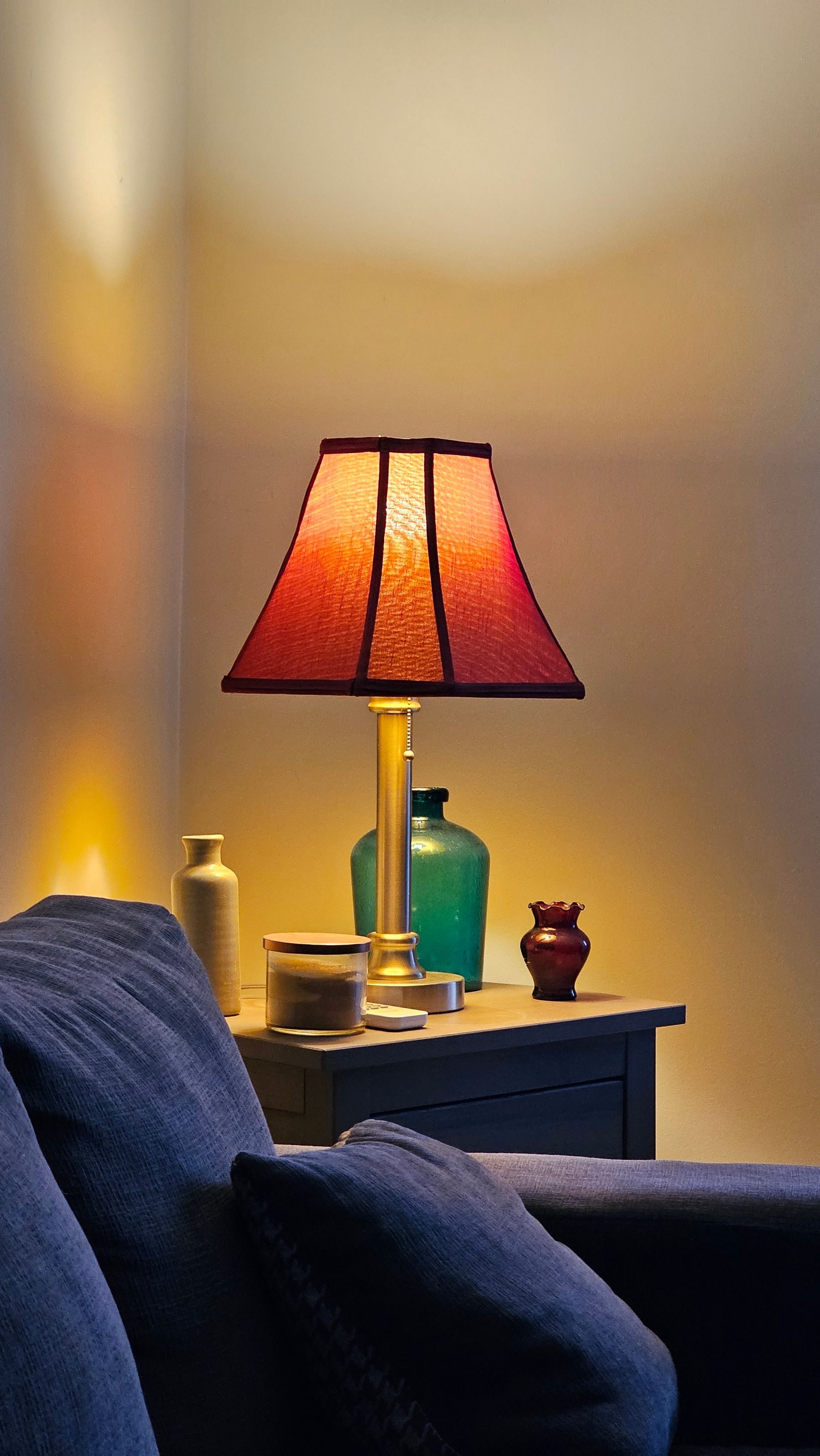
Place table or floor lamps according to reading posture, shade height, switch reach and cable route. Match color temperature closely enough that upholstery and timber remain consistent across the room. Heavy stone bases need stable furniture; delicate shades need protection from traffic and heat. Vintage fixtures should be professionally assessed and rewired. Decorative lamps that cannot provide useful illumination are sculpture, and should be planned honestly as such.
Create an Evening Layer Below Eye Level
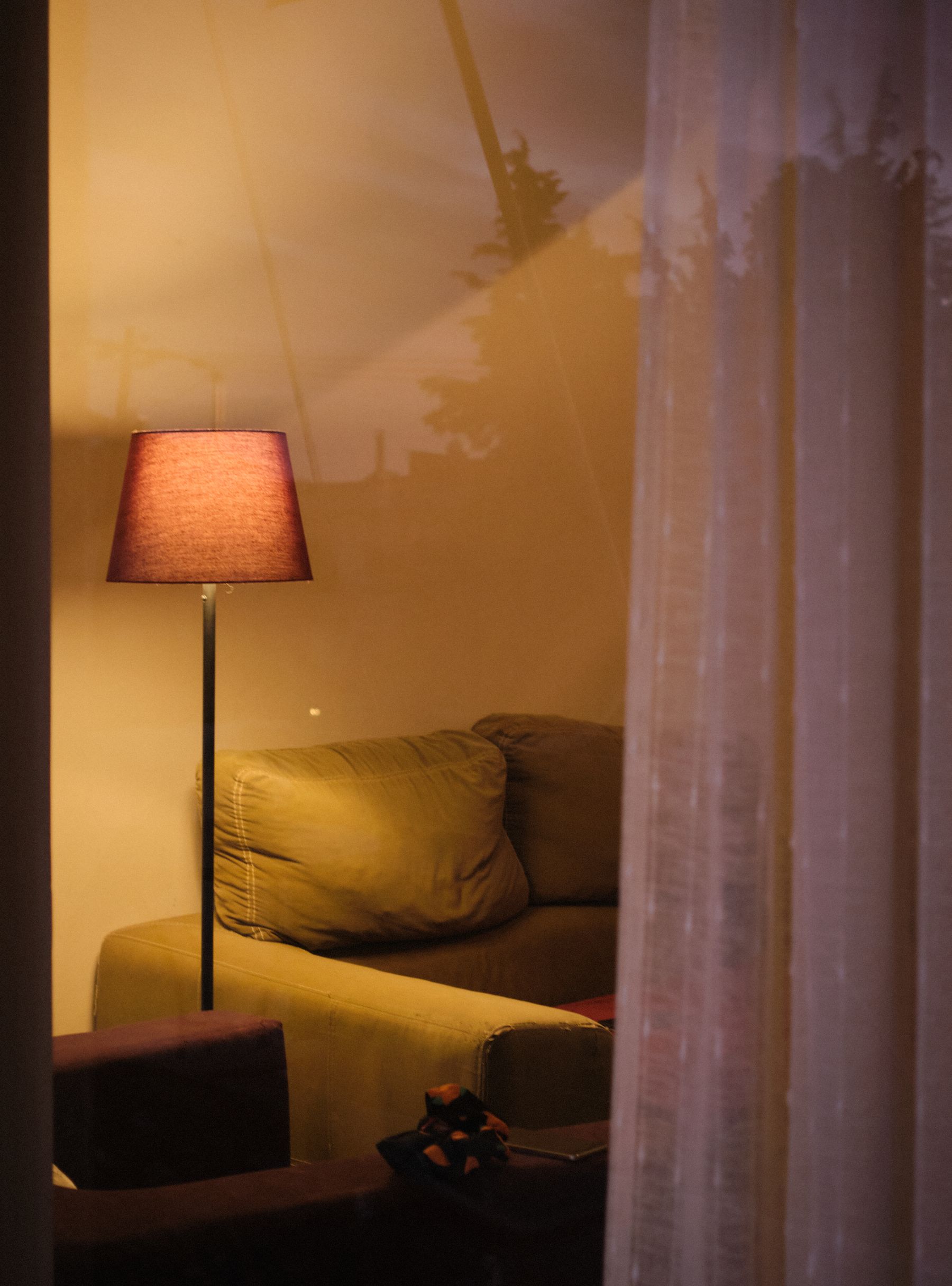
Low table lamps, integrated shelf light and gentle wall washing can make a living room feel settled after dark. Conceal sources only where heat, maintenance and replacement remain accessible; avoid visible LED dots and incompatible drivers. Accent light should reveal material or art rather than create random bright patches. Review the room from outside as well as inside when large windows turn the interior into a night display.
Make the Fireplace a Working Feature
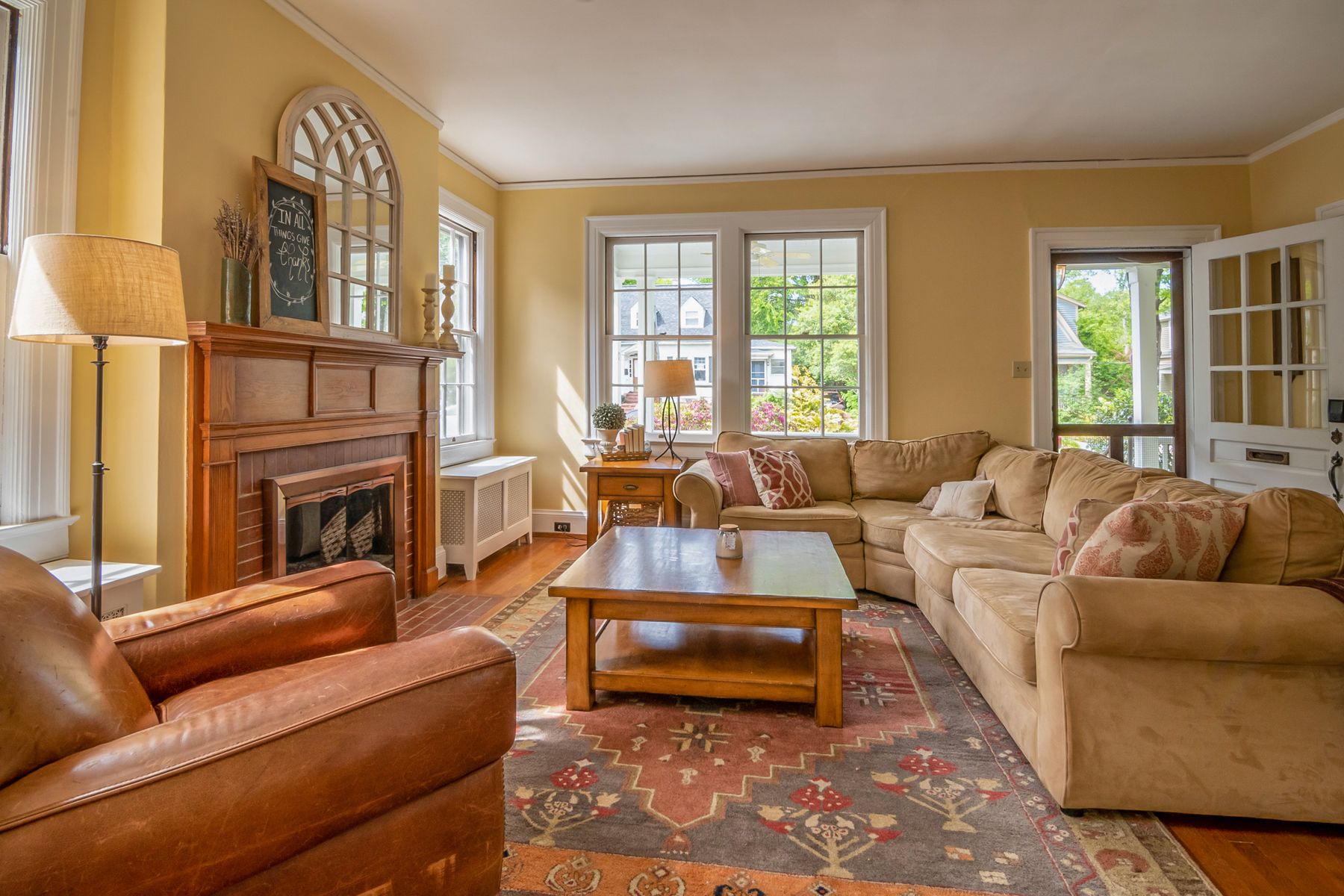
Decide whether the fireplace is active heat, occasional atmosphere or architectural focus, then plan seating and television accordingly. Preserve manufacturer or code clearances, ventilation, hearth protection and service access. Natural stone and crafted surrounds can add weight, but scale and junctions matter more than ornament count. Do not place delicate art, electronics or untreated textiles where heat, soot or direct sun will shorten their life.
Use Art With Provenance and Breathing Room
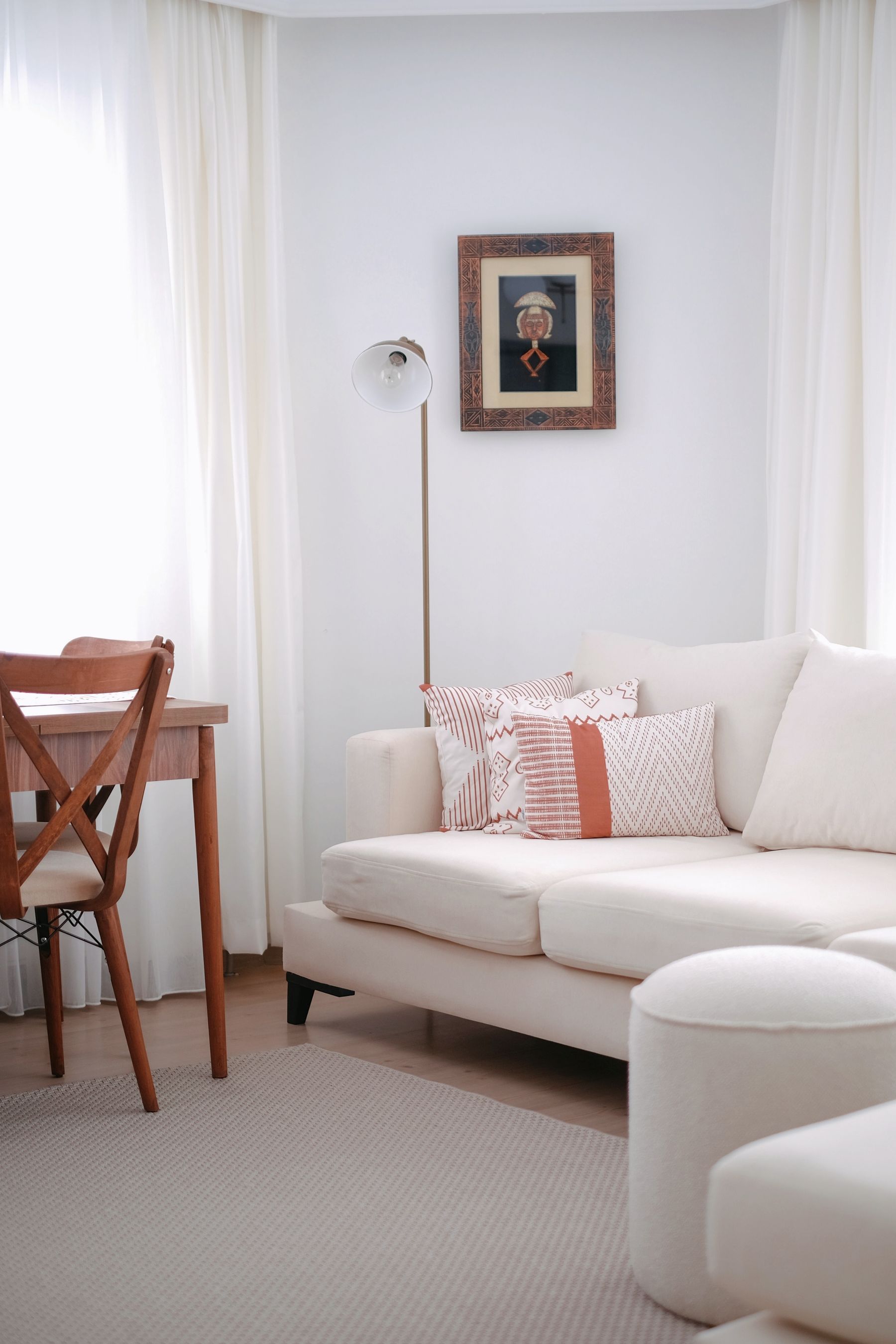
Choose original art, editions, photographs or objects because they matter to the household, not because they match the sofa or signal a price bracket. Establish scale and sightline with the furniture, use conservation-appropriate framing and protect work from direct sun, heat and moisture. A single large work may calm a room already rich in stone, joinery and textile. Record provenance and rights for commissioned or reproduced pieces.

Display Collections Without Turning Them Into Filler
Group books, ceramics and collected objects by story, material or use instead of distributing one item into every niche. Leave practical gaps, protect fragile pieces and secure tall storage appropriately. Closed cabinets should absorb rotation stock and household noise. Luxury is weakened when bespoke shelving exists mainly to hold generic styling bundles; visible objects should have meaning, craft or utility strong enough to justify the maintenance they create.
Integrate Technology Without Trapping It
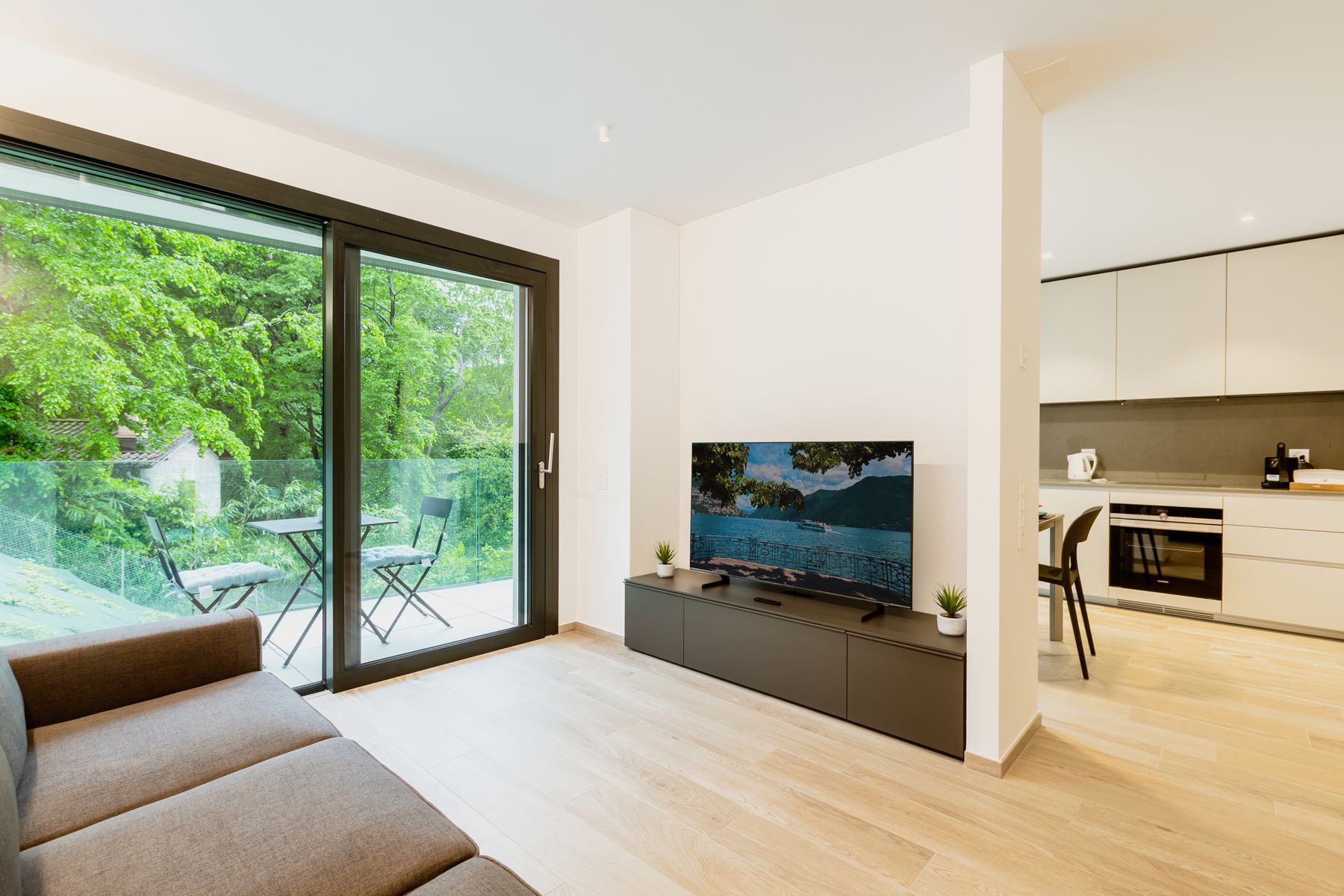
Set the screen at a comfortable height, control daylight glare and provide ventilation, ports and cable routes sized for current and future equipment. Do not bury devices behind fixed panels that require demolition for replacement. Speakers and controls need acoustic and operational testing, not just visual concealment. A dark wall, low cabinet or adjacent artwork may reduce contrast more successfully than an elaborate moving mechanism.

Choose Quiet Luxury Through Restraint
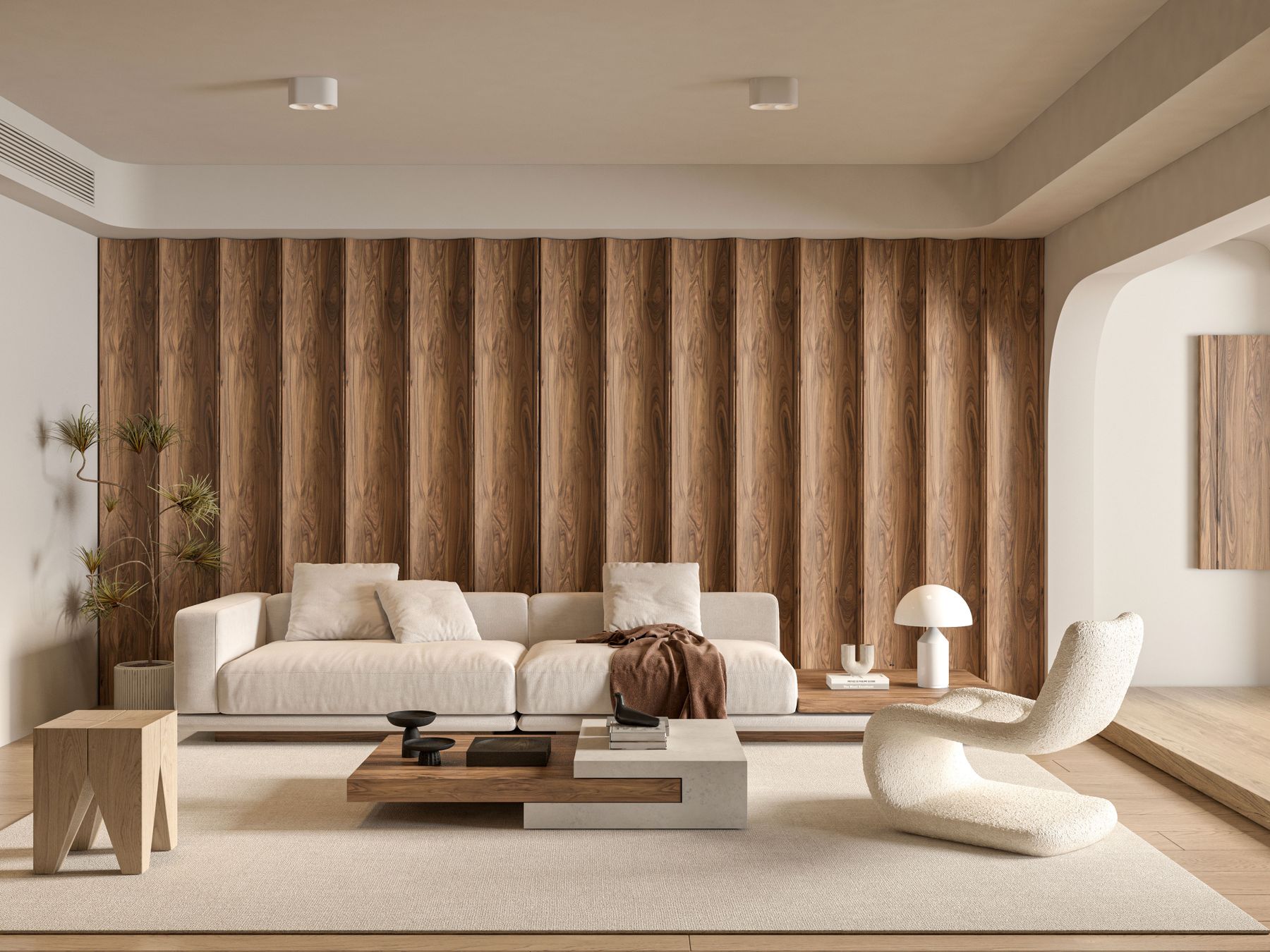
Quiet luxury uses fewer, better materials, controlled color and precise detailing without relying on logos or obvious display. It is not simply beige minimalism: timber grain, wool, linen, stone and hand-applied finishes need enough contrast to register. [Minimalist living room ideas](/living-room/minimalist-living-room-ideas/) goes further into reduction; quiet luxury may keep richer upholstery, art and layered light while maintaining a low visual count.

Build Contemporary Luxury Around Form
Contemporary luxury may use a curved sofa, expressive stone, brushed metal, textured plaster and sculptural light, but every statement needs a clear role. Keep routes and task light practical, and let one or two forms lead rather than filling the room with trend pieces. Contemporary describes the current design language; luxury describes the standard of material, comfort and execution. The page intents therefore overlap without becoming synonyms.
Build Traditional Luxury Around Craft
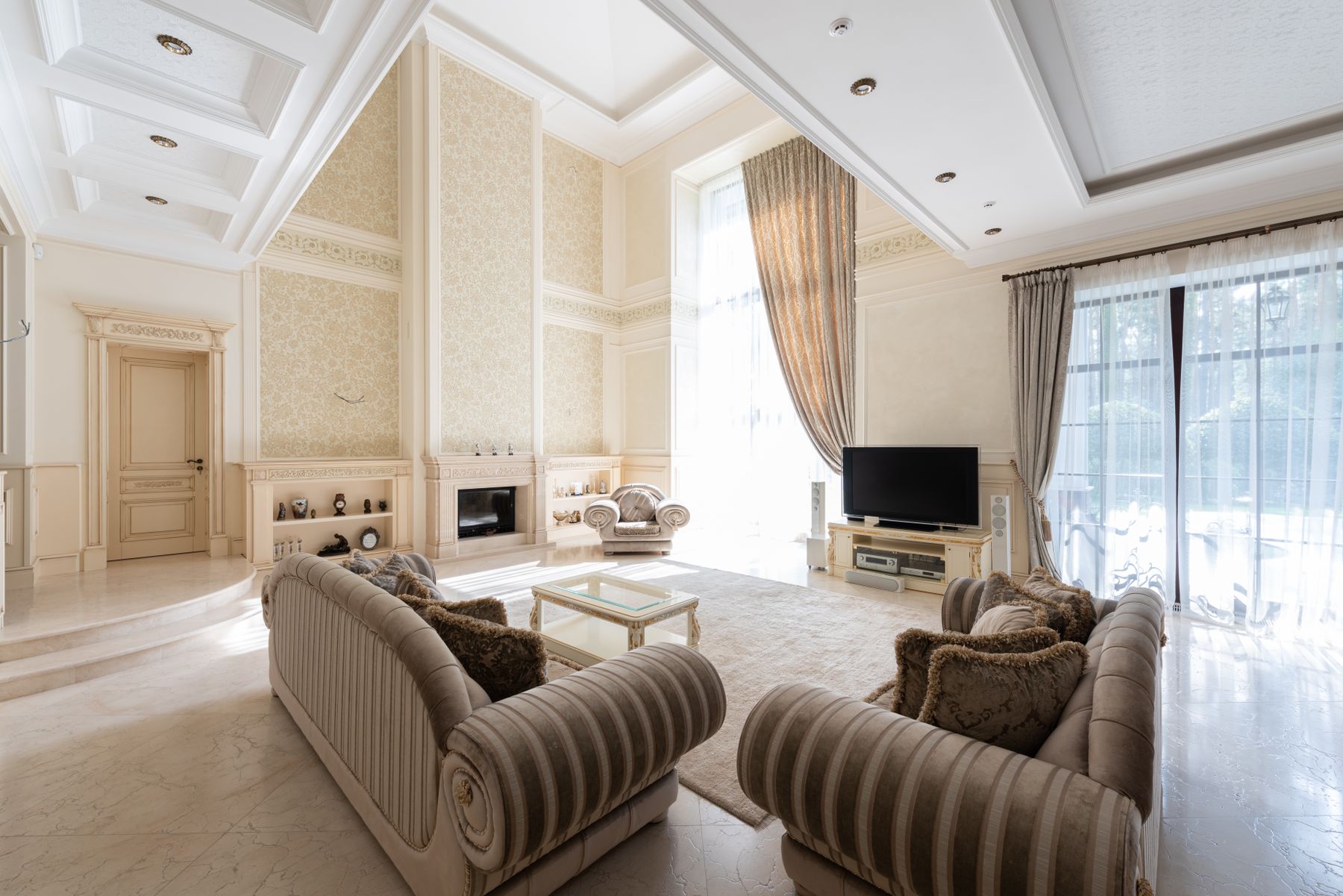
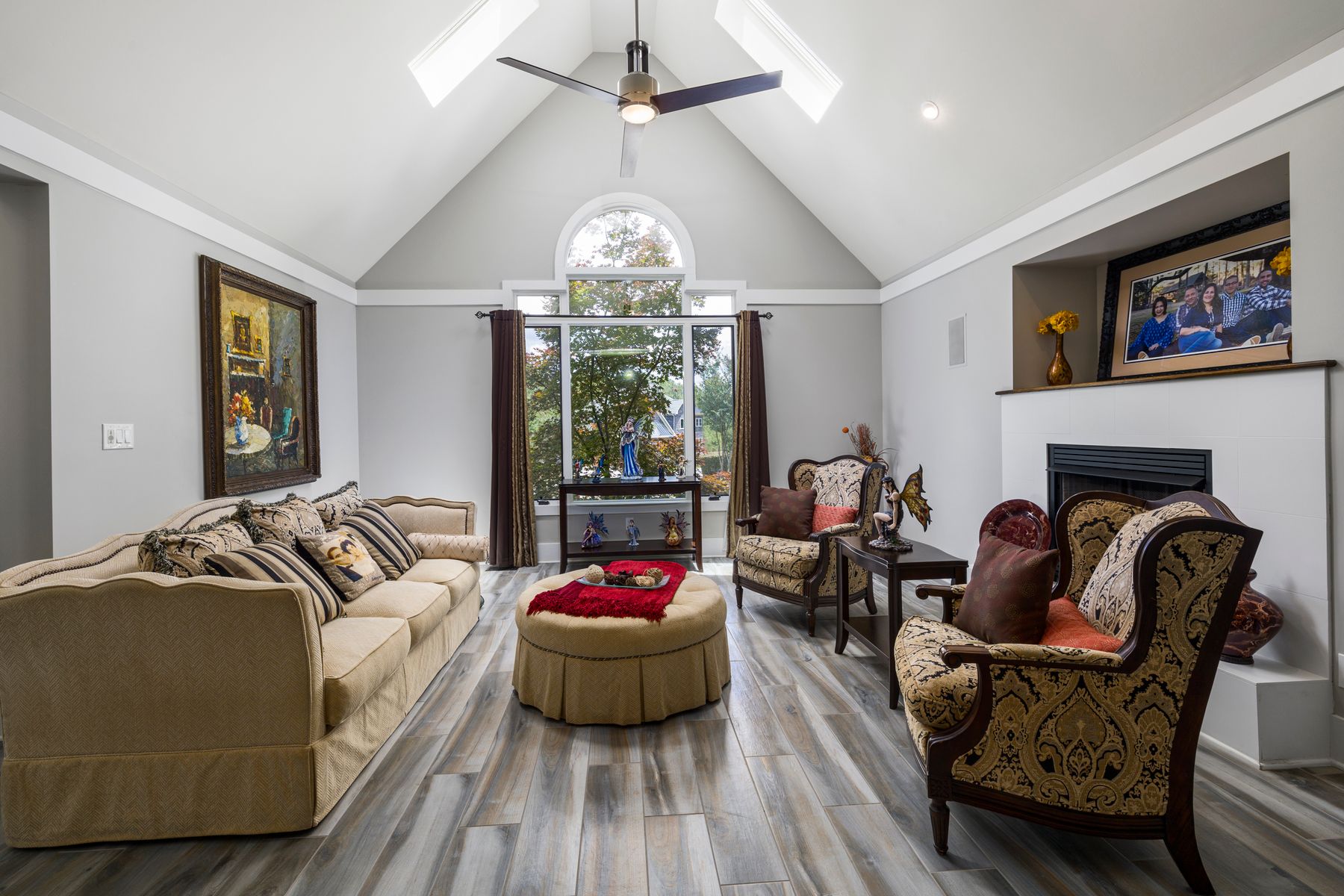
Traditional luxury can use paneling, tailored curtains, carved timber, antiques and patterned rugs without becoming a period set. Preserve hierarchy and comfort, vary furniture enough to avoid a showroom suite and keep old lighting or upholstery safe. Historical vocabulary leads this version, while investment quality and service life make it luxurious. Avoid applying ornate trim to every surface when the architecture cannot support it.
Use Art Deco Luxury Selectively
Art Deco brings symmetry, strong geometry, polished timber, metal, glass and jewel-like contrast. Use it as a coherent stylistic route rather than adding a sunburst mirror and brass table to an unrelated room. [Art Deco living room ideas](/living-room/art-deco-living-room-ideas/) owns the historical and Neo Deco detail; this section focuses on where investment in finish, upholstery and lighting reinforces the luxury standard.
Tailor Limited Square Footage Instead of Miniaturizing Luxury
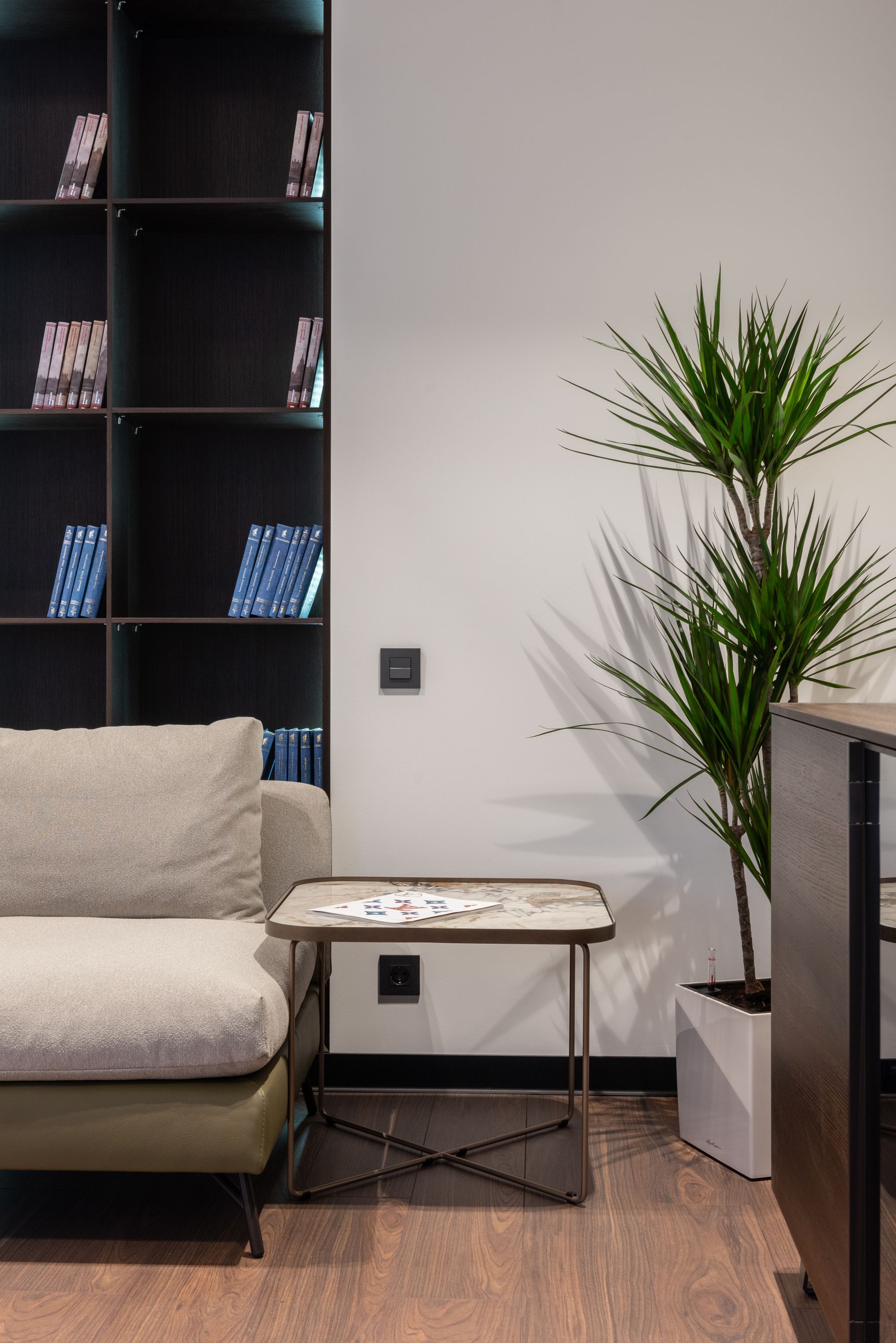
A small luxury room benefits from one excellent sofa, correctly sized rug, precise window treatment, layered light and storage designed around the inventory. Avoid many tiny accent pieces or oversized furniture chosen to imitate a large showroom. Use wall height without narrowing the route and give each seat a practical surface. [Small living room ideas](/living-room/small-living-room-ideas/) expands delivery, circulation and multifunction tests.
Create Continuity Without Repeating Every Finish
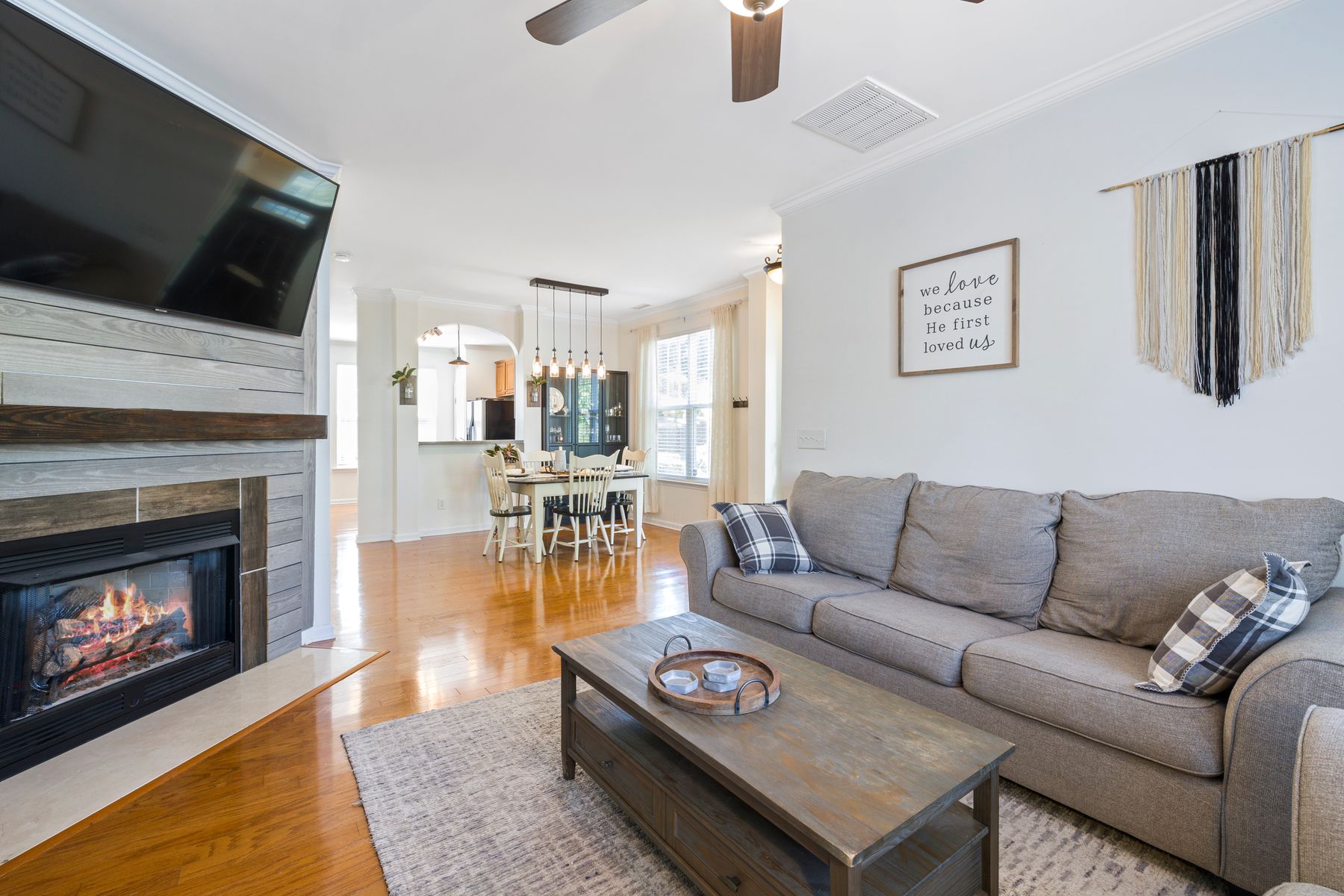
Give living, dining and kitchen zones distinct centers through rugs, lighting and furniture orientation while repeating one or two materials across the larger volume. Preserve the main connecting route and test dining chairs, extensions, doors and lounge furniture fully open. Acoustic absorption becomes more important as hard stone, glass and high ceilings increase. Use ceiling and joinery lines to organize the whole space instead of creating isolated expensive islands.
Design for Children, Pets and Real Hosting
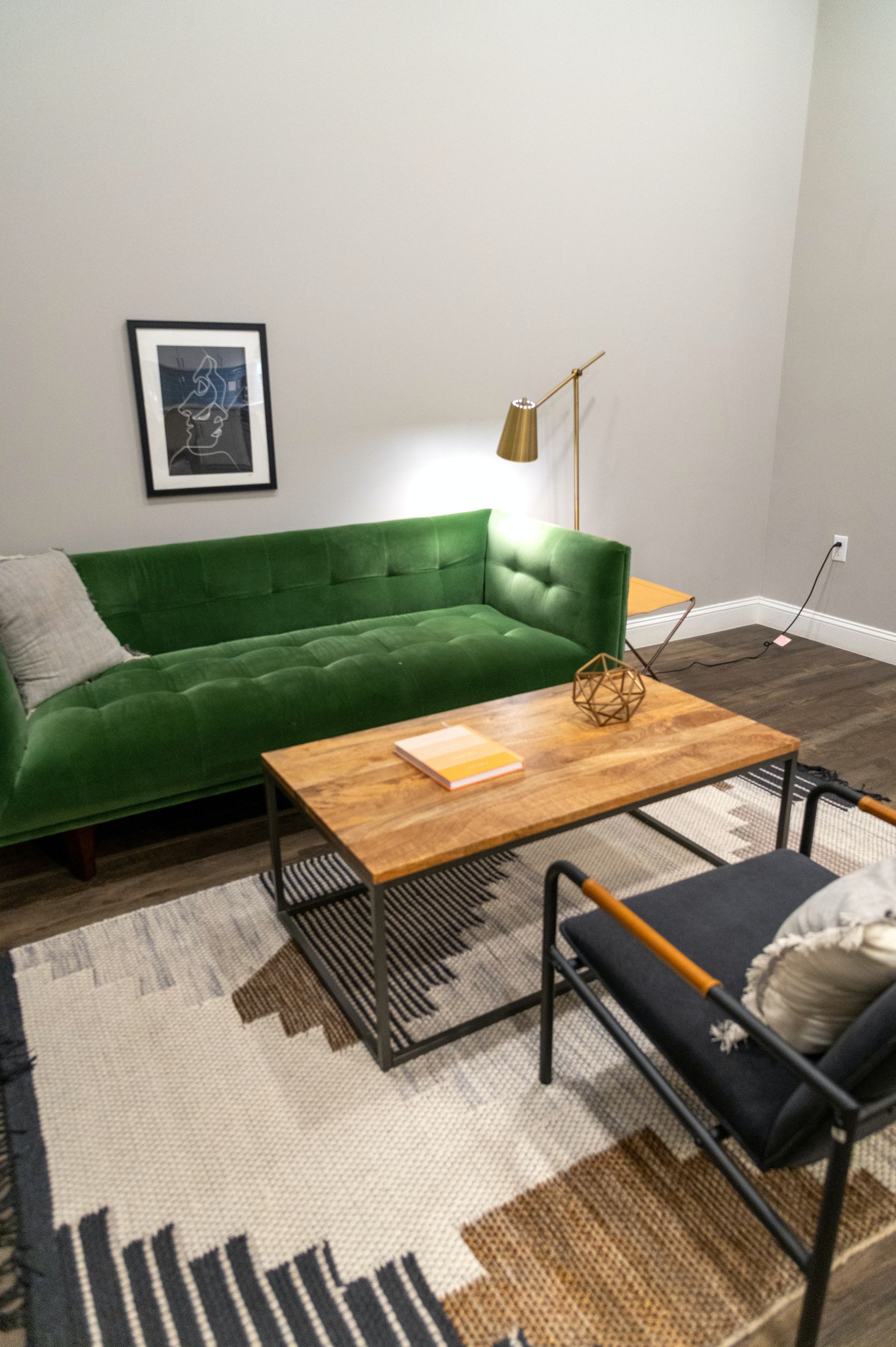
Specify washable or repairable textiles, stable tables, rounded or protected edges and closed storage for active household items. Separate fragile display from play and pet routes, protect valuable surfaces from water and sun, and provide enough supportive seating for guests. Performance fabric, leather, wool and slipcovers each have different advantages; judge them by the household rather than by status. A room that cannot host ordinary life is a display, not a living room.
Build Accessibility Into the Finish Standard
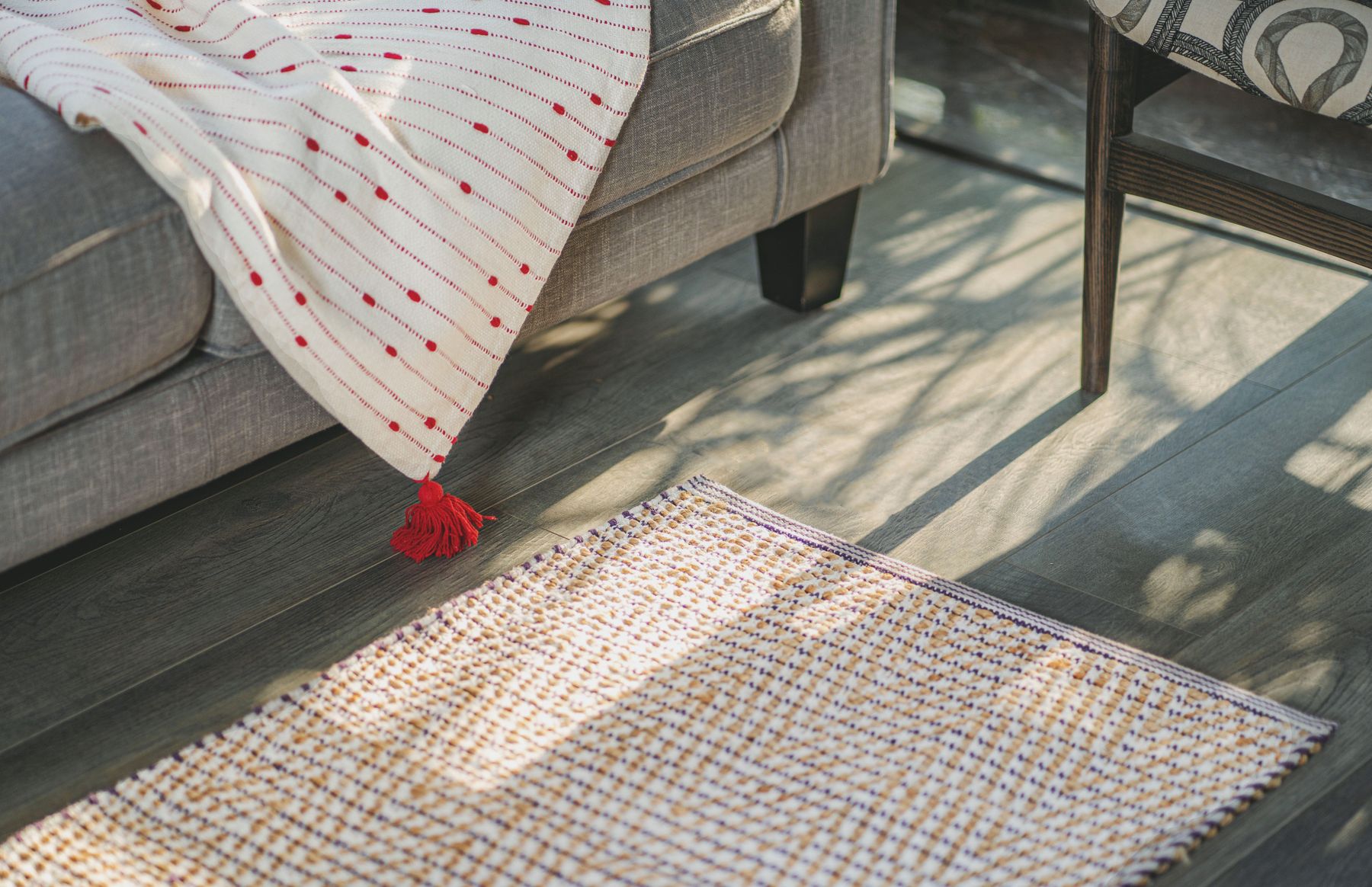
Maintain a continuous route, stable rug edges, supportive seat options, reachable switches and graspable hardware. Contrast changes should clarify steps, thresholds and furniture rather than create deceptive pattern. Motorized curtains or lighting can improve access when controls remain simple and manual backup exists. Luxury should remove friction for different bodies and ages; it should never use low tables, deep seats or hidden controls as unavoidable aesthetic requirements.
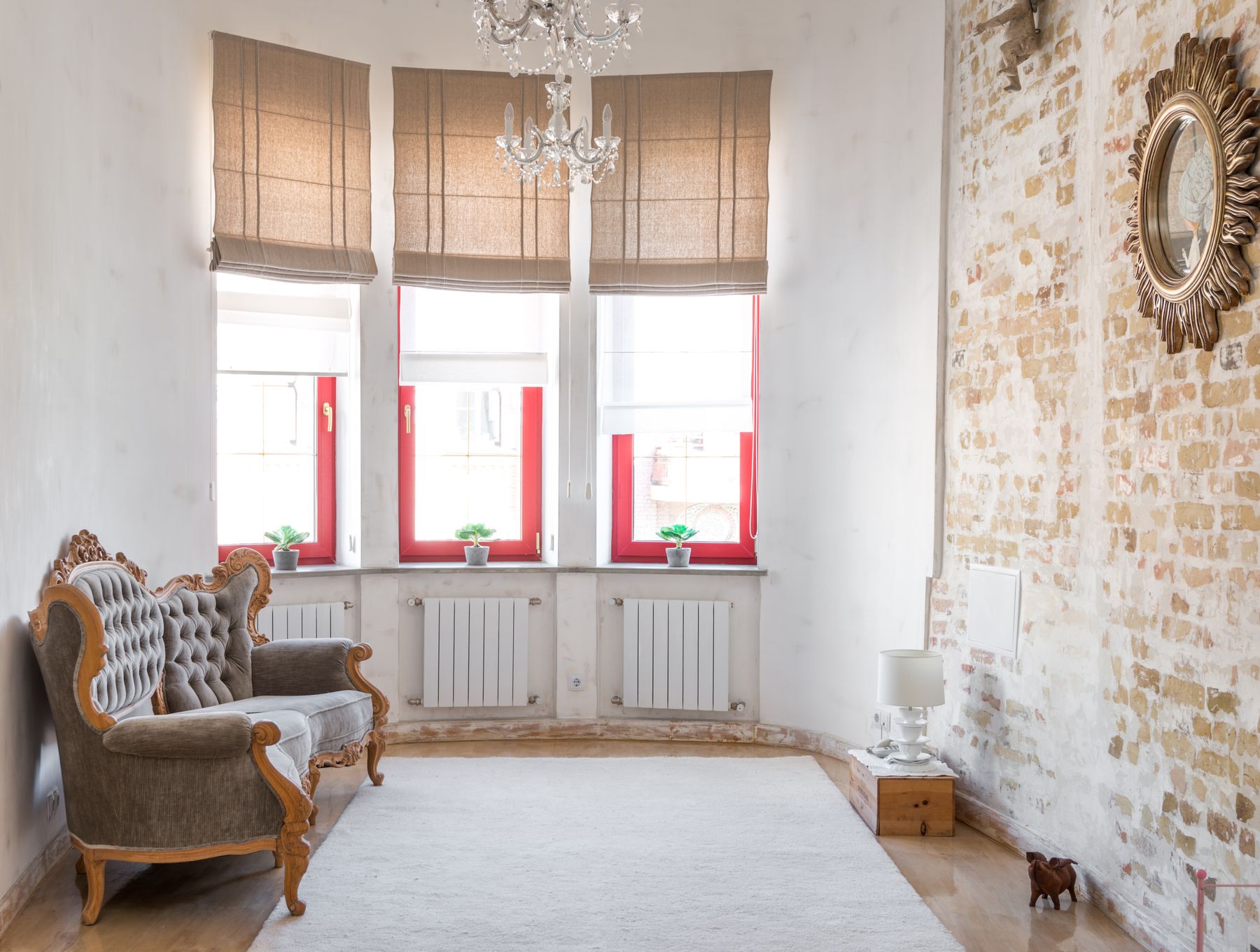
Spend Where Performance Is Hard to Add Later
Prioritize layout work, electrical planning, window treatment, sofa construction, a correctly sized rug and joinery that solves real storage. Save on changeable side tables, decorative objects and trend-led accents when their performance is adequate. Vintage or secondhand pieces can add craftsmanship and individuality, but include inspection, transport and repair in the budget. Allocate a contingency for fabrication changes and keep records for warranties, finishes and future maintenance.
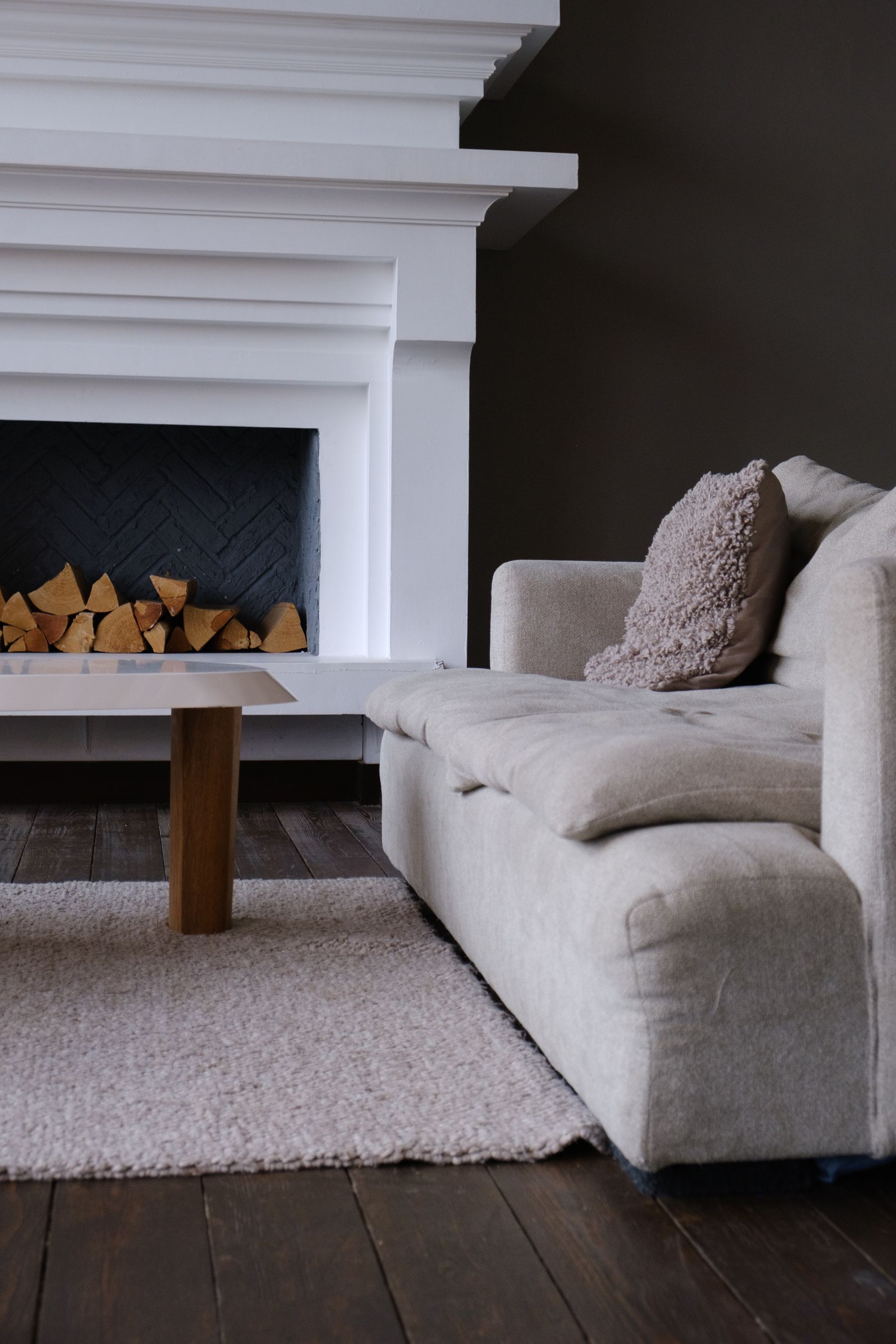
Coordinate Specialists and Samples
Joinery, stone, upholstery, curtains, lighting and controls affect one another, so drawings and samples must be coordinated before fabrication. Confirm who owns every junction, tolerance and final measurement. Review full-size mockups for edges, seams, hardware, dimming and curtain stack rather than approving isolated mood-board images. Photograph signed samples and record product codes; substitutions should be evaluated against performance and appearance, not accepted as equivalent by default.
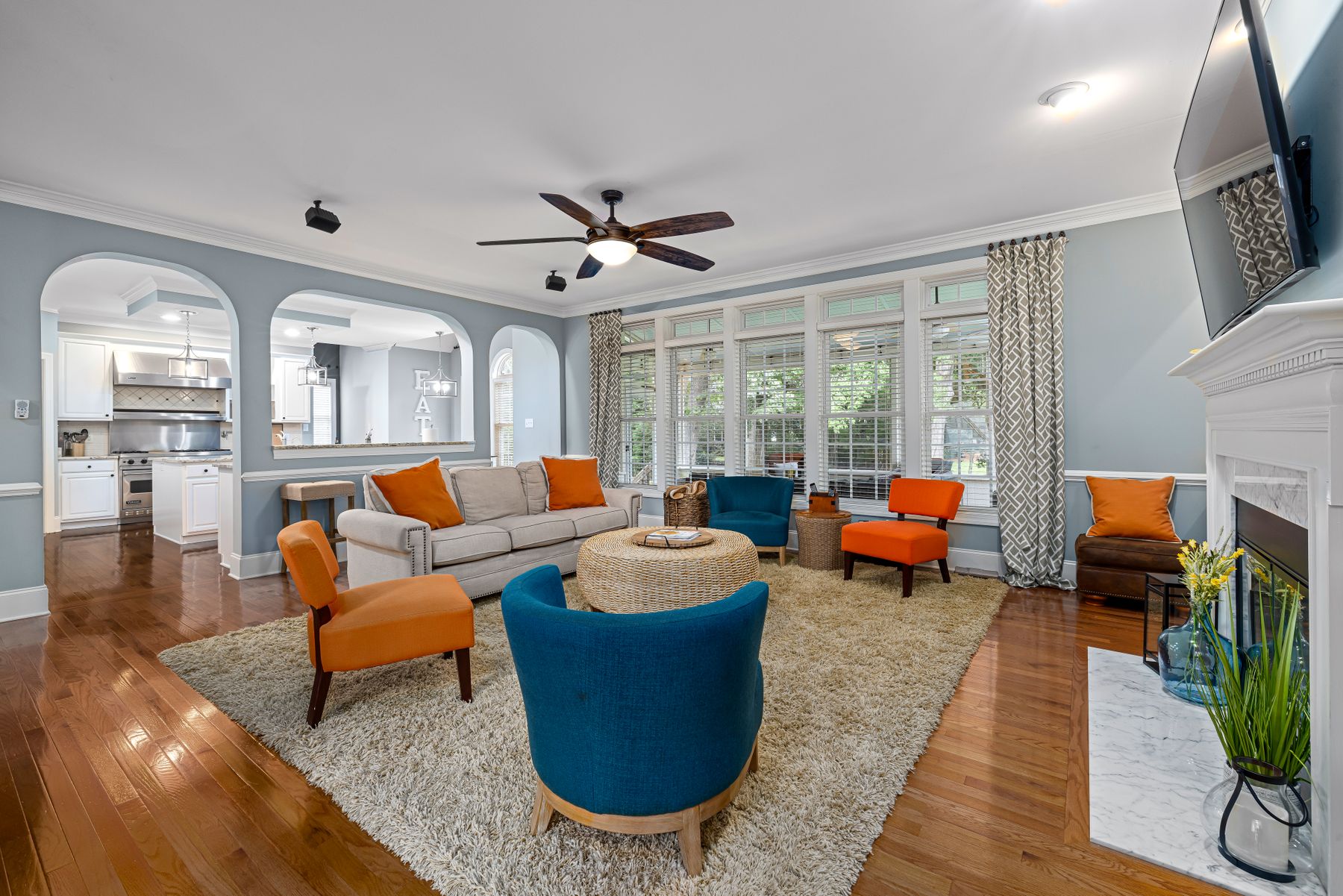
Create a Stewardship File for Every Finish
Create separate care plans for upholstery, rugs, timber, stone, metal, glass, curtains, art and lighting. Leave vacuum access, protect surfaces from moisture and heat, and keep approved cleaners labeled by material. Schedule professional maintenance where construction or warranty requires it. Store spare fabric, stone offcuts, finish samples and hardware with records. Patina can be beautiful; preventable staining, loose joints and failing drivers are not patina.
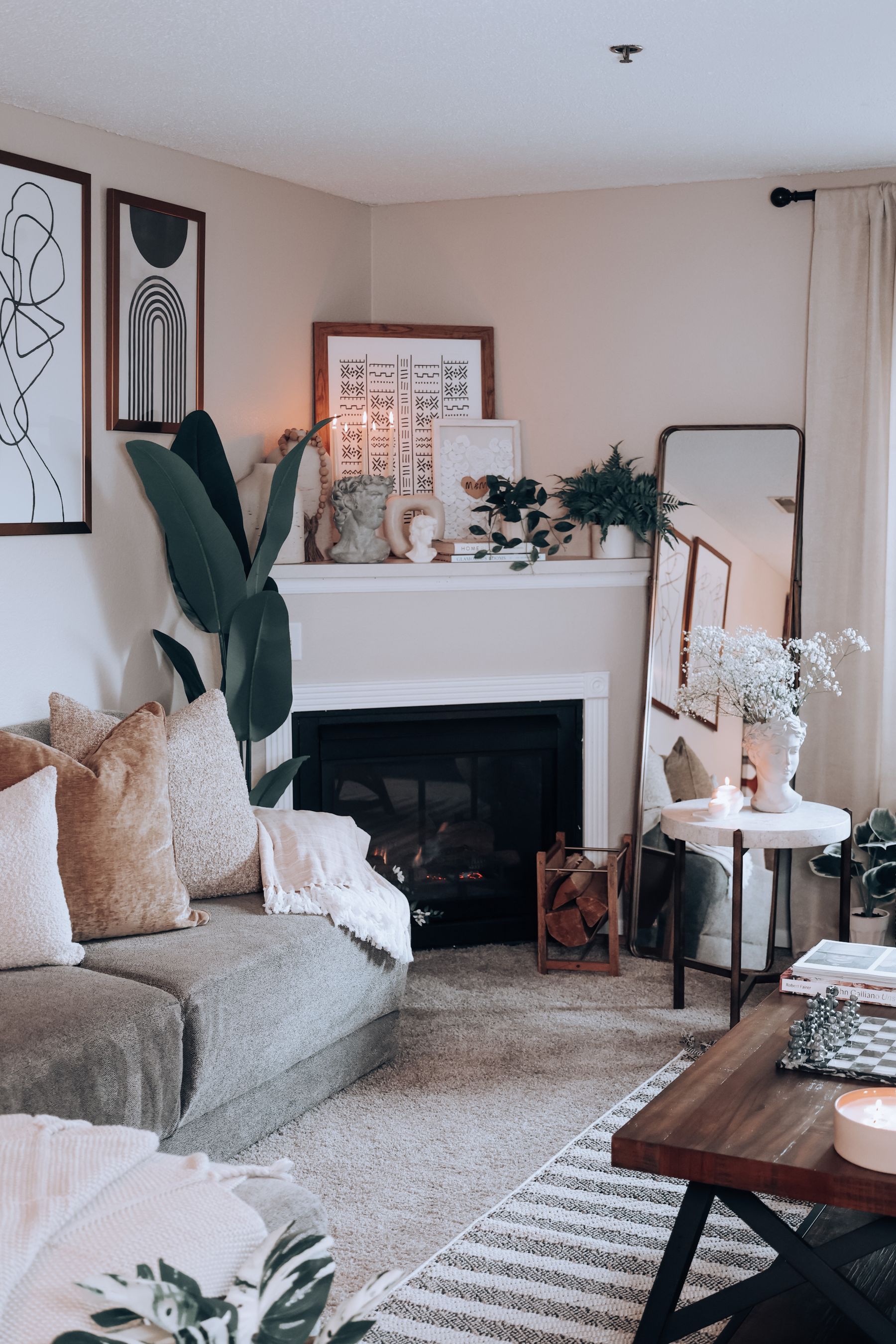
Edit Until Every Expensive Decision Earns Its Place
Photograph the room from each entrance, regular seat and at night. Remove redundant objects, repeated status cues and decorative pieces that obstruct use or dilute the main materials. Check comfort, table reach, glare, acoustics, storage, cleaning and service access before adding anything else. A luxury living room is complete when further spending would not improve function, craft, atmosphere or longevity—not when every wall and surface has been filled.