Victorian as a Specific Period Direction
Victorian refers to the long nineteenth-century period associated with Queen Victoria's reign, but domestic taste changed across those decades and differed by place and household. The useful design vocabulary includes tester and iron beds, substantial wood casework, botanical pattern, layered windows, brass hardware and task-specific furniture. Traditional Bedroom Ideas owns the wider balanced heritage look, while Vintage Bedroom Ideas is about genuine older pieces across eras. Victorian is narrower: its furniture profiles, pattern density and domestic rituals should feel historically related even when the room is not a reconstruction.
Choose an Early, High, Late or Modern Victorian Route
An early route can feel lighter and more classical; High Victorian favors richer color, heavier wood and denser ornament; late Victorian rooms may introduce Aesthetic Movement or Eastlake geometry; modern Victorian edits the vocabulary to one or two decisive elements. Choose the route before shopping, because a rococo-style bed, geometric Eastlake dresser, medieval Gothic mirror and minimalist lamp do not automatically become coherent through age alone. A modern interpretation may keep the tall bed, floral paper and brass while reducing matching furniture and heavy textile.
Plan Mattress, Doors and Night Routes First
Map the mattress, door swing, wardrobe and drawer openings, window operation, radiator, outlets and route to the bathroom before positioning substantial furniture. Victorian beds and wardrobes often project farther than their modern equivalents, and a footboard can narrow the most used path. Provide reachable light on both occupied sides and enough space to change bedding. If the room cannot support a large tester or full suite, reducing furniture is more historically credible than blocking circulation with underscaled replicas of everything.
Let a Tester or Four-Poster Set the Hierarchy
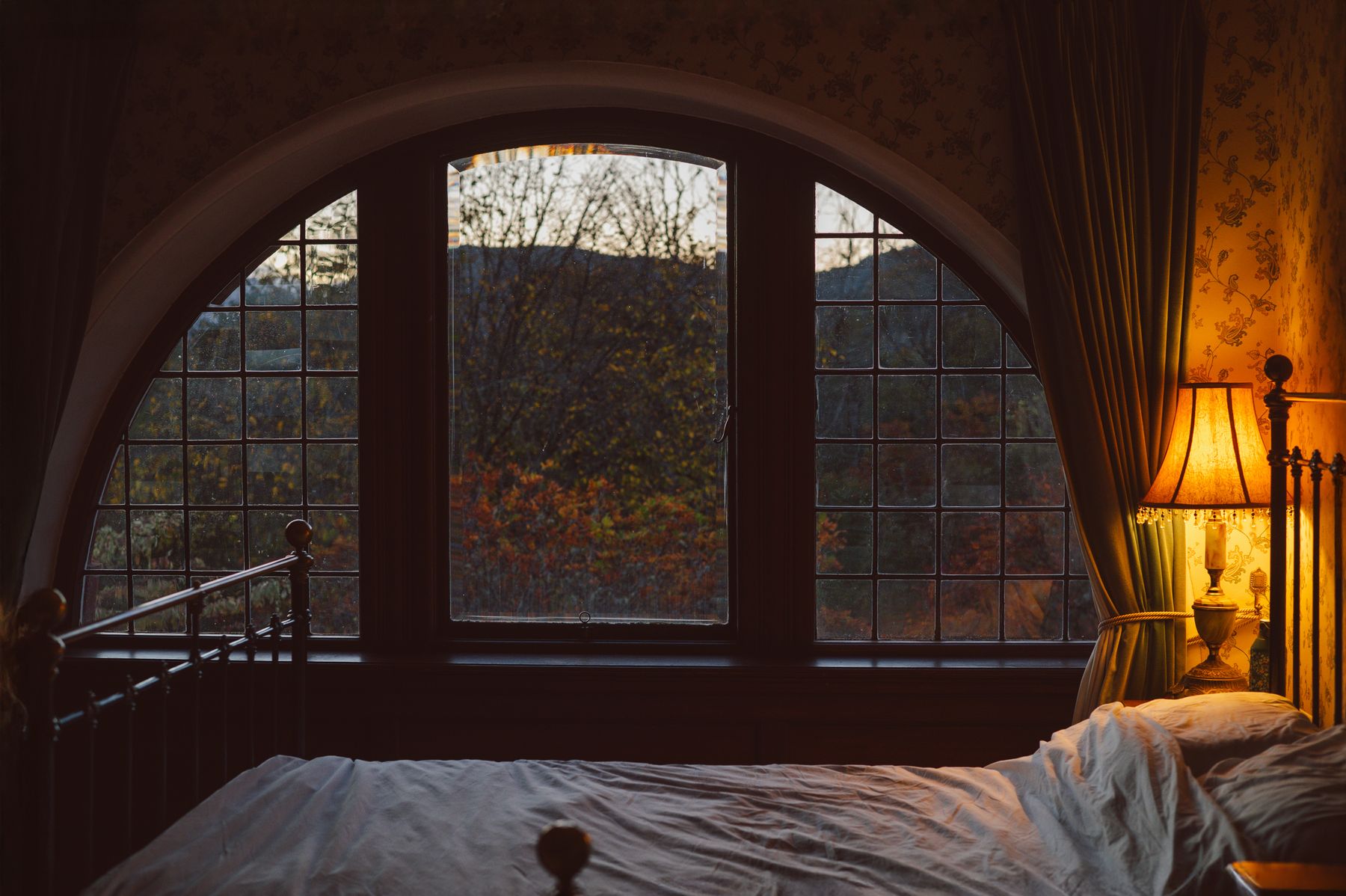
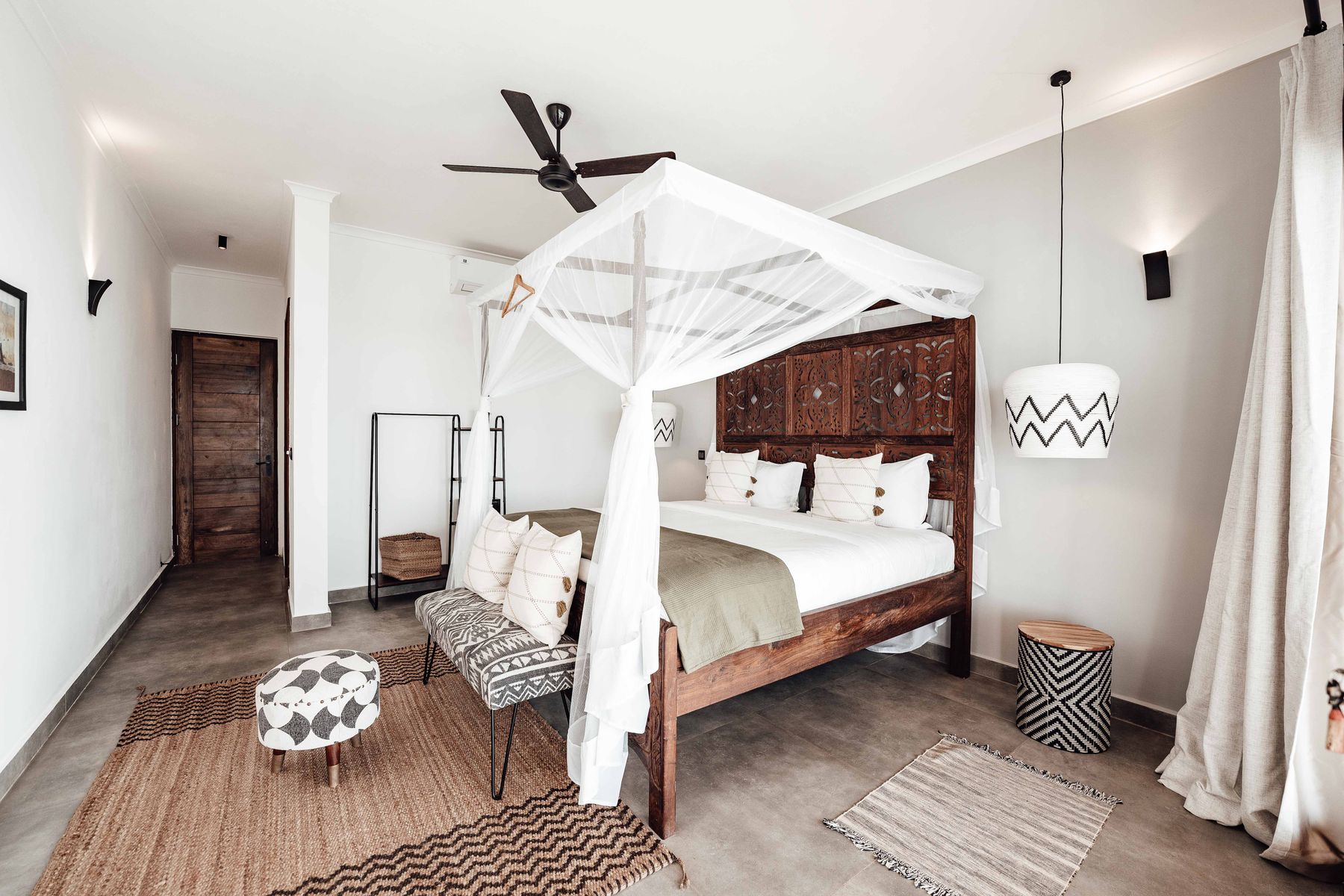
A tester, half-tester or four-poster creates the strongest Victorian outline, but select it by ceiling height, mattress support, bed-making access and structural condition. Fabric is optional: open posts can provide scale without collecting dust or trapping heat. Where a full tester would compress the ceiling, a tall carved headboard or shallow wall-mounted corona can make a similar focal point. Let the bed lead; tables, seating and art should not all demand equal attention. Gothic Bedroom Ideas is the better route when dramatic silhouette and shadow matter more than nineteenth-century domestic specificity. The pictured canopy is a silhouette comparison rather than an authenticated Victorian bed; verify provenance separately when historical specificity matters.
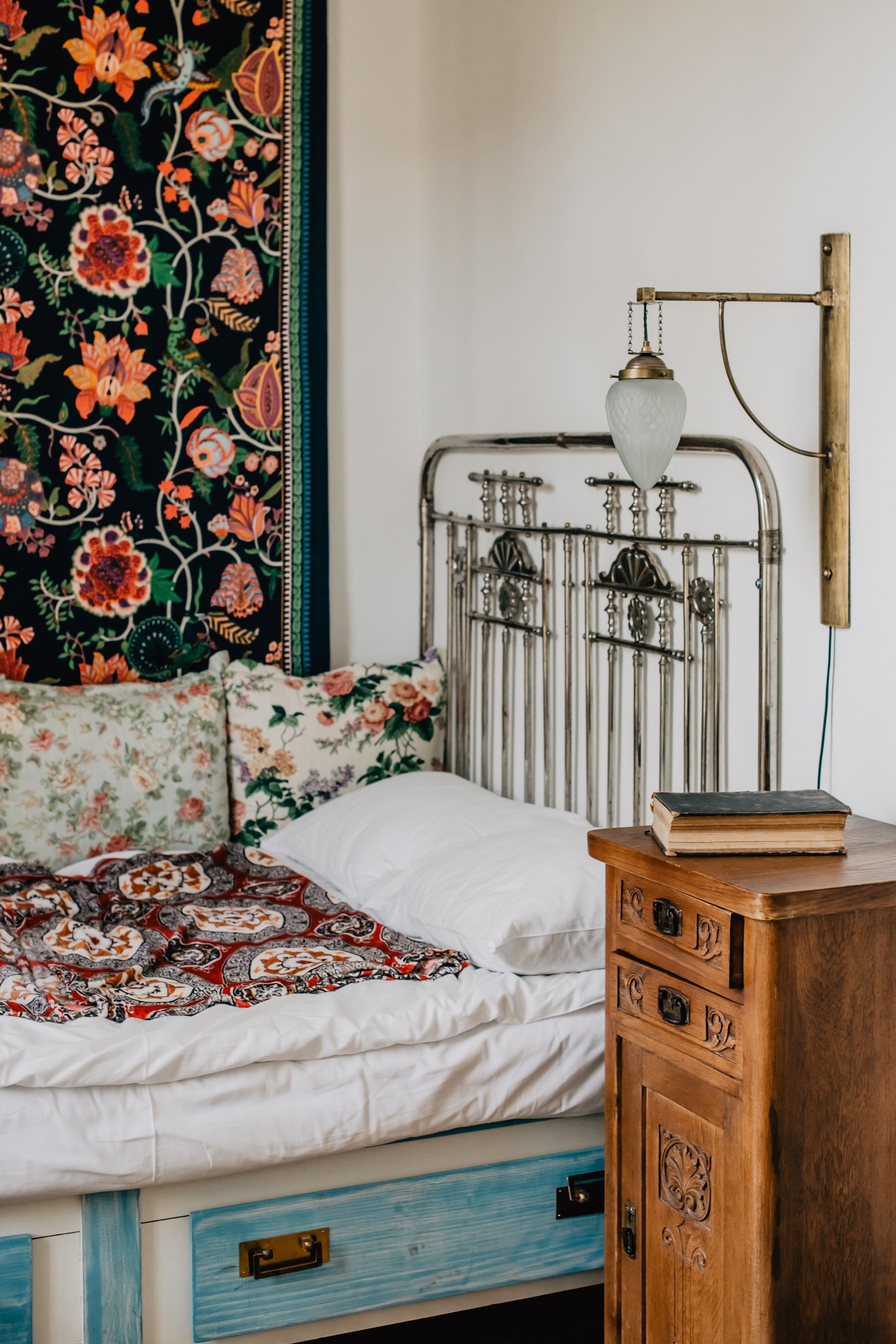
The Iron Bed Route to a Lighter Victorian Room
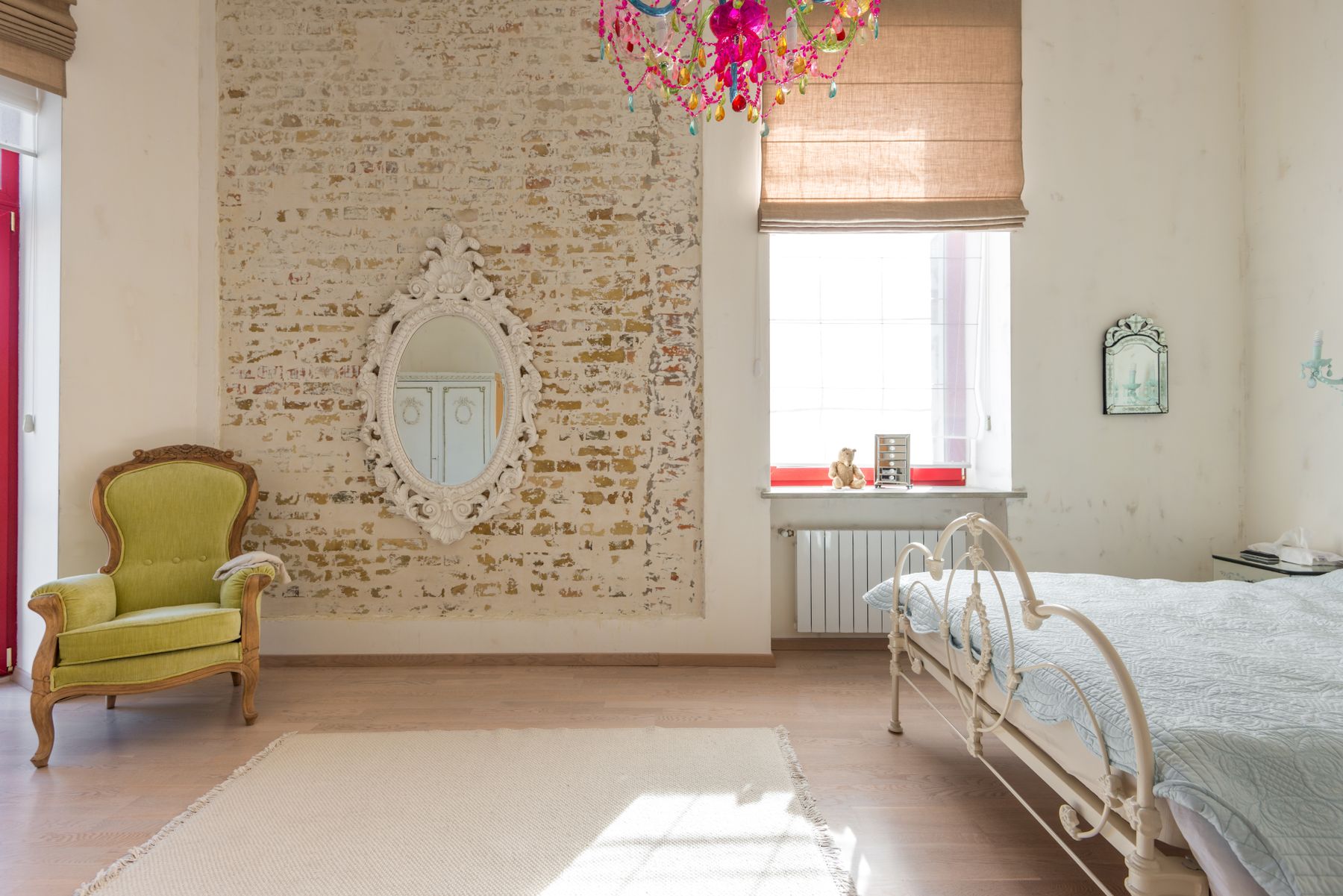
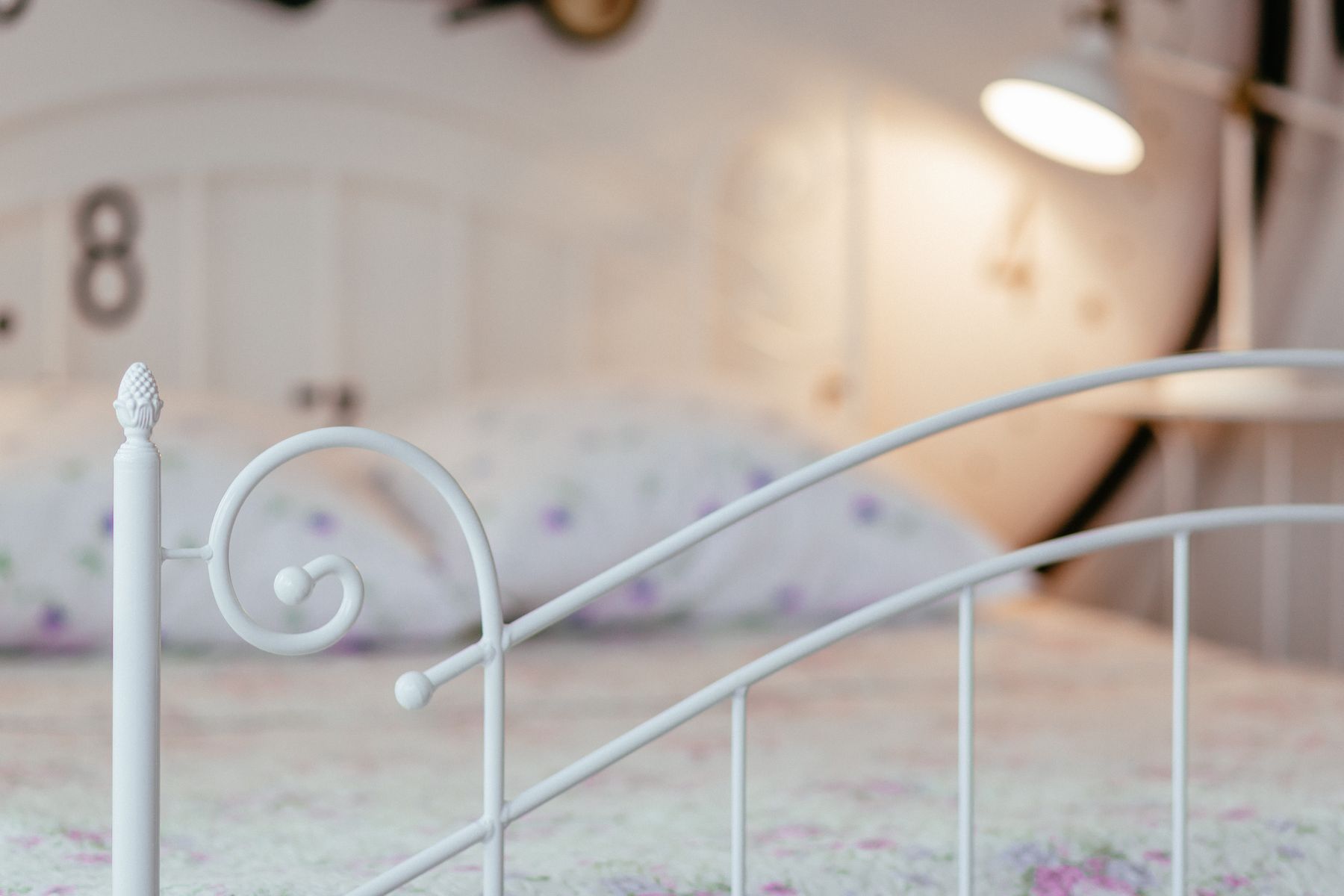
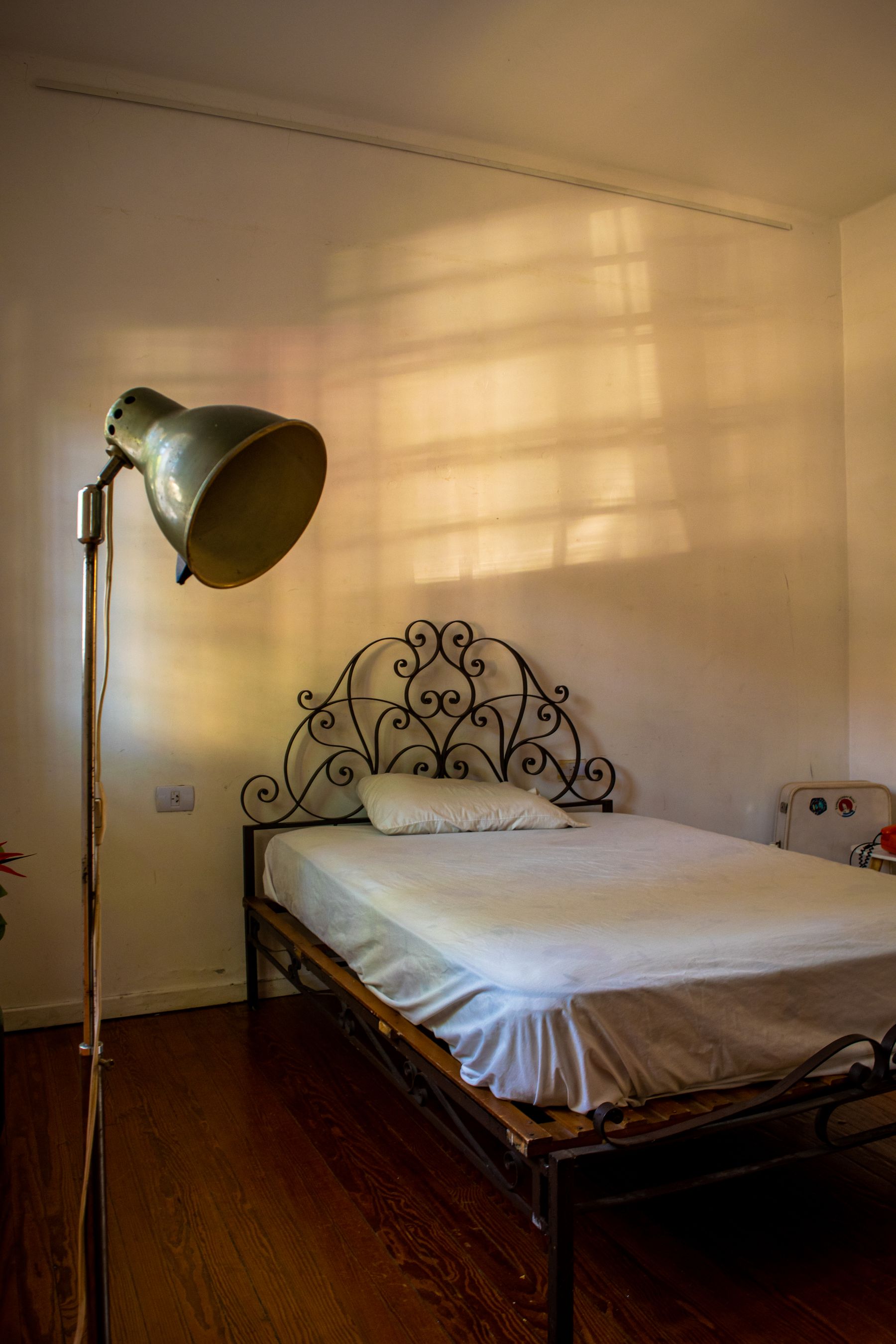
Iron and brass beds offer a credible alternative to massive carved wood, particularly in compact rooms or where floral textile should carry more color. Inspect welds, joints, corrosion, sharp finials and internal mattress dimensions; many old frames need a safe modern support system or a nonstandard mattress. Do not assume visible rust is desirable patina near bedding. A current reproduction can be the responsible choice when it states dimensions and load clearly, while an authentic headboard may remain decorative rather than structural.
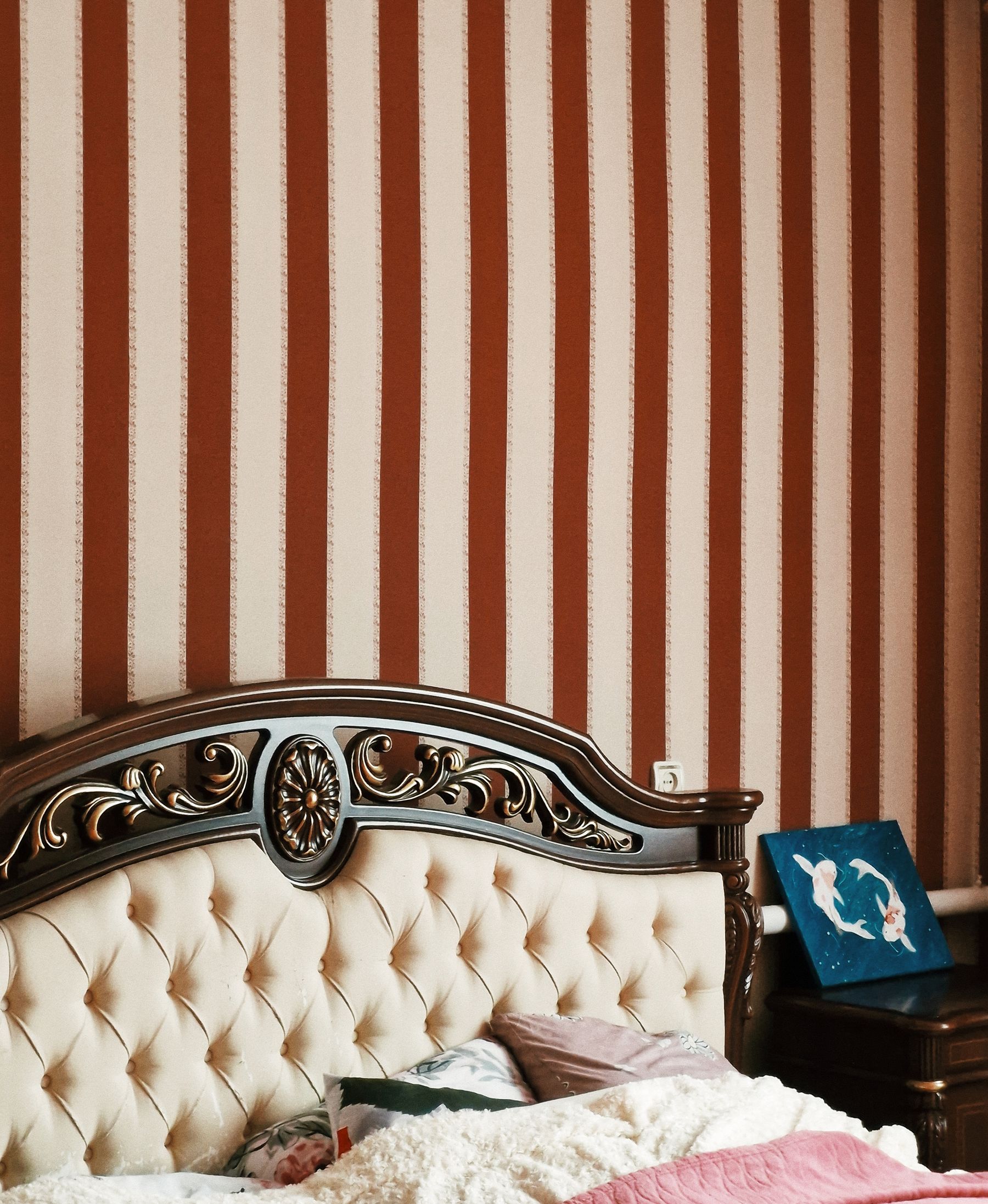
Read Eastlake and Other Casework Carefully
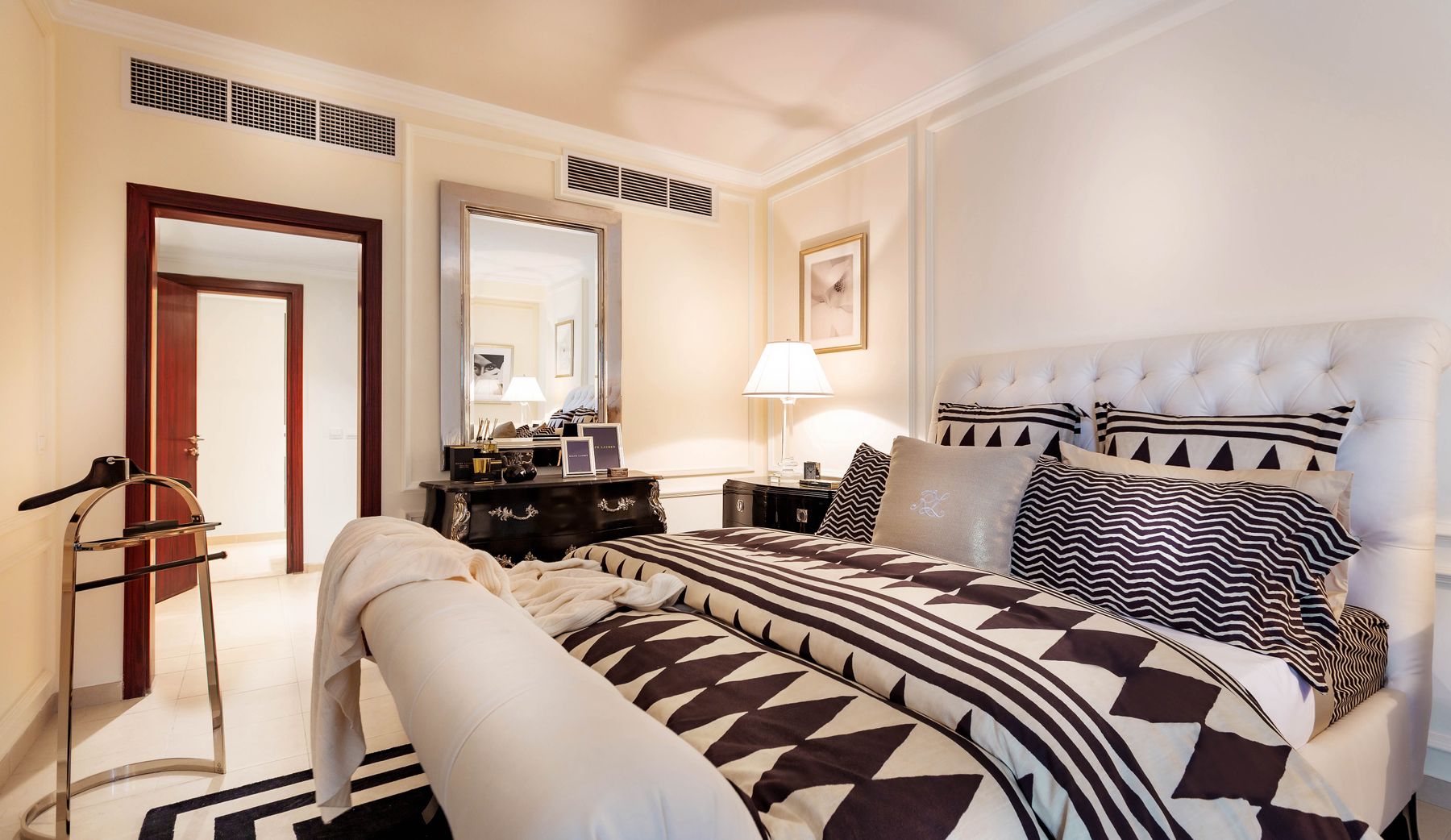
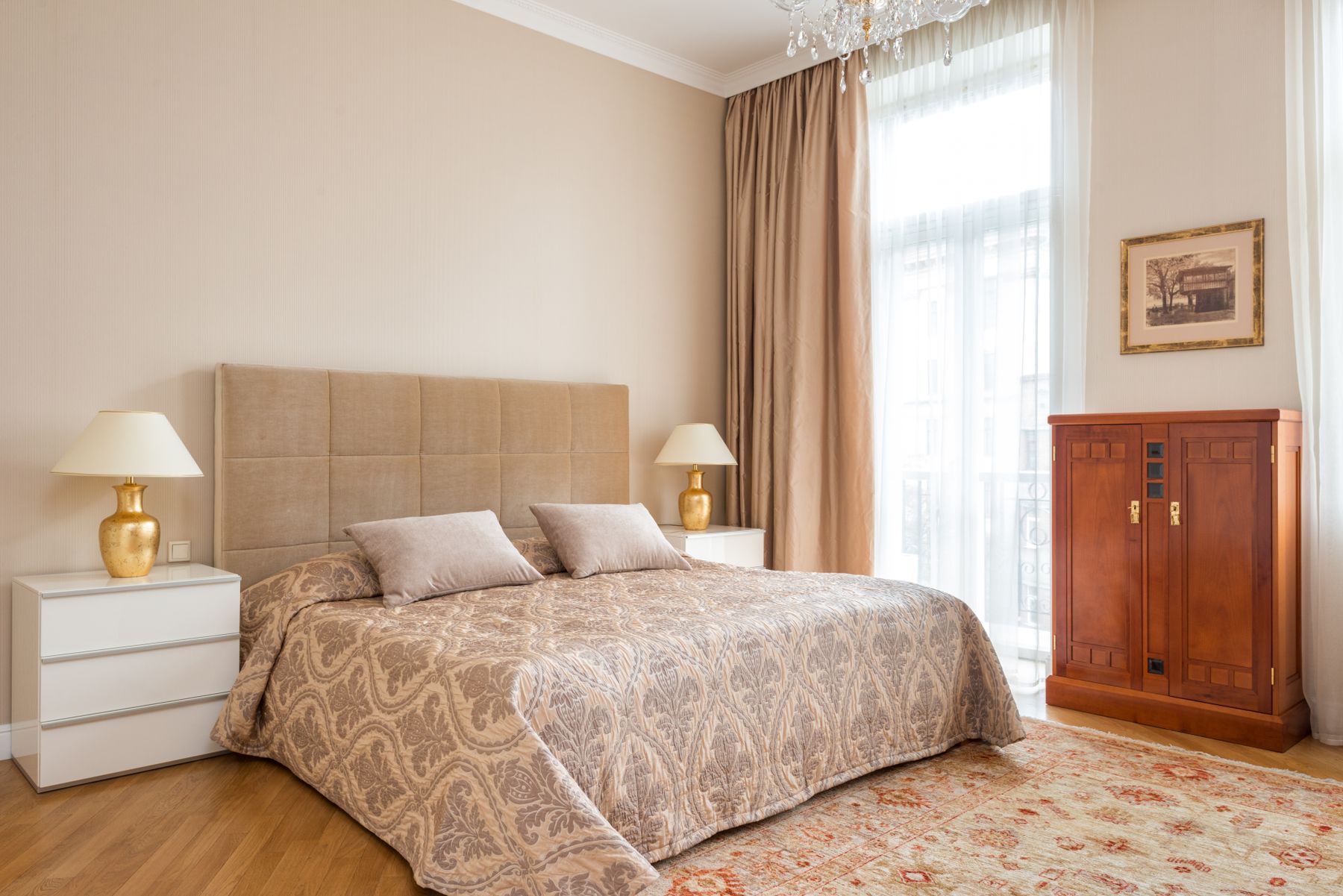
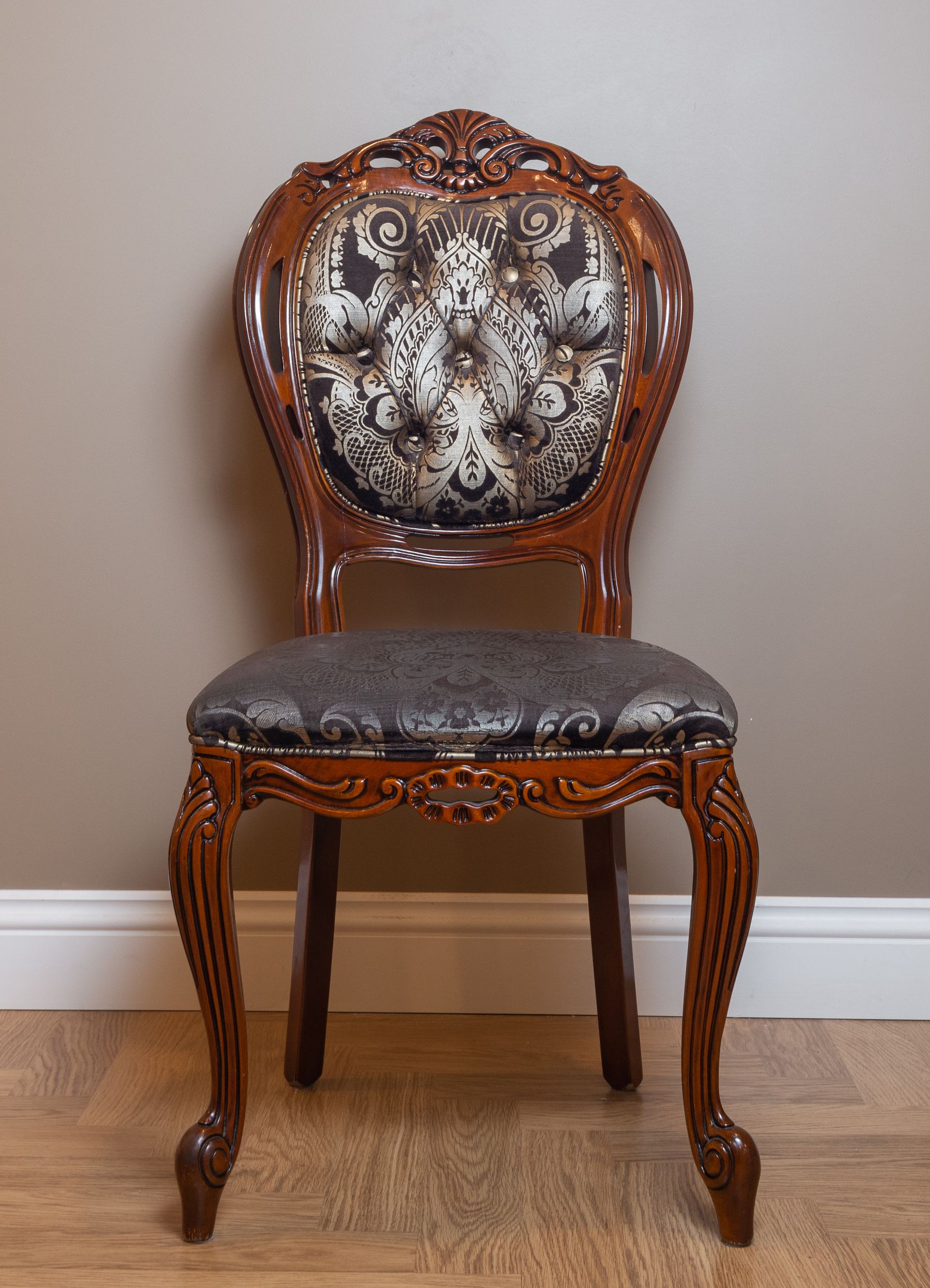
Late Victorian Eastlake-influenced furniture often uses incised lines, geometric structure, turned elements and restrained natural motifs rather than the deepest curving ornament. Renaissance Revival, Gothic Revival and vernacular pieces introduce different profiles, so 'Victorian' is not a single carving style. Inspect joints, veneer, drawer action, hardware and previous finish work before buying. A marble-top dresser or tall panel bed can lead the room, but a complete suite is unnecessary; repeat wood undertone or hardware rather than forcing exact matches. The photographed tufted headboard has deeper curved relief; use it as a contrast with that more restrained vocabulary.
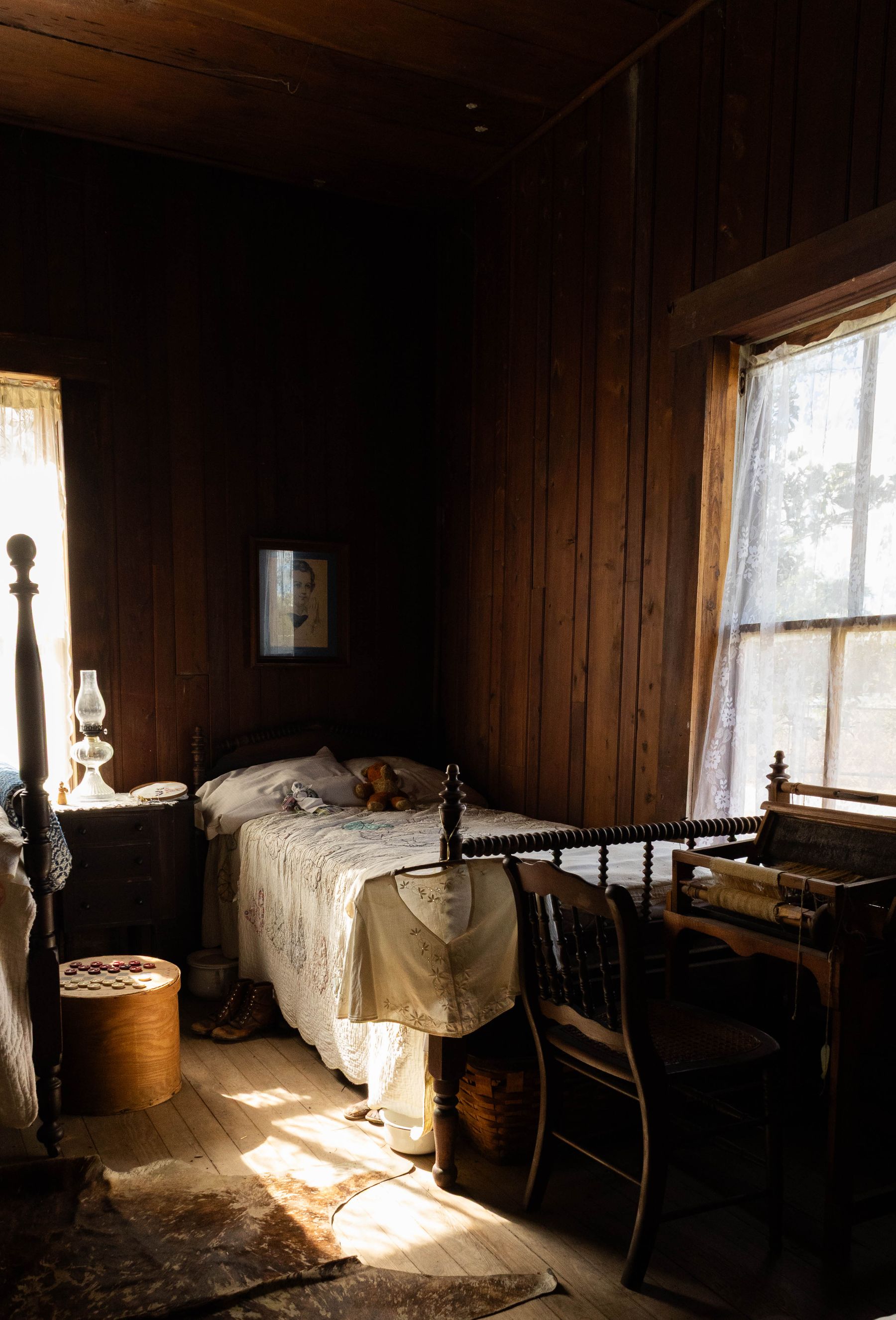
Color Begins With Wood, Wallpaper and Textile
Begin with the fixed wood and floor, then choose one saturated family—claret, bottle green, peacock, tobacco, indigo or plum—and a light or muted counterweight. Victorian rooms were not uniformly dark, and a sunlit room can carry pale blue, rose, cream or sage while retaining period form. Test color beside the actual timber at morning and evening: cool paint can make mahogany look orange, while weak warm light can flatten green and burgundy into brown.

Read Pattern Repeat and Ground Color Together
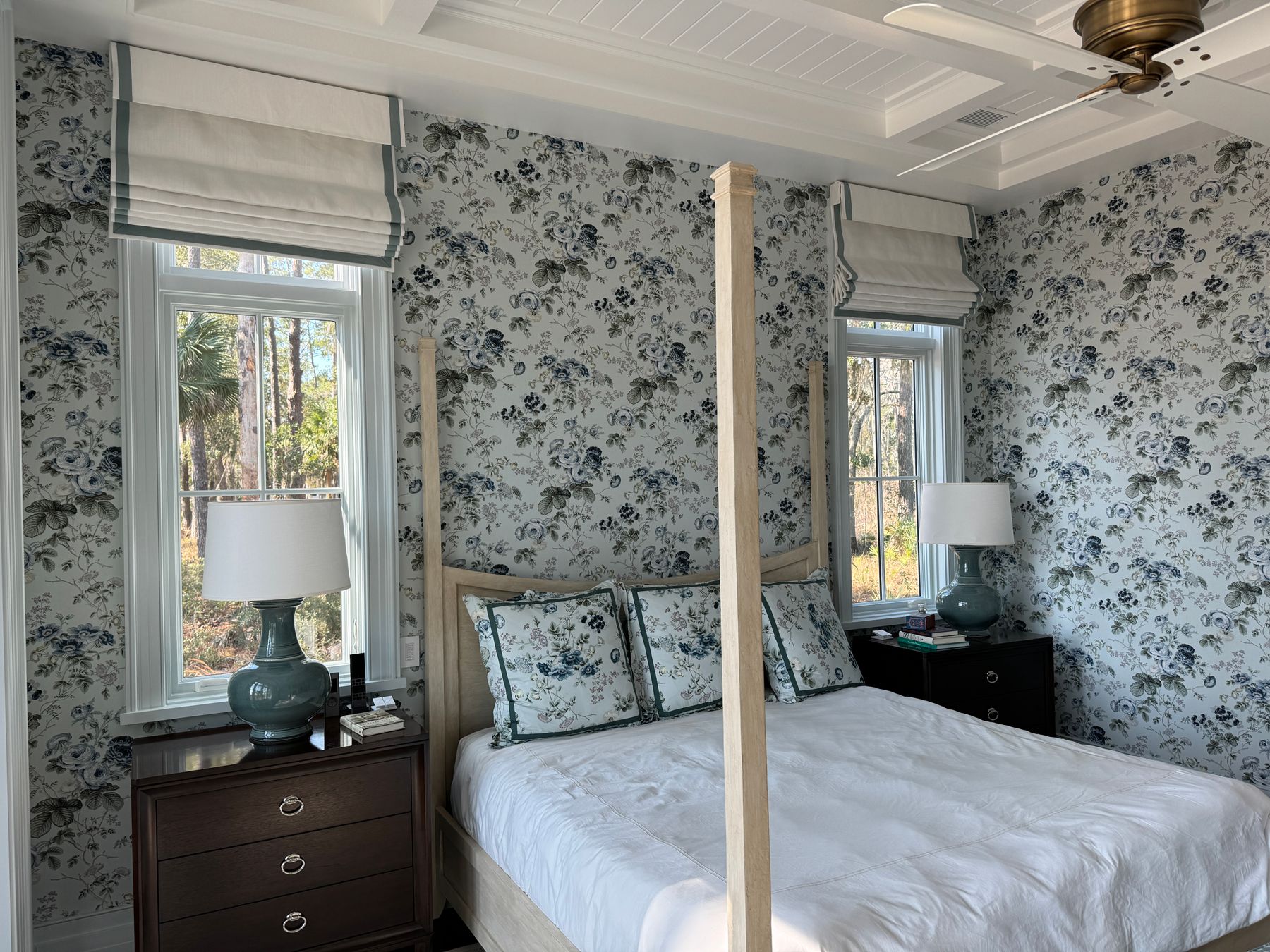
Florals, foliage, stripes and damasks can establish the room through walls or textiles. The folded botanical fabric shown here is a reference for motif and background color, not an installed wallpaper. Check the full repeat in the material you intend to buy: seams, folds and the amount of uninterrupted surface all change how it reads. If using wallpaper, inspect full drops and plan the seams; if using curtains or bedding, compare the pattern at its actual gathered or laid-out scale. Dark grounds intensify enclosure, while pale grounds let substantial furniture breathe.
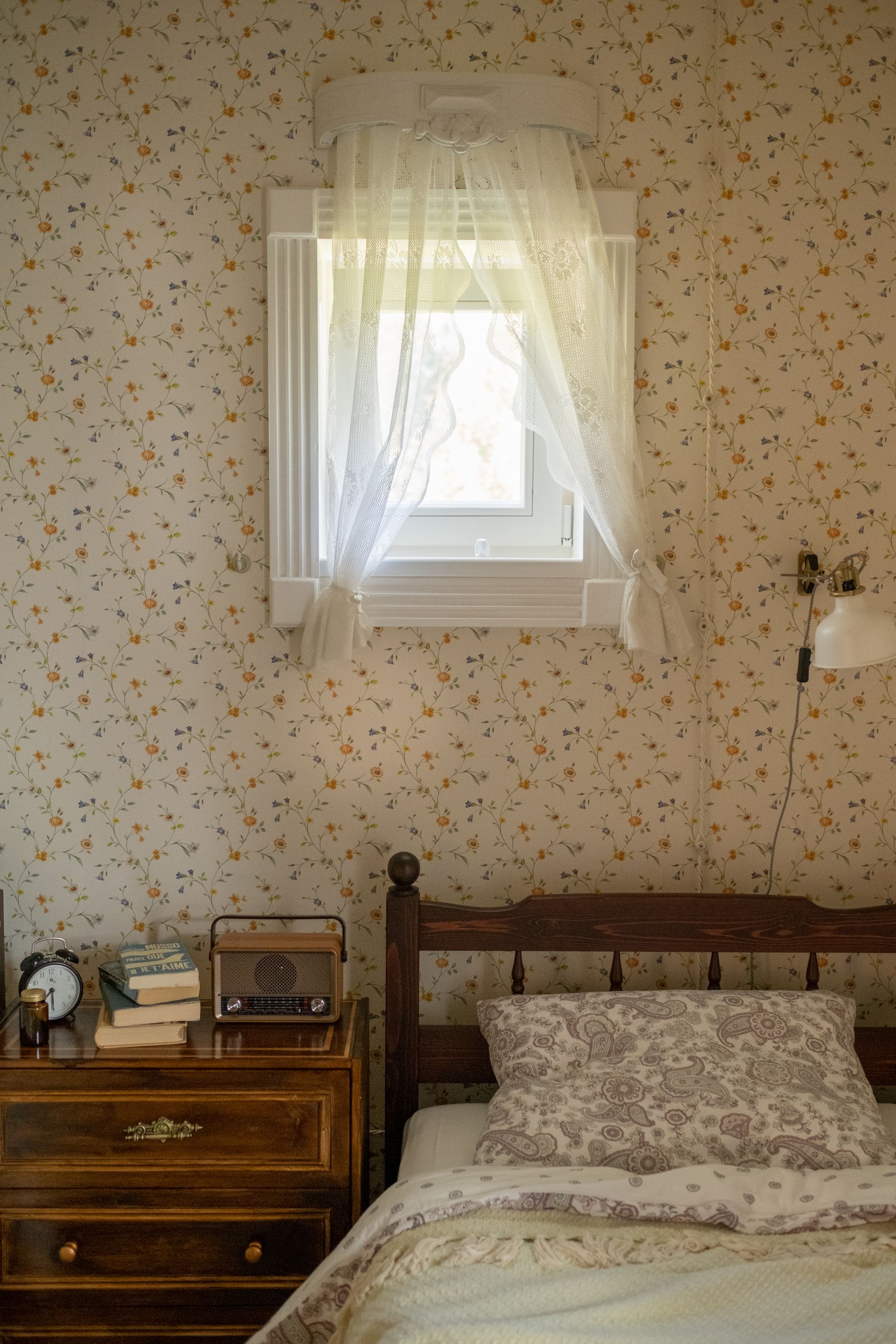
Mix Pattern Through Scale, Not Matching Sets
Let one pattern lead, one support and one appear only as an accent. A medium botanical paper might pair with a narrow stripe and a small embroidered sprig, while three similarly sized florals will compete. Connect patterns through two shared colors rather than choosing a manufactured matching suite. Plain fields are part of the pattern plan: a solid coverlet, wood headboard and quiet ceiling give the eye somewhere to rest. Eclectic Bedroom Ideas is the better destination when visibly mixed styles, rather than period coherence, are the primary intent.
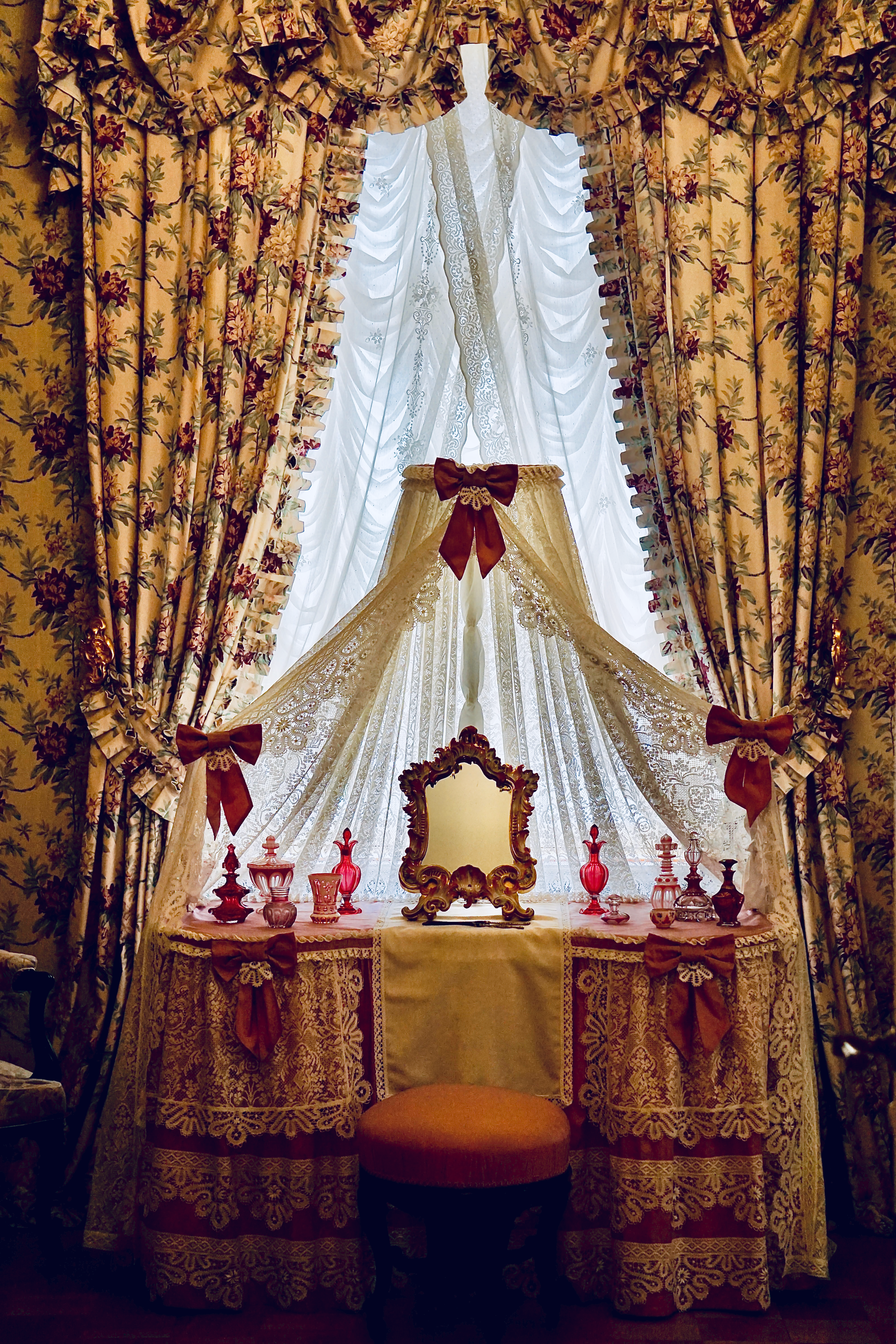
Curtain Layers Without a Lost Window
A lined decorative curtain, lace or sheer inner layer and pelmet can control draft, privacy and visual height, but only when each component has a job. Draw the decorative curtain fully clear of the glass, preserve window handles and ventilation, and keep fabric away from radiators and lamps. Heavy velvet requires suitable tracks and cleaning; printed cotton or wool blend may achieve historical richness with less bulk. Add a separate blackout blind when sleep darkness matters instead of expecting lace and ornament to do everything.
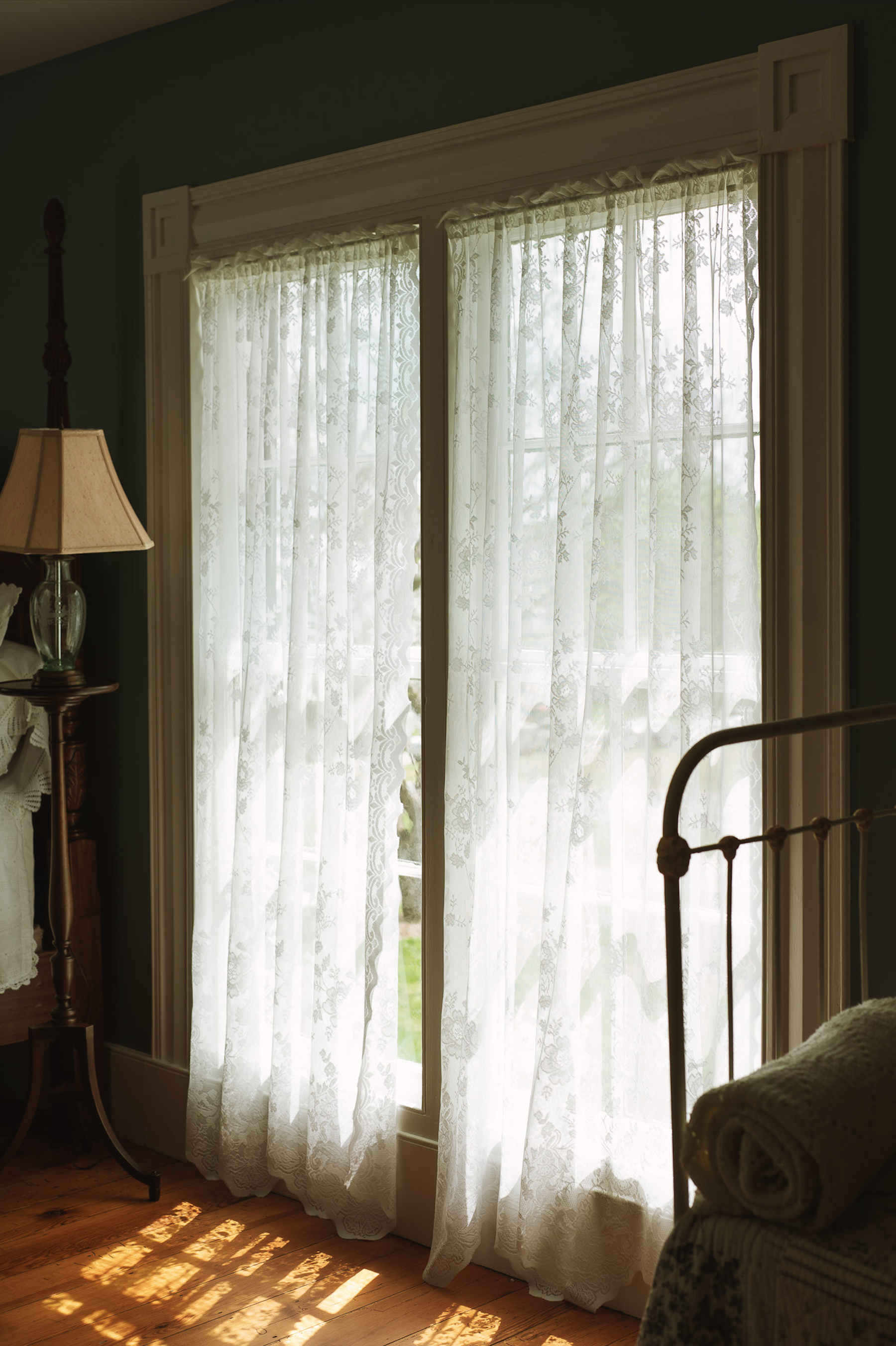
Lace Privacy and Blackout Are Separate Decisions
Lace creates the granular light and delicate edge associated with Victorian windows, but its privacy changes after dark and it does not provide reliable blackout. Test the room from outside with lamps on, then add a blind or lined curtain that can operate independently. Washable cotton or durable synthetic lace may be more practical than fragile old panels. Keep hems off damp sills and floors, and do not use historically valuable textile where sunlight will rapidly weaken it.
Rich Bedding That Remains Easy to Reset
Use a quilt, coverlet, embroidered sham or deep bed skirt as the principal decorative textile, then keep body-contact layers suited to the sleeper and climate. Heavy velvet, fringe and many cushions can trap dust, heat and daily effort. Provide a clean storage destination for seasonal layers and decorative pillows rather than placing them on the floor. The bed should clear and remake in one or two trips, and no fringe should catch on a footboard or mobility aid.
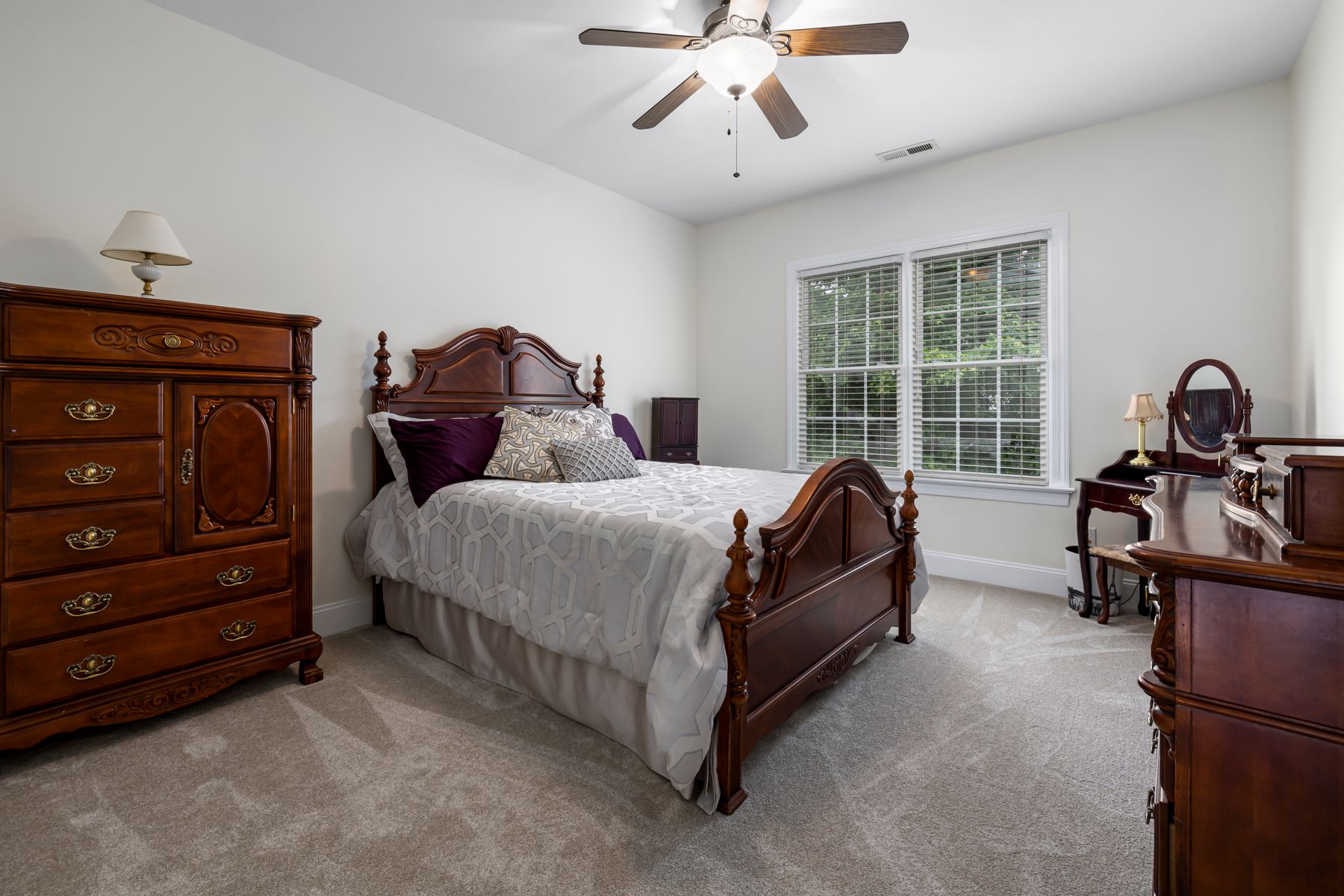
Dark Wood and Its Material History
Walnut, mahogany, oak and stained secondary woods each age differently. Clean gently, identify the existing coating and repair loose joints before reaching for stripper, black paint or thick polish. Honest variation is more convincing than a uniformly distressed reproduction. When combining woods, match temperature or repeat one dark note in hardware and frames; exact species is less important than proportion and finish compatibility. Rustic Bedroom Ideas offers a looser, more texture-led route when rough timber matters more than formal casework.
Brass and Blackened Metal as Functional Detail
Repeat a dominant metal in bed, curtain hardware, handles or lights, but avoid giving every object an ornate brass finish. Original lacquered brass should not be aggressively polished without understanding the coating, and plated hardware can be damaged by abrasives. Blackened iron gives a firmer outline; brass returns warm light; nickel suits some later schemes but can cool a warm palette. Choose hardware by grip and durability as well as profile, especially on frequently used drawers.
Treat the Fireplace as Architecture and Heat Source
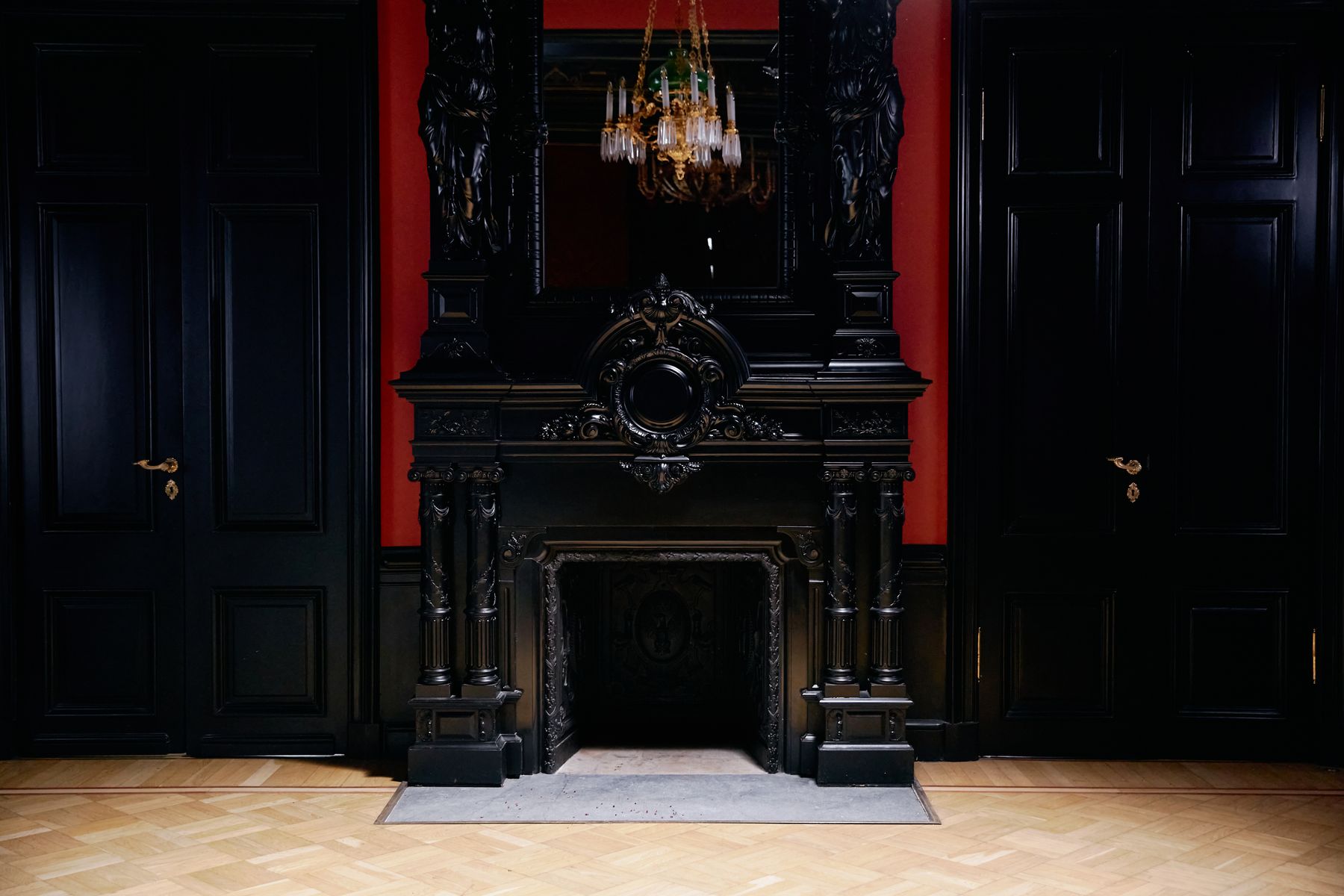
A bedroom fireplace is an unmistakable period anchor, yet an existing hearth must be inspected for flue, fuel, ventilation and local requirements before use. Keep bed curtains, rugs and loose bedding outside all heat and ember zones. A non-working opening can remain dark or hold one stable noncombustible object; clusters of unattended candles are not a safe substitute. Decide whether bed or hearth is the primary axis so furniture does not split into two competing arrangements.
A Real Routine for the Dressing Table
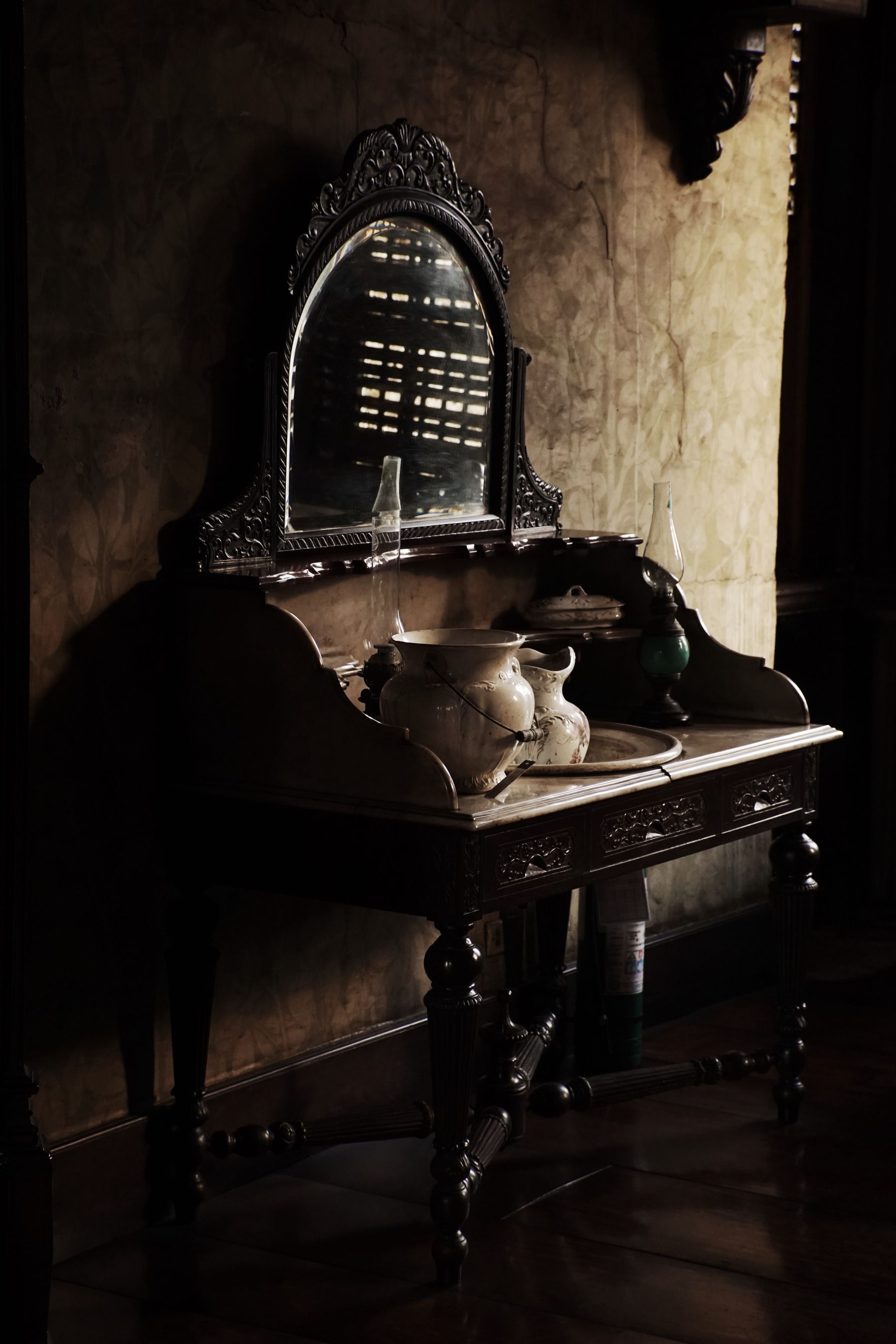
The dressing table was functional furniture, and a convincing modern version should remain so. Check mirror height seated and standing, provide even facial light, knee clearance, a stable chair and lined drawers for small items. Protect marble or wood from water, fragrance and cosmetics. In a narrow room, a shallow console and wall mirror can replace a deep vanity; avoid fragile objects and sharp handles along the nighttime route. Keep everyday tools reachable rather than staging an unusable display.
Wardrobe Capacity and Stability Before Facade
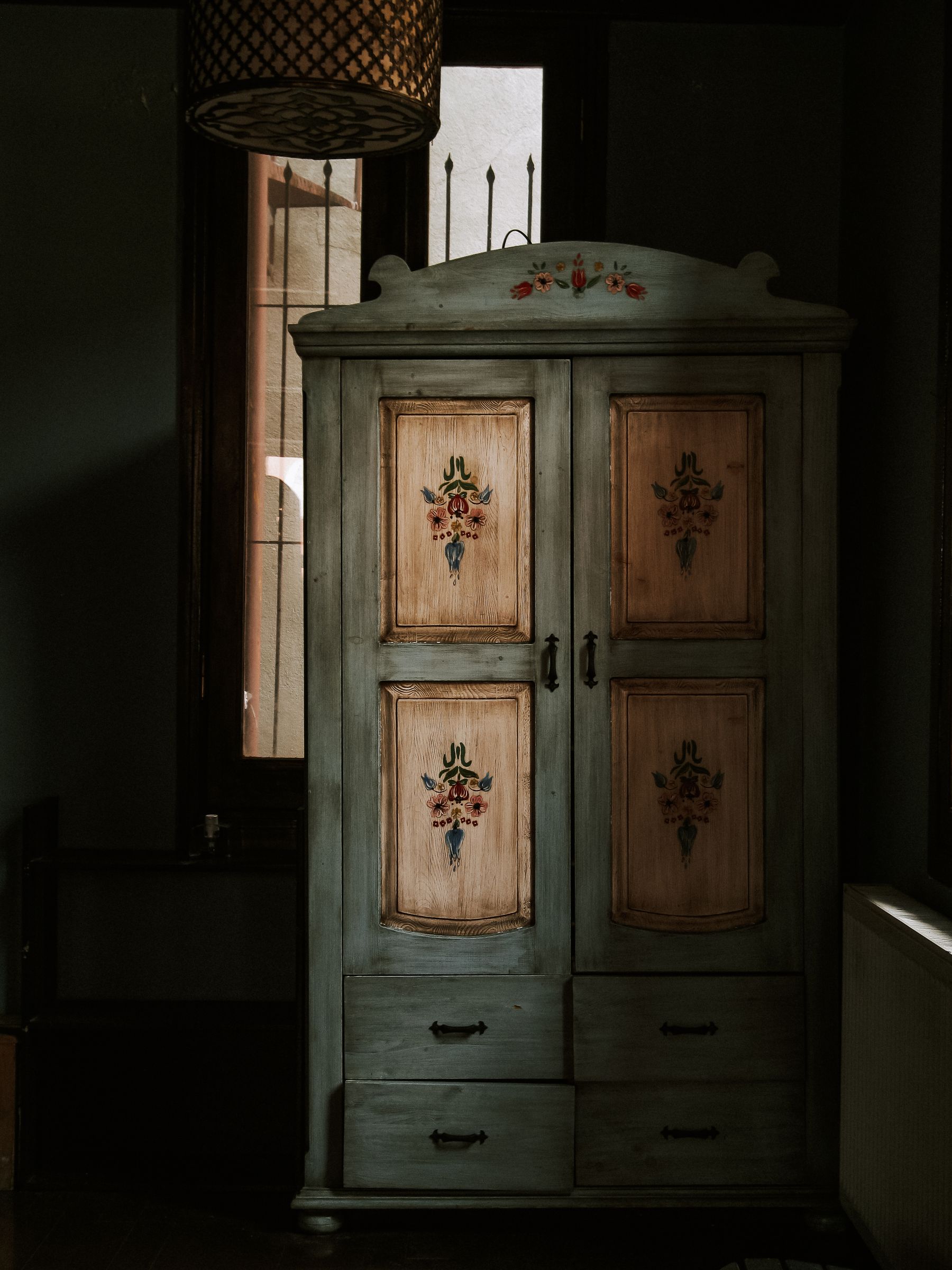
Freestanding wardrobes can supply the vertical mass and craft a Victorian room needs, especially where built-in closets are limited. Measure the delivery route, ceiling, door swing, rail length and drawer depth; photograph the interior rather than judging only the facade. Secure tall furniture where appropriate and check feet, backboards and locks. A shallower linen press may work better than an imposing armoire when folded storage is the real need. Confirm that old locks cannot trap children or fail during ordinary use.
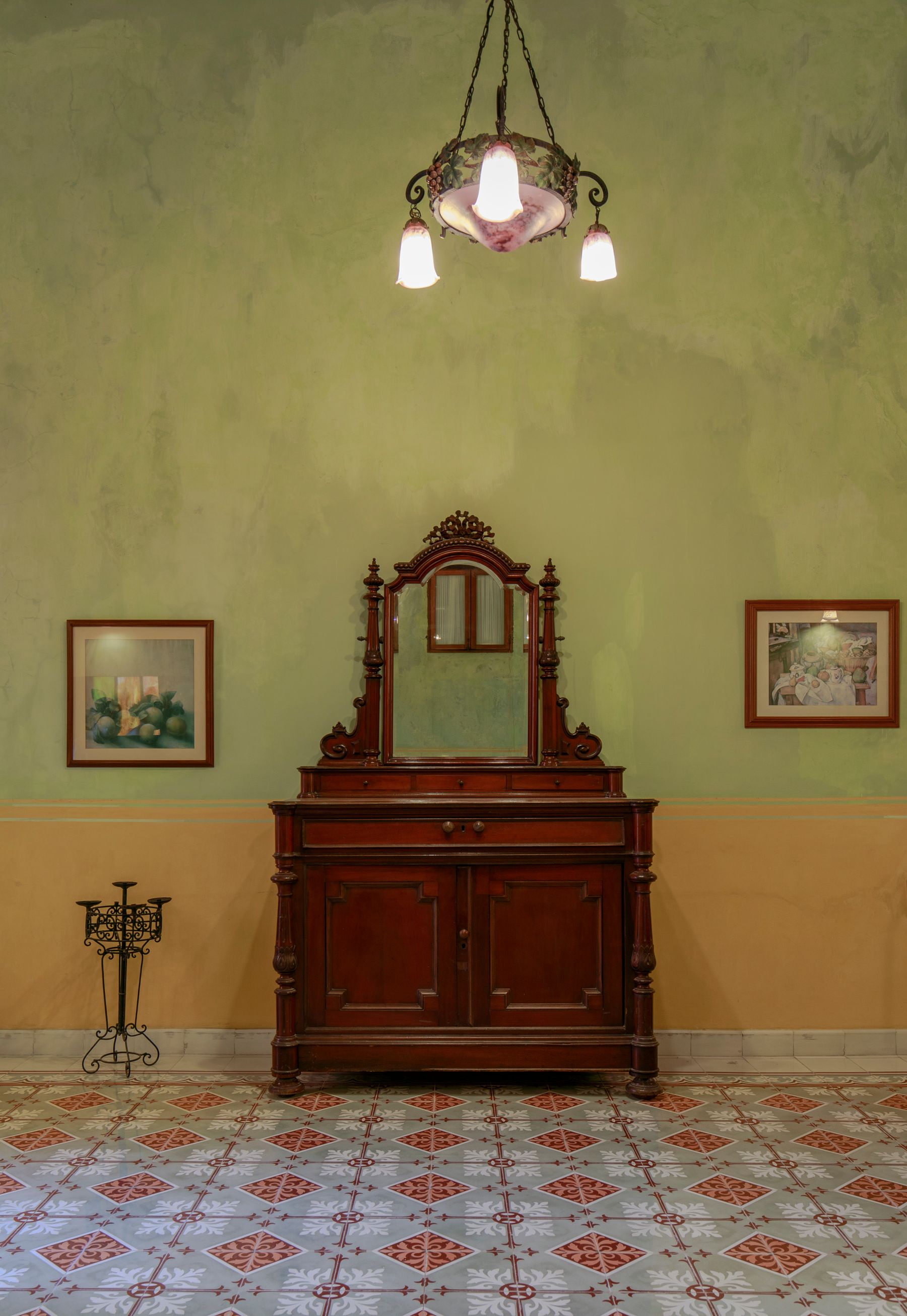
Warm Light Across Reading, Dressing and Night Travel
Combine dimmable ambient light, focused bedside light, usable dressing light and a low night layer. Decorative chandeliers and fringed shades cannot replace illumination at the wardrobe or mirror. Match color temperature closely, shield bulbs from a reclining view and provide controls within reach. Have old fittings assessed and rewired by a qualified professional; decorative fabric, tassels and bed curtains must remain clear of hot lamps. The planning principles in Living Room Lighting Ideas transfer well when adapted for sleep.
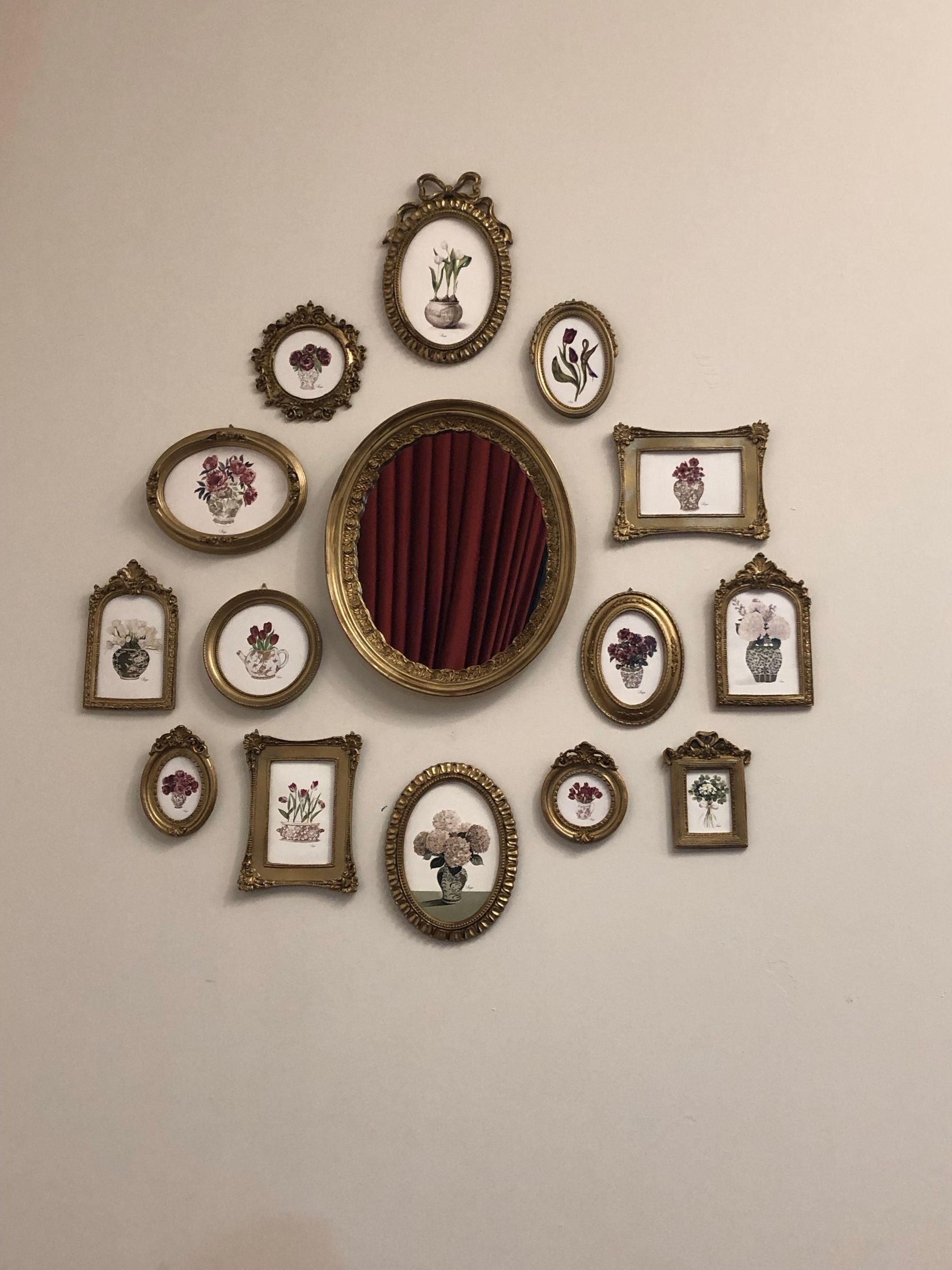
Curate Portraits and Botanical Art Safely
Portraits, landscapes, botanical studies, silhouettes and framed textile can support the period without relying on anonymous reproduction art sold only as Victorian. Verify reproduction rights, document valuable originals and protect light-sensitive work from direct sun. Use load-appropriate fixings and avoid heavy glazed frames above sleepers. A concentrated salon arrangement can work on one wall, but leave another plane quiet so wallpaper, bed and casework do not all compete. Personal provenance is more persuasive than generic faux ancestry.
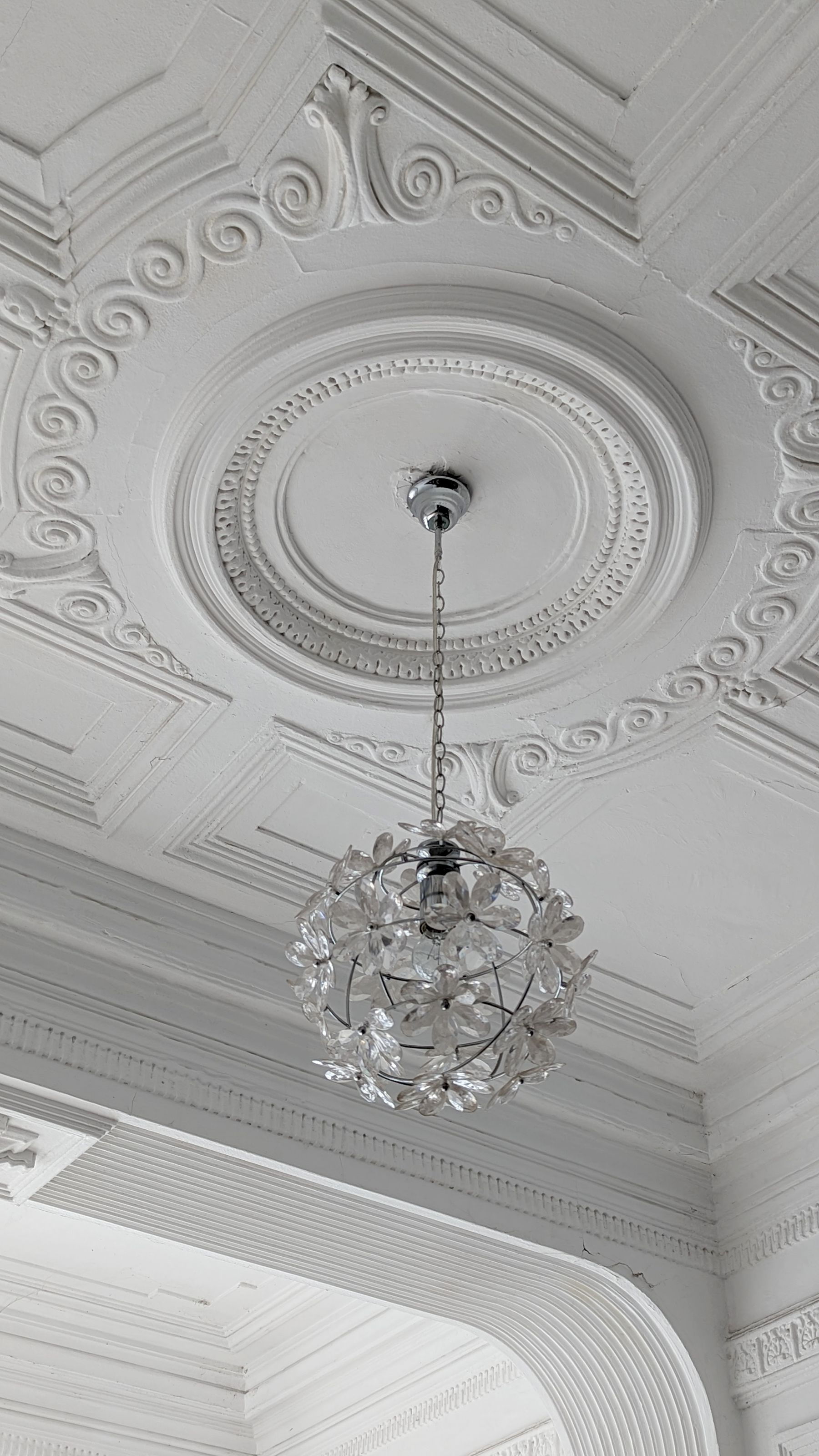
Cornices, Ceiling Roses and Molding at Bedroom Scale
Repair original cornices, ceiling roses, picture rails, deep skirtings and paneled doors where possible. New applied trim should match ceiling height, door proportions and joint depth; underscaled plastic detail can make a plain room feel less convincing. Use a picture rail for flexible display only when it is structurally suitable. In an unadorned apartment, painted banding or one carefully scaled ceiling rose may be enough—false columns, foam fireplaces and random appliques rarely improve authenticity.
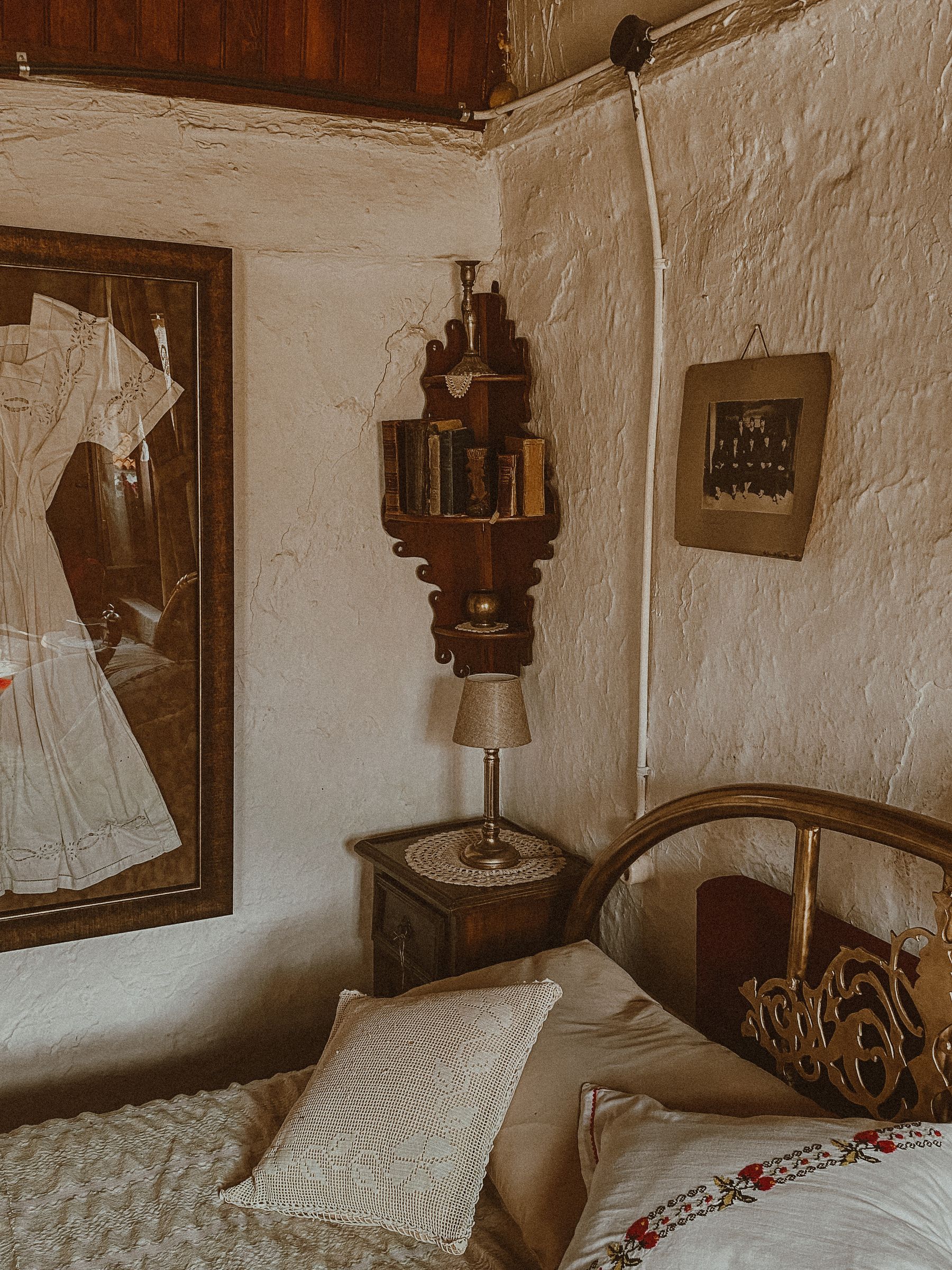
Scale Victorian Detail for a Small Bedroom
Choose one strong bed or wardrobe, one wallpaper field and one metal or reflective note. A slim iron frame usually preserves more floor and sightline than a deep footboard; wall lights can free table space. Dense pattern can make a small room feel intentionally enclosed, but furniture depth and blocked glass cause the real compression. Borrow the circulation and storage tests from Small Apartment Ideas and keep the main route visually distinct from rug and floor.
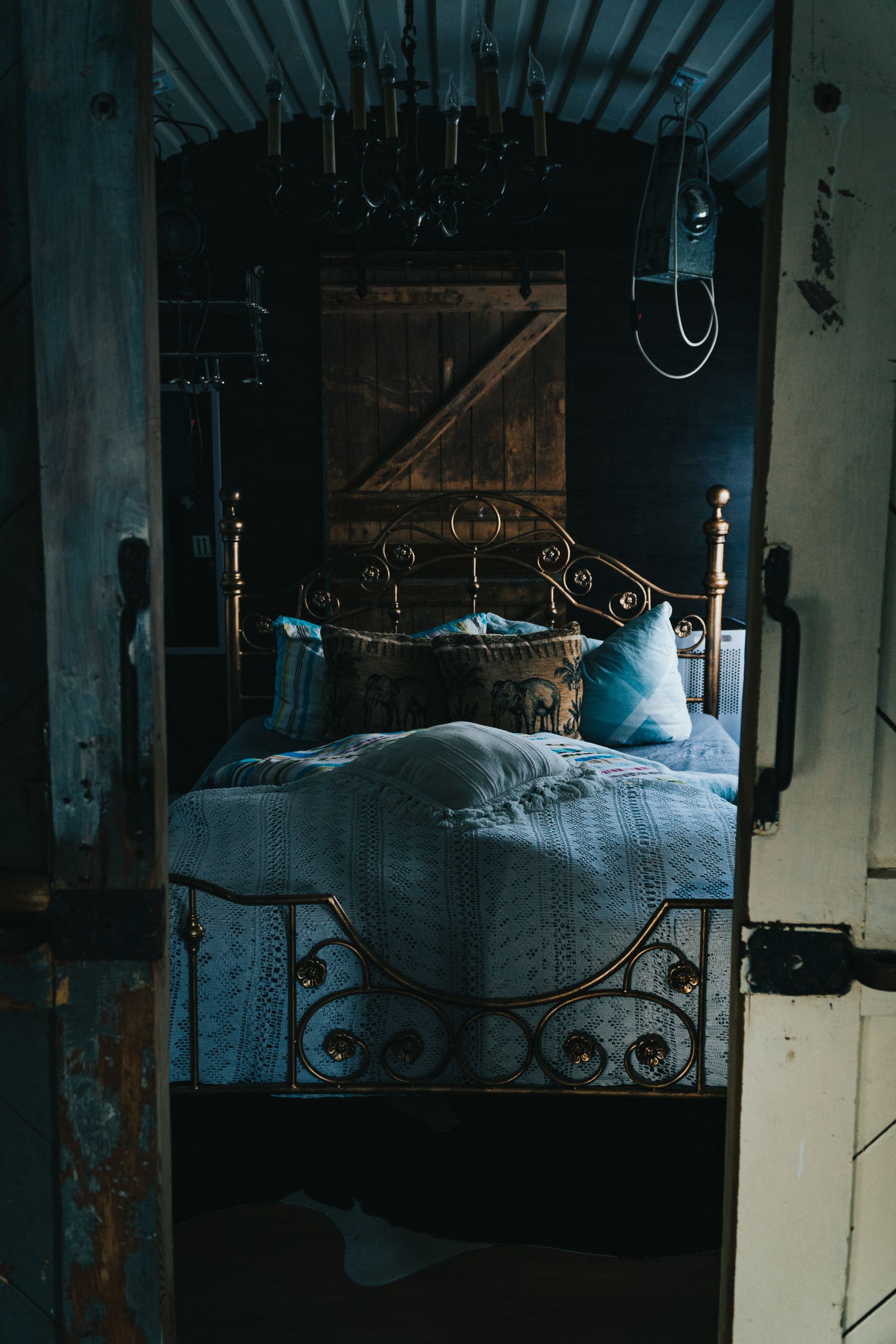
Portable Period Layers for a Victorian Rental
Concentrate the style in a freestanding bed, compact dresser, rug, curtains, lamps, bedding and framed art. Verify the lease and substrate before wallpaper, paint, picture rail or ceiling work, and document the starting condition. A removable inner window treatment or plug-in sconce may offer more value than adhesive molding. Choose portable pieces that can work in another room and avoid covering damp, damaged wiring or blocked ventilation with decorative panels.
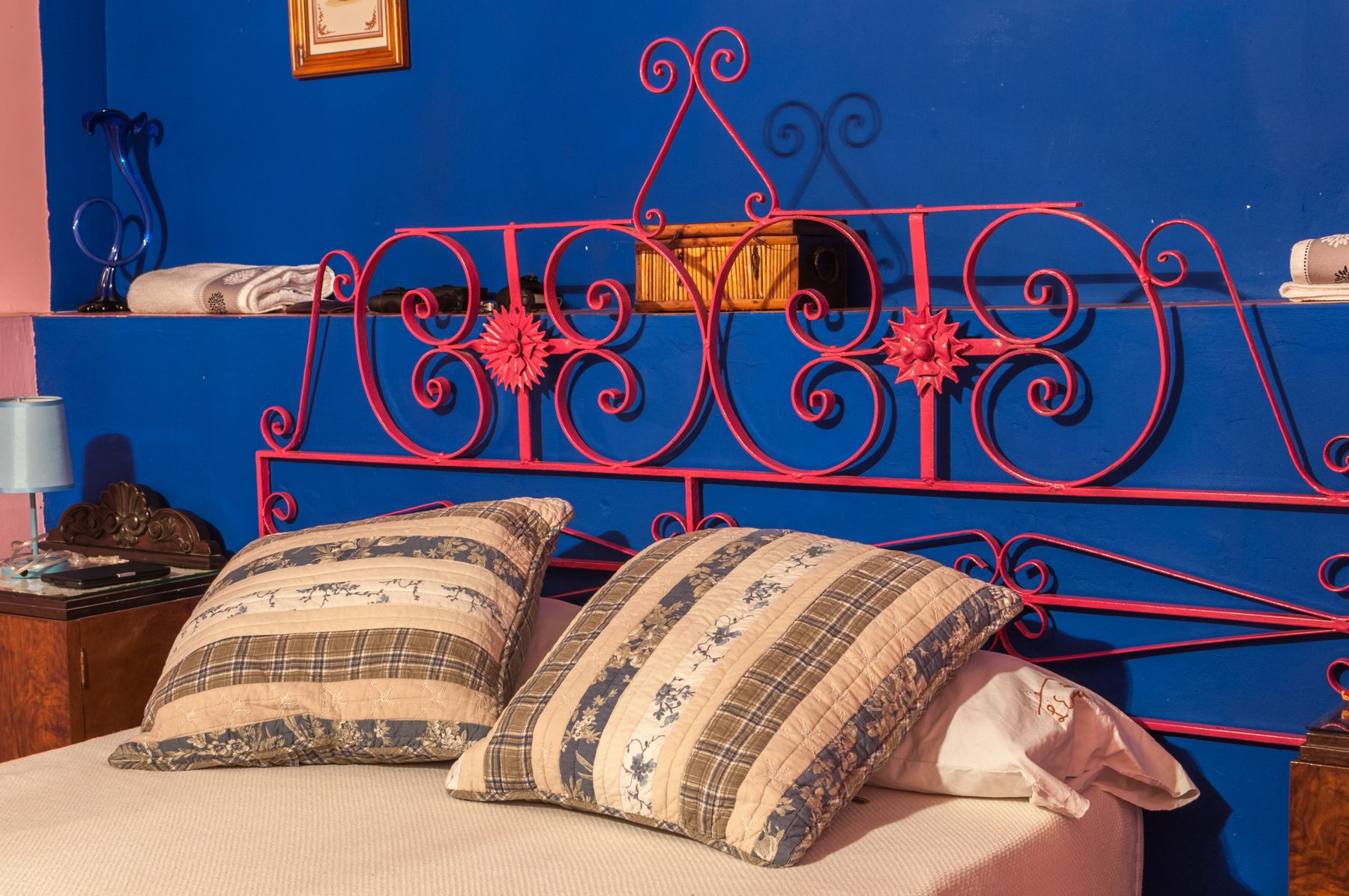
Balance Shared Needs Without Buying a Matching Suite
Use the bed, wallpaper or rug as the shared period field while bedside furniture responds to each sleeper. Tables can differ when heights and visual weights relate; a wall light and table lamp can be equivalent when both support reading. Agree on curtain operation, mattress temperature, darkness and how much textile or ornament feels restful. A consistent wood undertone or metal finish can connect differing personal objects without purchasing a complete suite.
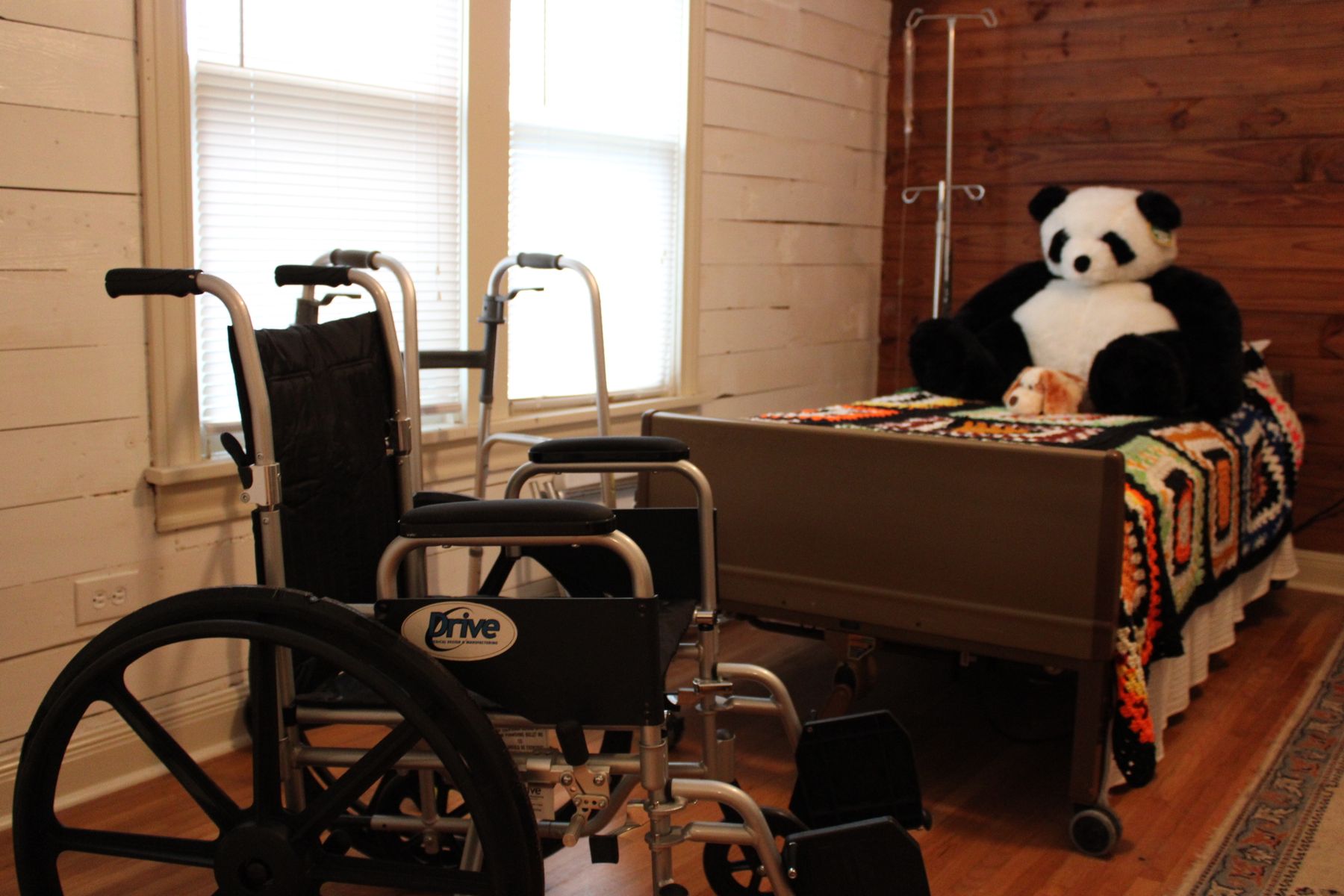
Design Ornament Around Changing Mobility and Vision
Keep a stable route from door to bed and bathroom, contrast switches and handles against surrounding surfaces, and select mattress, chair and table heights for the actual user. Remove sharp finials from transfer zones, secure rugs and avoid heavy curtains that require high grip strength. Motion-activated low light can improve safety without changing the visible period scheme. Accessibility does not require a bland room; place pattern and ornament on walls, bedding and furniture faces while keeping contact points legible.
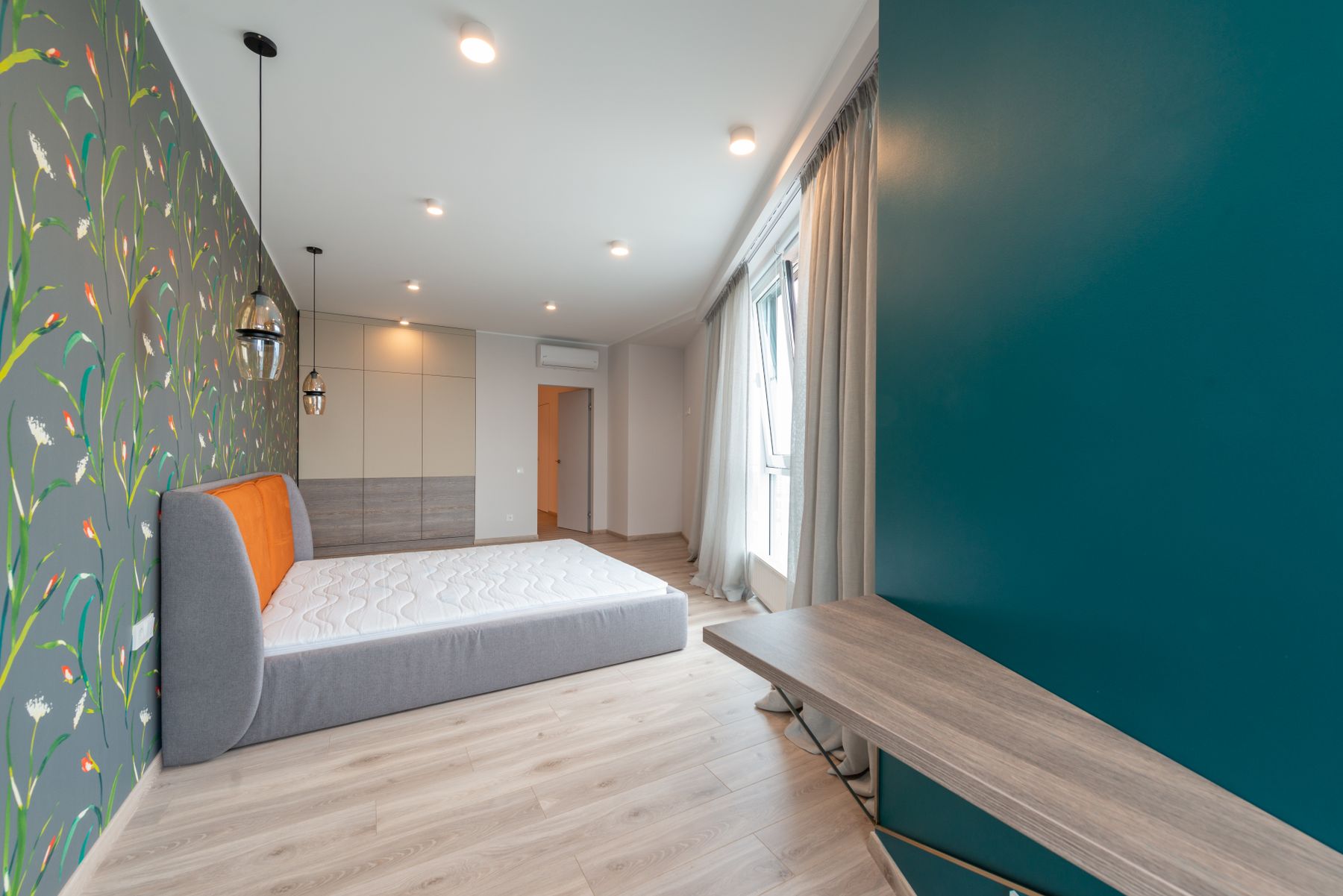
Edit the Vocabulary for Modern Victorian
Keep one or two unmistakable cues—perhaps a tester outline and botanical paper, or an iron bed and marble-top dresser—then simplify storage, bedding and technology. Hide cables through safe modern routes, choose an excellent mattress and let negative space expose the historical silhouette. Contemporary Bedroom Ideas can provide the functional baseline; Victorian character should arrive through real profile, pattern and material rather than new furniture covered in generic tufting and gold trim.
Maintain Textile, Carving and Old Finishes
Use a soft brush on carving, the correct vacuum attachment and setting on textile, and finish-specific care on wax, shellac, lacquer, veneer or metal. Rotate rugs, inspect bed and canopy hardware, and clean curtain headings rather than only visible drops. Isolate pest activity, address damp and obtain specialist advice before stripping valuable furniture or laundering fragile fabric. Record repairs, wiring, upholstery codes, wallpaper batches and spare trim so future maintenance does not depend on guesswork. For the same style under moisture and splash exposure, Victorian Bathroom Ideas requires a different finish and ventilation strategy.