Define Victorian Before Choosing the Fixtures
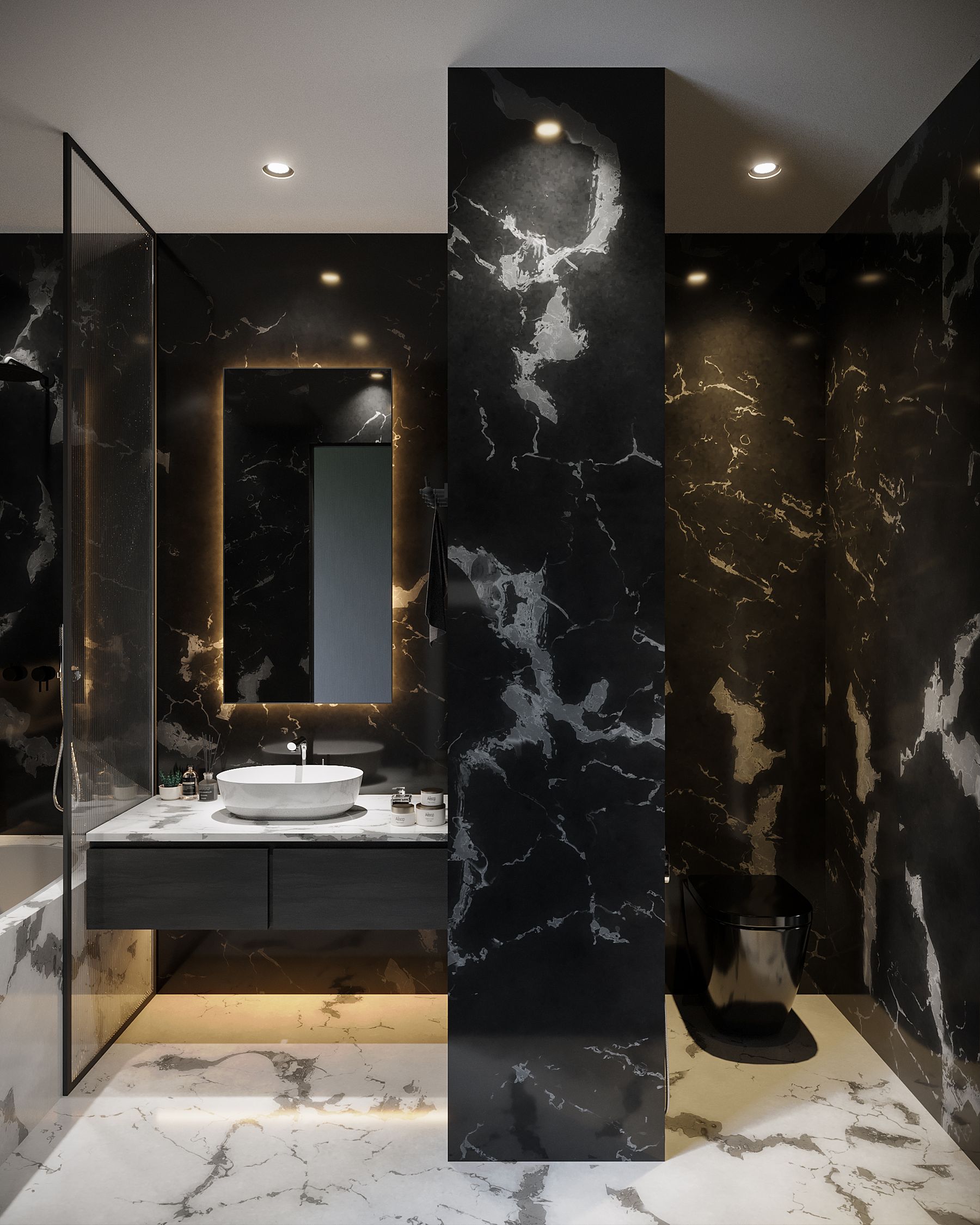
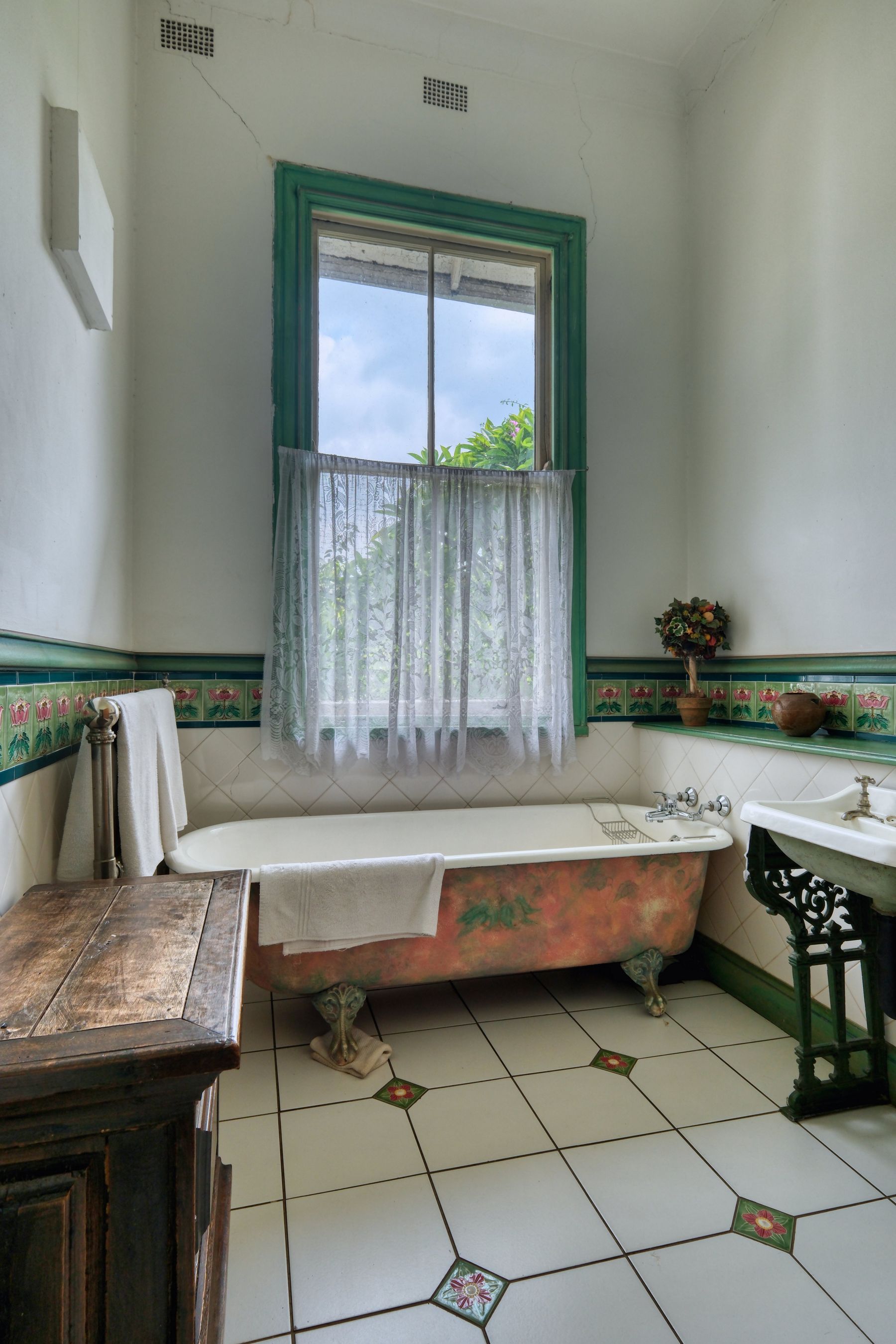
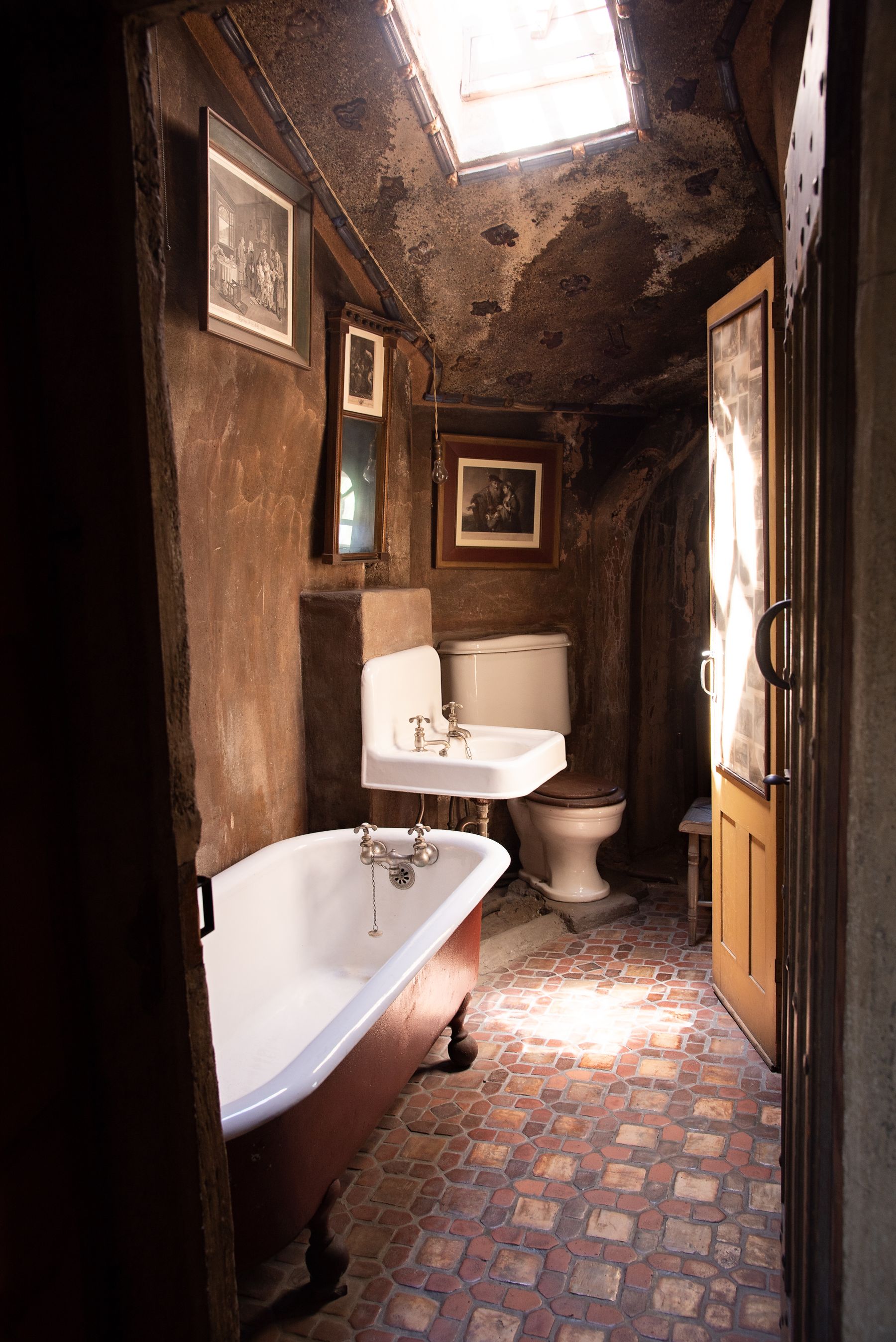
Victorian is a specific period-inspired direction, not a synonym for anything old. Traditional is broader and more restrained, Vintage may mix several decades, Gothic emphasizes romance and shadow, and Retro usually points to twentieth-century color and forms. Decide whether the room needs historical specificity or only a classic feeling before committing to a reproduction suite.
Choose One Period Anchor for the Room
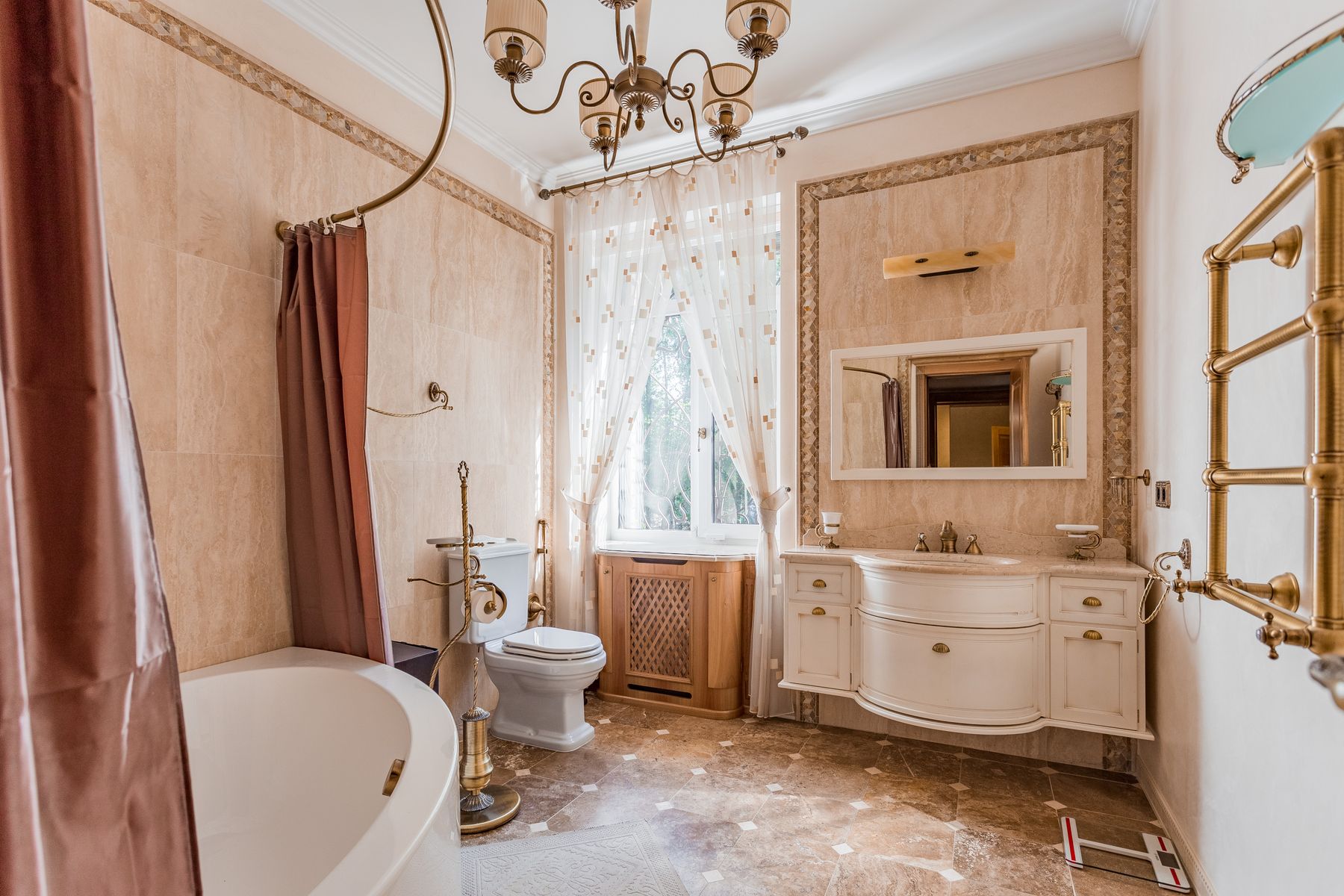
A bath, basin, vanity or mirror can carry the period identity; all four do not need equal ornament. In a large room the bath may lead, while a compact room may rely on the basin and mirror. Establishing that hierarchy early prevents decorative fixtures from competing and protects budget for the element that will be seen first.
Let a Roll-Top Bath Establish the Silhouette
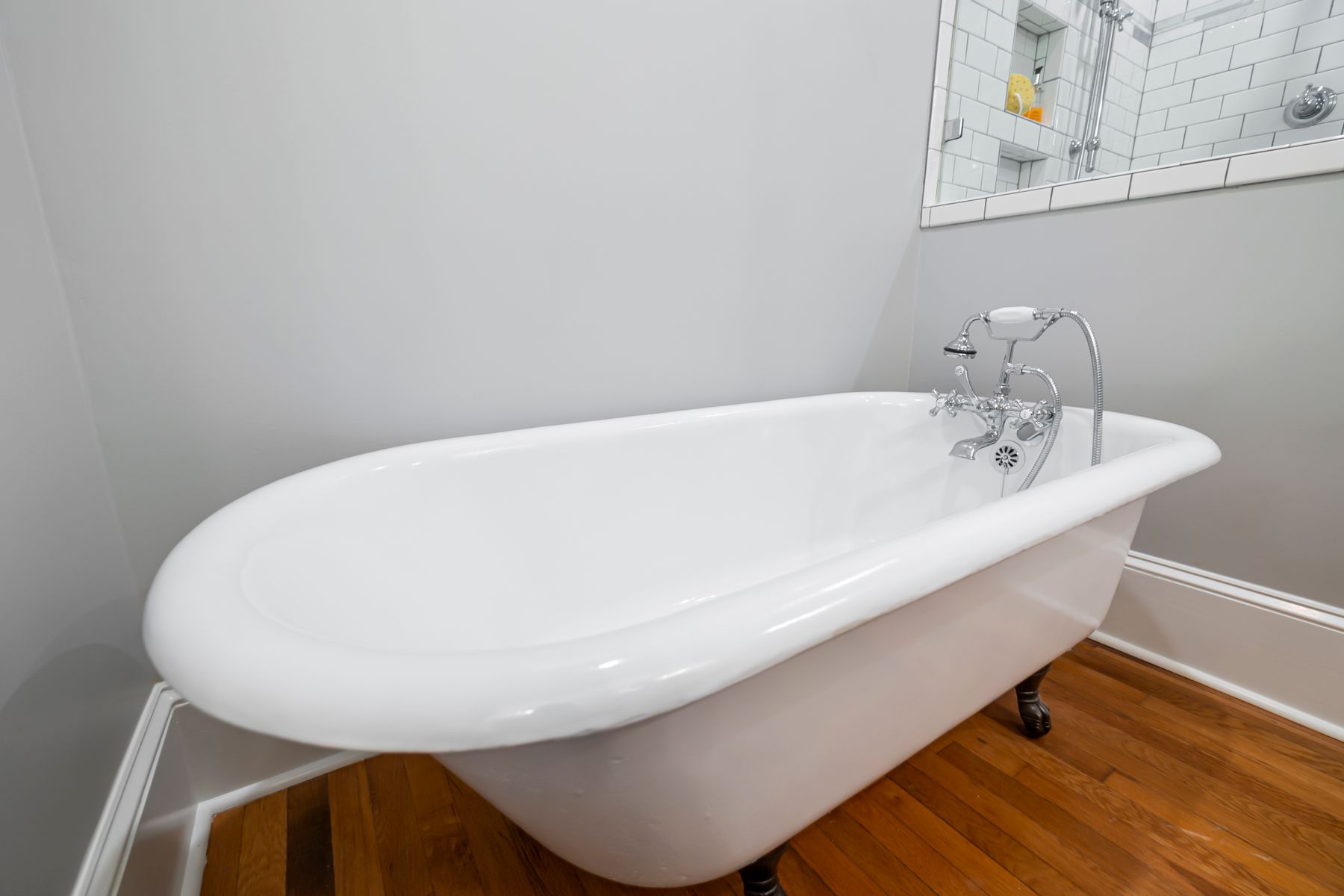
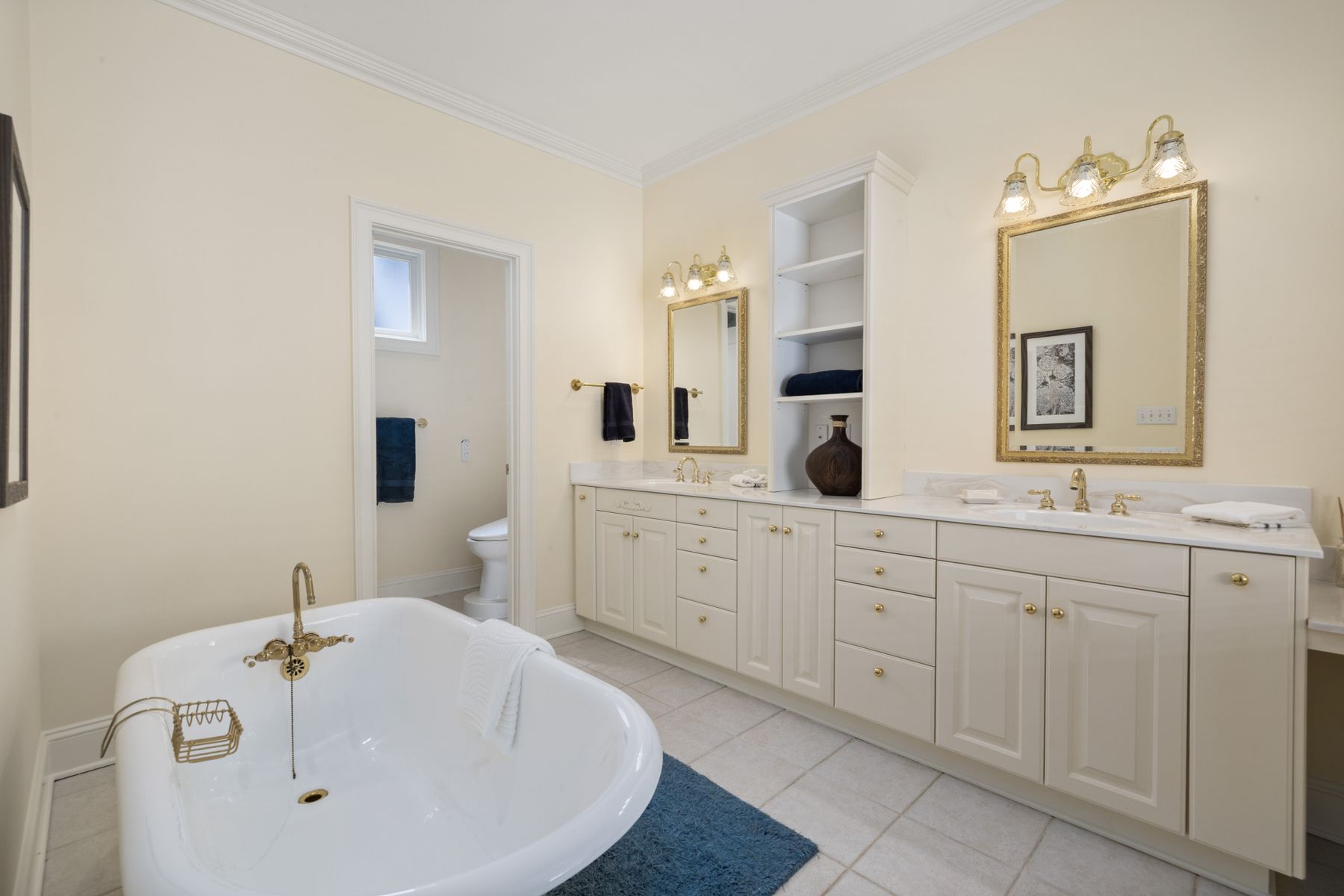
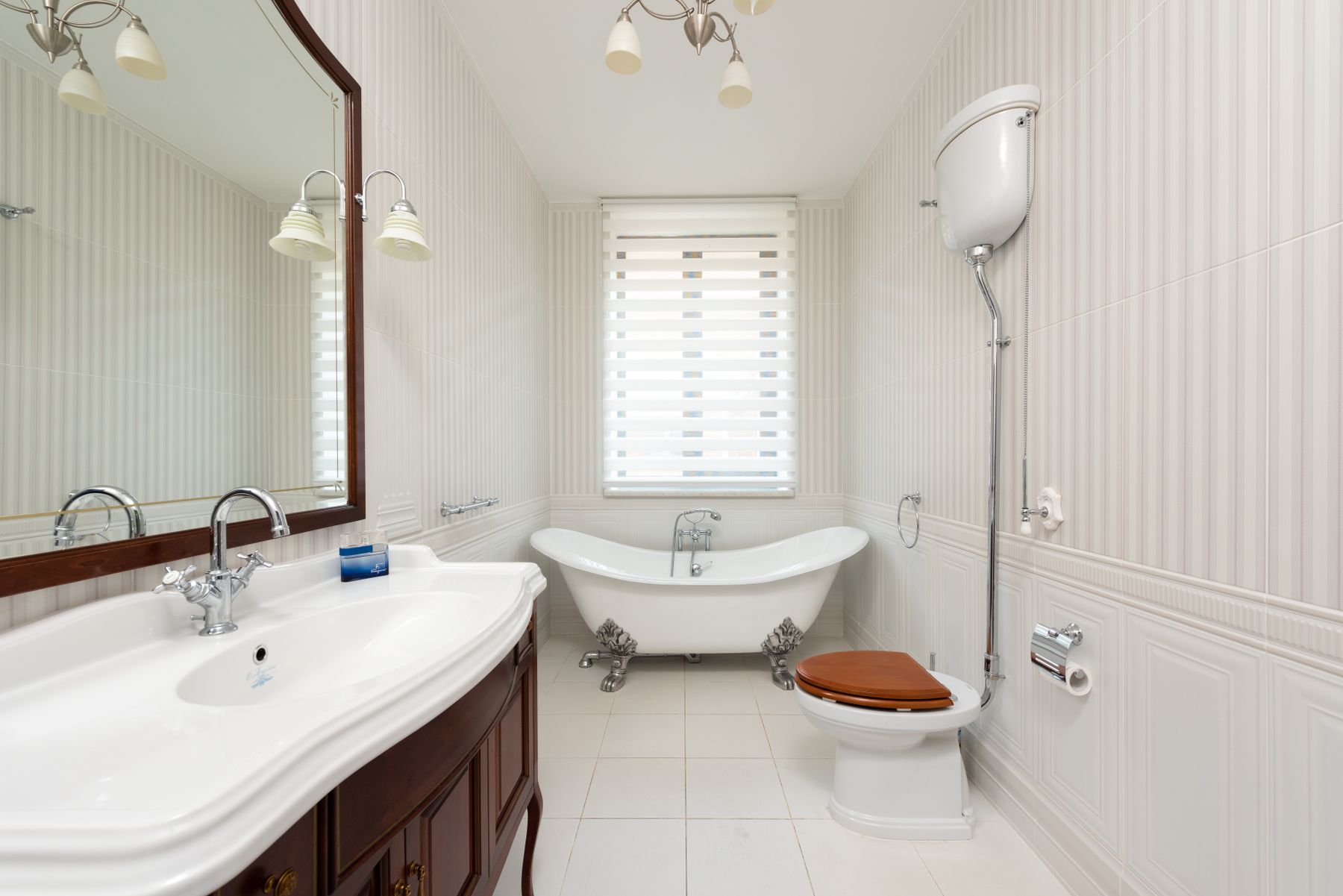
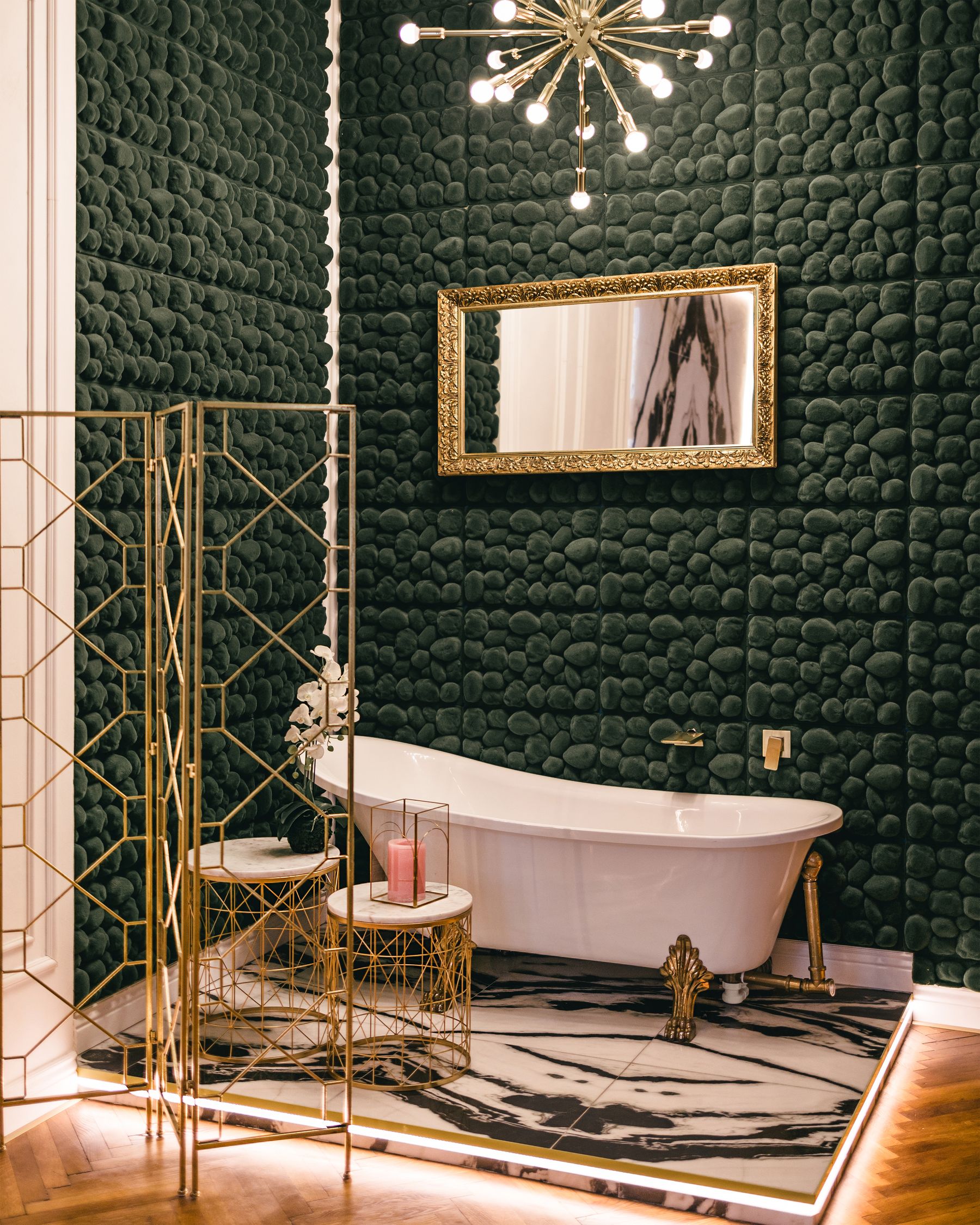
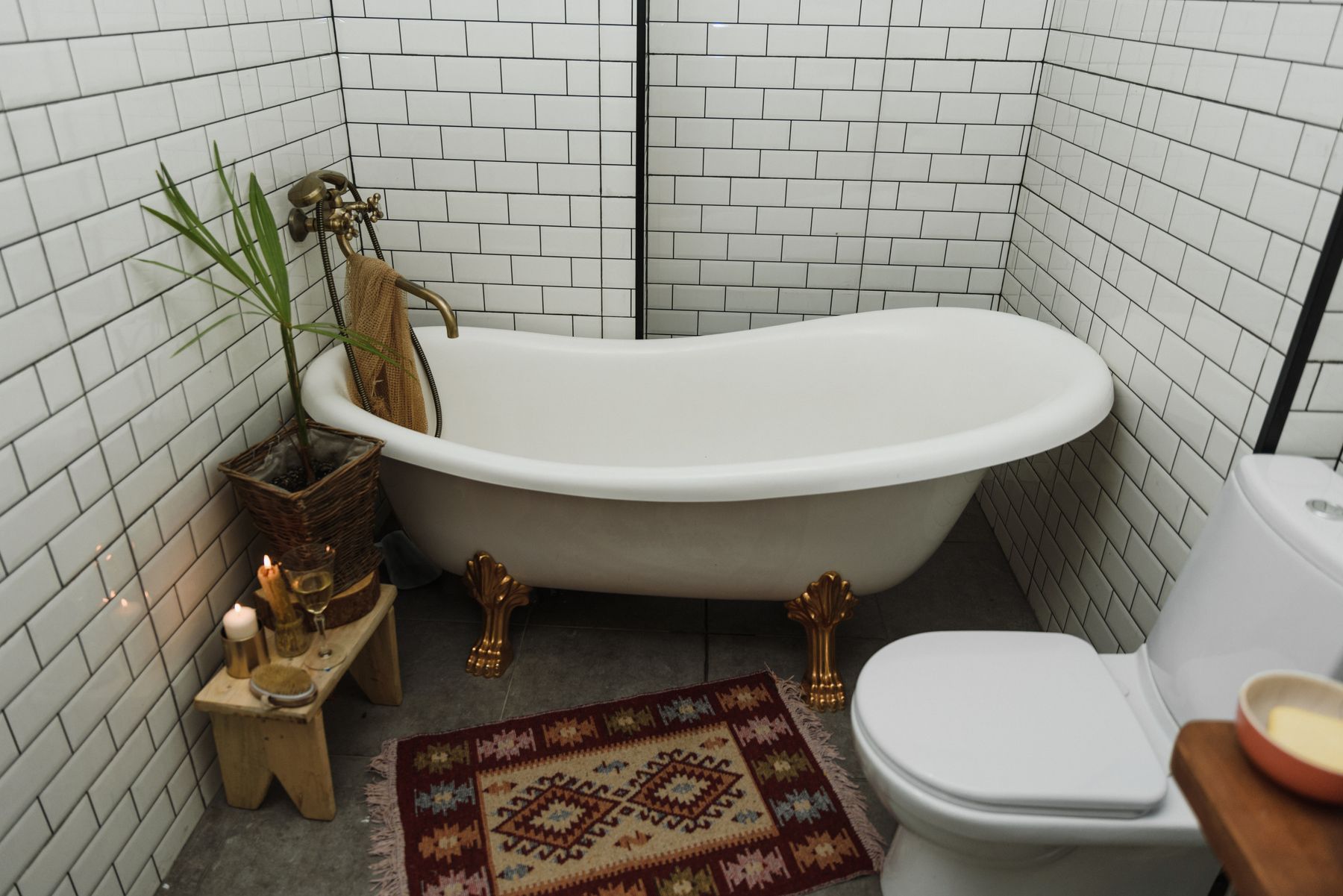
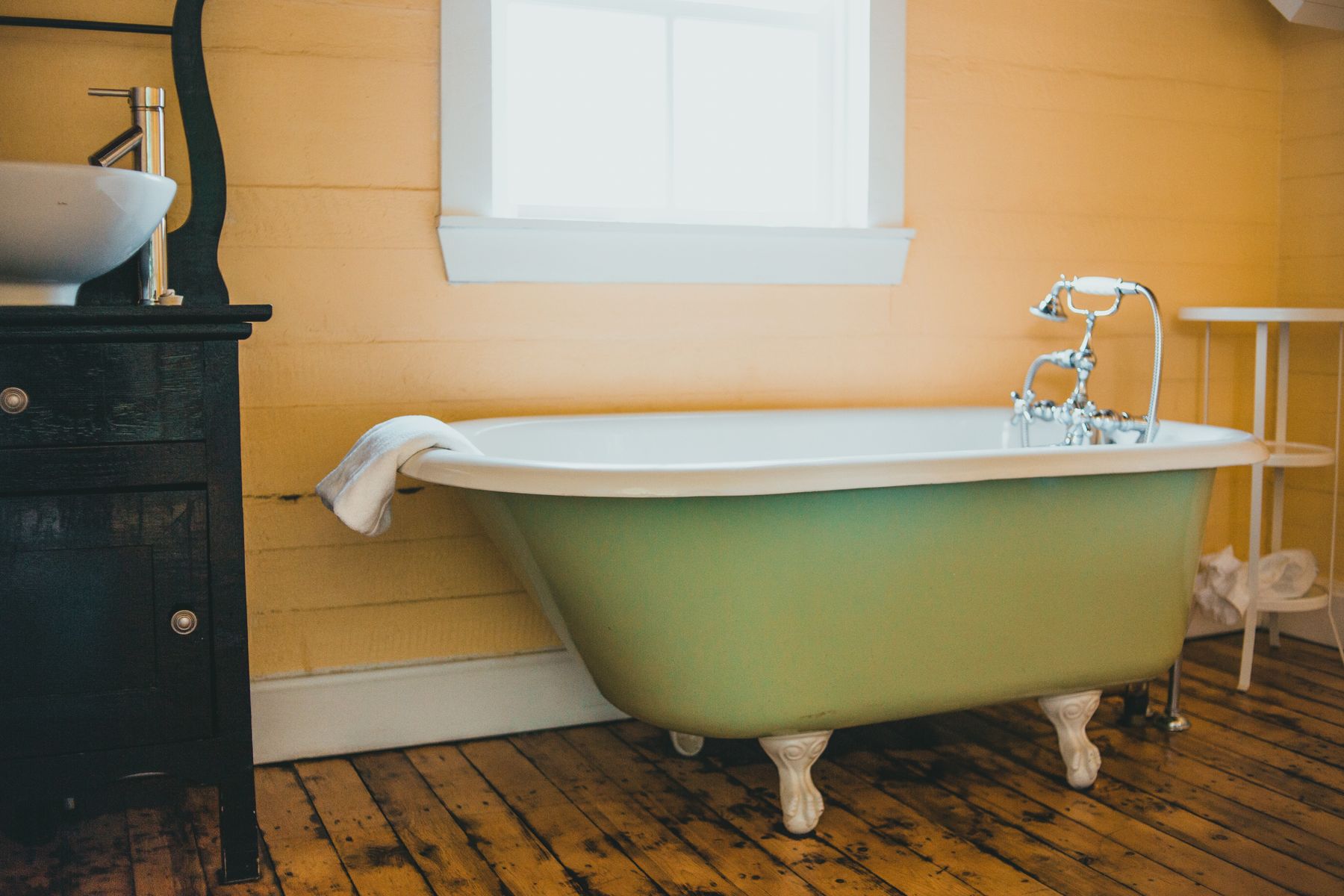
A clawfoot, slipper or roll-top bath is the clearest Victorian-inspired signal and rarely needs an ornate setting. Check the filled weight, floor capacity, filler position, entry height and cleaning space before centering it in the plan. If bathing access is difficult, a simpler low-sided bath can still carry the style through color, feet, paneling and nearby fittings.
Make a Modern Shower Belong in the Scheme
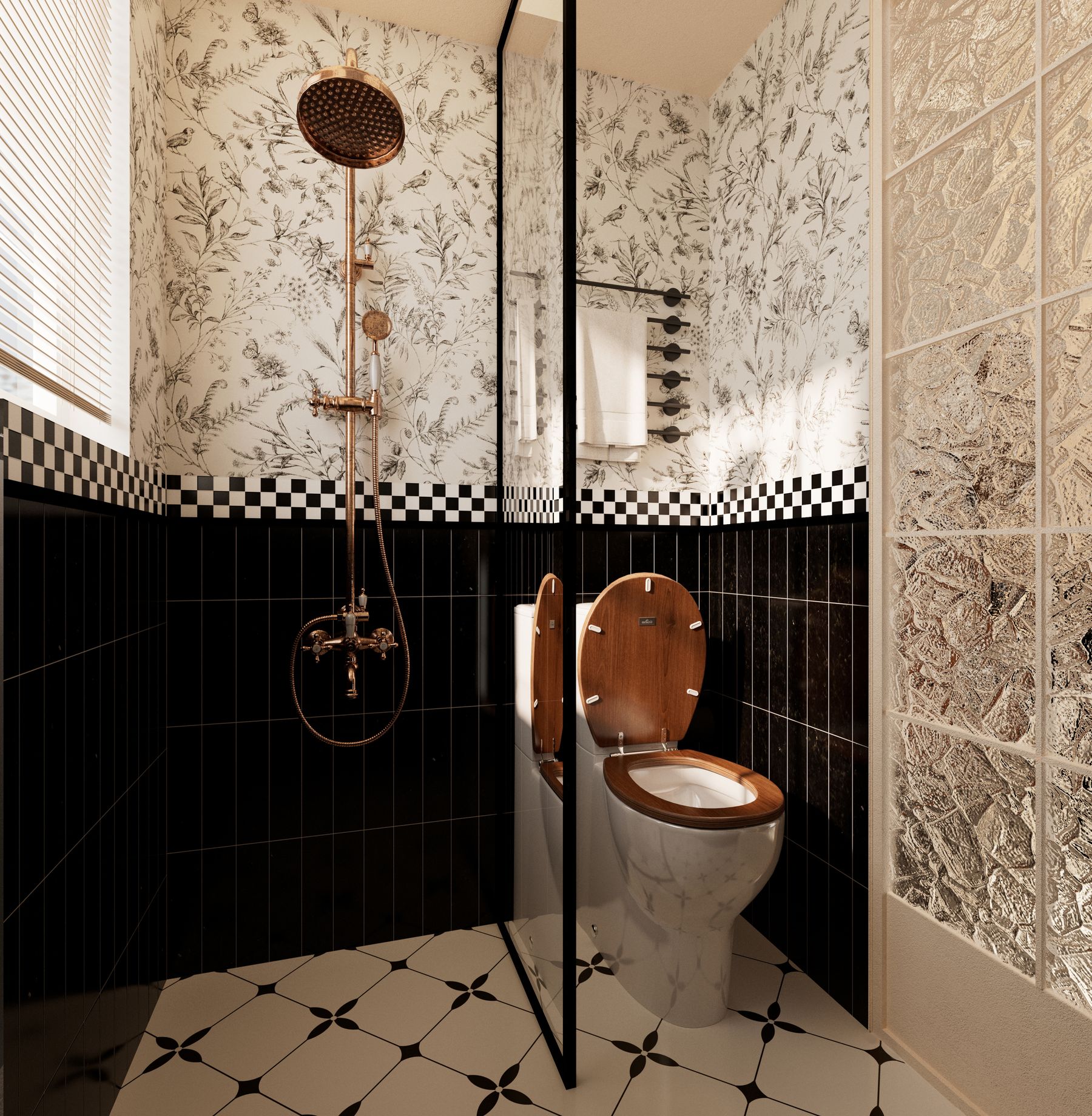
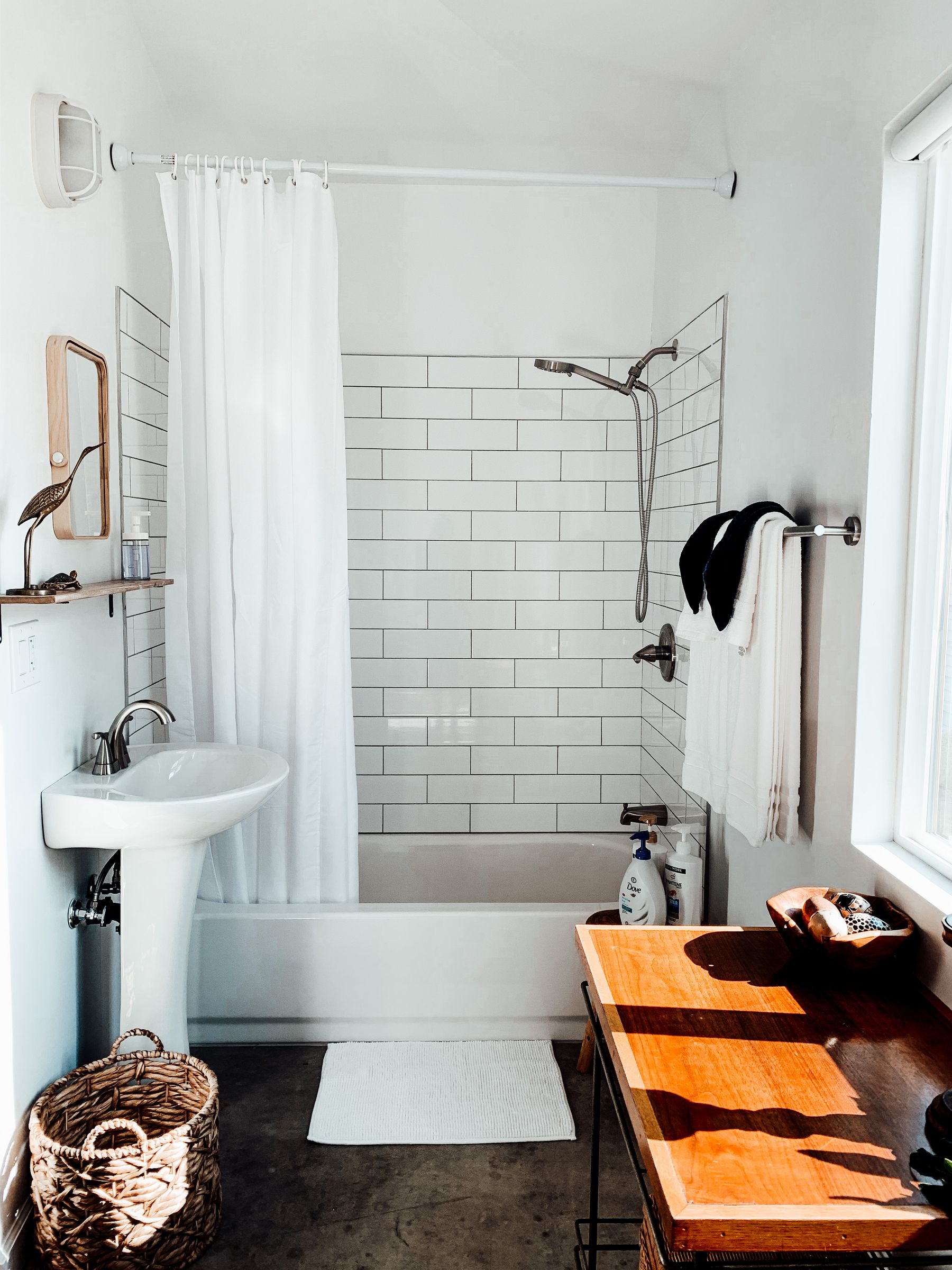
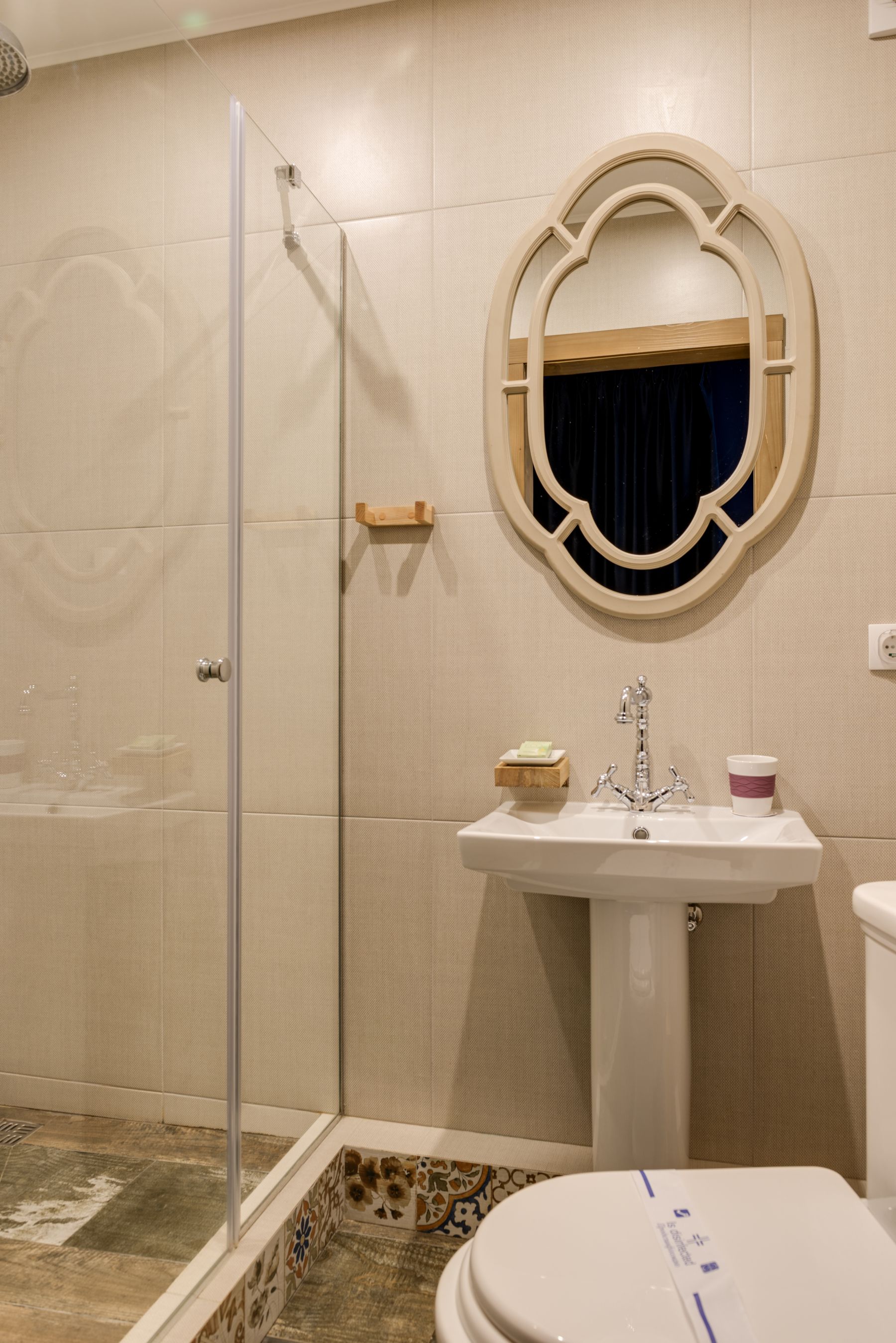
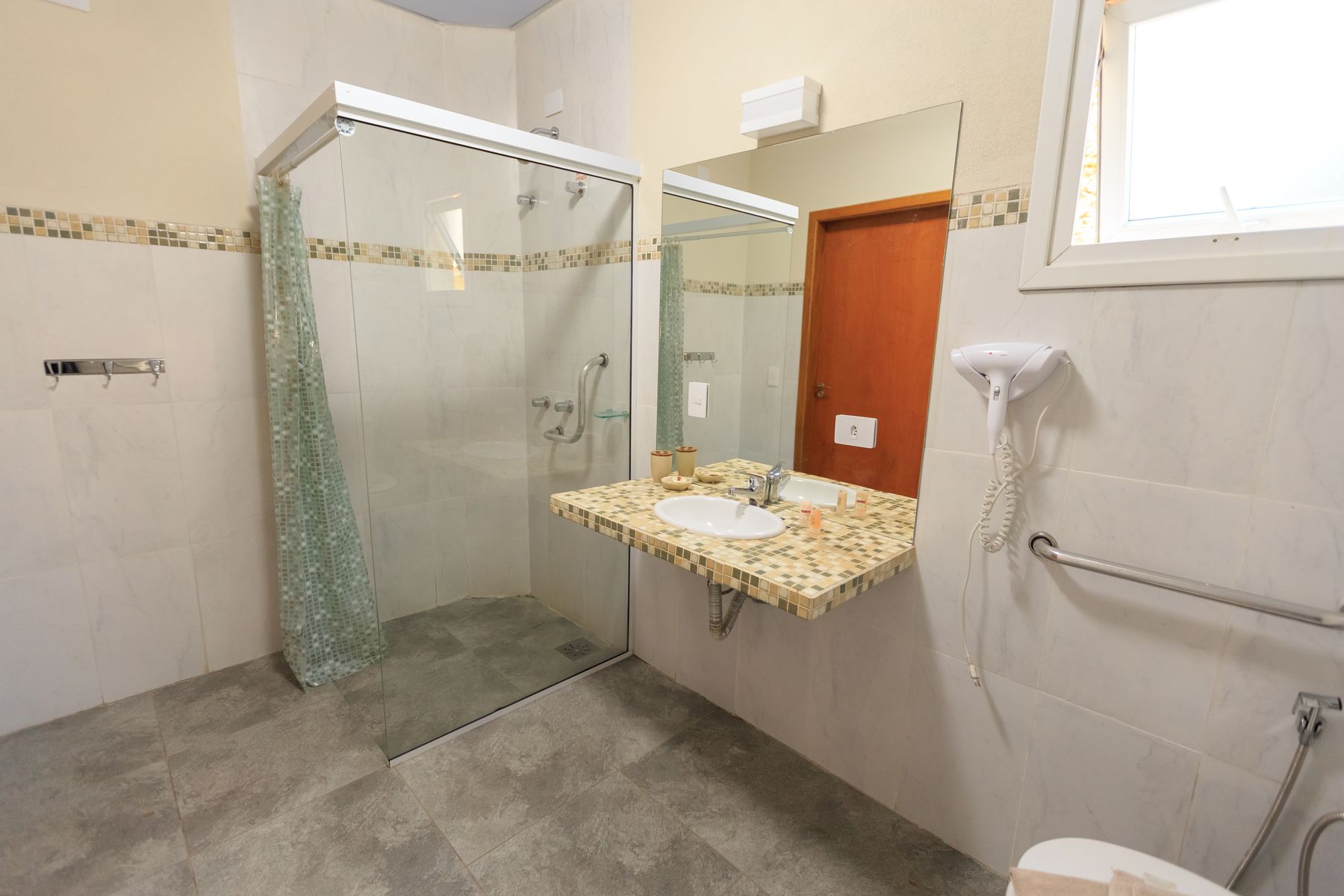
A practical shower does not weaken Victorian character when its materials relate to the rest of the room. Small-format tile, an exposed-looking metal riser and clear glass can bridge old and new without pretending the enclosure is historical. Prioritize drainage, waterproofing, accessible controls and a useful opening; decorative pipework must still be compatible, serviceable and correctly installed.
Pair a Pedestal Basin With a Real Storage Plan
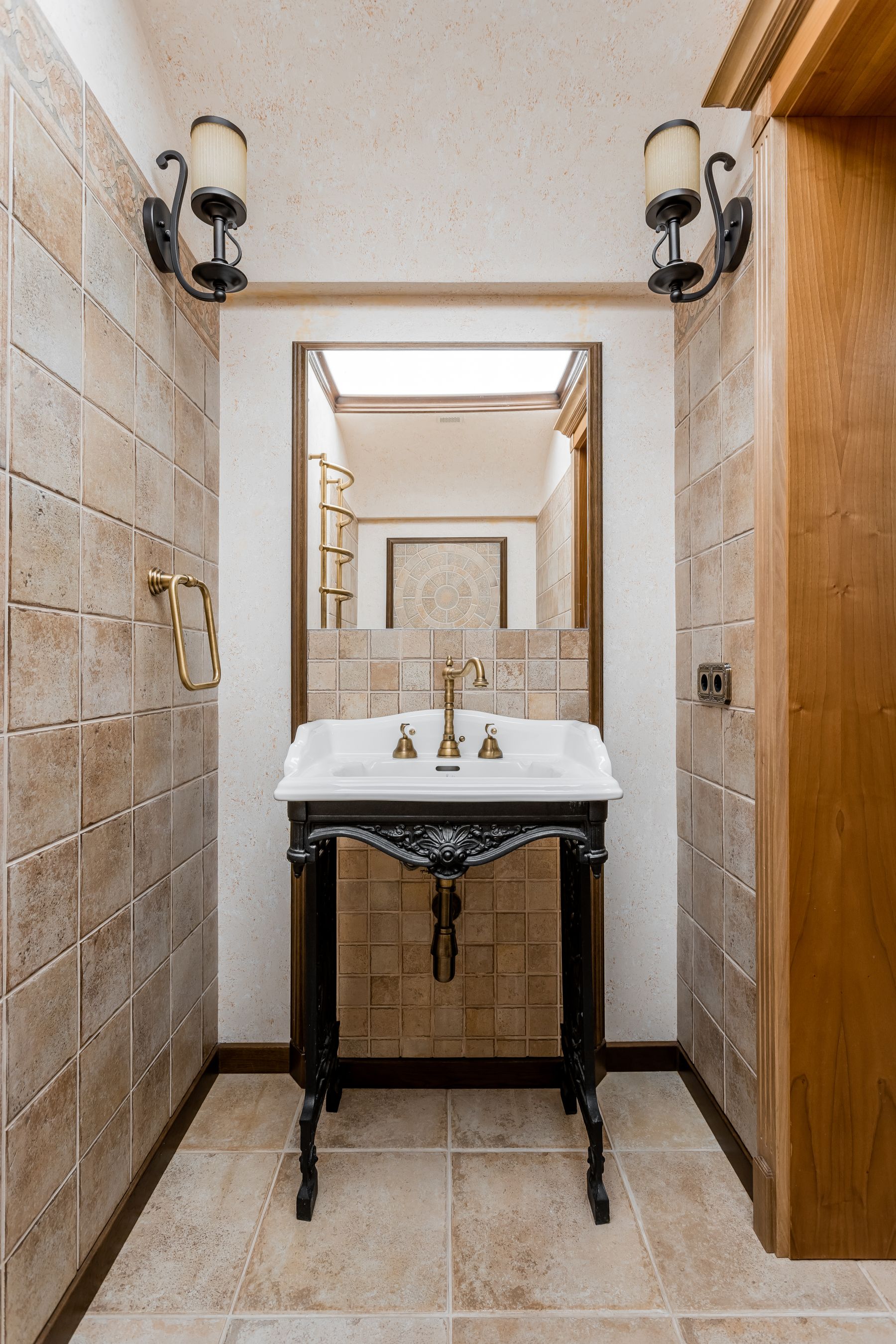
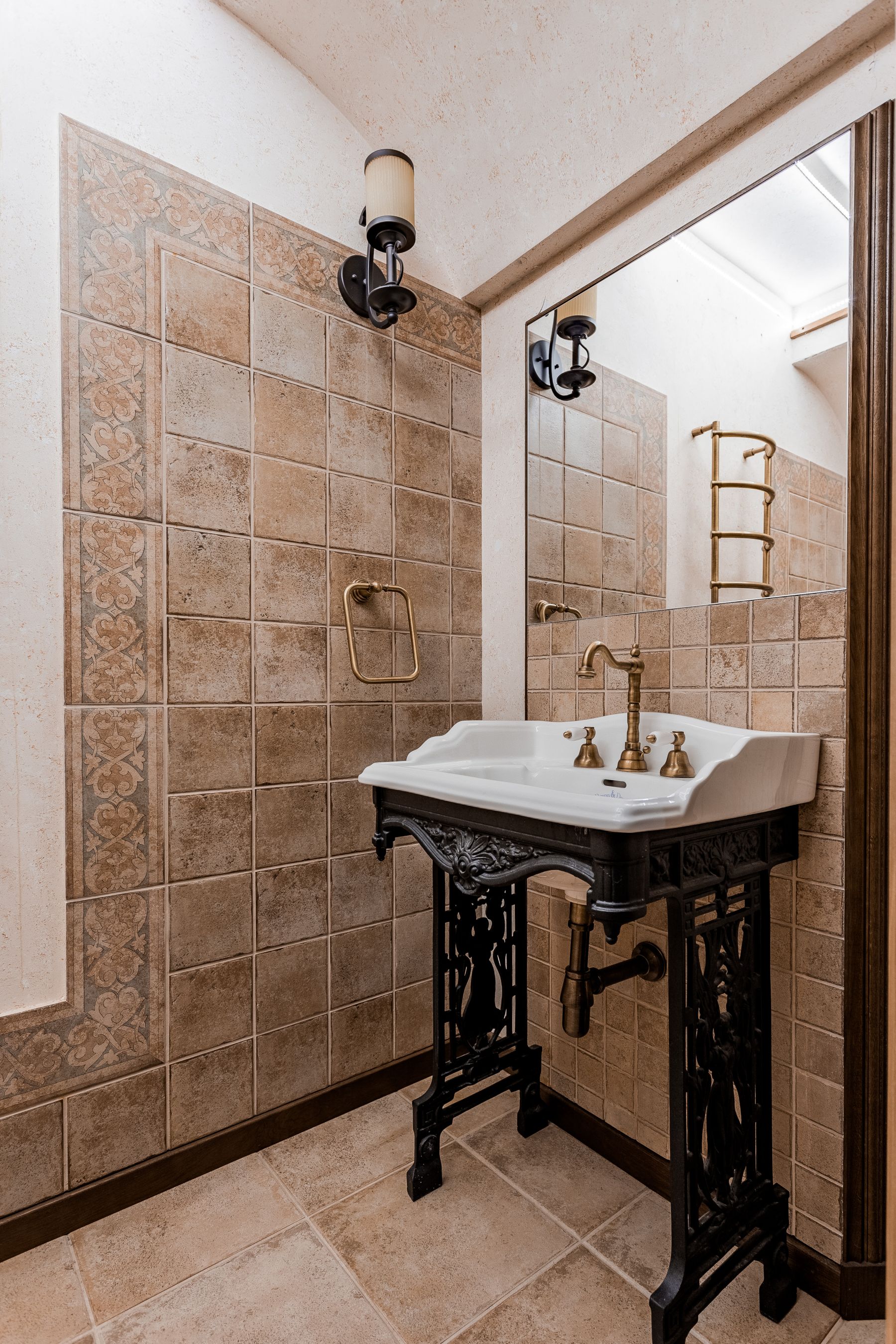
A pedestal or wall-hung basin gives a lighter, historically familiar silhouette, but it removes the drawers that contemporary routines often need. Pair it with a recessed medicine cabinet, shallow wall cupboard or nearby linen storage before the counter becomes crowded. Exposed traps and supply lines should be intentionally selected and easy to service.
Use a Furniture Vanity When Storage Must Lead
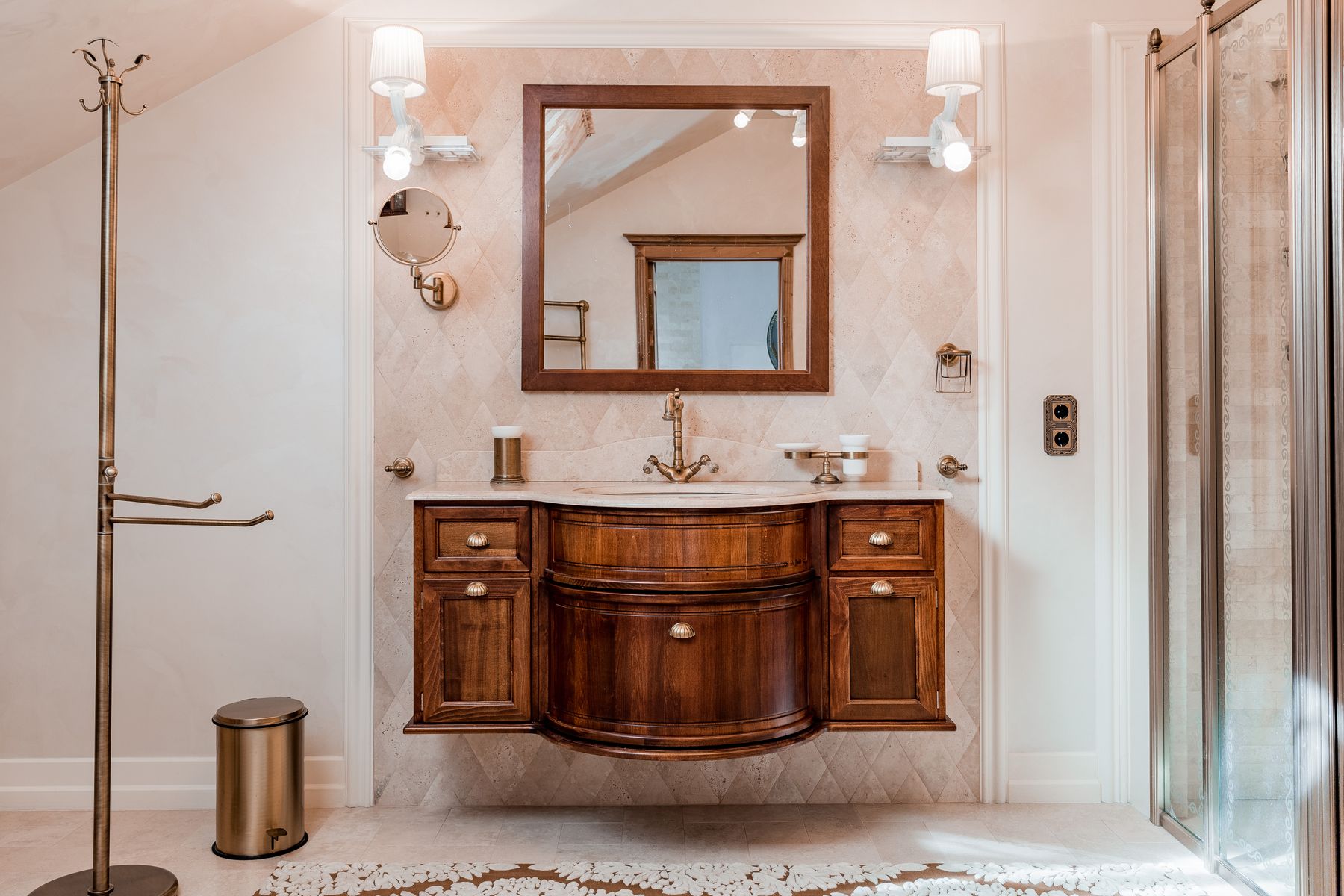
A curved or furniture-like timber vanity can carry period weight while providing drawers, plumbing access and a practical counter. It is often a better choice than a pedestal in a shared bathroom. Choose bathroom-suitable construction and keep carved detail away from persistent splash or dirt traps; the cabinet should feel substantial, not difficult to maintain.
Plan a Shared Vanity Without Losing the Period Rhythm
A double vanity can look contemporary unless the elevation has a deliberate rhythm. Use paired mirrors, repeated sconces and balanced basin spacing, then allow one continuous counter to simplify cleaning. Confirm that two basins are worth the lost drawer width; in some households one basin with a longer shared counter performs better.
Use Wall Tile as Architecture, Not Decoration
Subway tile, square tile or simple wainscot-height fields can create a period-compatible base without overwhelming the room. Align the top edge with a window, mirror or ledge and resolve corners before selecting borders. A calm field lets sanitaryware and pattern read clearly, while durable grout and sensible joint placement make the historical reference practical.
Put the Strongest Pattern on One Plane
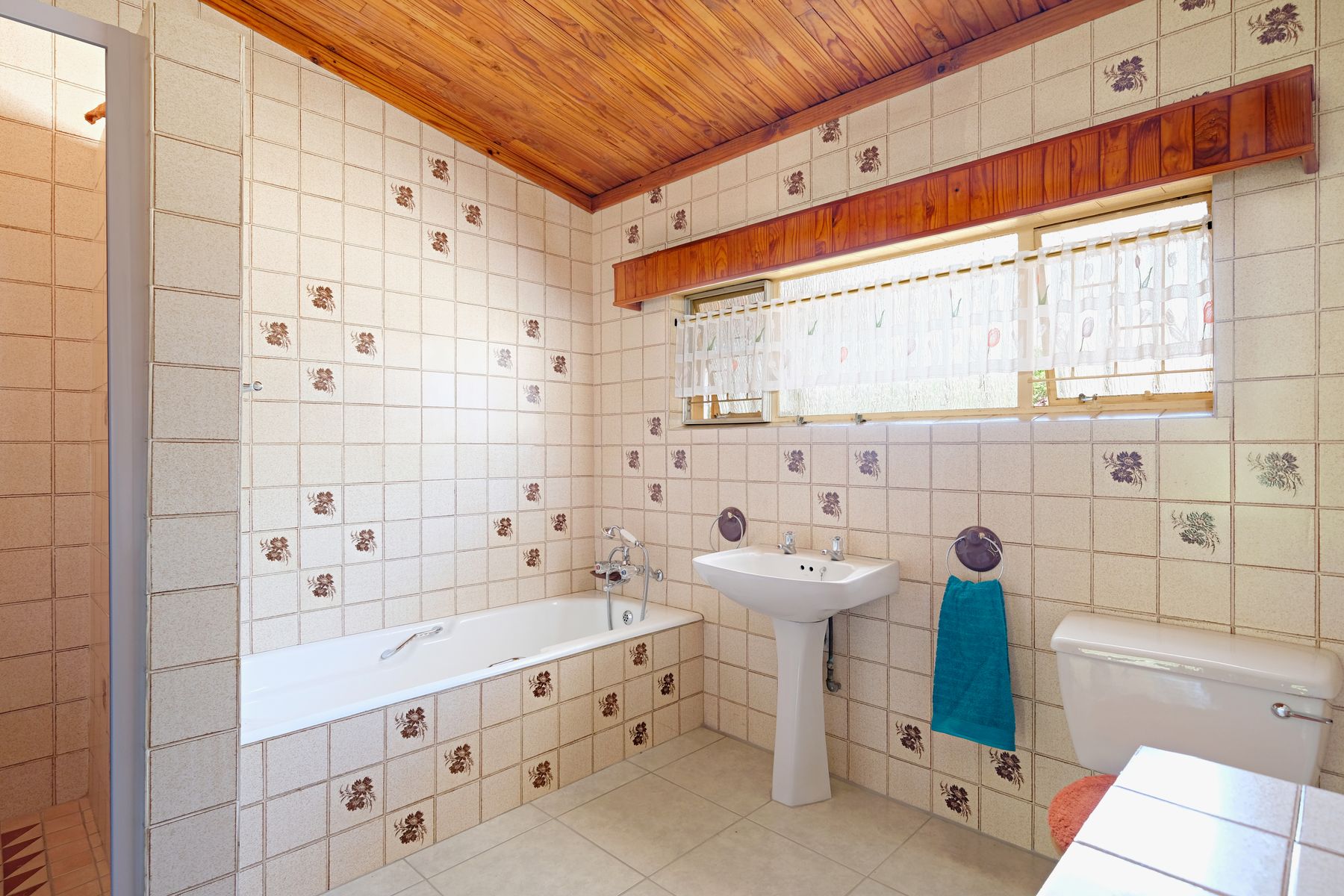
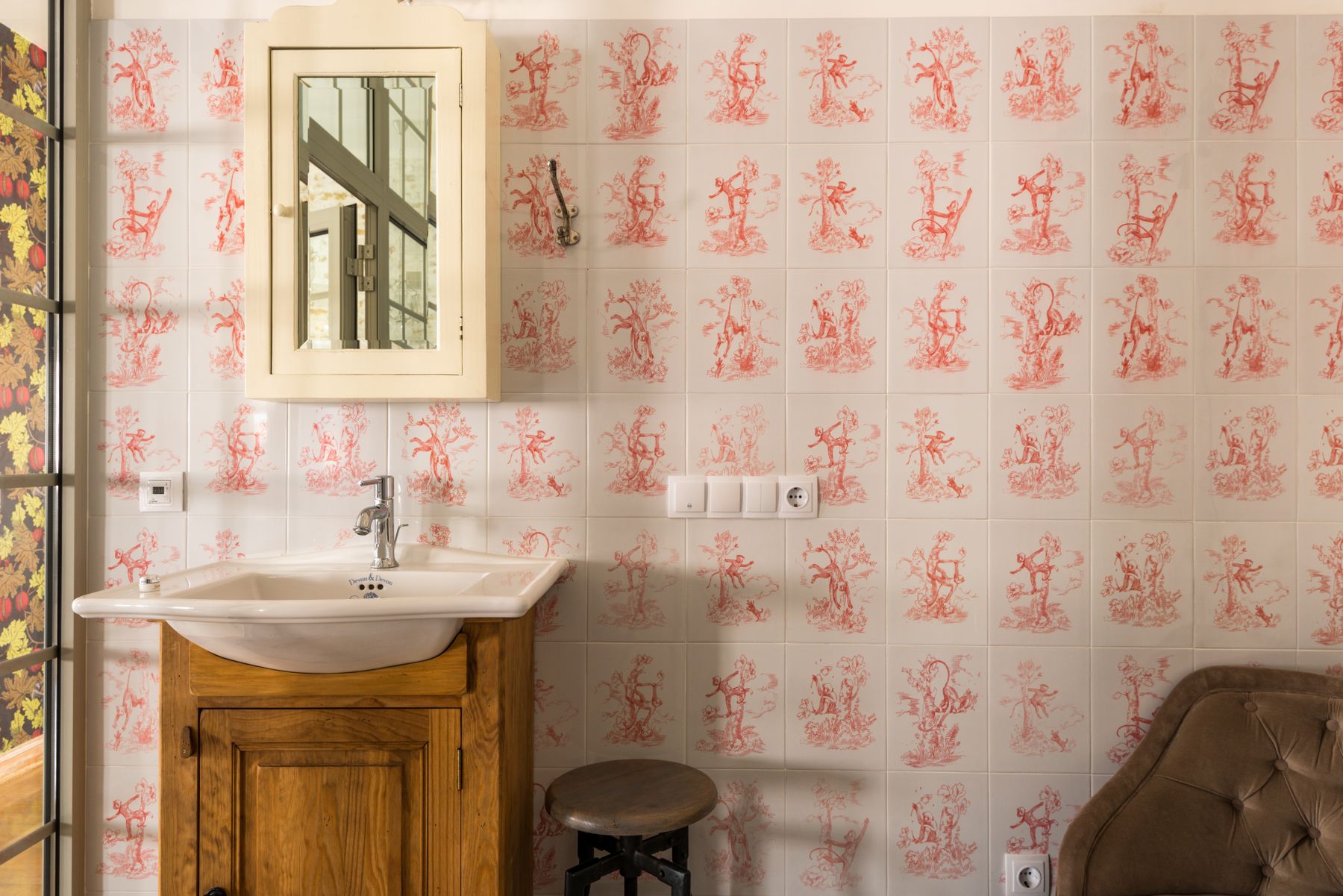
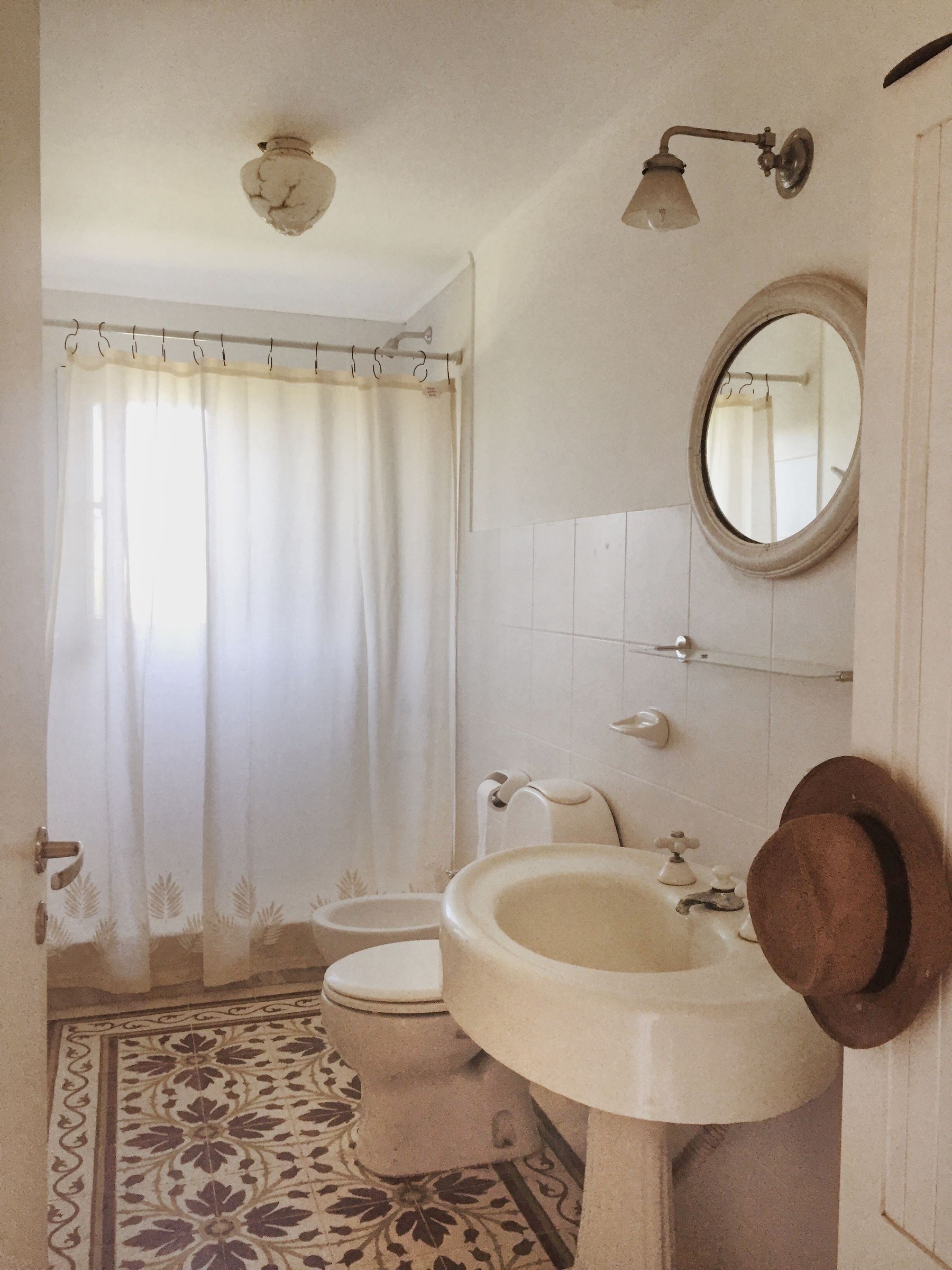
Patterned floor or wall tile can suggest encaustic and decorative precedents, but it needs visual space. Use it on one complete plane and let adjacent walls become quieter. Check slip resistance, cleaning, grout quantity and how the repeat meets the perimeter; a badly clipped pattern is more distracting than a simpler surface.
Keep Wallpaper in a Defensible Moisture Zone
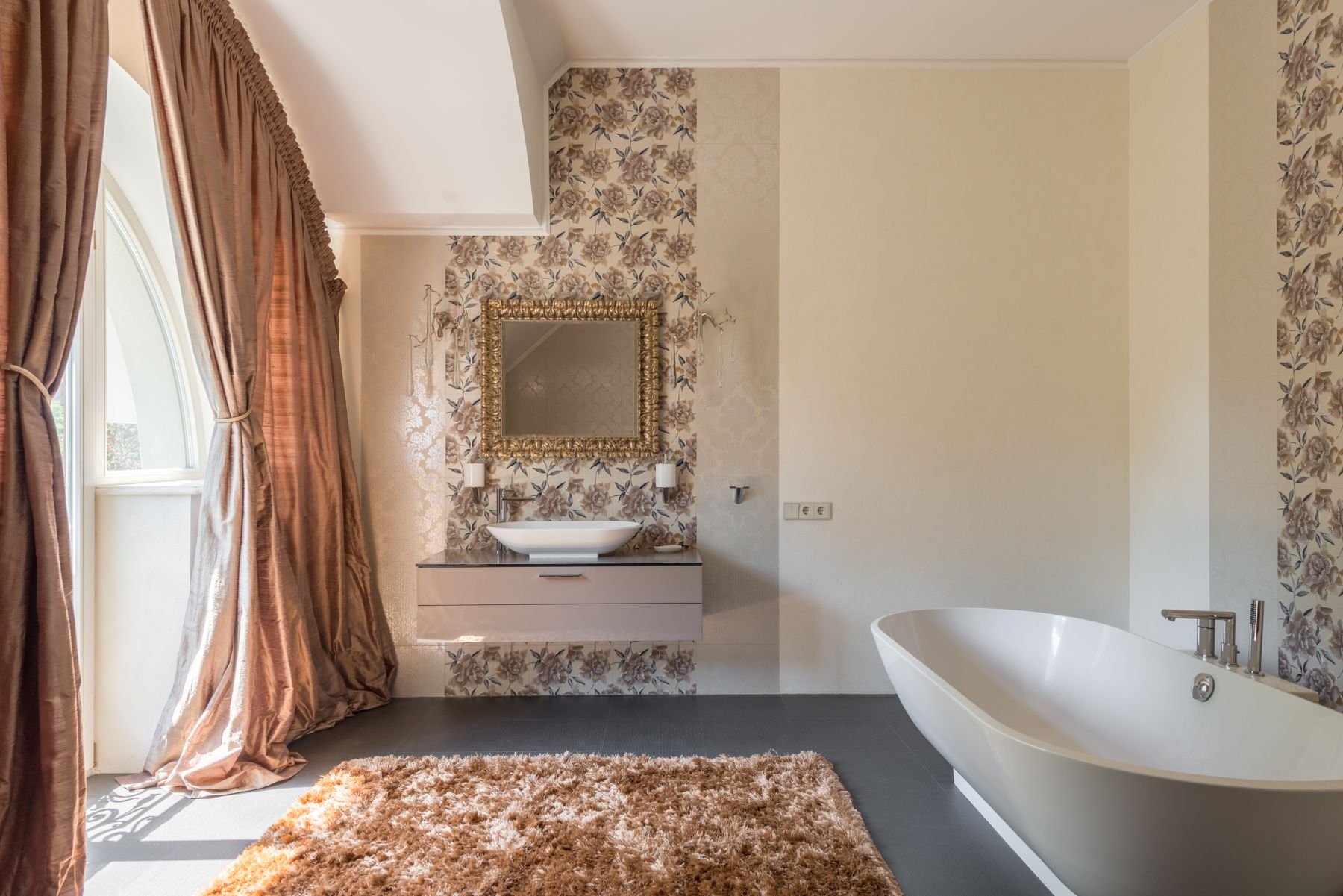
Striped, botanical or damask-like wallpaper can bring scale and softness above tile, particularly around a freestanding bath or vanity. It should not substitute for a waterproof wet-zone finish. Confirm the manufacturer's room guidance, ventilate well and use tile or another rated surface where splashing is routine.
Build Color From Ceramic, Timber and One Deep Tone
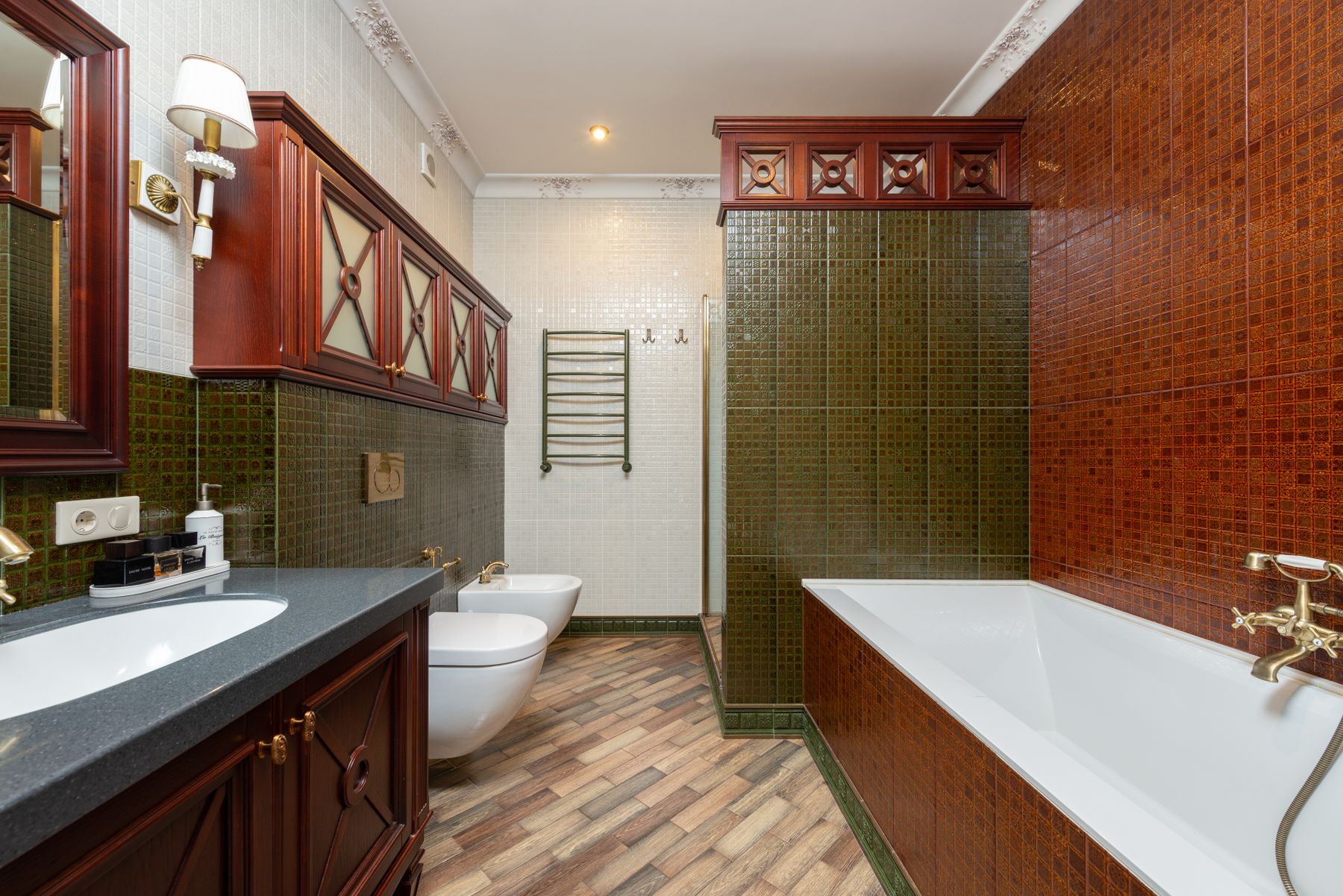
White or cream ceramic, dark timber and one deep green, burgundy, navy or aubergine create a convincing Victorian-inspired palette without turning every surface into a history lesson. Use the saturated tone on walls, cabinetry or the bath rather than scattering it across many small objects. Test undertones beside tile, metal and daylight before committing.
Choose Metal by Use and Patina
Brass, aged brass, nickel and chrome can all suit Victorian-inspired rooms; the deciding factors are maintenance, coating, availability and how the finish ages. Put the chosen family on functional pieces such as taps, shower fittings and mirror trim, then allow minor hardware to recede. Living finishes change, while plated finishes need compatible cleaners and realistic expectations.
Let One Framed Mirror Carry the Ornament
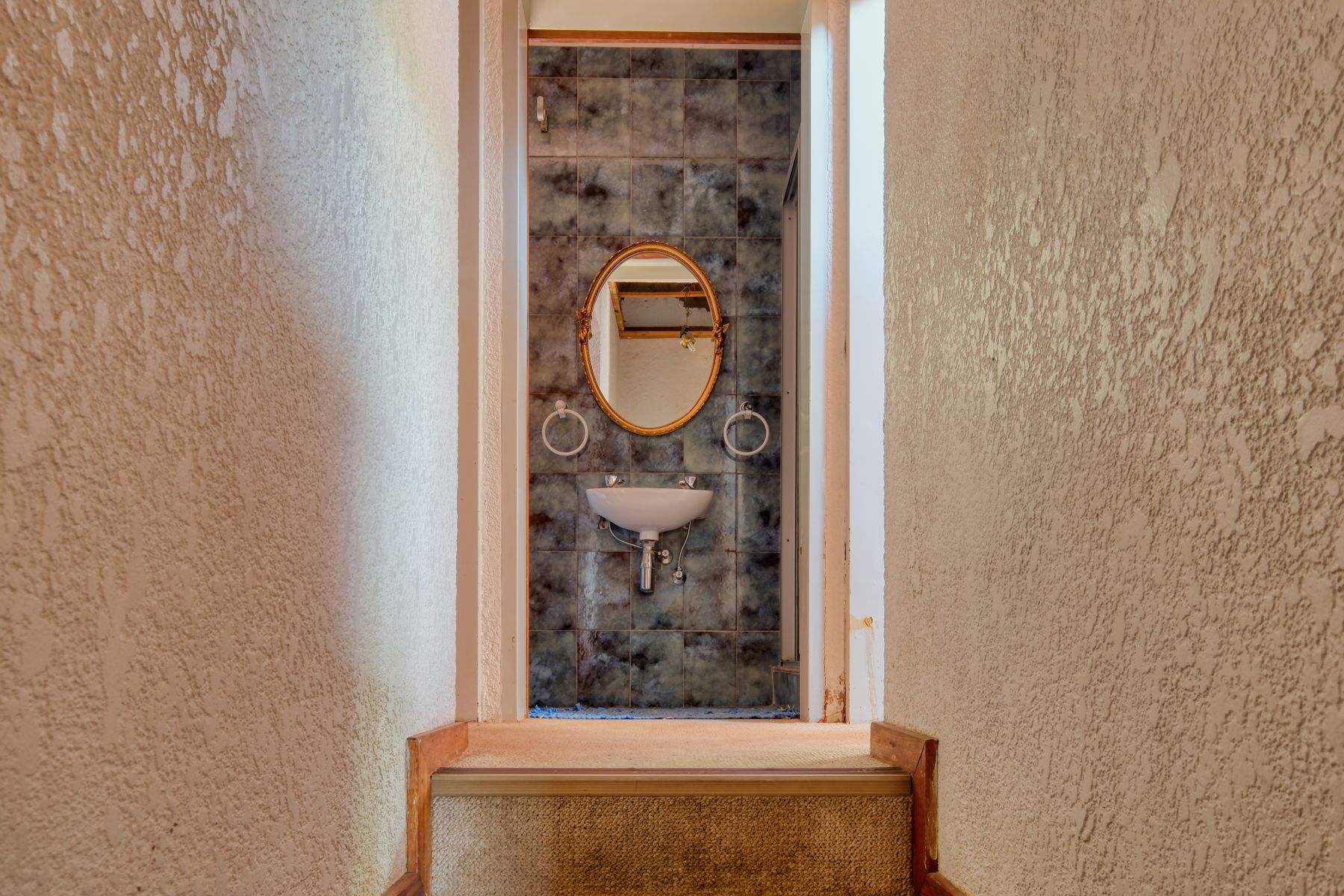
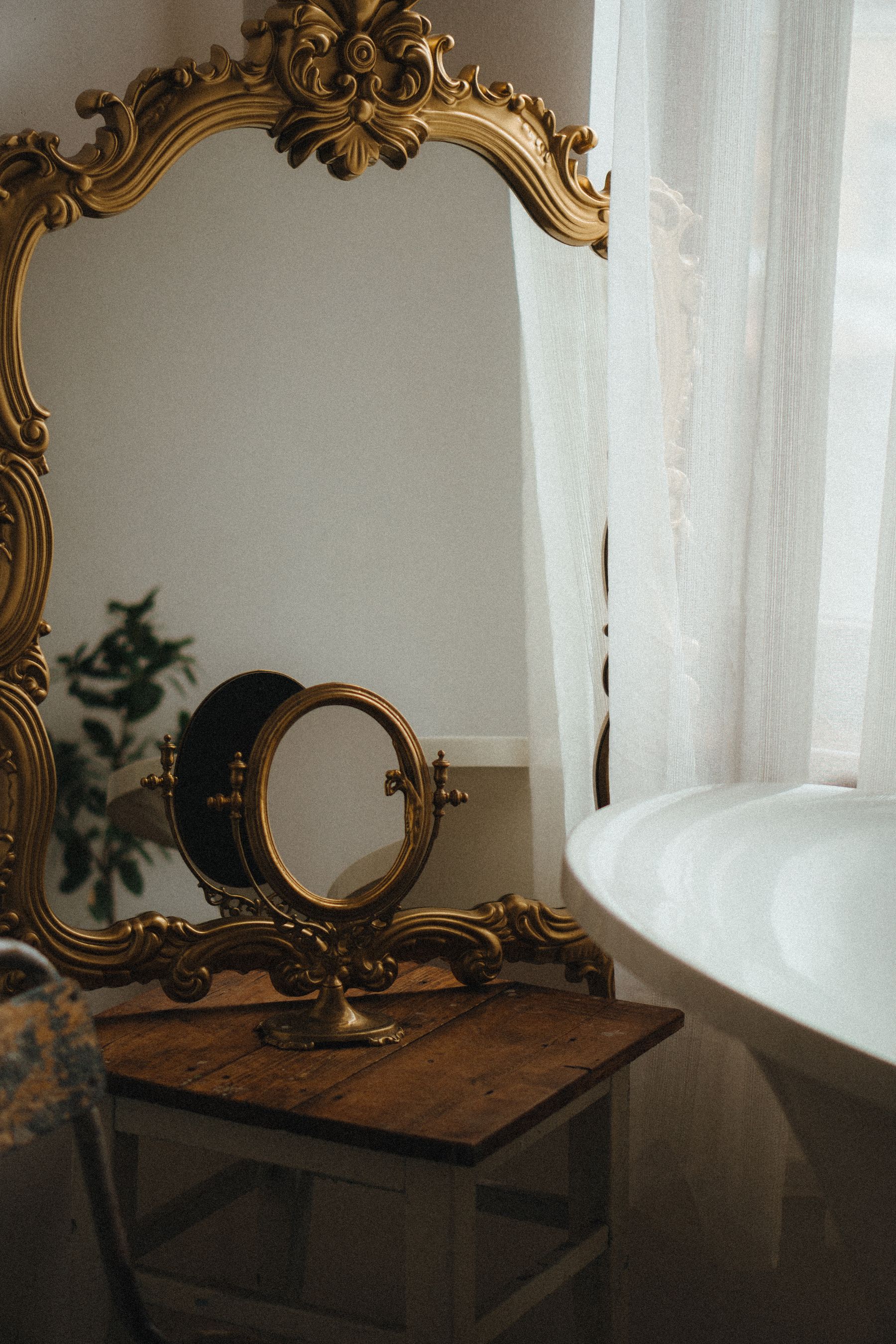
A shaped, carved or gilded mirror introduces period detail at the natural vanity focal point. Its width, height and reflection matter as much as the frame. If the mirror is elaborate, use quieter tile and fittings and leave enough side space for flattering light rather than squeezing decorative sconces against the frame.
Use a Chandelier for Atmosphere, Not Visibility
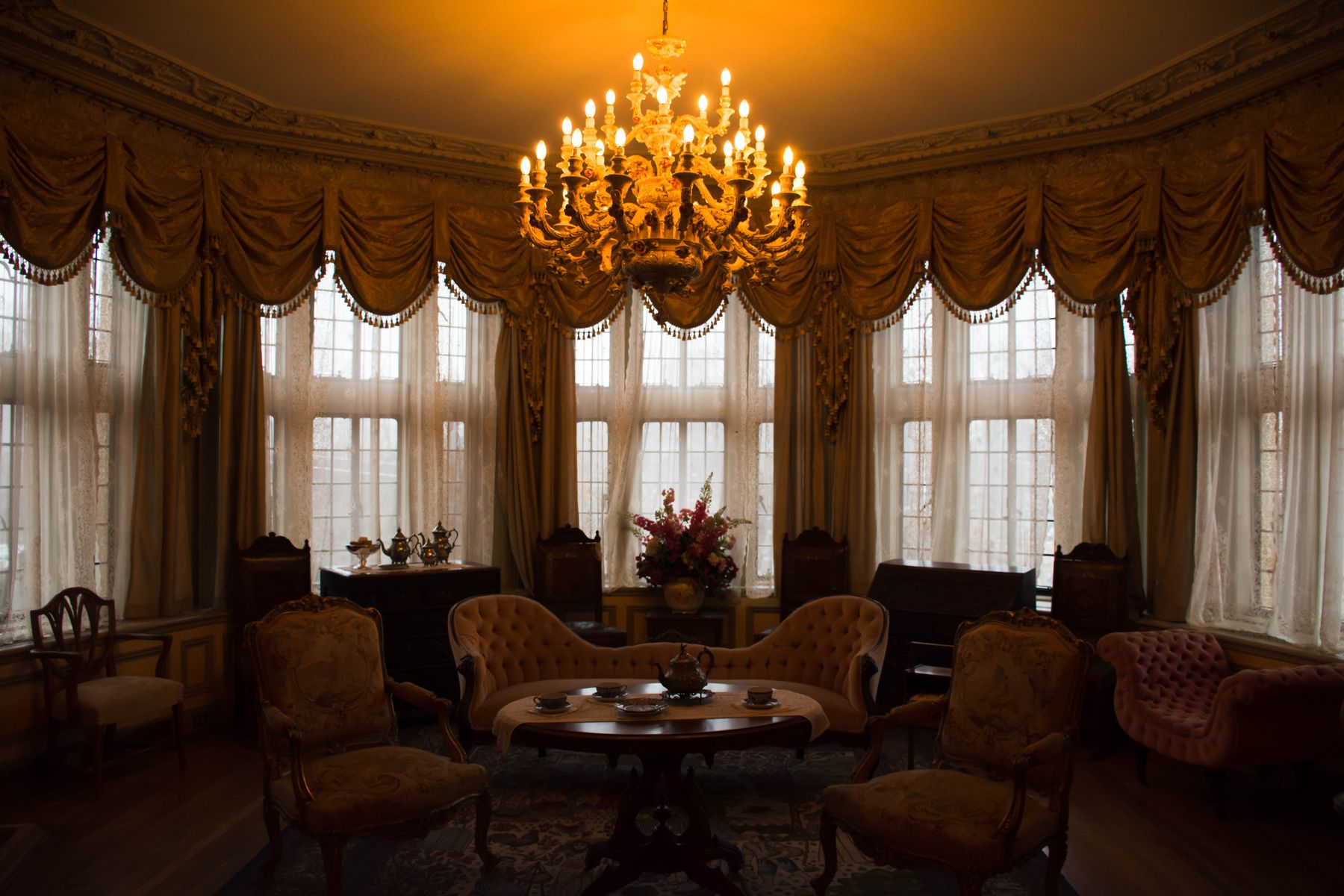
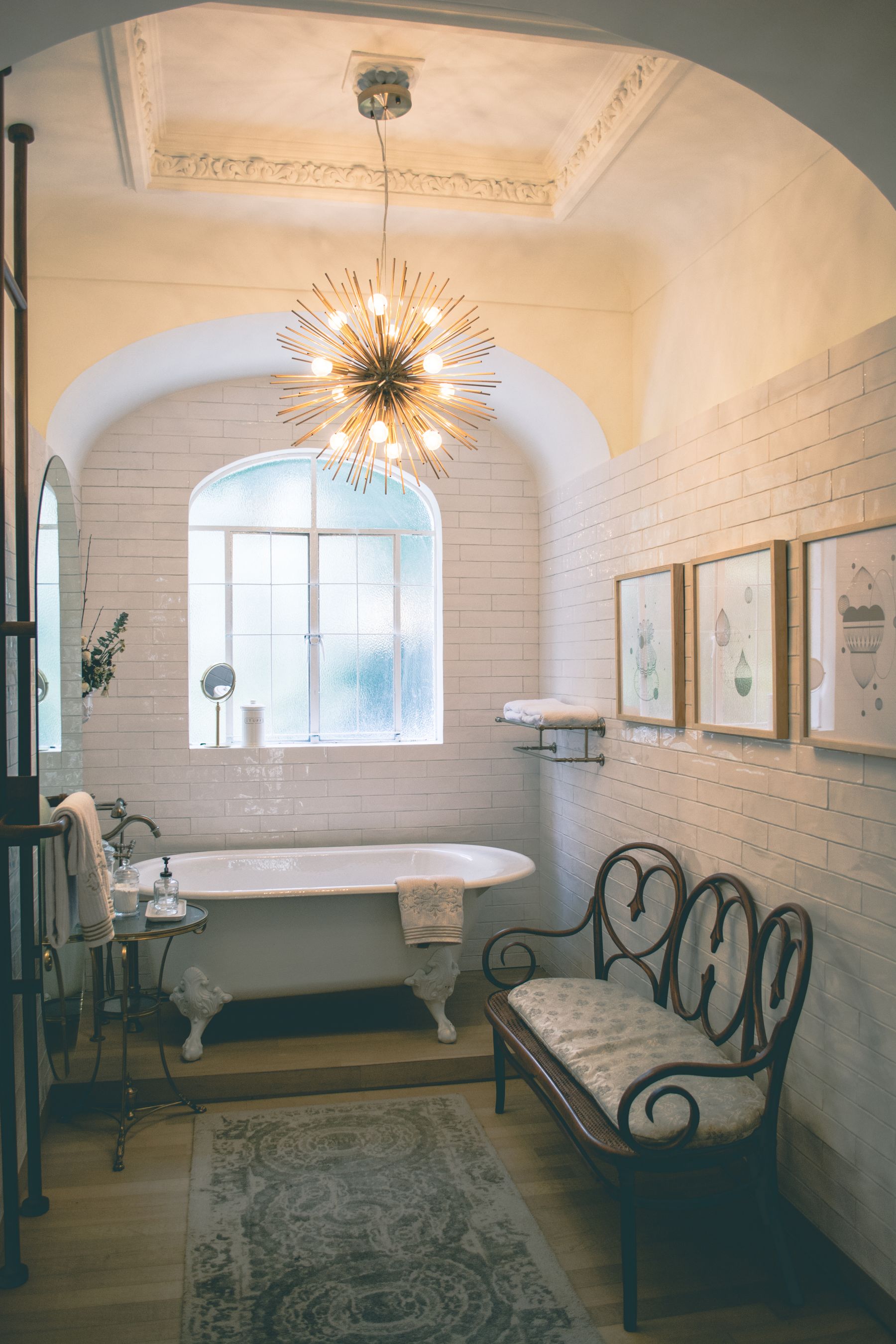
A chandelier or sculptural pendant can support the period atmosphere in a tall room, but it cannot replace mirror, shower and route lighting. Position, height and wet-area suitability must follow local electrical requirements. The decorative fitting should be proportionate to the room and visually subordinate to safe, low-glare task light.
Design the Window for Privacy After Dark
Tall windows and fabric can soften the room, but privacy, drying and airflow come first. Combine appropriate glazing, a blind, shutters or washable curtains according to the actual sightline and splash exposure. A treatment that looks private in daylight may become transparent when the bathroom is illuminated at night.
Use Textiles as the Replaceable Pattern Layer
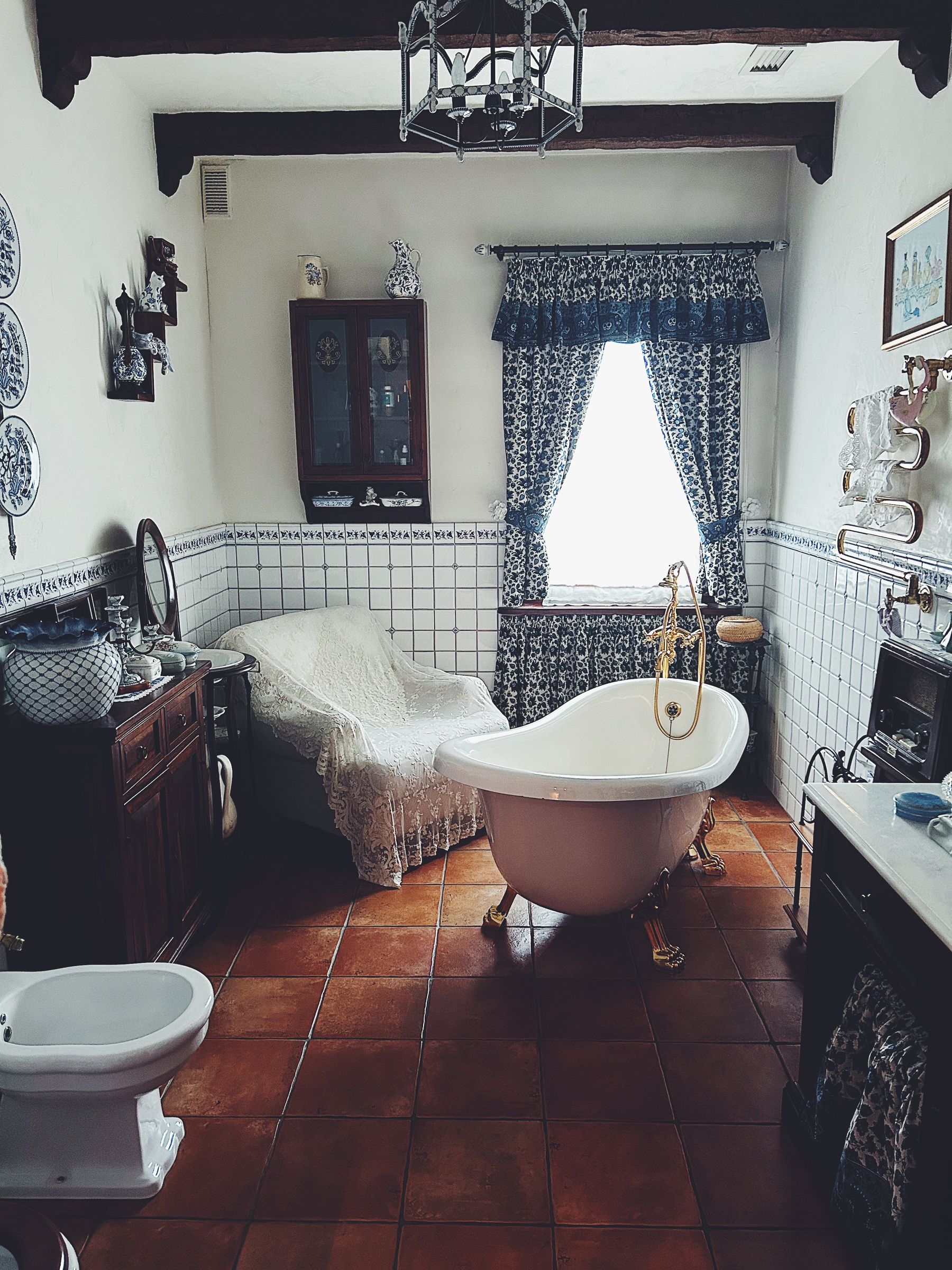
A washable rug, shower textile or window fabric can carry floral or geometric pattern without locking the room into another permanent finish. Keep absorbent pieces outside direct splash, choose non-slip support where appropriate and make sure everything can dry fully. This layer is useful for renters and for testing color before a larger renovation.
Warm White Ceramic With Timber Carefully
Timber flooring, paneling or furniture can make white sanitaryware feel residential rather than clinical. Bathroom exposure varies, so confirm the exact product, finish, joints and maintenance for its location or use a durable lookalike in higher-risk areas. One warm wood plane usually provides enough contrast without competing with pattern.
Hide Everyday Clutter Without Hiding Character
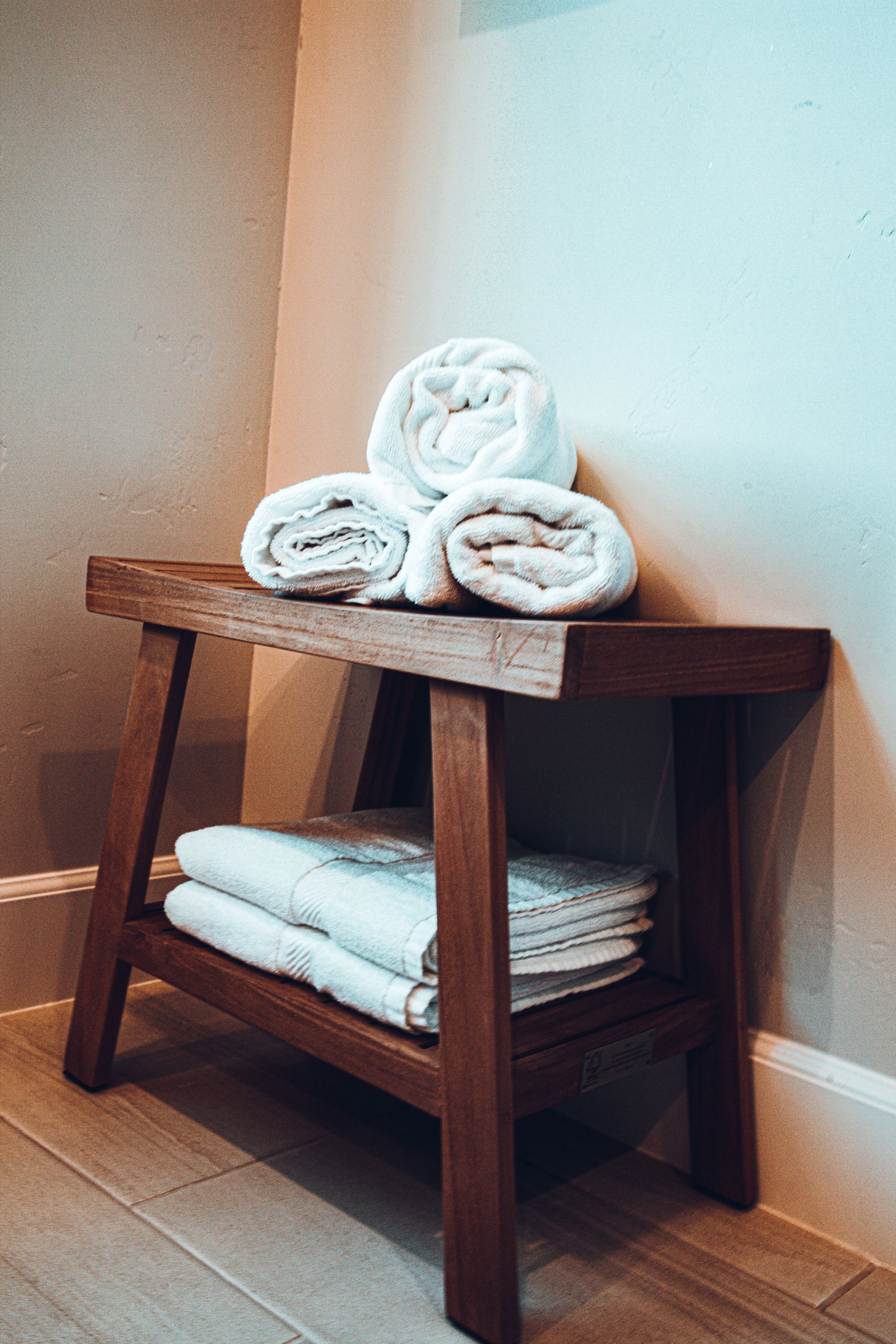
Victorian rooms are often photographed without toothbrushes, spare paper or cleaning supplies, but daily life needs a home. Use shallow mirrored storage, a linen cupboard, vanity drawers and one deliberately open shelf for towels. Decorative bottles should not become a substitute for sufficient concealed capacity.
Scale Victorian Character for a Small Bathroom
A compact bathroom needs fewer, stronger cues: an oval mirror, classic tap, small-format tile or one deep wall color may be enough. Protect the door swing, shower opening and clear route before adding a freestanding fixture. A pedestal basin can open the floor visually, but only if storage is solved somewhere else.
Build Accessibility Into the Period Composition
High-sided baths, small rugs and decorative towel rails can create barriers or false support. Plan the room around the users: visible controls, a manageable threshold, clear floor area, structural reinforcement and dedicated support where needed. Grab bars and seats can be coordinated with the metal palette, but their dimensions and installation must follow qualified advice and local requirements.
Decide What to Preserve, Repair or Reproduce
An original mirror, bath, tile field or timber detail may carry more character than a new matching suite, but age alone does not make it serviceable. Assess condition, lead times, repair options, compatibility and cleaning before deciding. Reproduction pieces work best when they echo proportion and material rather than adding exaggerated ornament.
Plan Cleaning Around Detail and Patina
More joints, carved frames, exposed pipework and living metal finishes increase maintenance. Minimize inaccessible ledges, verify cleaner compatibility and provide enough bright light to inspect grout and splash zones. Patina is a material change; soap residue, corrosion and failed sealant are maintenance problems and should not be romanticized as age.
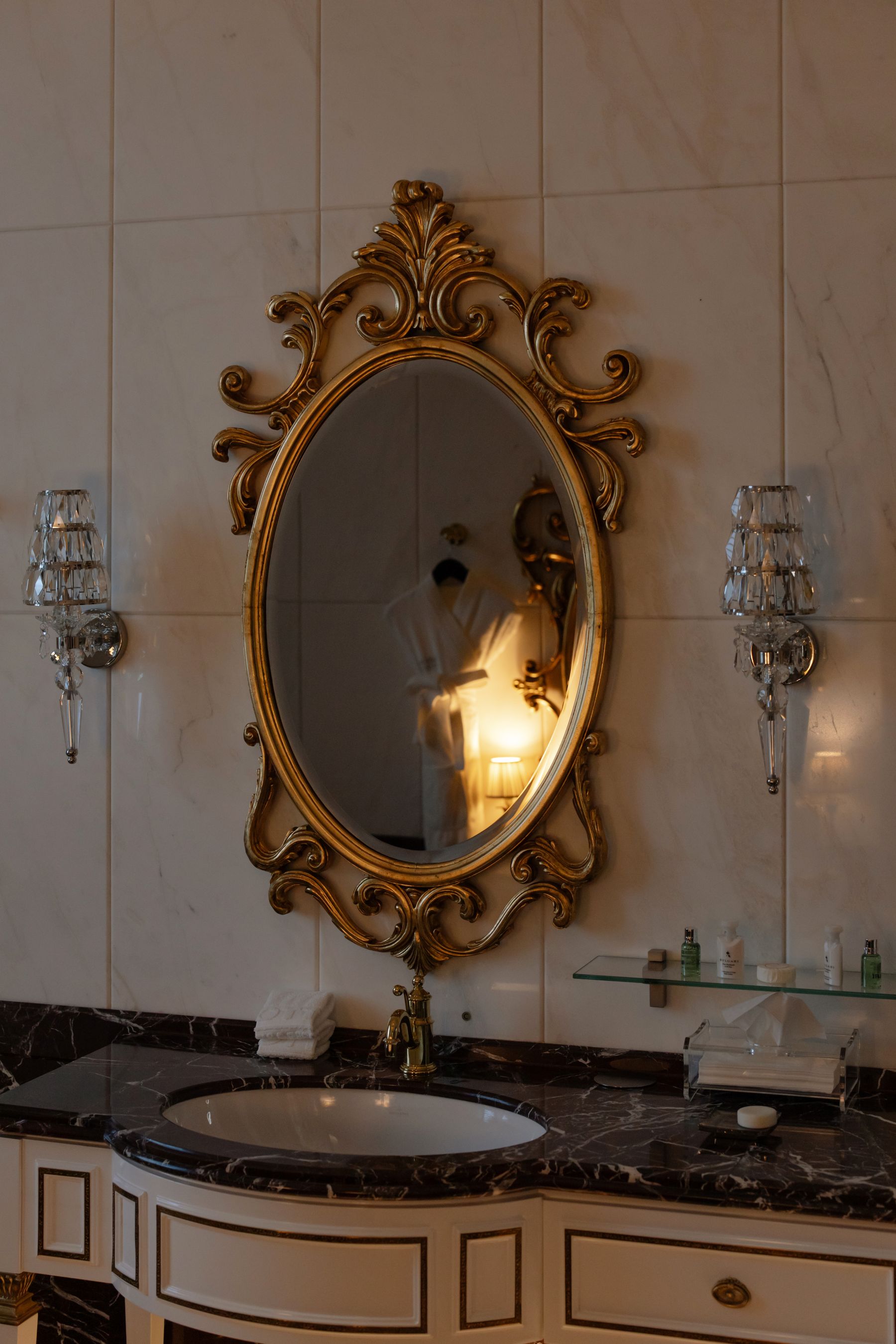
Create a Lower-Commitment Victorian Edit
A framed mirror, compatible light shades, removable dry-zone pattern, textiles and warm-metal accessories can establish the direction without replacing waterproofed assemblies. This approach suits rentals and phased renovations, but electrical and plumbing changes still need permission and qualified work. Keep reversible additions coordinated around one period shape rather than collecting unrelated antique-look objects.
Edit the Room Before It Becomes a Set
The final edit should leave a clear order: one period anchor, one patterned surface, one metal family and useful light. Remove matching accessories, faux-antique labels and decorative pieces that interfere with cleaning or circulation. The room should still feel coherent when towels, toiletries and ordinary daylight are present.