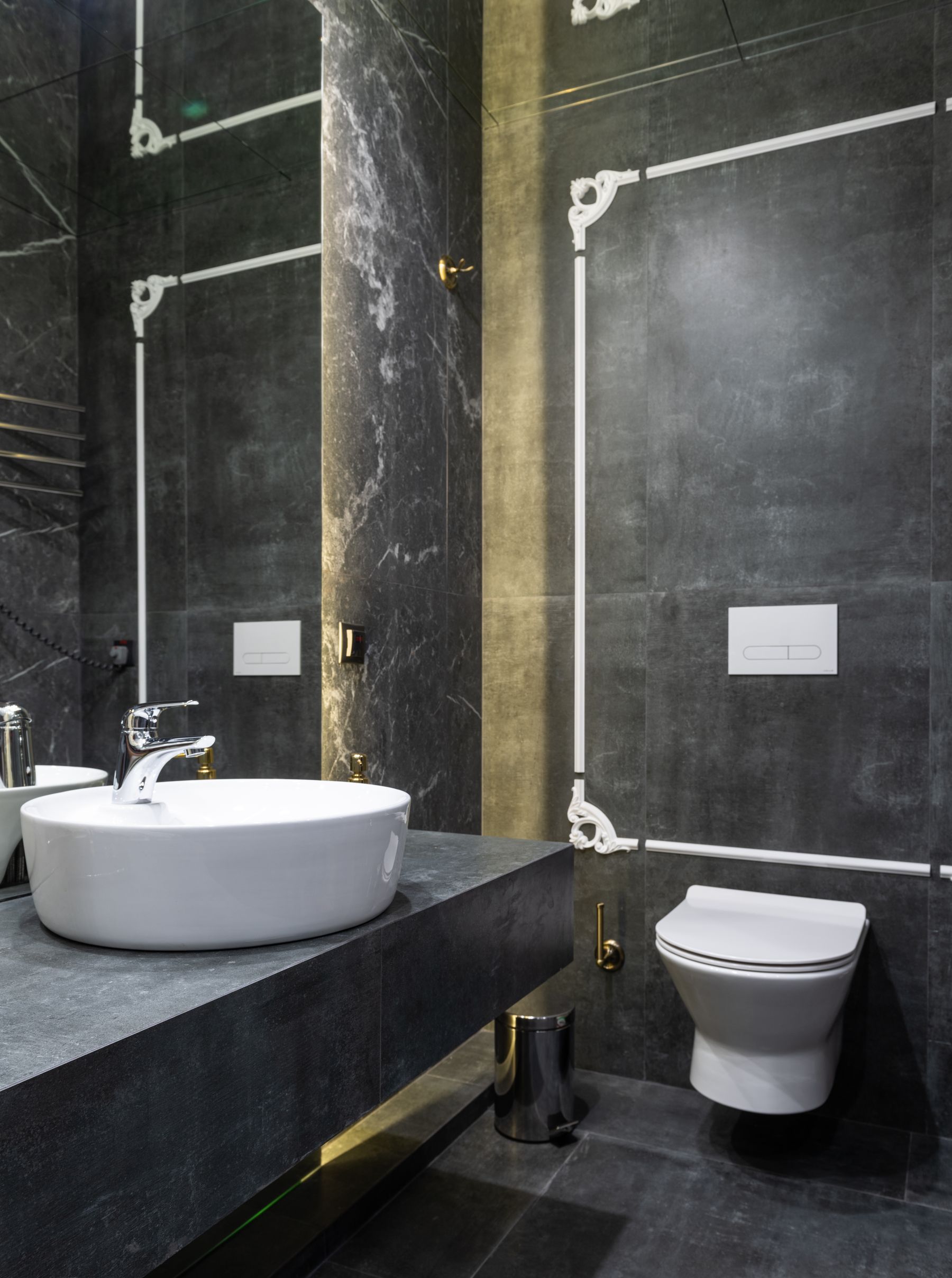
Define Gothic Beyond an All-Black Palette
Black and Dark bathrooms are color-led categories; Gothic adds romance, historic silhouette, expressive material and a deliberate play between shadow and reflected light. Victorian is narrower and more period-specific, while Art Deco relies more on geometric glamour. A Gothic-inspired room may borrow from each, but it needs a clear hierarchy rather than a checklist of arches, skulls or antique-look objects.
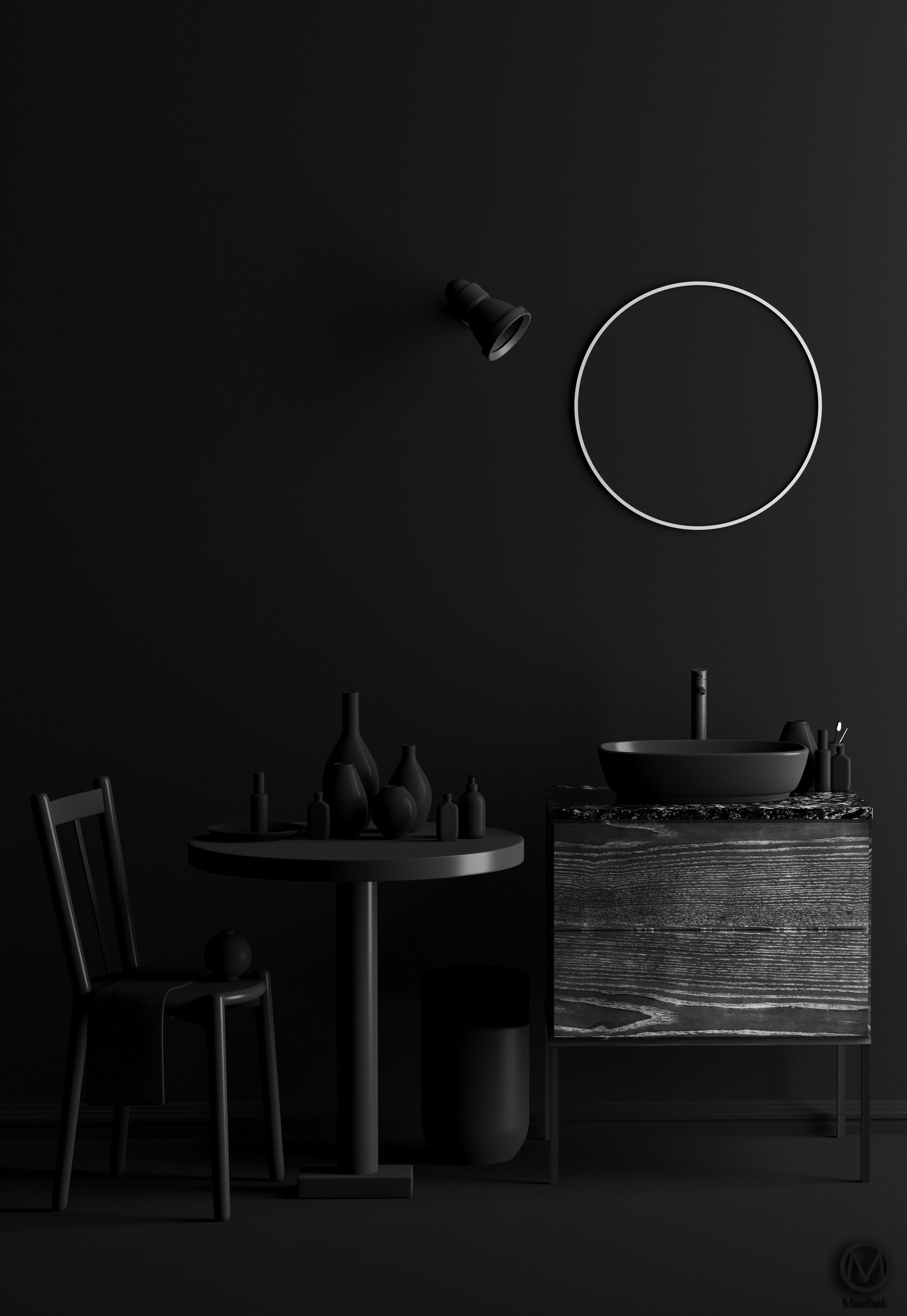
Set a Dark Palette With More Than One Value
An all-black sample board can look sophisticated, yet a finished room needs visible steps between black, charcoal, metal, glass and sanitaryware. Combine matte and reflective surfaces and protect a lighter value around controls, the basin or floor edge. If every element occupies the same darkness, the room loses depth and becomes harder to use rather than more dramatic.
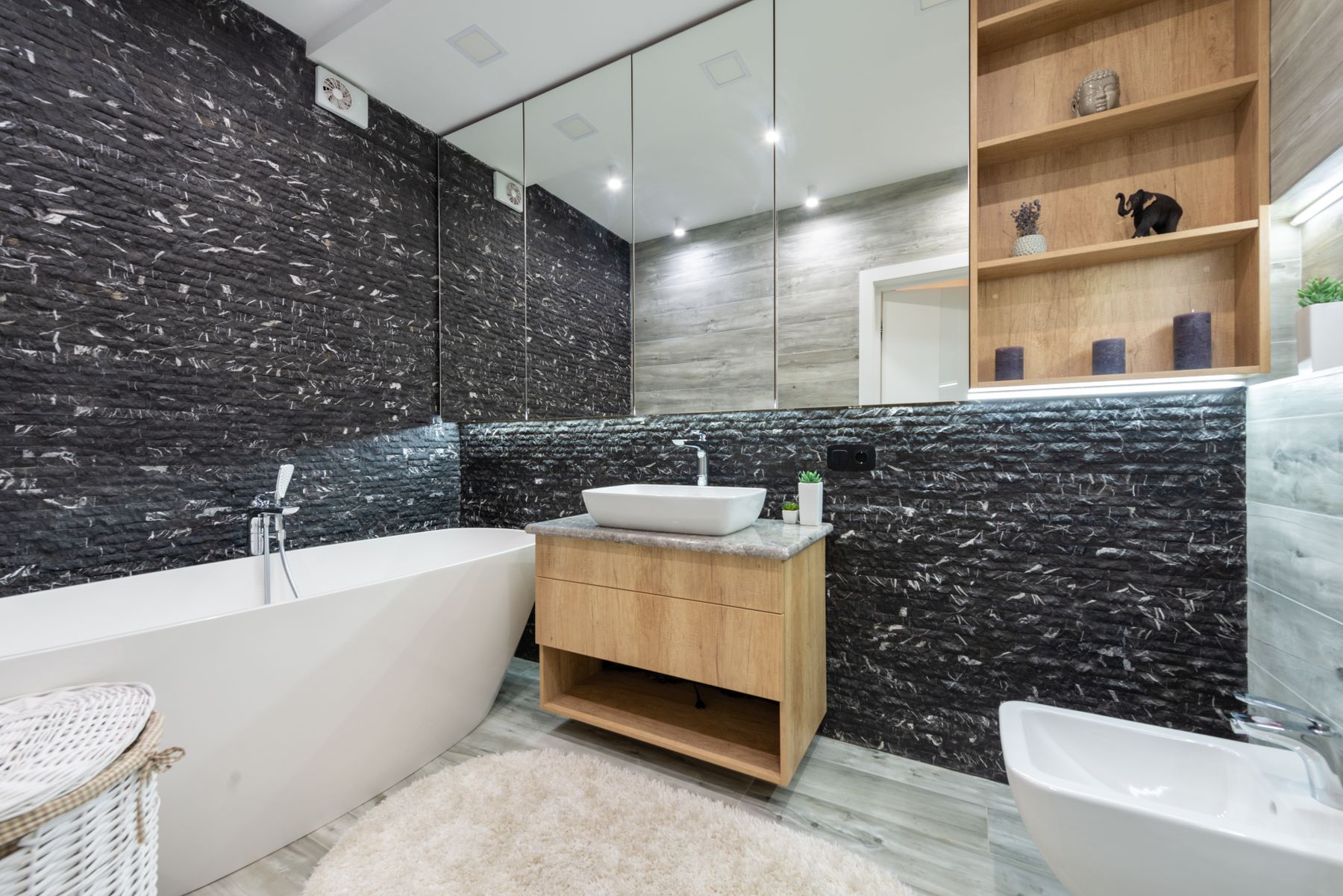
Give One Dark Material Architectural Scale
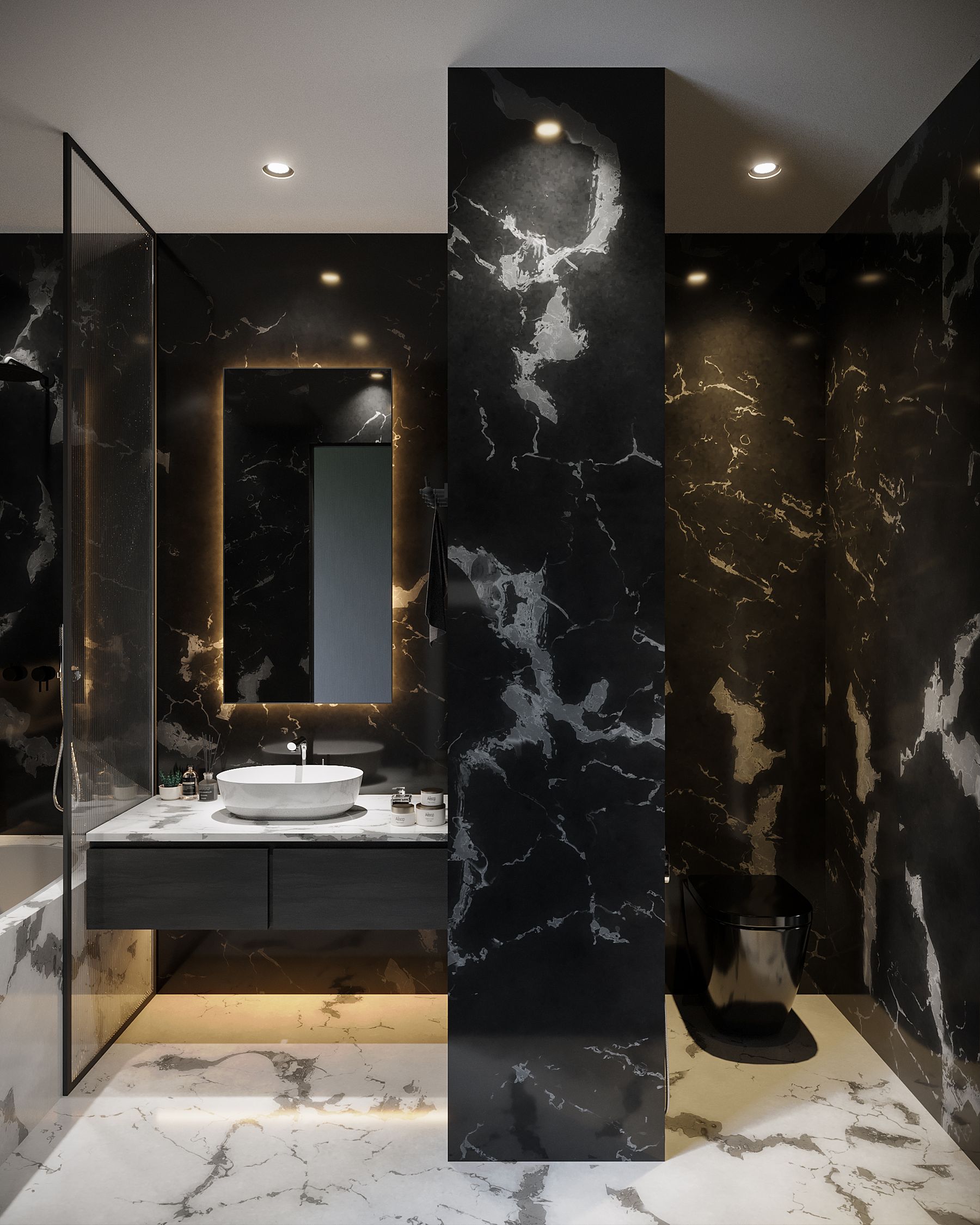
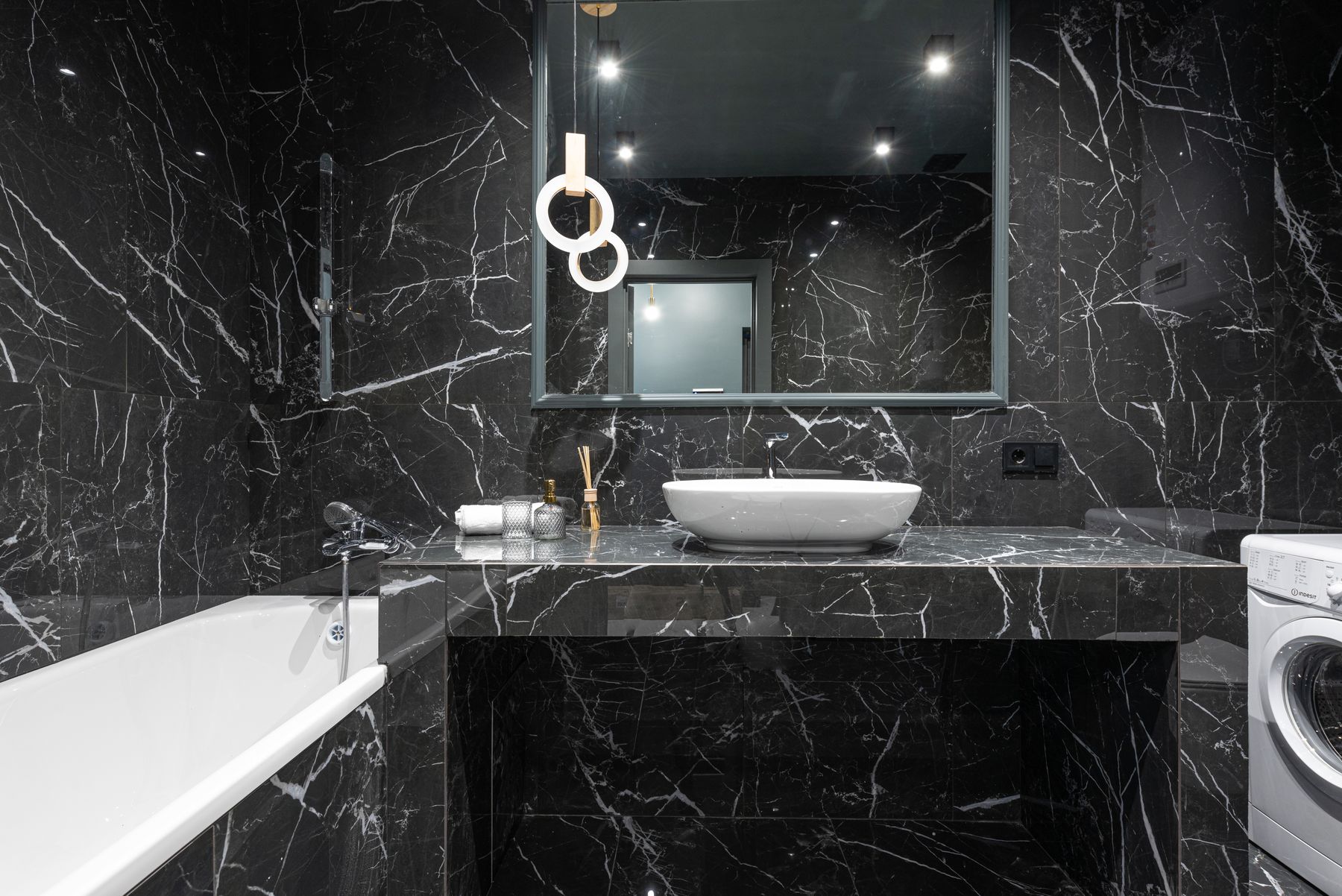
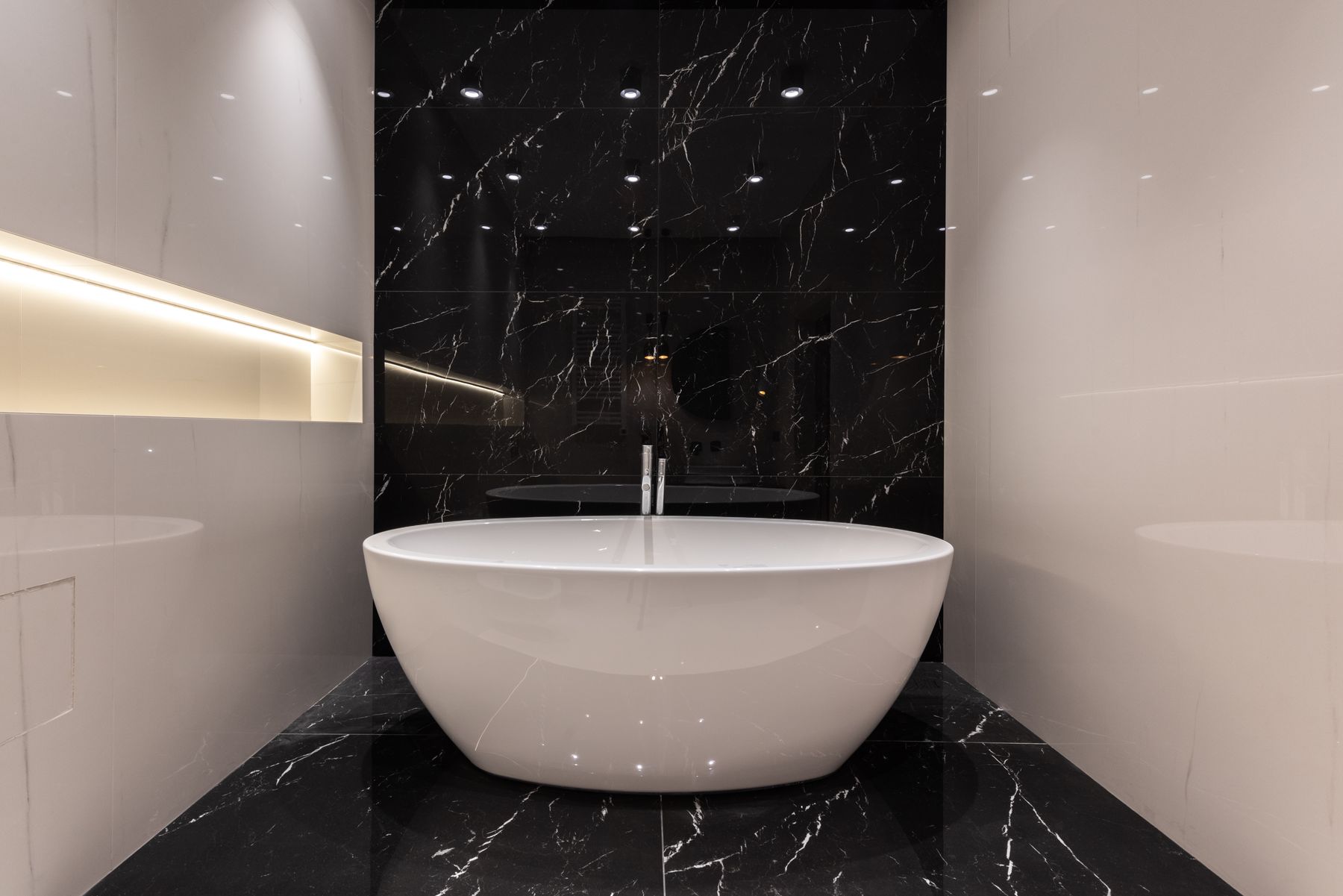
Dark stone or a convincing stone-look porcelain has more authority on one complete wall or bathing zone than in scattered decorative fragments. Choose the dominant plane first, then let pale ceramic, glass and timber interrupt it. Natural stone, engineered surfaces and porcelain differ in porosity, weight, joints and maintenance, so appearance cannot be the only specification.
Use Black Tile as a Bounded Plane
Black tile can define a vanity or wet wall without darkening the entire room. Format, grout value and sheen determine whether the surface reads as a quiet field, a visible grid or a reflective texture. Place the boundary at an architectural edge and avoid thin leftover strips; the visual discipline matters more than using an ornate pattern.
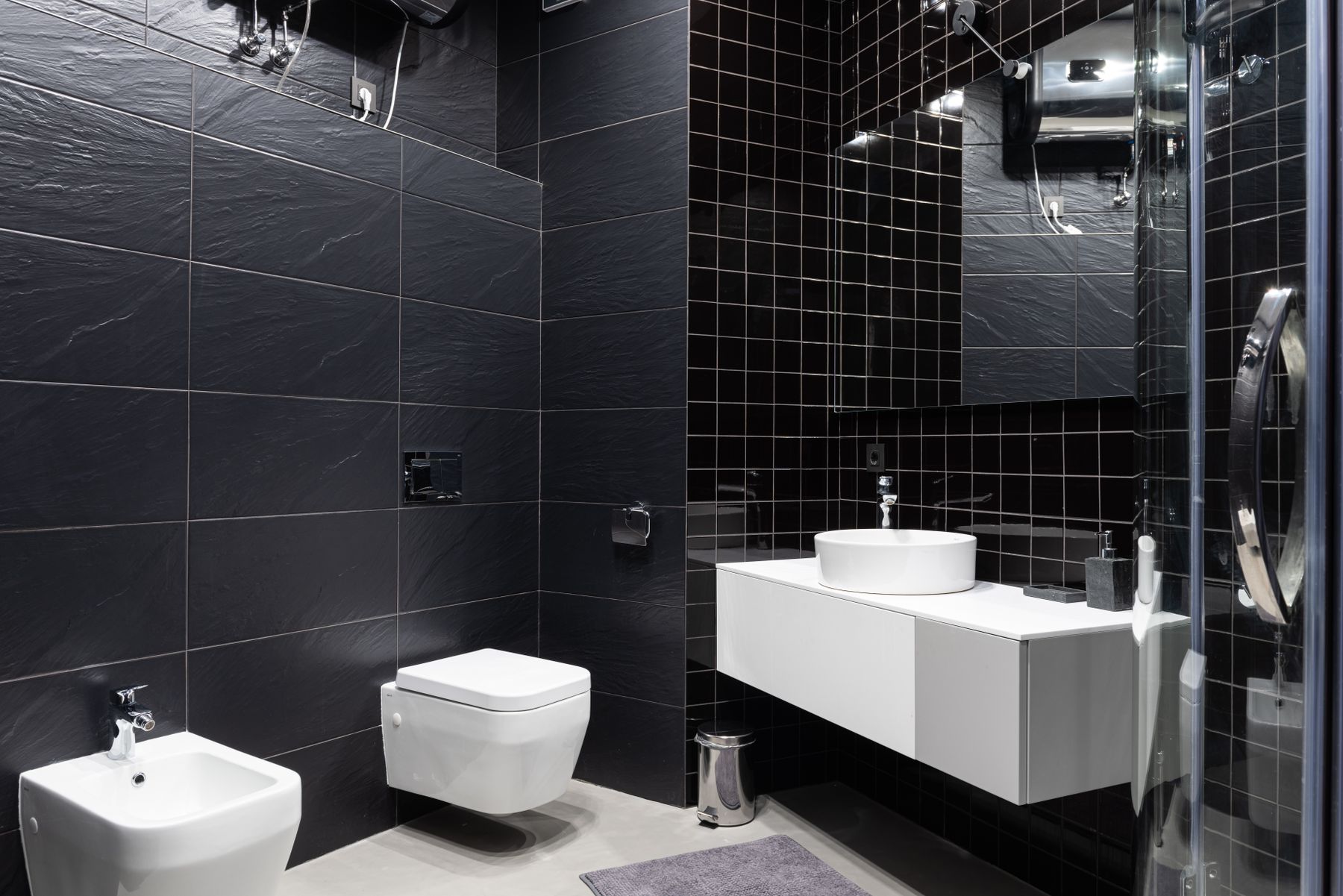
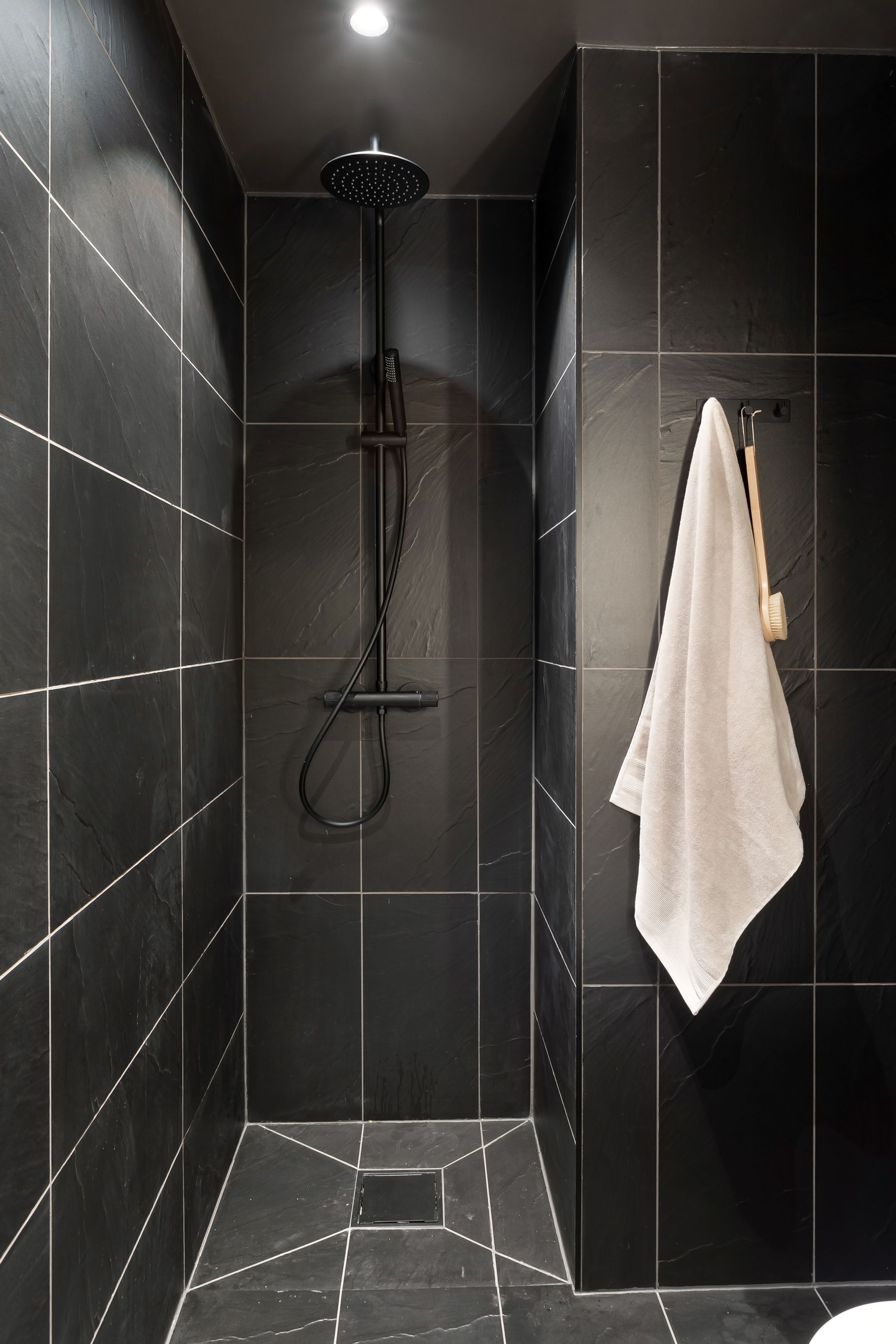
Make the Shower the Darkest Functional Zone
Concentrating black tile in the shower creates a natural focal depth while the vanity and route can remain lighter. The shower still needs visible controls, adequate illumination, slip-conscious flooring and a threshold that suits the users. A white or light towel can be a useful contrast marker, but it should not compensate for a poorly lit edge or floor change.
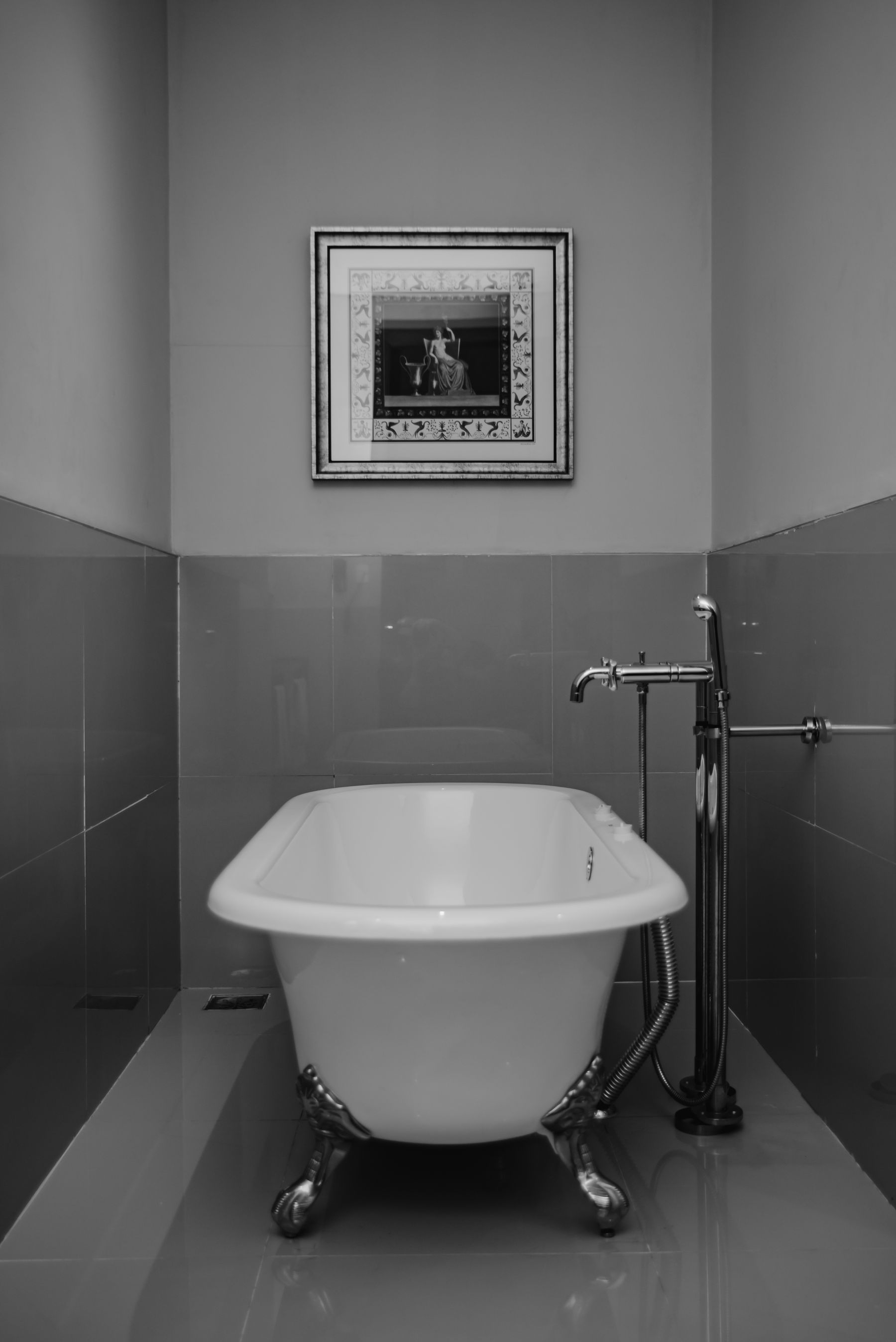
Use a Classic Bath as the Romantic Silhouette
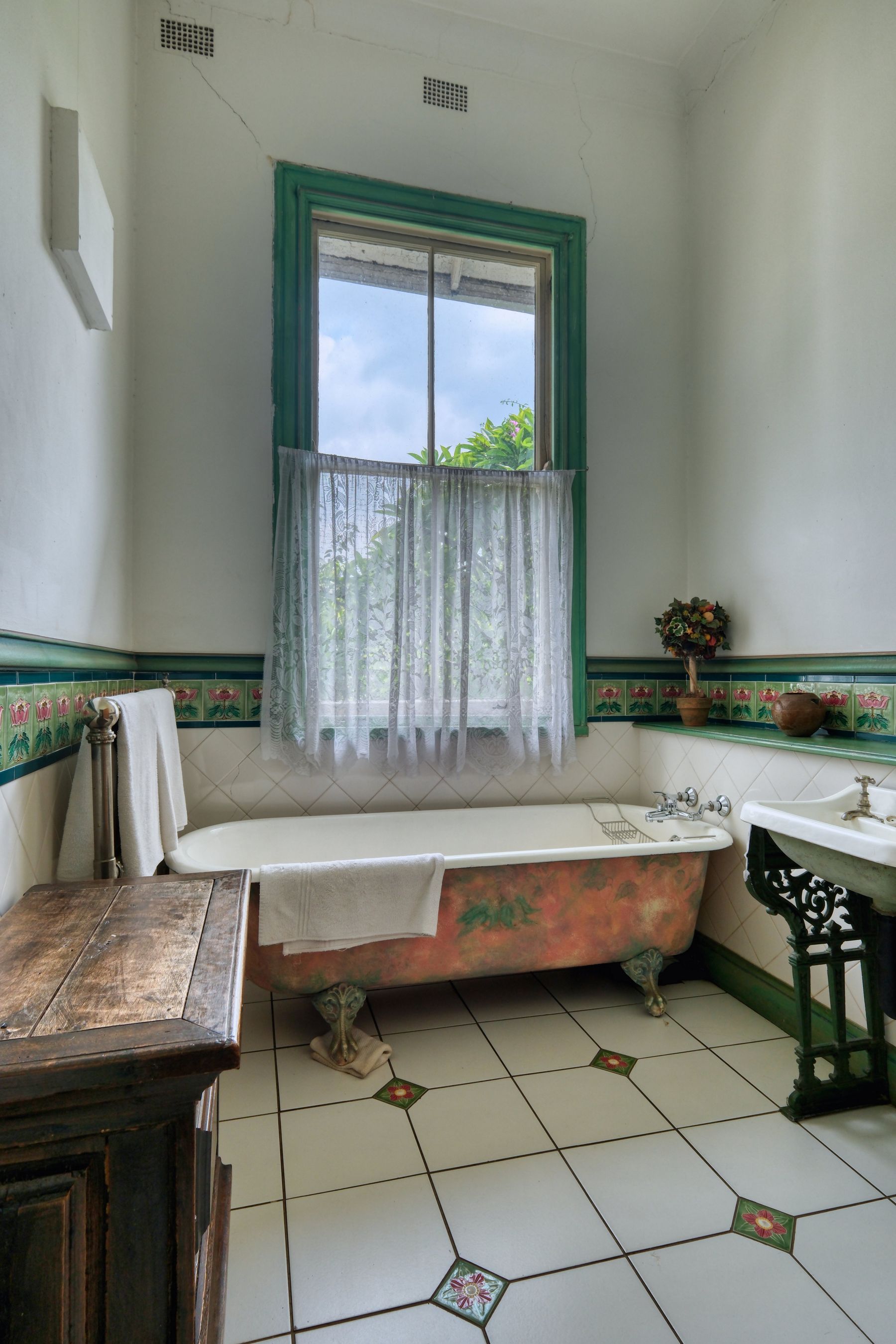
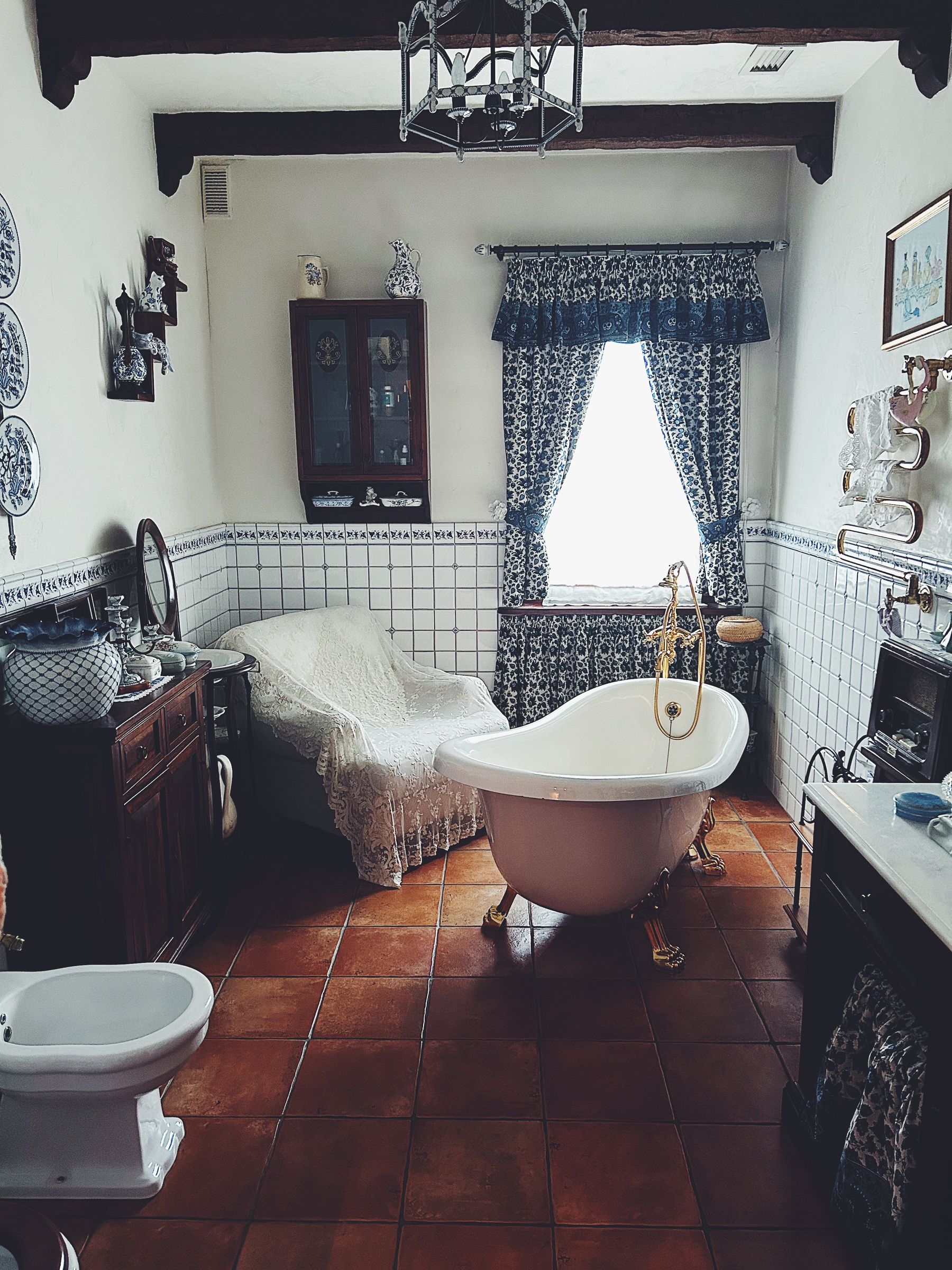
A clawfoot or slipper bath can introduce history with one recognizable form. It does not require matching reproduction taps, ornate paneling and antique furniture at the same intensity. Check entry, cleaning space, filler access and floor capacity before choosing a freestanding model; a practical paneled bath can still feel Gothic through color, metal and lighting.
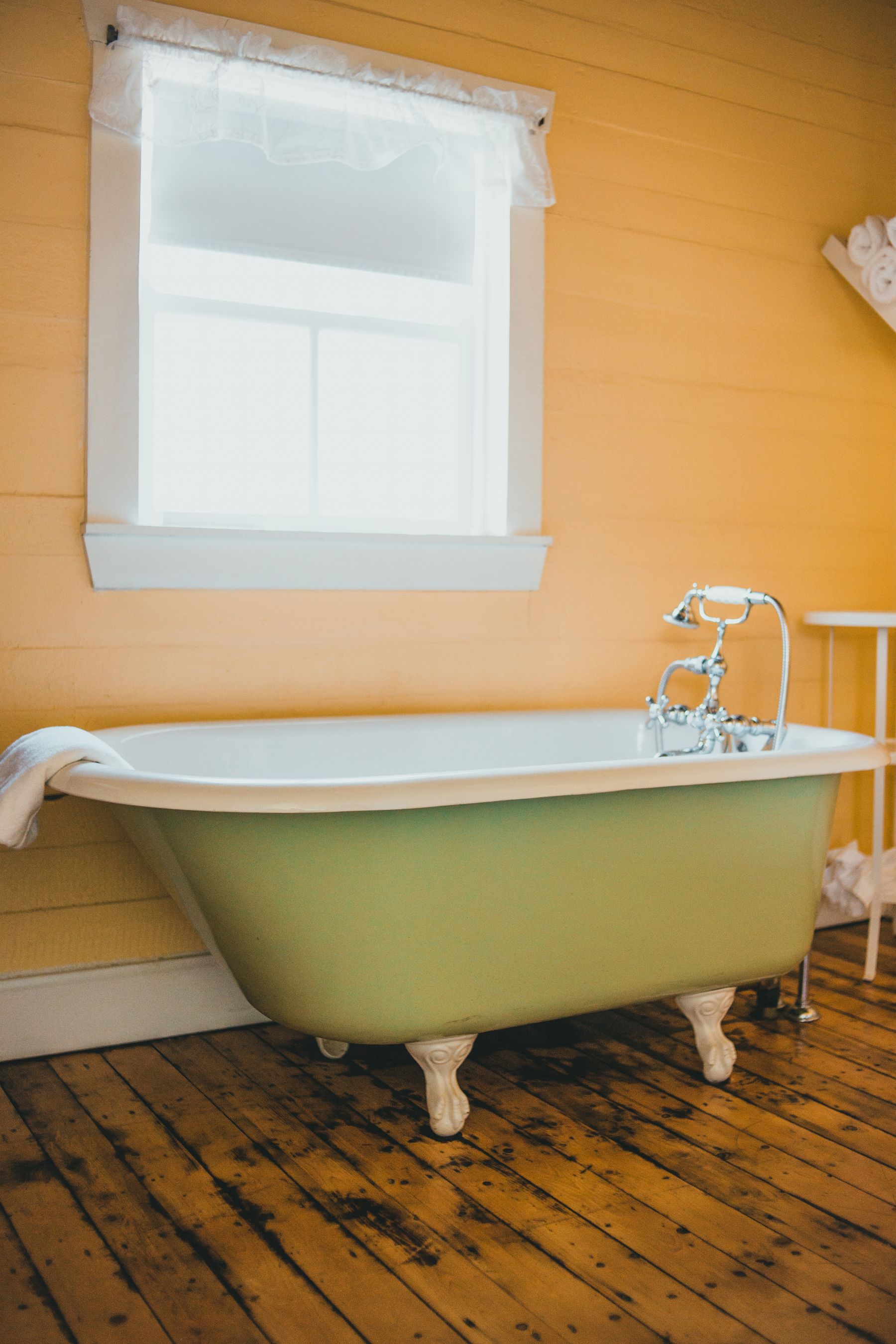
Replace Default Black With a Jewel Tone
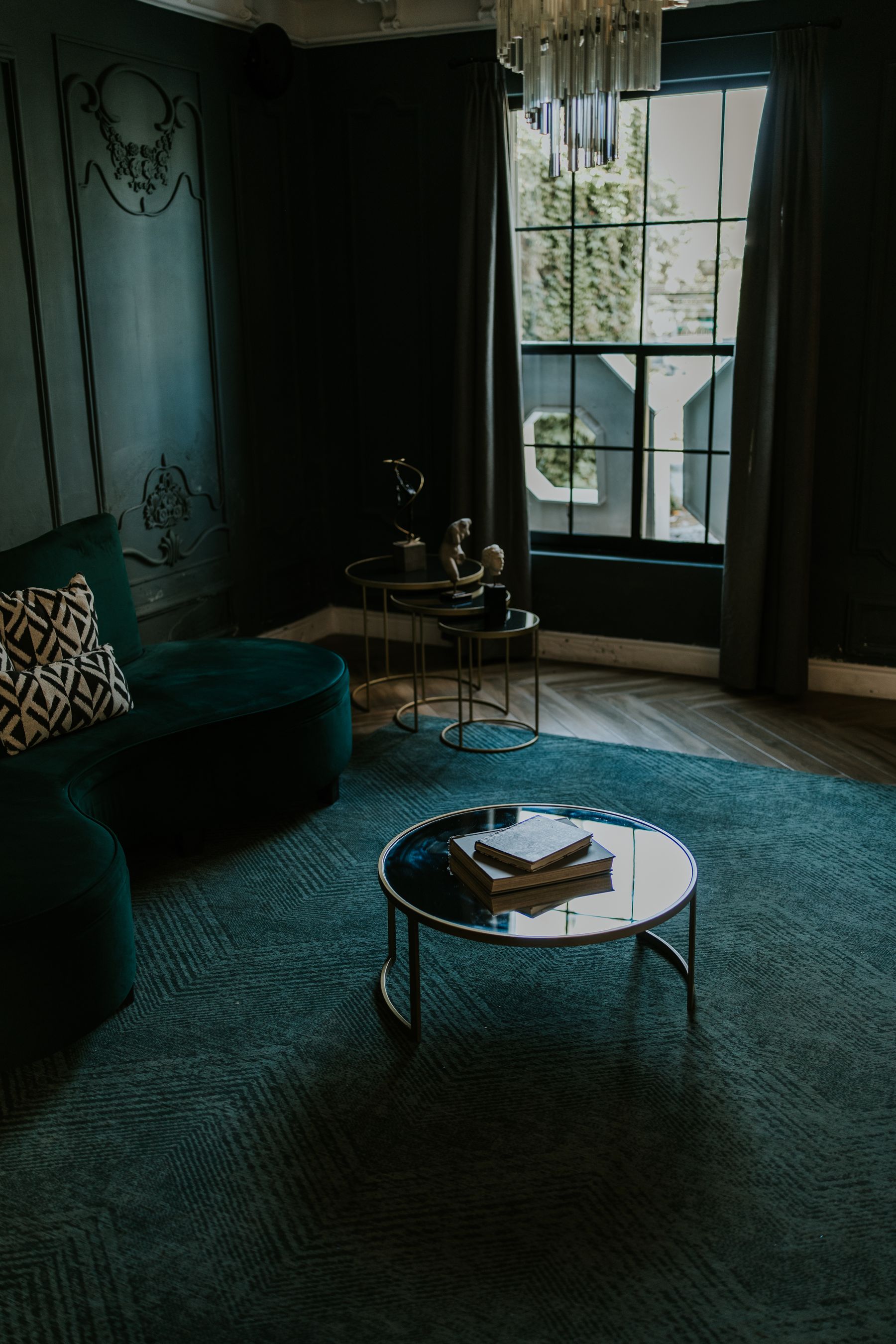
Forest green, oxblood, aubergine and midnight blue can deliver Gothic depth with more emotional color than black alone. A painted bath or vanity keeps the tone concentrated and easier to balance. Pair it with warm metal, pale ceramic or dark timber, and inspect the undertone under the room's actual daylight and evening lamps.
Let Dark Cabinetry Carry the Visual Weight
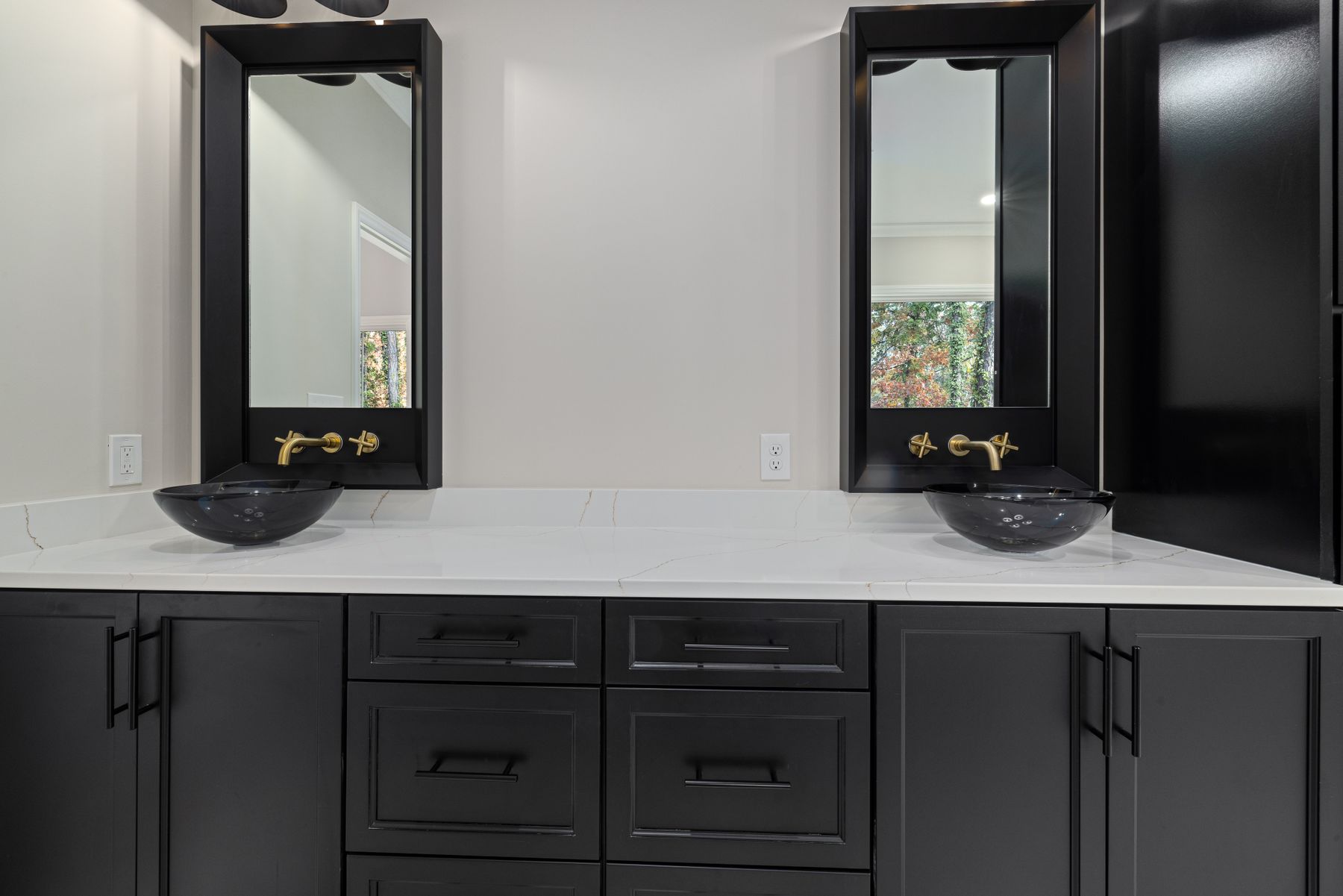
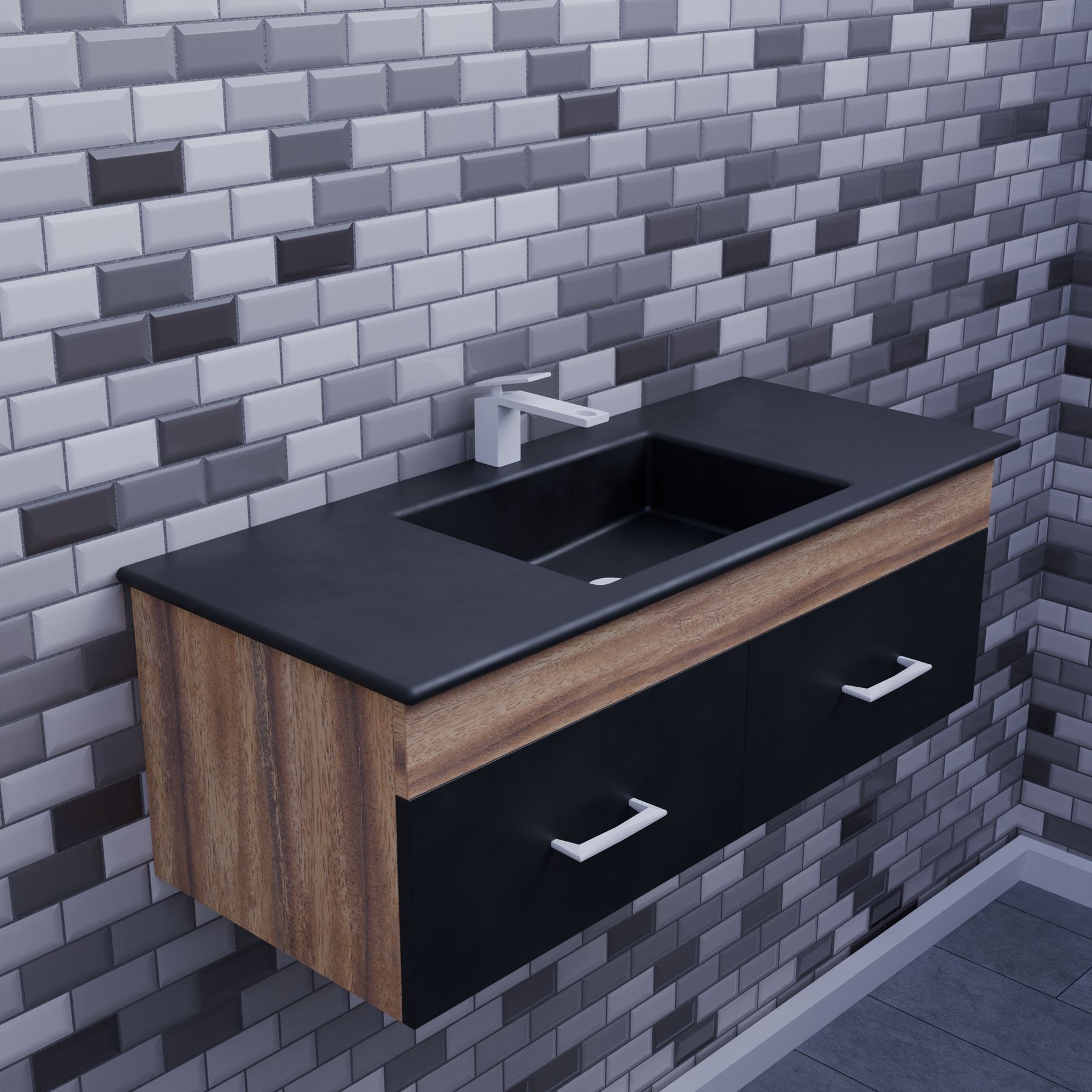
Furniture-scale cabinetry can create the weight and enclosure associated with Gothic interiors while hiding modern packaging and grooming tools. Pair black or very dark doors with a lighter counter, reflective mirrors or narrow metal details so drawer and door edges remain clear. Internal organization matters because a dramatic counter quickly loses impact under daily clutter.
Use Warm Wood to Keep the Darkness Habitable
Visible wood grain interrupts black with warmth and material life. A vanity is usually the safest place to concentrate it because the tone can be repeated subtly in a frame or shelf without exposing large timber surfaces to direct spray. Use bathroom-suitable construction and finish, and avoid mixing several stains that compete with the stone and metal palette.
Make the Basin a Dense Material Focal Point
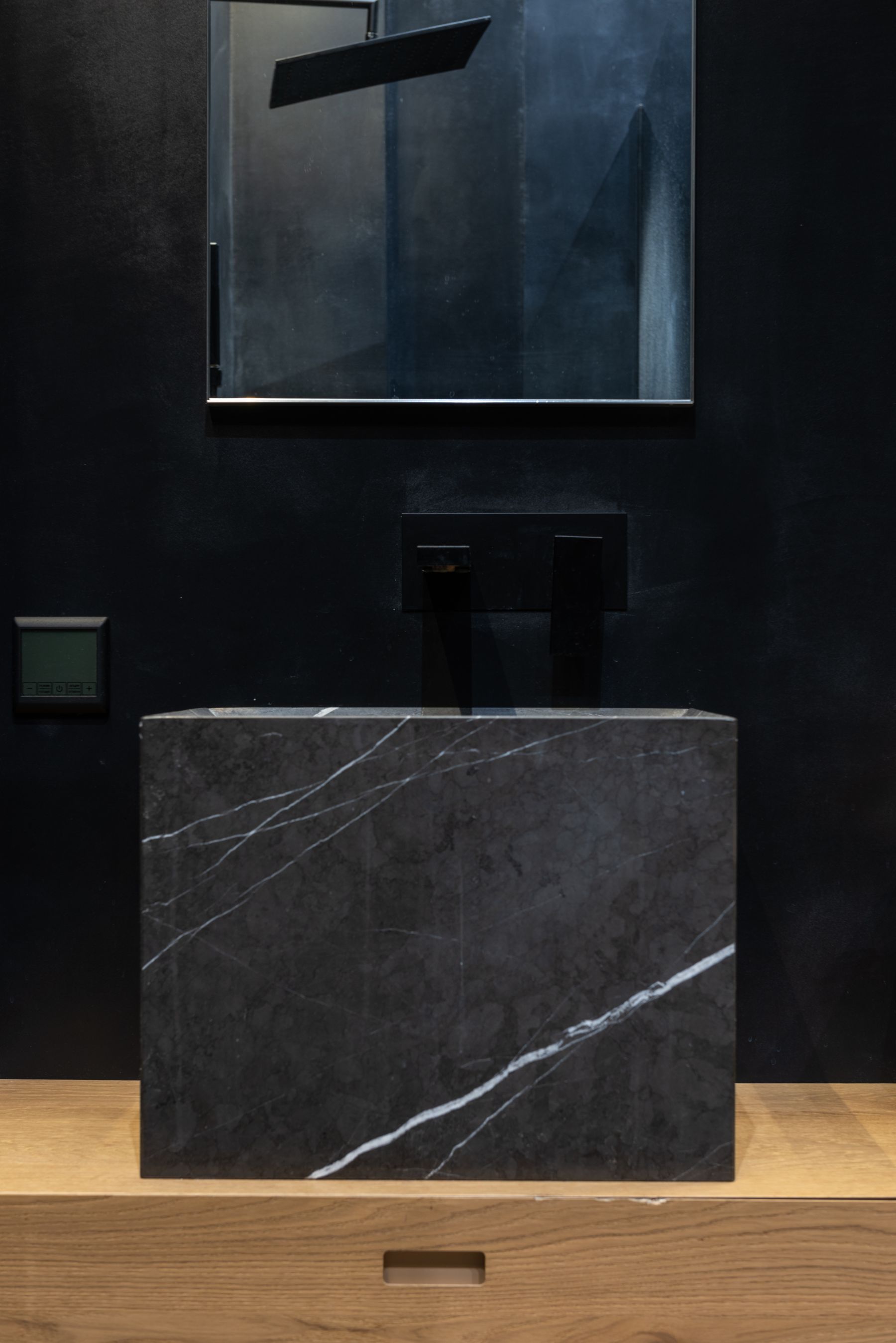
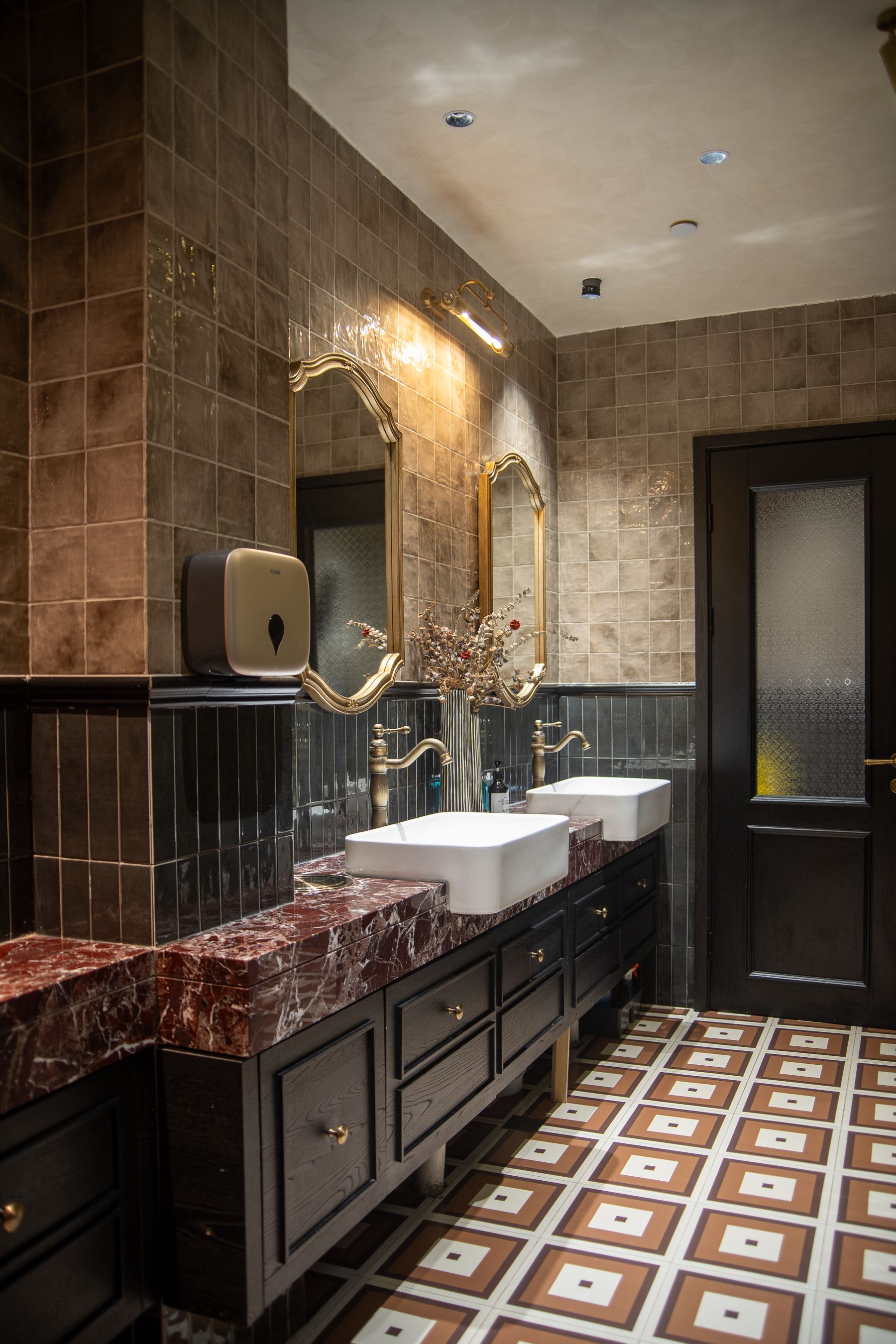
A monolithic dark basin or counter can create the sense of carved mass associated with Gothic atmosphere without adding literal motifs. It needs enough task light, a usable splash zone and a finish that tolerates cosmetics and cleaning. If the basin is visually heavy, let the mirror, wall and storage around it become simpler.
Use Warm Metal as a Precise Highlight
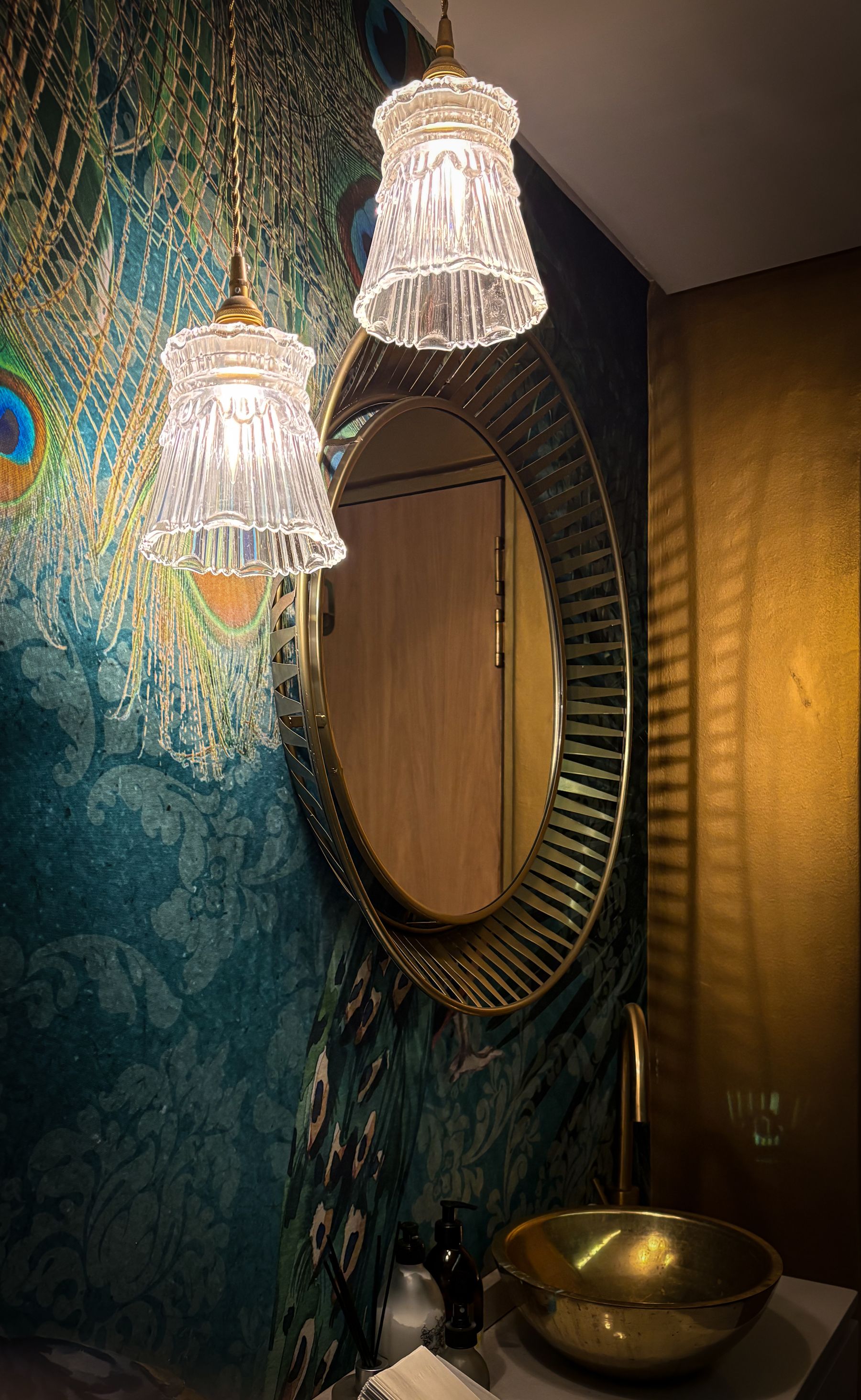
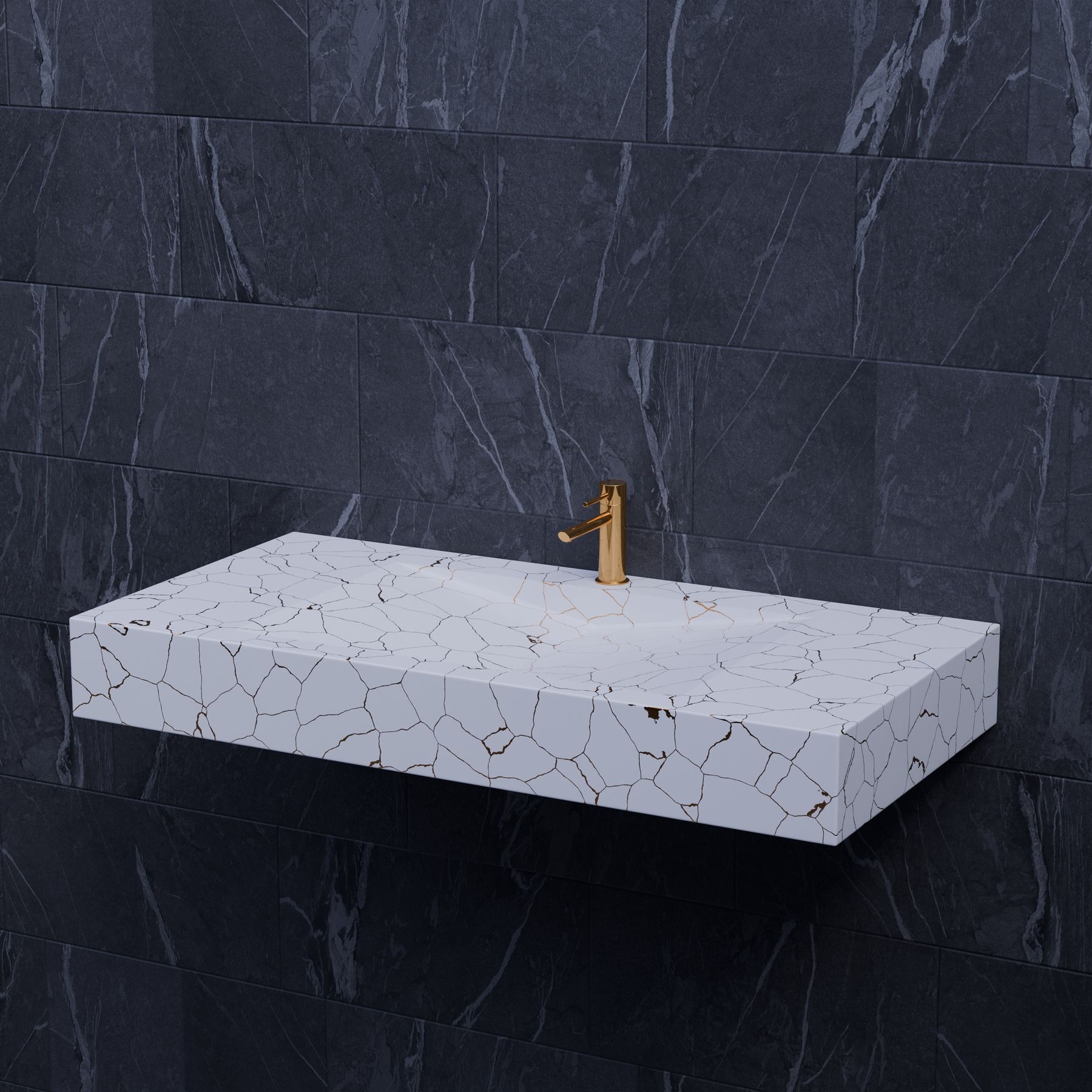
Brass and aged gold read strongly against charcoal stone, so they work best as lines and points of interaction. A tap, shower control, mirror edge or small light can provide enough warmth. Coating, patina and cleaning requirements should be understood before selection, and every accessory does not need the same gold finish.
Let One Framed Mirror Carry the Ornament
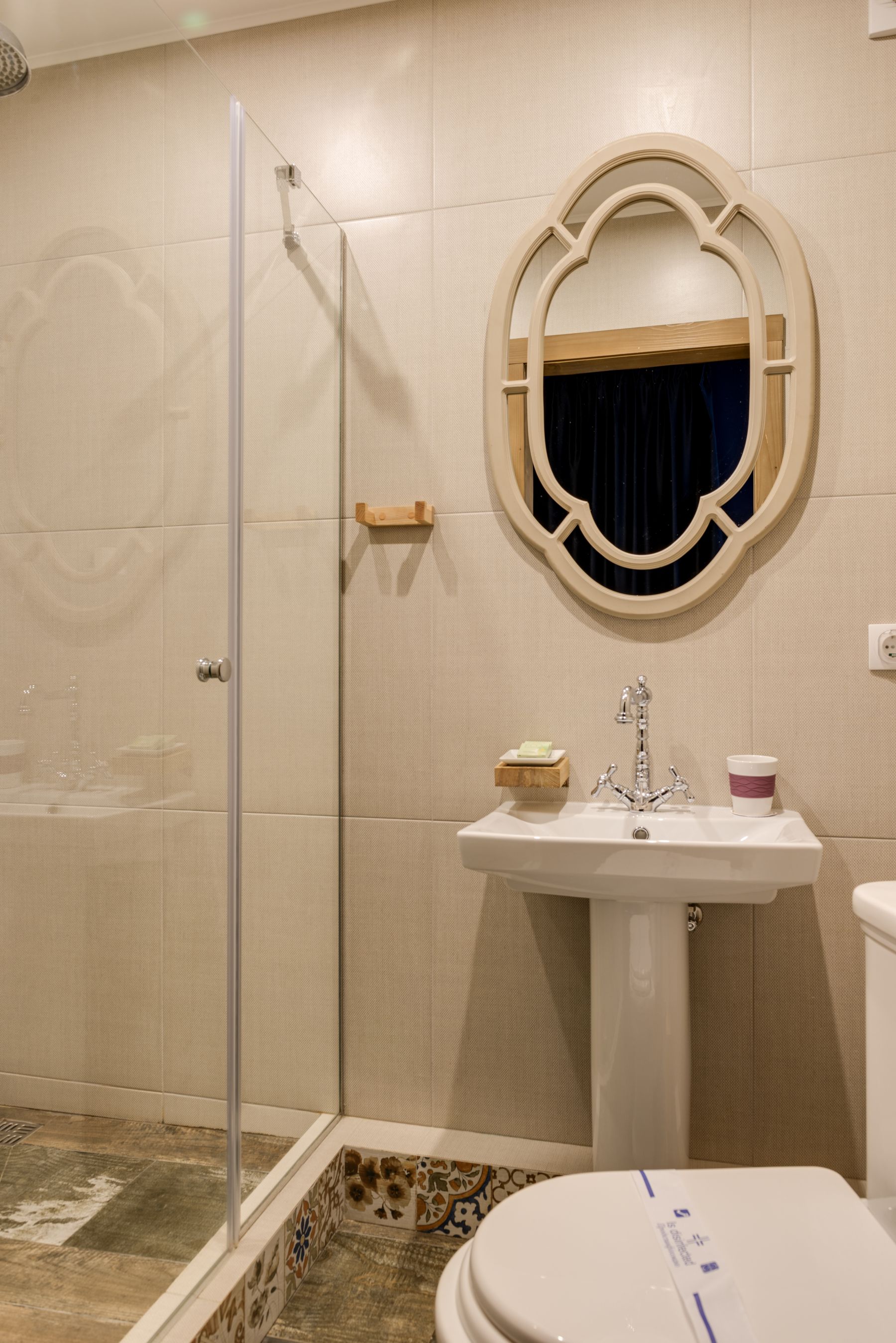
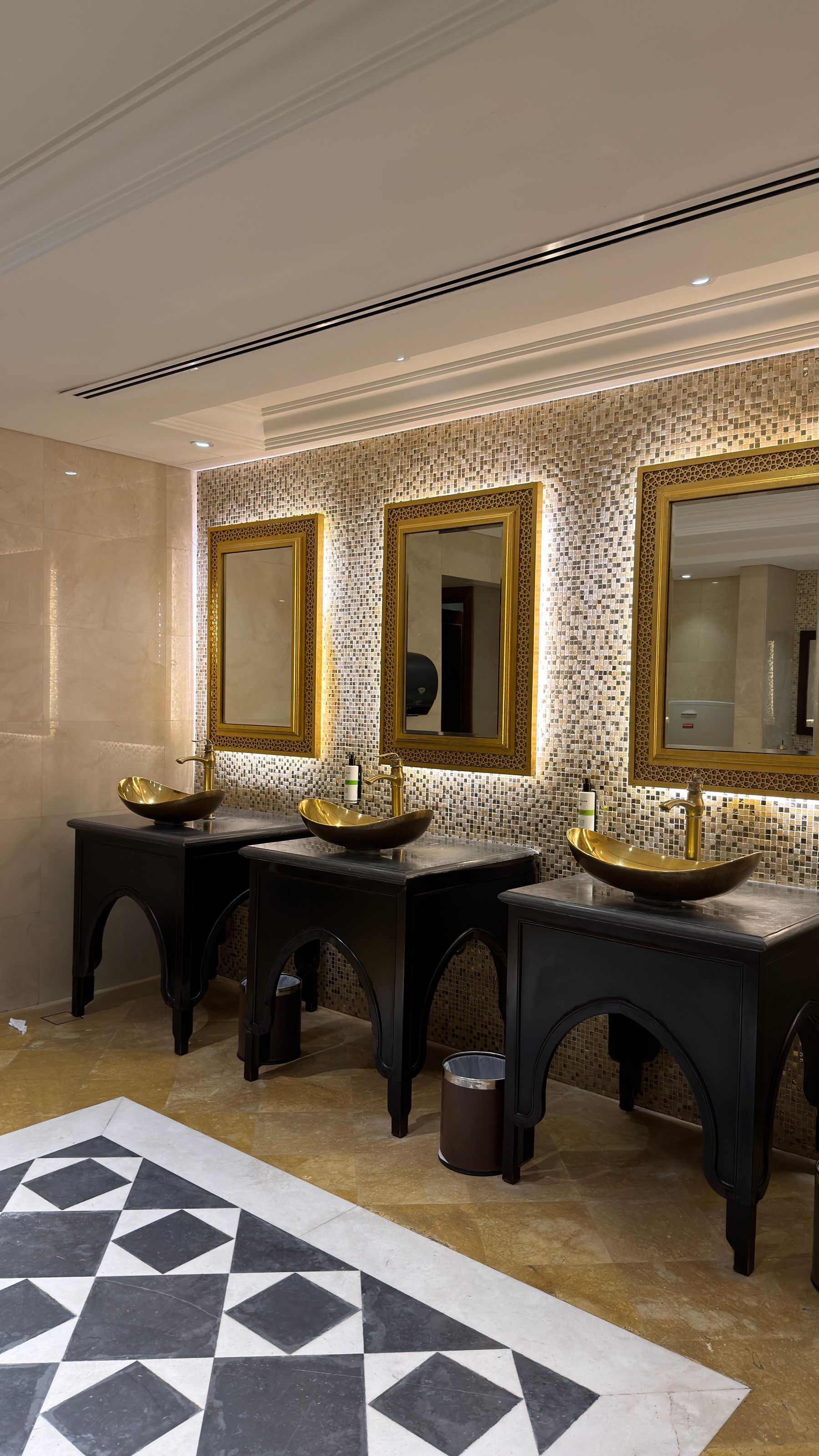
An ornate, arched or deeply framed mirror can carry the historic note on the vanity wall. Keep nearby tile, lighting and hardware restrained so the frame remains the focus rather than part of a decorative pile-up. The mirror still needs useful width and a position that works for the users; style should not reduce the reflective area to a token.
Use a Chandelier as Atmosphere, Not Task Light
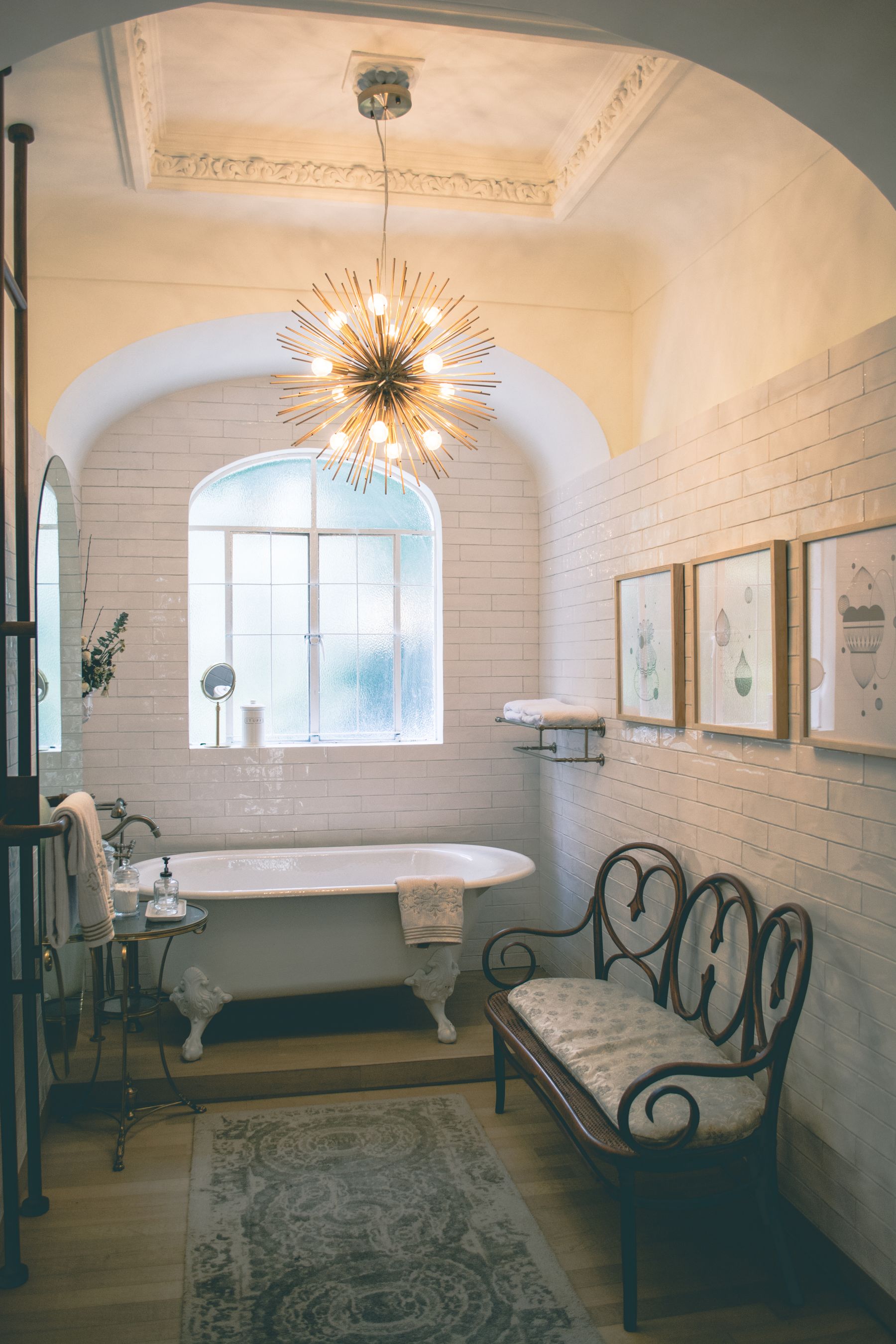
A pendant or chandelier can introduce scale, shadow and an older-room feeling, but it cannot replace accurate light at the mirror or safe illumination in the shower. Its position, headroom and wet-area suitability must follow local electrical requirements. In a compact bathroom, decorative wall light may create the same mood with less visual and physical intrusion.
Turn the Window Into Colored or Filtered Light
Gothic architecture is strongly associated with dramatic filtered light, but a bathroom can interpret that idea through textured glass, a privacy film, shutters or a moisture-aware fabric treatment rather than imitation cathedral windows. Protect privacy at night, preserve opening and cleaning access, and keep absorbent textiles away from direct spray.
Give Decorative Pattern One Moisture-Safe Boundary
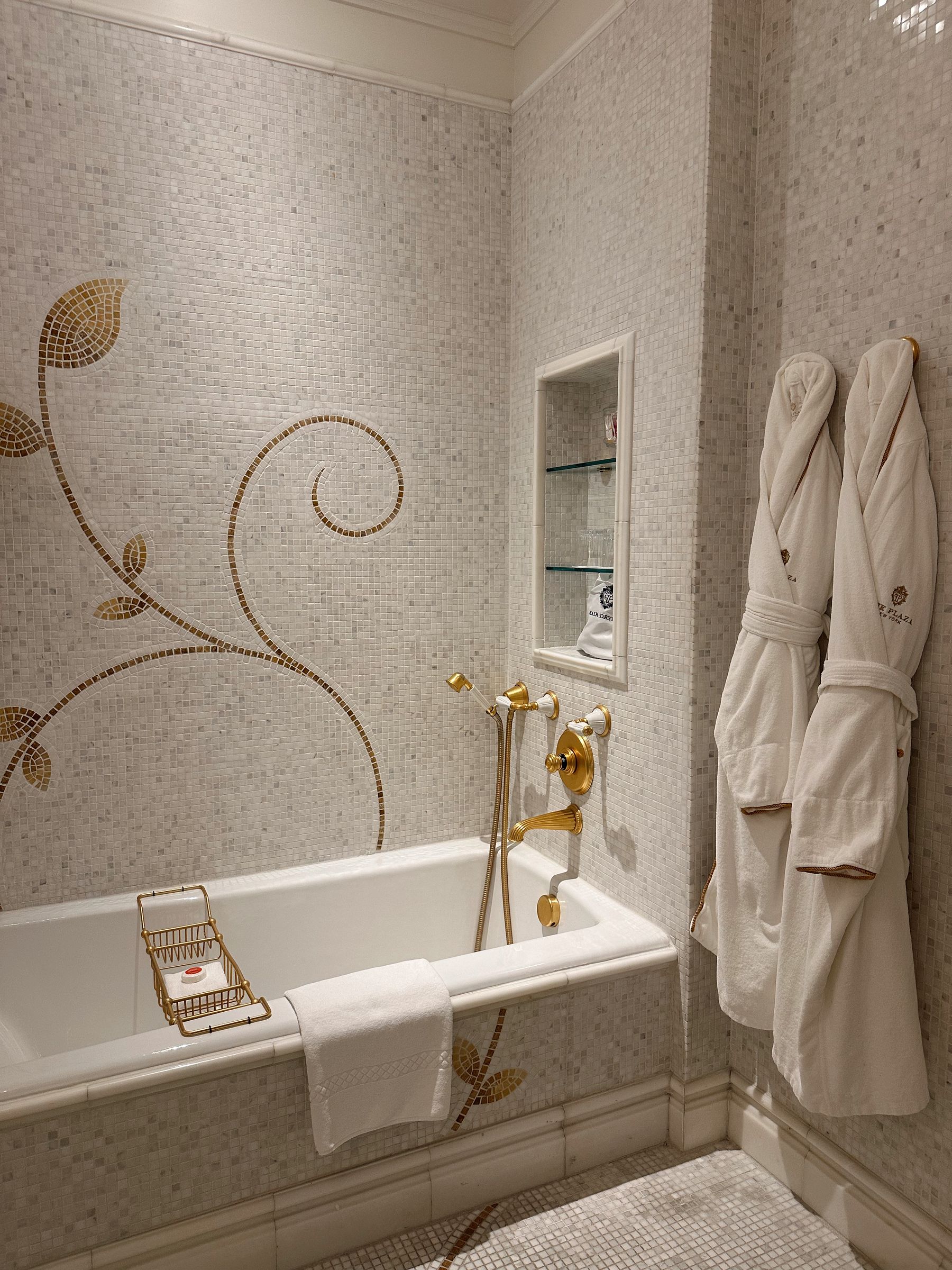
A fine mosaic, damask-like wallpaper or botanical pattern can supply the intricacy expected from a Gothic room, but it needs a clear field and a sensible moisture location. Keep wallpaper in a defensible dry zone and use rated tile inside the wet area. One controlled pattern is usually stronger than several motifs competing with veined stone.
Use Black and Gold Without Drifting Into Art Deco
Black and gold can serve Gothic or Art Deco rooms, so the surrounding forms decide the result. Repeated geometric symmetry and polished glamour pull toward Art Deco; aged metal, deeper shadow, carved-looking mass and a more romantic silhouette feel more Gothic. If the vanity already has multiple gold frames and patterned surfaces, resist adding another ornate language.
Layer Old and New Through Shape, Not Matching Sets
A contemporary counter, practical cabinetry and historic-feeling mirrors can coexist when their proportions and undertones relate. Matching every tap, frame and light into one decorative collection often makes the room feel staged. Repeat one curve, one metal family or one stone tone instead, allowing individual pieces to feel collected but controlled.
Layer Light to Reveal Veining and Edges
Dark surfaces absorb light and can collapse corners into one flat mass. Combine useful facial light with general illumination and a softer source that grazes stone, metal or textured tile. Reflections can multiply light but should not create glare at the mirror or leave the shower in shadow. Good color rendering also helps jewel tones and skin remain believable.
Keep a Small Gothic Bathroom Legible
A small room can support drama, but it benefits from placing darkness on one wall, the vanity or the lower half rather than every plane. Clear glass, a generous mirror and pale wet-zone tile protect sightlines. Scale the vanity to circulation and let one framed detail or jewel color carry the style instead of filling limited surfaces with small props.
Build Accessibility Into the Contrast Plan
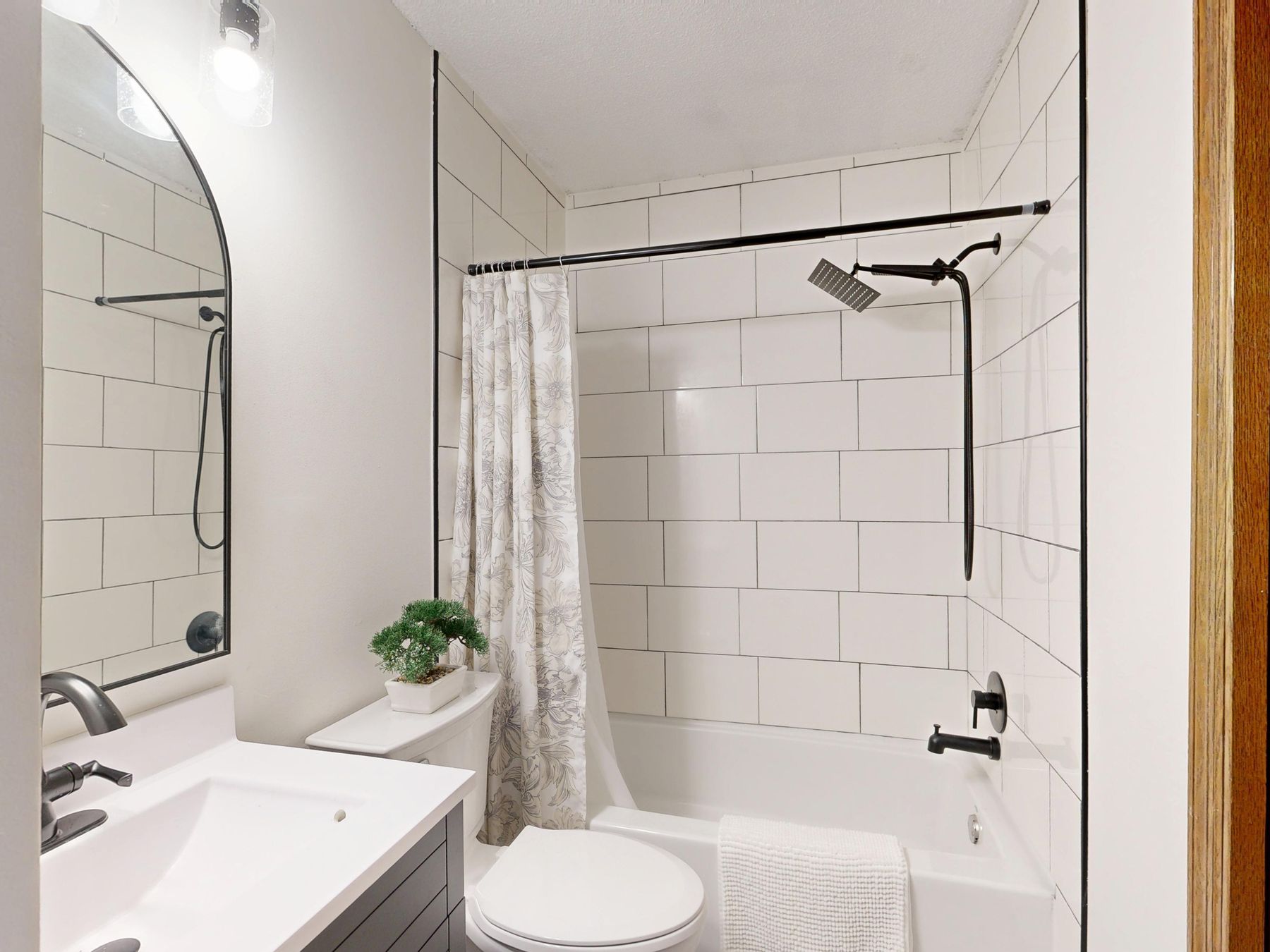
A dramatic room still needs visible controls, floor transitions and support points. Contrast can make a low threshold, grab bar and shower seat easier to locate when it is planned deliberately. Decorative towel rails are not structural supports, and reinforcement, dimensions and installation should follow the users, local requirements and qualified advice.
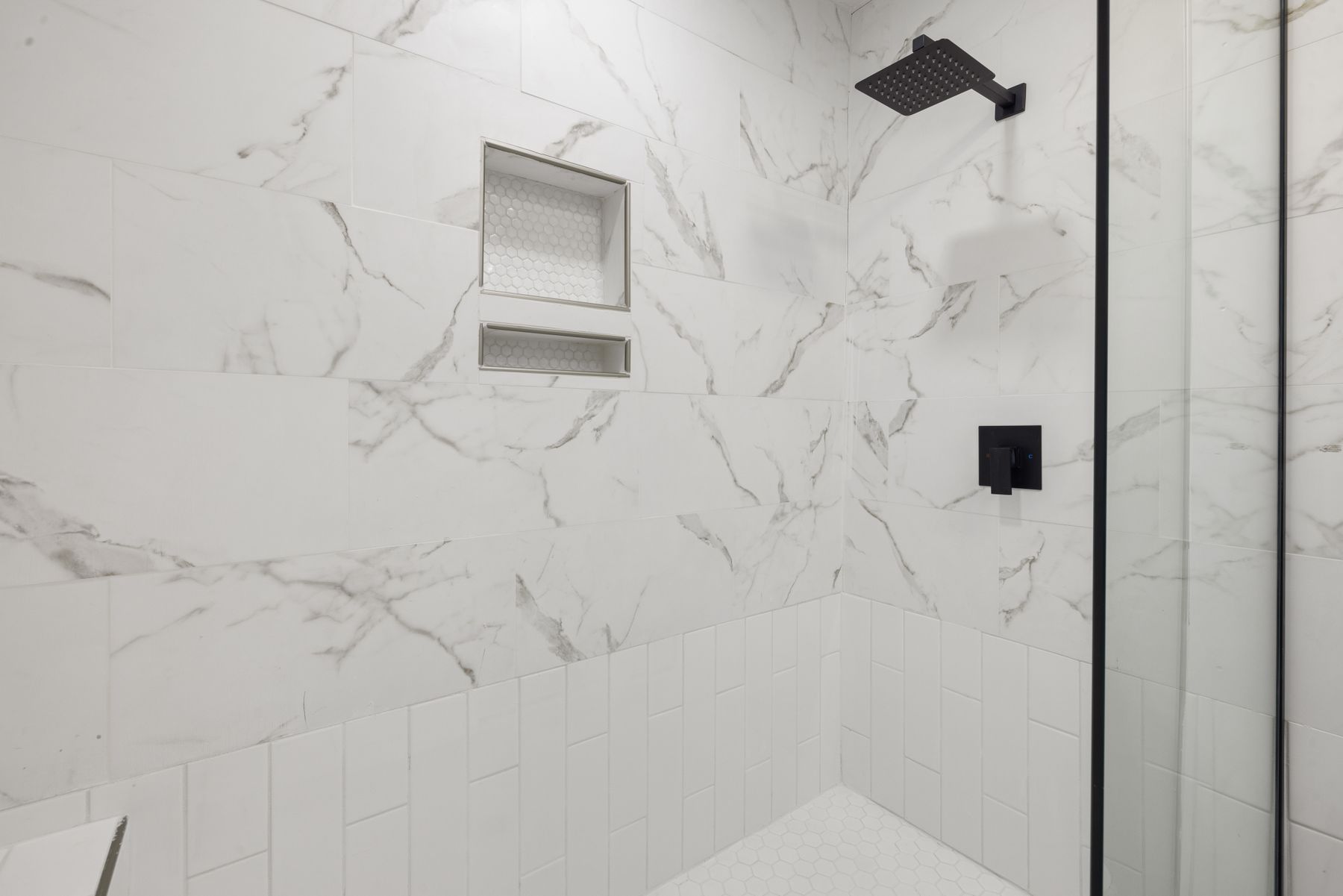
Use Pale Stone to Draw the Shower Hardware
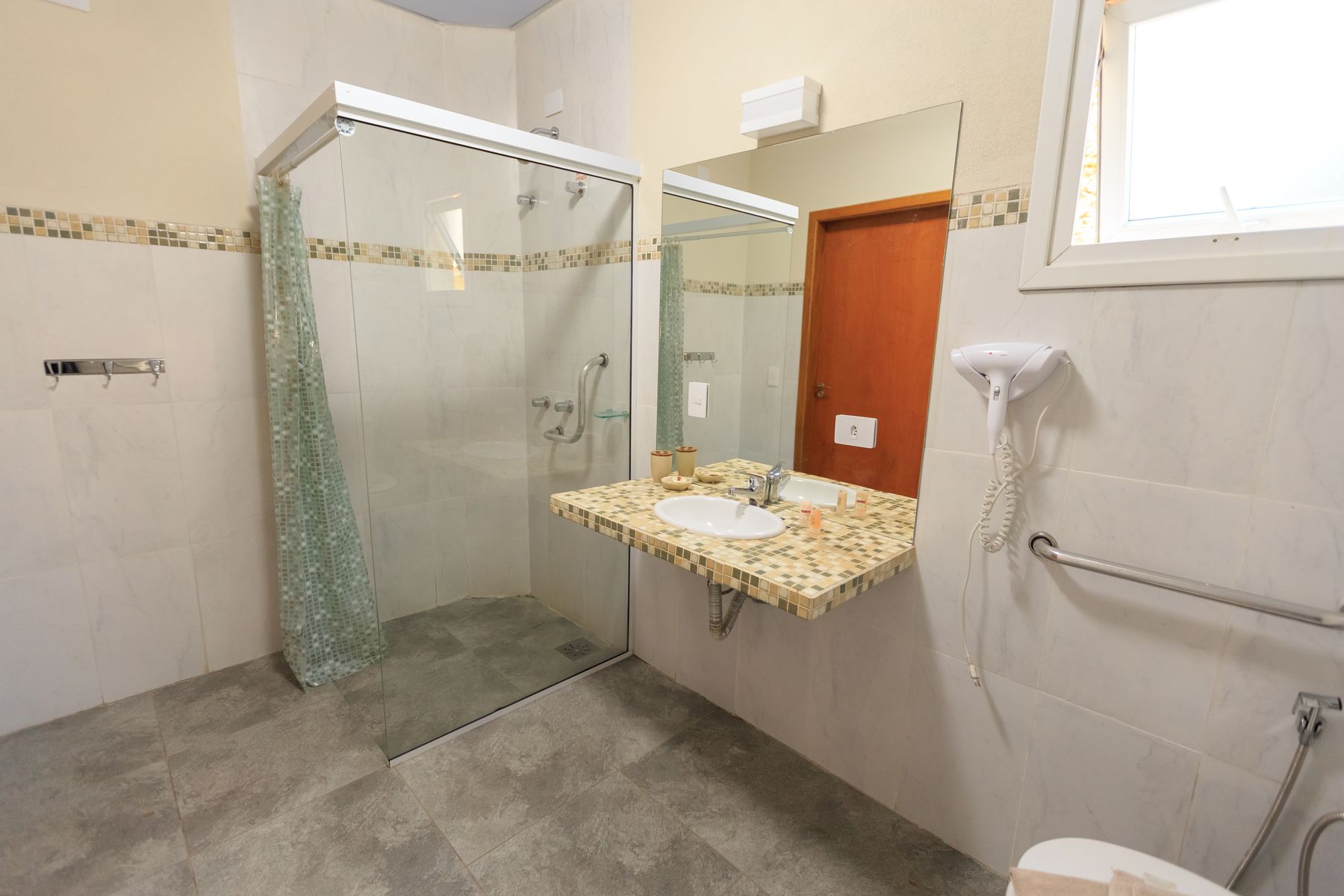
Gothic atmosphere does not require a black surface behind every fitting. Black controls and showerheads become a crisp graphic line against pale veined stone, making operation and edges easier to see. This inverse contrast can be especially effective when the vanity or floor already carries the darkest material.
Plan for Water Marks, Grout and Cleaning Light
Black glass, polished stone and dark tile show dust, limescale, fingerprints and soap in different ways. Review local water hardness, sealing and approved cleaners, minimize inaccessible ledges and provide bright cleaning light even if the evening mood is dim. A heavily veined surface can disguise some marks but makes damaged joints and residue harder to inspect.
Use Replaceable Black Details for a Lower-Commitment Route
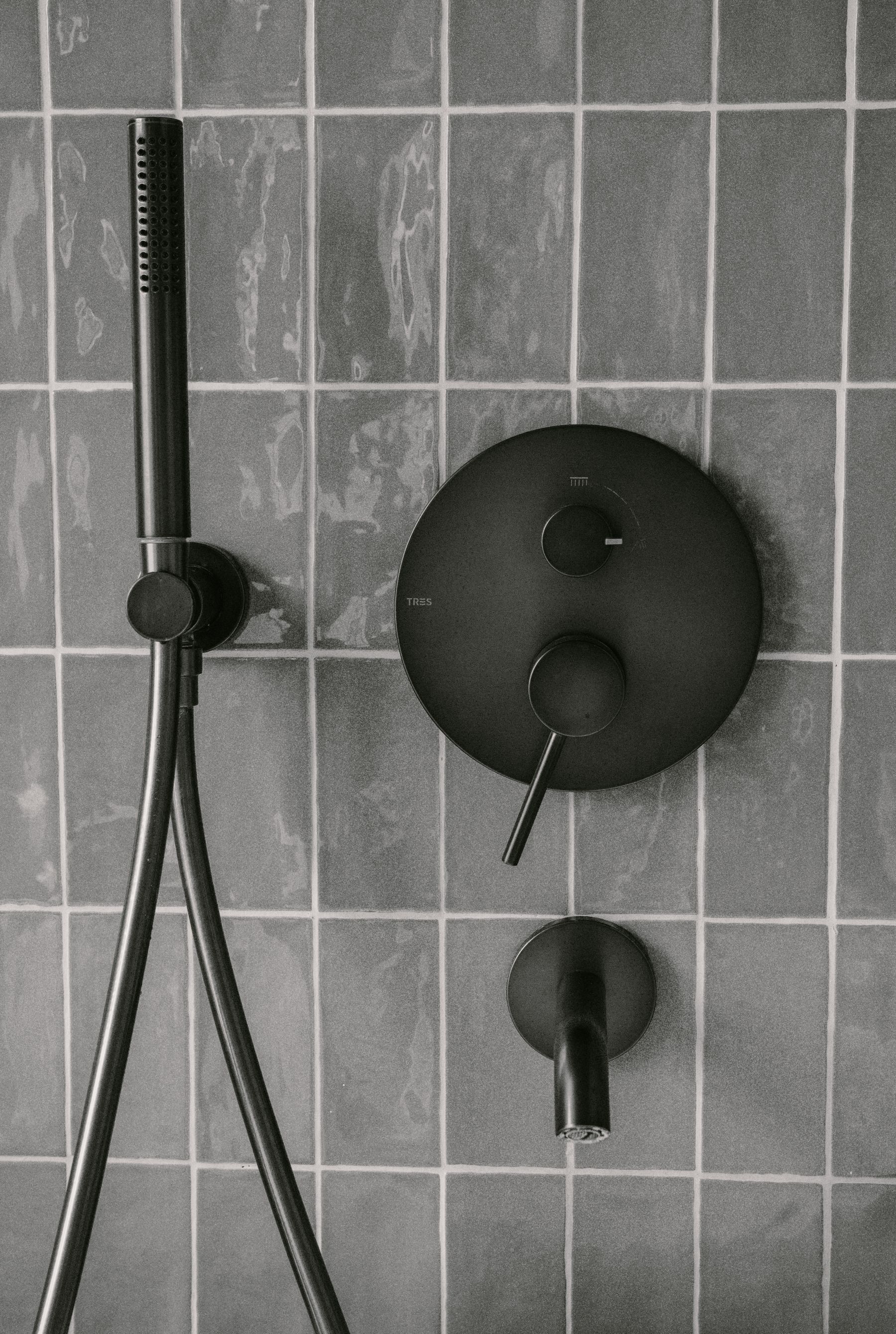
In a rental or phased renovation, a framed mirror, removable dry-zone wallpaper, dark textiles and compatible surface-mounted fittings can create a mood without replacing waterproofed assemblies. Plumbing and electrical changes still require permission and qualified work. Matte black hardware is visually effective, but coating durability and replacement compatibility should be checked before treating it as an easy upgrade.
Edit the Theme Before It Becomes a Costume
The final Gothic edit should remove anything that explains the theme too literally. Keep the dark stone, one historic silhouette, one patterned field and one warm-metal family if they are earning their place; omit faux ruins, novelty skulls and architectural trim unrelated to the room. The result should still work when towels, products and ordinary morning light are present.