Romantic, Playful or Friendly? Design the Occasion First
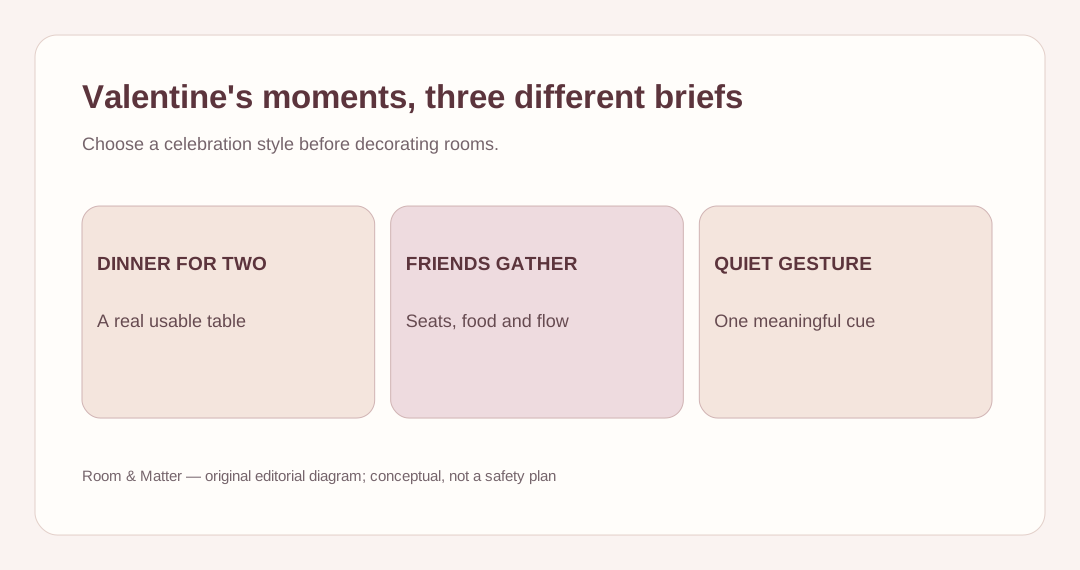
Valentine's Day decorating is often presented as one pink-and-red shopping list, but the purpose varies greatly from home to home. A quiet dinner for two may need a comfortable table and warm lighting; a Galentine's gathering needs an accessible food surface and enough seats; a simple gesture for a partner, relative or friend may only require flowers and a handwritten note. Start by deciding who will actually be there and what they will do. Then identify one meaningful location rather than spreading Valentine's branding into every room. If the kitchen is the gathering place, a large romantic arrangement blocking the counter is misplaced. If the evening happens mainly on a sofa, an elaborate dining tablescape may have no audience. A low-key home can use one natural material or one floral color to express care without declaring a visual theme everywhere. This makes a cross-room Valentine guide different from our dedicated living-room styling article: it plans the occasion and the relationship among spaces, rather than refining the decor of a single room.
A Tiny Entrance Gesture Is Often Enough
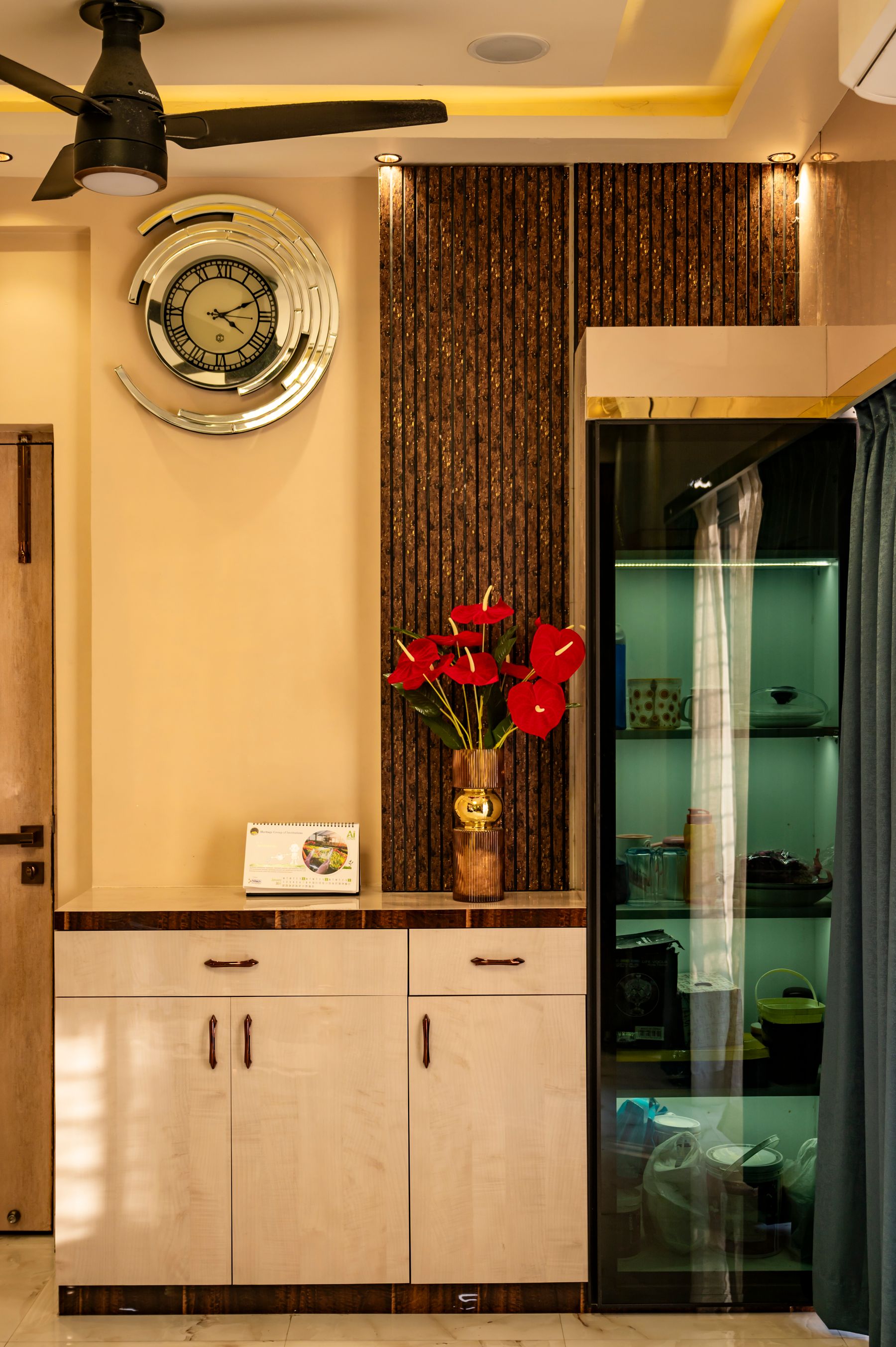
The entrance does not have to become a pink balloon corridor to establish that the day is special. A small arrangement, a card set where it can be discovered or one temporary ribbon detail may create a warmer first impression than a cluster of novelty hearts. Decide whether that cue will be seen by one person arriving home, several guests or the household already living there. A private surprise should not obstruct keys, door hardware or the normal place to put bags. In a rented apartment, avoid adhesives and heavy hanging objects that could damage the finish or conflict with building rules. A portable vase is usually easier to position and remove, but make sure it is stable and kept out of the entry route. The pictured floral arrangement shows the restrained scale of the gesture; it does not pretend to be a photograph of a decorated entryway. Repeat its tone very lightly at the table if desired, rather than decorating a second large scene right beside the door.
Red Does Not Need to Become a Room's New Color Scheme
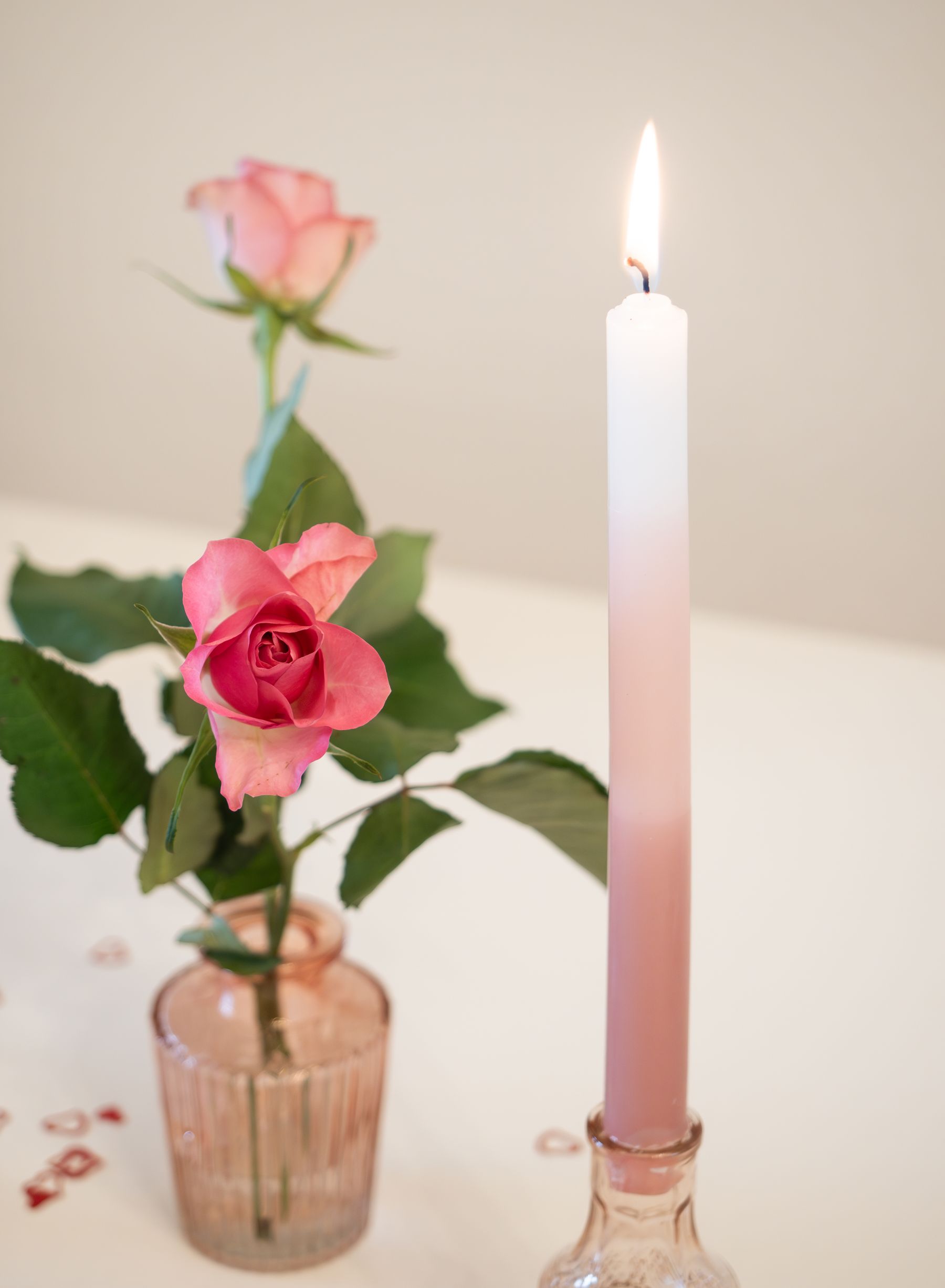
Deep red is powerful because relatively little of it can change the mood of a neutral room. Begin with the color already present: warm oak, cream fabric and brass will respond differently from gray walls, blue seating or black furniture. Try one substantial red element—a flower arrangement, a piece of table linen or a decorative vessel—and leave the surrounding colors quiet. Pink can also work, but so can burgundy, terracotta, mauve or a nearly neutral palette with one floral accent. Choosing a direction based on your existing home prevents a short holiday from becoming a costly whole-room makeover. The person you are decorating for may prefer playful colors or have no interest in conventional hearts; a personal gesture can be more specific than a trend palette. If the living room is already colorful, you may not need more saturation at all. Create a subtle link between two spaces by repeating a tone in smaller quantities instead of scattering identically themed accessories.
Build the Dinner Around the People, Then the Flowers
A Valentine's dinner can be special without an elaborate event company setup. Start with where two or more people will sit, what food is planned and how dishes will be served. Then choose one strong visual element, perhaps a low red or pink arrangement, and let the remaining table stay functional. The photo's roses, heart-shaped cake and taper supply unmistakable Valentine symbolism, yet it is a styled image, not a guarantee of comfortable sightlines or safe flame clearance. Real glasses, plates and serving dishes take space. If flowers are tall, place them slightly aside or move them before the meal so conversation remains easy. Consider a good cloth or cloth napkins before many scattered decorative objects; a larger, simple field of textile can hold the scene together. If the table doubles as a desk or daily kitchen worktop, make the decoration portable. A personal menu or single card may do more emotional work than purchased slogans or a row of plastic hearts.
A Heart Motif Can Be Edible Instead of Everywhere
One of the simplest ways to keep a home restrained is to let a planned food or drink presentation be the day's decorative focal point. A heart-shaped dessert, small treat plate or thoughtfully served breakfast carries a recognizable Valentine message and then naturally disappears after the gathering. The photograph shows a red cake and decorated drinks on a pale table; it demonstrates the visual effect, not a recipe or a promise about ingredients. Adapt the idea to the people involved. A homemade dessert may feel more personal than a grand table installation, while a gathering of friends might use a shared platter or a small snack station instead. Keep food handling and dietary needs separate from aesthetic advice, and avoid placing petals or non-food decorative items directly on edible surfaces unless they are appropriate for that use. The strong color and shape of a dessert make it unnecessary to match every napkin and candle. This approach turns the celebration itself into the design, rather than asking decorative objects to impersonate affection.

Fresh Flowers Are a Gesture With a Care Routine
Valentine's imagery often defaults to densely packed roses, but the relationship between flowers and the home can be subtler. One branch with interesting shape, a simple vase of seasonal stems or a small bouquet placed where someone actually spends time may feel more considered than arrangements in every room. Choose scale for the surface, and leave enough distance from books, electronics or delicate timber that water cannot become a problem. Refresh water and care for flowers according to the species or florist guidance; a beautiful arrangement that wilts immediately is not necessarily the best choice. Pets and children may access leaves or petals, so verify the actual plant species and avoid assuming flowers are safe simply because they are widely sold. The selected Unsplash photograph shows flowering dogwood against a wooden surface, demonstrating a sculptural approach rather than claiming those branches are universally available in February. A vase can remain as an everyday object after Valentine's Day, making the gesture a small addition to the existing home rather than a decorative overhaul.

Galentine's Needs Gathering Space, Not Couple-Themed Styling
A celebration among friends asks different things of the living room from a private date night. People may move between the sofa and kitchen, share snacks, take photographs or play a game. Start with practical seating and reachable surfaces, then choose the most expressive photo-worthy accent where it does not compete with circulation. A backdrop or playful decorative lettering may be appropriate for a lively gathering, but balloons and props should not turn the room into an obstacle course or block exits and access to normal light controls. Keep food surfaces easy to wipe and place drinks where accidental spills are less likely to reach electronics. A group of friends may prefer a bright color palette, or a much quieter evening built around dessert and conversation. Do not assume that Galentine's must use the same themes as a romantic evening. The goal is to honor the gathering that will happen, not to produce one specific Instagram aesthetic. Make the party setup reversible so the room can return to ordinary use afterward.

A Private Bedroom Moment Should Support Rest
A bedroom can carry a personal Valentine's gesture, but its daily role remains sleep and privacy. Rather than installing an elaborate canopy, scattering petals over bedding or placing lit candles near textiles, consider one note or flower arrangement on a stable dresser away from the actual sleeping surface. Adjust the evening light using fixtures appropriate for the room, without introducing unstable or trailing electrical arrangements. A deep red or burgundy accent may feel more grown-up than a saturation of bright pink, yet neither is required. A small gesture should make the bedroom feel cared for without obstructing bedside essentials, wardrobes or safe movement after dark. If the people involved prefer a neutral room, the gift or card may belong outside the bedroom altogether. This section is an intention test, not an invitation to copy romantic stock photography as technical advice. Keep delicate surfaces, fabric and accessibility in view, and let the ordinary calm of the room remain recognizable.

Use Light to Make an Ordinary Evening Feel Intentional
February evenings invite softer light, yet a romantic effect does not depend on switching off every functional lamp. Start with the activities: reading a menu, eating, walking to another room and tidying the table. Provide suitable light for those tasks and then reduce glare with controllable lamps or carefully placed indirect sources. If a real candle is part of the plan, use stable holders, keep an appropriate separation from decorations and fabric and supervise it continually. Never interpret a styled photograph as a safety diagram; electric alternatives may work better in crowded dining rooms, bedrooms or homes with children and pets. A single warm pool of light at the table can carry the mood while the kitchen and routes remain comfortably illuminated. If the plan involves a movie or conversation on the sofa, direct a separate lamp toward the useful area rather than filling every shelf with flickering lights. The change should be atmospheric, not an excuse to compromise everyday access and visibility.
One Temporary Theme Is Easier to Love Than Ten
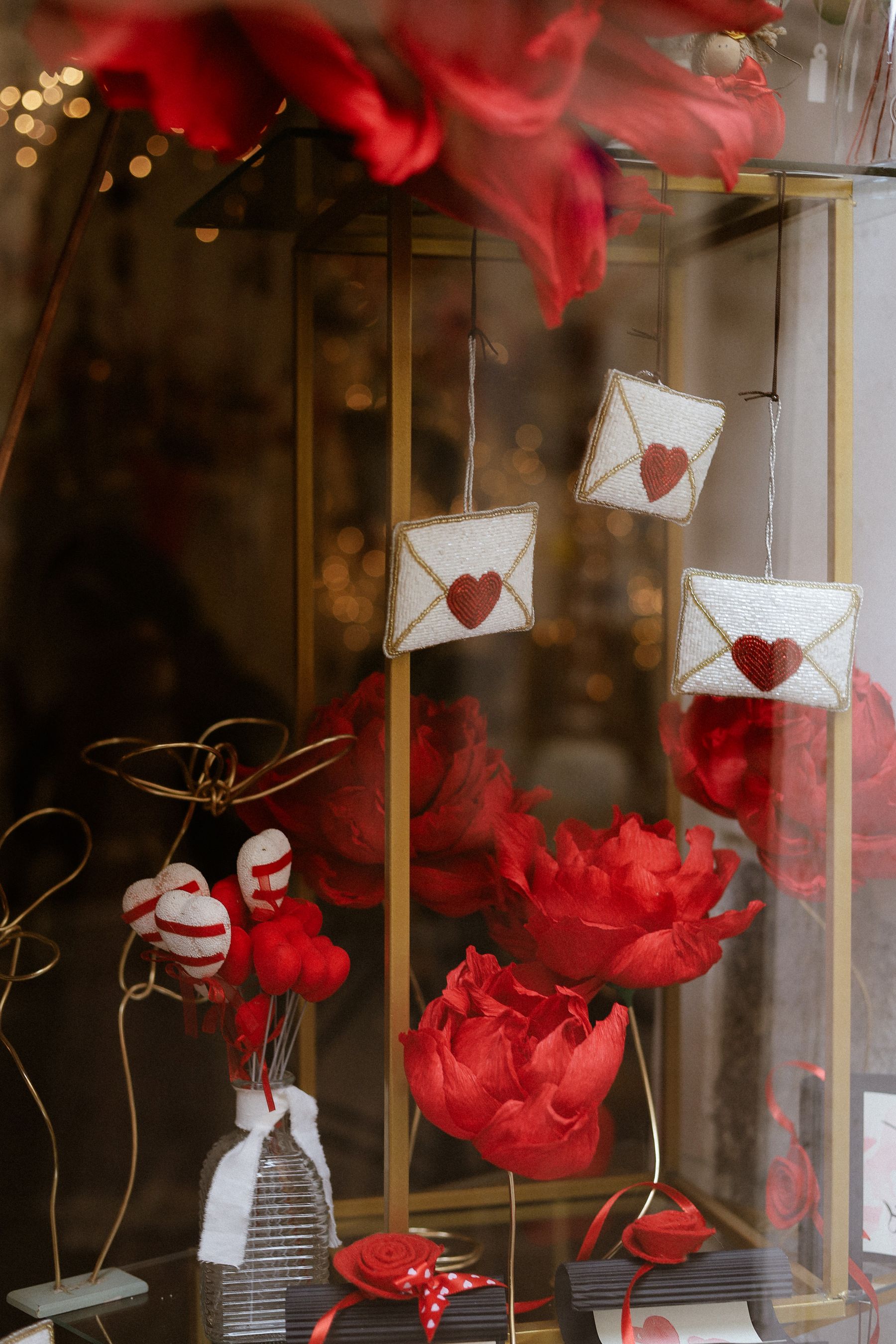
Novelty hearts, slogans, balloons and matching cushions can overwhelm a home precisely because they are designed to be noticed. Choose one item that clearly announces Valentine's Day and let the surrounding arrangements support it quietly. If the table has a heart-shaped cake, you may not need a heart wreath, heart pillows and heart confetti elsewhere. Repetition works best through color or material, not through literal symbols in every room. A window arrangement can introduce a seasonal note without using a dining surface, but any hanging or adhesive method should respect glass, window opening and cleaning. In rentals, check removability on the actual finish and avoid assuming a temporary item will leave no trace. Editing also helps Pinterest entry points remain truthful: the reader looking for a low-key Valentine home should find modest gestures, while someone seeking a bright party can follow the separate living-room examples. There is no quality advantage in covering more of the house with hearts.
Make February 15 Feel Easy
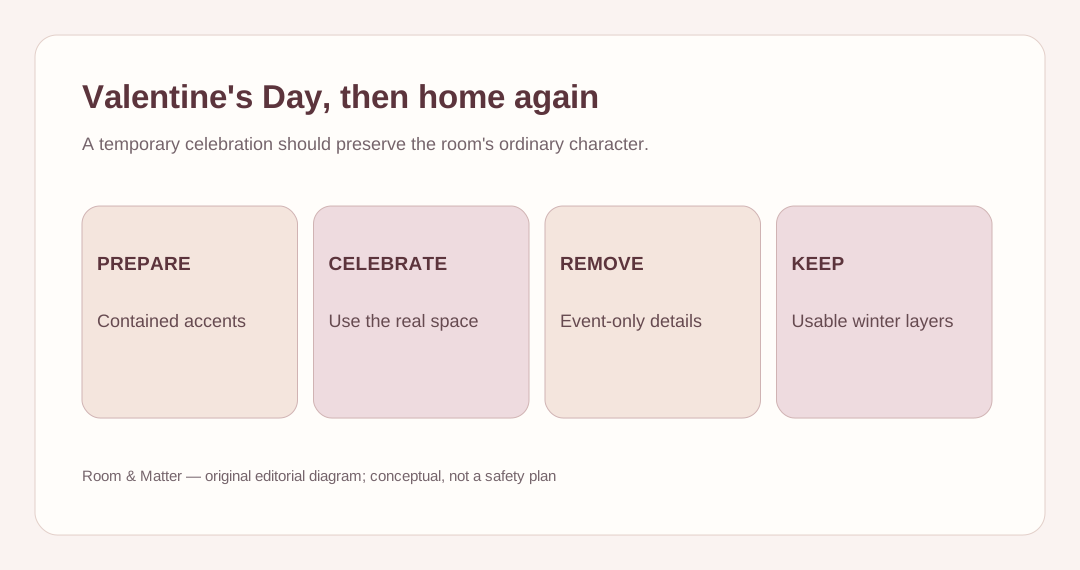
The true advantage of a short-lived Valentine scheme is that it can be joyful without demanding permanent change. Plan the exit before decorating. Gather specialty paper, temporary ribbons and overt heart motifs into a small set that can be removed in minutes; keep ordinary vases, glassware, linen and lamps in their normal roles after the evening. Dispose of food and flowers appropriately rather than allowing their remnants to become clutter. If a window or wall decoration used temporary fixing, inspect the finish as you remove it, especially in rentals. A special dinner table should become an ordinary table again without moving half the furniture or sorting a drawer full of novelty objects. February is still winter in many places, and a useful throw, warm lamp or restrained greenery may remain. This is where the separate Winter Decor guide provides the longer seasonal context. The best Valentine home does not feel emptied of affection once the decorations leave; its normal comfort and character are already part of the gesture.