Choose the Level of Romance Before You Decorate
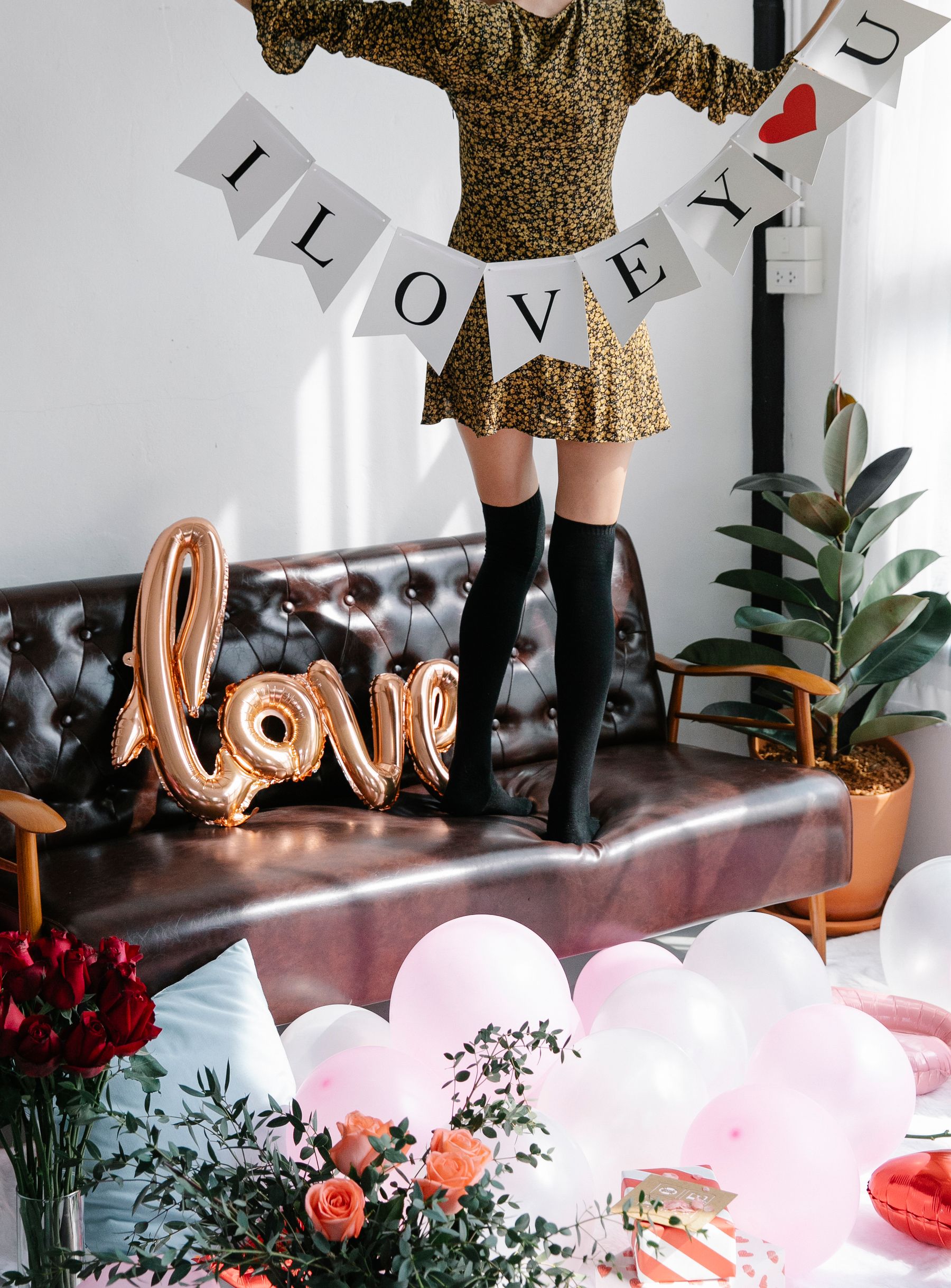
Decide whether the room should feel quietly romantic, playful and social, or deliberately theatrical. A date-night living room may need only flowers, candlelight and one rich textile; a Galentine's gathering can support brighter color and a few more graphic elements; a proposal or party may justify balloons or lettering. Problems begin when all three moods are mixed together. Choose the intensity first, then remove anything that belongs to a different version of the occasion.
Let Flowers Do Most of the Seasonal Work
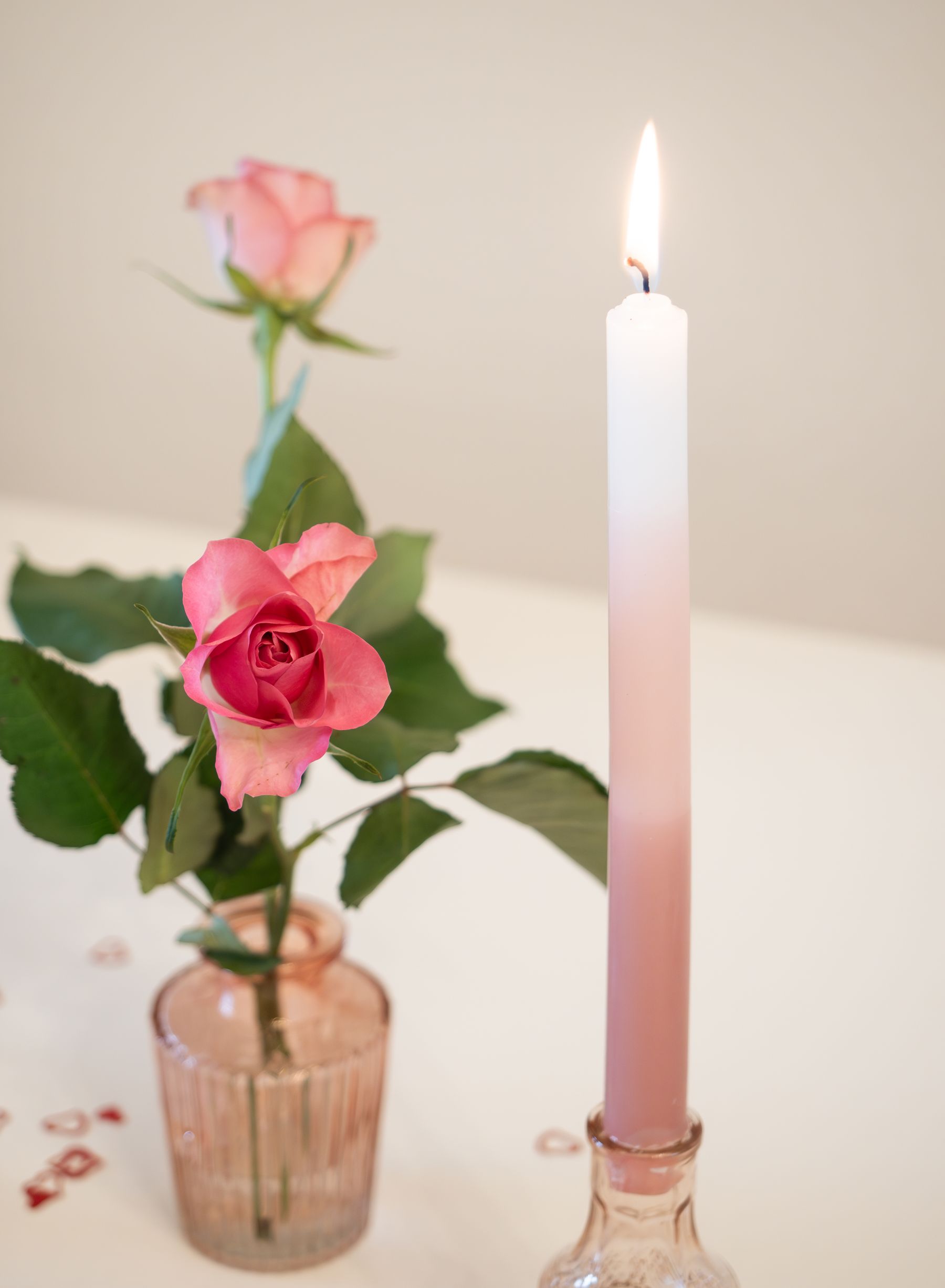
Roses are obvious, but tulips, ranunculus, carnations, anemones or even a single branch can create a romantic focal point if the color fits the room. Choose one visible location such as the coffee table, console or side table and give the arrangement enough scale to register. Avoid scattering several small bouquets unless the room is large enough to support them. Flowers already provide shape, color and symbolism, so surrounding them with many hearts and signs often weakens rather than strengthens the composition.
Use Text or Heart Motifs Only Once
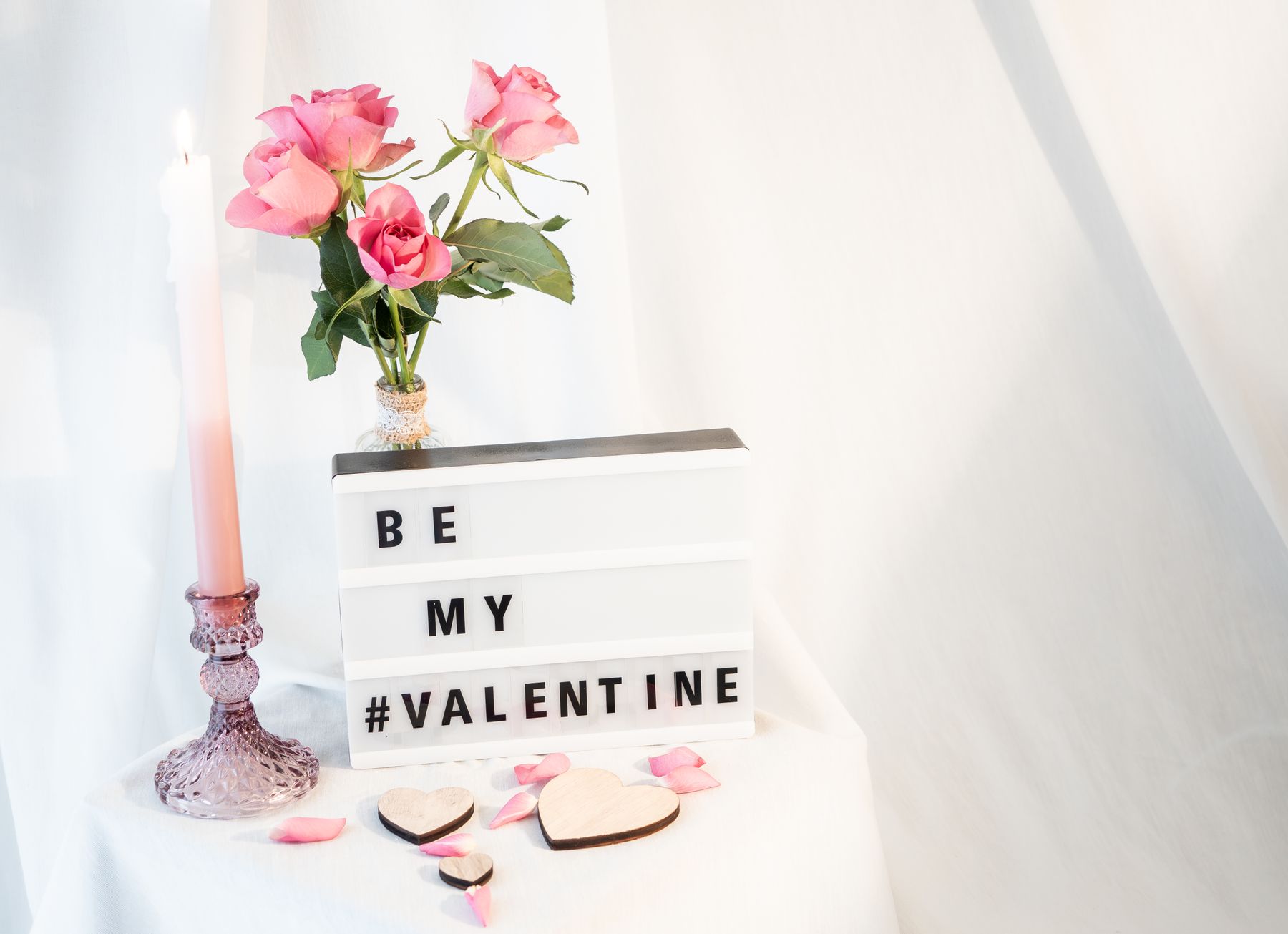
Valentine's decor becomes visually noisy quickly because hearts, words and symbols are highly recognizable. Pick one graphic element—a message board, small heart object, card display or garland—and let flowers, color and light handle the rest. If the living room already contains typography or graphic art, consider skipping written Valentine's messages entirely. The holiday does not need to be spelled out in several places to be legible.
Move Some Holiday Color Onto a Vertical Surface
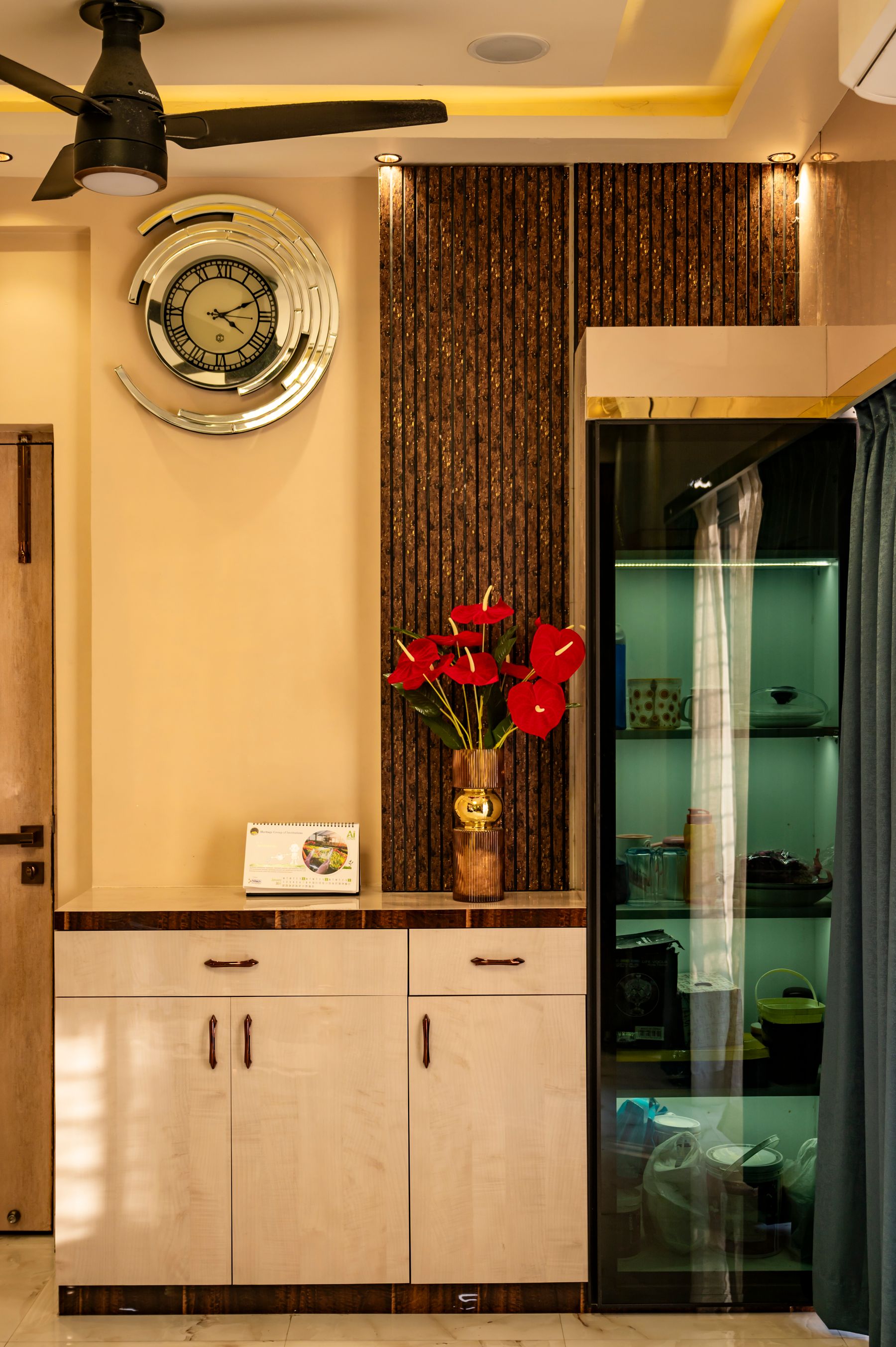
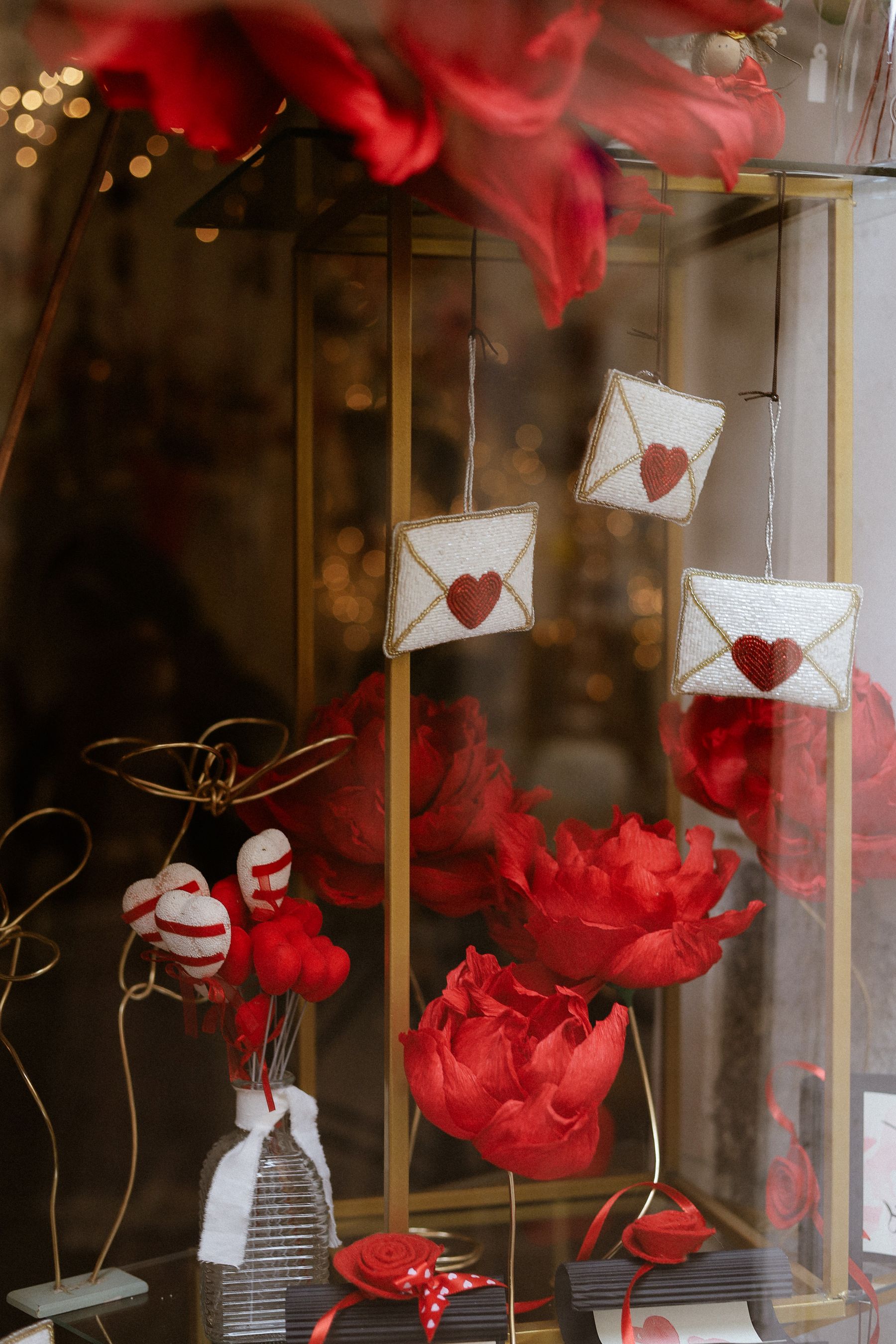
A window, wall, mantel or console backdrop can carry part of the Valentine's palette and reduce pressure on horizontal surfaces. Use one hanging element, framed card cluster or floral display rather than decorating every wall. Keep window treatments, ventilation and sightlines functional. If the room already has a strong gallery wall or television, choose another vertical zone so Valentine's decor does not compete with permanent focal points.
Keep the Sofa Romantic but Sit-Ready
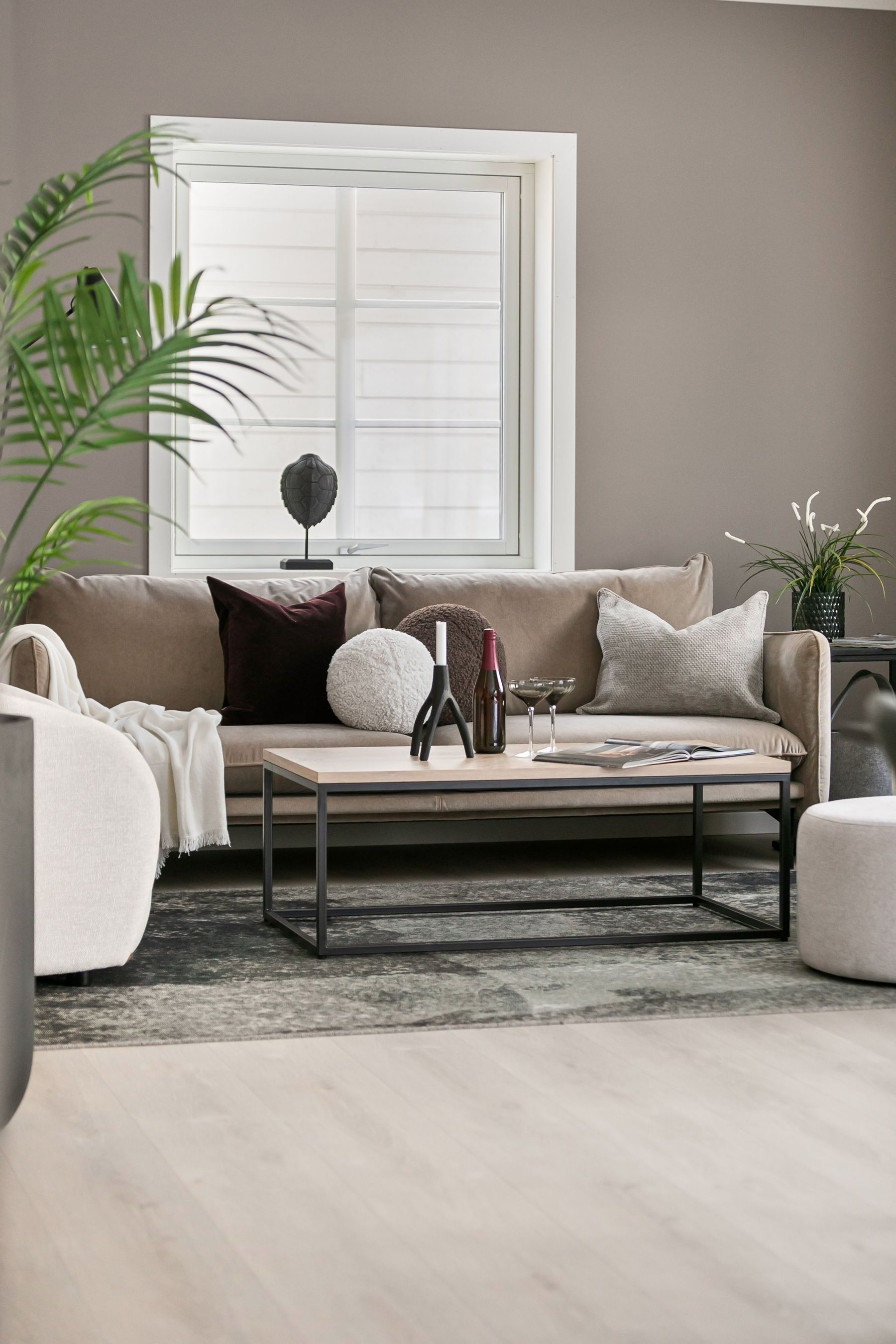
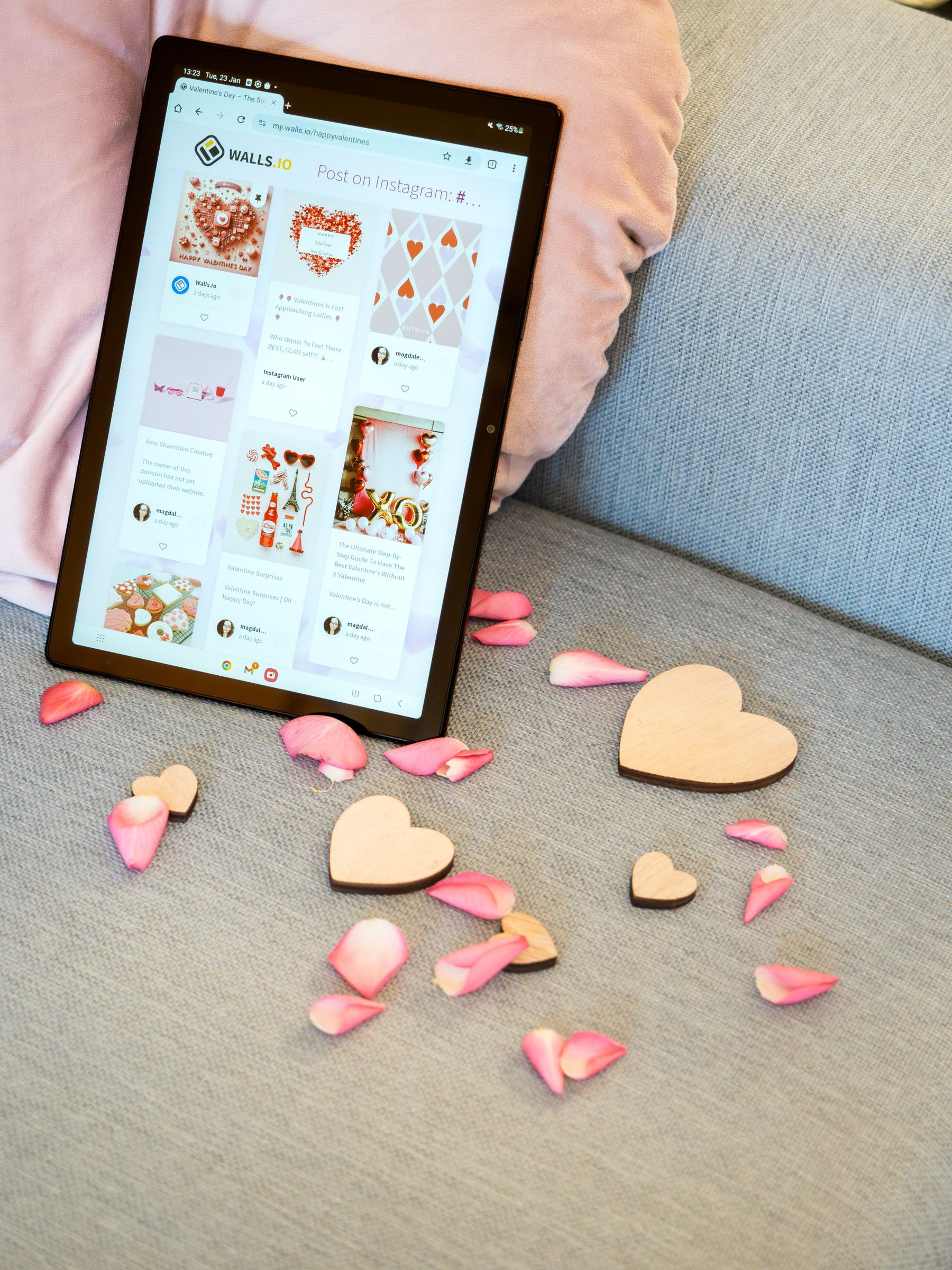
A seasonal cushion cover or one small heart-shaped object can be enough on the sofa. Avoid layering several novelty pillows, petals and gifts across the seating if the room is meant to be used normally. Keep throws and cushions comfortable rather than symbolic wherever possible. If you want a stronger Valentine's moment, place it on the nearby side table instead of occupying the seat. The living room should still work for conversation, film night or guests.

Try a Deeper Palette Instead of Default Pink
A romantic palette can be soft or dramatic. Burgundy, oxblood, plum, black, brass, warm brown and deep red can suit darker or more sophisticated interiors, while blush and cream work well in lighter rooms. The key is to extend the permanent palette rather than importing a completely separate Valentine's scheme. If red already plays a role in the room, [red living room ideas](/living-room/red-living-room-ideas/) can help control how much additional red the seasonal layer can support.

Use Candlelight as a Small Accent, Not the Whole Lighting Plan
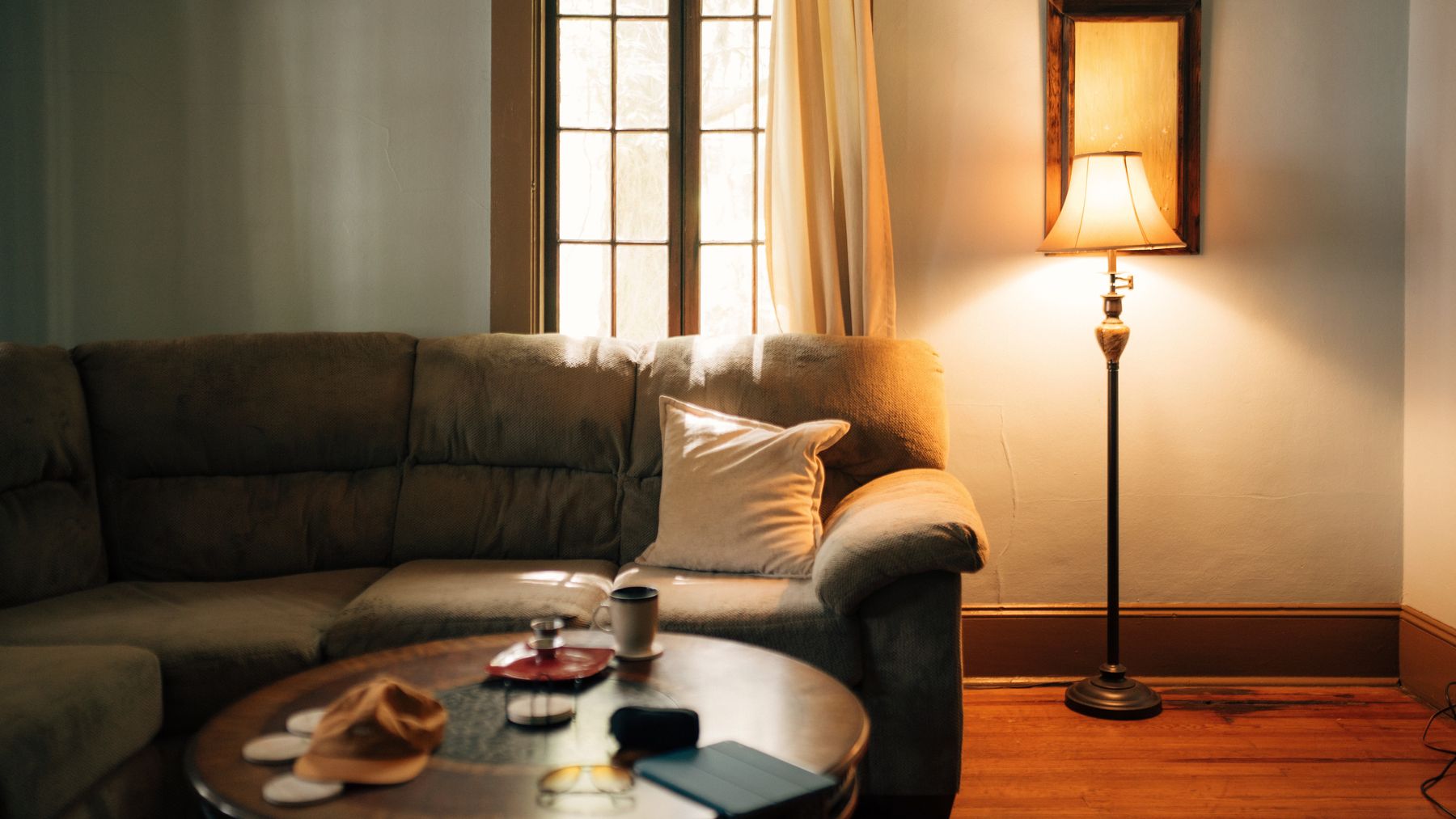
Keep normal lamps on at a low level and add candlelight only where it creates a visible layer. Real candles need stable holders, supervision and safe distance from petals, paper, textiles and other combustible material; flameless options are easier in dense arrangements or homes with children and pets. Avoid turning off every useful light simply to make the room darker. The layering principles in [living room lighting ideas](/living-room/living-room-lighting-ideas/) create a better romantic atmosphere than relying on one bright overhead light or an unsafe number of candles.
Keep the Coffee Table Vignette Contained
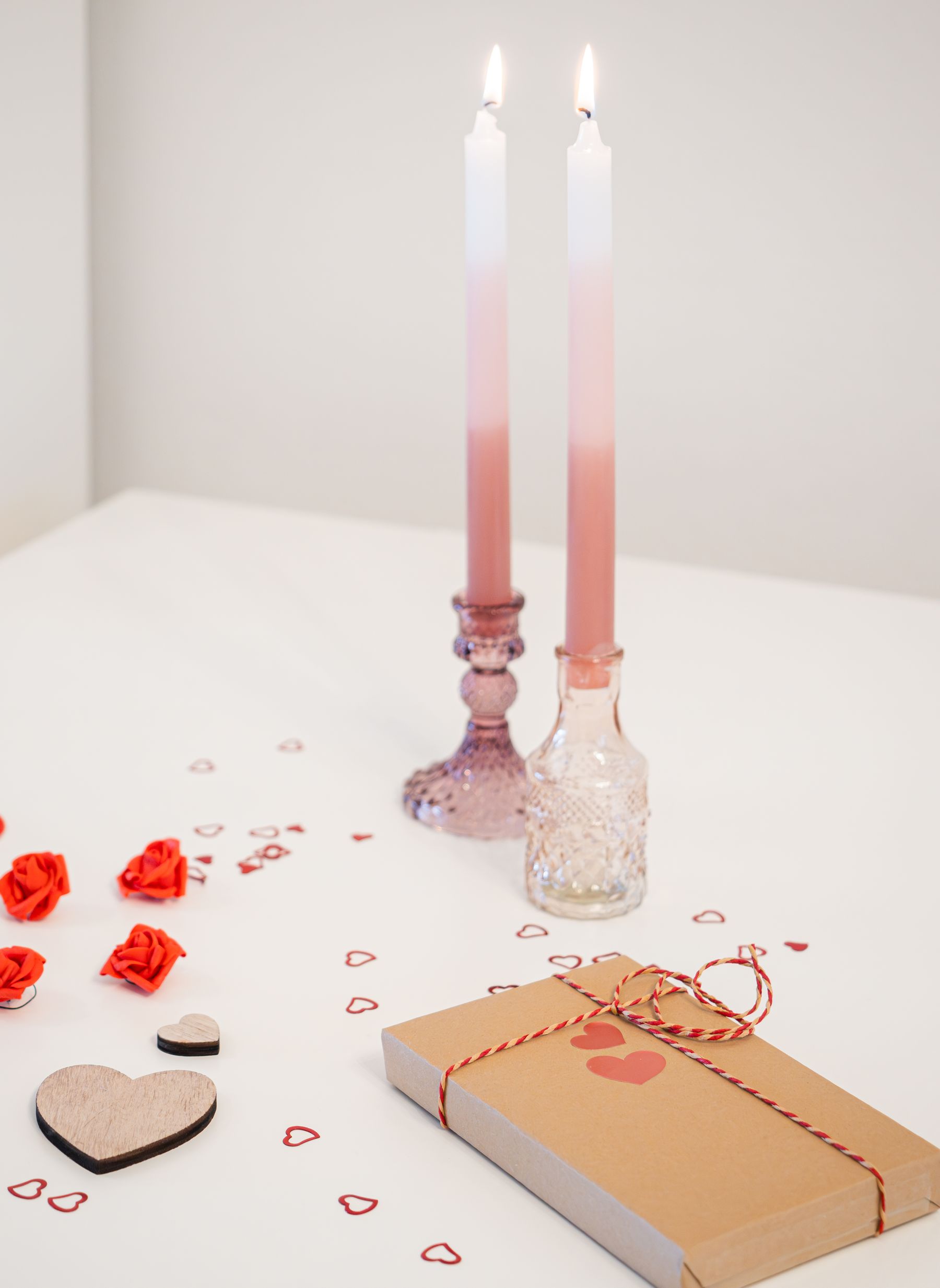
Use one tray, low vase or compact group for flowers, a candle and perhaps one heart or gift element. Reserve the rest of the coffee table for drinks, books or snacks. If the display is for a gathering, build it so it can move in one action when food arrives. Loose petals can look romantic in photographs but are less practical around upholstery, drinks and pets, so use them sparingly if at all. Concentration makes the display feel intentional and simplifies cleanup.
Design the February 15 Edit Before February 14
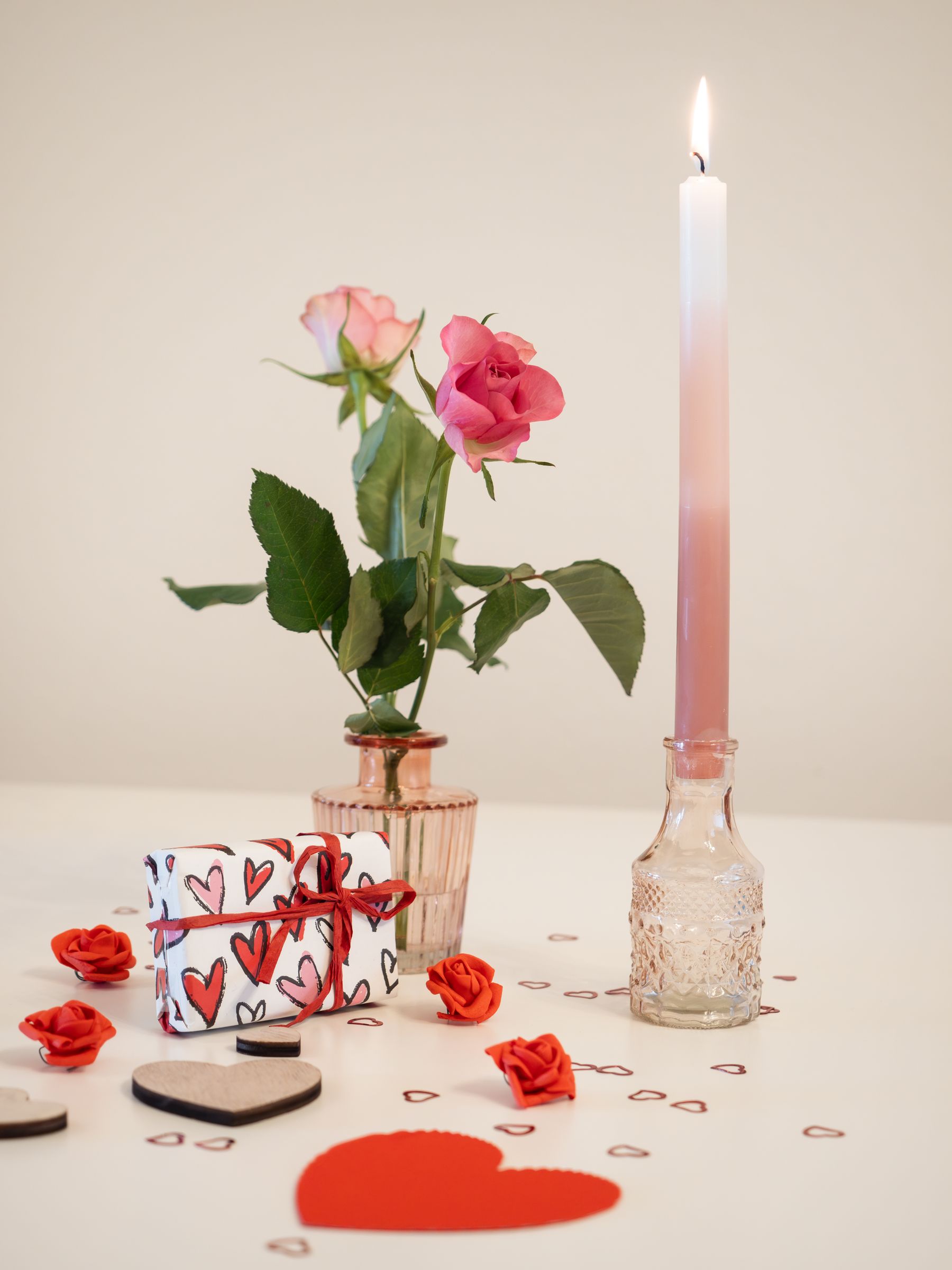
Separate the pieces that are Valentine's-specific from those that can continue into late winter or early spring. Hearts, slogans and novelty gift decor usually leave immediately; flowers, candles, a burgundy textile or a good vase can remain. This prevents the room from feeling abruptly empty and limits the amount of seasonal storage you need. If spring is approaching, transition directly into the lighter approach in [spring living room decor ideas](/living-room/spring-living-room-decor-ideas/) instead of replacing one themed layer with another.