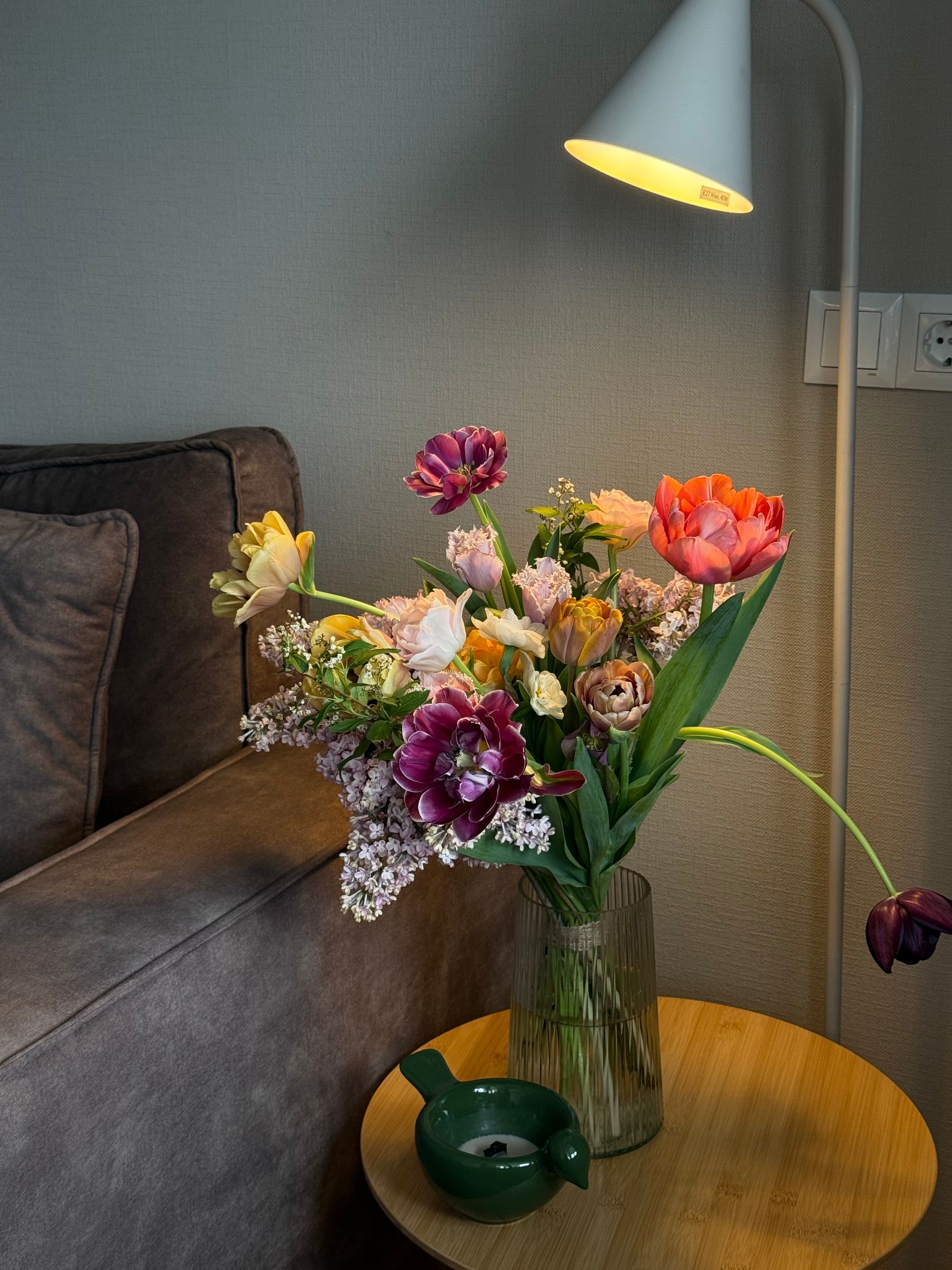
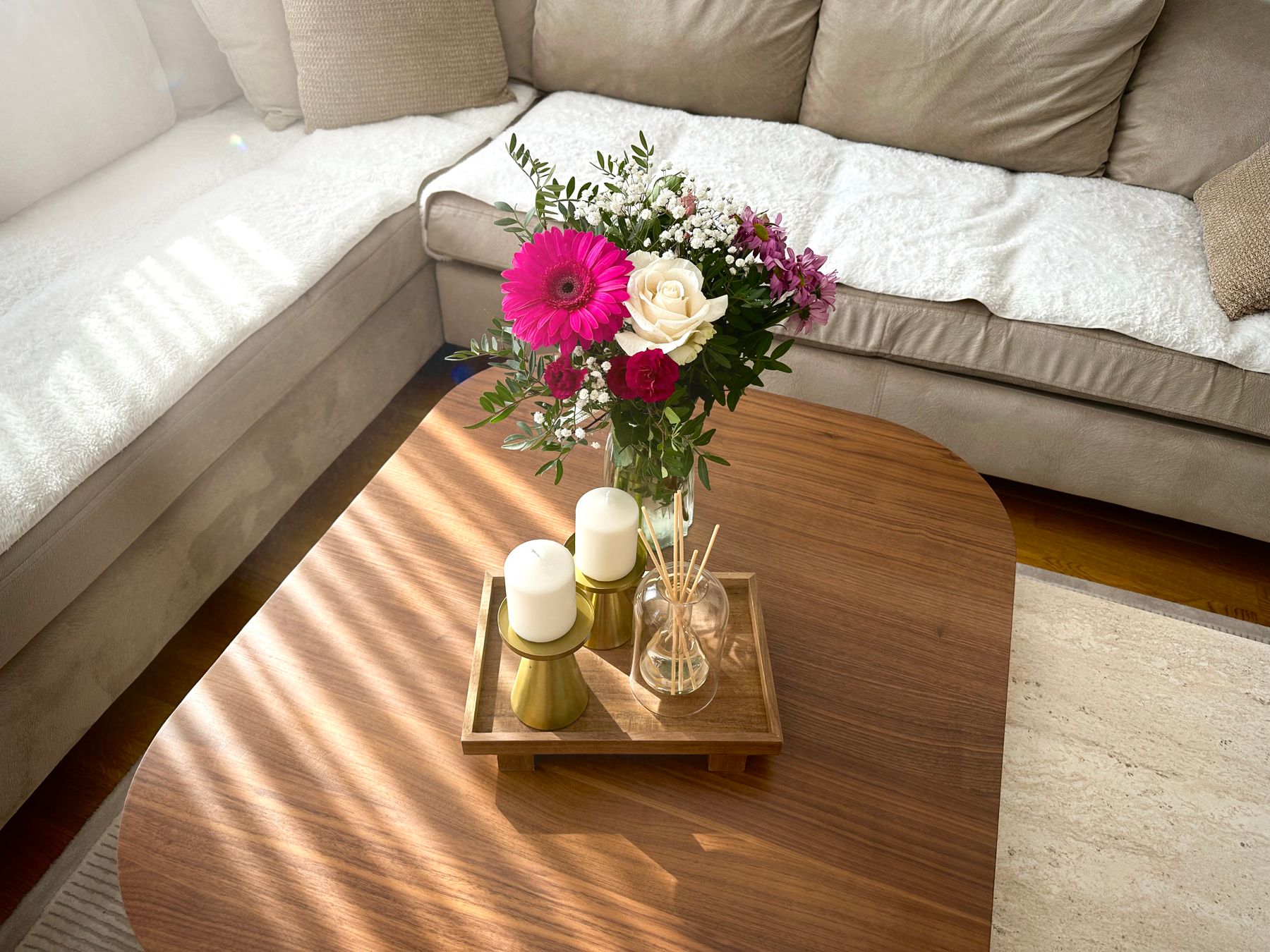
Start With a Post-Winter Edit, Not a Shopping List
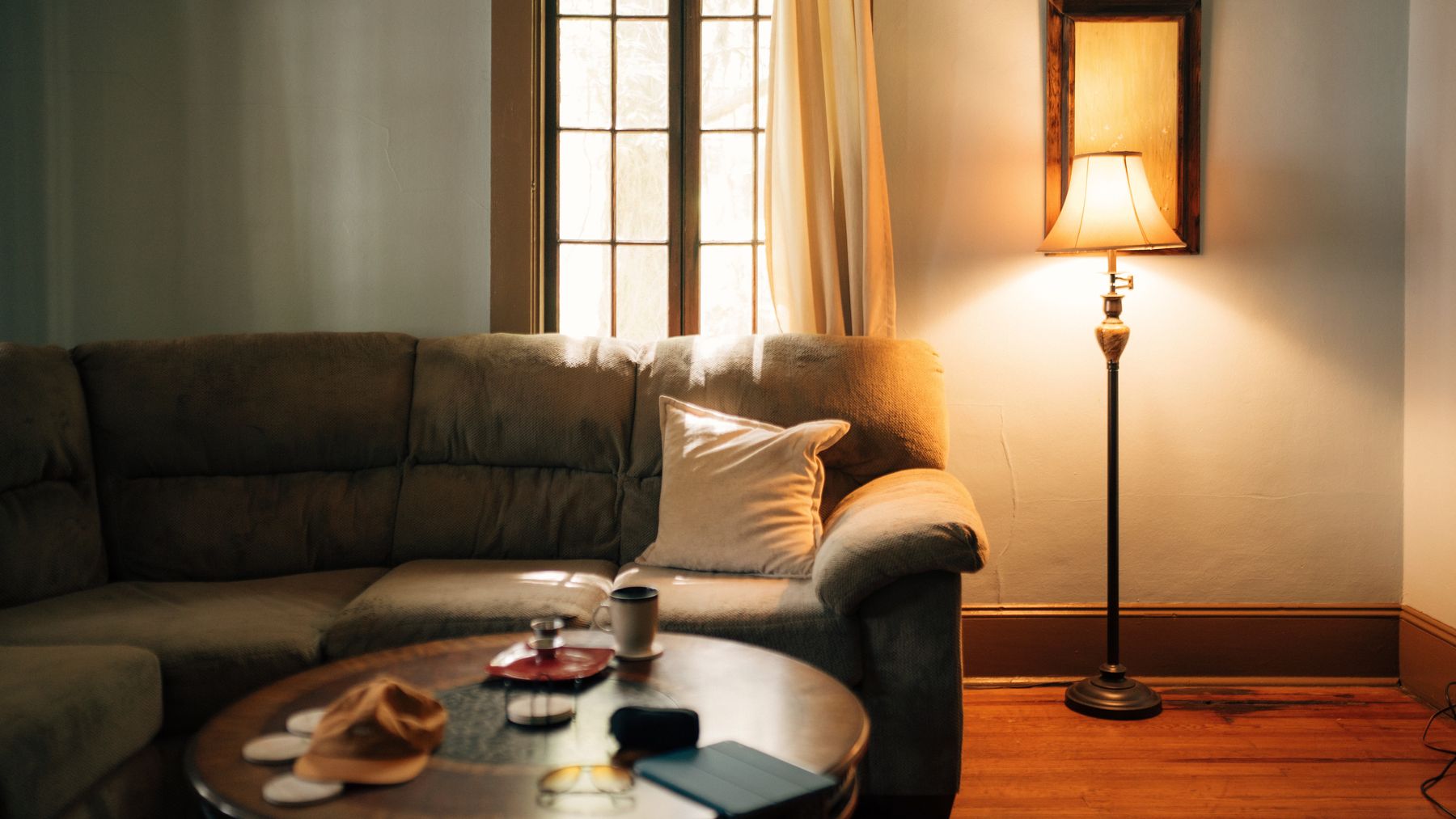
Remove or store the layers that existed mainly for cold weather before deciding what spring needs. Extra throws, very dark cushion covers, dense candle groupings and winter branches may have done useful work in January but can make the same room feel visually heavy once daylight improves. Keep the pieces that are still comfortable or practical and clear enough surface area to see the permanent furniture again. Only then add a spring cue. One bouquet, flowering plant or lighter textile has more impact after the winter layer has been edited. If the room became heavily comfort-led during the colder months, compare the reset against [cozy living room ideas](/living-room/cozy-living-room-ideas/) so the spring version remains comfortable rather than sparse.

Open the Room to More Daylight Before Adding Color
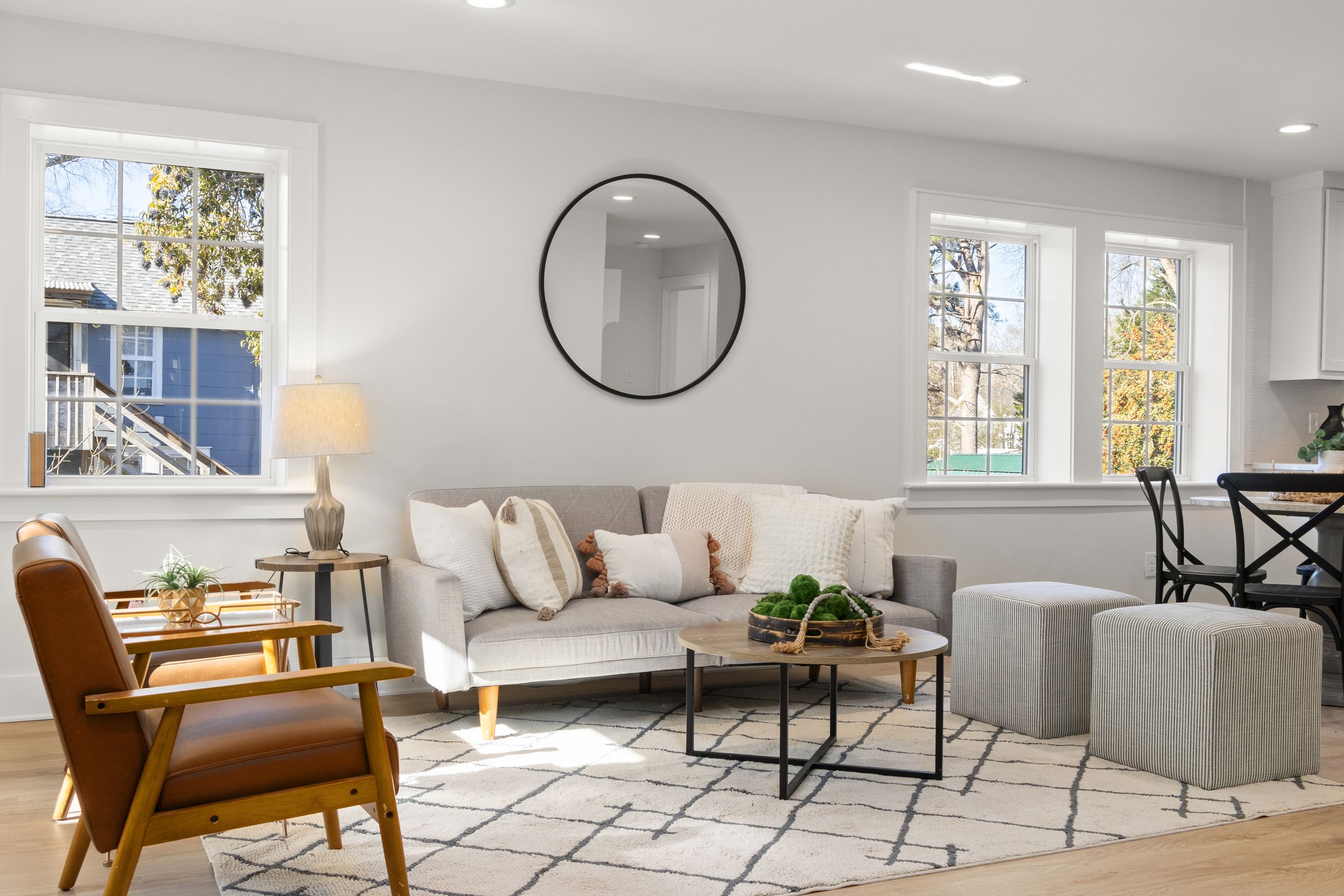
As the sun rises higher and days lengthen, reassess how much daylight the room can use. Pull heavy curtains wider during the day, clean glazing and keep tall furniture or seasonal displays from blocking the brightest openings. Privacy, glare and overheating still matter, so lighter does not mean removing every window treatment. A sheer layer, blind or adjustable curtain can preserve flexibility. If the room feels flat even with more daylight, the issue may be lamp placement or dark furniture mass rather than a lack of spring decor. The layered approach in [living room lighting ideas](/living-room/living-room-lighting-ideas/) remains useful because natural and artificial light still need to work together.
Build the Spring Palette From the Room You Already Have
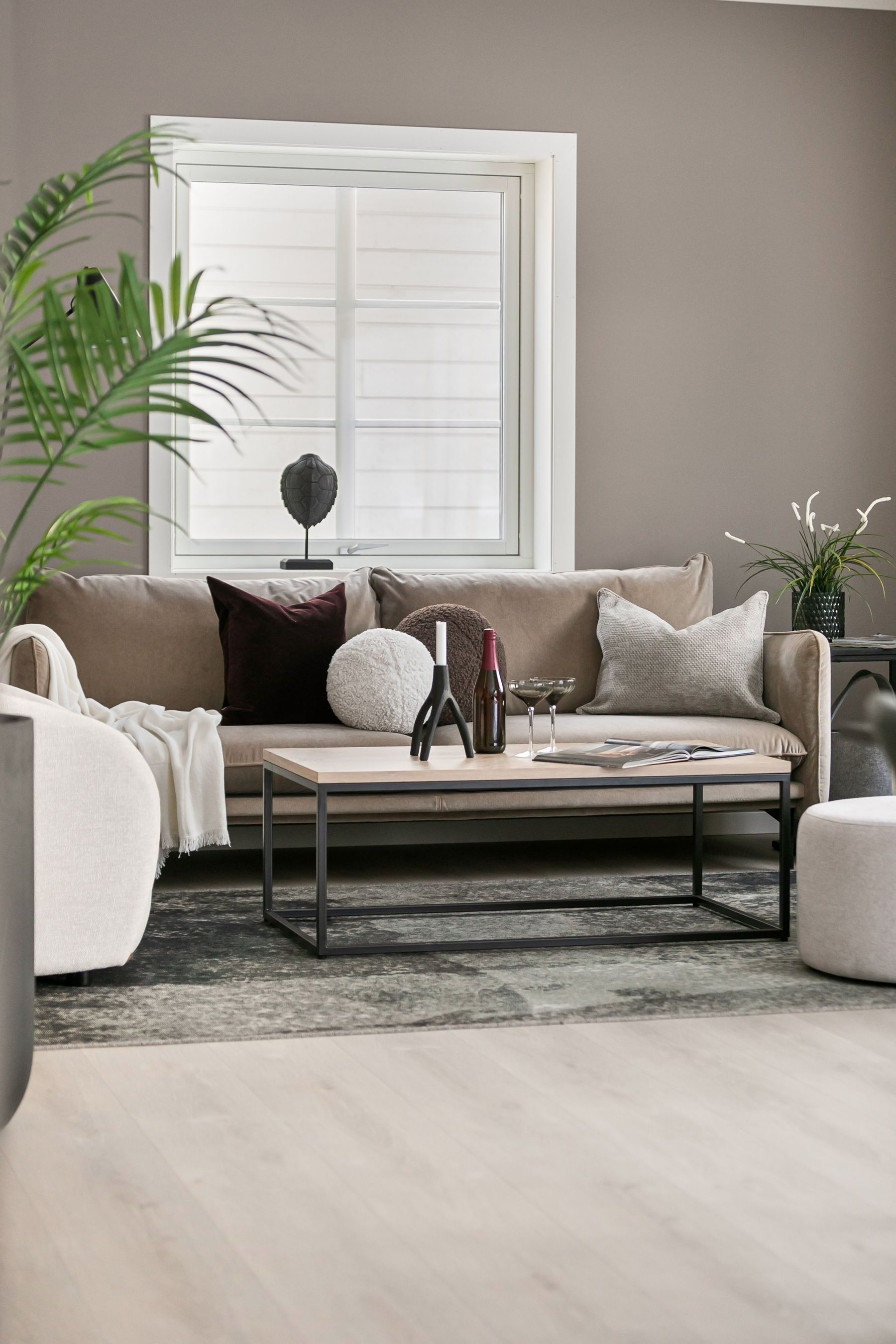
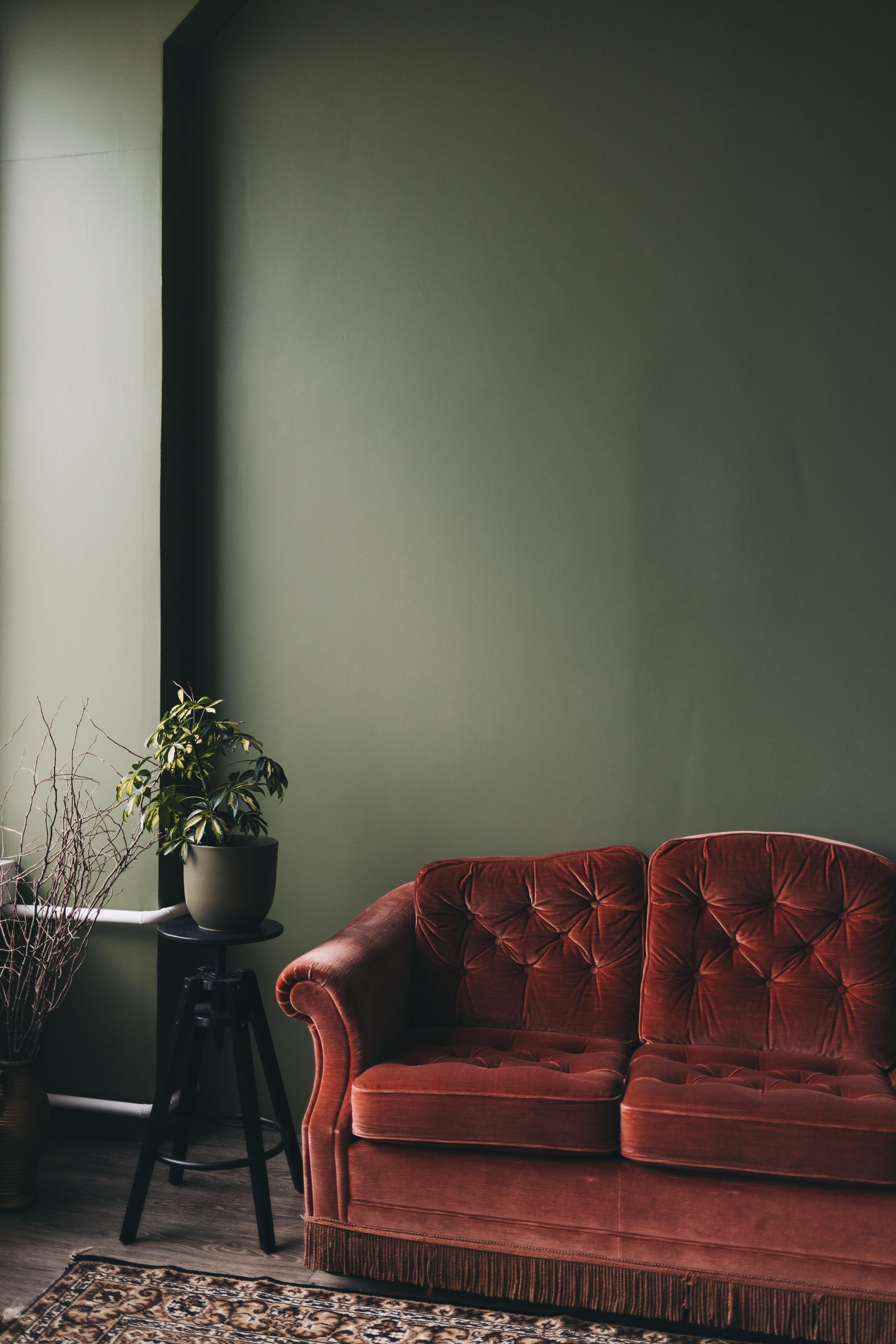
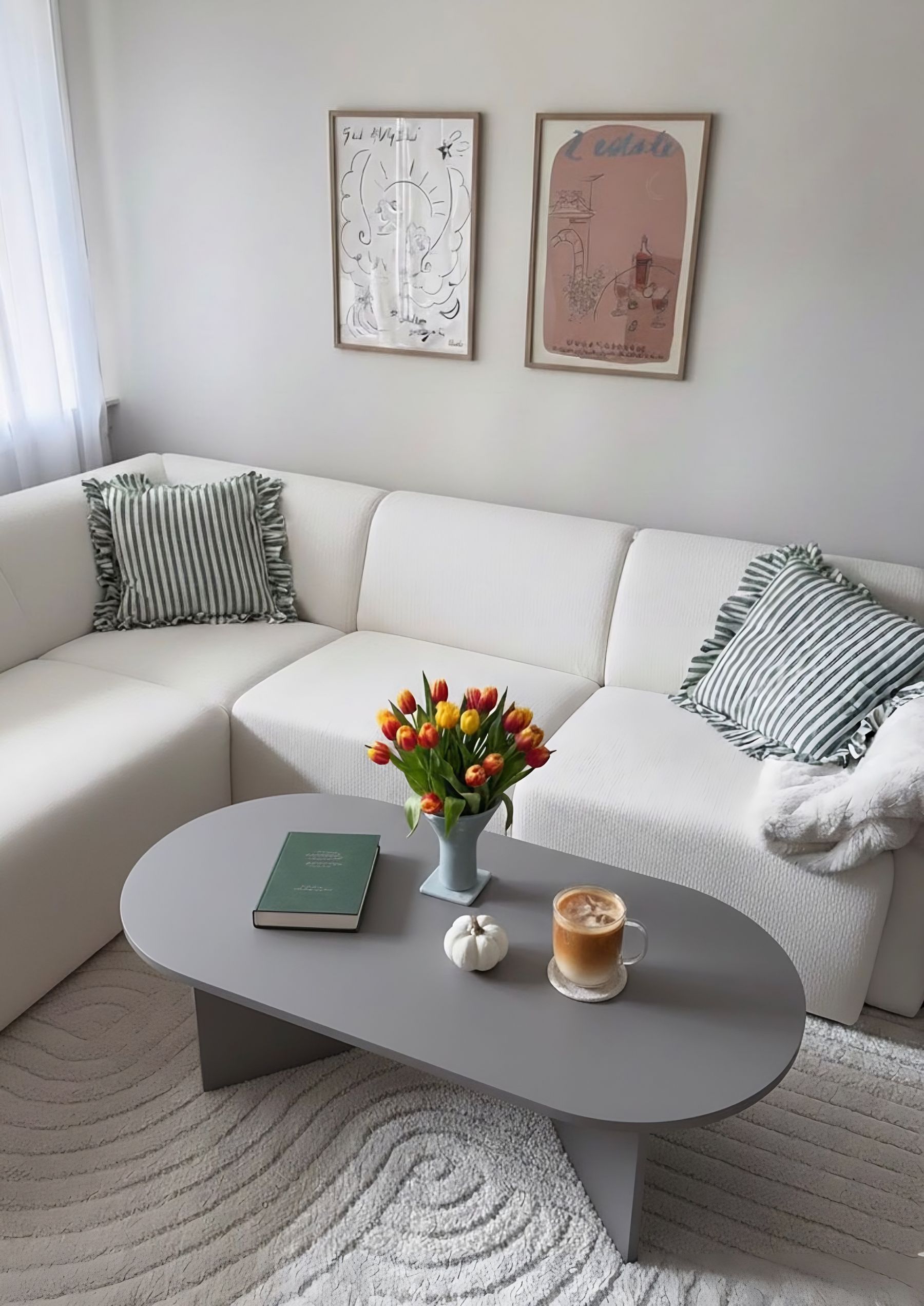
Spring palettes do not have to mean mint, blush and pale yellow in every room. Use the permanent upholstery, rug, wood and artwork to decide which fresh accents will actually belong. A neutral room may take soft green, lilac or pale blue; a warm room can use coral, terracotta and fresh leaf green; a colorful room may need only flowers and lighter textiles. Keep the background visible so the new colors have contrast. If you already work with a quiet palette, [neutral living room ideas](/living-room/neutral-living-room-ideas/) can help preserve depth while introducing lighter seasonal notes.
Use One Fresh Flower Moment as a Real Focal Point
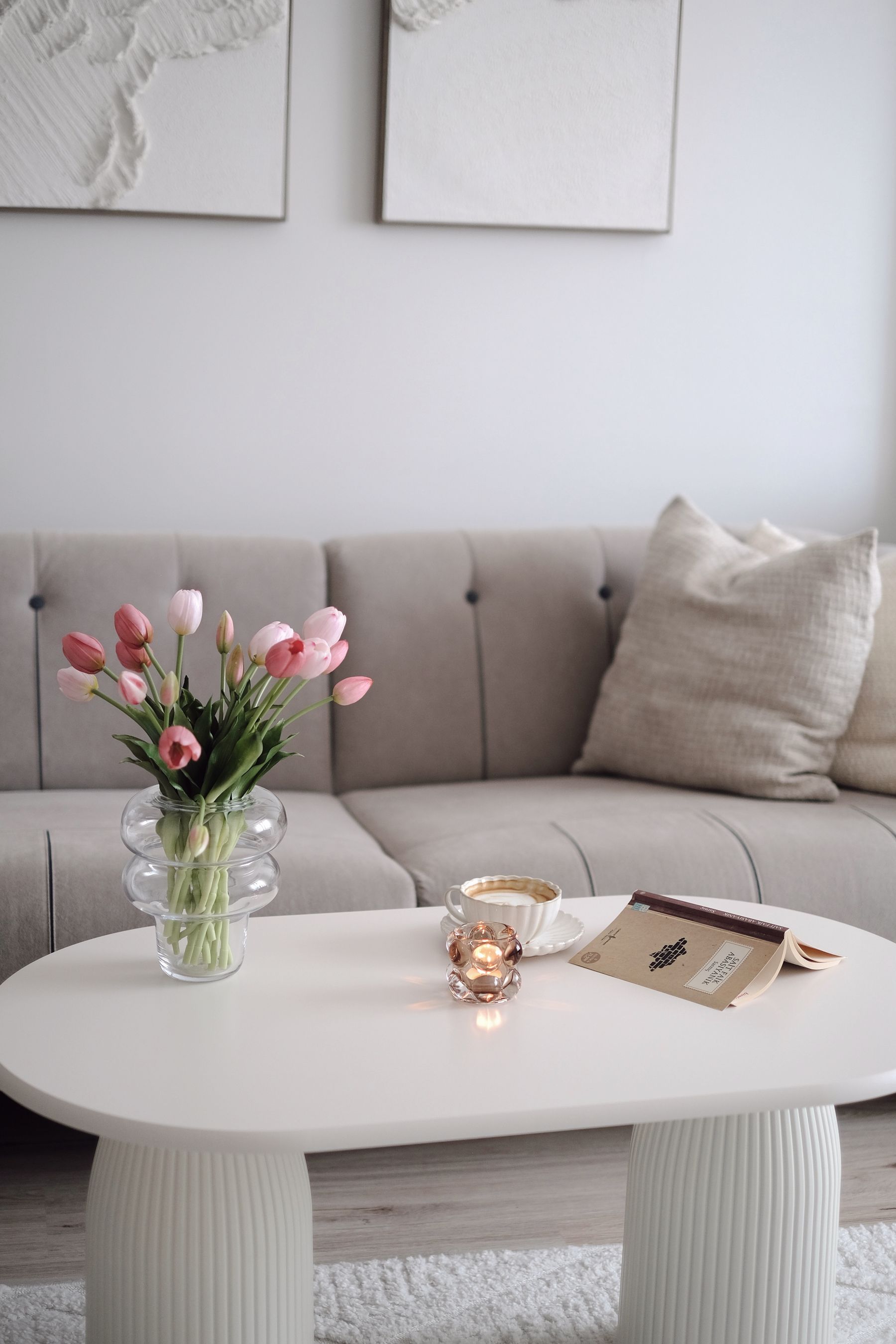
Fresh flowers are one of the fastest ways to shift the room, but their impact depends on concentration. Choose one place that is seen from the doorway or main seat and give the arrangement enough scale to register. A coffee table, sideboard or console can work better than placing a small vase in every corner. Keep stems and vessels proportionate to the surface and out of important sightlines. If cut flowers are expensive or impractical, flowering branches, foliage from an appropriate source or one good artificial arrangement can create a similar seasonal cue without constant replacement.
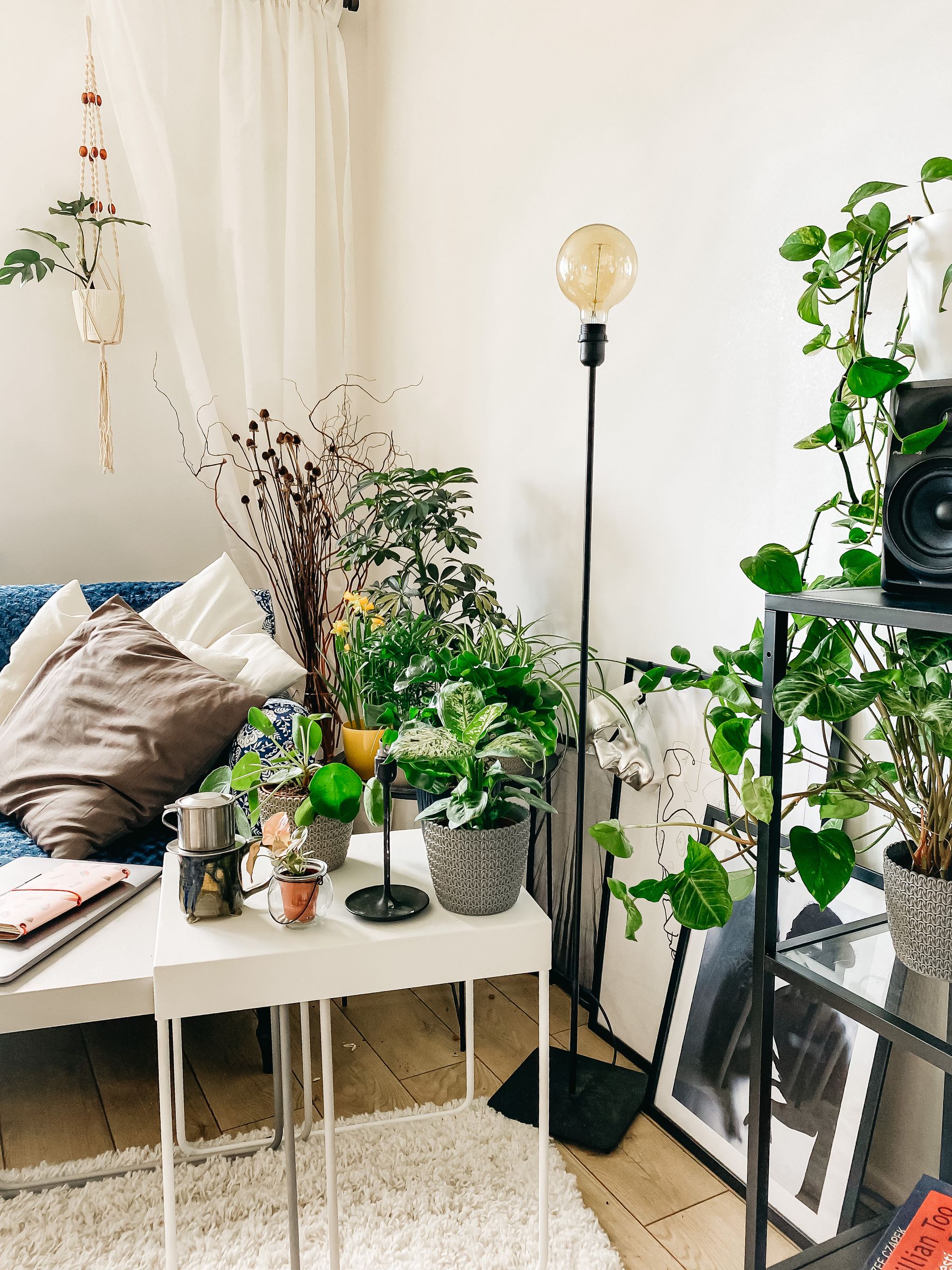
Bring in Greenery That Can Outlast the Season
Healthy plants add leaf color, irregular shape and a sense of growth that feels naturally spring-like. Use them where the light and care conditions suit the plant rather than where a photograph looks balanced. One larger floor plant can create more structure than many tiny pots, while a group of smaller plants works well on a shelf if they share similar light needs and remain easy to water. Avoid buying plants solely as seasonal props. If green is already a meaningful part of the interior, [green living room ideas](/living-room/green-living-room-ideas/) can help integrate botanical color with walls, furniture and textiles.
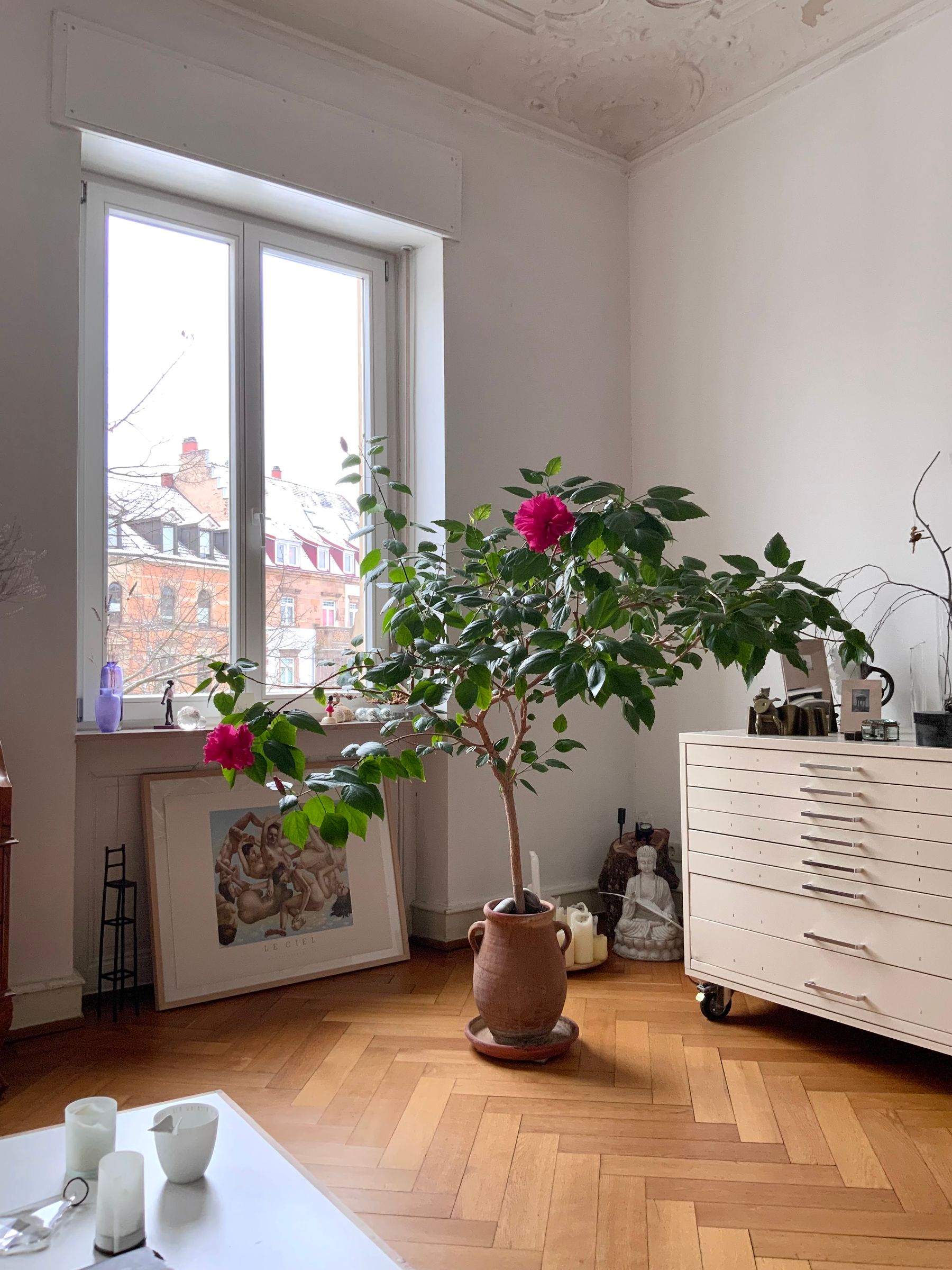
Use Flowering Plants When You Want a Longer Seasonal Signal
A flowering houseplant can bridge the gap between permanent greenery and short-lived cut flowers, but it still needs correct light, watering and temperature. Place it where its growing requirements are met and let the bloom become the seasonal accent rather than adding matching floral objects around it. Once flowering ends, the plant should still make sense in the room. If it does not, it was probably being used as a prop rather than a living element. The best spring decor often has a useful life after the season changes.
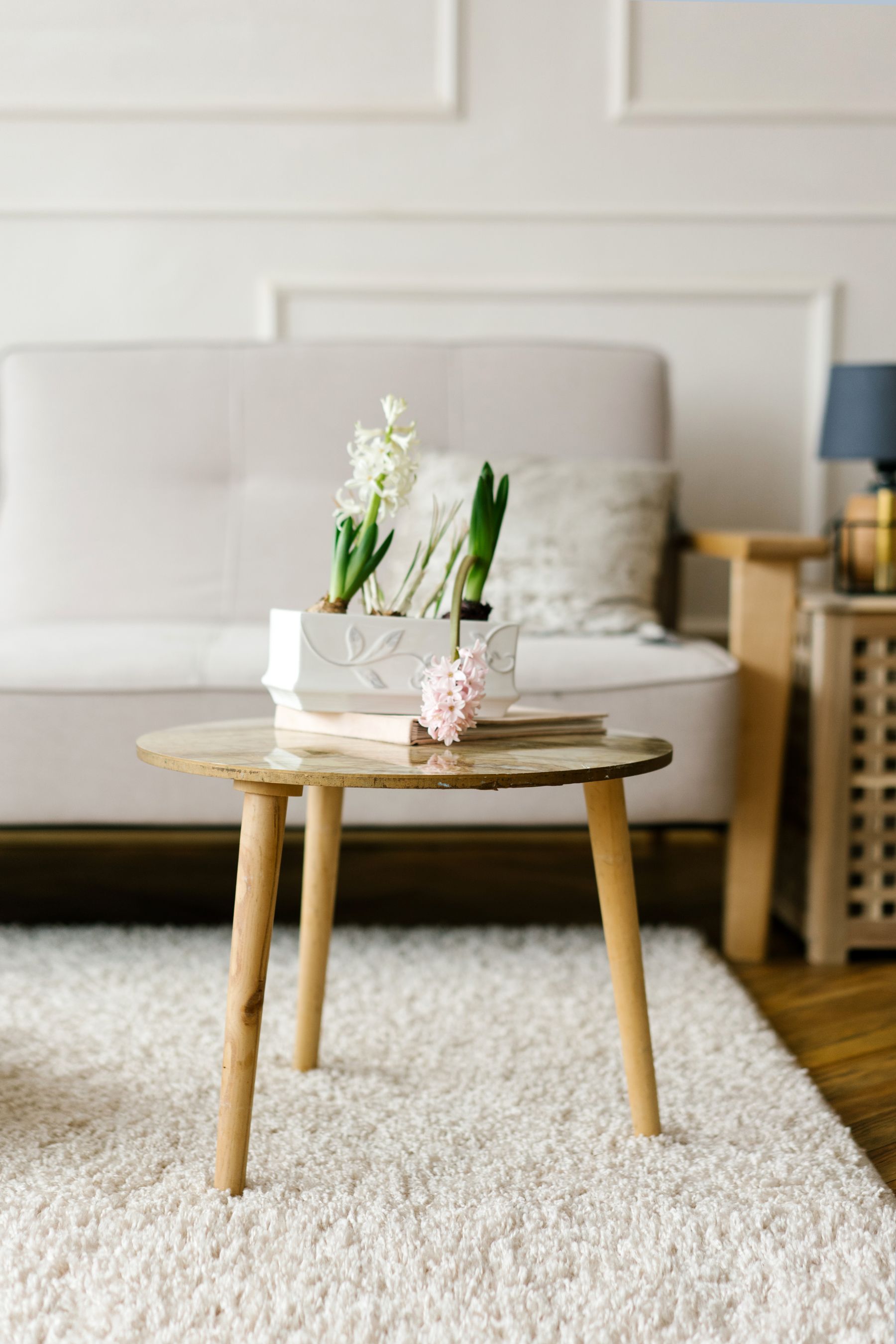
Lighten Textile Weight Without Making the Room Feel Bare
Swap the heaviest winter throw or darkest cushion covers before changing the rug, curtains or upholstery. Linen blends, cotton, lighter knits and smoother textures can reduce visual weight while still making the seating comfortable on cool spring evenings. A rug does not need to disappear because the weather changes; scale and softness still matter. If the current rug is very dense or dark, consider whether a year-round lighter option would work better rather than maintaining a separate seasonal collection. Use [living room rug ideas](/living-room/living-room-rug-ideas/) for sizing and placement before focusing on spring color.
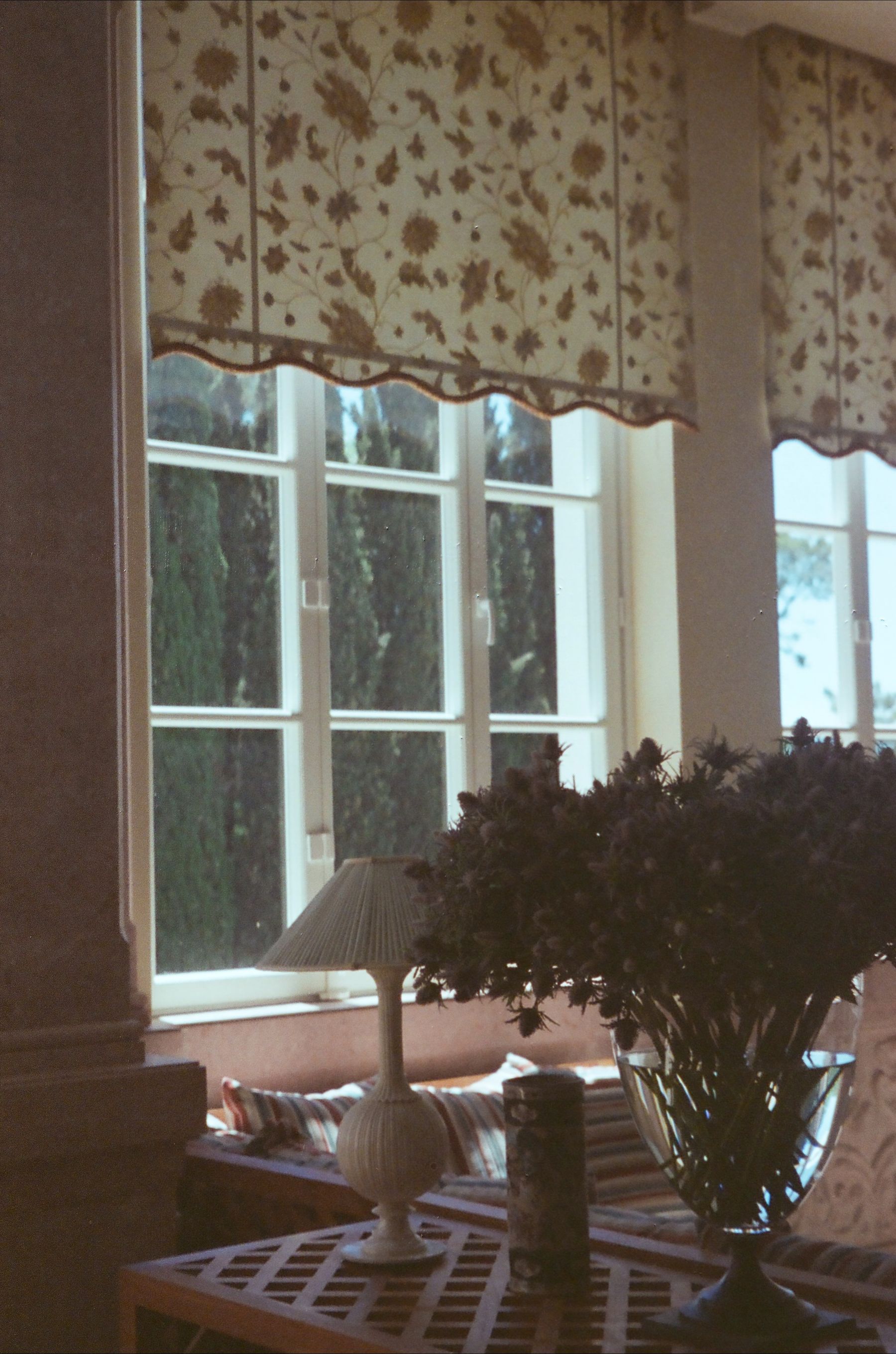
Use Floral Pattern Once, at a Scale the Room Can Carry
Floral pattern can feel seasonal without becoming literal when it appears on one meaningful surface. Curtains create a large statement, while a cushion or small upholstered piece is easier to change. Choose scale according to the room: tiny repeated florals can look busy across a large curtain wall, while an oversized botanical may overpower a compact sofa. If the room already has patterned rugs or artwork, a simple stripe, check or botanical color may create spring energy more effectively than another floral. The point is contrast and freshness, not repeating flowers in every medium.
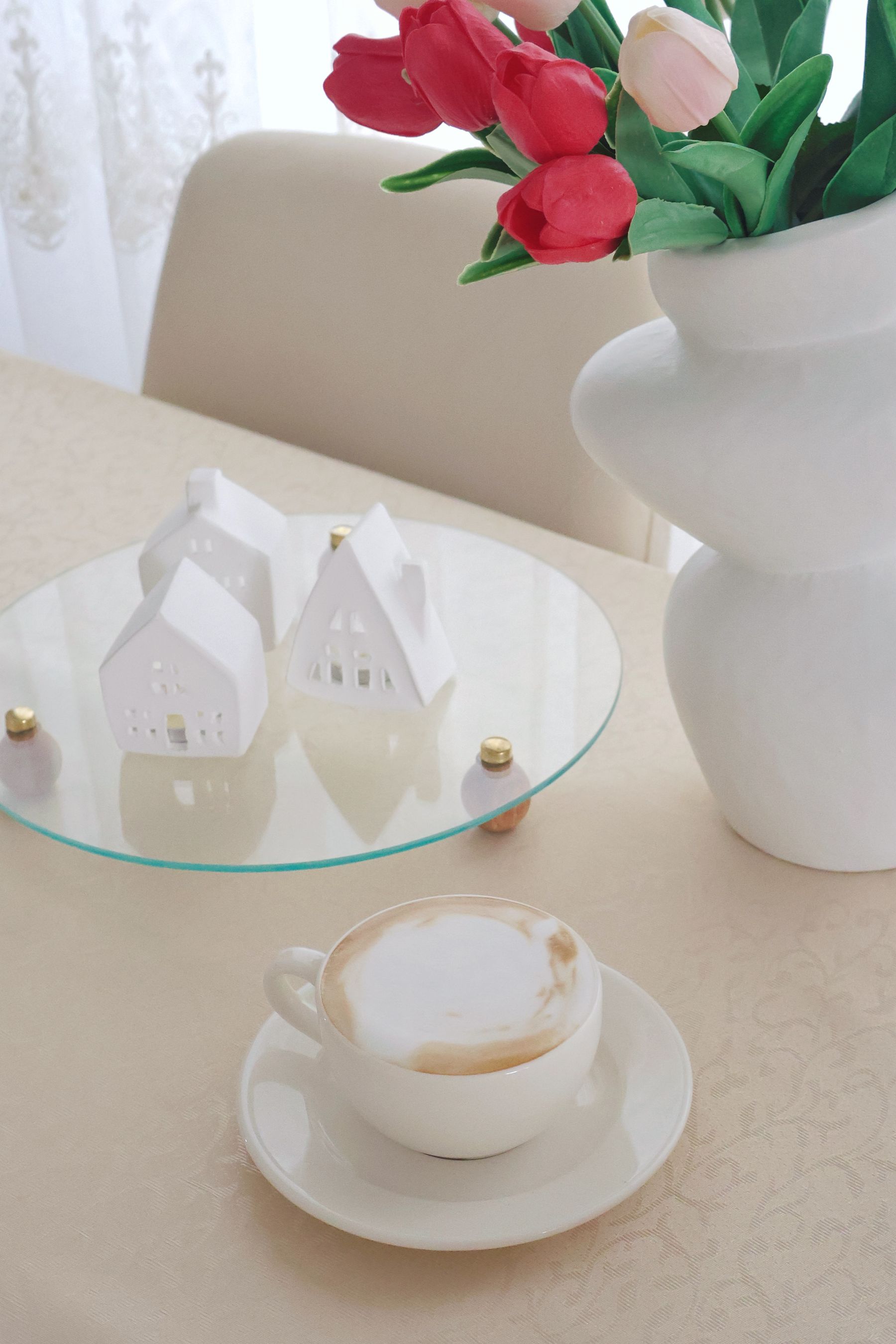
Keep the Coffee Table Fresh but Functional
Use a vase, low bowl or tray to contain the spring moment and preserve room for books, drinks and remote controls. Fresh flowers already provide color and movement, so avoid surrounding them with several matching spring figurines. Keep the arrangement low enough for conversation and easy to move when the table is needed. If petals or pollen are likely to fall, choose a position that is easy to clean and away from upholstery. One useful spring vignette should feel lighter than the winter table, not simply different.
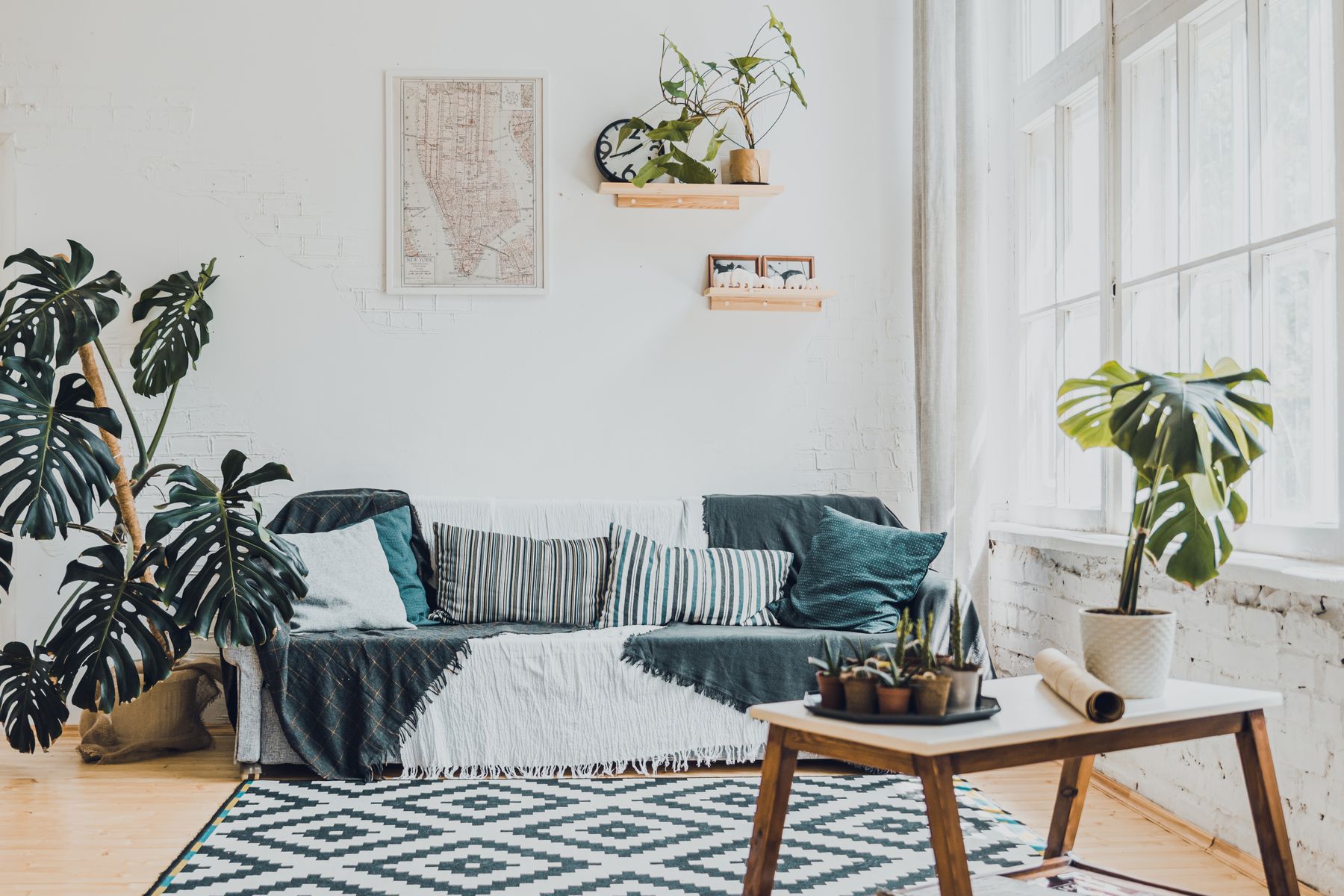
Finish by Making the Room Feel Easier, Not Emptier
The final spring edit should improve how the room feels to move through and maintain. Clear the extra side table that became a winter drop zone, reduce stacks that block a plant or lamp and reopen the route to a window or balcony if warmer weather changes how the room is used. Do not confuse freshness with stripping away personality: books, art, collections and comfortable furniture can remain. The difference is hierarchy. A few stronger objects, useful greenery and more visible light usually make the room feel renewed without producing a temporary showroom effect. The restraint in [scandinavian living room ideas](/living-room/scandinavian-living-room-ideas/) can be useful as a reference without copying the style.