Define Black-Led Before You Add Dark Objects
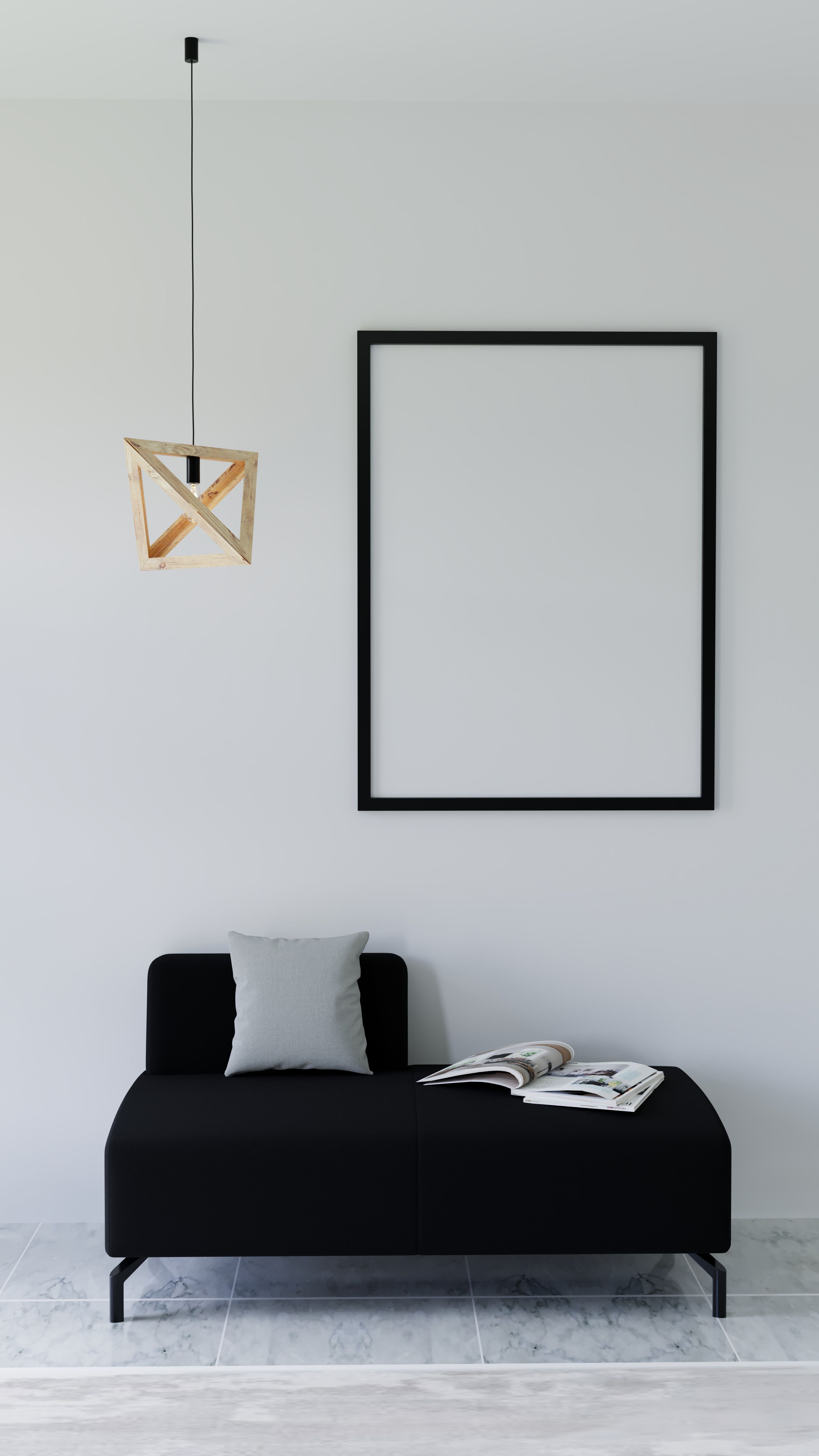
A black living room is not simply a pale room containing a black sofa, lamp and picture frame. Black must govern at least one major spatial reading: the wall envelope, a continuous built-in, the floor and lower furniture band, or a dominant seating volume. Decide what remains black when accessories are removed. This separates the topic from [Black and White Living Room Ideas](/living-room/black-and-white-living-room-ideas/), where equal extremes and their distribution are the main problem, and from [Gothic Living Room Ideas](/living-room/gothic-living-room-ideas/), where form, carving and historical references create the identity.
Read Black by Undertone, Not Marketing Name
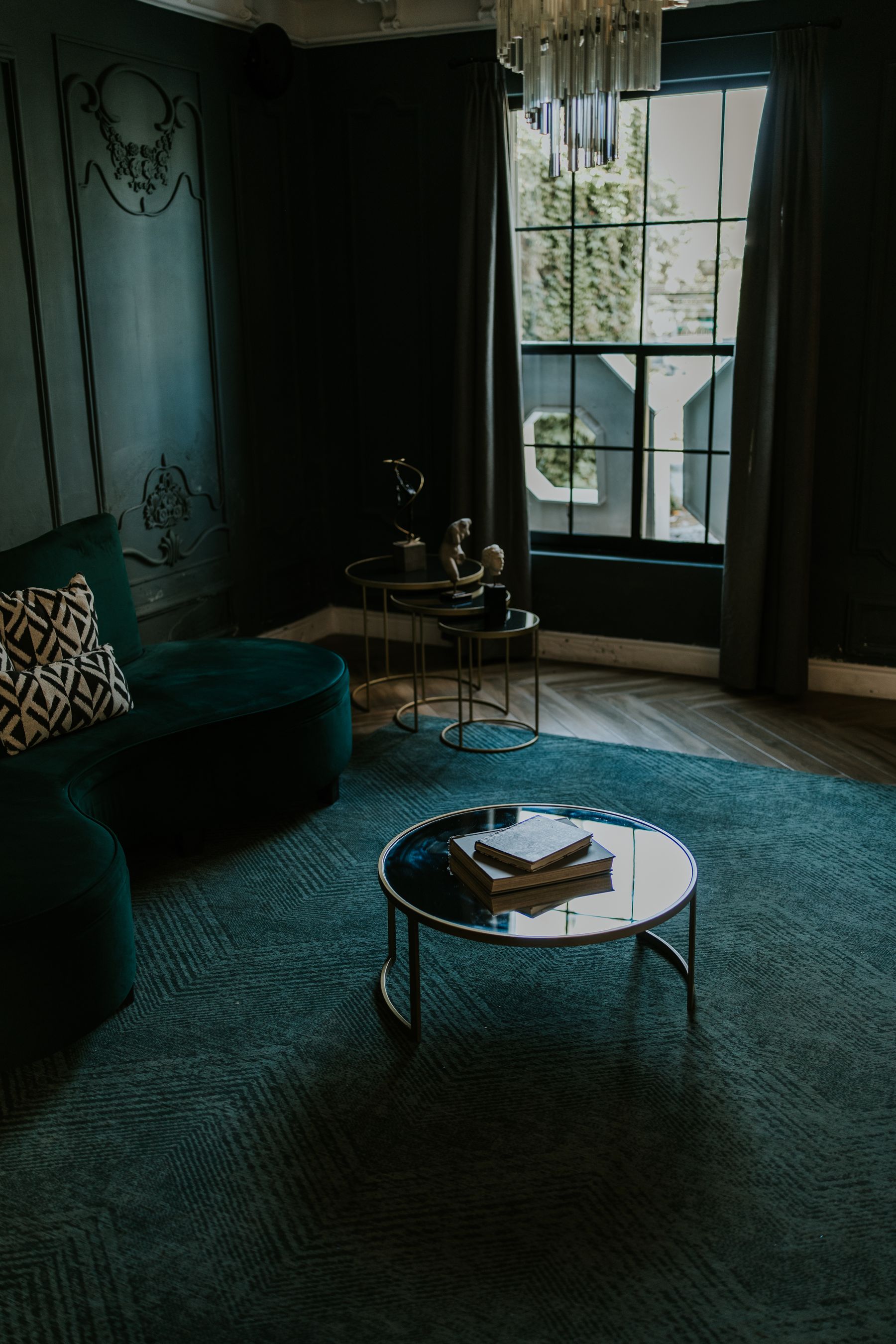
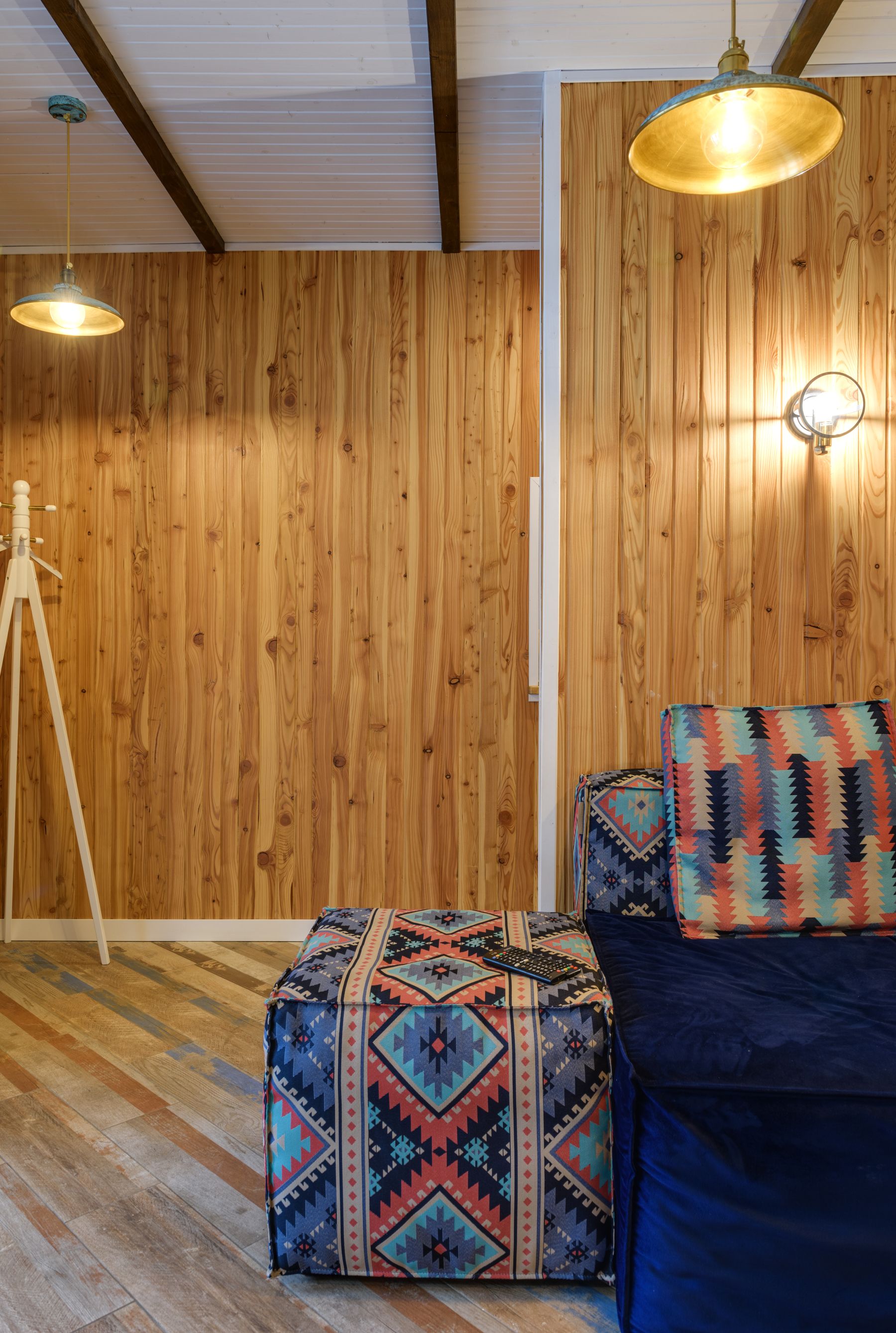
Black is rarely neutral in a furnished room. A blue-black can become inky beside cool daylight; a brown-black may settle naturally against walnut or cognac leather; green-black can connect to plants and aged bronze; a softened charcoal reveals more surface variation. Place large samples beside the actual floor, sofa and window trim, then view them in morning, afternoon and lamplight. If the sample suddenly looks purple, navy or muddy, that is not a failure of black but evidence that its undertone is active. Choose the bias that strengthens materials you intend to keep.
Choose an Envelope, an Architectural Wall or a Low Horizon
The extent of black matters more than the number of black objects. A full envelope—walls, trim and sometimes ceiling—makes openings and lit surfaces feel cut from one field. One black architectural wall gives gravity to a fireplace, media unit or long elevation. A low dark horizon of cabinetry, sofa and floor can ground the room while the upper walls stay lighter. Choose the route from the room's proportions and use: an envelope rewards cross-light and clear openings; a single wall can correct a weak focal point; a low horizon suits rooms that need height to remain apparent.
Build an Edge Map Before a Color Palette
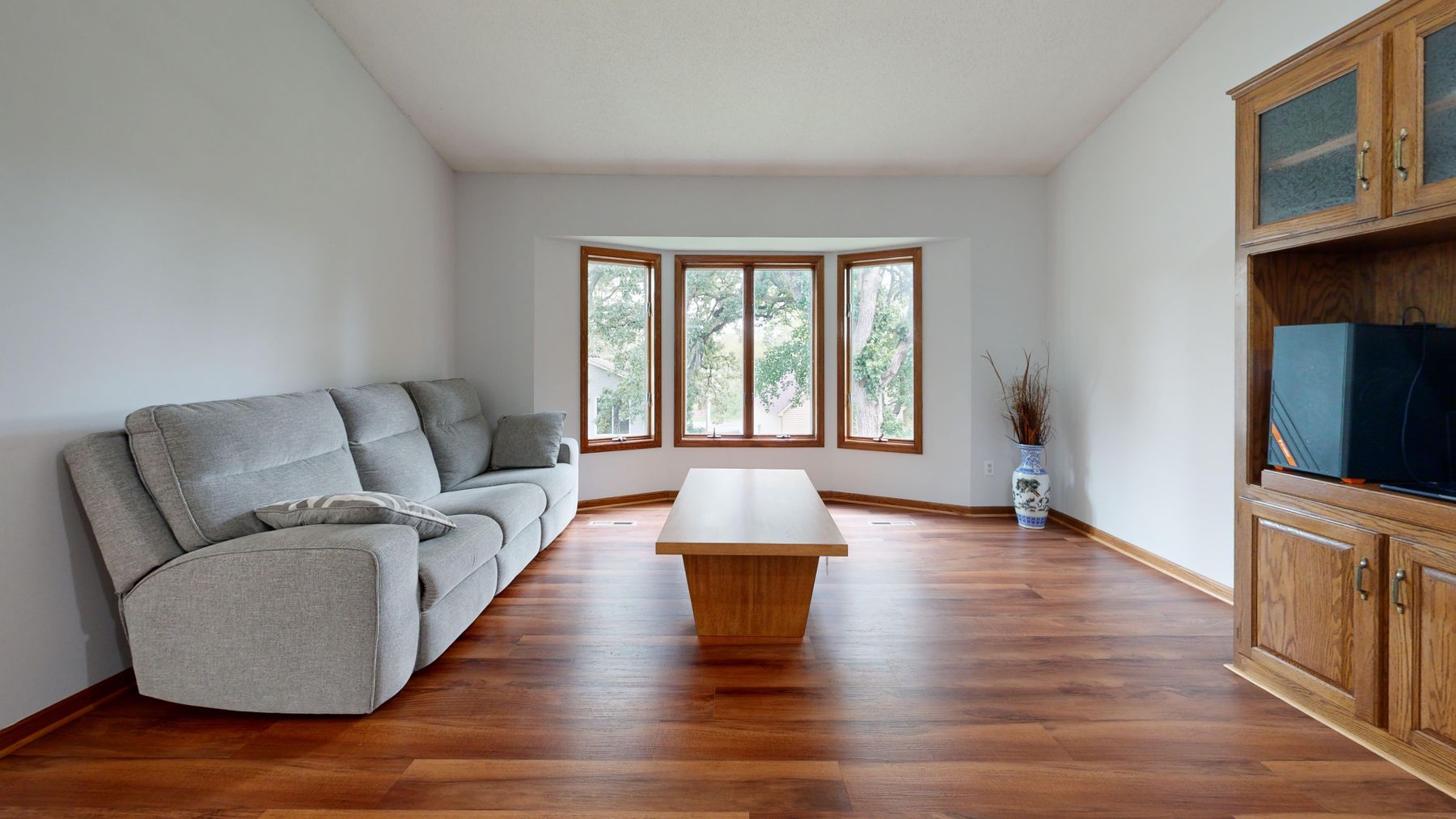
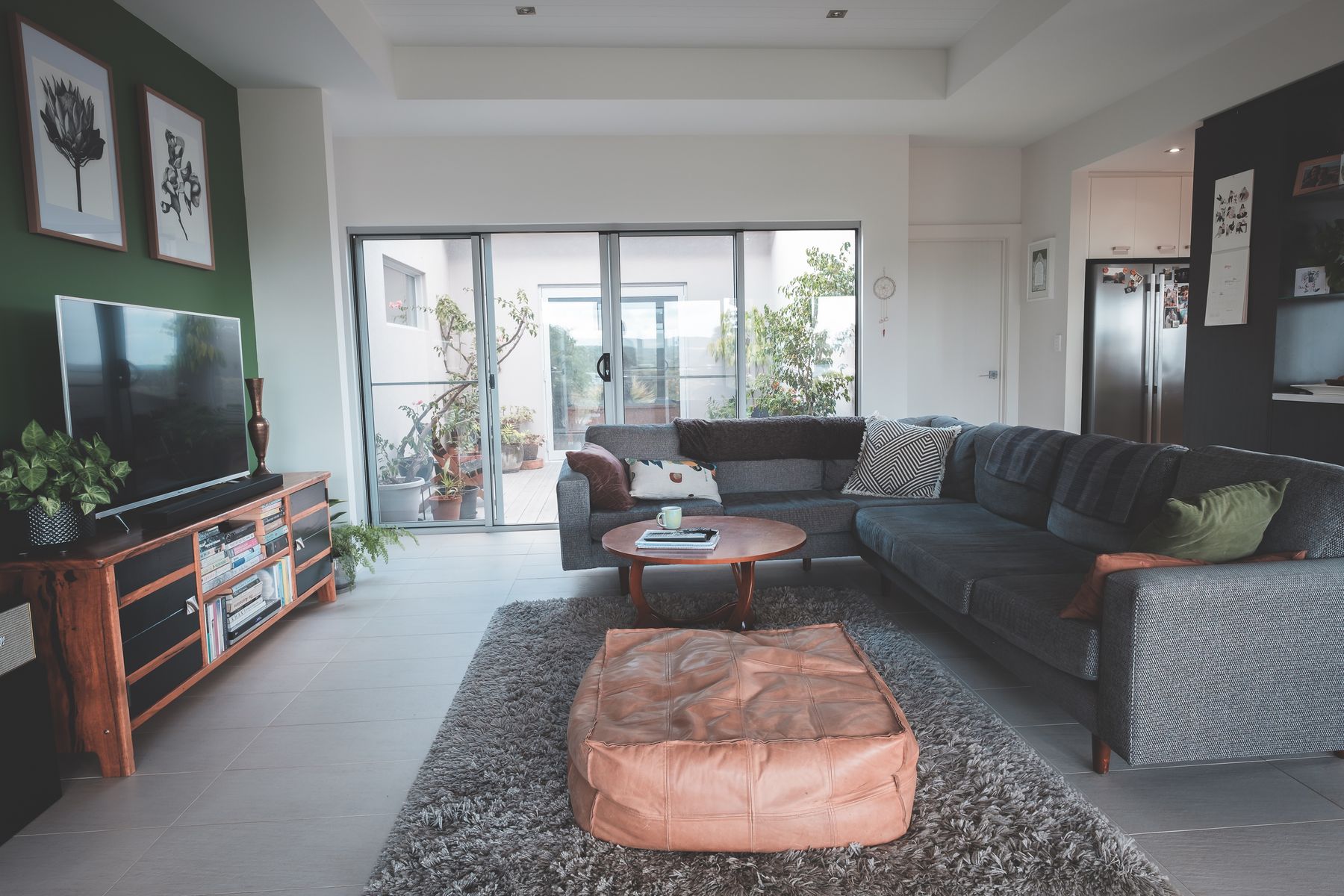
Black can make separate objects merge into one attractive photograph and one awkward real room. Map the edges that must remain visible: sofa against wall, chair against floor, coffee table against rug, doorway against paneling and step or hearth against circulation. Reveal each with one controlled device—side light, a change of sheen, visible grain, a charcoal-to-black shift or a quieter mid-value behind it. Do not outline everything in white. The aim is legibility inside a dark family, not a graphic monochrome scheme.

Use Sheen as a Light Plan
An all-matte black room may absorb light so evenly that paneling, furniture and objects lose their form. An all-gloss room turns windows and lamps into glare. Assign sheen by job: flatter paint can quiet a broad wall; eggshell or satin can reveal trim and doors; oiled timber exposes grain; woven upholstery breaks highlights into softer movement; glass and metal should be limited to intentional points. [Contemporary Living Room Ideas](/living-room/contemporary-living-room-ideas/) shows how mixed finishes can remain one composition. Because finish performance varies by product and substrate, review manufacturer guidance for wear and cleaning rather than assuming one sheen is universally tougher.

Decide Whether the Ceiling Should Close or Release the Room
A black ceiling can complete an envelope, quiet exposed services or bring a very tall room into a more intimate scale. It can also erase cornice detail, compress a low ceiling or make an underlit room feel capped. Keep the ceiling pale when its reflected light is valuable or when the wall-to-ceiling line gives the room needed height. Carry black overhead when the architecture already supplies strong openings and the evening effect matters more. A partial move—black beams, coffers or the ceiling within one zone—can connect walls without closing the entire plan.
Use Daylight Across Black, Not Only Toward It
Black becomes informative when daylight grazes it. A window perpendicular to a paneled wall reveals every groove; a window directly behind dark seating can turn the group into a flat silhouette. Arrange the key view so light crosses the principal black field and a secondary pale surface returns some of it into the seating area. Sheers may soften glare while preserving the direction of light. In a north-facing or otherwise low-daylight room, prefer a near-black with visible undertone and stronger surface relief instead of chasing absolute blackness.
Let One Material Return the Light
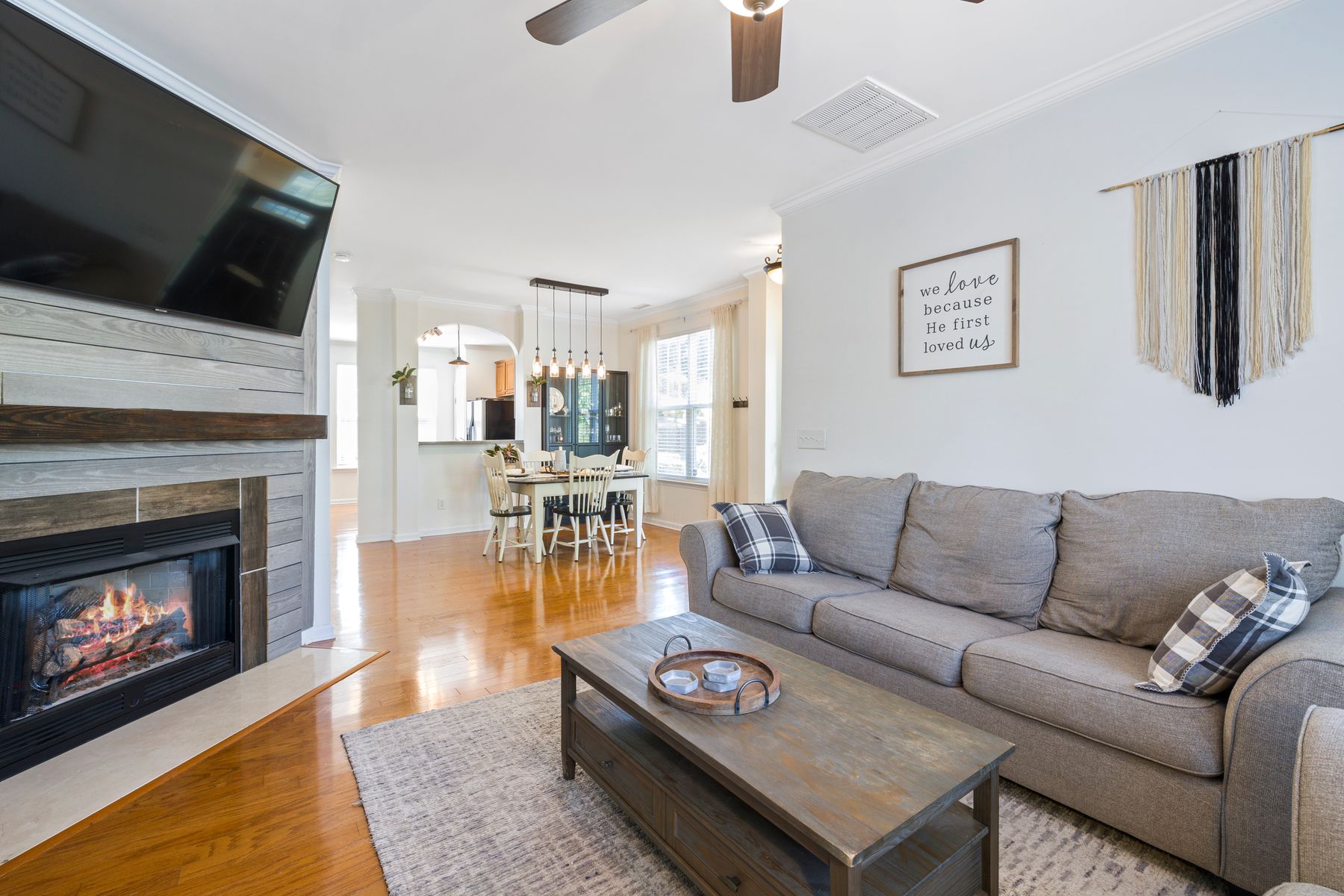
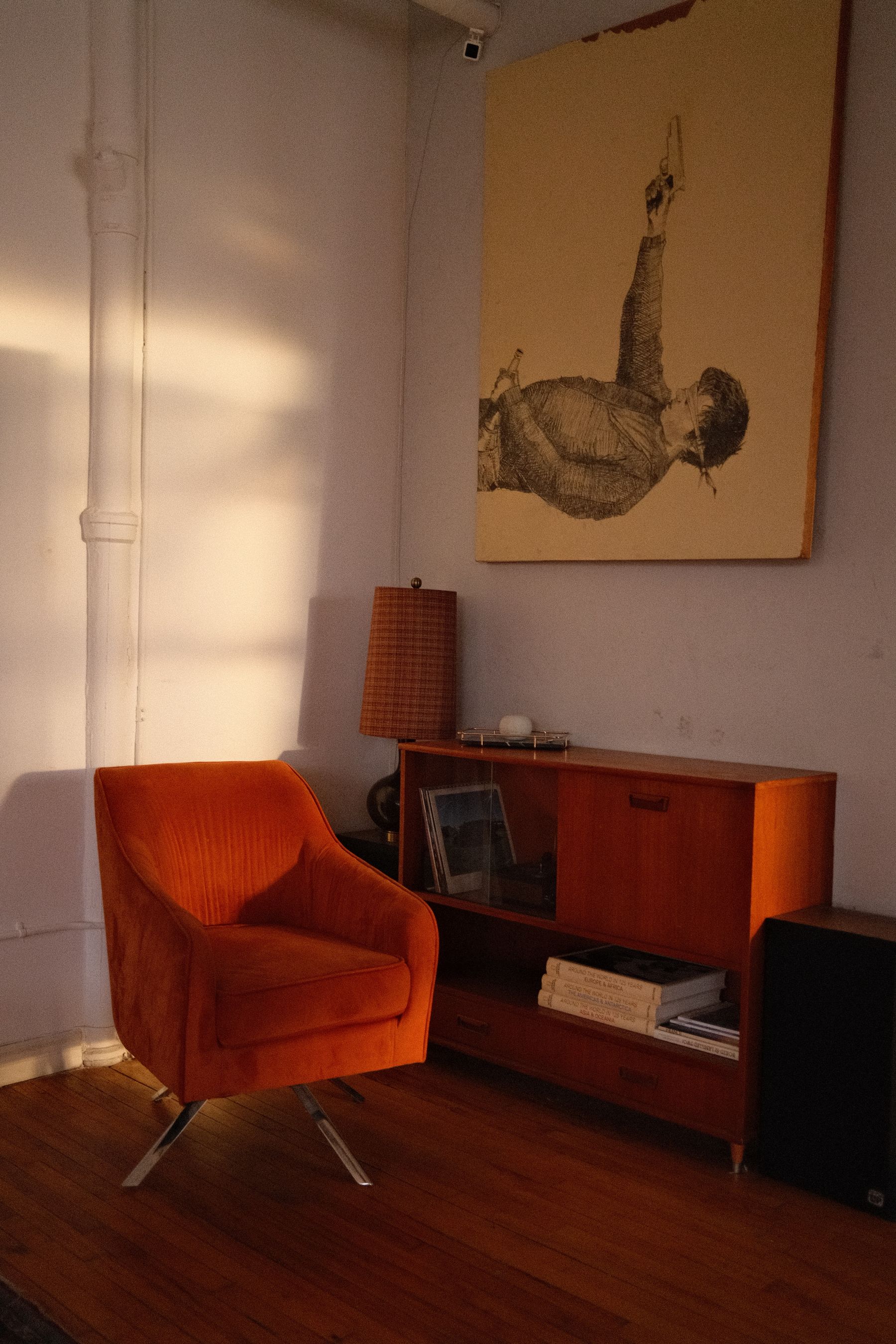
A black room needs a material that returns light, but it does not automatically need white. Warm oak or walnut, pale limestone, aged leather, wool and softly reflective plaster can supply the middle register. Choose one family and repeat it at two scales—for example a timber floor plus side table, or a mineral hearth plus ceramic lamp—so the relief feels structural. Too many pale rescue materials break the black field into fragments. [Mid-Century Living Room Ideas](/living-room/mid-century-living-room-ideas/) explores timber-led furniture logic in more depth.
Pair Black With Color That Can Hold Its Weight
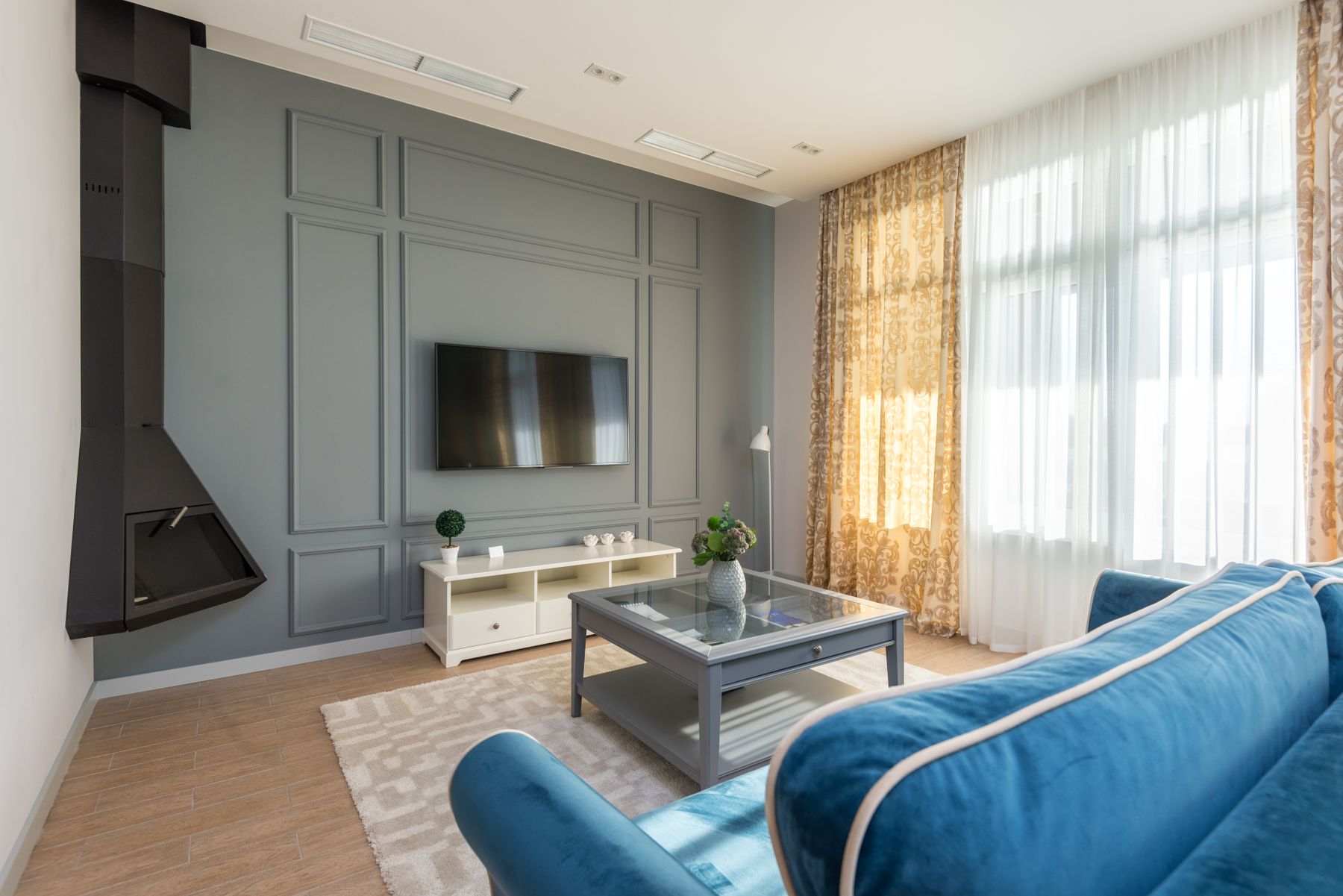
Black intensifies neighboring color, so washed-out accents often look timid rather than subtle. Consider colors with enough body to hold the relationship: oxblood, tobacco, olive, cobalt, aubergine, rust or a mineral blue. Decide whether the color should emerge in daylight or glow after dark; the same fabric may become almost black under warm lamps. Use it on one meaningful volume—a sofa, chair, curtain field or artwork—then allow smaller repeats only where they connect the composition. This is different from adding a fashionable cushion color to relieve anxiety about the walls; [Maximalist Living Room Ideas](/living-room/maximalist-living-room-ideas/) is the better next step when several strong colors and patterns must coexist.
Use Green as a Living Counterpoint, Not a Default Prop
Green works particularly well against black because leaf, moss and olive tones can connect to timber, bronze and outdoor views. It should not become the automatic answer of placing a struggling plant in every dark corner. Use one viable plant where daylight supports it, or choose green upholstery, ceramic or art when the room cannot sustain foliage. A large leaf silhouette can be more effective than several tiny pots, but horticultural needs remain separate from styling: move or omit a plant if its actual light requirements are not met.

Choose Whether the Sofa Disappears or Declares Its Shape
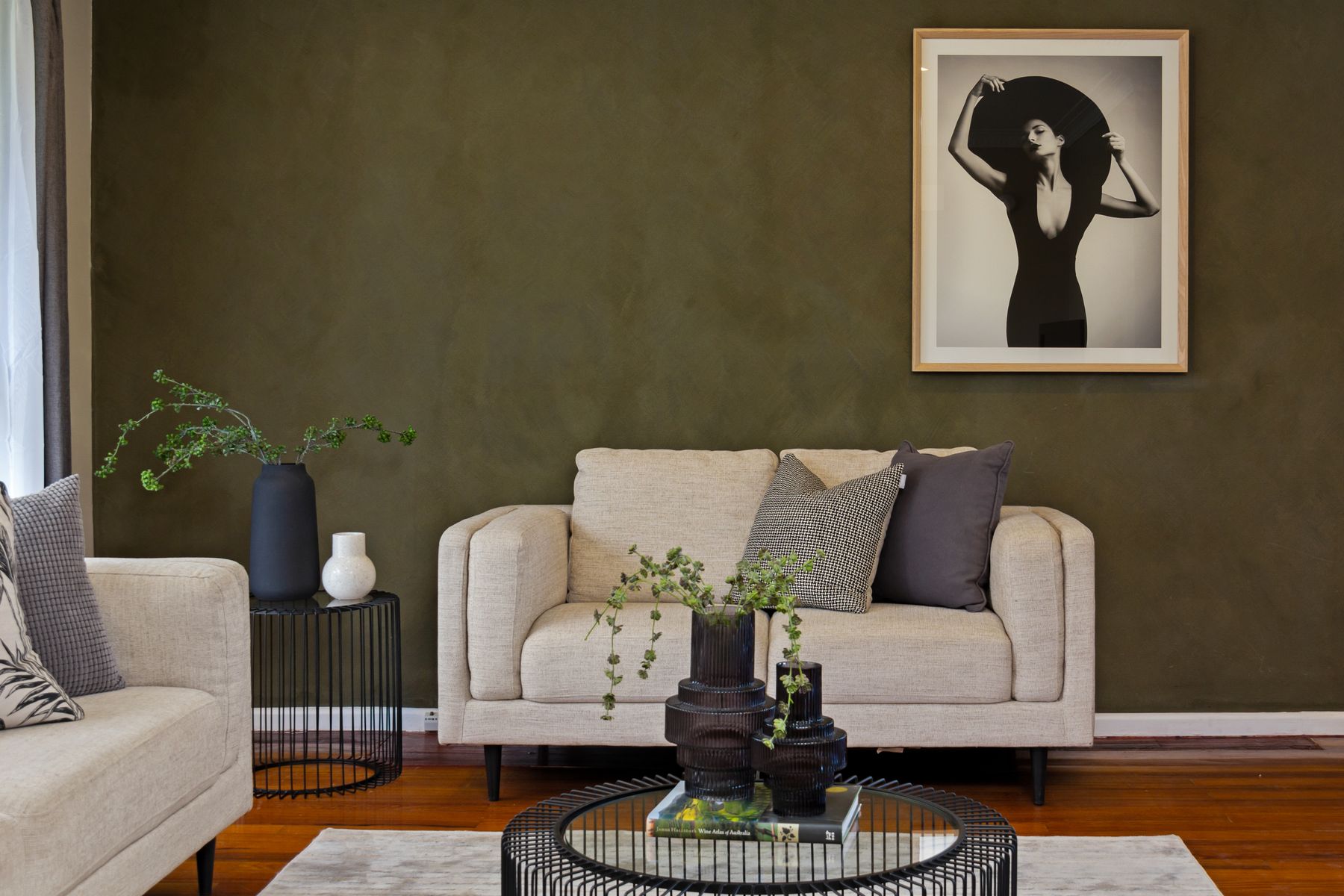
A black sofa against a black wall can create one calm horizon, useful when the room already contains strong art or a screen. It also hides the sofa's outline and may make its footprint difficult to read. A pale, tan or saturated sofa declares the seating group immediately and turns the wall into a backdrop. Choose from the desired hierarchy, not fear of darkness. If sofa and wall are both black, separate them through fabric texture, a narrow value shift and side light. If the sofa contrasts, keep its other furniture quieter so it does not become an isolated bright island. [Minimalist Living Room Ideas](/living-room/minimalist-living-room-ideas/) is useful when the goal is fewer, stronger silhouettes rather than darkness itself.
Make the Television Part of One Dark Elevation
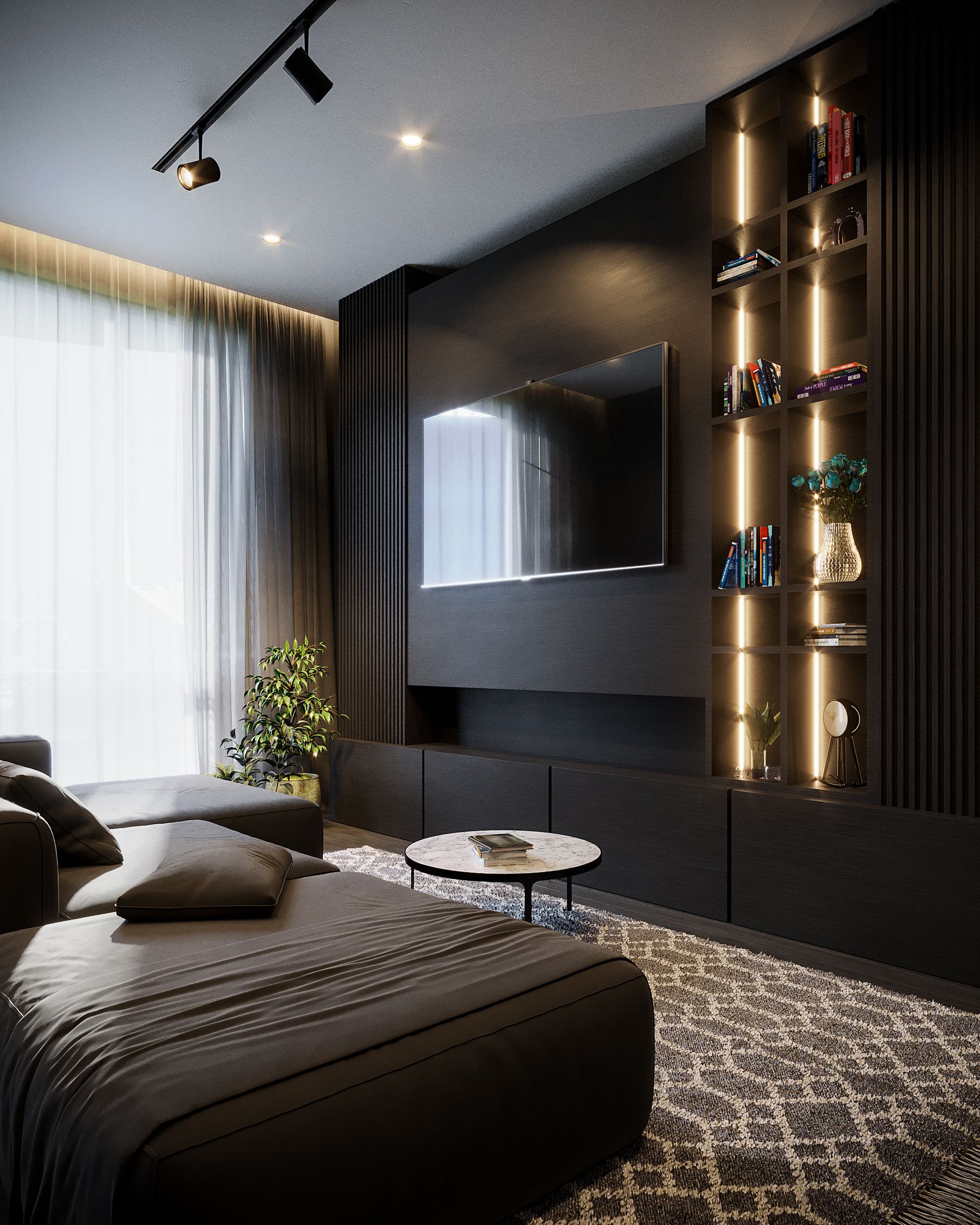
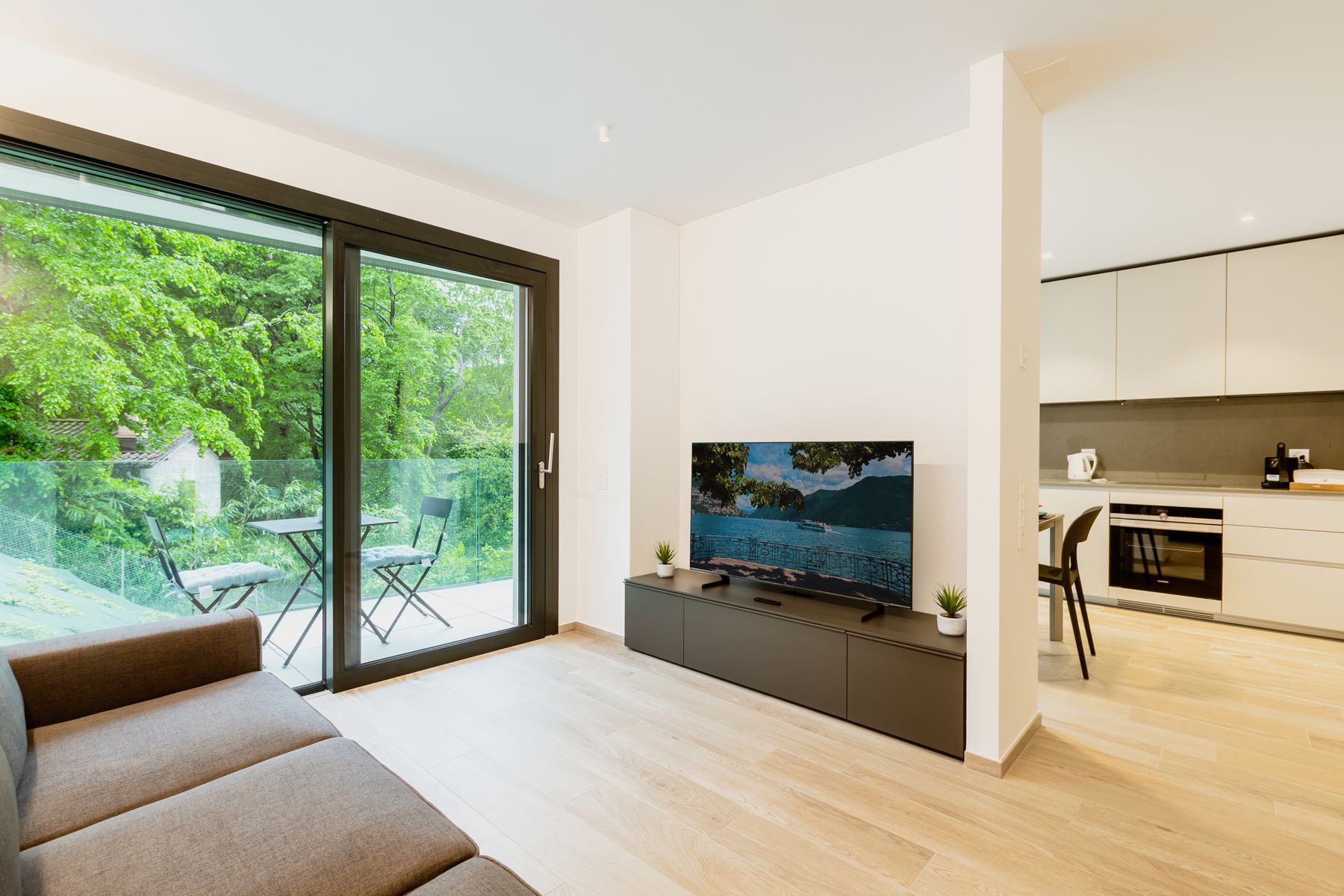
A television is already a large black rectangle. On a pale wall it commands attention even when off; on a black wall it can recede, but only if cables, speakers, shelves and the cabinet below are resolved as one elevation. Avoid outlining the screen with decorative lights that turn it back into the focal point. Use low-reflection finishes around the display, place ambient light away from the viewer's direct sightline and preserve ventilation and manufacturer clearances for the exact equipment. [Living Room Wall Ideas](/living-room/living-room-wall-ideas/) offers alternatives when the screen should not own the principal wall.
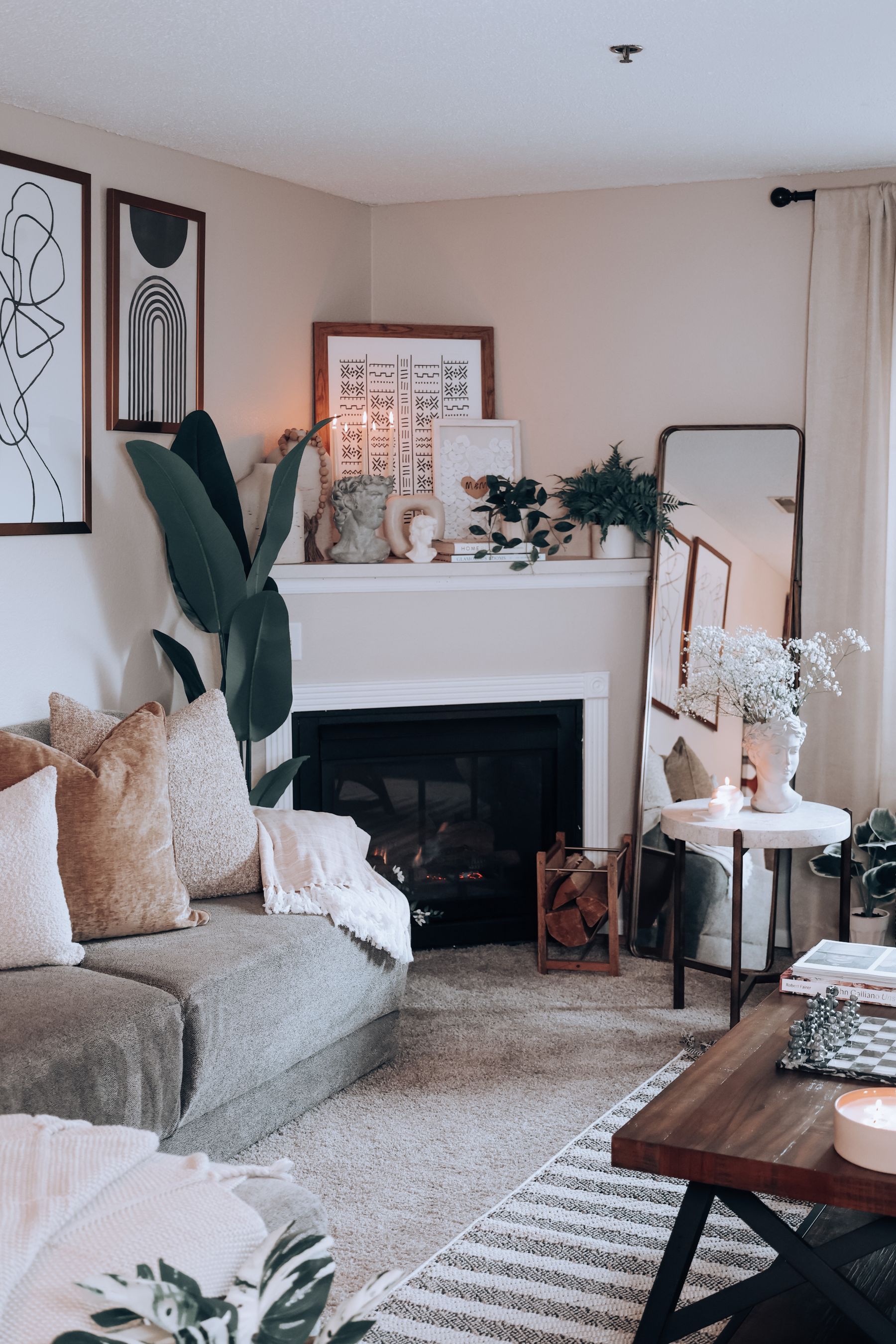
Give the Fireplace Relief Instead of a Second Void
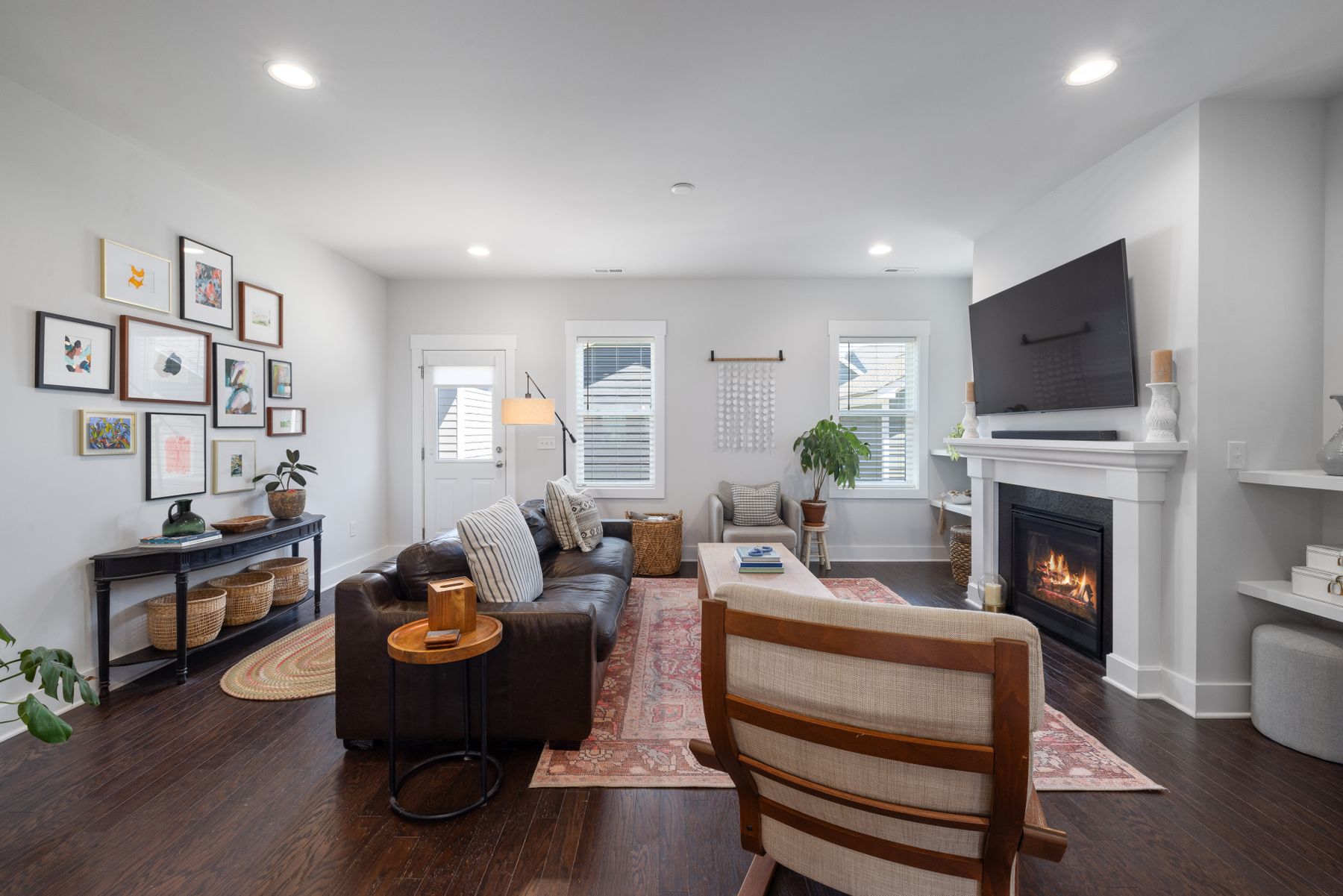
A black fireplace on a black wall can become beautifully monolithic, but the opening, surround and television may merge into multiple dark voids. Decide which feature leads. A mineral hearth, projecting mantel, fluted surround or visible firebox reveal can give the fireplace physical depth without turning it white. If a screen sits nearby, align the two within one controlled elevation or give them separate walls; stacking every rectangle over the hearth often produces hierarchy by default rather than choice. Follow the appliance and material specifications for heat, clearances and installation rather than treating the photograph as technical guidance.
Hang Art for Reflection, Not Just Contrast
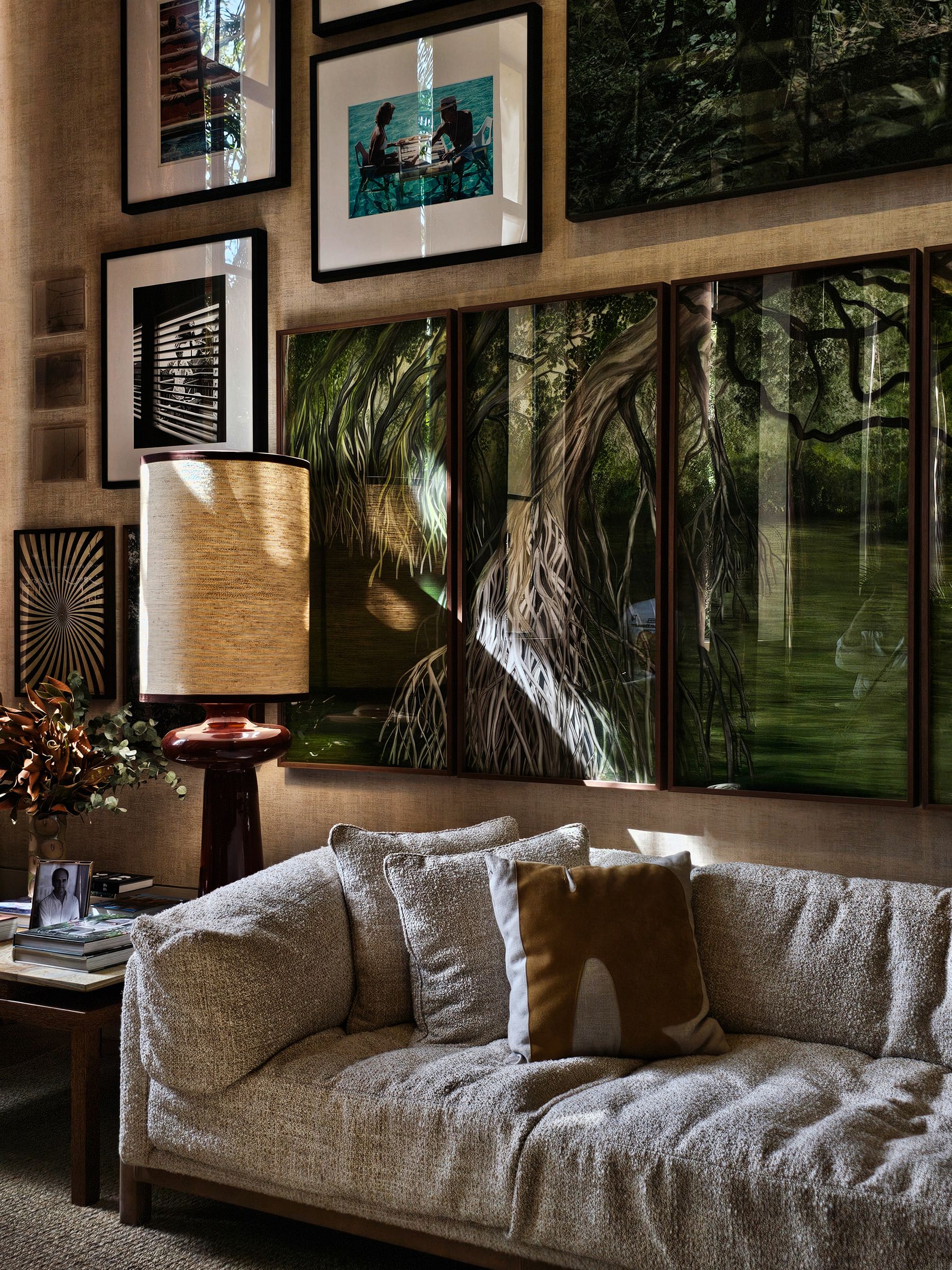
Black makes pale artwork appear brighter and saturated work more intense, but reflective glazing can replace the image with a window or lamp at the main viewing hour. Test sightlines from the sofa before fixing height. A tonal dark work can reward close viewing if its surface catches side light; a pale work becomes a graphic interruption and should be given enough breathing room. Mixed frames need not all be black—dark timber, bronze or a narrow pale mount can prevent the gallery from dissolving into the wall.
Light Faces, Hands and Paths Before the Wall
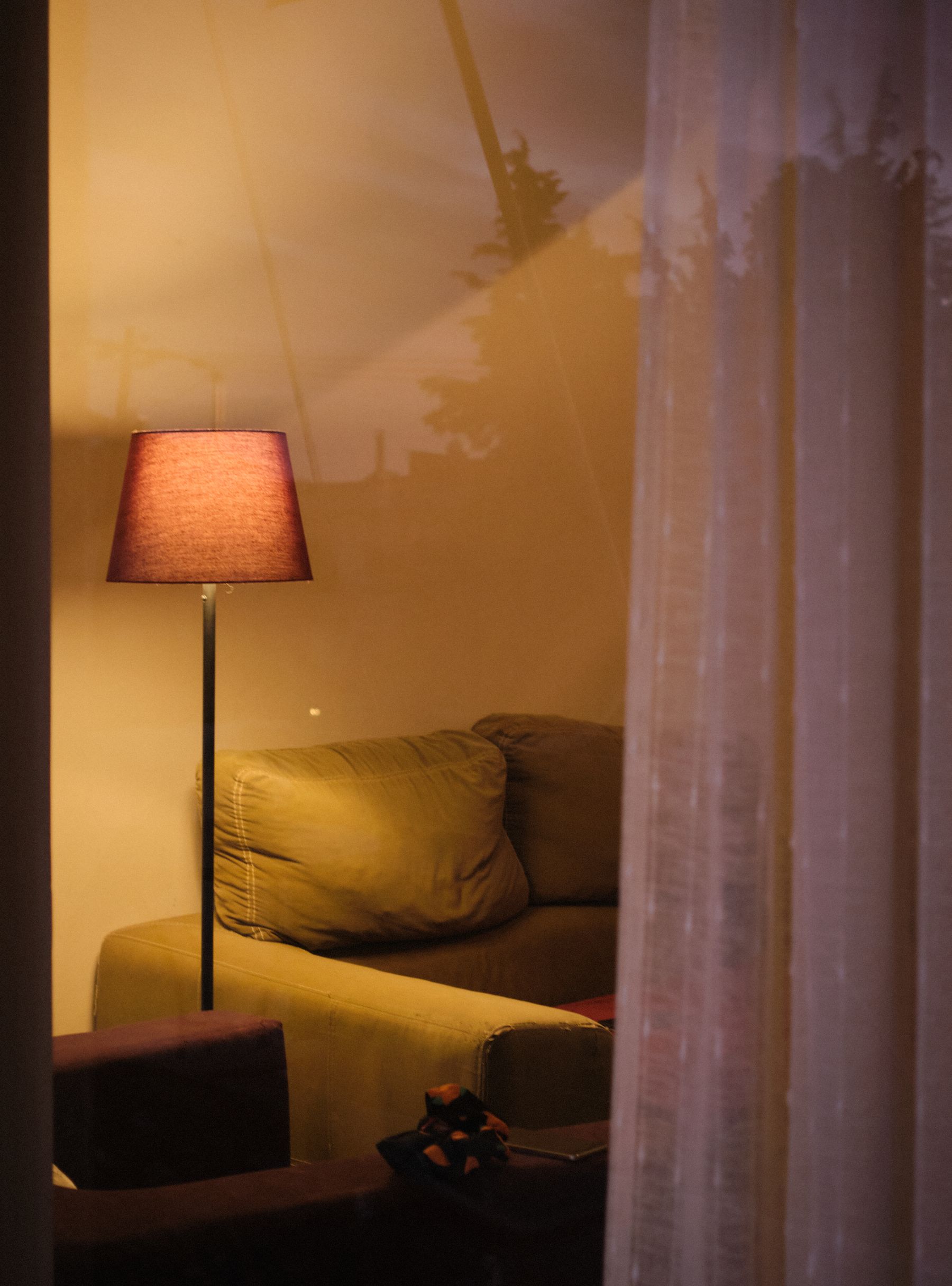
Black rooms tempt people to add more ceiling light, yet flat brightness can erase the depth that made the palette appealing. Begin with human tasks: light faces across the conversation group, the page at the reading chair, the route to the door and the controls people touch. Then add a wall wash or shelf light to reveal one dark surface. Keep lamp shades and bulb visibility comfortable from seated eye level. [Living Room Lighting Ideas](/living-room/living-room-lighting-ideas/) expands the functional layers; here the essential point is that black needs directed light, not simply more lumens.
Let the Rug Reveal the Furniture Footprint
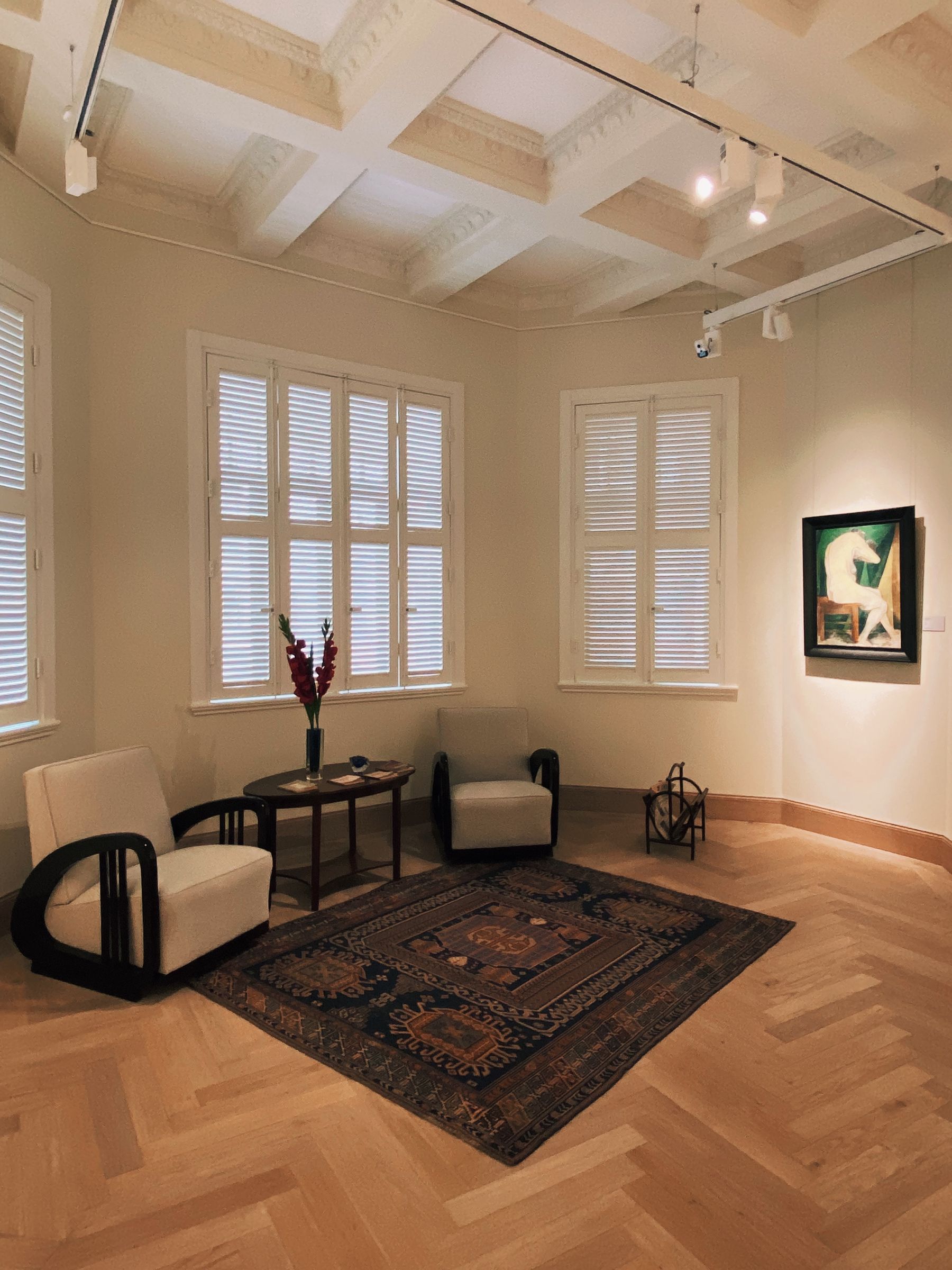
When black seating, table and floor overlap, the rug becomes an edge map. It does not have to be cream. Smoke, faded color, a restrained vintage pattern or visible wool texture can create enough separation while keeping the room dark-led. Avoid a tiny pale rug that reads as an island under a large black group; it should relate to the seating footprint and leave a deliberate floor margin. If the floor is pale, a dark rug may unite the furniture, but confirm that its edge remains visible along the walking route. [Living Room Rug Ideas](/living-room/living-room-rug-ideas/) covers sizing and furniture relationships beyond the palette.
Make a Small Black Room Precise, Not Busy
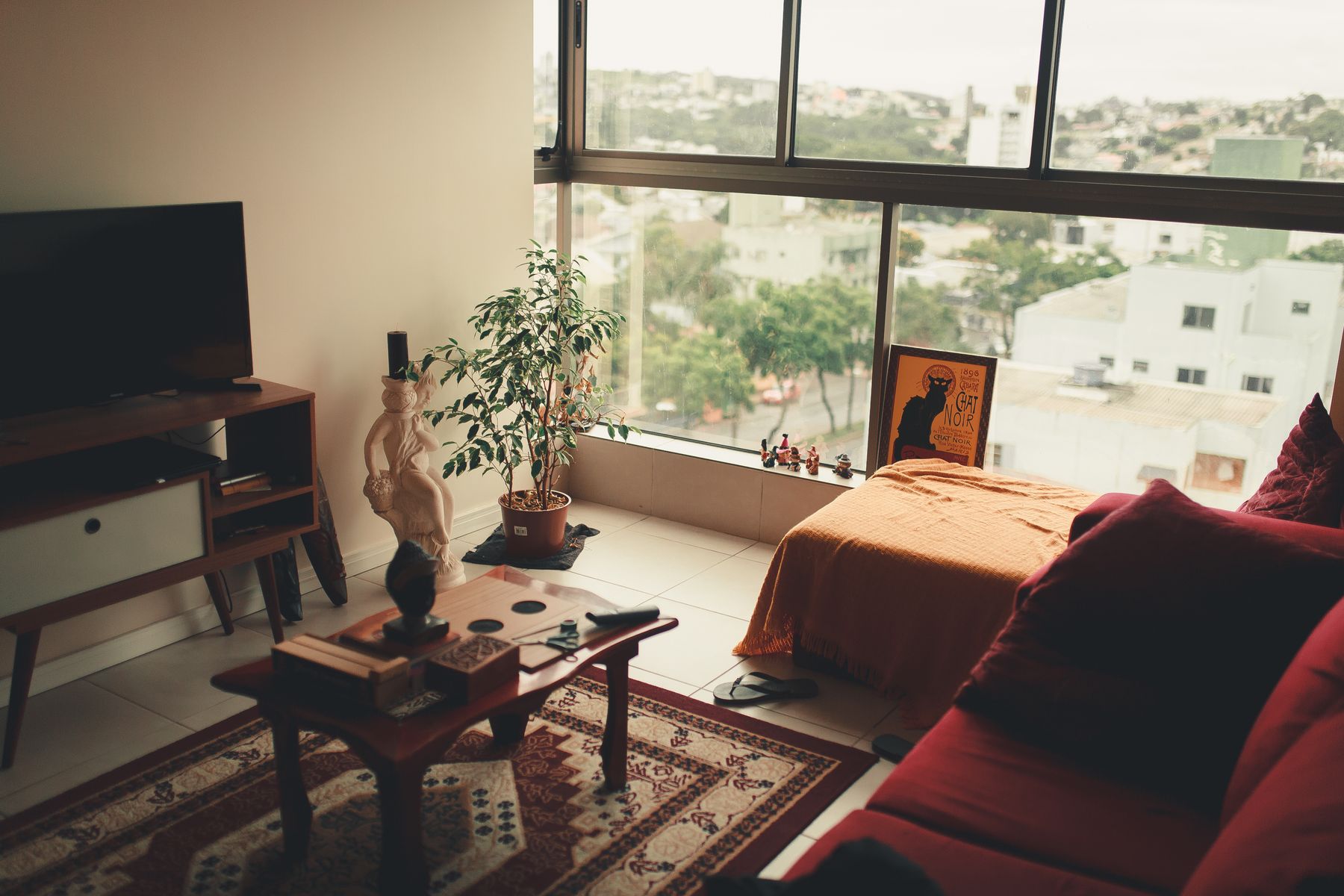
Black does not automatically make a small room unusable; fragmented contrast and hidden edges are often the larger problem. Continue one black field across awkward projections, choose fewer furniture silhouettes and preserve a visible route. Tall curtains close to the wall color can reduce another boundary, while one lighter sofa or rug clarifies the seating zone. Mirrors only help when they return a useful view or light source; a mirror facing clutter repeats it. For scale and circulation decisions beyond color, continue to [Small Living Room Ideas](/living-room/small-living-room-ideas/).
Stop Black at a Defensible Open-Plan Boundary
In an open plan, black needs a stopping rule. Use a return wall, ceiling beam, fireplace volume, built-in depth or the end of the seating zone. An arbitrary vertical paint line on a continuous wall usually exposes the absence of architecture. If no boundary exists, carry a near-black through the full connected wall and distinguish functions with light, furniture and material instead. The adjoining dining or kitchen area does not have to match; it should acknowledge the black field through one substantial relationship such as timber, metal or a repeated undertone. Use [Living Room Layout Ideas](/living-room/living-room-layout-ideas/) when the zone itself is unresolved before color.
Build a Rental Version From Portable Black Masses
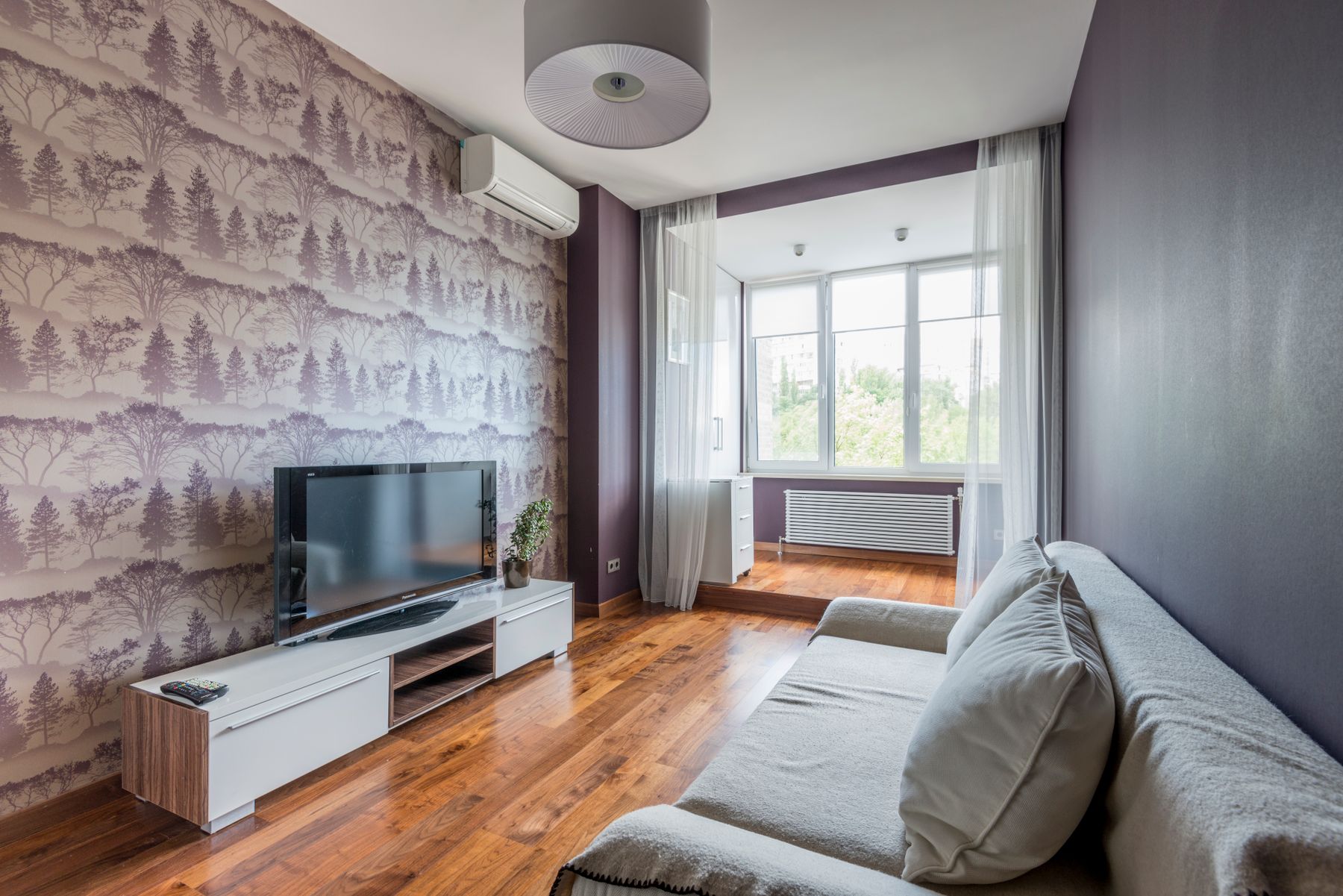
A renter can create a black-led room without painting the whole shell. Use one large dark sofa, full-height curtain field, freestanding bookcase or oversized textile so black appears in connected masses. Removable wallpaper may work on a suitable smooth surface, but sample it in an inconspicuous area and follow the maker's removal guidance; adhesive behavior varies with paint condition and time. Keep expensive black elements portable and let landlord-approved paint, if available, be the lowest-risk layer rather than the entire concept.
Choose the Finish for Dust, Touch and Repair
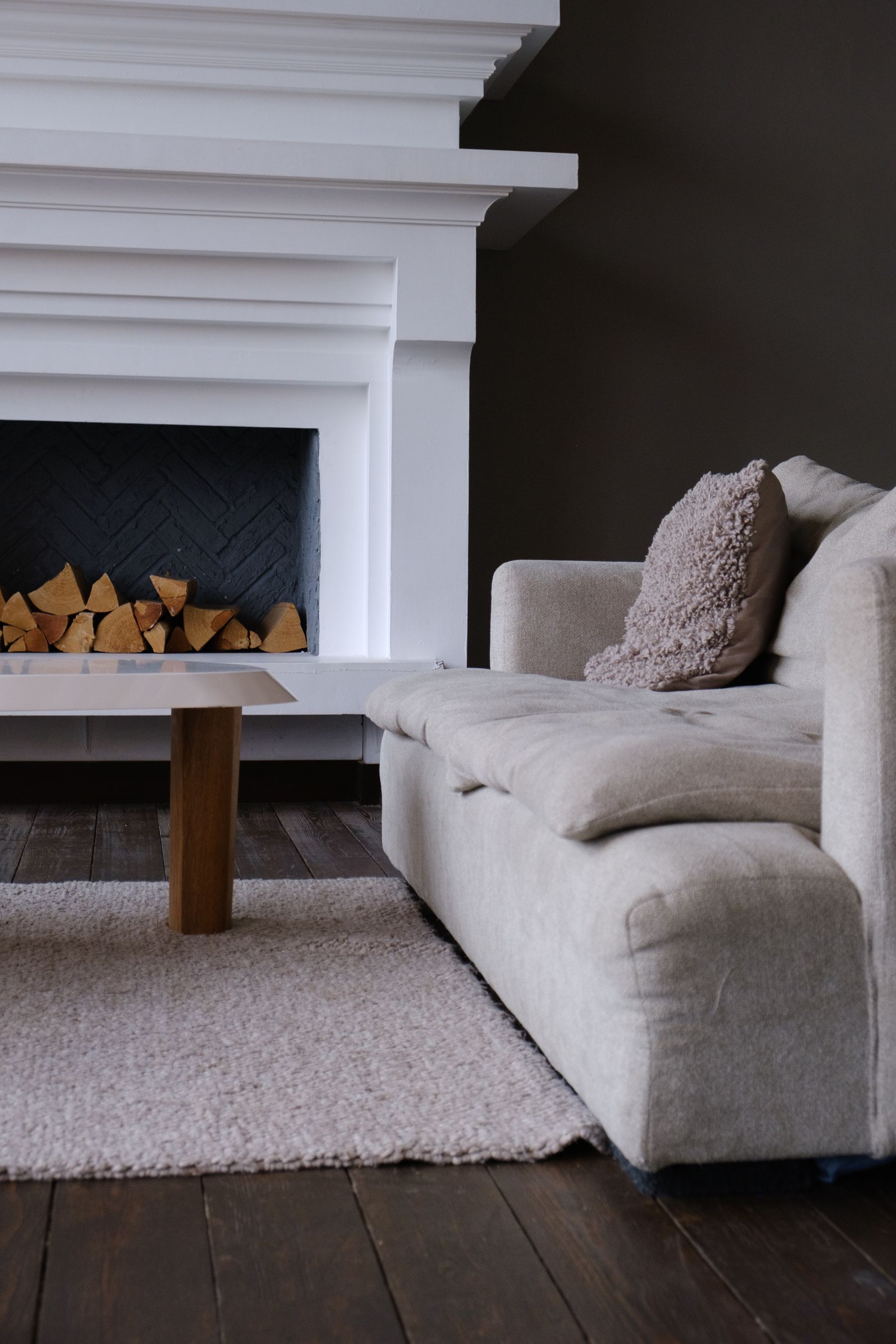
Black may conceal shadow but reveal pale dust, pet hair, fingerprints, rubbed corners and imperfect patching. Place washable or more forgiving finishes at switch plates, door edges, media cabinets and the back of the sofa; reserve delicate dead-flat surfaces for lower-contact planes. A visible weave can disguise lint distribution better than a smooth velvet, while glossy cabinetry may require frequent touch cleaning. Test the exact sample with the household's real risks and keep batch information for future repair where the manufacturer provides it.
Protect Useful Contrast Without Turning Monochrome
A dark room still needs useful edges. Ensure doors, switches, table corners, floor changes and the principal route are perceptible under ordinary evening light. The solution may be local illumination, material change, a charcoal step between blacks or a tactile cue—not necessarily a white outline. Keep loose dark cables away from dark walking surfaces and avoid a black rug edge disappearing on a black floor. These are general visibility principles, not a substitute for a person-specific accessibility assessment or local safety requirements.
Run the Three-Scene Black Test
Finish by testing three real scenes. In daylight, the black surfaces should show undertone and material rather than become blank. In television mode, the screen should recede without paths and faces disappearing. In ordinary evening conversation, people, books, drinks and controls should remain comfortable to see without every ceiling light on. Remove one dark object that adds no structural value, then reassess the composition. A convincing black living room feels edited and inhabitable in all three conditions; darkness is the framework, not the performance.