Add Easter to a Spring Base Instead of Starting Over
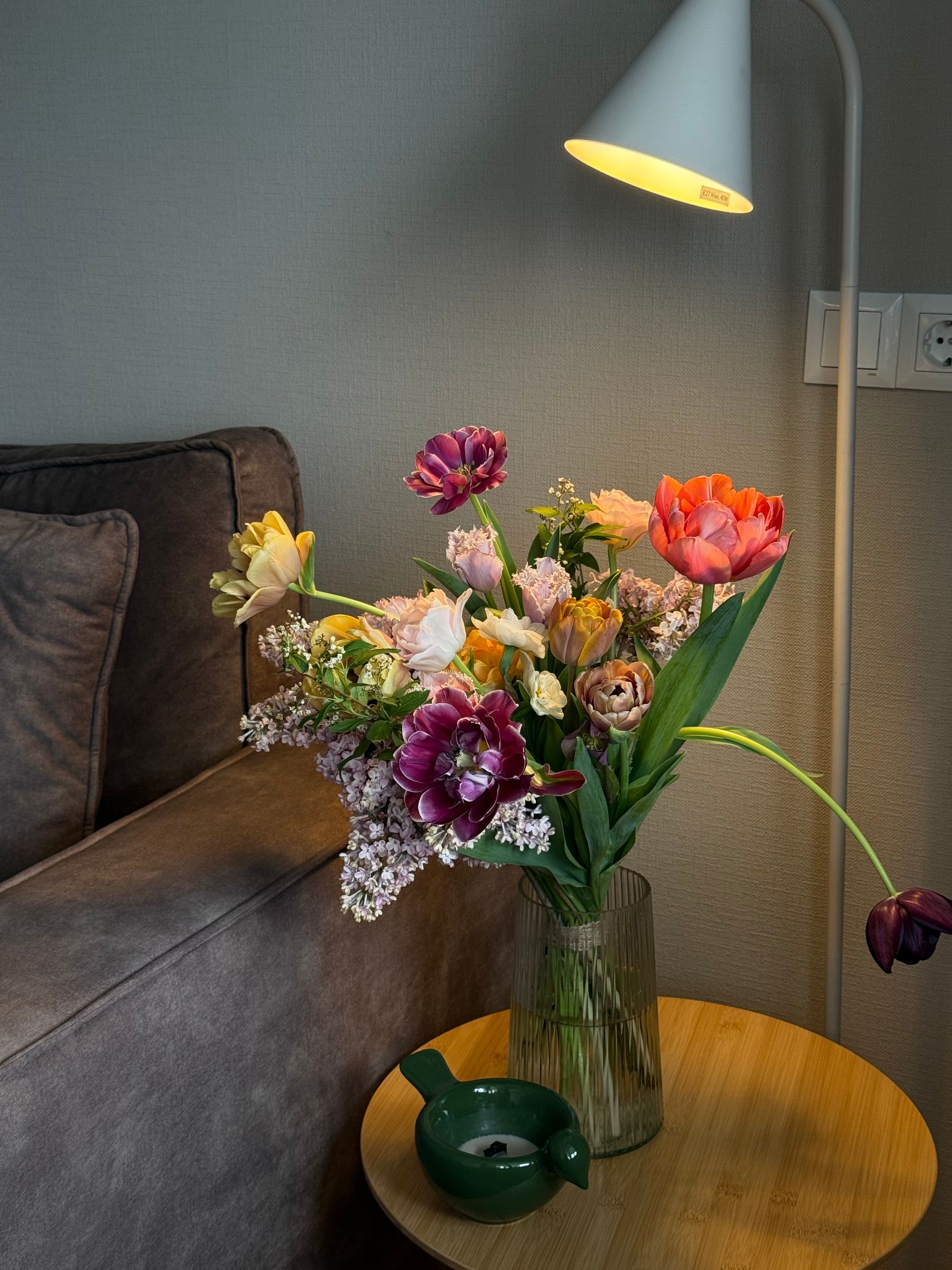
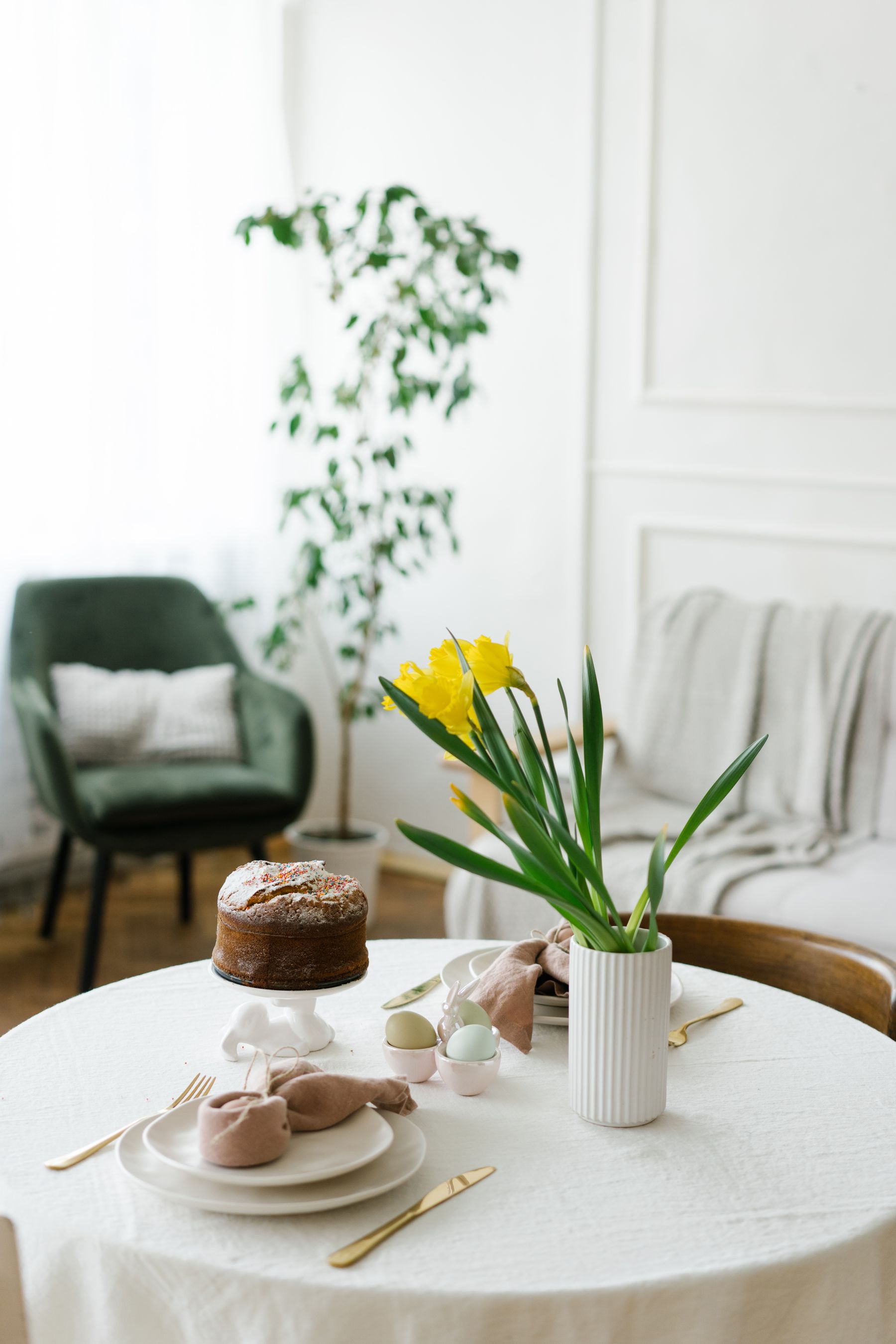
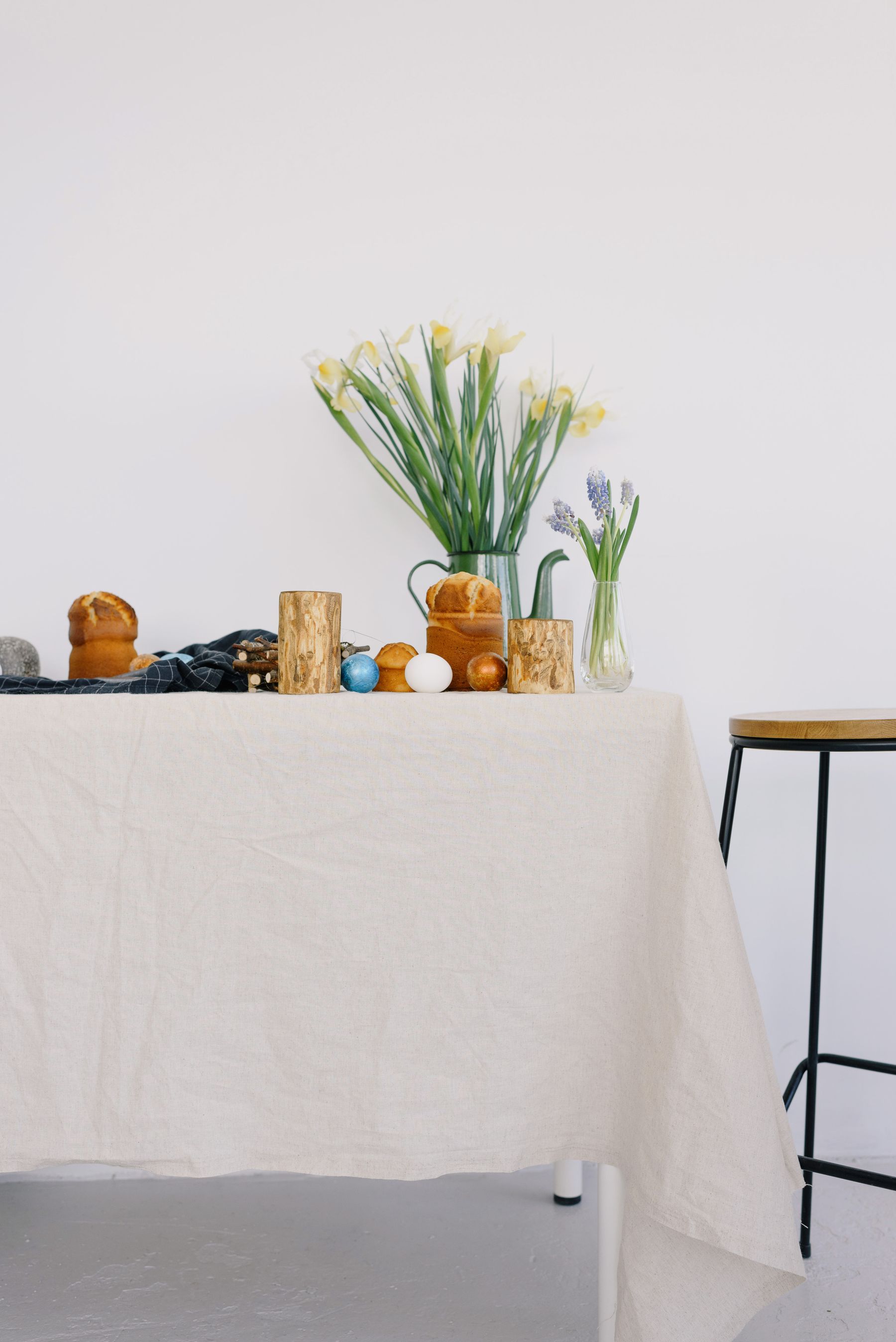
Begin with the room's existing spring layer—daylight, lighter textiles, greenery and a fresher palette—then add Easter only where it creates a distinct focal point. You do not need to remove spring flowers or neutral decor in order to make space for holiday pieces; instead, use eggs, a basket or one rabbit figure to sharpen the seasonal meaning. This makes the room easier to edit after the holiday and prevents Easter from becoming a second complete decorating project. If the room has not yet had its post-winter reset, start with [spring living room decor ideas](/living-room/spring-living-room-decor-ideas/) before adding holiday-specific objects.
Choose One Main Easter Focal Point
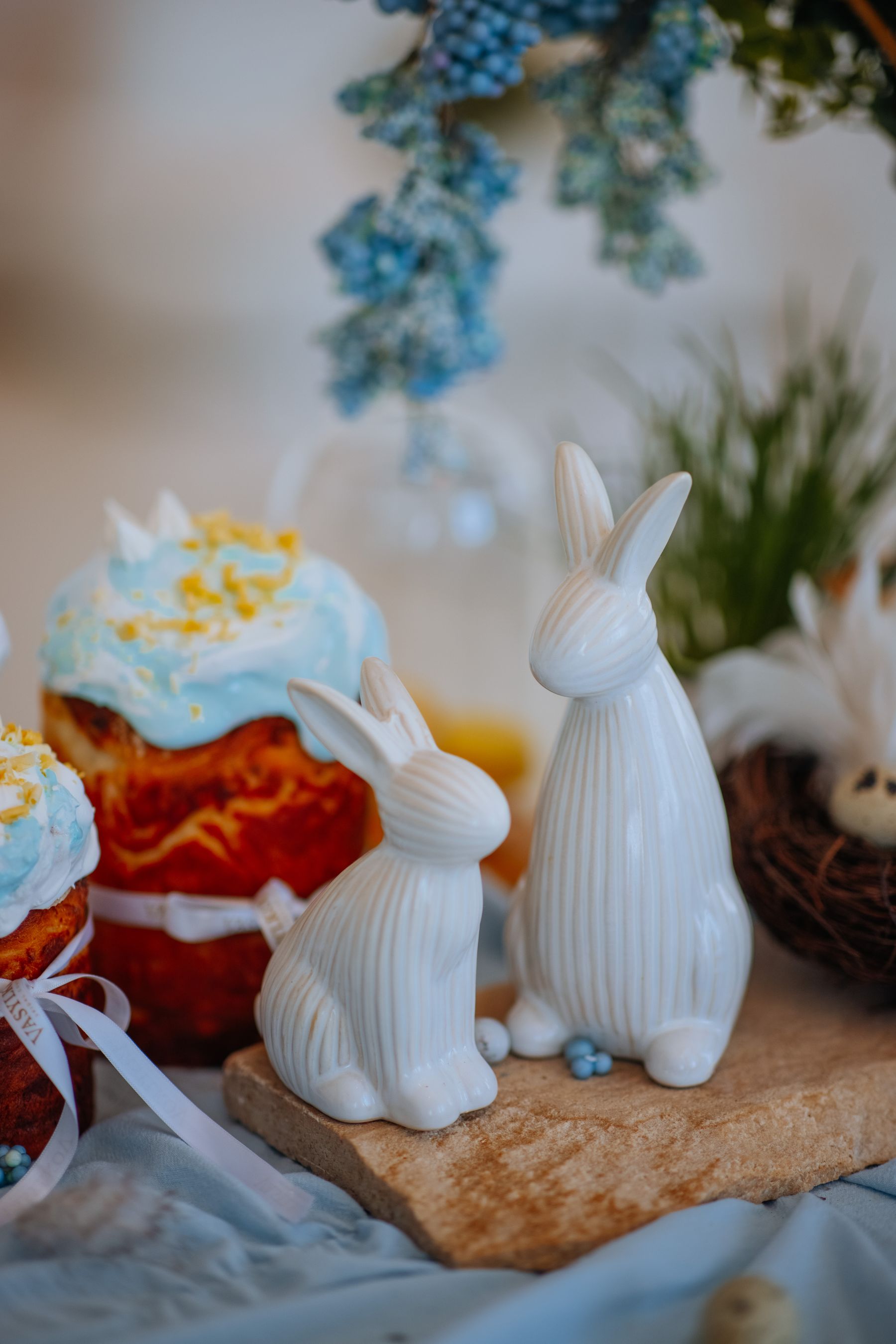
Pick the console, coffee table, mantel, sideboard or one shelf as the place where Easter is allowed to be most explicit. Use the largest holiday pieces there and let the surrounding surfaces stay comparatively quiet. This creates a hierarchy: the viewer reads the room first and the holiday second, rather than encountering a series of unrelated rabbits and eggs. If the room is small, one deliberate focal point is especially important because multiple themed displays can make the space feel visually fragmented.
Contain Eggs in a Basket, Bowl or Tray
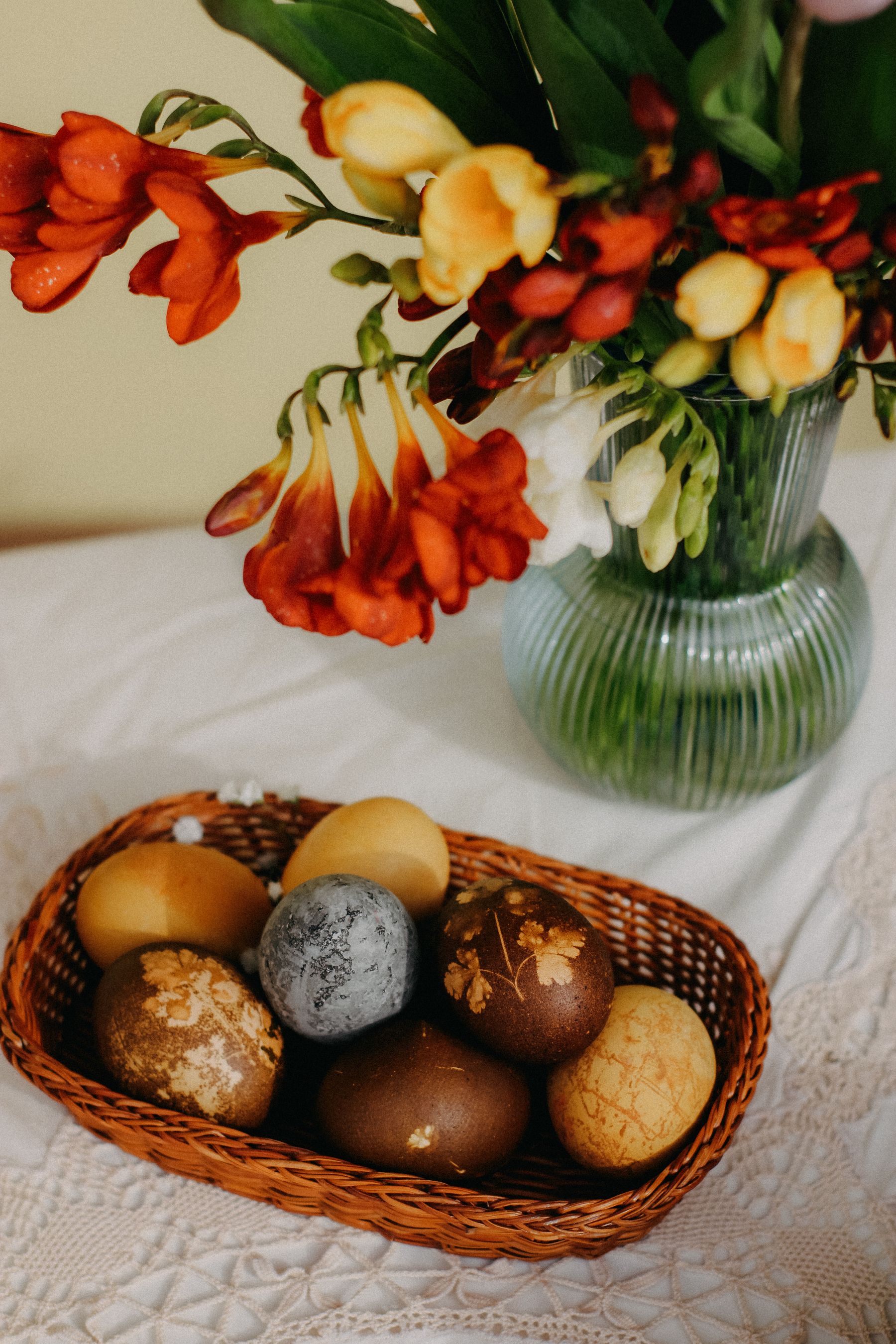
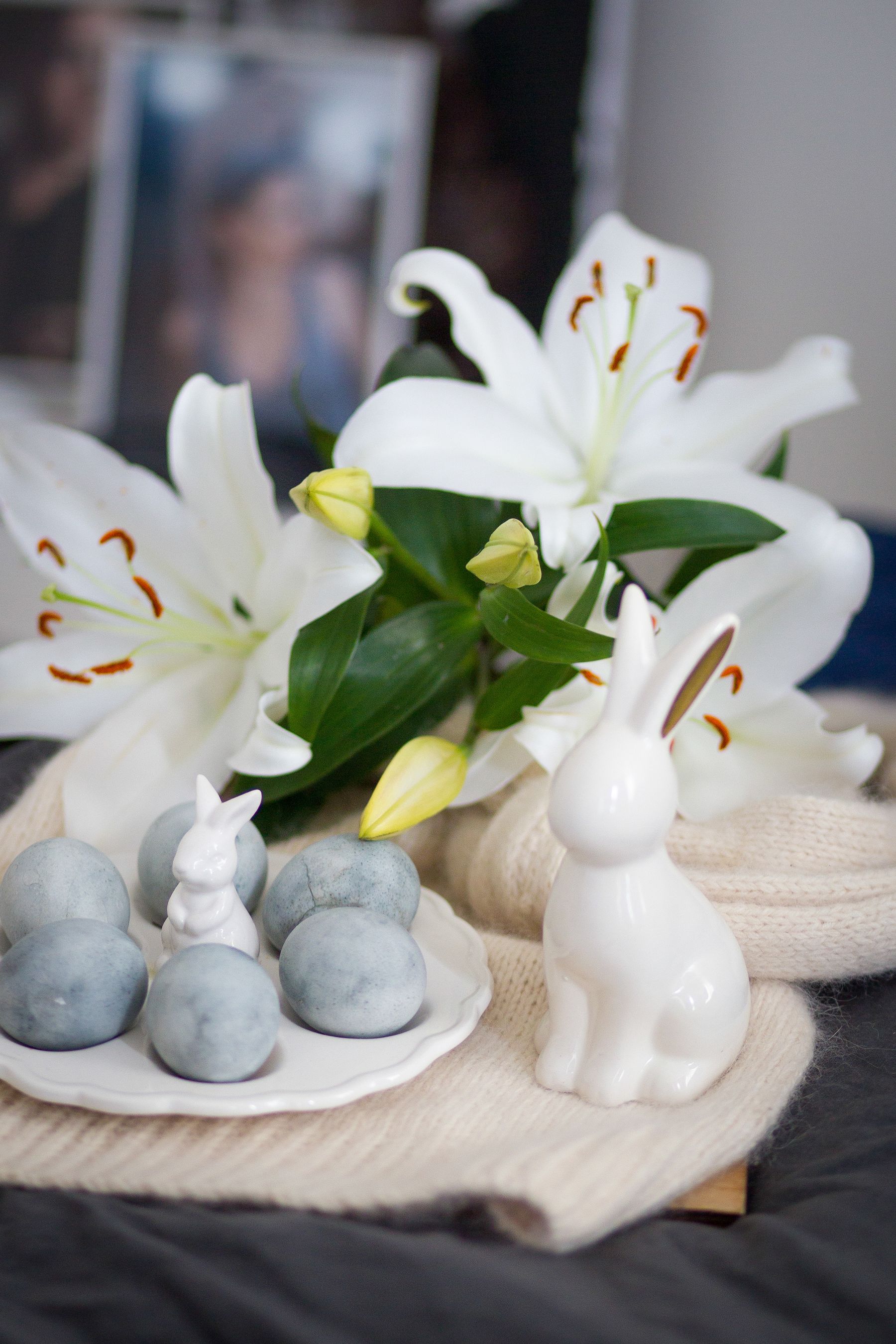
Decorated eggs are visually small and repetitive, so they quickly create clutter when scattered across several surfaces. A basket, bowl or tray gives them a boundary and lets the whole display move when the coffee table or console is needed. Mix sizes or finishes only within a limited palette so the group still reads as one composition. If children will handle the eggs, choose durable materials and place fragile or heirloom pieces higher. Containment also simplifies storage after Easter because the decorative group already has an obvious category.
Use Bunny Motifs Once, Then Let Other Shapes Do the Work
Rabbits are one of Easter's strongest symbols, which means they do not need much repetition. One ceramic pair, a single silhouette or a small textile motif can establish the holiday while flowers, branches, baskets and eggs provide the rest of the composition. Repeating rabbits on cushions, shelves, candles and wall art at the same time can make the living room feel novelty-led. If the existing interior is formal or neutral, keep the figurative element simple and let material and proportion carry the style.

Layer Easter Into Existing Plants and Greenery
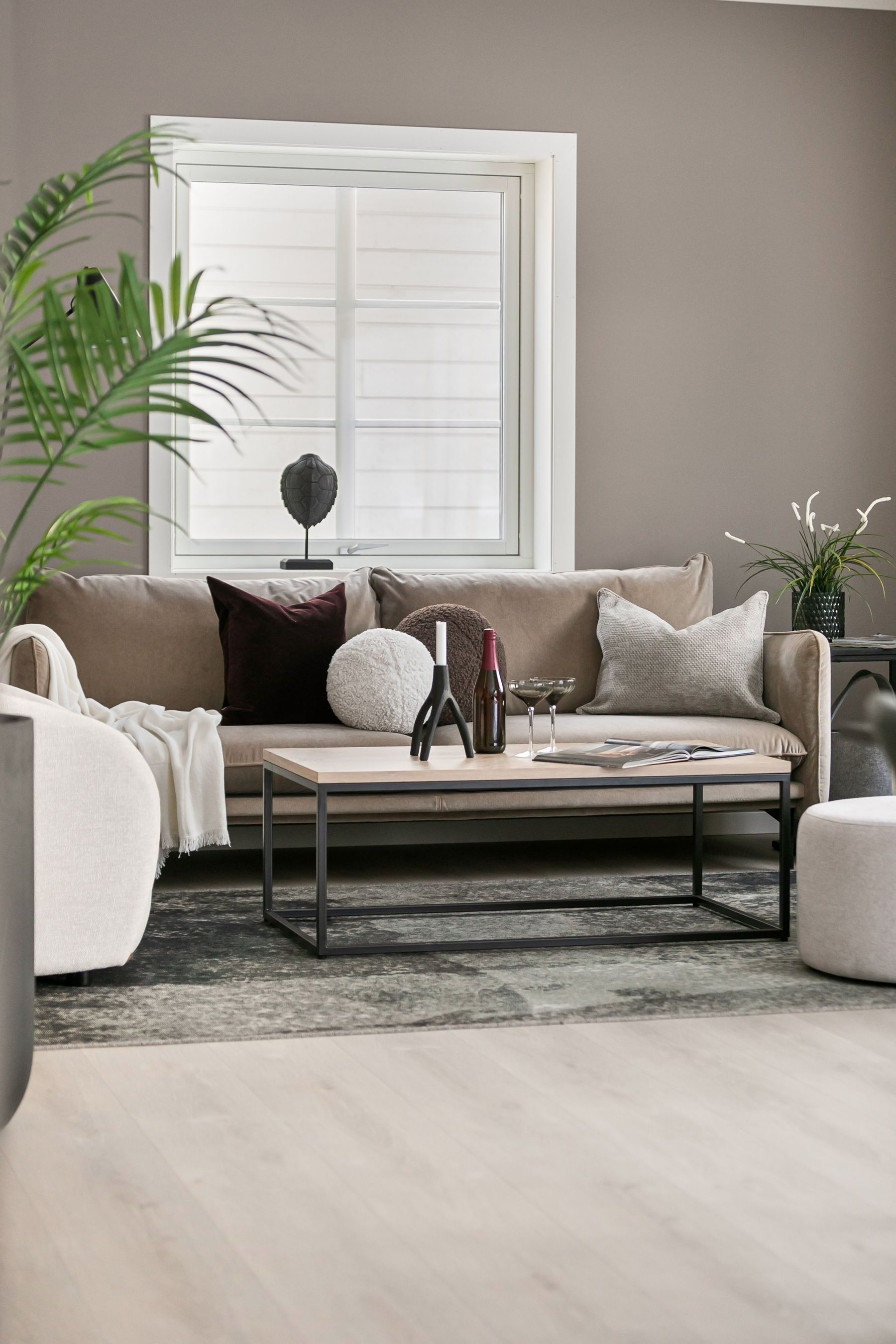
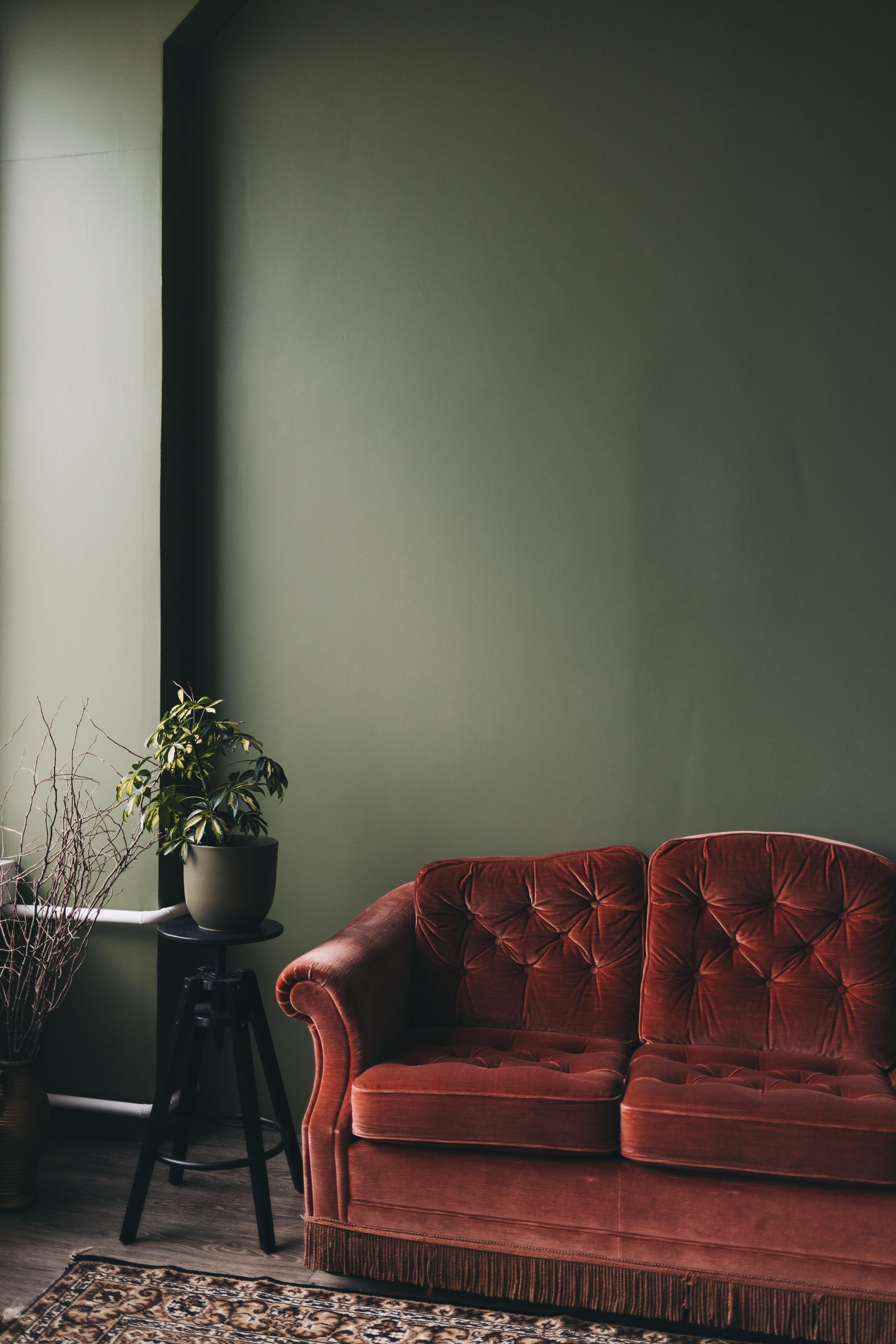
Houseplants already supply green color and organic shape, so use them as part of the holiday composition rather than creating a separate artificial-greenery layer. A basket or a few eggs near a substantial plant can make the vignette seasonal without covering the plant itself. Keep decorations away from soil if they make watering difficult and avoid tying anything tightly to stems or leaves. If green is a major color in the room, [green living room ideas](/living-room/green-living-room-ideas/) can help keep the botanical layer integrated with the permanent interior.
Use Natural Materials for a Quieter Easter Palette
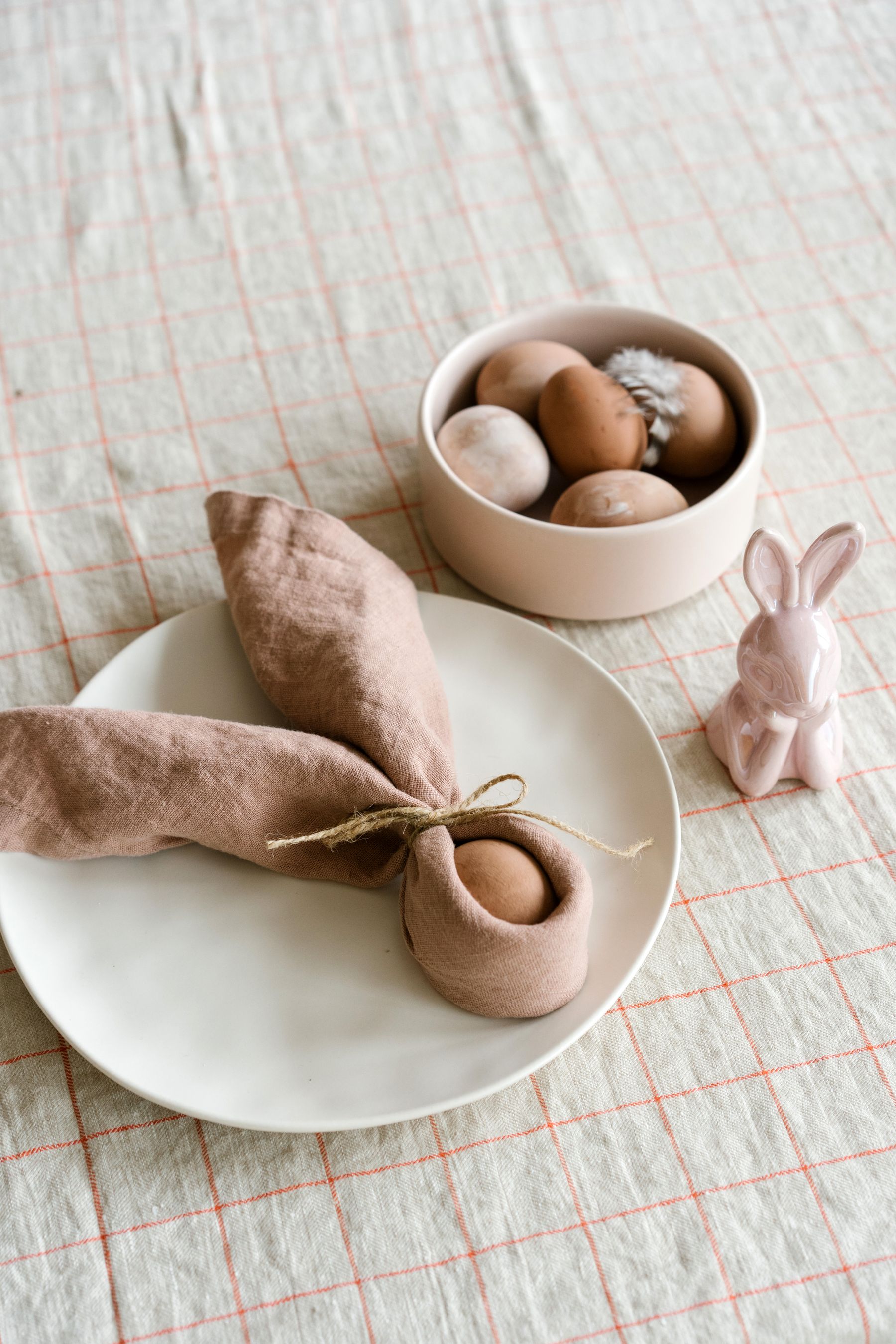
Pastels are optional. Wicker, linen, unpainted wood, brown or speckled eggs, simple branches and white flowers can create a more restrained Easter scheme that works naturally in neutral, rustic or minimalist rooms. Use texture to distinguish the holiday layer: a woven basket, soft linen ribbon or matte ceramic object can provide enough seasonal character. If the living room already uses a quiet palette, [neutral living room ideas](/living-room/neutral-living-room-ideas/) can help maintain contrast so natural materials do not all collapse into beige.
Move Holiday Decor Up Onto a Door or Wall
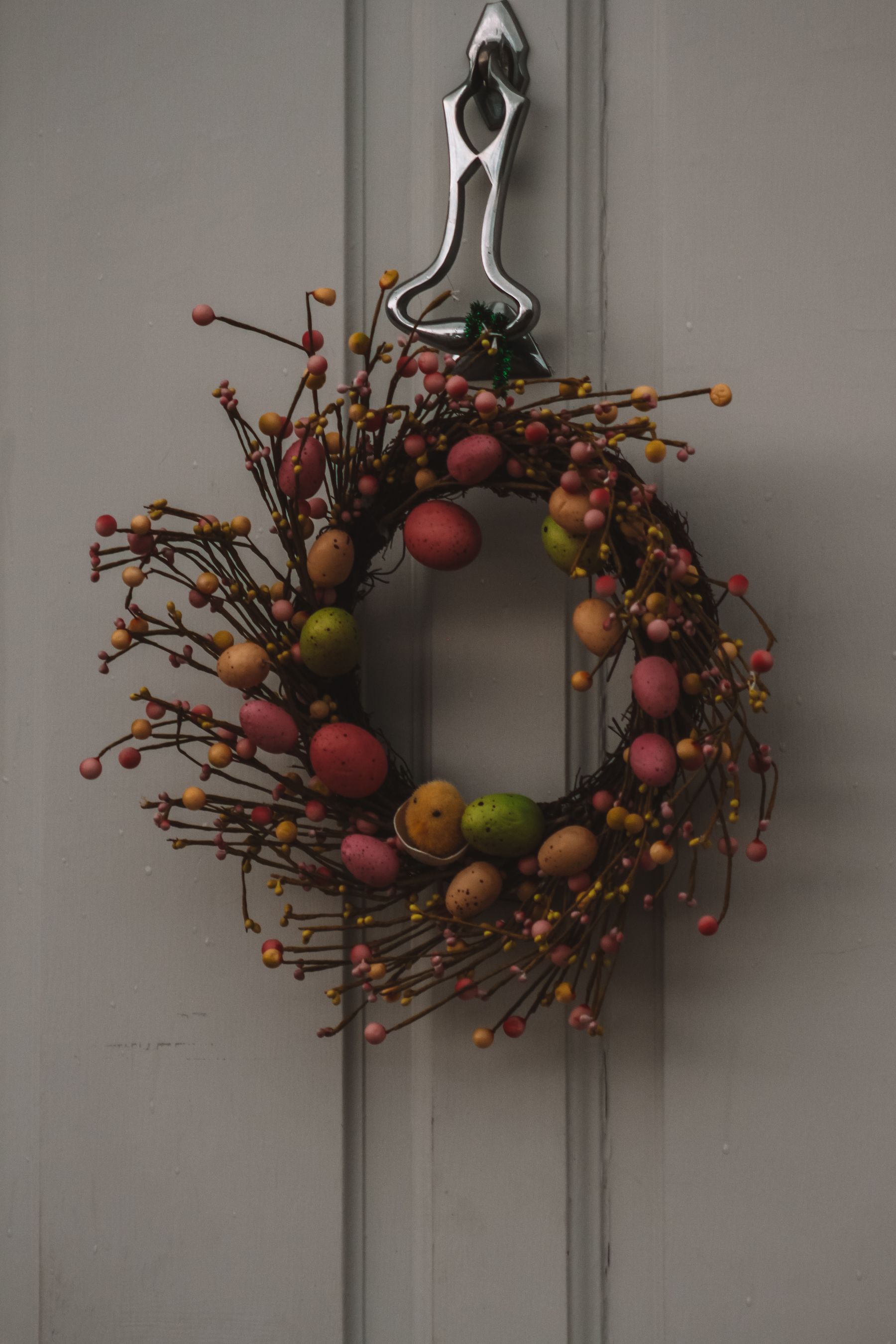
If the living room is already busy at table height, shift one Easter cue onto a door, wall or glazed opening. A wreath or lightweight hanging piece can add color without occupying a useful surface. Check the fixing method, door movement and wall finish before installation, especially in rentals. Keep the scale related to the opening: a small wreath can look lost on a tall door, while an oversized piece may interfere with handles or sightlines. For wall-heavy rooms, compare the balance against [living room wall ideas](/living-room/living-room-wall-ideas/) rather than adding seasonal decor wherever a blank patch remains.
Use a Branch Display to Add Height Without More Surface Clutter
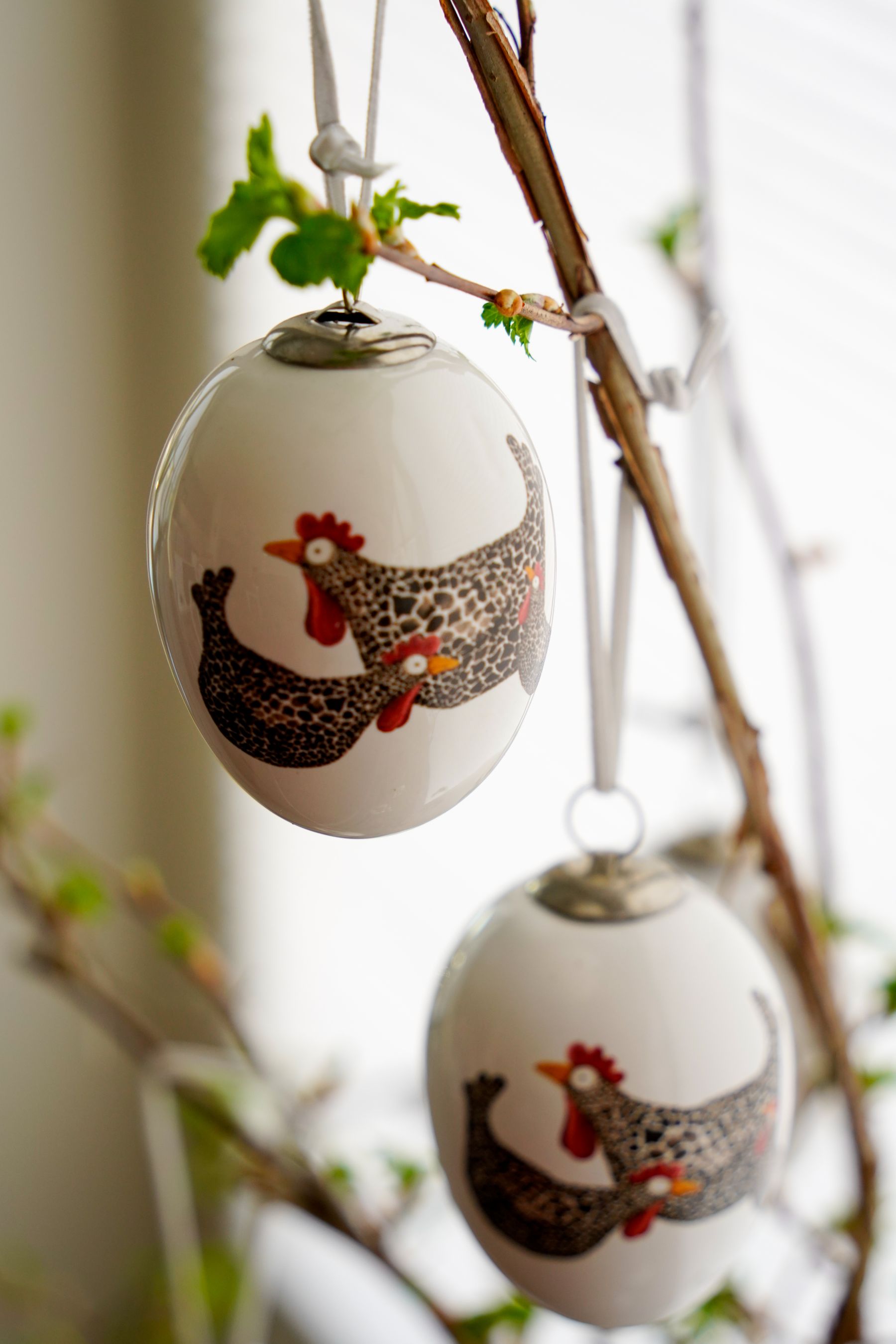
A tall branch arrangement can give Easter more presence without requiring a wide basket or large collection of objects. Use a stable vessel, keep hanging decorations lightweight and leave enough open branch visible that the arrangement does not become dense. Position it where it will not be brushed by people walking past or caught by curtains. If the branch is fresh, consider how long it will remain presentable; if it is dried, keep it away from flame and hot fixtures. The display works best when it is the main vertical Easter element rather than one of several competing arrangements.
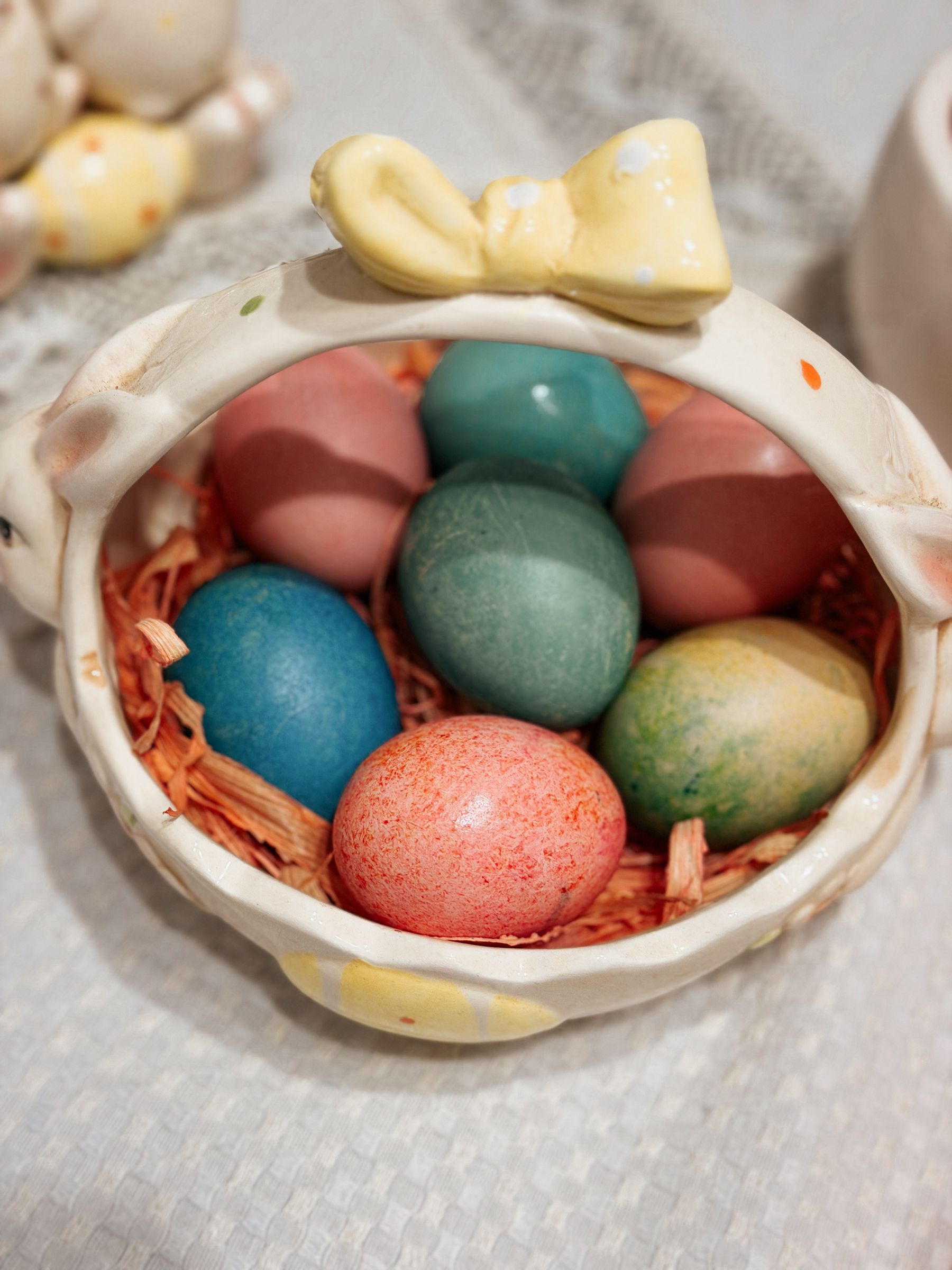
Concentrate Pastel Color Instead of Spreading It Across the Room
If you want pink, yellow, blue, lilac and green, let a single basket of eggs carry most of that range rather than repeating every color in cushions, candles and flowers. The living room will feel calmer if the broader textiles remain connected to the permanent palette. Alternatively, choose only two egg colors and repeat one of them in flowers or ribbon. Color concentration makes even playful Easter decor look more intentional because the eye reads one strong moment instead of many small interruptions.
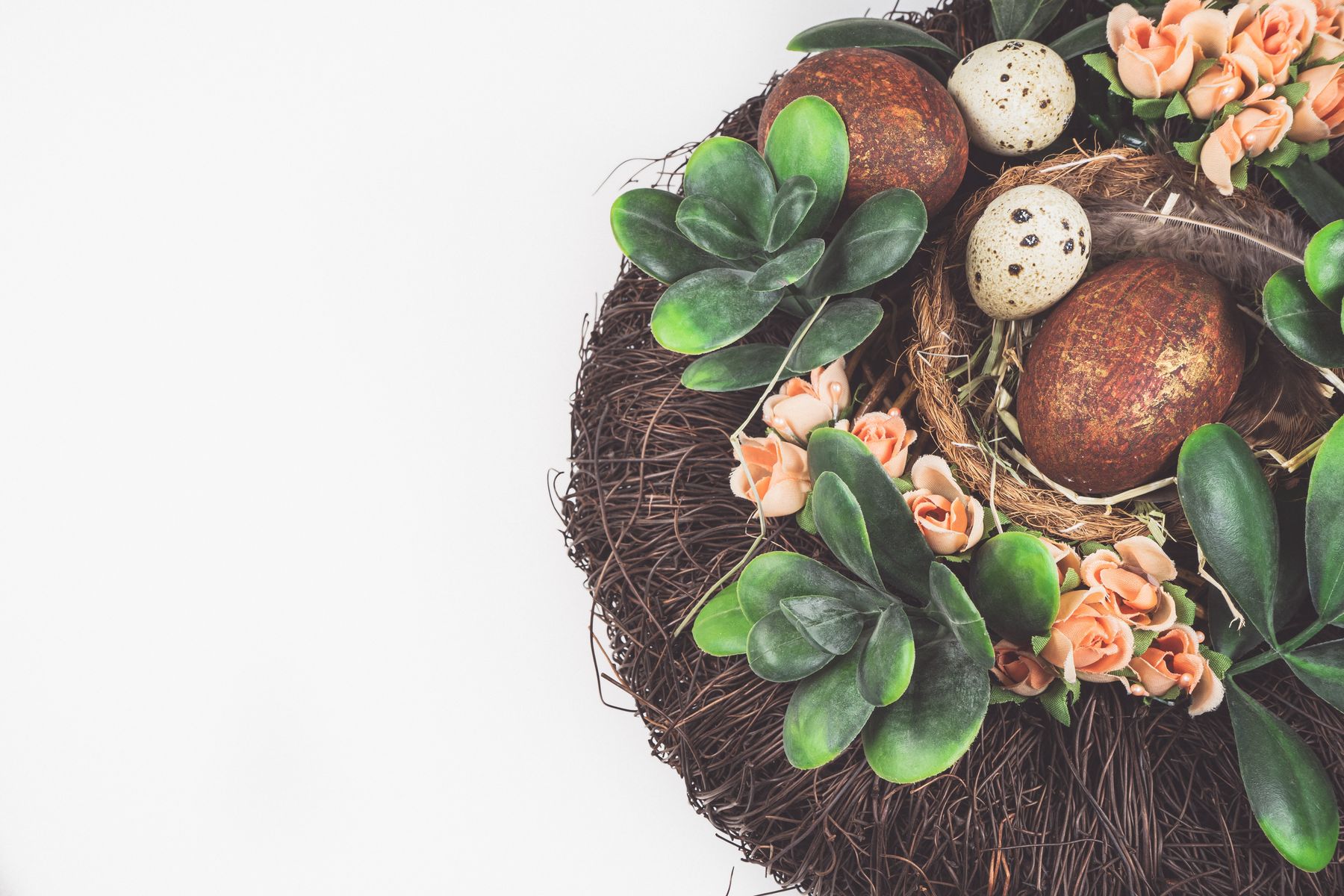
Use Flowers to Bridge Easter Back Into Spring
Build at least one Easter vignette around flowers or greenery that still make sense after the eggs are removed. This creates a natural transition: on Easter weekend the arrangement may include a nest, eggs or small rabbit; afterward, remove the explicit symbols and keep the botanical base. Avoid buying a second set of flowers solely to match the holiday palette if the room already has a good spring arrangement. The best short-term decor is easy to subtract from.
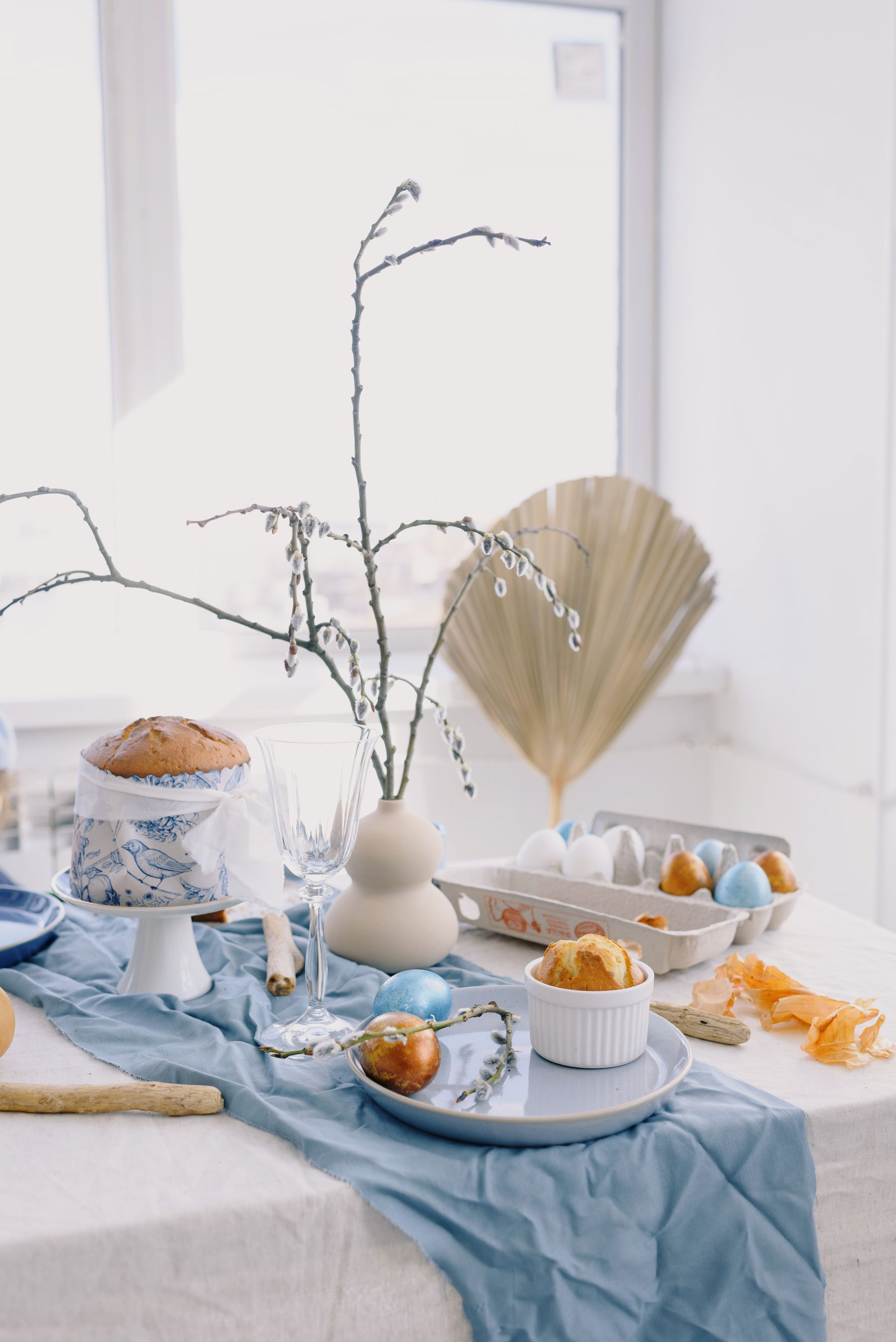
Plan the Post-Easter Edit Before the Holiday Ends
Separate what belongs to Easter from what belongs to spring while you decorate. Eggs, rabbit figures and explicitly holiday wreaths leave first; flowers, plants, lighter textiles and most natural materials can stay. This prevents the room from feeling suddenly bare after a short holiday weekend and reduces the urge to buy another round of spring decor immediately afterward. Store Easter pieces by type and size so next year's room can be composed differently instead of recreated from a fixed vignette.