Define Shabby Chic Before Adding Vintage Pieces
Shabby chic is a romantic, relaxed branch of vintage style built around pale painted furniture, floral or toile pattern, soft textiles and selected signs of age. Vintage Bathroom is broader, Traditional is more ordered, Victorian is historically specific, and Cottage or French Country usually leans further into rustic architecture and regional materials. Naming that boundary helps prevent a random collection of old-looking objects.
Build the Palette From Warm White and One Muted Color
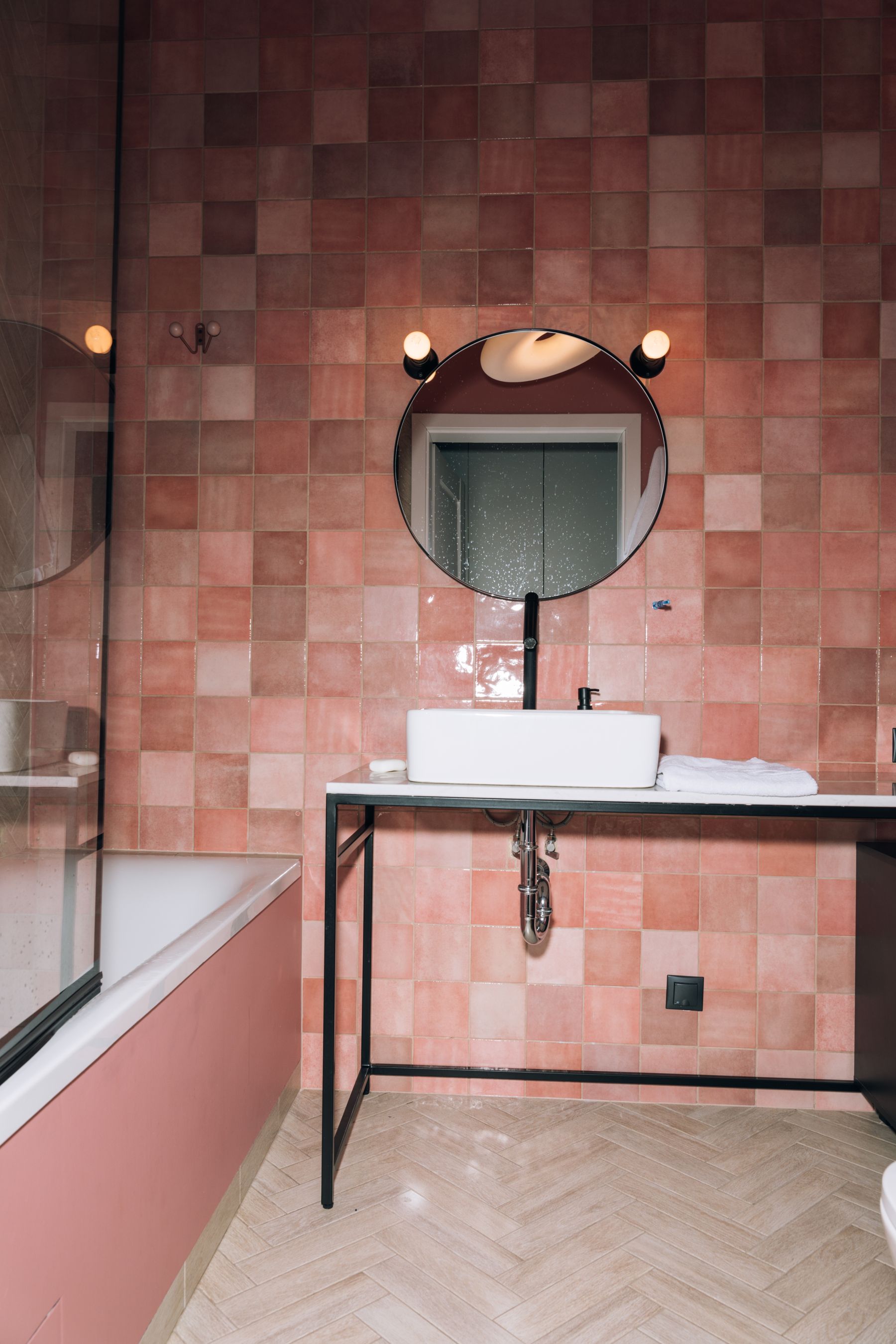
Cream, chalky white, faded blush, duck-egg blue, muted sage and pale grey suit the style, but several sweet pastels together can make the room feel staged. Start with a warm neutral field, add one softened color family and use timber or metal as a grounding note. Check every paint beside tile and under evening light because a cool white can make aged finishes look dirty.
Use One Botanical Wallpaper as the Romantic Layer
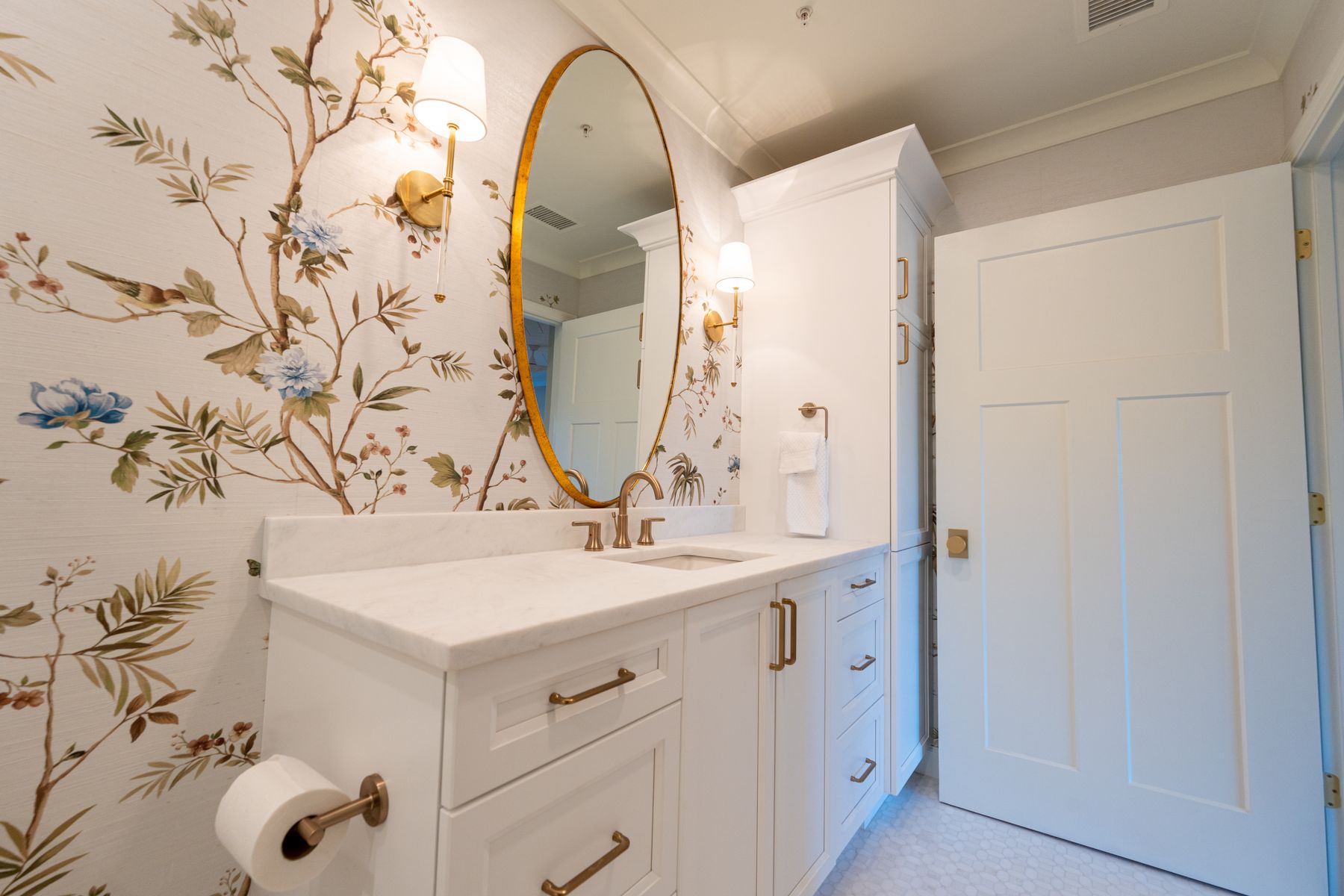
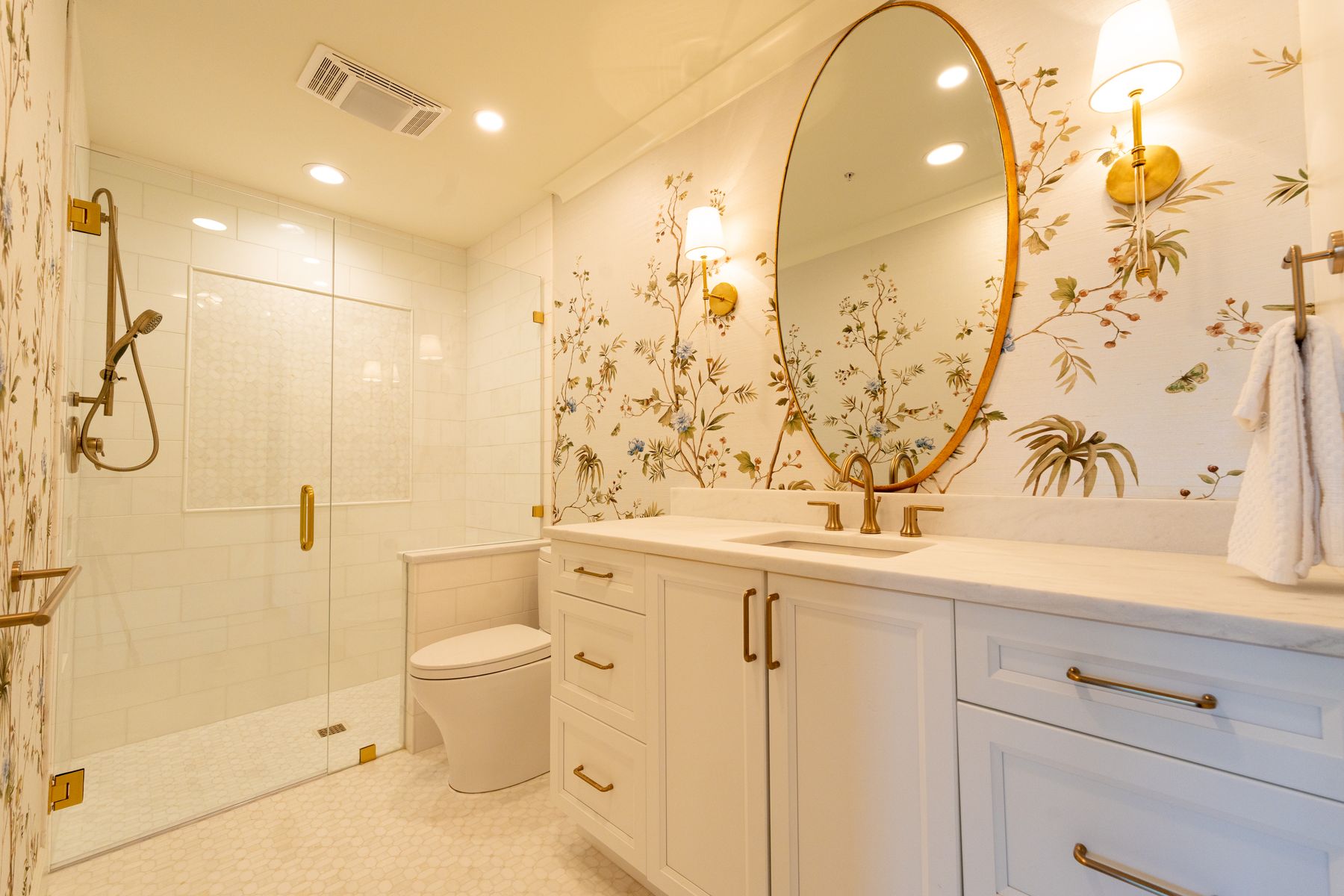
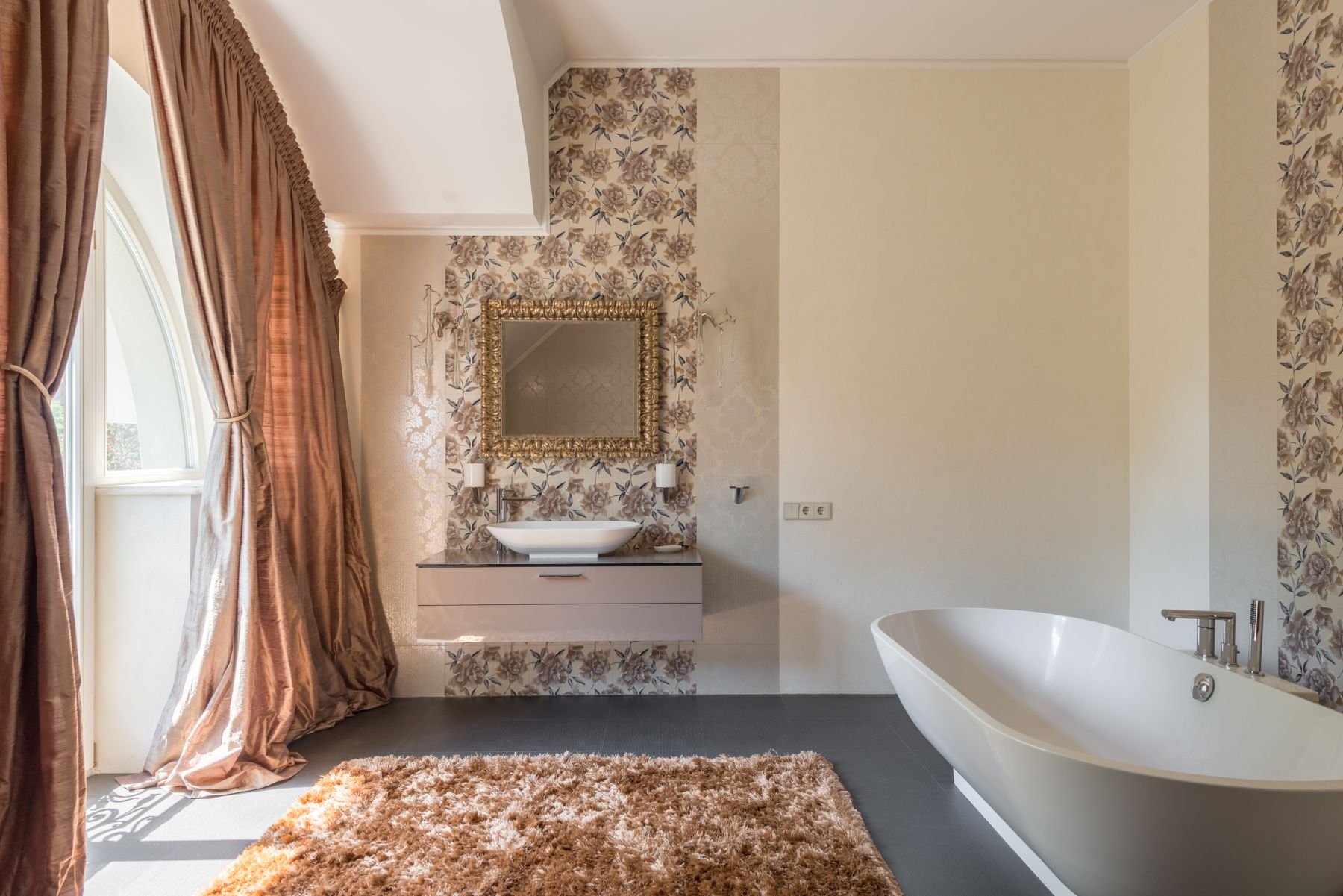
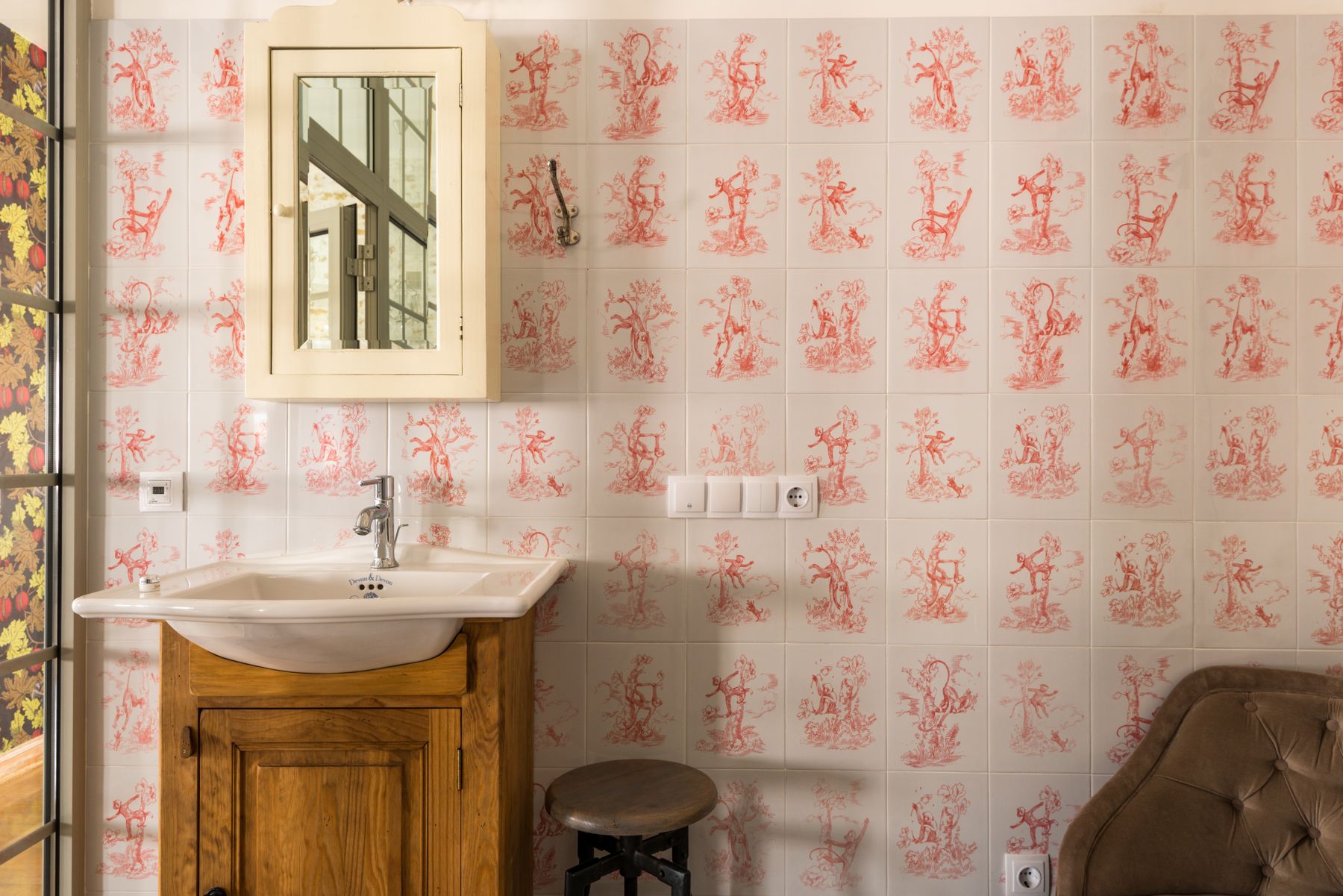
Botanical wallpaper can establish shabby chic immediately above a vanity or on a dry upper wall. Choose scale according to viewing distance: a larger motif often feels fresher than many tiny florals. Ventilation, wall preparation and the manufacturer's bathroom guidance matter, and tile or another durable finish should handle repeated splash.
Pair Wallpaper With Beadboard or Quiet Tile
A washable lower wall protects the decorative paper and gives the room a cottage-like architectural base. Beadboard, simple subway tile or moisture-suitable paneling should terminate at a deliberate height that relates to the vanity, window and bath. Avoid adding a strong border, patterned floor and floral paper at equal intensity.
Let a Classic White Bath Carry the Silhouette
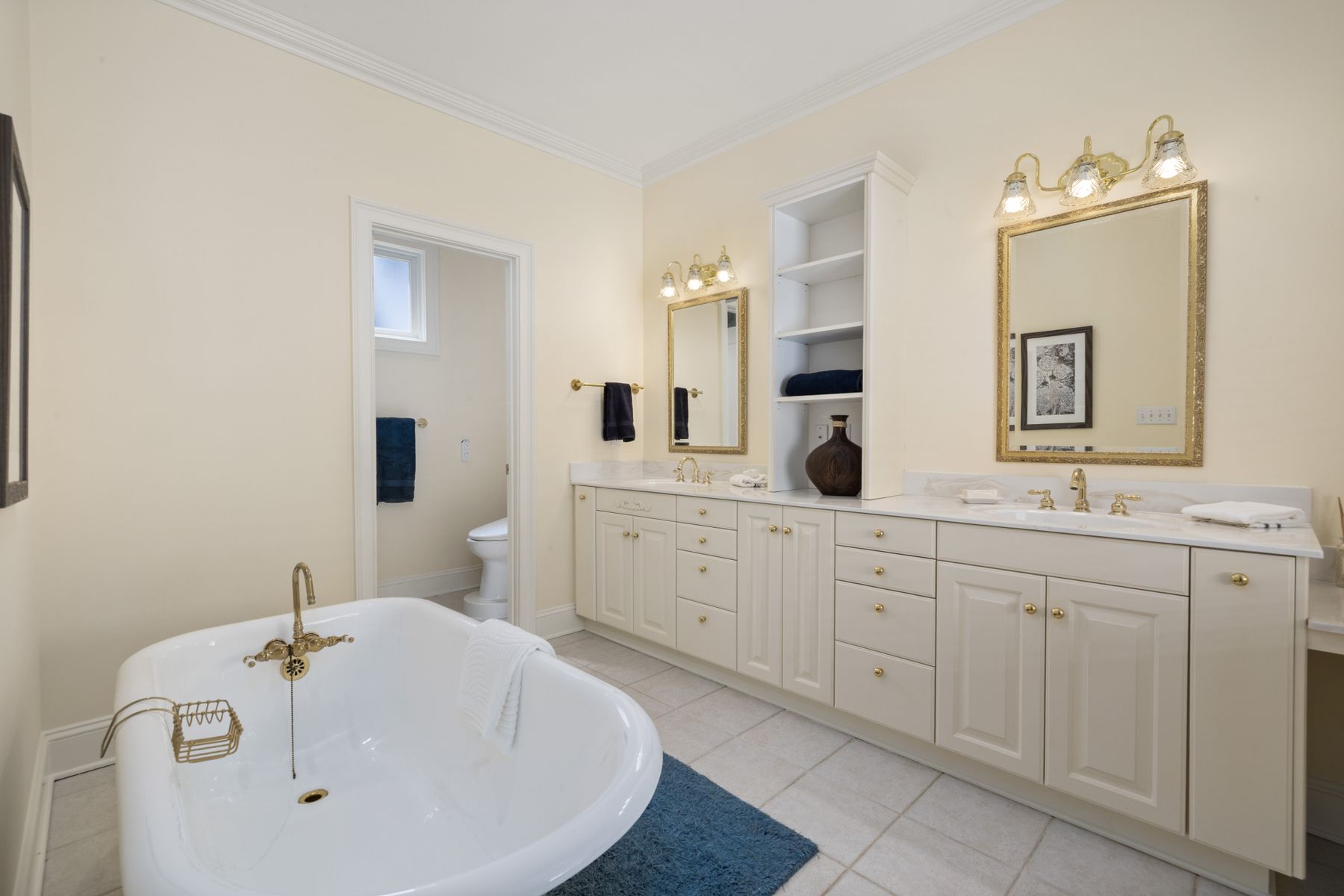
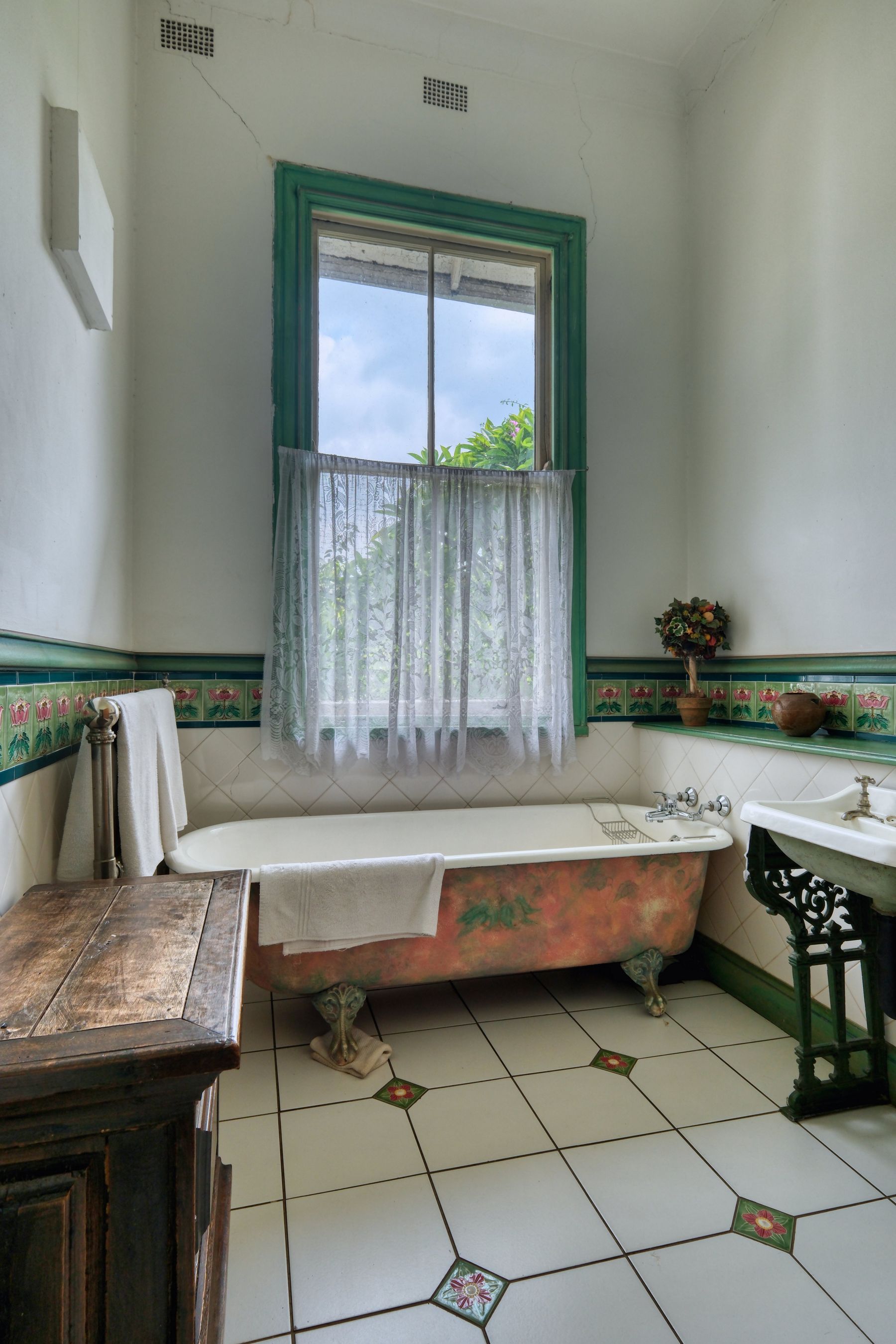
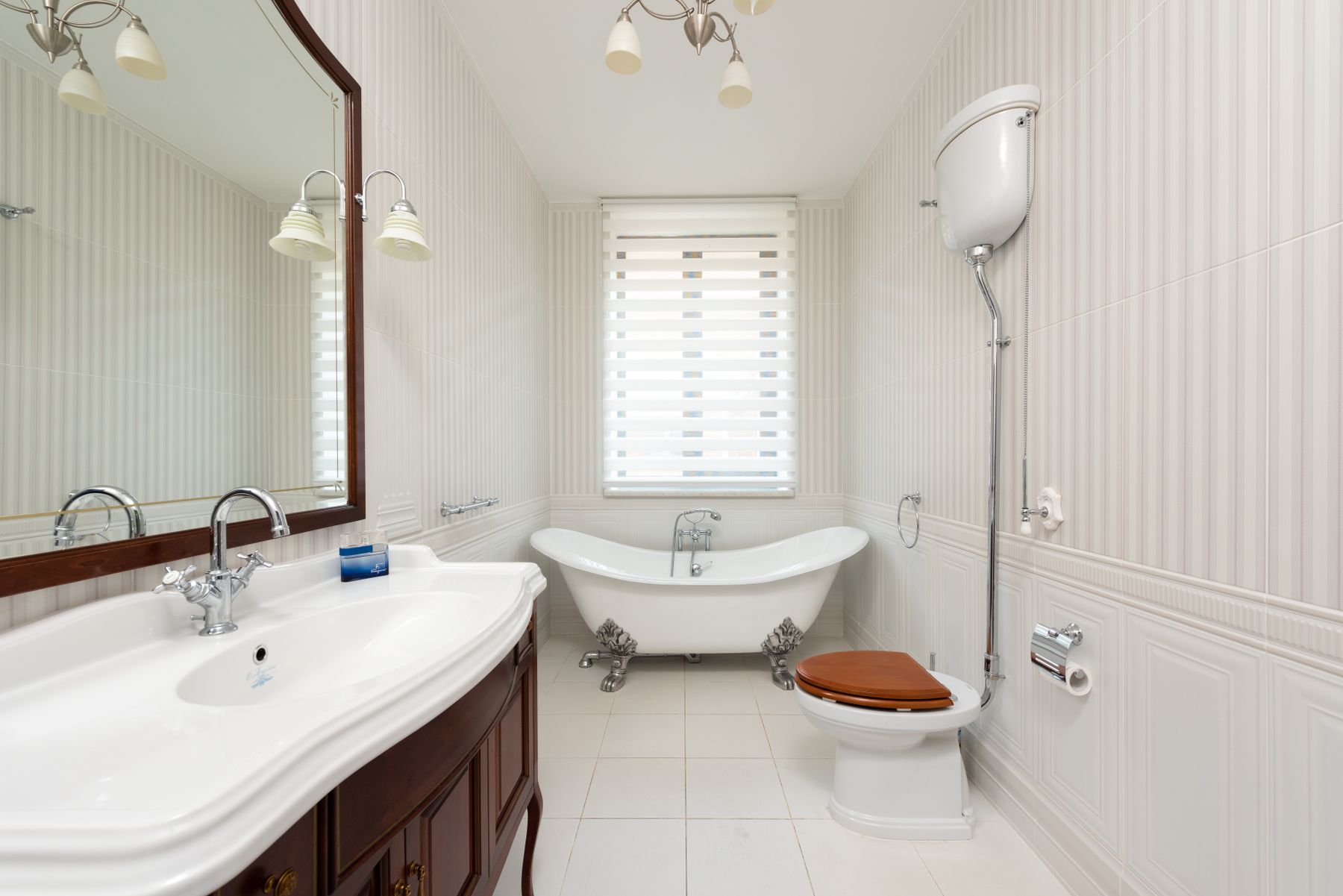
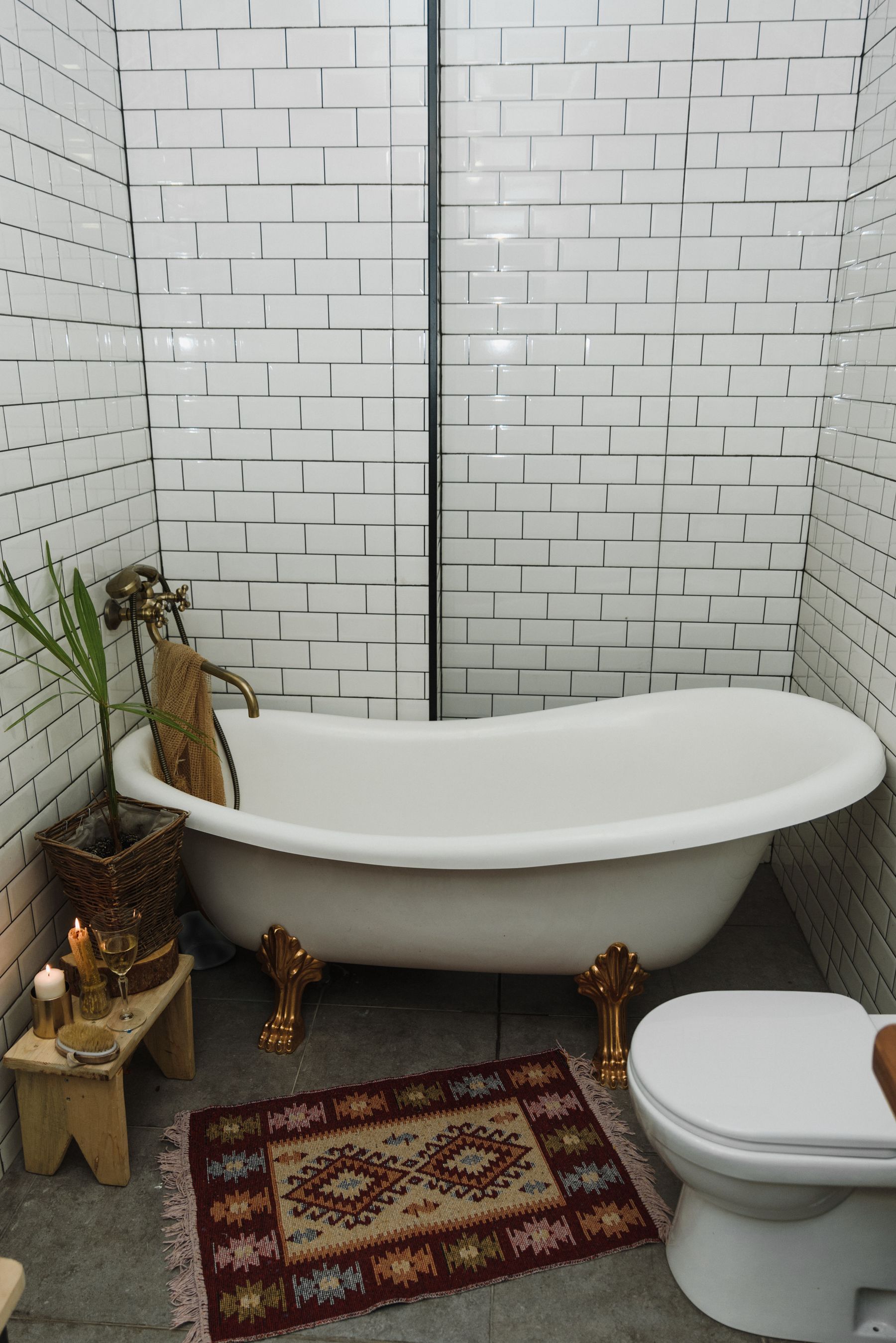
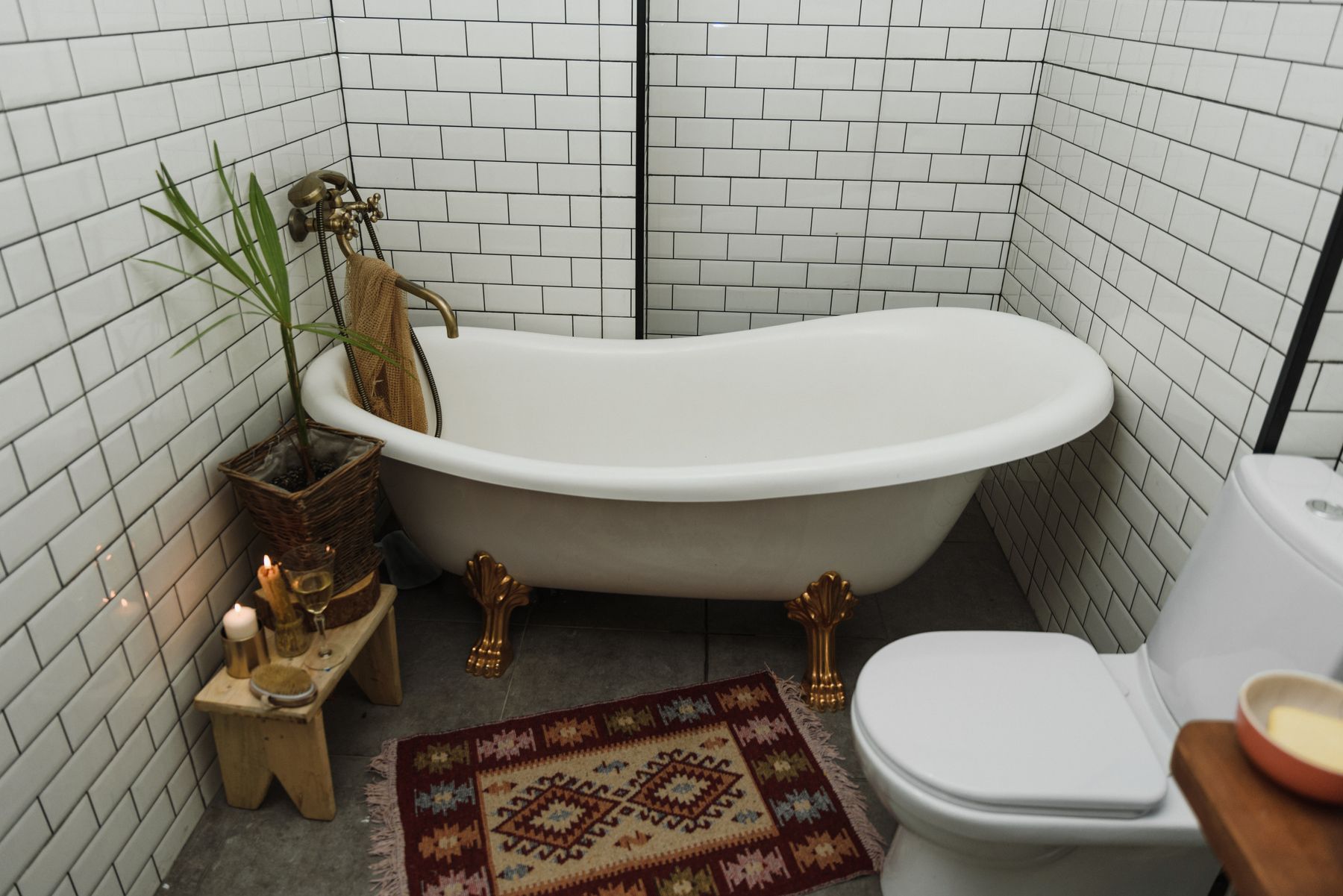
A clawfoot or softly rolled bath provides enough historic character that nearby surfaces can stay simple. Confirm the filler position, cleaning gap, filled weight and real bathing comfort rather than buying by outline alone. A modern reproduction can provide the silhouette with easier installation and care than a salvaged tub.
Treat Tub Entry as a Functional Detail
Raised feet and high rims can make classic baths harder to enter, especially on a slippery floor. Check the approach, step-over height, nearby support and a safe place for towels. A decorative stool is not a grab bar, and a loose rug should not be the only response to wet feet.
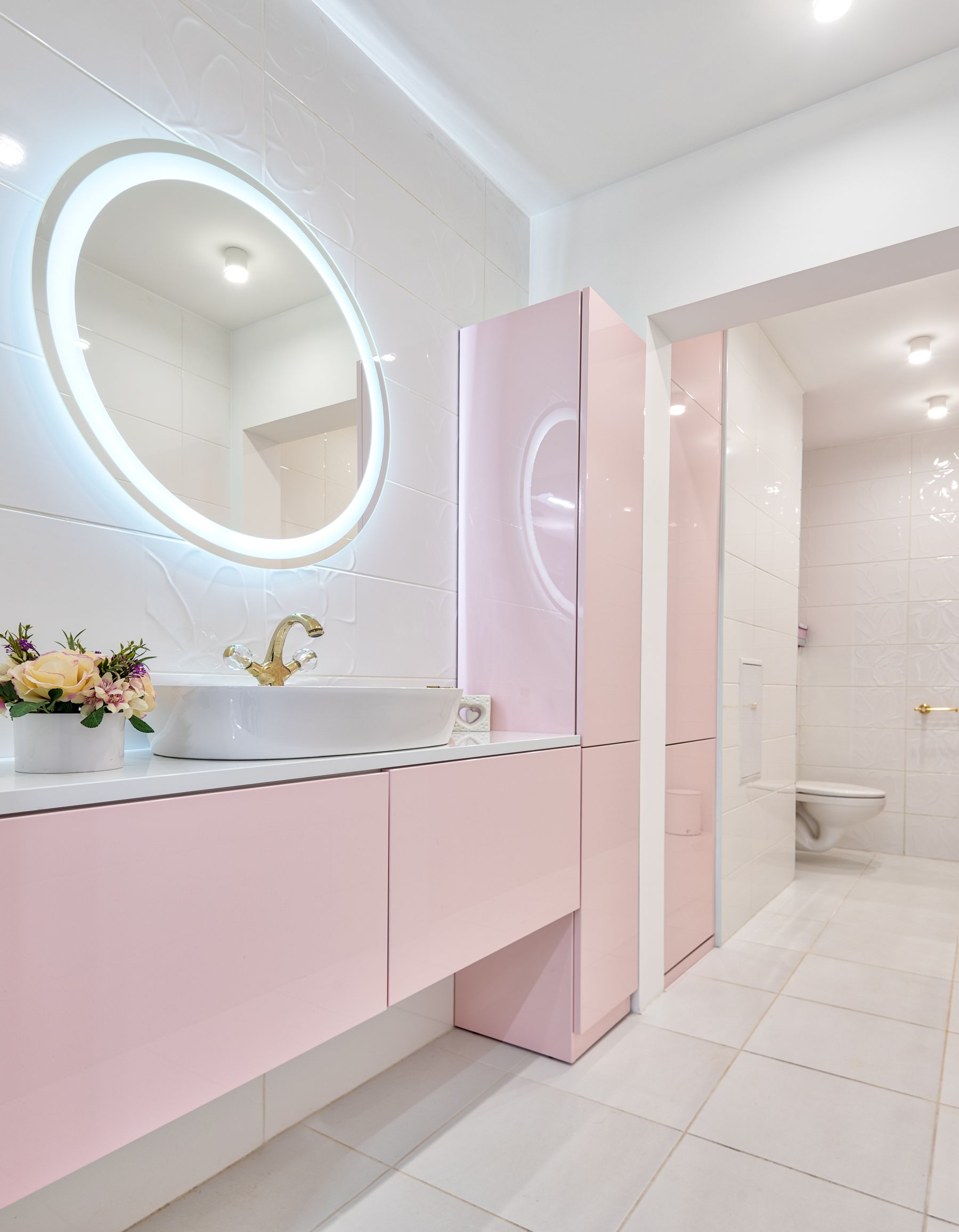
Choose Painted Cabinetry Over Artificial Damage
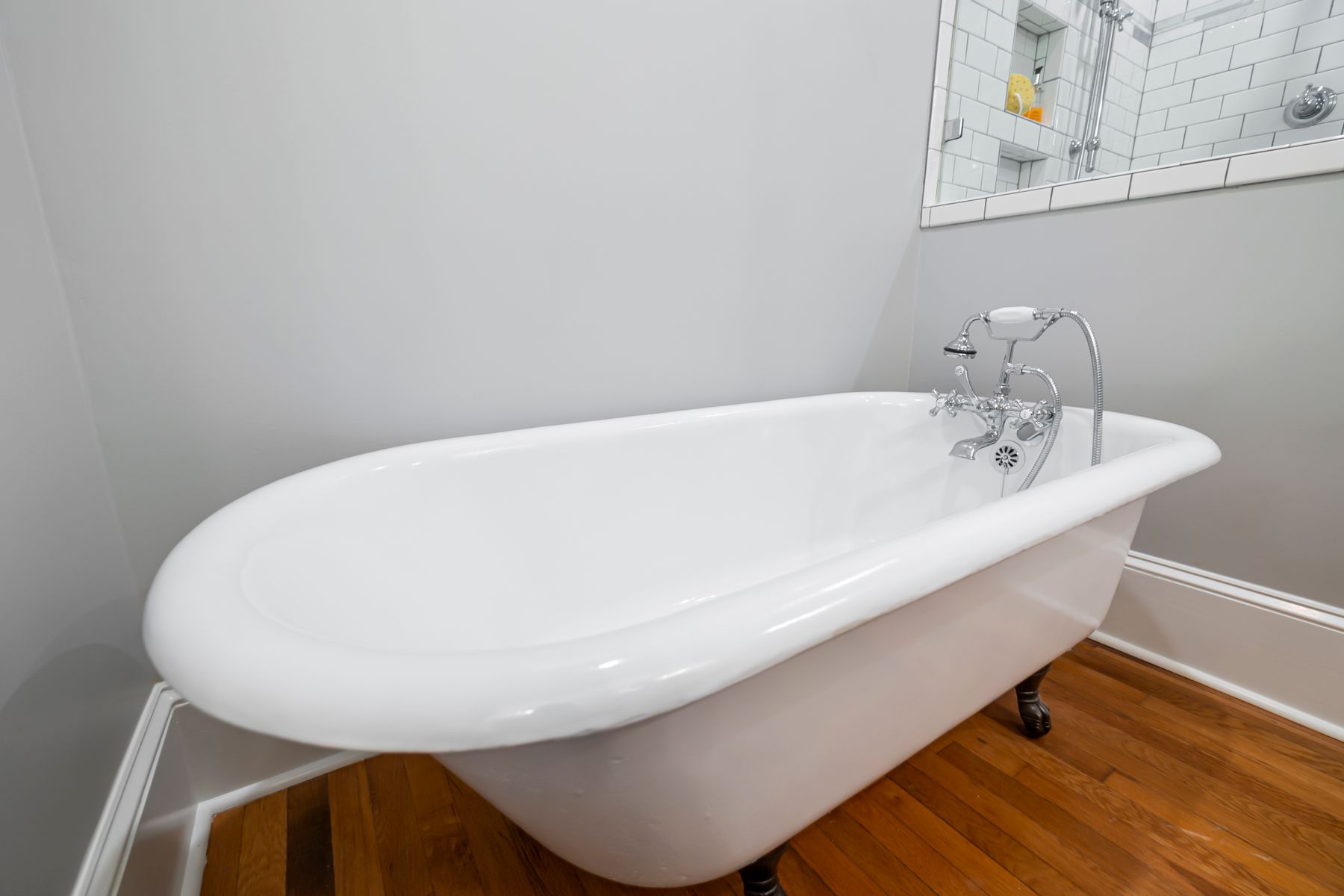
Blush, cream, pale grey or muted green cabinetry can provide softness without chipped paint at every edge. A smooth moisture-resistant finish is easier to wipe and repair than heavy faux distressing. If patina matters, limit it to a framed panel, mirror or dry furniture detail rather than handles and splash zones.
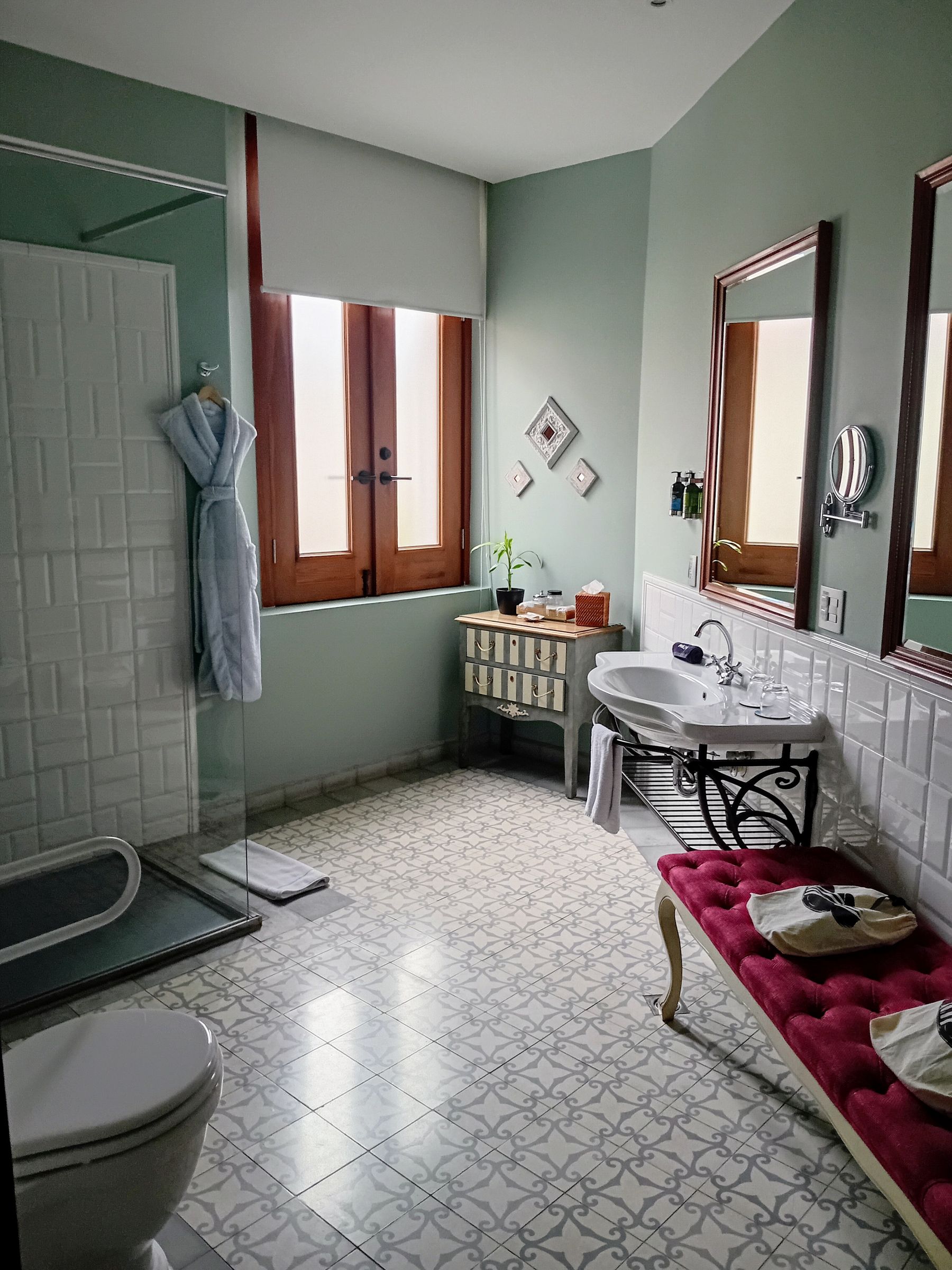
Convert Antique Furniture Only After a Technical Check
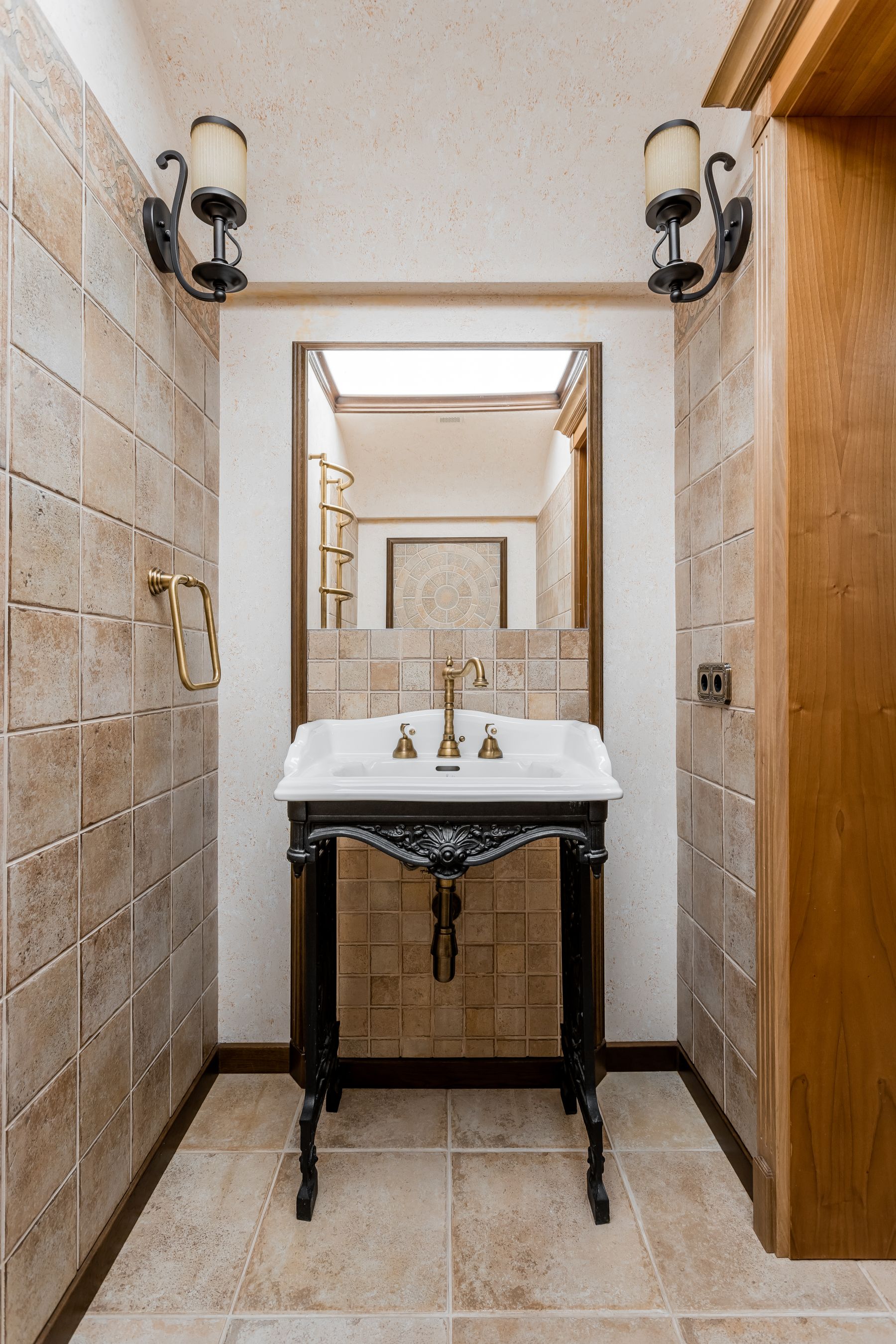
A dresser or washstand can become a memorable vanity, but its top, joints and drawers were not designed for water, a heavy basin or plumbing cutouts. Check structure, counter depth, sealing, trap access and lost storage before conversion. A new bathroom-rated vanity with furniture-like doors and legs is often the better long-term compromise.
Use a Pedestal Basin When Floor Storage Is Elsewhere
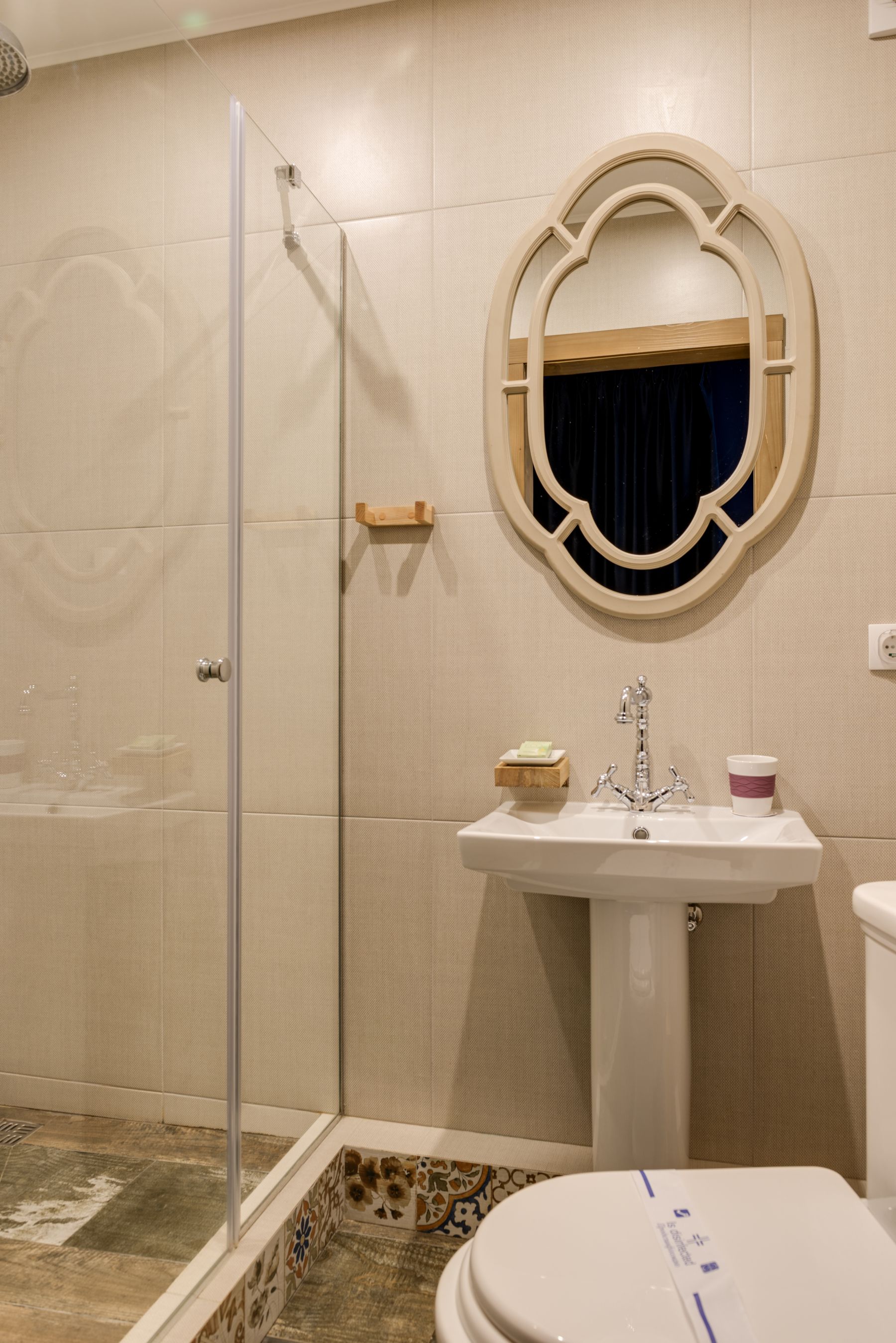
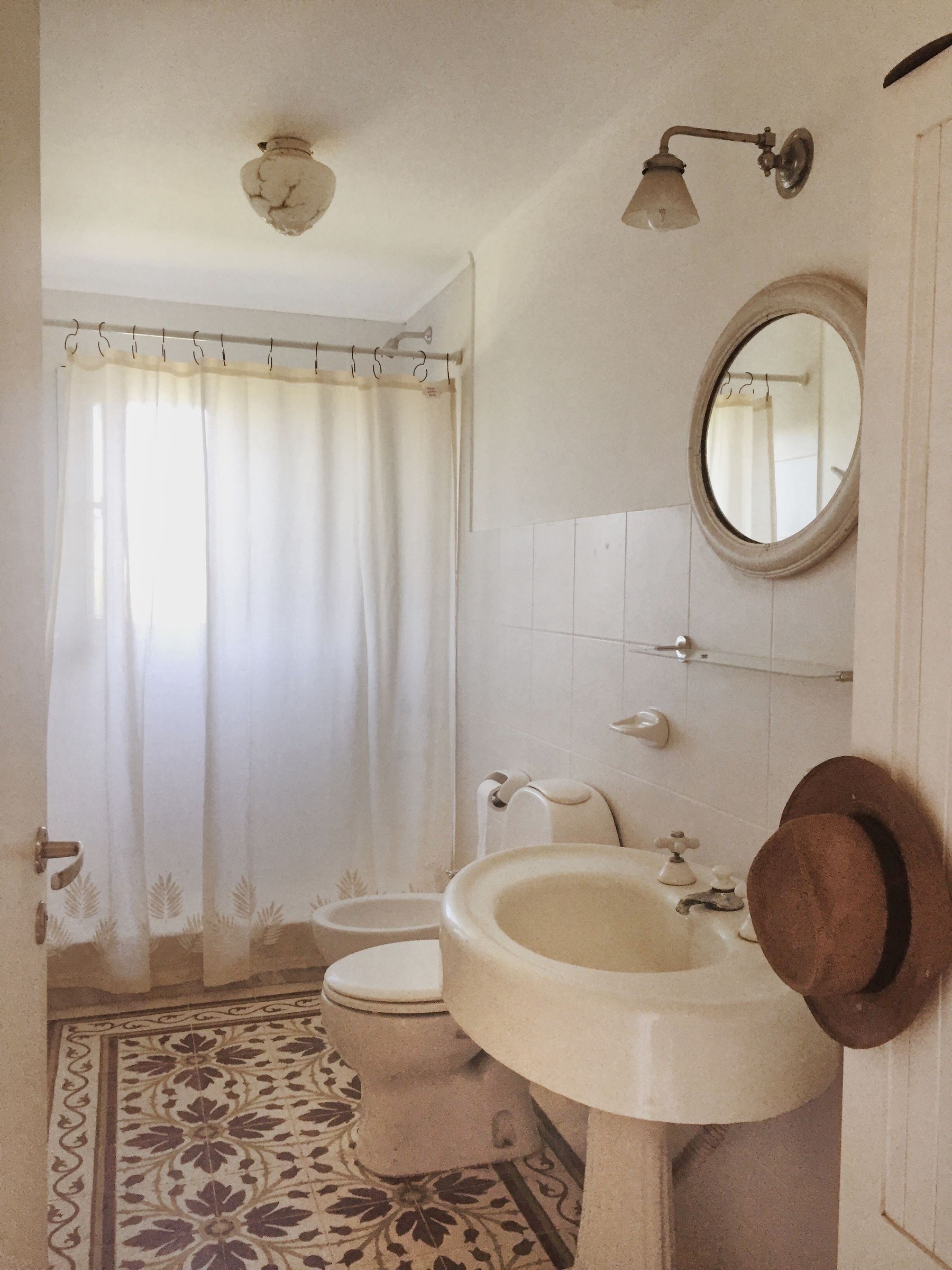
A pedestal basin has a light historic silhouette and leaves more floor visible, which can help a small room. It provides little concealed storage and limited landing space, so pair it with a mirrored cabinet, shallow wall cupboard or storage outside the room. Confirm tap reach and splash before assuming a compact basin will be tidy.
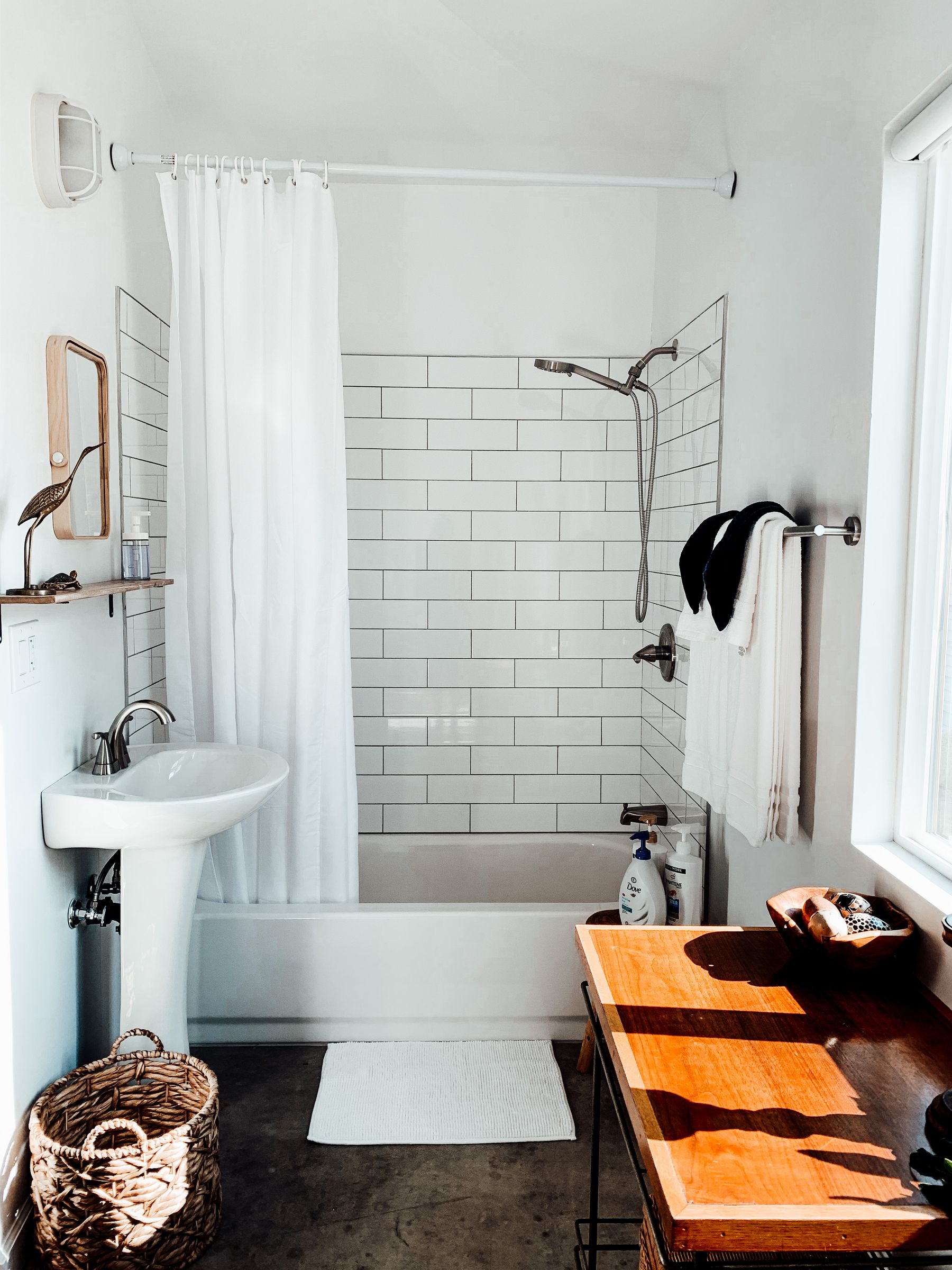
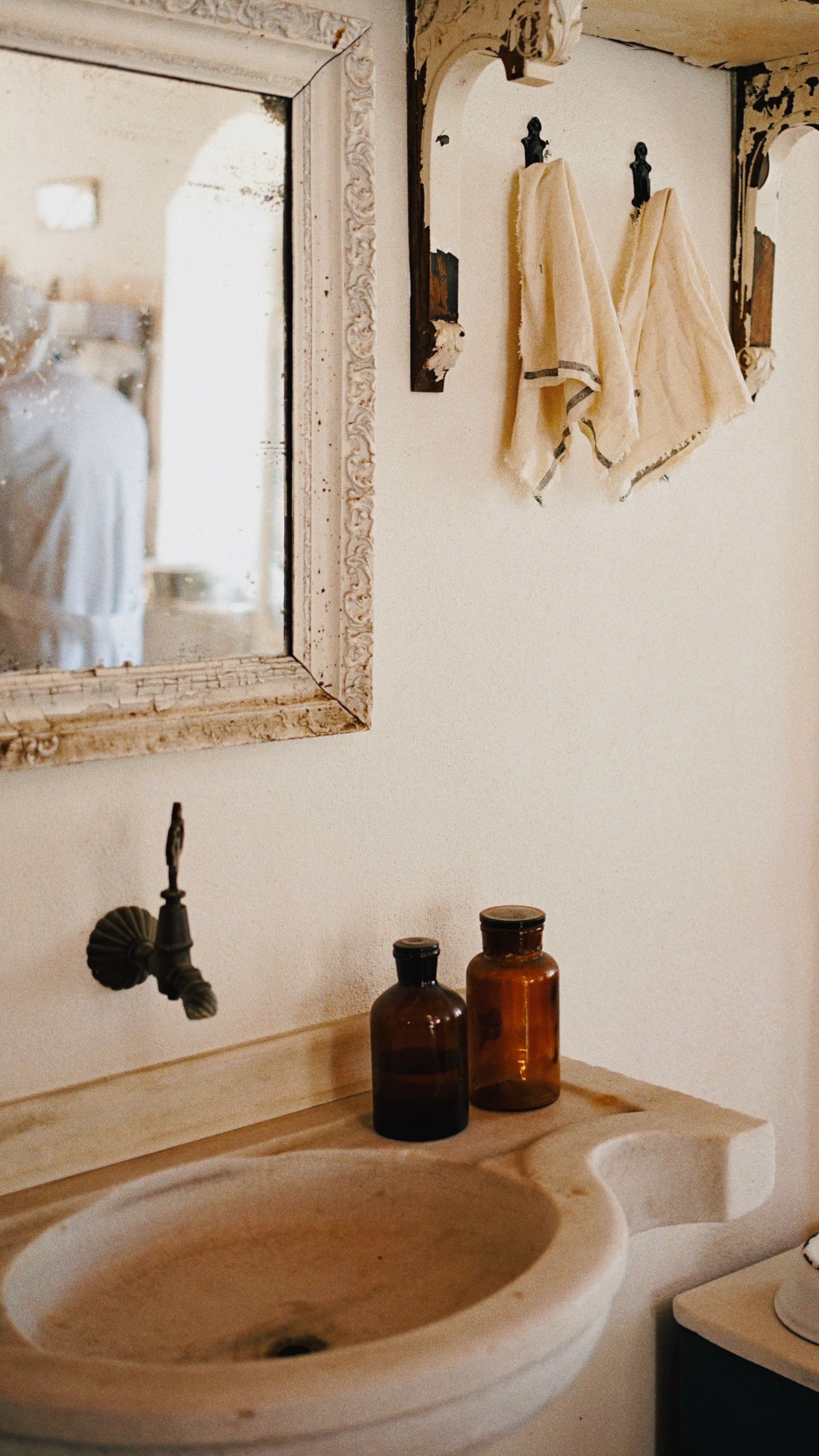
Let One Vintage Mirror Hold the Collected Character
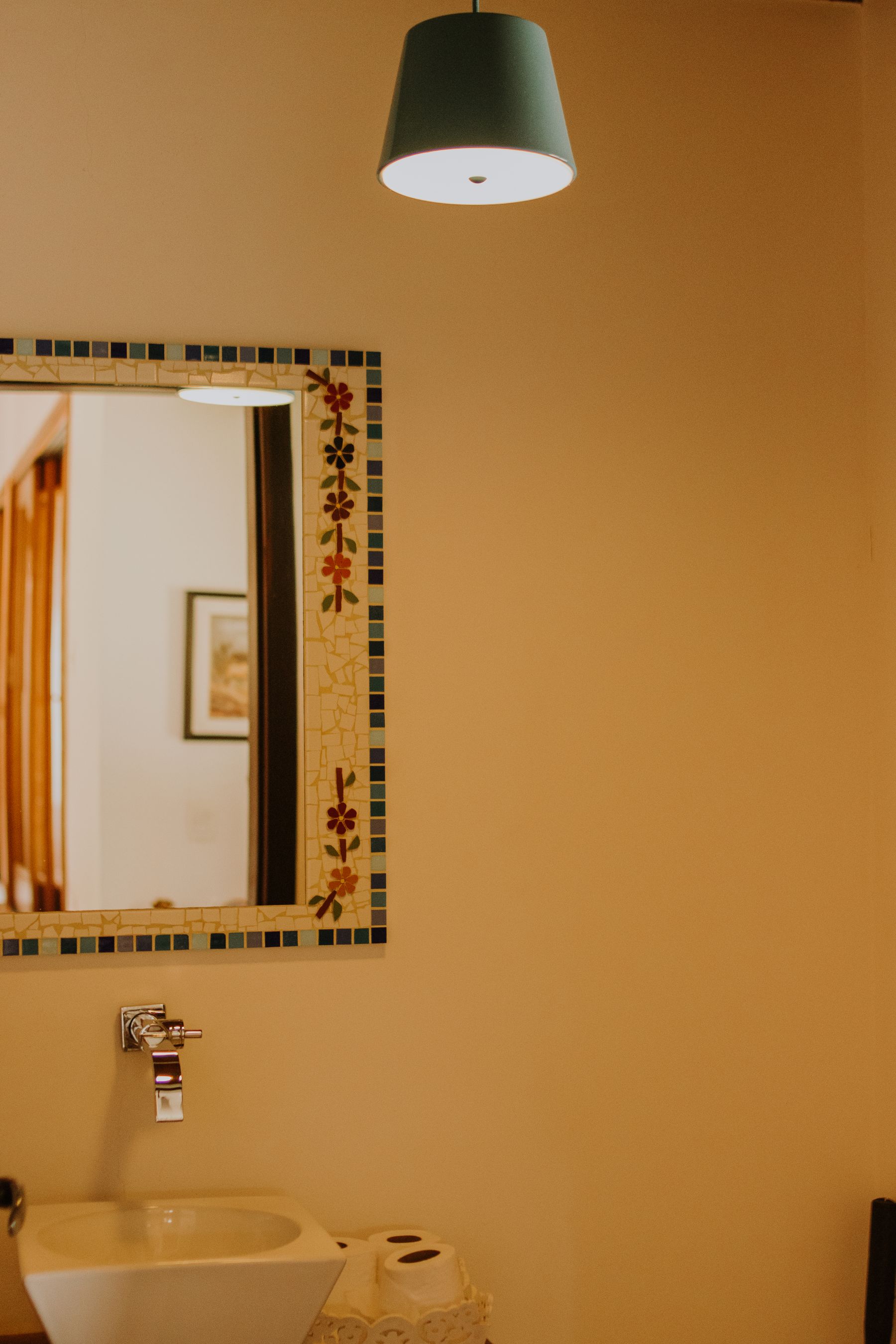
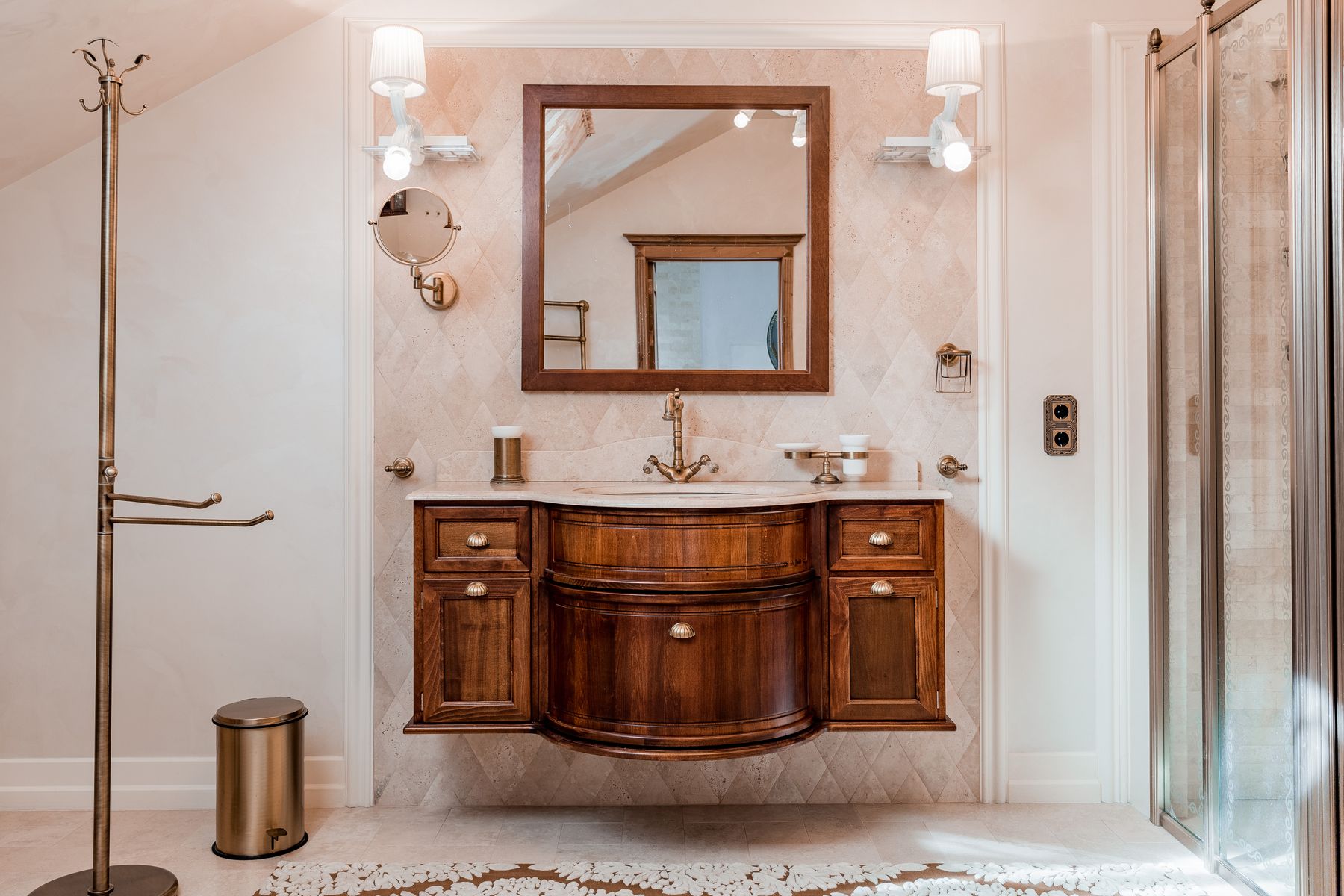
A timeworn timber or gilt mirror can provide authentic age without exposing cabinetry to constant moisture. Size it for real sightlines and position sconces around the frame rather than squeezing them into leftover space. Keep bottles and trays limited so the mirror remains the focal object.
Use an Ornate Mirror Against a Quiet Wall
A floral or carved frame works best when wallpaper, tile and lighting step back. If the wall already carries a botanical print, use a simpler oval or timber frame instead. This single-focal-point rule prevents the vanity from becoming a cluster of competing romantic motifs.
Layer Vanity Light Before Adding a Chandelier
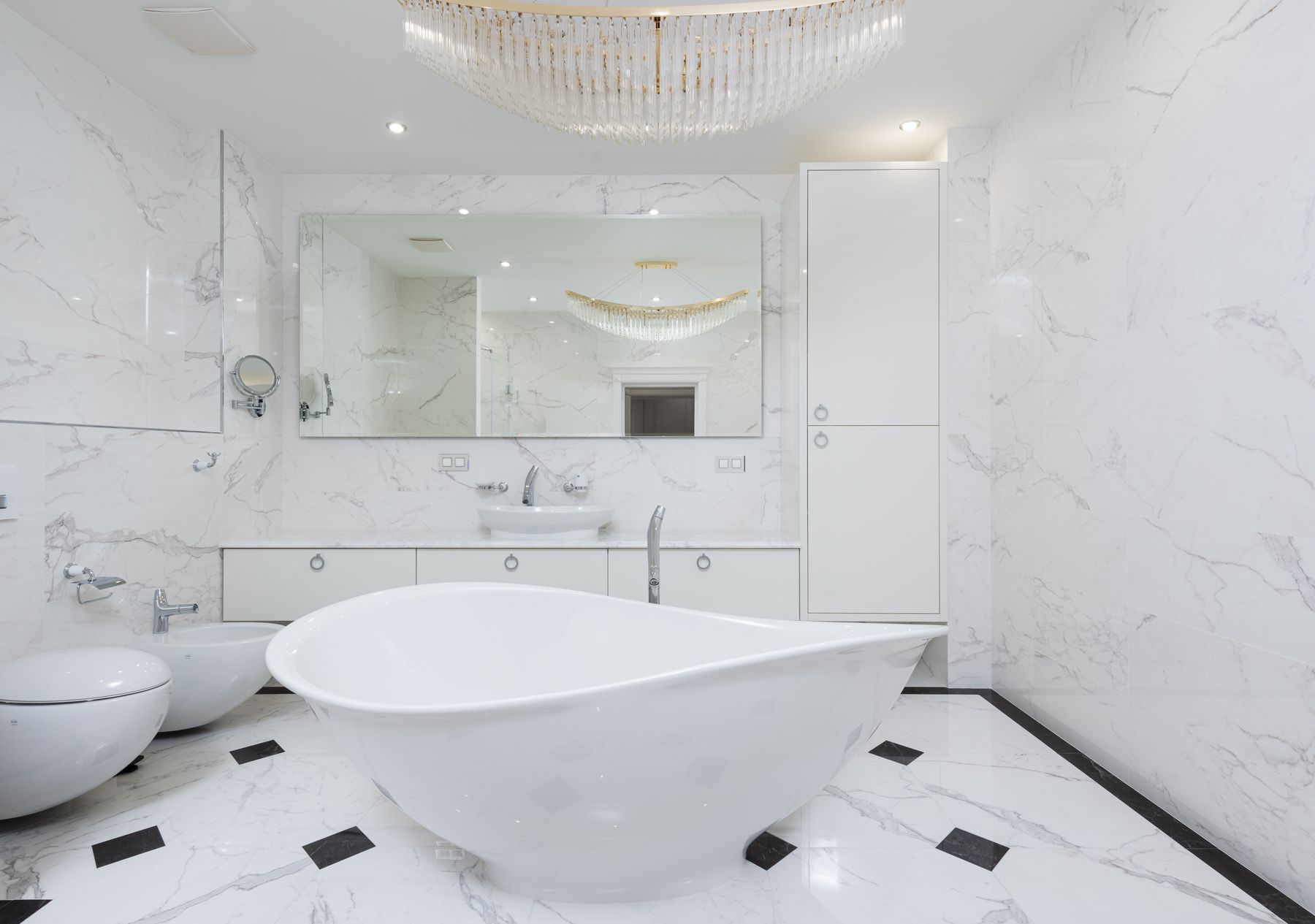
A small chandelier or glass pendant can add the chic half of shabby chic, but it should not replace even facial light, safe route light or shower illumination. Check ceiling height, wet-area ratings, glare and cleaning access. Warm dimmable ambient light can support the mood once the task layer is complete.
Keep the Shower Contemporary and Visually Quiet
A frameless or lightly framed shower can coexist with a classic bath, wallpaper and painted furniture. Let the decorative character sit in the dry zone while waterproofing, drainage, controls and niches remain straightforward. One floral tile panel can connect the shower to the room, but several borders and ornate fittings usually weaken the hierarchy.
Use Floral Tile as a Bounded Permanent Accent
Floral tile can carry the romantic cue in a backsplash, niche or one vanity wall where its edges terminate cleanly. Because tile is a long-term commitment, choose a motif that still works without matching towels and accessories. Confirm grout, cleaning and wet-area suitability before approving the print.
Ground the Softness With a Practical Floor
A small-scale geometric or faded-looking tile floor can balance floral walls without repeating flowers underfoot. Use a quieter palette when the wallpaper is expressive, and review perimeter cuts, grout quantity and slip performance. Faux-aged surfaces should still be smooth enough to clean and appropriate for a wet room.
Use Textiles Where They Can Dry
A washable rug, linen-look curtain or skirted detail brings softness to a hard-surfaced room, but fabric should stay out of repeated spray and dry fully between uses. Avoid heavy curtains against a bath or vanity skirt that hides damp plumbing. Choose pieces that can be removed, laundered and inspected.
Hide Daily Products Behind Furniture-Like Doors
Romantic styling needs closed storage more than extra display. Use drawers, a mirrored cabinet or a furniture-like vanity for grooming tools, cleaning products and refills, then reserve one tray or shelf for selected objects. Align door and drawer breaks with the basin and mirror so storage supports the composition.
Make a Small Bathroom Romantic Through One Surface
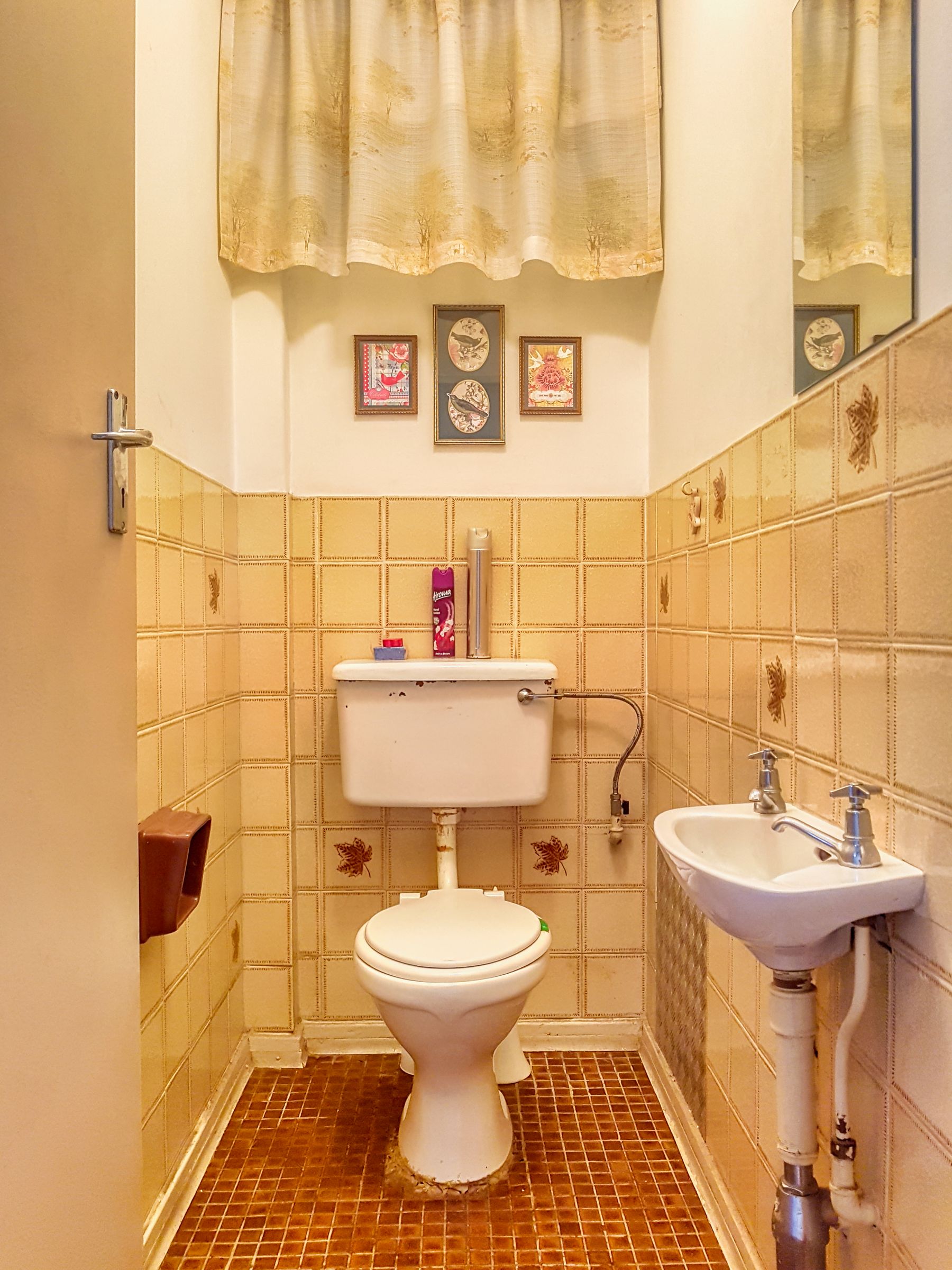
In a compact room, one wallpapered upper wall, painted vanity or patterned floor is usually enough. Preserve the route, use a useful mirror and keep open shelving shallow. A powder room can tolerate more wallpaper because it lacks shower humidity, while a full bathroom needs a stricter boundary between decorative and wet surfaces.
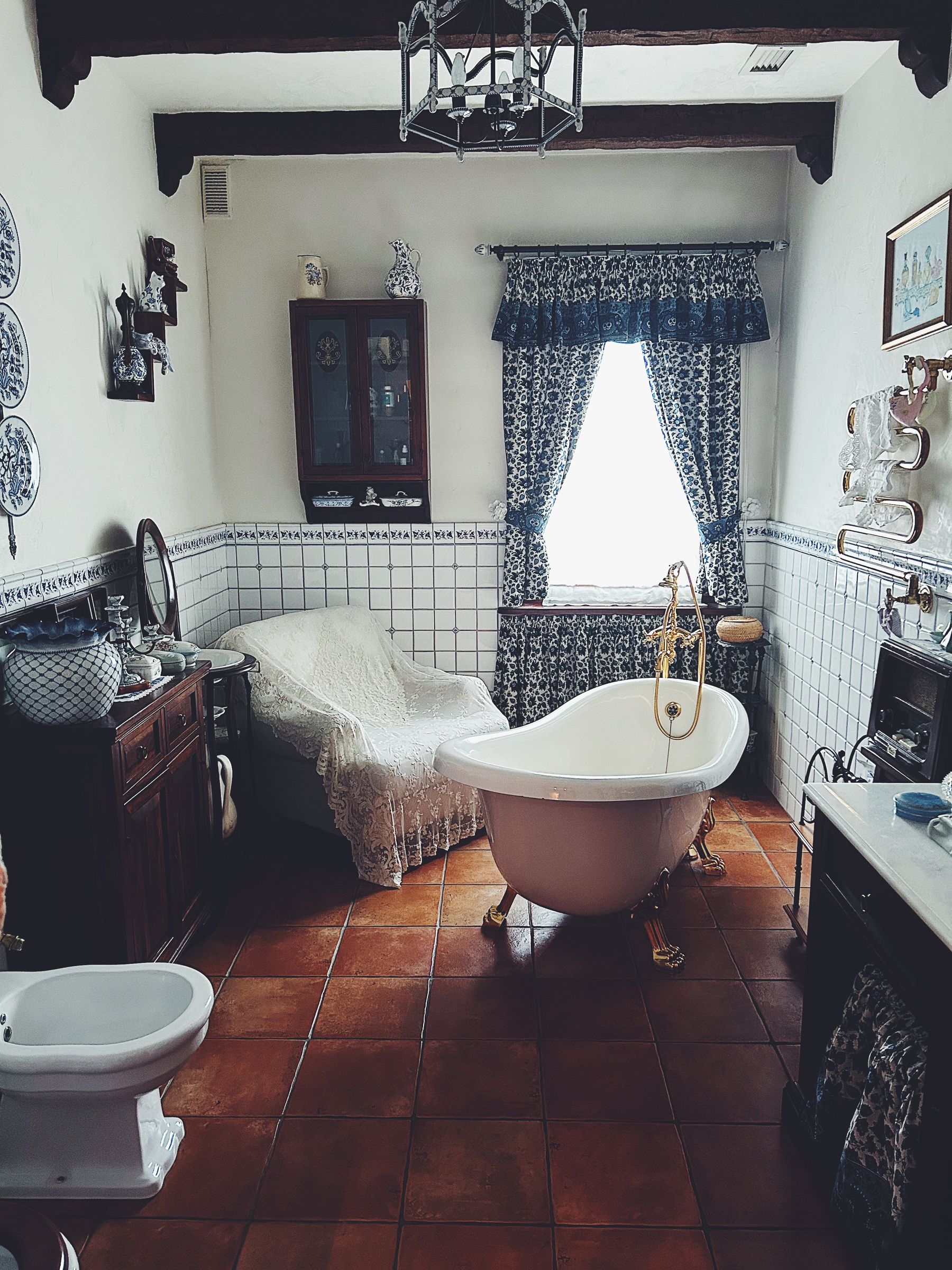
Treat the Window as Light, Privacy and Fabric
A sheer curtain, café panel or soft blind can add romance, but the window still needs nighttime privacy, ventilation and resistance to condensation. Keep fabric away from direct spray and test the view from neighboring levels. Frosted lower glazing with a washable upper treatment can be more reliable than a full-length curtain.
Add Rustic Texture in Small Functional Doses
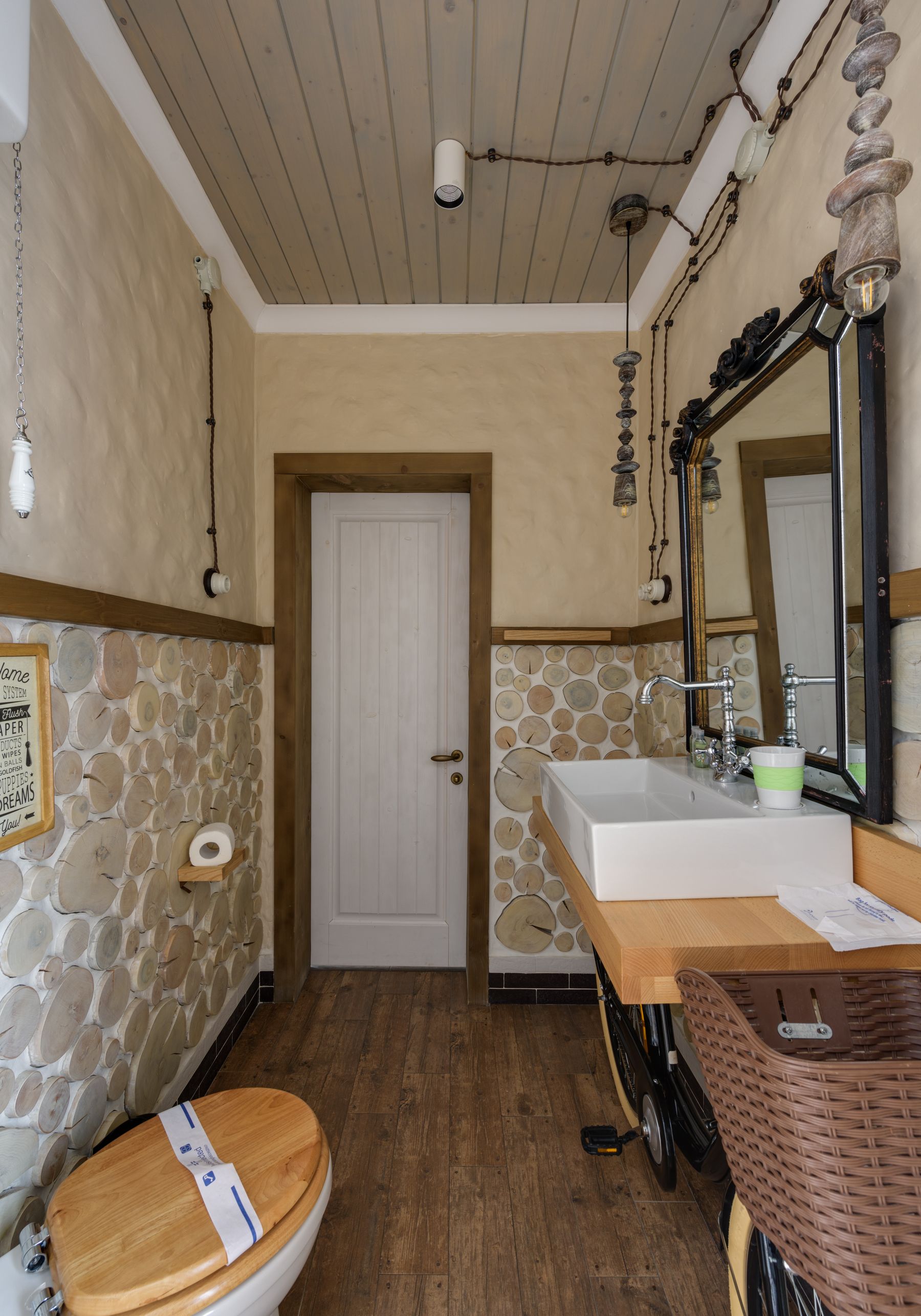
A timber stool, natural brush or amber bottle can add imperfection without turning the room into Rustic or Farmhouse. Each object should have a use and be easy to move for cleaning. Avoid unfinished wood, dried flowers and absorbent baskets in places that remain wet.
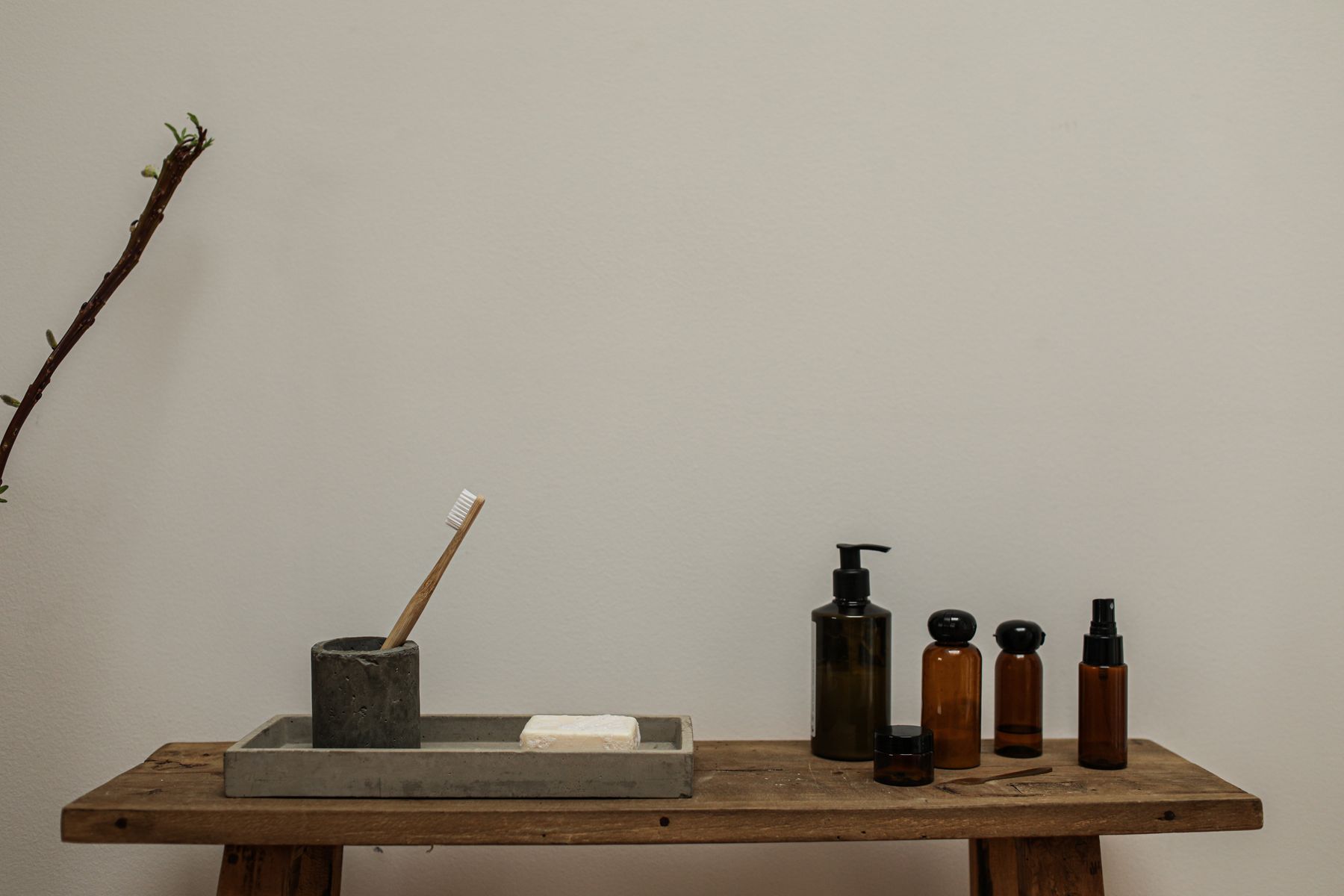
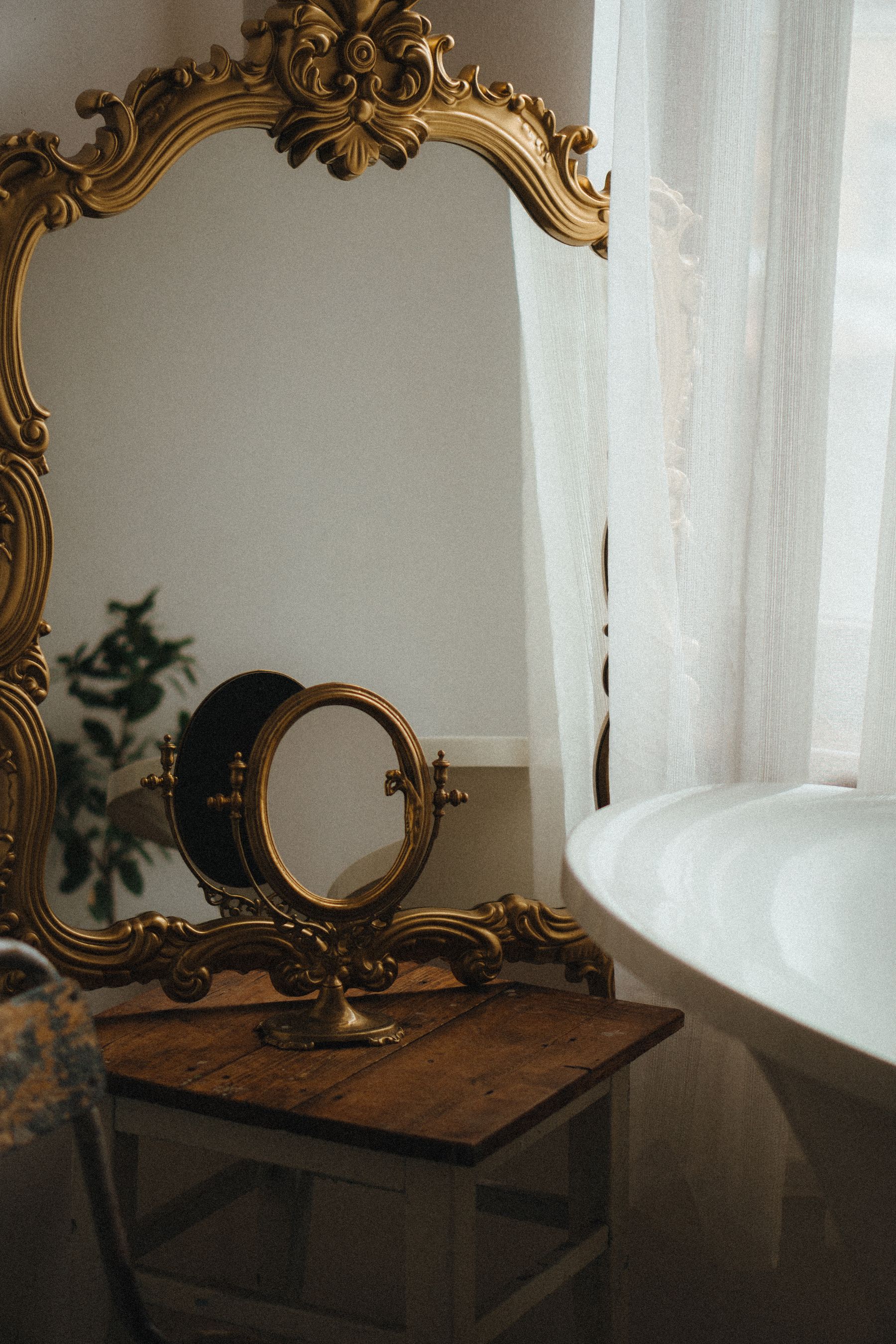
Use Warm Metal as a Highlight, Not a Matching Set
Aged brass, brushed nickel or warm bronze can outline a mirror, tap or light and prevent pale color from feeling washed out. Exact matching is less important than compatible undertones and a clear hierarchy. Avoid covering every hinge, drain and accessory in decorative metal; patina should look accumulated, not ordered as a kit.
Integrate Support Without Hiding It as Decor
Classic silhouettes and soft color can coexist with clear routes, a level shower, seating and properly reinforced grab bars. Decorative towel rails are not support, and loose rugs can add risk. Plan around the users, individual assessment and qualified guidance; accessibility should not be disguised as an antique accessory.
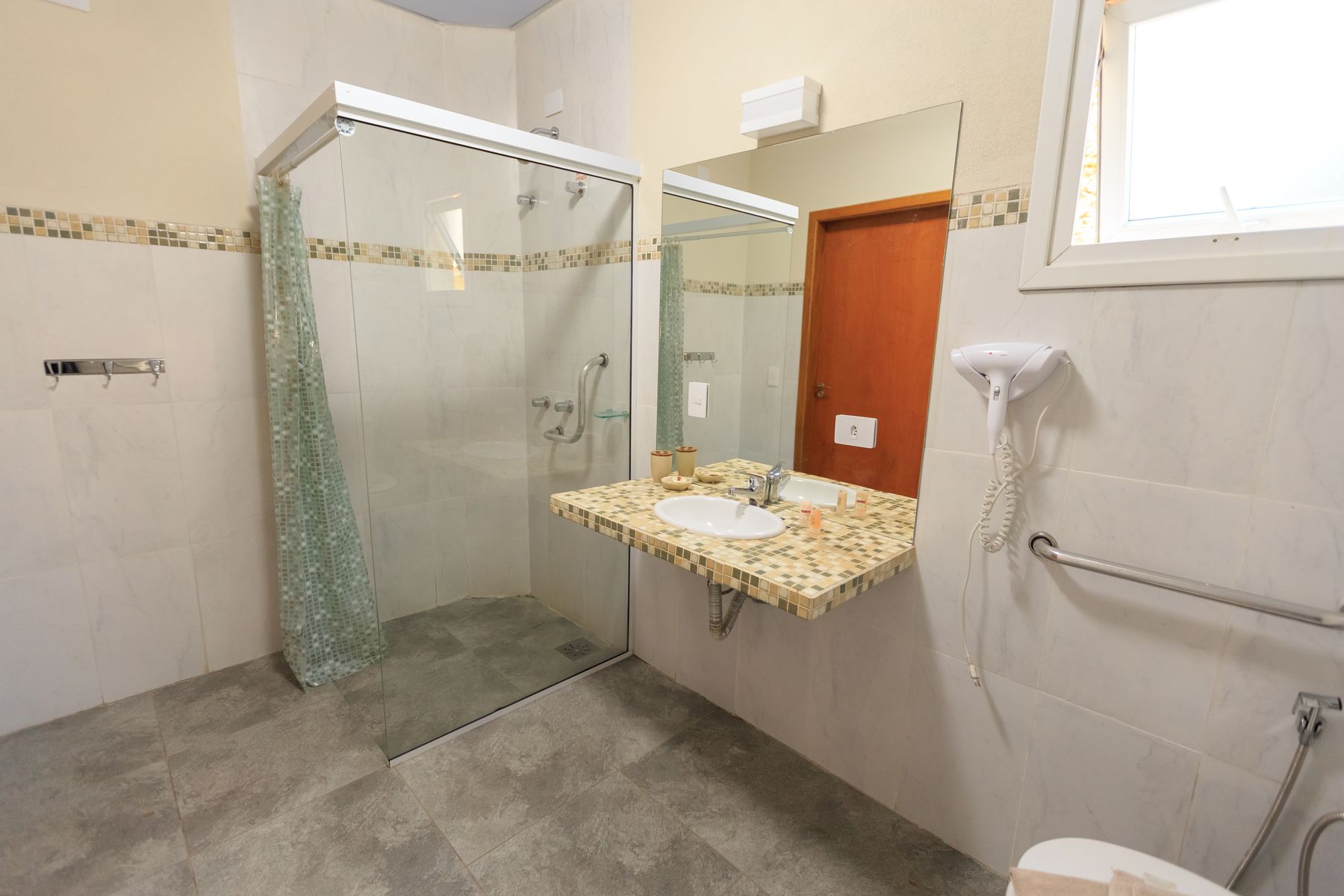
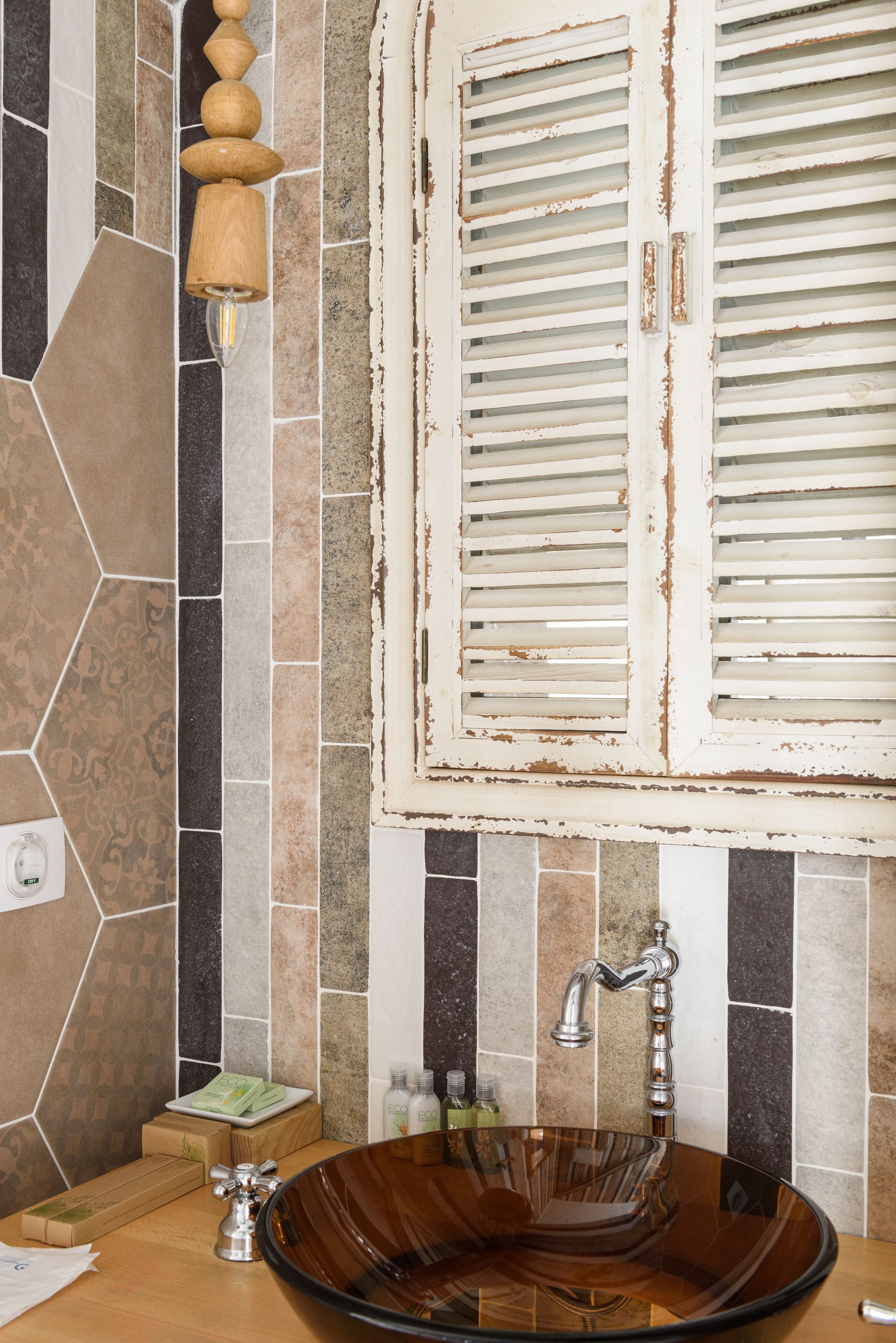
Protect Patina From Persistent Damp
Aged timber, chipped frames and unsealed metal can develop mold, swelling or corrosion when romantic patina is confused with acceptable moisture damage. Ventilate the room, leave inspection access, seal suitable surfaces and follow product-specific care. Keep genuine antiques in the dry zone and use durable reproductions where repeated splash is unavoidable.
Edit the Room Until It Feels Collected, Not Cluttered
The final room should have one leading pattern, one furniture anchor and a small number of useful decorative objects. Remove duplicate florals, empty trays, ornamental cages, faux-vintage signs and anything that blocks cleaning. A successful shabby chic bathroom still looks intentional after ordinary towels and toiletries return.