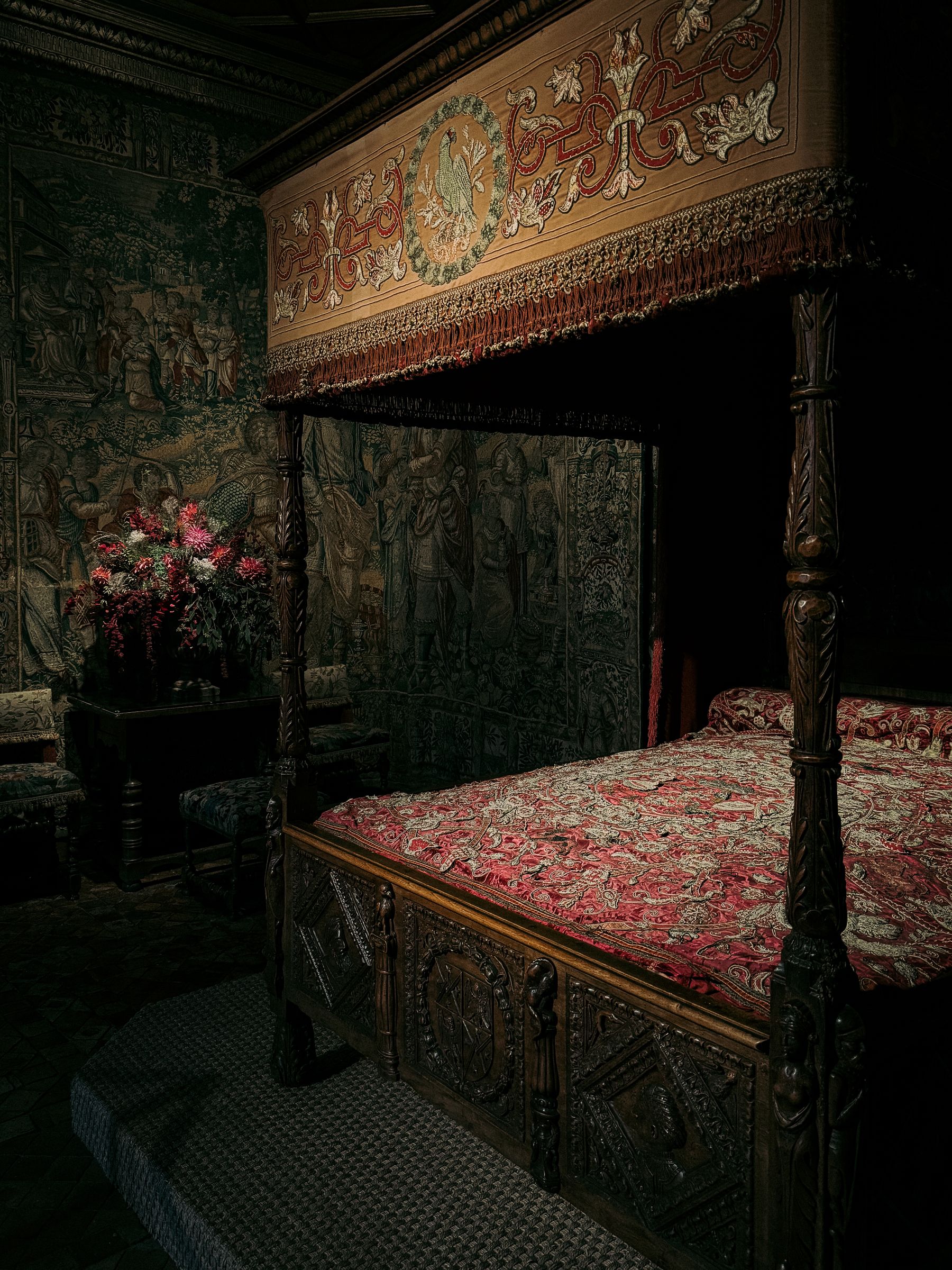
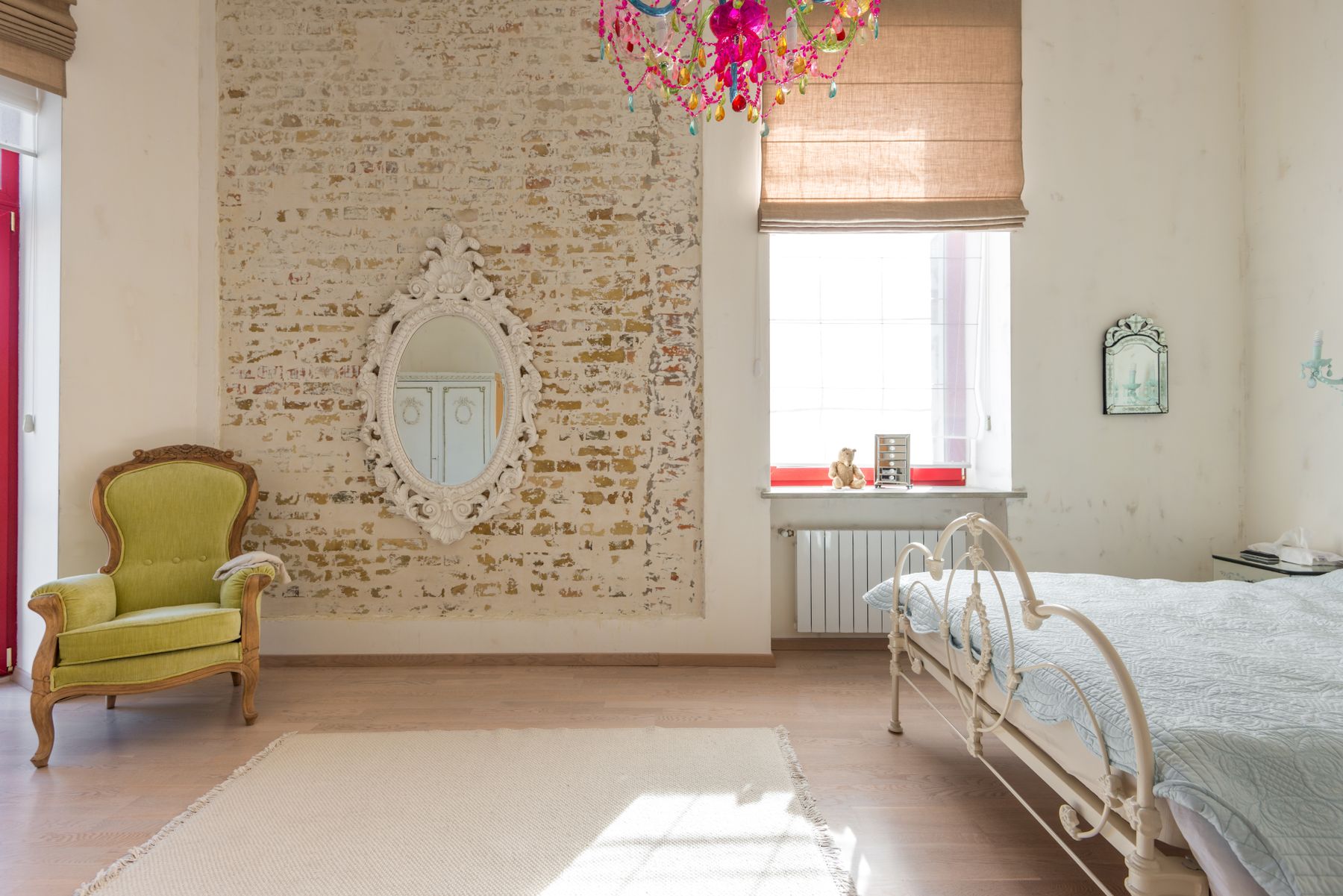
Define Gothic Beyond a Dark Color Scheme
Gothic design is shape- and atmosphere-led: vertical lines, pointed or tracery-like forms, deep relief, shadow and expressive craft matter as much as color. Dark Academia overlaps through old wood and low light, but it is organized around books and study; [Dark Academia Bedroom Ideas](/bedroom/dark-academia-bedroom-ideas/) owns that literary ritual. Victorian is a specific nineteenth-century period direction, while Dark Bedroom is a broader palette intent. A Gothic room can be pale, colorful or contemporary when its silhouette and contrast remain deliberate.
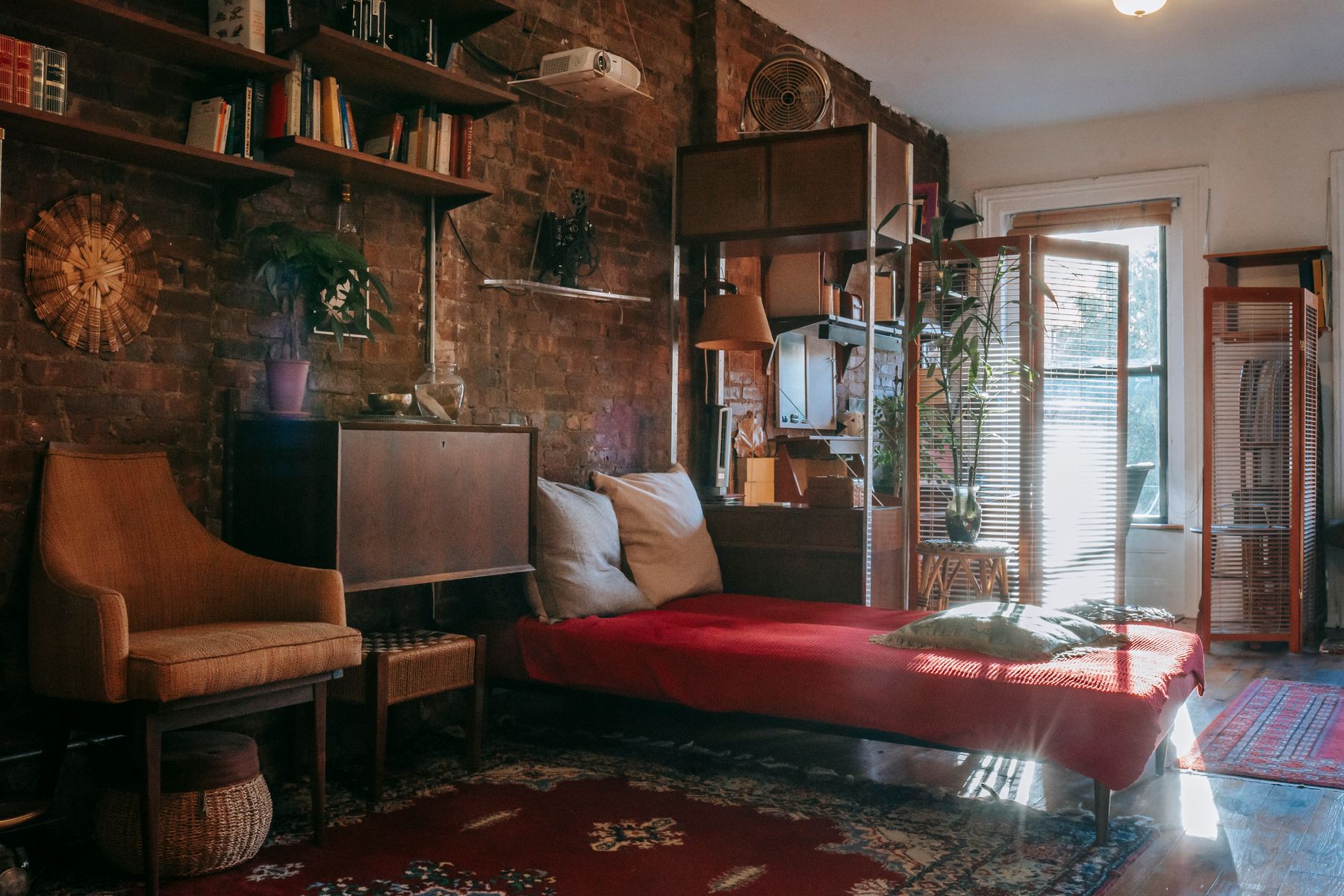
Choose a Gothic Route Before Shopping
A Gothic Revival route emphasizes carved wood, medieval references and architectural line; Romantic Gothic adds floral pattern, drapery and softer red or plum; Modern Gothic reduces the vocabulary to one strong silhouette, mineral color and negative space. Choose one as the dominant voice and allow only a smaller secondary influence. This prevents a black metal bed, baroque mirror, Victorian floral and minimalist lamp from becoming an unedited theme board. [Traditional Bedroom Ideas](/bedroom/traditional-bedroom-ideas/) provides a calmer baseline when the historical vocabulary should feel more balanced than dramatic.
Resolve Sleep, Circulation and Darkness First
Map the mattress, door swing, wardrobe opening, window operation and the route used in darkness before placing a canopy, chest or tall mirror. Dark floors and low furniture reduce contrast at night, so keep the main path stable and switchable light within reach. Solve blackout separately from daytime gloom: lined curtains or a blind should support sleep while still allowing full daylight when open. Gothic enclosure should feel chosen, not like a room that cannot breathe or be navigated safely.
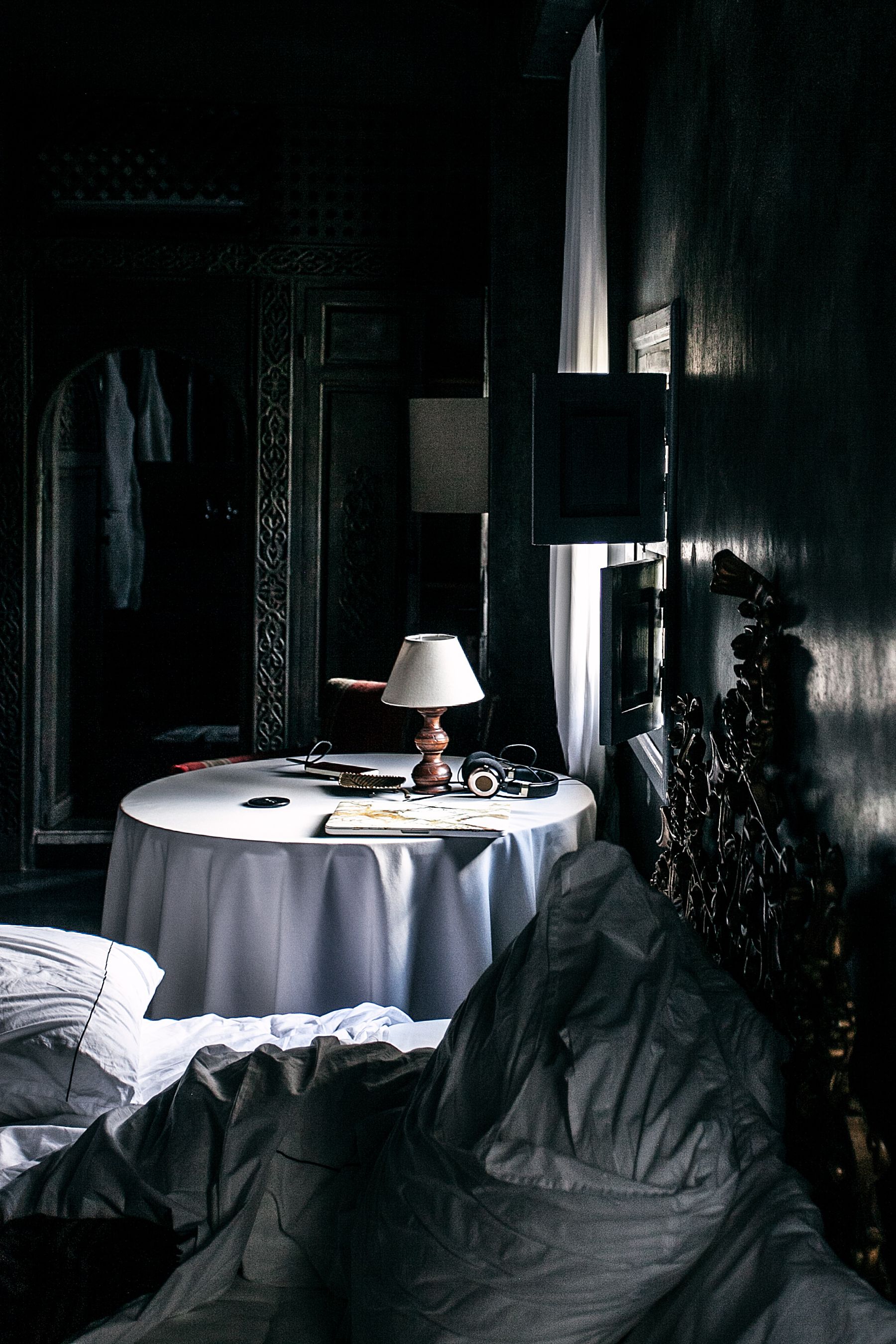
Let One Bed Silhouette Lead
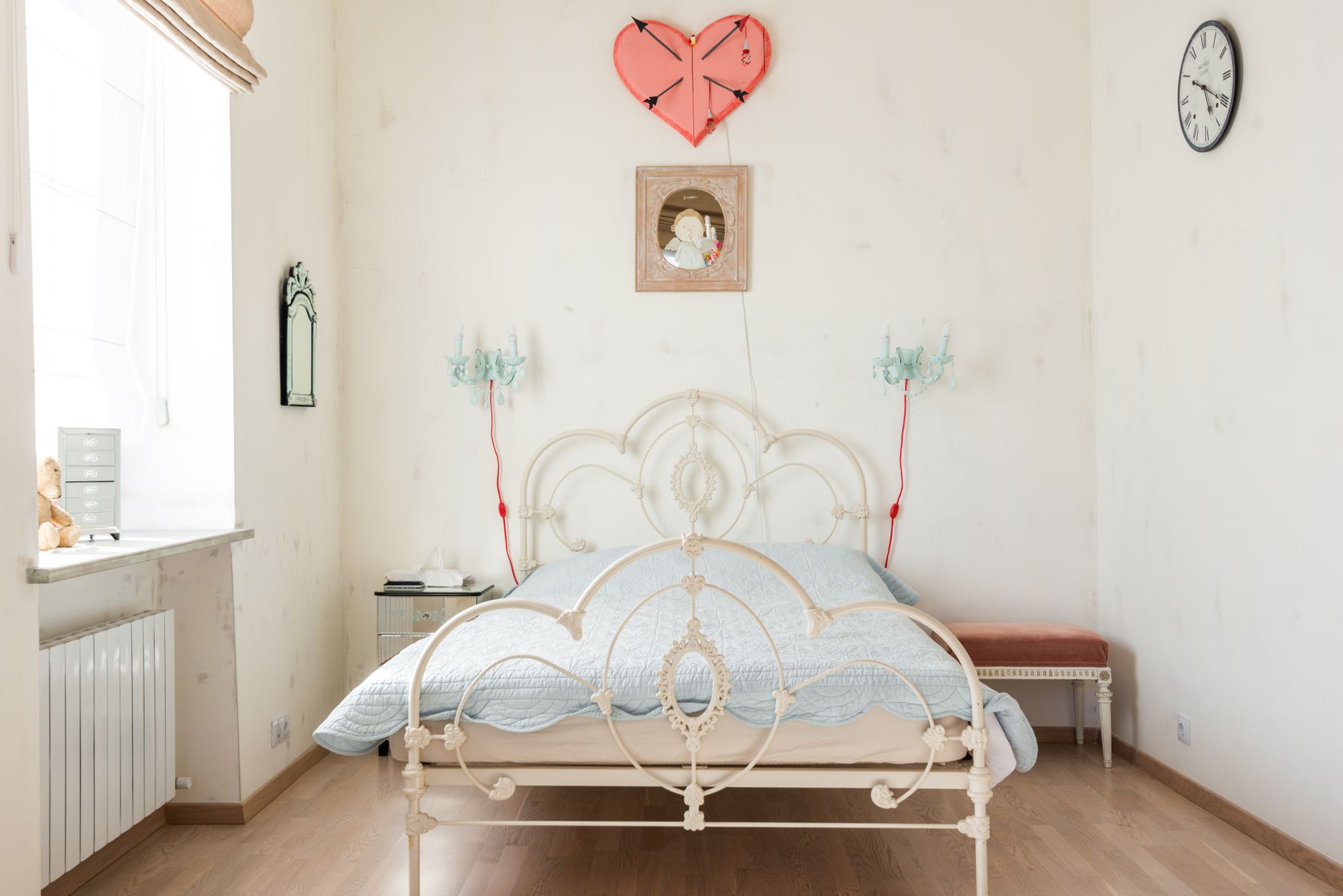
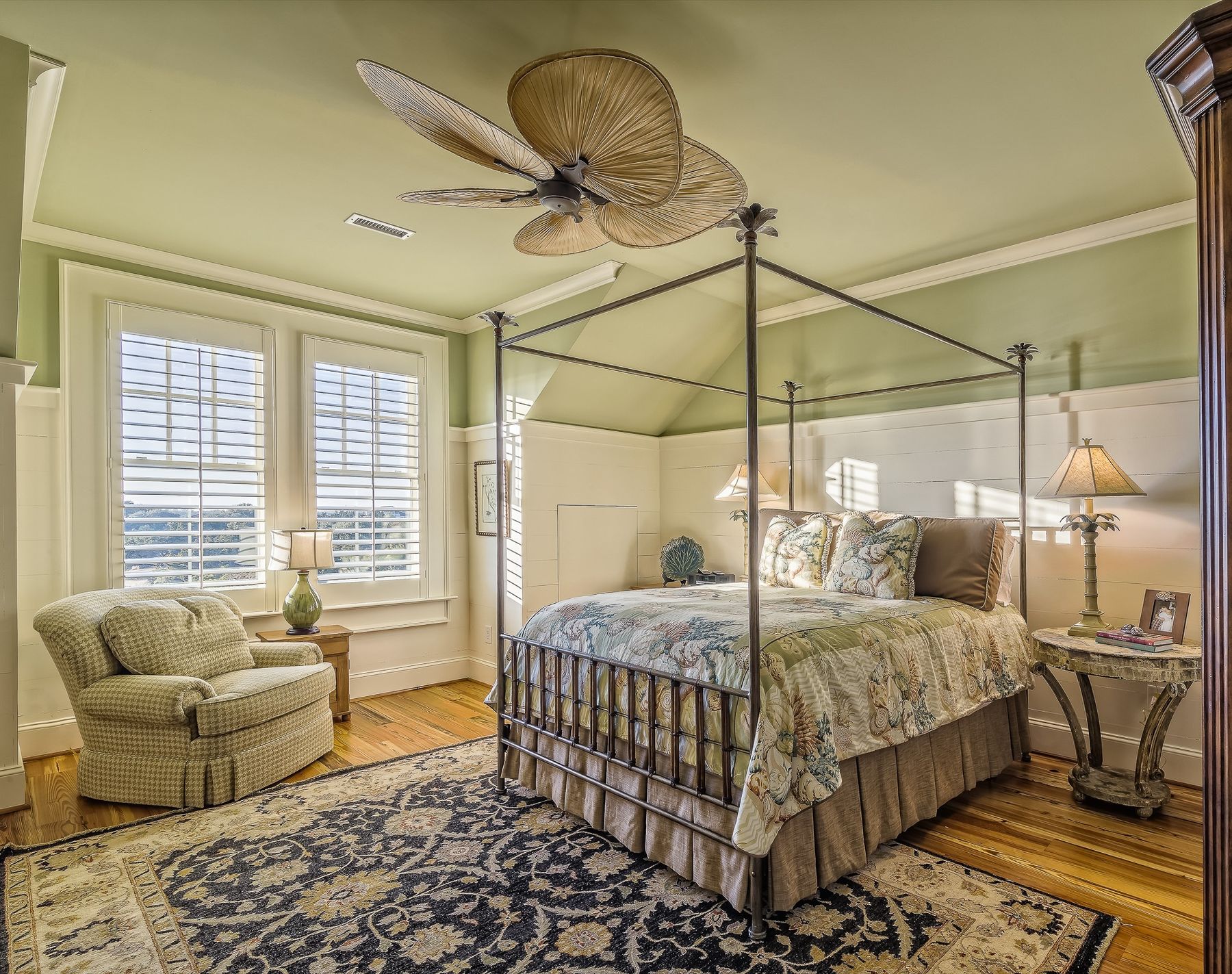
A four-poster, iron frame or deeply carved headboard can establish the entire room. Select it for mattress support, ceiling clearance, bed-making and access before judging drama. The slim black frame shown here proves that a recognizable silhouette can work with green walls and daylight, not only a black envelope. If the bed is visually complex, simplify tables, art and bedding. A quieter bed can instead support a stronger wall treatment or architectural focal point.
A Canopy for Enclosure, Not Theatre
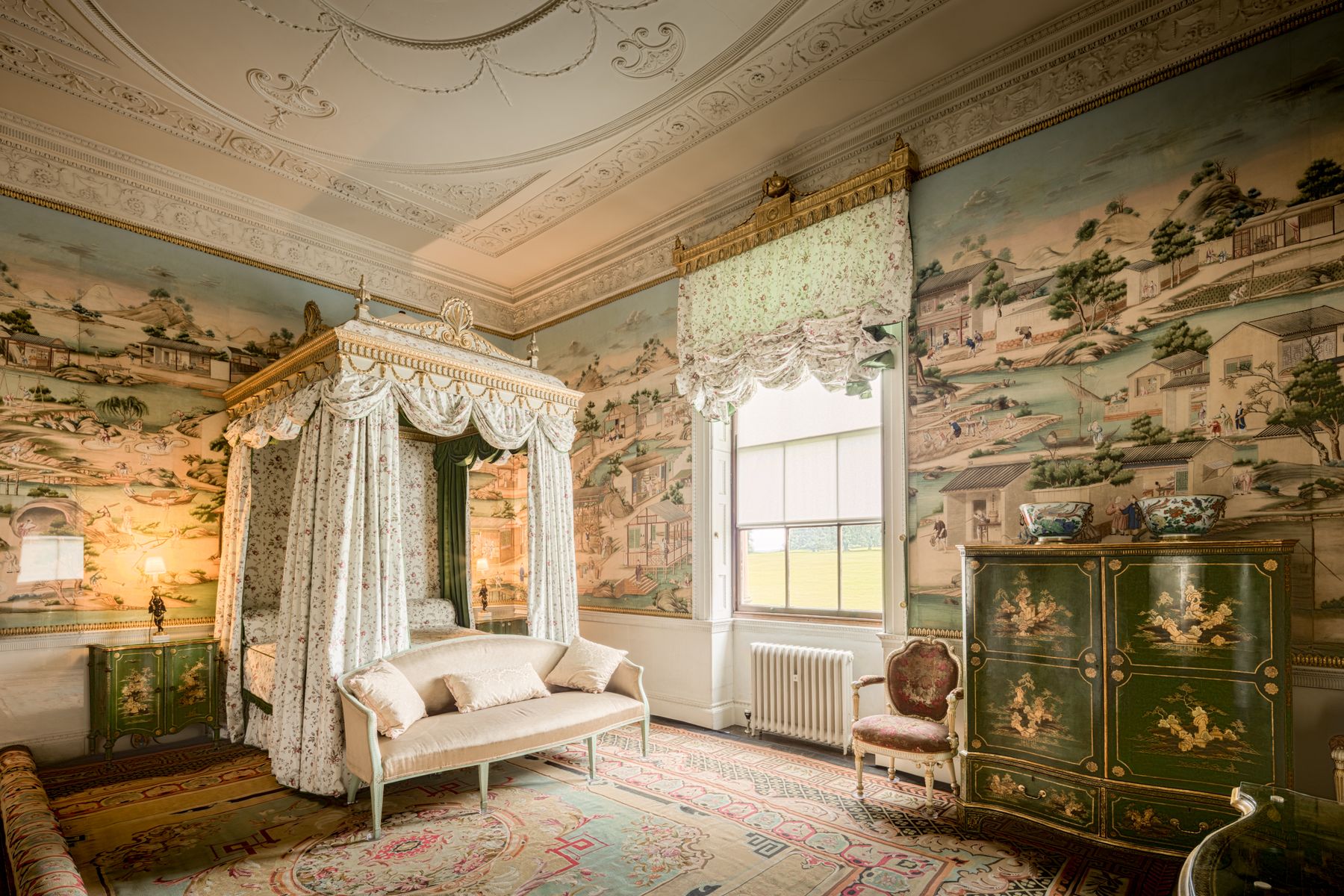
Canopy fabric can reduce the exposed feeling of a tall room and intensify color around the bed, but every layer adds dust, heat and laundering. Keep textile clear of bulbs, heaters and ventilation, use secure hardware and specify washable or professionally cleanable fabric. In a standard-height bedroom, an open four-poster or shallow wall-mounted tester may provide the outline without compressing the ceiling. Avoid fabric pooling on the floor or closing around sleepers where fresh air is limited.
Borrow the Pointed Arch Without Faking Structure
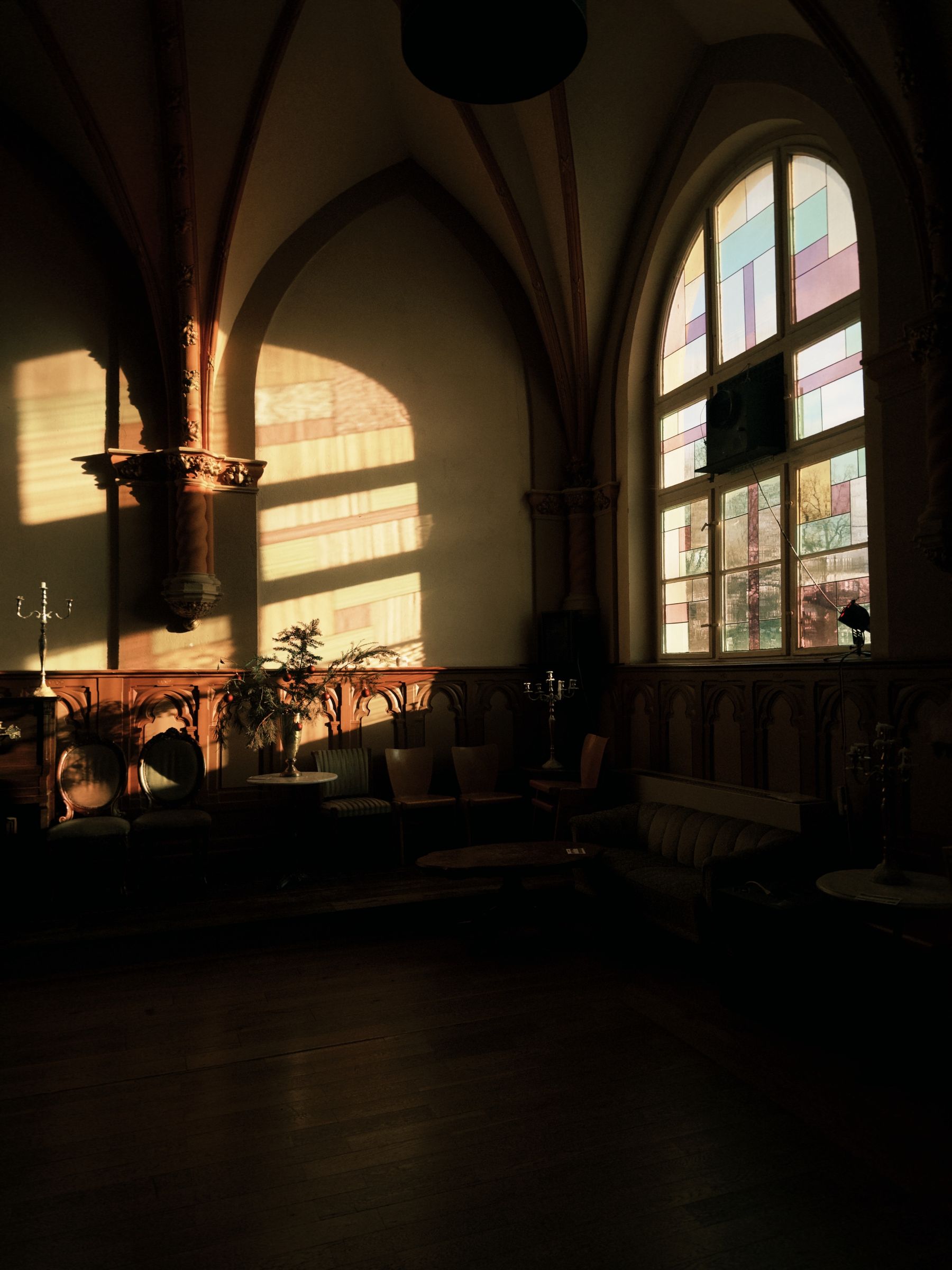
A pointed arch can appear in a headboard, mirror, cabinet panel or painted outline without pretending to be load-bearing masonry. Repeat the geometry once or twice and align it with the bed or an existing opening. Applied foam arches, underscaled tracery and unrelated faux-stone panels usually weaken a normal room because their depth and joints do not match the architecture. Where original arches or deep reveals exist, repair and light them; where they do not, translate the proportion rather than building a stage set.
Use Colored Glass as a Light Strategy
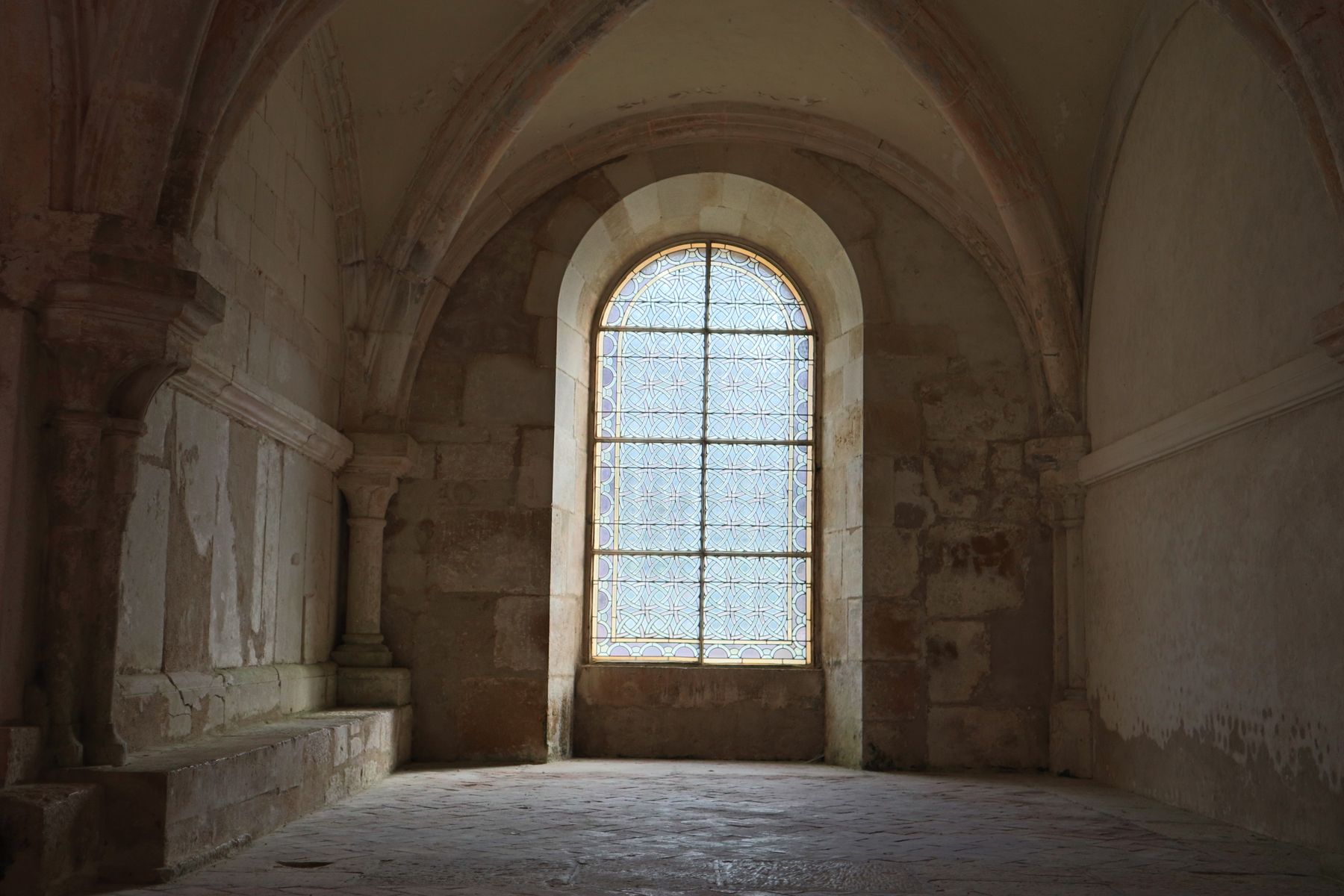
Stained glass inspires Gothic color because it places saturated jewel tones inside light rather than spreading them uniformly across every surface. In a home, use a removable colored-glass panel, translucent film or small leaded cabinet insert only where it will not compromise egress, glazing safety or needed daylight. Pair colored light with neutral task illumination so dressing and cleaning remain accurate. Renters should verify removal and avoid adhesive on historic or coated glass.
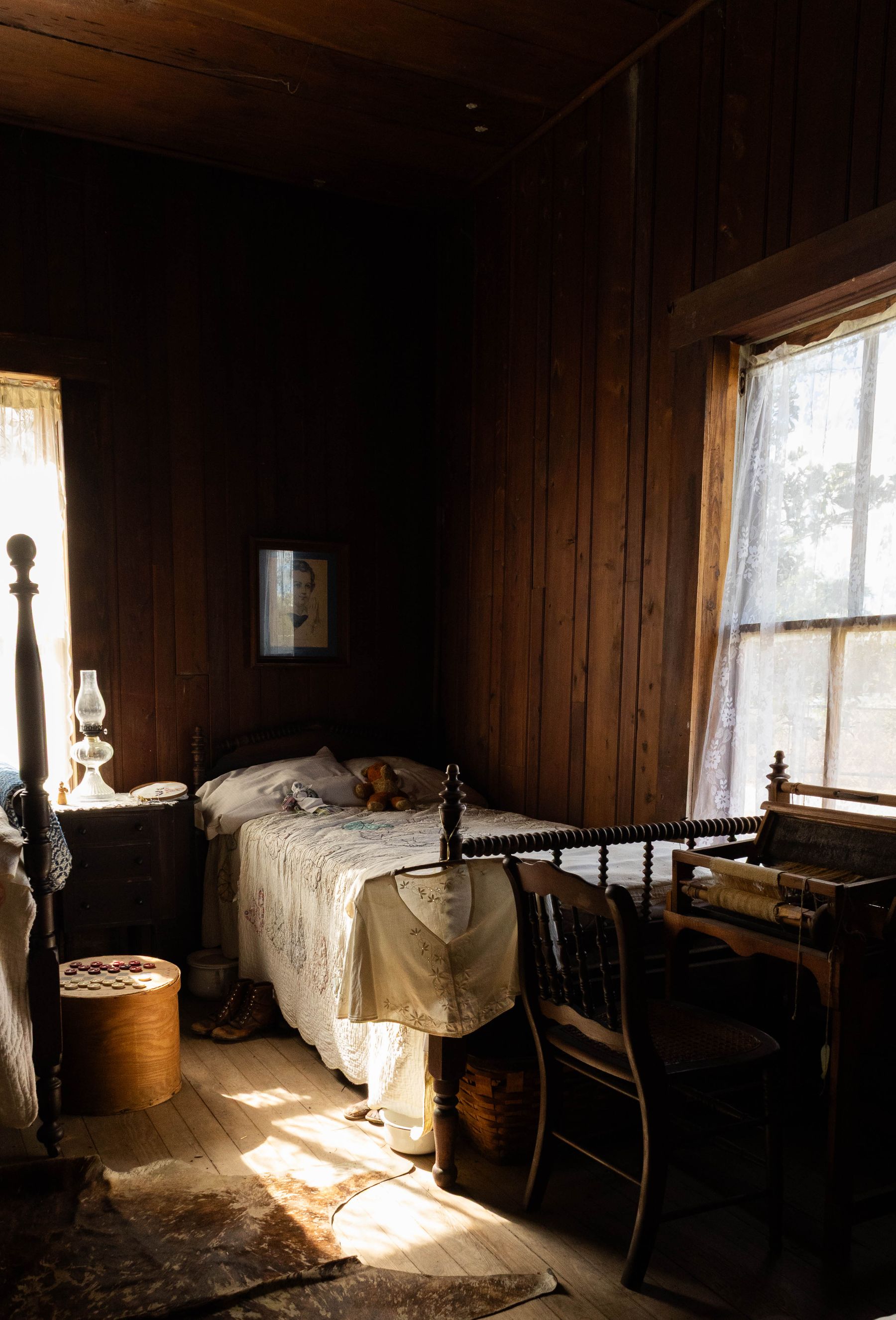
A Palette Beyond Black
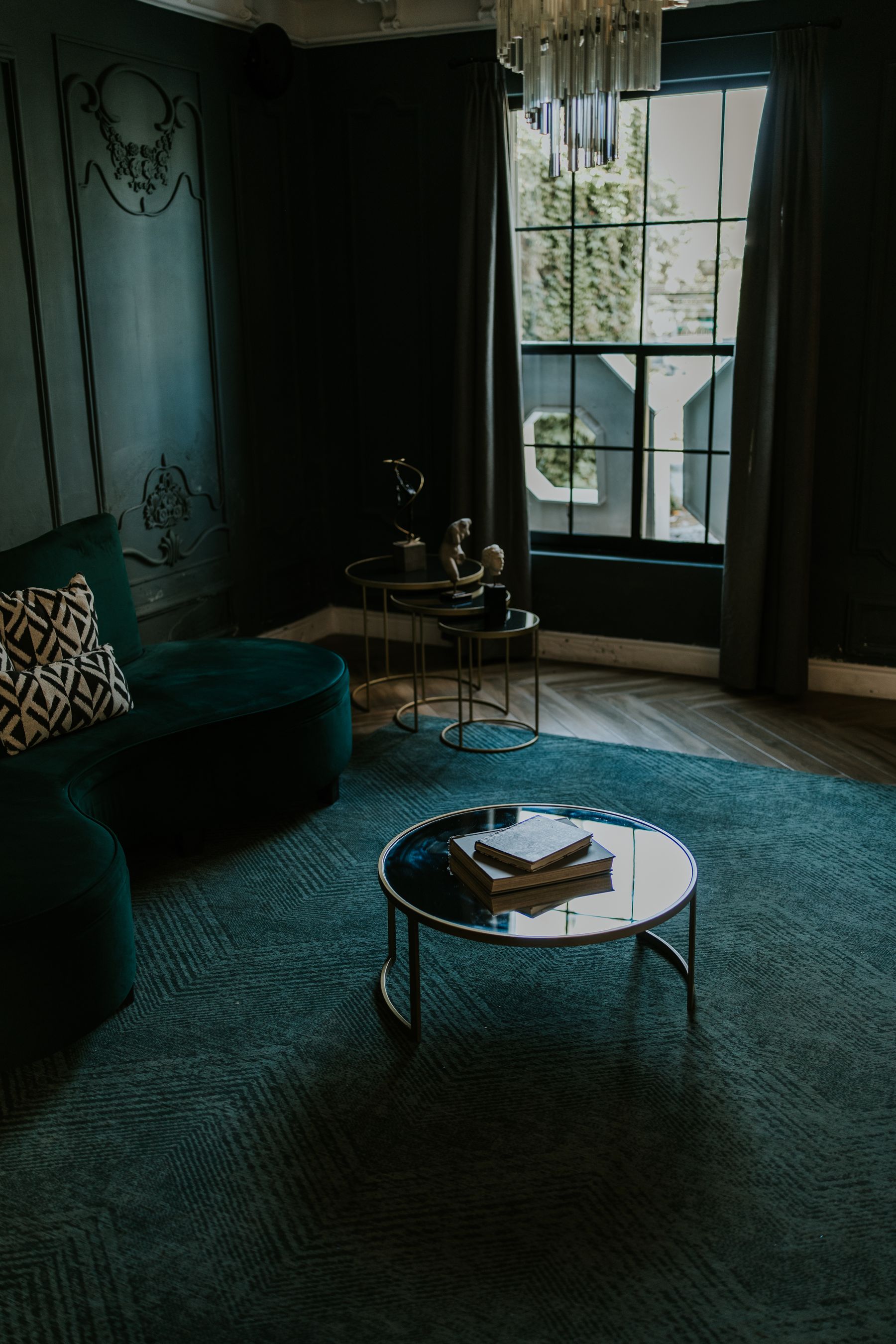
Combine one dark family—ink, charcoal, aubergine, oxblood, forest or brown-black—with a mid-value bridge and a smaller reflective or pale note. Warm timber, aged plaster, stone gray and parchment prevent the scheme from becoming a flat black box. Sample colors beside the actual floor and at night, because cool LEDs can turn plum muddy and warm lamps can make green nearly black. Readers seeking color rather than Gothic form should use the [Dark Bathroom guide](/bathroom/dark-bathroom-ideas/) as a broader palette reference.
Test Light Reflectance Before Color Drenching
Painting walls, trim and ceiling one dark color can create enclosure, but the result depends on window size, orientation, finish and artificial light. Begin with the wall behind the bed or a lower-value ceiling sample, then assess faces, clothing, floor edges and cleaning tasks. Satin on carved trim may reveal relief while matte walls absorb glare; too many shiny dark surfaces create scattered reflections. Keep switches, handles and steps visible through contrast rather than relying on memory.

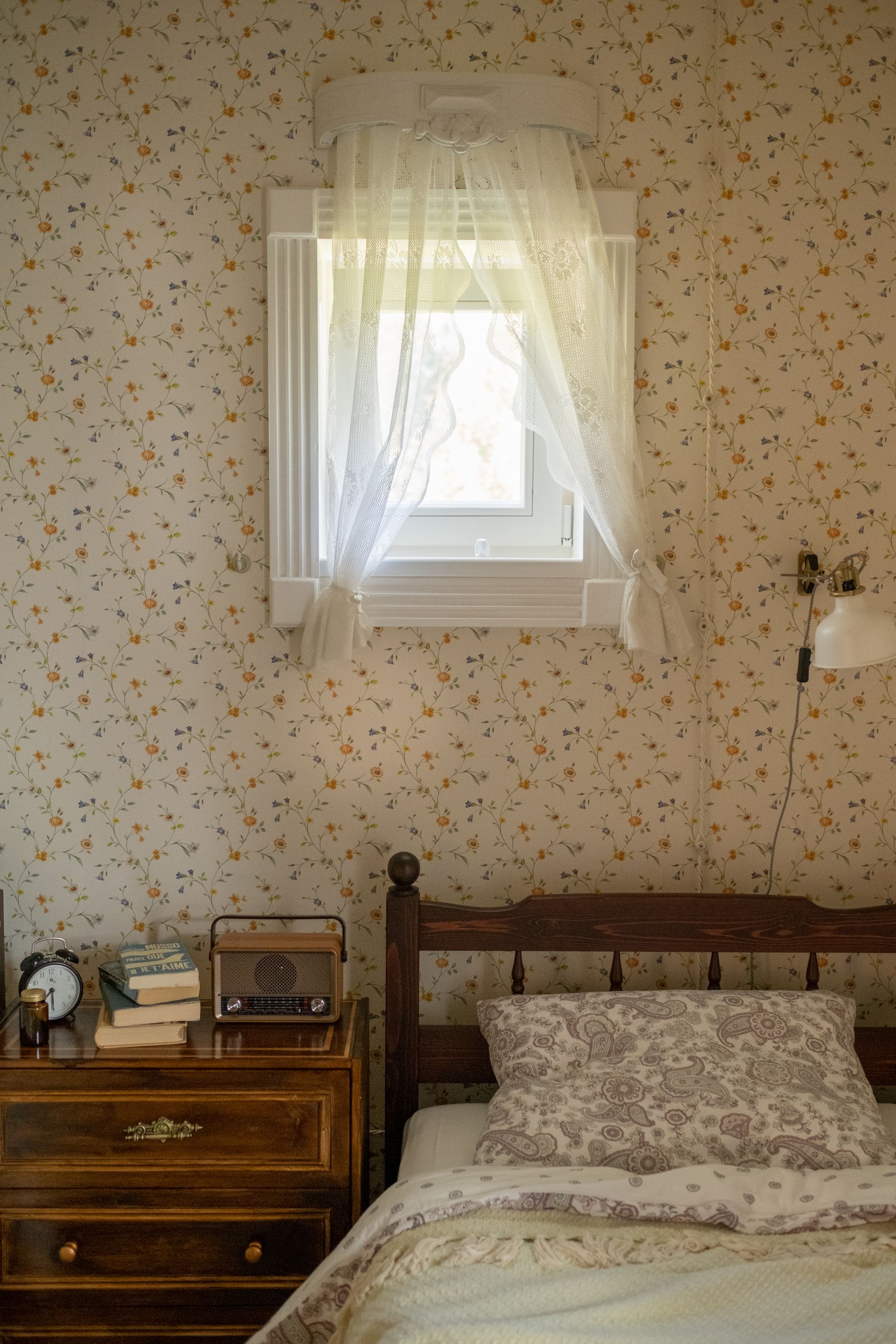
Dark Floral Pattern as the Leading Motif
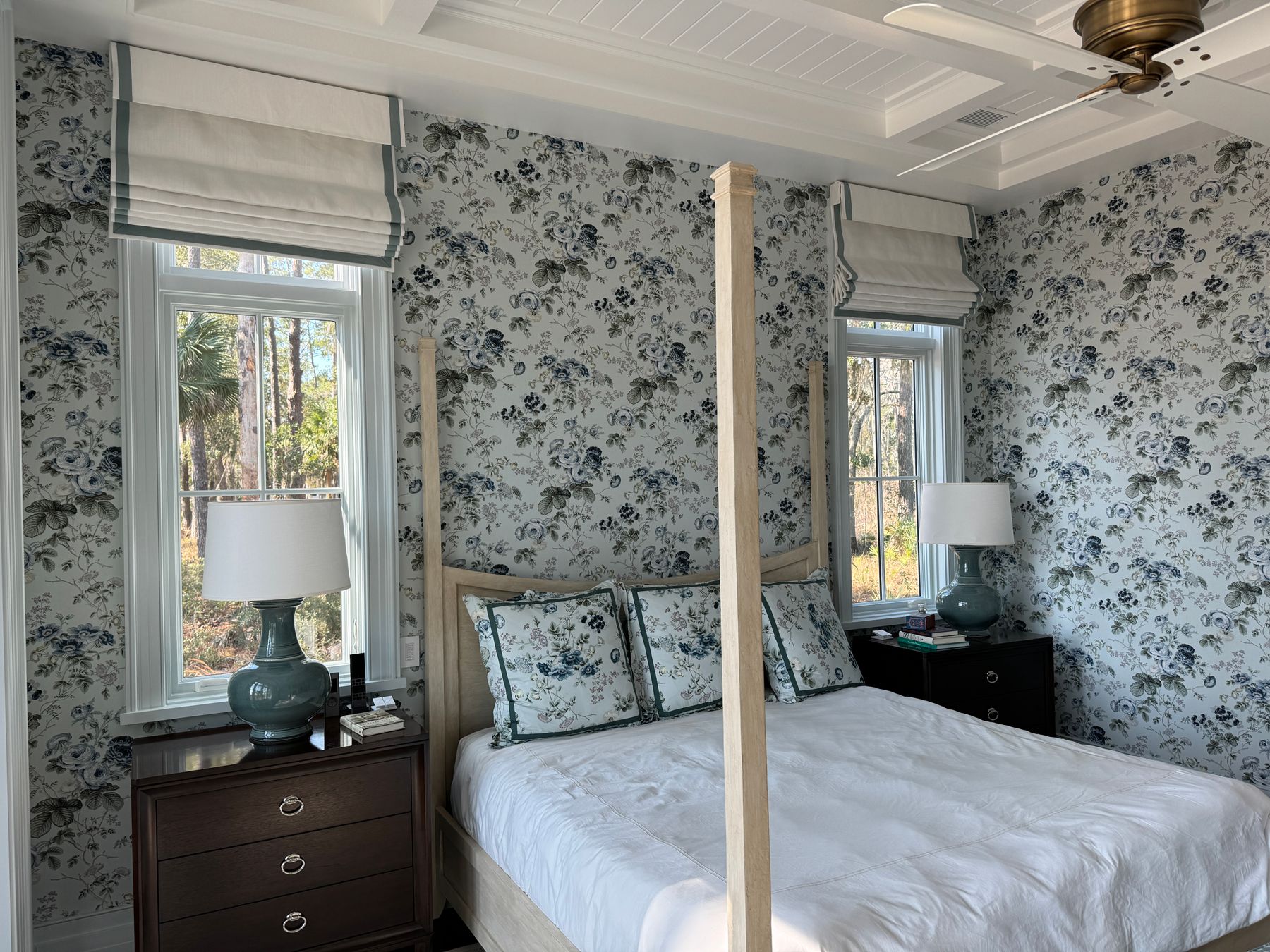
Dark botanicals, damasks and medieval-inspired repeats can add narrative without literal symbols. Choose one dominant pattern and repeat only a ground color or small motif elsewhere. A small repeat can wrap a compact room; a large flower needs uninterrupted wall and quiet bedding. Sample two full drops so seams and repeat are visible. If the wallpaper is active, curtains and rugs should support it through texture or color rather than introduce another equal-scale pattern.
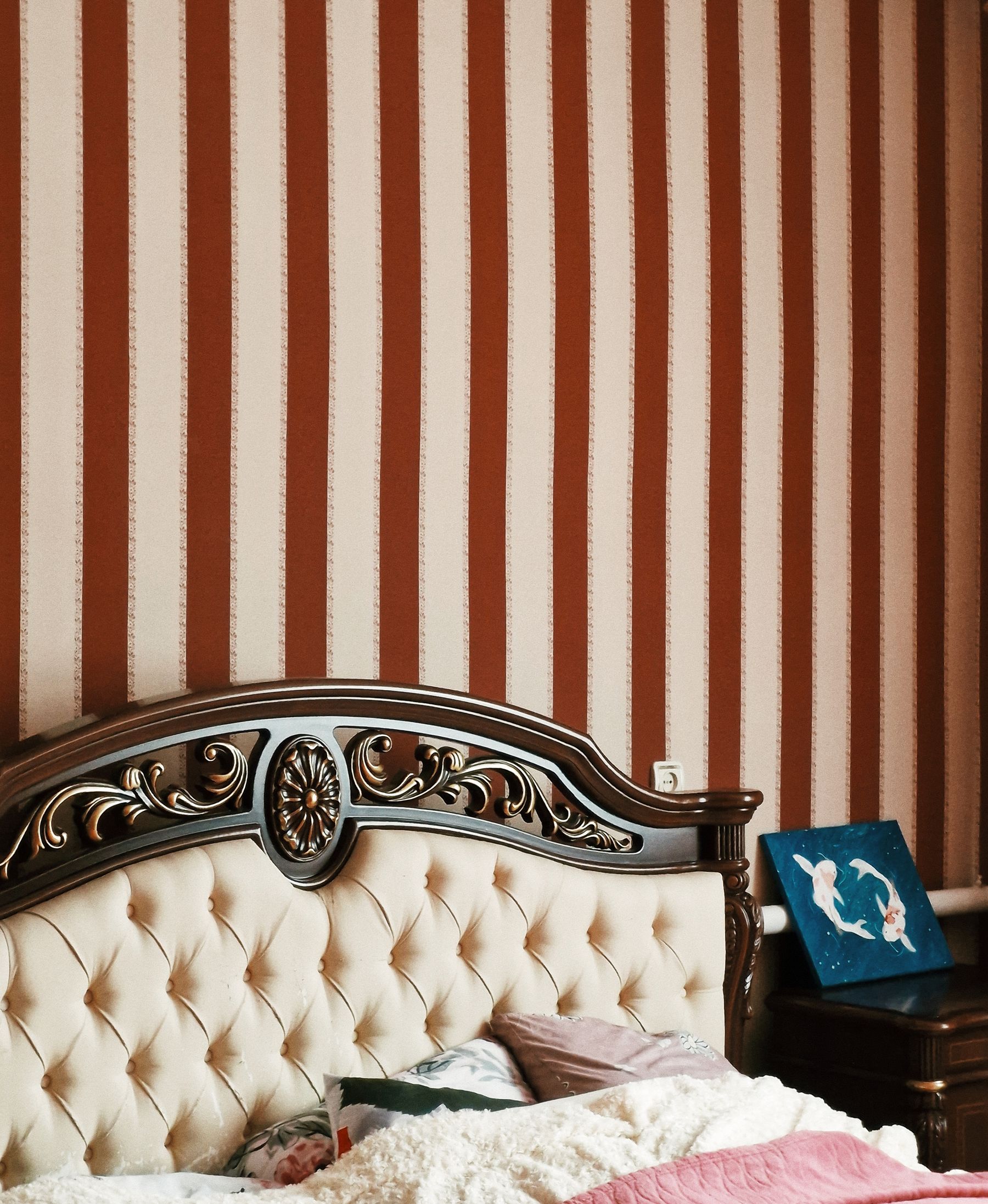
Carving as Relief, Not Excess
Carved headboards, panel doors and chests create the deep shadow line central to Gothic furniture. One substantial piece is usually enough in a standard room. Check projections near pillows, joints, finish condition and whether the piece can be cleaned with a soft brush. Do not distress new furniture to simulate centuries of wear, and avoid covering original carving with glossy black paint before assessing its wood and value. The preservation tests in [Vintage Bedroom Ideas](/bedroom/vintage-bedroom-ideas/) apply to authentic older pieces.
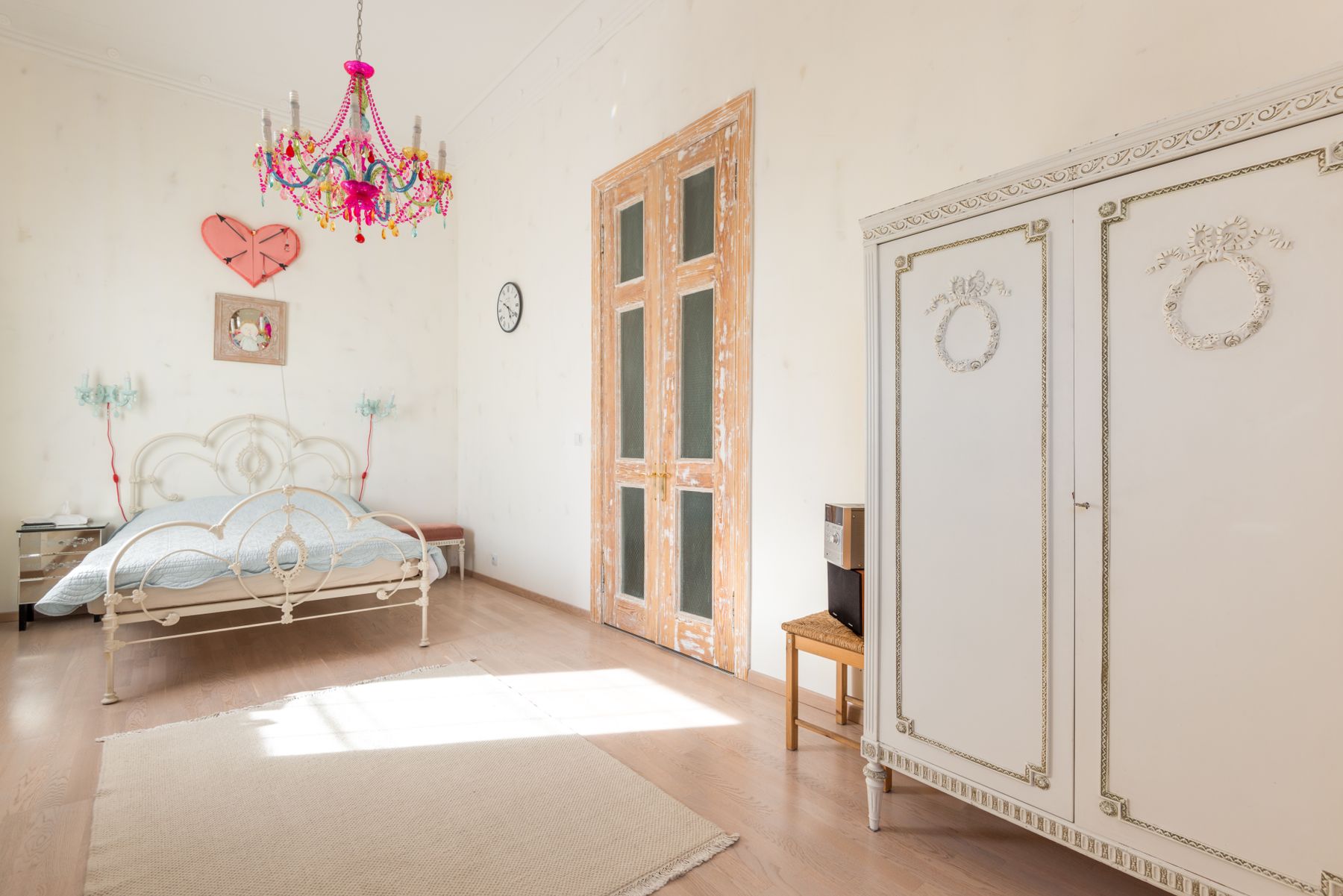
Iron Through Structure and Hardware
Iron suits the style in a bed frame, curtain pole, hinge, handle or sconce, but repeated scrollwork on every object becomes decorative noise. Choose one dominant metal temperature—blackened iron, aged bronze or muted brass—and one smaller contrast. Check sharp finials, loose joints and cold touch points near the bed. Modern reproductions can offer safer dimensions and mattress support than antique frames; honesty about age matters more than artificially rusted finishes.
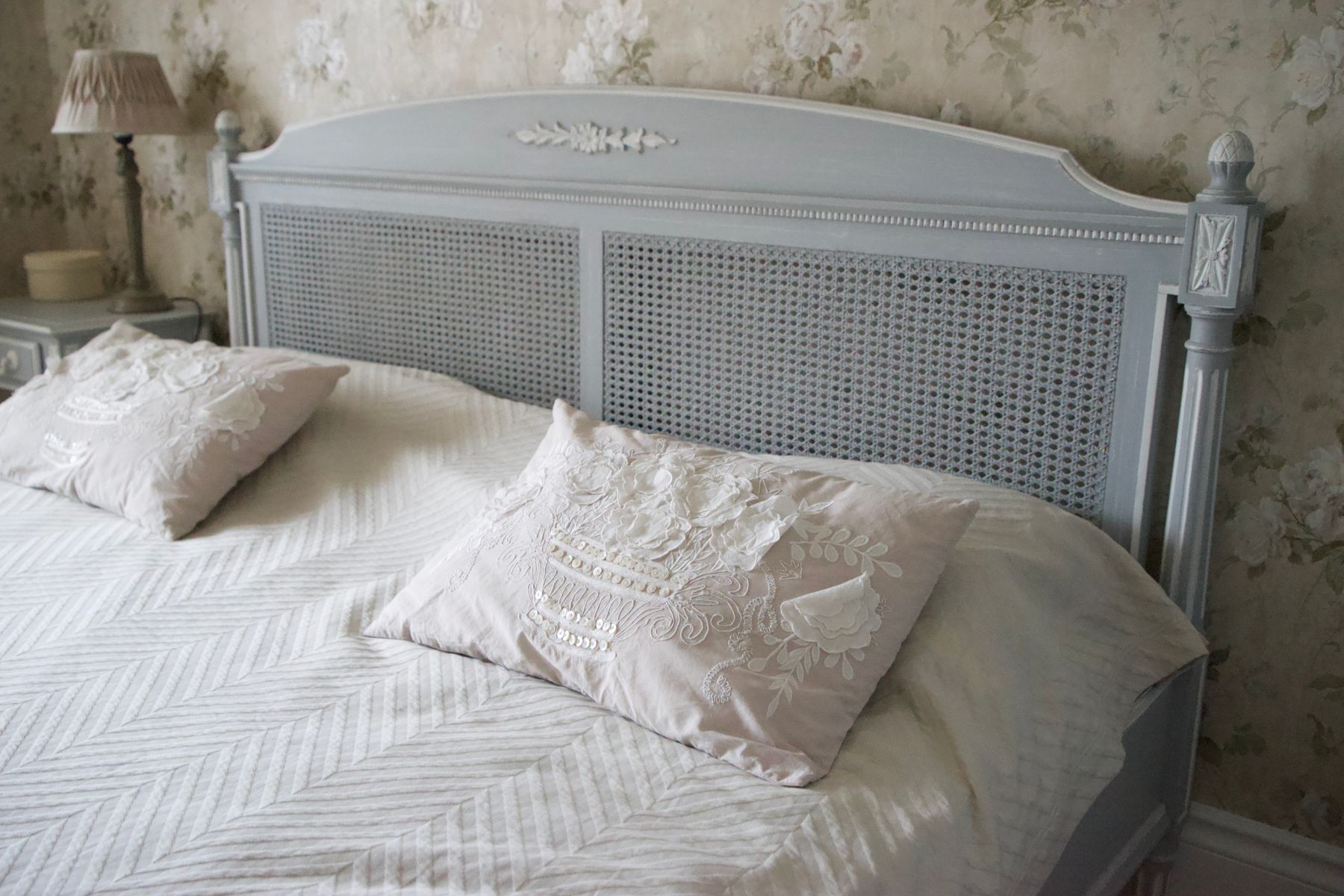
Velvet, Linen and Lace Judged by Performance
Velvet absorbs light and adds saturated depth; washed linen keeps heavy furniture from feeling airless; lace or embroidery introduces precise edge detail. Assign each material a job rather than stacking all three everywhere. Use breathable sheets against the body, cleanable upholstery on high-contact surfaces and removable covers where pets or dust are concerns. Synthetic velvet may be more practical than silk, but test crushing and sheen. Keep loose lace away from open flame, heaters and frequently operated hardware.
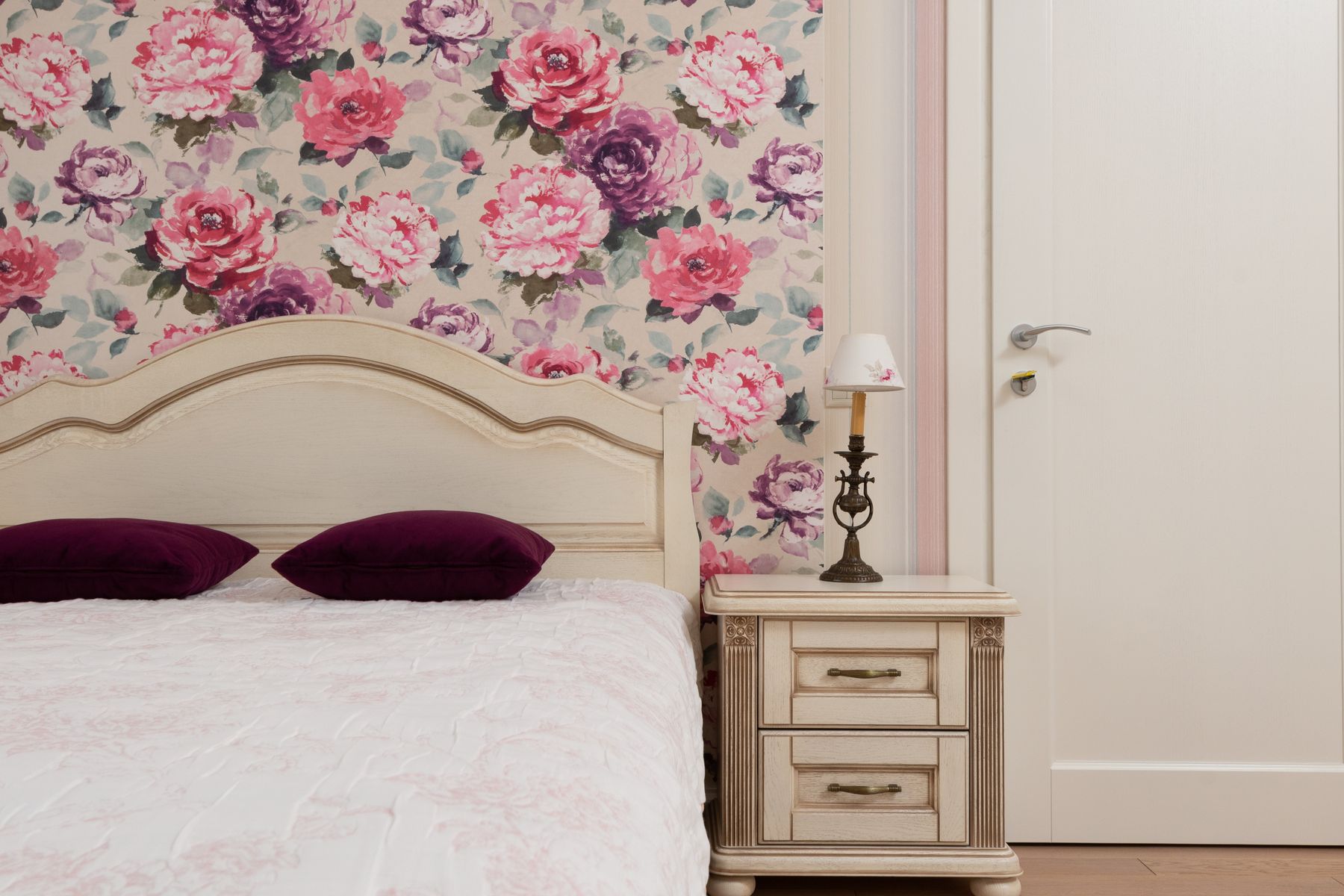
A Dramatic Bed That Remains Easy to Reset
A deep coverlet, long lumbar cushion or one richly patterned quilt can establish drama without a nightly pile of props. Choose weight and fiber for the sleeper and climate; heavy velvet across the whole bed may trap heat or become difficult to launder. Provide breathable storage for seasonal layers and a real destination for decorative cushions. The sleeping surface should be clearable in one trip and remade without lifting unsafe weight or dragging textile across the floor.
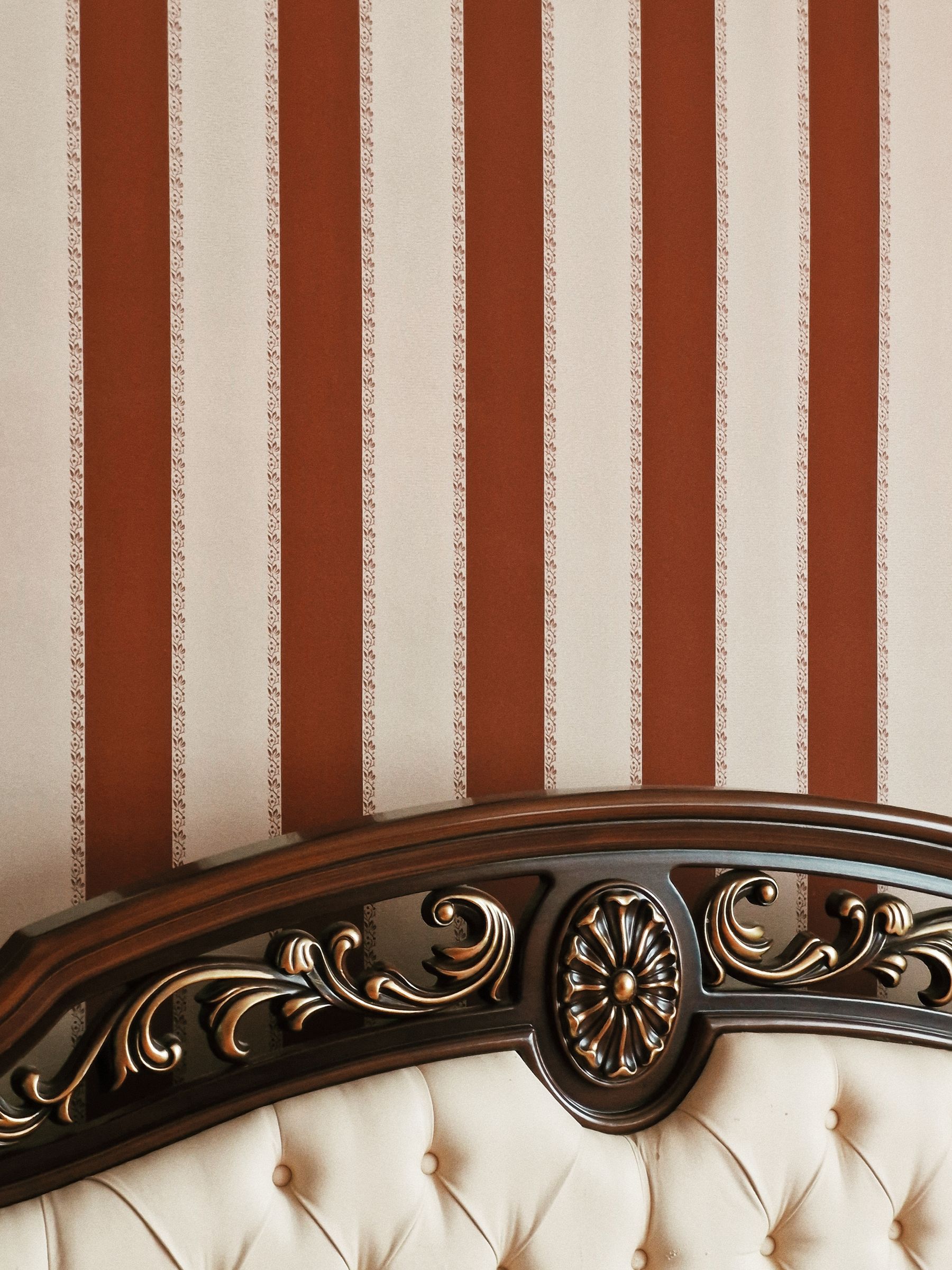
Design Curtains for Shadow and Daylight
Gothic curtains should shape the window, not permanently darken it. Use a blackout blind or lining for sleep and let the decorative layer open fully during the day. Check stack-back, radiator output, ventilation and safe clearance from lamps and candles. Heavy velvet suits a generous room but requires strong tracks and specialist cleaning; a lighter linen-look panel in wine, charcoal or green may give the vertical drop with less bulk.
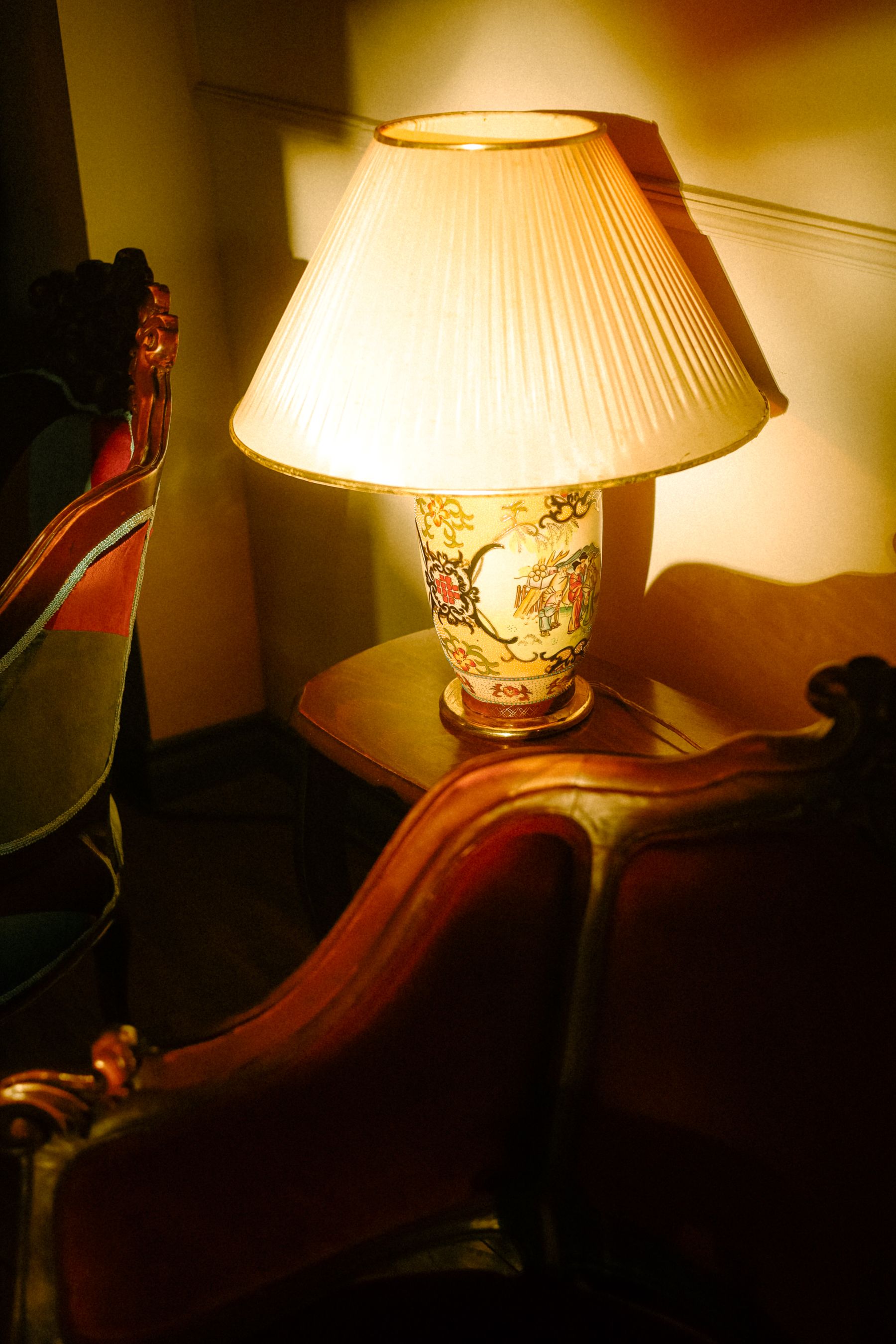
Layer Light at Three Heights
Combine dimmable ambient light, focused bedside or dressing light and a low evening layer. Darkness looks intentional only when faces, floor edges and tasks can still be read. Match color temperature closely and shield bulbs from a reclining view. Rewire old fittings professionally and place switches within reach. The [Living Room Lighting Ideas guide](/living-room/living-room-lighting-ideas/) offers a useful ambient-task-accent framework; in bedrooms, add a clear transition from reading light to sleep darkness.

Chandelier and Sconces as Silhouette
A branched chandelier or pointed sconce can deliver Gothic form even in a plain room. Scale the fixture to the ceiling and bed, verify structure and maintain safe head clearance. Clear or faceted pieces scatter light; black iron produces a cleaner outline; aged brass brings warmth. Avoid exposed bulbs that glare across the pillow. Plug-in sconces can suit rentals when cords are secured and wall fixings are appropriate, but decorative cable loops should never cross a dark route.
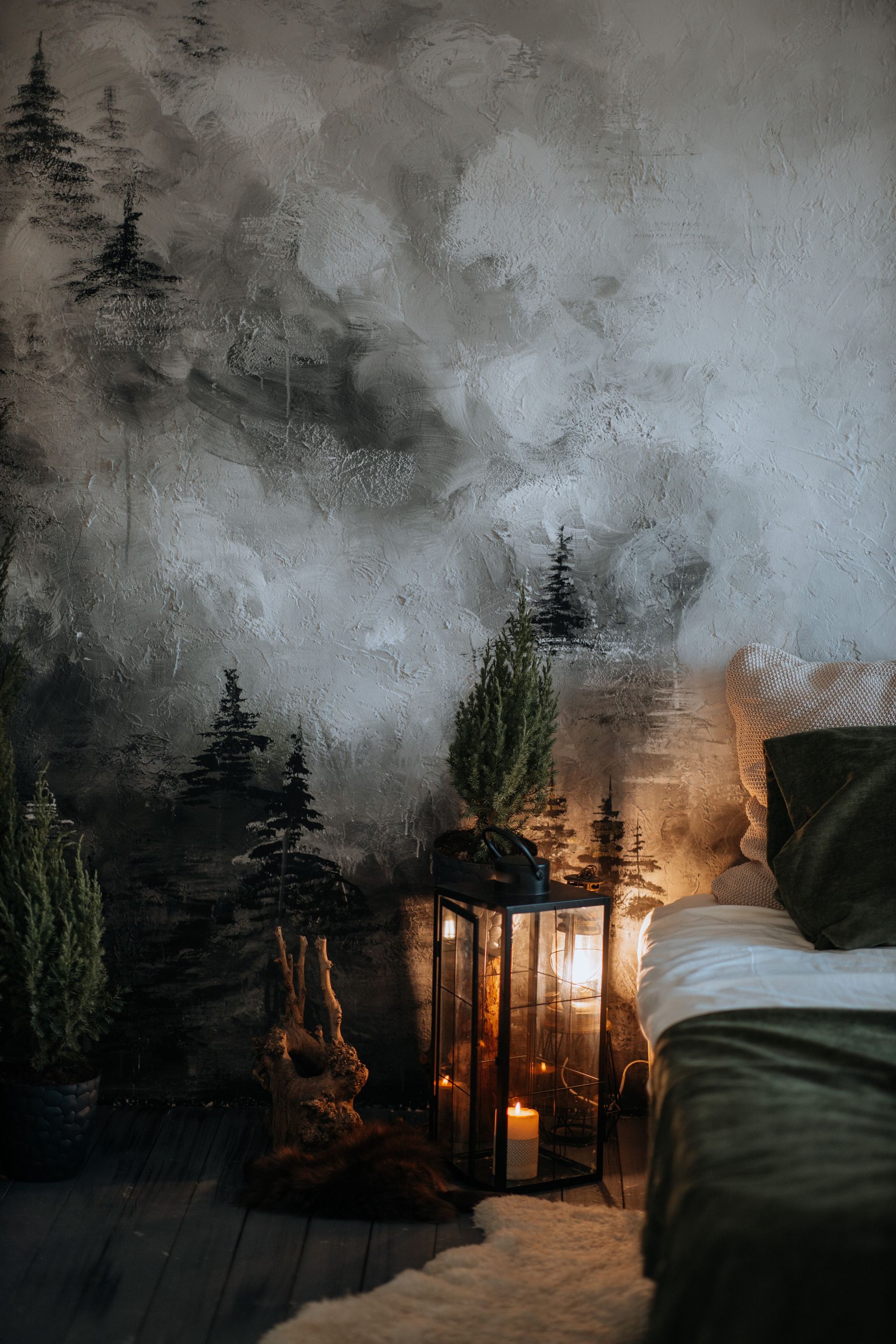
Candlelight Atmosphere Without Fire Risk
Real candles should never stand near curtains, dry plants, loose bedding, shelves or a place where the sleeper may doze. Use quality flameless candles, dimmable shaded lamps or concealed warm LEDs for routine atmosphere. If flame is used briefly, choose a stable noncombustible holder, keep it attended and extinguish it before getting into bed. Colored smart bulbs can supplement the scene, but intense red or purple light often turns a sophisticated scheme into a themed set and can distort practical tasks.
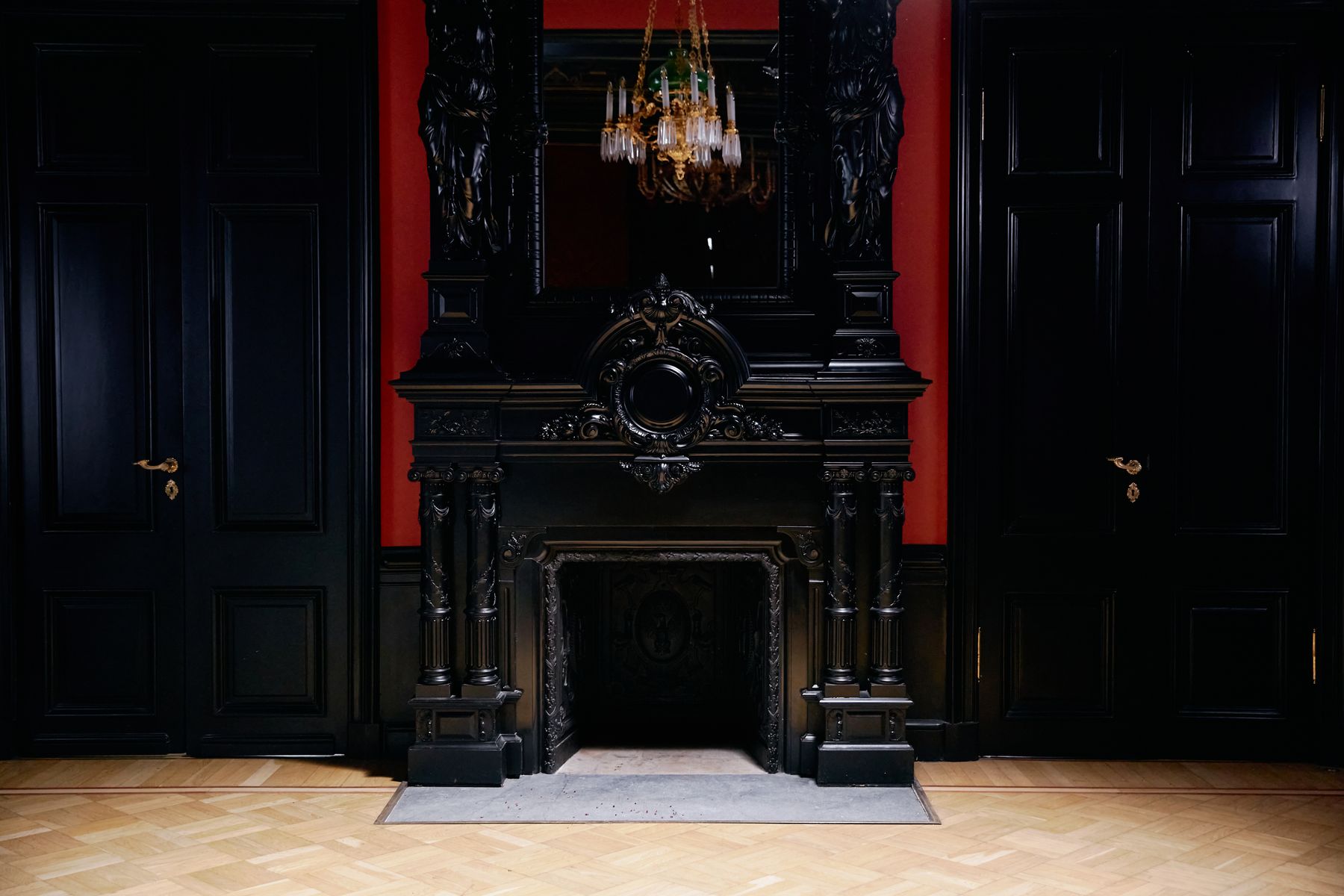
The Fireplace as Architecture and Equipment
An original fireplace or mantel can provide the vertical center and carved shadow the style needs. Before use, have flue, fuel, ventilation and clearances assessed by qualified professionals. Keep bedding, rugs and curtains outside heat and ember zones, and do not fill an unused opening with unattended candles. A non-working hearth can hold one stable sculptural object or remain dark and empty. The material and safety approach in [Rustic Bedroom Ideas](/bedroom/rustic-bedroom-ideas/) is useful when stone, timber and real heat sources are central.
Mirrors That Move Light Without Multiplying Clutter
A pointed, quatrefoil or aged mirror can repeat Gothic geometry and return scarce daylight. Place it where it reflects a window, lamp or calm surface—not the cluttered wardrobe interior or a glare source visible from the pillow. Heavy antique mirrors require fixings suited to the wall and load. Several small mirrors can add sparkle, but too many fragmented reflections create visual noise and disorientation in low light. One useful dressing mirror plus one smaller decorative reflection is often enough.
Curate Art and Symbols With Restraint
Choose art for subject, material and personal meaning rather than filling every gap with bats, skulls, ravens or faux manuscripts. Portraits, landscapes, botanical studies, abstract dark fields and textile fragments can support the mood without costume. Verify rights for reproductions, protect valuable work from direct sun and damp, and use safe fixings—especially above the bed. A concentrated gallery belongs on one wall; leave another plane quiet so the bed, arch or carving remains visible.
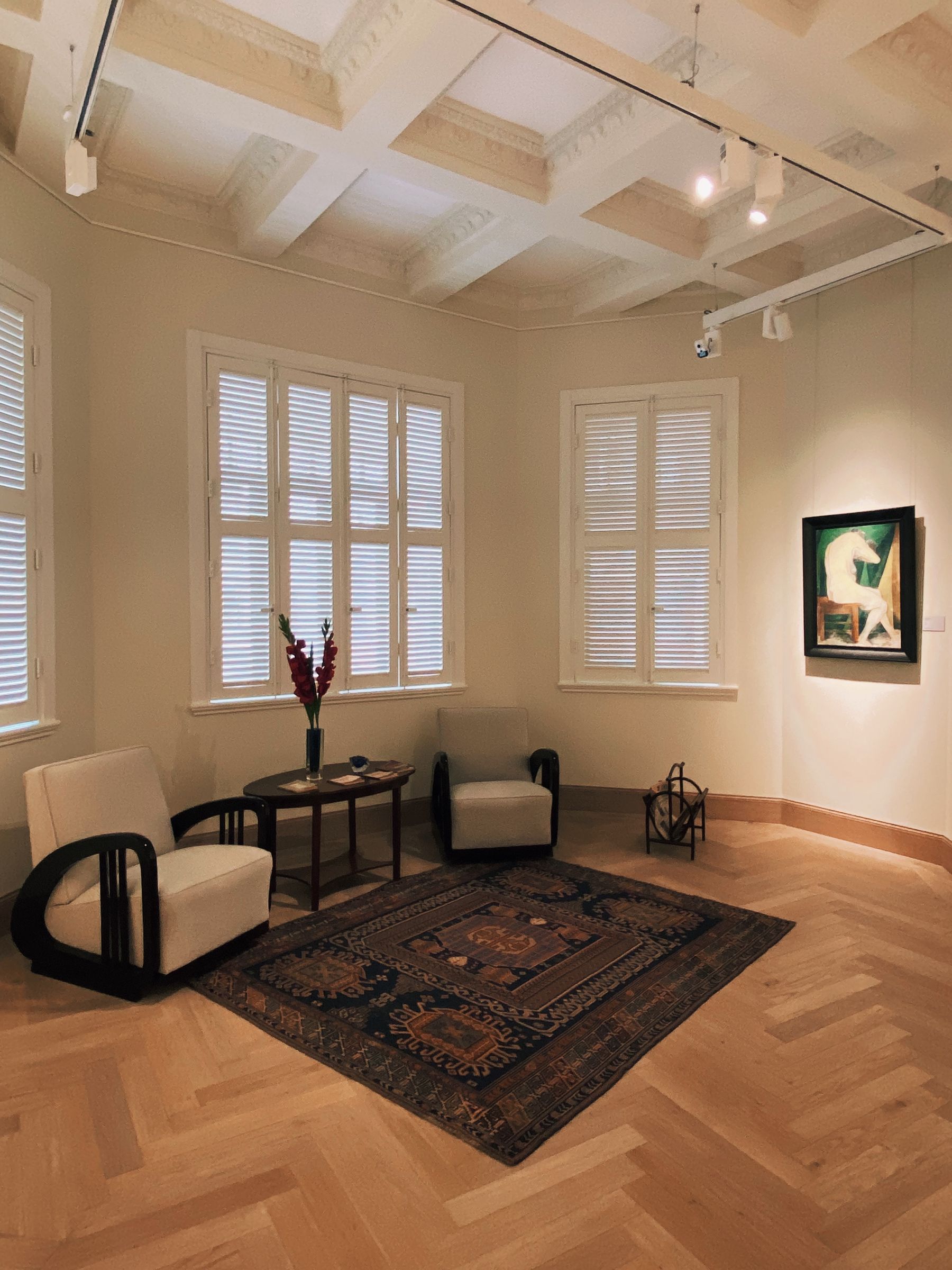
Ground the Room With a Rug That Can Be Seen
A Persian-inspired, trellis or faded floral rug can connect jewel colors and warm wood, but a near-black rug on a dark floor may erase its own edges. Choose enough mid-value pattern to remain legible at night, use a suitable underlay and secure curling corners. Coverage should reach the bed sides actually used. The [rug planning guide](/living-room/living-room-rug-ideas/) offers transferable sizing and fiber tests; in a bedroom, prioritize warm landing zones and visible edges.
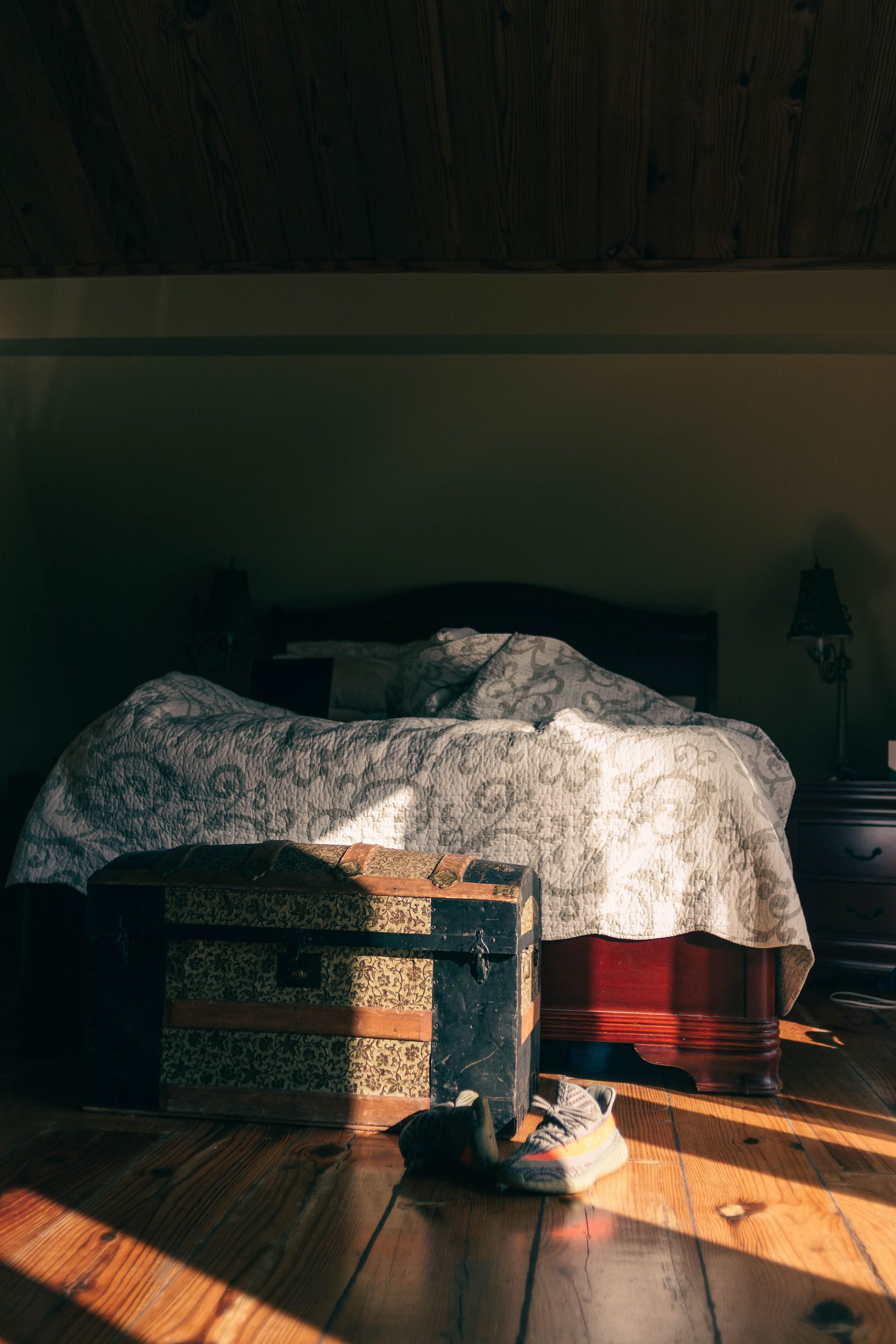
Storage With a Strong Vertical Rhythm
Armoires and tall chests naturally reinforce Gothic verticality, but they must be chosen by capacity and safely secured where appropriate. Check delivery route, ceiling clearance, door swing and whether drawers are deep enough for real contents. Open shelving increases dust and can pull the room toward Dark Academia when filled with books. Use closed storage for clothing and reserve one niche or cabinet top for display. Repeated pointed panels or dark hardware can carry the style without oversized faux-castle cabinetry.
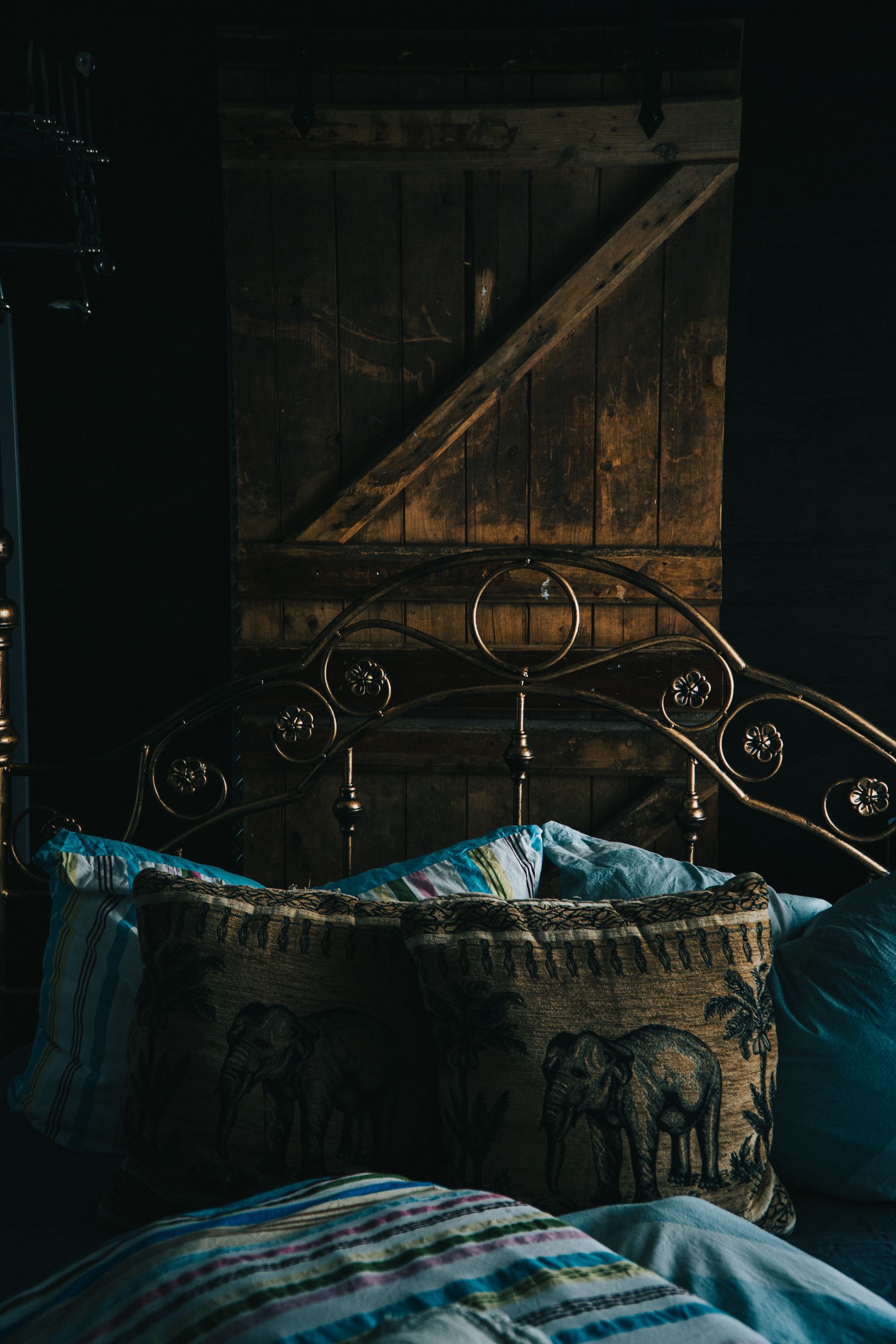
A Dressing Corner With a Real Use
A carved vanity or narrow console can balance the bed with another functional focal point. Provide even facial light, knee clearance, a stable seat and a protected surface for cosmetics or water. A dark framed mirror needs enough surrounding contrast to locate its edge. In a small room, a shallow wall-mounted drawer and separate mirror may provide the same function with less depth. Avoid fragile bottles and sharp metal objects along the nighttime route.
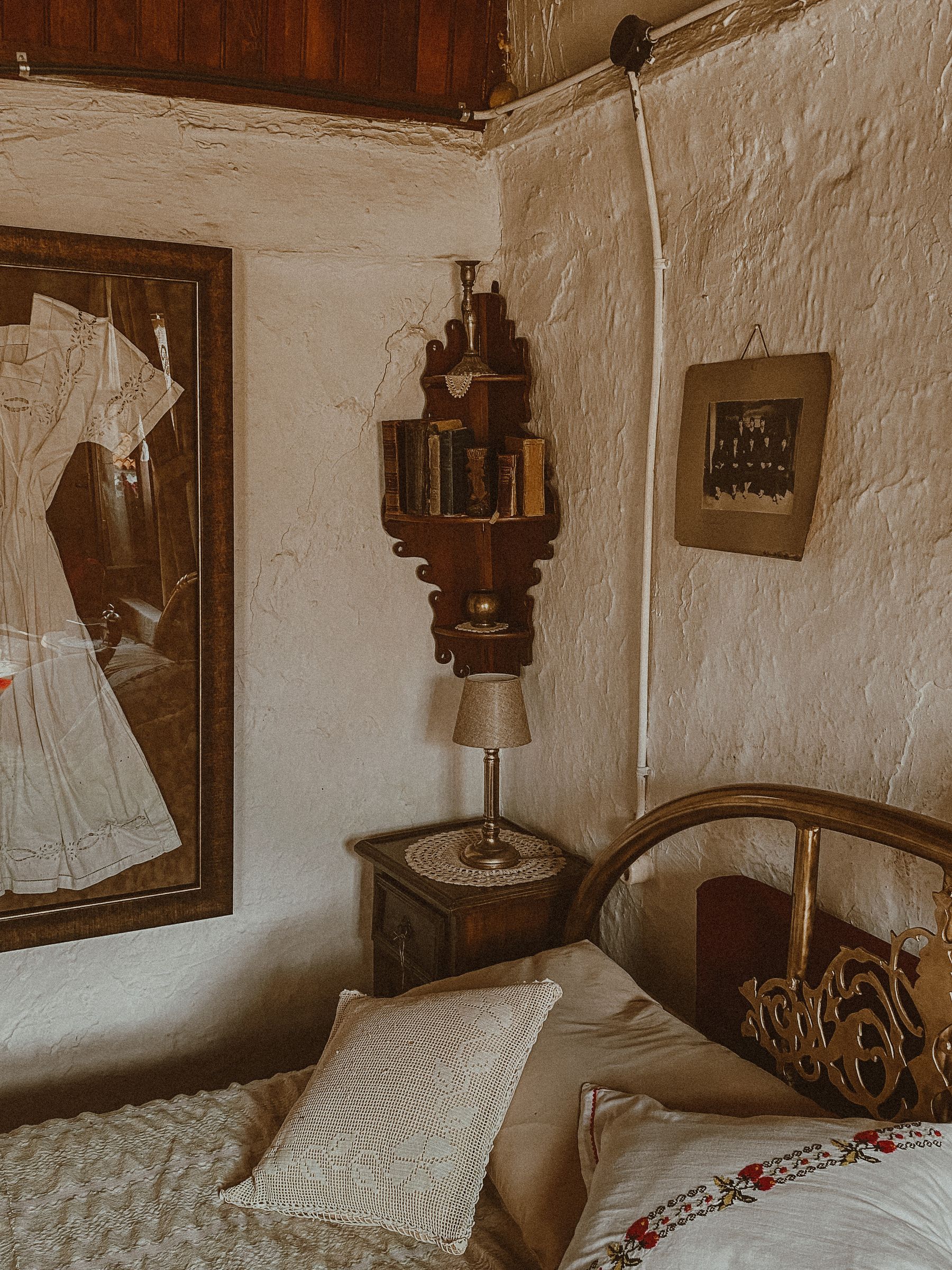
Scale Gothic Down for a Small Bedroom
Use one strong silhouette, one saturated plane and one small reflective note rather than miniaturizing every Gothic motif. A slim iron bed, dark floral head wall and wall-mounted reading lights may be enough. Choose shallow storage and keep the main route lighter or more reflective than adjacent floor. Pattern can make a small room feel intentionally enclosed, but furniture depth and blocked daylight cause the real compression. The circulation tests in [Small Apartment Ideas](/apartment/small-apartment-ideas/) transfer directly.
Portable Gothic Form for a Rental
Concentrate the style in a freestanding bed, rug, curtains, plug-in lighting, art and one pointed or carved mirror. Verify the lease, wall substrate and removal method before applying dark paint, adhesive wallpaper or molding. Document original condition and never cover damp, damaged wiring or blocked ventilation with decorative panels. Portable quality pieces create a more credible room than disposable foam arches. A neutral rental can feel Gothic through silhouette and shadow without any permanent fake masonry.
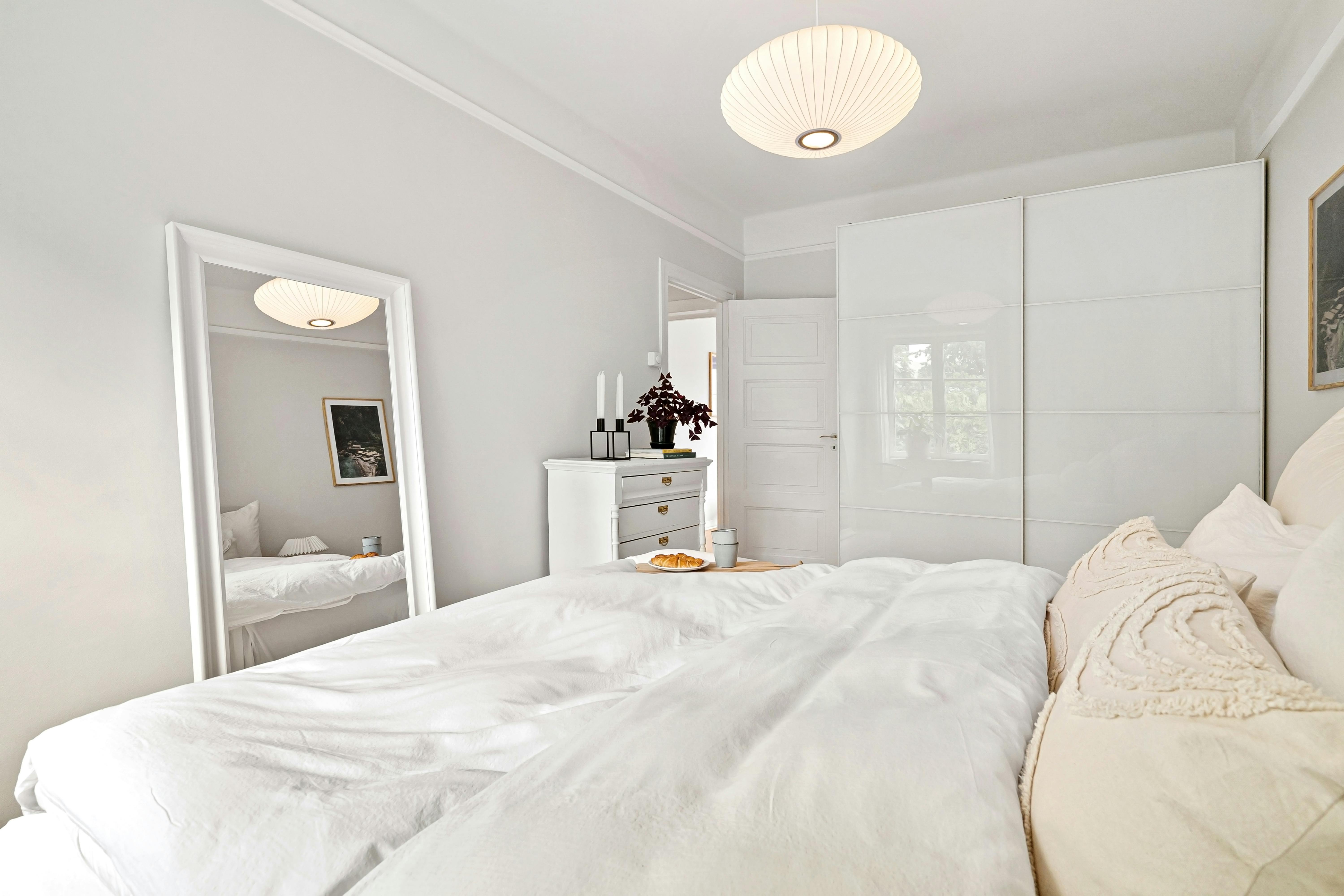
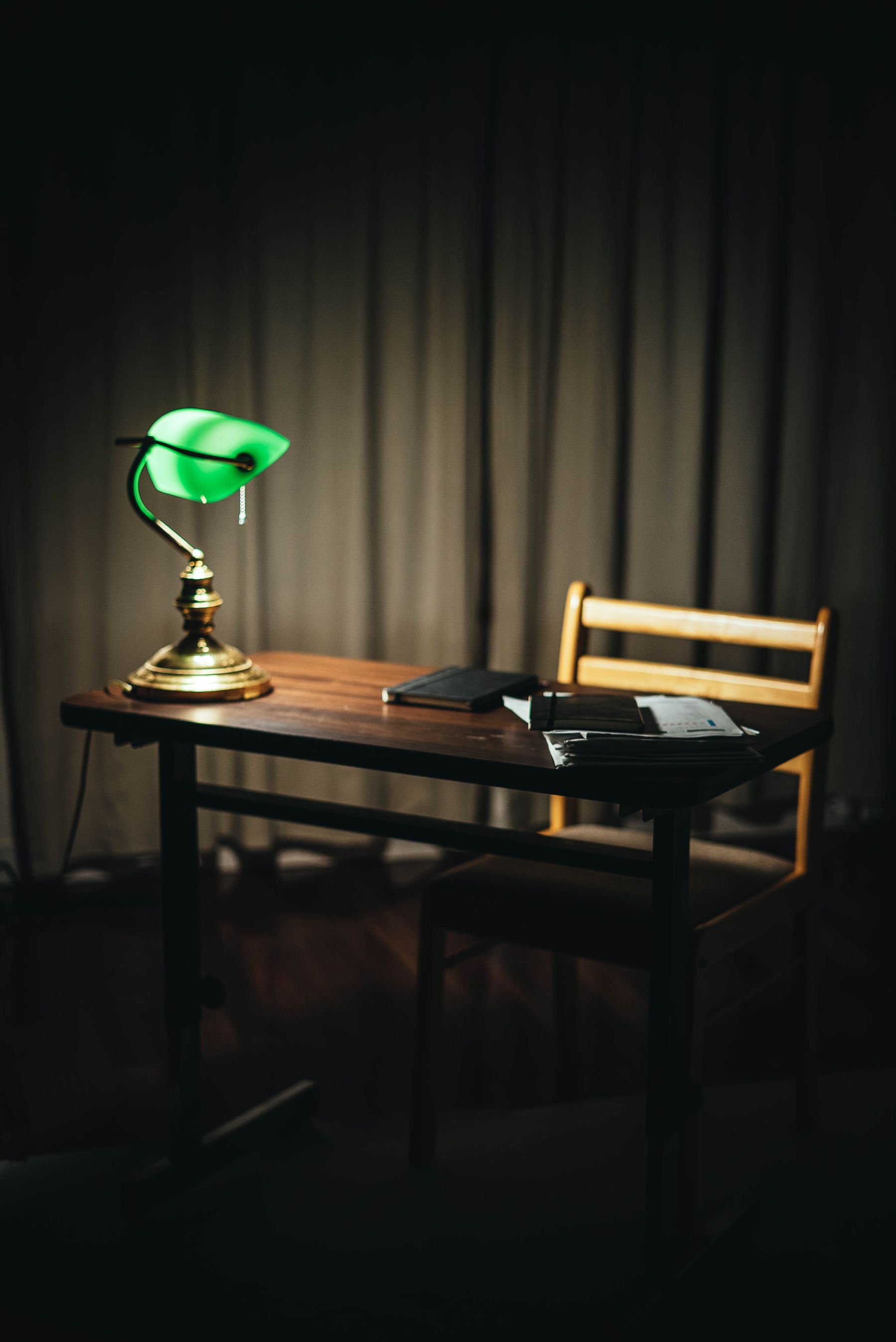
Integrate a Desk Without Becoming Dark Academia
When work is required, choose a desk and chair for ergonomics, equipment and cable safety first. A pointed mirror, dark wood or sculptural lamp can connect the zone to the room without filling it with decorative books. Keep screens outside the direct pillow view and close papers away at night. If study and collecting become the primary story, the intent has shifted to [Dark Academia Bedroom Ideas](/bedroom/dark-academia-bedroom-ideas/); Gothic keeps the bed and dramatic spatial form in charge.
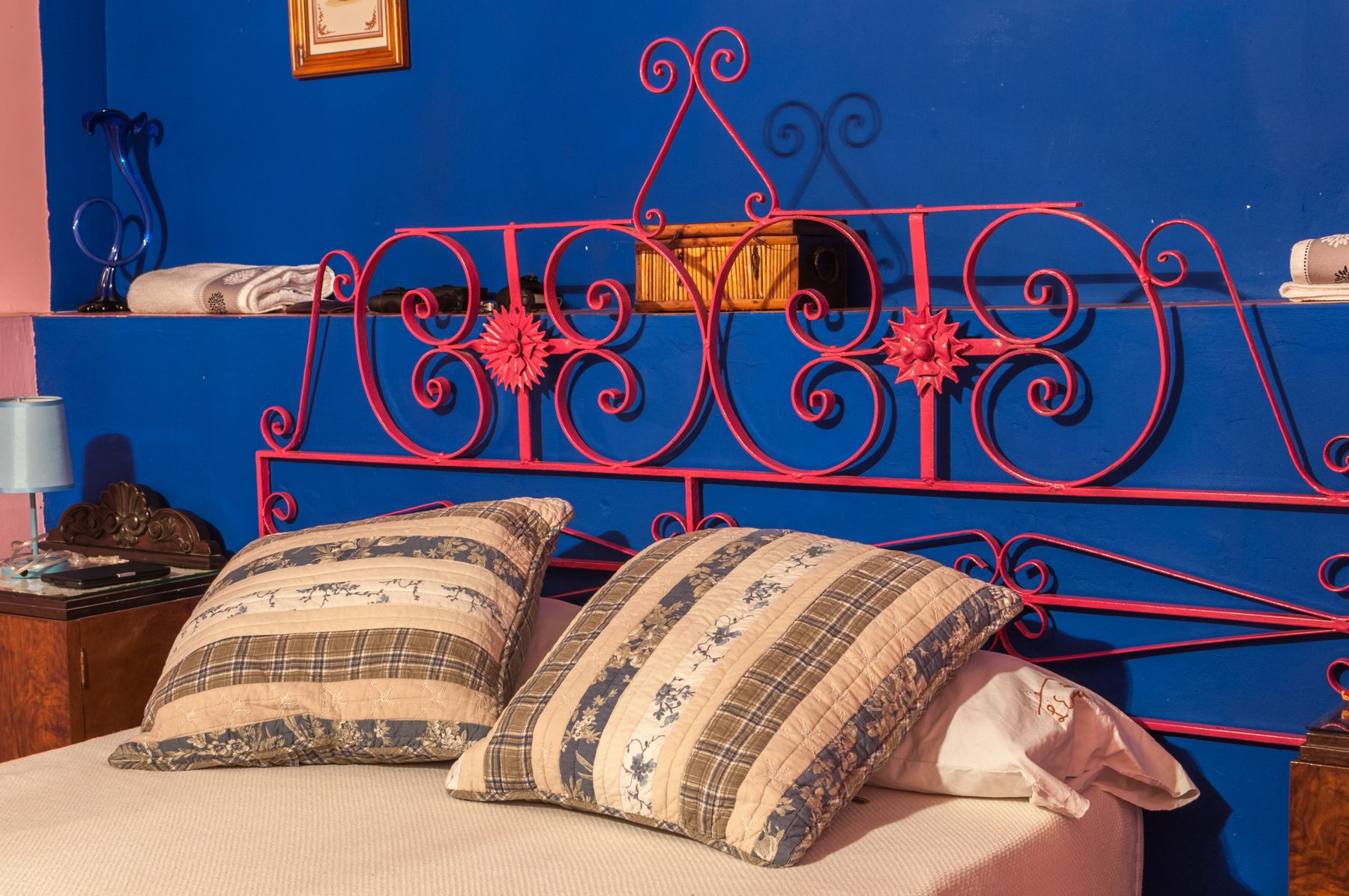
Balance Two Users Without Forced Symmetry
A shared room can use the bed, wall color or rug as the common Gothic field while bedside needs differ. Give both sleepers reachable light, charging, water and storage; balance tables through height or visual weight instead of requiring a pair. Agree on darkness, curtain operation and the amount of symbolic art before buying. One person may prefer romantic floral while another prefers iron and clean lines; a limited palette and repeated arch can connect both without ranking either taste.
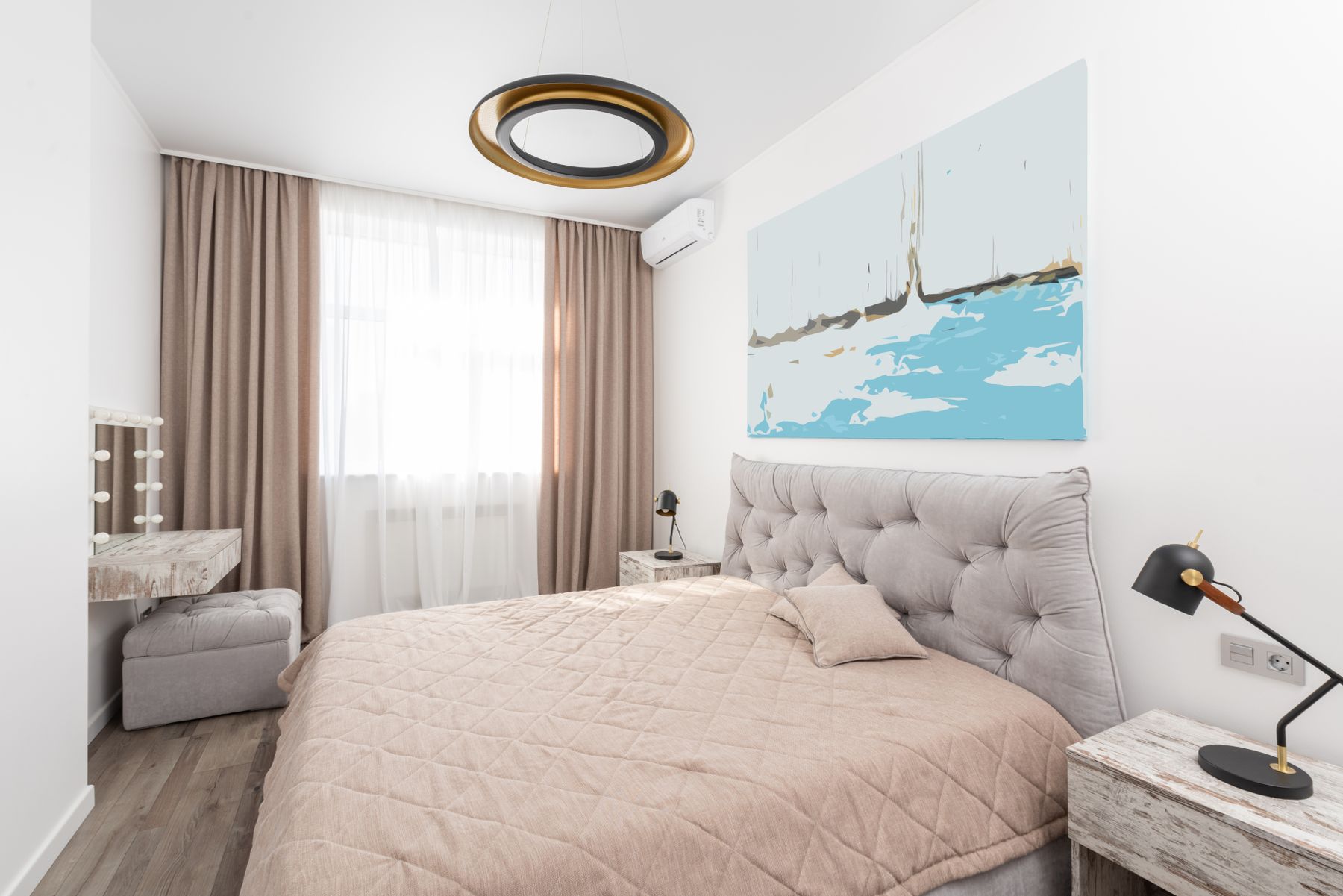
Design for Changing Mobility and Vision
Preserve a stable route from door to bed and bathroom, use contrasting switches and handles, and specify mattress and chair heights for the actual user. Dark rooms need more deliberate edge contrast, particularly around rugs, steps and low trunks. Avoid sharp finials near transfer zones and heavy drapery that is difficult to operate. Supportive seating, reachable lamps and motion-activated low light can coexist with Gothic materials. Accessibility removes hazards; it does not require removing color, carving or personal atmosphere.

Edit Toward Modern Gothic
Modern Gothic is not simply contemporary furniture painted black. Keep one historic geometry—four-poster, pointed mirror or rib-like wall line—then pair it with restrained storage, breathable textile and clean lighting. Negative space allows the silhouette to register. Compare [Contemporary Bedroom Ideas](/bedroom/contemporary-bedroom-ideas/) for current soft forms and technology, then add Gothic contrast selectively. If every surface carries carving, pattern and symbolic art, the room has not been modernized; it has only received newer objects.
Maintain Dark Materials and Detailed Surfaces
Dark matte surfaces reveal dust, velvet reveals lint and carving traps debris. Use a soft brush on relief, the correct vacuum attachment on upholstery and material-specific care on wax, lacquer, veneer or iron. Rotate rugs, inspect canopy hardware and clean curtain headings rather than only visible drops. Repair loose joints and rewire old lamps before cosmetic restoration. For a moisture-heavy room using the same style, [Gothic Bathroom Ideas](/bathroom/gothic-bathroom-ideas/) addresses finishes under very different conditions.