Edit the Room for Warm Weather Before You Add Anything
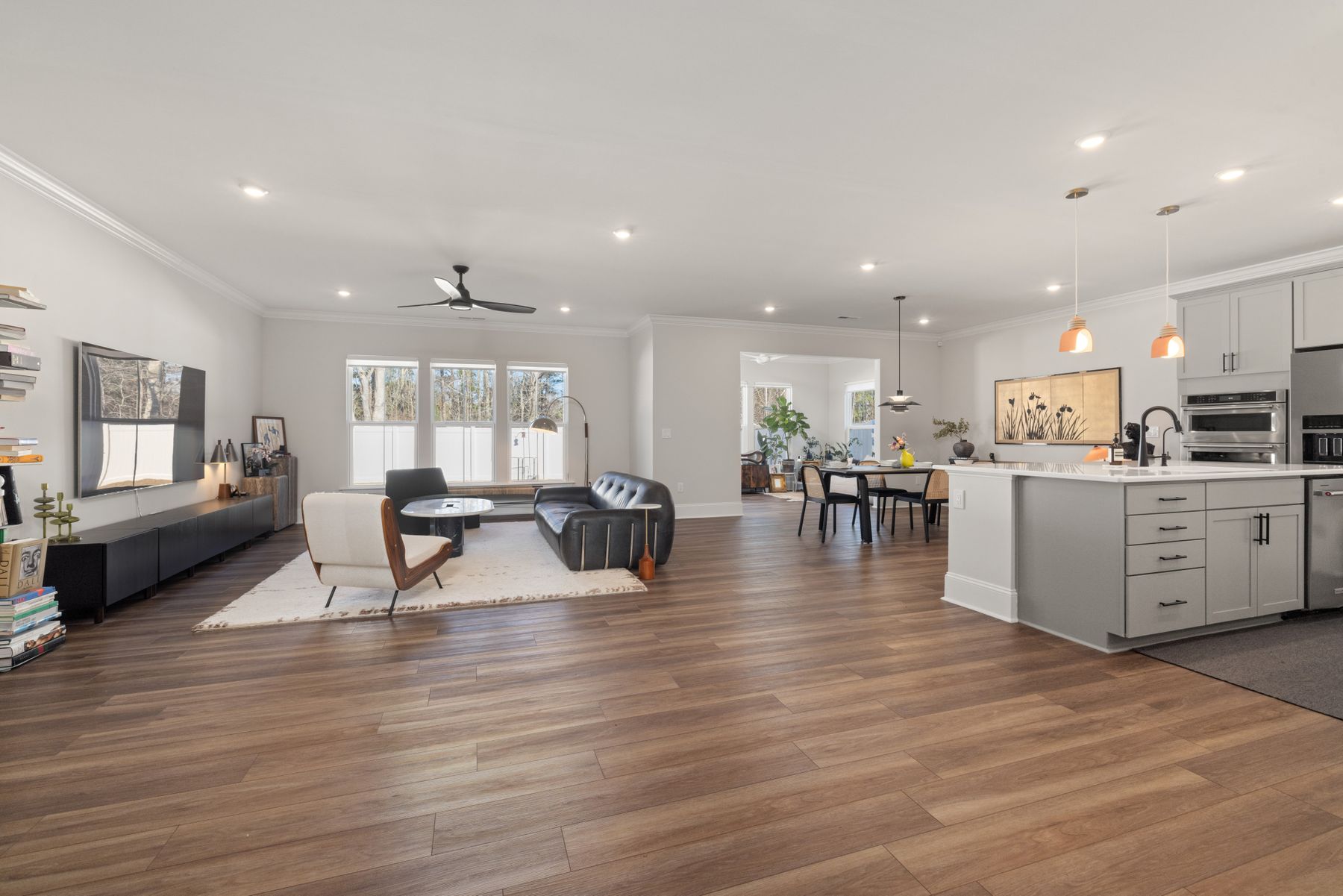
Start by removing the layers that made sense in colder months but now add visual or physical weight: extra throws, dense cushion combinations, dark candle groupings and seasonal objects that no longer support how the room is used. Keep comfort where it matters and avoid stripping the room to the point that it feels temporary. Summer should reveal more of the floor, windows and permanent furniture, not erase personality. If spring already introduced a lighter layer, [spring living room decor ideas](/living-room/spring-living-room-decor-ideas/) is the natural starting point; summer is a further adjustment toward openness and heat-aware comfort.
Design for Airflow as Well as Appearance
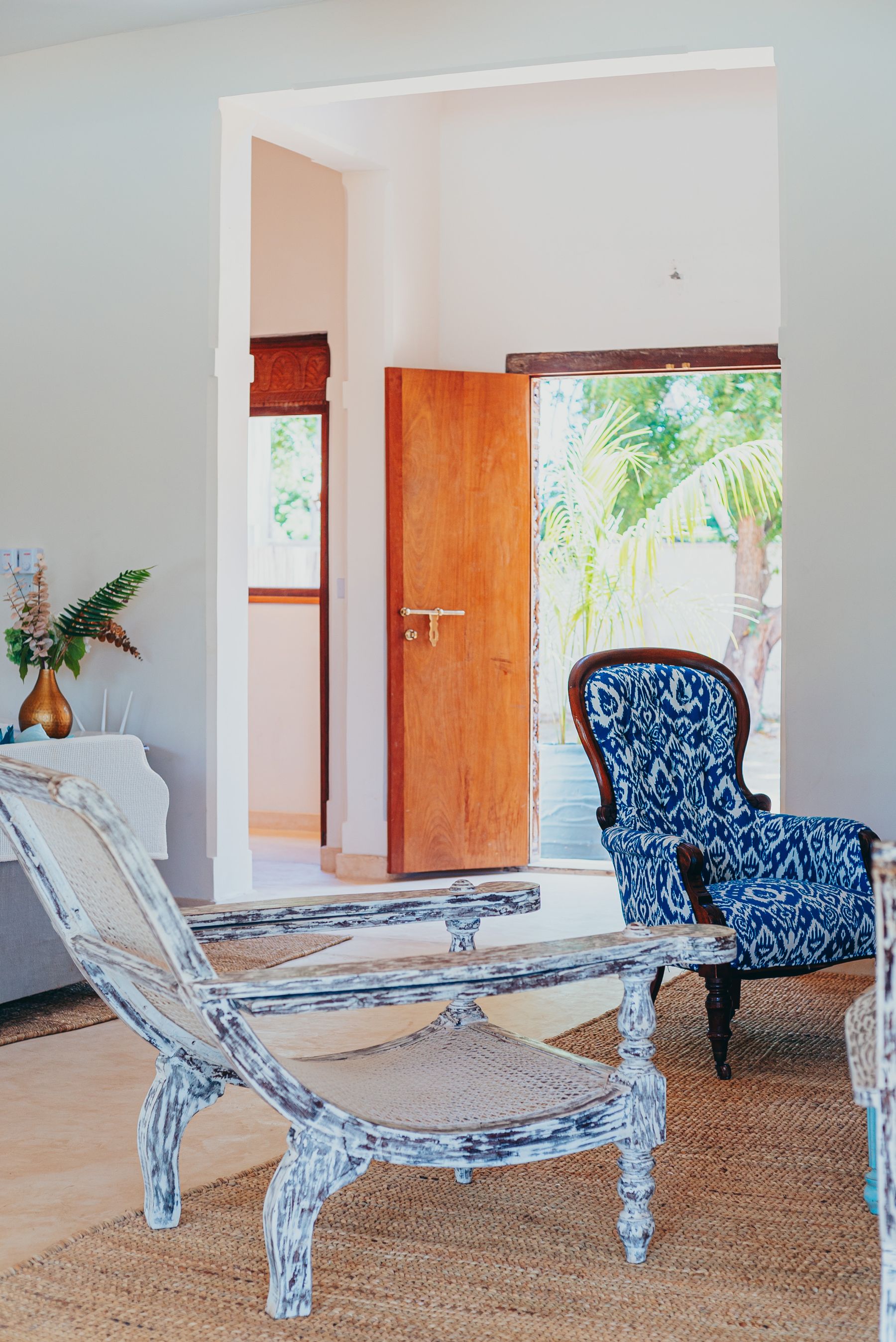
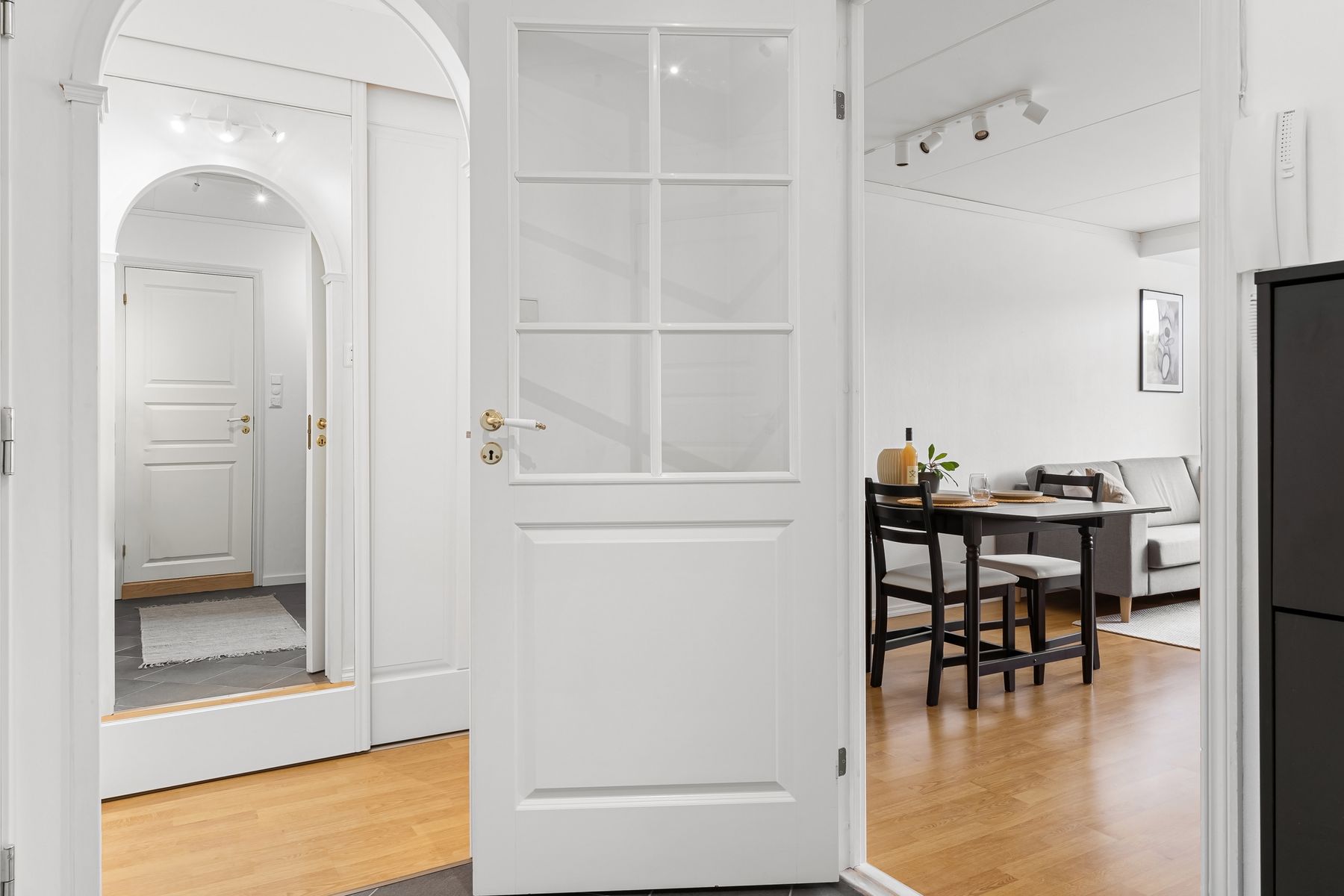
Warm-weather comfort depends on how air moves through the room. Keep doors, windows and any cross-ventilation path free of tall plants, furniture or hanging decor that interrupts opening and closing. A chair moved slightly away from a doorway can matter more than a lighter cushion cover. If you use fans, keep the surrounding furniture plan clear enough for air to circulate rather than directing it into a blocked corner. Seasonal design should support the room's physical performance, not just its visual mood.
Protect Daylight Without Accepting Glare
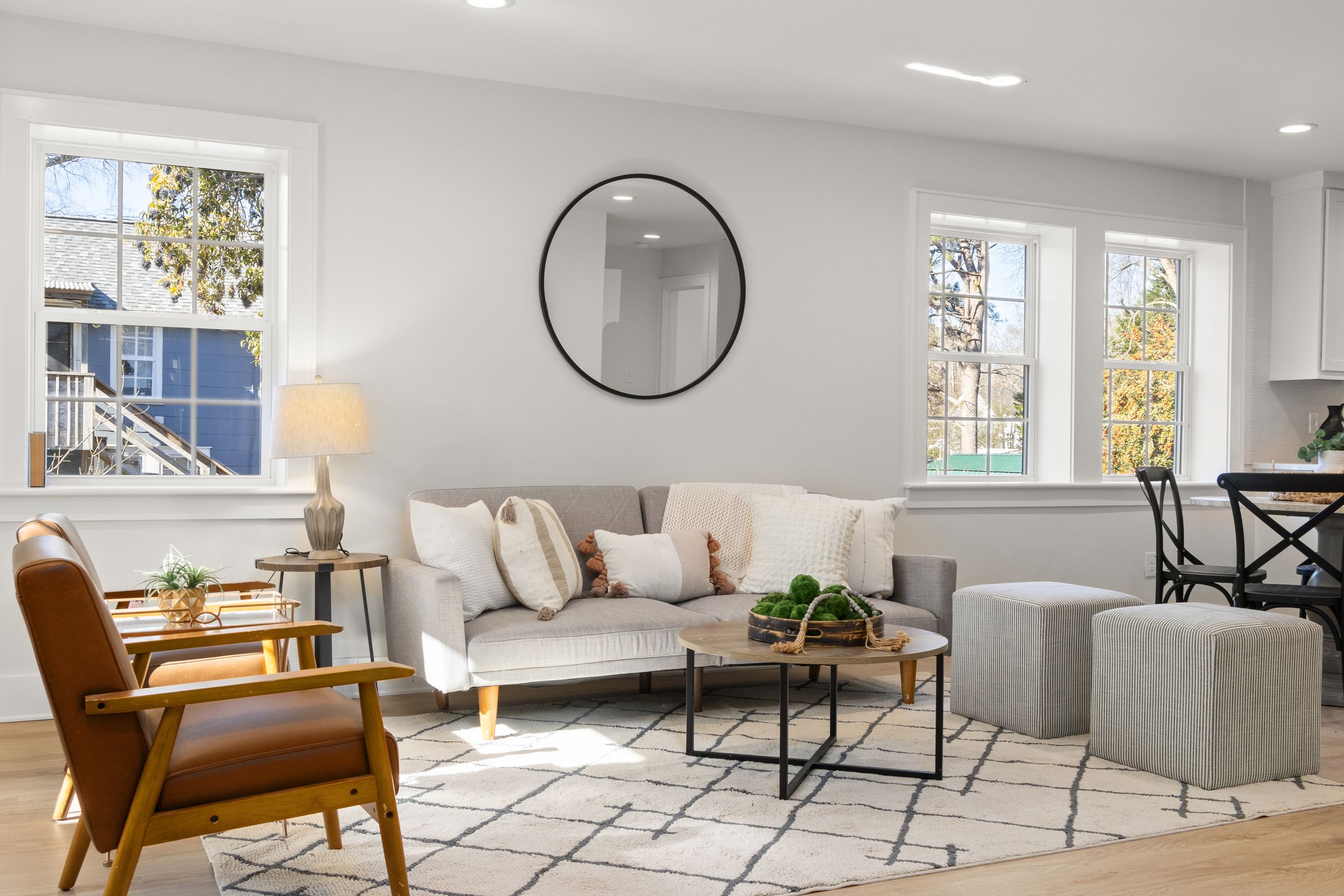
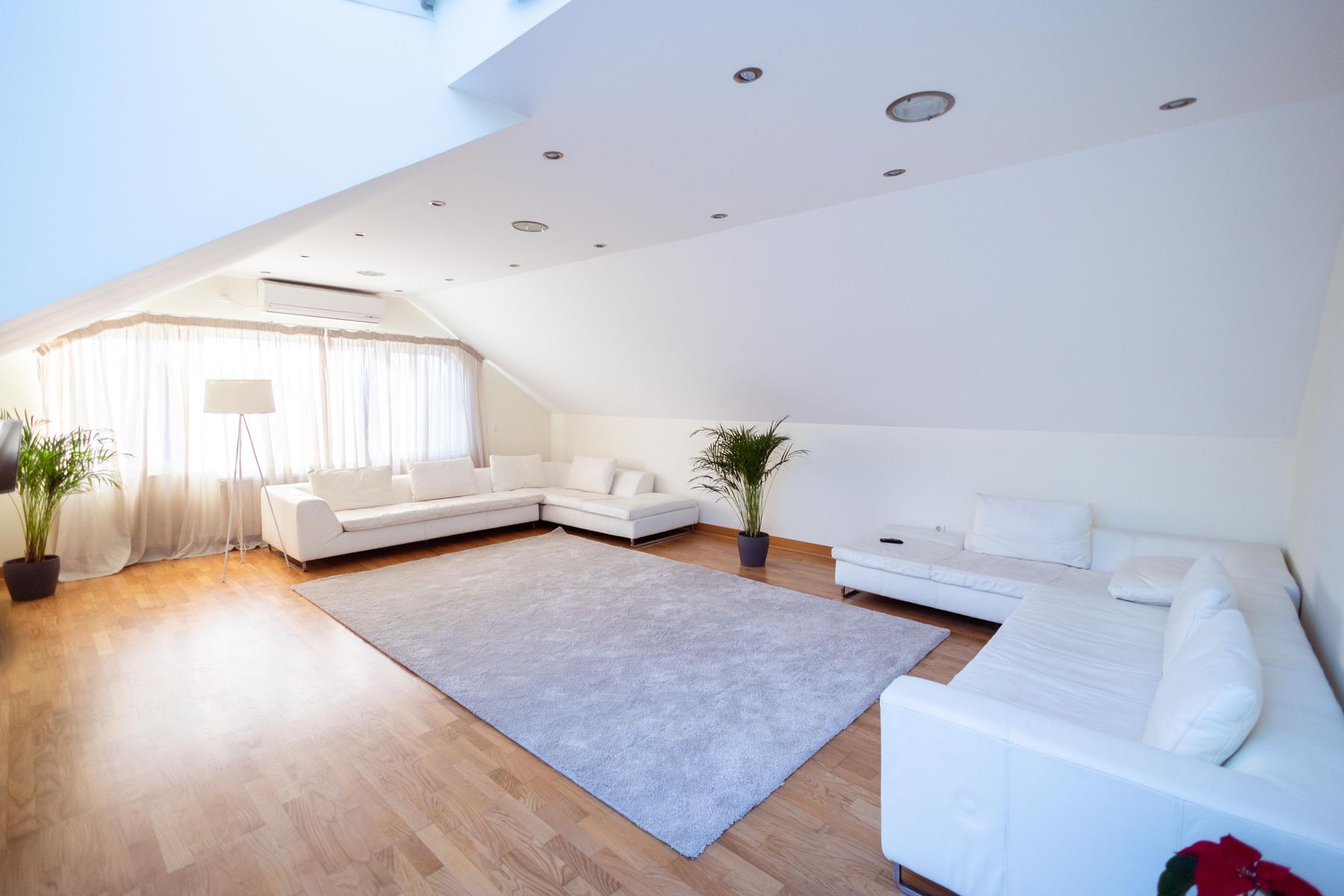
Summer daylight is stronger and lasts longer, so the window strategy should change from simply maximizing light to controlling it. Keep glazing open where the room benefits, but use adjustable blinds, sheers or curtains where glare, privacy and heat gain become uncomfortable. Pale walls and upholstery can amplify brightness, so a room that looked fresh in spring may become harsh at midday. Check the main sofa, television and reading positions at the brightest hour. [Living room lighting ideas](/living-room/living-room-lighting-ideas/) can help maintain balance when artificial light takes over in the evening.
Use Greenery to Bring the Outdoors In Without Theming the Room
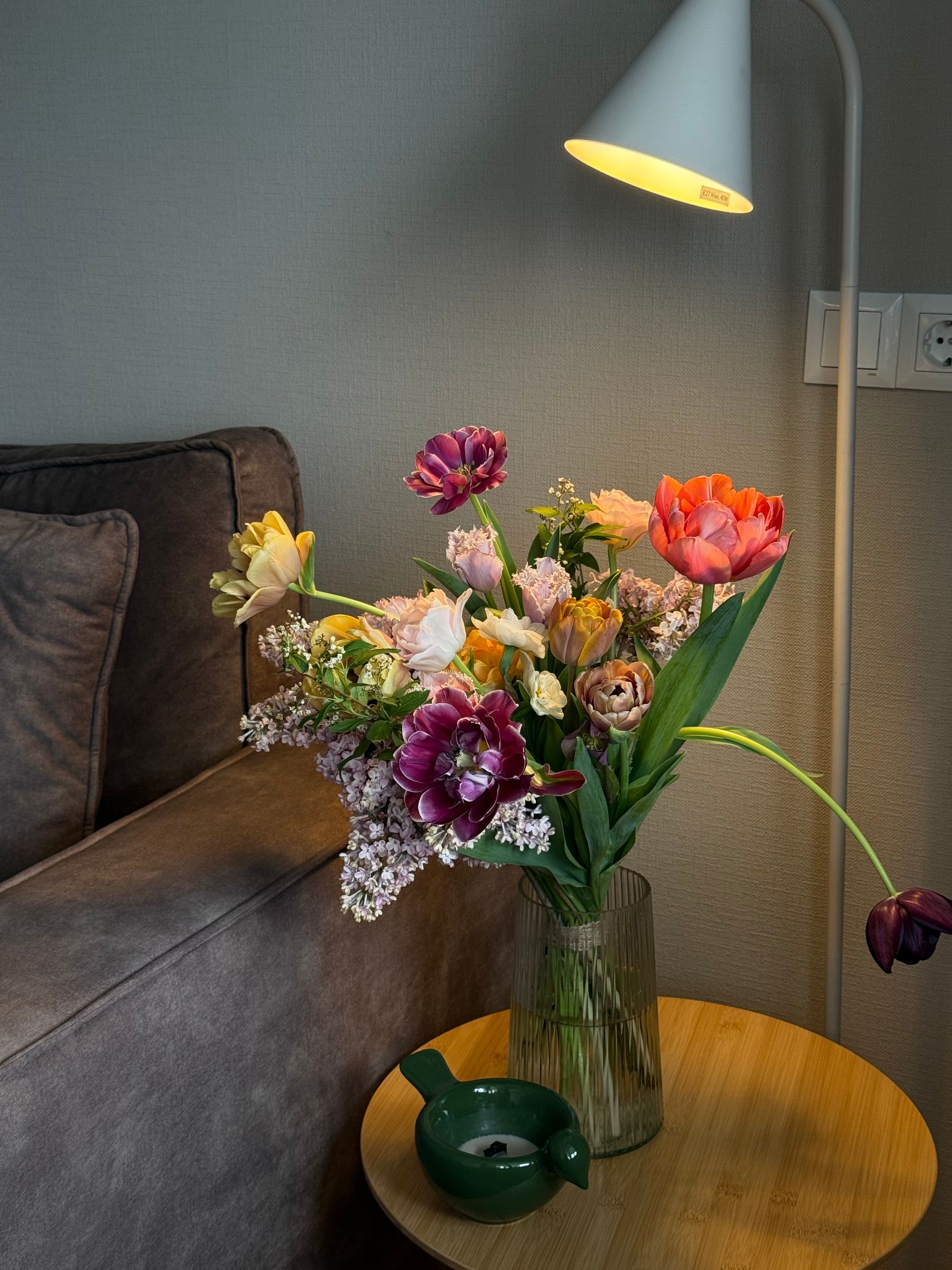
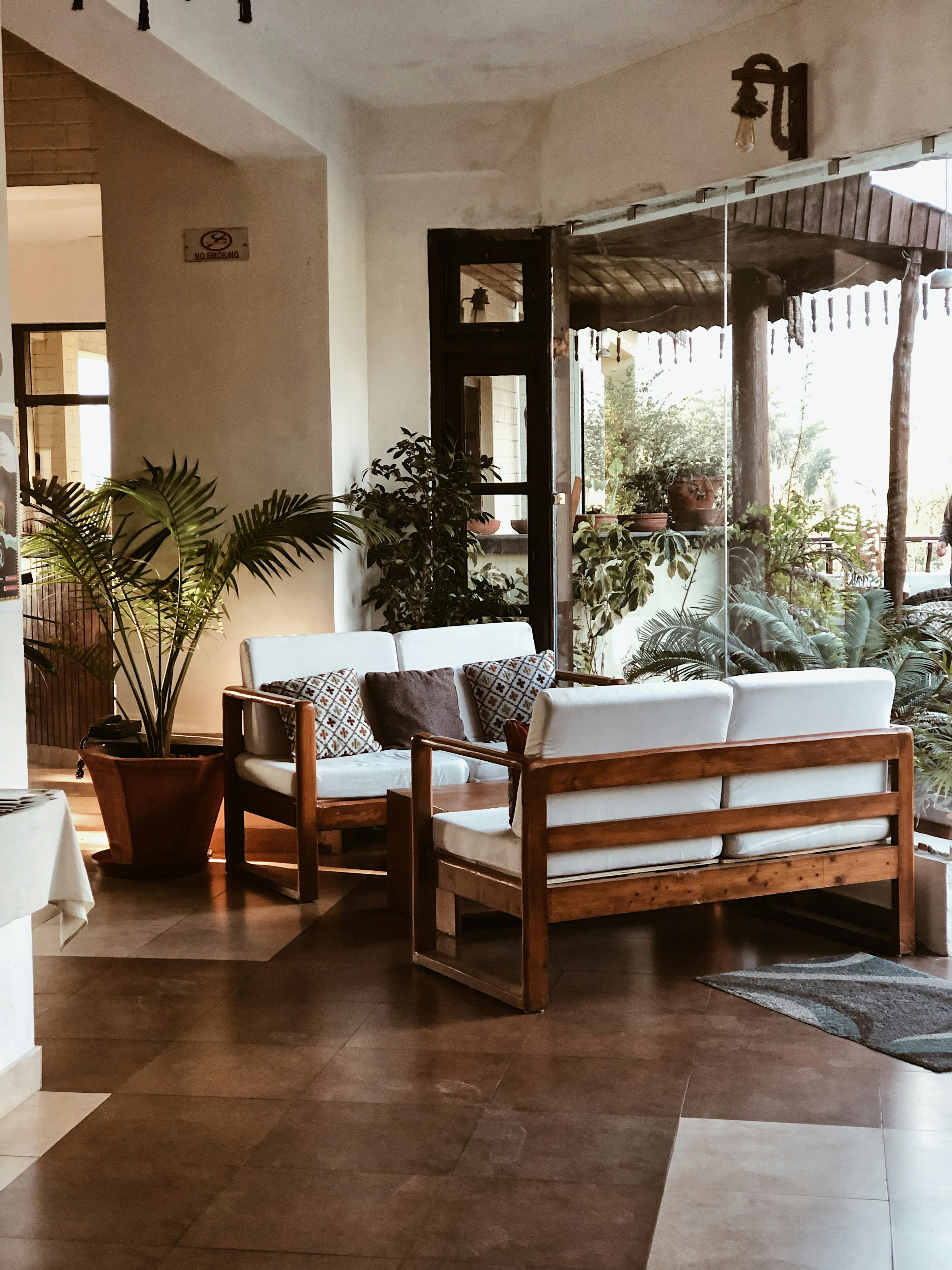
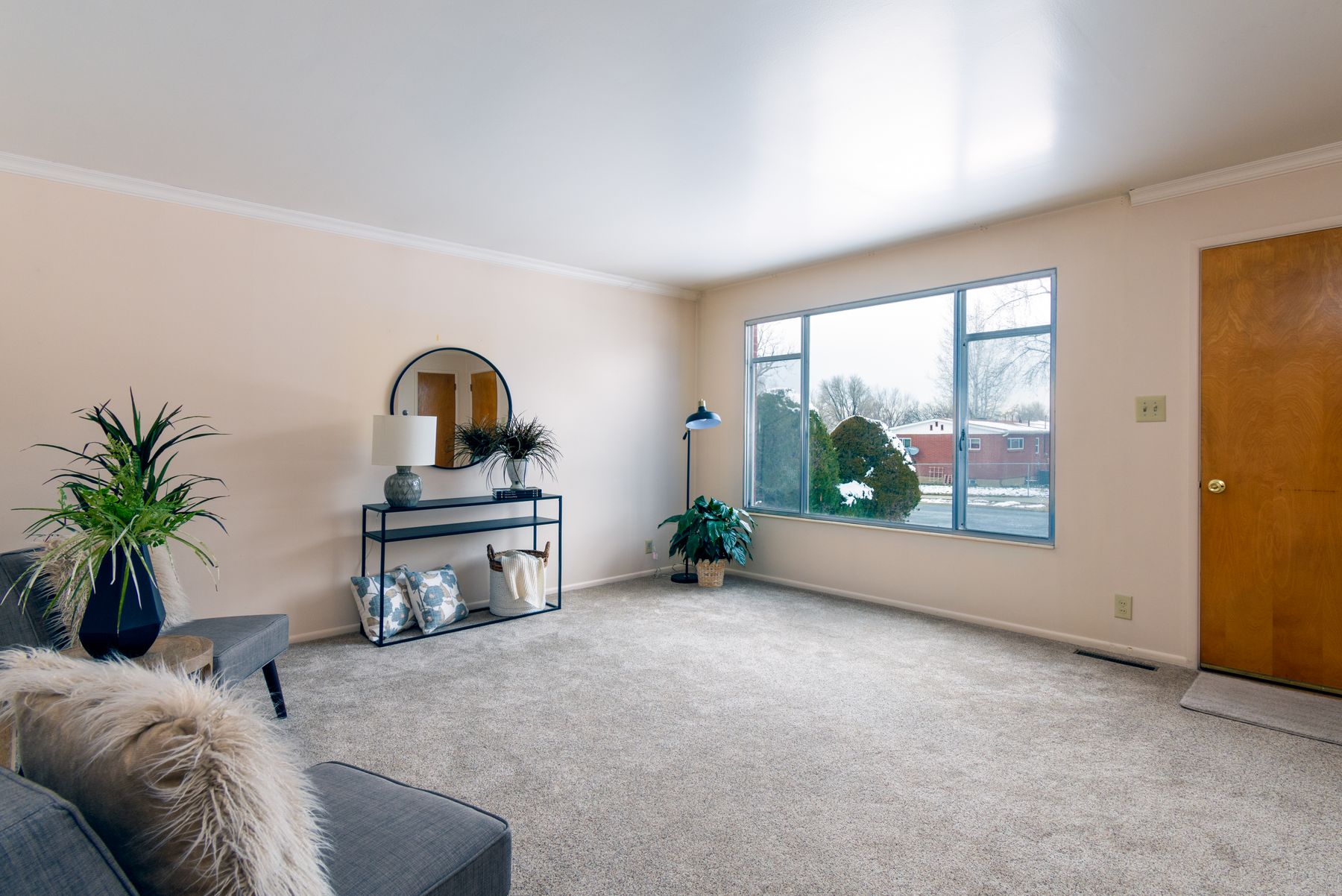
Plants are one of the simplest ways to make a living room feel more alive in summer, but choose them for the room's actual light and temperature rather than the season alone. One larger plant near a bright window can create a stronger connection to outdoors than several small pots scattered across tables. Keep watering access practical and avoid blocking ventilation or views. If the room already uses strong green permanently, [green living room ideas](/living-room/green-living-room-ideas/) can help integrate the plants into a broader color scheme rather than letting them read as temporary props.
Lighten Textile Weight Without Removing Comfort
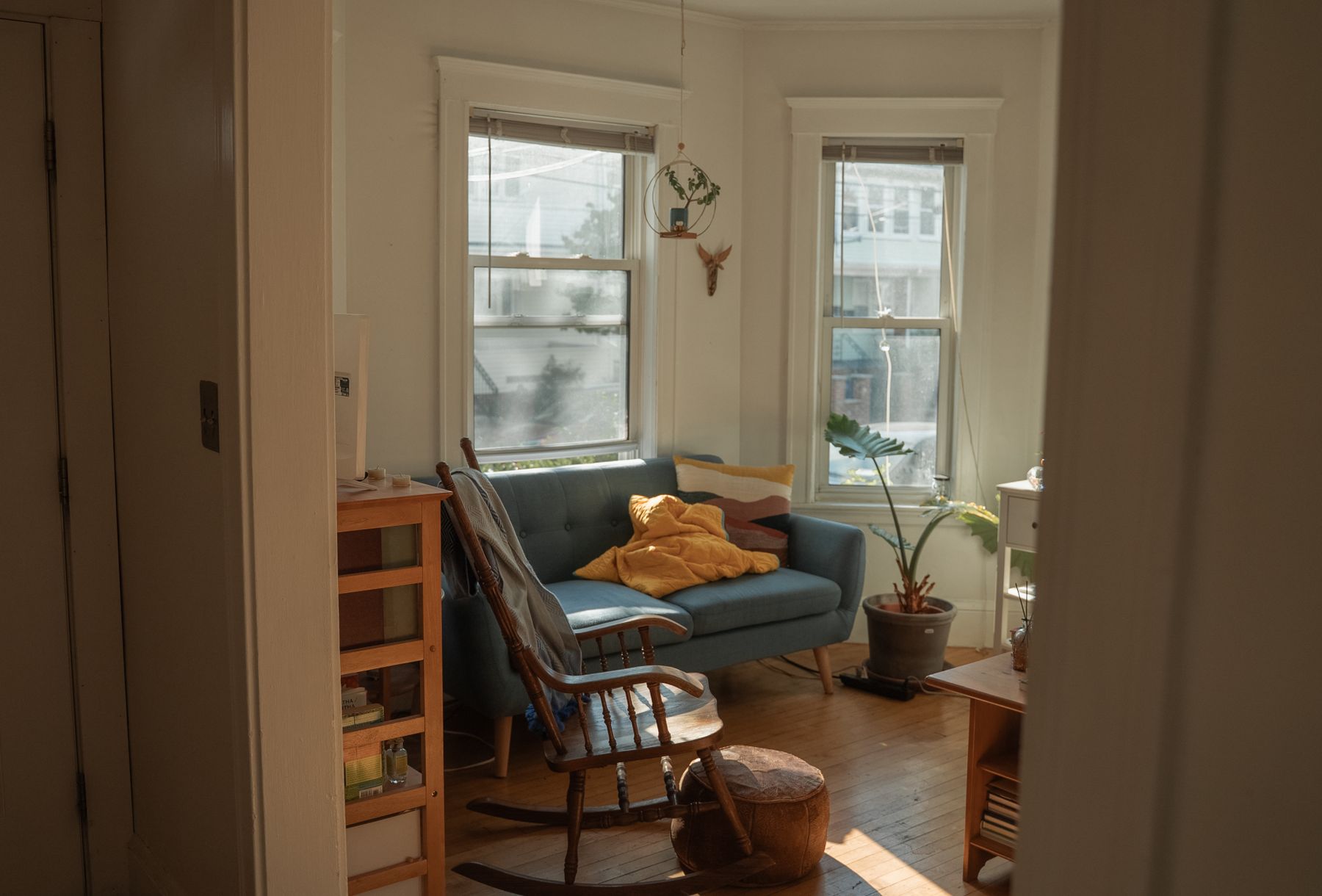
Replace only the textiles that feel heavy in warm weather. Linen or cotton cushion covers, a lighter throw and smoother upholstery textures can reduce visual warmth while preserving comfort. Avoid storing every soft object simply because it is summer; a rug or upholstered chair may still make the room acoustically and physically better. If your sofa needs a washable throw for pets or daily use, keep one that earns its place rather than choosing a decorative layer purely for appearance.
Use Shade as a Design Layer, Not a Compromise
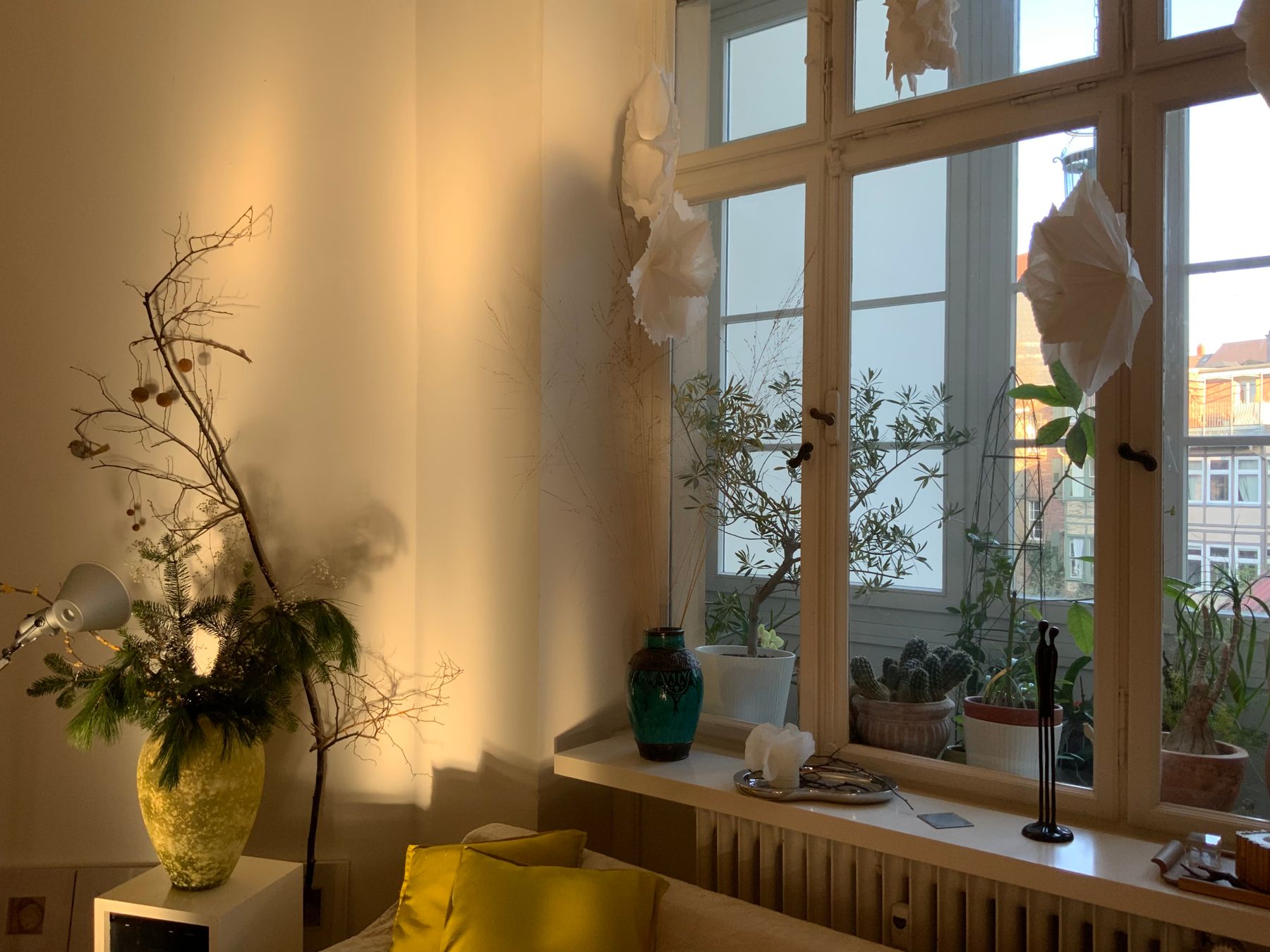
Direct sun can fade textiles, heat the room and make screens or reading uncomfortable even when it looks attractive in photographs. Use adjustable window treatments so the room can change through the day rather than relying on one fixed state. Layered sheers and blinds, shutters or curtains can soften light without making the living room feel closed. Consider how plants, timber and artwork respond to prolonged sun as well. Summer decor is successful when the room remains pleasant at 2 p.m., not only when backlit at 7 p.m.
Choose Natural Materials That Feel Dry and Tactile
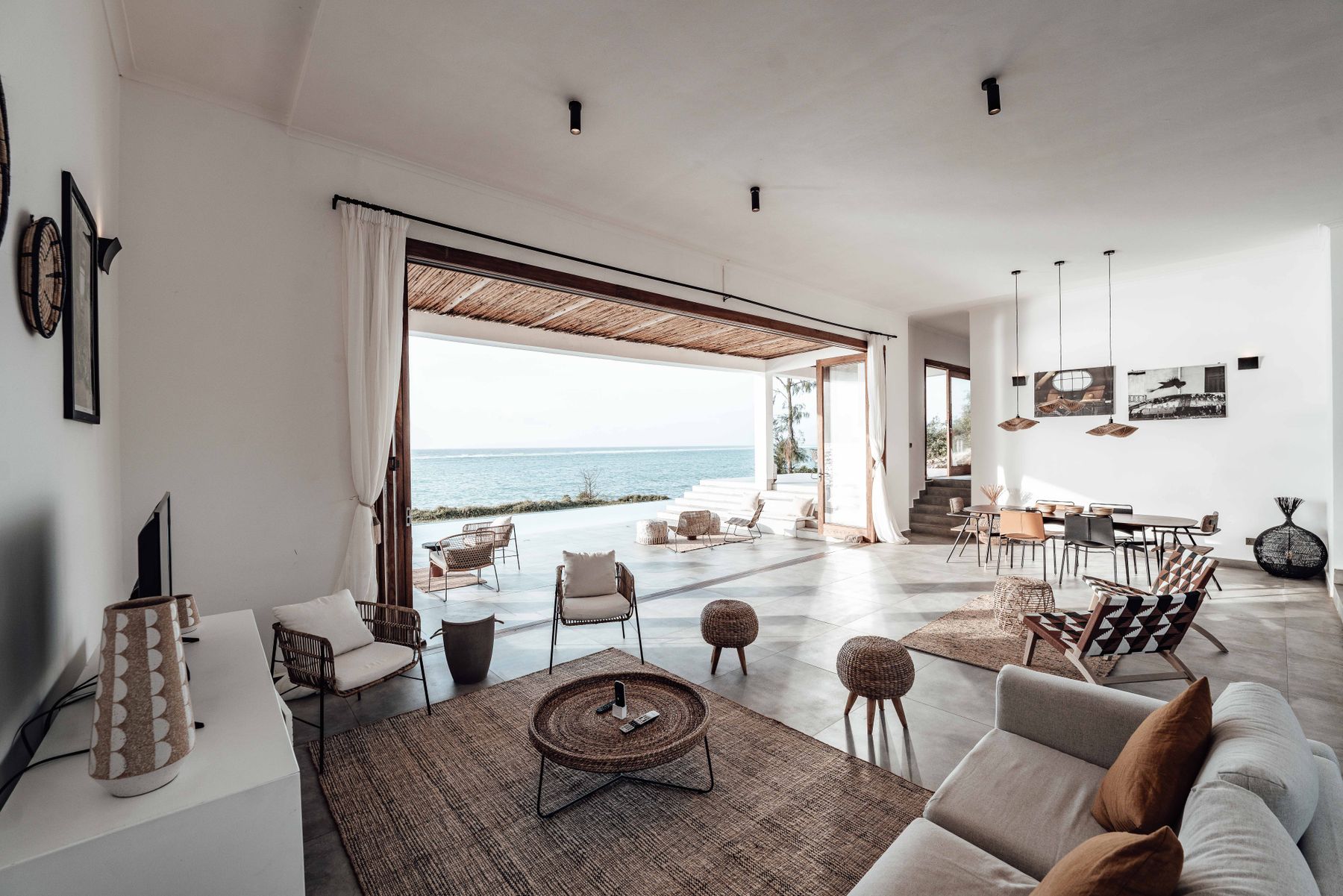
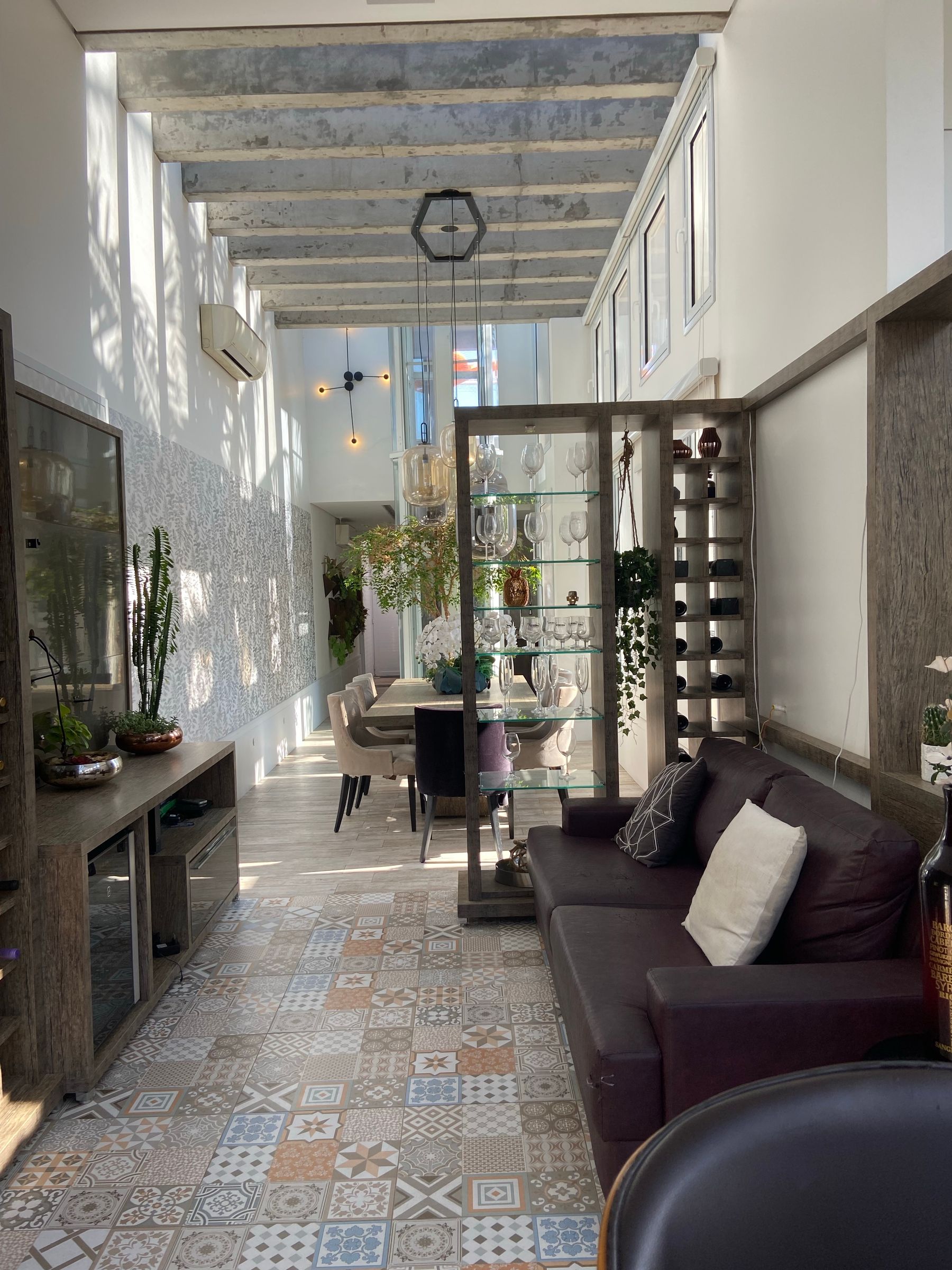
Natural materials are often associated with summer because they bring texture without needing dense pattern or dark color. Timber, rattan, woven fiber, linen, ceramic and stone can all work, but use them where they are practical rather than assembling a themed material checklist. A woven basket for throws, a timber side table or a ceramic lamp may be enough. Coastal interiors often use a similar material language, but [coastal living room ideas](/living-room/coastal-living-room-ideas/) should remain a style choice rather than the default definition of summer.
Keep the Rug if It Improves the Room
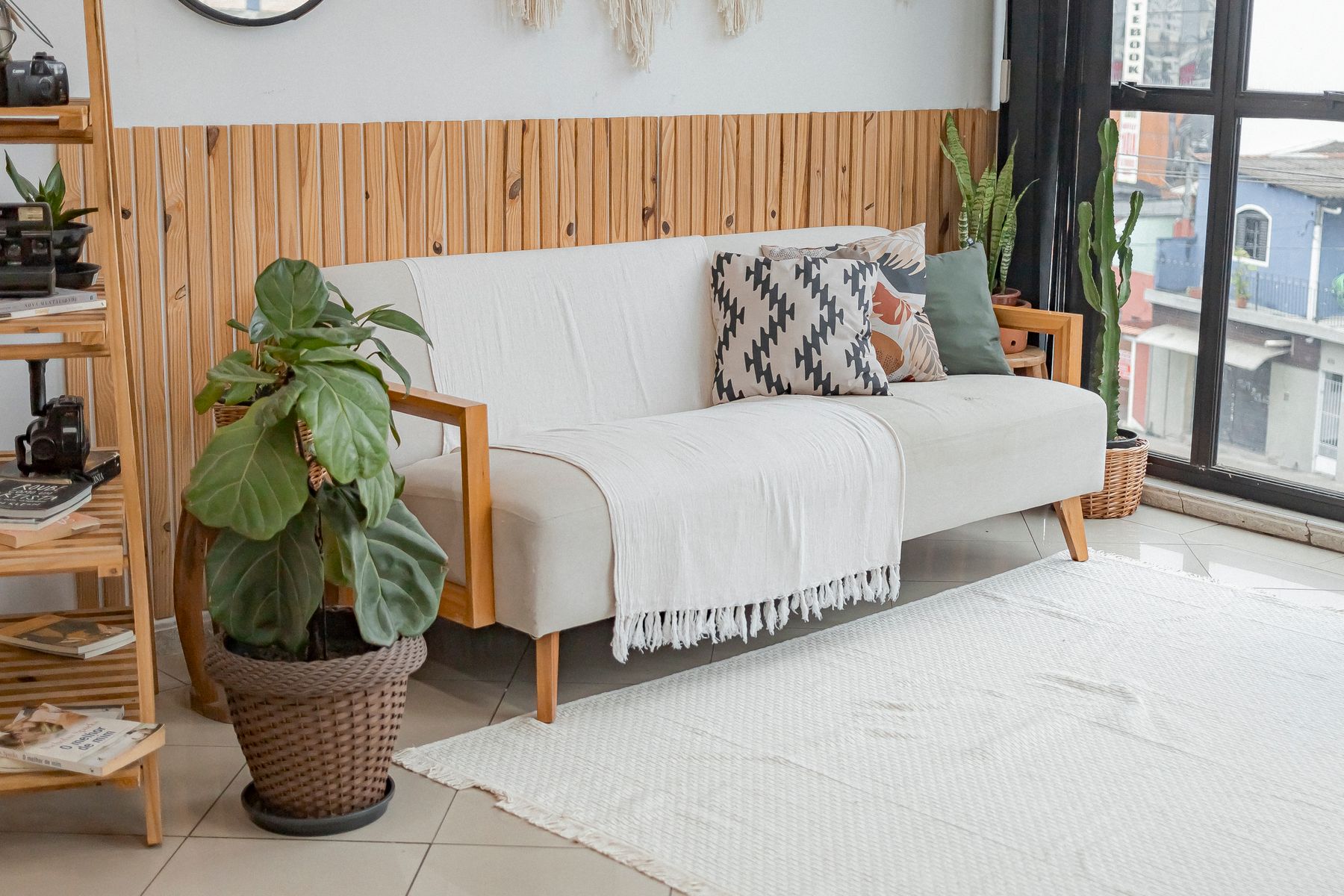
Removing the rug is not automatically a summer upgrade. A well-scaled rug can protect flooring, reduce echo and make the seating group feel complete even in warm weather. If the existing rug is very thick, dark or difficult to clean, consider a flatter weave or lighter material rather than leaving the seating adrift on a large hard floor. The correct size remains more important than the seasonal label. Use [living room rug ideas](/living-room/living-room-rug-ideas/) to protect furniture relationships before changing fiber or pattern.
Strengthen Indoor-Outdoor Flow Where the Architecture Allows It
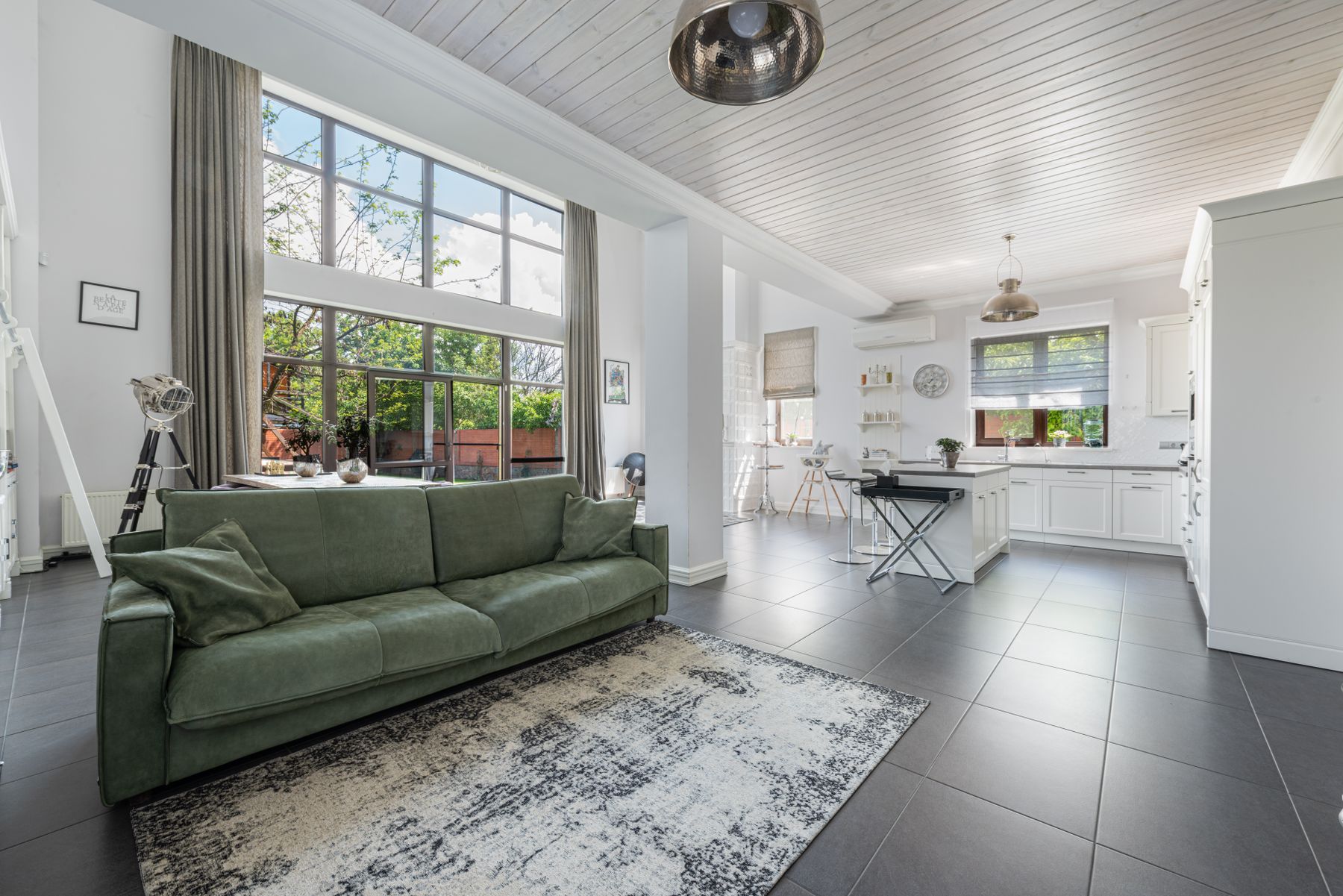
If the living room connects to a balcony, patio or garden, make that threshold easier to use. Keep the route clear, place seating so outdoor light or greenery is visible and repeat one material or color across the boundary if it improves continuity. Do not force an indoor-outdoor concept where there is no real connection; a city window can still provide a useful visual link to sky and changing light. The point is to make warm-weather movement feel natural rather than decorating the interior with objects that symbolize being outside.
Finish With Less Visual Weight, Not Less Personality
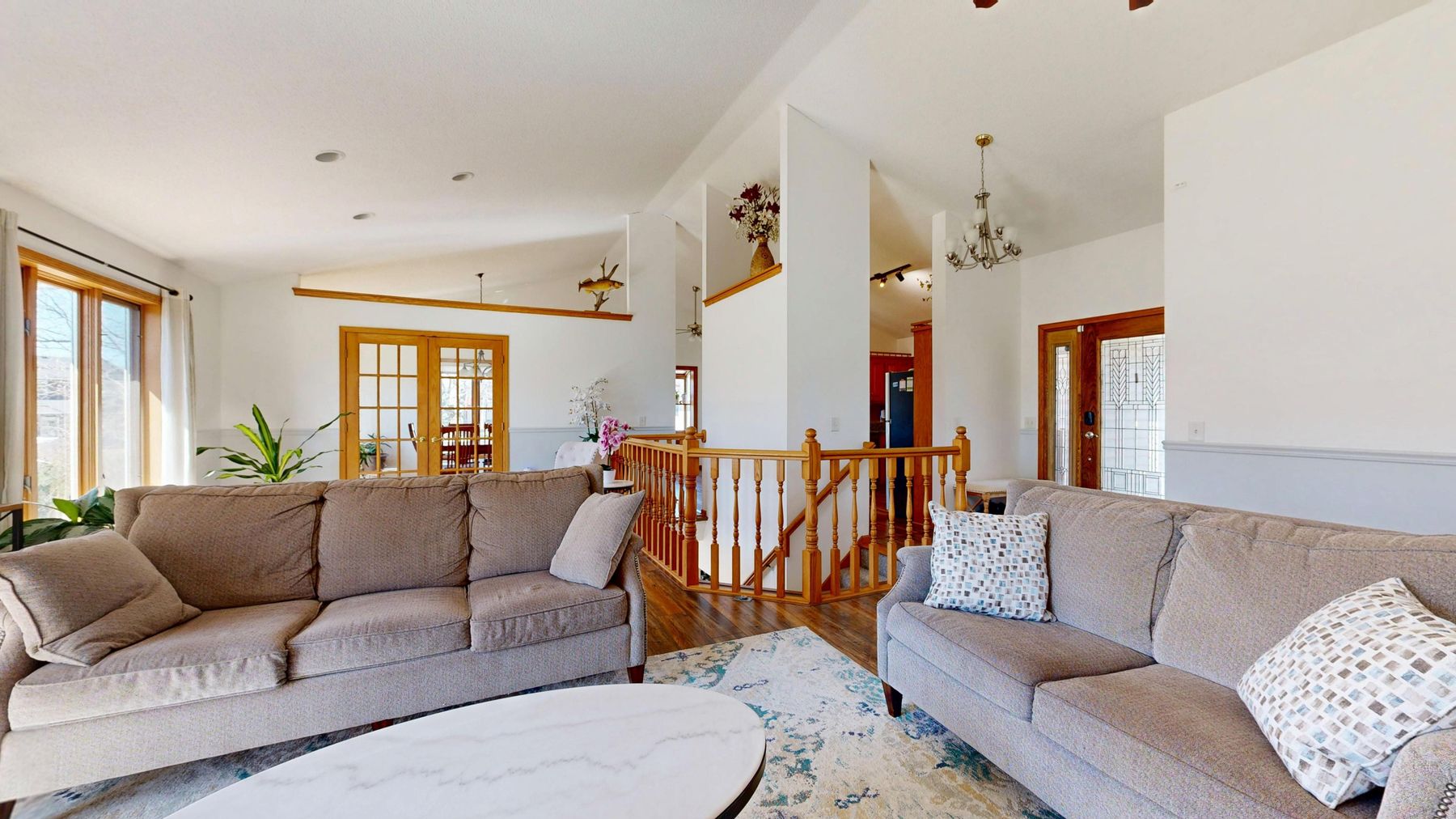
The final summer edit should make the room easier to use in heat and brighter light while preserving the things that make it personal. Keep art, books and collections where they contribute, but reduce redundant objects that compete with the stronger daylight and outdoor view. Clear circulation and practical surfaces matter more than a completely minimal look. If the room becomes anonymous after the edit, restore one meaningful object or layer rather than filling every surface again. Summer should feel open, not vacant.