Start With a Calm Base for the Layers
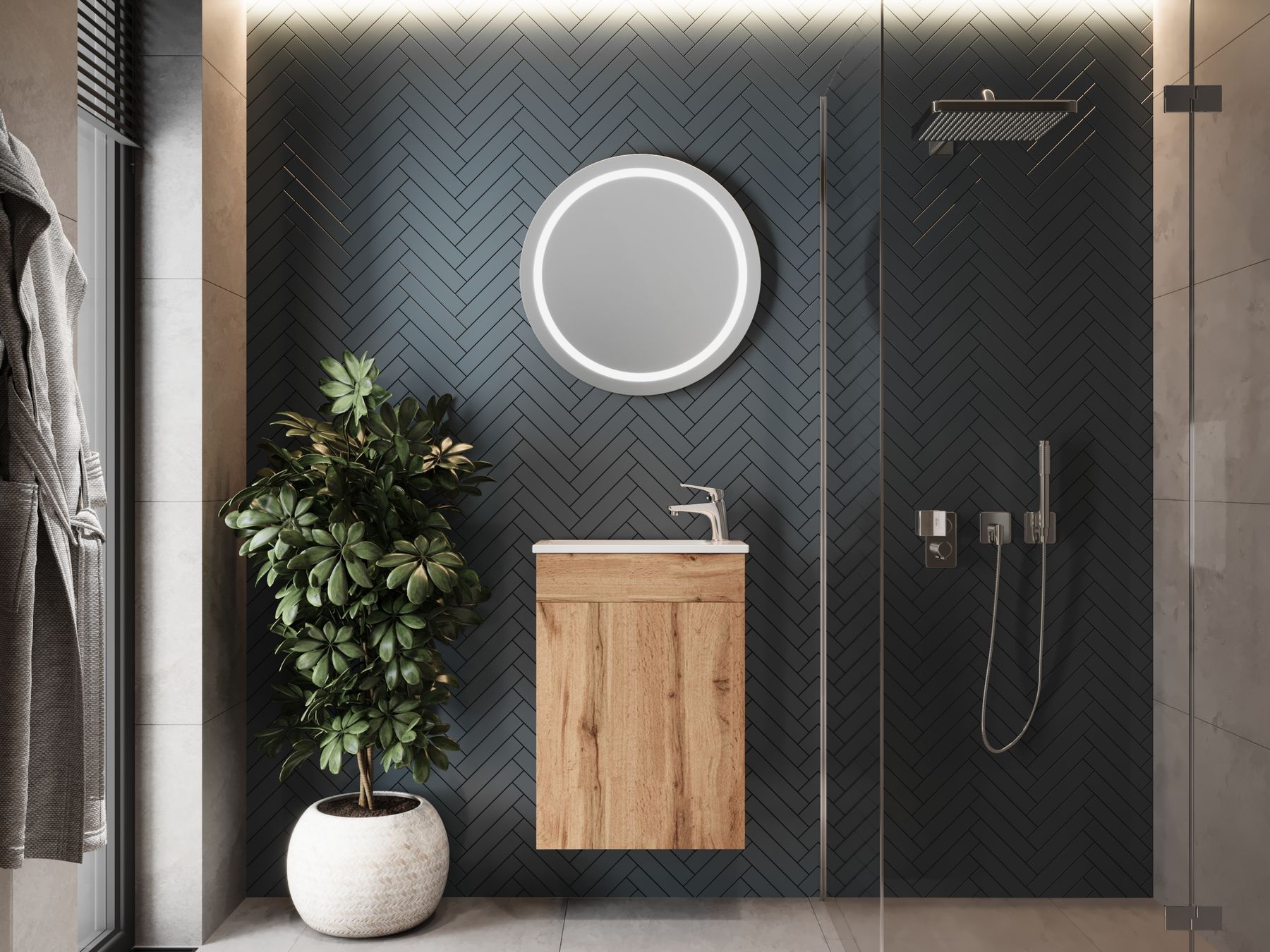
Boho rooms can carry more texture than minimalist schemes, but they still need a quiet foundation. Use a simple tile or wall color, straightforward sanitaryware and one useful wood element, then add the woven, botanical and textile layers gradually. A calm base keeps the room flexible and prevents each new object from competing for attention.
Make a Woven Mirror the Main Texture
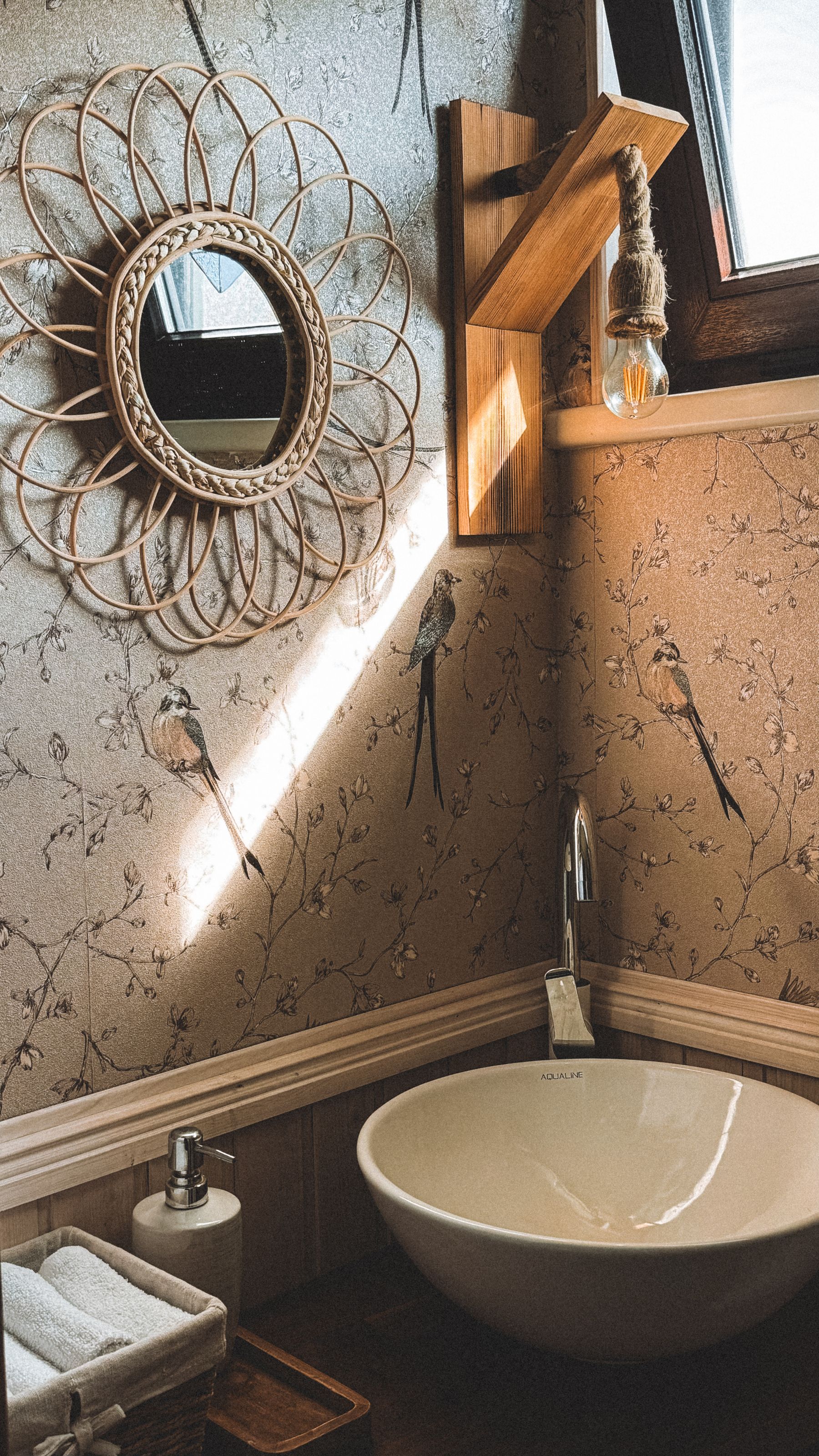
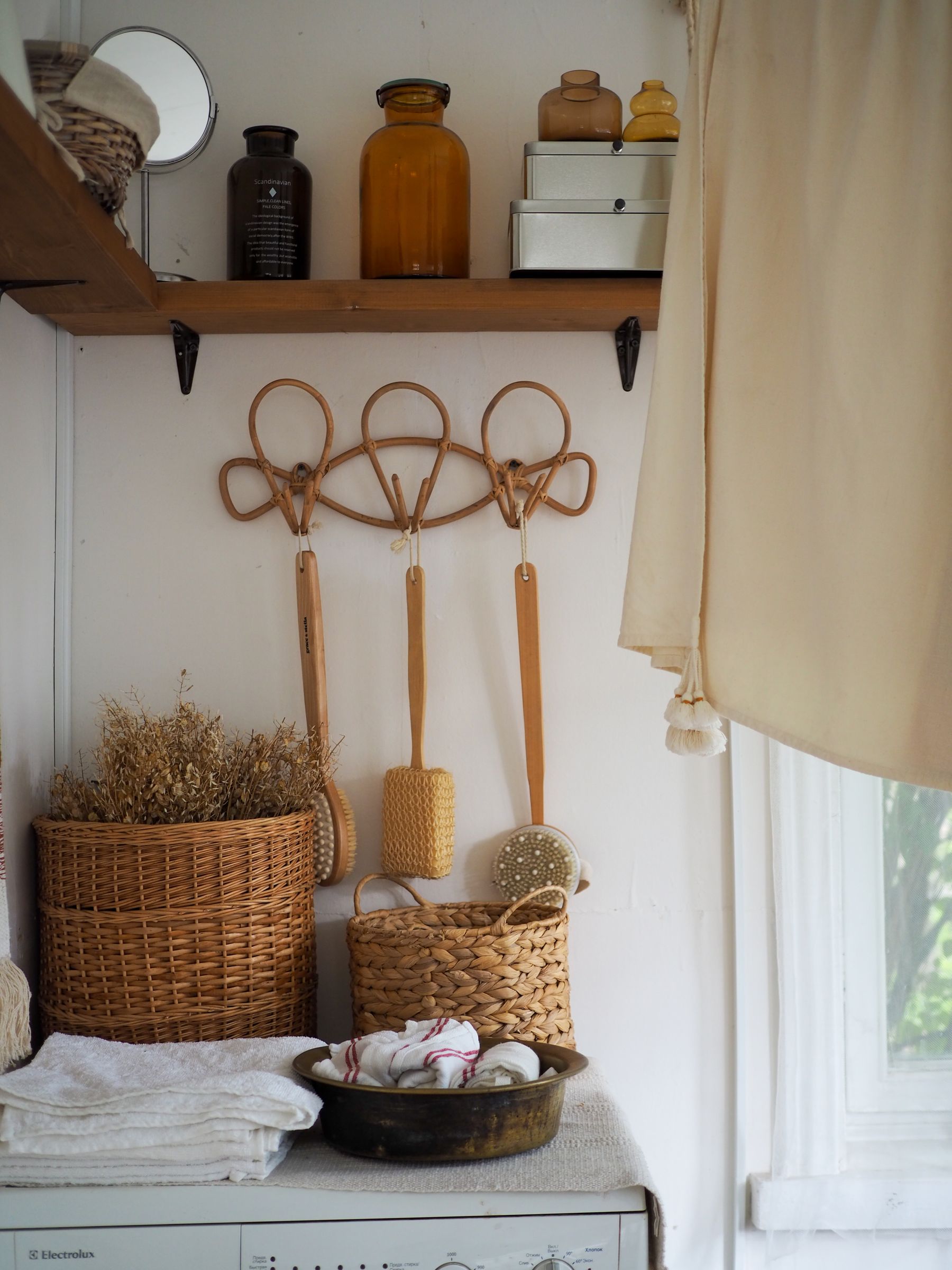
A rattan, cane or wicker mirror adds texture at eye level without occupying counter space. If the frame is visually strong, simplify nearby wall decor and lighting so the vanity does not become a collage. Natural fiber also lasts better when it sits outside repeated direct splashing and can dry between periods of high humidity.
Make Woven Storage Earn Its Space
Baskets belong in a boho bathroom when they contain a real category such as clean towels, laundry or grouped toiletries. Use them in ventilated splash or dry zones, and avoid stacking empty baskets merely to fill shelves. Closed cabinetry for visual noise plus one or two breathable containers is usually easier to maintain than an entirely open display.
Let Closed Wood Storage Carry the Daily Clutter
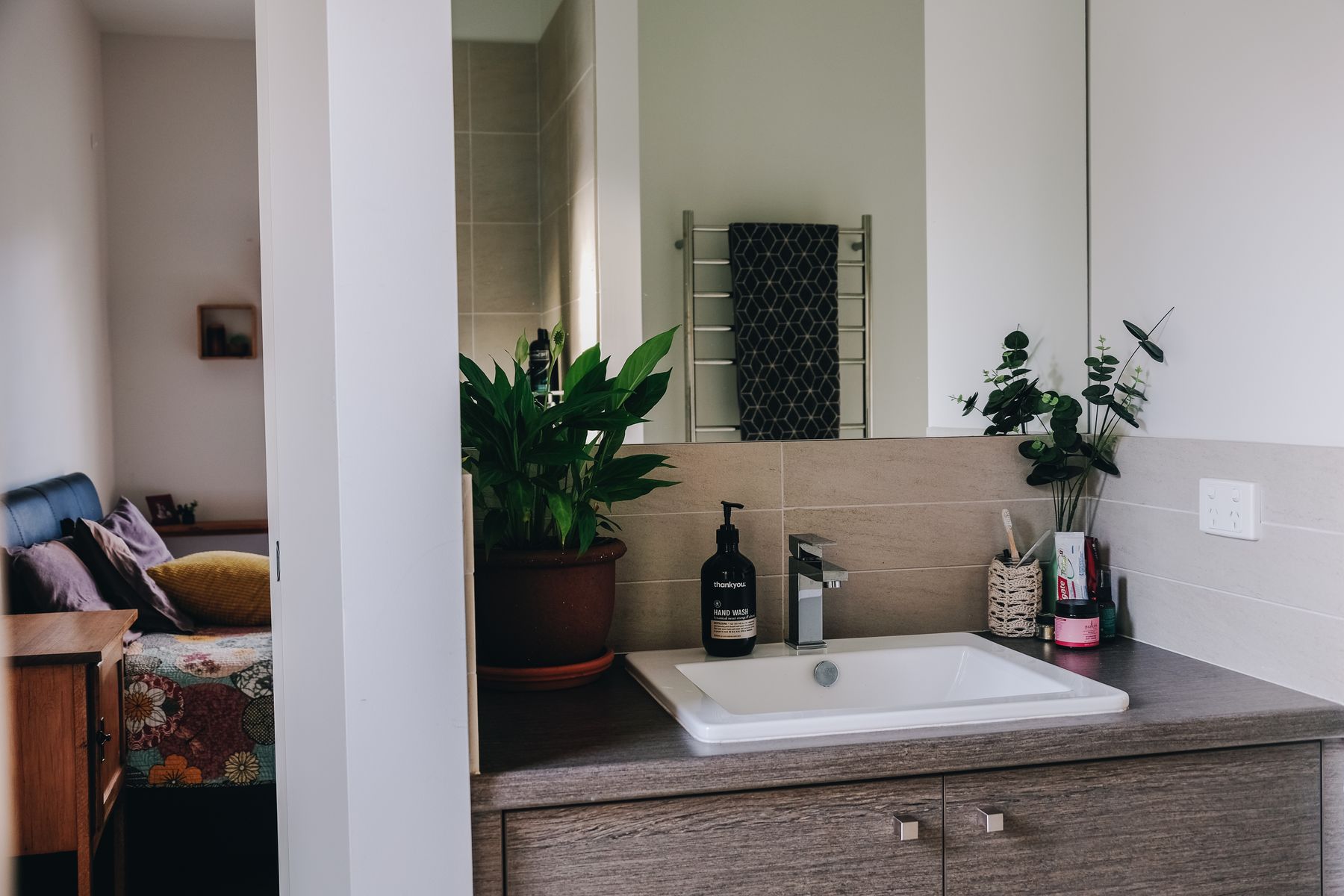
A timber vanity or tall cabinet gives warmth a functional role while hiding replacement bottles, cleaning supplies and personal items. Choose bathroom-suitable construction and hardware rather than adapting untreated furniture without checking swelling, ventilation and plumbing access. Keep only the objects used every day on the counter so the layered room still has a visual pause.
Build an Earthy Palette From Clay, Not Beige Alone
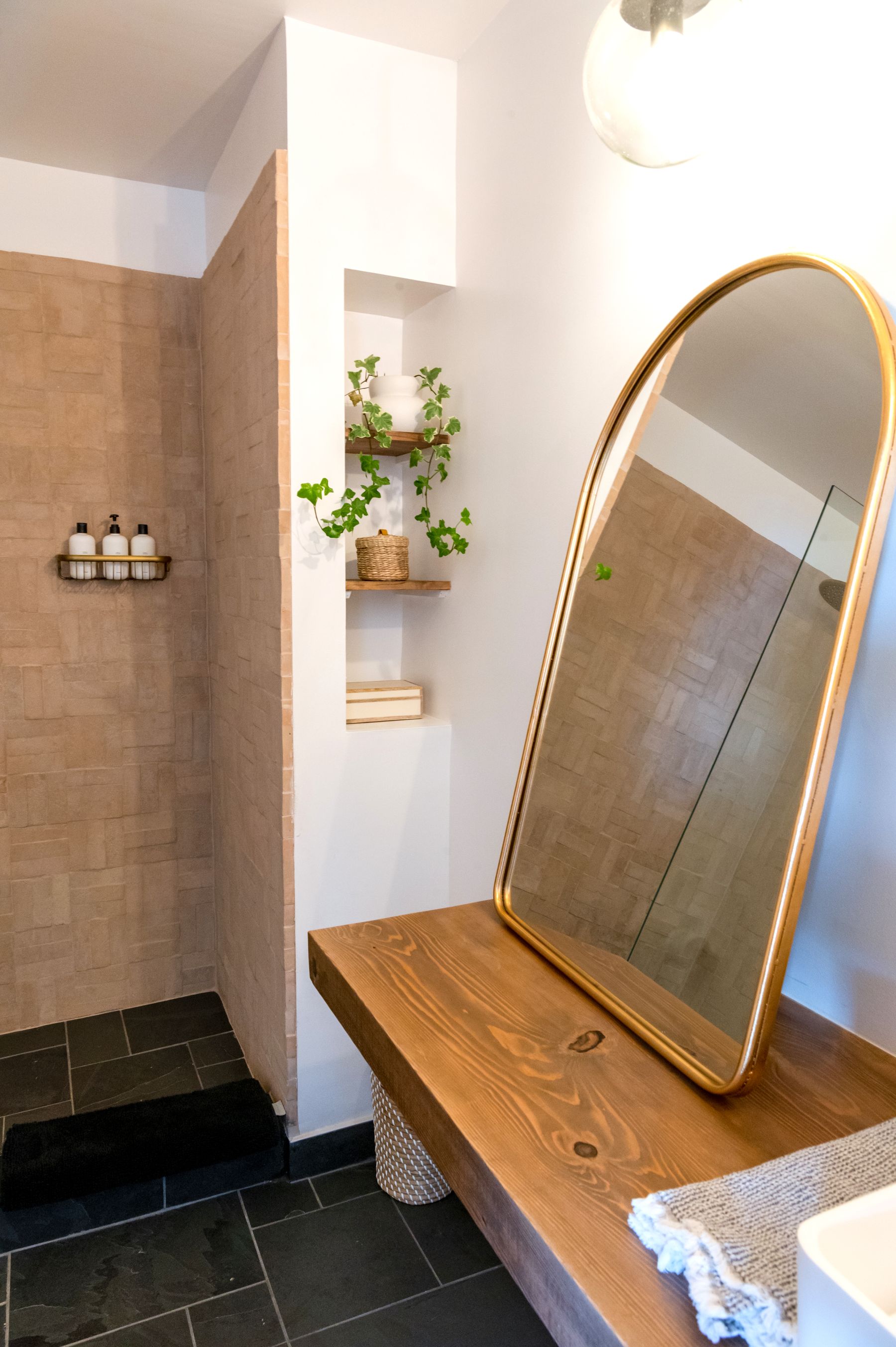
Terracotta, rust, muted ochre and dusty rose can warm a boho bathroom without turning every surface brown. Introduce the color through pottery, a painted dry wall or one tile zone, then balance it with pale ceramic, timber and green foliage. Sample clay tones under the planned evening lamps because warm bulbs can intensify orange undertones.
Group Plants Into One Manageable Composition
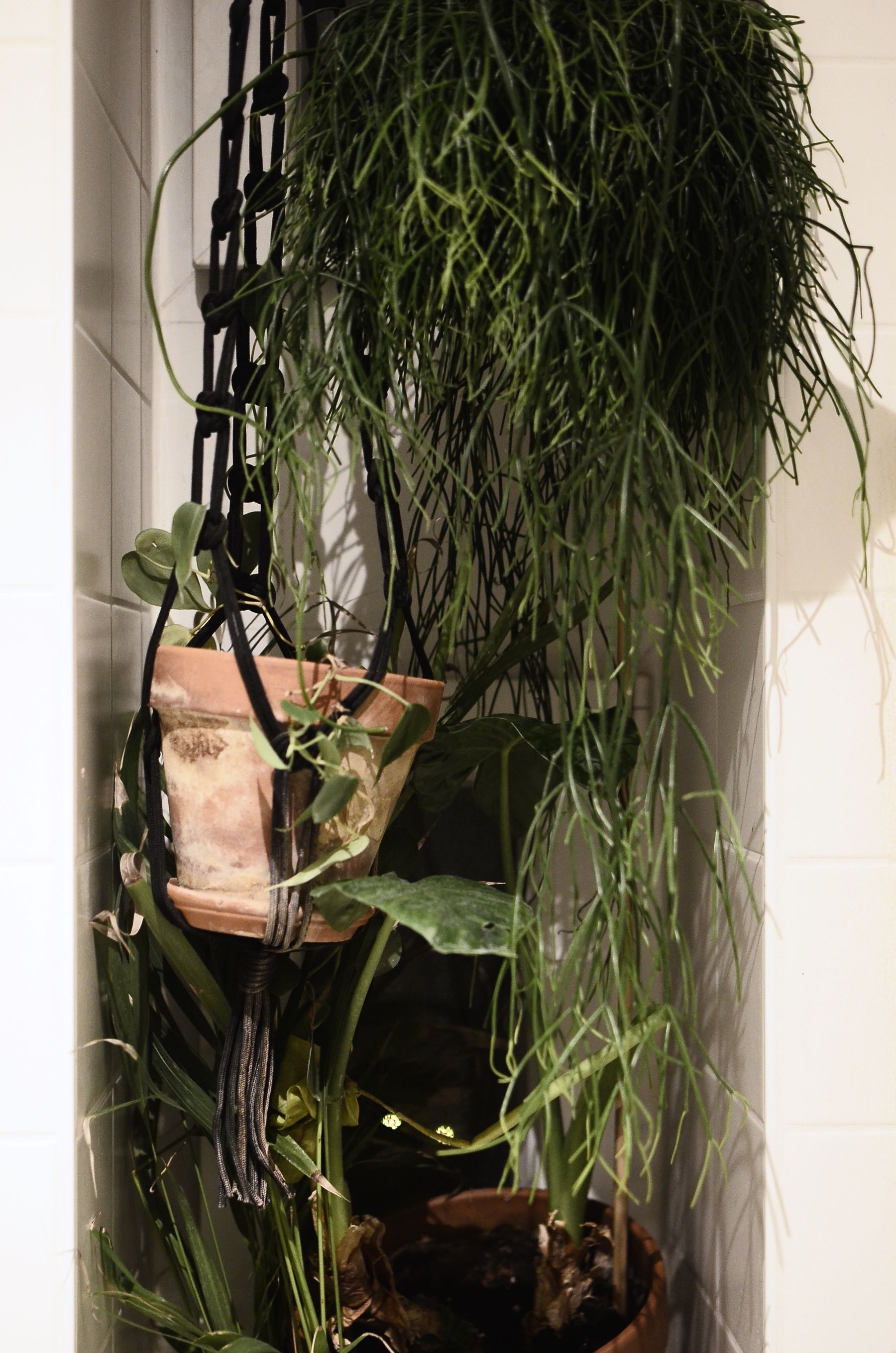
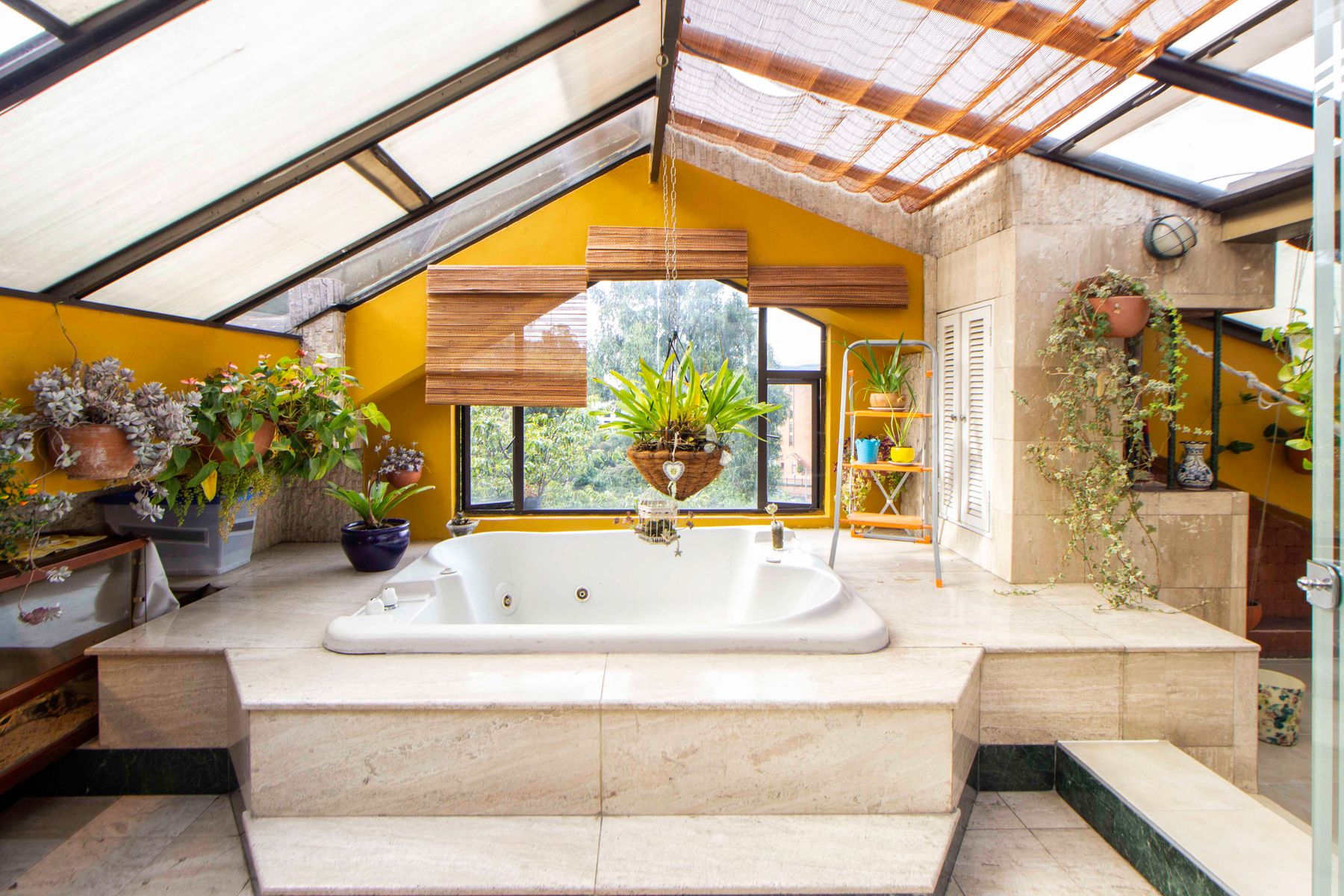
A concentrated group around a bright bath or window feels more intentional than small plants scattered across the vanity, toilet and shower ledges. Grouping also makes watering, inspection and cleanup easier. Keep foliage out of the bathing route, preserve access to taps and drains, and leave enough space for air to move around leaves and walls.
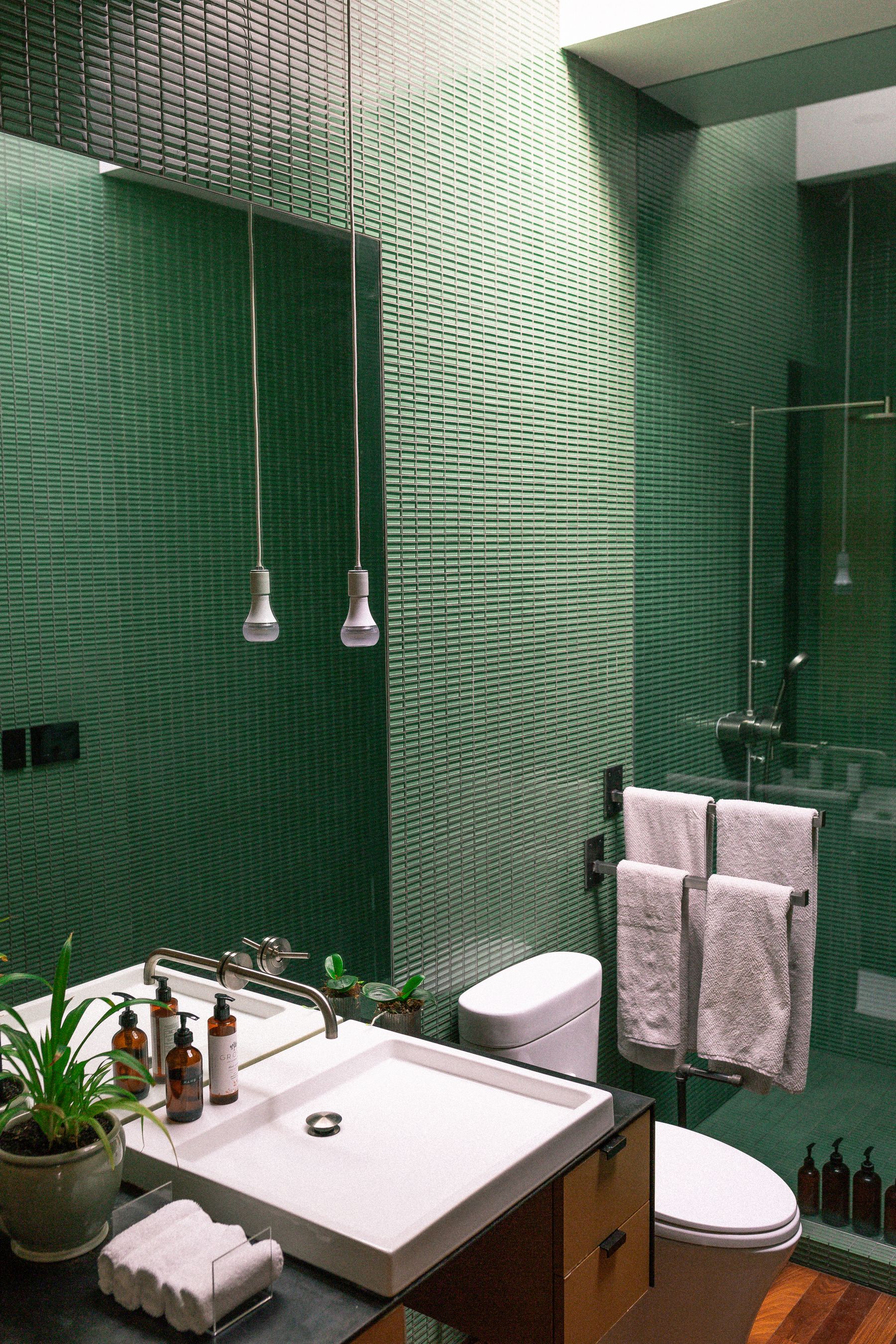
Use Saturated Color as a Deliberate Field
Boho does not have to mean pale neutrals. Deep green, turquoise, aubergine or ochre can give the room atmosphere when one color occupies a clear field and the remaining finishes are quieter. In a compact bathroom, carry the color across one wall or wet-zone volume rather than breaking it into many unrelated accent objects.
Confine Pattern to One Wet-Zone Moment
Patterned tile can deliver the graphic energy people expect from bohemian interiors, but it is strongest when bounded by the shower, bath surround or floor. Keep the grout, adjacent wall and sanitaryware quiet so the pattern has a clear edge. Because small motifs create more visual movement, judge a full repeat at room distance rather than selecting from one sample tile.
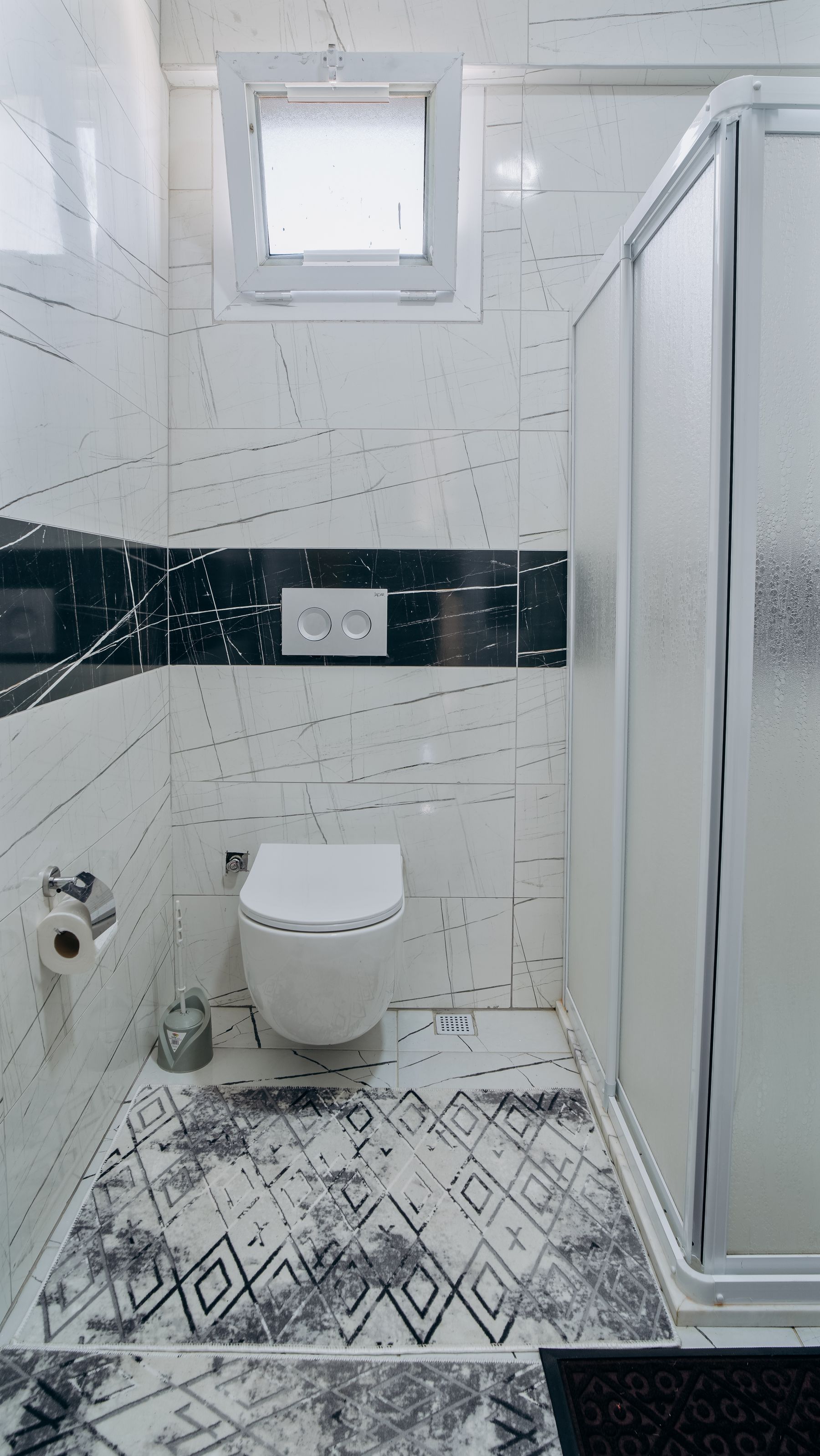
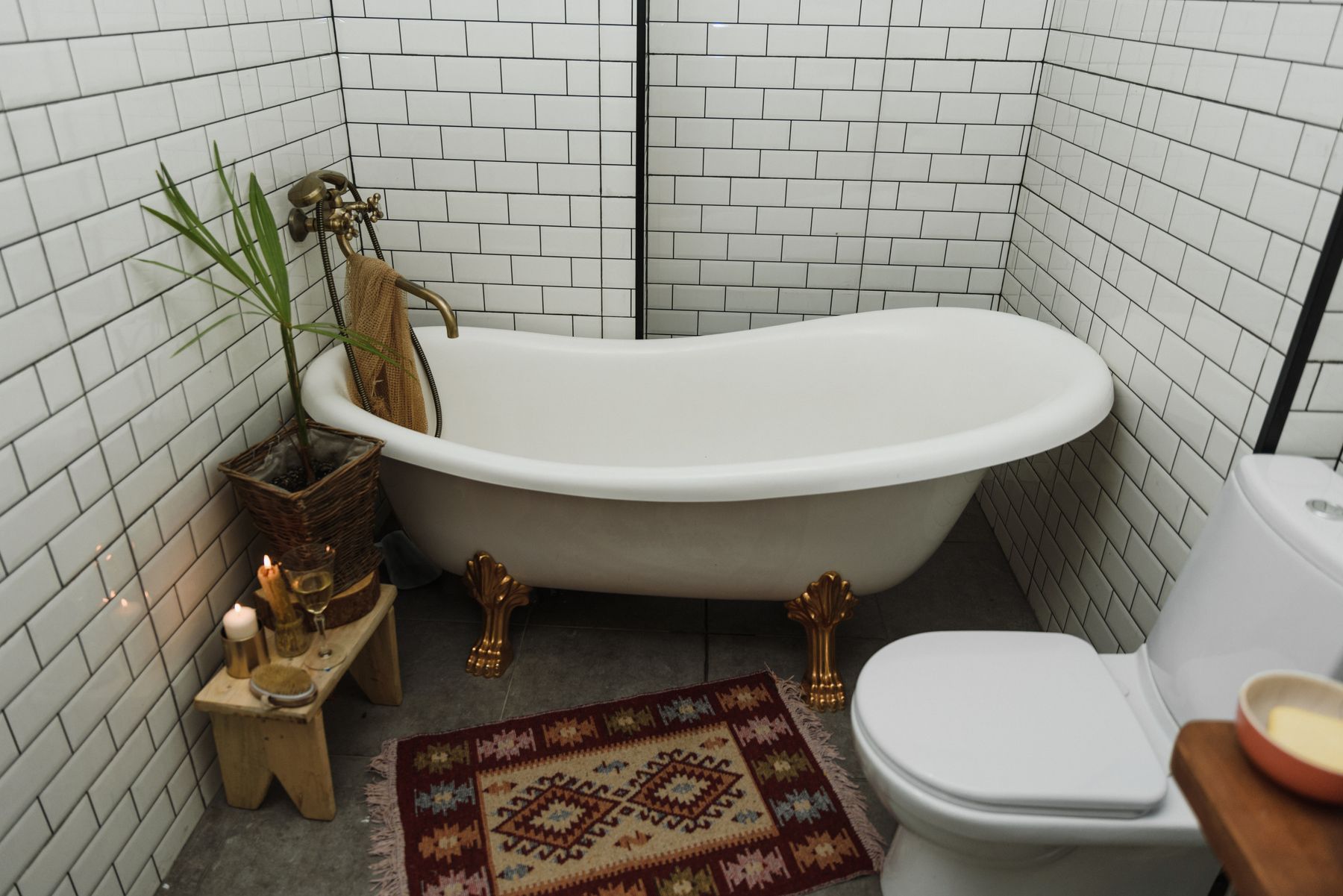
Add Textile Softness Without Creating a Damp Layer
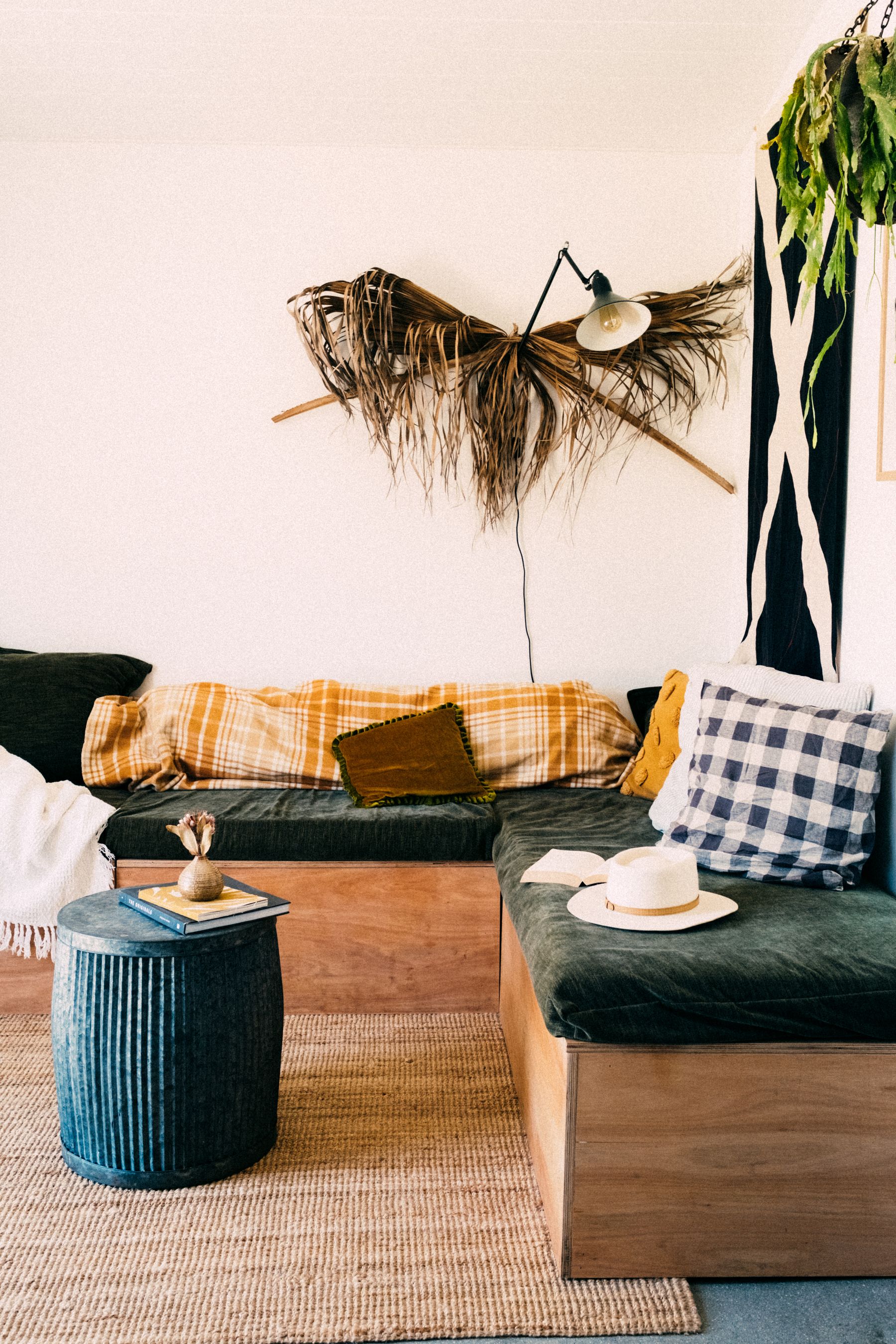
A patterned runner, shower curtain or stack of towels can soften hard tile and introduce color without permanent construction. Use a washable, quick-drying rug outside the direct splash path and confirm that doors and feet cannot catch its edge. In a poorly ventilated room, one removable textile layer is more useful than several heavy fabrics that stay damp.
Layer Useful Light Before Decorative Glow
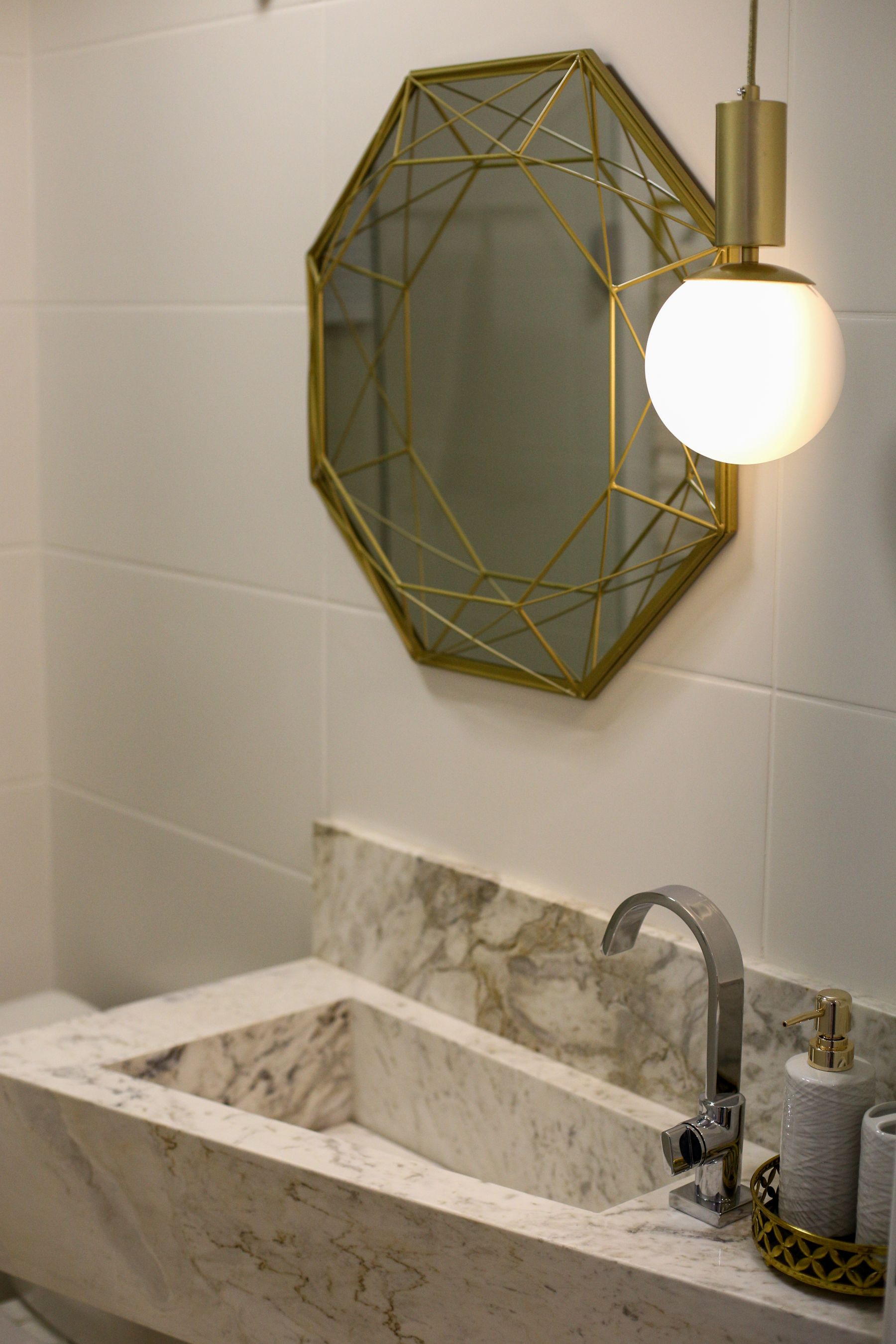
Warm light flatters wood, pottery and woven fibers, but an amber pendant alone is not enough for grooming or cleaning. Give the mirror accurate face light, the room a comfortable ambient layer and the wet zone correctly rated fittings. Decorative lamps can then add atmosphere on a separate control without forcing every routine into dim light.
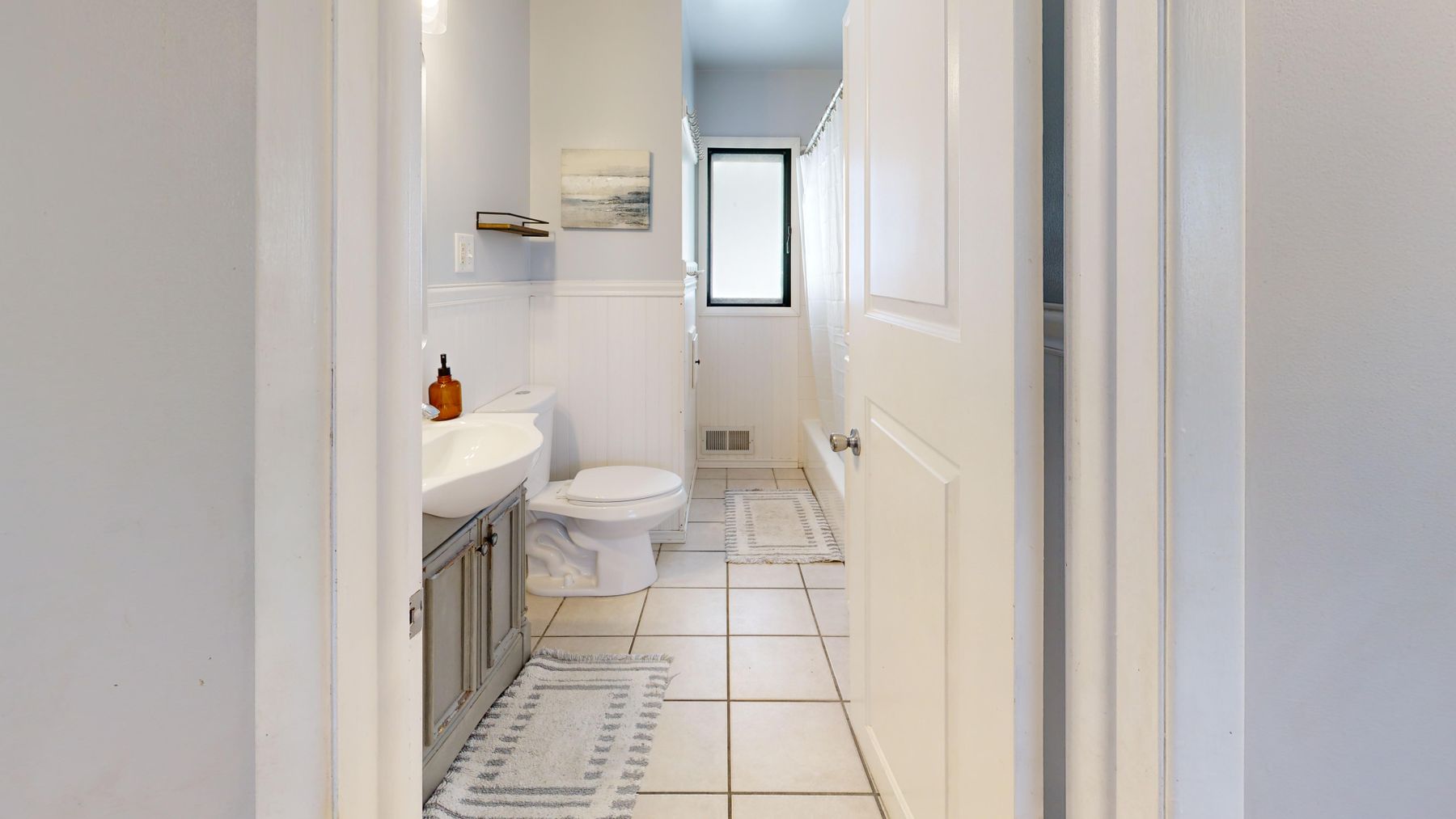
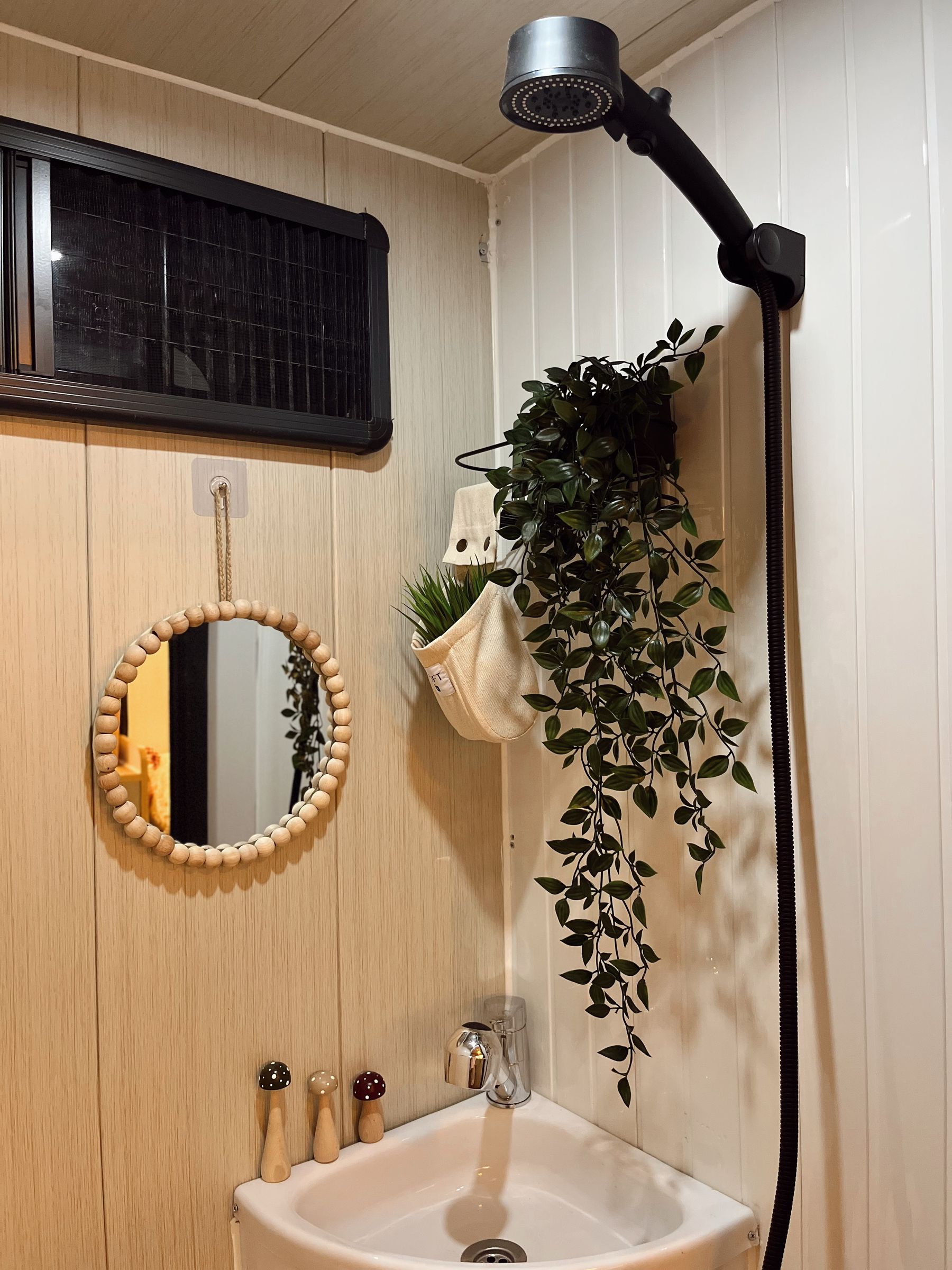
Choose Plants for the Actual Light and Airflow
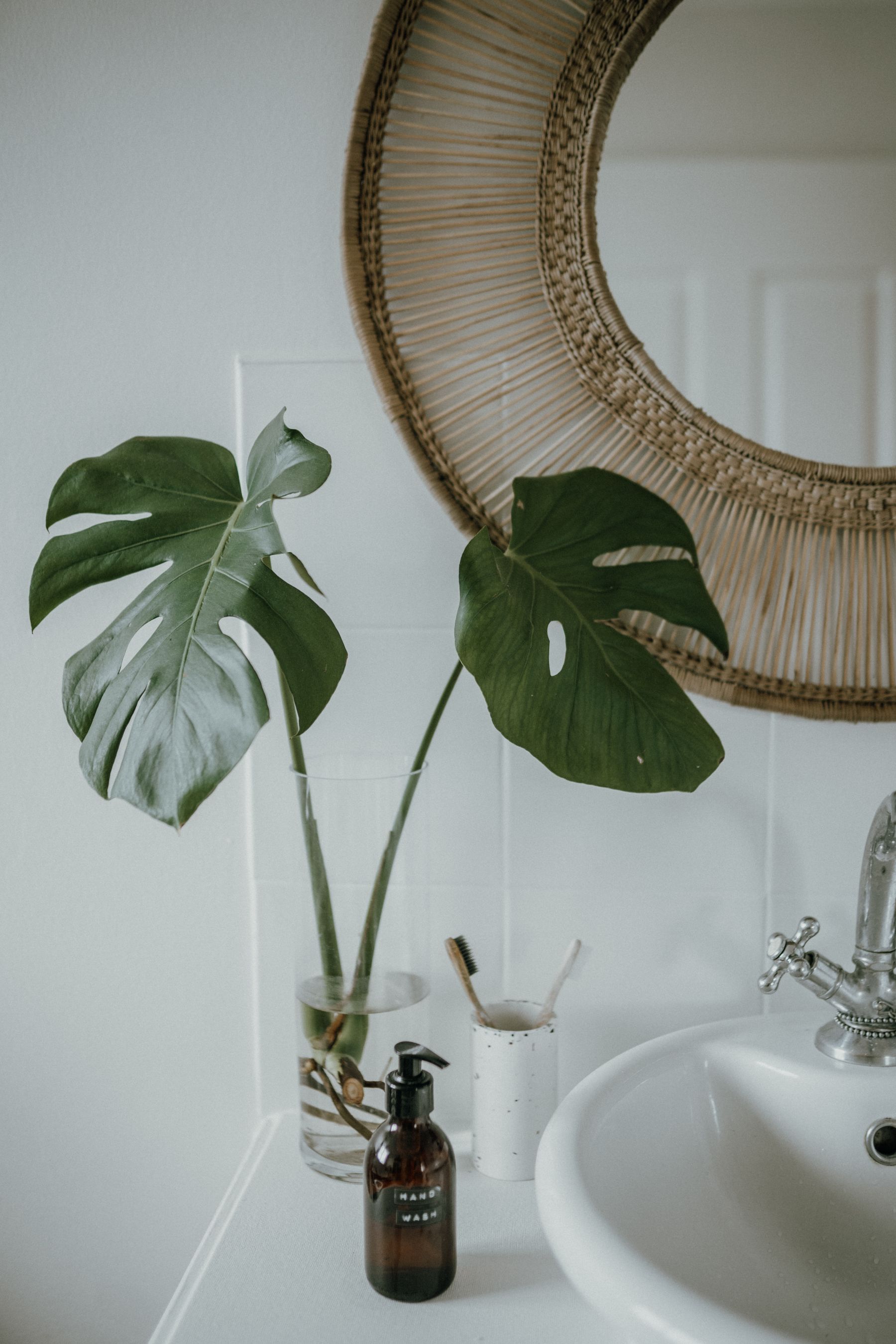
Humidity does not compensate for a dark room. Match live plants to the real window exposure, temperature and extraction pattern, and avoid species that shed heavily above open storage or a bath. Where conditions are unsuitable, use botanical color, a cut branch or an occasional fresh stem rather than treating a struggling plant as permanent decor.
Give a Small Boho Bathroom One Strong Story
A compact room rarely needs woven storage, patterned walls, a gallery, dark paint and several plants at once. Pick one story—perhaps a characterful mirror and wood vanity, or a patterned shower with restrained storage—then preserve clear glass, open floor area and a bright task zone. Fewer, larger decisions make a small bathroom feel intentional rather than busy.
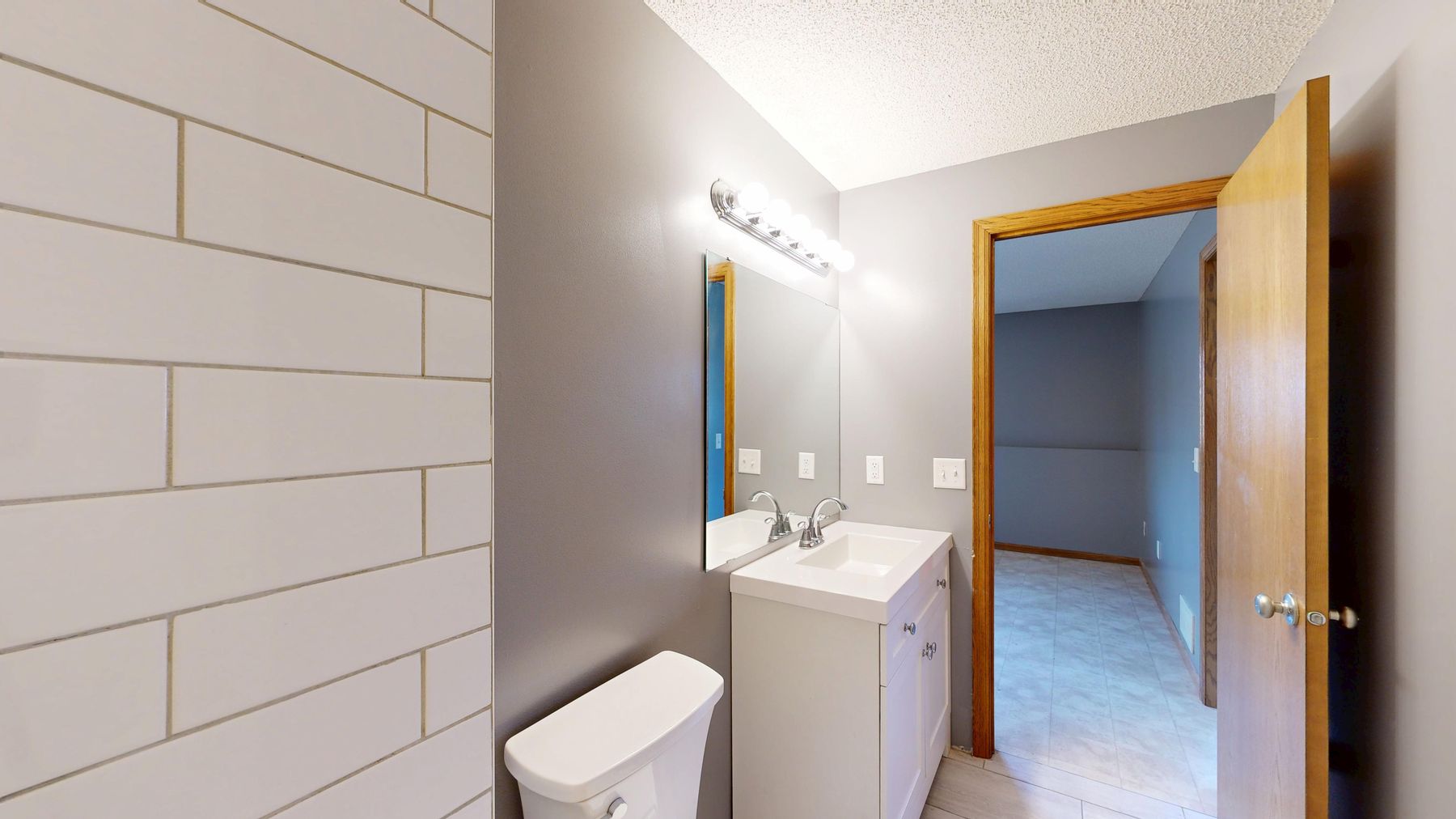
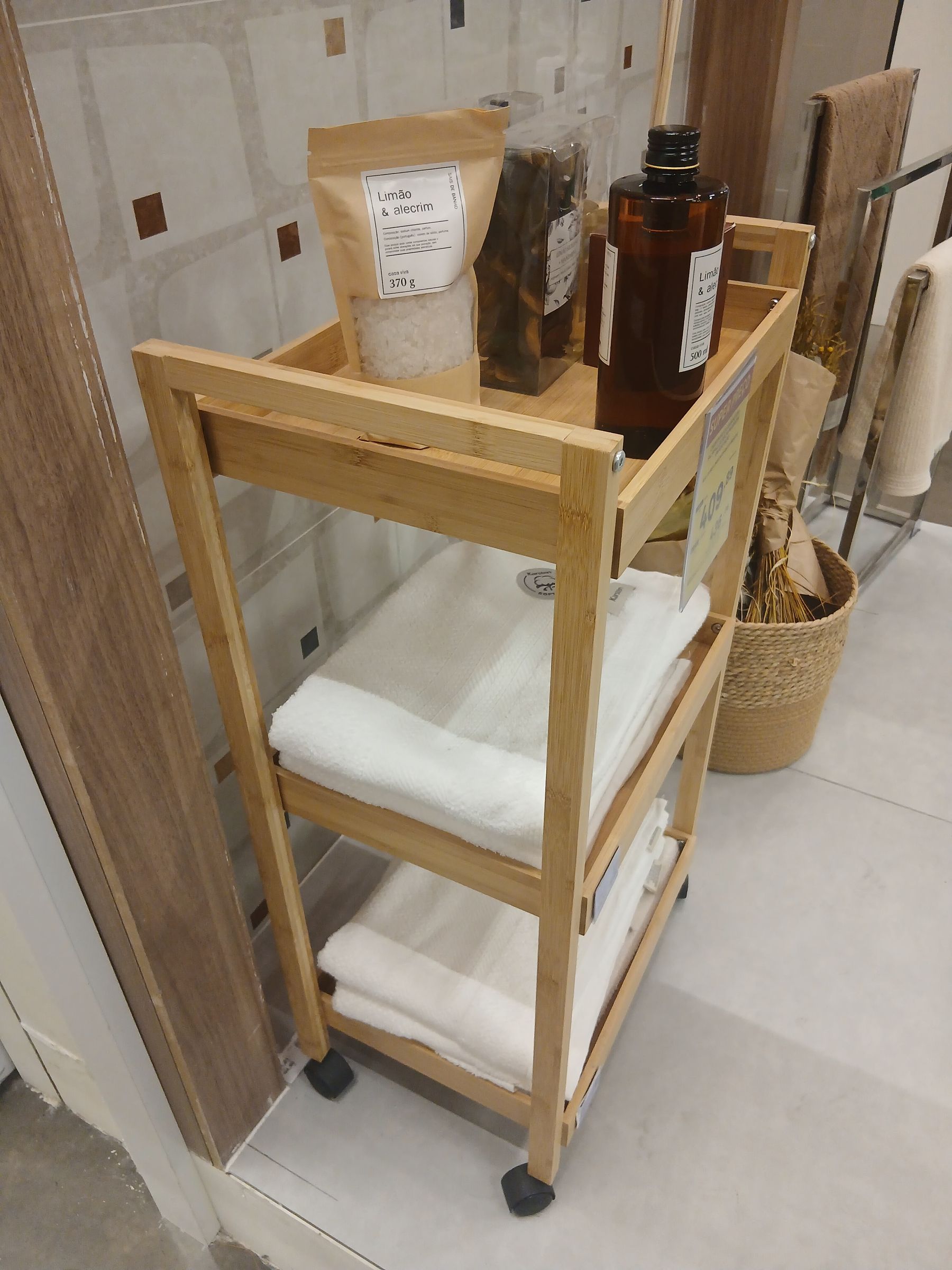
Use Movable Layers in a Rental
A rolling wood cart, tension-fit shower curtain, removable textile and countertop pottery can establish a boho direction without altering tile or plumbing. Choose pieces that solve a real storage gap, tolerate humidity and can leave without damage. Confirm the lease before using adhesive hooks or films, and never block vents, access panels or door swing with freestanding furniture.
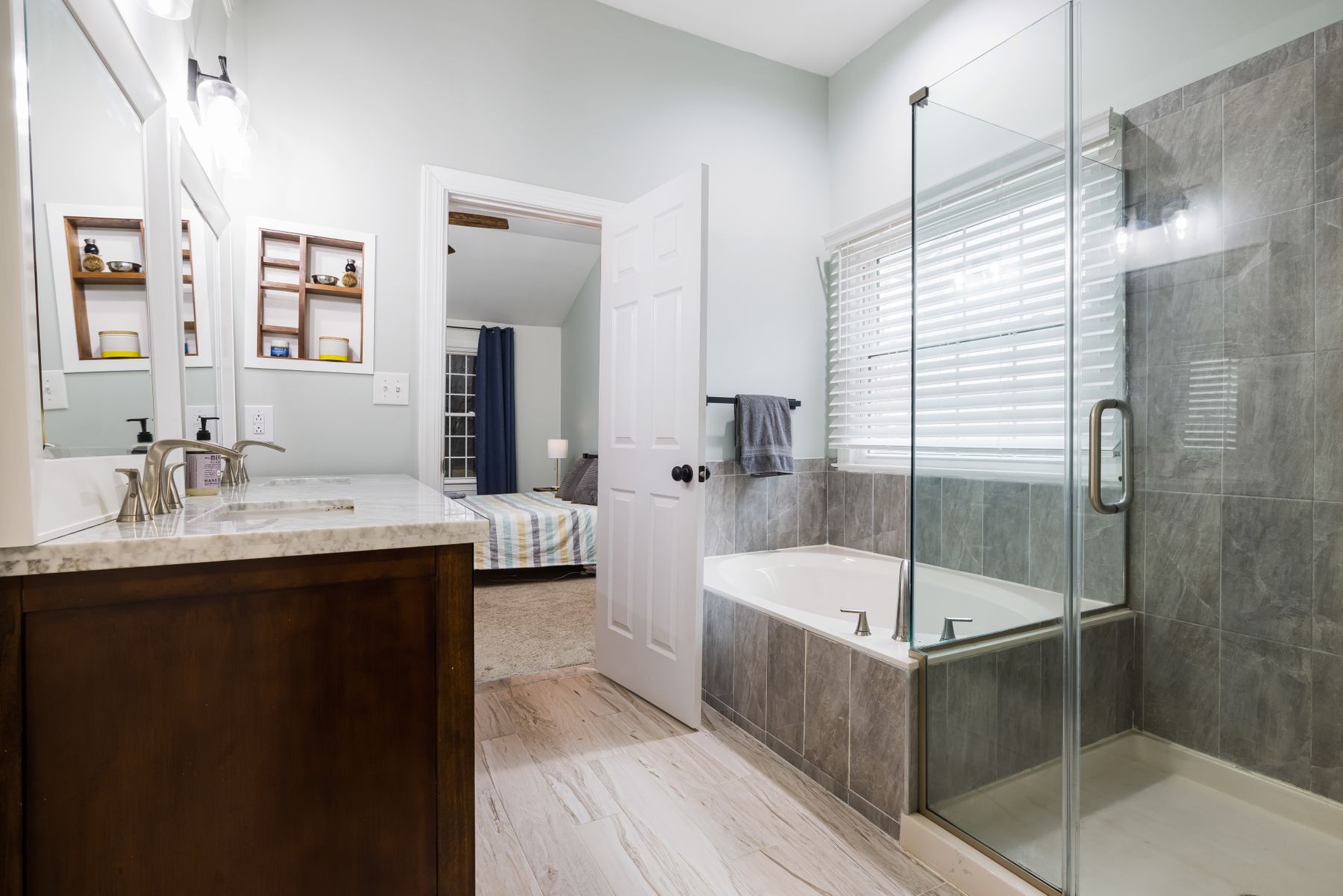
Pair Natural Details With a Modern Wet Zone
A boho bathroom does not require an improvised or vintage wet area. Clear glass, pale tile and a simple bath can handle the hard-working zone while a wood vanity, plant and tactile accessories add warmth outside direct saturation. The contrast feels deliberate when the modern elements are visually quiet rather than highly glossy or futuristic.
Mix Vintage Pattern With Contemporary Plumbing
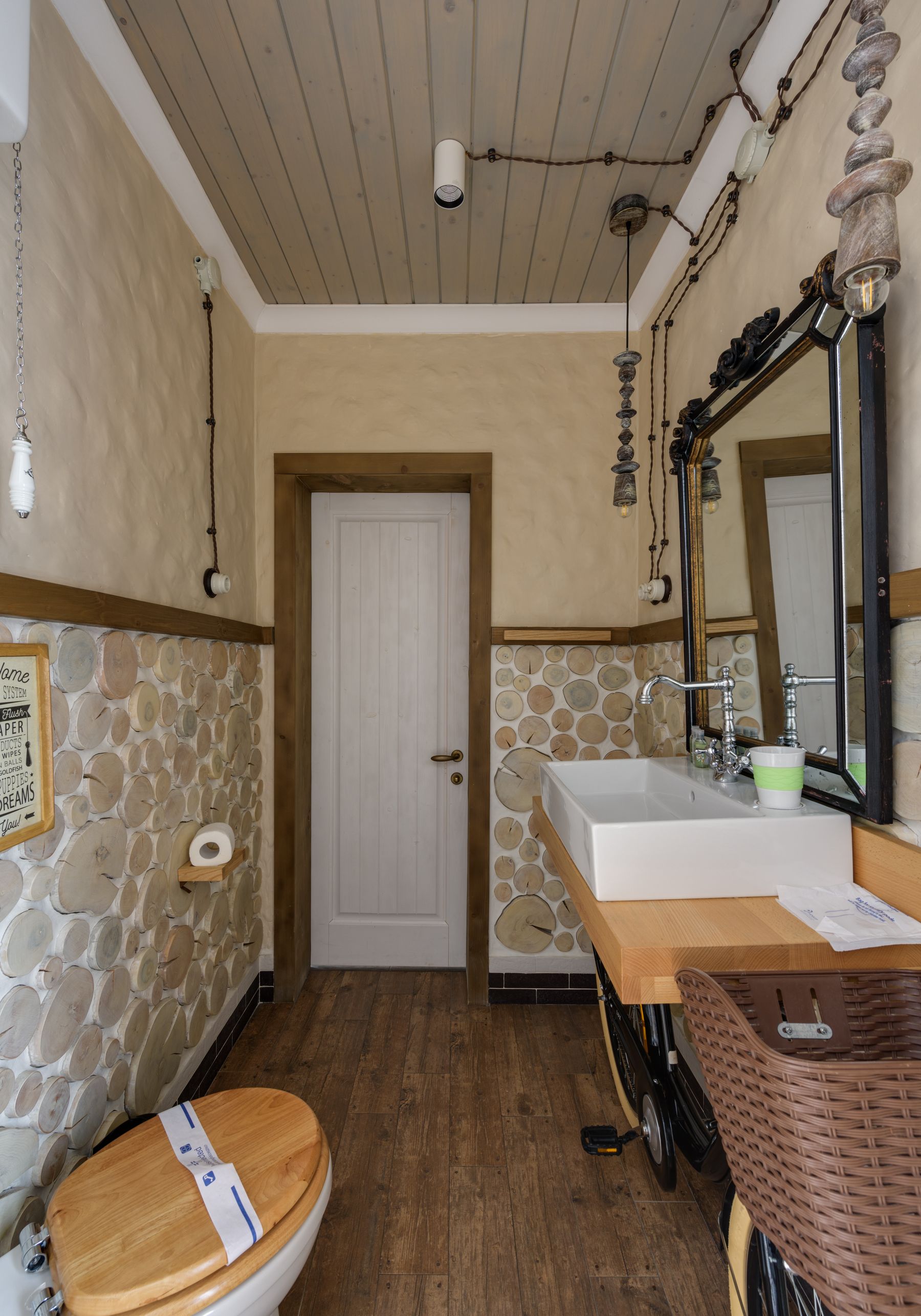
A vintage-look tile, old stool or collected vessel can give the room history without requiring unreliable plumbing or a full period reconstruction. Keep valves, traps and waterproofing current, then let one older-looking surface provide the narrative. Avoid fake distressing across every cabinet and fitting; genuine variation or a well-made reproduction ages more convincingly.
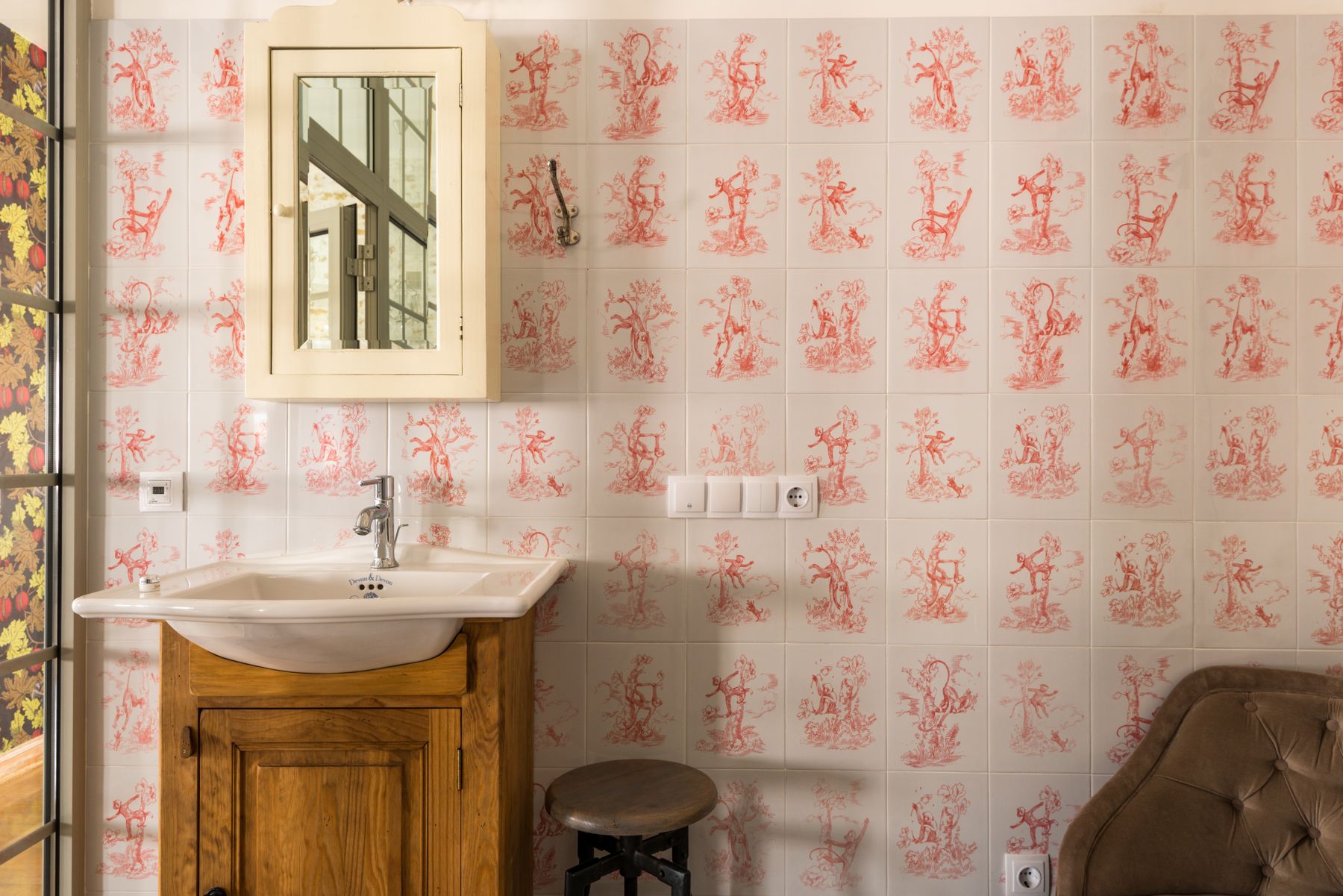
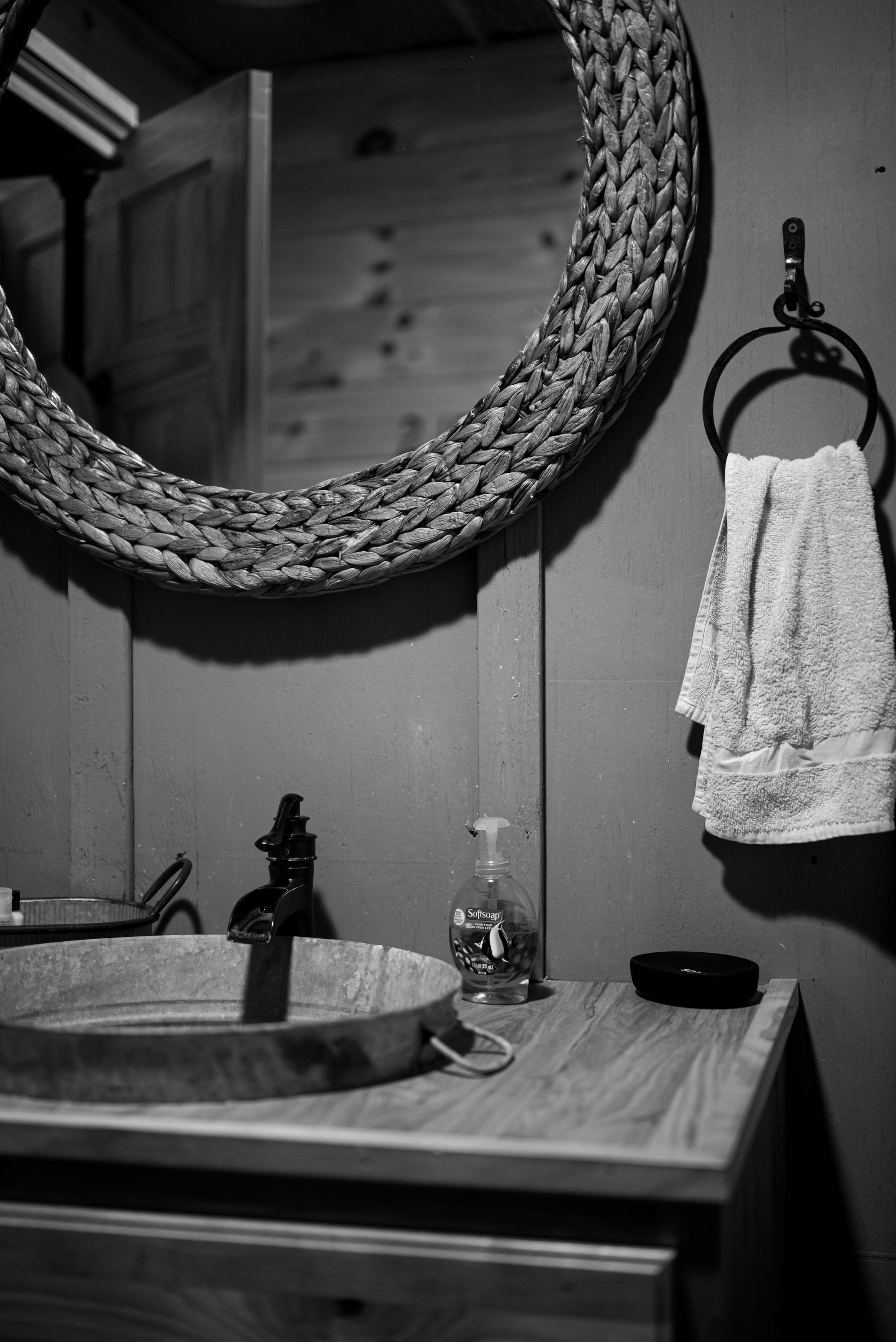
Keep Natural Fibers Beyond Direct Splash
Rattan mirrors, rope details and woven containers bring useful texture, but repeated wetting can stain, loosen or encourage mildew. Place them in ventilated splash or dry zones, leave air around the back and inspect the fibers regularly. Use tile, sealed cabinetry or another washable finish where hands, taps and showers create persistent water exposure.
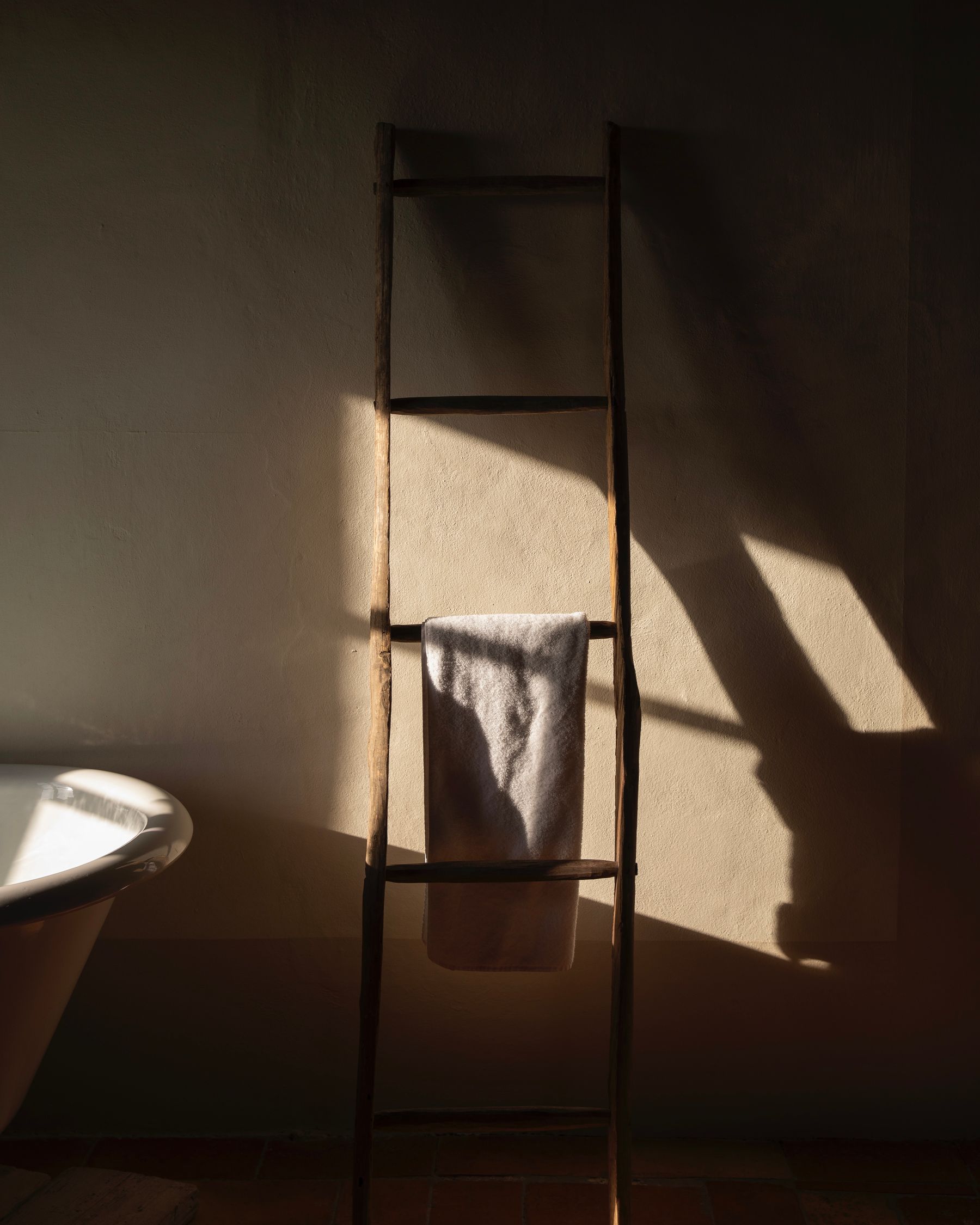
Design a Real Drying Route for Towels
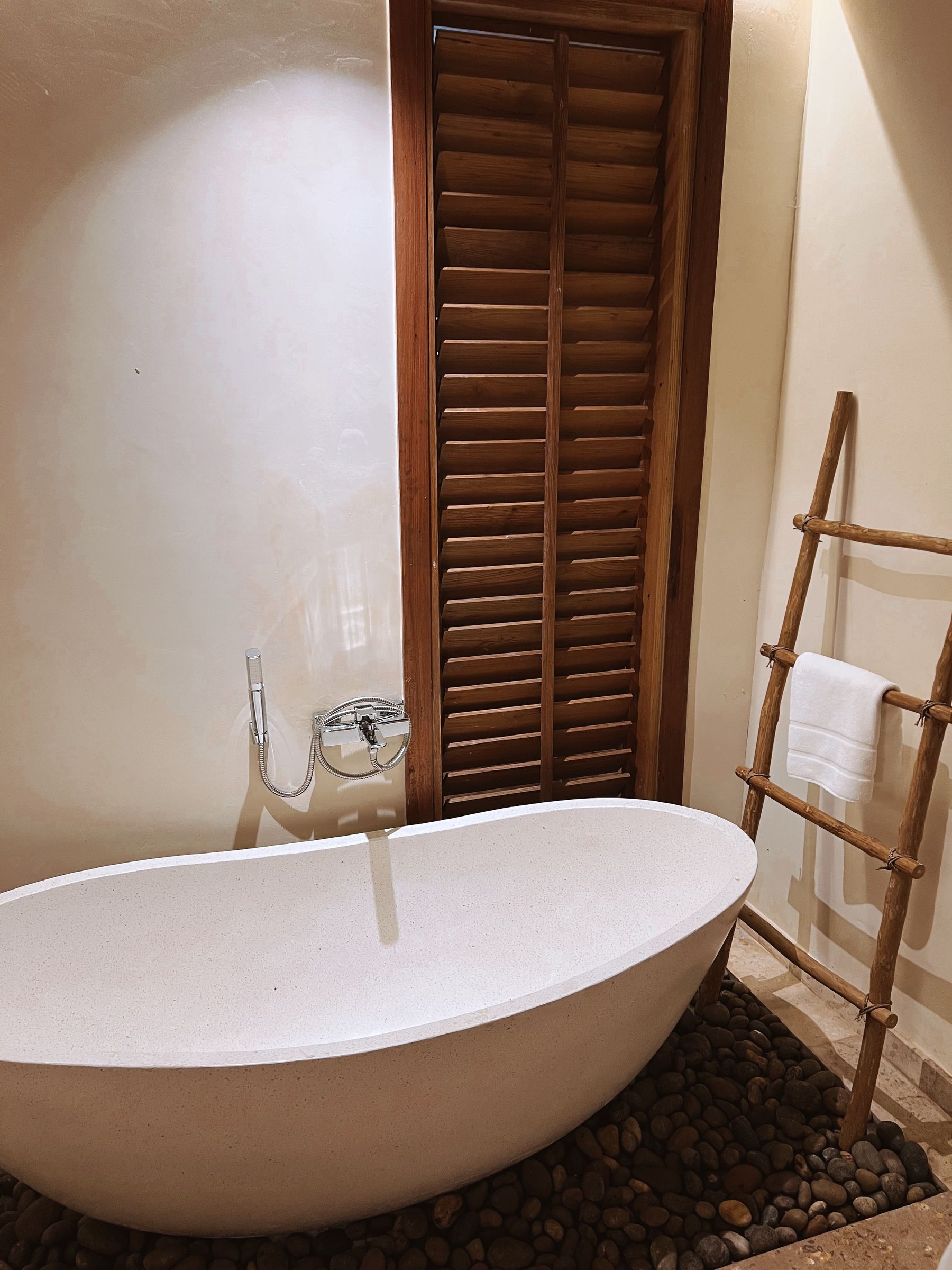
A timber ladder can look relaxed, but towels dry only when they are spread out, separated and exposed to moving air. Check that rungs are wide enough, the ladder is stable and its position does not narrow circulation. In a busy household, combine the decorative rail with a heated or wall-mounted solution that can reliably handle several damp towels.
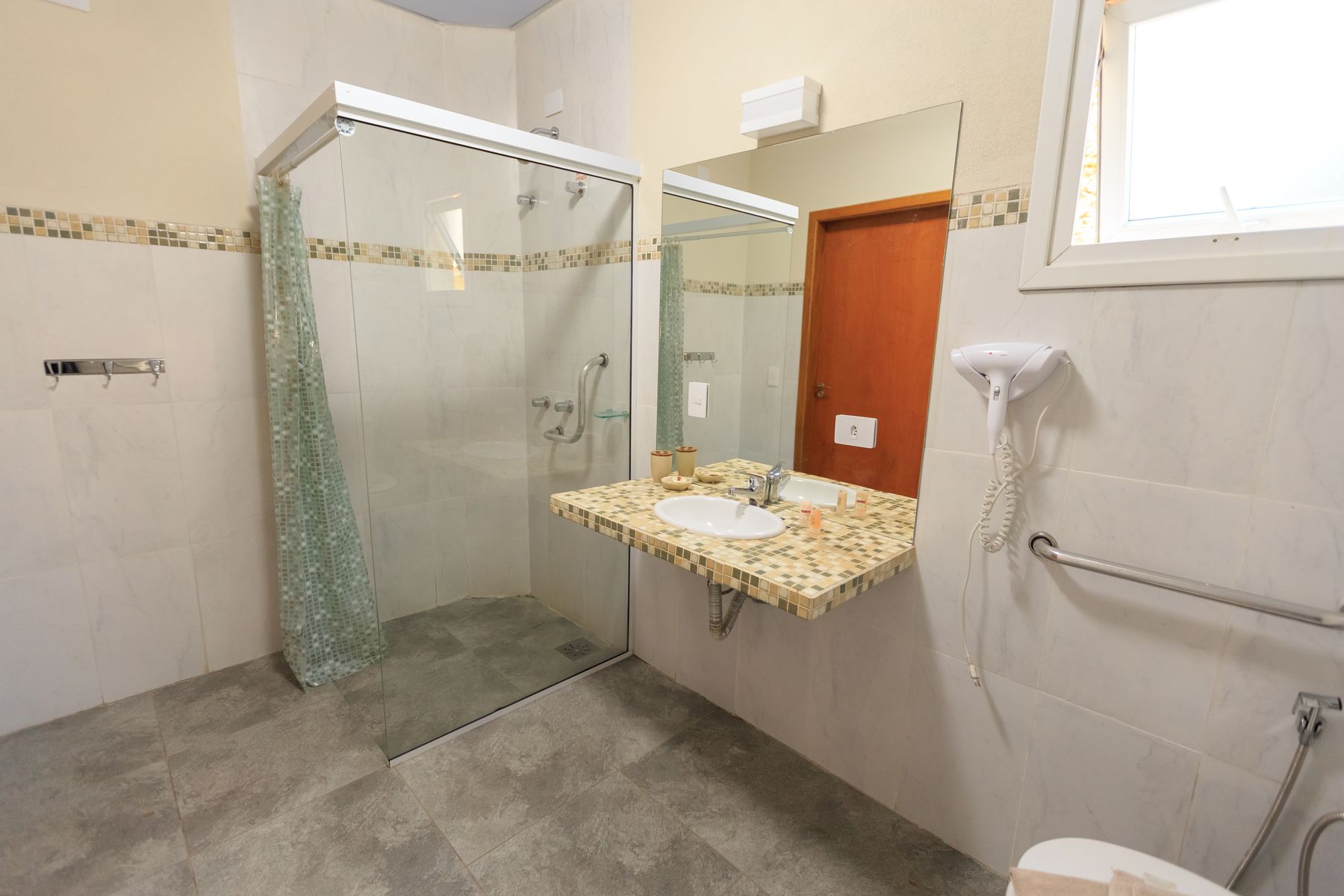
Keep Circulation Clear and Support Easy to Add
Floor baskets, stools and trailing plants should never become obstacles on the route to the basin, toilet or shower. Preserve a clear approach, avoid unstable furniture and provide wall reinforcement where support rails may be useful now or later. Organic materials and warm color are fully compatible with a level entry, lever controls and strong visual contrast.
Edit the Look for a More Contemporary Boho Room
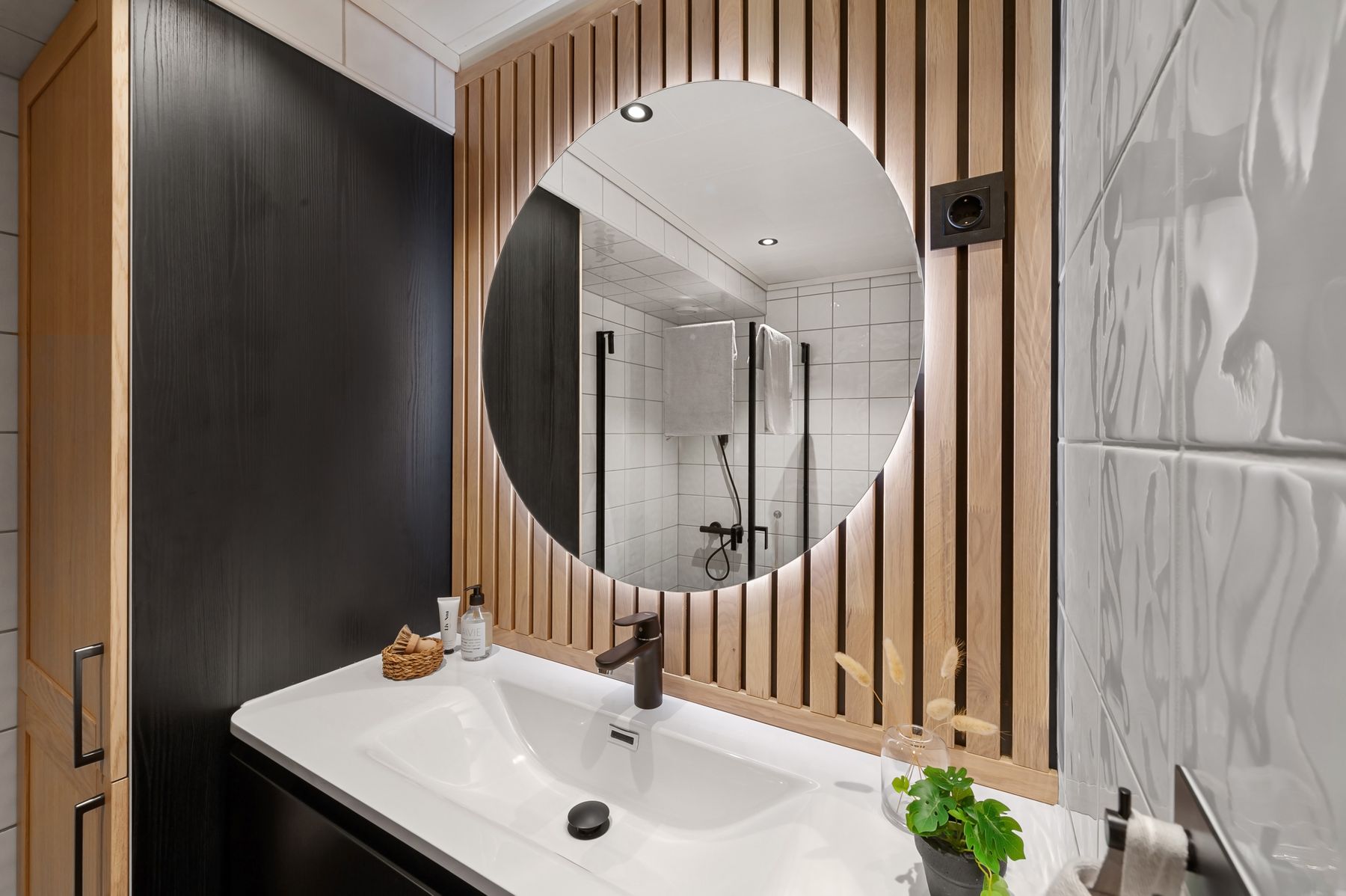
Contemporary boho keeps the organic curve, timber and plant life but removes most small ornament. One round mirror, a clean-lined vanity and a controlled vertical wood detail can be enough. This direction suits owners who like the warmth of bohemian interiors but want quicker cleaning and a calmer relationship with modern architecture.
Finish With One Personal Decorative Layer
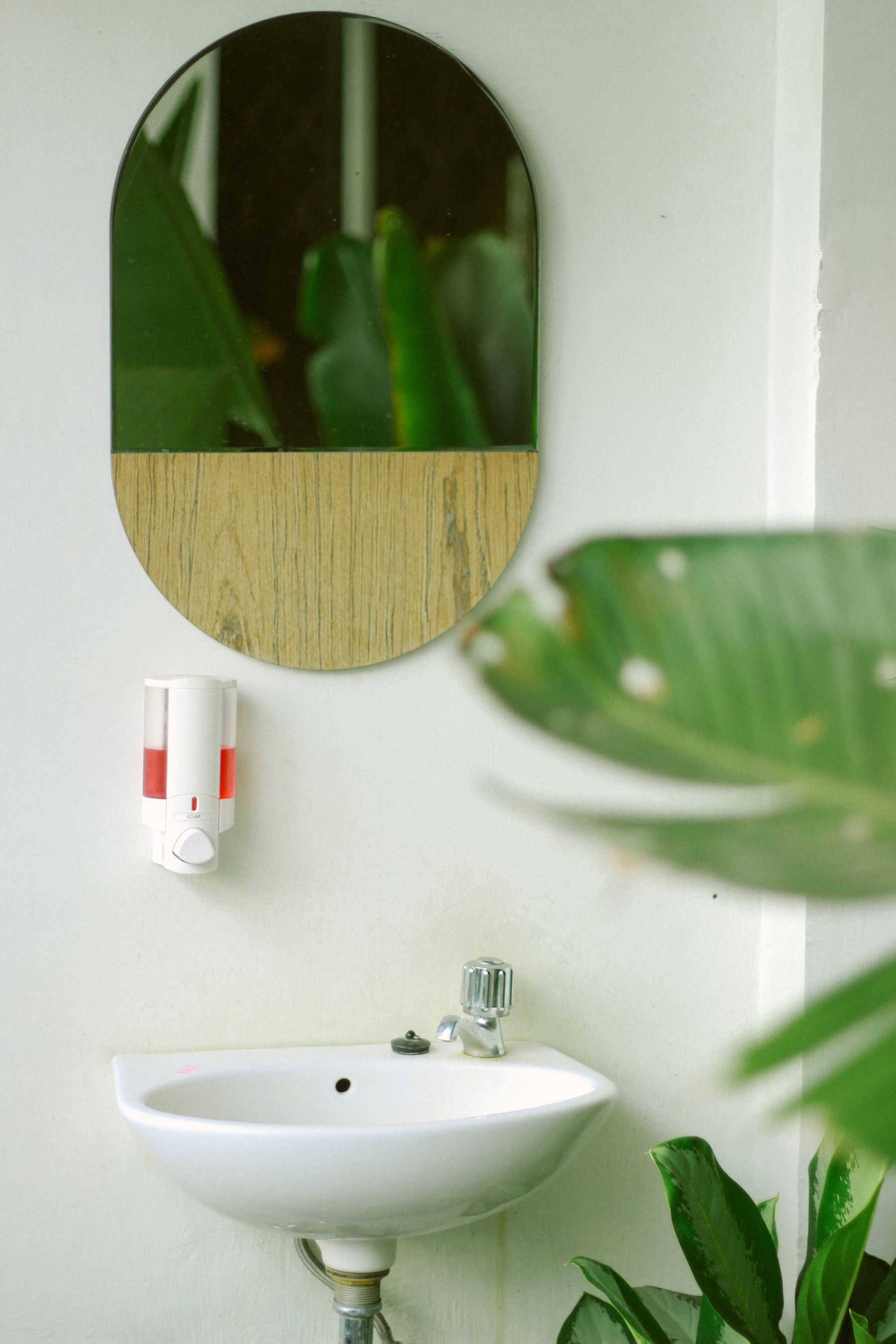
After the room functions well, add a final layer through pottery, a plant, a small artwork or a grouped tray—not all four on every surface. Personal objects make the room feel collected, but they should be removable for cleaning and safe in humidity. Leave part of the vanity and at least one wall plane quiet so the chosen pieces retain emphasis.
Treat Daylight, Privacy and Ventilation Together
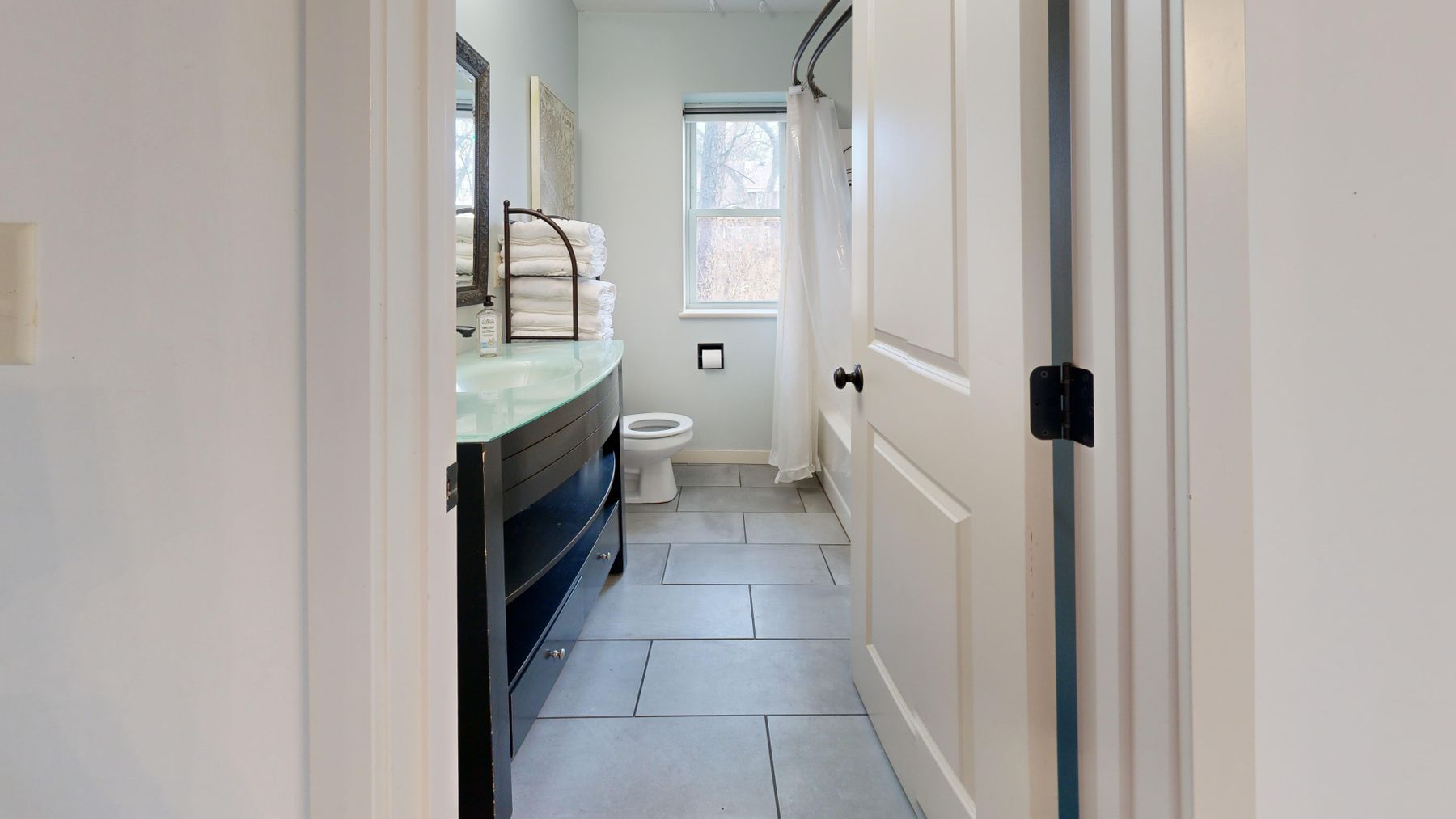
Daylight makes color, wood grain and plant health easier to judge, but a bathroom window also needs privacy and moisture planning. Preserve the brightest upper glass with obscured glazing, a lower blind or exterior screening where appropriate, and use opening hardware only if it can be reached safely. Mechanical extraction remains important even when the window opens.
Know Where Boho Meets Neighboring Styles
Boho and bohemian bathroom ideas share one search intent: layered natural texture, plants, pattern and personal detail, so this page treats them as one canonical destination. Eclectic rooms usually mix a wider range of eras and colors; rustic design emphasizes heavier wood and stone; Japandi edits the palette and object count more strictly; shabby chic leans softer, paler and more romantic. Name one primary direction and at most one secondary influence before shopping.