Choose the Country Lane Before Collecting Details
Decide whether the room should feel English and layered, American and workmanlike, or more generally rural and material-led. An English-leaning bathroom can accept deeper olive, wallpaper and antiques; an American route may use painted cabinetry, simple tile and familiar farmhouse forms; a rugged local version may give more weight to stone and timber. Naming the lane prevents French curves, cabin logs, barn hardware and formal traditional fittings from competing in one room.
Build the Palette From Earth, Garden and Old Paint
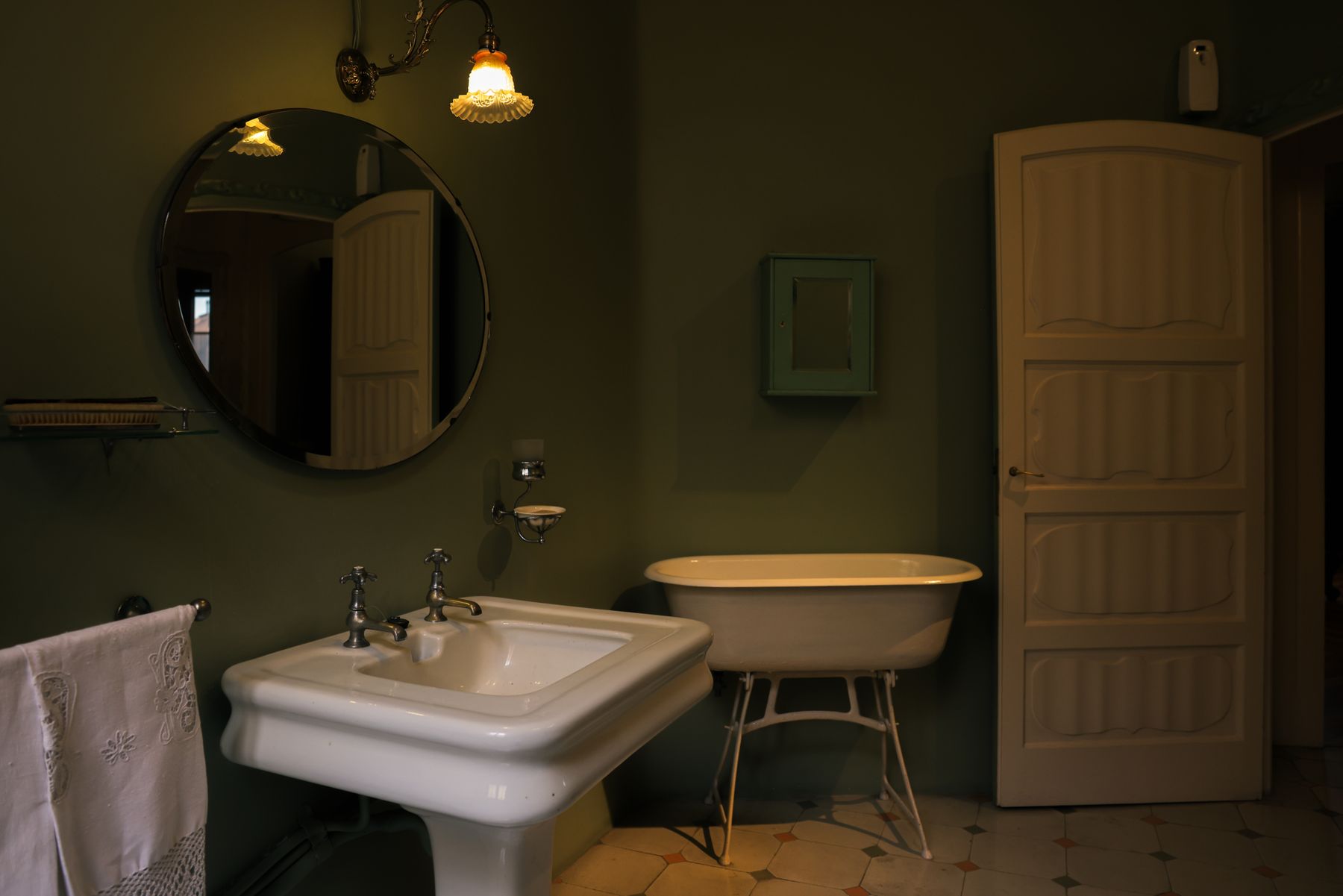
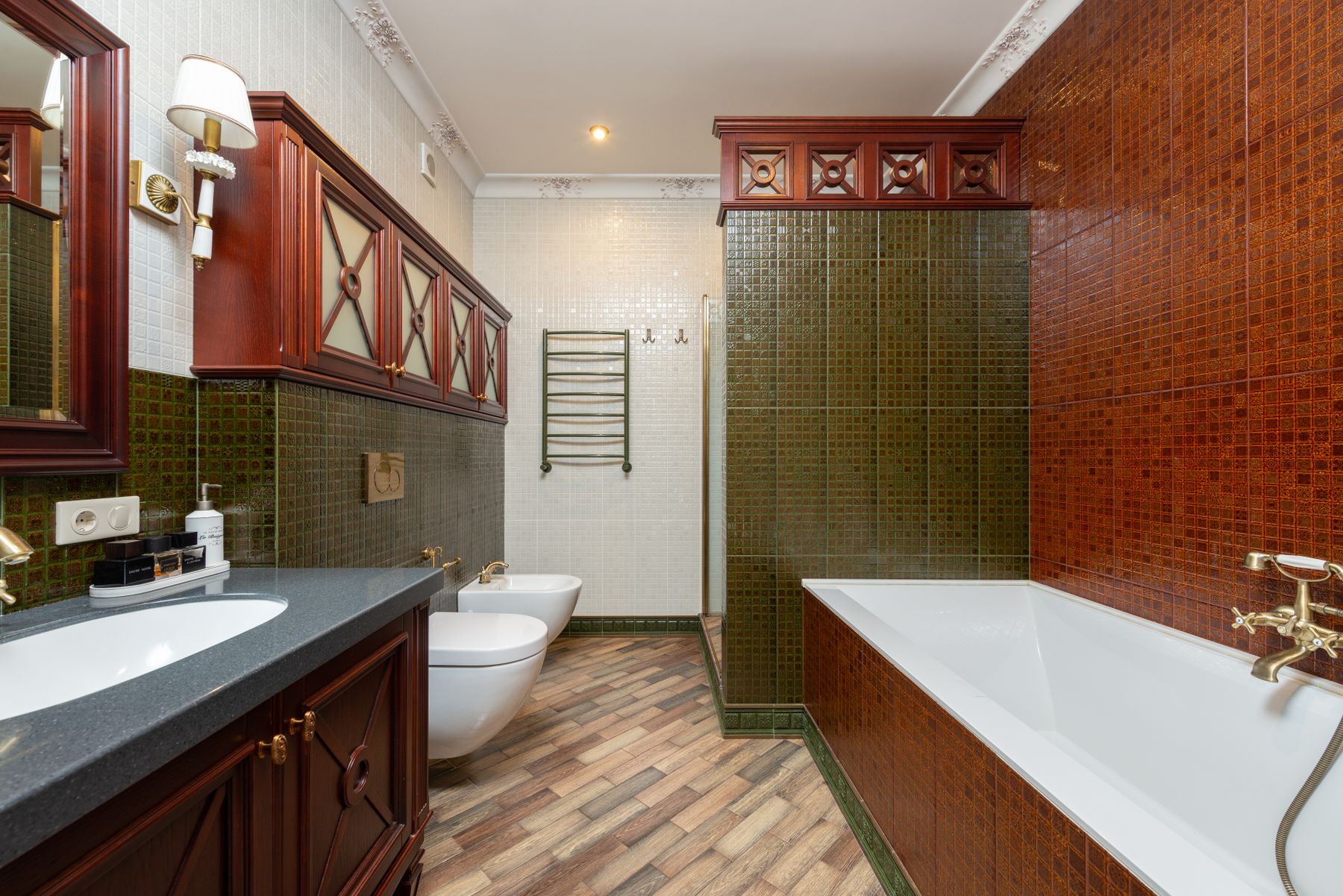
Warm cream, putty, mushroom, ochre, dusty blue, sage, olive and soft terracotta all belong in a country palette. Choose one dominant family, one quieter neutral and one small deeper accent rather than treating every muted color as compatible. Test the scheme beside the actual white of the sanitaryware and the undertone of the wood. Country can be richer than Farmhouse, but it still needs enough visual rest for a bathroom to feel clean and usable.
Use Wallpaper to Make the Room Feel Domestic
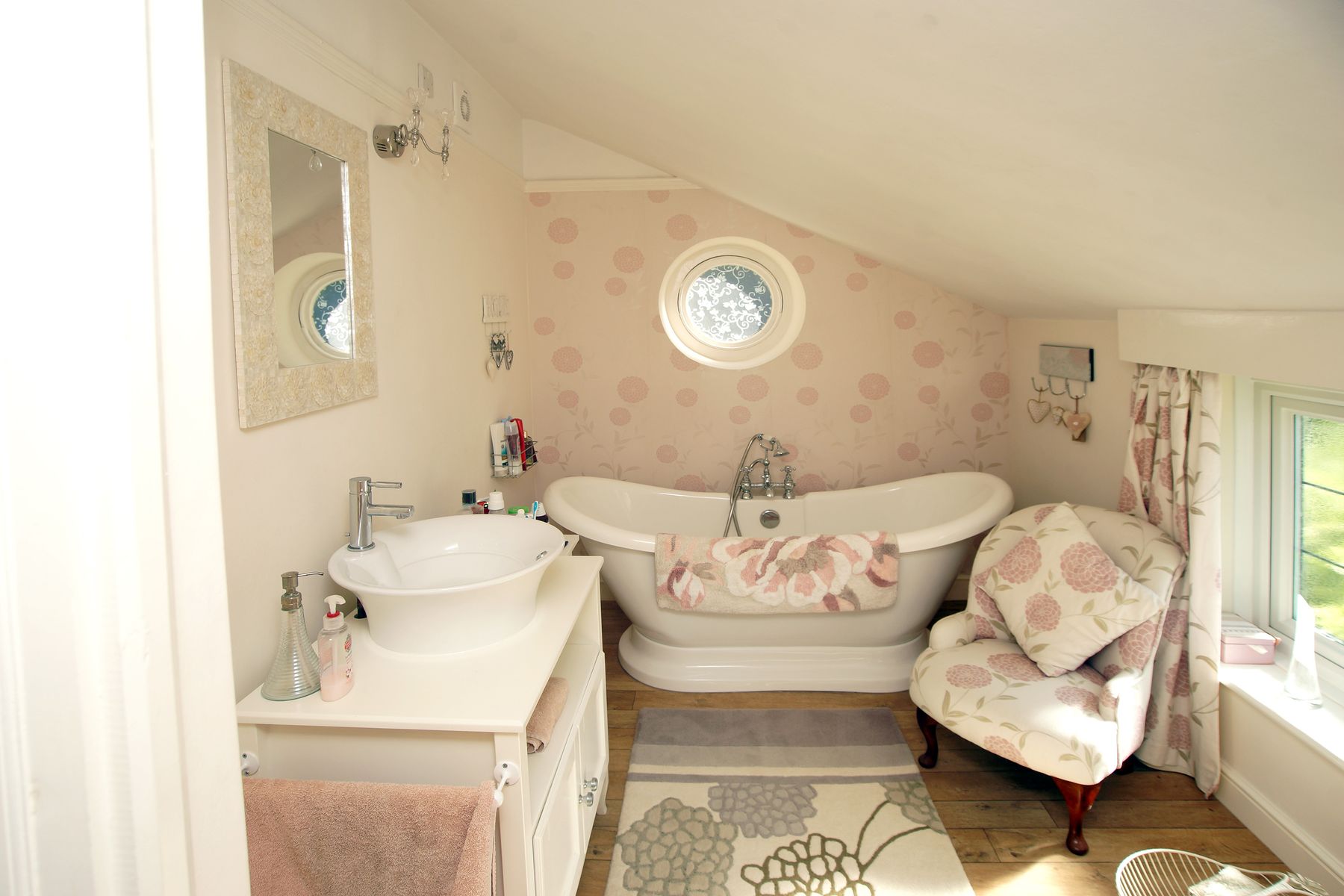
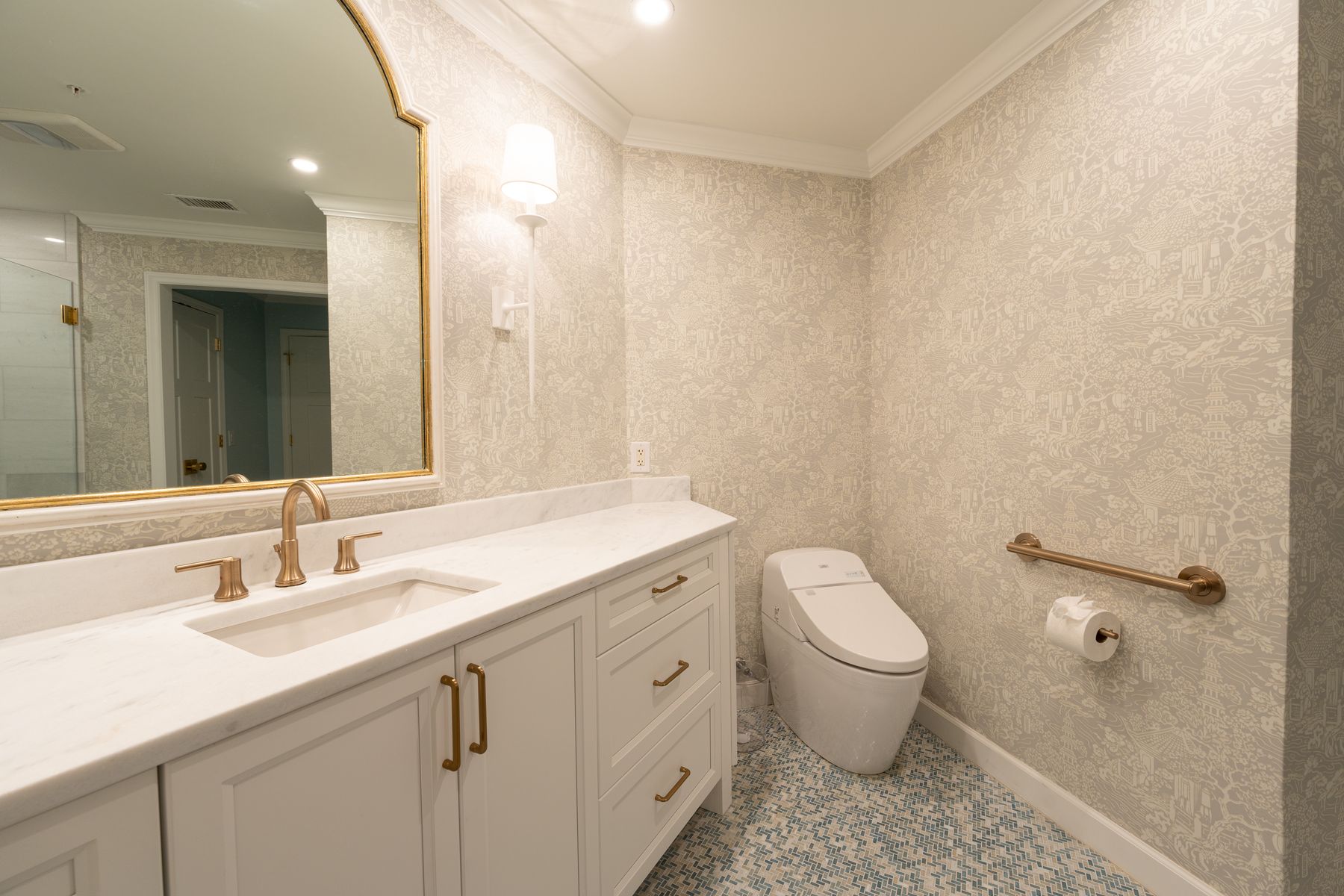
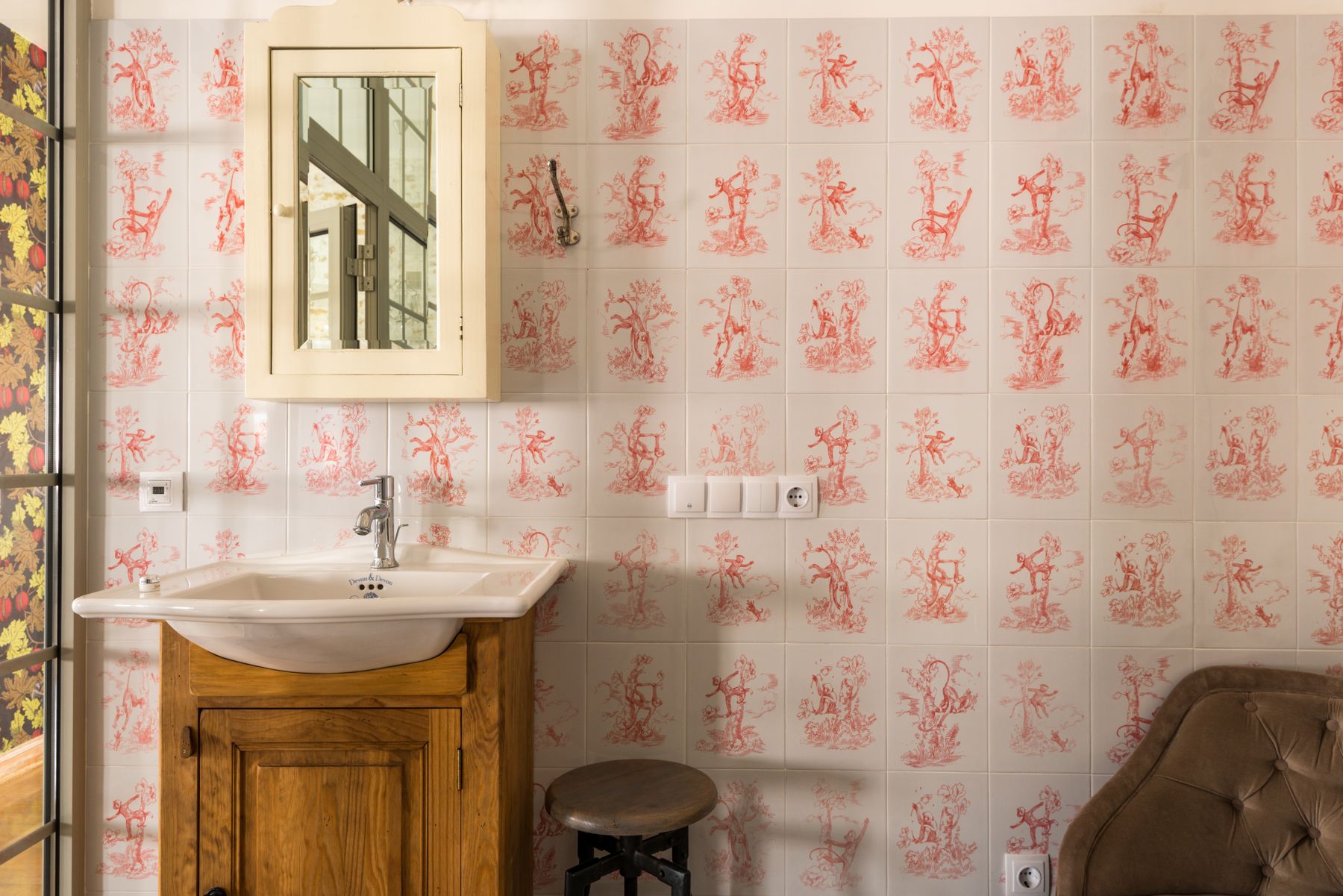
Florals, trailing leaves, small geometrics and quiet stripes can make the bathroom feel connected to bedrooms and sitting rooms. Use wallpaper on dry upper walls or in a powder room, with a properly prepared substrate and ventilation suitable for the product. Pattern scale should respond to the room: a tiny repeat may become restless across a large wall, while an oversized motif can overwhelm a narrow bathroom. Let nearby tile and textiles be simpler.
Use Paneling to Give Walls Structure
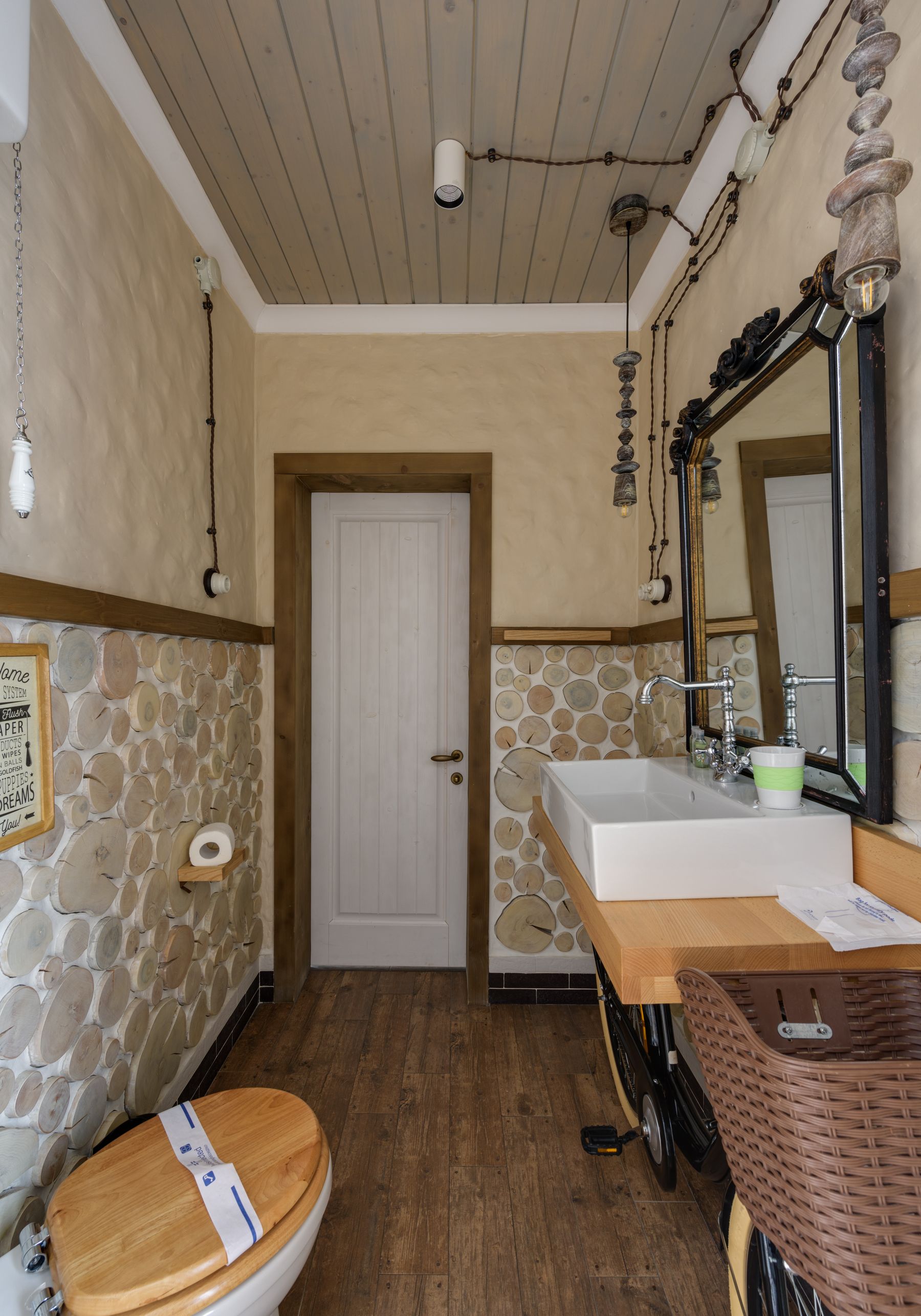
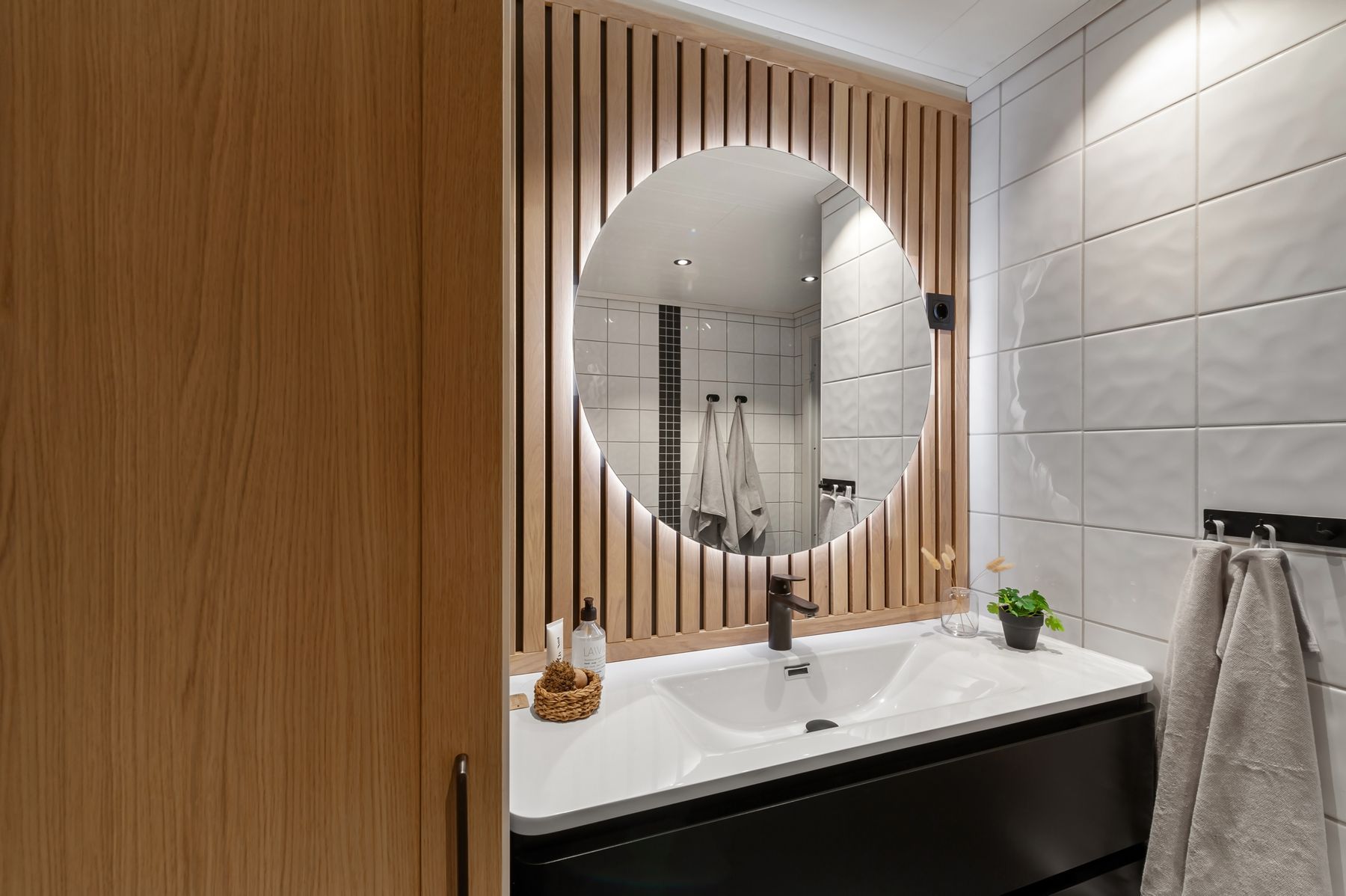
Tongue-and-groove, simple boards or a painted wainscot can protect a dry lower wall, correct awkward proportions and introduce the rhythm of older construction. Do not apply paneling automatically to every plane. Keep timber assemblies out of direct wet exposure unless the substrate, joints, coating and maintenance are designed for it. Vertical boards can lift a low room; a lower rail can make a tall wall feel more settled.
Keep the Main Wet-Zone Tile Familiar
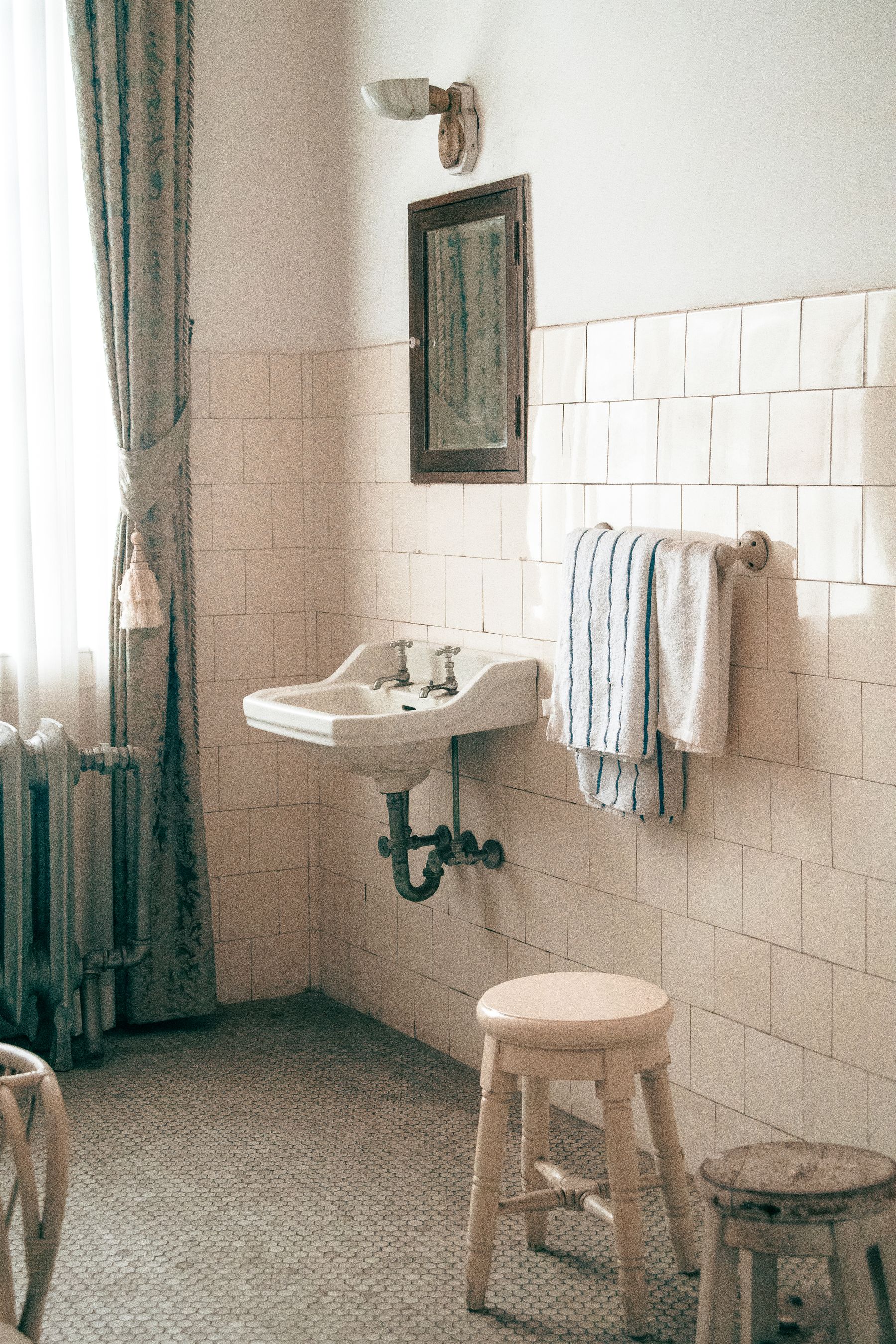
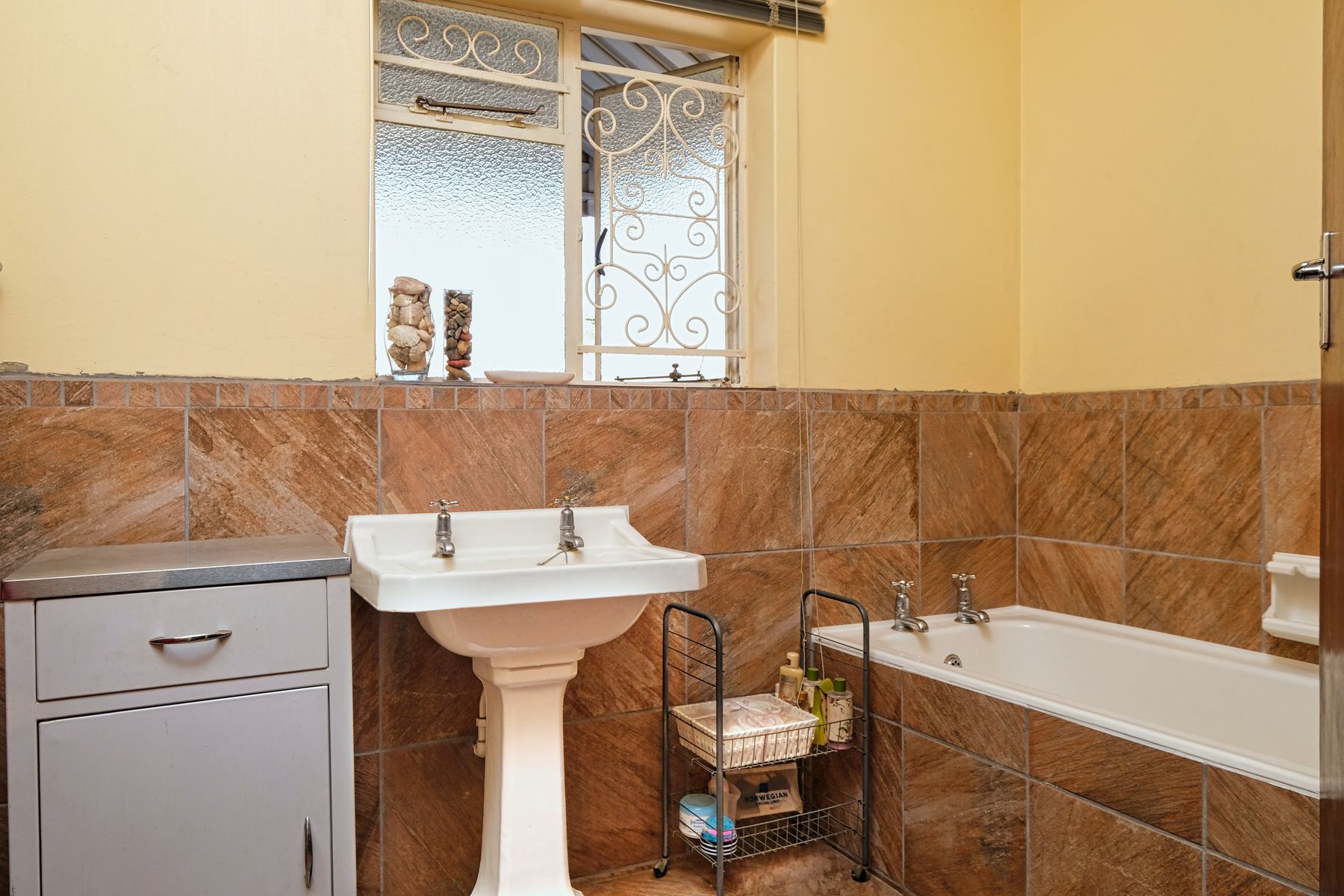
Simple squares, rectangles, softly irregular glaze and restrained stone-look tile suit country style because they feel useful rather than performative. Interest can come from a brick, stacked or vertical layout, but the waterproofing, movement joints and edge details remain contemporary. Avoid adding a border, niche pattern and contrasting trim merely to make plain tile more decorative. Let wallpaper, floor or furniture carry the stronger layer.
Let One Patterned Floor Carry the Rhythm
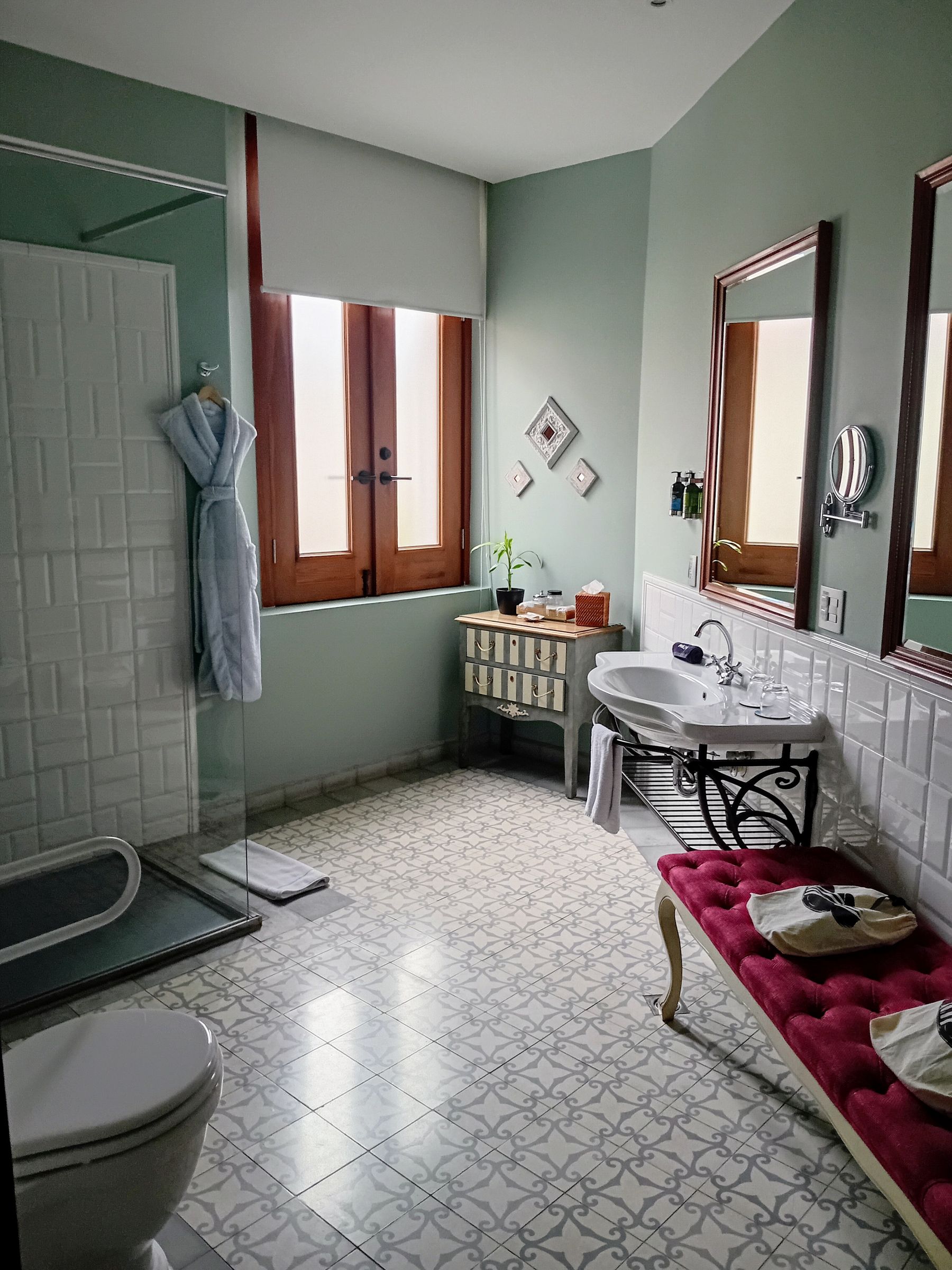
Checkerboard, small geometric mosaic, encaustic-look tile or a restrained floral pattern can give a country bathroom age and movement. Match the repeat to the room and inspect how it meets thresholds, vanities and baths. A tight motif may become noise in a tiny room, while a very small pattern can disappear in a generous one. Specify slip resistance, wet suitability and cleaning for the exact product rather than selecting it only from a photograph.
Make the Vanity Feel Like Useful Furniture
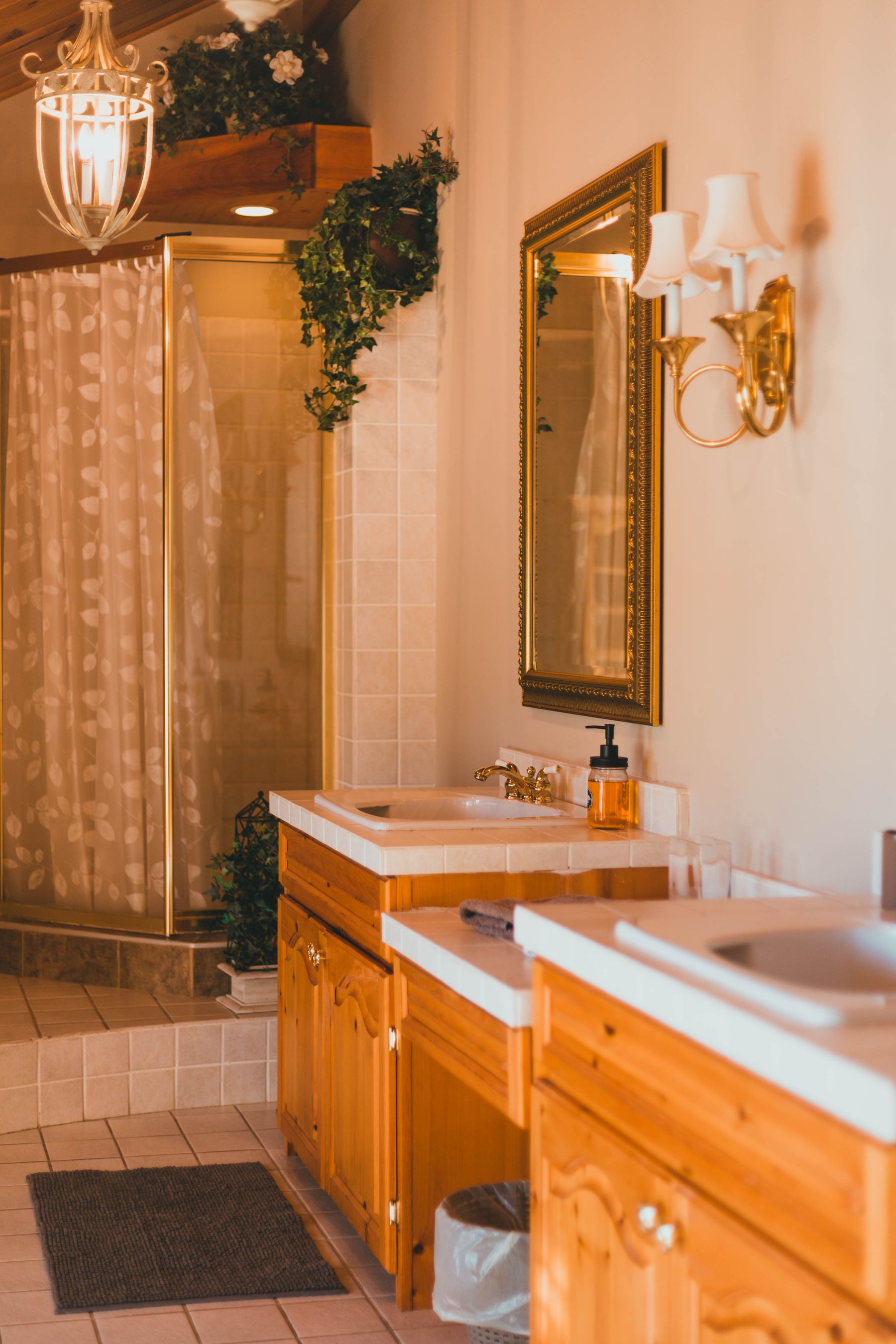
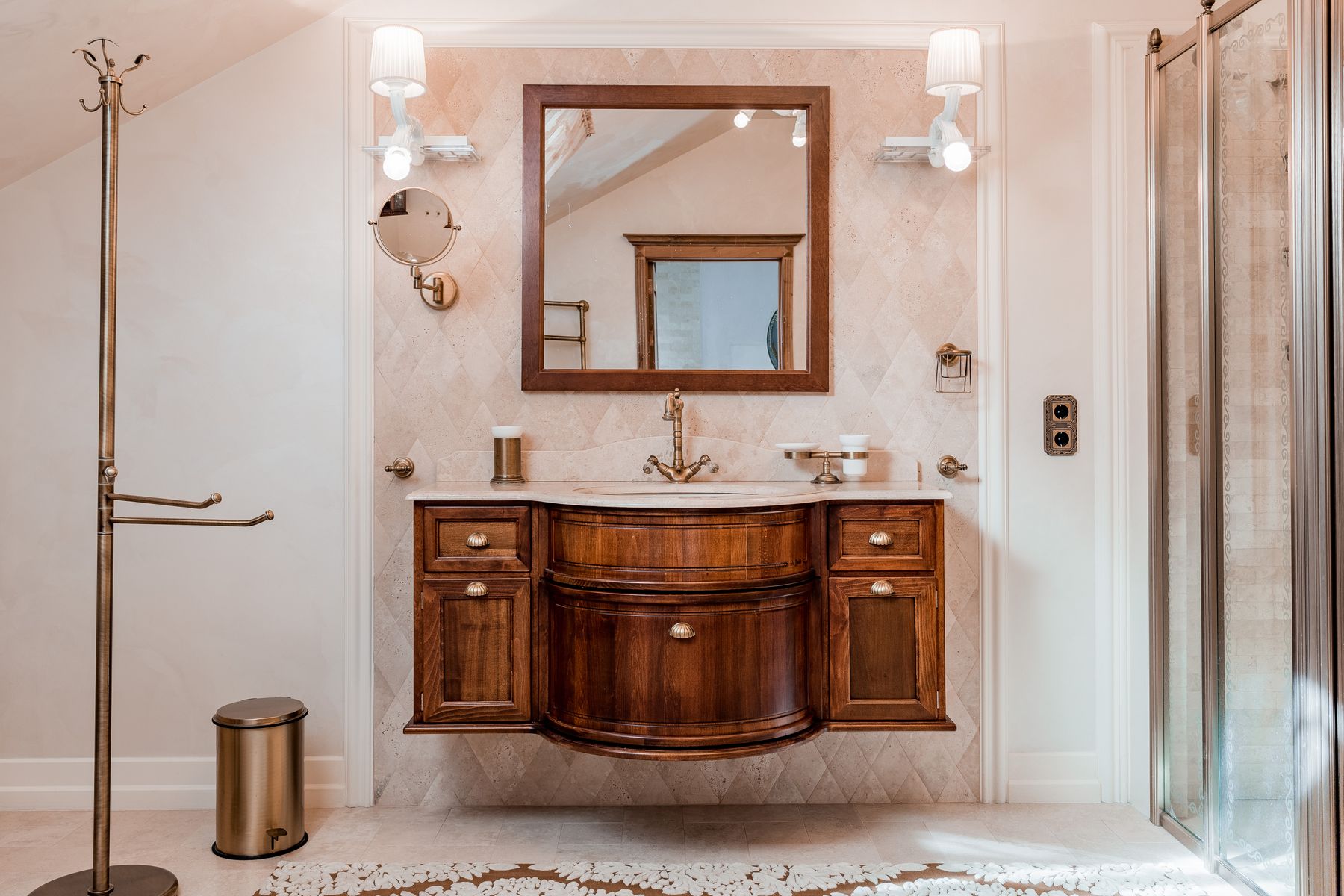
A framed cabinet, visible legs, inset doors or an adapted chest can make the vanity feel part of the house rather than a bathroom package. The inside still needs drawers, plumbing access and moisture-resistant construction. Painted cabinetry can carry muted color; timber brings grain and depth. If converting an antique, assess its structure, finished height, basin cutout, sealed edges and ability to tolerate routine splashes before making it the room's centerpiece.
Use a Skirted Basin Only Where Fabric Can Dry
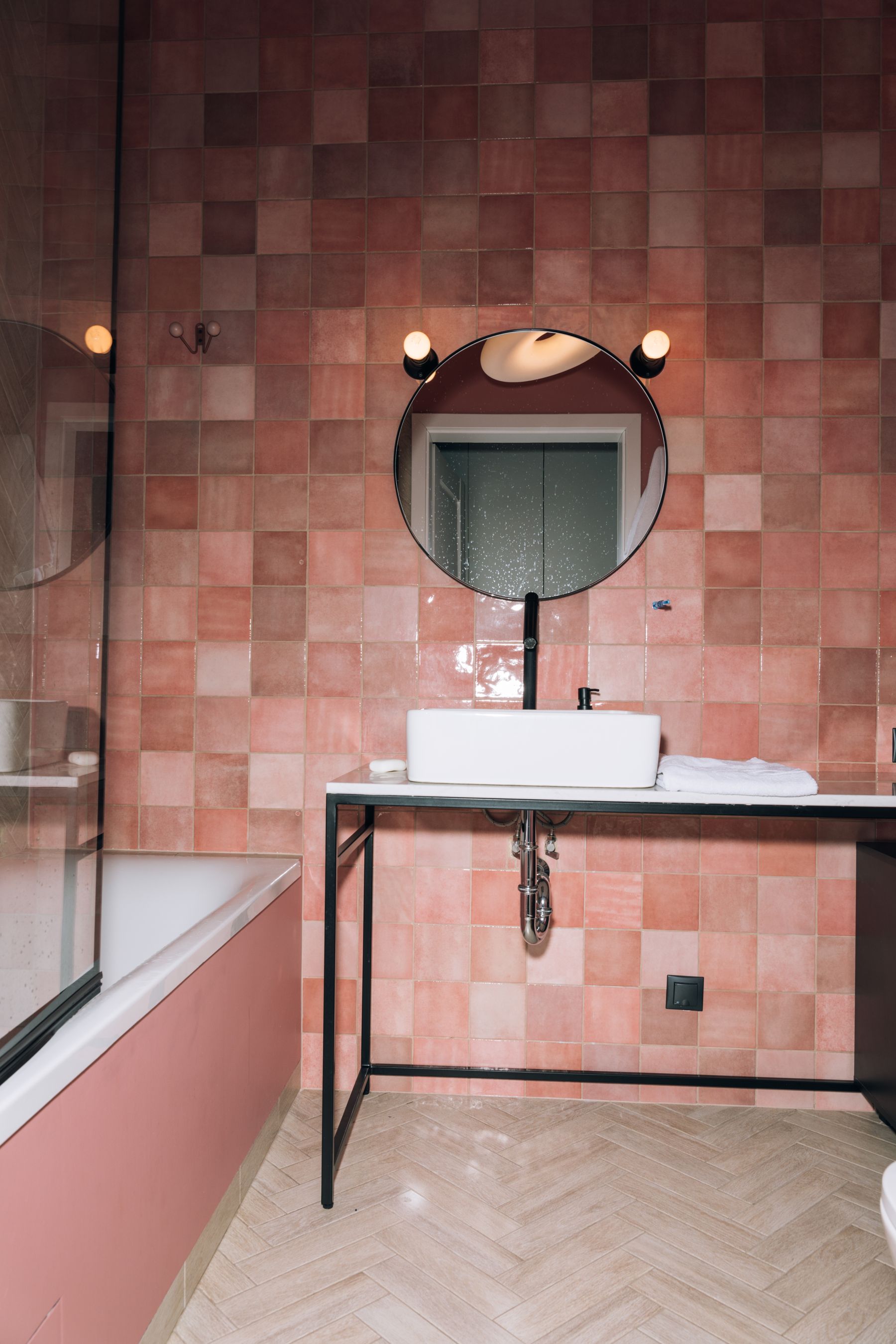
A basin skirt is a genuine country device: it brings textile into a hard-surfaced room and can hide a shallow shelf or pipes. It is not suitable beside constant shower spray, a wet floor or poor ventilation. Use washable, removable fabric with enough clearance to dry and avoid dense gathers that trap dust. The basin still needs comfortable knee and toe space, accessible valves and a practical place for daily toiletries.
Choose the Basin for Splash, Height and Cleaning
Pedestal, console, inset, vessel and apron-front basins can all fit country style. The right choice depends on splash, storage, cleaning and comfortable height. A pedestal preserves visual space but offers little storage; a console can feel light and traditional; a deep inset basin may be the most practical partner for a furniture-like vanity. Mock up vessel rim height and tap reach, and avoid exposed porous surrounds where water will collect.
Let a Classic Bath Be the Main Historic Form
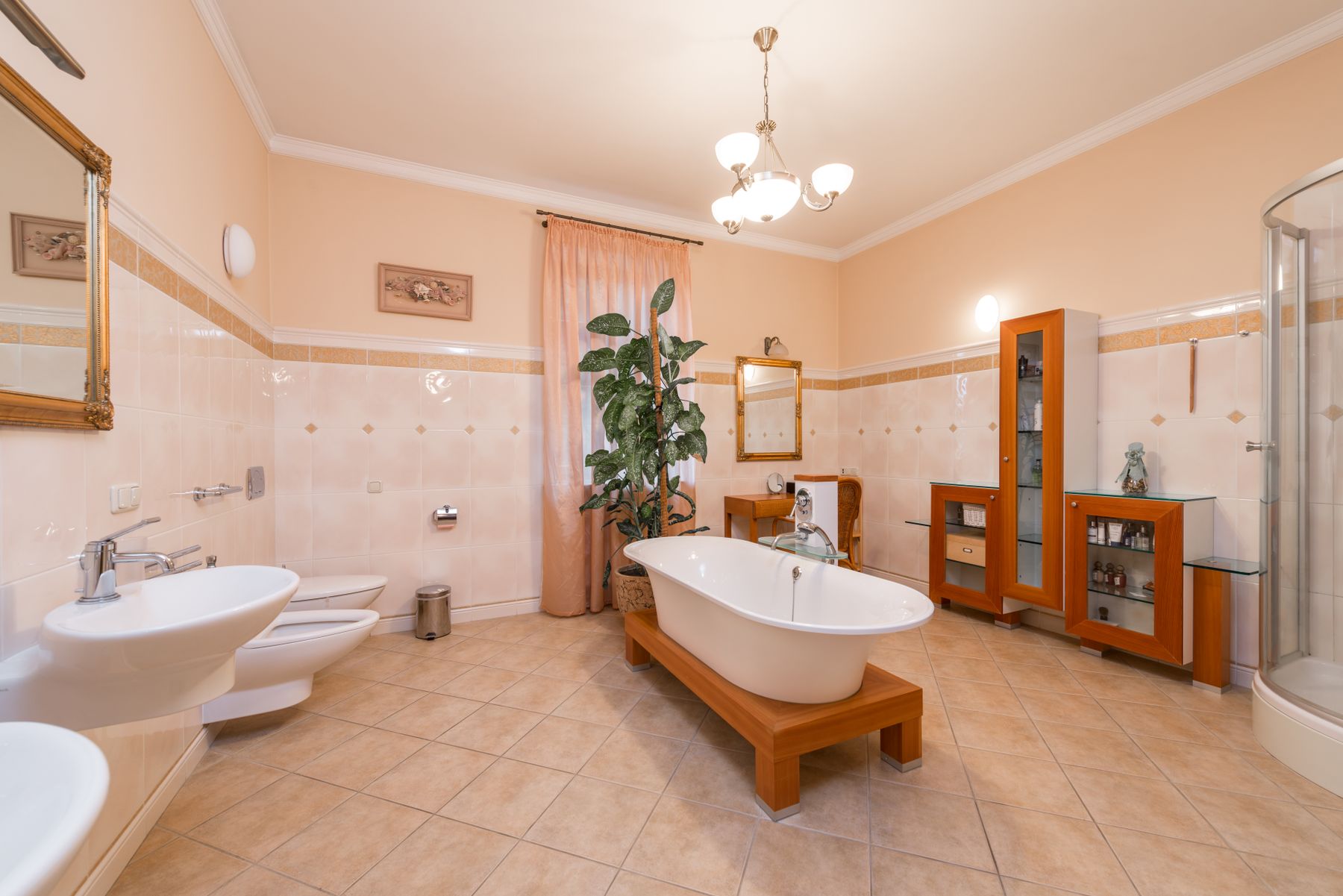
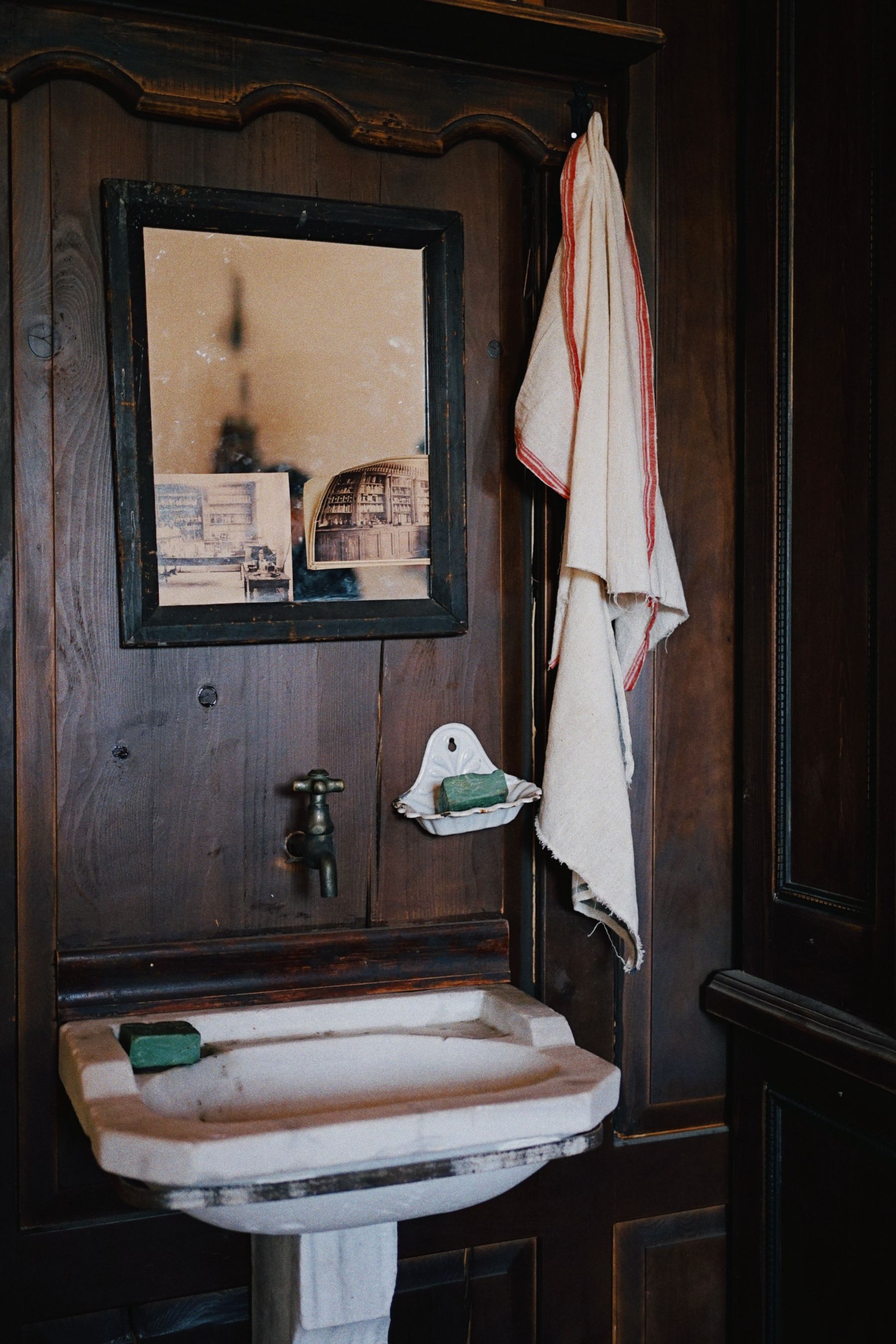
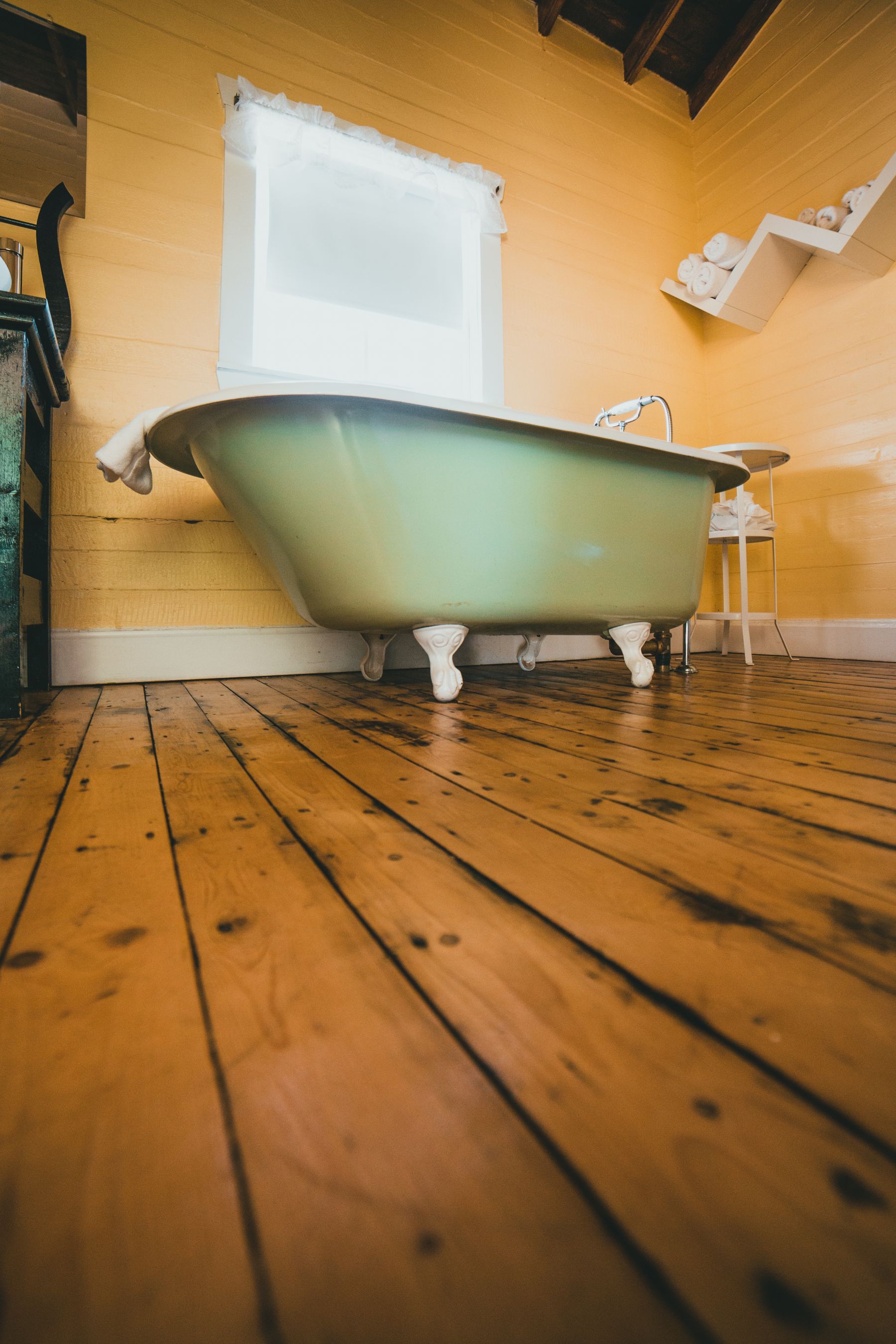
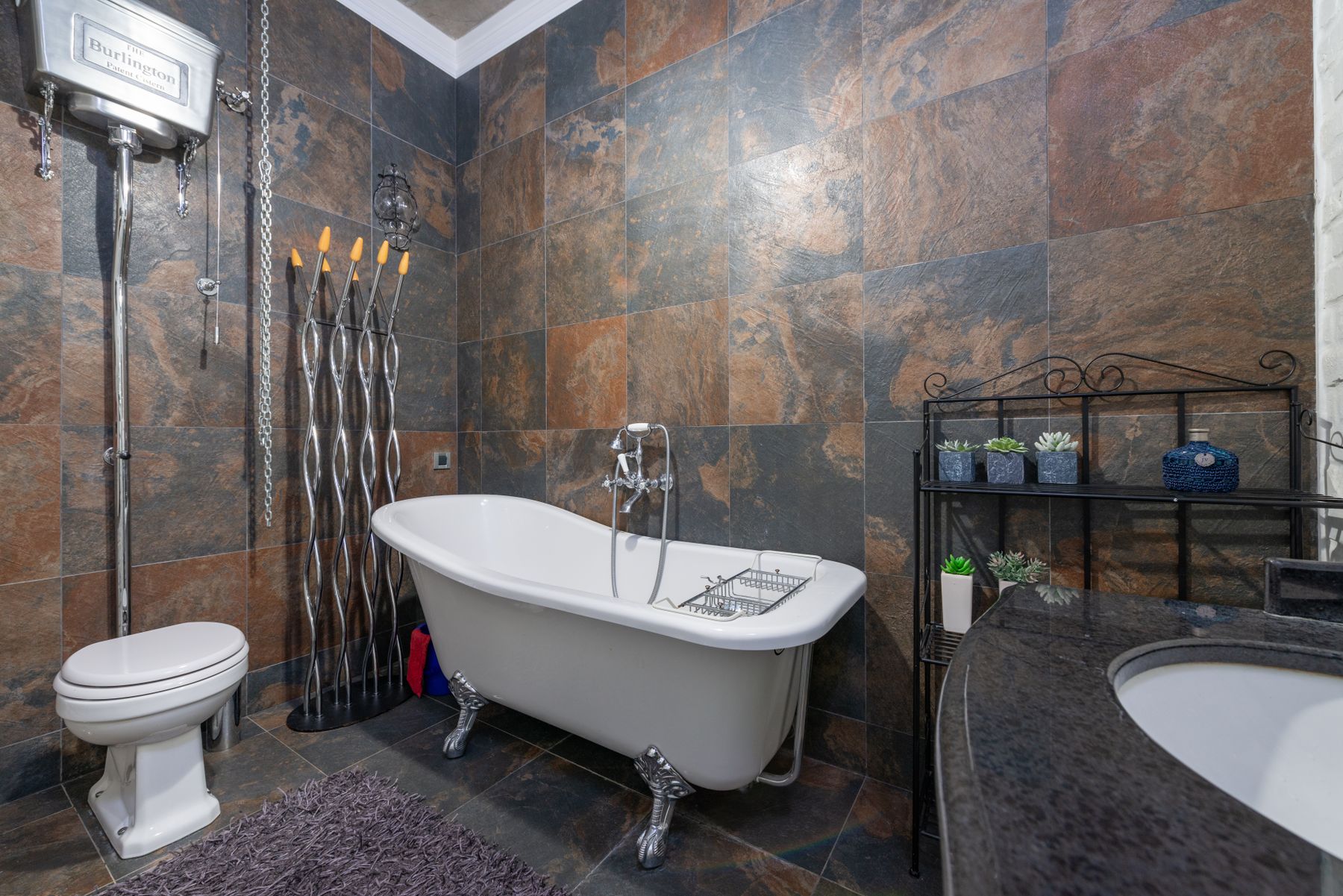
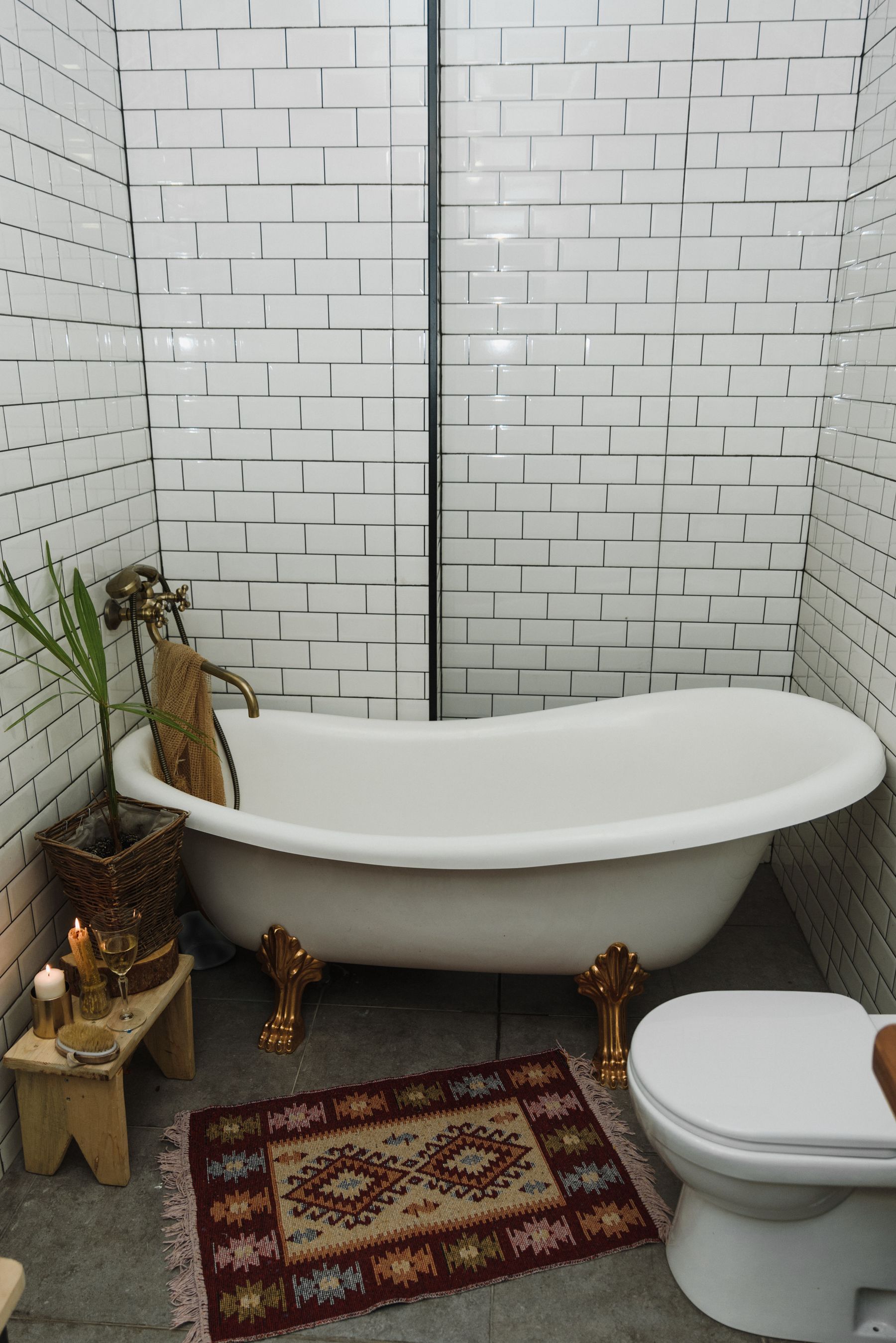
A clawfoot, roll-top, slipper or simple skirted bath can provide the clearest older-house reference. Check floor capacity, filler position, entry comfort and cleaning access before choosing by silhouette. Freestanding baths need more room than photographs suggest, while a built-in bath with a paneled apron may be better for children and routine showering. Keep nearby storage and lighting useful so the bath feels integrated rather than staged.
Keep the Shower Quiet and Technically Current
A country shower does not need exposed decorative pipework or a complicated framed enclosure. Use familiar tile, clear or lightly reeded glass and hardware related to the room's main metal. Resolve waterproofing, drainage, niches, valve access and enclosure support as one system. A low curb or level entry can improve access, but it still needs adequate falls and splash control. Keep the nostalgic layer at visible finishes, not hidden construction.
Coordinate Wood Instead of Simulating Reclaimed Age
Visible grain connects a country bathroom to furniture and construction elsewhere in the house. Choose one dominant wood family for the vanity, paneling or floor and allow only a smaller supporting tone at a mirror or stool. Compare samples beside paint and tile because orange, pink and grey undertones can conflict. Select stable cabinet construction and repairable finishes for humidity, and avoid fake saw marks or manufactured wear that has no relationship to use.
Use Stone and Brick Where They Belong to the Building
Retained stone, brick or a substantial stone threshold can make a country bathroom feel rooted in place. Newly applied veneer is less convincing when every other element is also trying to look old. Assess porosity, salts, sealing, cleaning and splash exposure before leaving masonry visible. In many rooms, a honed stone counter, sill or floor is enough. Balance rough mineral texture with smoother washable surfaces so daily care remains reasonable.
Choose Metal for Patina, Touch and Replacement
Unlacquered brass, aged bronze, nickel, chrome and blackened metal can all work. Brass and bronze add warmth, nickel bridges old and new, and black creates a firmer workmanlike line. Ask whether the finish is living, plated or coated and which cleaners are permitted. Country rooms benefit from modest variation, but random metal at every fitting feels accidental. Keep high-touch handles comfortable and use replaceable, standard components where possible.
Let One Mirror Carry the Collected Character
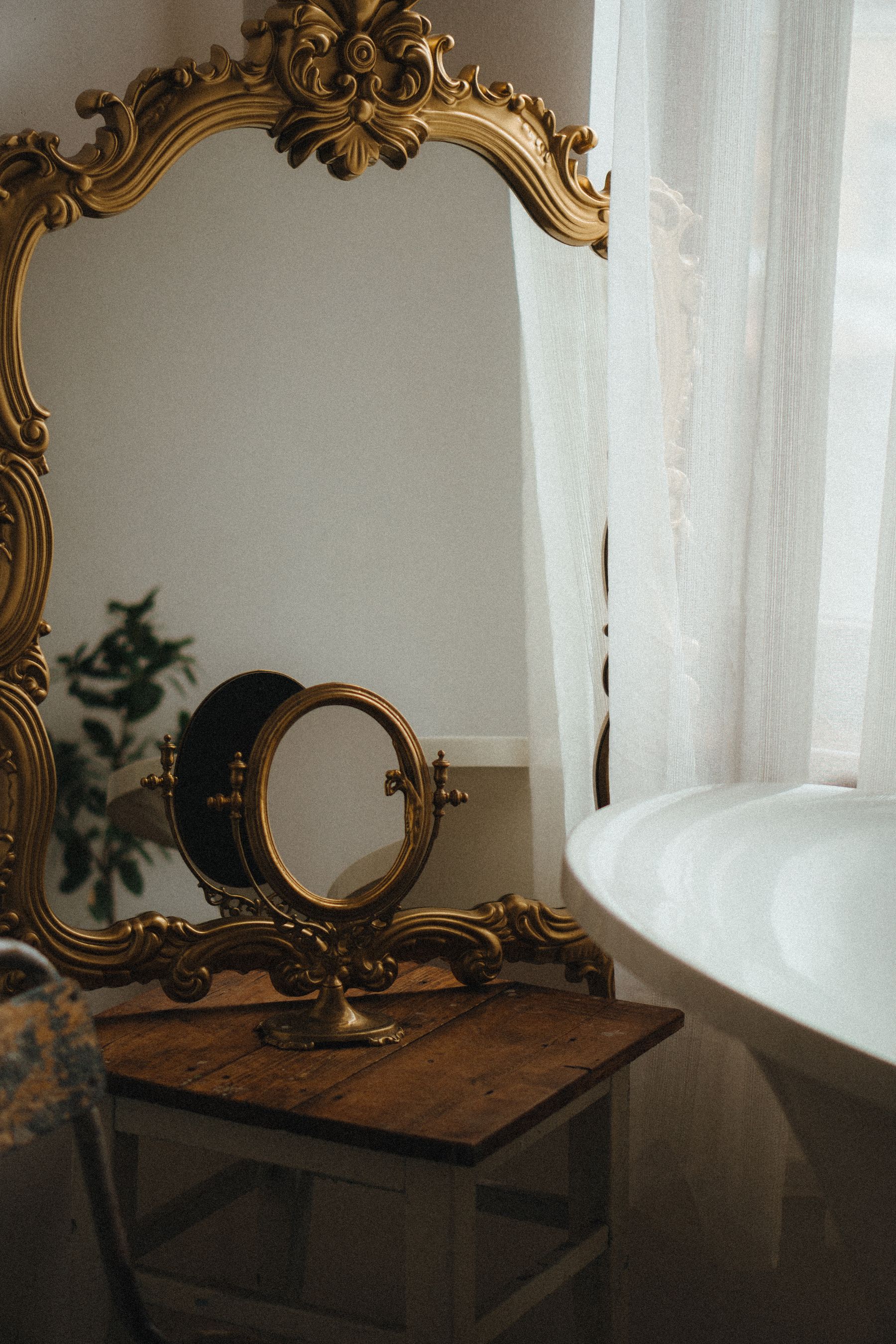
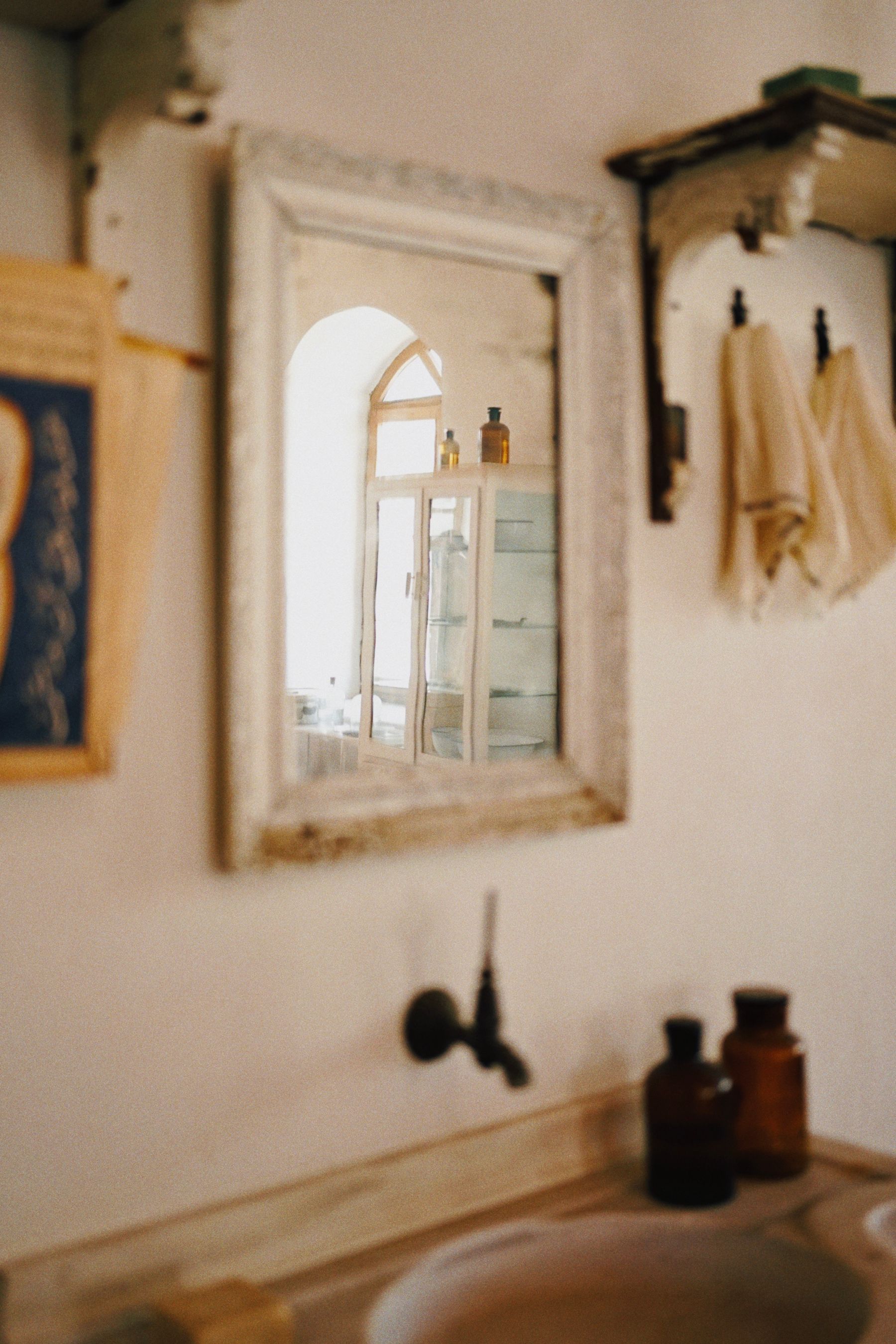
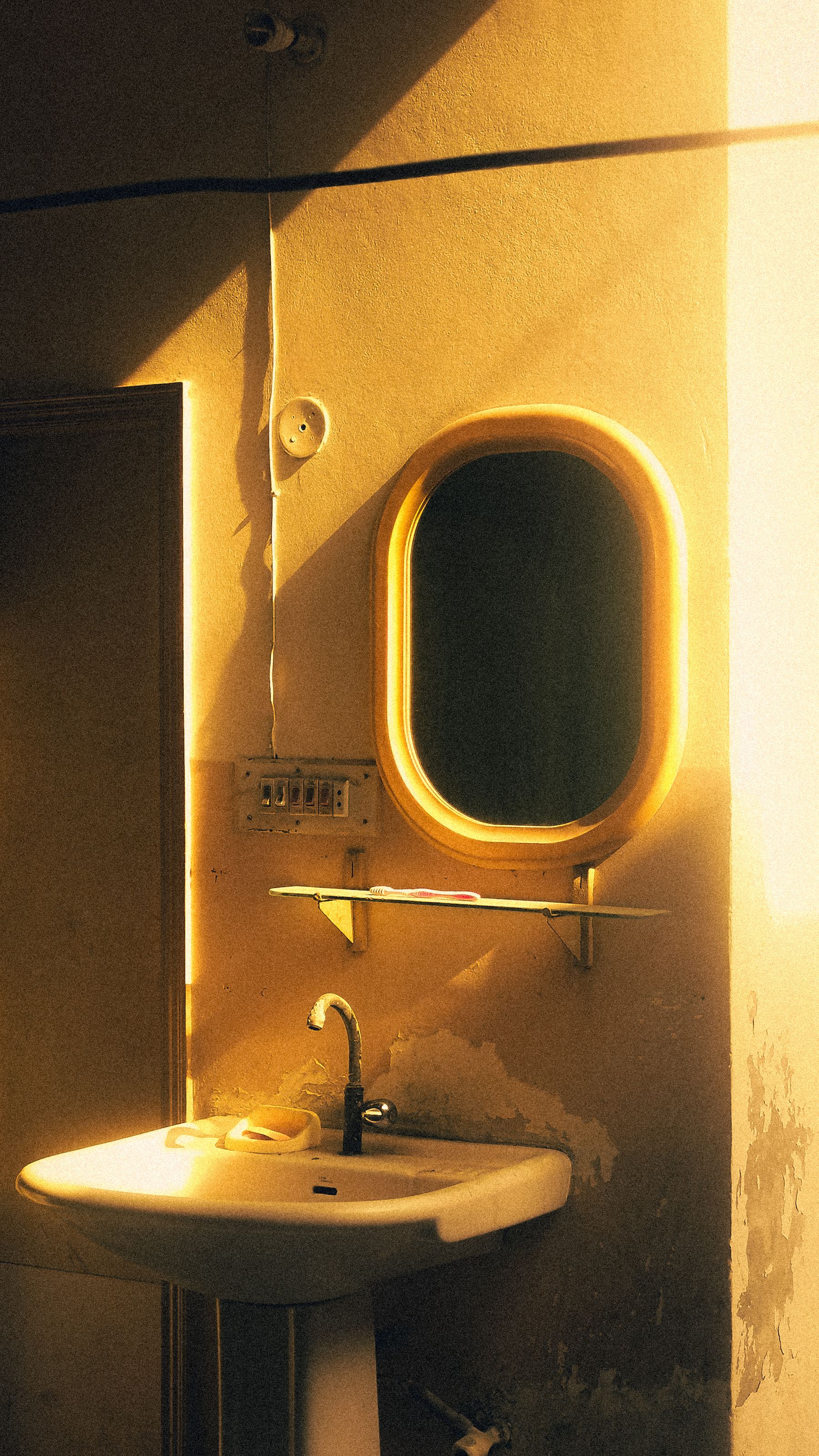
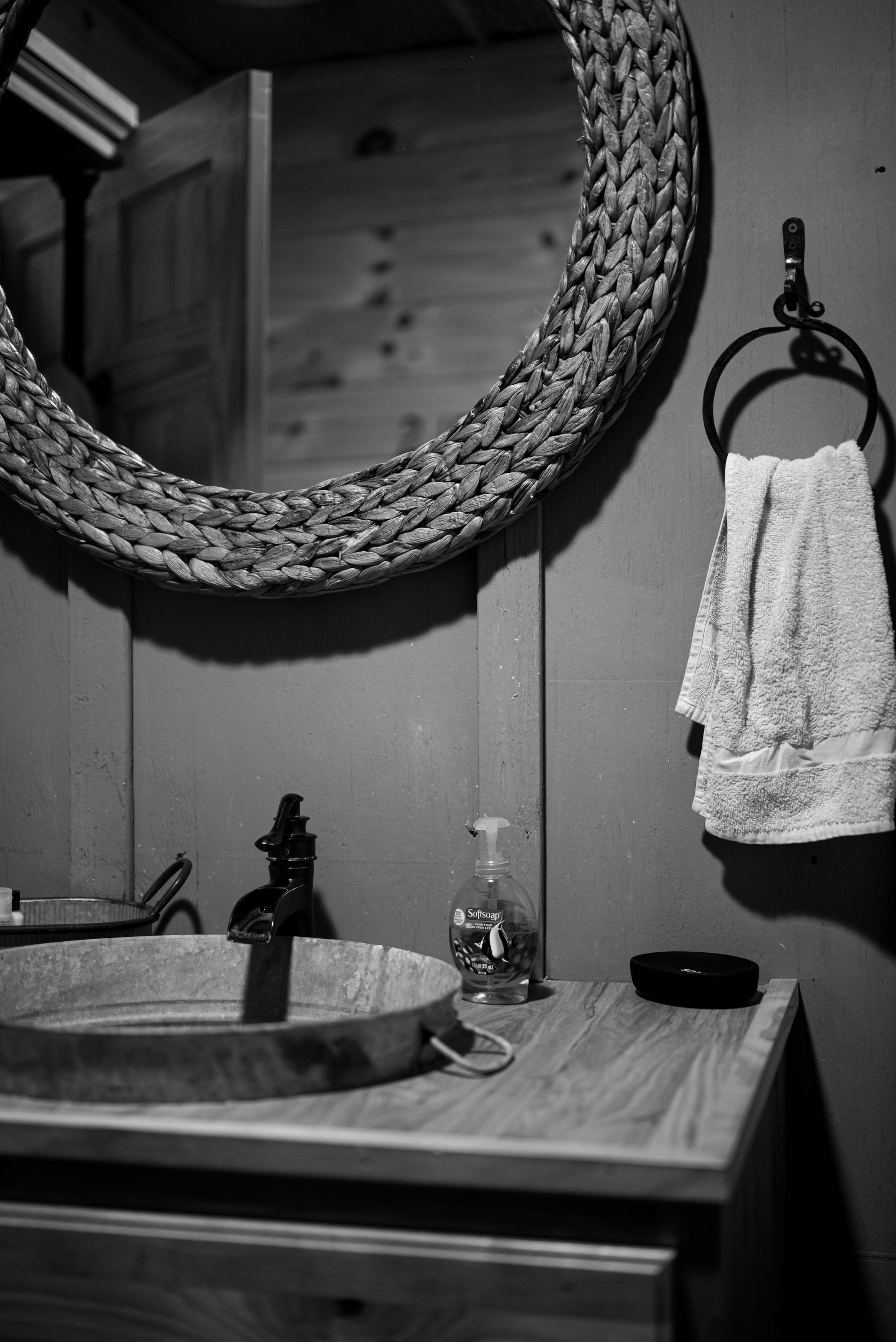
A timber, painted, gilt or aged-metal mirror is an efficient place to introduce history. Scale it to the basin and lighting, not to an arbitrary wall center. Check the reflected view so it multiplies daylight or pattern rather than the toilet and clutter. Genuine antique glass can have foxing and imperfect backing; keep it away from persistent splash and verify secure mounting. The mirror should remain useful at the required standing and seated heights.
Layer Lighting Like a Lived-In Room
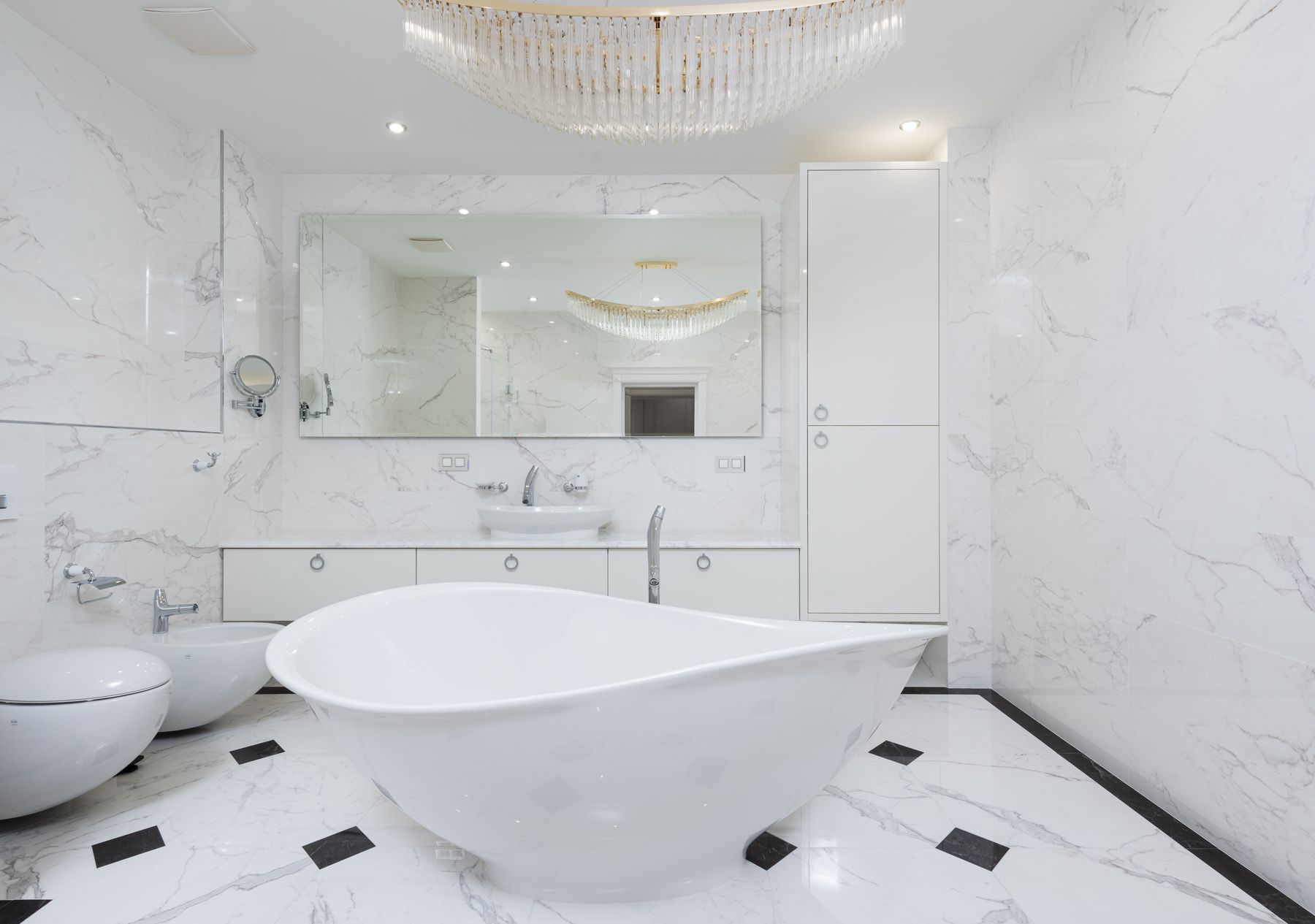
Combine ambient light with vertical illumination at the mirror and a softer source for bathing or night use. A small pendant, shaded sconce or chandelier can make the room feel domestic when ceiling height, wet-zone rules and maintenance allow it. Choose good color quality so painted joinery, wallpaper and wood retain their intended undertones. Put layers on separate controls and avoid making one decorative fitting responsible for the entire room.
Add Textile Softness Without Creating Damp Traps
Country bathrooms can accommodate a café curtain, small washable rug, basin skirt or upholstered stool in a generous dry zone. Each textile must be removable, cleanable and able to dry quickly. Avoid heavy pooling drapery, absorbent rugs beside the shower and decorative towels that crowd working rails. Patterned fabric is most useful when it repeats one color from the wallpaper or floor and provides softness rather than another independent motif.
Use a Cabinet or Hutch for Visible Domestic Storage
A shallow glazed cabinet, painted linen press or adapted hutch can store towels and supplies more gracefully than a generic tower. Measure door swing, shelf depth and the reach to every level. Ventilation around older furniture matters, and the base should not sit in a persistent wet path. Use closed storage for visual noise and reserve display space for objects that are both attractive and genuinely used, such as folded linens or ceramics.
Keep Open Shelves Edited and Reachable
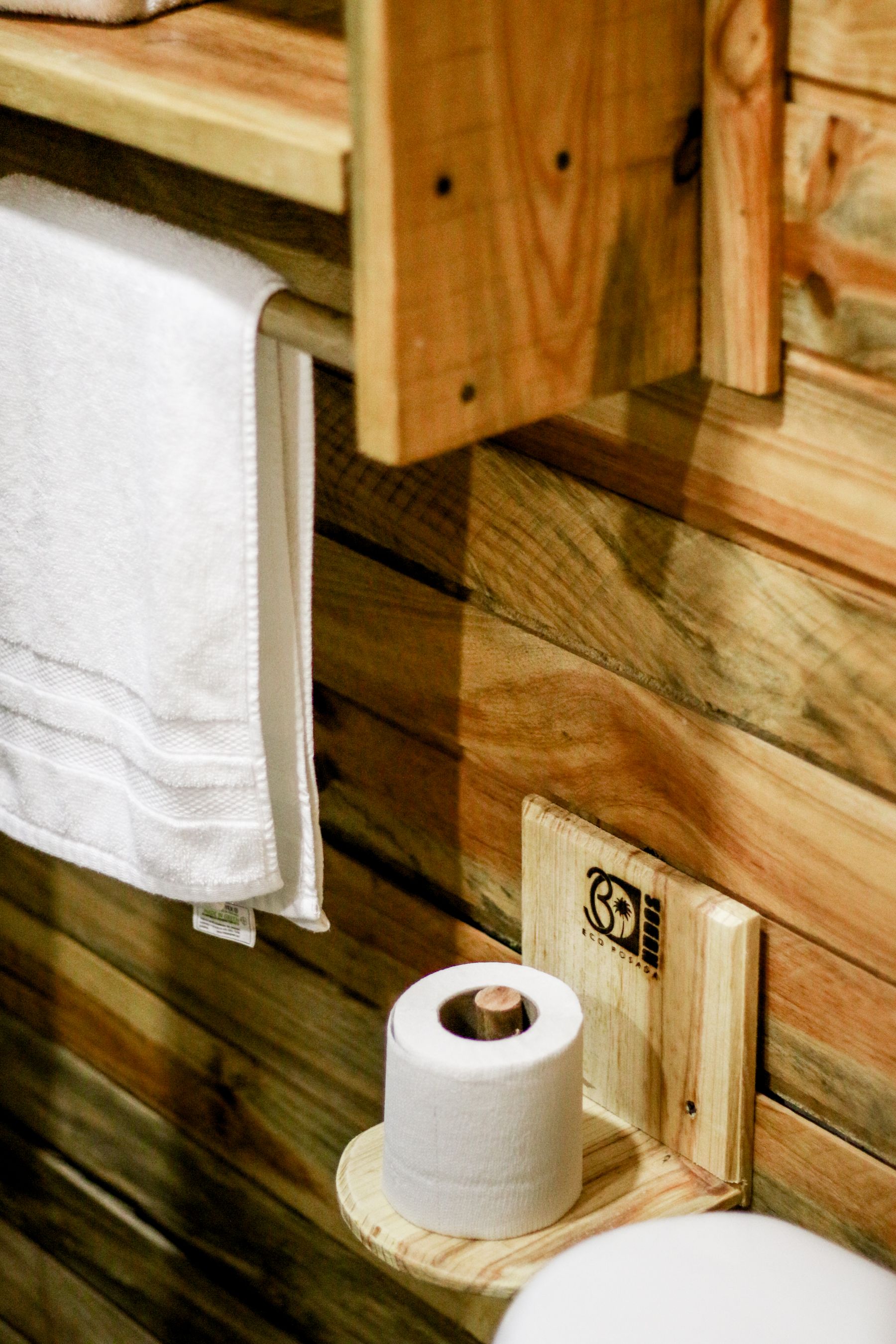
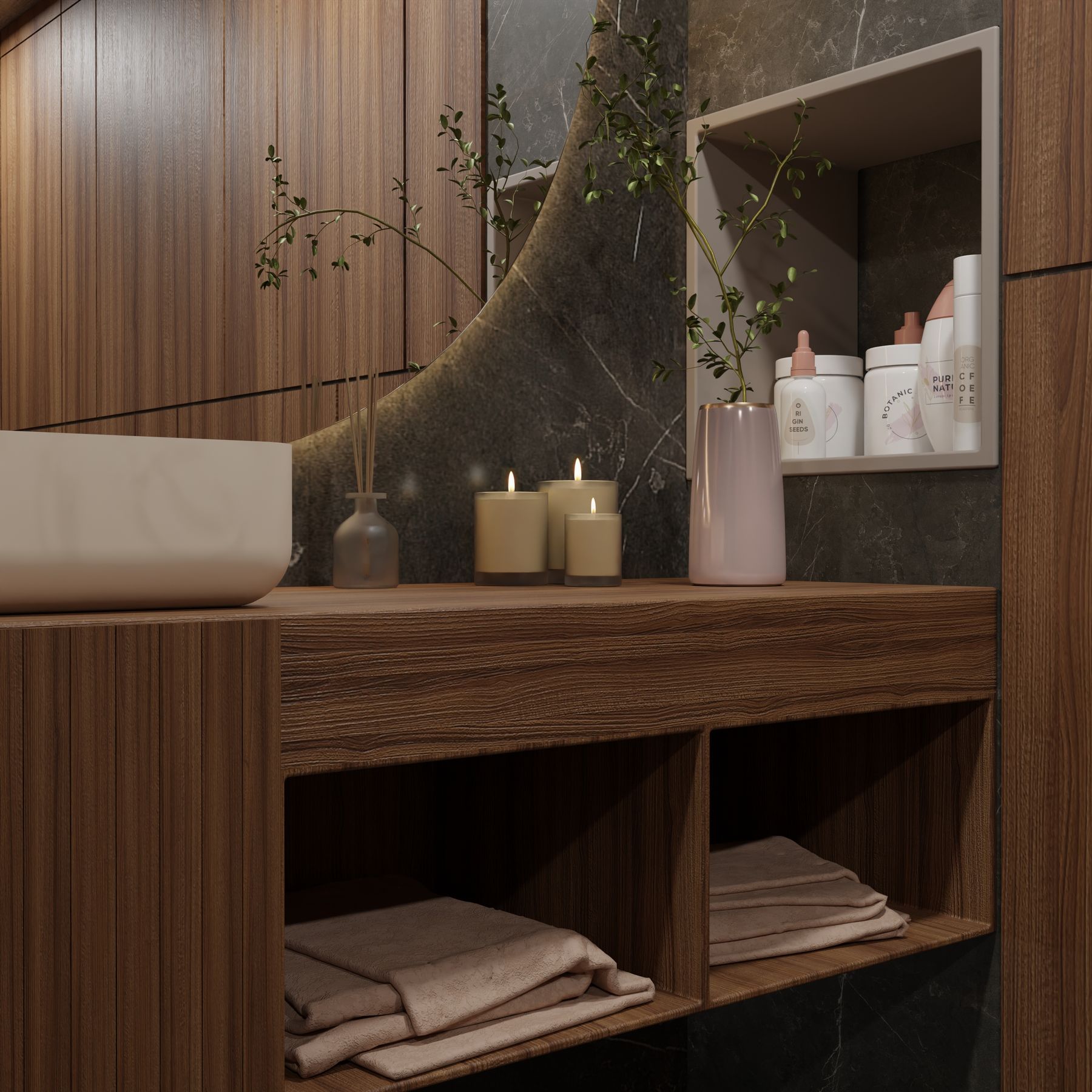
Open shelves suit country style because they resemble domestic storage, but they expose dust, labels and damp textiles. Place them outside splash, within comfortable reach and far enough apart for towels to dry. Use a small number of baskets or ceramic containers with washable liners rather than many decorative jars. If the room lacks concealed storage, solve that first; open shelves should not become the only home for medication, cleaning products and backups.
Choose Art and Objects for Memory, Not Theme
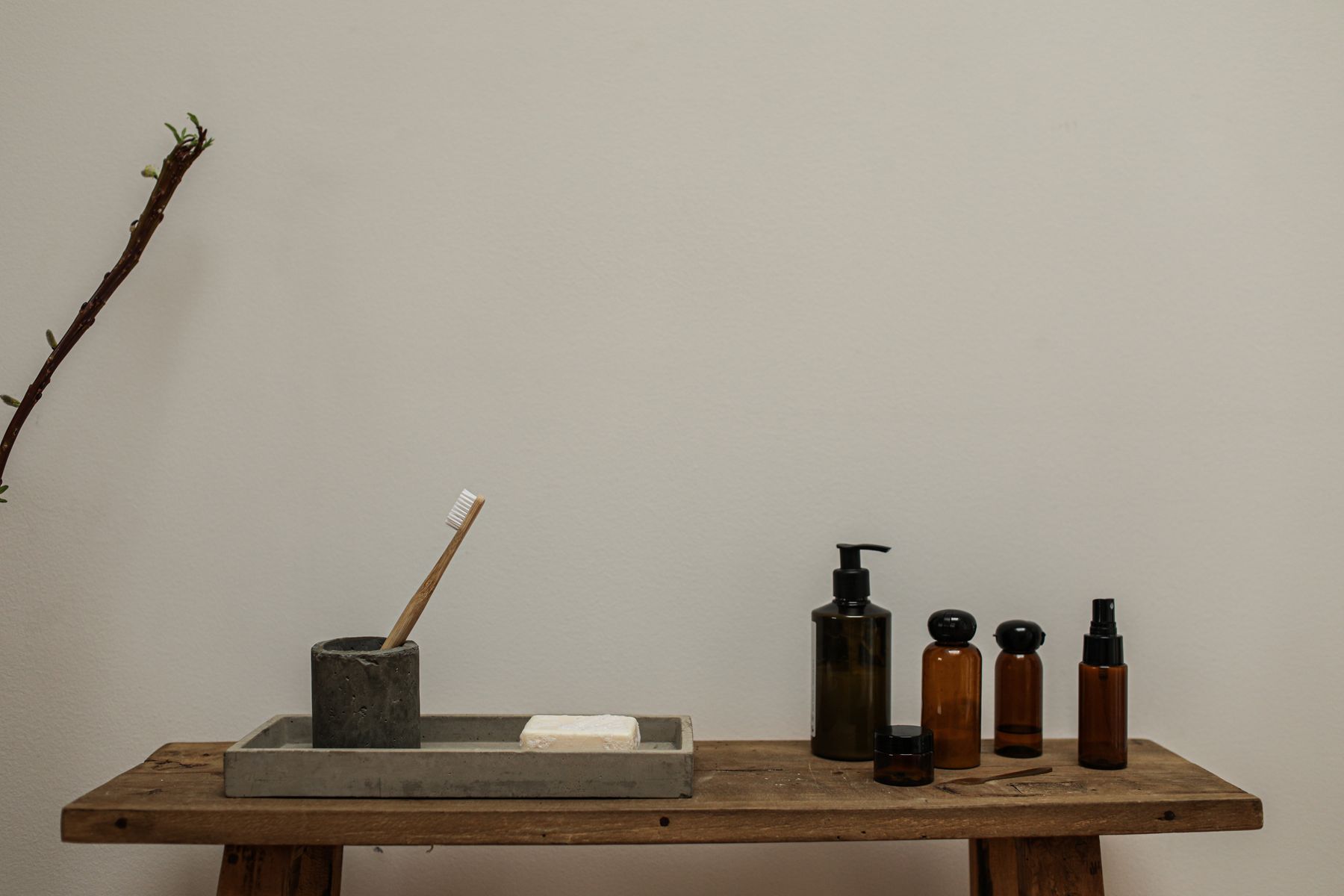
Botanical prints, a small landscape, a ceramic jug or a stool can connect the bathroom to the wider home. Avoid signs, novelty farm animals and objects added solely to explain the style. Paper and unsealed frames need distance from steam and splash; valuable originals may not belong in the room. One meaningful object with visible age is more convincing than a coordinated set of newly manufactured antiques.
Protect Privacy Without Blocking the Garden Connection
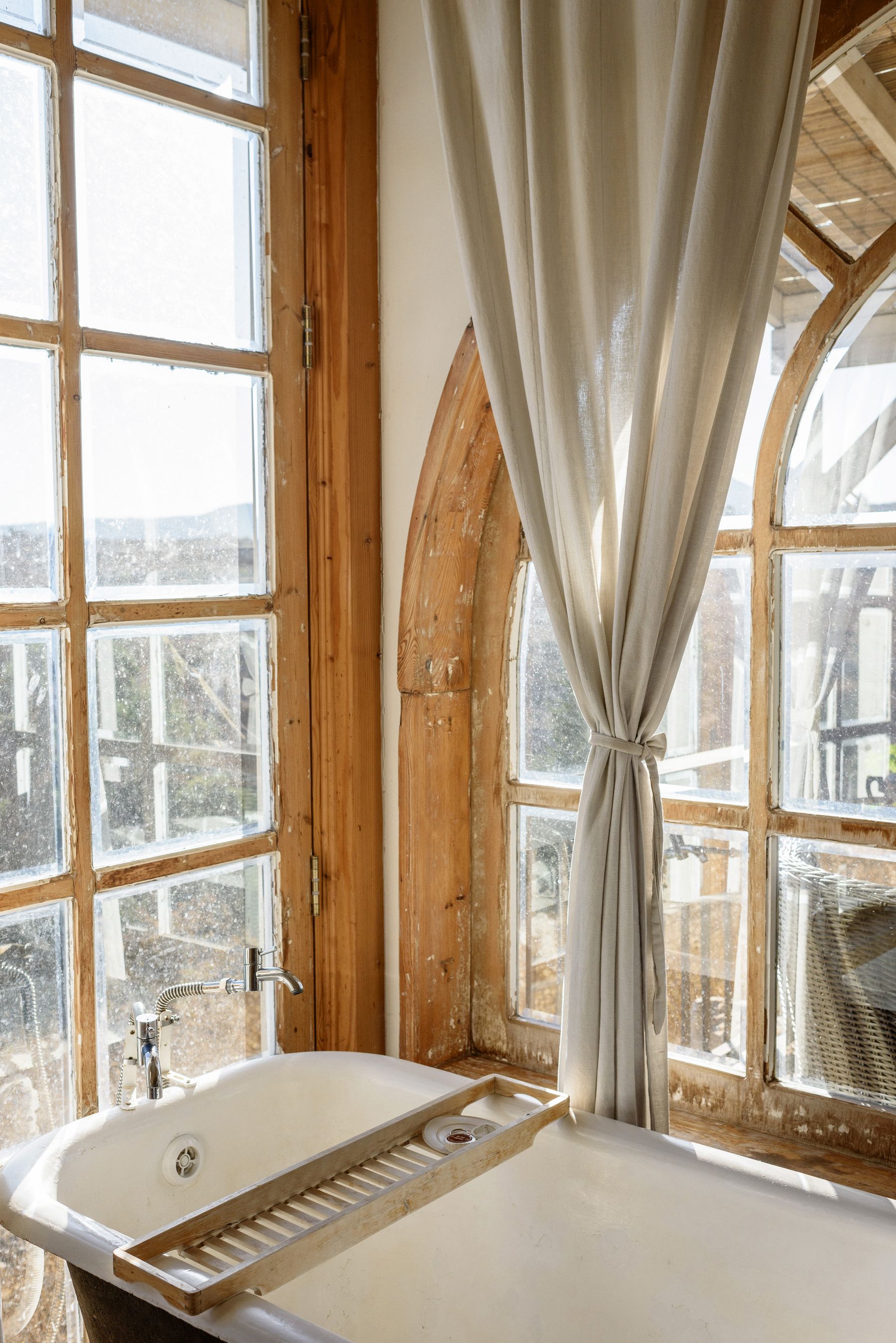
A country bathroom often benefits from a real view, but privacy must be tested from outside after dark as well as during the day. Obscured lower glazing, a bottom-up blind, café curtain or external planting may protect the body while preserving sky and greenery. Use moisture-suitable fabrics and hardware. Where the window meets a wet zone, coordinate sill fall, frame material and waterproofing before choosing the decorative treatment.
Edit the Country Language for a Small Bathroom
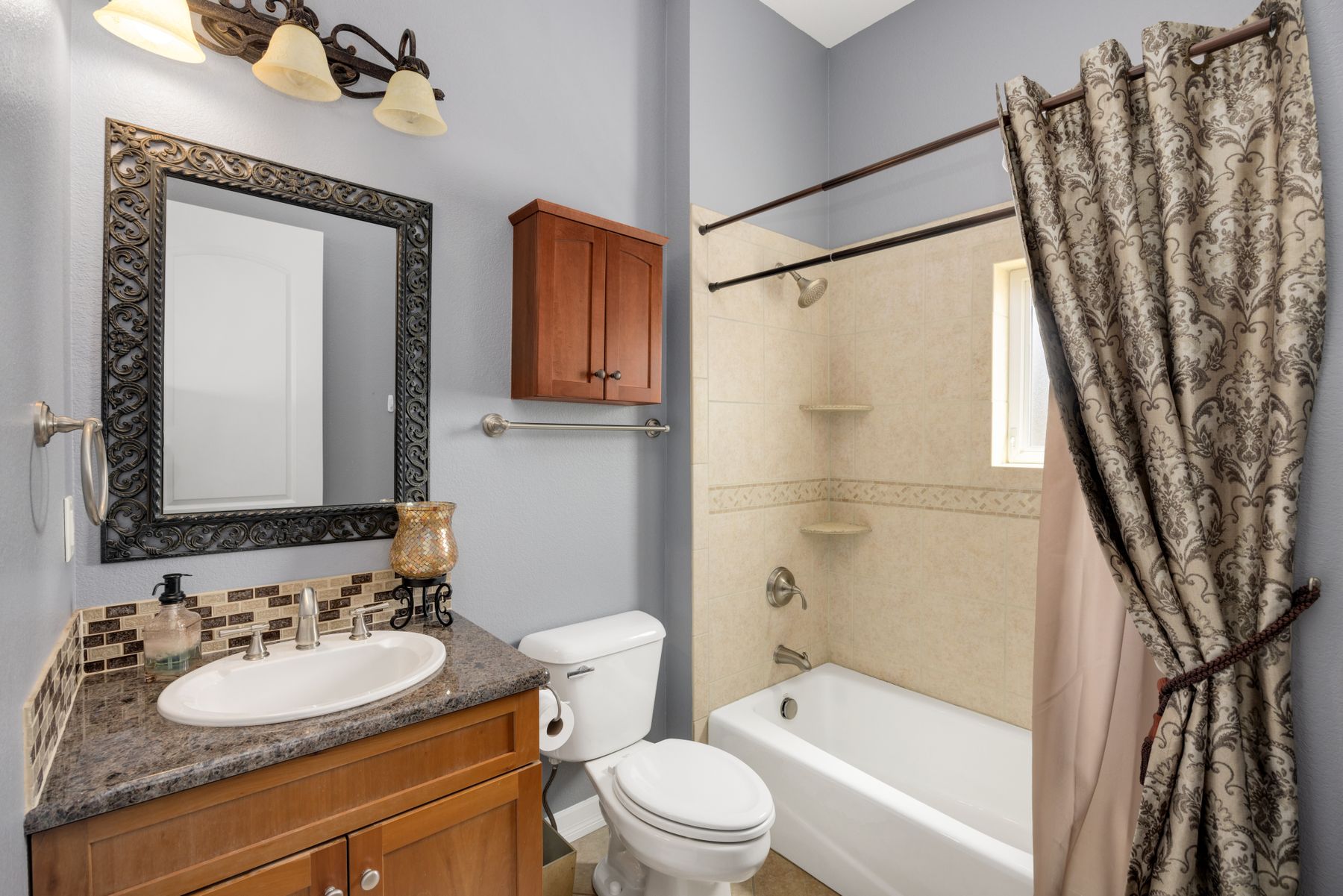
Choose one characterful element—a painted vanity, patterned floor, wallpaper or classic basin—and keep the remaining planes calm. A shallow vanity, mirrored cabinet and wall-mounted fittings can preserve floor and storage. Do not sacrifice the door swing, towel drying or cleaning access for a stool, basket and decorative ladder. Pattern can work beautifully in a small room, but repeat scale and reflected views need deliberate testing.
Use the Powder Room for Stronger Pattern
Without a bath or shower, a powder room offers more freedom for wallpaper, deep paint, framed art and an antique console. It still needs handwashing splash protection, ventilation and storage for supplies. Use the compact volume to make one coherent statement rather than stacking floral wallpaper, patterned floor, ornate mirror and decorative basin at equal strength. A darker palette can feel enveloping if the face remains well lit.
Plan a Family Bathroom Around Shared Routines
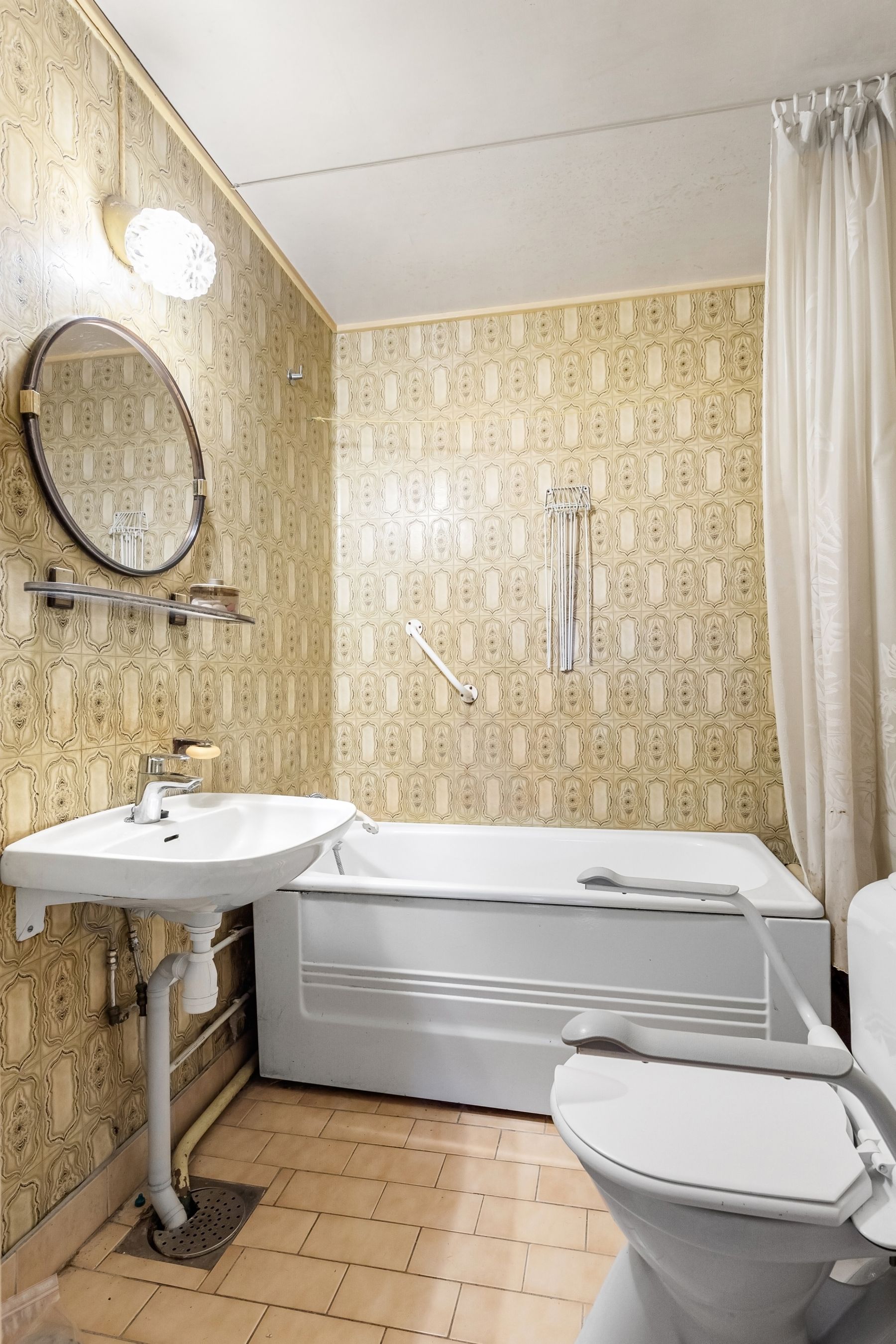
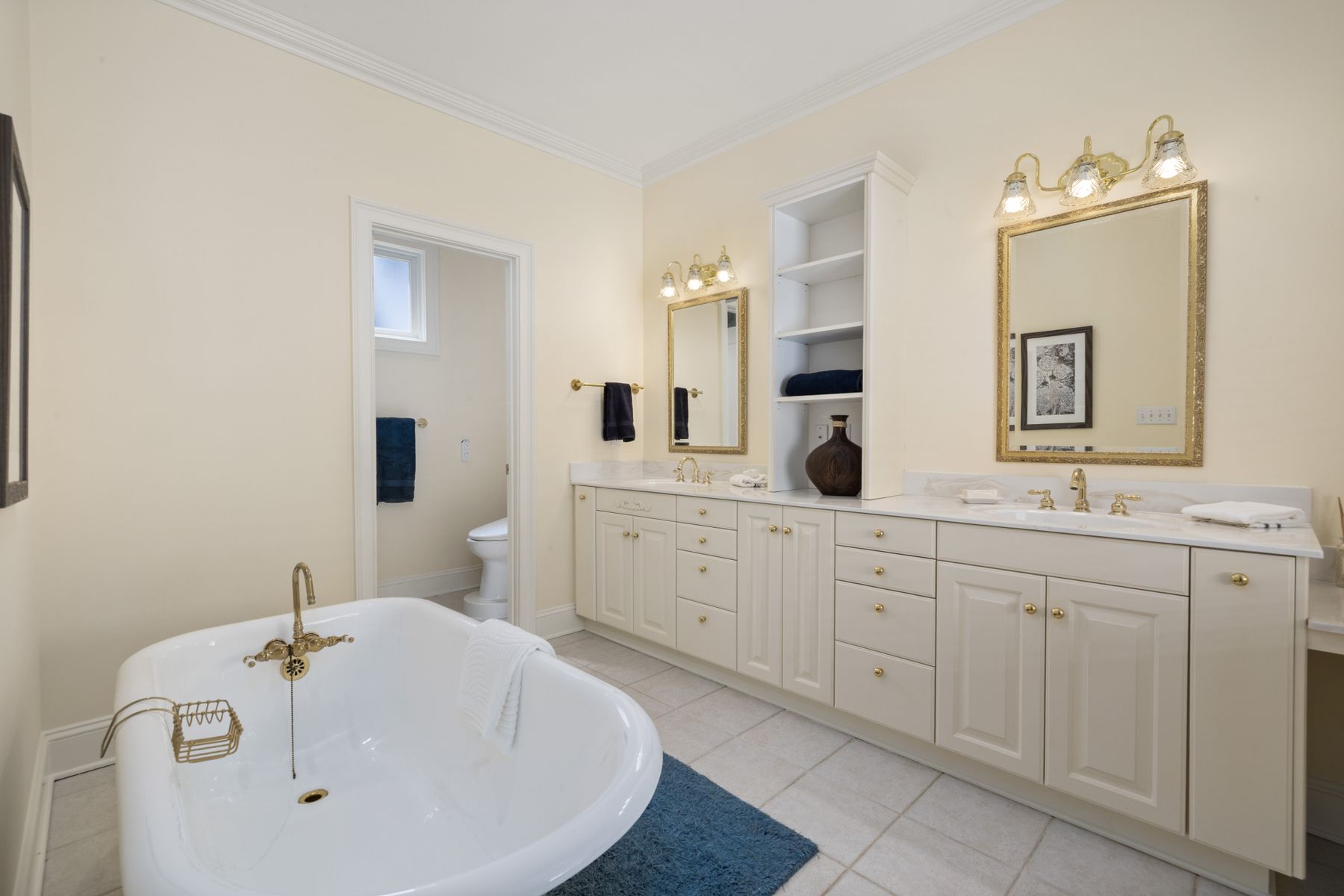
A double vanity helps only when both users have elbow room, mirror light and drawers that open without conflict. In a medium room, one generous basin and more uninterrupted counter may work better. Provide robust towel rails, concealed laundry and easy-clean surfaces at child height. A furniture-like cabinet can carry the style, while the wet zone remains simple. Family use should determine the layout before symmetry or a nostalgic fixture list.
Connect Laundry or Utility Functions Carefully
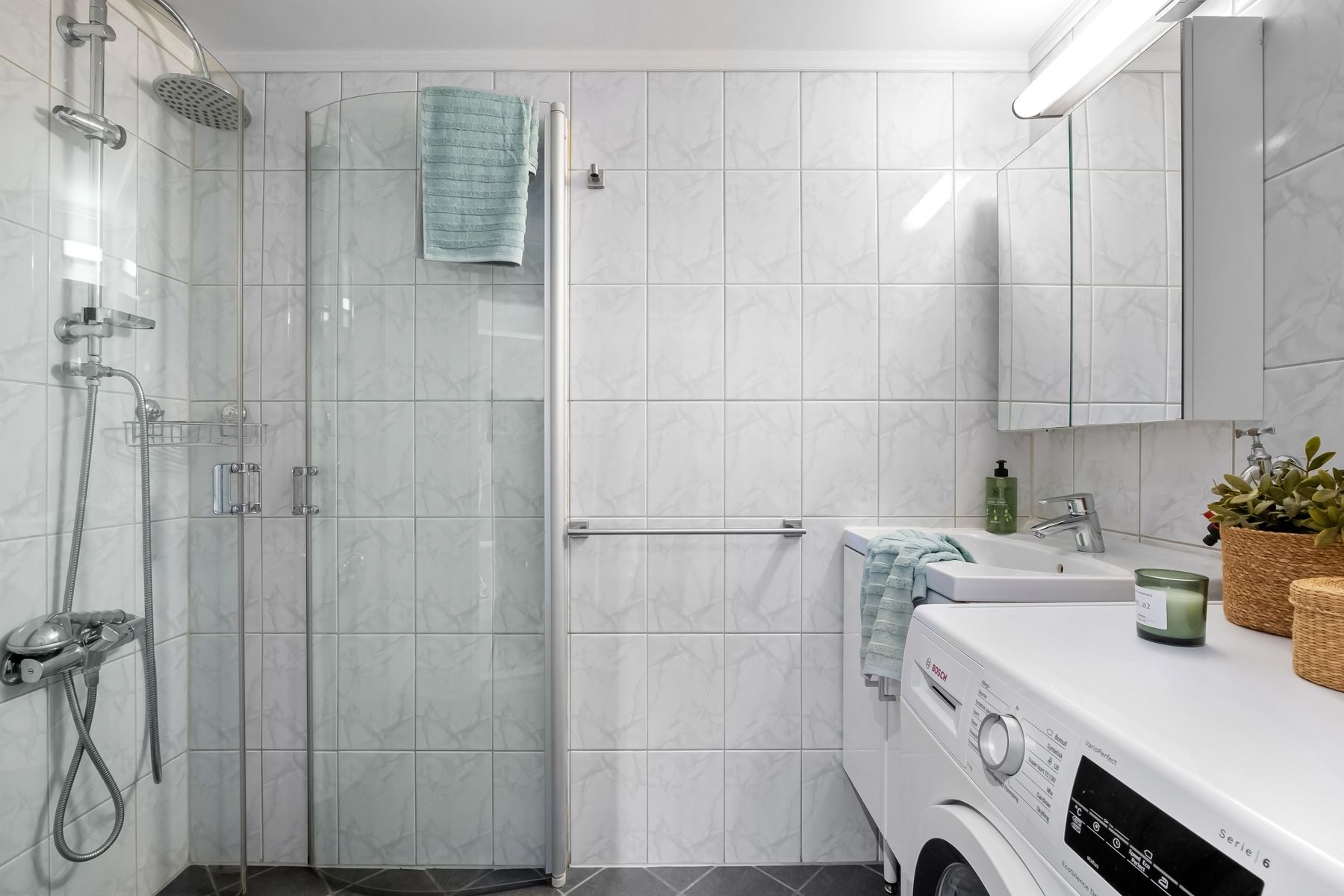
In rural and older homes, the bathroom may share space with laundry, linen storage or a mudroom route. Integrate appliances behind ventilated doors or within painted cabinetry only when service access, heat and manufacturer clearances are preserved. Separate clean towel storage from boots and cleaning products, provide a real drying location and plan acoustic control. Country practicality means acknowledging work, not disguising every machine with an unsafe furniture front.
Preserve Contrast and Support Easy Movement
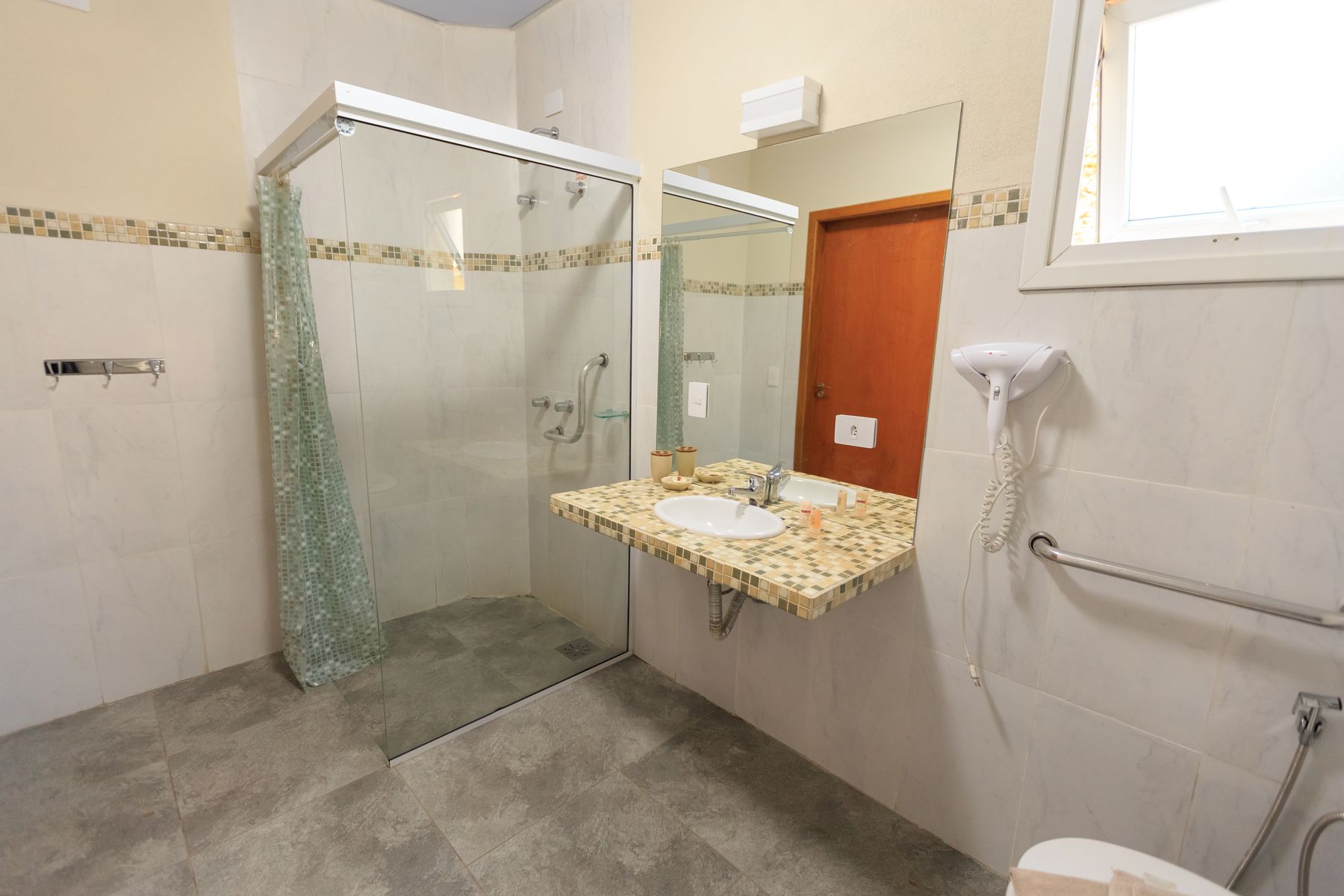
Pattern and pale ceramic can hide thresholds, controls and the edge of a basin. Maintain tonal contrast where hands and feet need guidance, and select a floor for wet traction rather than appearance alone. Plan blocking for future grab rails, reachable storage, lever controls and a stable place to sit. Older furniture must not reduce clearances or create sharp projections. A country bathroom should feel accommodating across ages, not frozen in an idealized past.
Ventilate for Wallpaper, Wood and Textiles
Wallpaper seams, panel joints, timber edges, baskets and curtains reveal humidity problems quickly. Size and duct extraction correctly, provide make-up air and use timer or humidity control where appropriate. A window may help but is not a reliable substitute for mechanical ventilation. Give towels air around them and avoid pressing antique furniture against a persistently cool wall. Technical moisture control is what allows the collected material palette to age well.
Plan Maintenance Around Honest Patina
Patina is acceptable aging; mildew, swollen boards and failed sealant are damage. Decide which materials may mellow and which must remain crisp. Living metal, natural stone, wallpaper, painted wood and antique furniture each need different care. Keep product guidance, provide access around freestanding fixtures and avoid collections that must be moved for every wipe. A country bathroom should become richer through use, not steadily harder to clean.
Finish With the Collected-Not-Themed Test
Mentally remove the signs, miniature farm objects, decorative ladders, matching jars and deliberately distressed accessories. If the room still feels warm, domestic and settled, the permanent choices are doing real work. If not, improve one relationship: vanity and floor, wallpaper and paneling, bath and window, or mirror and light. Then check storage, splash zones, clearances and care. Country character should be readable without a caption naming the style.