Choose a Regional Lane Before Choosing Tile
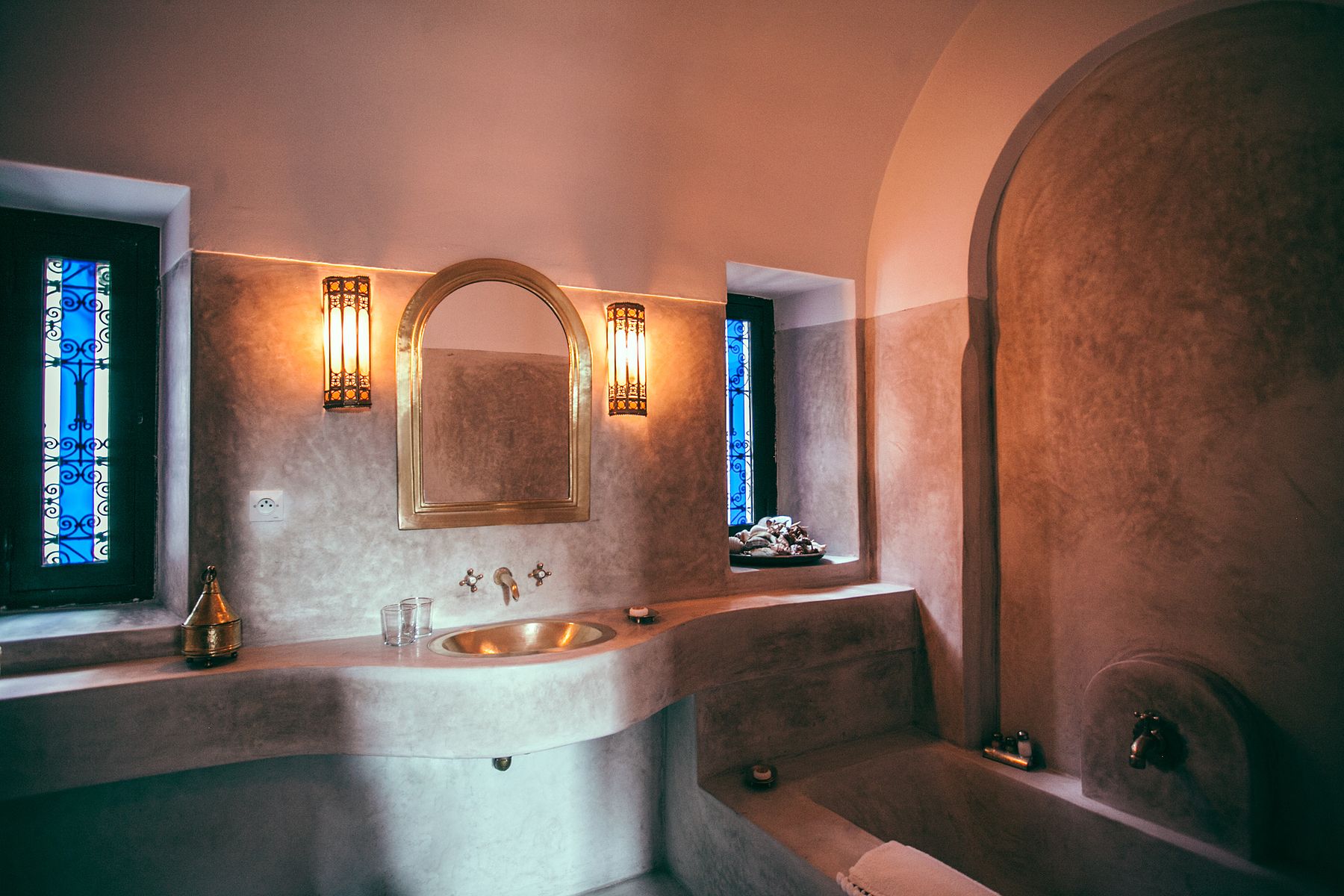
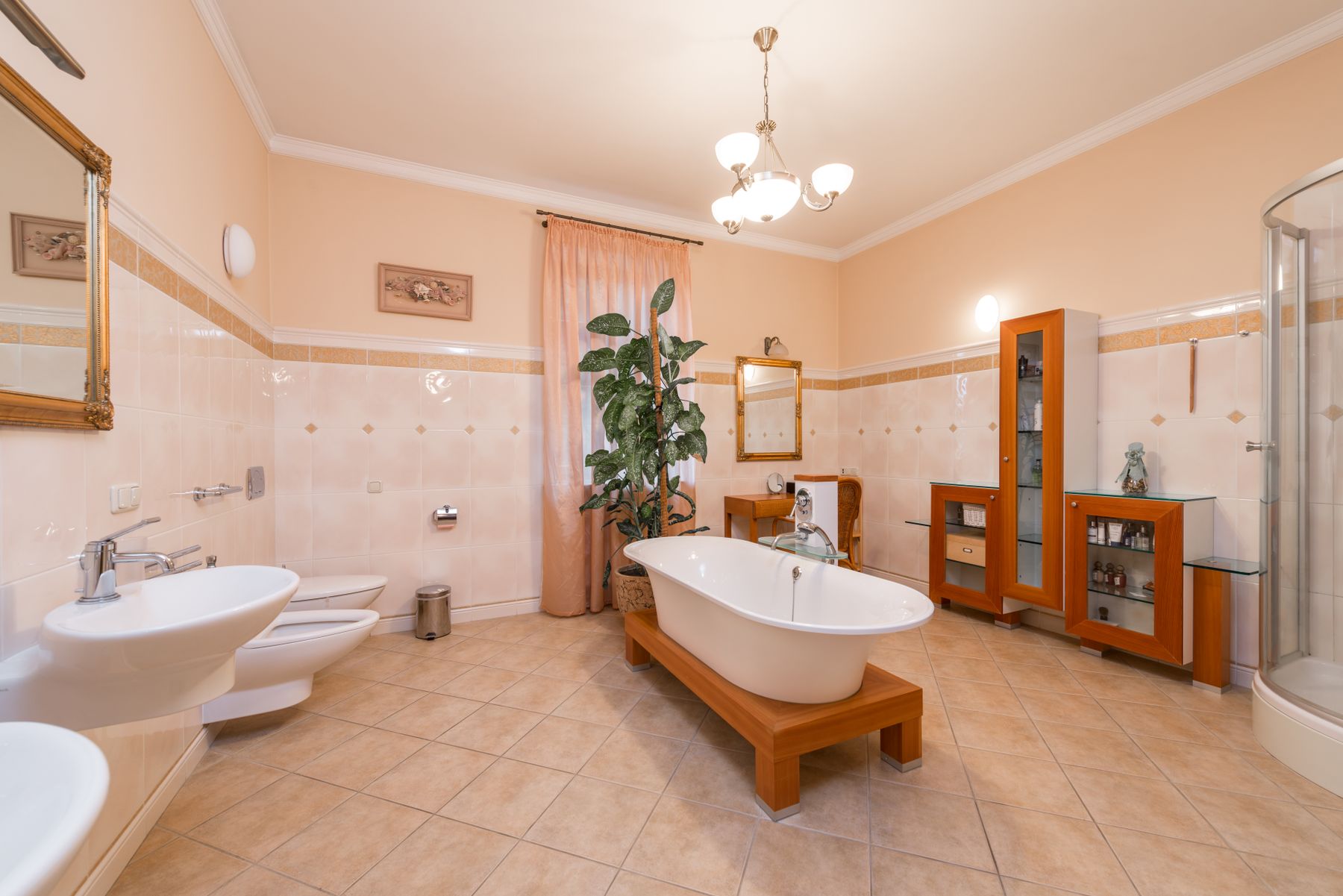
Decide whether the room should lean Aegean and chalky, Italian and stone-led, Iberian with clay and patterned tile, or North African with tadelakt, zellige and deeper color. These traditions overlap through climate and craft, but their proportions and ornament differ. Choose one dominant lane and allow at most one secondary influence. A Greek-island palette, Moroccan arch, Provençal floral and Spanish patterned floor at equal strength create a travel collage rather than a believable room.
Build the Palette From Sun, Earth and Shade
Start with chalk, sand, limestone, clay or sun-baked beige, then add one earth or vegetation tone such as terracotta, olive, ochre or tobacco. Reserve blue or green for a deliberate regional cue instead of making either compulsory. The palette should contain a sunlit value, a mid-tone natural material and a shadow color that gives edges definition. Compare every paint and grout sample with the actual sanitaryware because its cool white can expose unwanted yellow or pink undertones.
Warm White With Texture, Not Artificial Age
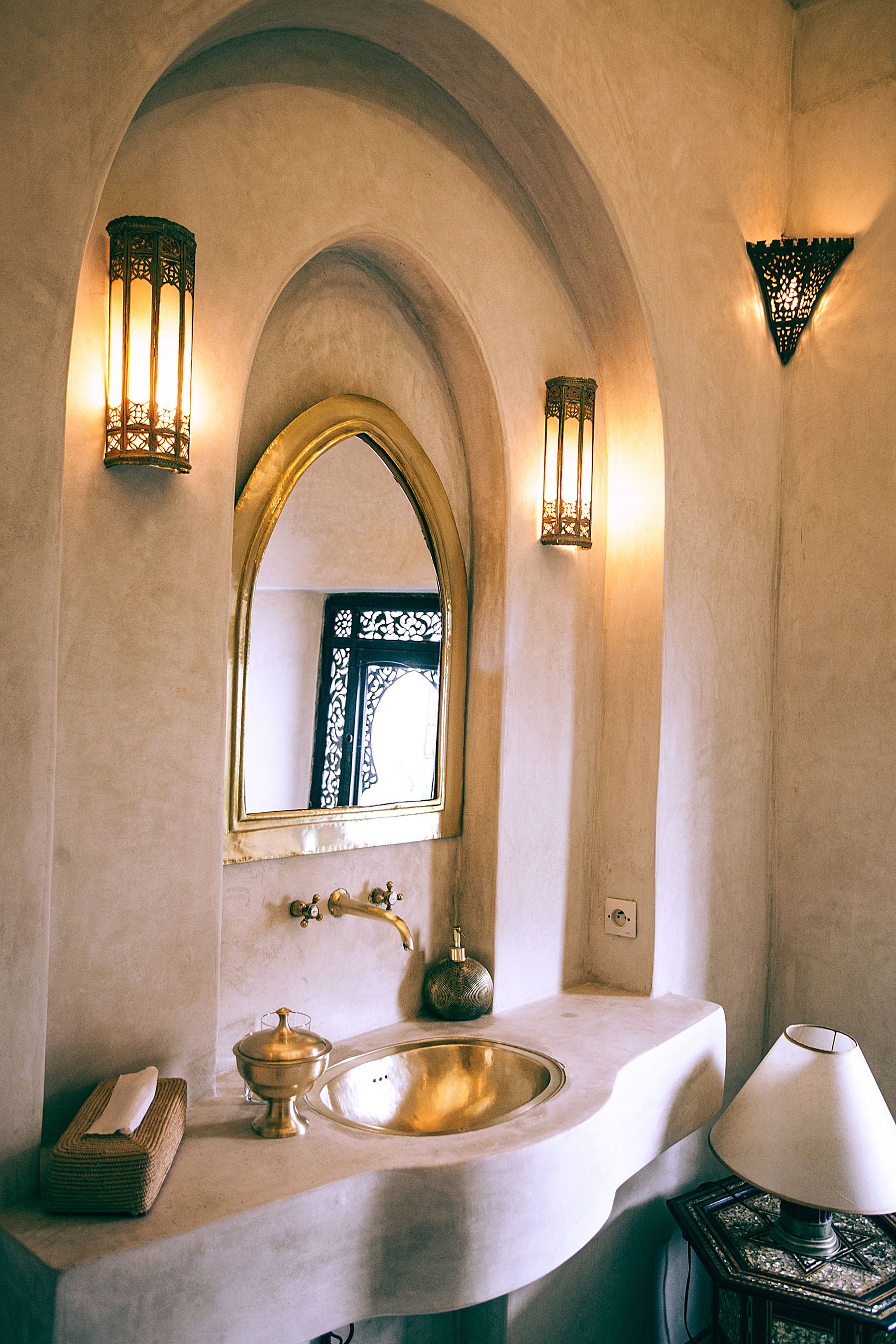
Chalky white, lime, cream and pale sand create the bright base associated with Mediterranean architecture, but flat brilliant white can feel clinical. Introduce movement through a suitable mineral paint, textured dry-zone plaster or irregular tile glaze. Do not simulate centuries of wear with fake cracks or dirty washes. The strongest rooms combine visibly handmade or mineral surfaces with crisp sealant, reliable waterproofing and cleanable edges, allowing real light and shadow to create age-like depth.
Specify Tadelakt or Plaster as a Complete System
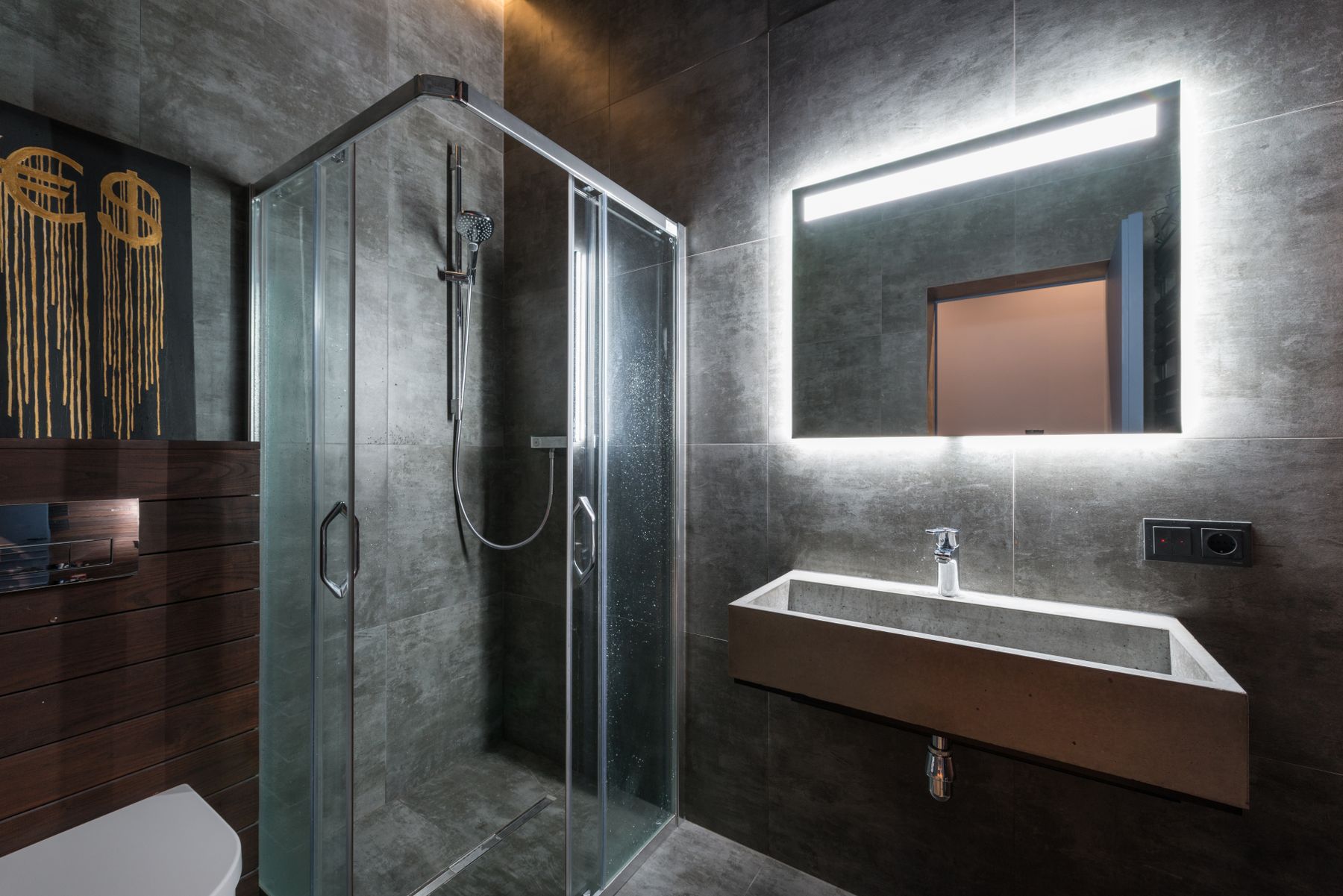
Tadelakt is a specialist polished lime finish traditionally associated with Moroccan bathing spaces; ordinary decorative plaster is not an equivalent shower system. Confirm installer experience, substrate, waterproof layer, corners, penetrations, curing, soap treatment, cleaning and future repair before specifying it in direct wet exposure. In lower-risk zones, mineral plaster or paint can provide similar visual softness with a simpler maintenance profile. Never infer waterproof performance from a seamless appearance.
Use Terracotta Where Porosity Is Understood
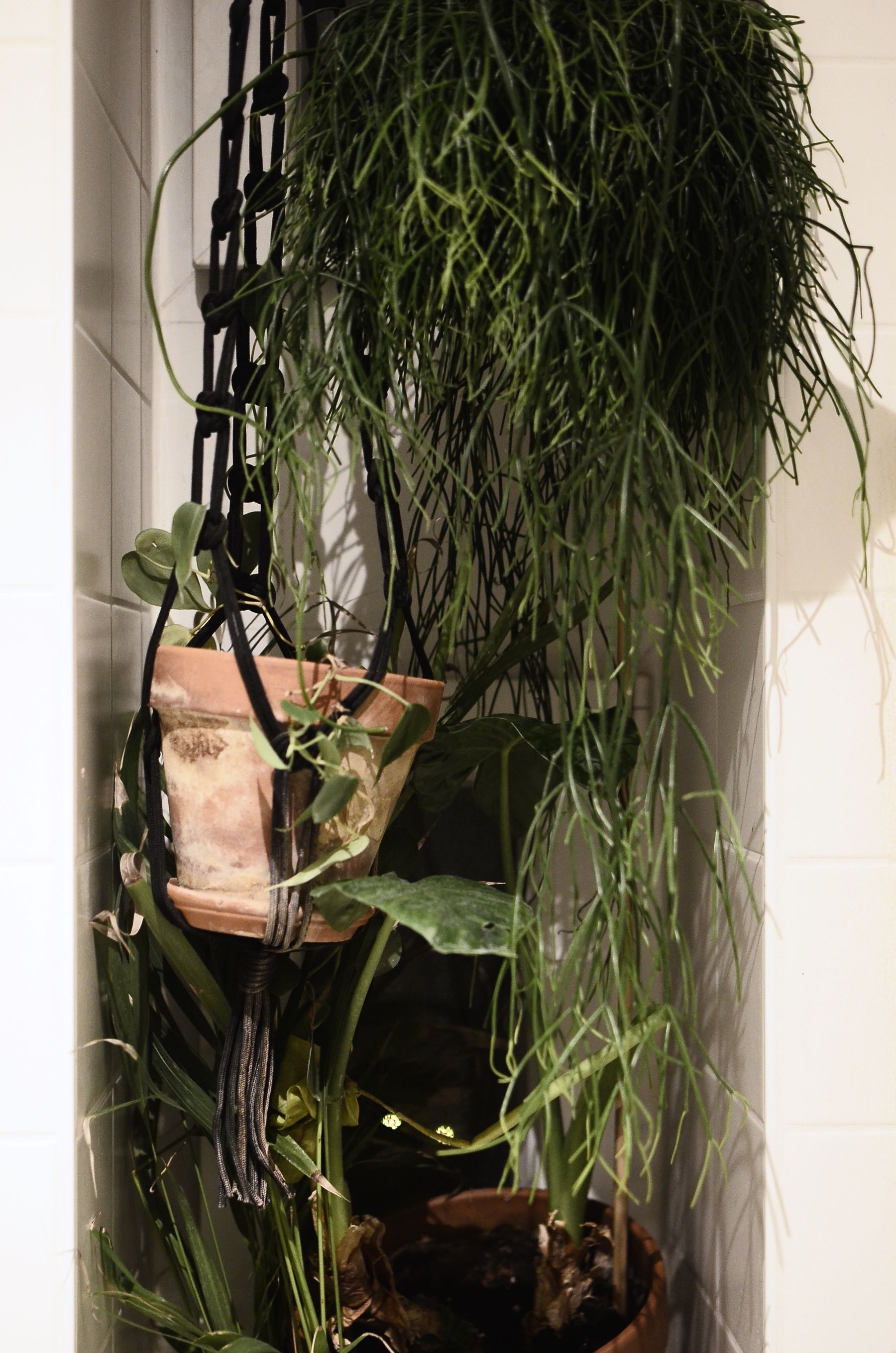
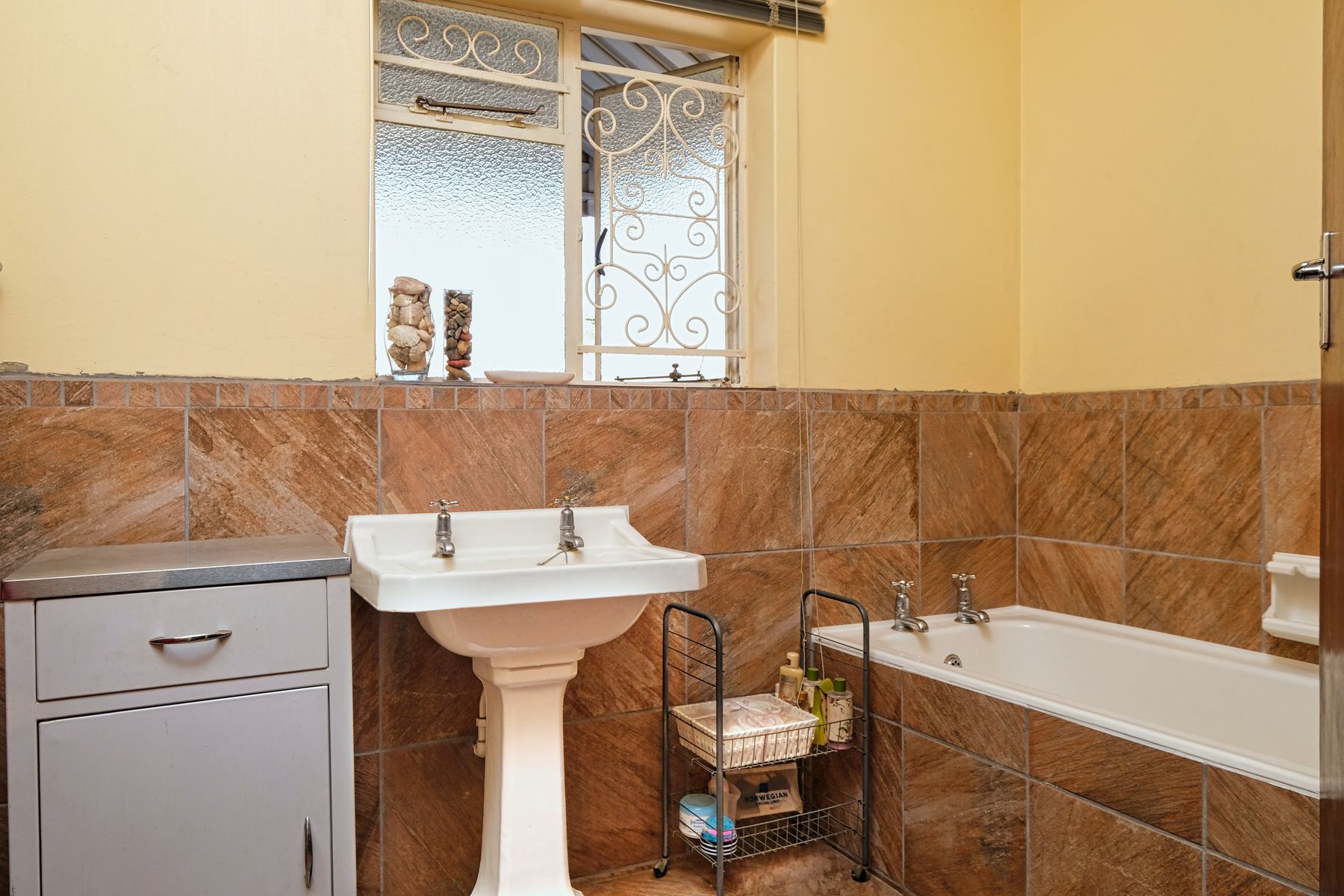
Terracotta can ground a Mediterranean bathroom through handmade floor tile, a glazed clay accent or a smaller dry-zone detail. Traditional unglazed clay is porous and varies in tone; it needs an appropriate substrate, sealing strategy, wet-slip assessment and realistic acceptance of patina. Porcelain interpretations reduce care but can look repetitive if the print is weak. Use clay as one substantial plane rather than repeating orange accessories throughout the room.
Let Limestone or Travertine Carry Quiet Movement
Limestone and travertine suit Mediterranean rooms because their warm variation resembles architecture as much as decoration. Choose the exact finish by location: a honed counter, suitably finished floor and shower wall have different slip, porosity and maintenance demands. Fill patterns, vein direction and batch variation must be reviewed at slab or multiple-tile scale. If natural stone care is unrealistic, a high-quality porcelain can provide the visual rhythm without pretending to be maintenance-free.
Use Zellige for Light Variation, Not Instant Authenticity
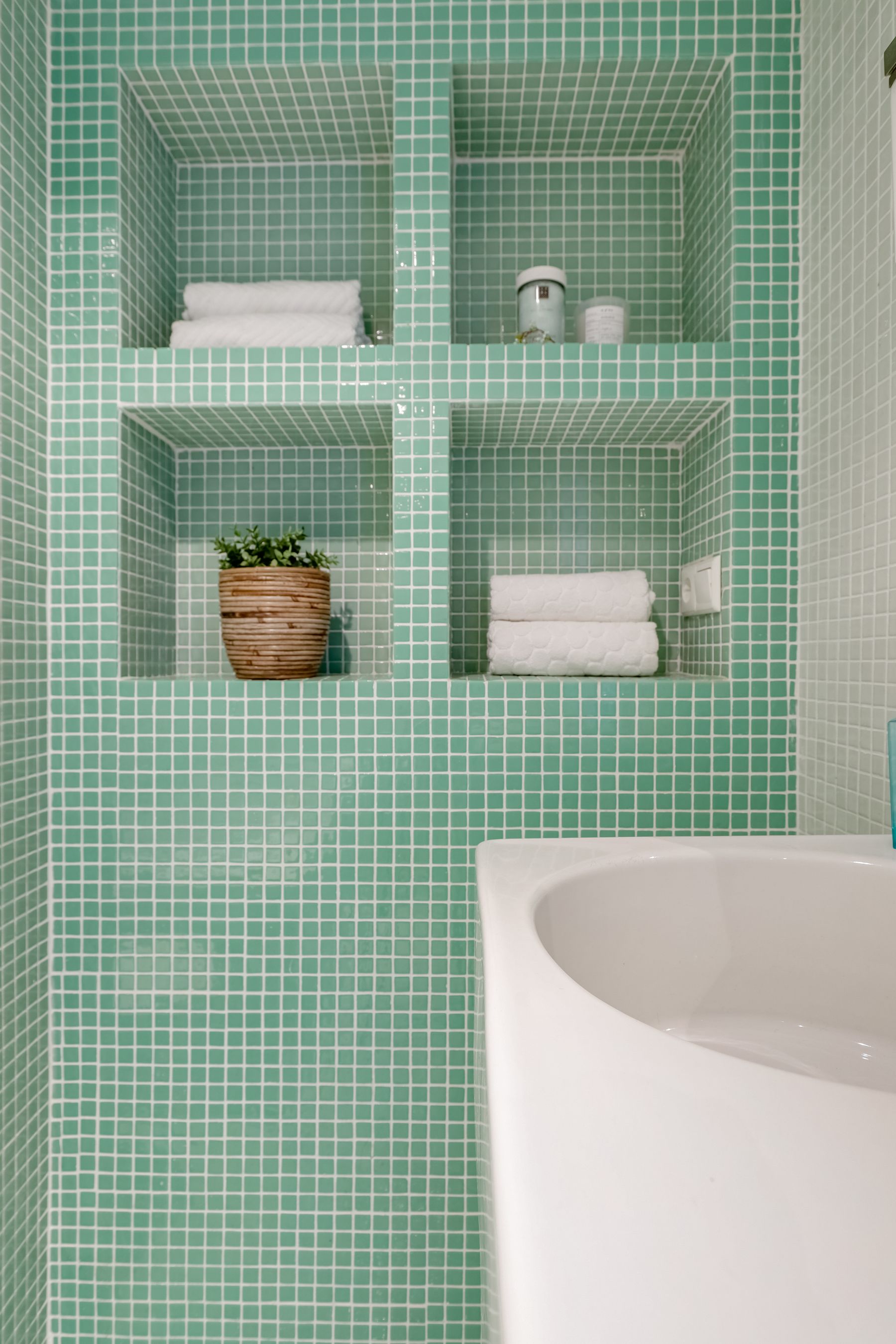
Handmade zellige can produce luminous variation, uneven edges and pooled glaze that reward directional light. Those characteristics also complicate spacing, cuts, sealing and cleaning, so use an installer who understands the material. A zellige-look tile may be more predictable, but compare several pieces to avoid a mechanically repeated surface. Keep the field simple—one color or restrained blend—when stone, plaster or pattern already carries another strong layer.
Concentrate Patterned Tile in One Architectural Field
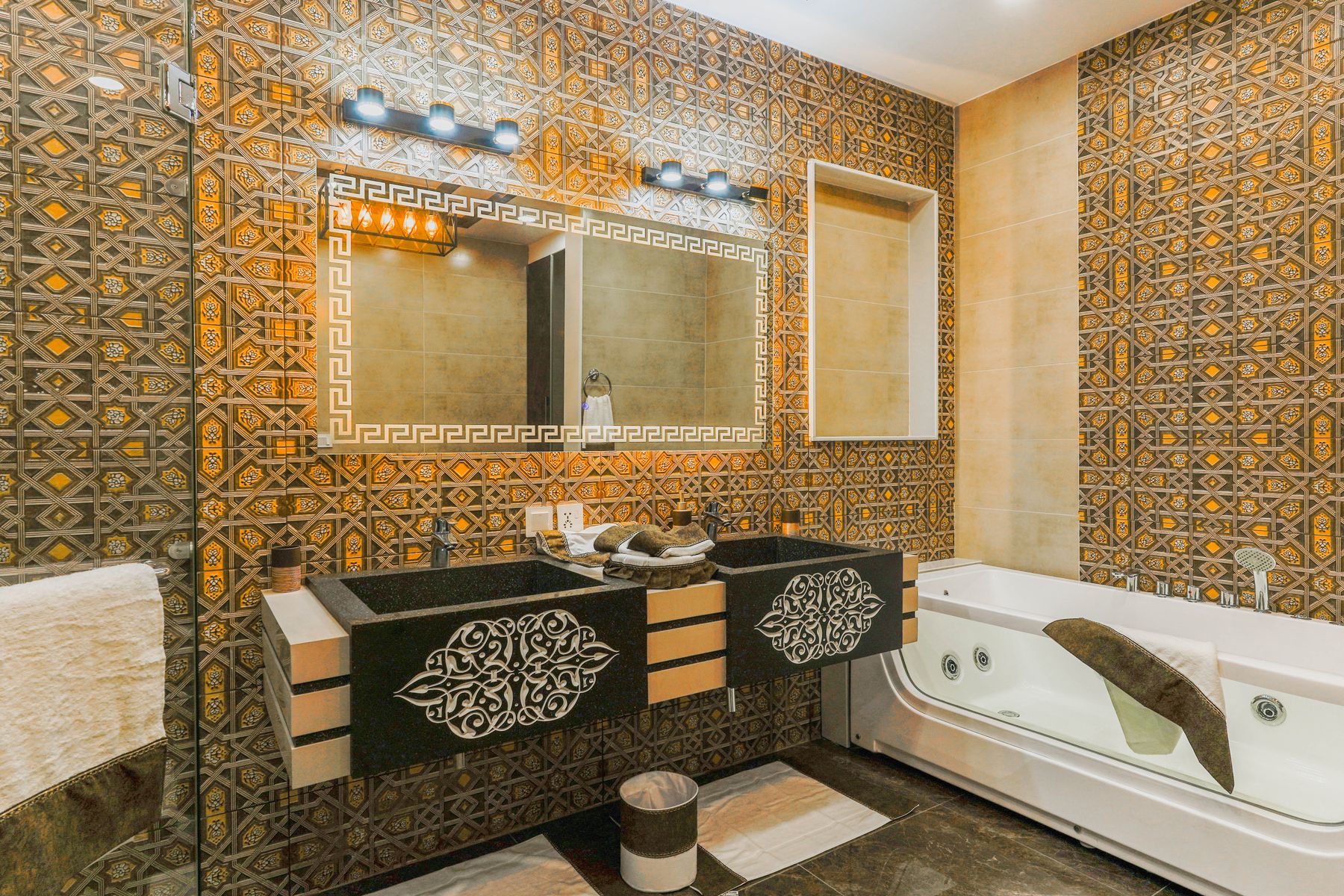
Spanish encaustic motifs, Portuguese azulejo, North African geometry and mosaics are not interchangeable generic patterns. Choose one cultural and visual direction, then place it at a floor, shower back wall, vanity recess or lower wall where the boundary is architecturally clear. The pictured all-over approach works only with a deliberate appetite for intensity. In a compact everyday bathroom, one patterned field usually preserves more calm and makes repairs or future changes easier.
Use Arches and Curves Where They Improve the Plan
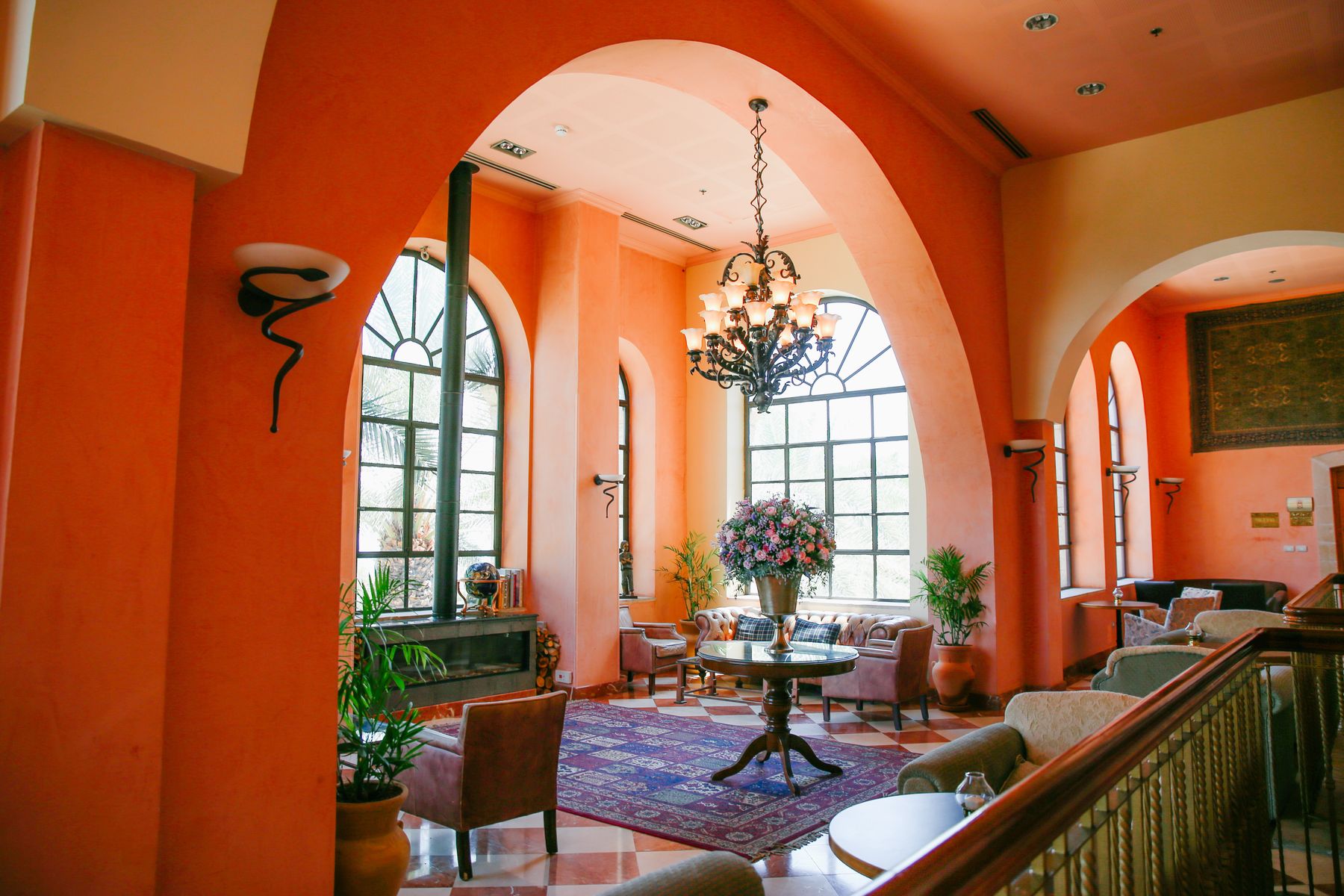
An existing arched opening, curved plaster niche or vaulted ceiling is a powerful Mediterranean cue. In an ordinary rectangular bathroom, introduce the geometry more lightly through an arched mirror, rounded vanity corner, curved shower opening or softened shelf end. Fake arches applied to every doorway can consume headroom and feel theatrical. Curves should protect circulation, frame a view or resolve a material transition rather than merely announce the style.
Make the Vanity Feel Built In or Handcrafted
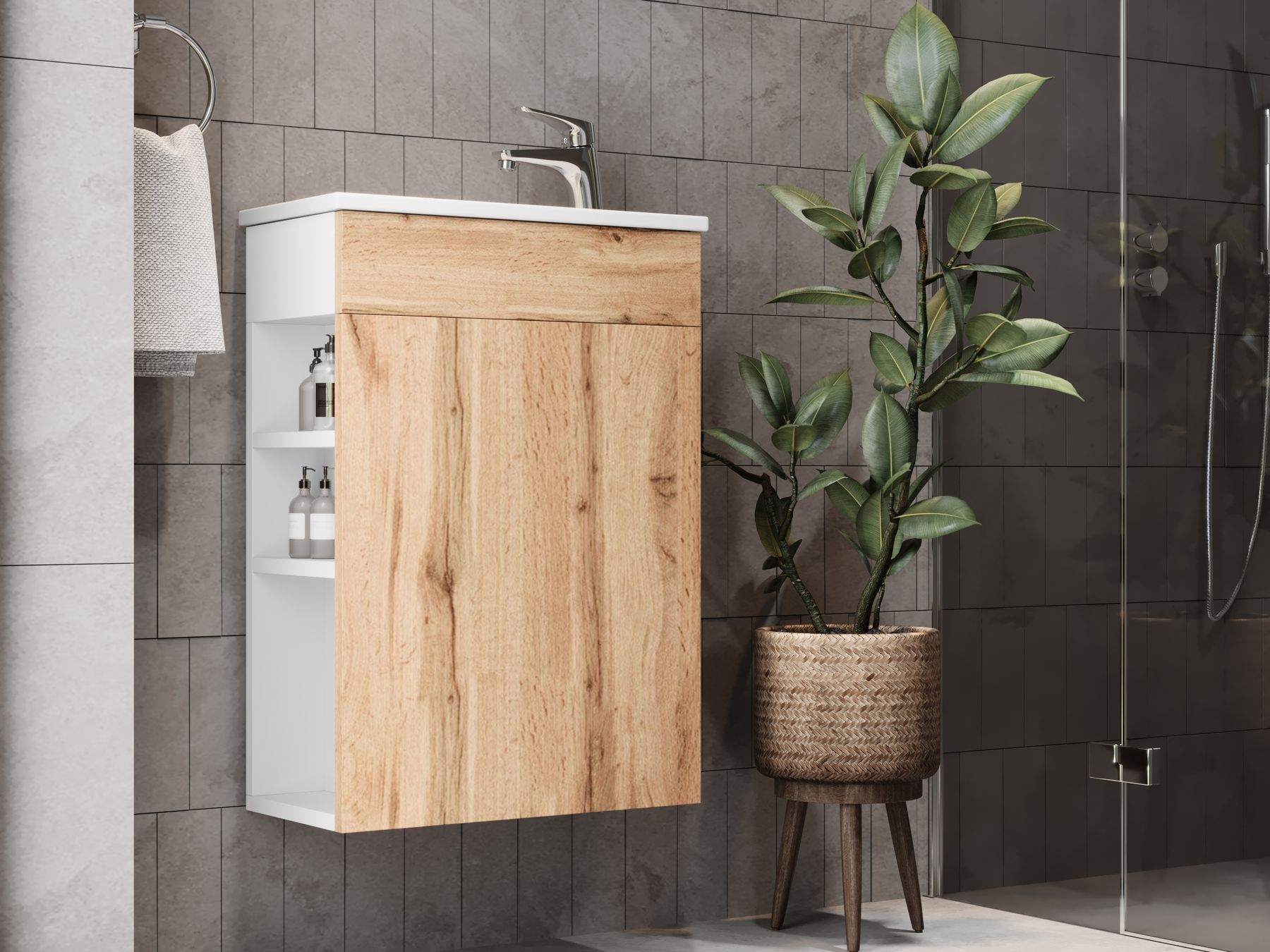
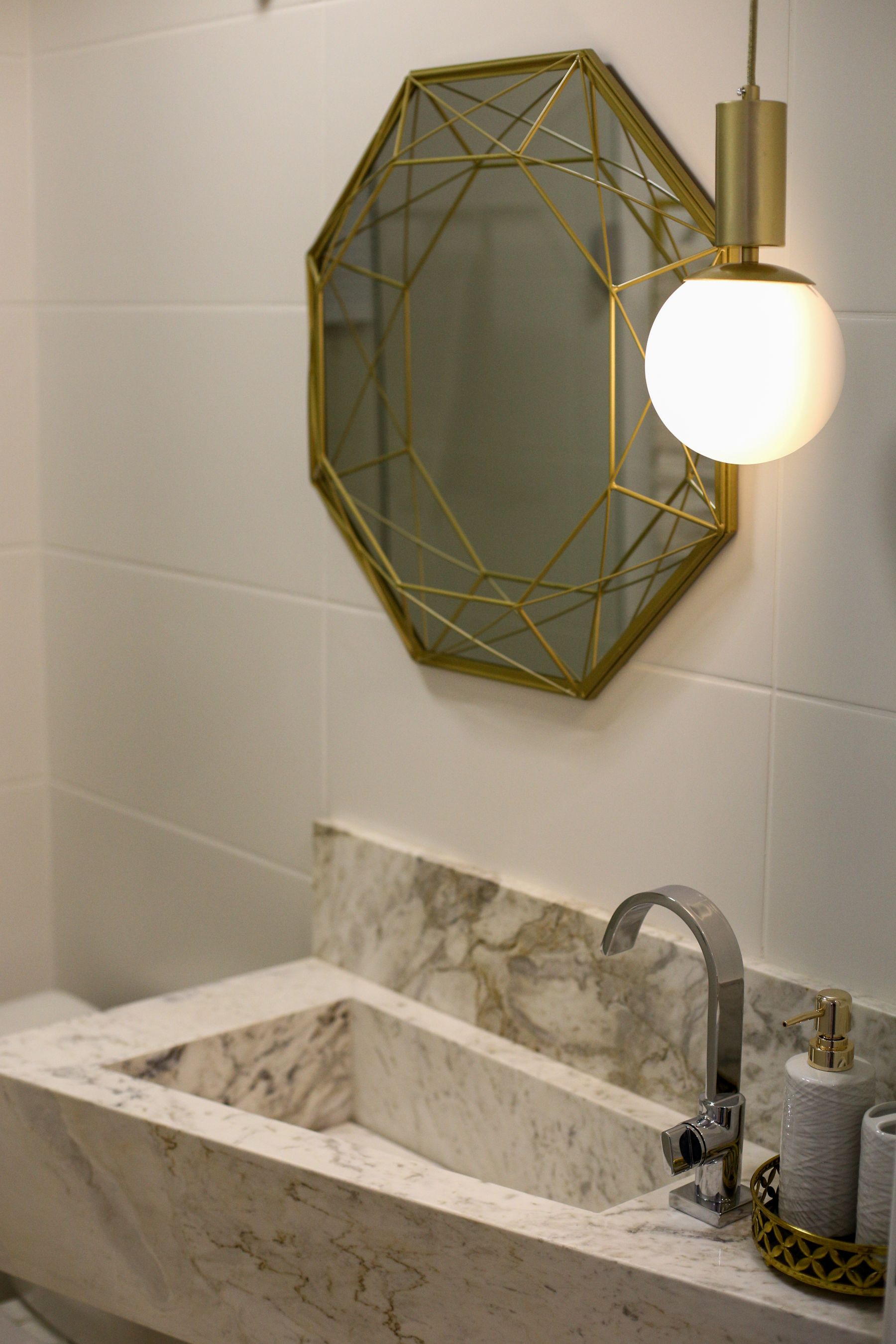
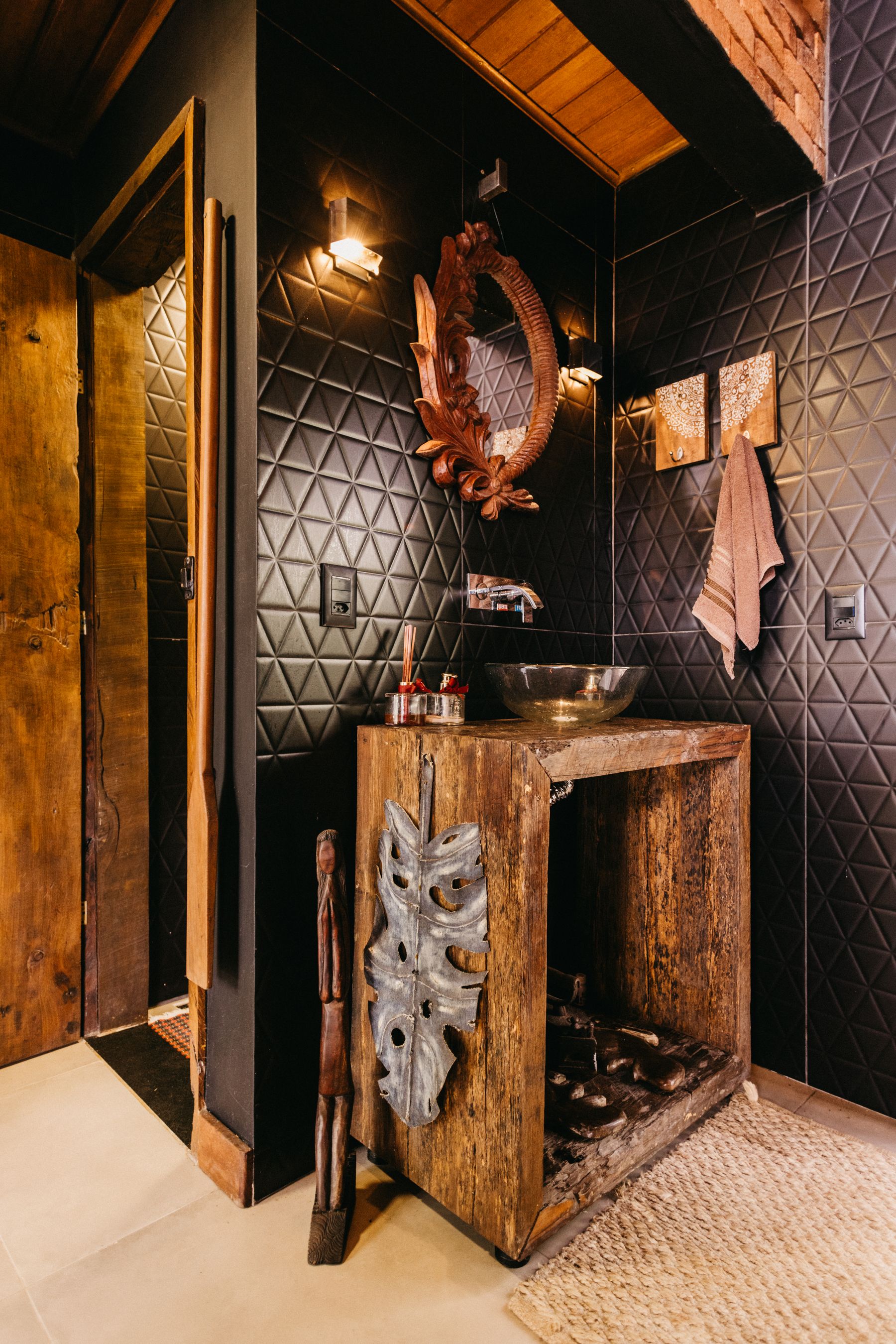
A masonry-like base, lime-toned cabinet, warm timber chest or simple integrated counter can make the vanity feel part of the architecture. Hidden function still matters: full-extension storage, plumbing access, comfortable height and water-resistant edges. If a sculpted plaster form has no useful storage, confirm that another cabinet carries daily items. Avoid attaching a decorative vessel sink to an undersized console merely to look artisanal.

Choose a Basin for Water Behavior and Touch
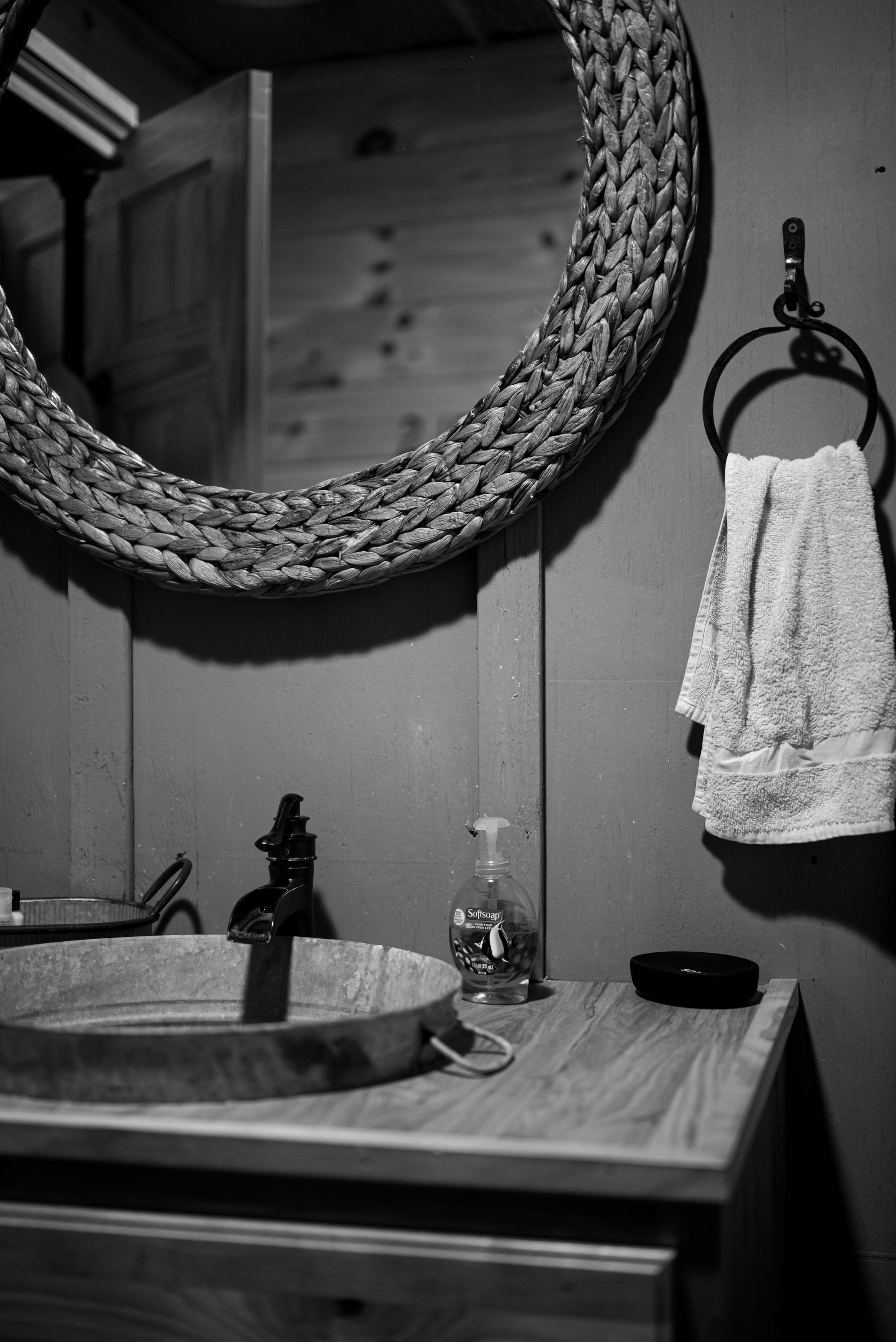
Stone, ceramic, hammered metal and integrated plaster-like basins all suit different Mediterranean lanes. Judge the basin by splash, rim height, tap projection, overflow, weight and cleaning before treating it as sculpture. A rough stone bowl may be difficult to wipe and visually heavy in a small room; a simple ceramic basin can let tile or plaster remain the feature. Keep a dry landing area for soap and daily objects.
Choose Bath or Shower by Ritual, Not Resort Imagery
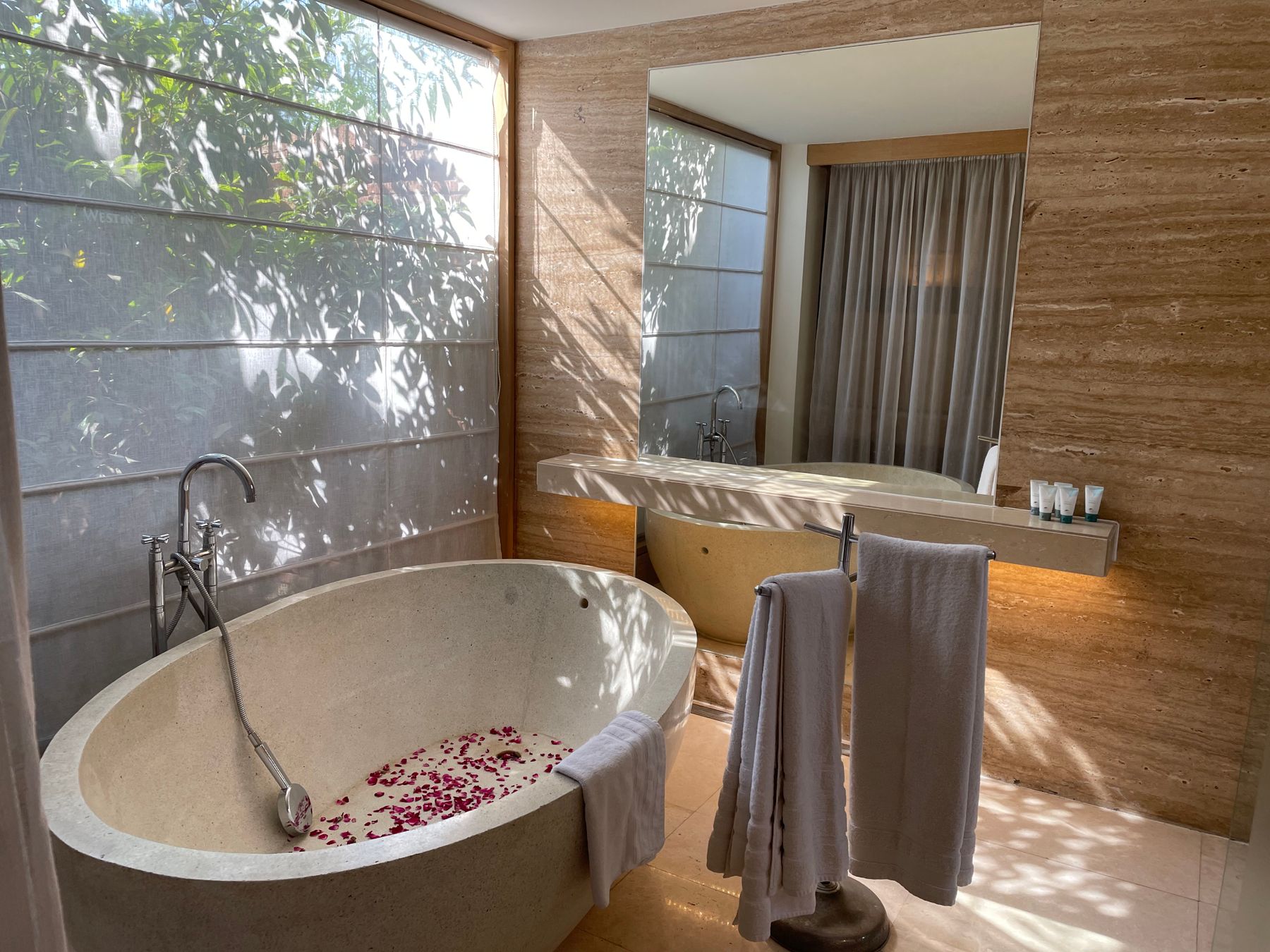
A built-in bath with a tiled or plastered apron can create a convincing architectural mass, while a generous shower may better reflect the household's routine. Freestanding copper or stone tubs are visually strong but require floor capacity, cleaning access and a realistic water plan. In a compact room, a back-to-wall bath or shower bench can deliver the grounded feeling without wasting circulation. The style does not depend on a hotel-scale centerpiece.
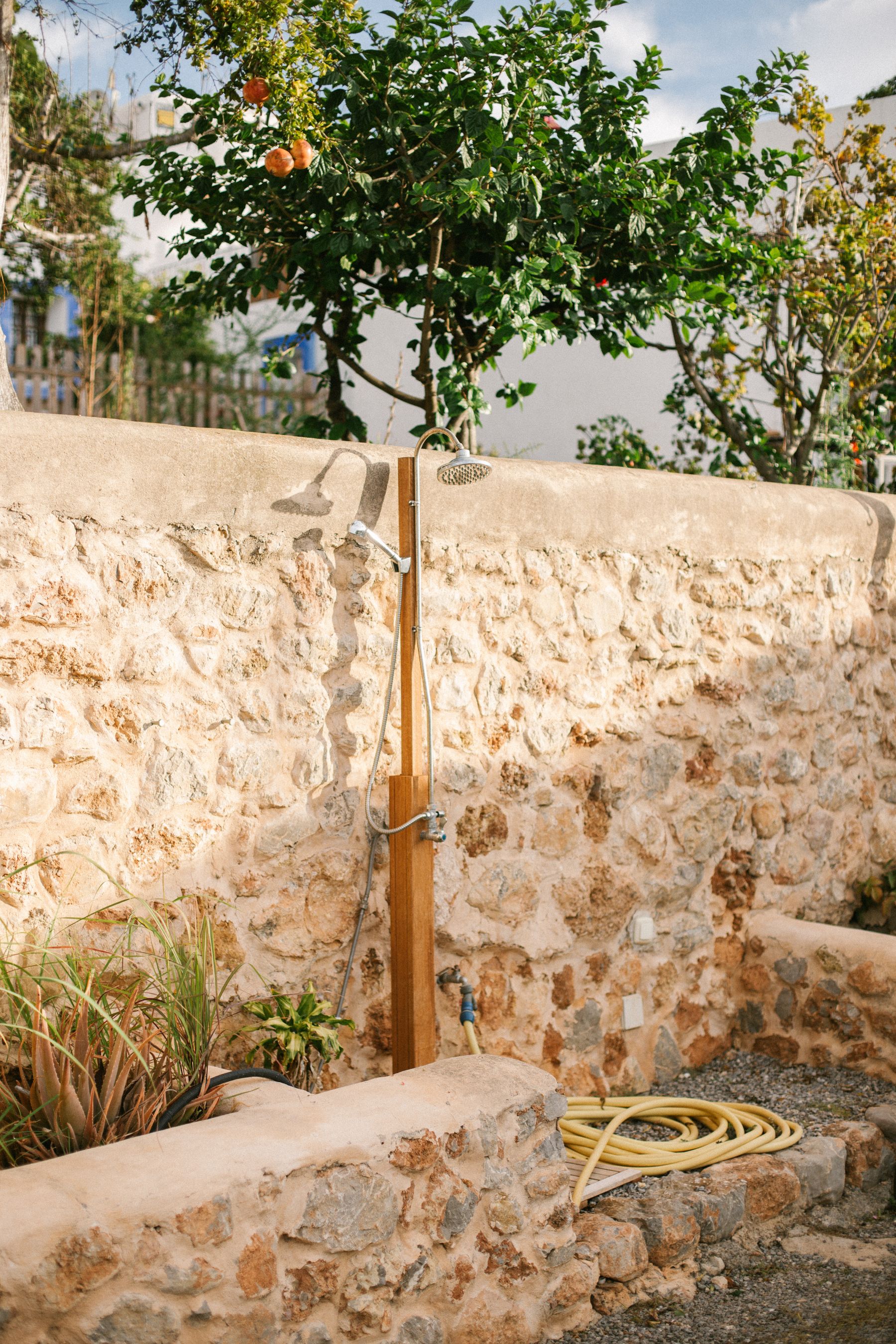
Sculpt Shower Niches and Benches Into the Composition
A softly rounded niche, low bench or thick wall return can make a Mediterranean shower feel architectural. Their apparent solidity must not hide technical weakness: slope horizontal surfaces, waterproof every junction, position penetrations carefully and keep bottles reachable. Avoid a cluster of tiny decorative niches that interrupts the wall. One generous recess aligned with the tile or plaster geometry is easier to use and visually calmer.
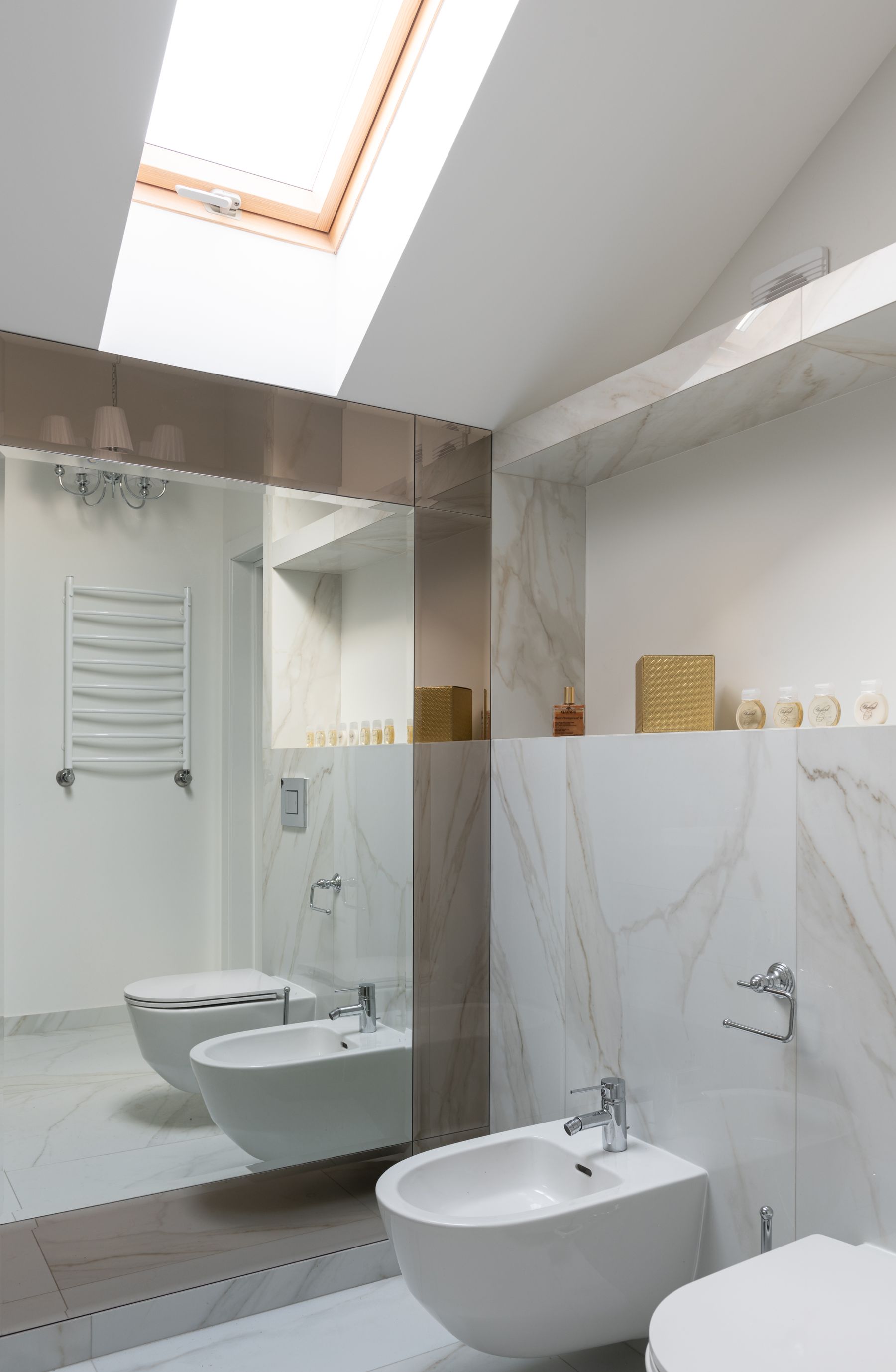
Plan Regional Fixtures Around the Real Routine
Bidets are common in several Mediterranean countries, but the right solution depends on household habits, plumbing, space and local code. A separate bidet requires side clearance and a practical route; an integrated washlet or handheld device has different electrical, backflow and cleaning requirements. Do not force a fixture into a small room to make the design feel Italian or Spanish. Regional authenticity comes from function and material, not an unused object.
Warm the Room With Brass, Bronze or Copper
Aged brass, bronze and copper can reinforce the sun-warmed palette; nickel or chrome can keep a pale Aegean room crisp. Ask whether the finish is living, plated or coated and which cleaners are permitted. Use one dominant metal family and limit variation to a deliberate secondary note. A highly decorated faucet is not automatically Mediterranean, and unlacquered metal is a poor choice if the household expects every surface to remain visually unchanged.
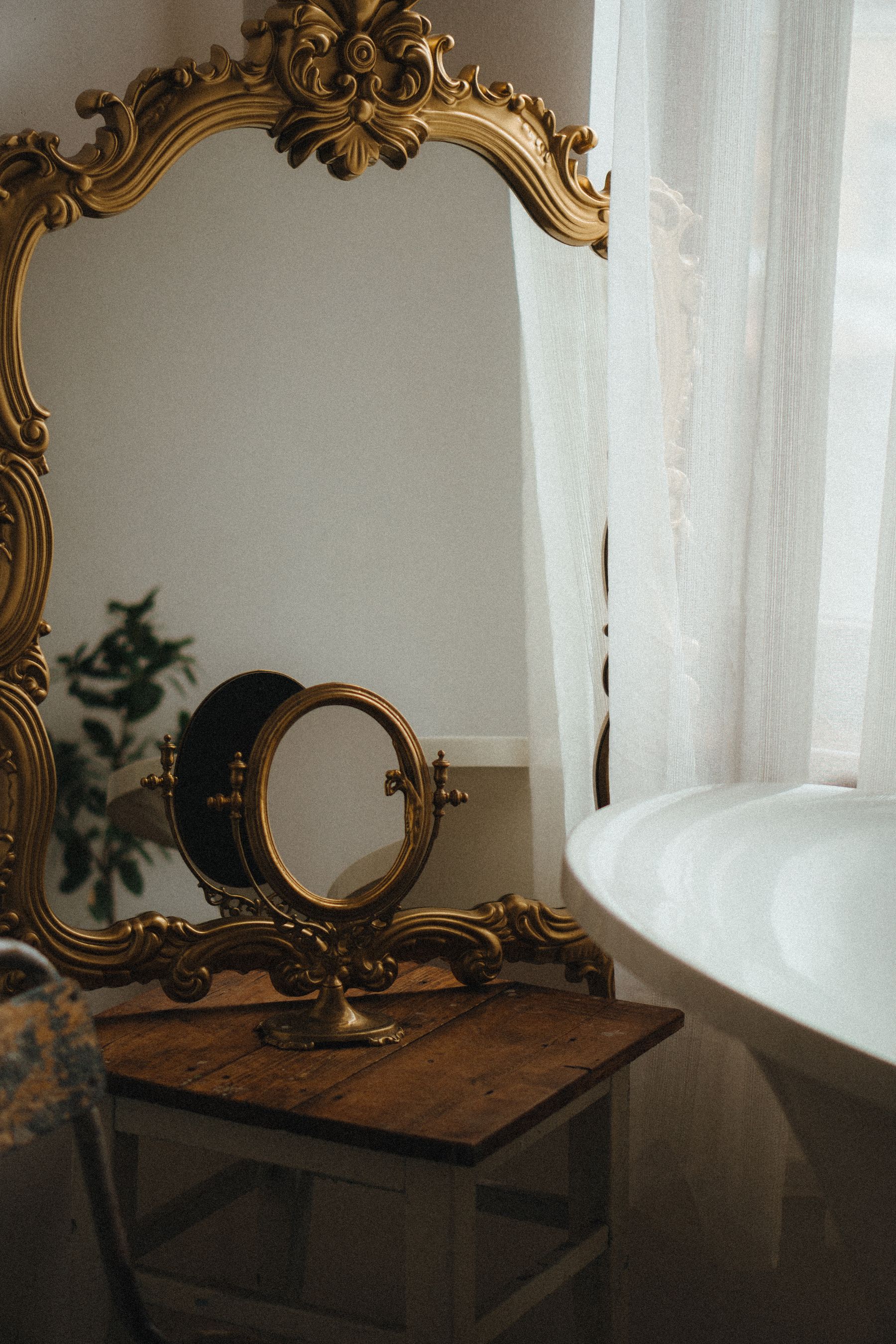
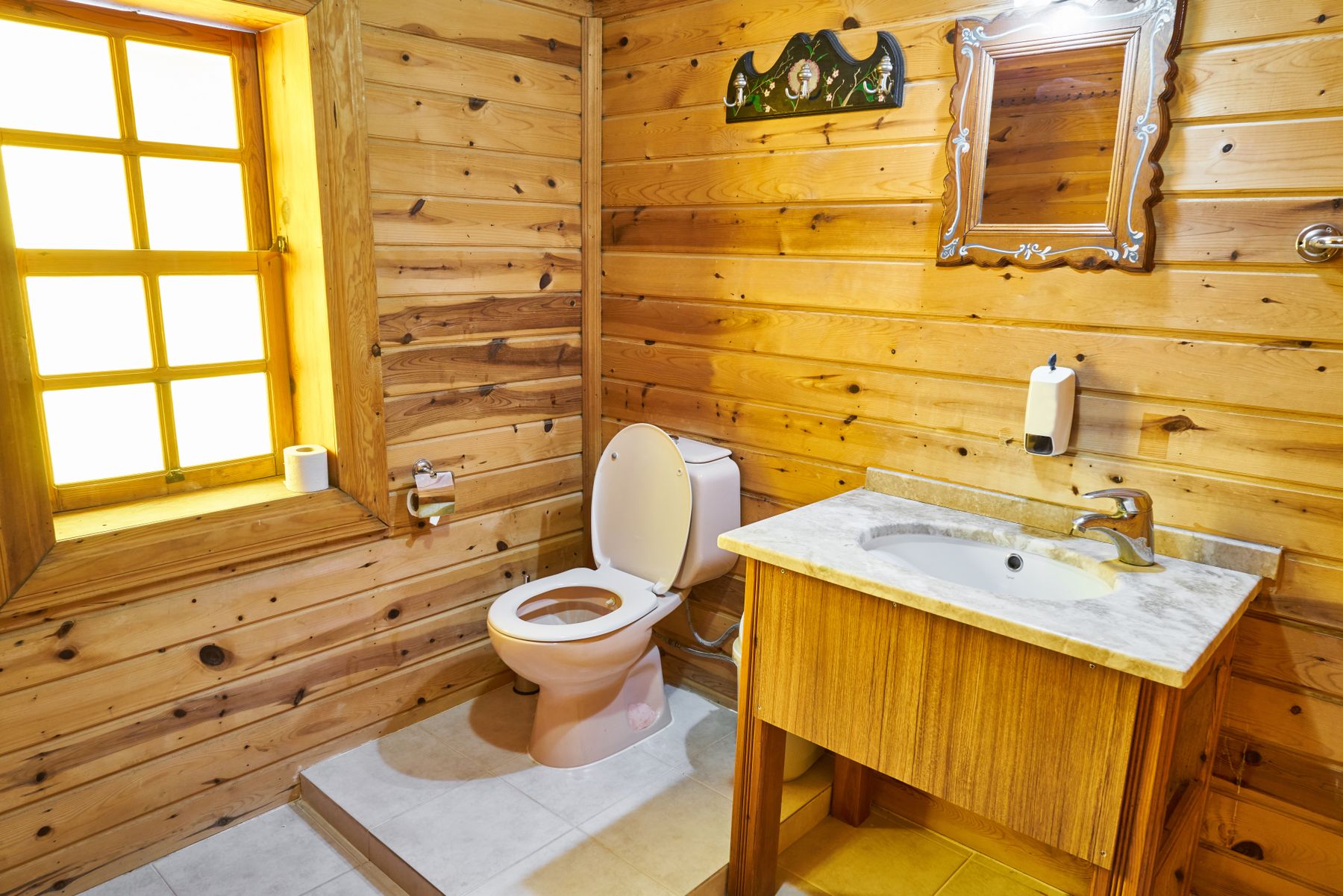
Use Timber as Shade Against Mineral Surfaces
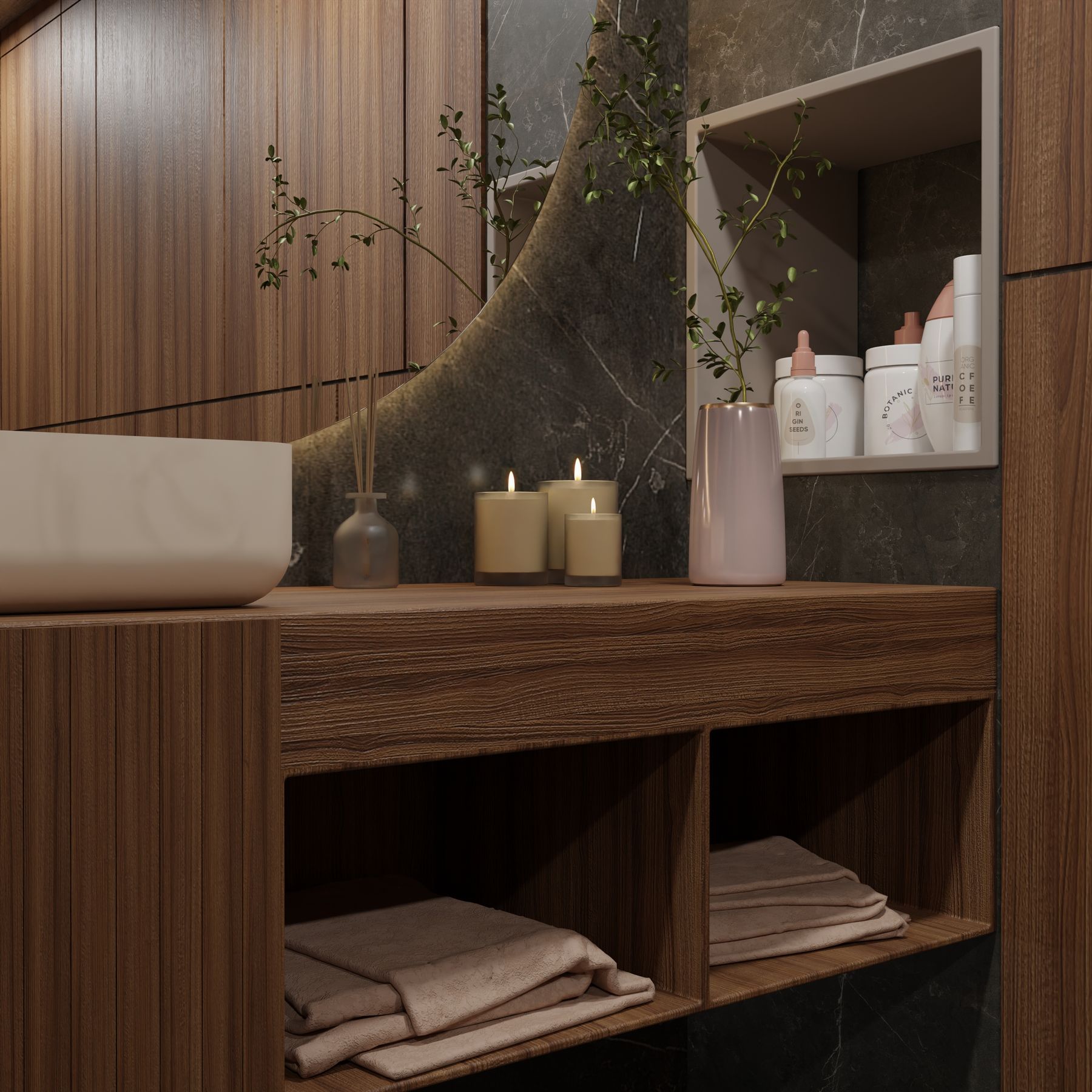
Oak, walnut-toned timber, olive-wood accents and reclaimed-looking pieces can deepen a Mediterranean palette, but bathroom construction must remain stable and moisture-aware. Use wood at a vanity, mirror, door or dry shelf rather than lining every wet plane. Seal cut edges, leave air around furniture and avoid several unrelated stains. A single substantial timber element is more convincing than decorative driftwood or artificially rough boards.
Use Blue and Green as Place-Specific Accents
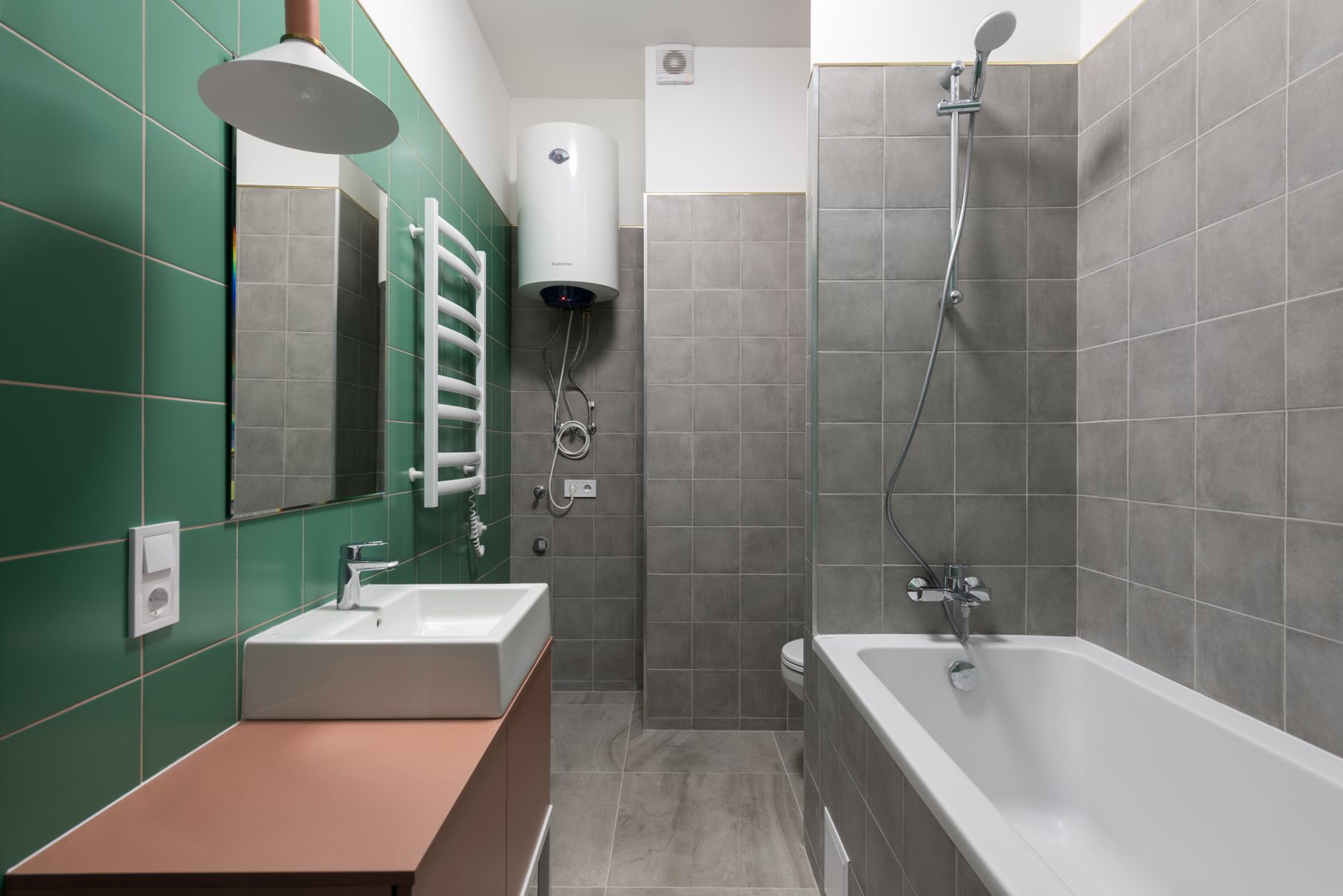
Cobalt and Aegean blue can create a Greek or Iberian emphasis; olive, celadon and deep green can point toward vegetation, glazed tile or North African interiors. Use one color in a contained tile field, vanity or painted upper wall and repeat it only lightly. Mediterranean is not synonymous with Coastal: its clay, plaster, stone and craft layers are usually warmer, denser and more regionally specific than a generalized shoreline scheme.
Let Natural Light Reveal the Handwork
Position the mirror, tile and textured wall to receive useful daylight without creating glare at the face. A deep reveal, timber shutter or filtered blind can shape strong sun while preserving ventilation and privacy. In a hot climate, uncontrolled solar gain can make the room uncomfortable; in a cooler location, the same light may be welcome. The goal is not maximum brightness but a clear sequence of sun, shade and reflected light.
Keep Woven and Linen Layers in the Dry Zone
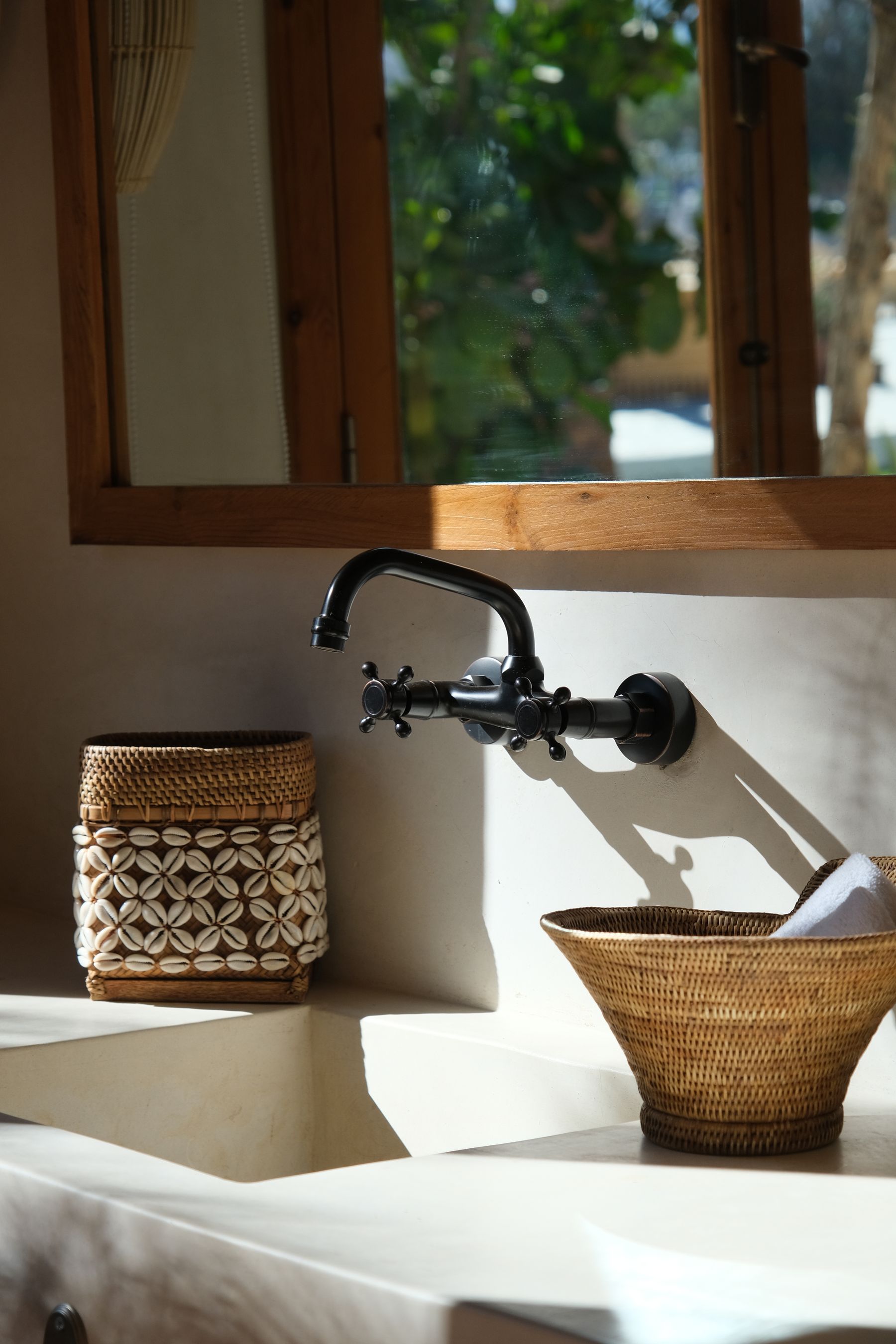
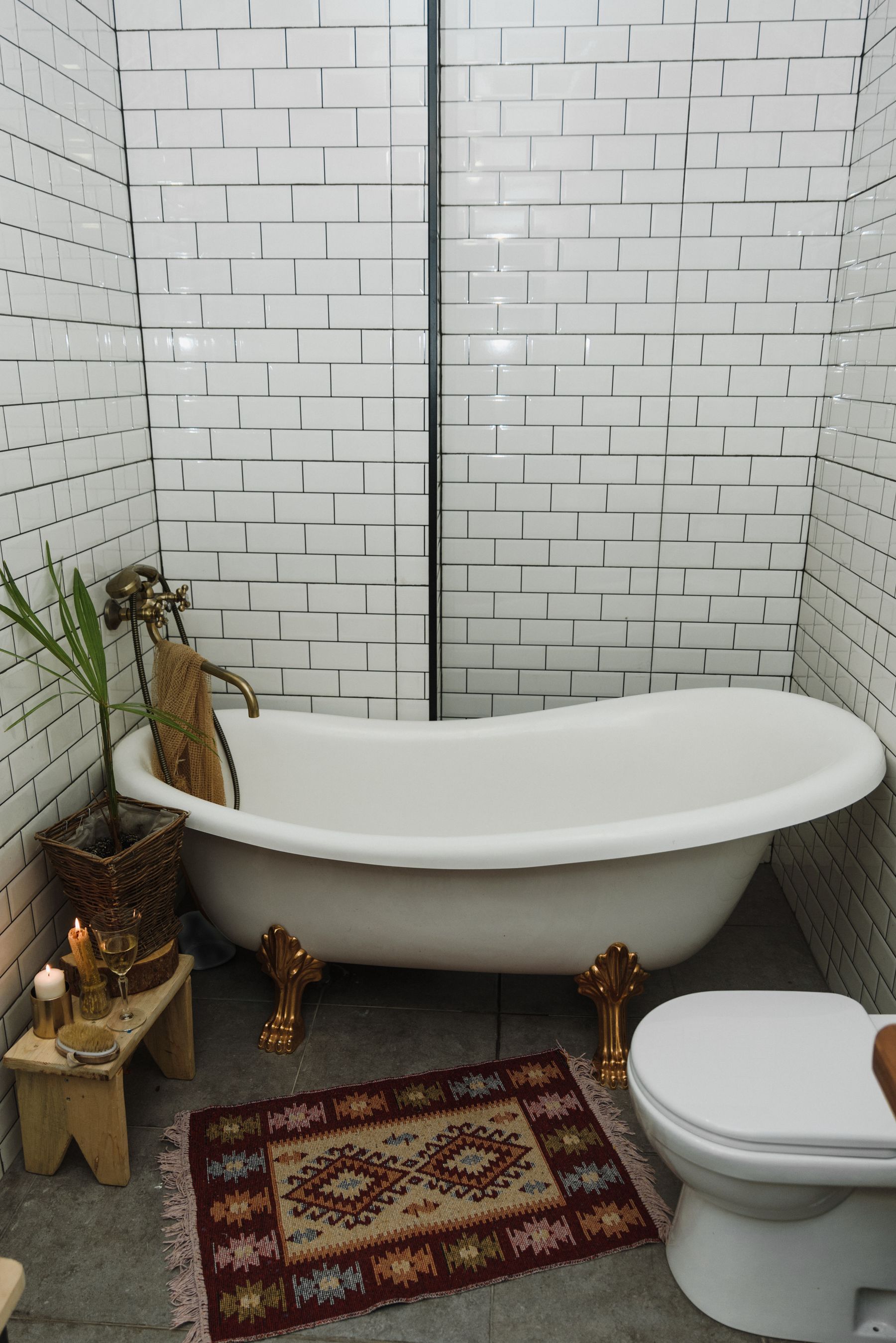
Linen-look curtains, cotton towels, flatwoven rugs and baskets can add the domestic softness of Mediterranean homes. Every textile needs a laundering and drying route. Keep absorbent baskets away from the shower, avoid rugs that sit wet on porous floors and use moisture-suitable window hardware. One woven container or café curtain is often enough; too many rattan pieces can push the room toward generic Boho or resort styling.
Light for Warm Shadow, Clear Faces and Safe Floors
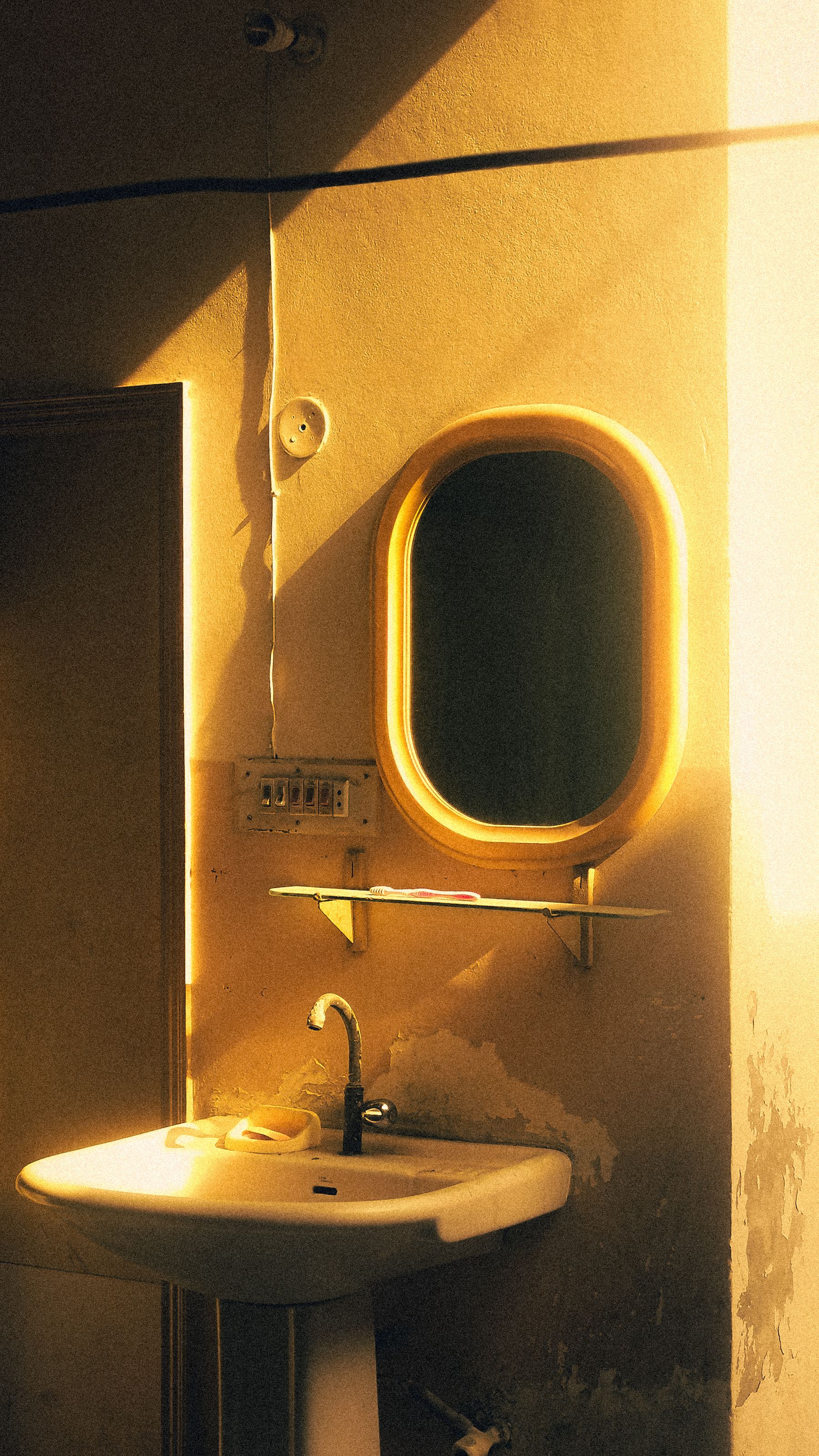
Use vertical mirror light for the face, broad ambient light for the room and a low-level night source for safe movement. A perforated or shaded pendant can cast attractive pattern, but it should not be the only light. Choose strong color rendering so terracotta, plaster and skin retain their intended warmth, and verify wet-zone ratings and ceiling clearance. Very amber lamps can make warm white muddy and hide cleaning problems.
Use Ceramics and Art as Evidence of Making
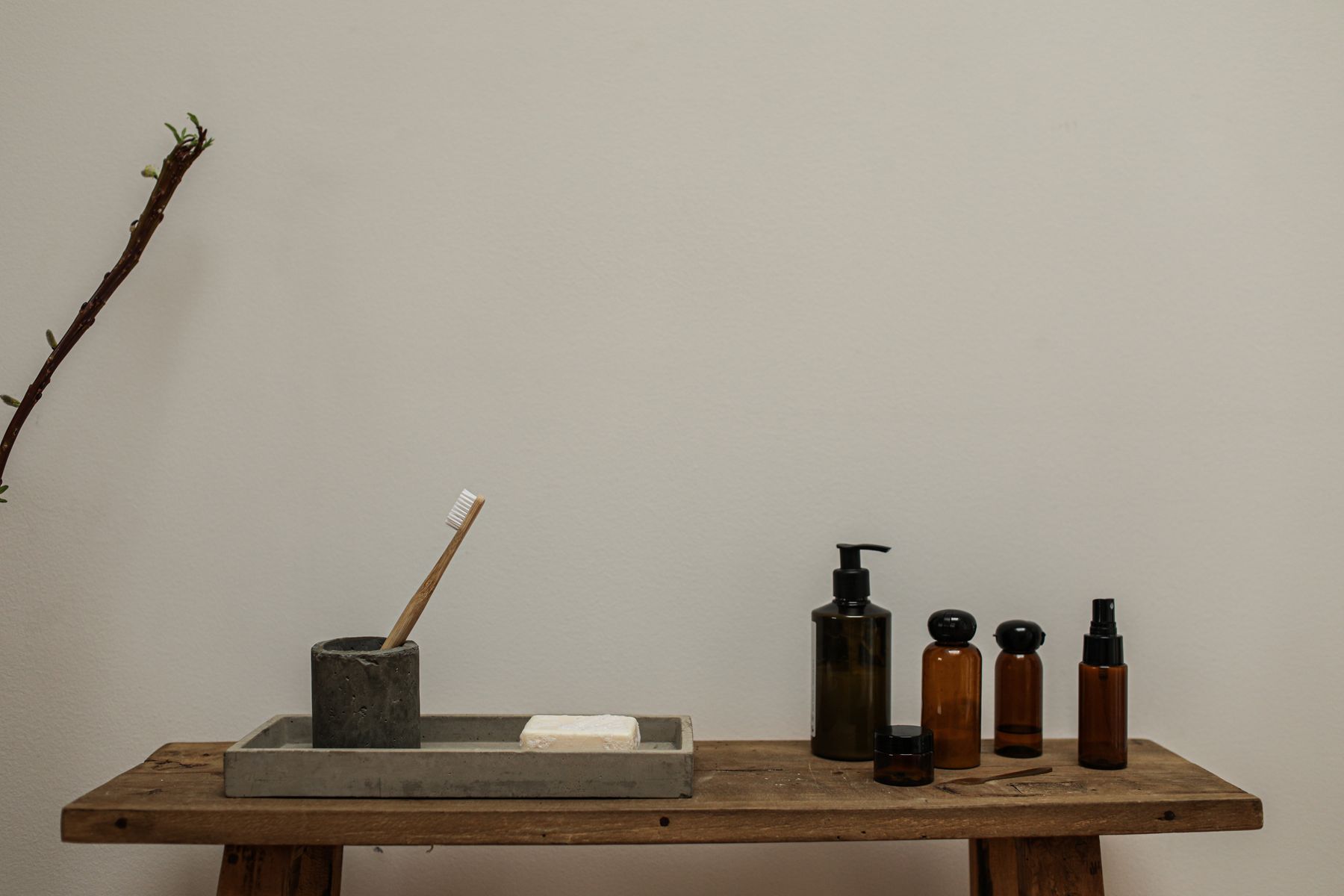
A hand-thrown cup, soap dish, small jug or locally meaningful artwork can connect the room to craft. Avoid assembling generic amphorae, lemons and travel prints simply to explain the theme. Paper and unsealed art need distance from steam and splash; valuable originals may not belong in the room. One object used every day is more persuasive than a coordinated collection of decorative pottery.
Strengthen the Indoor-Outdoor Relationship
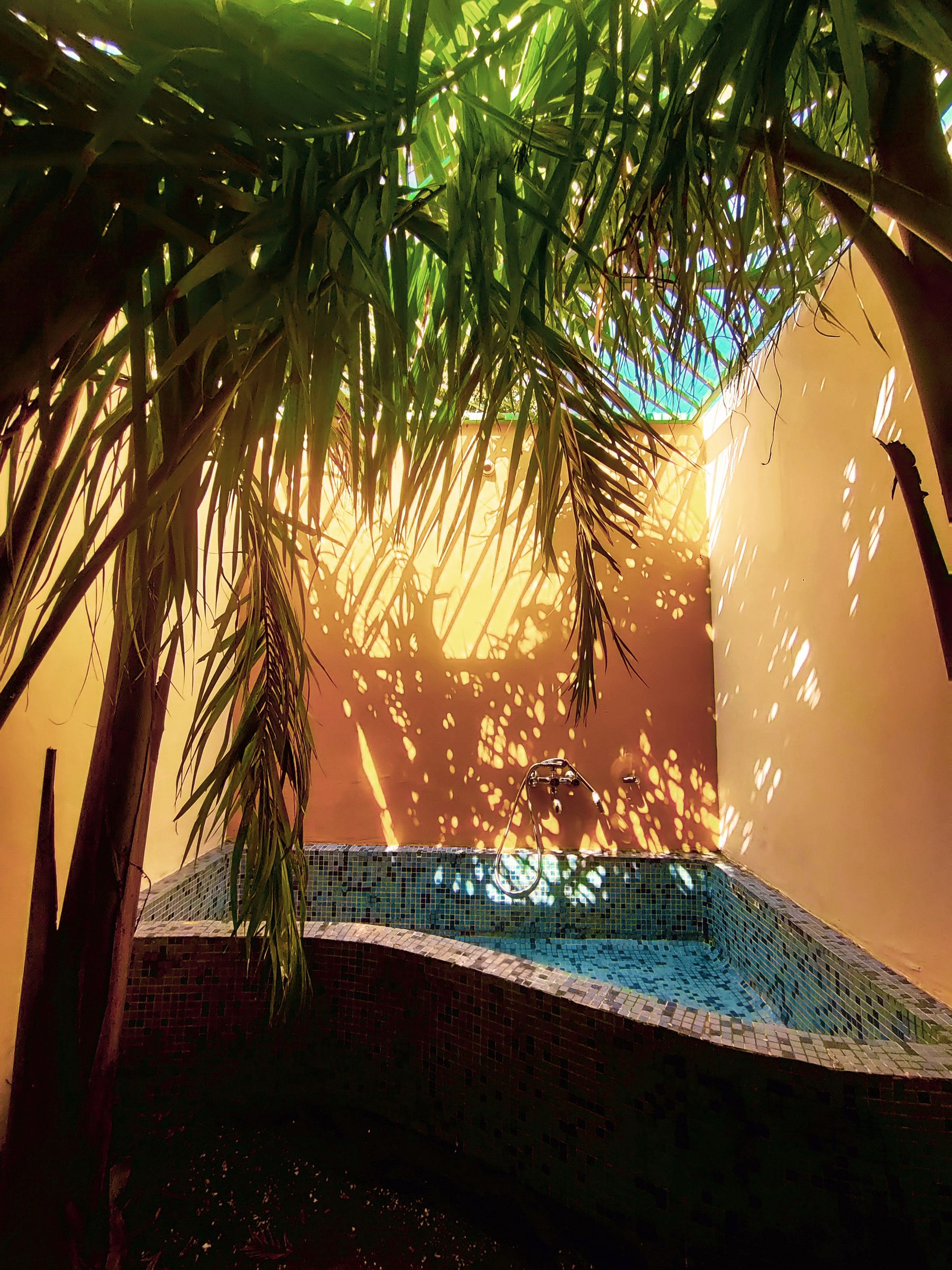
Where climate and privacy allow, connect the bathroom to a terrace, courtyard, planted lightwell or framed sky view. Use durable thresholds, drainage, insect control and secure privacy rather than treating the opening as a styling feature. In a cold or urban setting, the same idea can be translated through a deep window reveal, sun-loving plant in a dry zone or a view to masonry and greenery. The relationship should improve light and ritual, not create exposure.
Protect Privacy Without Flattening the Light
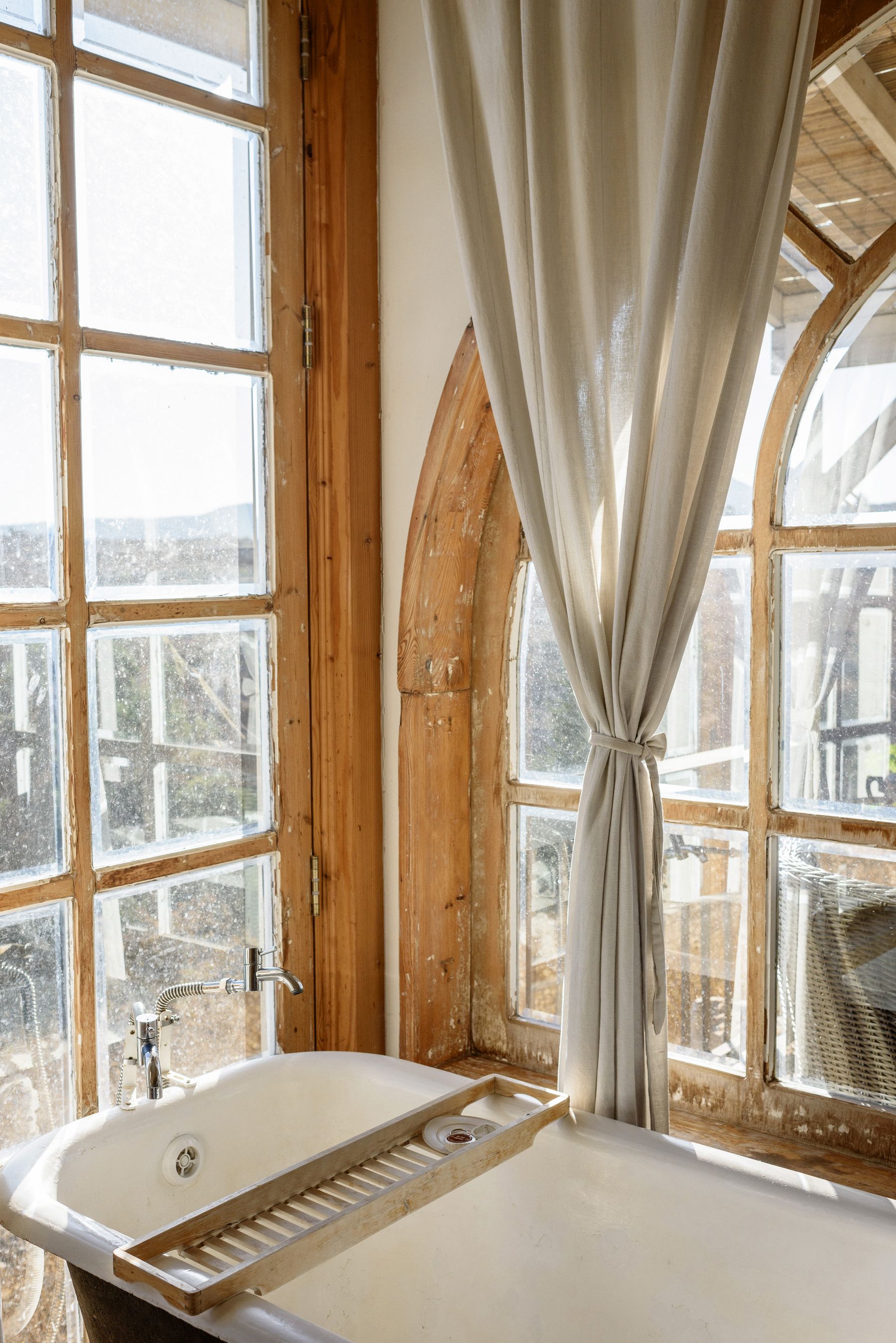
Test views from outside after dark and at standing, seated and bathing heights. A timber shutter, lower obscured glazing, café curtain, deep reveal or screened planting can protect the body while keeping upper daylight. If the window meets a wet zone, coordinate sill fall, frame material and waterproofing first. Heavy drapery and absorbent blinds can trap moisture, especially against cool glass.
Edit Material Weight in a Small Bathroom
Choose one character carrier—plaster-like upper walls, a terracotta floor, zellige shower or stone vanity—and keep the other planes quiet. Use a shallow basin, recessed cabinet and clear circulation rather than adding stools, jars and baskets to prove warmth. Pattern can work in a small room, but scale it from the doorway and mirror reflection. Thick-looking construction should not reduce required clearances or access to services.
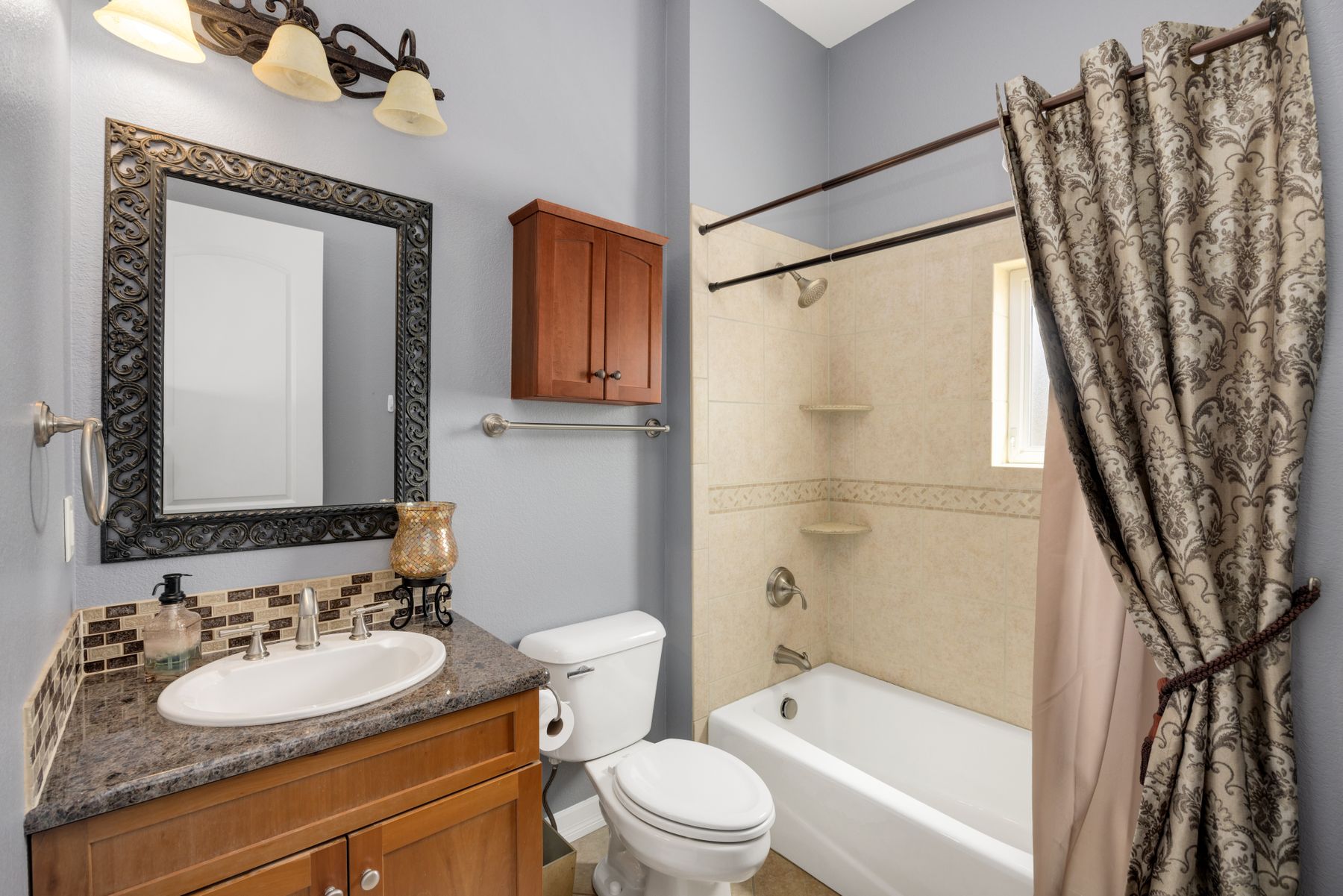
Create Depth in a Windowless Room
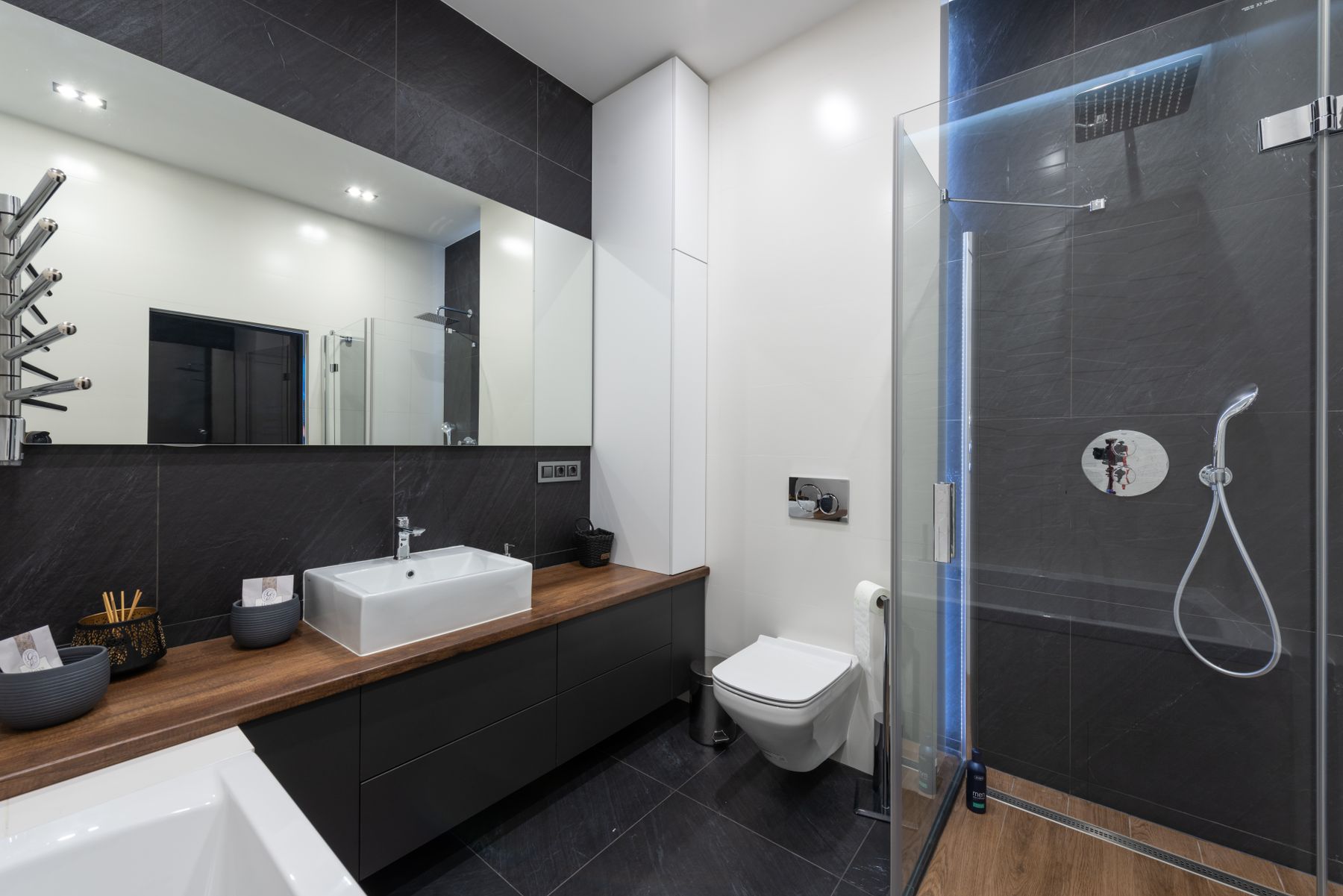
Use a warm pale base, one darker niche or floor and layered low-glare lighting to create a sequence of planes. A glazed tile field can catch light, while plaster-like texture elsewhere prevents the room from becoming glossy. Position the mirror to multiply the best illuminated surface rather than the toilet or clutter. Reliable extraction is essential because there is no opening window to assist drying.
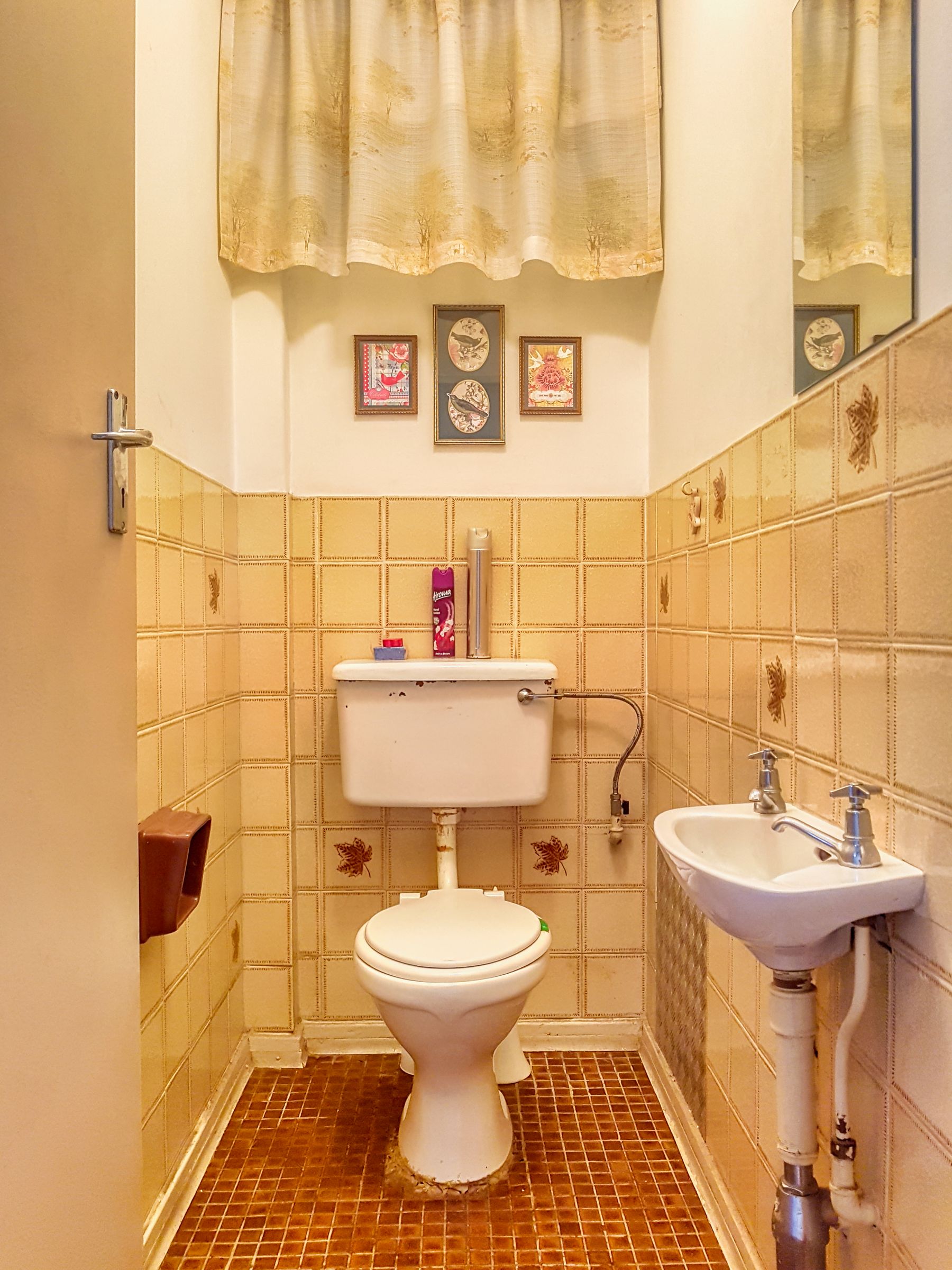
Use the Powder Room for Concentrated Pattern
Without a bath or shower, the powder room offers more freedom for patterned tile, deeper clay color, sculptural basin and decorative light. It still needs handwashing splash protection, ventilation and storage for supplies. Choose one focal move and build the mirror, faucet and light around it rather than stacking an arch, ornate tile, carved vanity and lantern at equal strength. Intensity works best when the composition remains disciplined.
Keep Curves, Contrast and Support Accessible
Rounded corners can reduce sharp projections, but thick plaster masses and freestanding objects must not narrow the clear route. Warm beige tile, stone and sanitaryware can merge visually, so preserve contrast at floor changes, basin edges, controls and support points. Choose wet traction, lever controls, reachable storage and wall blocking for future rails. Mediterranean atmosphere should make bathing feel generous across ages, not turn accessibility into an afterthought.
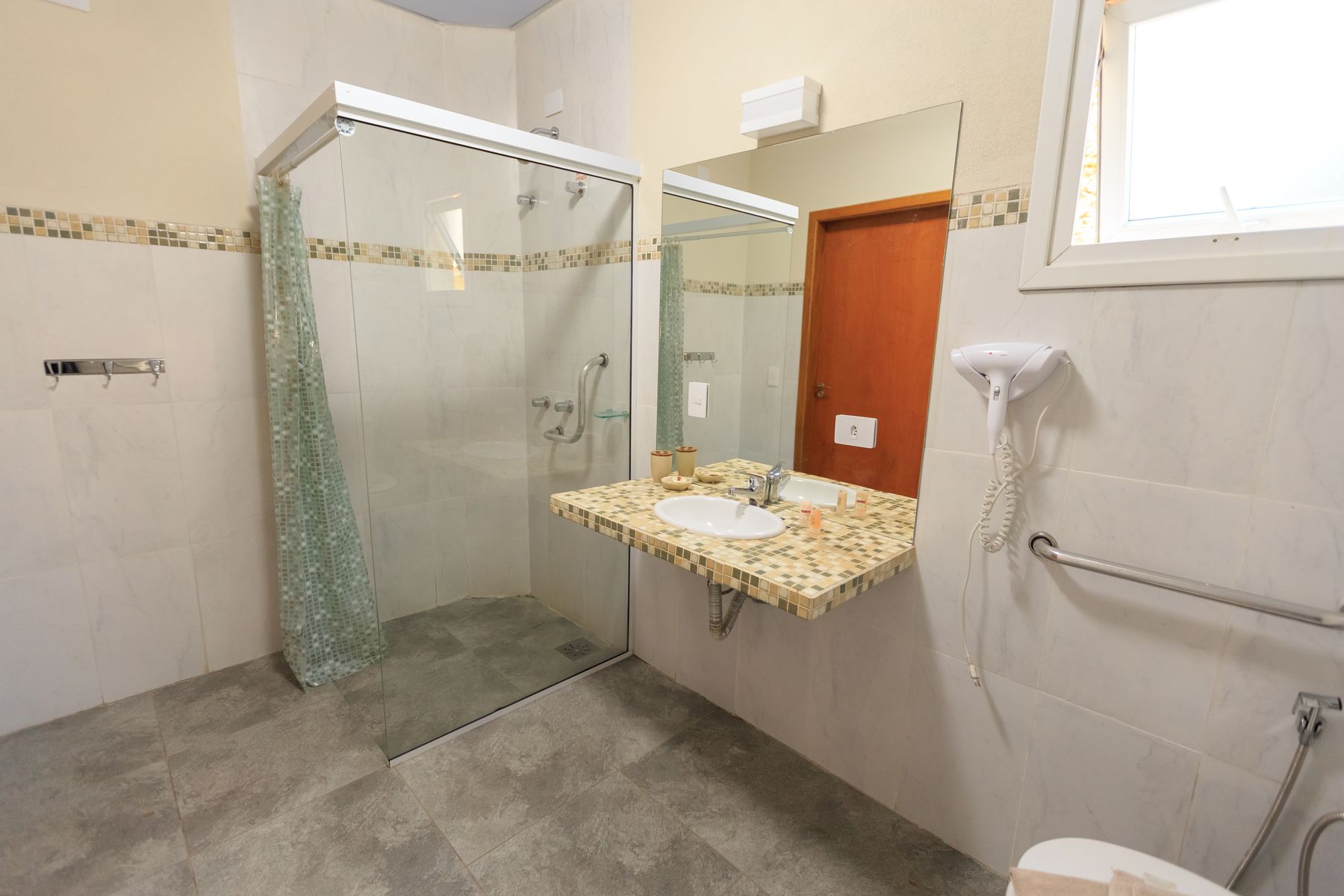
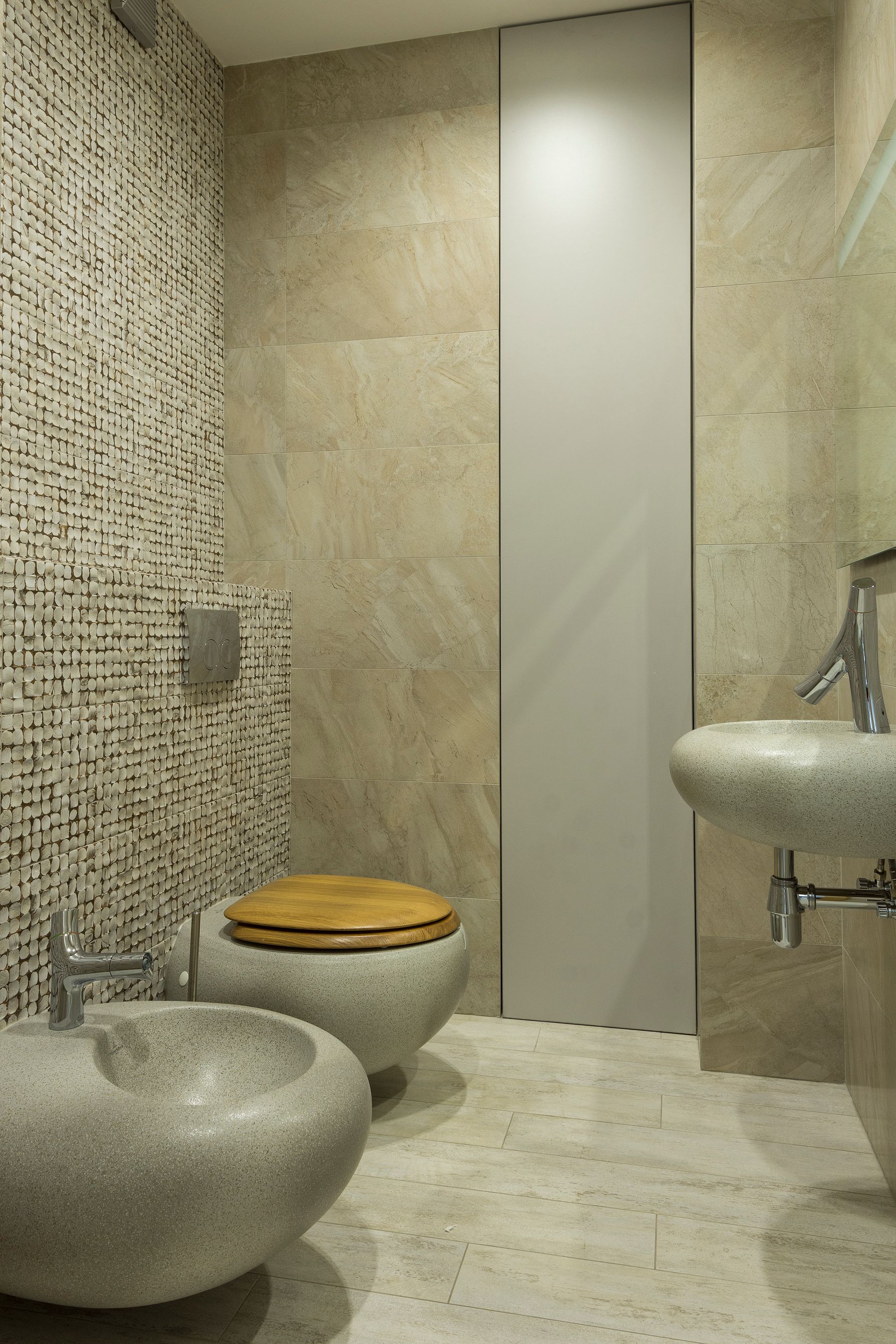
Translate Sun-Warmed Style to a Cold Climate
In colder regions, uninsulated masonry, large exterior openings and bare stone can feel hostile rather than relaxed. Preserve the visual language through warm-toned porcelain, insulated assemblies, controlled glazing, towel warmth and zoned underfloor heat where technically appropriate. Check condensation risk at deep reveals and external walls. Climate adaptation is more authentic than importing a finish detail that only works in dry, sunlit conditions.
Ventilate for Mineral Walls, Wood and Textiles
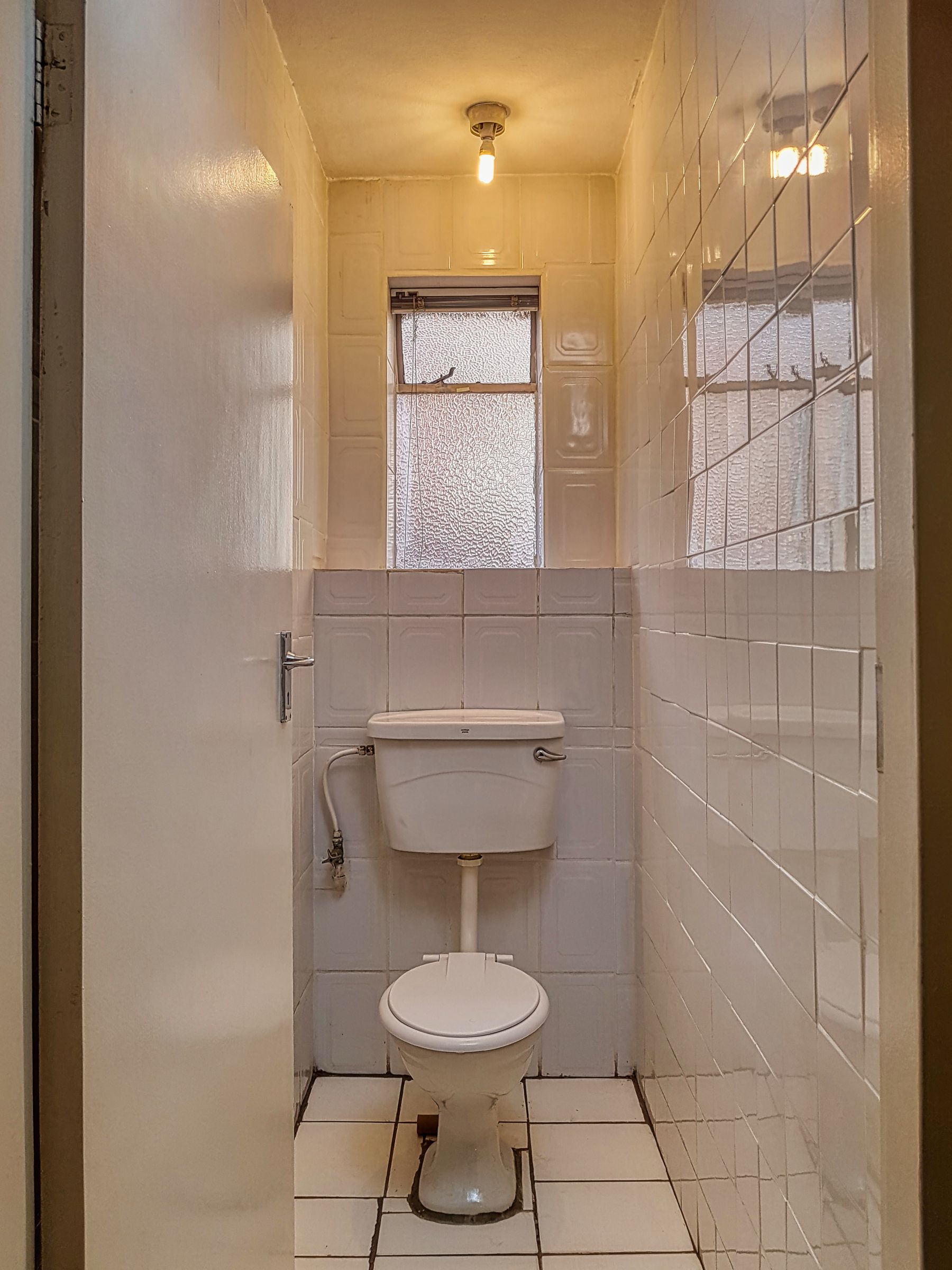
Plaster edges, grout, timber, baskets and curtains reveal persistent humidity quickly. Size and duct extraction correctly, provide make-up air and use timer or humidity control where suitable. An opening window can help but is not a dependable substitute for mechanical ventilation. Keep furniture away from persistently cold walls, give towels space to dry and preserve access to fans and grilles after decorative ceilings or arches are installed.
Plan for Hard Water, Sealers and Honest Patina
Hard water can mark dark metal, textured tile, stone and plaster-like surfaces; harsh descalers may damage lime, marble or living finishes. Match the water profile and cleaning routine to the selected materials before installation. Keep manufacturer and installer care guidance, schedule sealing where required and preserve access around baths and basins. Patina is expected change in tone or sheen; failed sealant, mildew, crumbling grout and swollen timber are damage.
Finish With the Sun-Warmed, Not Themed Test
Mentally remove the amphorae, travel prints, striped towels, decorative lantern collection and extra baskets. If the room still feels warm, tactile and regionally coherent, the architecture and materials are carrying the design. If it becomes generic, strengthen one permanent relationship—plaster and stone, clay and warm white, zellige and timber—rather than adding more props. Then verify splash, grip, ventilation, cleaning, storage and service access with the room fully loaded.