Choose Provence, Normandy or a Quieter Rural Blend
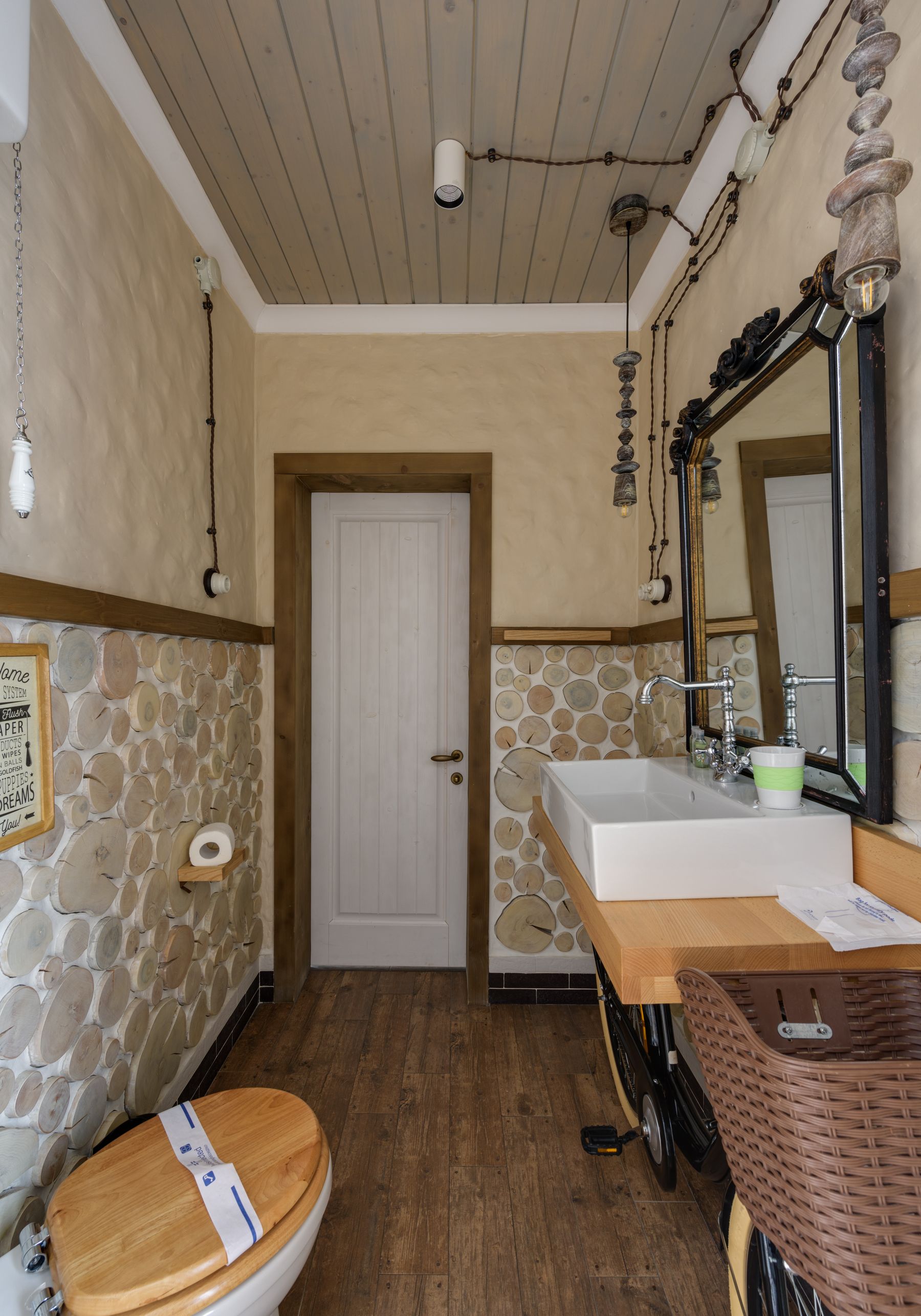
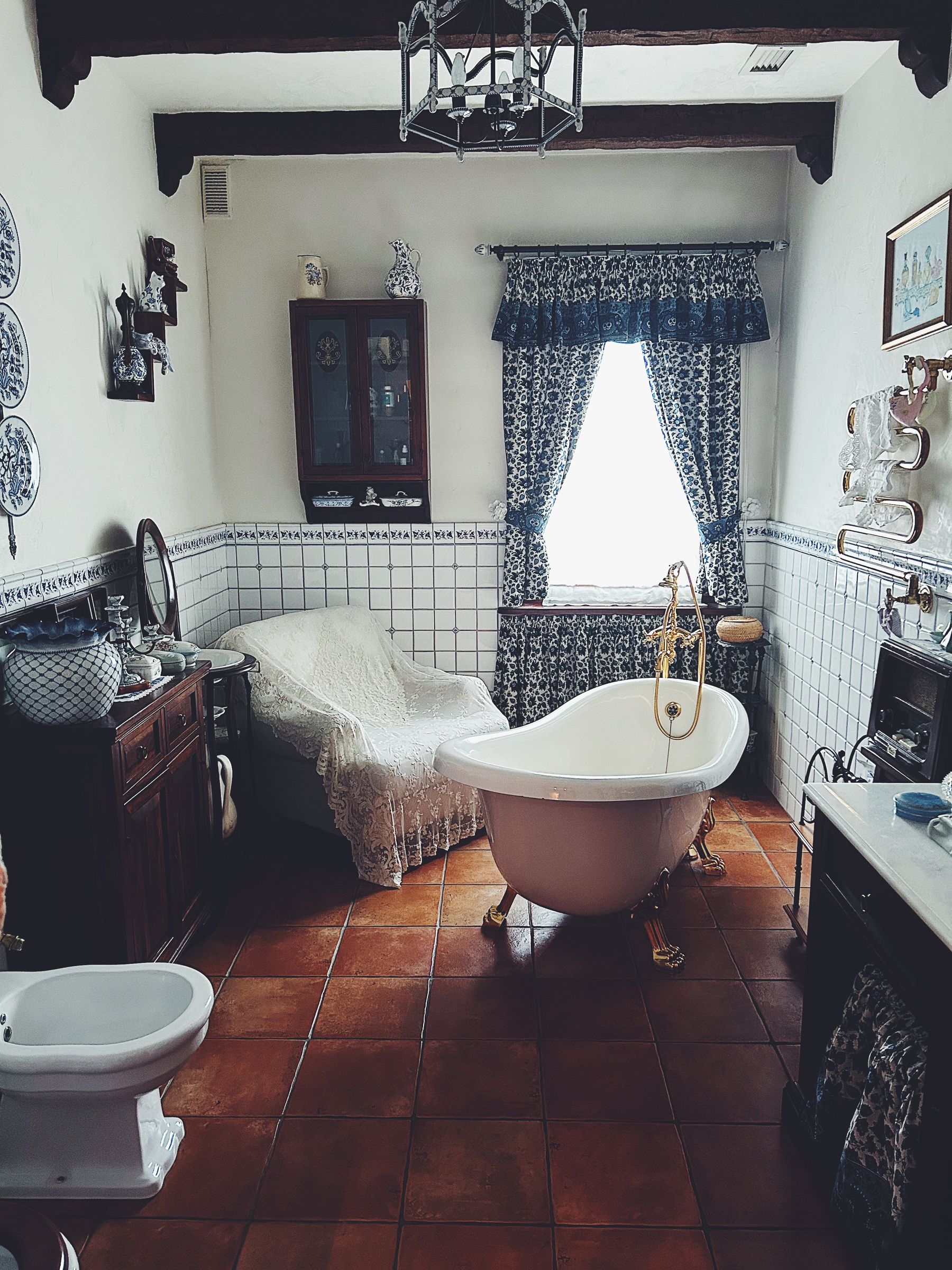
Provençal rooms often feel sun-warmed, mineral and connected to clay, pale stone and faded garden color; northern French country can be cooler, more timbered and linen-led. Choose one dominant lane, then adapt it to the existing building. A suburban bathroom does not need a fake stone arch or bundles of lavender to qualify. Its most believable version may be warm plaster color, a furniture-like vanity, terracotta-toned floor and one elegant mirror.
Build the Palette From Chalk, Earth and Faded Garden Color
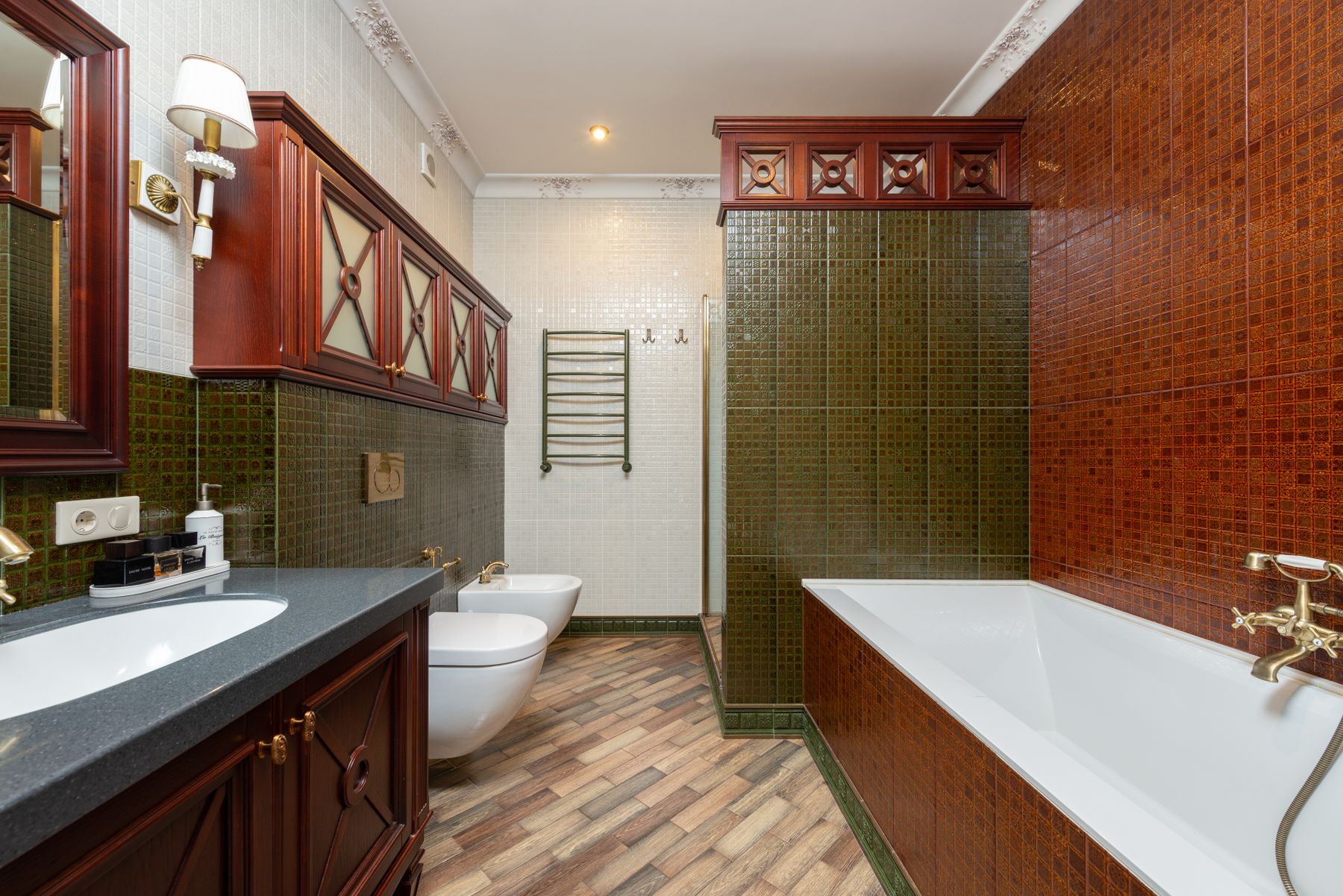
Start with chalk, cream, putty, limestone or warm grey, then add one garden or earth note: sage, celadon, dusty blue, muted lavender, ochre or softened terracotta. French country color should feel sun-faded or pigment-based, not sugary pastel. Include a dark anchor such as walnut, aged bronze or deep green so pale rooms retain depth. Test every color beside the actual sanitaryware because a cool white bath can reveal unwanted yellow or pink undertones.
Use Warm White as a Textured Ground, Not a Sterile Default
A chalky shell lets timber, metal, pattern and stone read clearly, but brilliant flat white can turn the room clinical. Use suitable mineral paint, lime-like color variation or textured dry-zone plaster where the substrate and ventilation support it. Keep sealant lines, wet-zone waterproofing and cleanable edges crisp. French country warmth should come from undertone, material and light; manufactured cracks and brown glaze create artificial age rather than credible patina.
Let Limestone or Travertine Supply Quiet Architecture
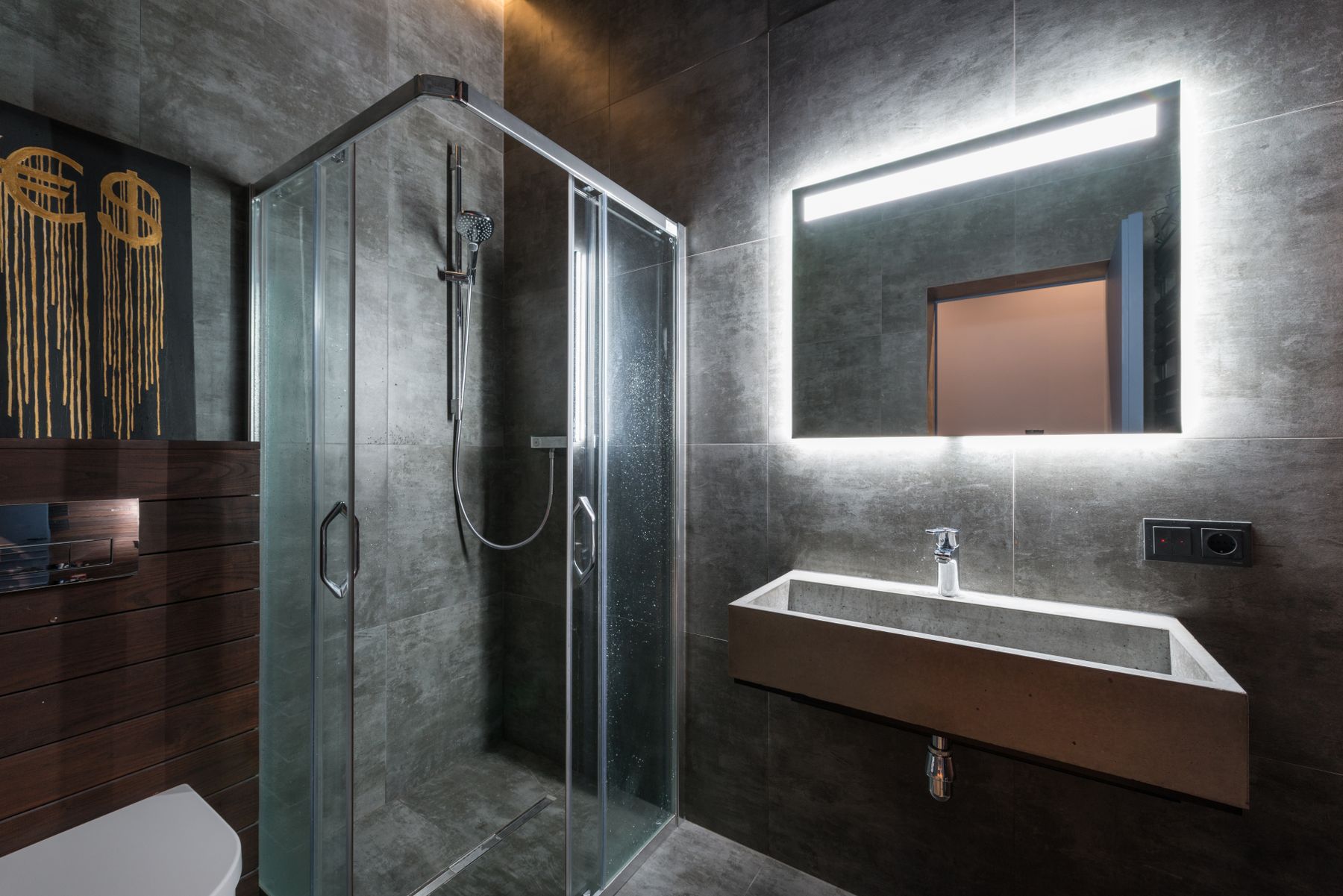
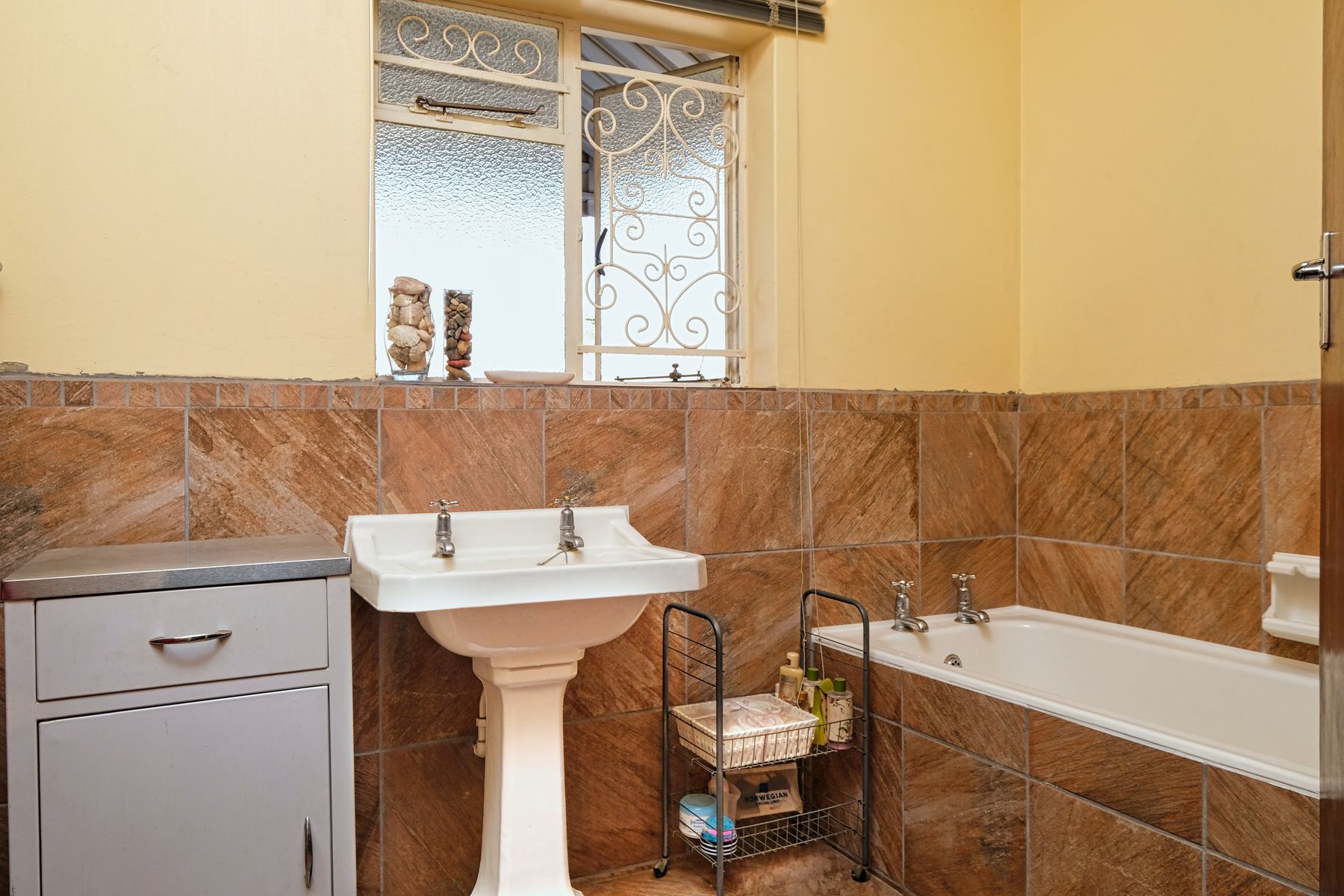
Limestone and restrained travertine bring landscape-like variation and suit floors, counters or carefully specified wet-zone walls. Match finish to use: a honed counter, grippy floor and shower wall have different porosity, slip and maintenance demands. Review multiple pieces because one sample cannot show the range. If the household will not accept sealing, etching or tonal change, a high-quality porcelain interpretation is more honest than neglected natural stone.
Use Terracotta as One Warm Plane
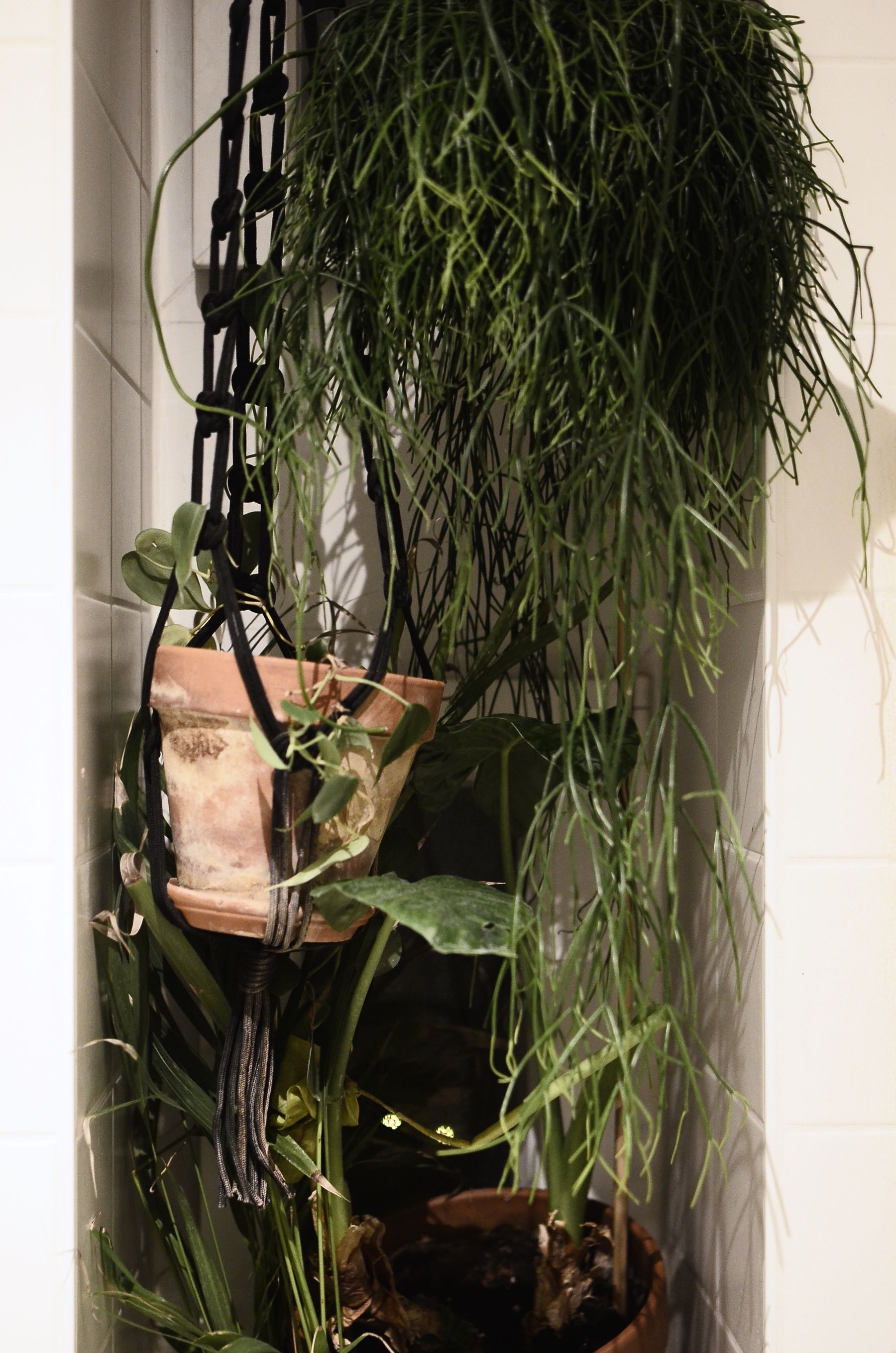
Terracotta can anchor the floor, a lower wall or a small dry-zone detail. Traditional clay varies and absorbs; specify substrate, sealing, wet-slip performance, grout and future care as a system. Porcelain versions reduce maintenance but need enough print and format variation to avoid a repetitive effect. Pair clay with chalky walls, fruitwood or muted blue rather than adding multiple red-orange objects that push the room toward a generic Mediterranean theme.
Concentrate Provençal or Geometric Tile at the Floor
A small geometric, floral or cement-look floor can establish French country character without decorating every plane. Choose a repeat whose scale suits the room and draw the layout through thresholds, toilet cuts and vanity legs before ordering. Patterned porcelain offers easier upkeep; true encaustic or cement materials require sealing and realistic acceptance of change. Keep competing wallpaper and shower tile quieter unless the room is deliberately layered and spacious.
Use Toile or Botanical Pattern in a Defensible Dry Zone
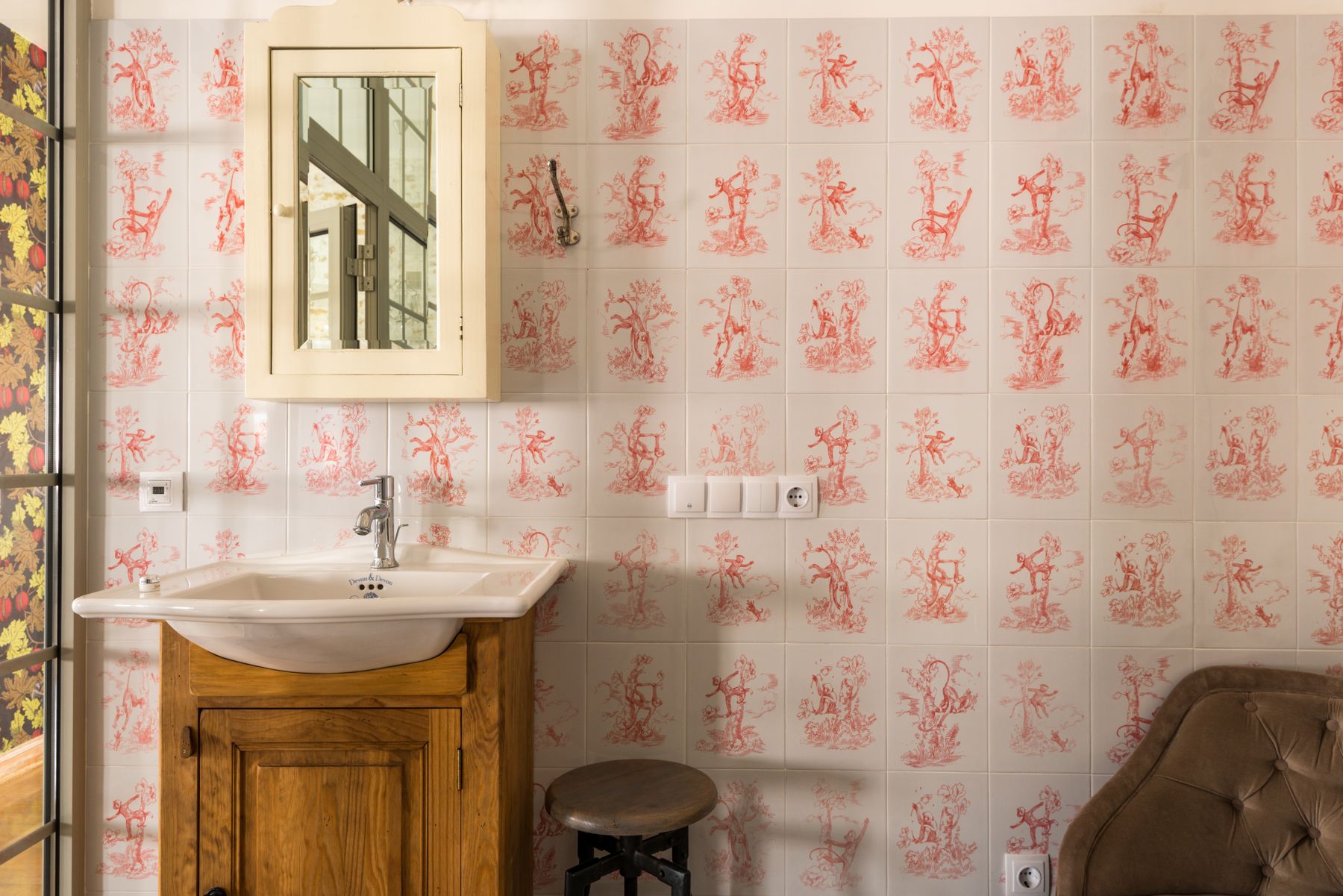
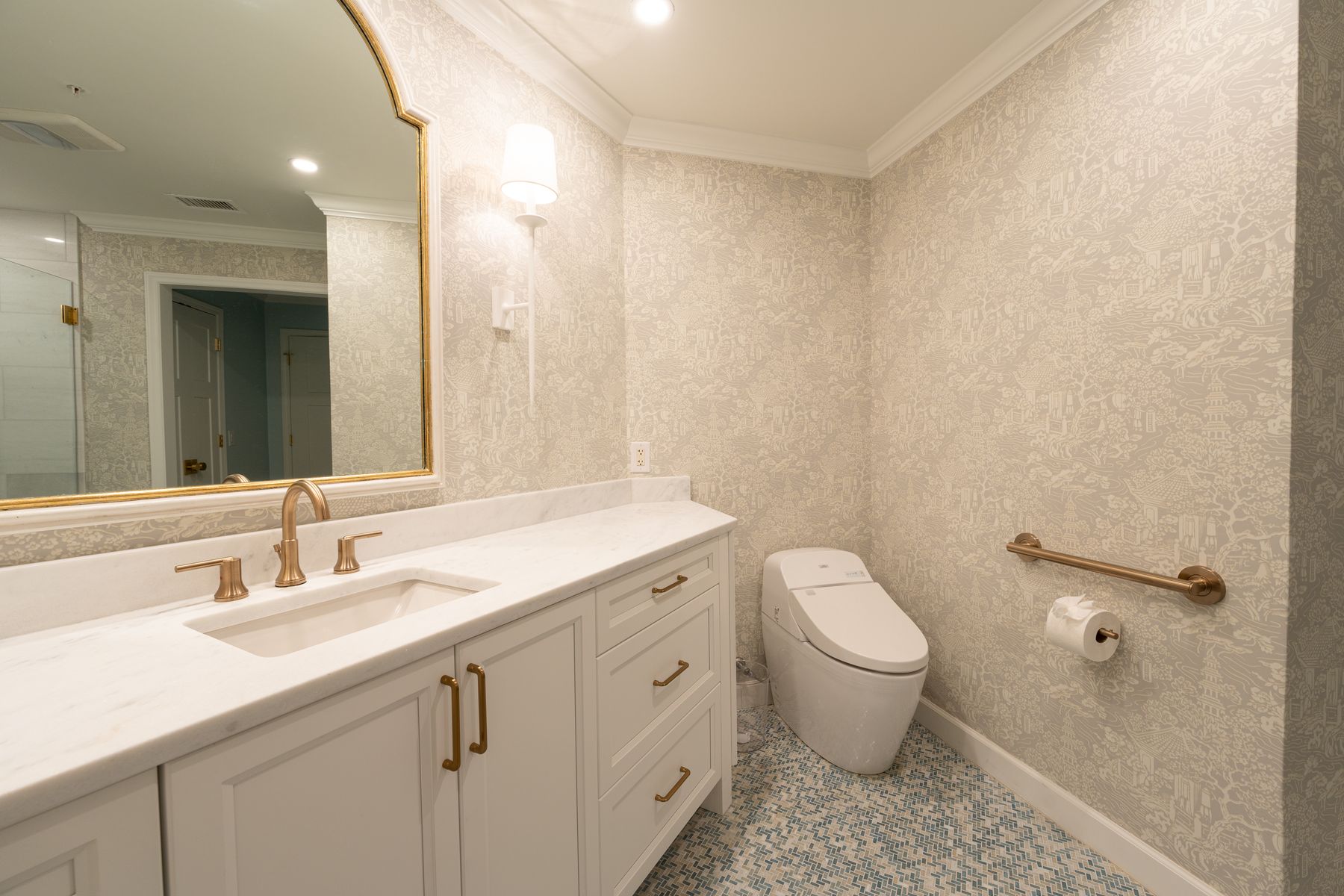
Toile, small florals and trailing botanicals can make the bathroom feel like a furnished room, especially above paneling or outside the splash line. Confirm the wall is dry, stable and ventilated; use the paper and adhesive specified for the conditions. One disciplined pattern is stronger than lavender print, rooster motif and ornamental border together. In a hard-working family bathroom, translate the idea through a framed print or washable tile panel instead.
Use Paneling to Correct Proportion, Not Simulate a Farmhouse
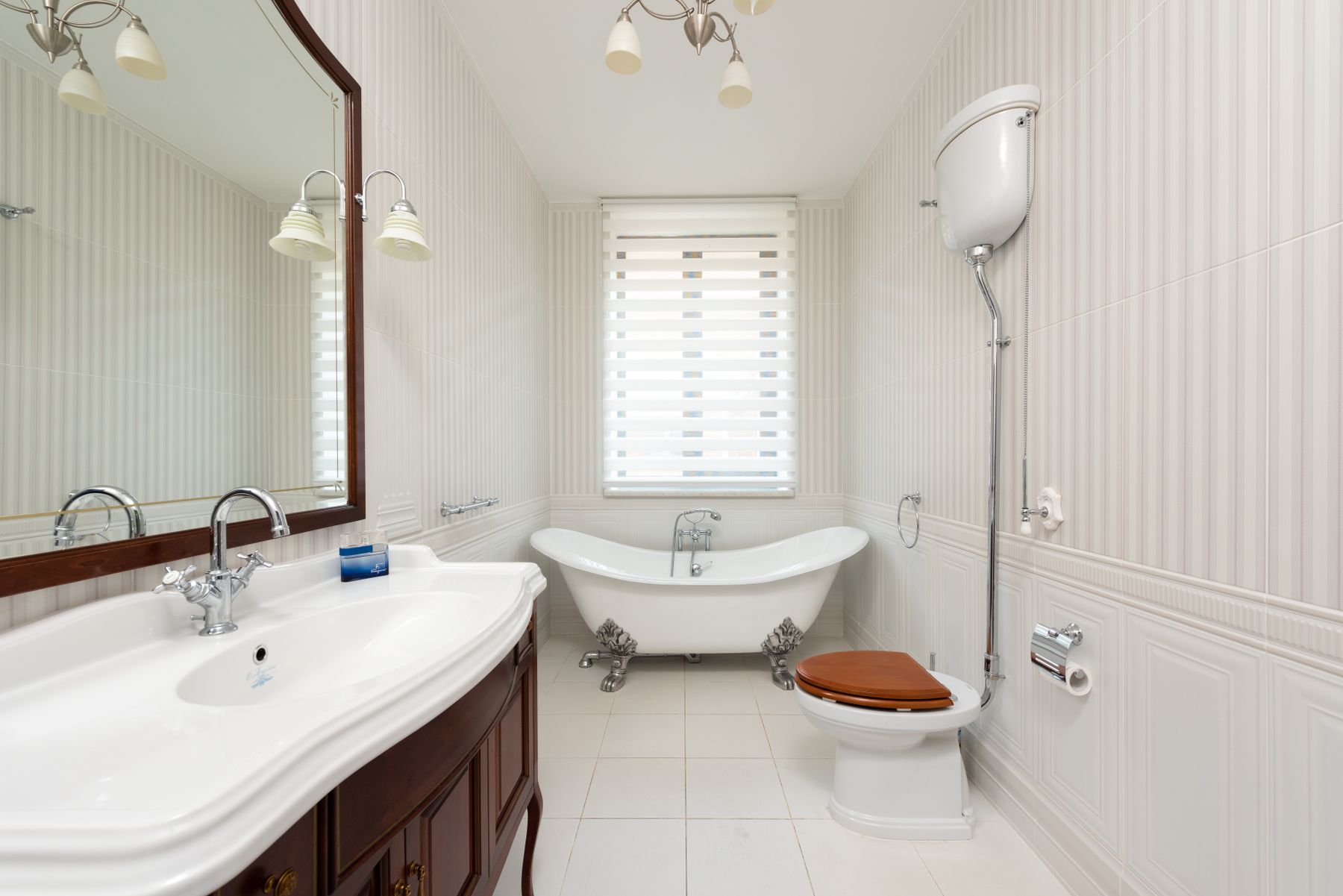
Painted paneling can protect a dry lower wall, establish a human-scale datum and give wallpaper a clean boundary. Choose profiles appropriate to the architecture: simple framed panels, narrow boards or a plain dado are usually more convincing than heavy barn-style shiplap. Detail the top edge, sockets, vanity return and floor junction before installation. Keep timber products out of direct wet exposure unless the full assembly is designed for it.
Make the Vanity Feel Like a Refined Country Piece
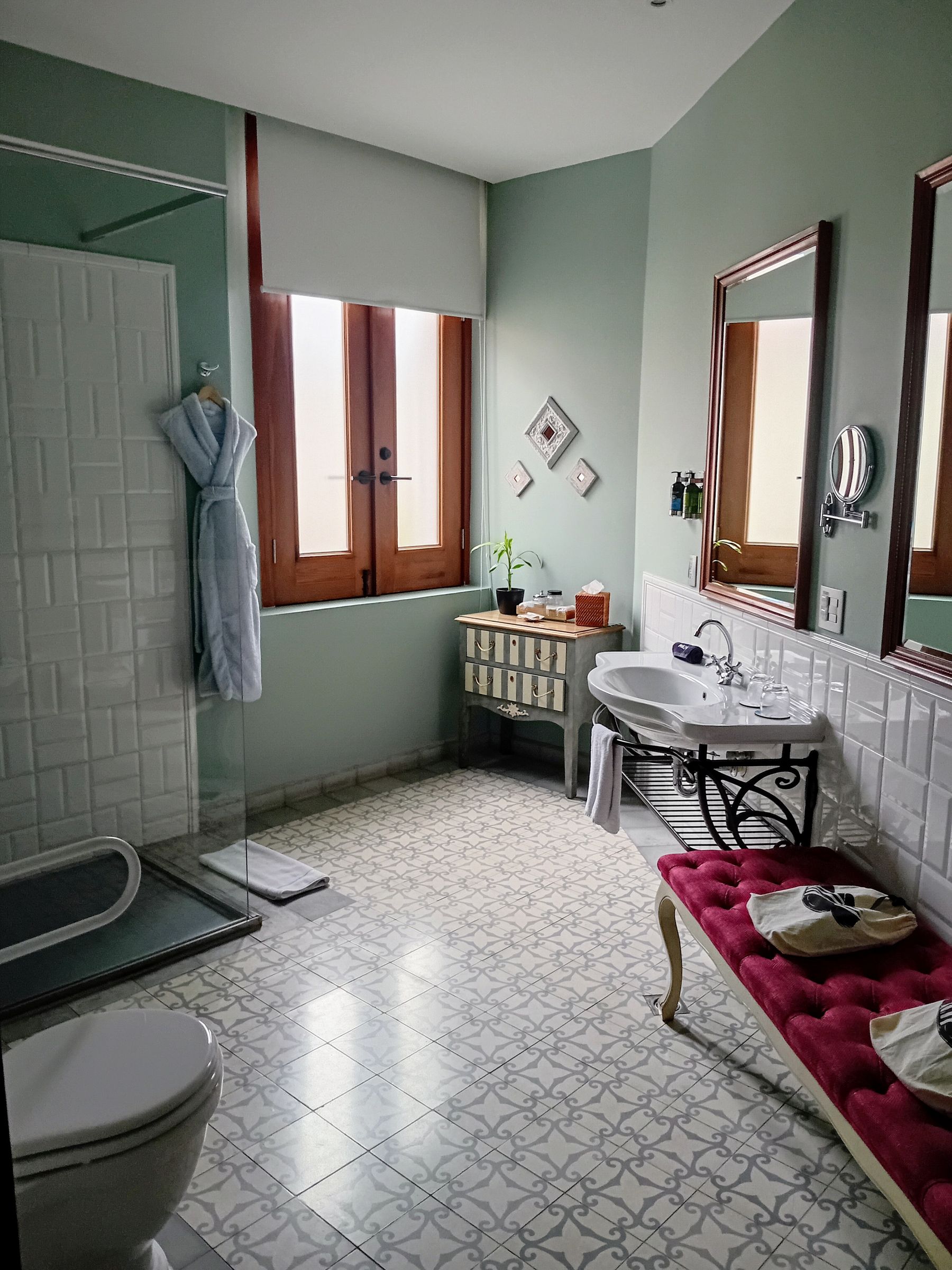
A fruitwood, walnut, oak or softly painted vanity should feel assembled from furniture principles: framed fronts, shaped feet, a modest curve or a substantial top. It still needs sealed edges, useful drawers, plumbing access and a comfortable height. Converting an antique can work only after checking structure, depth, basin weight and repairability. Avoid destroying functional storage merely to create the appearance of an old wash table.
Choose a Washstand or Pedestal Basin Only When Storage Exists
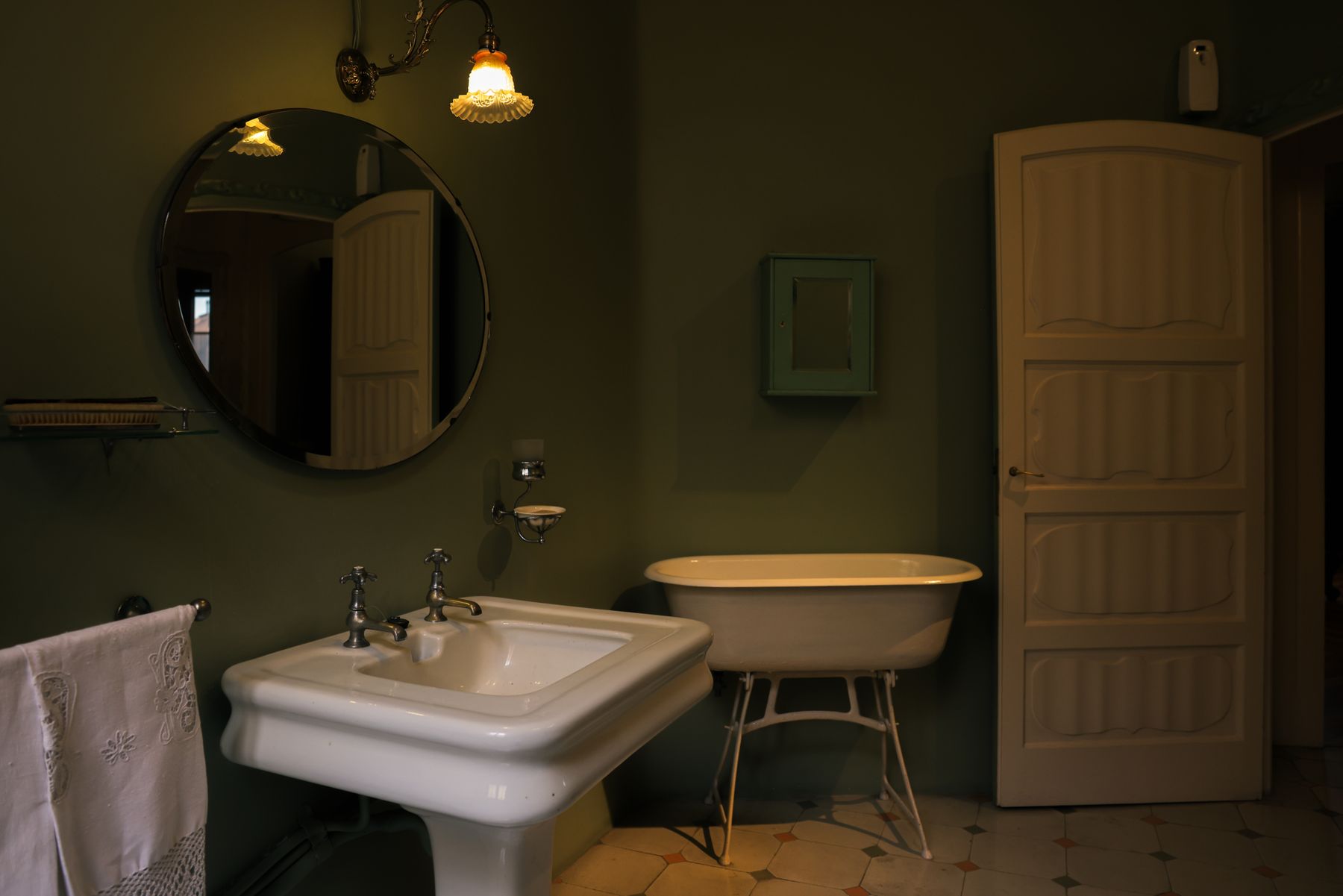
A porcelain washstand, pedestal or metal-legged console contributes negative space and an elegant historic silhouette. It is most successful in a powder room, guest bath or plan with a nearby cabinet. Measure landing space, trap visibility, splash and accessible knee clearance before choosing it. If a busy household needs drawers, use a furniture vanity and let the mirror or lighting carry the lighter French country profile.
Let a Freestanding Bath Carry One Graceful Curve
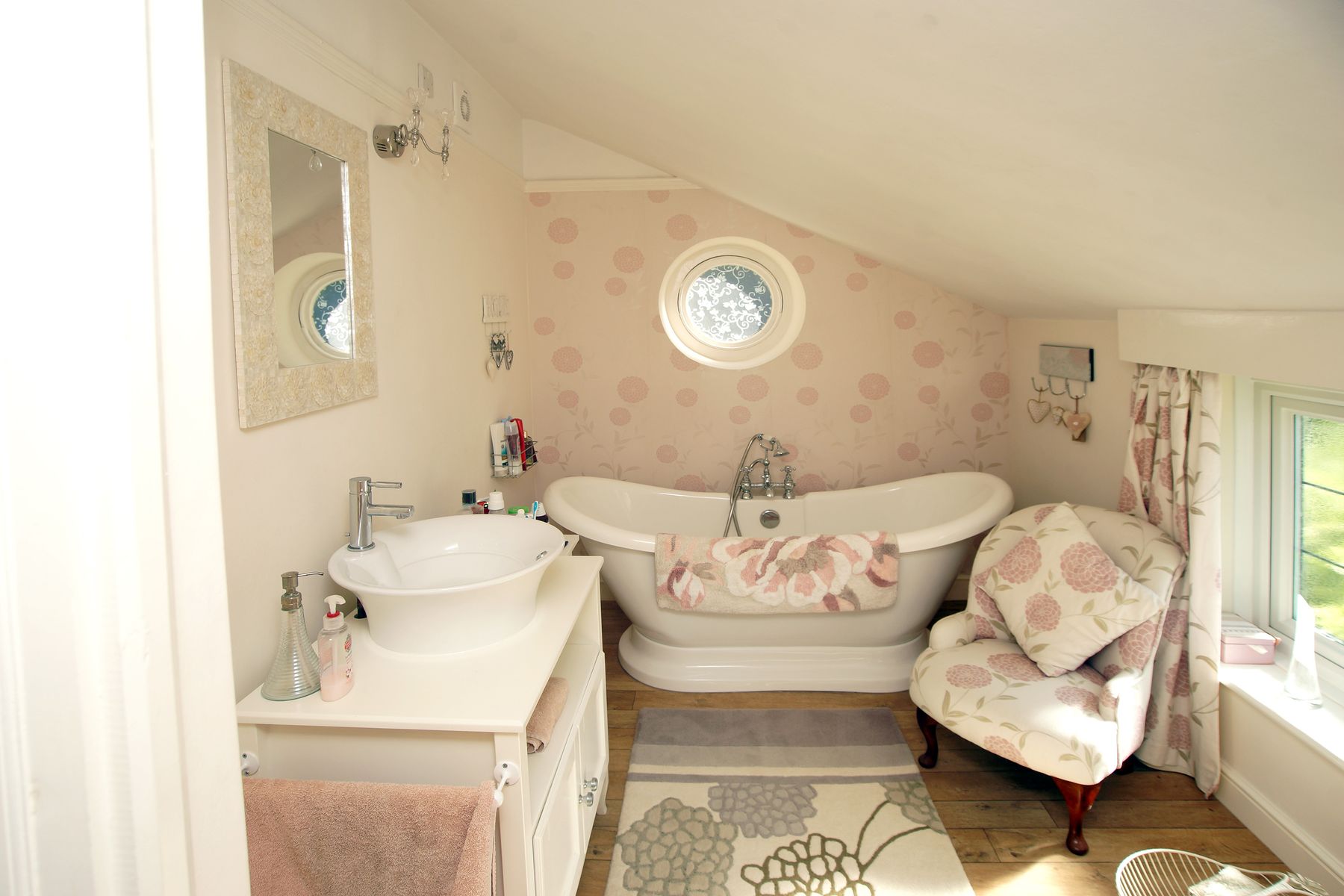
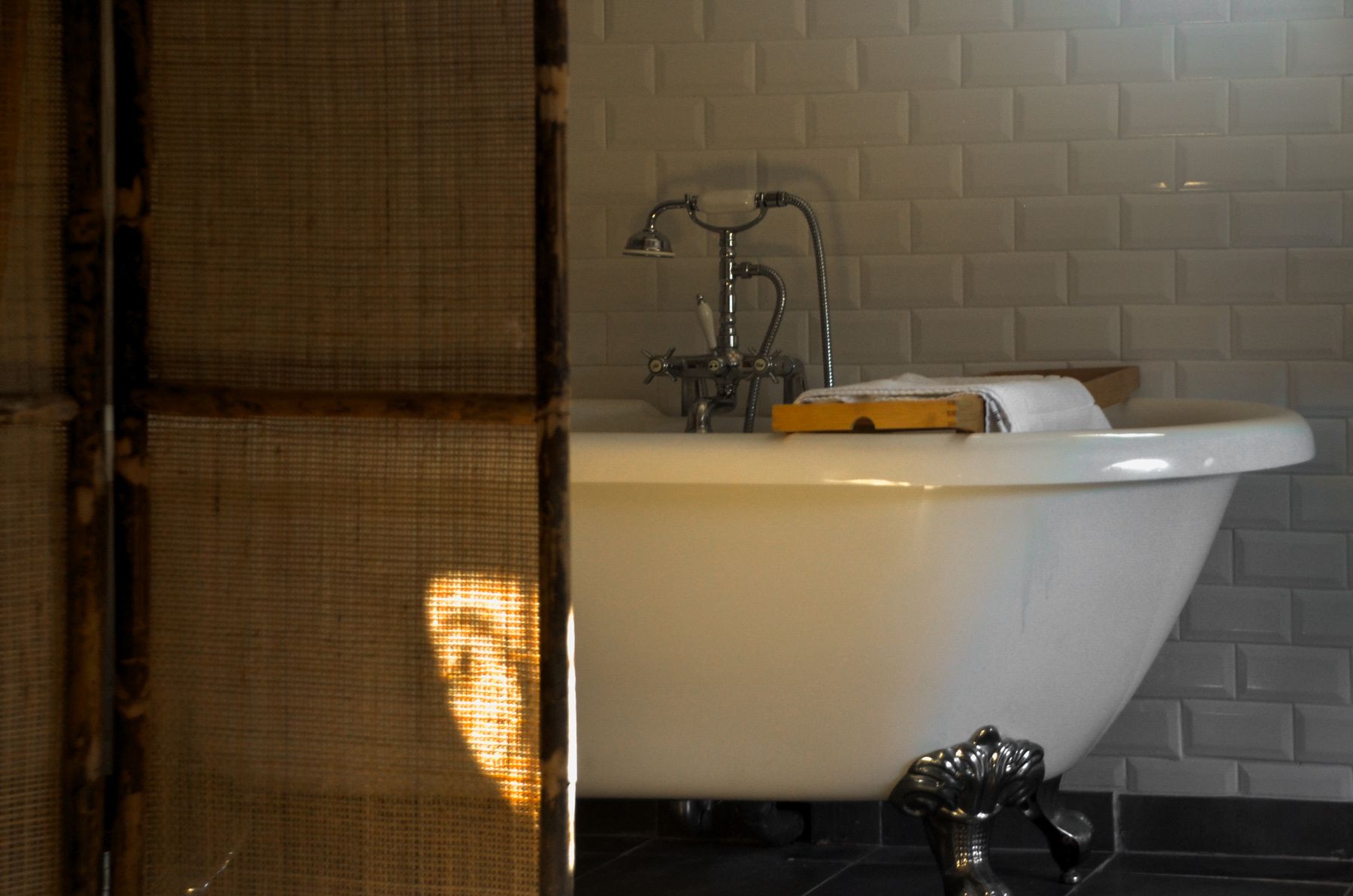
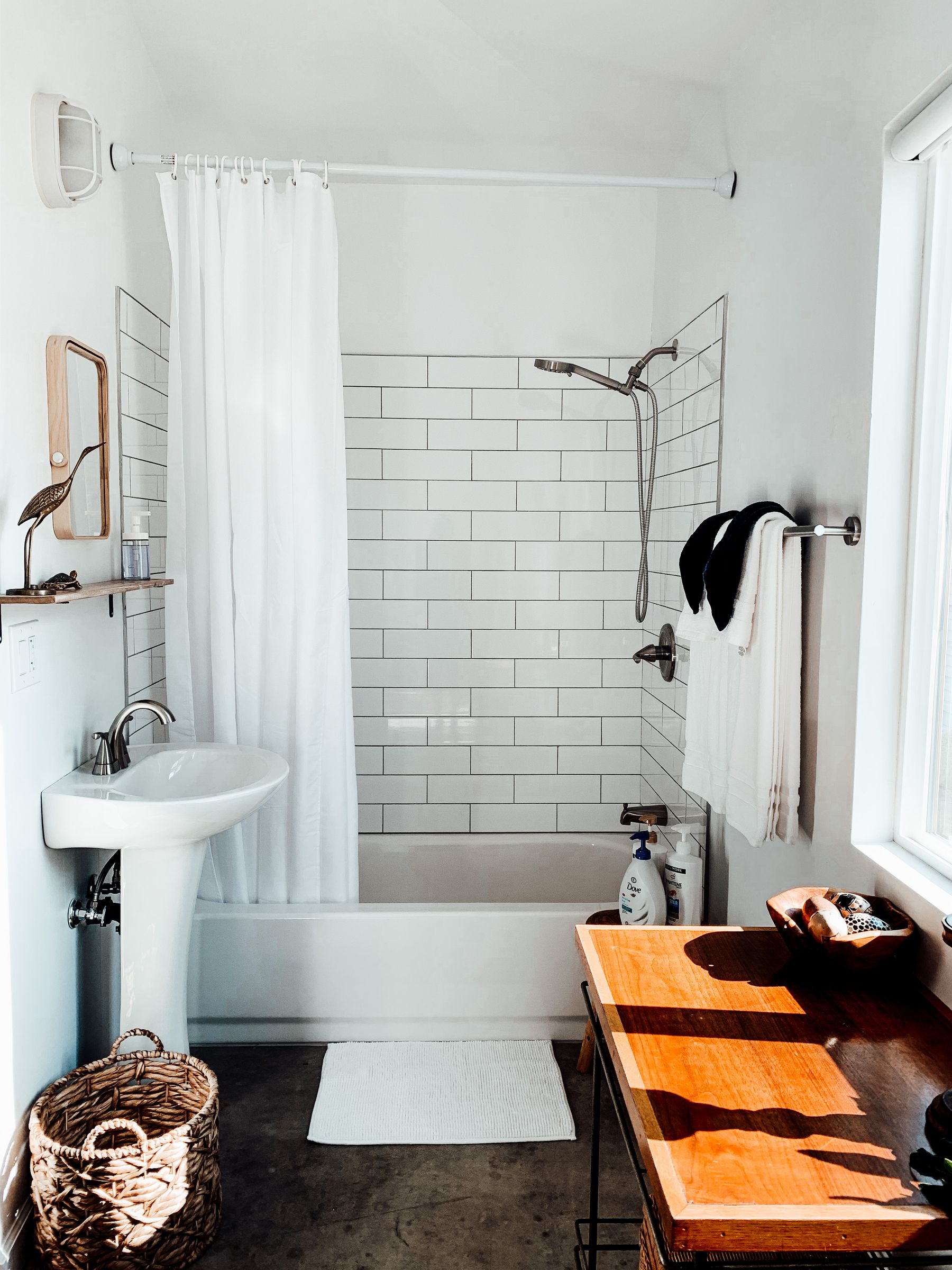
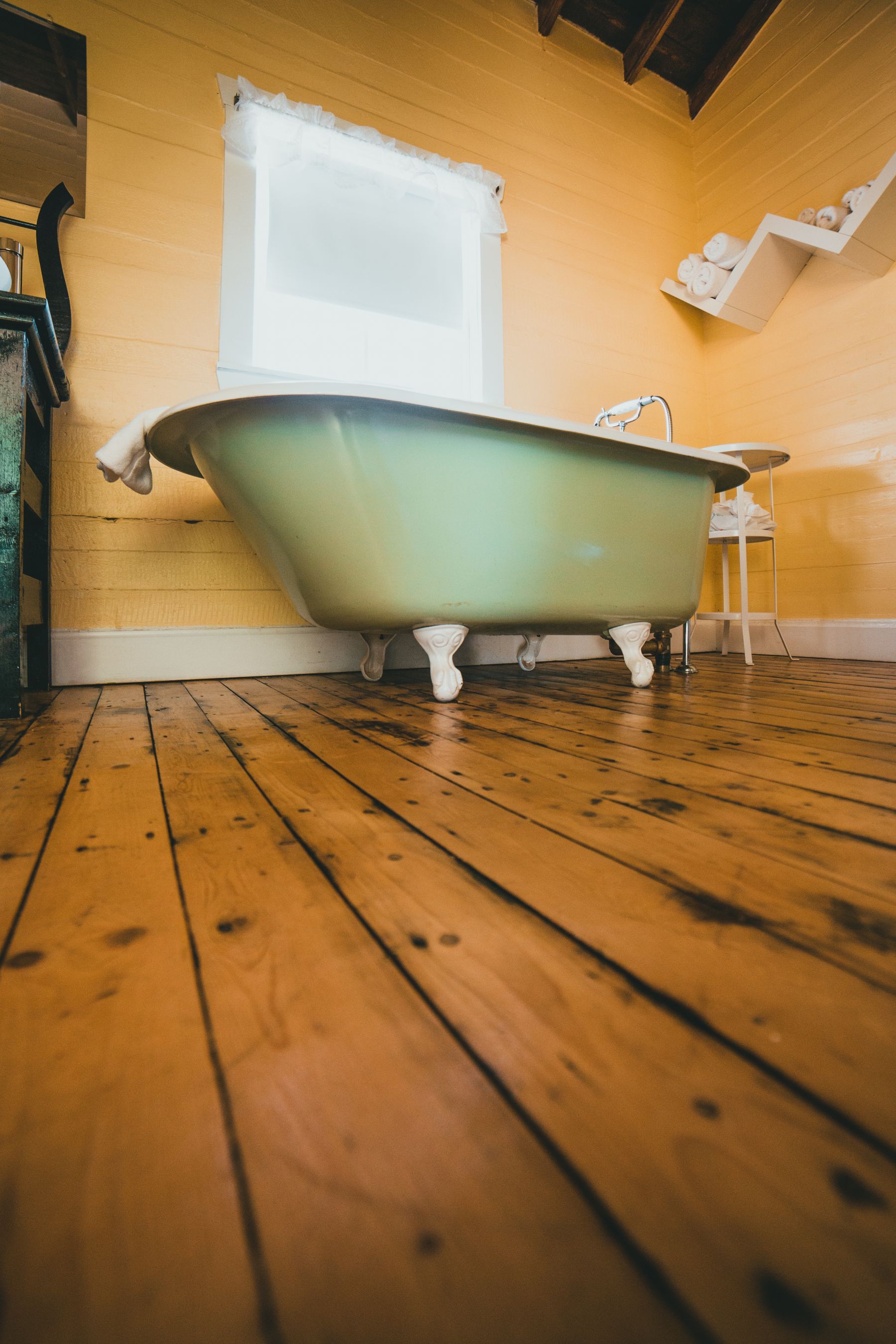
A roll-top, slipper or simple oval bath can become the room's primary formal gesture. Check entry height, internal length, filled weight, floor structure, filler position, cleaning clearance and splash before choosing by shape alone. A built-in bath with a limestone or tiled surround may be safer and easier for families. French country identity does not depend on claw feet; proportion and material relationships matter more than labels.
Keep the Shower Technically Modern and Visually Quiet
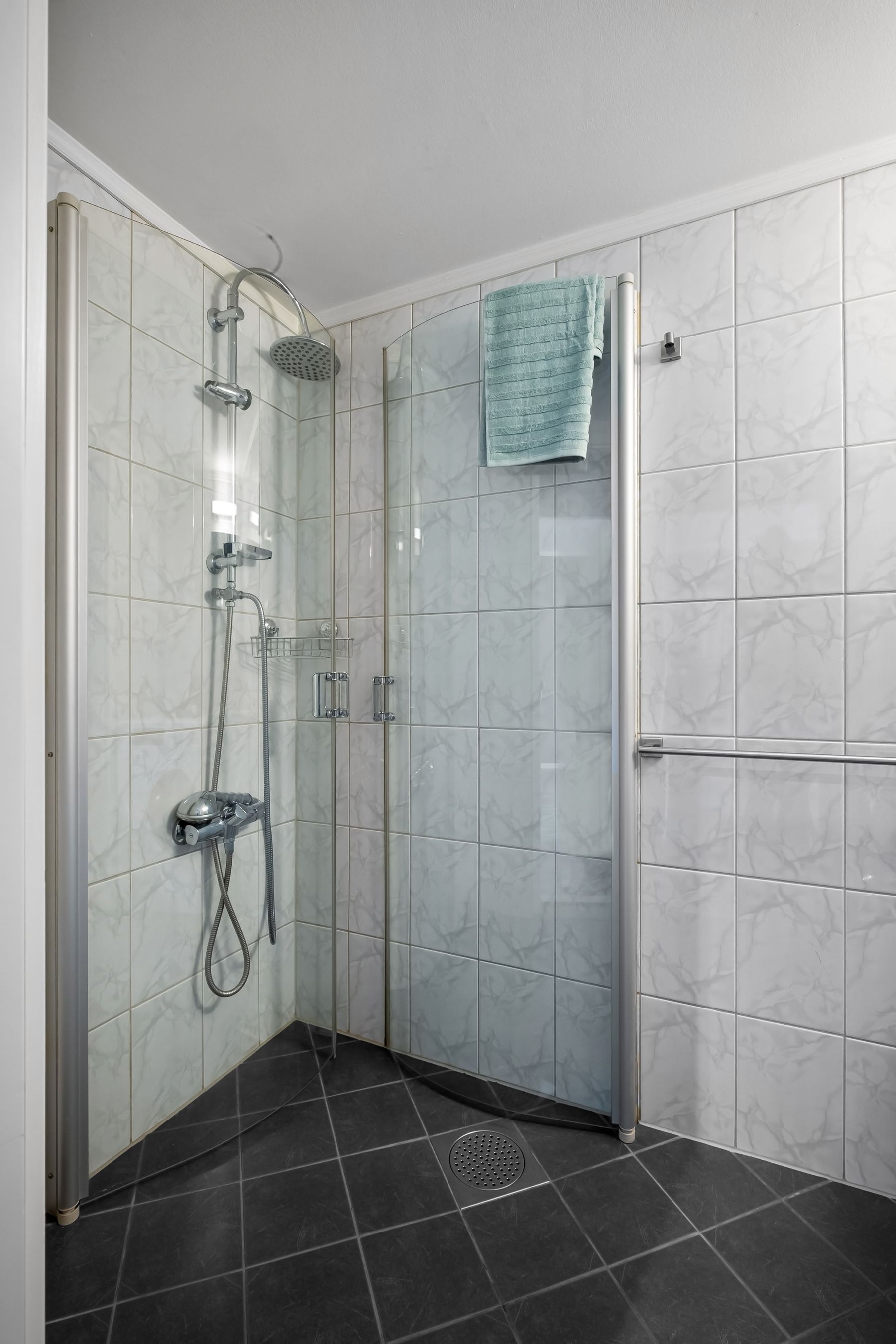
The shower should use current waterproofing, falls, drainage, ventilation and service access even when the room appears old. Keep tile quiet—warm white squares, pale stone or one restrained glazed field—so the vanity, floor or wallpaper can carry character. Use framed glass only when the divisions support the architecture; many black grids push the room toward Industrial or Modern Farmhouse. Plan niches and controls around actual reach.
Use Curves in Mirrors, Furniture and Hardware
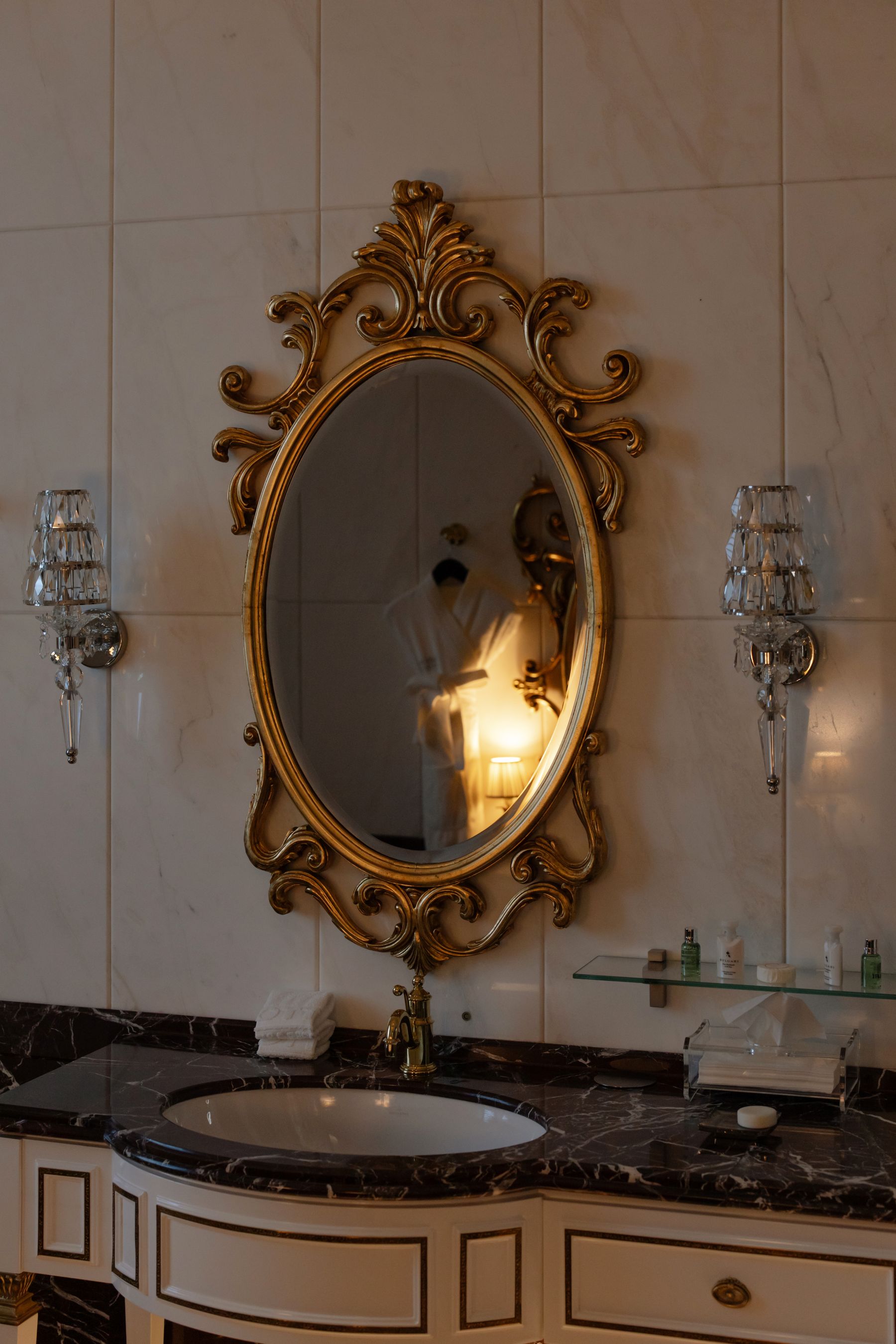
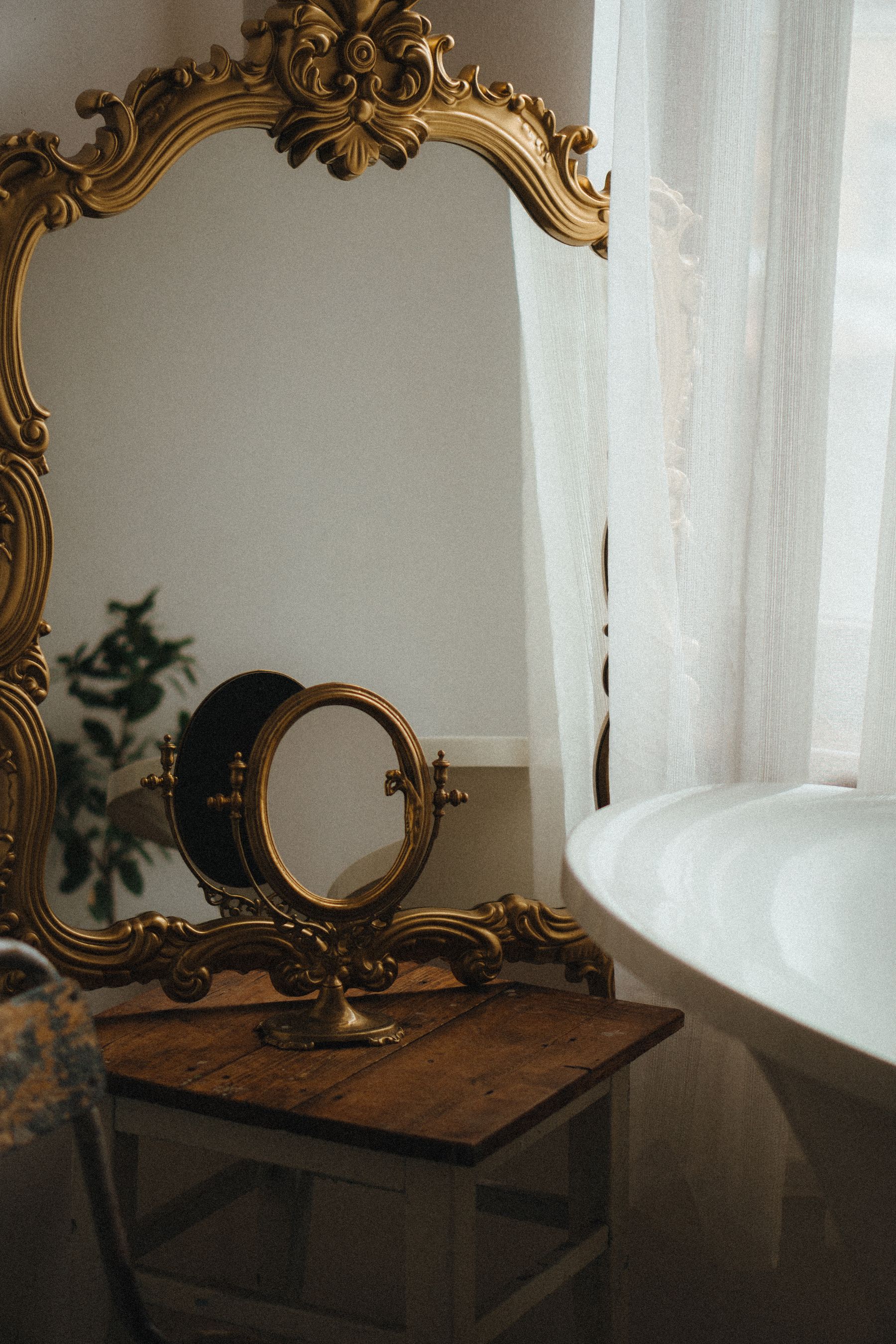
French country refinement often appears through a cabriole-like foot, bowed cabinet front, oval mirror, scalloped sconce or gently shaped tap. Select one or two curves and repeat their radius subtly; do not turn every edge into ornament. In small rooms, an oval mirror can provide the entire graceful layer while square tile and straightforward cabinetry maintain order. Verify that decorative frames tolerate humidity and allow mirror replacement.
Mix Warm Metals Through Hierarchy, Not Accident
Unlacquered brass, aged bronze, antique gold and soft nickel can all work, but assign roles. Use one durable dominant finish for frequently touched plumbing and a secondary finish for mirror, lighting or furniture hardware. Confirm cleaning compatibility and replacement availability before accepting living finishes. Matching everything can feel commercial; mixing four unrelated yellows and blacks feels accidental. Repeat each chosen metal at least twice unless one is clearly an antique exception.
Use Dusty Blue as a Regional Accent, Not a Uniform
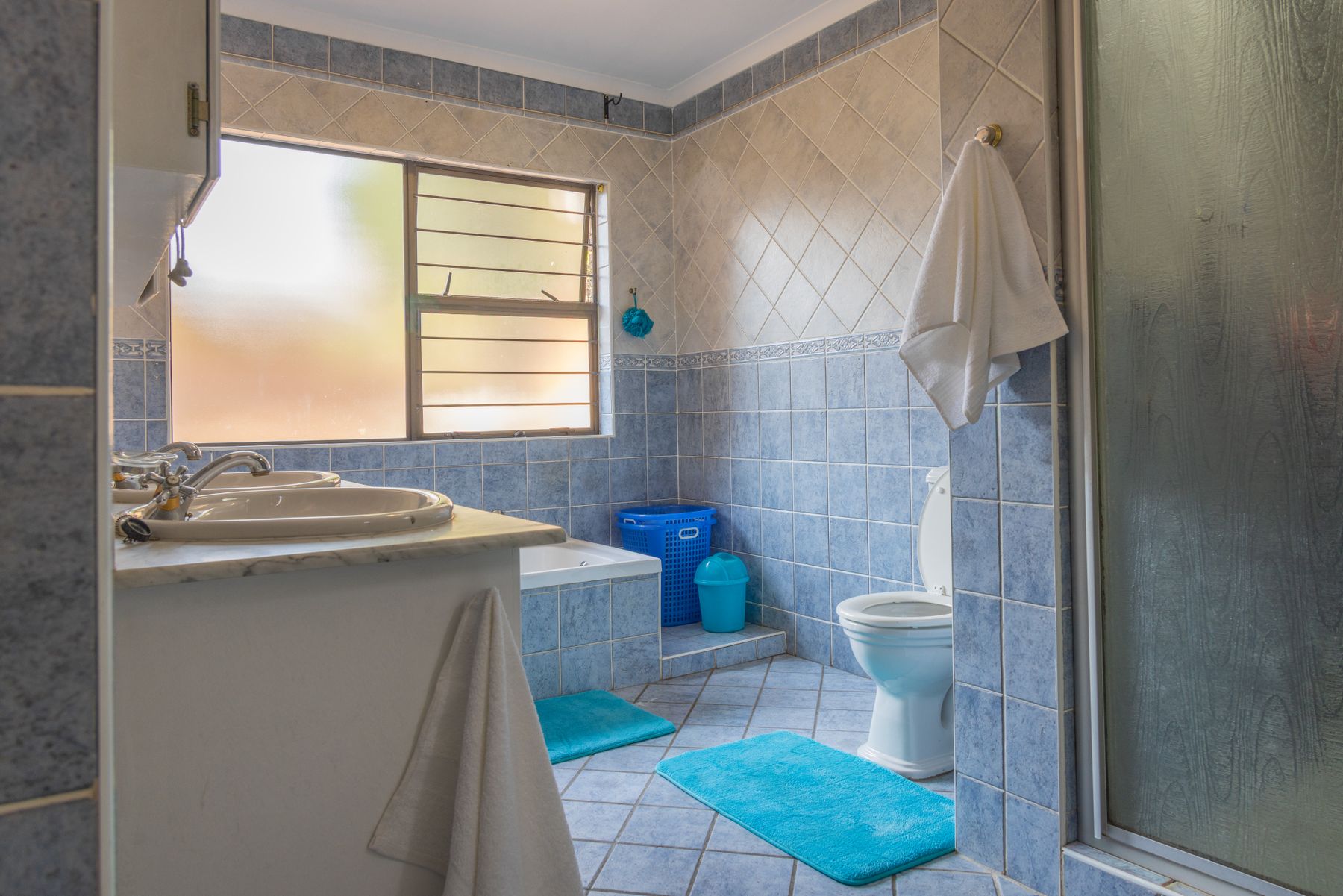
Faded blue can reference shutters, textiles, faience and painted furniture without turning the bathroom nautical. Use it on one vanity, wallpaper ground, curtain, tiled field or door, then balance it with cream, limestone and warm timber. Pure navy-and-white contrast often reads Coastal or Traditional. If blue is the primary design problem rather than a supporting French country note, the dedicated color guide provides the deeper palette framework.
Bring Lavender and Sage Through Material, Not Souvenirs
Muted lavender, sage and olive can appear in paint, glaze, linen or a real botanical arrangement. Choose one hue at architectural scale or two at very low intensity. Repeated lavender bundles, printed labels and purple accessories reduce a regional landscape to a retail theme. Plants must suit the light and humidity; dried material belongs away from open flame and persistent splash. The garden connection should feel seasonal and alive rather than compulsory.
Use Timber for Age and Warmth, Not Fake Distress
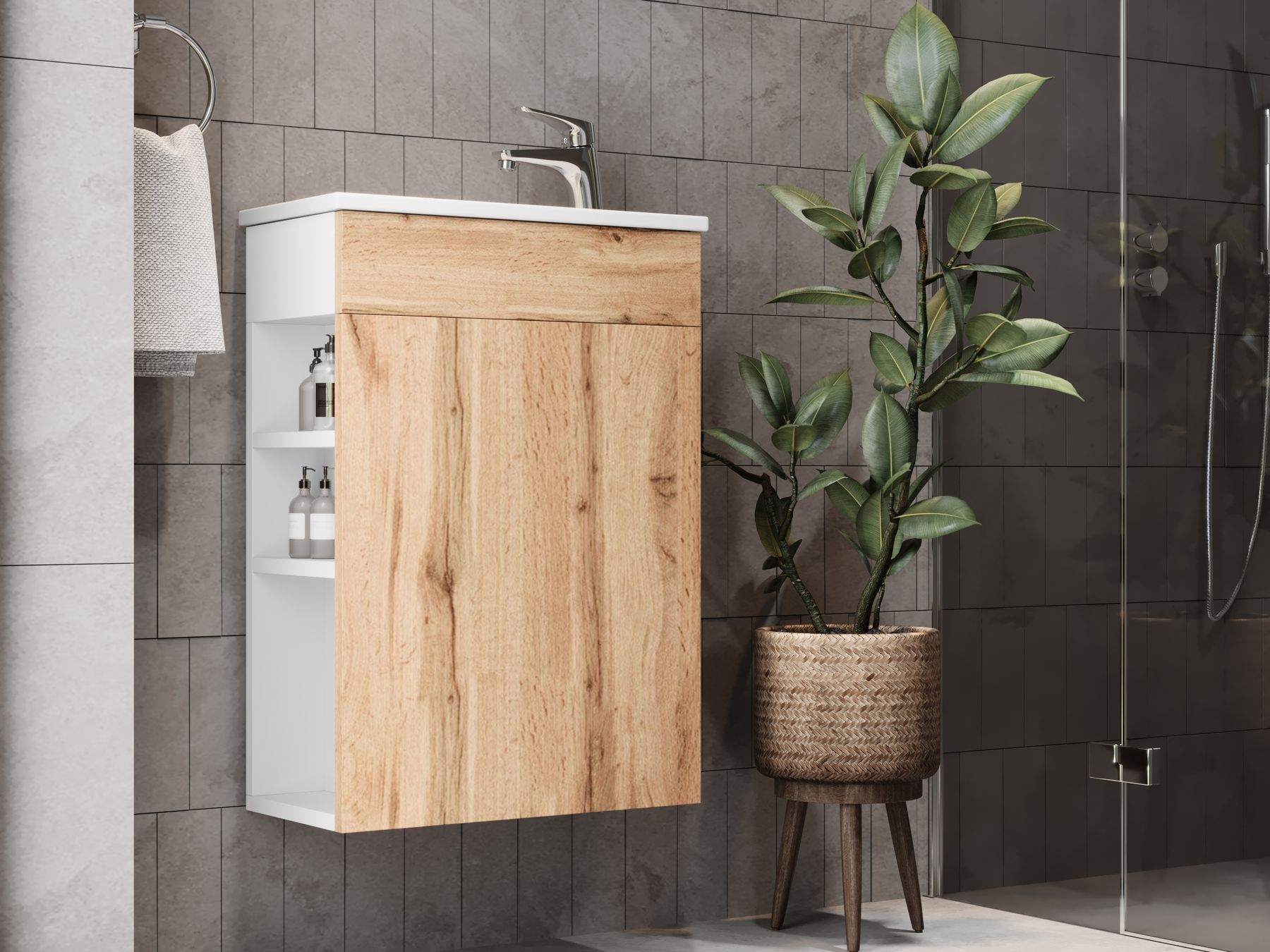
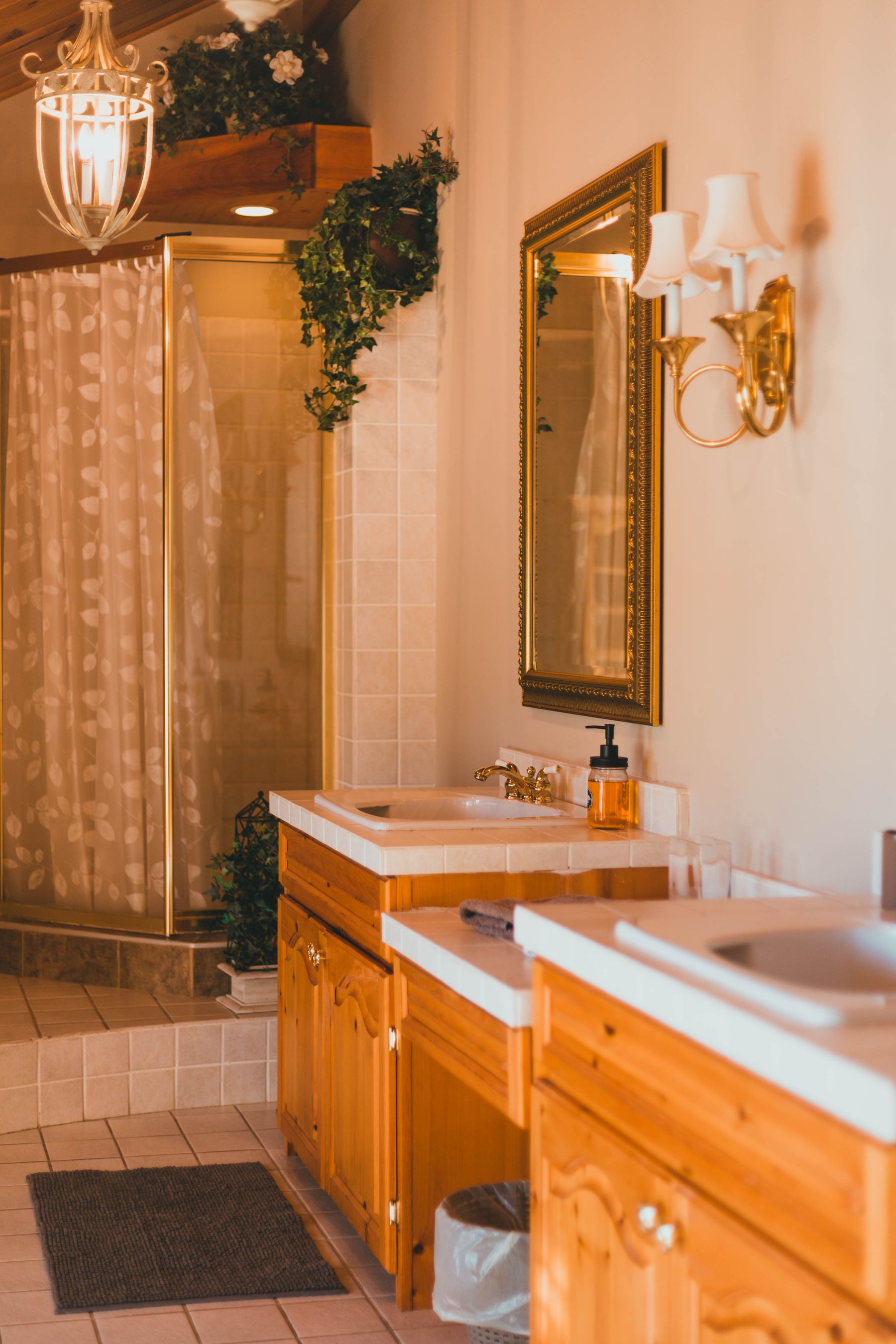
Fruitwood, oak, walnut and painted timber bring the accumulated quality central to French country rooms. Keep vulnerable end grain, feet and door edges away from standing water, and specify ventilation behind fitted pieces. A repaired antique may be beautiful, but inspect joints, coatings, pests and basin loads before conversion. Avoid factory-applied damage, faux wormholes and patchy sanding; natural variation and gradual patina are quieter and more credible.
Treat the Window as Light, Privacy and Textile
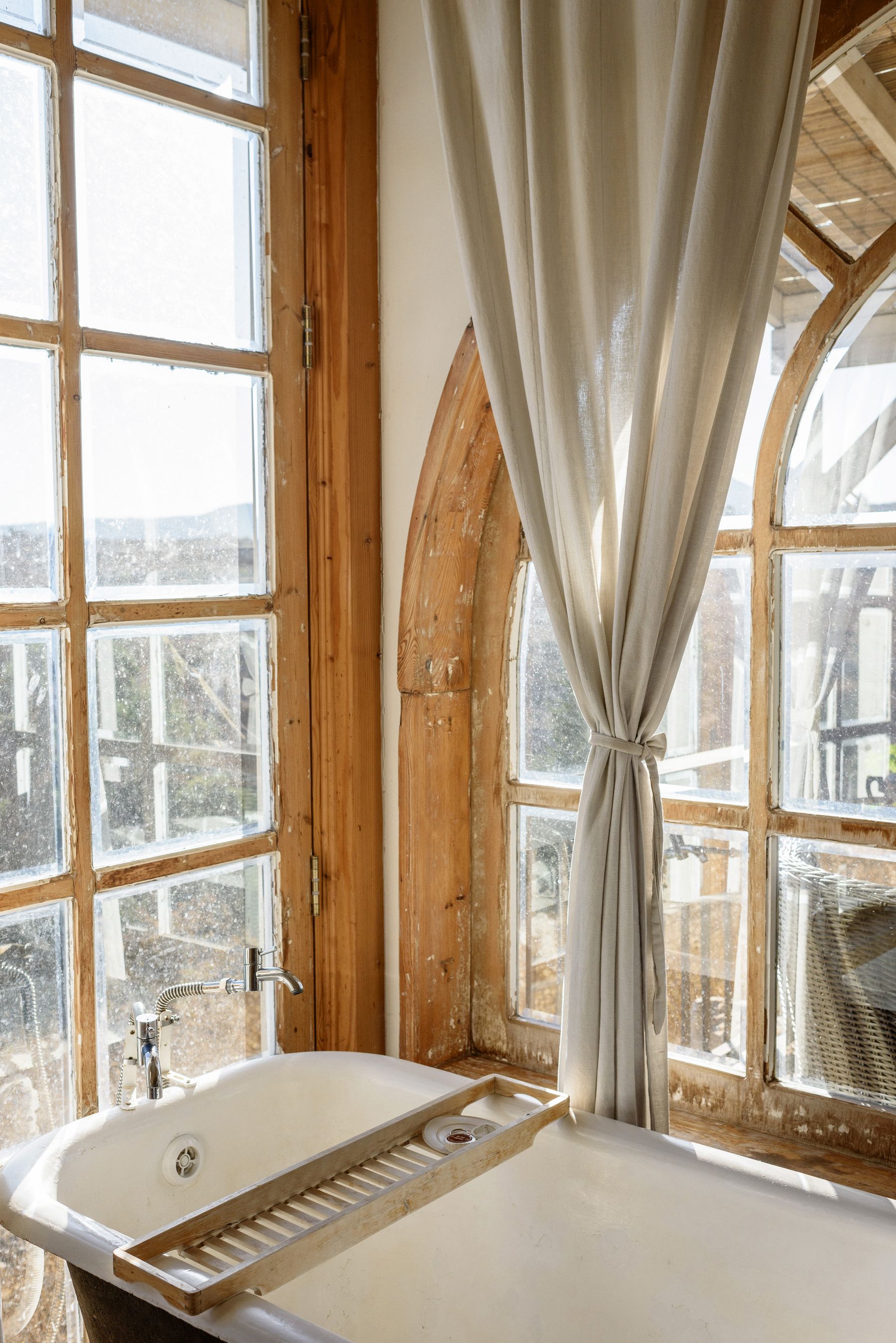
French country rooms benefit from soft daylight, but privacy must be tested from outside at night as well as inside by day. Café curtains, lined Roman shades, shutters or patterned privacy film can all work when placed outside persistent splash. Choose washable, removable textile and corrosion-resistant hardware. Do not cover a valuable garden view merely to create a decorative curtain moment; screen only the actual sightline and preserve ventilation access.
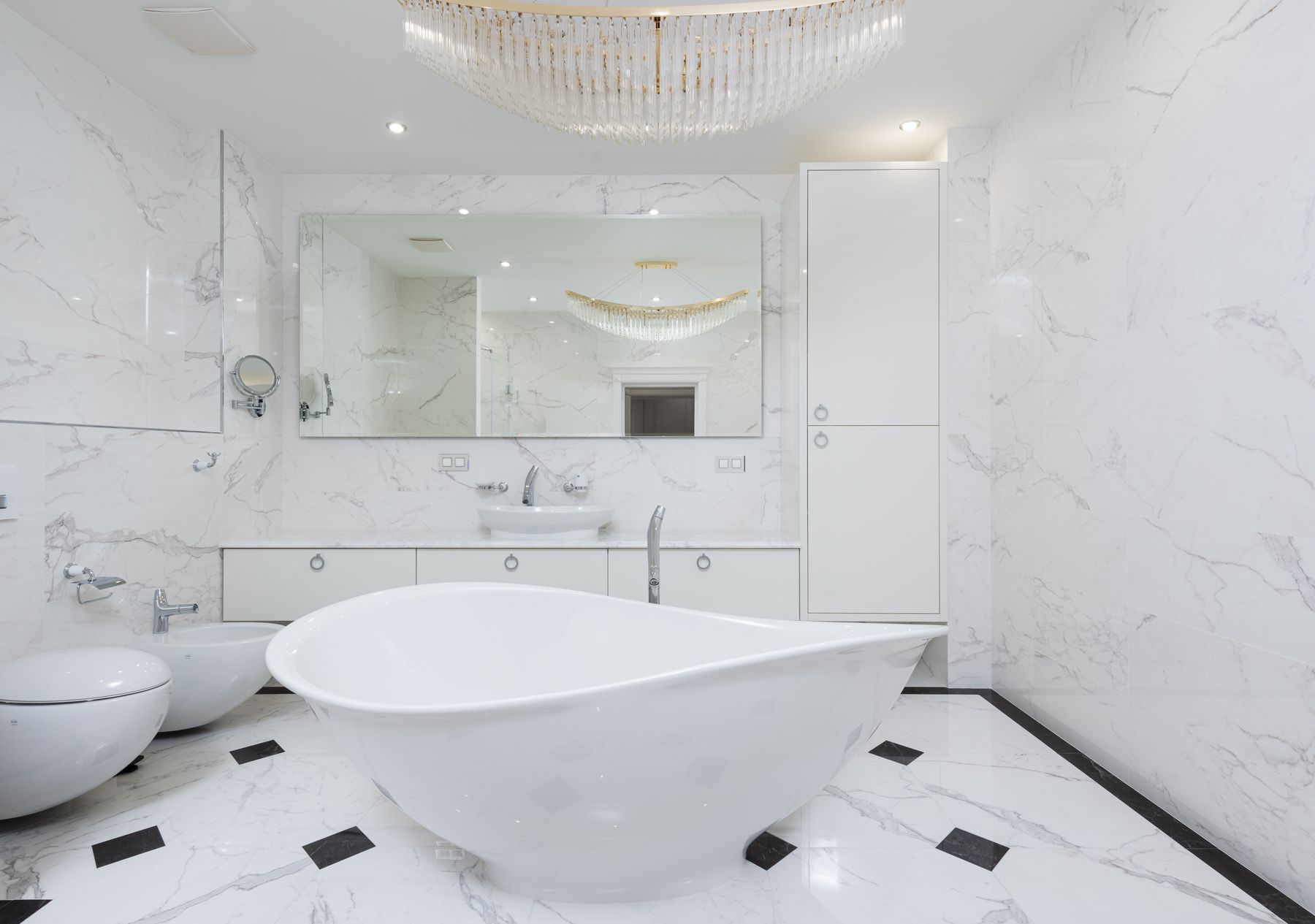
Layer Sconces and One Modest Decorative Light
Begin with flattering vertical face light, safe wet-area illumination and a low-level night route. Then add a small chandelier, lantern or decorative ceiling fitting if ceiling height and electrical zones permit. Oversized crystal can shift the room toward formal luxury; black barn lights toward Farmhouse. Linen shades, aged metal and simple glass often feel more relaxed. Use dimming and warm color temperature without sacrificing accurate grooming light.
Add Linen and Pattern Only Where They Can Dry
Linen-look curtains, striped towels, a washable rug and a small skirted basin can soften mineral surfaces, but each needs air, removal access and a laundering plan. Avoid pooling curtains beside the bath, layered rugs on a wet floor or decorative towels that displace useful drying space. Choose one pattern family and vary scale rather than stacking toile, checks, florals and stripes at equal strength.
Use Ceramics, Botanicals and Art as a Small Collected Layer
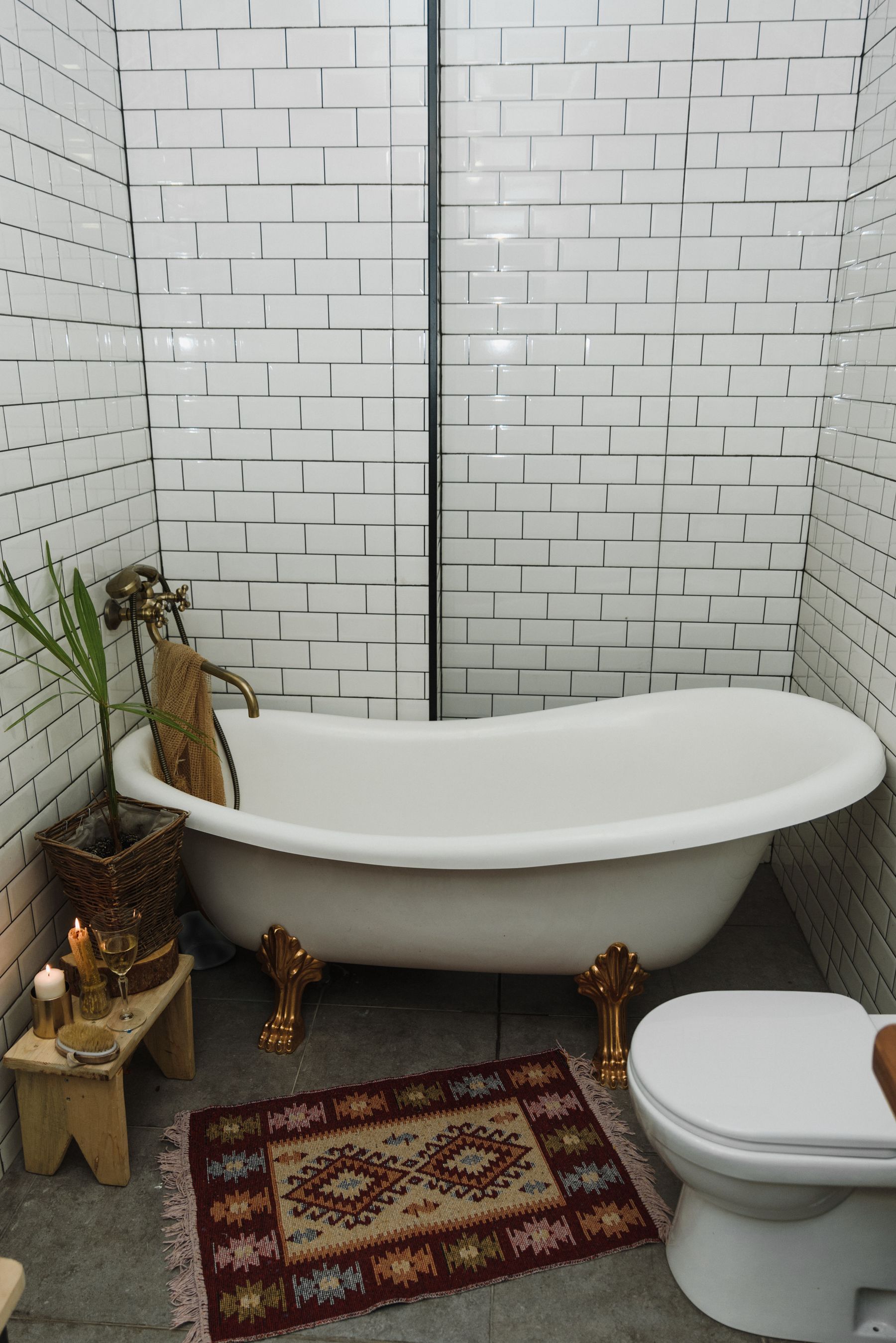
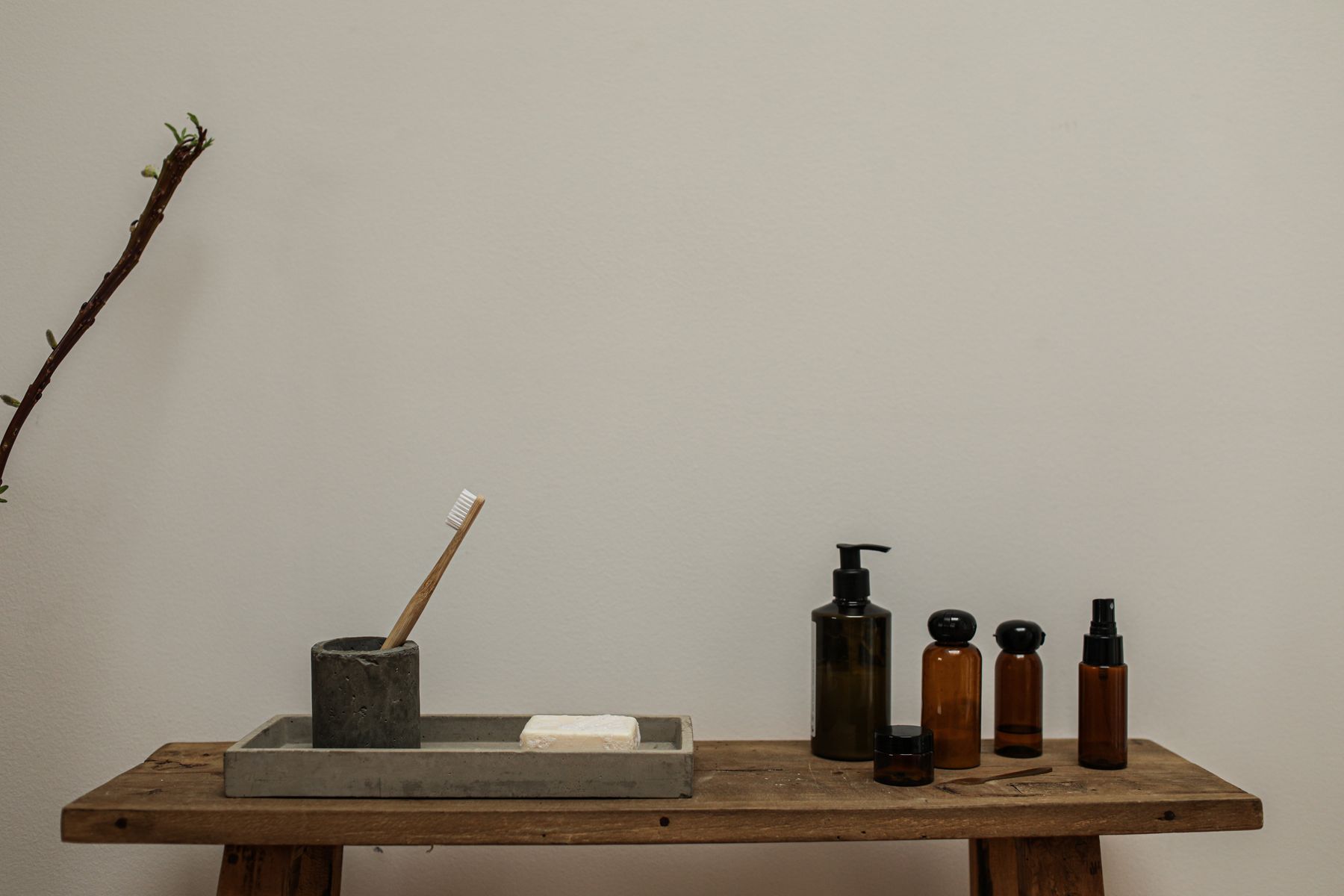
A faience dish, stoneware cup, small landscape, pressed botanical or branch from the garden can make the room feel accumulated. Keep artwork away from persistent steam unless appropriately framed, and do not crowd cleaning surfaces. Literal Eiffel Towers, French script and mass-produced lavender sets explain the theme instead of deepening it. Select objects for material, memory or use, then leave enough empty space for daily routines.
Use an Armoire or Tall Cabinet as the Storage Anchor
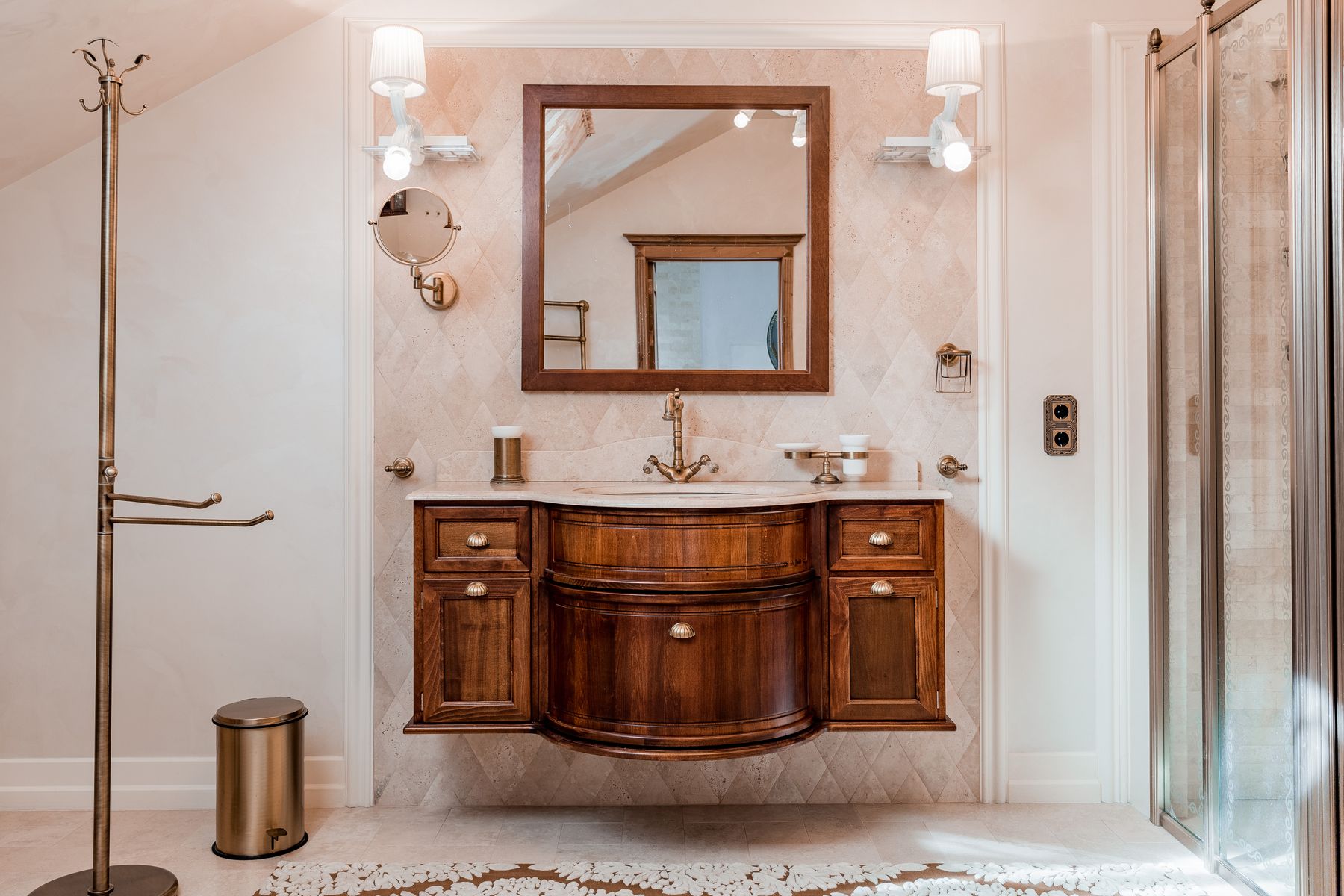
A narrow armoire, framed tall cabinet or substantial vanity can hold the practical volume that an open washstand cannot. Secure tall pieces, maintain airflow, protect feet from splash and confirm doors clear fixtures. Inside, use adjustable shelves, power management and washable bins. One strong storage piece is more convincing than several tiny vintage cabinets that fragment the walls and still fail to contain family products.
Edit the Style to One Character Move in a Small Bathroom
In a compact room, choose one permanent carrier: limestone-look floor, dusty-blue vanity, botanical upper wall or elegant oval mirror. Keep shower glass, storage and circulation visually simple. Heavy furniture feet, deep curves and multiple patterns consume both physical and visual space. Wall-mounted storage can remain traditional through framed doors and warm color. Protect door swings and the route between toilet, basin and shower before adding decoration.
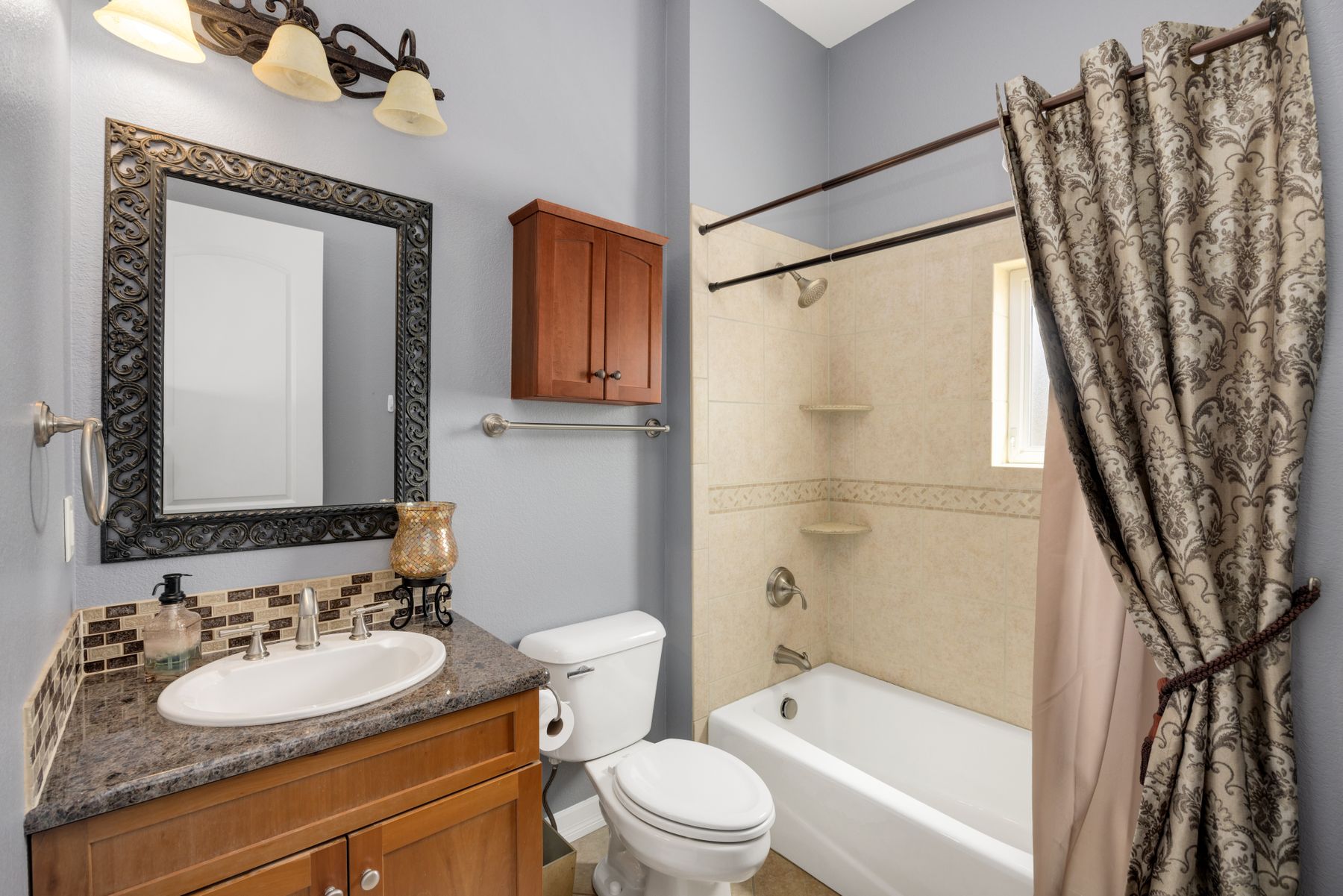
Use the Powder Room for Stronger Pattern and Ornament
Without bathing humidity, the powder room can take a denser toile, darker painted panel, ornate mirror or small console basin. Still provide extraction, handwashing storage and a cleanable splash zone. Let one element dominate and keep the others subordinate. A patterned wall, elaborate gold mirror, decorative floor and sculptural basin at equal volume create a showroom vignette rather than relaxed French country character.
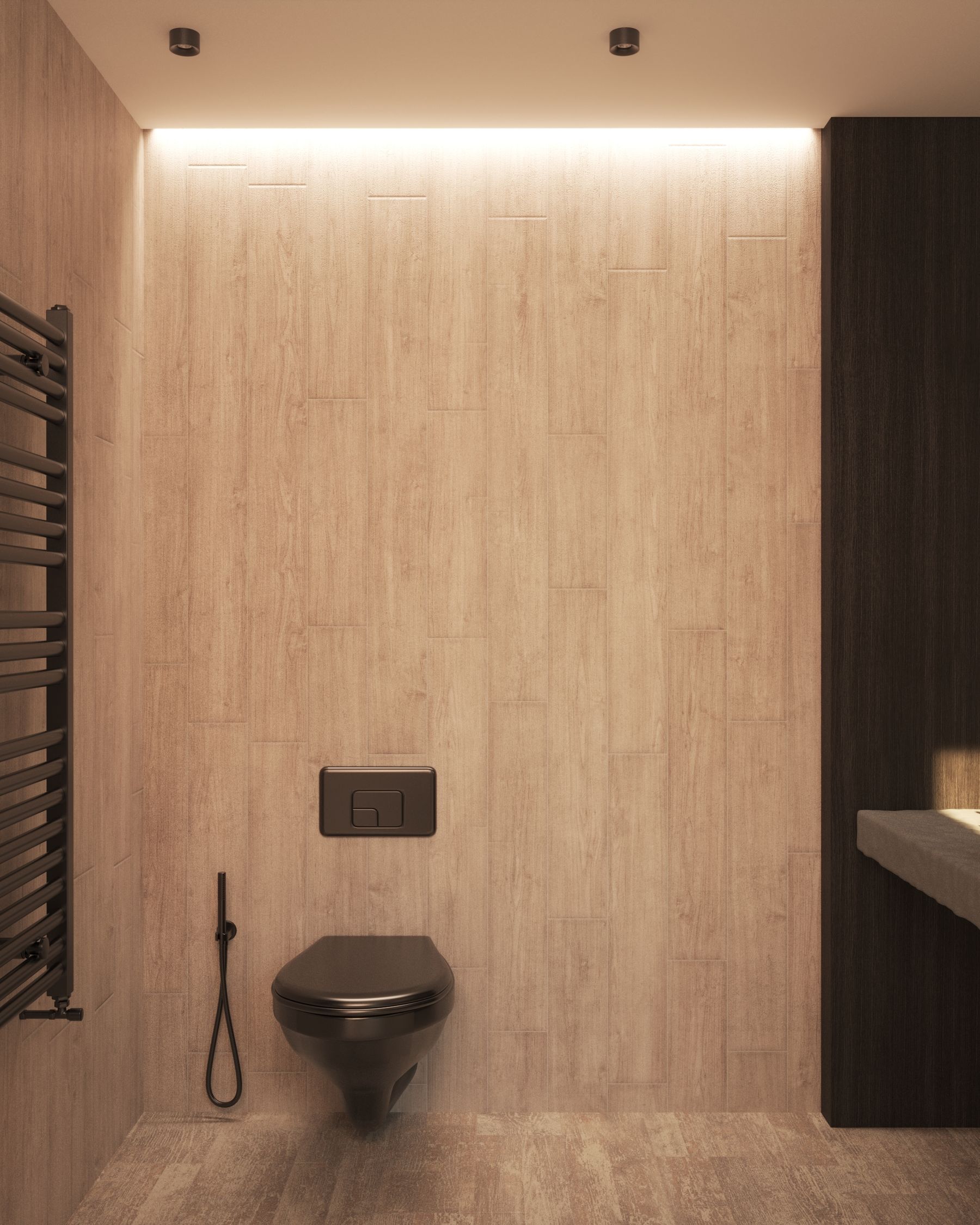
Make Modern French Country Cleaner, Not Generic
A contemporary interpretation can use slab stone, frameless glass, plain cabinetry and simplified lighting, but it still needs a French country relationship: warm plaster and fruitwood, limestone and faded blue, or a clean vanity beneath an antique mirror. Avoid reducing the style to beige modern luxury with a brass tap. Preserve softness, rural material weight and one collected irregularity while improving storage, performance and cleaning.
Keep French Country Distinct From Its Neighbors
Farmhouse is generally more workmanlike; Rustic gives rough material greater weight; Cottage is smaller, softer and less regionally specific; Shabby Chic is more romantic and distressed; Traditional is broader and often more formal; Mediterranean ranges farther south and east through plaster, clay and zellige. French country holds rural French material, botanical softness and elegant furniture in balance. Naming that distinction prevents every vintage bathroom from targeting the same search intent.
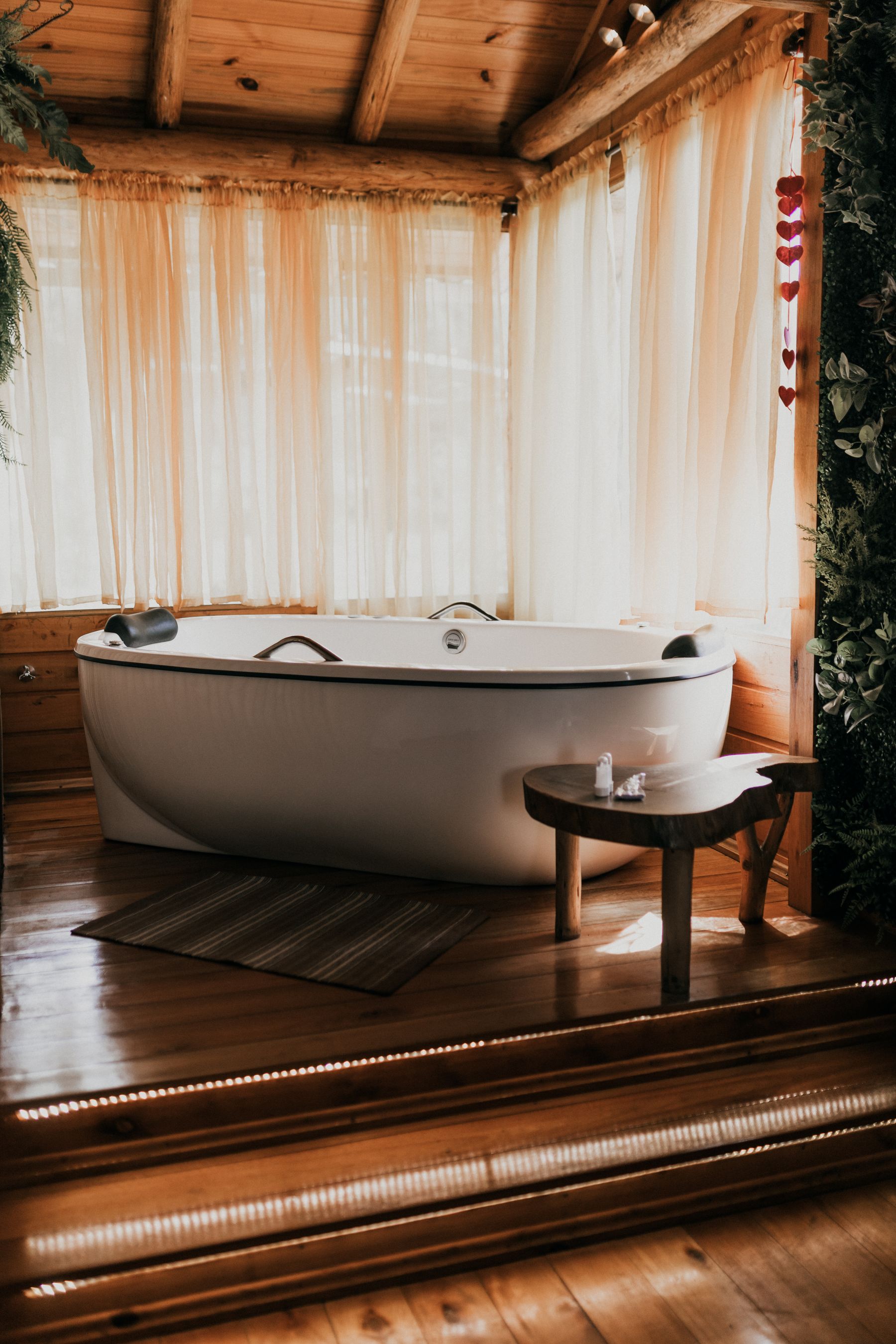
Preserve Contrast, Reach and Support Within the Look
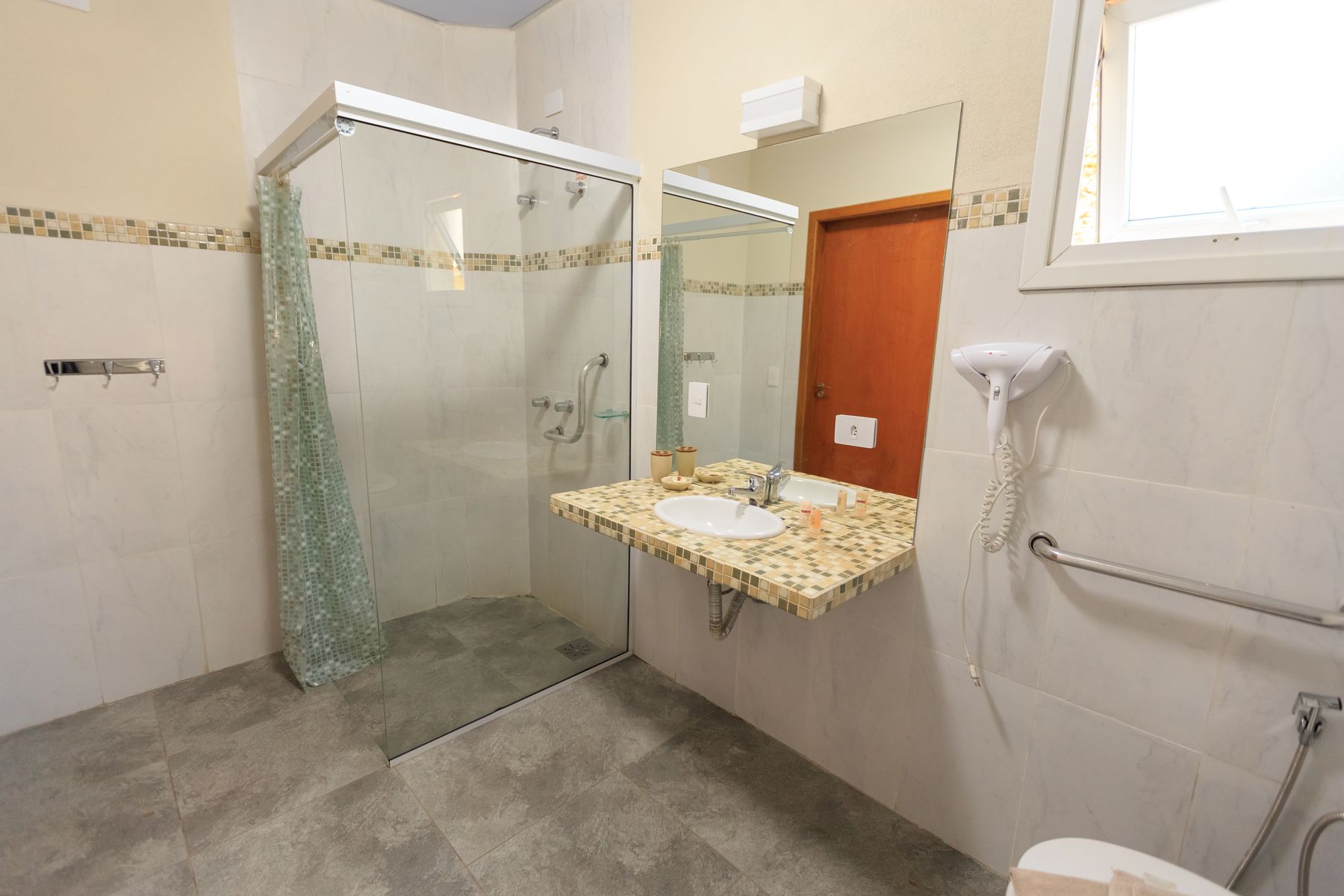
Chalky palettes can erase edges, so give the toilet, basin, controls and floor boundaries enough tonal contrast. Plan step-free access, a shower seat, lever controls, reachable storage and wall blocking for future rails before decorative panels are fixed. Select support hardware in a coordinated durable finish rather than disguising it as fragile ornament. A room is not gracefully designed if its bath rim, rug or furniture blocks safe use.
Ventilate for Wallpaper, Timber, Linen and Grout
French country layers reveal persistent humidity quickly: wallpaper seams lift, timber swells, linen smells and grout darkens. Size and duct extraction correctly, provide make-up air and use timer or humidity control where suitable. A window helps but is not a dependable replacement for mechanical ventilation. Keep furniture away from cold walls, give towels space to dry and retain service access after paneling or ceiling details are installed.
Plan Cleaning Around Stone, Living Metal and Patina
Hard water can mark warm metal, stone and dark paint; acidic cleaners may etch limestone and marble. Record the approved cleaner for every permanent finish, schedule sealing where required and keep access around taps, baths and furniture feet. Patina is an expected shift in tone or sheen. Failed sealant, mildew, crumbling grout, loose wallpaper and swollen timber are damage. Replace any material the household cannot maintain safely.
Create the Character on a Smaller Budget or in a Rental
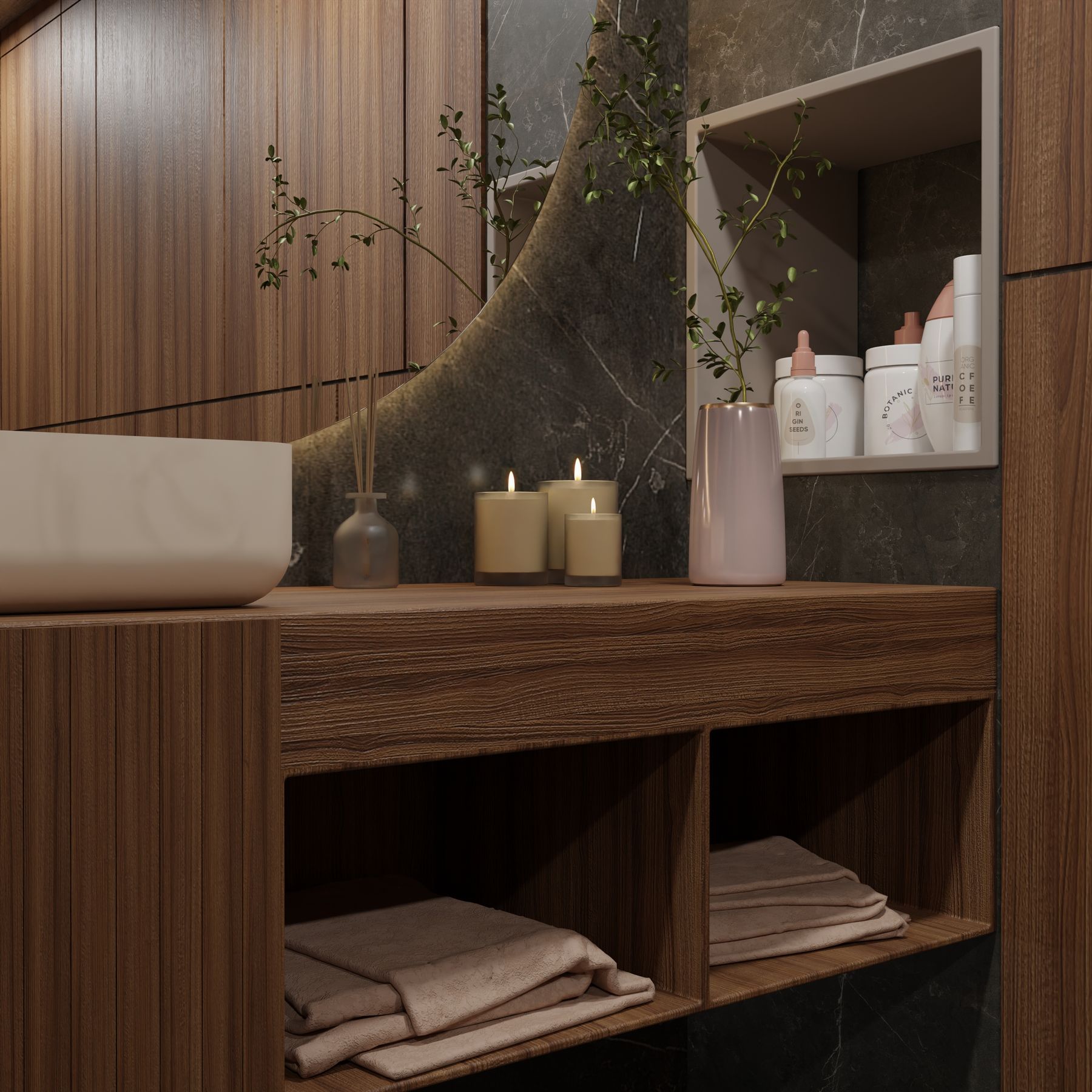
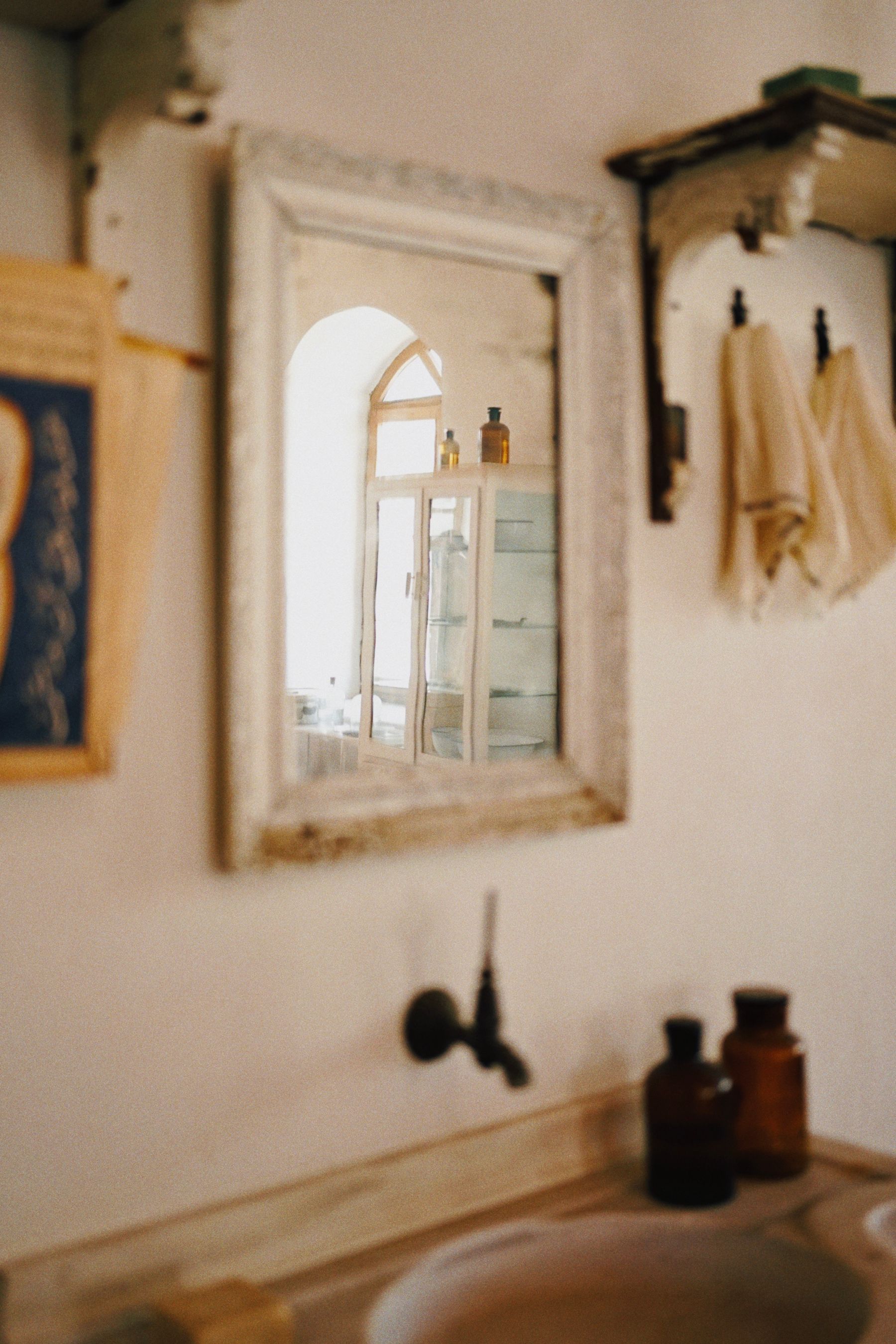
Keep sound fixtures and wet-zone tile, then change permitted dry-wall color, mirror, compatible hardware, shade, washable rug, towels and one ceramic or botanical object. In rentals, store original fittings and avoid adhesive products where humidity or removal may damage finishes. One authentic secondhand mirror is stronger than a cart of French-themed accessories. Spend first on light quality, storage and ventilation because those improvements support every decorative layer.
Finish With the Rural-Elegant, Not Themed Test
Mentally remove the French signs, lavender prints, ornamental bottles, extra baskets and decorative towels. If limestone or clay, graceful furniture, muted garden color, warm metal and one botanical layer still create rural refinement, the room is working. If it becomes generic, strengthen one permanent relationship instead of adding props. Finally test splash, grip, storage, ventilation, cleaning and service access with the bathroom fully loaded for daily use.